Your patio can feel like an extra room the moment you choose the right ideas. Small decisions add up fast, and the result can look stunning and feel effortless.
When you match design with how you actually live outside, your space stays comfy, beautiful, and easy to maintain. Think about the look you want, then pick patio upgrades that fit your weather, your budget, and your daily routines.
1. Start With How You Use Your Patio

Before you buy anything, picture your patio in real life. Do you eat outside most evenings, host friends, or mostly relax with a book?
If you plan meals, you will want room for dining chairs and a place for serving. If you want lounging, choose a seating layout that faces the view or a focal point like a fire feature or water wall. For mixed use, pick a flexible furniture set and add a rug so you can define a dining zone and a hangout zone.
2. Set a Clear Style Direction That Still Feels You
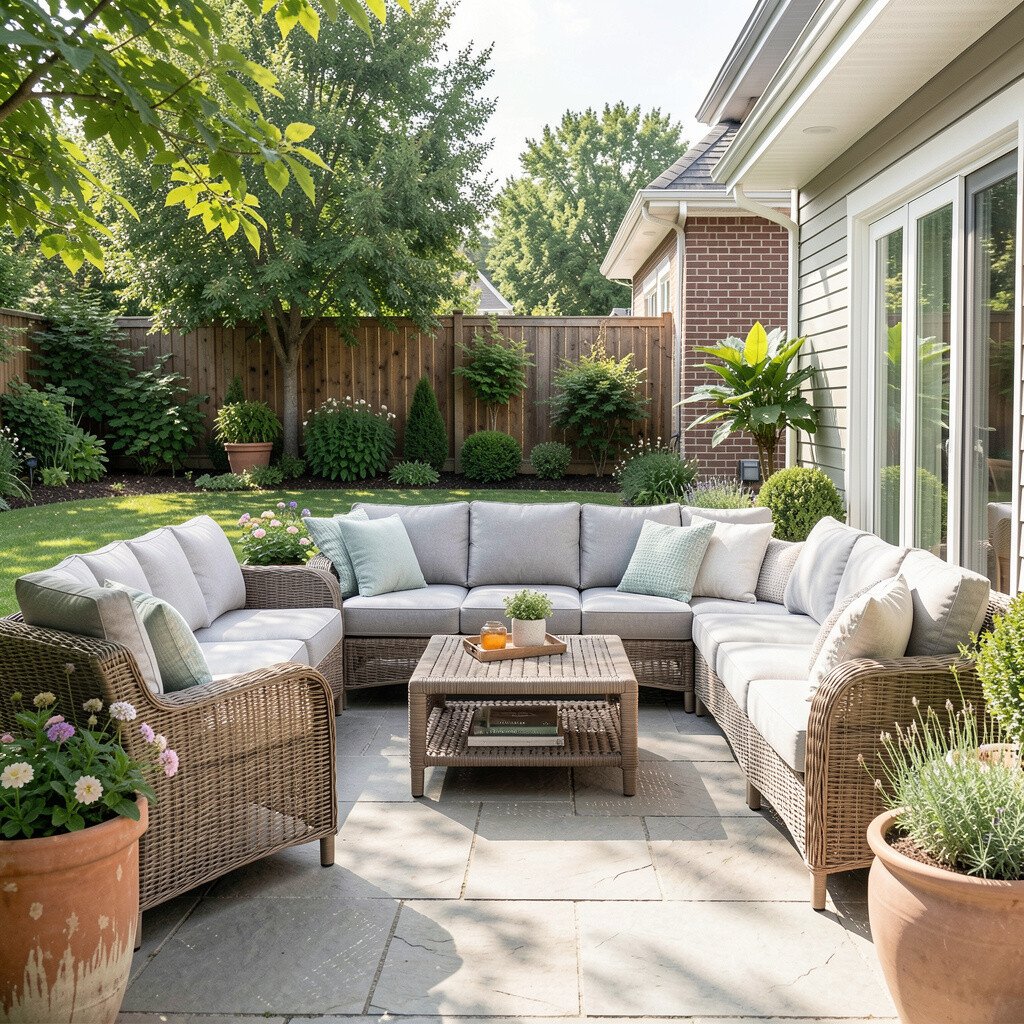
Pick a style that matches your home and your personality. A modern space loves clean lines and simple shapes, while cottage vibes feel warm with soft textures and friendly colors.
Look closely at what you already own, like outdoor pillows, planters, and metal accents. You can reuse good pieces by choosing a unifying palette, like warm neutrals with one pop color. When everything shares a similar vibe, even affordable patio ideas look high-end.
Try writing down three words you want to feel when you step outside, such as calm, sunny, or cozy. Then choose materials that support those feelings, like natural wood for comfort and sleek stone for a crisp look.
3. Choose the Right Layout So It Flows Naturally
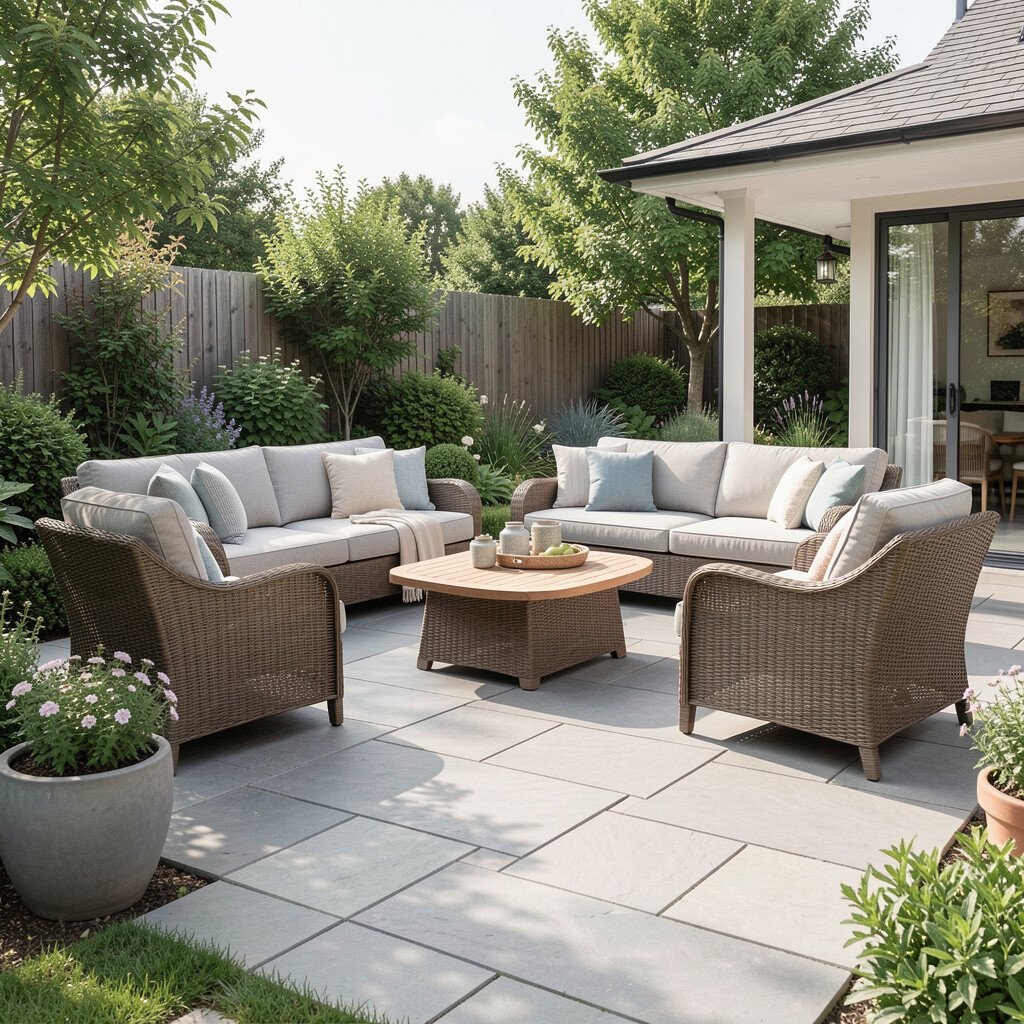
Great patio ideas often start with movement. Walk your yard like you are hosting a party, and notice where people will step and gather.
Leave enough space around furniture so guests can pass without bumping into chairs. Create sight lines toward something pleasing, such as garden beds, a fence with climbing vines, or a centerpiece like a pergola. If you use corners well, consider an L-shaped seating arrangement that hugs the space and keeps conversations cozy.
Use different heights to add interest, like pairing a low coffee table with taller planters. A well-planned layout makes the whole patio look intentional, not crowded. It also helps you avoid costly rework after everything is already installed.
4. Match Materials to Your Weather and Maintenance Style
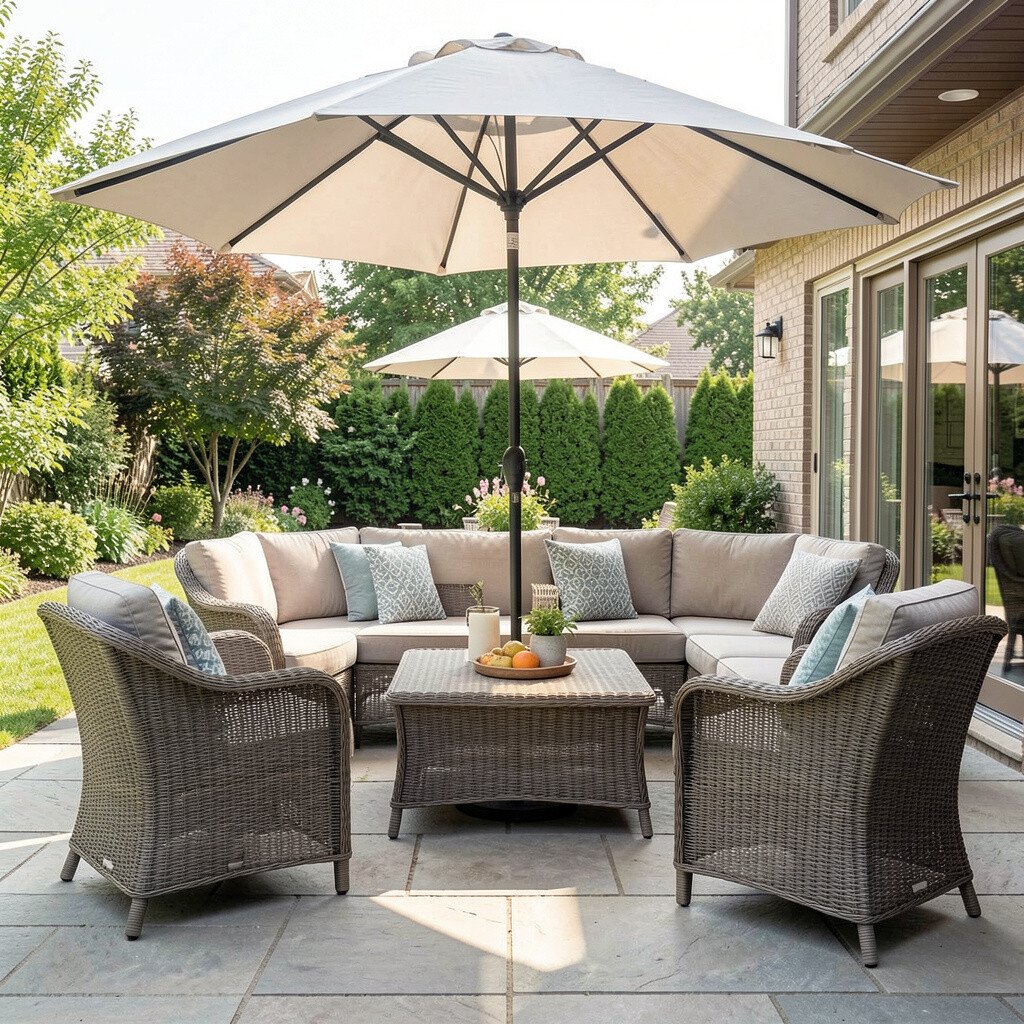
Patio materials should handle your climate and your schedule. If you deal with heavy rain or intense sun, choose surfaces that resist fading, cracking, and water pooling.
Flagstone, pavers, and stamped concrete each bring their own look, and each has different upkeep needs. Natural stone gives an elegant feel, while pavers can be easier to repair if one spot shifts. For a low-effort approach, textured concrete or composite deck boards can hold up well when sealed properly.
5. Use Color Like a Guide, Not a Random Mix

Color is what turns a patio from “nice” into “wow.” Start with the colors you like from your home and garden, then choose a small set to repeat outdoors.
Neutral bases like tan, gray, or white let plants and artwork shine. Add color with cushions, planters, lanterns, and outdoor rugs, because these are easier to swap when your taste changes. That flexibility is a smart cost consideration since you can refresh the look without replacing the whole patio.
Current trends often lean into nature-inspired shades such as sage green, clay terracotta, and soft blues that pair well with stone and wood. If you want a bolder mood, try one strong accent color on pillows or a single wall panel, then keep everything else calm.
6. Bring In Shade With Purpose and Style

Shade is comfort, and comfort means people actually use the patio. A sunny patch might look good in photos, but it can feel exhausting during real afternoons.
Consider a pergola for a permanent, architectural feel, or choose a retractable awning for flexible coverage. You can also use umbrellas, sail shades, or shade sails for a lighter look that suits modern spaces. Adding overhead shade helps protect furniture from sun damage and can extend the seasons for enjoying outdoor meals.
7. Plan Lighting for Evening Atmosphere
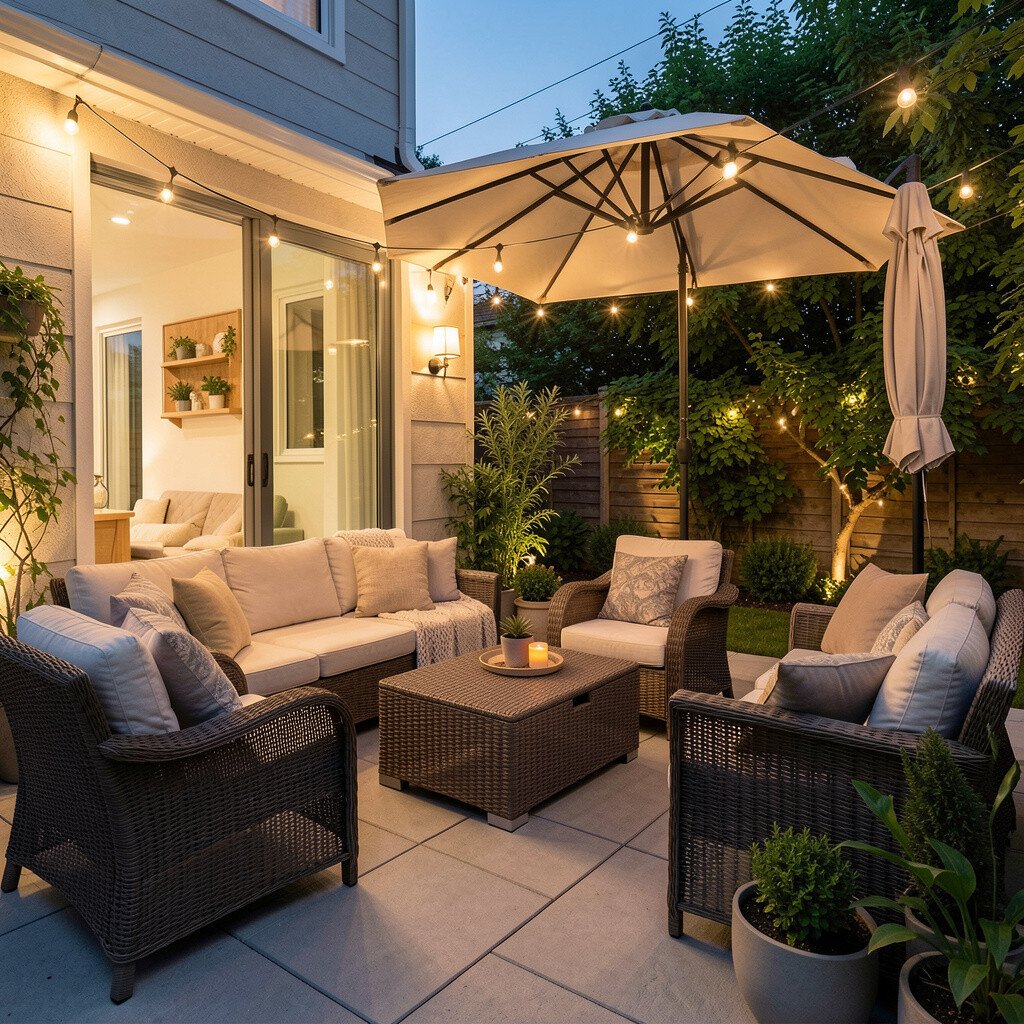
Lighting can make your patio feel warm even when the sun goes down. Think about where you want safe footing, where you want ambiance, and where you want a focal point.
String lights look festive and work for casual gatherings, while path lighting improves safety and guides guests along walkways. Lanterns and LED candles add a soft glow that feels cozy without much setup.
Try combining warm-white bulbs with layered light sources so the patio doesn’t look flat. If you host late dinners, consider adding lighting near the dining table for better visibility. This is also one of the easiest ways to update patio ideas on a budget, because many lighting options are affordable and quick to install.
8. Upgrade Furniture for Comfort and Durability
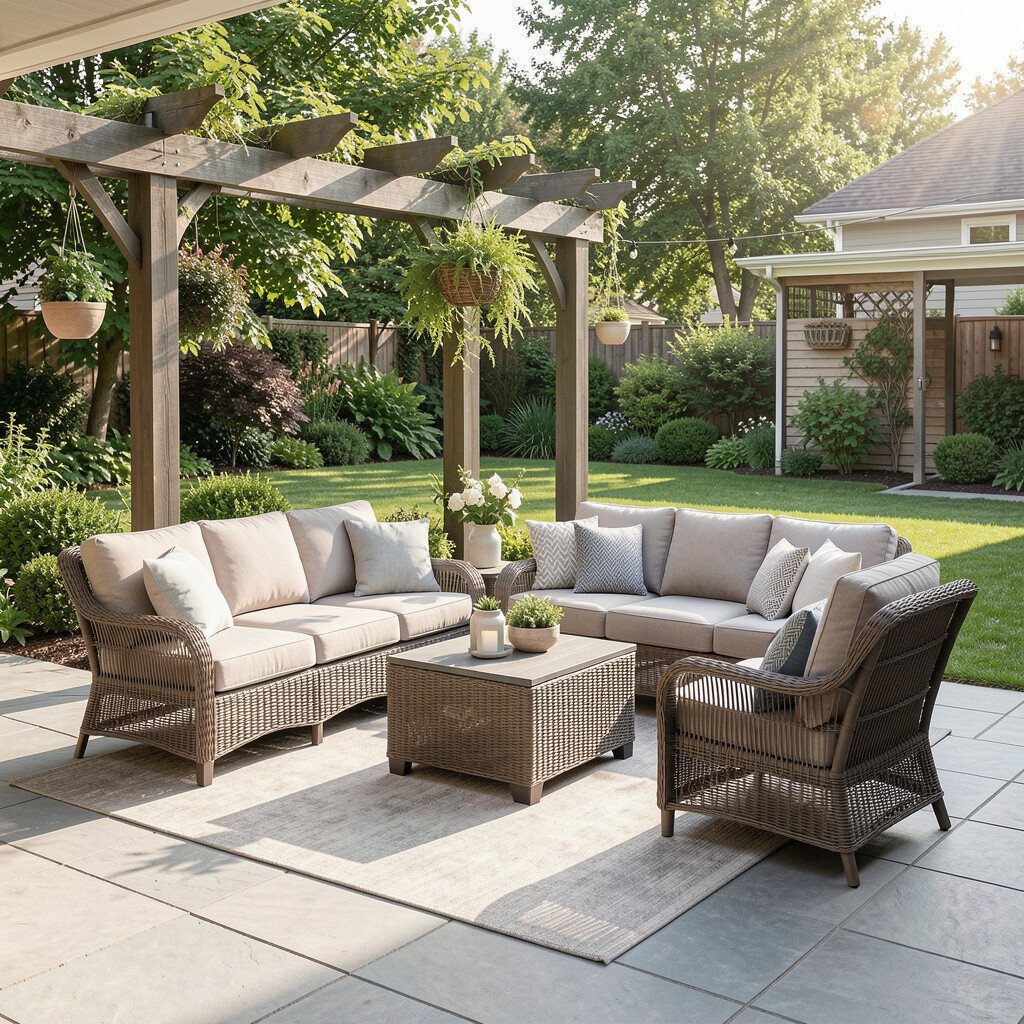
Choosing outdoor furniture is not only about looks. You want pieces that feel good, last through weather, and fit your space without blocking traffic.
Look for rust-resistant frames, weatherproof cushions, and materials that handle humidity. Teak, aluminum, and synthetic wicker often work well because they balance style and strength. If your budget is tight, start with a comfortable chair or two and build around them over time.
9. Add a Fire Feature for Cozy Nights
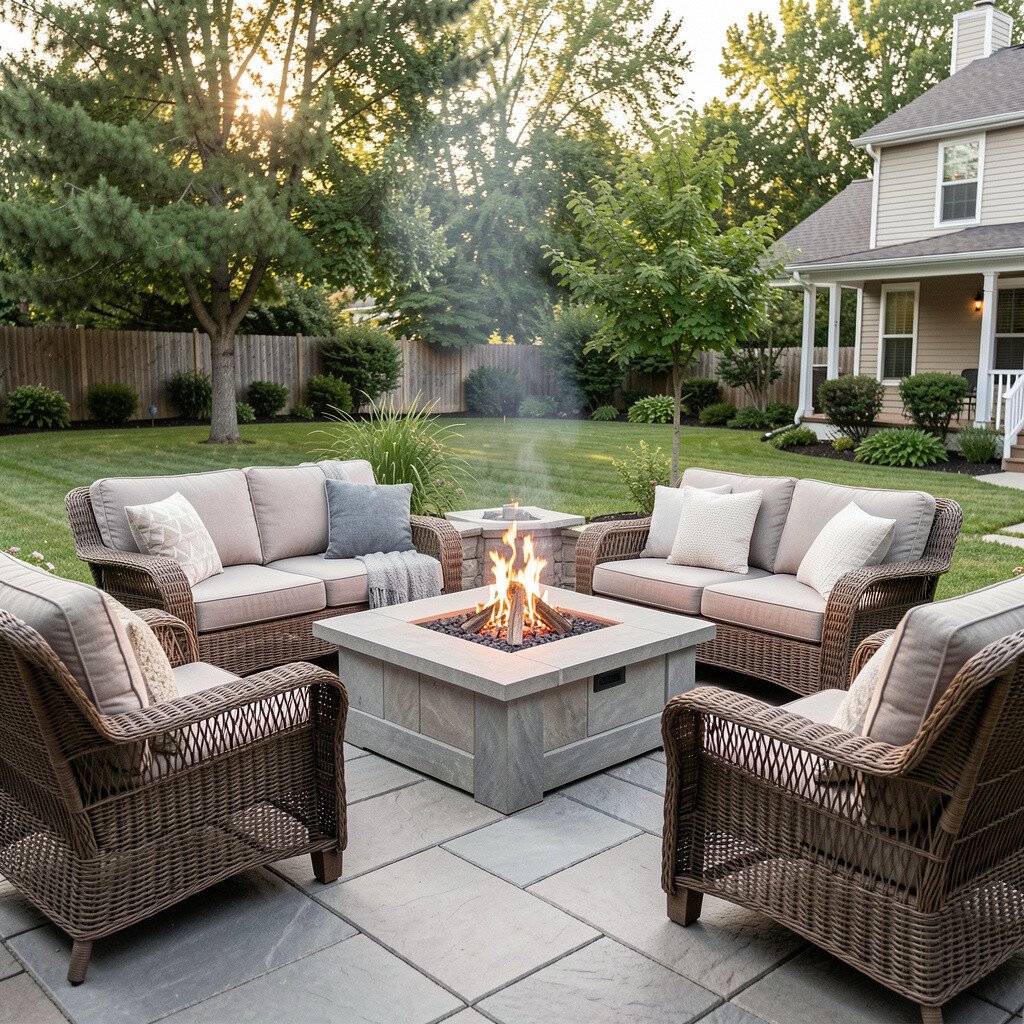
A fire feature instantly makes a patio feel like a destination. Even on breezy evenings, the warmth helps people stay outside longer.
Options like a fire pit, a table-top burner, or a linear gas fireplace each create a different vibe. A fire pit works great for backyard roasting nights and informal chats, while a sleek modern fire line can look sharp near a contemporary seating area.
Keep safety and placement in mind, especially if you have kids, pets, or nearby plants. Also check local rules and consider the right fuel type for your area. This idea can be unique when you choose a distinctive stone surround or a seating layout that wraps around the heat.
10. Create Green Moments With Plants That Fit Your Lifestyle
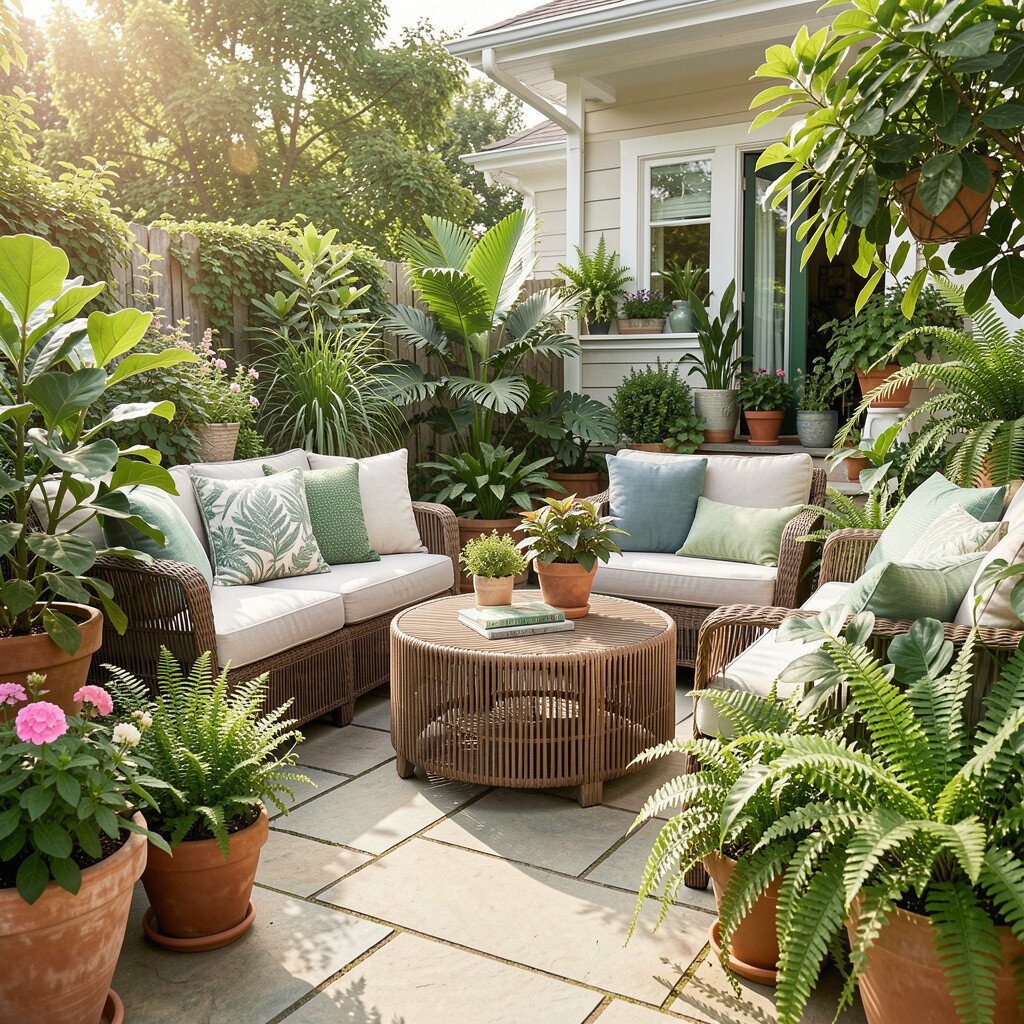
Plants give your patio personality, but they should be realistic for your schedule. If you travel a lot or forget to water, pick hardy plants that can handle occasional neglect.
Use a mix of sizes, like tall planters for structure and trailing plants for softness. Raised beds, vertical planters, and wall trellises can make even a small patio feel lush. Group plants by watering needs so your care routine stays simple and cost-effective.
11. Make Space for Storage and Hidden Clutter
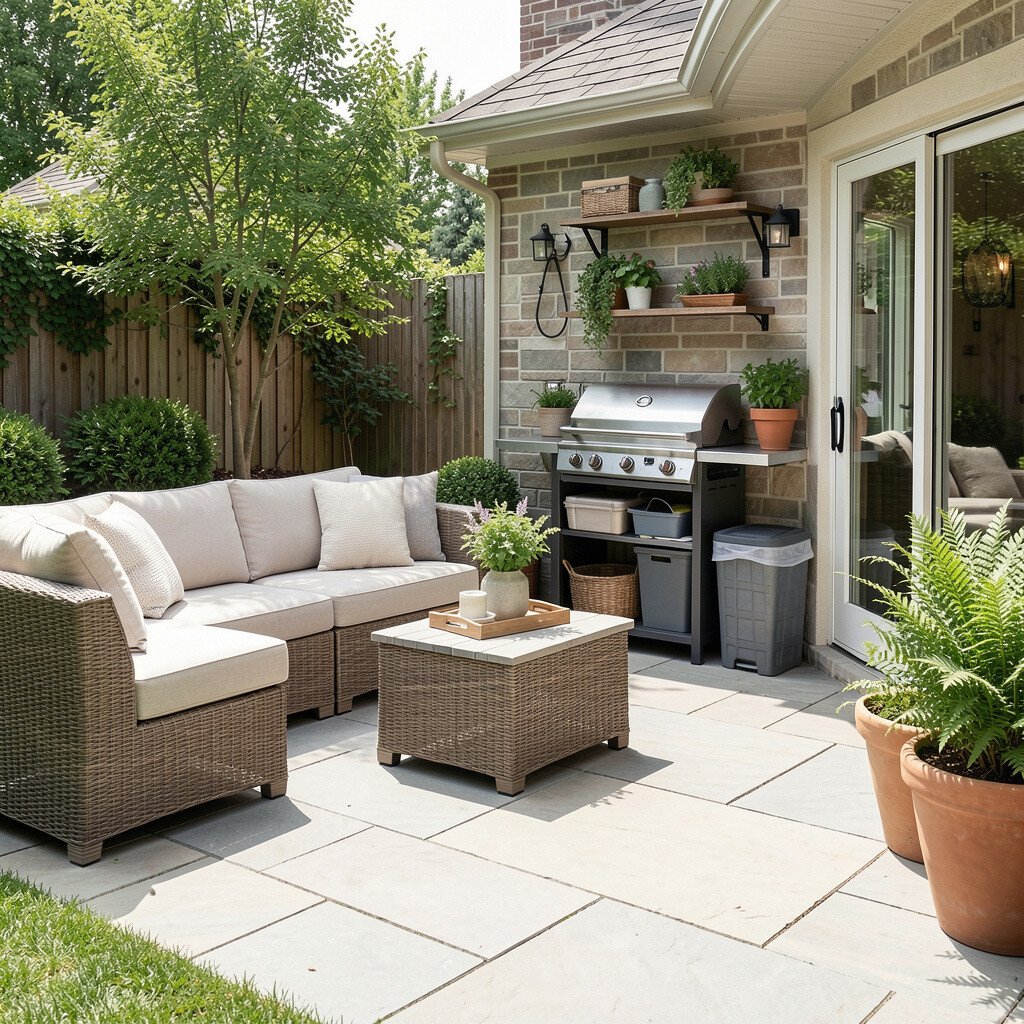
A patio looks better when daily items don’t take over the scene. Extra cushions, grill tools, bug spray, and outdoor games can clutter the space fast.
Choose benches with storage, deck-style boxes, or side tables that hide what you don’t want to see. Weatherproof covers and labeled bins also help your patio look neat even during busy seasons. This upgrade often feels practical, but it also improves the overall beauty because everything has a place.
12. Add Privacy Without Blocking the Beauty
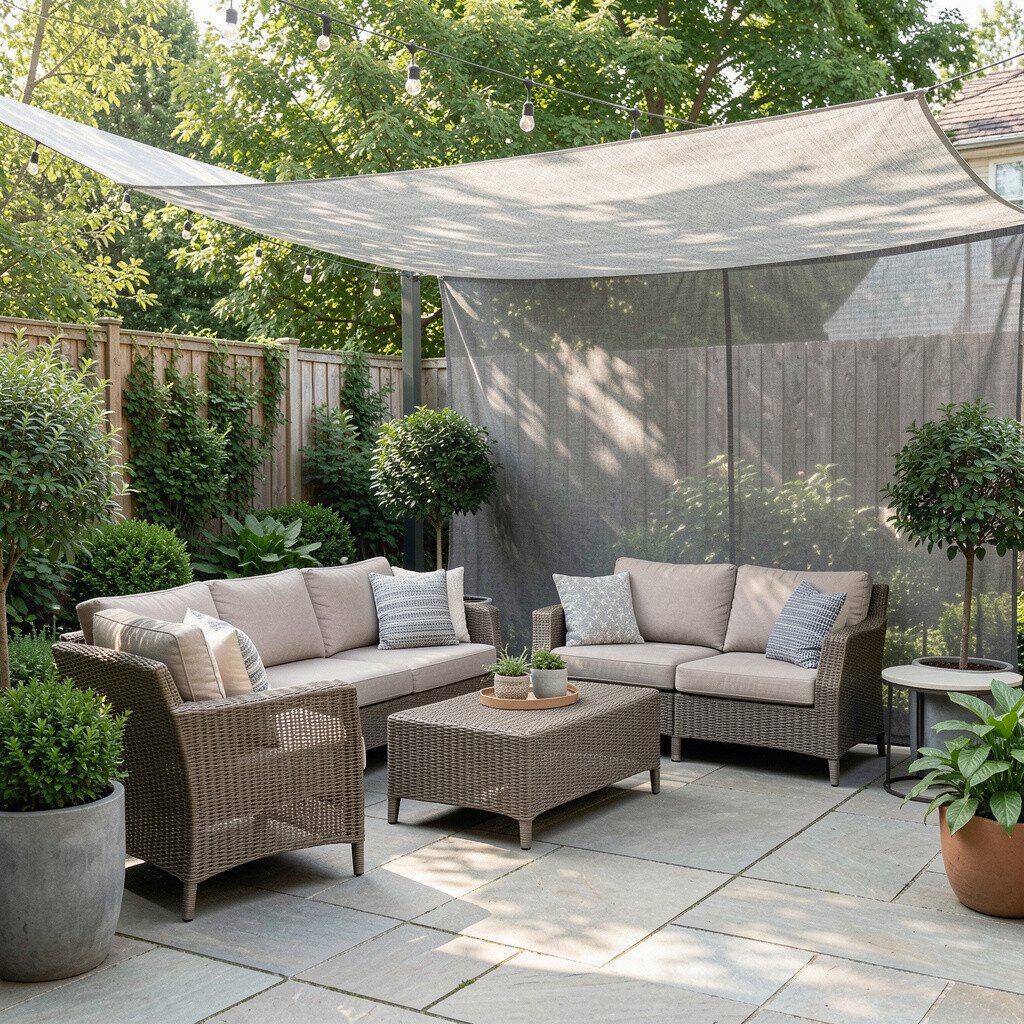
Privacy can make a patio feel like your own calm retreat. Whether you want to soften views from neighbors or create a private dining zone, you have many options.
Think about tall planters, slatted screens, trellises with vines, or outdoor curtains that move gently in the breeze. Screen panels can bring a modern look, while natural materials like bamboo can feel warm and relaxed. Aim for privacy that still lets light in so the patio stays airy.
13. Incorporate Water and Texture for a Relaxing Feel
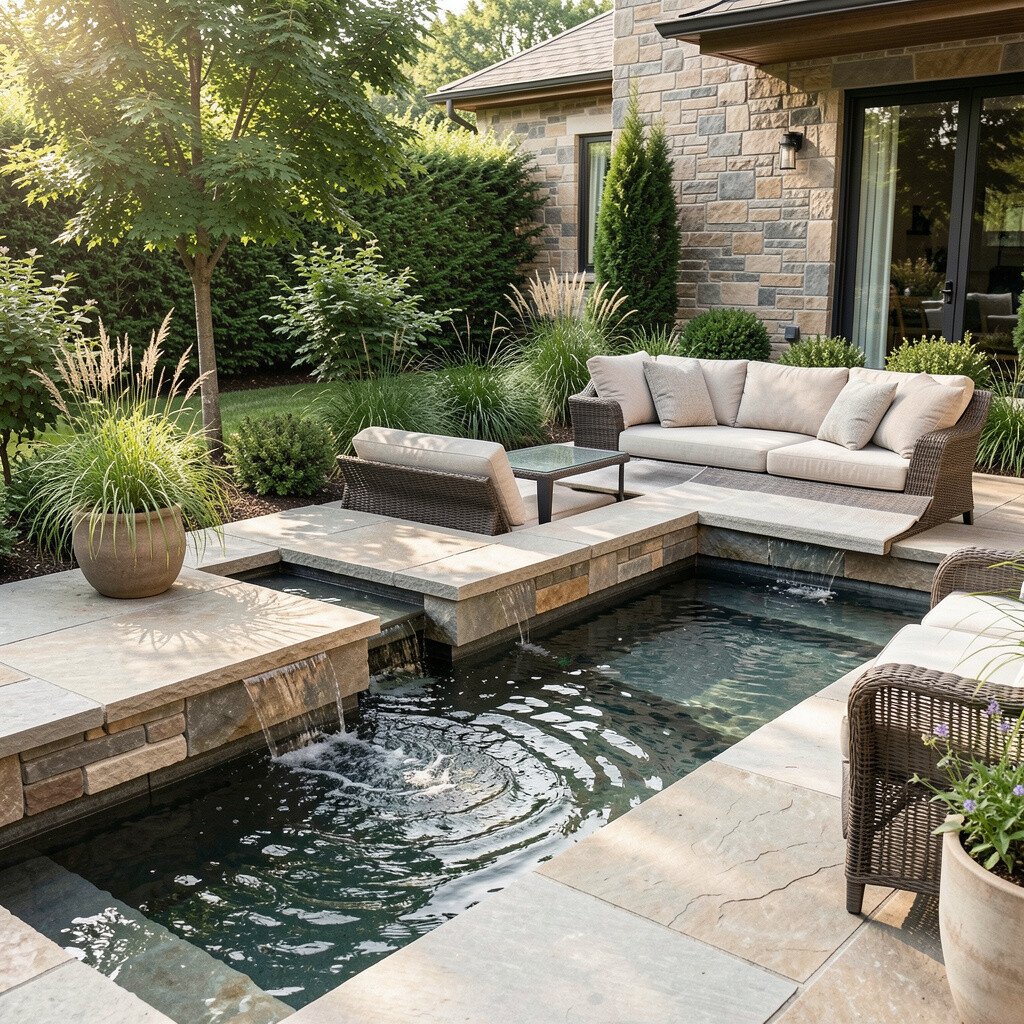
Texture turns outdoor spaces into something you want to touch and look at longer. You can combine materials like wood, stone, metal, and fabric to build depth in layers.
Water features, even small ones like a tabletop fountain, can add calm sounds and a fresh focal point. Another trend is using soothing textures like woven rugs and sculpted planters that catch light differently across the day. These elements can be unique because they reflect your taste, not a cookie-cutter style.
14. Choose Durable Flooring That Defines Your Zones
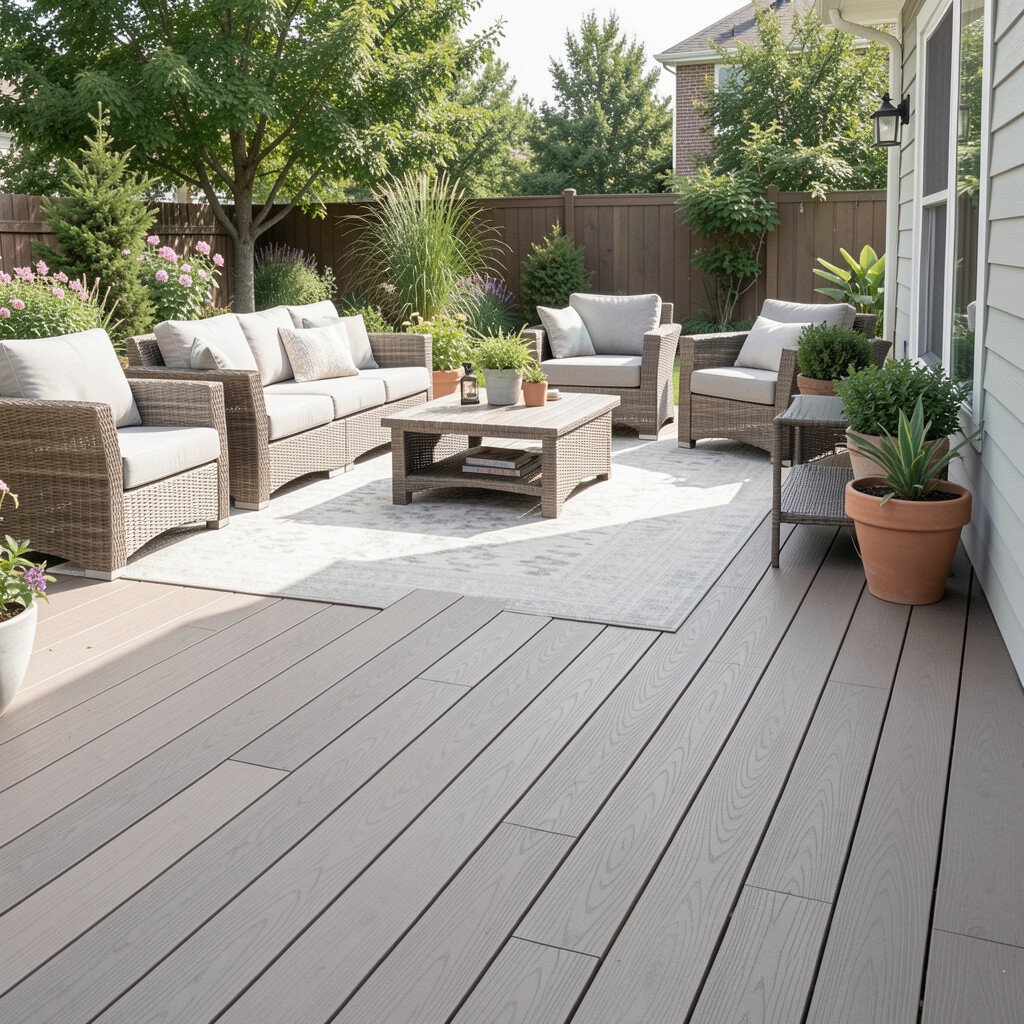
Flooring is the base layer that makes your patio feel finished. When it looks consistent, the furniture and decor feel more intentional.
Pavers offer a classic, customizable pattern, while stamped concrete can mimic stone at a lower cost. For a softer feel, outdoor tiles or gravel paths can be charming, but make sure they fit your maintenance comfort. If you love hosting, define a dining area with the flooring style so it’s clear where meals belong.
Consider slip resistance, especially near doors and pool areas. By selecting a surface that handles foot traffic, you protect your investment and keep your patio safe and stylish.
15. Add Outdoor Art and Personal Touches
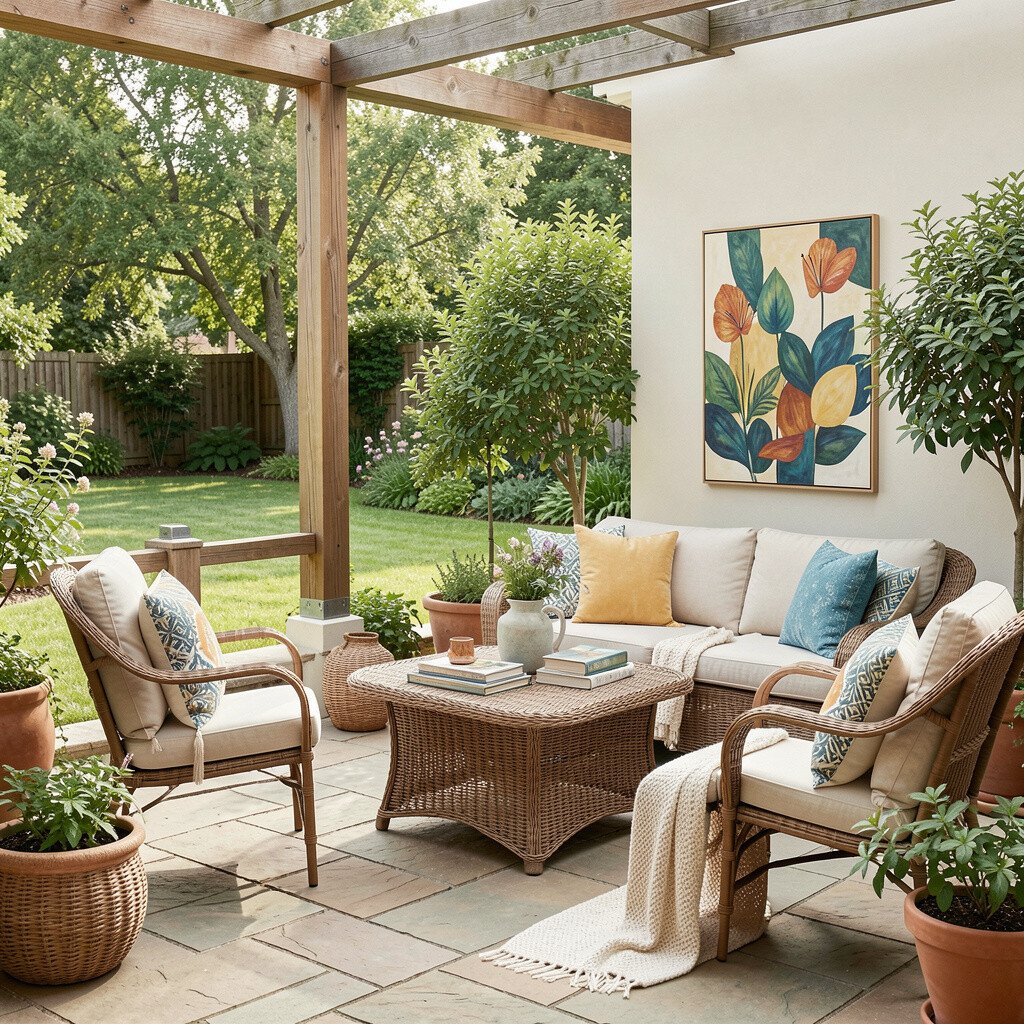
Personal style makes a patio feel like home. Outdoor art can be a simple way to show who you are without spending a lot.
Look for weatherproof wall pieces, ceramic planters with character, or decorative mirrors designed for outdoor use. You can also hang a large outdoor banner or display framed prints that are rated for exterior conditions. When you repeat colors from your pillows and flowers, the whole space looks curated.
Try adding a custom sign, a handmade stepping stone, or a unique garden sculpture. These details can be surprisingly affordable, and they make the patio feel one-of-a-kind.
16. Create a Grill and Serving Setup That Works
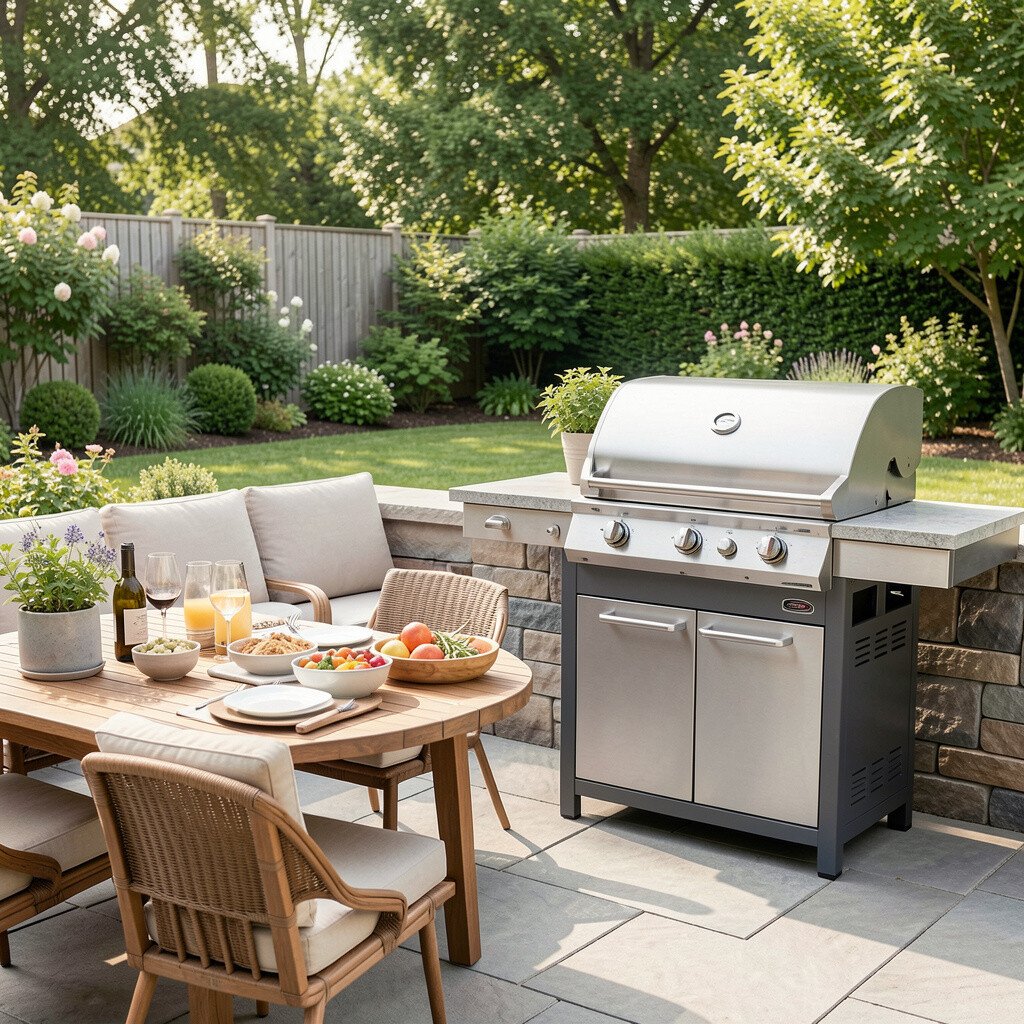
If cooking is part of your patio lifestyle, plan the serving flow before you pick decor. A smooth setup keeps guests happy and helps you host without stress.
Choose a grill location that’s close to prep space, storage, and seating. Add a side table for chopping, a tray for condiments, and a place to keep drinks handy. This helps you avoid running back and forth, and it makes your patio feel more functional and welcoming.
When you think about cost, focus on where spending saves time and effort, like durable countertops and easy-clean surfaces. Current trends often include sleek built-in bars or compact outdoor kitchens, but you can get a similar vibe with modular shelving and weatherproof storage.
17. Keep It Easy to Maintain With Smart Choices
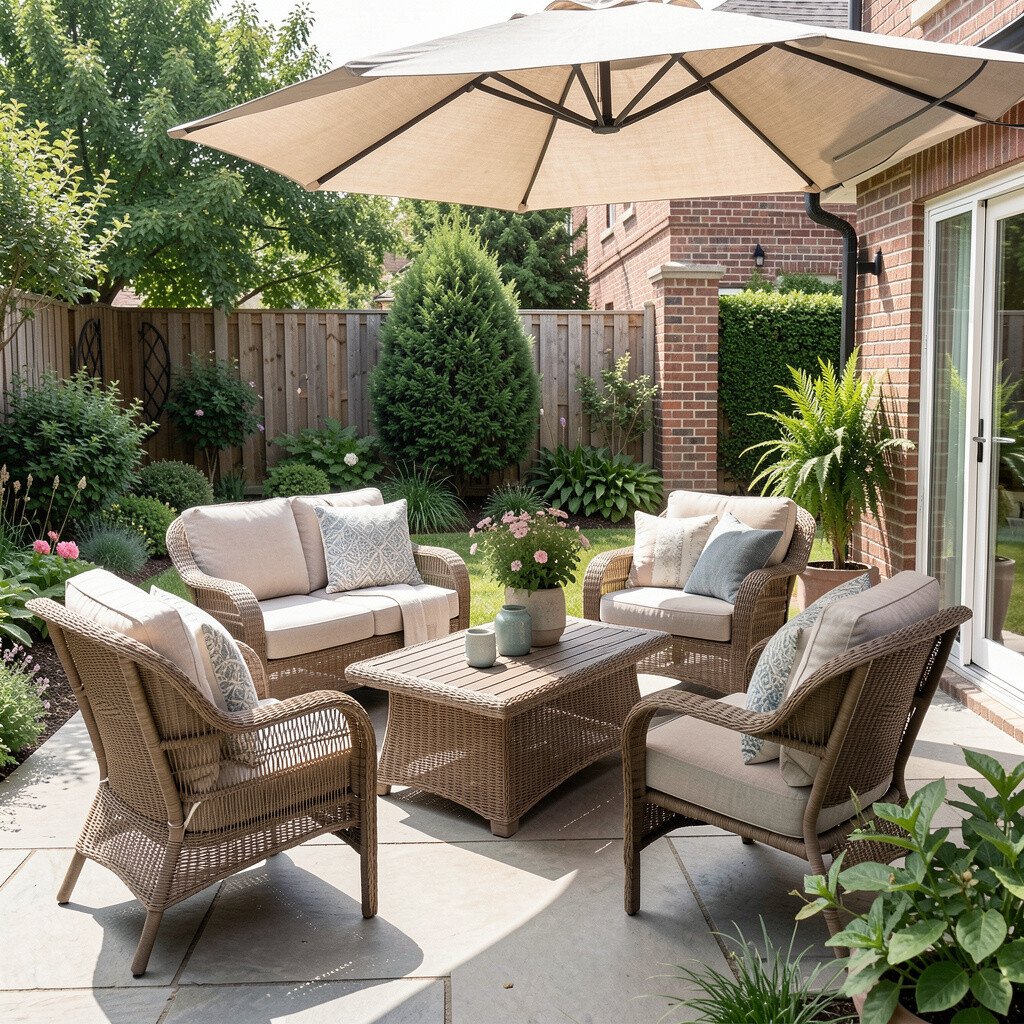
The best patio ideas are the ones you’ll actually keep up with. Maintenance should feel like part of routine, not a big chore.
Pick materials that clean easily and require less seasonal work. Use outdoor rugs designed for weather, choose plants that match your climate, and keep hardware corrosion-resistant. A well-organized patio also saves money because you won’t replace items that wear out too quickly.
If you want a quick-refresh plan, keep extra cushion covers and a simple cleaning kit stored in a hidden bin. That way, when guests come over, your patio looks ready without last-minute scrambling.
18. Budget Like a Builder, Prioritize What Matters Most
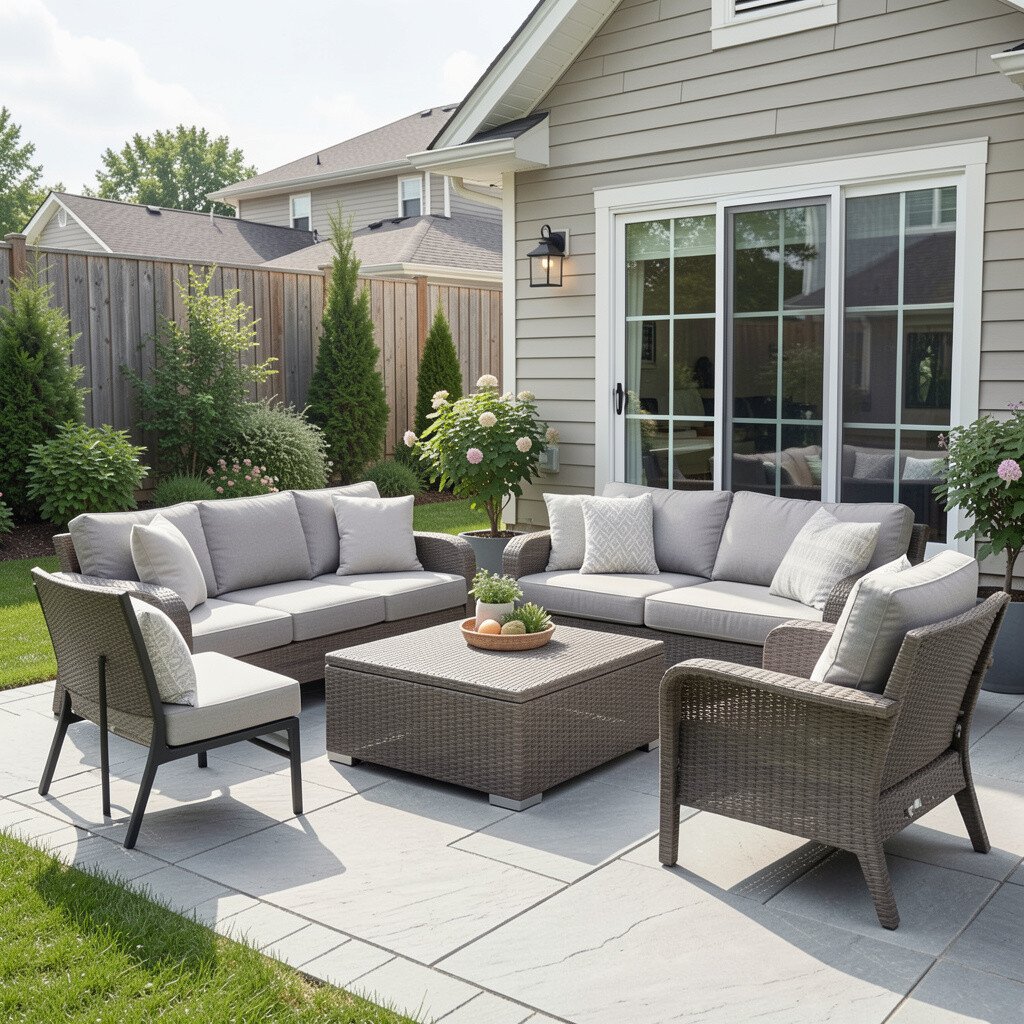
Budgeting for a patio is really about choosing your priorities. Some upgrades make the biggest difference in comfort and look, while others are more “nice to have.”
Start with the base elements like seating layout, flooring, and shade, since they shape the whole space. Then add mood makers like lighting, accessories, and plants. If you need to stretch your money, choose durable pieces first and update soft decor later because cushions and decor are easy to swap.
Get thoughtful about cost by comparing not just purchase price, but also how long items last and how much upkeep they need. A slightly pricier, weatherproof set can save money over time because it stays beautiful for years.