When the sky darkens, star clusters feel like tiny cities of light drifting across time. Each one can teach you something new about wonder, patience, and your own curiosity.
1. The Pleiades (M45), The Seven Sisters
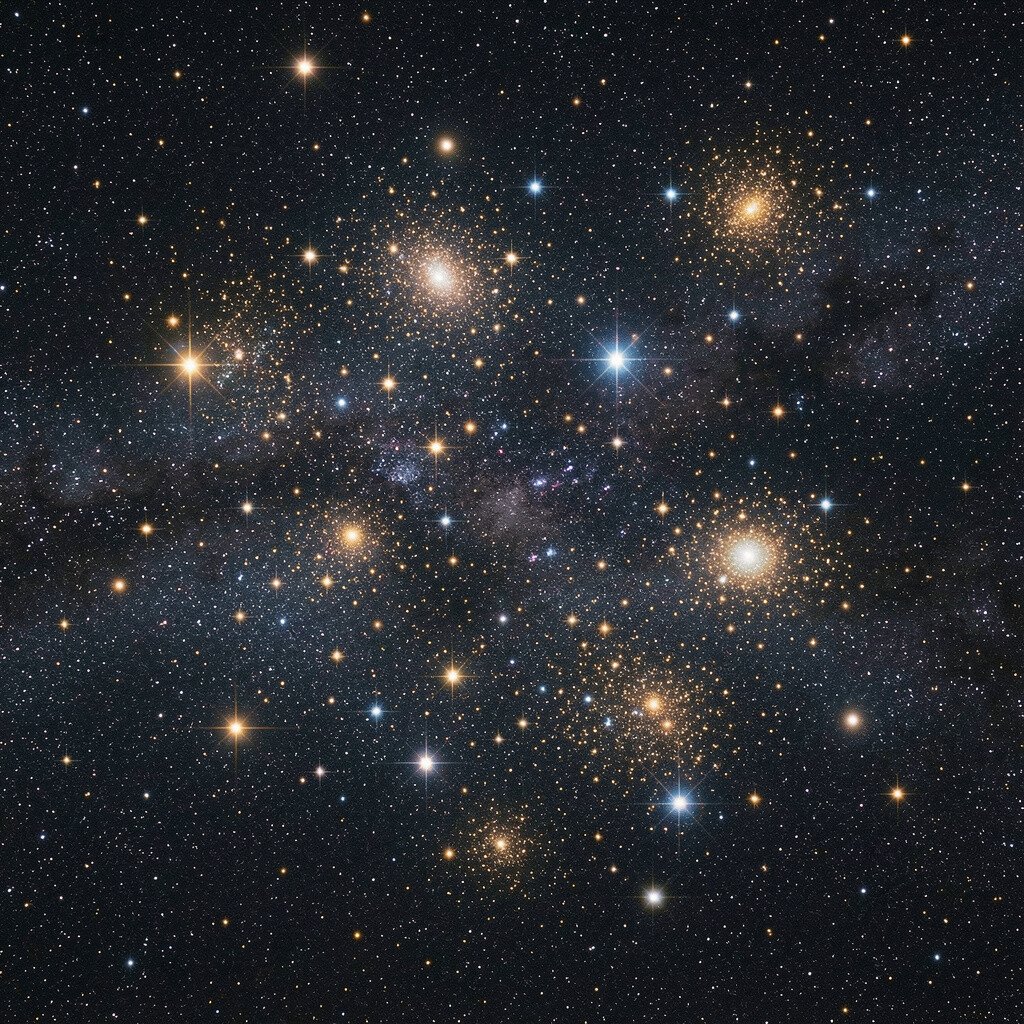
The Pleiades glow like a small, bluish promise tucked into the winter sky. If you look with steady eyes, you can sense a soft haze around the brightest stars, as if the cluster is wearing a faint glow-halo.
They are easy to aim for, which makes them a great first cluster for a beginner. Try starting with binoculars on a clear evening and note how the tight grouping looks from different angles. For personalization, sketch what you see in your own simple style, using a few circles to show the brightest members.
2. The Hyades, A Dusty V Shape
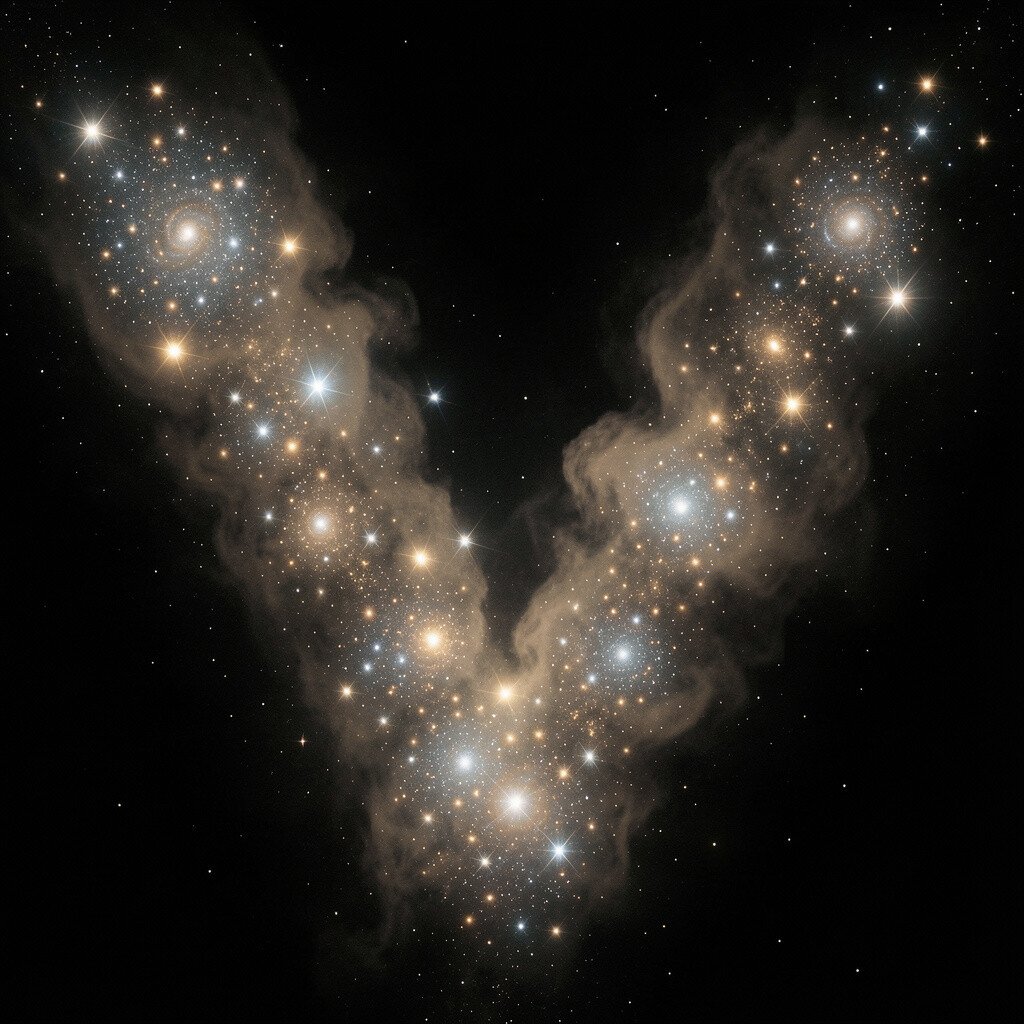
The Hyades sit closer and look like a warm golden line stretching beside a famous face in the sky. Through a telescope, you may notice the cluster’s stars seem packed and tidy, like glitter scattered along a curved path.
Because it is relatively nearby in space, the Hyades can feel satisfying to observe for its brightness and size. Use a wide field view so you can frame the cluster and compare it to nearby constellations in your sky map.
For cost thinking, you can start with just the naked eye from a darker backyard and upgrade later. A practical upgrade is to add a red flashlight and keep your eyes calm before you observe. If you enjoy journaling, write down the exact time and direction you saw it so you can repeat the experience later.
3. The Beehive Cluster (M44), A Cozy Crowd
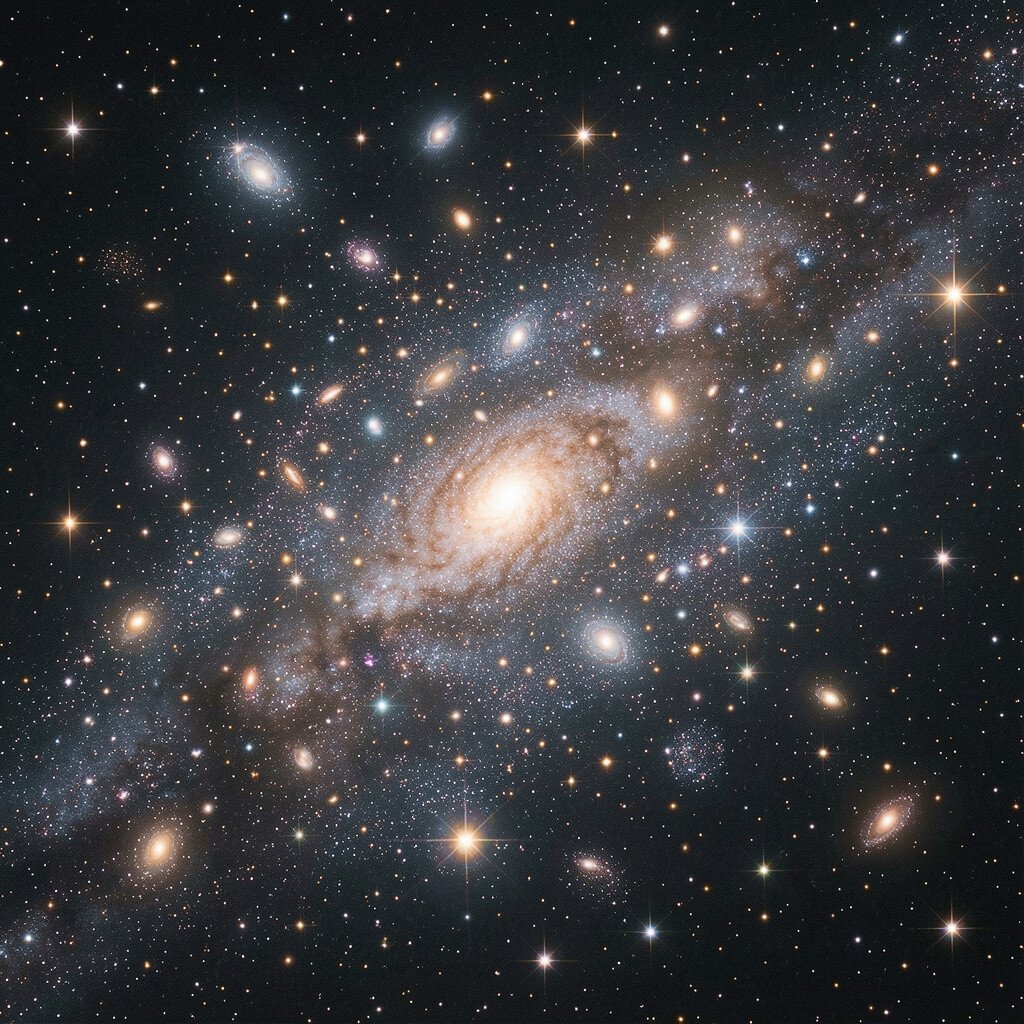
M44 looks like a small swarm of lights, and in binoculars it can resemble a dim honeycomb. The stars feel busy yet gentle, like a warm group photo taken far away.
One reason it delights people is how quickly it rewards attention, even without high magnification. Try a low-power view first, then switch to higher power only if the sky is steady. If you want personalization, draw the cluster as a “cloud of dots” rather than trying to count individual stars.
For practical tips, wrap up and bring a small chair, because this cluster can tempt you to stay longer than you planned. If you are chasing current trends, many modern astronomy apps now offer easy framing overlays that help you find rich targets fast. Keep your observations short at first, then build a habit of returning on nights with good transparency.
4. The Double Cluster (NGC 869 and NGC 884)
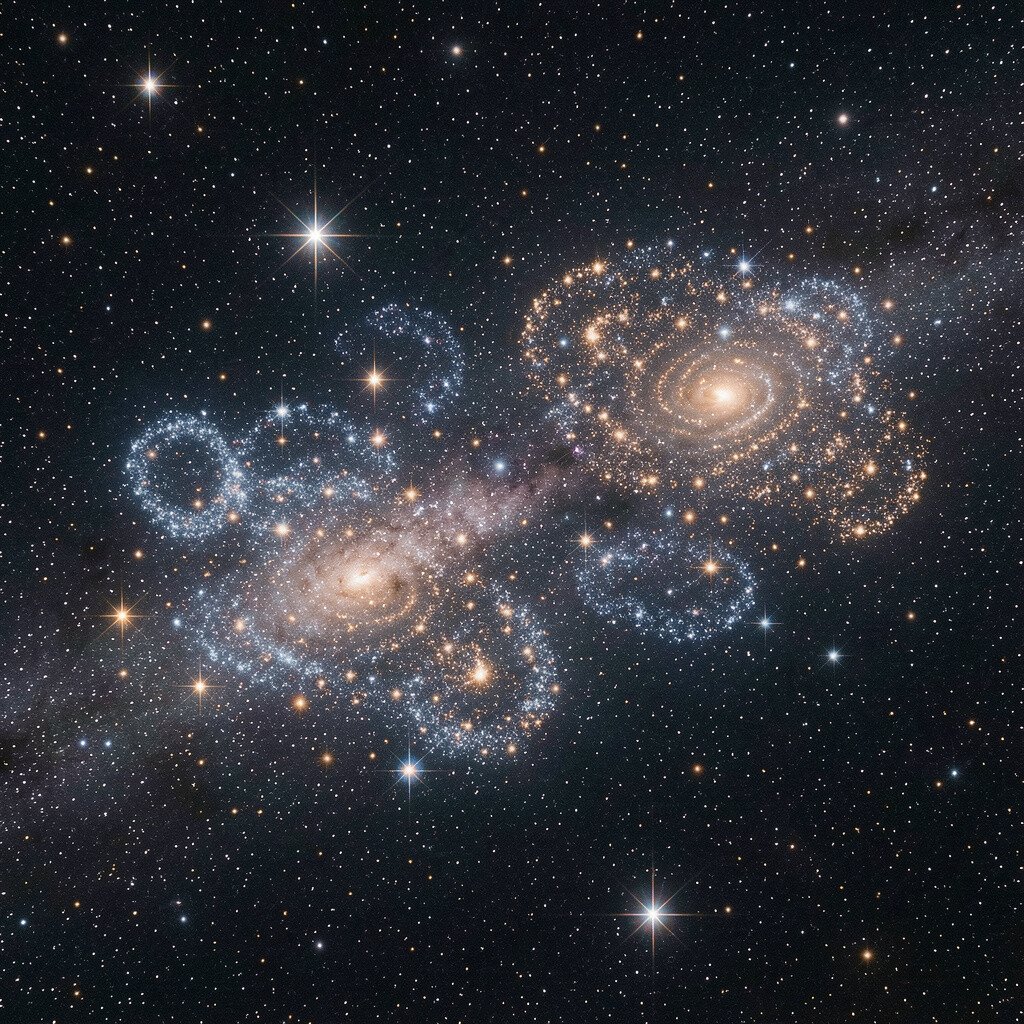
The Double Cluster offers a dramatic pair of glowing knots, like two bright lanterns hanging side by side. In a telescope, the view can look almost sculpted, with the densest stars shimmering near the middle.
It is also a great training ground for learning how magnification affects star color and focus. If you wear glasses, consider using them correctly while focusing, or use an eyepiece adjustment that feels comfortable. Bring a simple sketch kit and capture the two clumps and their overall balance, not just the sharpest points.
5. The Orion Nebula Cluster Region (Trapezium and Surroundings)
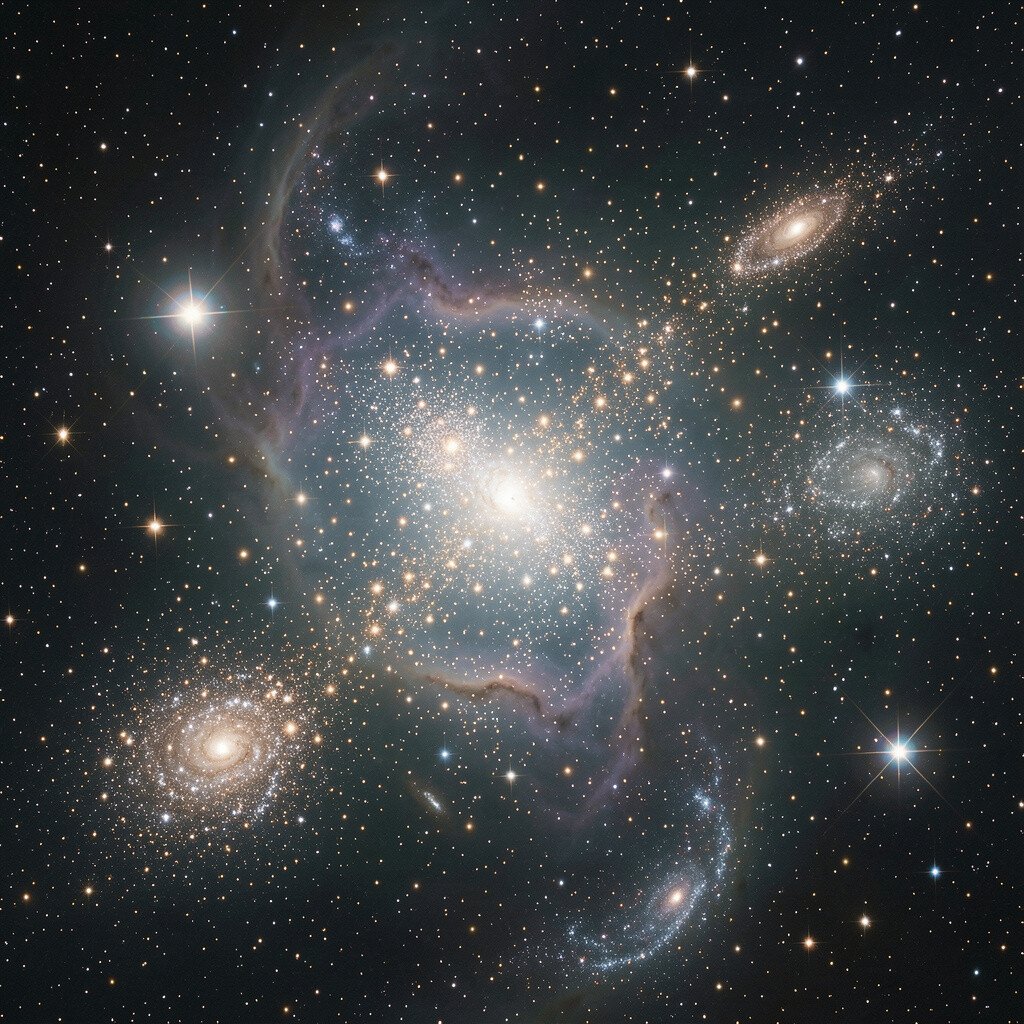
In Orion’s sky neighborhood, the stars near the Trapezium help the whole region feel alive and luminous. Even when you focus on a cluster area, the surrounding glow can make the scene feel like a living painting.
If you use binoculars, you might see a bright patch, while a telescope can reveal sharper points and a delicate sense of structure. For benefits, this region teaches you how clusters can connect to stellar nurseries and changing interstellar dust. A practical tip is to use a lower magnification at first so your eyes adjust, then increase slowly as needed.
For cost considerations, you do not need expensive gear to enjoy the “big picture” with the naked eye and binoculars. Many people start with a phone photo to compare what they saw in person, then learn from the differences. Personalize your observing by timing it with your favorite playlist, since relaxed focus improves your attention.
6. NGC 2419 (The Intergalactic Wanderer)
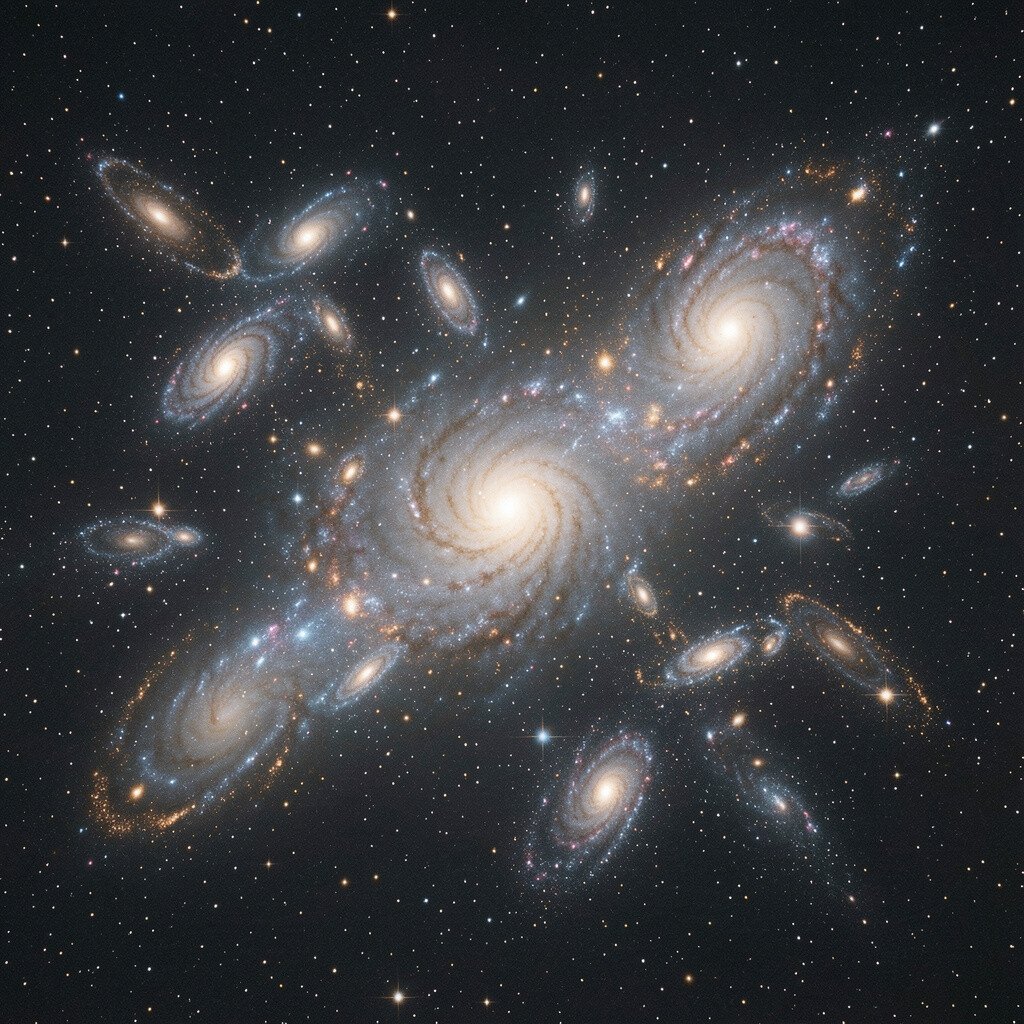
NGC 2419 is faint and remote, and that makes it feel like a secret light far from crowded neighborhoods. Through a telescope, it can appear as a distant smudge that sharpens into a more starry look when conditions are right.
Chasing this cluster can be extra rewarding because you learn the value of dark skies, good optics, and patience. A practical tip is to target it only when the air is steady and not hazy, since that can blur faint objects. Personalize your goal by setting a “one target per night” rule so you truly pay attention to the view.
In terms of cost, you may need more aperture than bright clusters, but you can still plan smart upgrades by improving eyepieces and filters first. Many observers now use light pollution maps and forecasts in apps to pick the best evenings. Trends in the hobby also encourage “challenge nights,” where small instruments attempt tougher targets for fun.
7. Omega Centauri (NGC 5139), A Dense Jewel
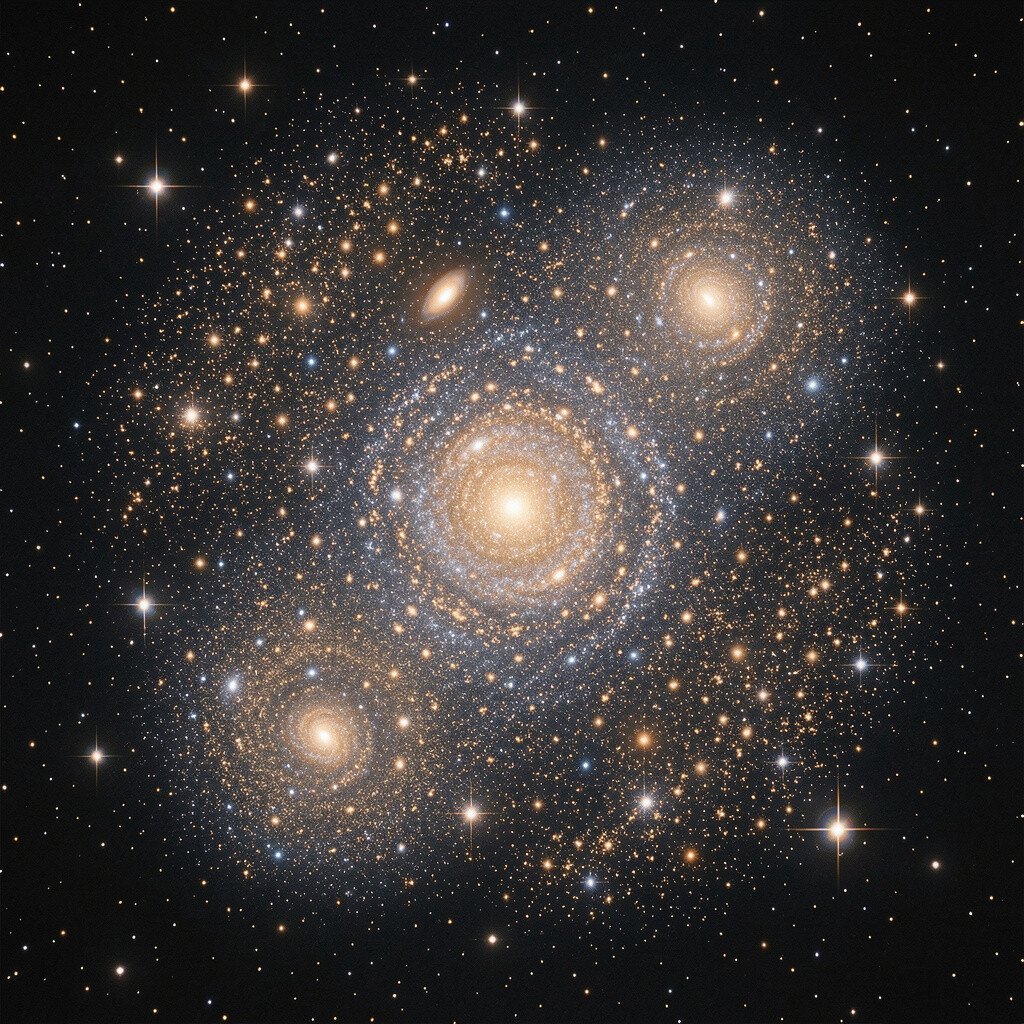
Omega Centauri looks like a rich, golden burst in the southern sky, even when you are only partially prepared for its brightness. When you zoom in, it can feel like a tiny sphere of stars packed so tightly it almost looks smooth.
One benefit of this cluster is the way it teaches you about density, because different parts look different under the same magnification. Use a telescope with stable mounting, and take a moment to let your device settle before you judge the view. For personalization, describe the cluster in color words like “honey,” “amber,” or “soft pearl,” matching your own impressions.
8. 47 Tucanae, The Glittering Core
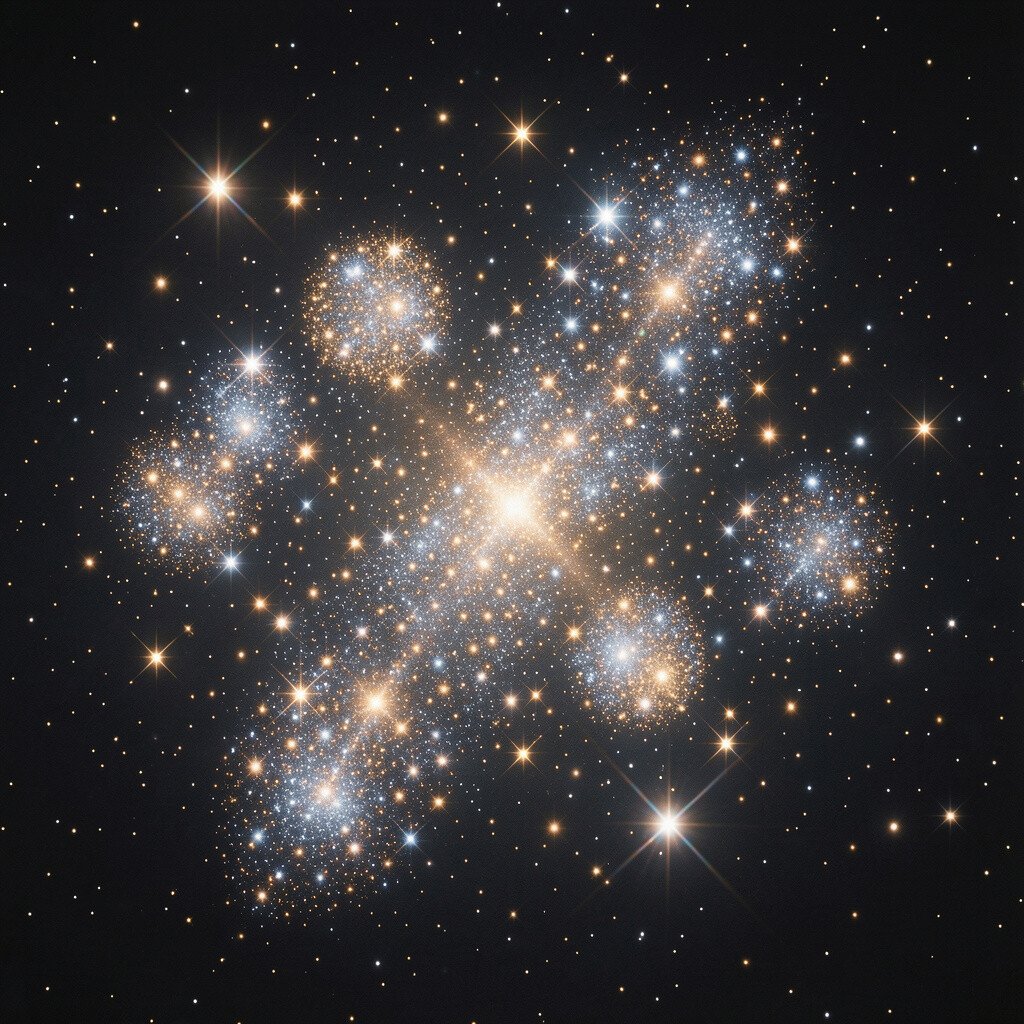
47 Tucanae is bright and beautiful, with a strong, central glow that pulls your eyes inward. It can look like a rounded bruise of light turning into thousands of tiny points as your view sharpens.
Because it is relatively easy to spot from suitable locations, it works well for repeat observing sessions. Try capturing a simple long-exposure photo if you enjoy modern astrophotography trends, but do not stress about perfection. A practical tip is to practice focusing before you start the timer so your images match the scene you imagined.
For cost considerations, you can see a lot with mid-range telescopes, and later you can upgrade to a better mount if imaging becomes your main goal. Personalize your log by noting how the core looks at different times throughout the night. That habit builds patience and helps you notice subtle changes in seeing conditions.
9. M13, The Great Hercules Cluster

M13 can look like a tiny, misty flame made of stars, especially when you use binoculars. In a telescope, the edges can fade and the center can brighten, giving you a dramatic sense of depth.
It is a classic target for a reason, and the benefit is that it trains you to handle focus and magnification. Start with lower power, then move up when the image looks crisp. If you want personalization, set a small challenge to describe the cluster’s “mood” like calm, electric, or dreamy.
Practical tips matter here, too, because star fields reward steady viewing and gentle adjustments. Many people in the hobby now use histogram-style previews on phone-based astrophotography apps to improve results. Keep your expectations kind and enjoy the process, since the sky rarely cooperates exactly the same way twice.
10. M39, The Outspread Sparkles
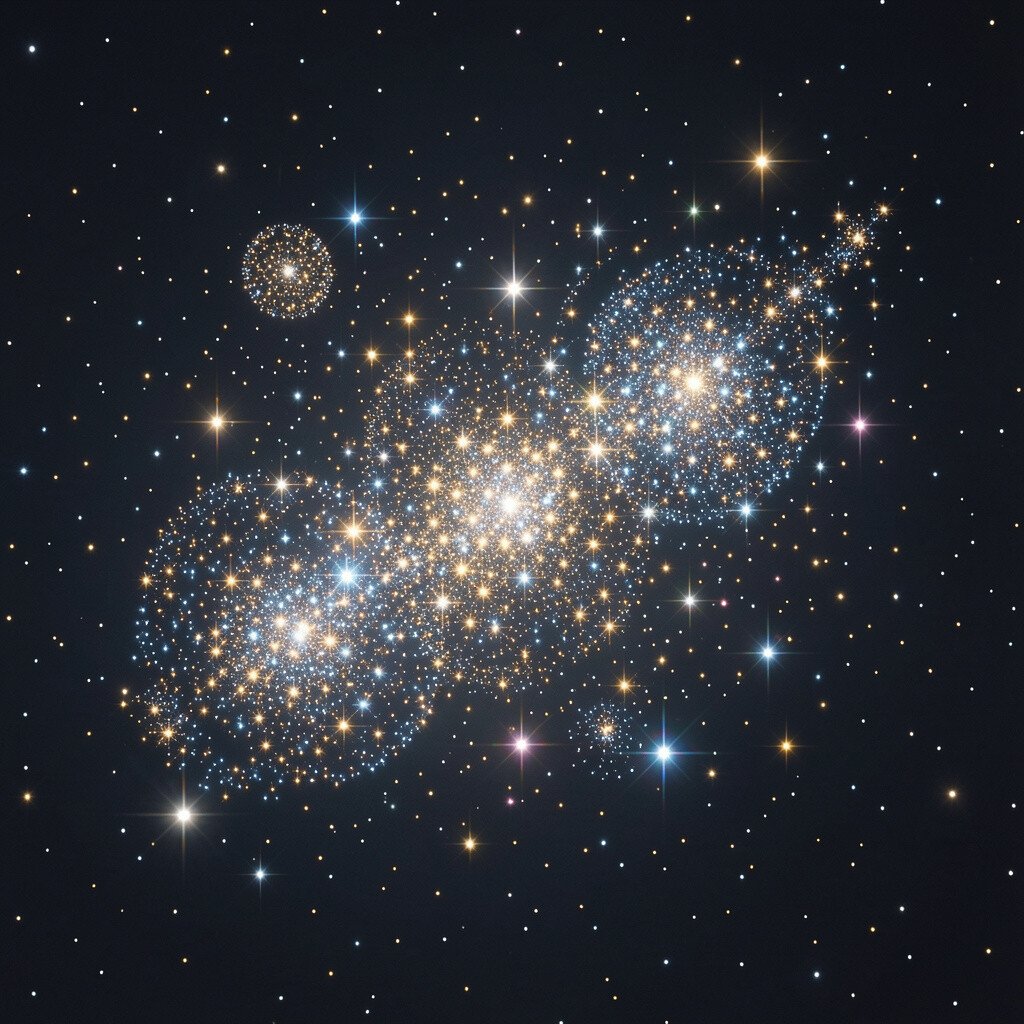
M39 is an open cluster that can feel like a loose scattering of bright grains. When the sky is clear, the pattern can look like it is quietly spreading, not crammed like some other clusters.
This cluster is a nice option when you want an open-cluster vibe without chasing the faintest objects. A practical tip is to use a star chart and a low magnification so you can find the whole grouping comfortably. For personalization, try photographing it with a smartphone using a steady tripod to see how your local conditions change the colors.
Cost-wise, open clusters often reward modest gear, and that keeps the hobby approachable. If you are following current trends, many beginners now prioritize “quick wins” that build confidence before heavier equipment nights. Make it part of a routine by pairing your observation with a warm drink and a short walk outside to refresh your eyes.
11. M52, A Structured Sprinkle
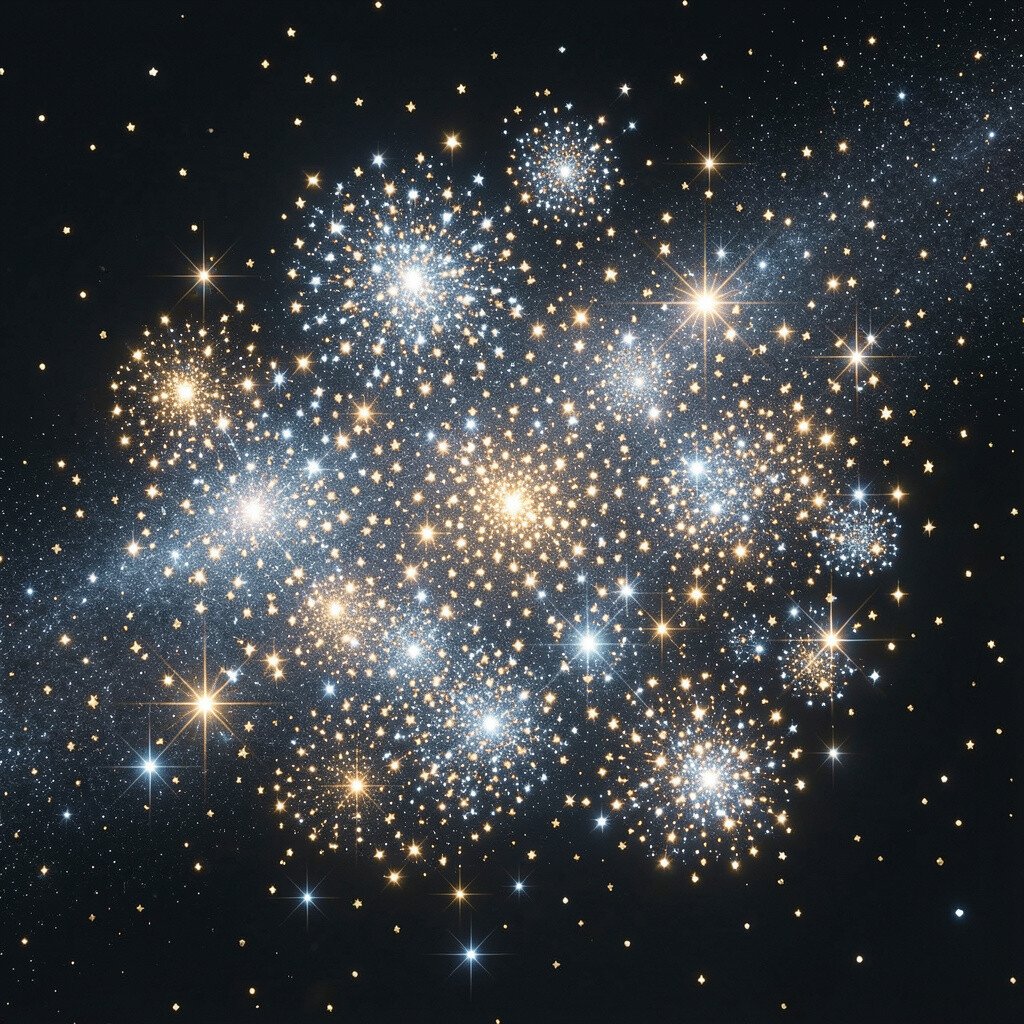
M52 can appear as a set of stars arranged with a subtle structure, like a delicate arrangement of sparkles. In a telescope, you may spot a compact look with a hint of clustering that feels tidy and calm.
The benefit here is learning how open clusters can show different shapes, from scattered to slightly organized. Use moderate magnification, and let your eyes relax so the field doesn’t overwhelm you. For personalization, pick your favorite star in the cluster and mark it first, then work outward in your sketch.
12. NGC 6543 (The Cat’s Eye) Cluster Misconception Moment
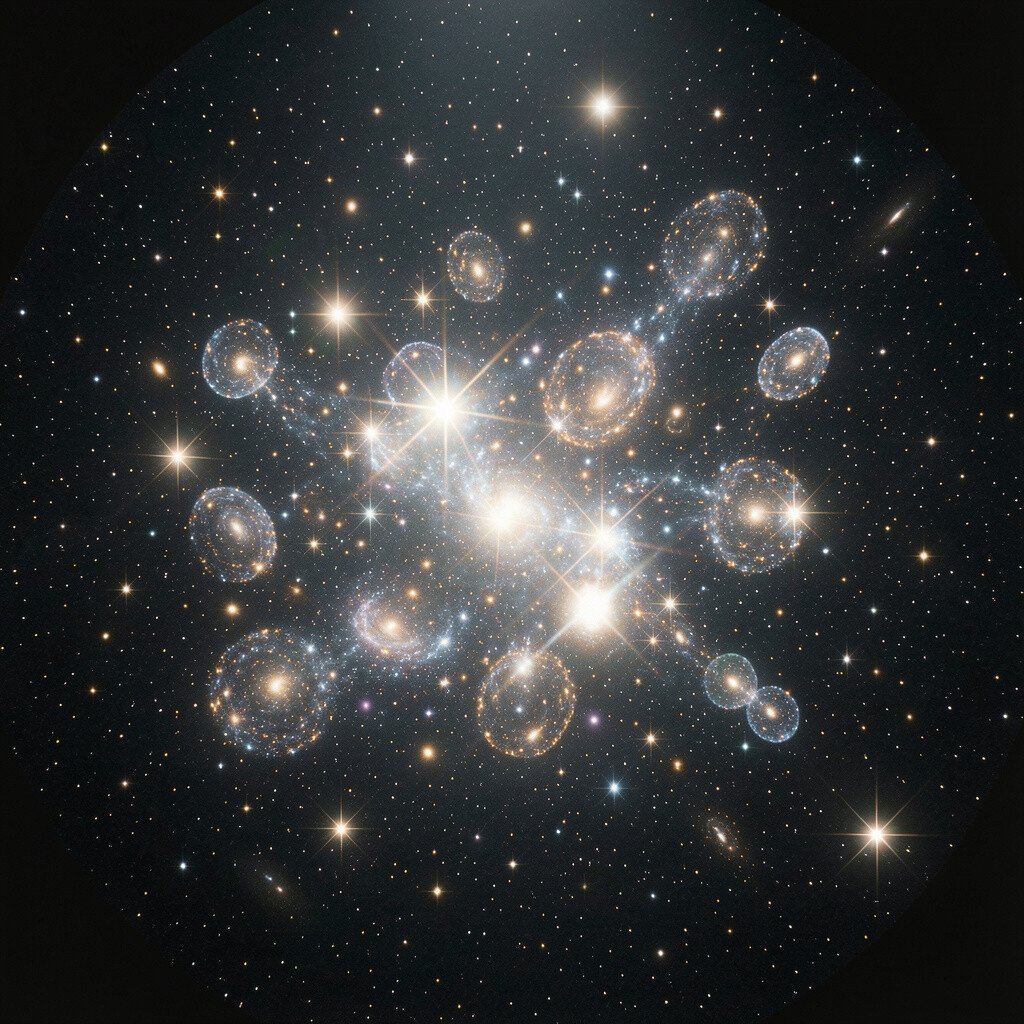
Some people hear about the Cat’s Eye and mix up the feeling of a cluster, but the viewing can still inspire your night sky dreams. Even when you focus on nebula-like details, surrounding stars can make the whole scene feel clustered and luminous.
This is a gentle lesson in how sky objects can overlap in your mind, which is part of the charm of observing. Try switching between a wide view that shows context and a closer view that highlights structure. Personalize your session by writing a few lines about what you expected versus what you saw.
In practical terms, you may need a telescope and a darker location to catch the finer details. Current trends in astrophotography often encourage trying “stacked” images, which can reveal more from faint subjects over time. Keep costs in mind by starting with visual observing and upgrading later if you feel a strong pull toward imaging.
13. NGC 6946, Fireworks Beyond the Cluster Idea
NGC 6946 is not a classic star cluster, but observing it near cluster-rich regions can still ignite your sense of luminous complexity. The field can feel like it contains many small stories, and your eyes start connecting patterns across the sky.
The benefit for your imagination is that it trains you to see the sky as layered, not just as single targets. Use a wide field eyepiece so the area around your target feels included rather than chopped off. For personalization, match what you see to a theme like “ember rain” or “soft confetti” so you remember the vibe.
Cost considerations depend on your gear, but even a careful session with binoculars from a darker backyard can be meaningful. Many modern sky guides now suggest observing nearby clusters first, then returning to a tougher target with refreshed confidence. This approach helps you stay motivated instead of chasing one impossible object after another.
14. The Small Magellanic Cloud Clusters, A Distant Workshop of Light
In the southern sky, the Small Magellanic Cloud brings clusters into view like distant workbenches glowing softly. Even when the view is faint, the overall feel can be lush, with star patterns that seem to float in layers.
The benefit is inspiration, because your mind starts imagining how stars form in other galaxies. A practical tip is to use a darker site and a consistent setup so you learn the sky’s baseline brightness. Personalize by naming the clusters you spot with your own words, like “lantern squares” or “cloud bruises.”
Cost-wise, you can begin with binoculars and then upgrade if you want sharper detail. Trends in modern astronomy also include community photo sharing, where you can compare your results to others and learn what settings helped them. Remember that your location and seeing conditions matter as much as the gear in the long run.
15. M45’s Nearby Companions, The Chi-Hatching Path

When you enjoy the Pleiades, nearby star-rich paths can make your whole evening feel like a connected story. You might notice additional clusters and bright groups that change how you understand that region.
This kind of observing benefits you by turning a single target into a mini itinerary of luminous stops. Try using a wide view to locate a cluster region, then narrow down only after you feel oriented. For personalization, make a “region map” in your notebook, drawing circles around each cluster you find.
For cost considerations, staying with binoculars keeps the night simple and affordable, while a telescope adds drama once you already know where to aim. Current trends encourage “guided nights” where people follow seasonal sky routes posted online by local groups. Join those sessions if you can, or recreate the idea at home with your own simple plan.
16. NGC 7789, A Golden Belt of Stars
NGC 7789 can look like a warm, star-filled patch with a delicate sparkle that feels almost soft. Under good conditions, it can show a rich density that makes you want to keep adjusting your view.
The benefit is that it feels rewarding without being overly chaotic, so your eyes can settle into it. Use moderate magnification and take short pauses while your eyes adapt, especially if the sky is bright from nearby lights. For personalization, set a focus goal by writing down the best eyepiece setting you used.
Cost-wise, a mid-range telescope can help a lot, and you can also use a simple sky filter if your environment is hazy. Many observers now talk about choosing nights with predictable transparency rather than just chasing clear skies. When you prioritize that, clusters like this tend to feel more alive and crisp.
17. The Coma Star Cluster Field, Soft and Spirited
In the Coma region, star clusters and dense star fields can create a misty, spirited look that feels like a constellation of constellations. Even if you do not isolate a single object perfectly, the whole area can feel luminous and inviting.
This is great for building observational confidence because your target can shift as your eyes adjust. A practical tip is to use a chart with clear reference stars, then sweep slowly rather than rushing. For personalization, take turns with a friend and let each person describe what they notice first, then compare notes.
Cost considerations are friendly here, because you can start with binoculars to get the vibe and only add telescope time if you want deeper detail. Current trends often include casual “sky walks” where people focus on pattern recognition, not only on equipment. That approach keeps the hobby fun and reduces frustration when the sky is uncooperative.
18. The Heart of the Milky Way Star Clusters, A Dense Light Tangle
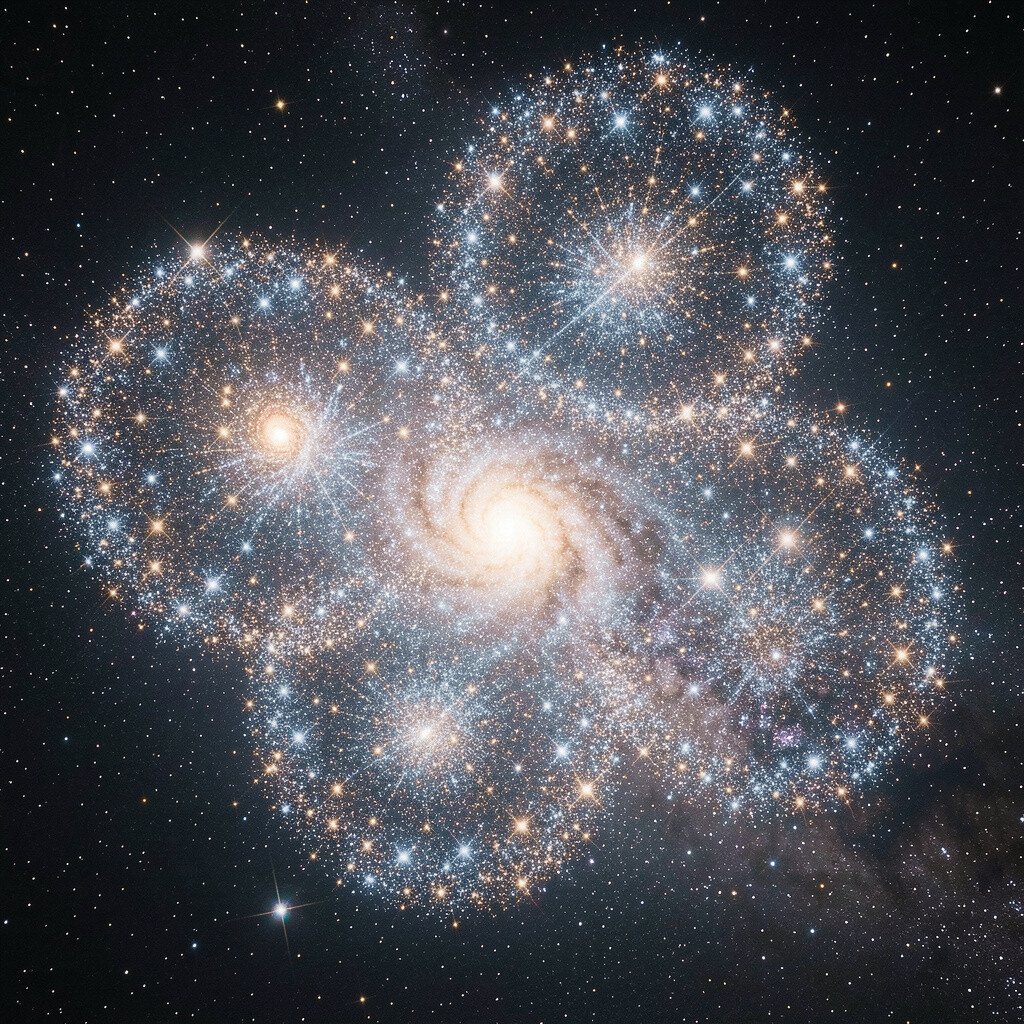
When you aim toward the Milky Way’s heart, you step into a crowded glow that feels like a galaxy holding its breath. Clusters and star clouds blend together, and the visual rhythm can feel like countless tiny lanterns in motion.
The benefit is that it reshapes your scale of wonder, reminding you that clusters are part of a much larger living structure. A practical tip is to plan for comfort, since the region can tempt long sessions, and you will want warm layers and a stable stance. For personalization, take photos if you like, but also try “slow looking,” where you pick one pocket of light and stay with it.
Cost considerations are mostly about choosing the right location, because dark skies can multiply your results even with basic gear. Many people now use astronomy forecasts and light pollution maps to choose when and where the Milky Way will look most magical. If you keep a night log, you can match what you saw to the conditions and gradually learn your own best routines.