
Some children move through the world like little alarm bells are always nearby. A calm parent can feel like a soft light in a noisy room.
1. Slow Your Own Pace
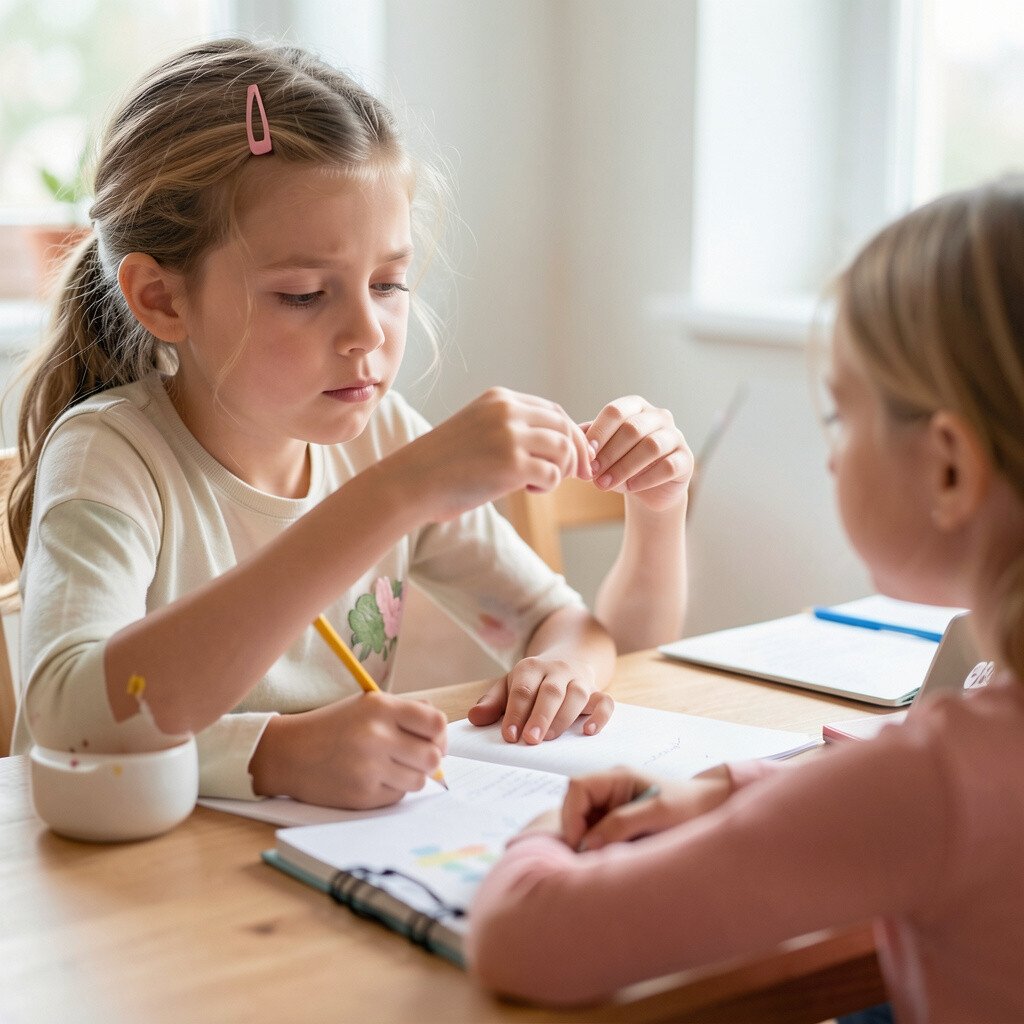
Children often copy the speed of the adults around them, so a slower parent can help a worried child feel less rushed. A soft face, gentle hands, and a steady voice can look small, but they can feel huge to a child who is on edge.
Try walking a bit more slowly, speaking in short phrases, and pausing before you answer big feelings. This simple shift costs nothing, fits busy homes, and works well with current calm parenting trends that focus on regulation before correction. You can also make it more personal by matching your pace to your child’s needs, since some children calm best with quiet and others with a warm, playful tone.
2. Name The Feeling Without Trying To Fix It Fast
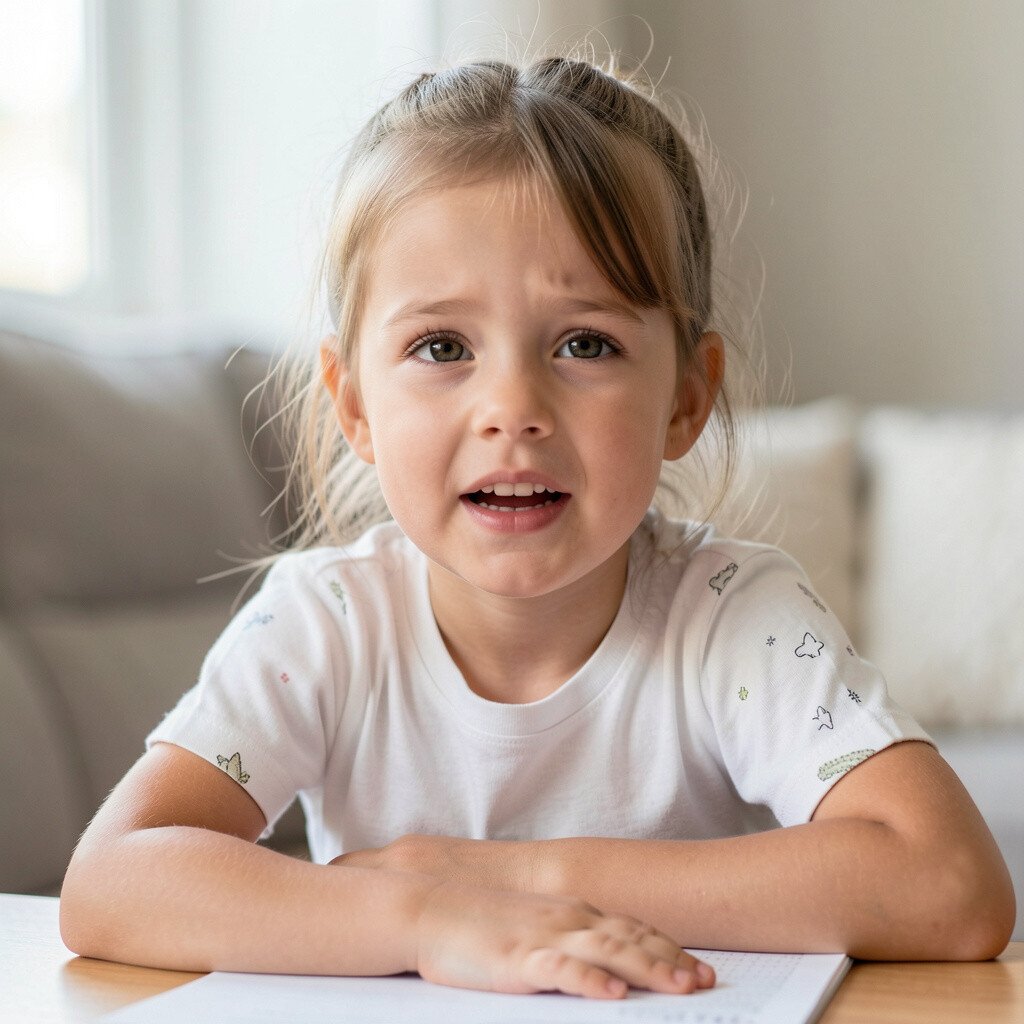
When a child’s eyes are wide and their shoulders are tight, they often need to feel seen before they can feel better. Naming the feeling can be like putting a label on a storm cloud, which helps the child know the storm has a shape.
You might say, “That feels scary,” or “Your body looks worried right now,” in a soft and honest way. This can lower shame, build trust, and help children learn the words they need for later. It is a simple habit that costs nothing, and you can make it unique by using words that fit your family, such as “butterfly belly” or “squishy chest.”
Many parents like this approach because it turns hard moments into learning moments without making the child feel wrong. It also fits well with mindful parenting trends that focus on emotional language and body awareness, which can be helpful in school, at bedtime, and during new experiences.
3. Build A Predictable Home Rhythm
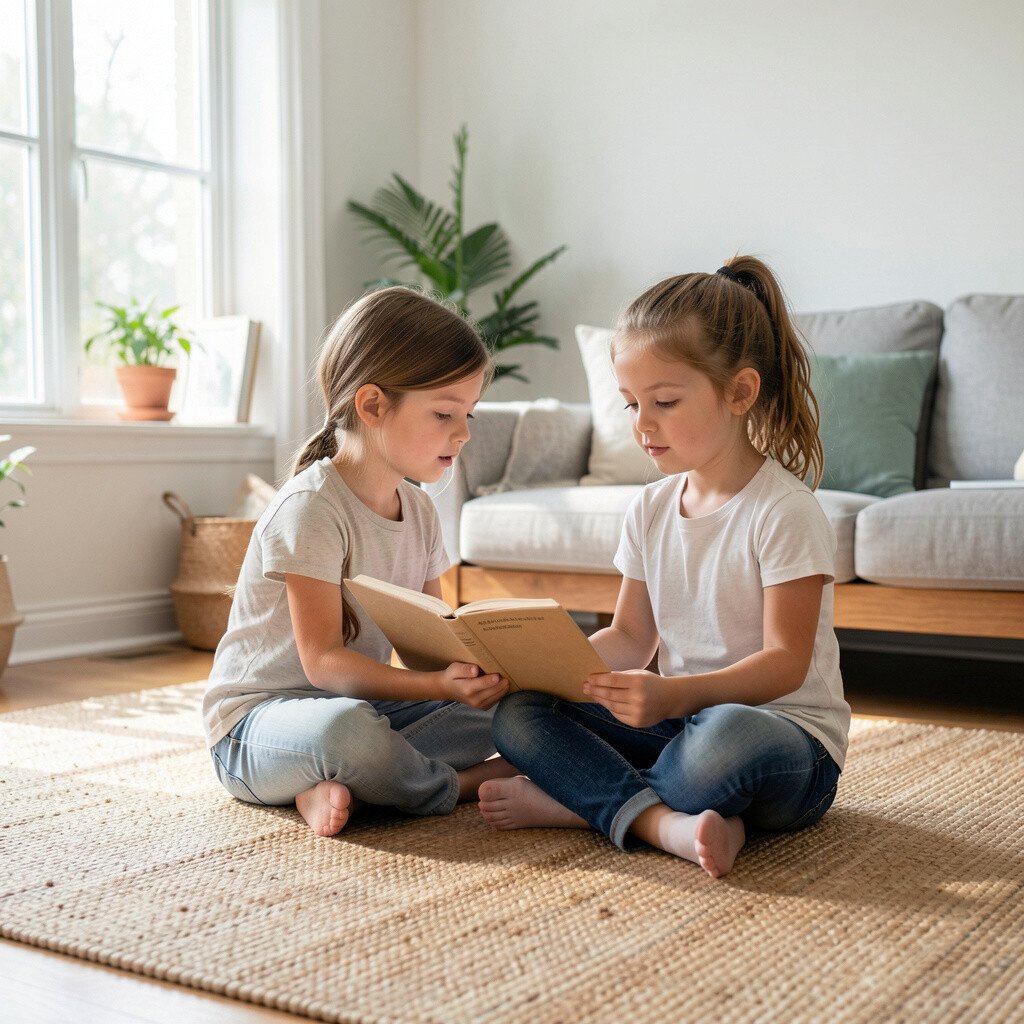
Anxious children often feel safer when the day has a clear shape. A home with steady routines can look like a simple picture on the wall, where the child can see what comes next.
Keep mornings, meals, and bedtime in a regular order when you can. Predictable rhythms can reduce worry, improve sleep, and make transitions easier, even if they are not perfect. To make it personal, use your child’s favorite songs, colors, or stuffed animal to mark each part of the day, which adds comfort without adding much cost.
Families today often like visual routine charts, timer watches, and bedtime cue cards, and these tools can be helpful if they stay simple. The best version is the one your child can understand and trust, not the one that looks the fanciest.
4. Use Gentle Touch When Your Child Wants It

A hand on the back, a hug, or sitting close can send the message that your child is not alone. For many anxious children, touch feels like a warm blanket that helps the body unclench.
Always check first with a simple question like, “Would a hug help?” or “Do you want to sit near me?” This keeps your child in charge of their body and helps build trust, which is a big benefit for kids who feel easily startled. It costs nothing, and you can personalize it by learning which kind of touch feels best, since some children like a squeeze while others prefer a hand held still on their shoulder.
This kind of support is especially useful during bedtime, after a hard school day, or when a child is about to face something new. It also matches a growing trend toward consent-based parenting, which helps children feel safe and respected at the same time.
5. Make A Calm Corner In Your Home
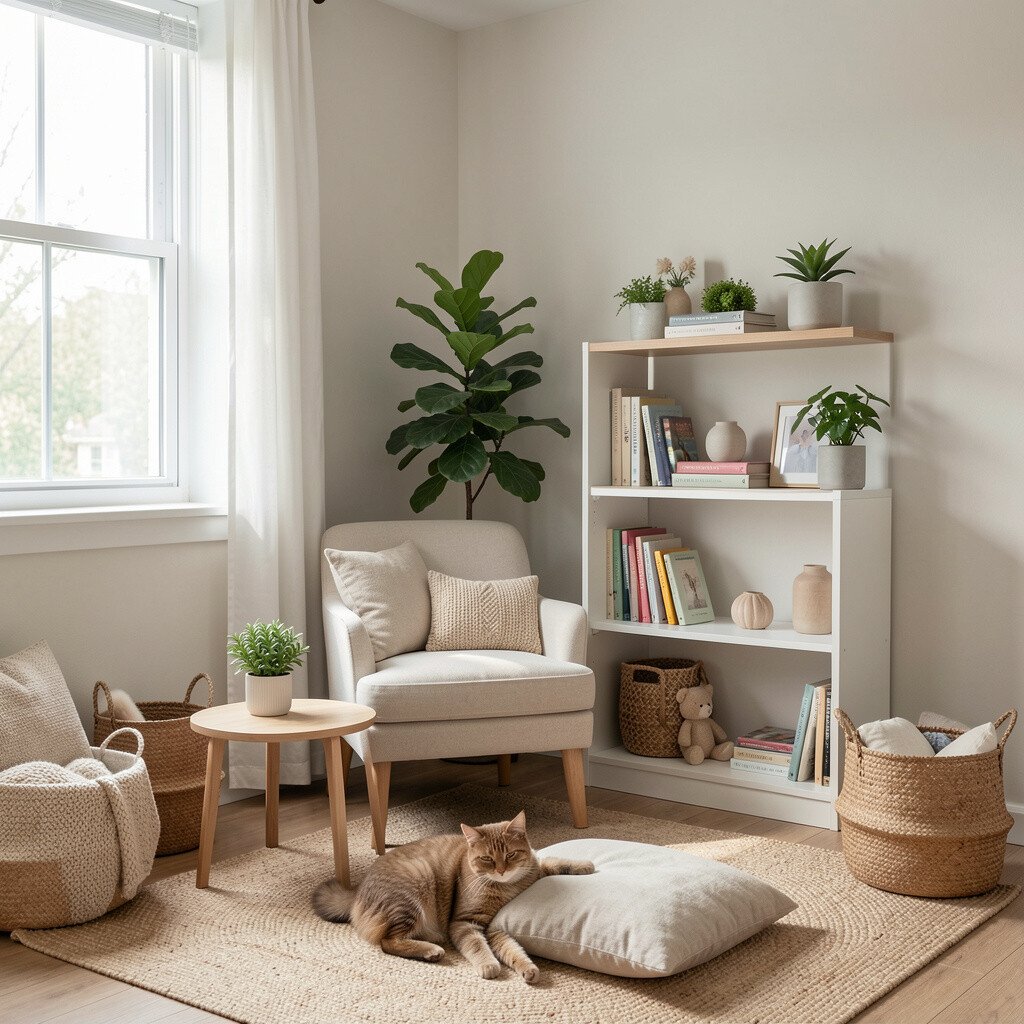
A small calm corner can give a worried child a place to land when feelings get too big. It can look cozy and inviting with a pillow, a soft blanket, a book, or a stuffed animal waiting quietly nearby.
You do not need fancy supplies to make it work, and that is part of the charm. A basket, a lamp, and a few comfort items are often enough, so the cost can stay very low. You can personalize the space with your child’s favorite colors or a drawing they made, which helps the corner feel like their own safe spot.
Many families now use sensory tools in these spaces, such as weighted lap pads, fidgets, or soft music, but simple items still work well. The point is not to send a child away, but to give them a peaceful place to reset and return when they are ready.
6. Practice Breathing Together In Playful Ways
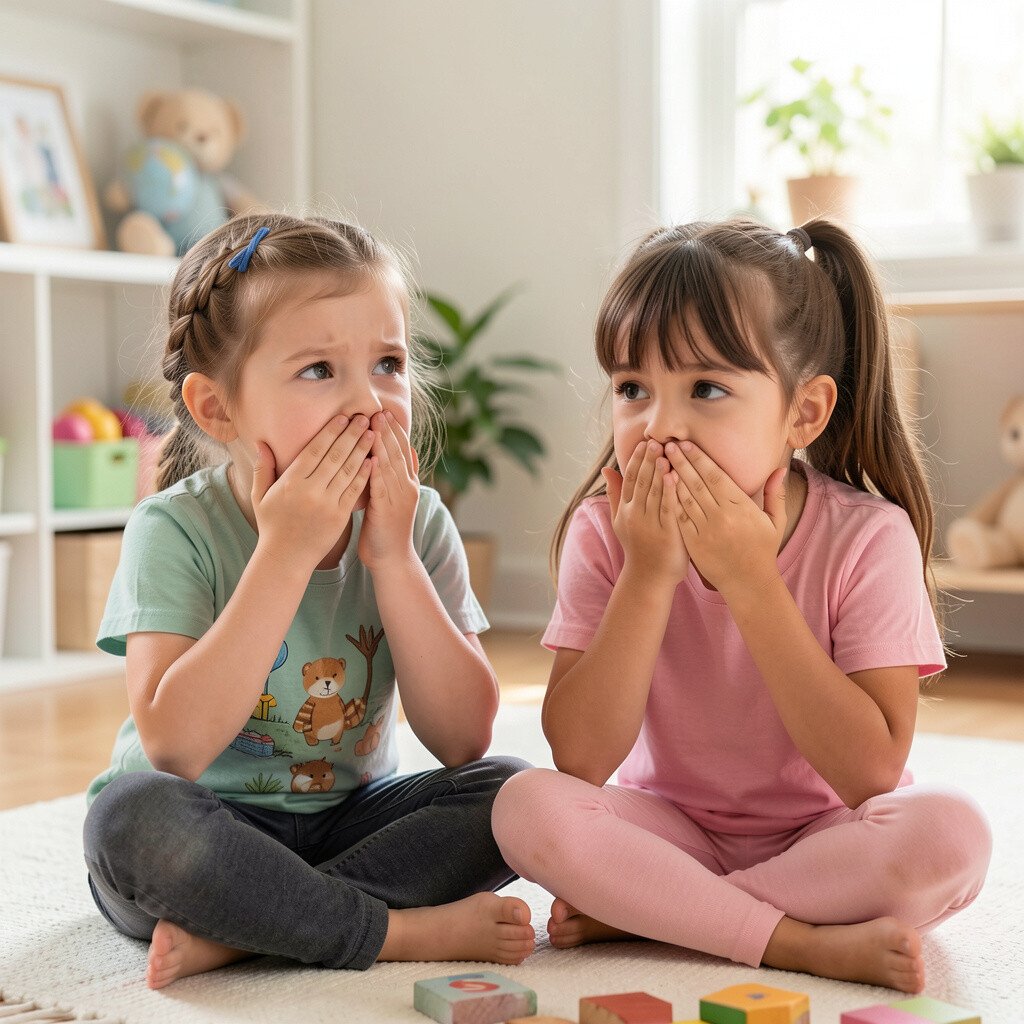
Breathing exercises work better for many children when they feel like a game instead of a lesson. You might pretend to smell a flower and blow out a candle, which can make the child smile while their body slows down.
Keep it short and playful so it feels easy to try even on a tough day. This can help with racing thoughts, tight muscles, and tears that seem to come out of nowhere. It is free, quick, and easy to personalize by using bubbles, pinwheels, or a favorite animal image, which gives the child a clear picture to follow.
Current parenting trends often include simple mindfulness tools for kids, and breathing is one of the most useful because it can happen anywhere. Over time, children start to connect the breath with safety, which can be a powerful habit for school, doctor visits, and social moments.
7. Offer Choices That Feel Small And Safe
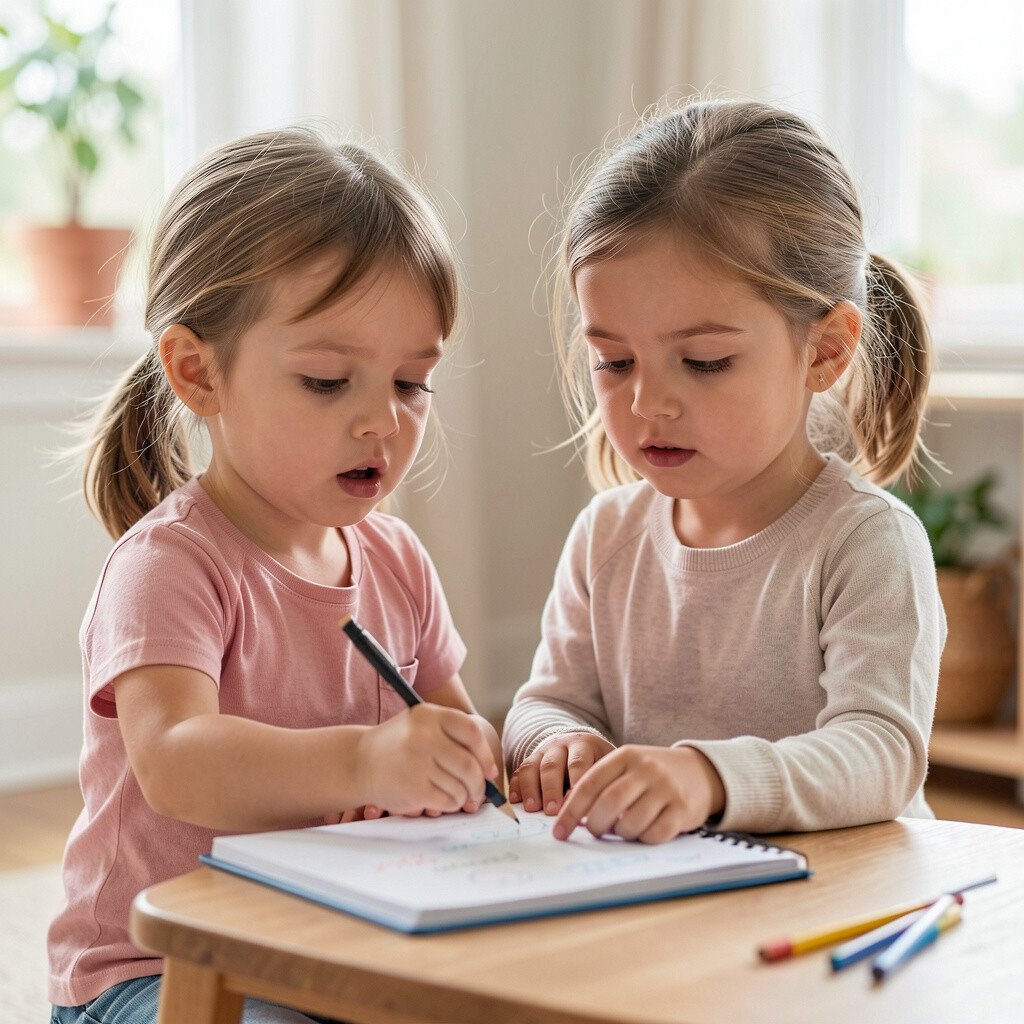
Big decisions can be too much for an anxious child, but small choices can help them feel more in control. A child who gets to choose between two shirts may stand a little taller, because the day no longer feels like it is happening to them.
Try keeping the choices clear and limited so your child does not feel overwhelmed. You might ask about the red cup or the blue cup, the big spoon or the small spoon, or which book to read first. This strategy supports confidence, lowers power struggles, and costs almost nothing, while still leaving room for your own limits.
You can make it more personal by noticing which choices matter most to your child and saving their energy for those moments. That small bit of respect can go a long way, especially when life already feels noisy or unpredictable.
8. Keep Goodbyes Short And Steady
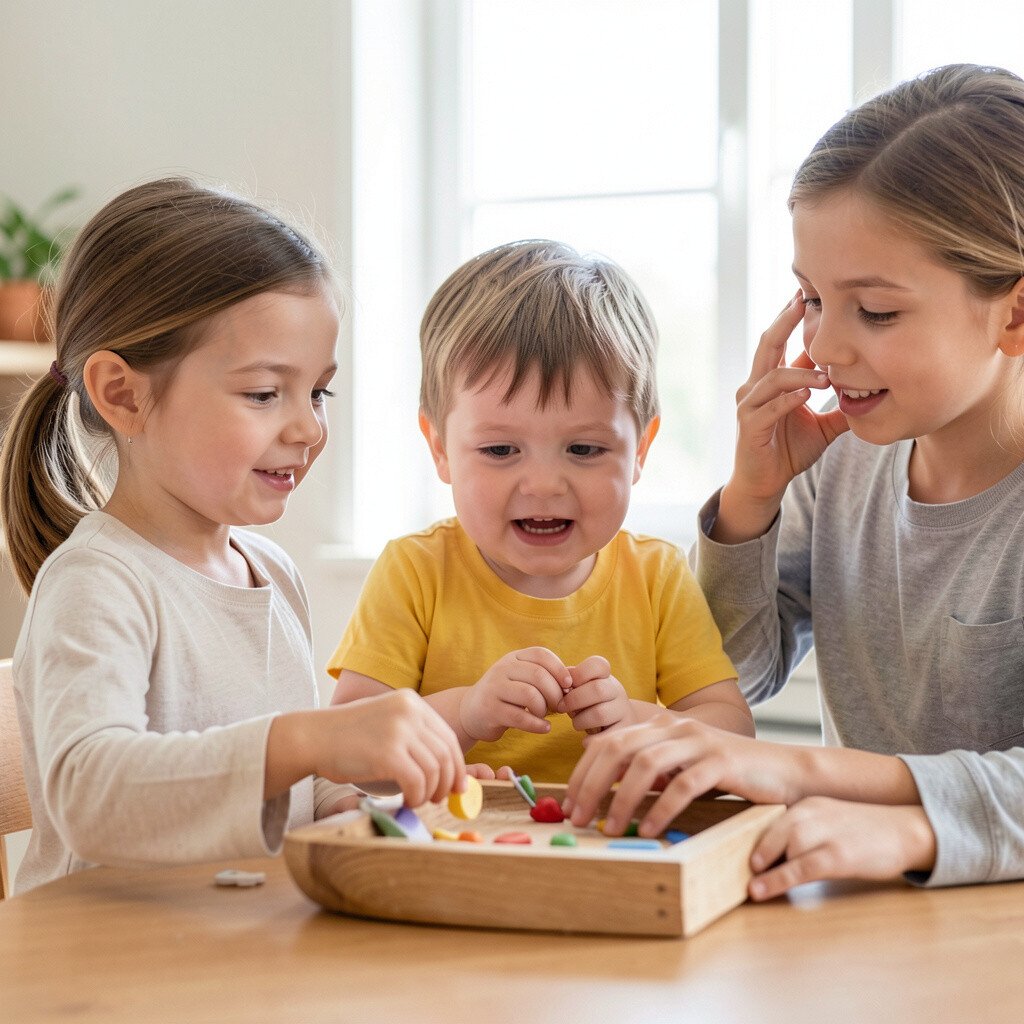
Long, shaky goodbyes can make anxiety grow bigger, like rain feeding a puddle. A short, warm farewell often helps a child trust that separation is safe and temporary.
Try a simple routine such as a hug, a wave, and the same goodbye phrase each time. This works well for school drop-offs, playdates, and bedtime, where long delays can make feelings spiral. It is easy to do, free to repeat, and can be personalized with a special family phrase, a hand squeeze, or a tiny wave from the door.
Many parents today lean on goodbye rituals because they are simple and steady, not because they are fancy. The repeated pattern gives a child a clear map, and that map can be comforting when the room feels full of strangers or change.
9. Turn Worry Time Into A Safe Container
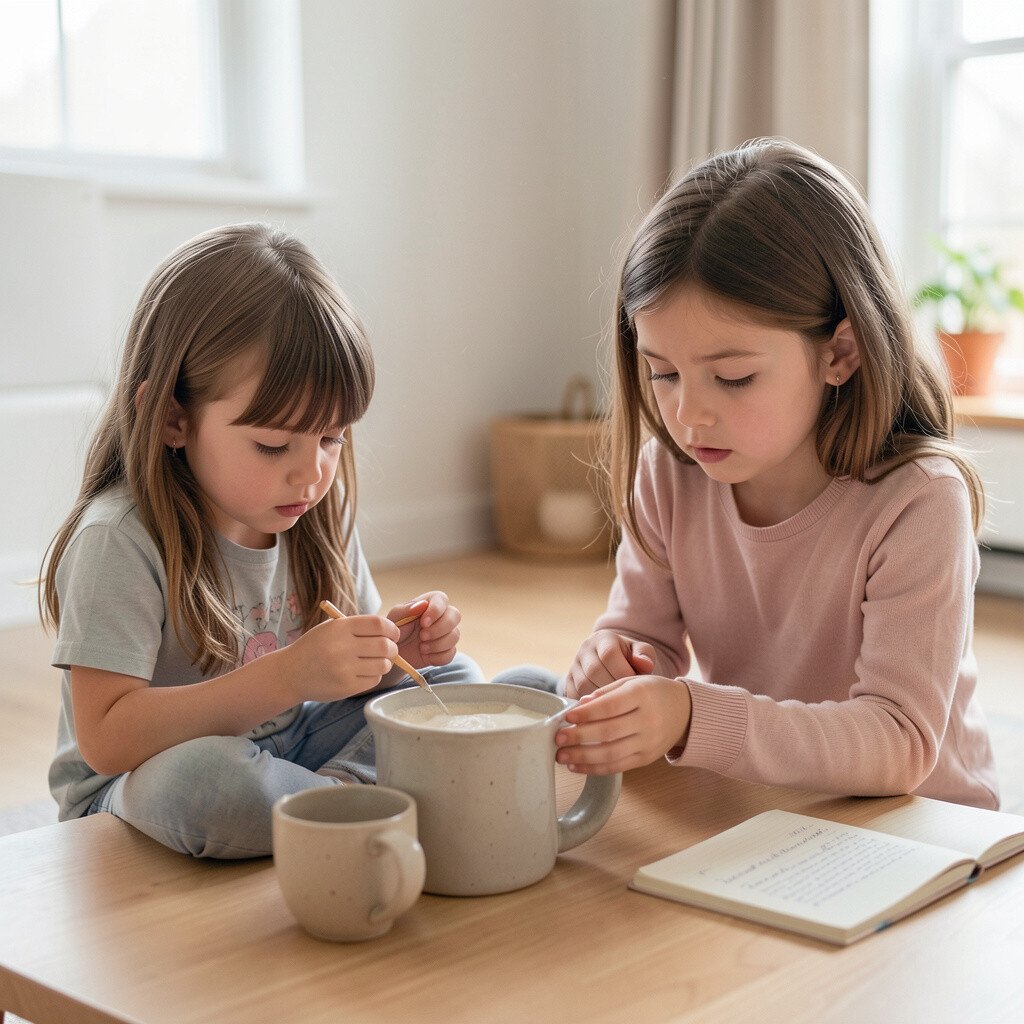
Some children carry worries all day long, and those thoughts can pop up at school, at dinner, or right before sleep. Giving worry a set time can help the child stop carrying it every minute.
You can set aside a few quiet minutes to draw worries, talk about them, or place them in a box for later. This can lower stress, help children feel heard, and keep the rest of the day from being swallowed by fear. The cost is almost nothing, and you can personalize the idea with a decorated jar, a special notebook, or a stuffed toy that “holds” the worry until later.
This idea feels a bit unusual at first, which is part of what makes it useful. It turns worry into something the child can manage, instead of something that controls the whole house.
10. Praise Brave Steps, Not Just Big Wins
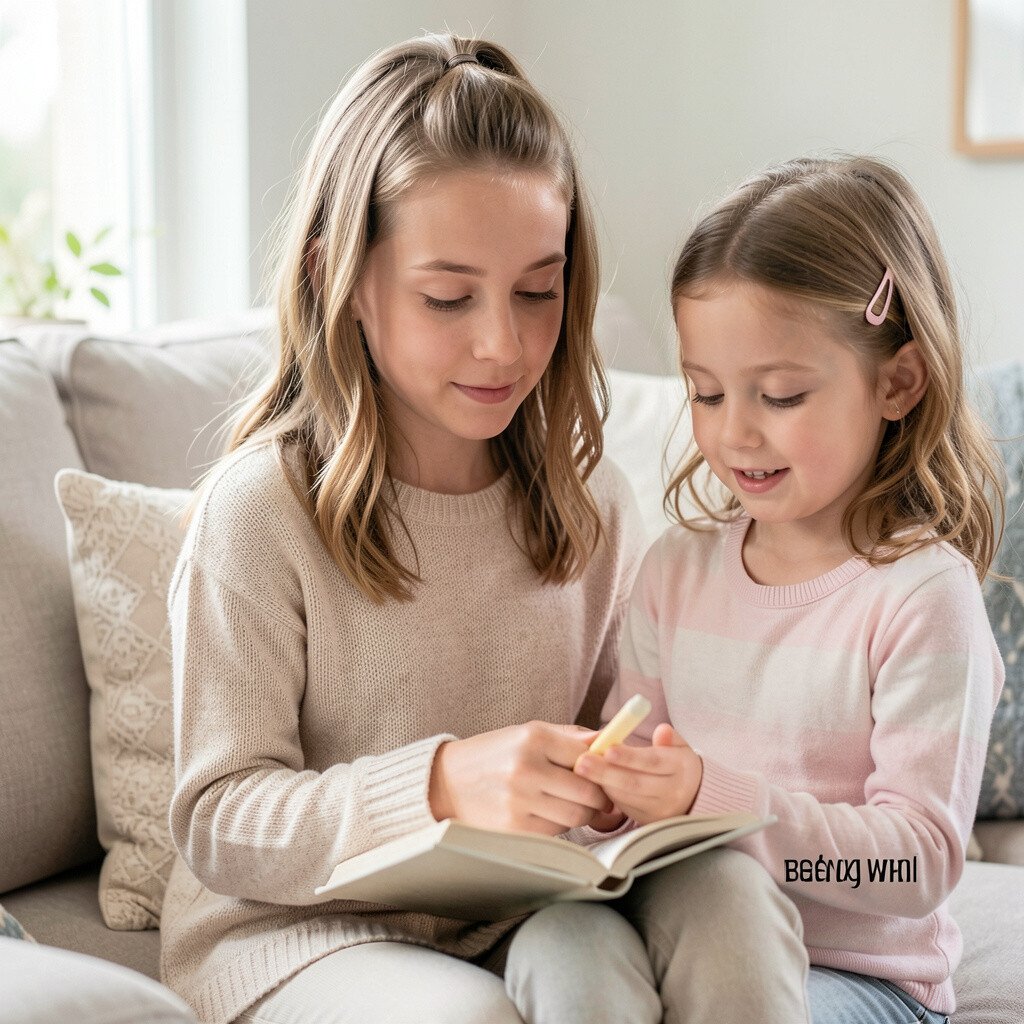
An anxious child often needs to hear that small brave moments matter. A shaky try can be just as important as a perfect result, and sometimes more important.
Notice when your child tries the new slide, speaks to a cousin, or stays in the room during a hard moment. This builds courage, confidence, and a stronger sense of self, while helping the child see that bravery can be quiet and messy. You can make praise more personal by naming the exact action, like “You kept going even when your hands felt sweaty,” which feels more real than broad praise.
This style of support also fits modern parenting ideas that focus on growth instead of performance. It costs nothing, but it can change how your child sees themselves for a long time.
11. Protect Sleep With A Soft Night Routine

At night, anxious thoughts can seem louder, and the room can feel bigger and darker than it did before. A soft bedtime rhythm can make the whole evening look and feel calmer, like the day is gently folding itself up.
Keep the steps familiar with bath, pajamas, a story, and quiet light if possible. Good sleep can improve mood, focus, and coping, which is a big benefit for children who feel worried during the day. This does not need to be costly, and many families use simple tools like dim lamps, paper books, or a low-cost sound machine to help the room feel peaceful.
Personal touches matter here, too, such as the same lullaby, a stuffed animal “sleep helper,” or a note under the pillow. Sleep support is a growing trend for good reason, since rested children often have more space for calm the next morning.
12. Model What Calm Looks Like After Mistakes
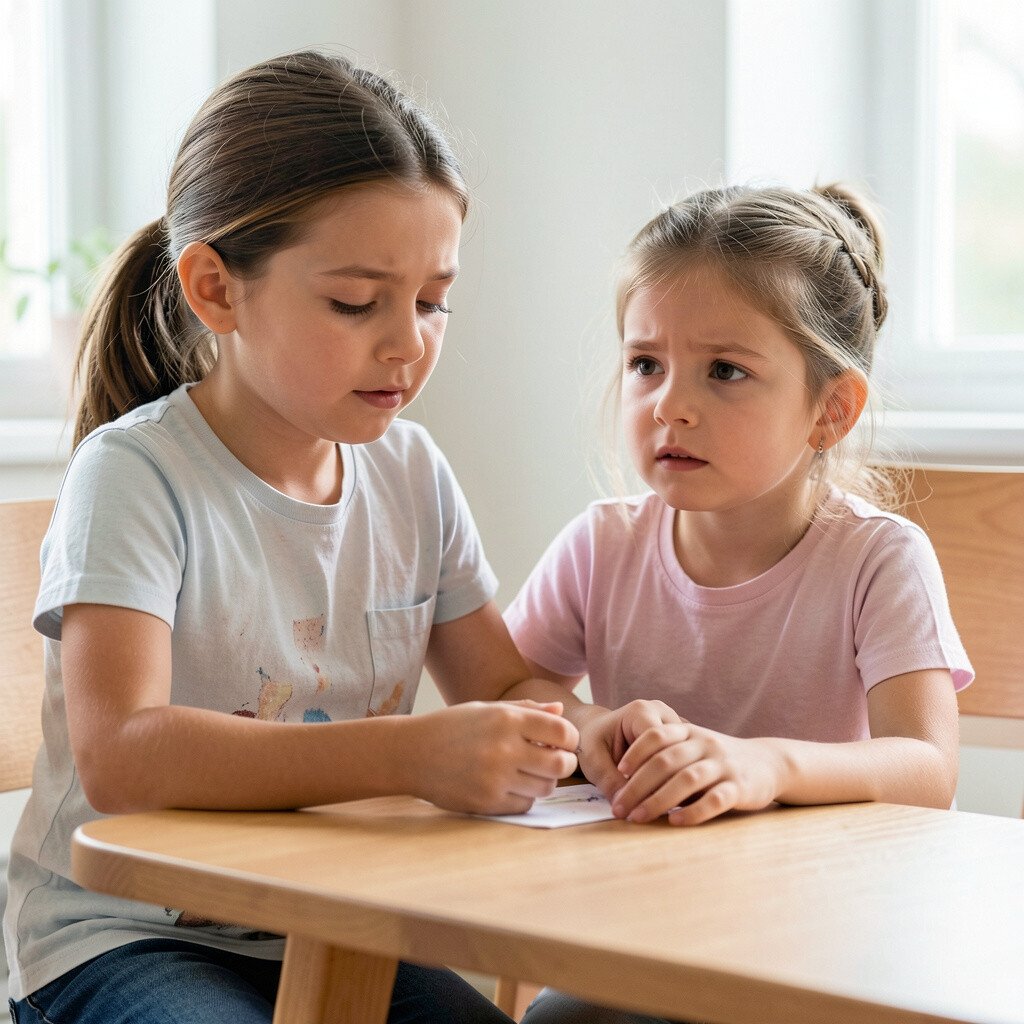
Children learn a lot from watching what parents do when things go wrong. If you can pause, breathe, and try again, your child sees that mistakes do not have to mean danger.
Say something simple like, “I felt stressed, so I took a breath and started over.” This teaches repair, resilience, and self-control in a way that sticks because the child can see it happen in real life. It costs nothing, and it is unique because your child gets to watch a real human handle a hard moment, not just hear advice.
When parents model calm repair, children often feel safer bringing their own mistakes forward instead of hiding them. That can make home feel like a place where learning is allowed, even when feelings are messy.
13. Make Social Situations More Predictable
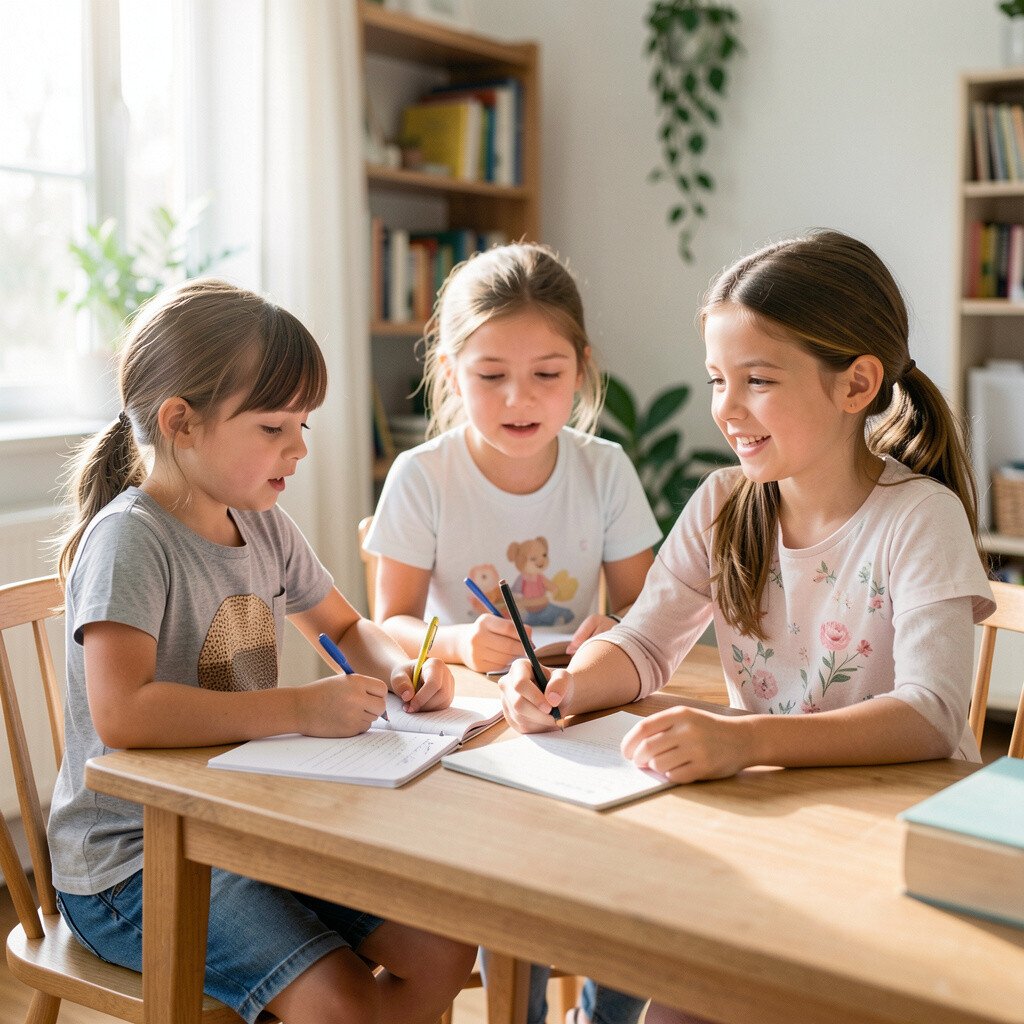
New people, loud rooms, and busy parties can feel overwhelming to a child who worries easily. A little preview can turn a sharp surprise into a softer landing.
Talk about who will be there, what the space may look like, and how long the visit might last. You can also practice a few lines to say, or choose a quiet break spot before you leave the house. This helps children feel ready, lowers social stress, and can be personalized by using photos, a simple map, or a role-play with toys.
Planning ahead is one of the most practical supports for anxious children because it does not require special equipment. It is also easy on the budget, which matters for families who want help that is both caring and realistic.
14. Keep Returning To Connection After Hard Moments
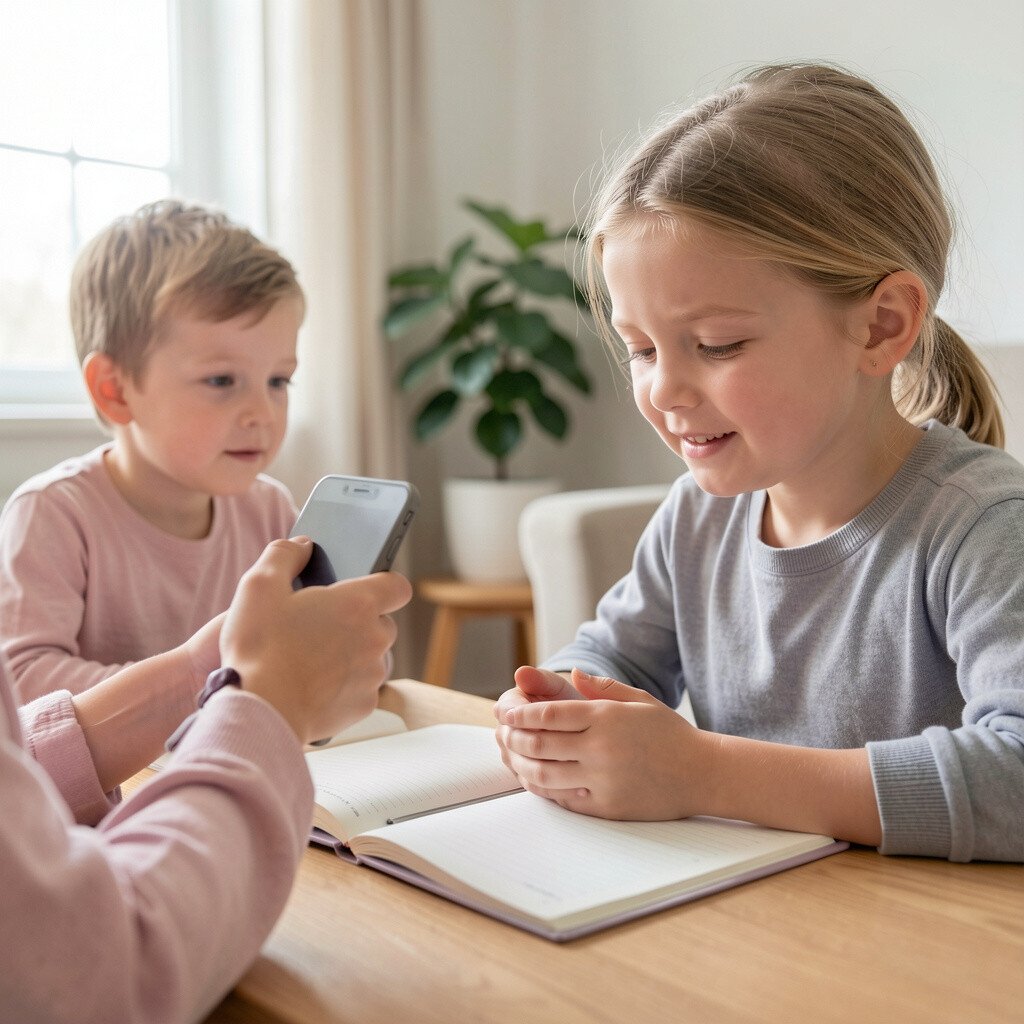
Anxious children do not need perfect parents, but they do need parents who come back with kindness after things get hard. A warm return can look like a softer voice, a quiet cuddle, or sitting side by side until the child feels steady again.
Repair after conflict teaches children that love is still there, even after tears or yelling. This can lower fear, strengthen trust, and help a child stop expecting every mistake to lead to rejection. You can make the repair personal with a family phrase, a drawing, or a small act like offering water and sitting nearby, all of which cost very little.
In many homes, this is the heart of mindful parenting, because it reminds children that safety is not only about preventing hard feelings. It is also about coming back together, again and again, in a way that feels gentle, honest, and real.