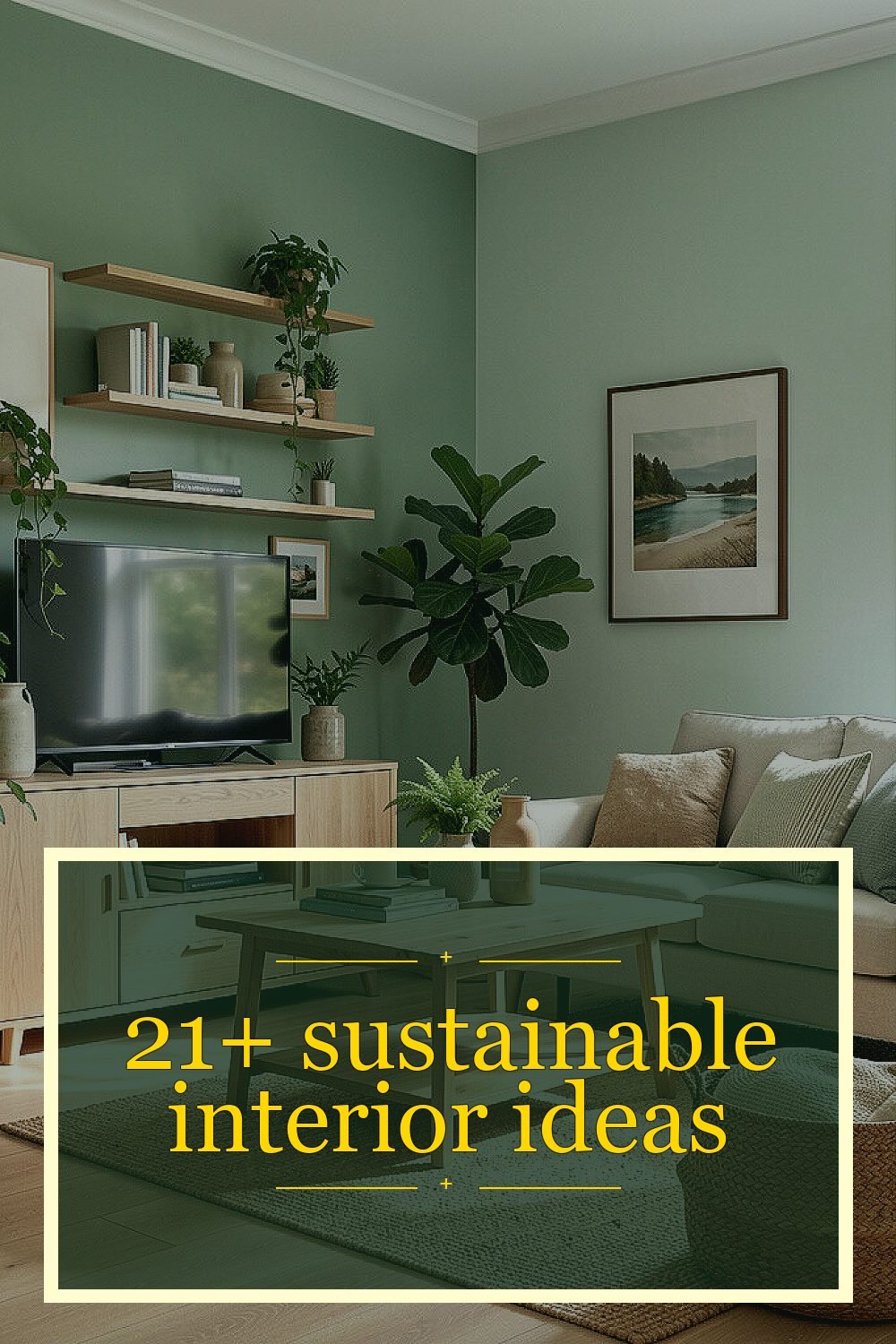
The way your home feels day to day is deeply connected to the choices behind it. Small, smart updates can make rooms look better and use less.
Below are practical ideas that fit real life, from simple swaps to design upgrades you’ll enjoy for years.
1. Start With Sunlight-First Layouts
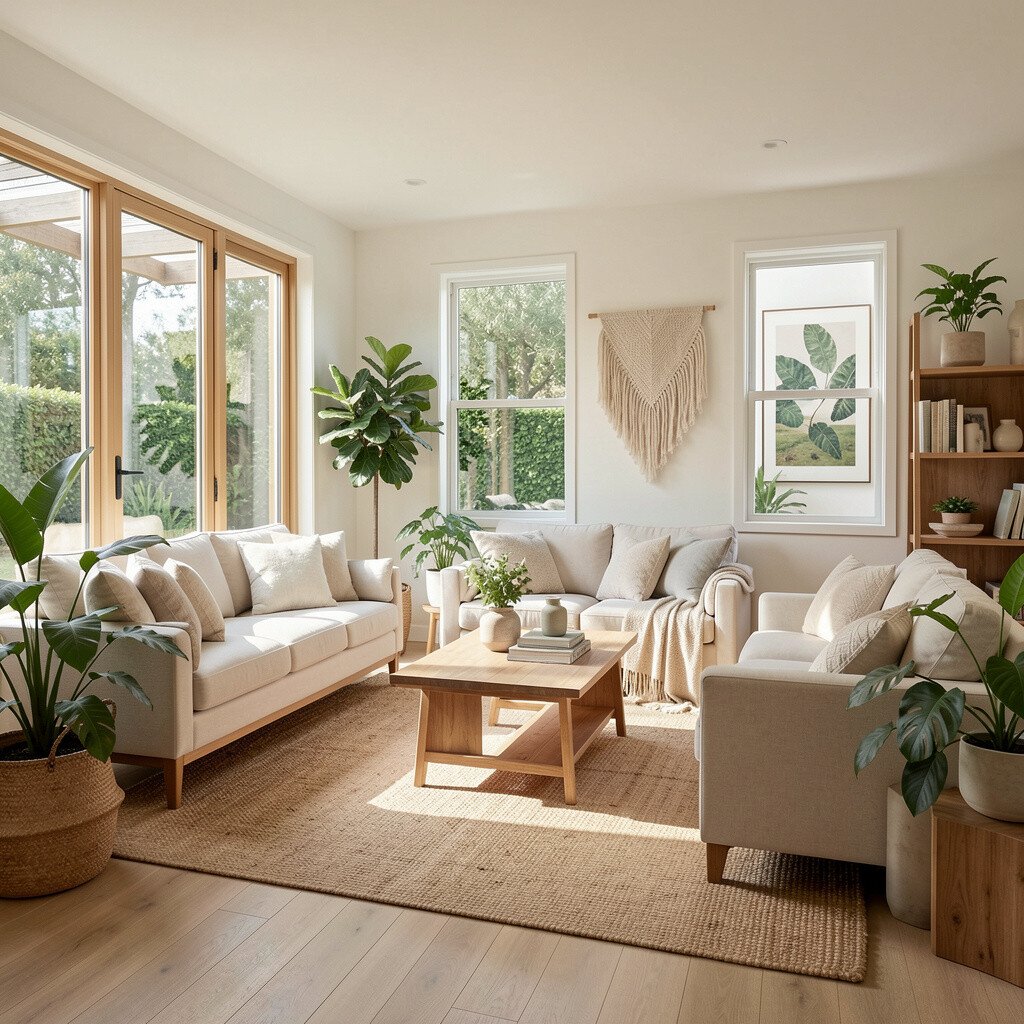
Arrange your biggest pieces to catch natural light instead of blocking it. You’ll notice brighter corners, softer shadows, and a calmer mood.
Try moving your sofa so it faces windows or places a reading chair near the brightest wall. If heat loss is a worry, use thick curtains that can close at night and let light in during the day. Measure where the sun hits across the seasons so you can place work zones and plants where they’ll thrive.
2. Choose Low-VOC Paints and Finishes

Walls set the tone, and using low-odor paints makes that tone feel healthier. Fresh color can look crisp without the harsh smell lingering.
Look for paints and sealers made for indoor air quality, then apply primer only where needed. Plan ventilation with open windows and fans, and keep pets and kids out until the surfaces fully cure.
For a personal touch, pick a palette inspired by nature, like warm clay, deep forest green, or airy linen tones. If you’re working in a rented space, focus on accent walls or removable finishes to reduce waste and hassle.
3. Use Reclaimed Wood for Warm Character
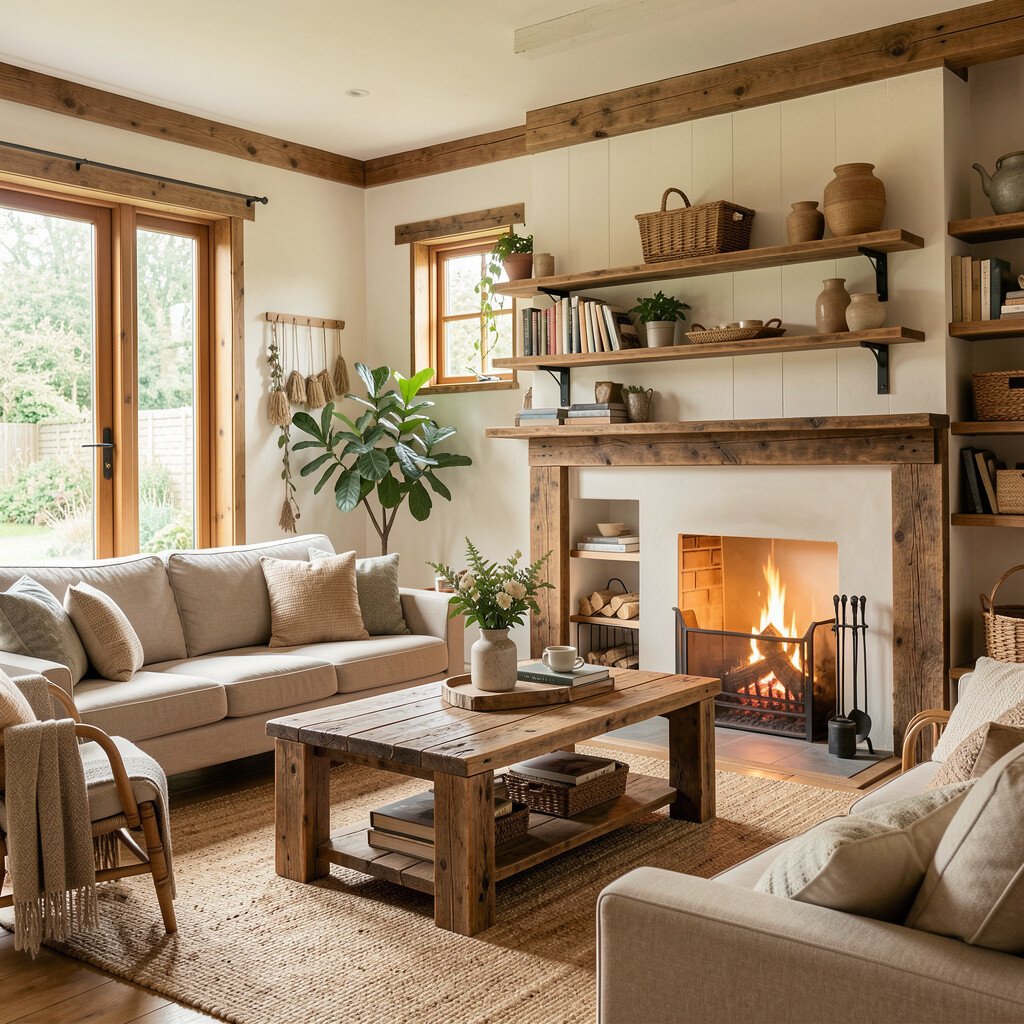
Reclaimed wood brings instant history, with knots, grain patterns, and worn color that looks like it has a story. Floors, shelves, and beams can feel grounded and cozy at the same time.
Consider reclaimed timber for a feature wall, a console, or even cabinet fronts. Ask about how it was stored and what treatments were used so you can be confident it’s safe for indoor use.
To personalize your look, combine one bold reclaimed piece with simple modern lines elsewhere. For cost, check local salvage yards and deconstruction projects, since prices can vary a lot by region. If you want a big impact without a big budget, start with a reclaimed mantel or a set of shelves rather than replacing everything.
4. Add Insulating Window Treatments

Your windows can be the biggest source of energy loss, so dressing them thoughtfully helps. Thick, well-fitted curtains make rooms feel more stable and comfortable.
Go for blackout or thermal lined drapes, and hang them close to the window frame so heat doesn’t sneak in around the edges. Layering sheer light filters with heavier curtains lets you keep brightness while improving insulation.
5. Install Energy-Efficient Lighting Layers
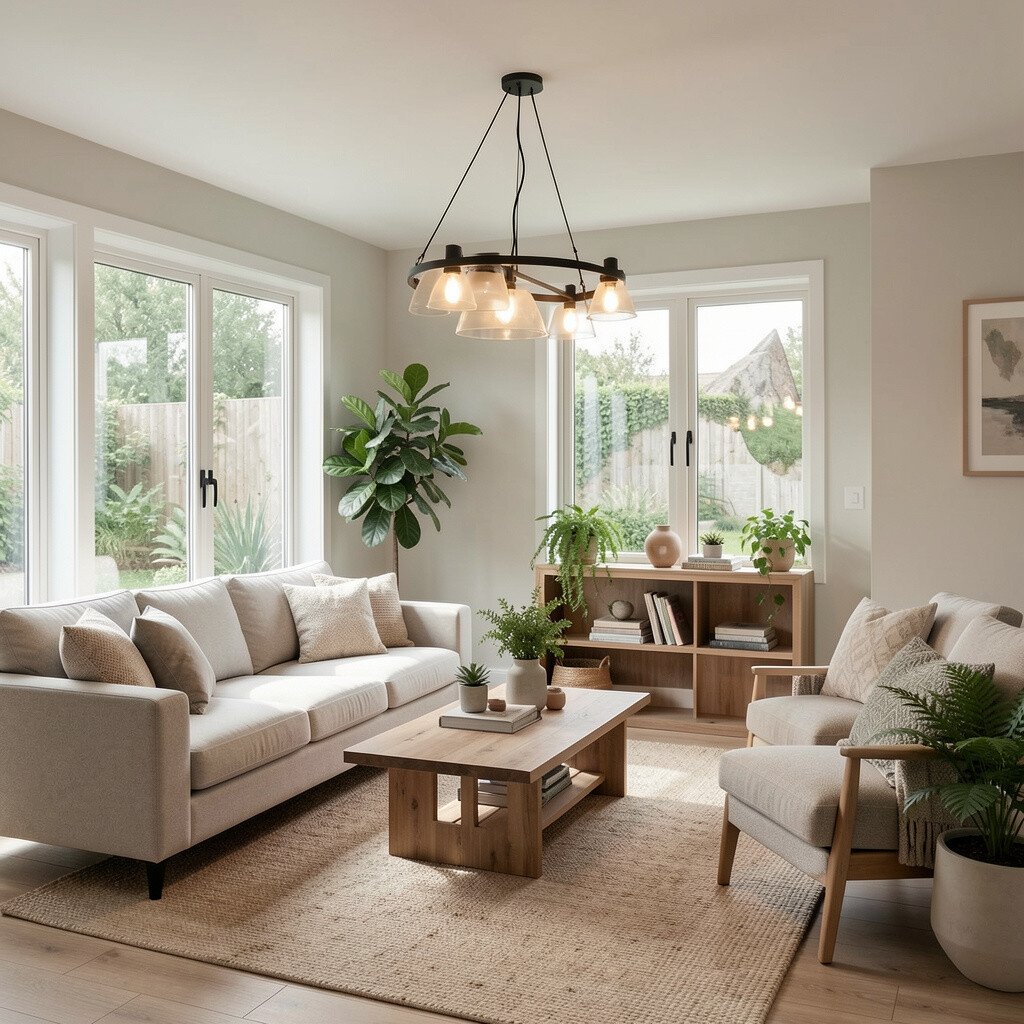
Instead of relying on one overhead bulb, use layered lighting to make each activity feel right. You’ll get a more flattering glow and save energy at the same time.
Combine warm LEDs with task lamps and soft ambient fixtures, such as floor lamps or wall sconces. Choose dimmable bulbs when possible so you can set the mood for movie nights or calm evenings.
For personalization, match lamp shades to your textiles and keep finishes consistent, like matte black, brushed brass, or reclaimed wood. If you’re watching spending, focus on high-use rooms like the kitchen, living room, and bedroom first.
6. Pick Natural Fiber Textiles
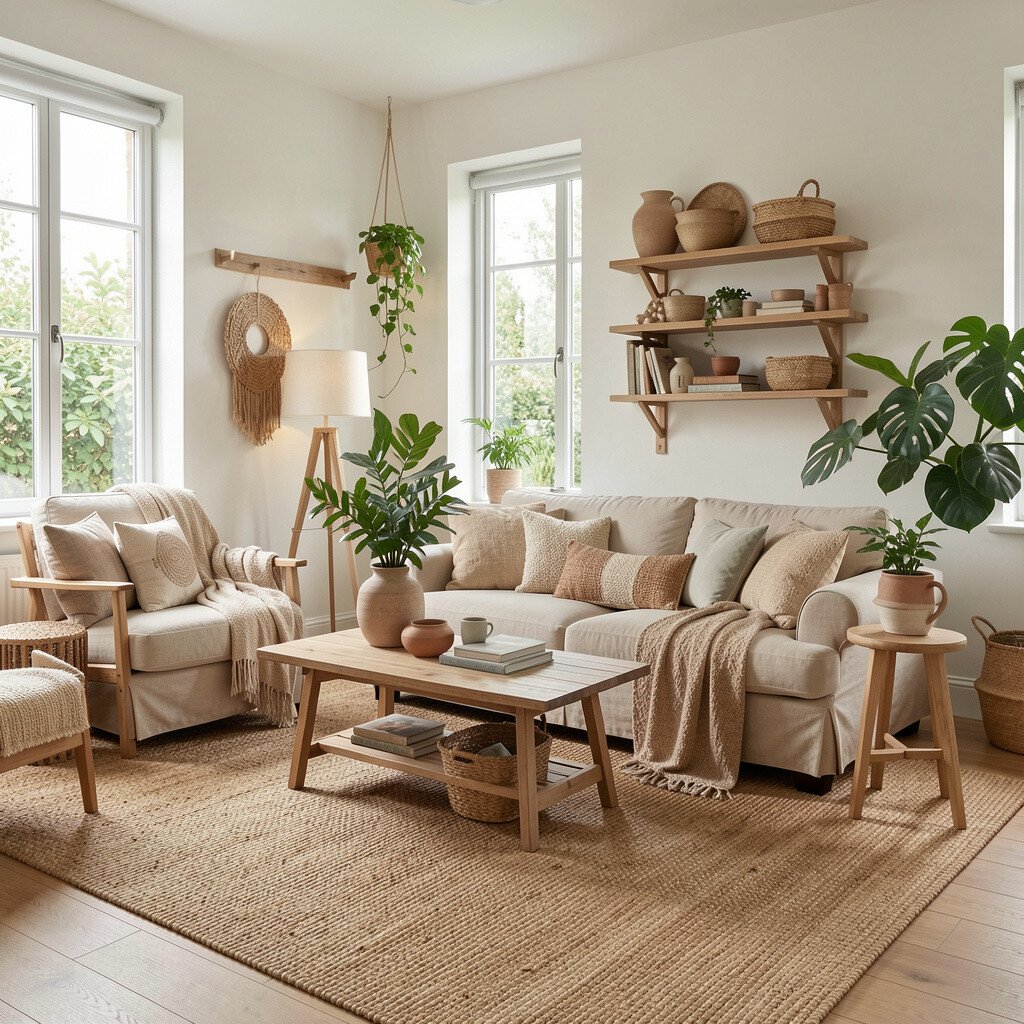
Textiles shape how a room looks and feels the moment you walk in. Natural fibers like linen, cotton, wool, and hemp often feel breathable and cozy.
Search for curtains, rugs, and upholstery with cleaner production standards and durable weaves. Washing and care matters, so follow labels and spot-clean when you can to extend life.
To personalize, mix textures rather than just colors, like pairing a chunky wool throw with a smooth cotton sheet set. For cost, choose one or two quality pieces that you’ll use daily, such as a linen duvet or a wool rug, then build around them with simpler items.
7. Shop for Secondhand Furniture First
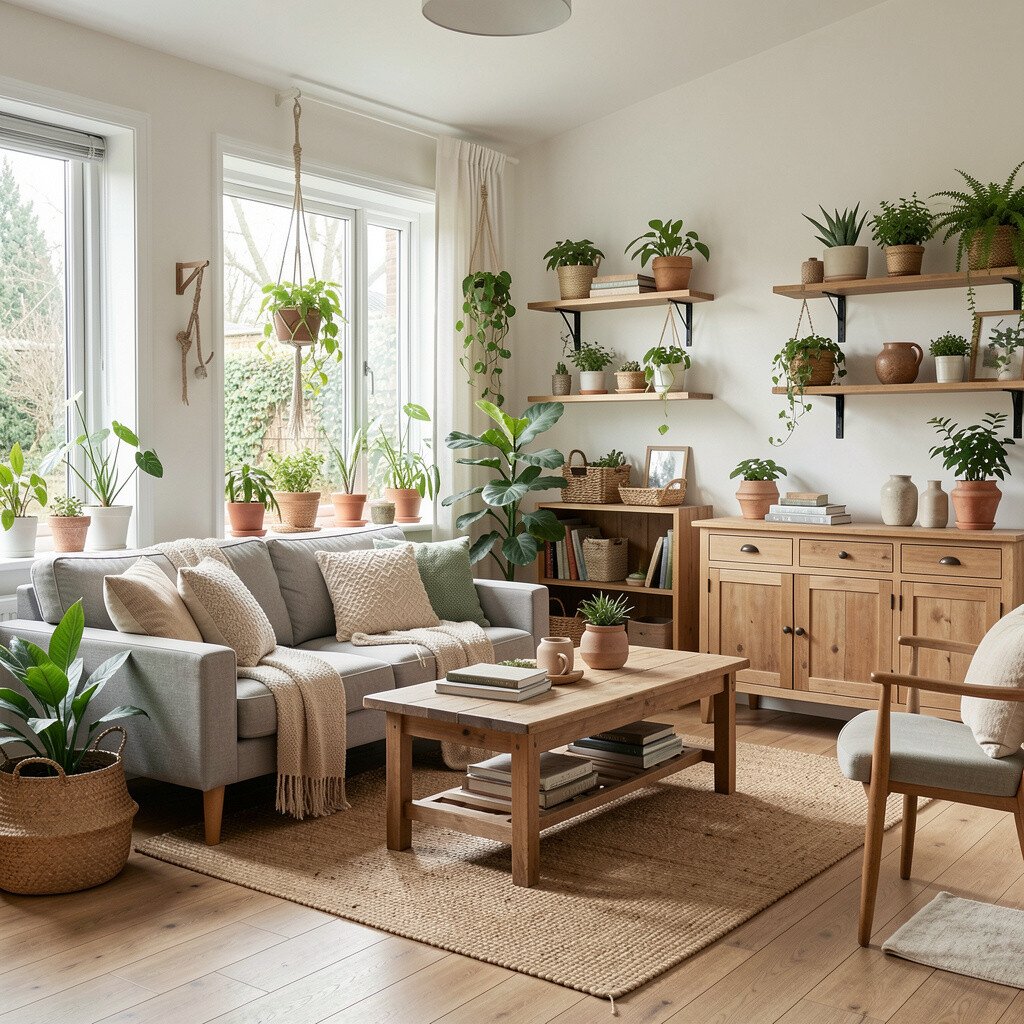
Thrifted and pre-loved furniture can look stunning with the right styling. You’re also keeping usable items out of landfills, which feels good and looks good.
Focus on sturdy pieces with solid frames, then refresh them with new hardware, stain, or paint. For practicality, check for stability, and test drawers and doors so you don’t end up with surprises.
8. Create a Plant-Friendly Indoor Microclimate
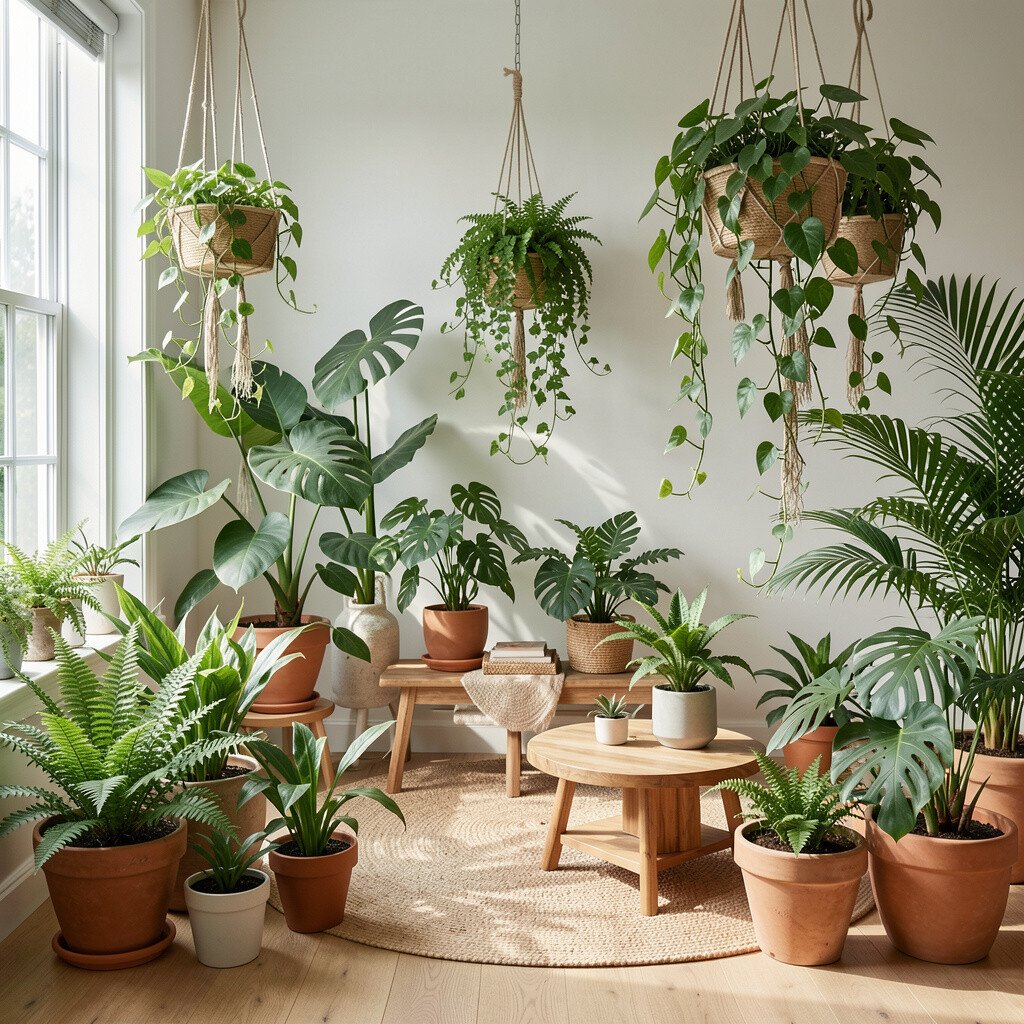
Greenery instantly makes interiors feel alive, with leaves adding color and texture. Some plants also support a more comfortable indoor atmosphere.
Place plants near bright windows and use pots with good drainage so roots stay healthy. If your space is dry, group plants together and choose planters that help retain moisture for the long haul.
9. Choose Sustainable Countertops
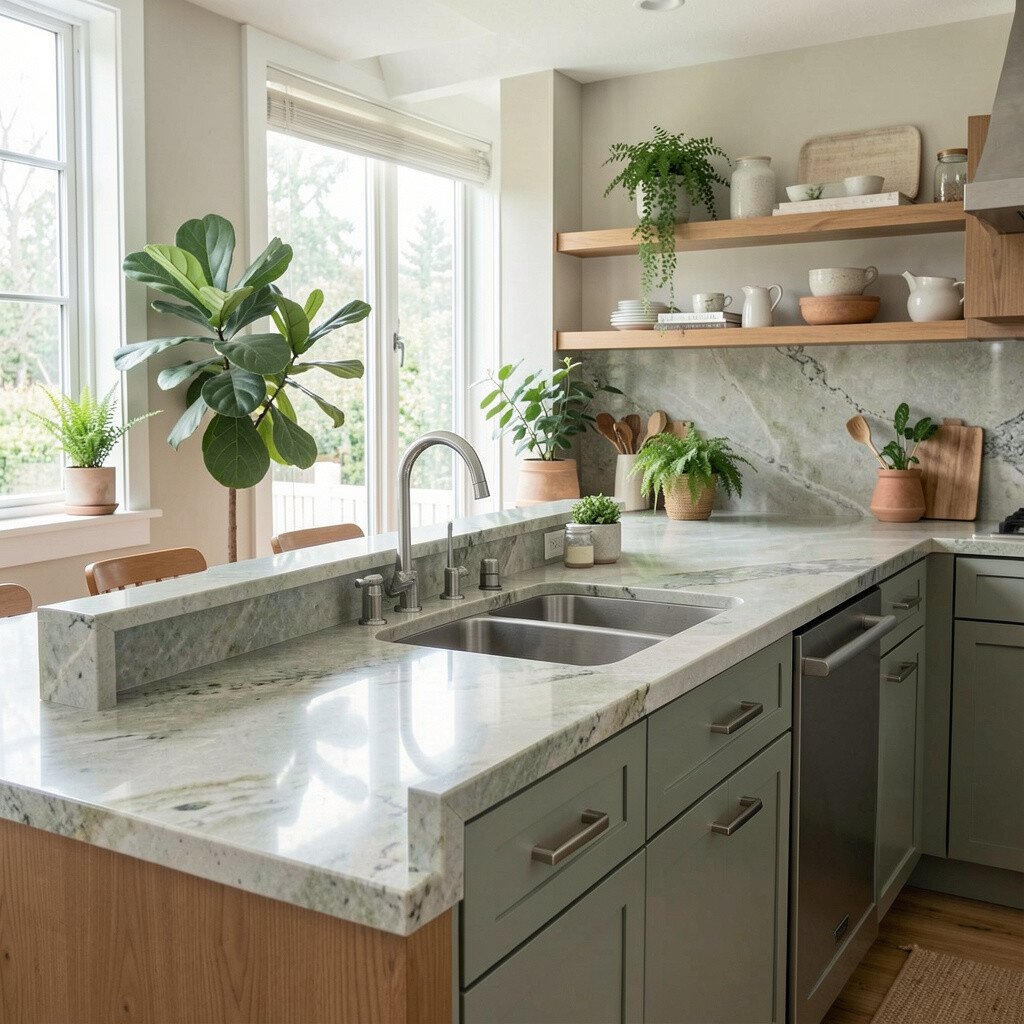
Countertops take daily use, so material choice matters for both look and impact. Options like recycled glass, responsibly sourced wood, or stone can bring beauty without cutting corners.
For a practical path, compare durability, maintenance, and how surfaces handle heat and stains. A well-chosen material can last decades, which helps justify the upfront cost.
To personalize, pick finishes that match your hardware, like a matte surface with brushed metal or a bright slab that adds contrast. If you want to stay budget-friendly, consider refinishing or overlay options where appropriate rather than full replacement.
10. Reduce Single-Use Plastics in Storage
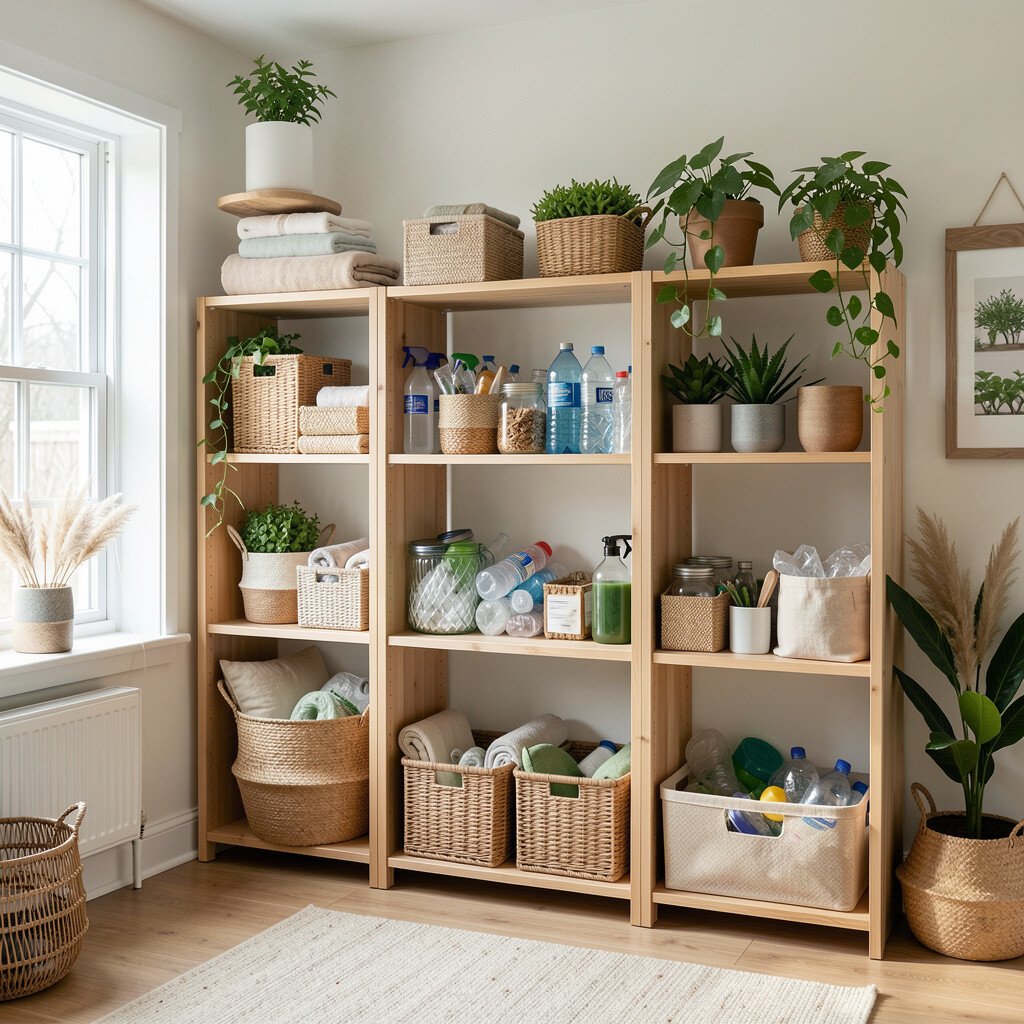
Storage should feel neat, not disposable. Swapping flimsy plastic organizers for reusable containers can cut down waste right away.
Use glass jars for pantry staples and durable containers for bulk items, then label them with simple tags or removable labels. If you like a clean look, match container styles and keep lids aligned so countertops stay tidy.
11. Add Natural Ventilation and Smart Fans
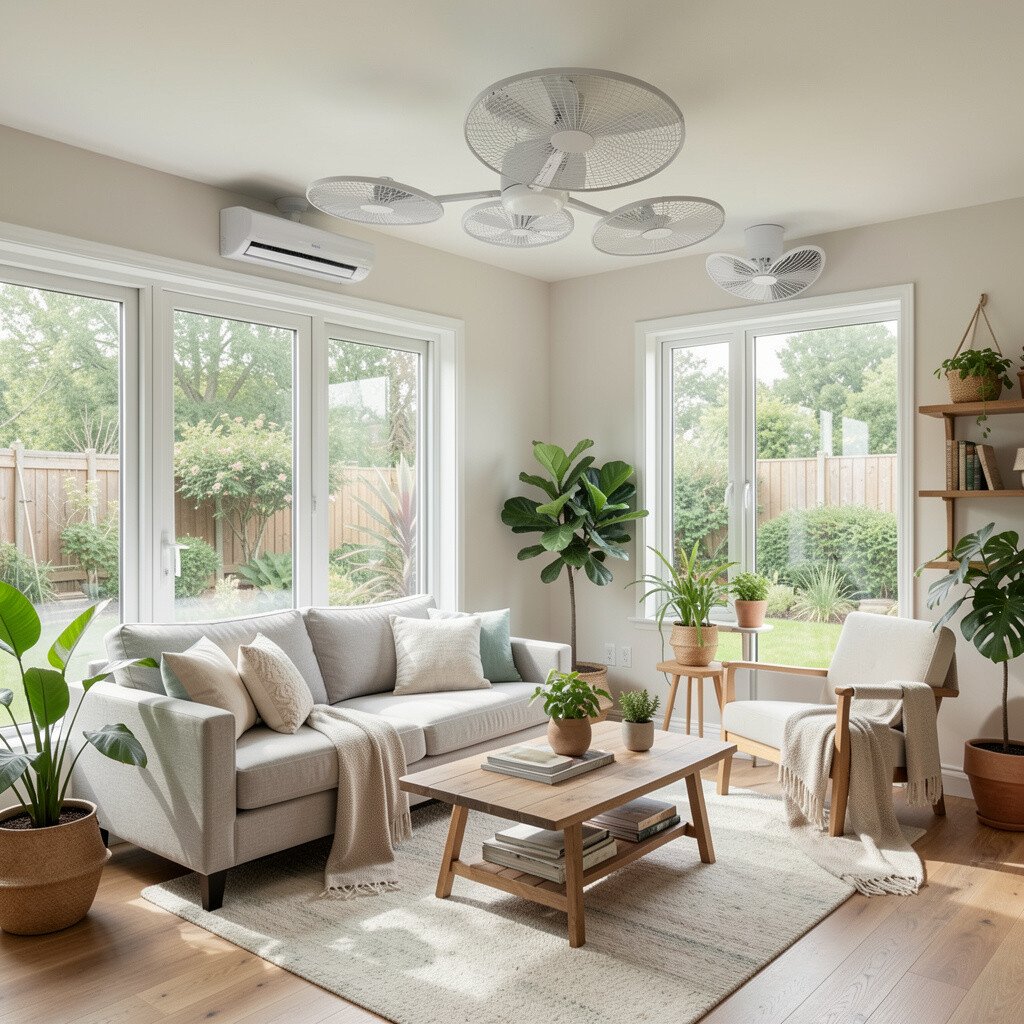
Fresh air changes everything, from how rooms smell to how they feel at night. When airflow is managed well, you can rely less on heavy mechanical cooling.
Use cross-ventilation by opening windows on opposite sides of your home when weather allows. Pair that with energy-efficient fans to help move air without blasting power for hours.
For personalization, place a small fan in a reading spot or near a work desk so comfort stays where you need it. If you’re budget-conscious, start with one fan for the hottest room before upgrading the whole system.
12. Build With Low-Carbon Materials Where You Can
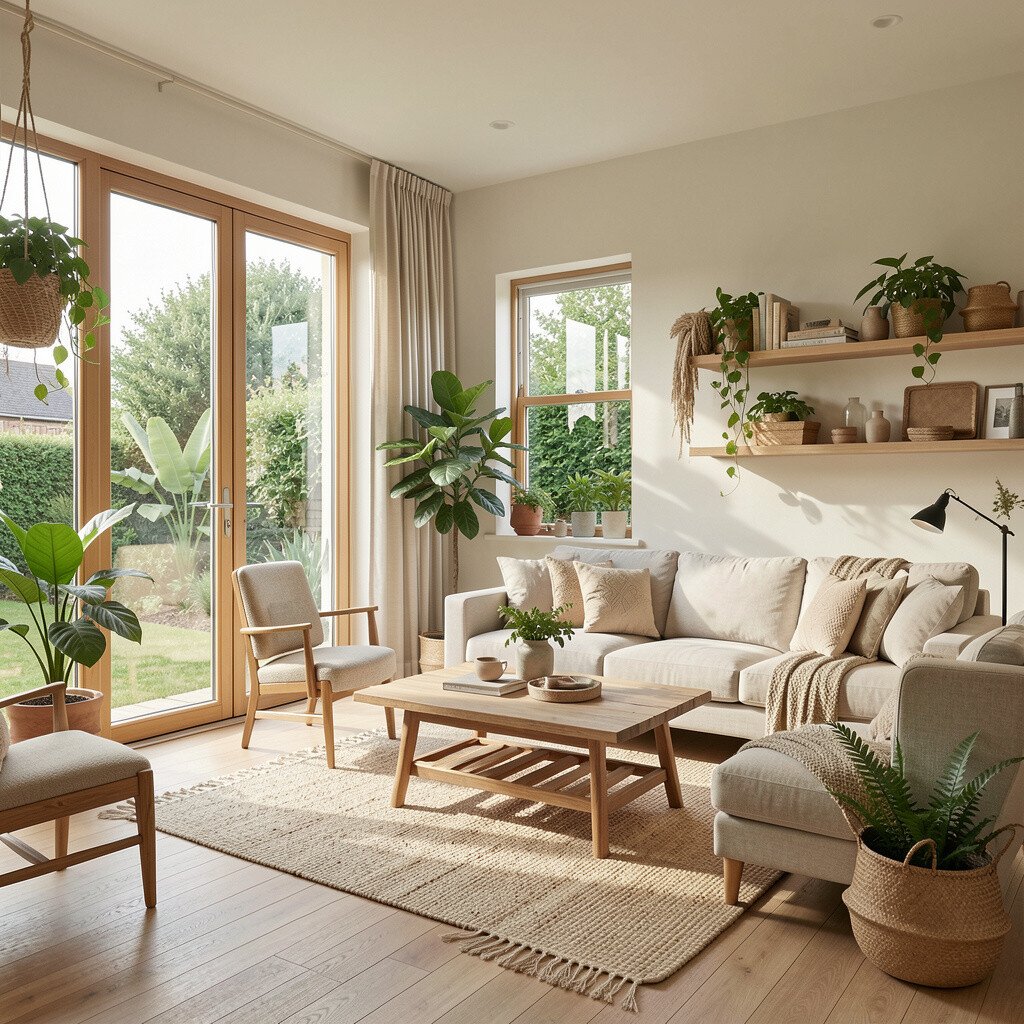
Even without a major renovation, you can choose materials that are easier on the planet. Look for products that use less energy in production or use more recycled content.
For floors, consider options made from recycled materials or sustainably harvested wood. For doors and panels, ask suppliers about certifications and sourcing, since responsible forestry and manufacturing can make a real difference.
13. Use Water-Saving Fixtures and Aerators
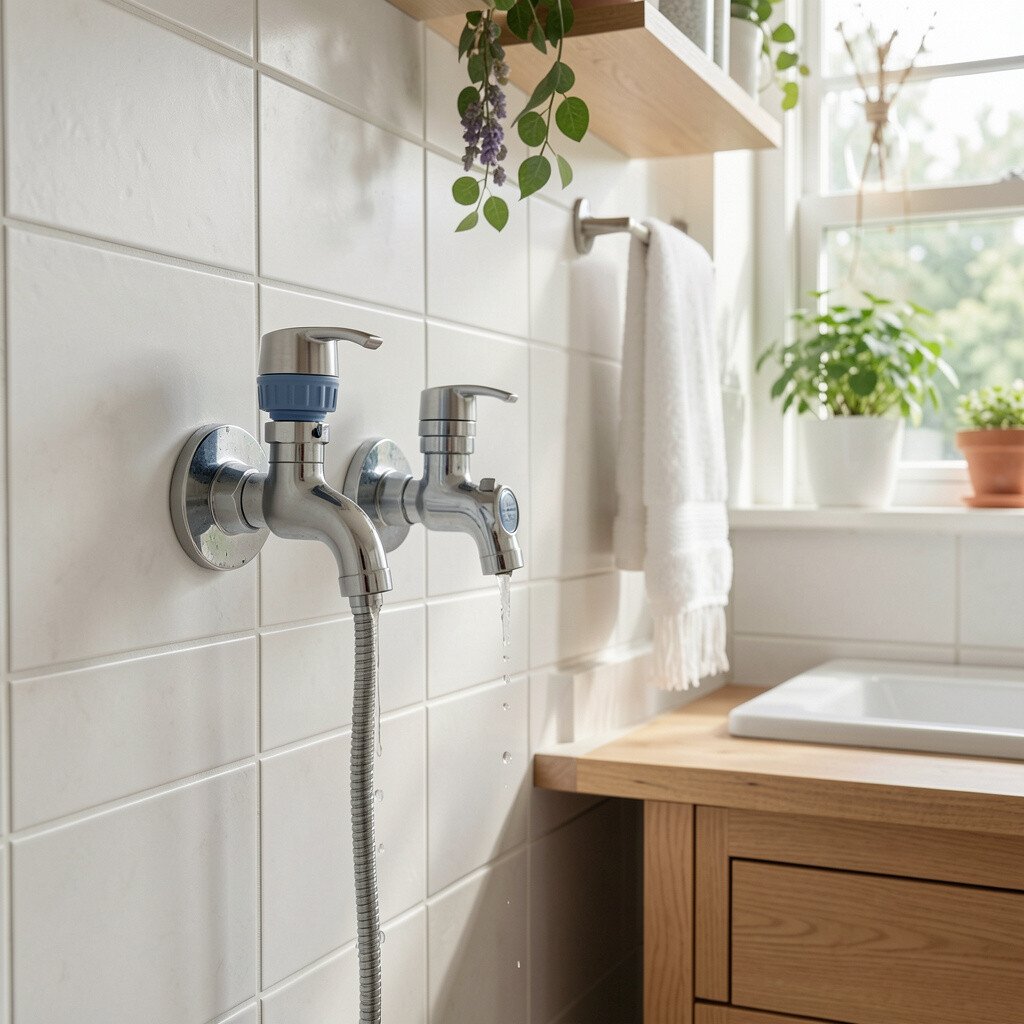
Faucets and showerheads are small parts that can make a big impact over time. You’ll still get strong pressure while using less water.
Install aerators on sinks and choose showerheads designed for efficient flow. If you like a spa feel, look for models that keep water coverage comfortable and consistent.
To personalize, match finishes across faucets, shower hardware, and towel rings so everything feels coordinated. For cost, start with the fixtures that get the most daily use, since they offer quicker payback.
14. Choose Tap-Friendly, Durable Flooring
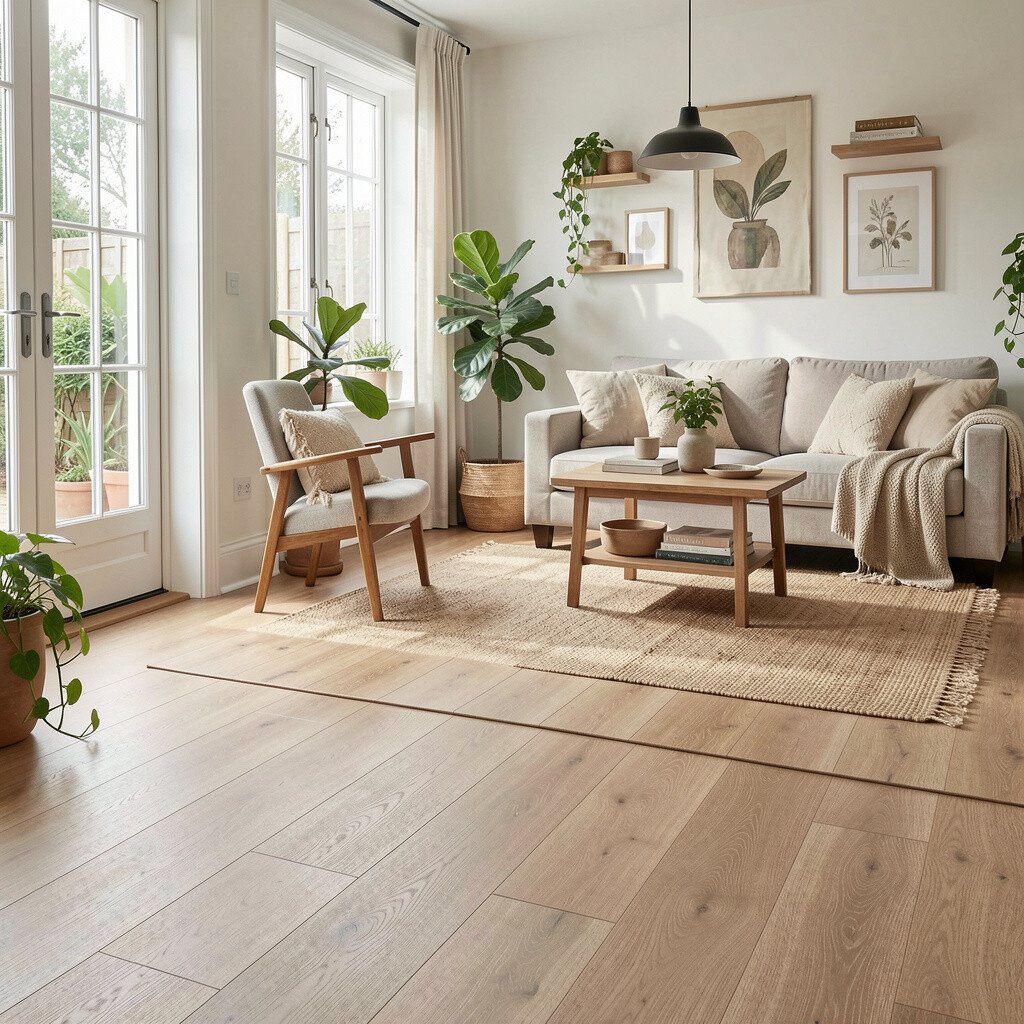
Your floor takes foot traffic, spills, and dropped items, so it should be tough. Durable flooring also reduces the need for replacements.
Consider resilient options like cork, bamboo, or well-made laminate made with responsible materials. Before buying, ask about wear layers, scratch resistance, and how the floor handles moisture in kitchens and entryways.
15. Add Draft-Blocking Door Solutions
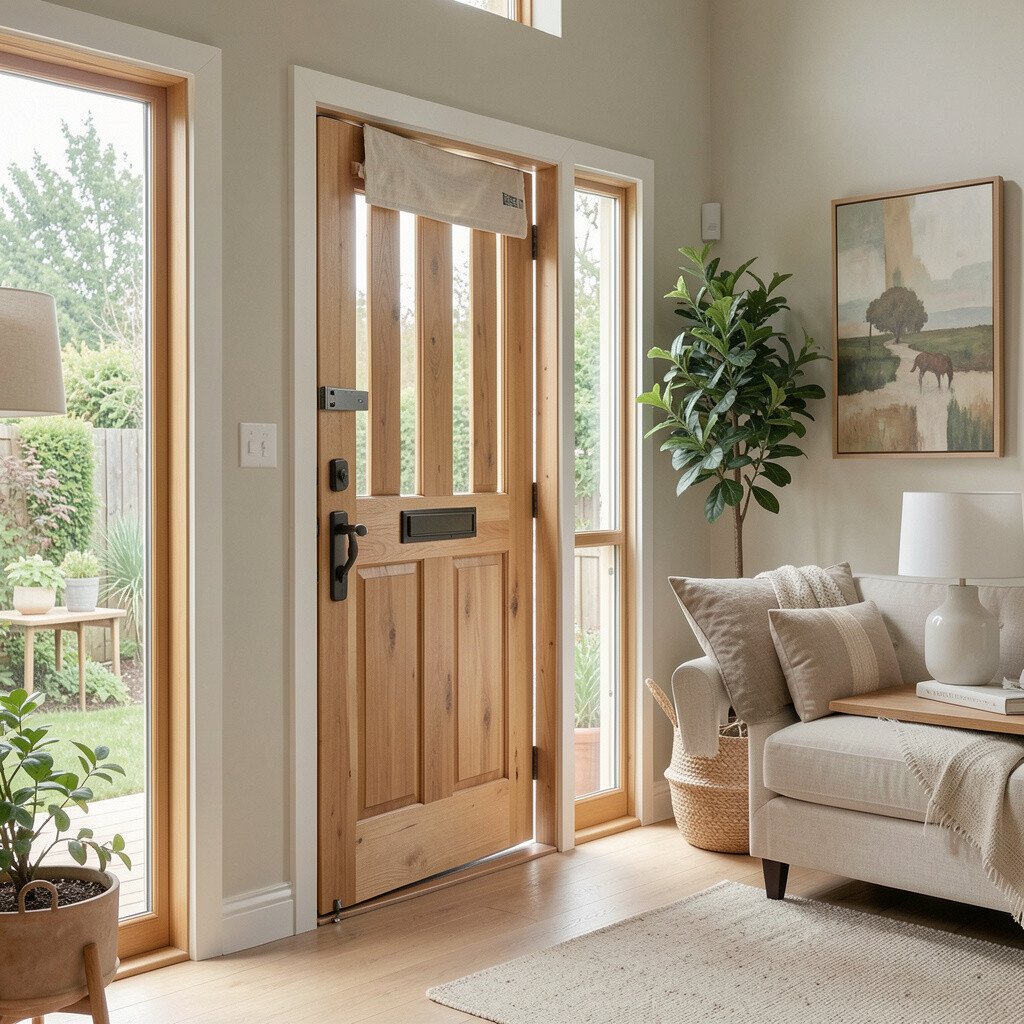
Doors can leak air around the edges, making rooms feel uneven. Simple seals can help you keep warmth in and cool air inside.
Use weather stripping and door sweeps that fit your door style and floor type. For a cleaner look, choose finishes that blend with your trim so the fix doesn’t stand out.
If you’re a renter, look for reversible options and test before you commit. A good seal is an affordable upgrade that often helps comfort immediately.
16. Create Built-Ins With Reuse and Refinishing

Built-ins can make a home feel custom, but they don’t have to be brand new. Reusing existing cabinetry and refinishing it can give you that tailored look with less waste.
Refinish frames, replace only worn parts, and update doors with materials that fit your style. Measure carefully so doors align and shelves sit level for a polished finish.
To personalize, add open shelving for books and decorative bowls, then use closed cabinets to hide daily clutter. If cost is a concern, keep the footprint and update surfaces, knobs, and lighting rather than rebuilding from scratch.
17. Use Natural Patterns for Low-Waste Styling
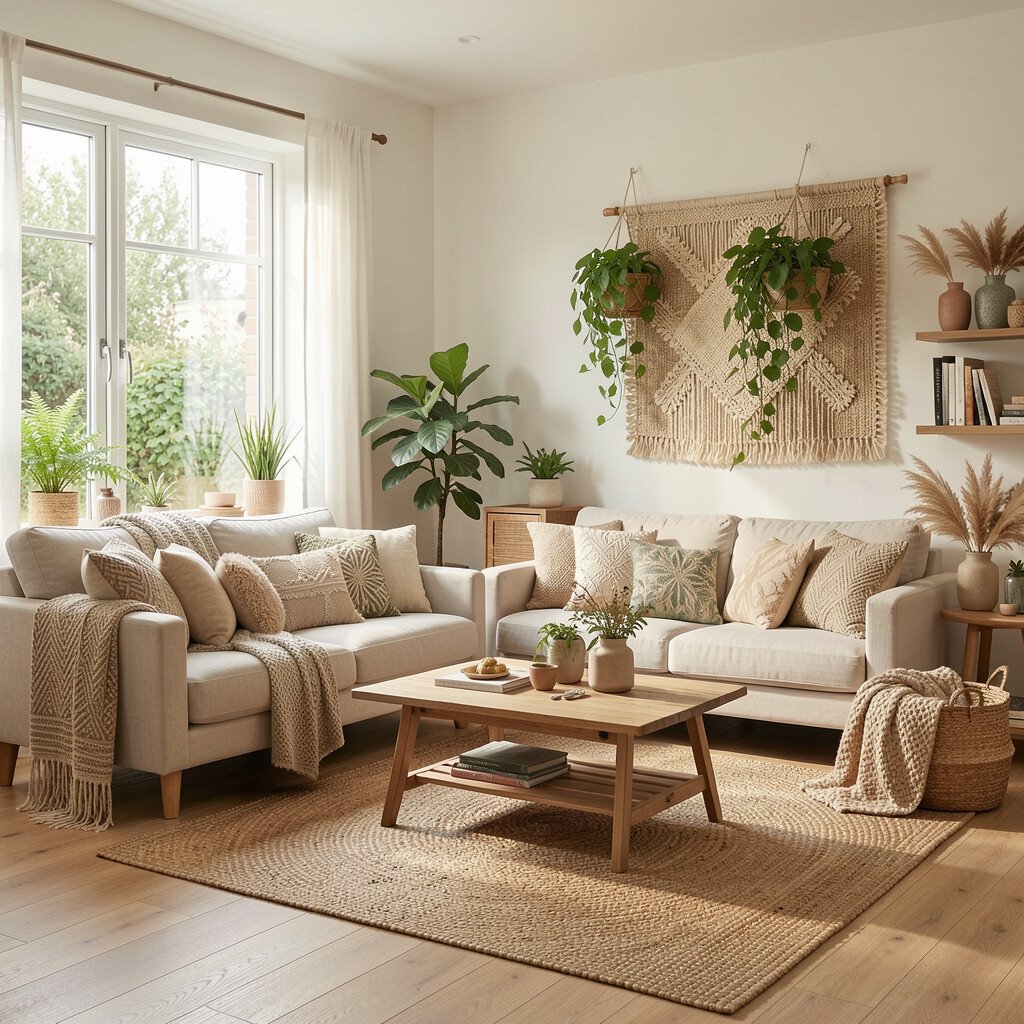
Decor should feel meaningful, not excessive. Using natural patterns and materials can create visual interest without adding a lot of new stuff.
Try arranging dried flowers, woven baskets, or stoneware in repeated sizes across shelves. Layering different textures, like rattan and linen, makes spaces feel curated even when you keep items minimal.
18. Select Appliances With Efficient Energy Ratings
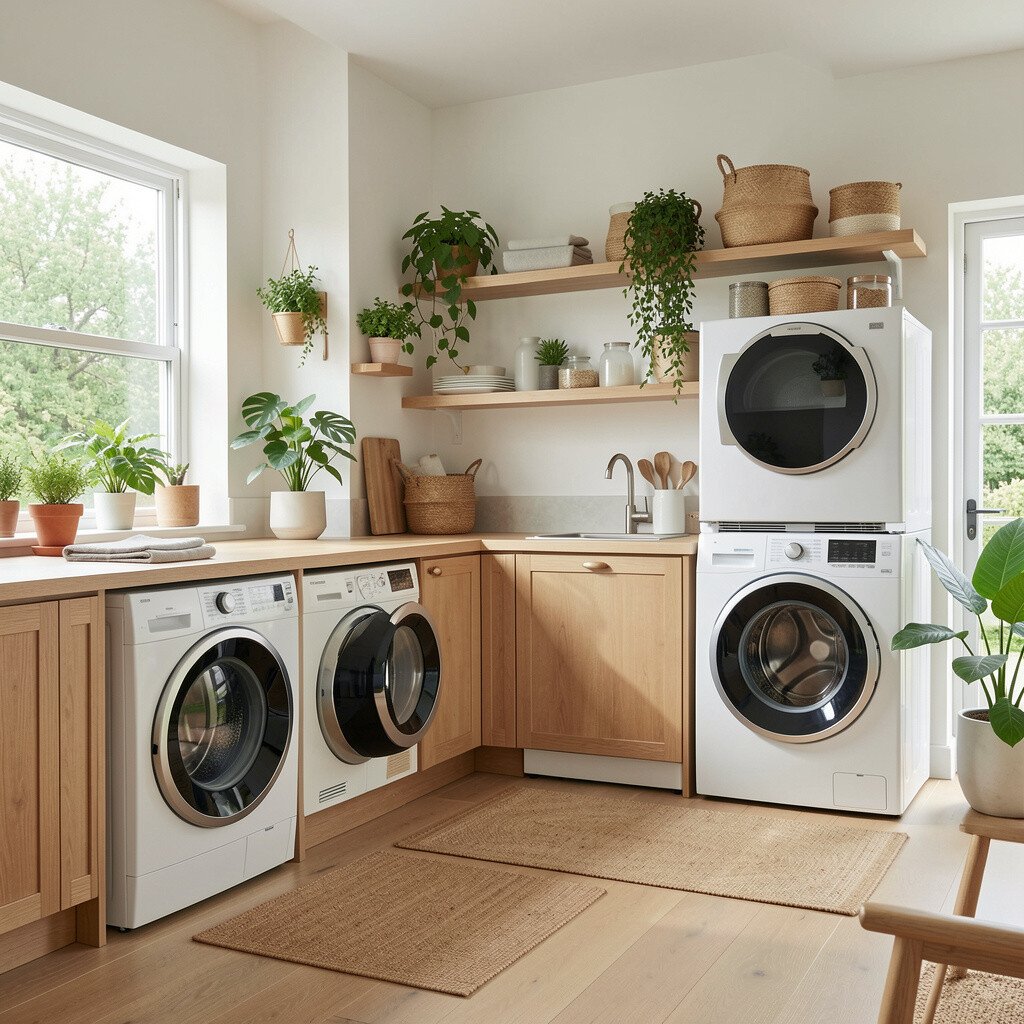
Kitchen and laundry appliances quietly shape your energy use every day. Choosing efficient models can lower costs while keeping performance strong.
When you shop, focus on efficiency features like better insulation for fridges and smart cycles for washers. If you’re upgrading slowly, start with the appliance you run most often so savings show up sooner.
For personalization, aim for finishes that match your overall style, such as matte stainless or panel-ready options. If budget is tight, consider refurbished or last-year models from trusted sellers to reduce cost and waste.
19. Make a Composting or Food-Waste Plan
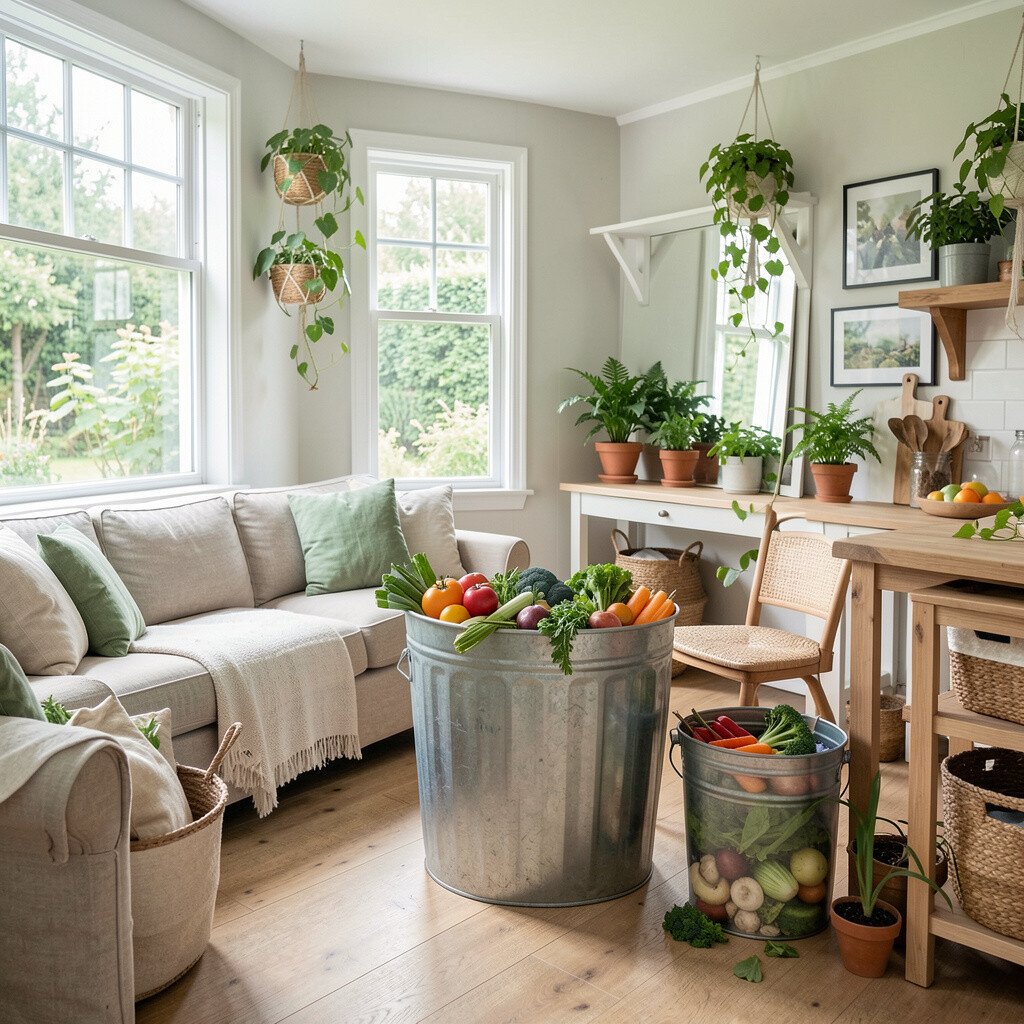
Food scraps can either vanish into waste streams or become something useful. Composting helps reduce trash and supports healthier soil if you have outdoor space.
Choose a simple countertop bin with a lid and place it under a convenient spot in your kitchen. If you don’t have a yard, check local community compost programs and drop-off points.
To keep it fresh, manage moisture and use paper-based liners when needed. This kind of habit costs little, and it turns daily routines into a sustainable rhythm.
20. Add Eco-Friendly Cleaning Tools and Refill Habits

How you clean shapes both indoor air and waste. Switching to safer formulas and refill systems can make your home feel cleaner in every sense.
Use concentrates, refill pouches, or cleaning tabs that reduce packaging, then store them in reusable glass or metal bottles. For practicality, keep a small caddy so you grab what you need without buying extra bottles constantly.
To personalize, label with simple tags and color-code by room, like kitchen, bathroom, and floors. If you want to save money, buy in bulk during sales and use a consistent routine so products last longer.
21. Design a Cozy, Efficient Home Office
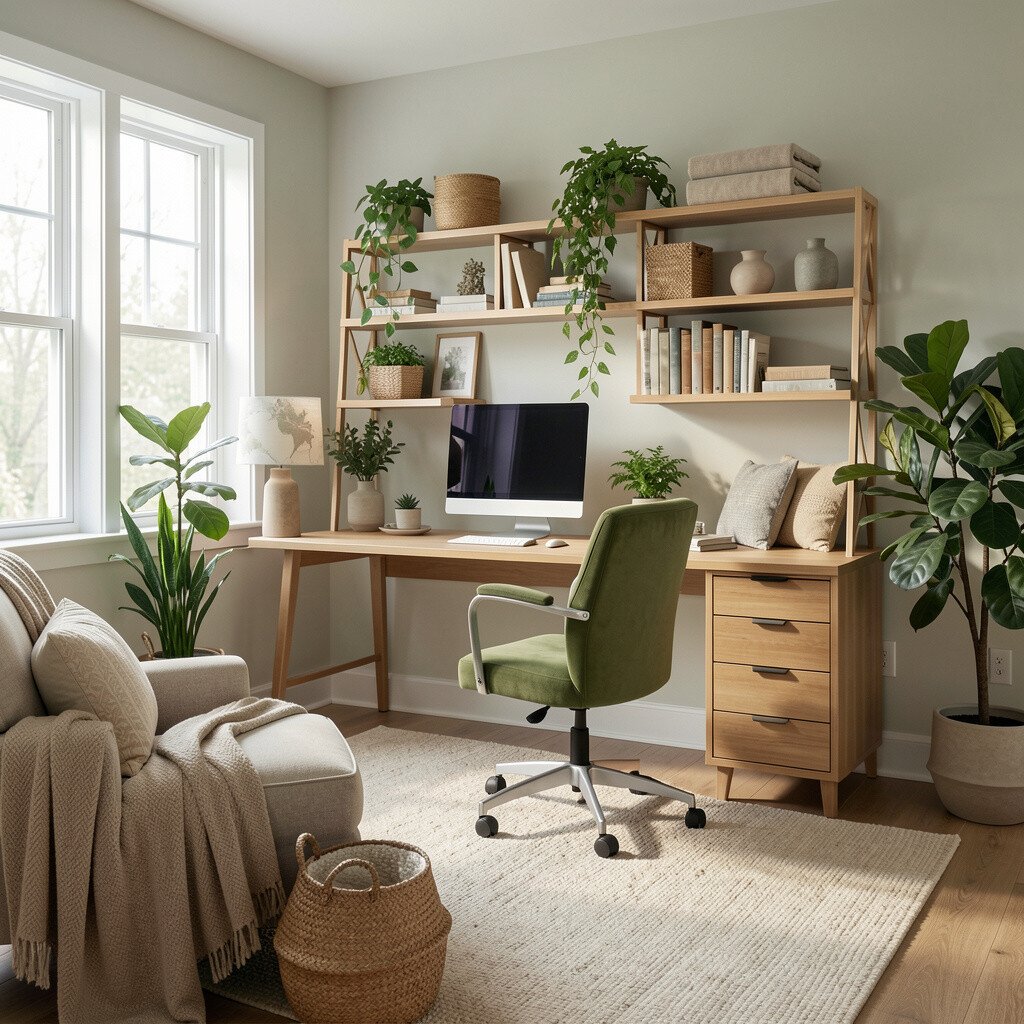
Workspaces can be sustainable without sacrificing comfort. When your office is planned well, you’ll sit longer without feeling drained.
Choose a desk lamp with an efficient bulb, and keep daylight in mind by placing your screen so glare stays low. Use a comfortable chair and add an area rug for warmth, which can make heating feel more effective.
For personalization, build your storage with secondhand shelves or reused bins and add a board for notes made from low-waste materials. If cost matters, prioritize lighting and comfort first, then upgrade decor gradually.
22. Personalize With Local Art and Handmade Pieces
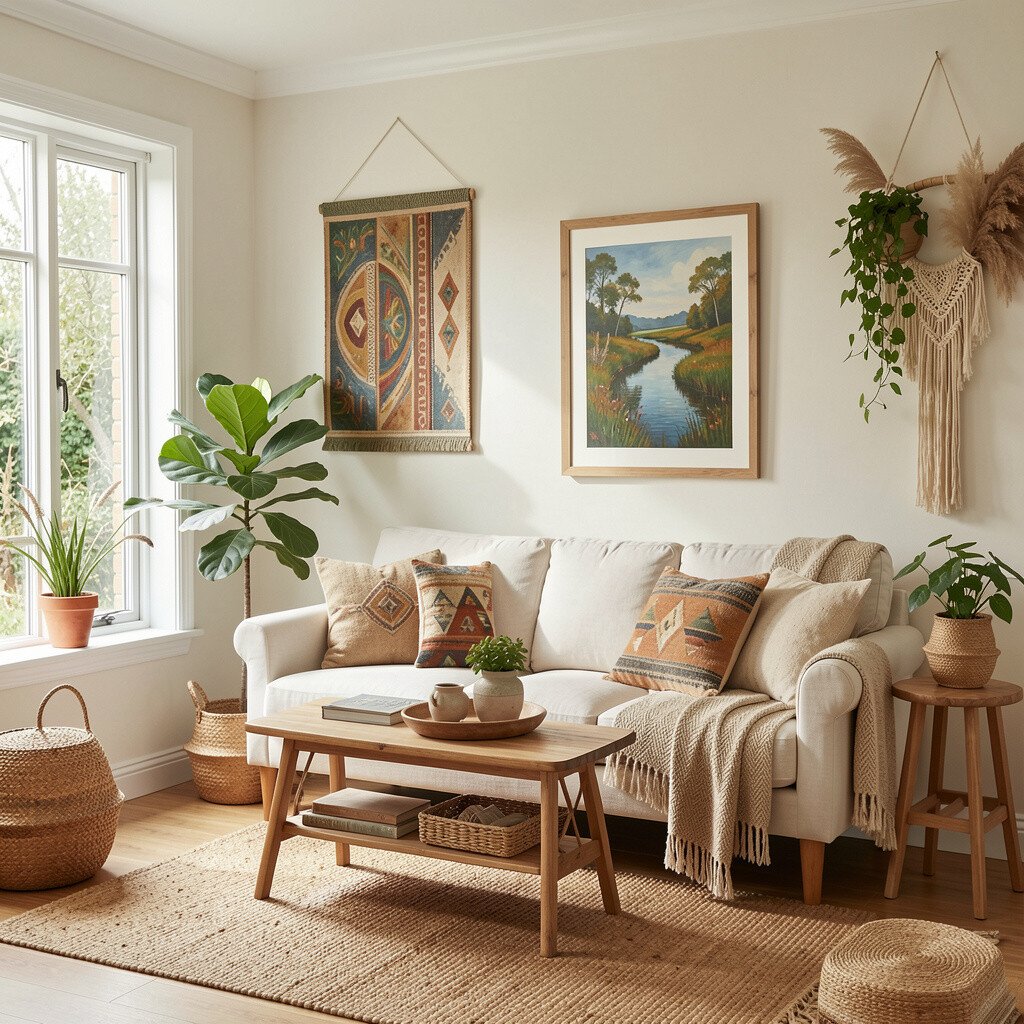
Art brings personality, and choosing local work can support nearby makers. You’ll get unique pieces that feel connected to your community.
Look for handmade ceramics, woven wall hangings, or small paintings that match your color story. Buying fewer, higher-quality items also helps your home feel intentional instead of crowded.
For practical planning, measure wall space before you shop and consider movable hanging systems if you like to update seasonally. While handmade art can cost more upfront, it often lasts longer and adds warmth that mass-produced decor can’t match.