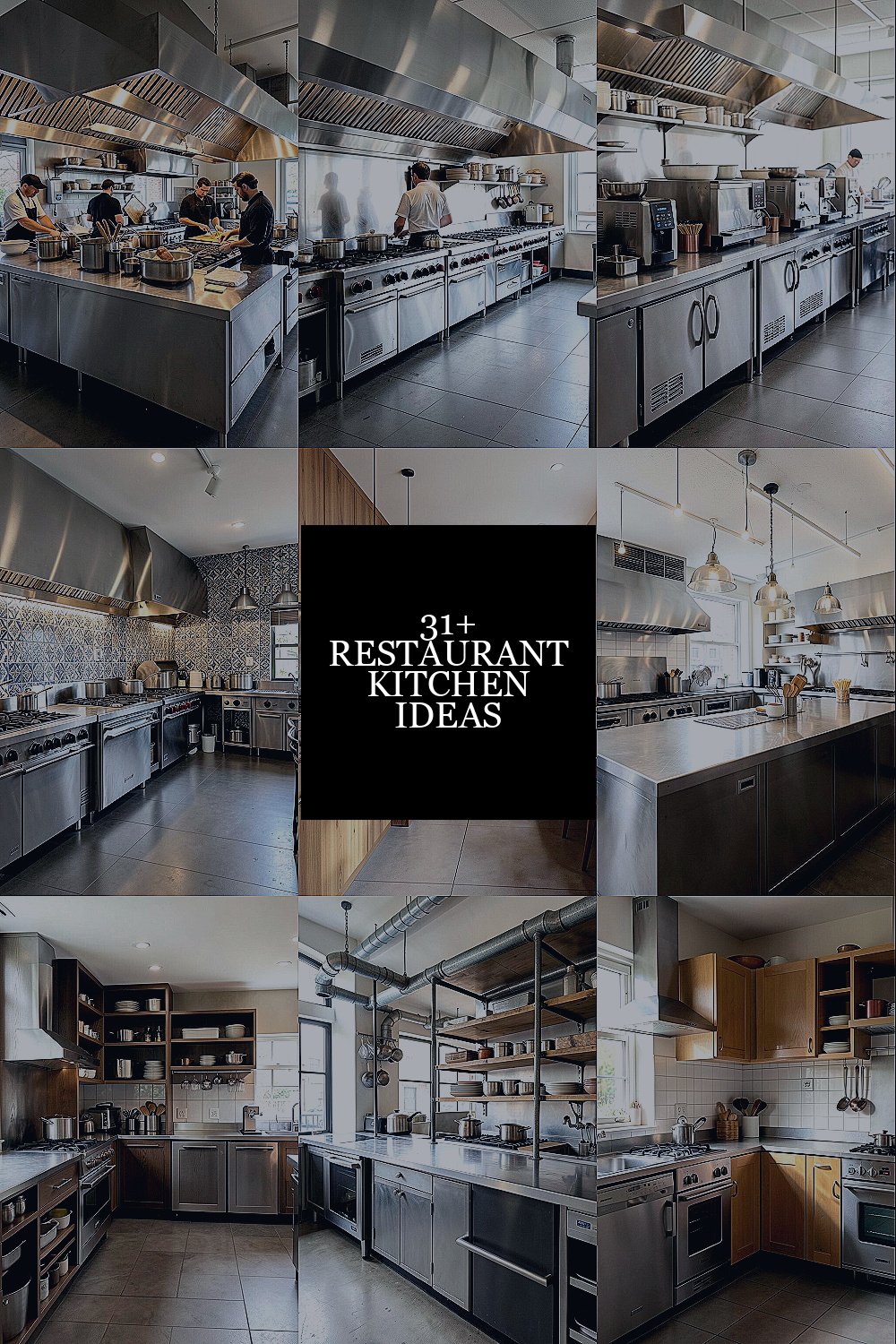
Restaurant kitchens can be loud, bright, and full of energy. They can also be stylish, smart, and surprisingly warm.
1. Open-View Cooking Lines
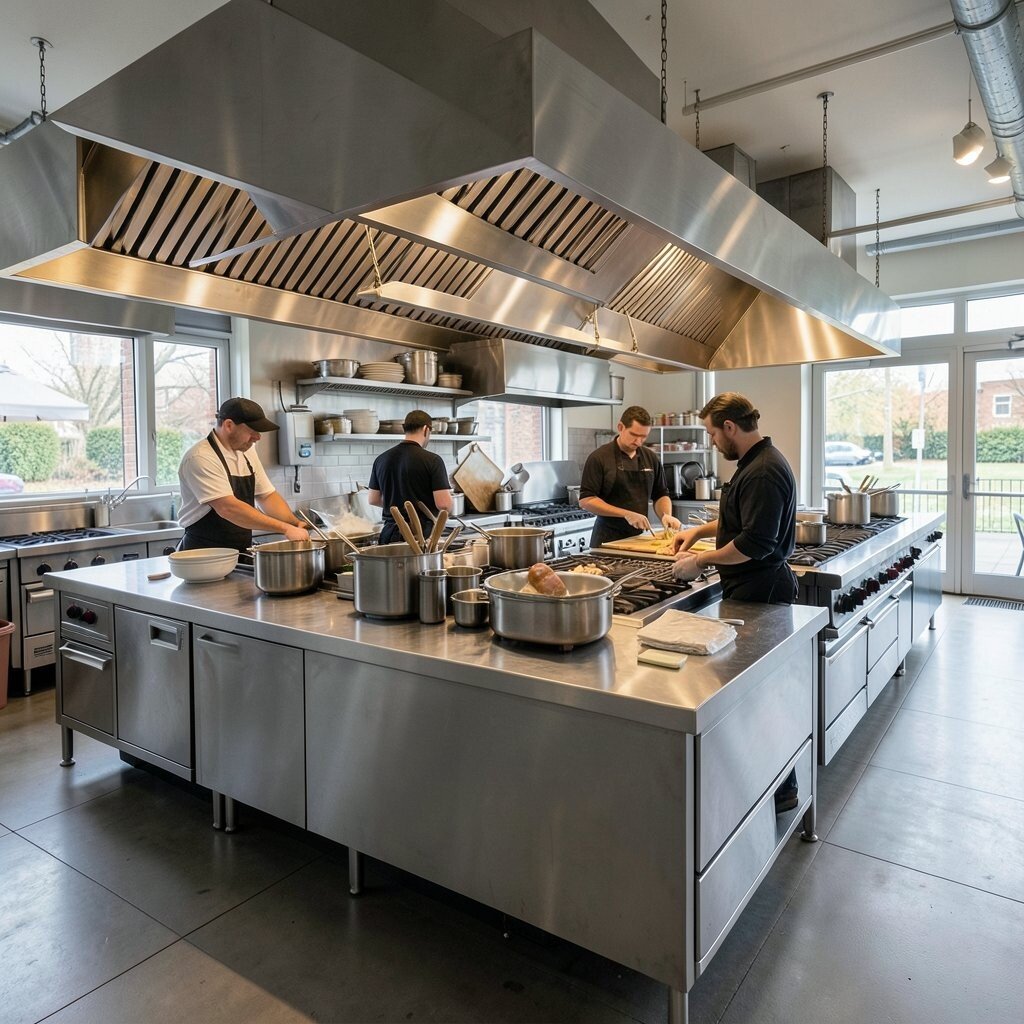
An open-view cooking line brings the action right into sight, so guests can watch the team work with speed and style. It creates a bold, lively look that feels honest and exciting.
This setup can make a kitchen feel bigger because there are fewer walls in the way. Use clean metal finishes, neat lighting, and matching tools to keep the space sharp, and add a small branded sign or colored tile to show off your style. It can cost more than a closed kitchen because the finish work must look polished, but many owners like the boost in energy and trust it brings.
2. Stainless Steel Everything
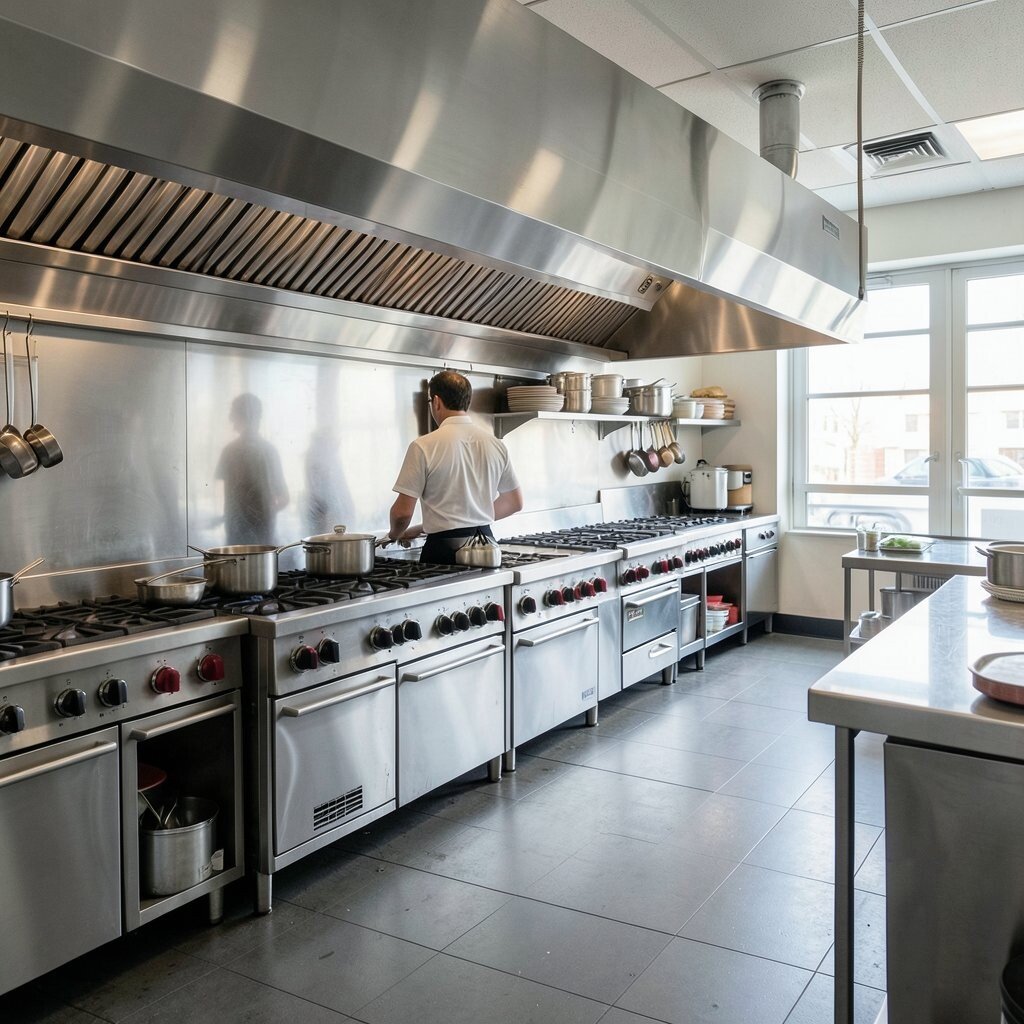
Shiny steel surfaces give a kitchen a crisp and professional feel. They also help the room look clean, which matters a lot in food service.
Steel is strong, simple to wipe down, and good for busy work areas. Pair it with wood shelves or soft wall paint if you want a warmer feel, and choose matte handles if you want less glare from bright lights. This look stays popular because it fits many styles and can work in both small and large kitchens.
If you want a personal touch, add labeled bins, custom racks, or a colored backsplash behind the prep area. Those small details can keep the kitchen from feeling cold while still giving you the easy care of steel.
3. Smart Prep Stations
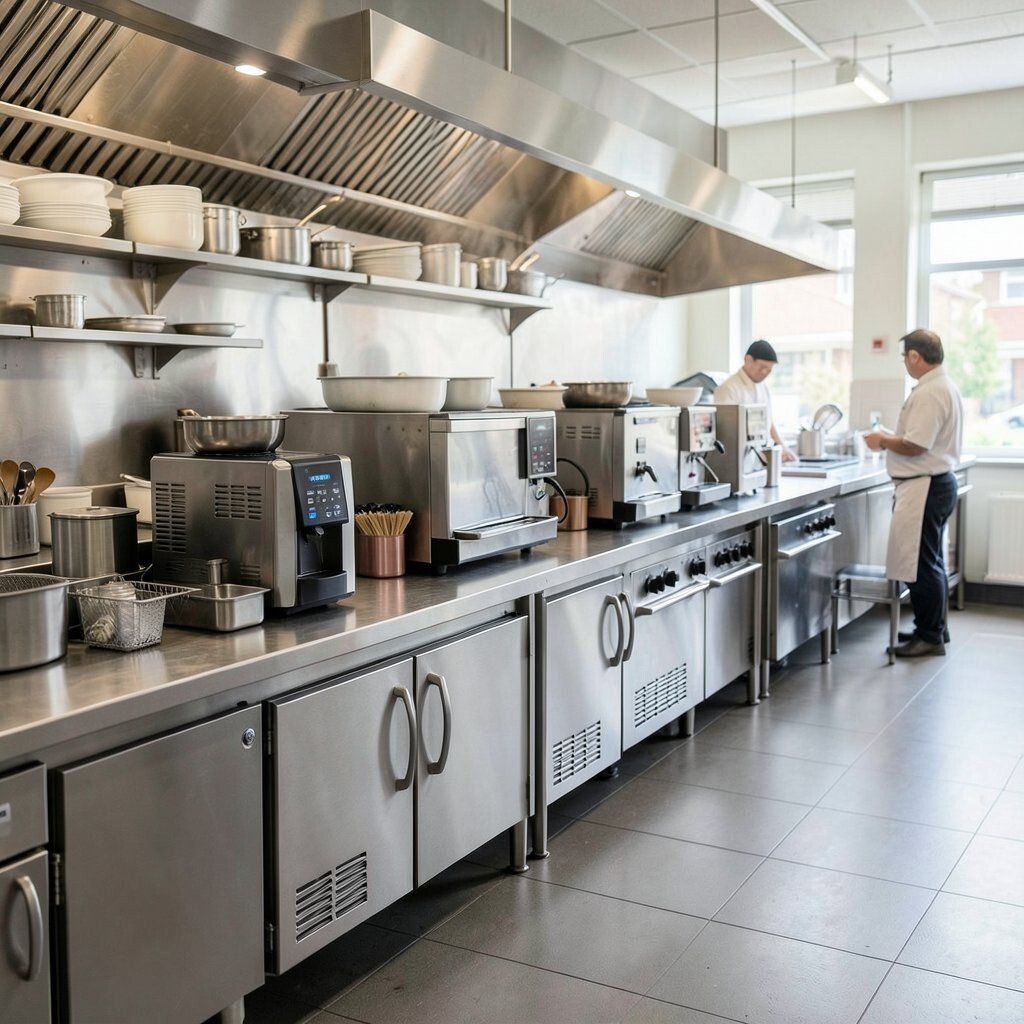
Smart prep stations keep tools, ingredients, and cutting space close together. That means fewer steps for the team and faster work during busy hours.
A tidy prep zone can look neat and calm, even on a hectic night. Try pull-out drawers, built-in containers, and wall hooks to save space, and place the most used items near the front for quick grabs. Some owners spend more at first on custom storage, but the time saved each day can be worth it.
You can make each station feel special with color-coded boards, name tags, or a layout that fits your menu style. A pizza shop, bakery, and burger kitchen all need different prep flows, so a custom setup can be a smart move.
4. Bold Tile Backsplashes
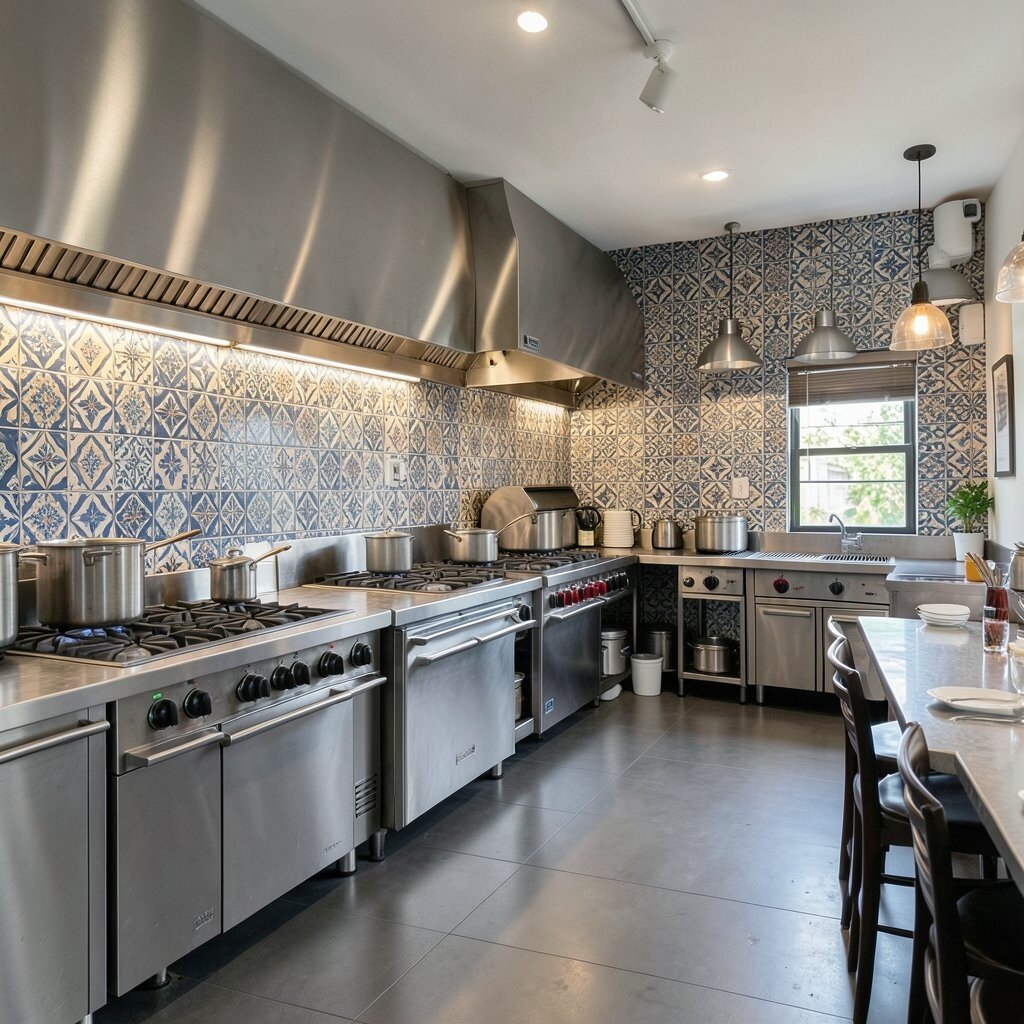
Colorful tile can turn a plain kitchen wall into a fun focal point. It adds pattern, shine, and a little personality behind the hard work.
Tile is also practical because it stands up well to splashes and heat. Choose easy-to-clean grout lines, and pick colors that match your brand or food style, like deep blue for a seafood spot or warm red for a grill house. Trendy shapes like zellige and slim subway tile are popular now, but classic squares still look great and often cost less.
5. Warm Wood Accents
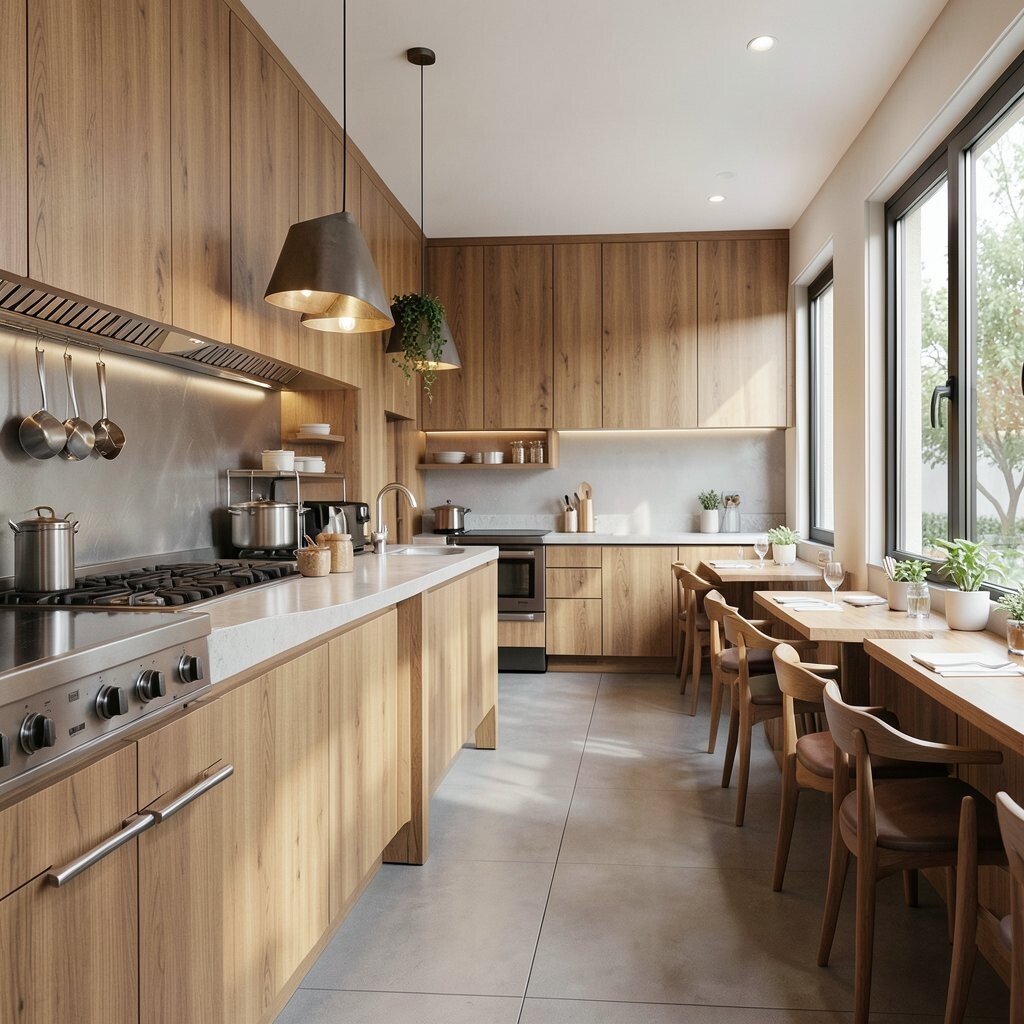
Wood accents soften the hard edges of a restaurant kitchen. They can make the space feel more human and less like a machine room.
Use wood on shelves, trim, stools, or even a host stand near the kitchen window. It pairs well with steel and stone, and it can help your space feel cozy without giving up a clean look. If full wood cabinets are too costly, try just a few wood pieces for a rich effect.
Personal touches matter here, so think about reclaimed boards, local wood, or a finish that matches your dining room. That small link between kitchen and guest space can make the whole restaurant feel more connected.
6. Bright Task Lighting
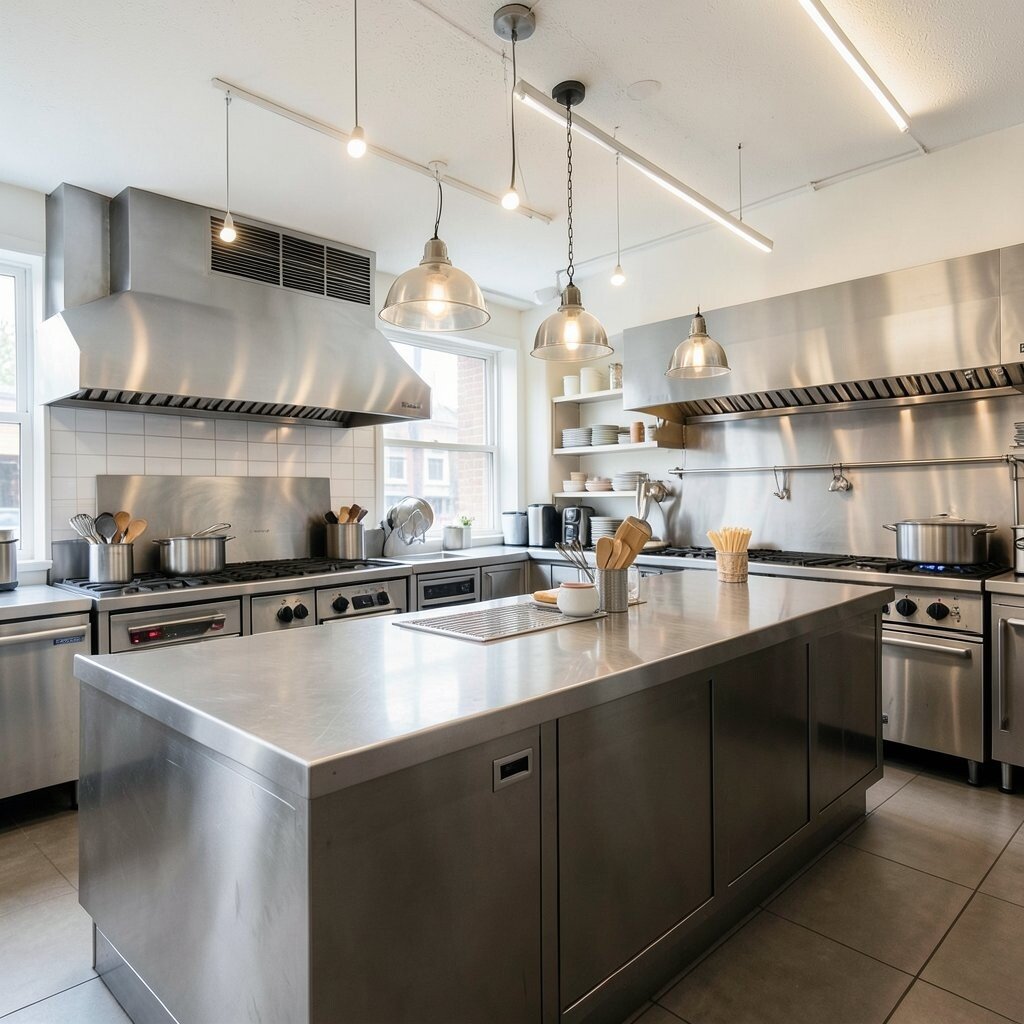
Good lighting can change how a kitchen feels in a big way. Bright task lights help cooks see clearly and stay safe while they move fast.
Use strong lights over prep counters, ranges, and dish areas so no one has to work in shadows. Slim hanging fixtures, under-shelf strips, and LED bars are all useful choices, and they can keep energy bills lower than older bulbs. Many modern kitchens use layered lighting, which means mixing bright work lights with softer accent lights for a balanced look.
You can also choose fixture styles that fit your brand, like black metal for an industrial feel or brass for a more polished one. Even a plain kitchen can feel stylish when the lighting is planned with care.
7. Hidden Storage Walls
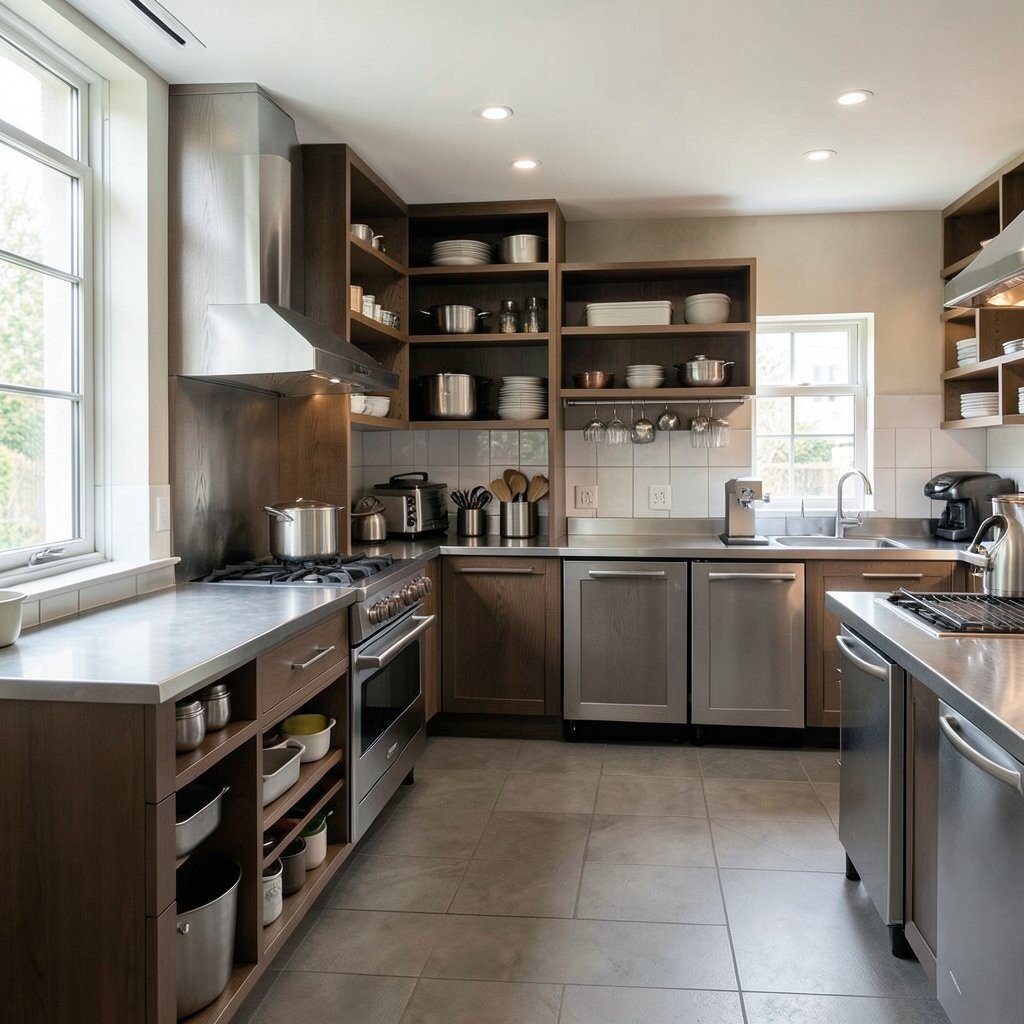
Hidden storage walls help a kitchen stay neat without taking up much floor space. They can hide dry goods, tools, and backup items behind smooth panels or tall cabinets.
This idea works well in smaller kitchens where every inch matters. Add adjustable shelves, sliding doors, and clear labels inside so the team can find things fast, and keep the outside simple for a clean look. Custom built-ins may cost more, but they often pay off by cutting clutter and making cleanup easier.
For a personal touch, use one section for branded items or special serving pieces. That way the storage stays useful while still giving the kitchen a little character.
8. Industrial Pipe Shelving
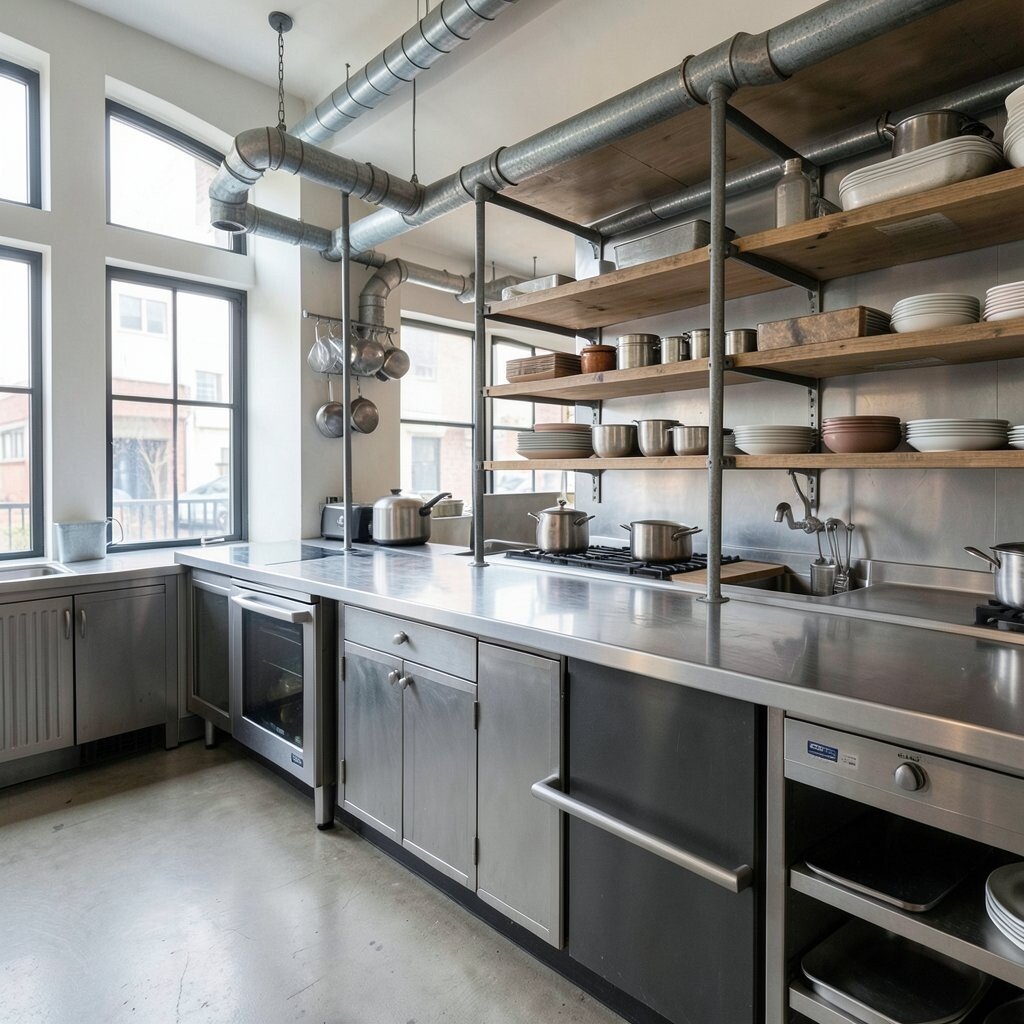
Pipe shelving brings a rugged, urban feel to a restaurant kitchen. It looks strong and open, and it gives the room a cool, working vibe.
These shelves are great for holding pans, jars, and dry ingredients that need quick access. Mix dark pipes with wood planks for a balanced look, and keep the shelves spaced well so they do not feel crowded. This trend is still popular because it is stylish, flexible, and often easier on the budget than full cabinet systems.
If you want the shelves to feel less harsh, add small plants, labeled containers, or warm accent colors nearby. Those little details can make the setup feel more personal and inviting.
9. Compact Corner Kitchens
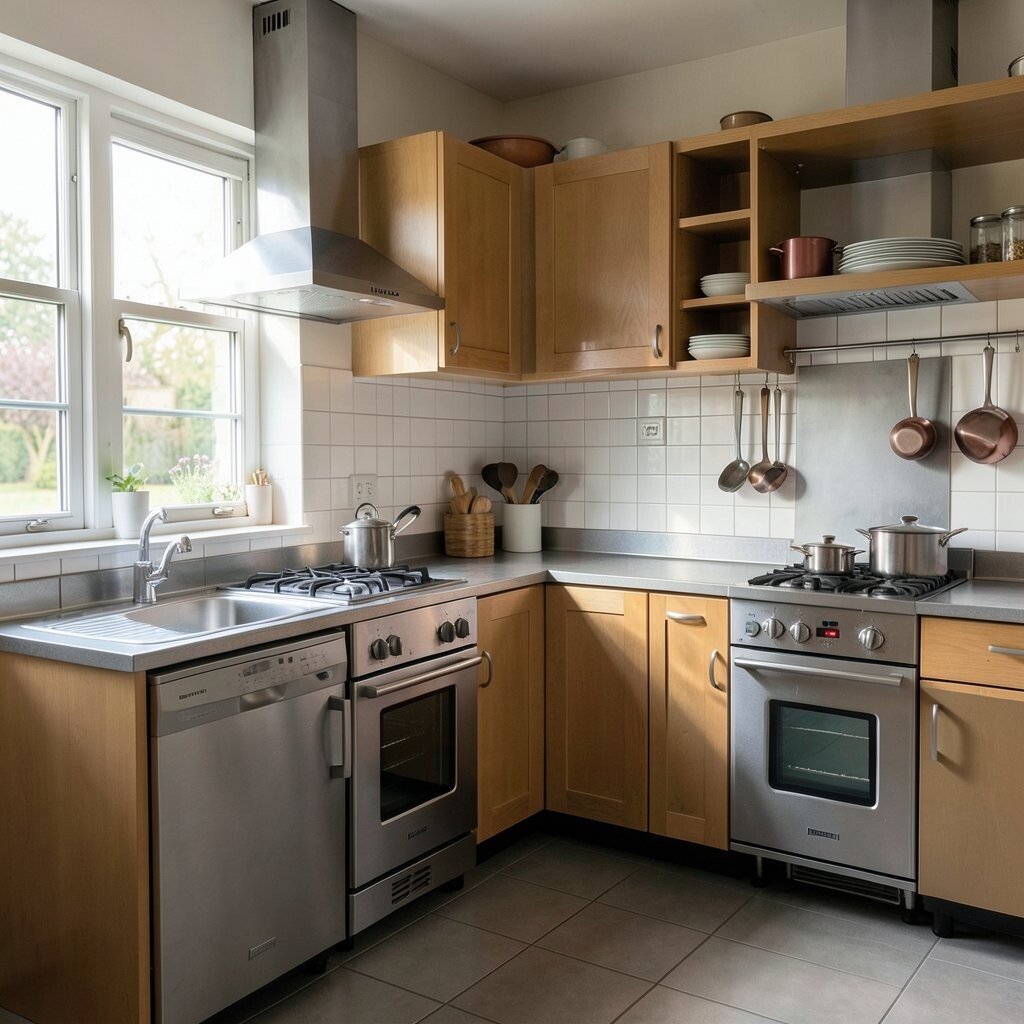
A compact corner kitchen can make a small space work harder. It uses an awkward area in a smart way and keeps the flow moving.
Place prep, cook, and clean zones in a simple triangle so staff can move with fewer steps. Light colors, mirrored surfaces, or glossy tile can help the corner feel larger, and slim equipment can save precious room. This layout is a strong choice for cafés, food trucks, and small restaurants with tight floor plans.
To make it your own, add a custom menu board or a bright accent wall near the corner. Even a tiny kitchen can feel lively when the layout is thoughtful and the style is clear.
10. Chef’s Table Pass-Through
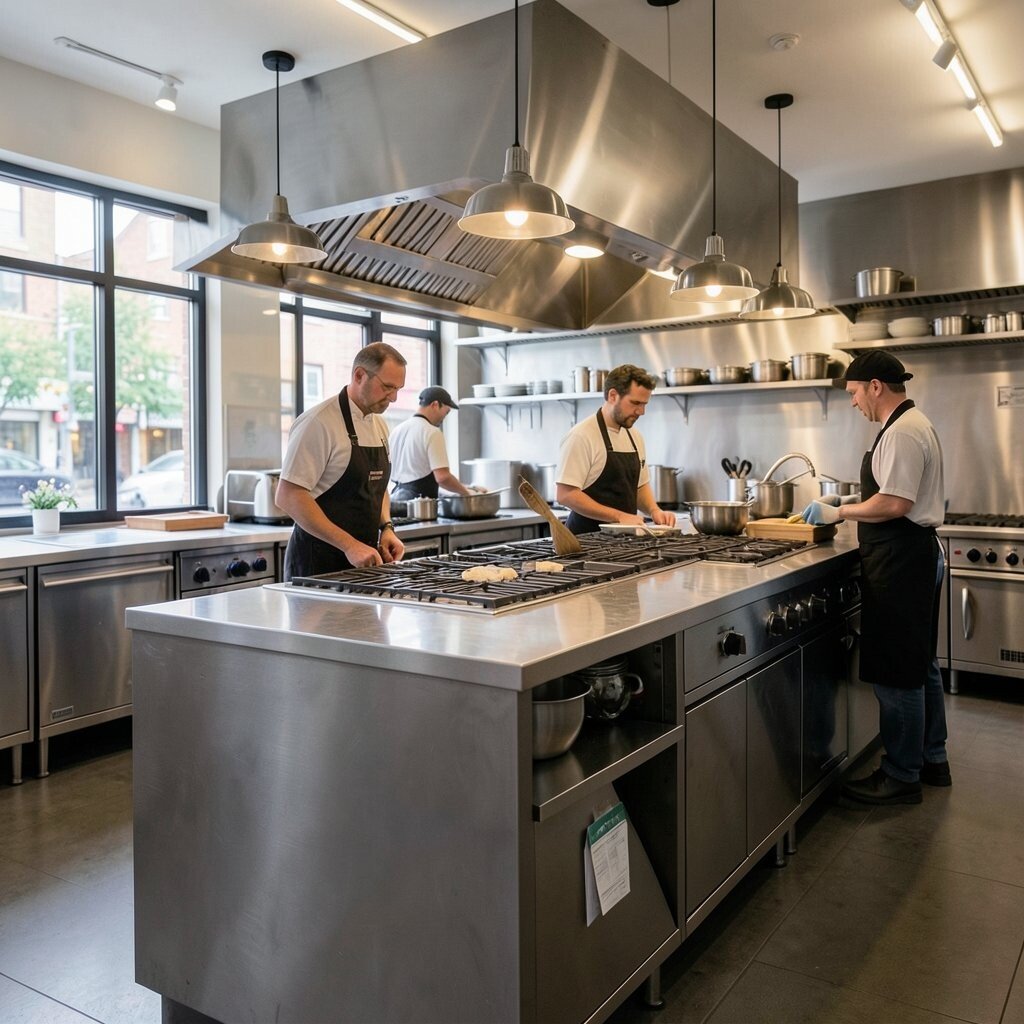
A chef’s table pass-through creates a direct link between the kitchen and the guest area. It gives diners a peek at the food before it reaches the table.
This setup can make service feel more personal and premium. Use clean counters, warm lighting, and neat plating zones so the pass looks polished, and keep napkins, garnishes, and tools close by for fast finishing. It can cost more if you need custom counters or glass dividers, but it often adds a special touch that guests remember.
You can make the pass-through match your restaurant’s mood with wood trim, tile, or metal framing. A small branded sign or engraved tray can also help the area feel one of a kind.
11. All-Black Finishes
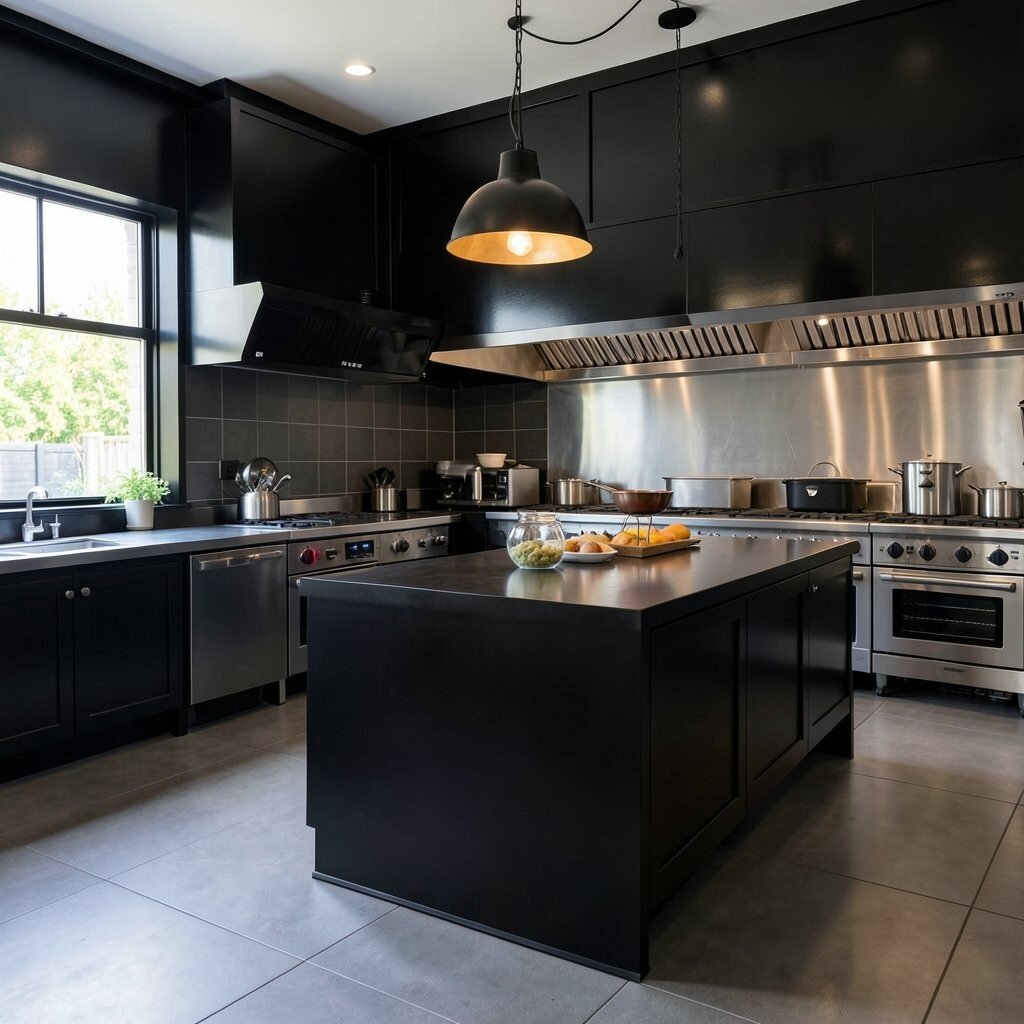
All-black finishes give a kitchen a sleek, dramatic look. They can make stainless steel, food colors, and bright labels stand out in a bold way.
Black cabinets, dark walls, and matte fixtures can hide scuffs better than lighter shades. Use strong lighting so the space still feels open, and mix in a few shiny pieces to keep the room from looking flat. This style feels modern and is very popular in new restaurant builds and remodels.
If you want a softer edge, add wood stools or warm brass handles. That mix can keep the kitchen stylish without making it feel too dark or heavy.
12. Glass Display Storage
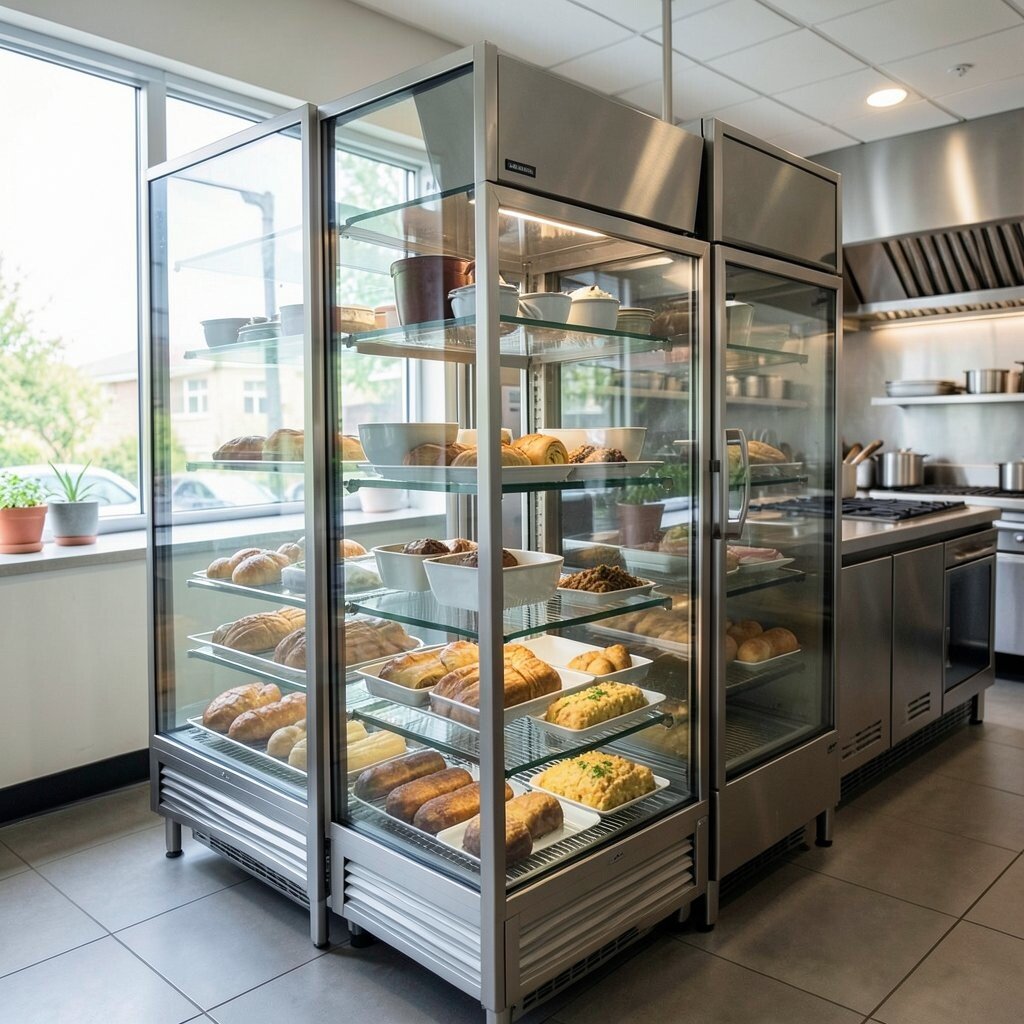
Glass display storage lets people see beautiful dishes, cups, or ingredients at a glance. It adds a clean, elegant look that feels neat and ordered.
This idea works well for bakeries, cafés, and open kitchens where presentation matters. Keep the items inside arranged by color or type, and use soft lighting to make the display glow. Glass can cost more than open shelving, but it often makes the kitchen feel more upscale and polished.
Personalize the display with branded mugs, special serving bowls, or seasonal items that match the menu. That way the storage becomes part of the story instead of just a place to put things.
13. Mobile Prep Carts
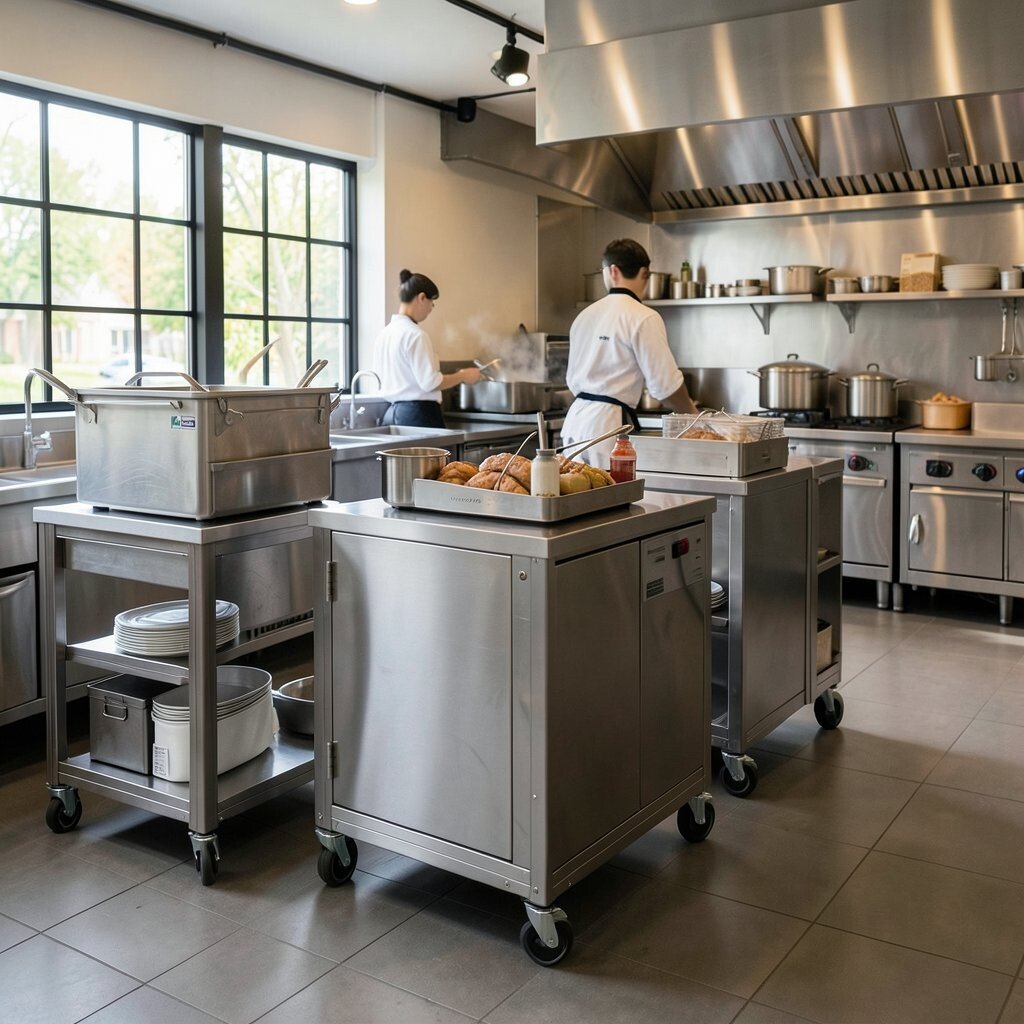
Mobile prep carts bring flexibility to a busy kitchen. They can roll where needed and help the team adjust fast during rush hours.
These carts are great for chopping, plating, or holding extra tools. Choose sturdy wheels, easy-clean tops, and locking brakes so the cart stays safe when in use. Many restaurants like them because they are often cheaper than built-in stations and can be moved as the menu changes.
Pick cart colors or handles that fit your brand, and label each one by job. A few smart carts can make a kitchen feel more organized and ready for anything.
14. Statement Range Hoods
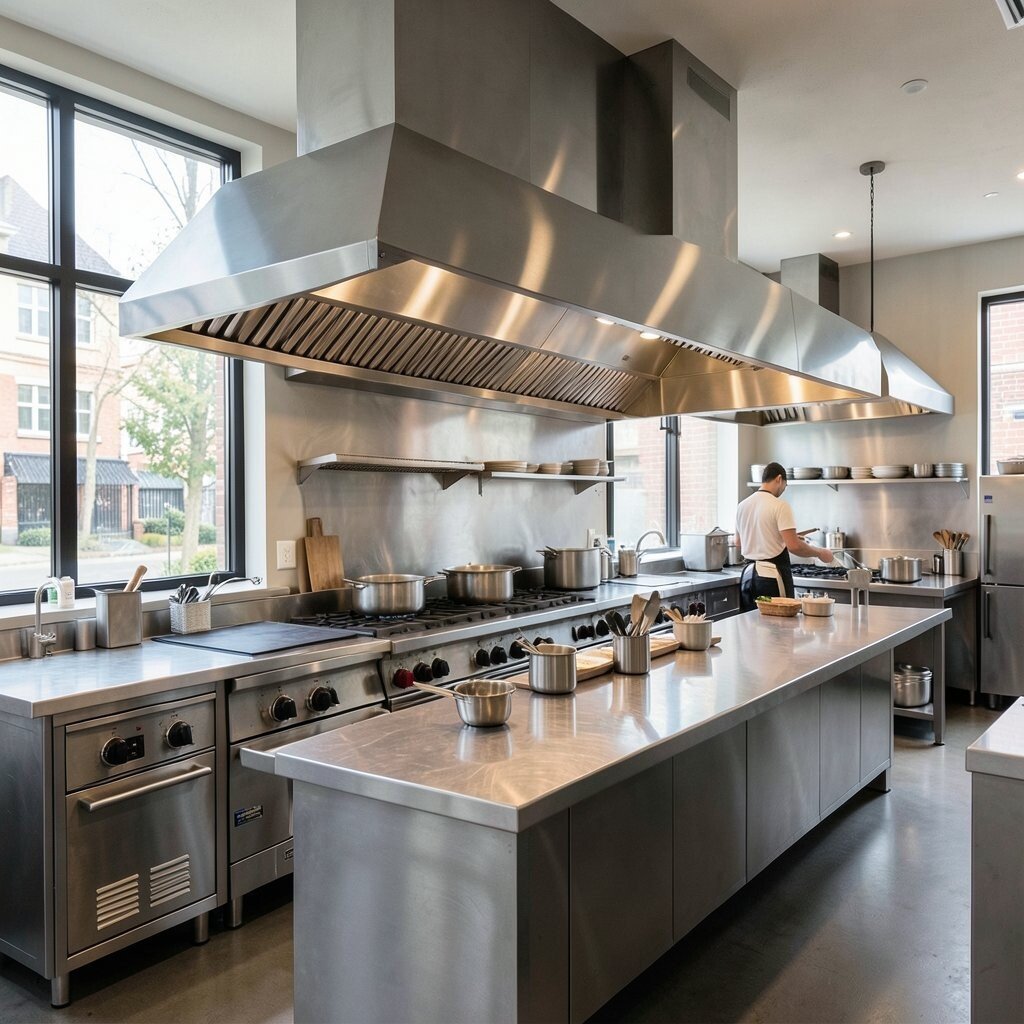
A statement range hood can be the star of the whole kitchen. It draws the eye upward and gives the room a strong center point.
Try a hood in copper, black steel, or smooth plaster for a look that stands out. It can make the cooking area feel special while also doing the hard job of clearing smoke and steam. Custom hoods may cost more, but they often become a signature feature that guests notice right away.
Match the hood with nearby shelves or tile so the whole wall feels planned. A bold hood can be both useful and beautiful when the details are chosen with care.
15. Fresh Herb Walls
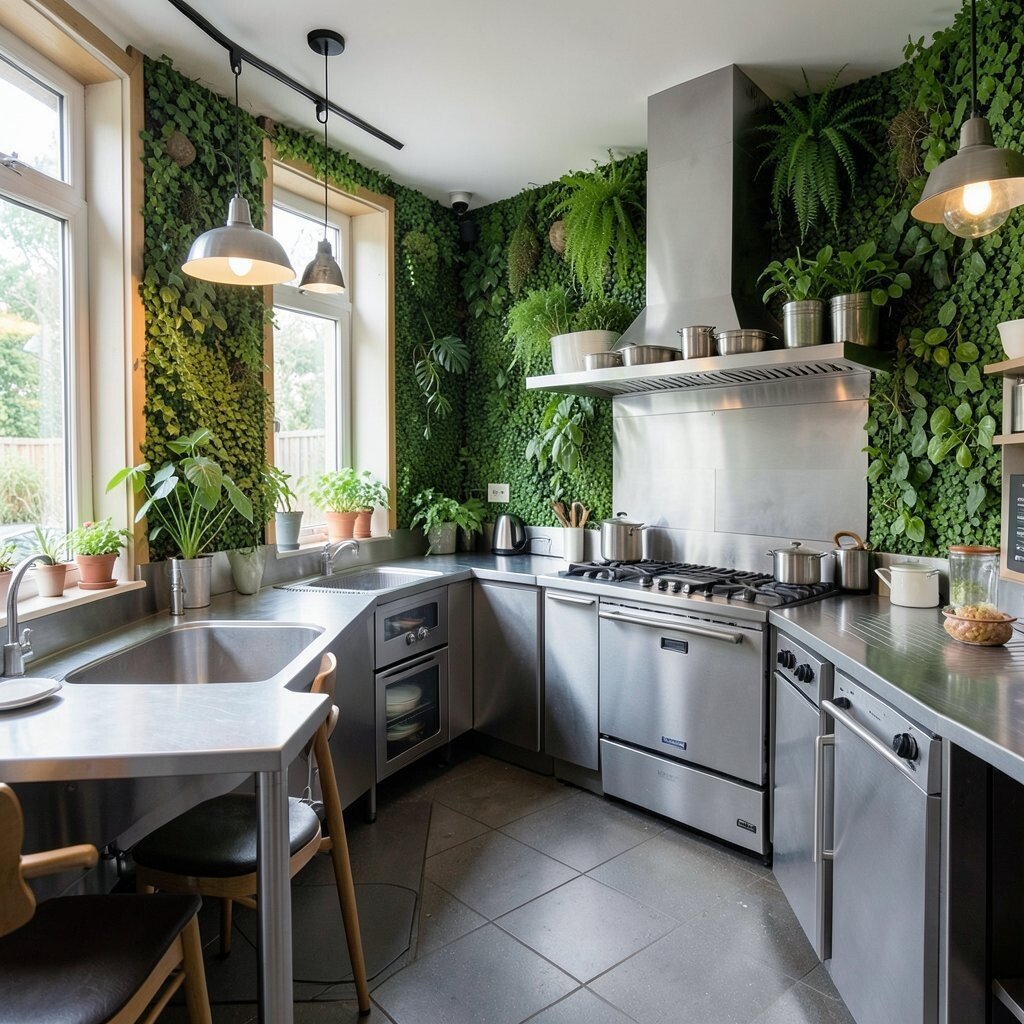
Fresh herb walls add color, scent, and life to a restaurant kitchen. They can make the room feel brighter and more alive.
Use small planters, wall pockets, or narrow racks to grow basil, mint, rosemary, or thyme close to the prep area. Herbs are handy because they can be picked fast and used right away, which helps with fresh flavor and a nice guest experience. This trend is popular in farm-to-table spots, and it can be done on many budgets depending on the setup.
You can personalize the wall with painted pots, plant labels, or a simple watering system that fits your routine. A little green goes a long way in making a kitchen feel cared for.
16. High-Top Chef Counters
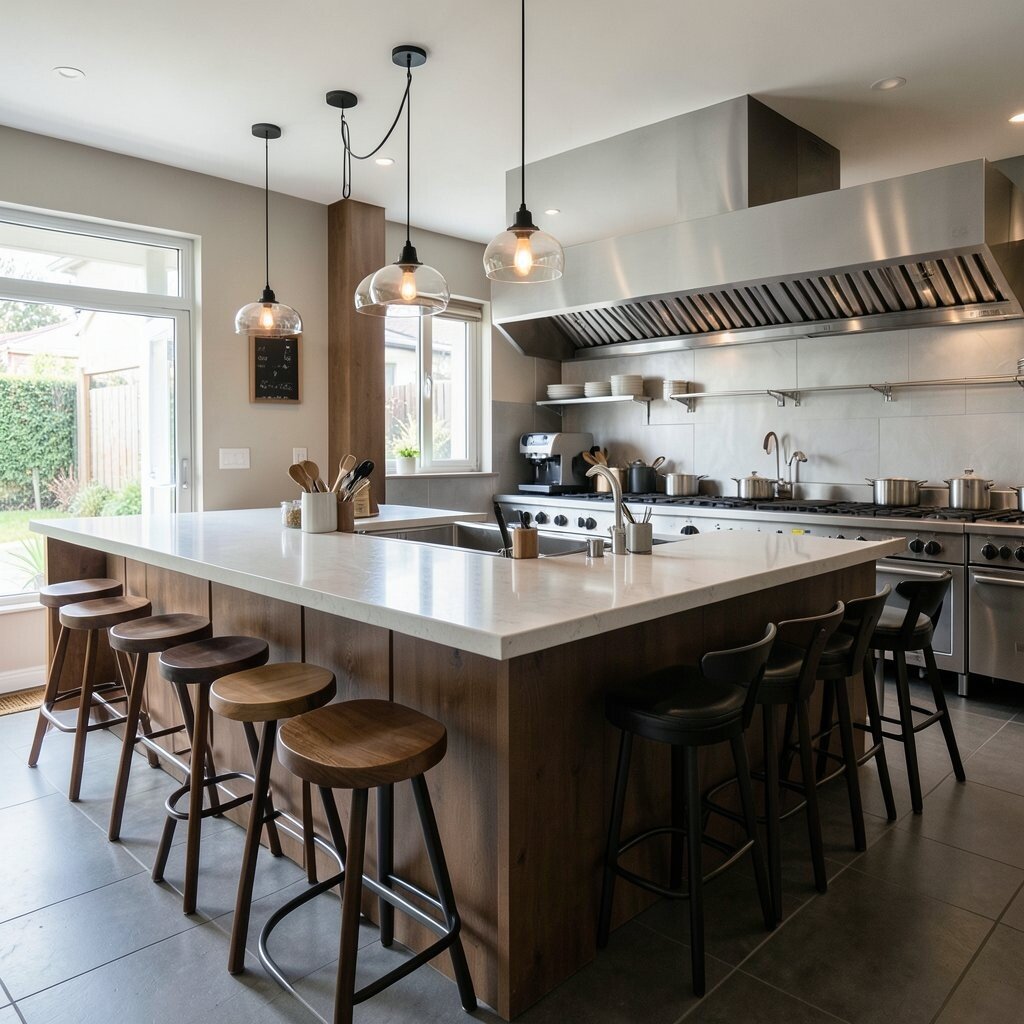
High-top chef counters create a place for quick talks, tasting, and final checks. They add height and structure to a kitchen without taking up too much room.
These counters work well near the pass or in a planning zone where staff can stop and review orders. Use durable tops, easy-clean edges, and stools that tuck away when not needed. Some kitchens build them with stone or butcher block, depending on the style and budget.
To make the counter feel unique, add a small shelf for notes, a menu board, or a branded finish on the front. That can turn a simple work spot into a useful design feature.
17. Open Pantry Zones
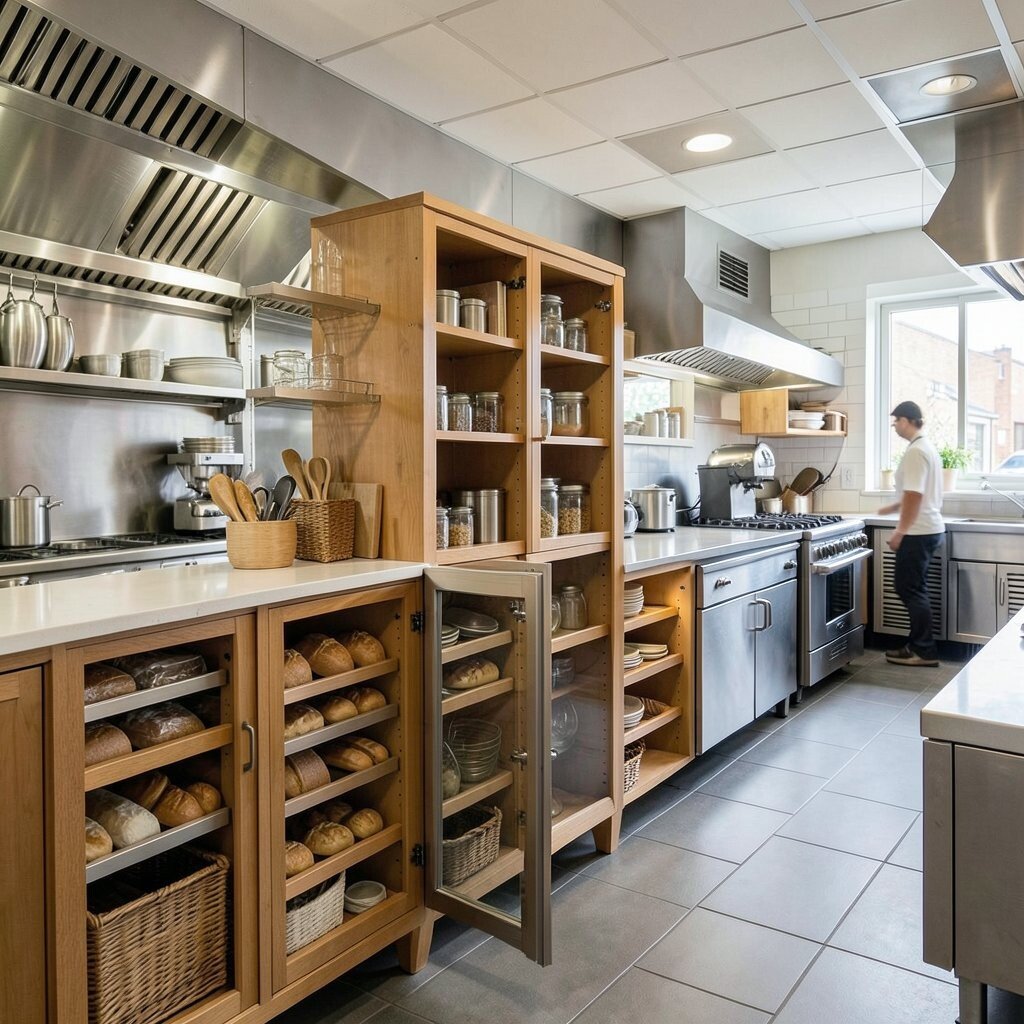
An open pantry zone can make ingredients feel easy to reach and easy to see. It gives the kitchen a market-like charm that many people find appealing.
Keep dry goods in matching jars, baskets, or bins so the shelves stay neat. This setup can save time during service because staff can spot what they need right away, and it can also help reduce waste by keeping stock visible. Open pantry spaces are a current favorite in many modern kitchens because they feel casual and honest.
If you want a personal touch, use custom labels or color-coded containers that match your brand. A tidy pantry can be both useful and pretty when the details are chosen well.
18. Mixed Metal Details
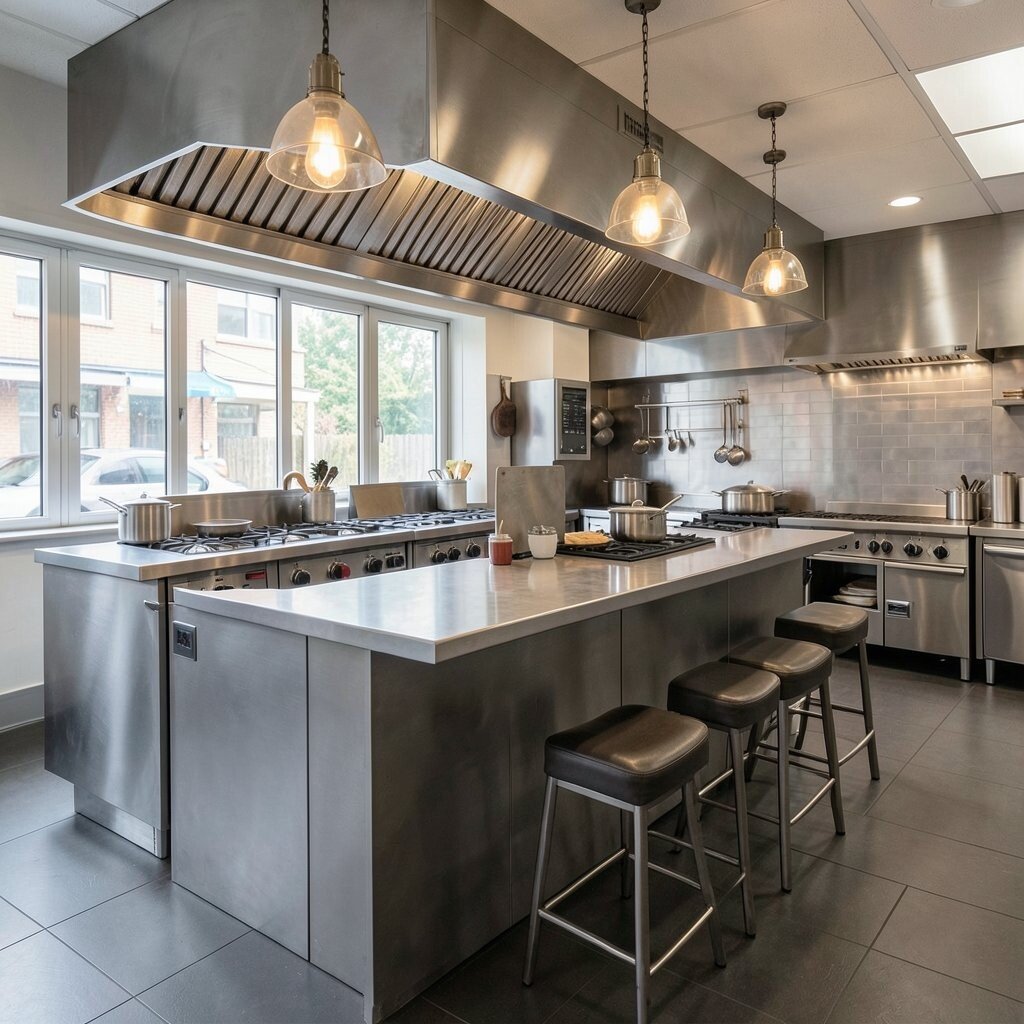
Mixed metal details can keep a kitchen from feeling too plain. They add depth by blending finishes like steel, brass, chrome, and black iron.
Use one metal for big pieces and another for smaller accents so the look stays balanced. For example, pair stainless appliances with brass pulls or black shelves with silver counters. This style is trendy right now, but it works best when the mix feels planned instead of random.
It does not take a huge budget to try this idea, since even small swaps like handles, hooks, or light fixtures can change the mood. A few well-chosen metals can give the kitchen a richer and more custom feel.
19. Clean White Surfaces
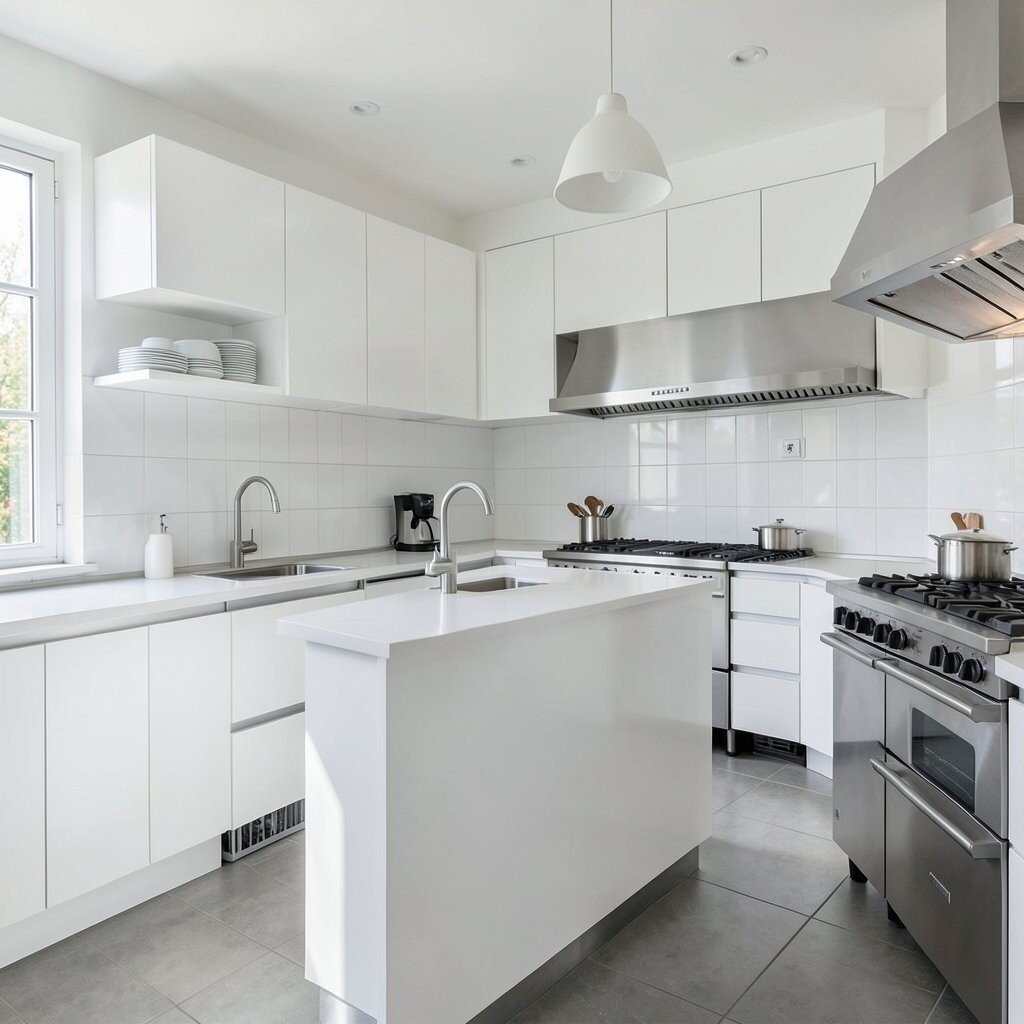
Clean white surfaces make a kitchen feel bright and fresh. They can also help the room look larger and more open.
White counters, walls, and cabinets reflect light well, which is helpful in tight or dim spaces. Keep the design from feeling plain by adding texture through tile, wood, or soft gray accents. This look is timeless and often works well for bakeries, cafés, and fine dining kitchens that want a crisp style.
To make it personal, add a colorful menu board or a few branded tools on display. White is a great base because it lets other details shine.
20. Rustic Brick Features

Rustic brick features bring warmth and character to a restaurant kitchen. They can make the space feel old-world, cozy, and full of charm.
Use brick on one wall, around an oven, or near the prep area for a strong visual touch. It pairs nicely with wood, iron, and soft lighting, and it can hide small marks better than flat paint. Real brick may cost more to install, but brick veneer can give a similar feel for less money.
You can personalize the look by leaving some brick exposed and painting other parts for contrast. That mix can make the kitchen feel unique without losing its classic charm.
21. Built-In Dish Stations
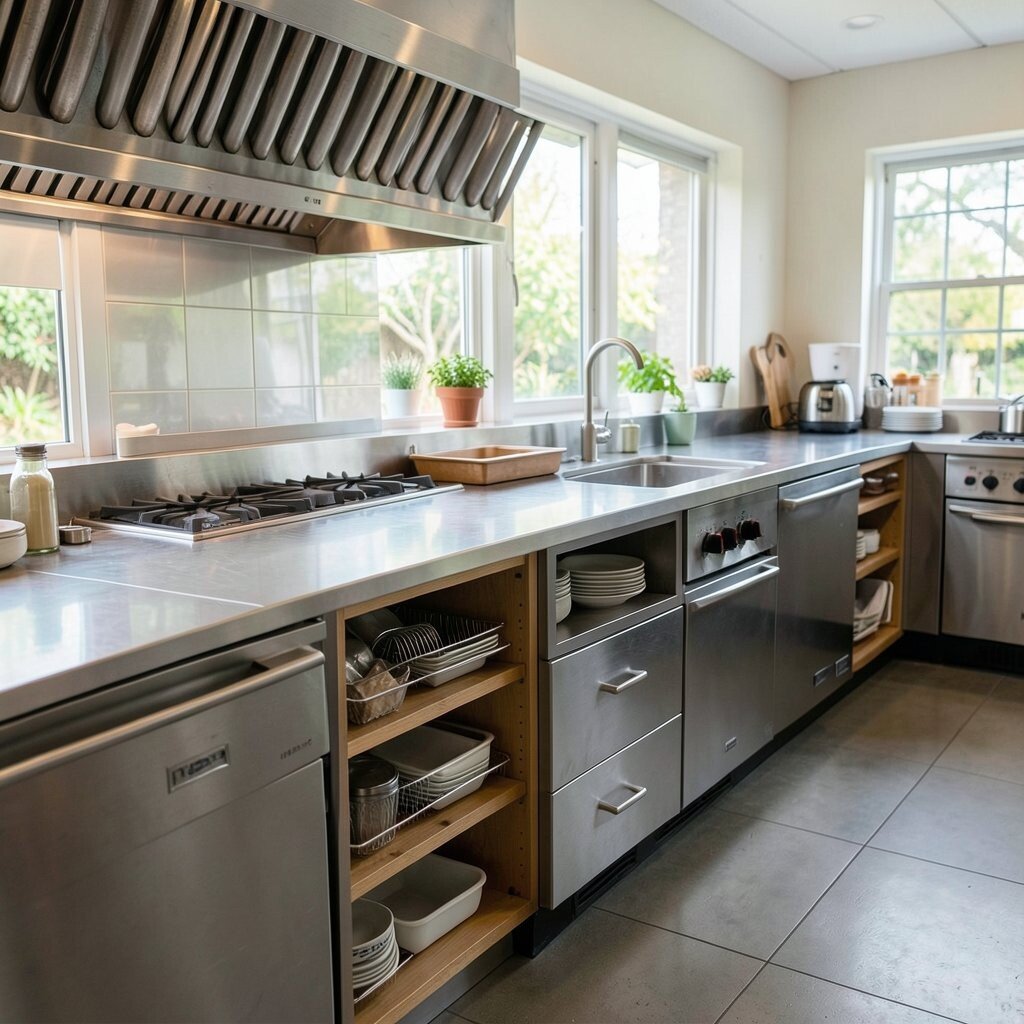
Built-in dish stations help cleanup run smoothly and keep dirty work out of the way. They can make a kitchen feel calmer because everything has a place.
Place sinks, racks, and drying spots in a line that makes sense for the team. Stainless tops, splash guards, and storage below the counter can all help the area stay neat and safe. A good dish station can save time, cut mess, and lower stress during busy service.
If space allows, add a small shelf for soap, gloves, or backup tools so workers do not have to search. That kind of planning can make a big difference in daily flow.
22. Two-Tone Cabinetry
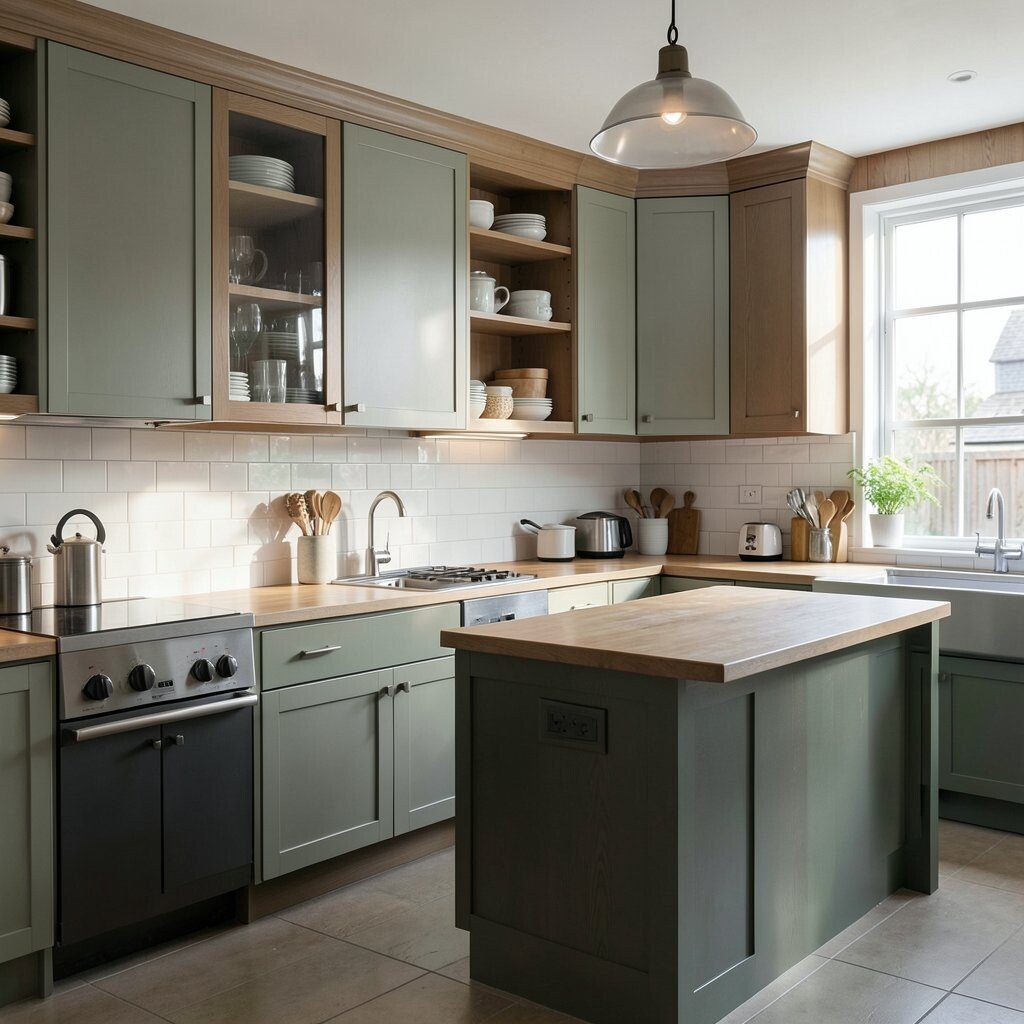
Two-tone cabinetry gives a kitchen a fresh and stylish look. It adds contrast without needing a lot of extra decor.
Try darker lower cabinets with lighter upper ones to ground the room and keep it airy. This design can make the ceiling feel higher and the space feel more balanced, especially in narrow kitchens. It is a strong trend because it looks modern and can be adapted to many budgets.
For a custom feel, choose colors that reflect your menu or brand story. A seafood kitchen might use navy and white, while a bakery might lean toward cream and sage.
23. Large Prep Islands
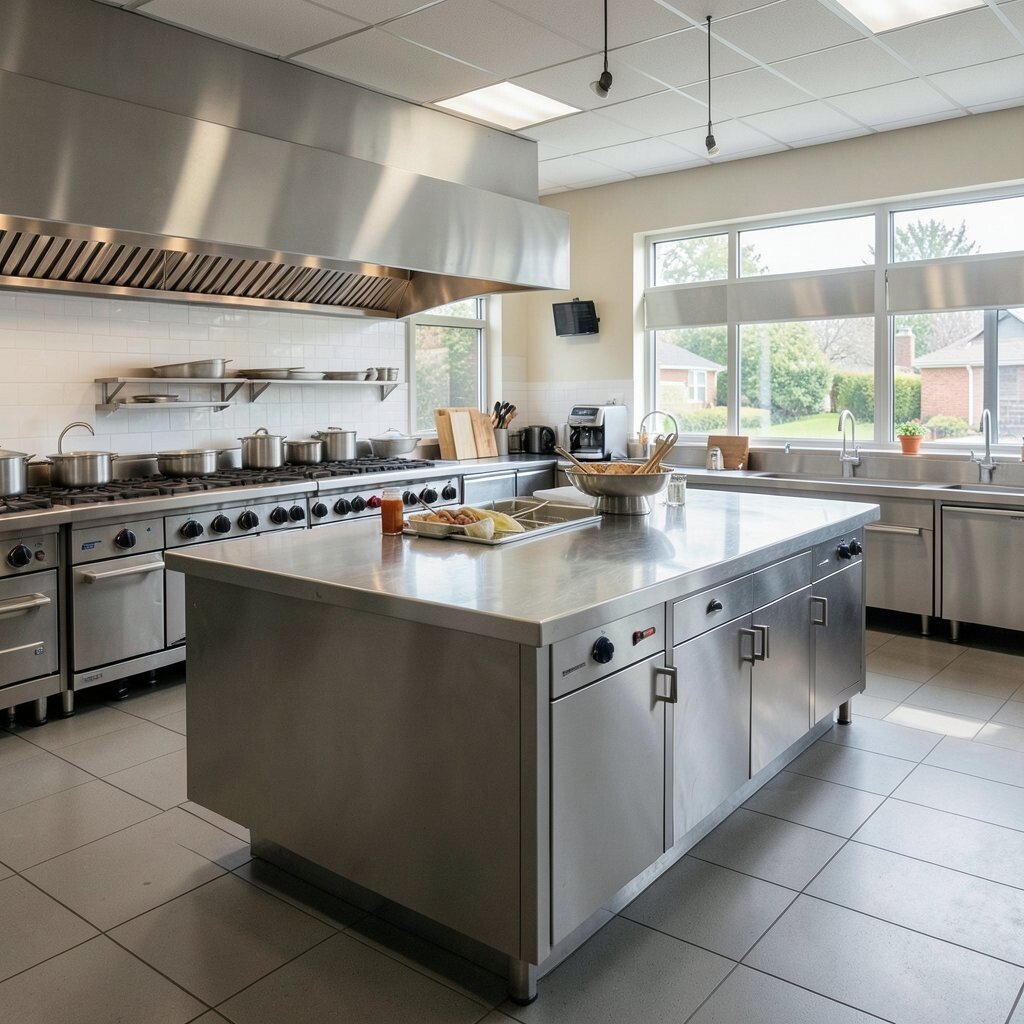
A large prep island can become the heart of the kitchen. It gives staff a wide, open surface for chopping, assembling, and plating.
This idea works especially well in bigger kitchens where teamwork matters. Add storage below, power outlets at the sides, and a tough top that can handle heavy use. Islands can be costly, but they often boost speed and make the kitchen feel more organized and professional.
You can make the island stand out with a bold color, a wood front, or a special edge detail. That small design move can turn a practical piece into a real focal point.
24. Soft Neutral Palettes
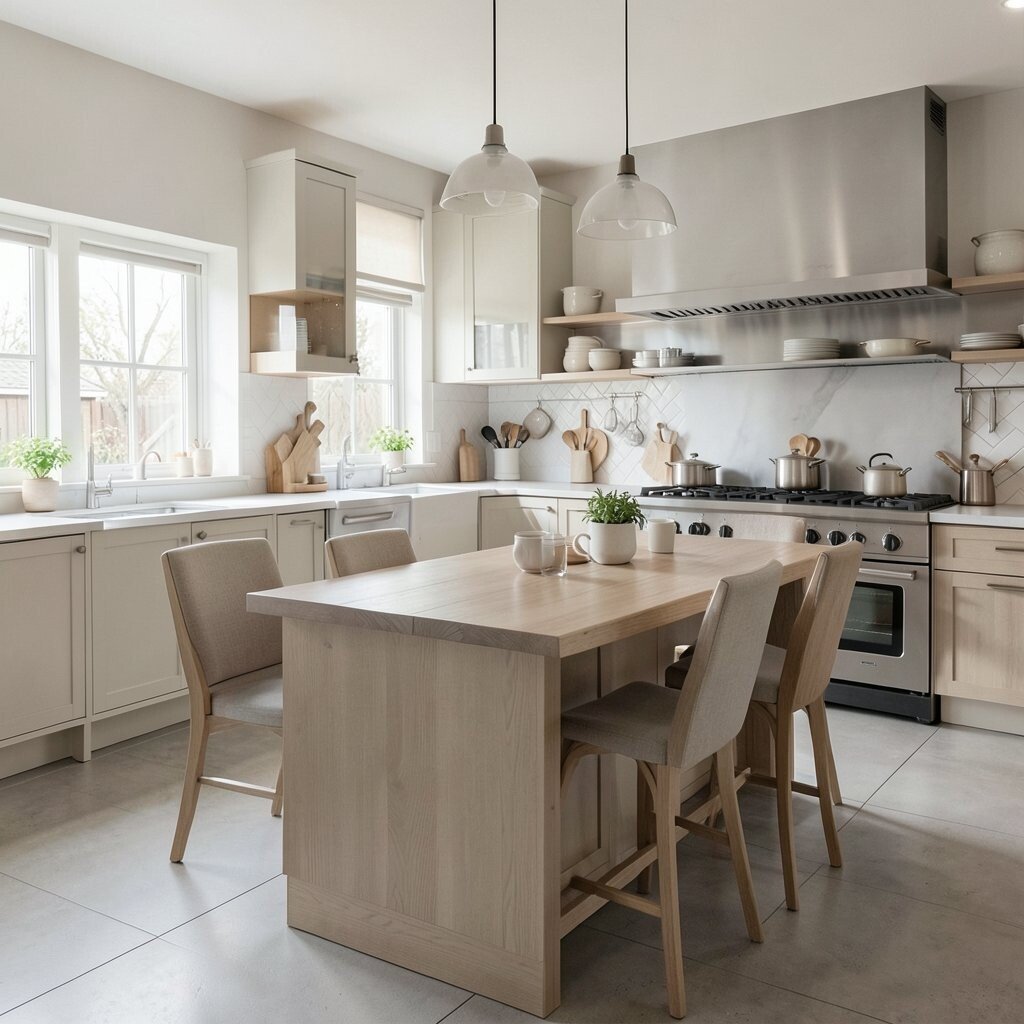
Soft neutral palettes create a calm and welcoming kitchen mood. Shades like beige, taupe, cream, and light gray help the room feel easy on the eyes.
These colors work well with many materials, so they are a safe choice for owners who want a flexible design. Add texture through tile, fabric, or wood so the space does not feel flat or dull. Neutral kitchens are still very popular because they age well and fit many types of restaurants.
If you want more personality, bring in one bright accent color through signs, stools, or utensils. That little pop can keep the kitchen from feeling too quiet.
25. Custom Menu Boards
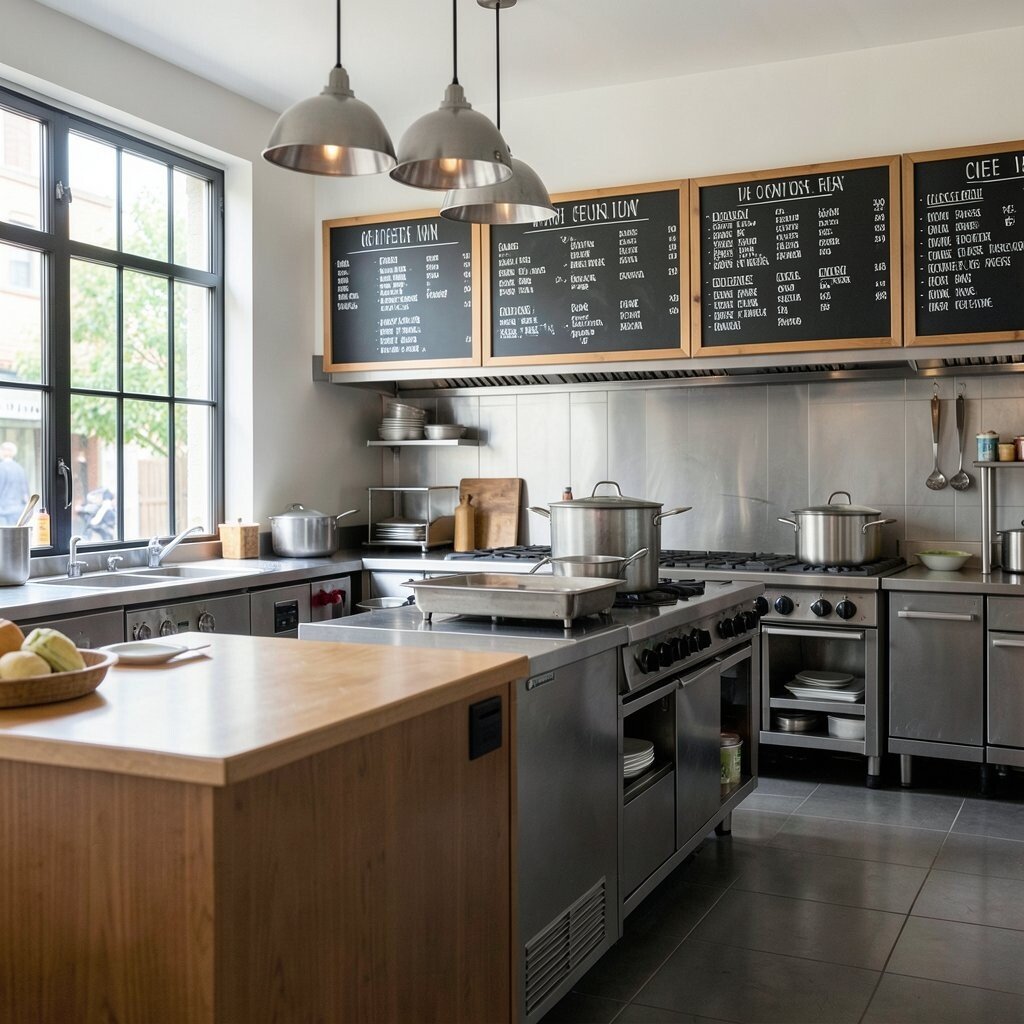
Custom menu boards make the kitchen feel organized and on brand. They also help staff and guests see what is being served with less confusion.
Use chalkboard paint, digital screens, or framed boards depending on the style you want. A hand-drawn board can feel warm and personal, while a digital one can look sleek and save time when items change often. The cost can range a lot, so it helps to think about how often your menu shifts.
Add your logo, a favorite color, or a fun phrase to make the board feel like part of the space. A good board can be useful and full of charm at the same time.
26. Efficient Corner Sinks
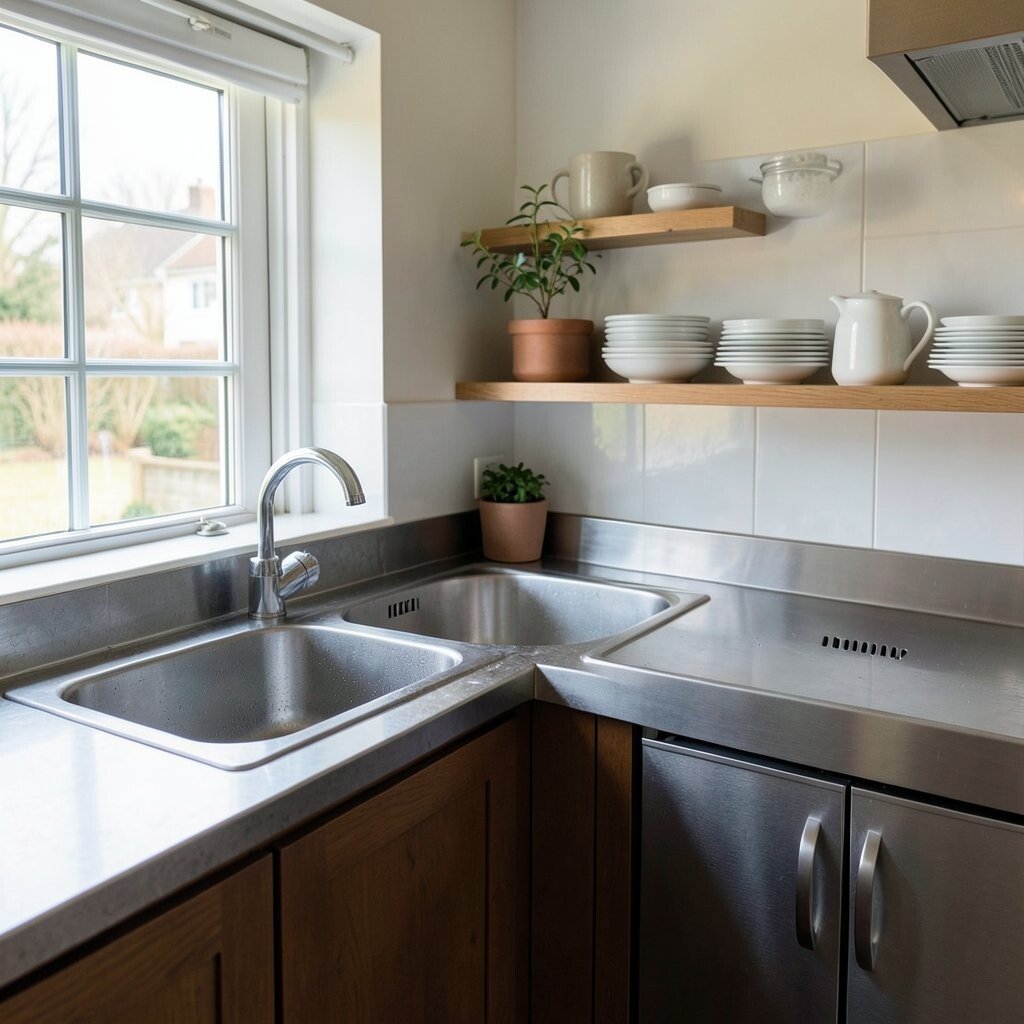
Corner sinks can turn unused space into a smart work zone. They help free up main counters for prep and cooking.
When placed well, a corner sink can improve flow and make washing up feel less cramped. Choose deep basins, easy-turn faucets, and nearby shelves for soap and towels so the area stays practical. This idea is especially helpful in small kitchens where every inch counts.
To make the sink area feel more finished, add tile, a small shelf, or a matching faucet finish. Even a work zone can look polished with a few thoughtful touches.
27. Accent Walls with Brand Colors
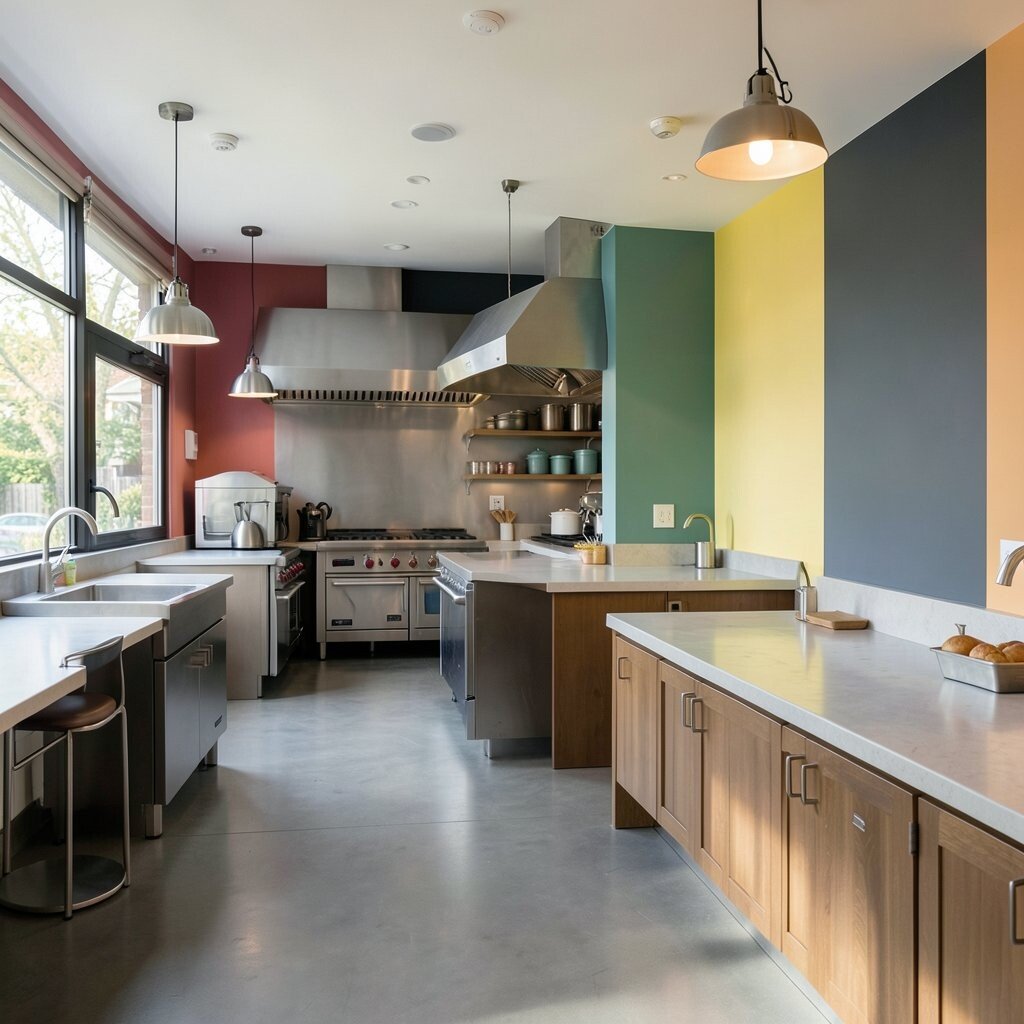
An accent wall in your brand colors can tie the whole kitchen together. It gives the space a clear identity and helps it feel memorable.
Use paint, tile, panels, or even a mural to add the color in a bold but controlled way. This is a nice way to show off your restaurant’s mood without changing every surface. It can also be a lower-cost update than a full remodel, which makes it appealing for growing businesses.
Choose a spot that gets noticed, like behind the prep area or near the pass. A strong color wall can make the kitchen feel lively and well planned.
28. Minimalist Equipment Layouts
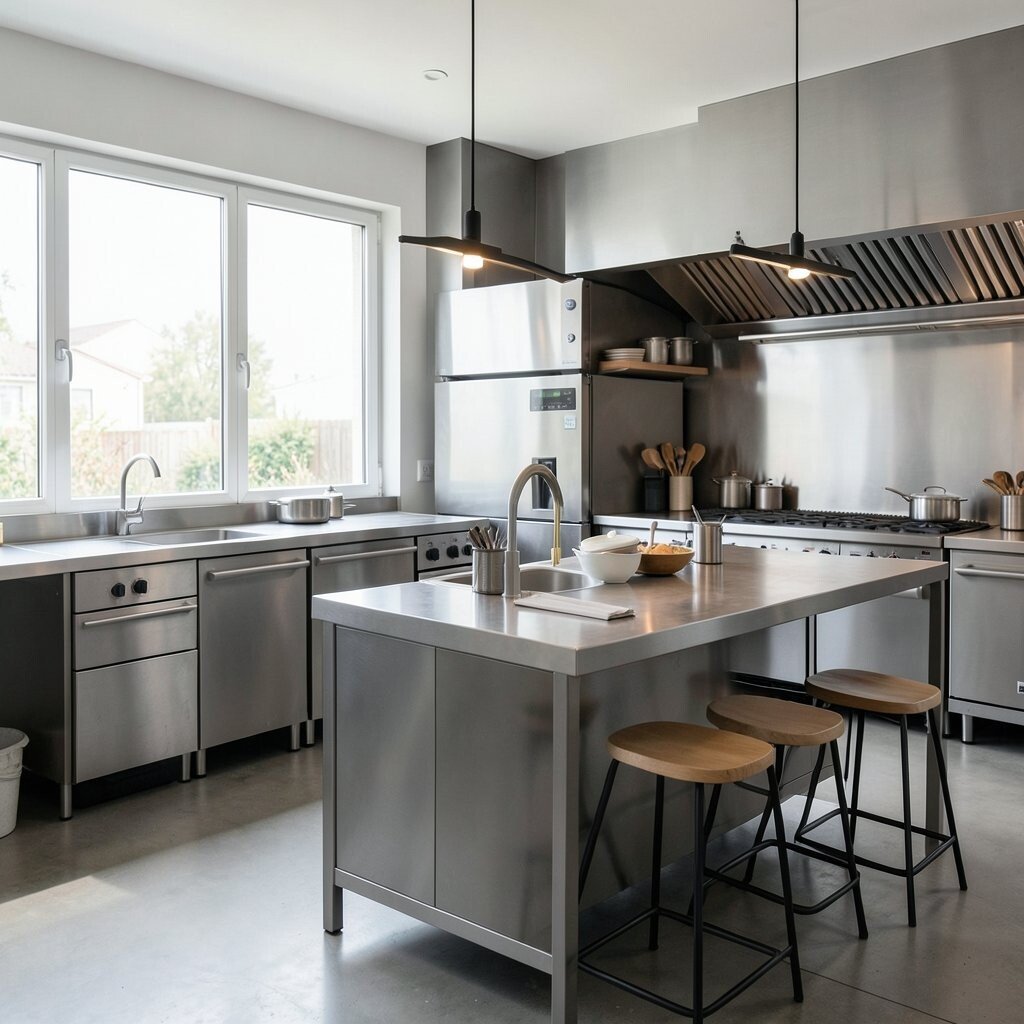
Minimalist equipment layouts keep the kitchen looking clear and simple. They can reduce visual noise and make the space easier to use.
Place only the tools and machines that are truly needed in each zone. That can help staff focus better and move faster, since there is less clutter in the way. This style is very current because many restaurant owners want spaces that feel clean, calm, and efficient.
If you want a bit of personality, choose a few standout pieces with a sleek finish or custom color. A minimalist kitchen can still feel warm when the right details are added.
29. Cozy Chef Nooks
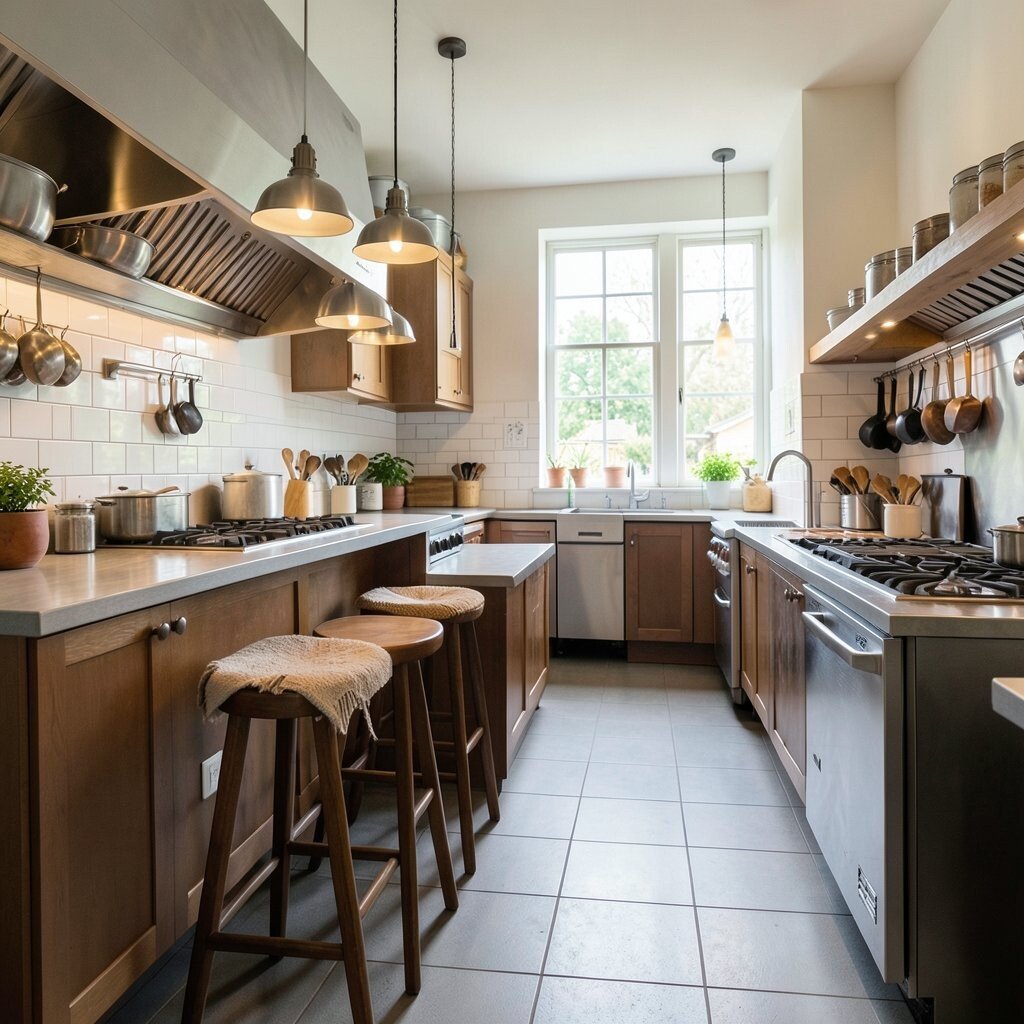
Cozy chef nooks give the team a small spot to pause, plan, or check notes. They can make a busy kitchen feel more human and less rushed.
Add a small bench, a narrow shelf, or a corner counter for quick breaks and prep talks. Warm lighting and soft colors can help the nook feel calm, even if the rest of the kitchen is full of motion. It may not cost much to create, especially if you use an unused corner or leftover materials.
You can personalize the nook with a team board, family photos, or a small plant. Those touches can help staff feel more at home during long shifts.
30. Durable Quartz Worktops

Quartz worktops bring a clean and polished look to a restaurant kitchen. They are smooth, bright, and made to handle heavy daily use.
Quartz resists stains and is easy to wipe, which makes it a strong choice for prep areas and plating stations. It can cost more than laminate, but many owners like the long life and neat look it offers. Pair it with simple cabinets or bold tile so the surface stands out in a good way.
For a personal touch, pick a quartz color that fits your brand, from pure white to soft marble-like gray. That choice can help the kitchen feel custom without going over the top.
31. Windowed Kitchen Views
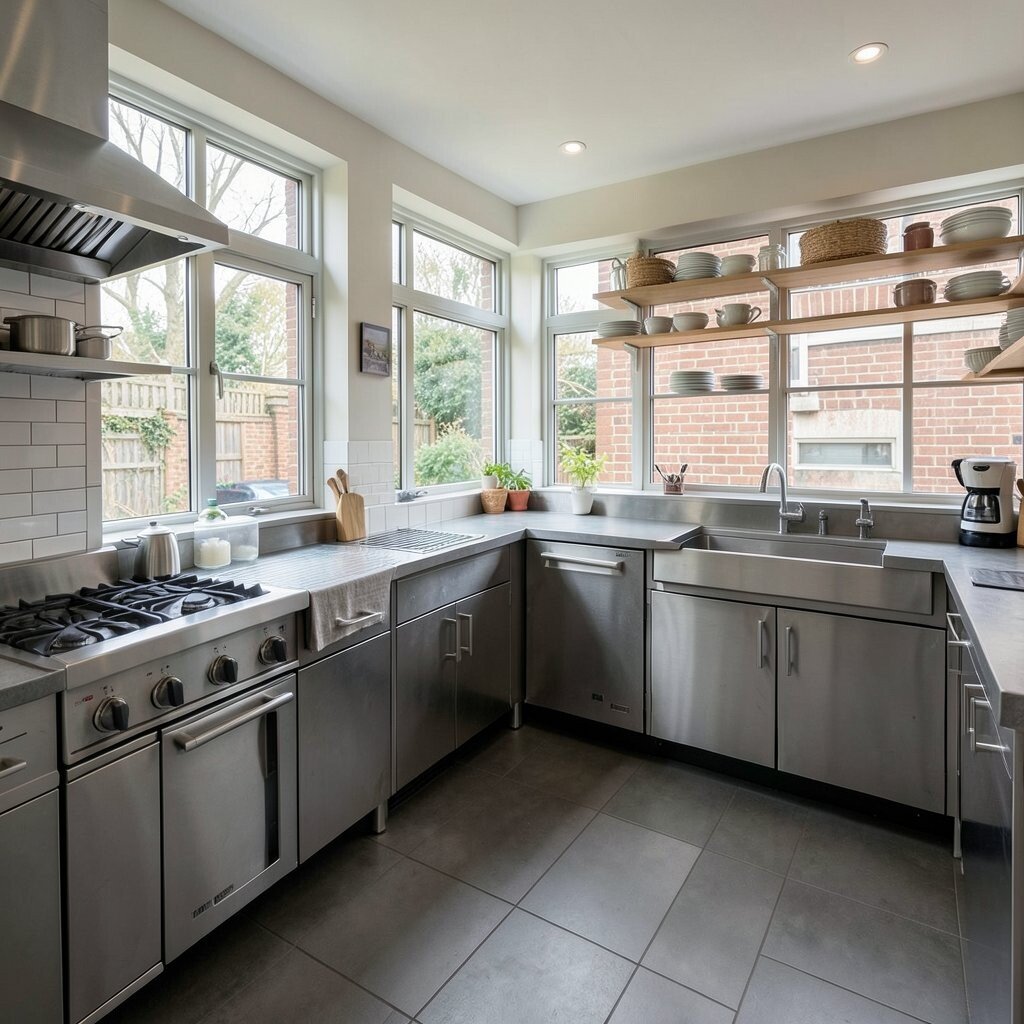
Windowed kitchen views let natural light pour in and make the room feel open. They also give guests a fun look at the work behind the scenes.
Large windows can brighten prep areas and make colors look fresh and true. Use shades or frosted glass if you need privacy at certain times, and keep the window frames simple so the view stays clean. This design trend is popular because it makes a restaurant feel airy and honest.
You can make the view feel special with hanging herbs, neat shelving, or a framed look around the glass. A bright window can lift the whole mood of the kitchen.
32. Flexible Multi-Use Zones
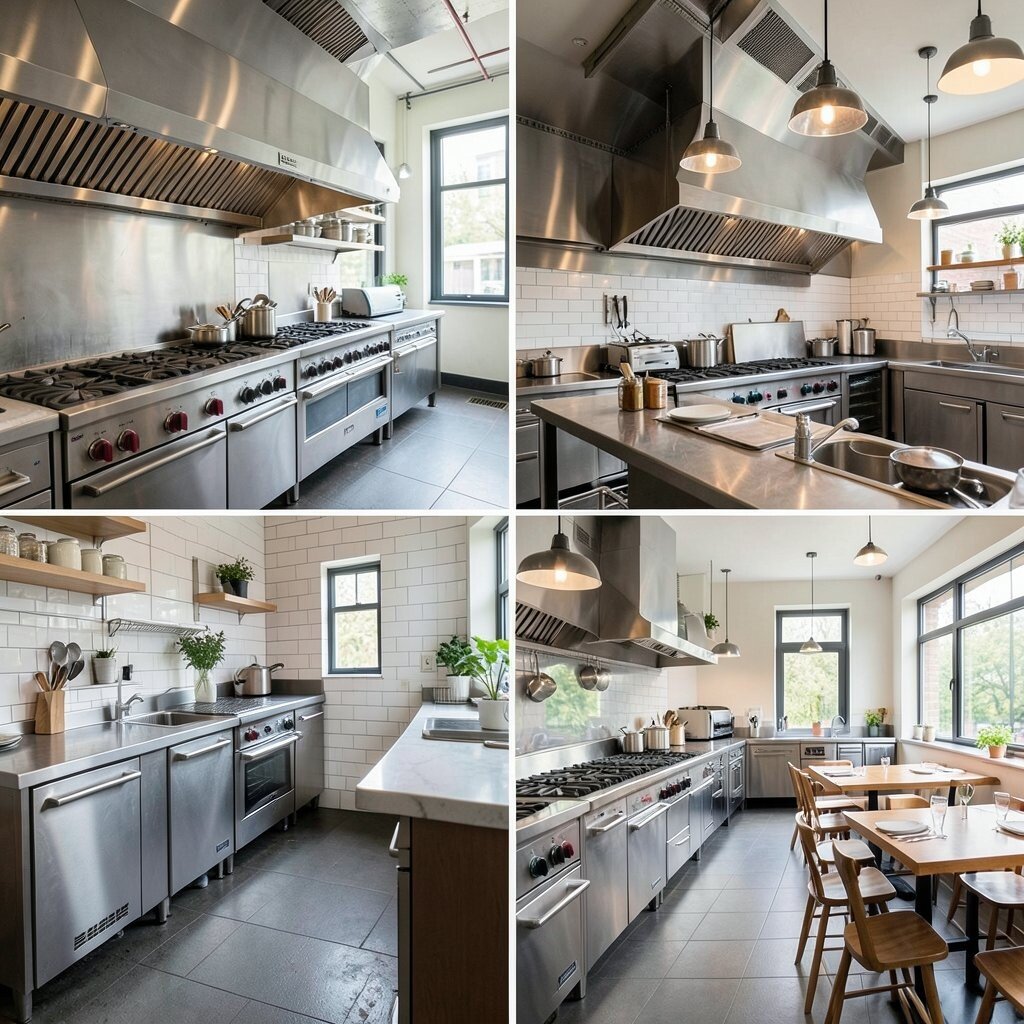
Flexible multi-use zones help a kitchen adapt as needs change. They can serve as prep space, plating space, or a quick meeting spot depending on the moment.
Use movable tables, stackable tools, and easy-clean surfaces so the area can shift without trouble. This kind of layout is great for restaurants with changing menus or busy event nights, and it can save money by reducing the need for extra built-ins. The best part is that the space can grow with your business instead of holding it back.
Make the zone feel personal with modular bins, color tags, or a layout that fits your team’s habits. A flexible kitchen often feels smarter and more future-ready than a fixed one.