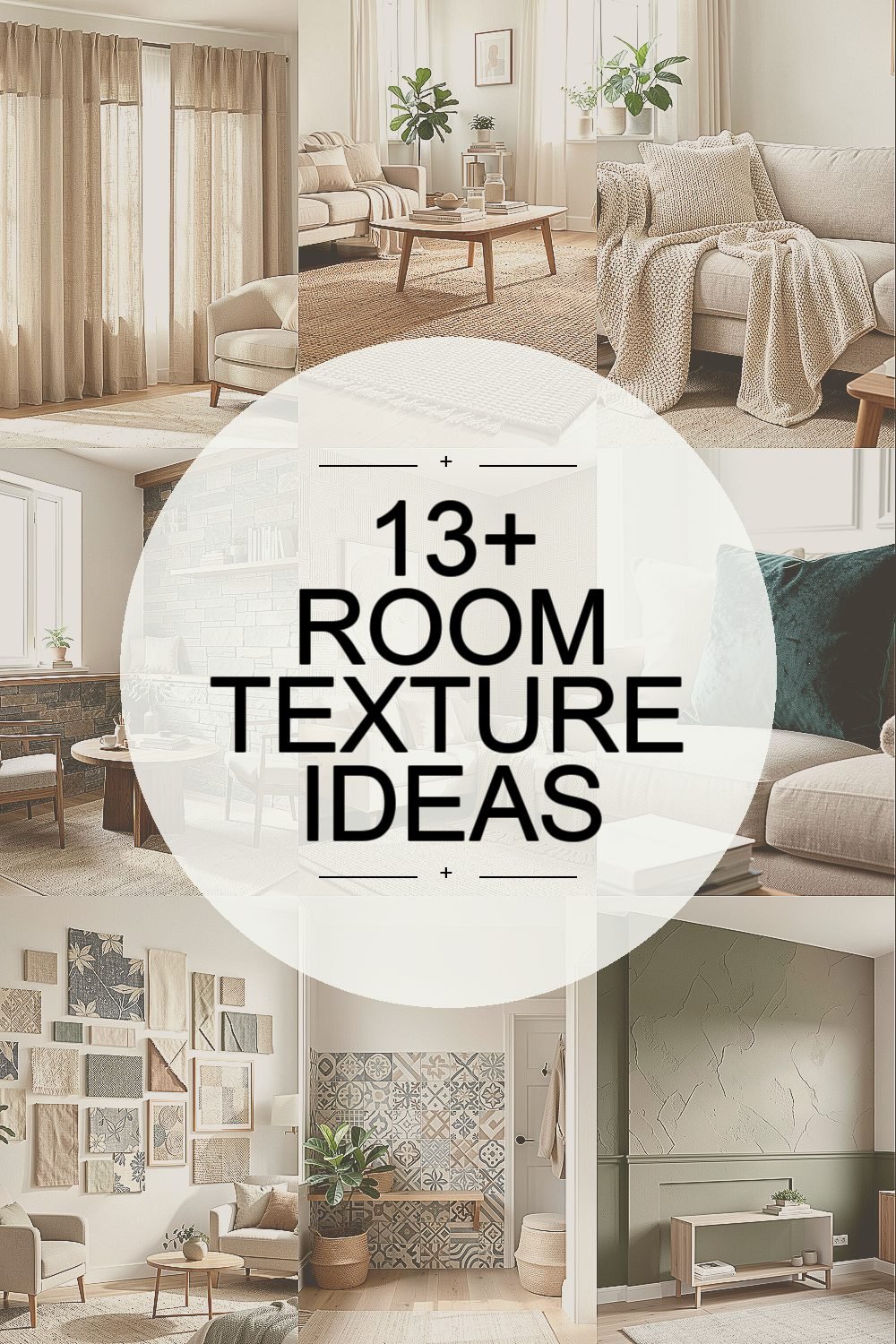
The room around you can feel calmer when the textures start talking to each other. A few smart material choices can make even plain spaces feel rich and lived-in.
You can do it without buying a whole new home vibe. Texture is the secret ingredient that adds depth, comfort, and personality, one surface at a time.
1. Layer Linen Curtains for Soft Depth
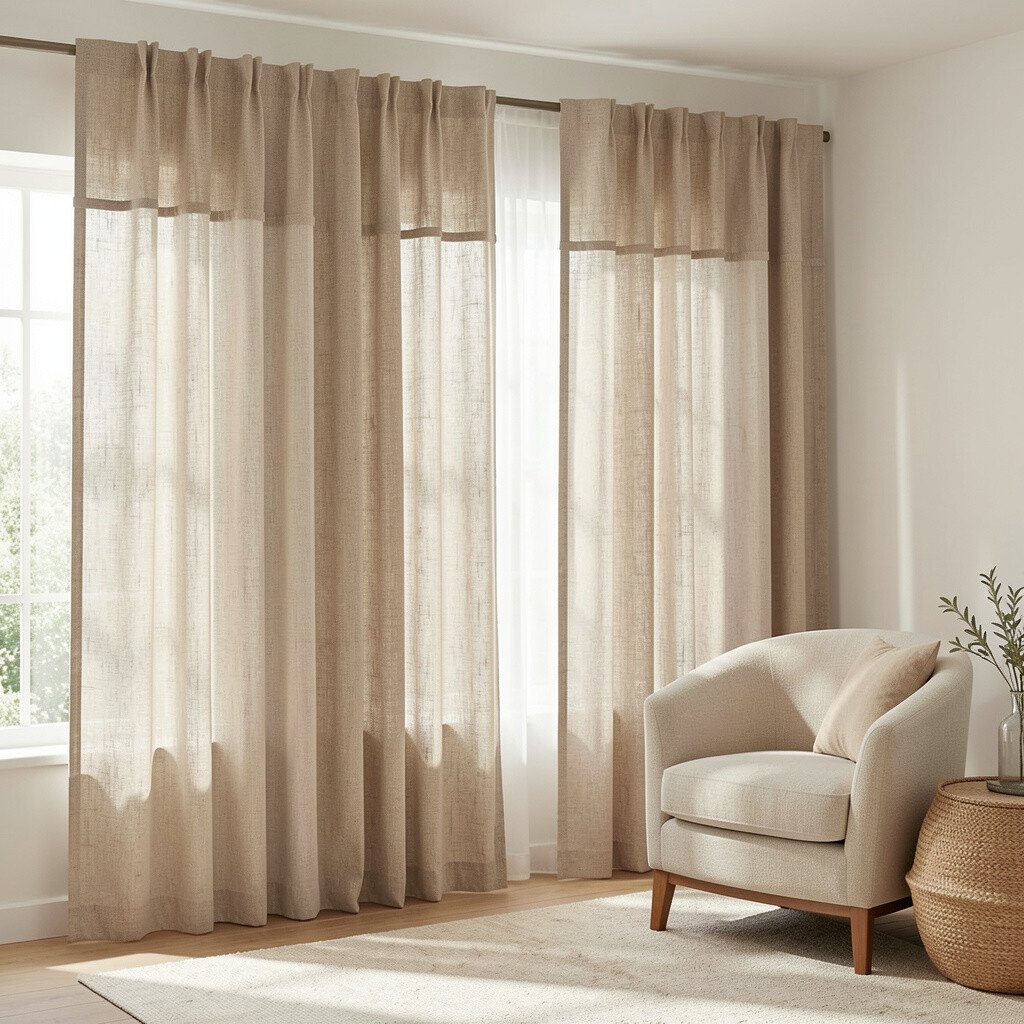
Start with linen curtains because they bring a gentle, breezy texture that looks relaxed. When light filters through the fibers, the room feels warm even on cloudy days.
Choose a color that matches your mood, like sand for calm or muted sage for a fresh feeling. For practical setup, hang curtains slightly higher than the window and let them puddle lightly on the floor for an extra tall look. If you want personalization, mix one solid panel with one patterned panel using subtle weaves, like a small grid or slub texture.
2. Add a Woven Rug With Visible Fibers
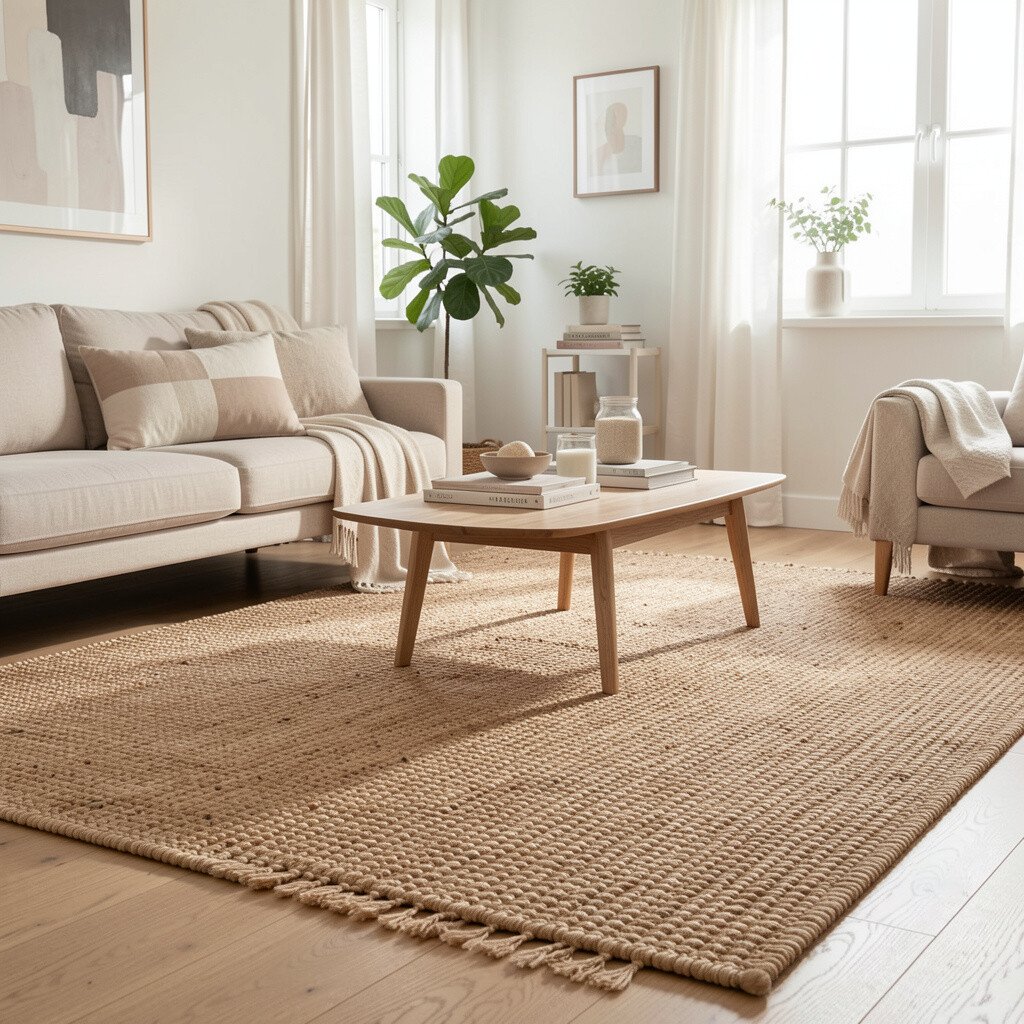
A woven rug can turn a floor into a foundation for your whole room. You’ll notice the texture right away because the fibers catch light and cast tiny shadows.
Pick a rug with a clear pattern or natural variation so it hides everyday marks better. To keep it practical, use a rug pad to stop slipping and to make the surface feel plusher underfoot. For personalization, combine natural tones with one accent color found in your pillows or artwork.
If you want a cost-friendly upgrade, search for flatweave rugs since they often look layered without heavy pricing. Current trends lean toward natural fibers like jute blends and handwoven looks, so you’ll stay on trend while still making it yours.
3. Style a Knitted Throw on the Couch
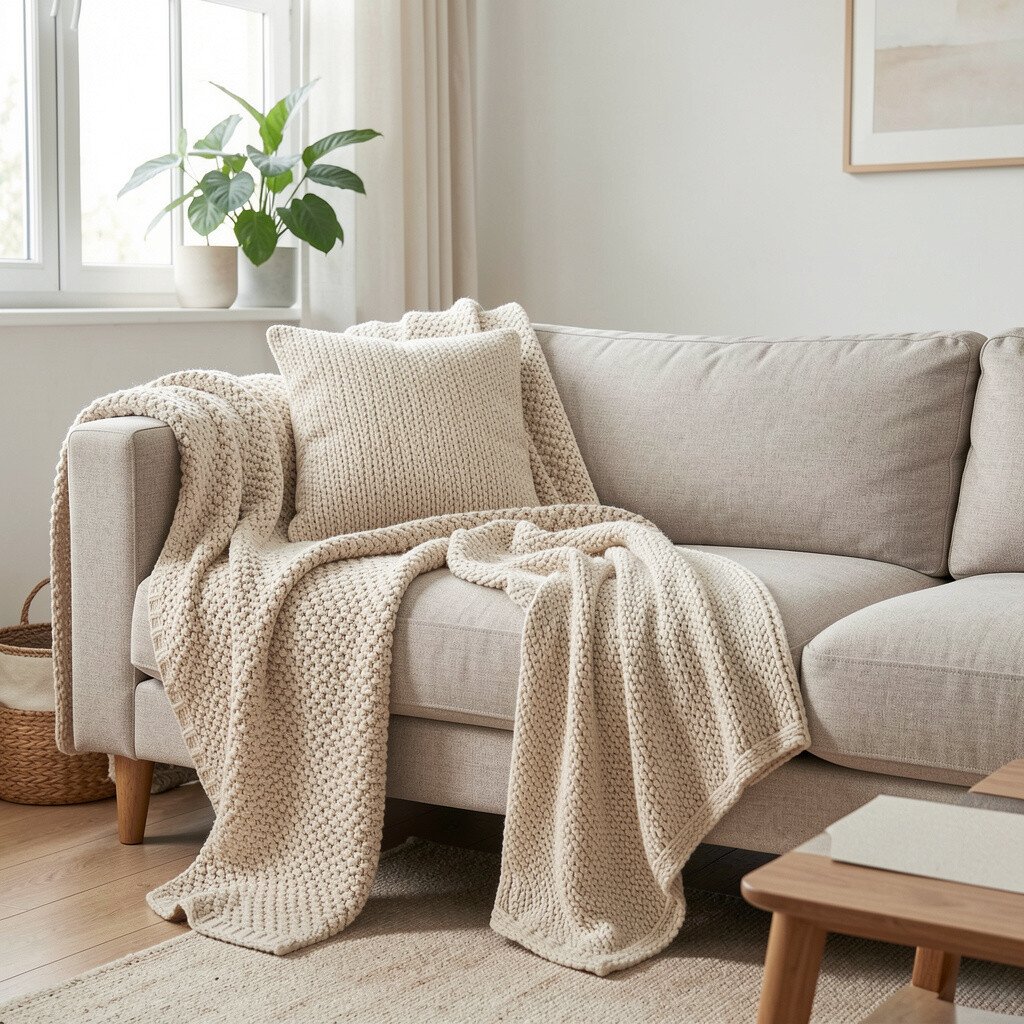
A knitted throw adds cozy texture without making the room look cluttered. You can drape it over an armrest or fold it so the knit pattern creates gentle movement.
Choose a thicker knit for wintery warmth or a lighter weave for year-round comfort. This small change also helps benefits like making seating feel more inviting and soft to the touch. For a unique twist, try a throw with fringe or a chunky cable pattern, then echo the shape with a simple pillow.
When you shop, think about easy care, especially for homes with kids or pets. Many modern knits are machine washable, which helps keep the texture looking fresh. The best personalization is to match the throw’s yarn color to a piece you already love, like a book cover or a coffee table tray.
4. Mix Stone and Wood in a Coffee Corner
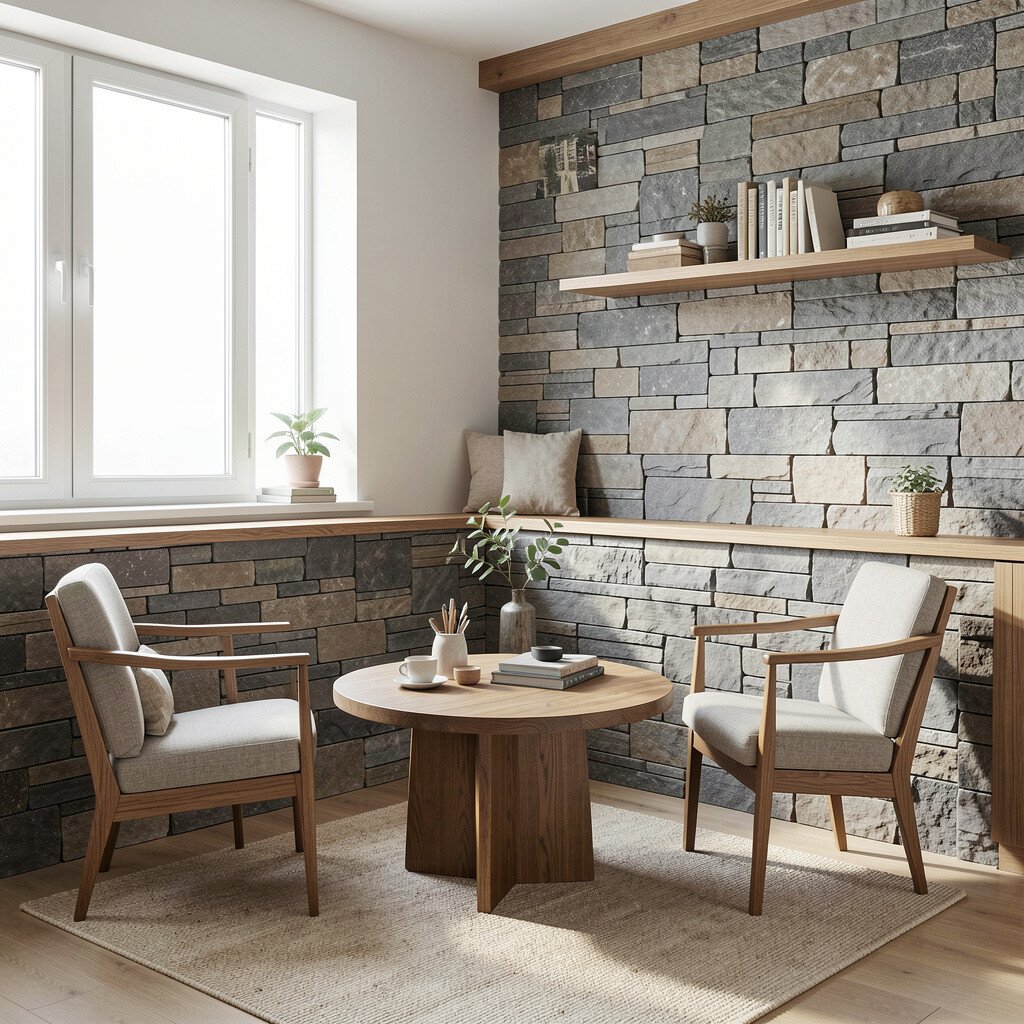
Stone and wood textures together feel grounded and stylish at the same time. Think of a wood tray on a stone coaster set, or a small countertop-style side table that shows grain clearly.
For benefits, this combo adds contrast, so your coffee corner looks styled without needing extra decor. Keep it practical by sealing natural stone surfaces if needed and wiping wood with a gentle cleaner. To personalize, add a textured ceramic bowl or a woven coaster so the textures keep repeating across the space.
5. Go for Textured Wallpaper in One Cozy Spot
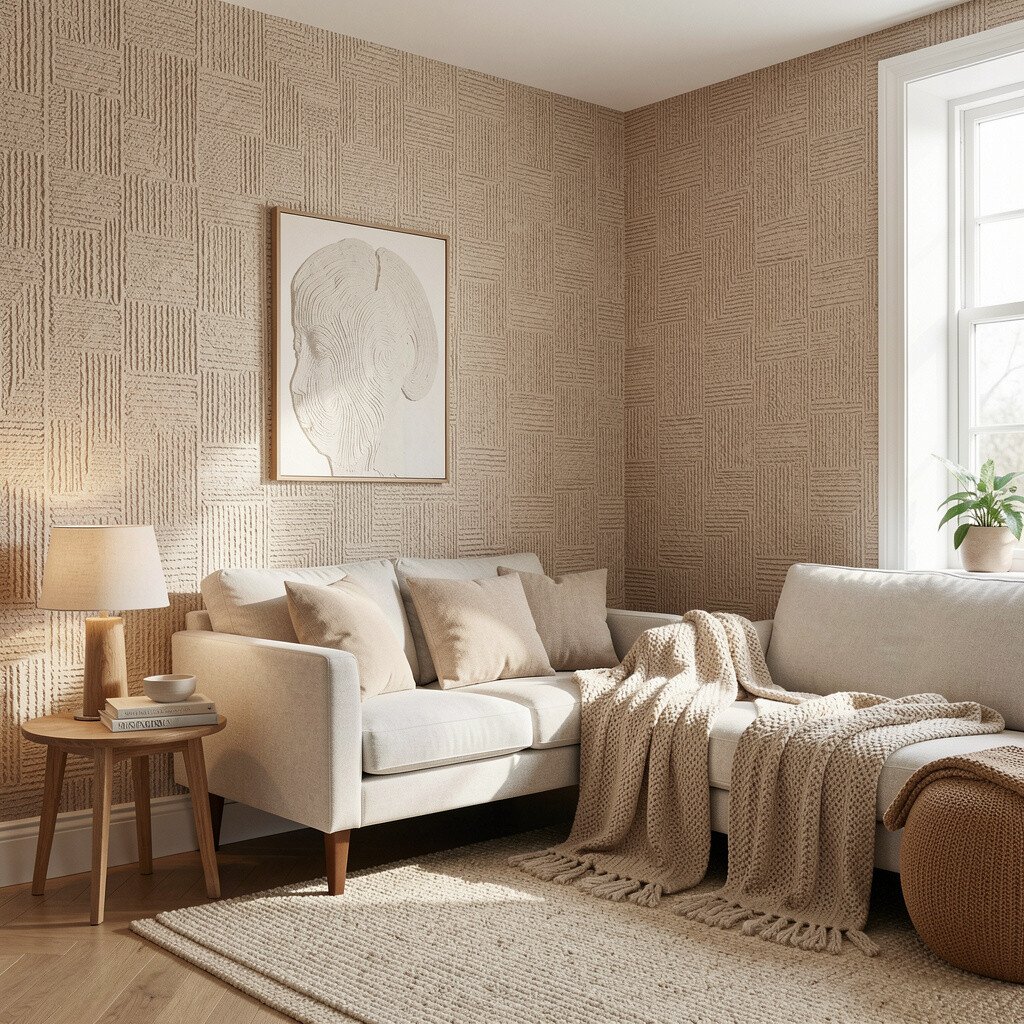
Textured wallpaper can turn a single wall into a visual anchor. Even if you choose a simple pattern, the raised finish adds depth that looks amazing in morning light.
Pick one wall near a sofa, bed, or reading chair so the texture feels intentional. For a practical approach, match the wallpaper with calm furnishings so it doesn’t overwhelm the room. If you want uniqueness, choose a subtle relief pattern like grasscloth-inspired lines or a soft plaster look.
To keep cost in mind, consider using wallpaper only for an accent wall or the back of a shelf. Current trends often favor tactile neutrals and plaster effects, which look high-end and still fit many decor styles.
6. Use a Velvet Accent Pillow for Instant Luxe
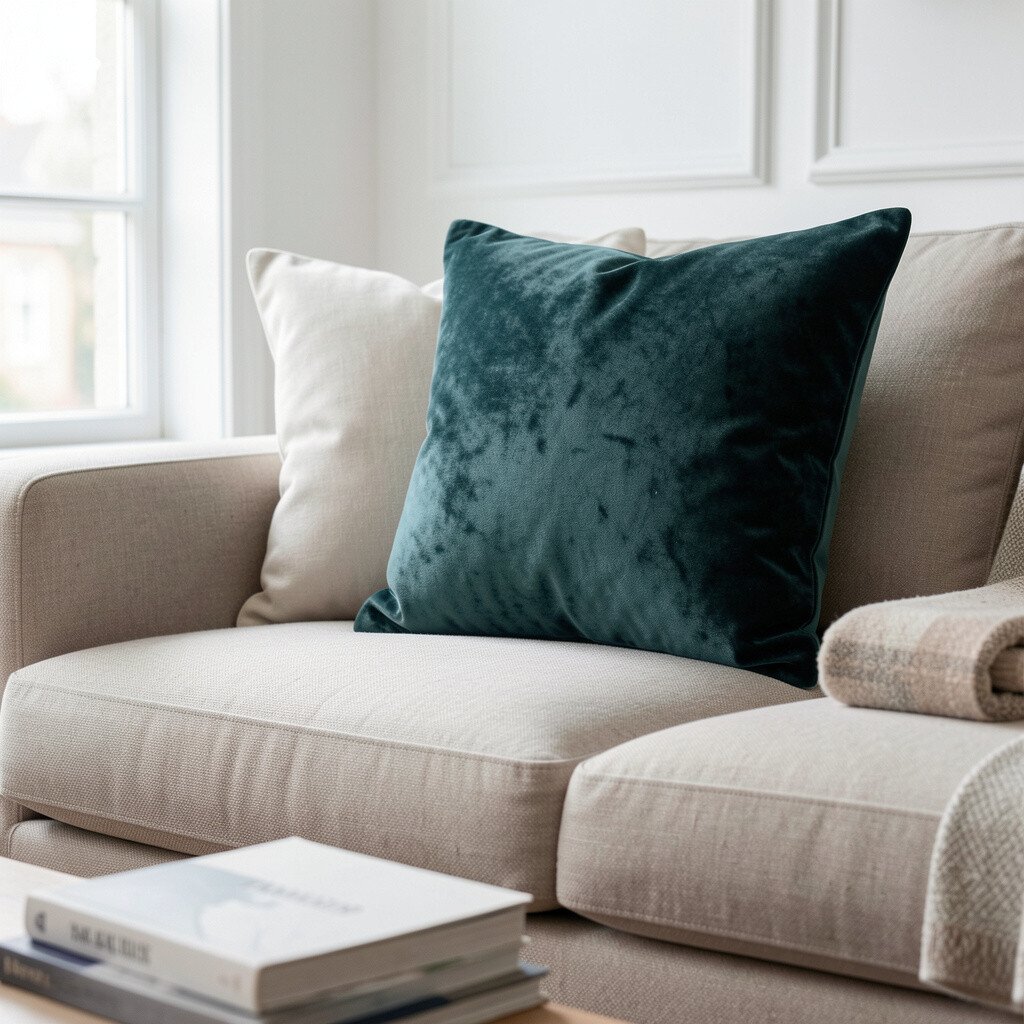
Velvet adds a rich, soft texture that makes a room feel instantly more elevated. The fabric catches light differently as you walk by, so the color looks deeper and more alive.
Choose a velvet pillow in a color that works with your existing palette, like cream, terracotta, or deep blue. For practical tips, buy covers that zip so you can remove and clean them easily. Personalize the mix by pairing velvet with a matte linen pillow for a balanced, cozy look.
If you want to keep spending smart, start with one or two velvet pieces instead of covering everything. This is a great way to test the texture vibe without committing to a big project.
7. Create Texture With a Gallery Wall of Fabric Pieces
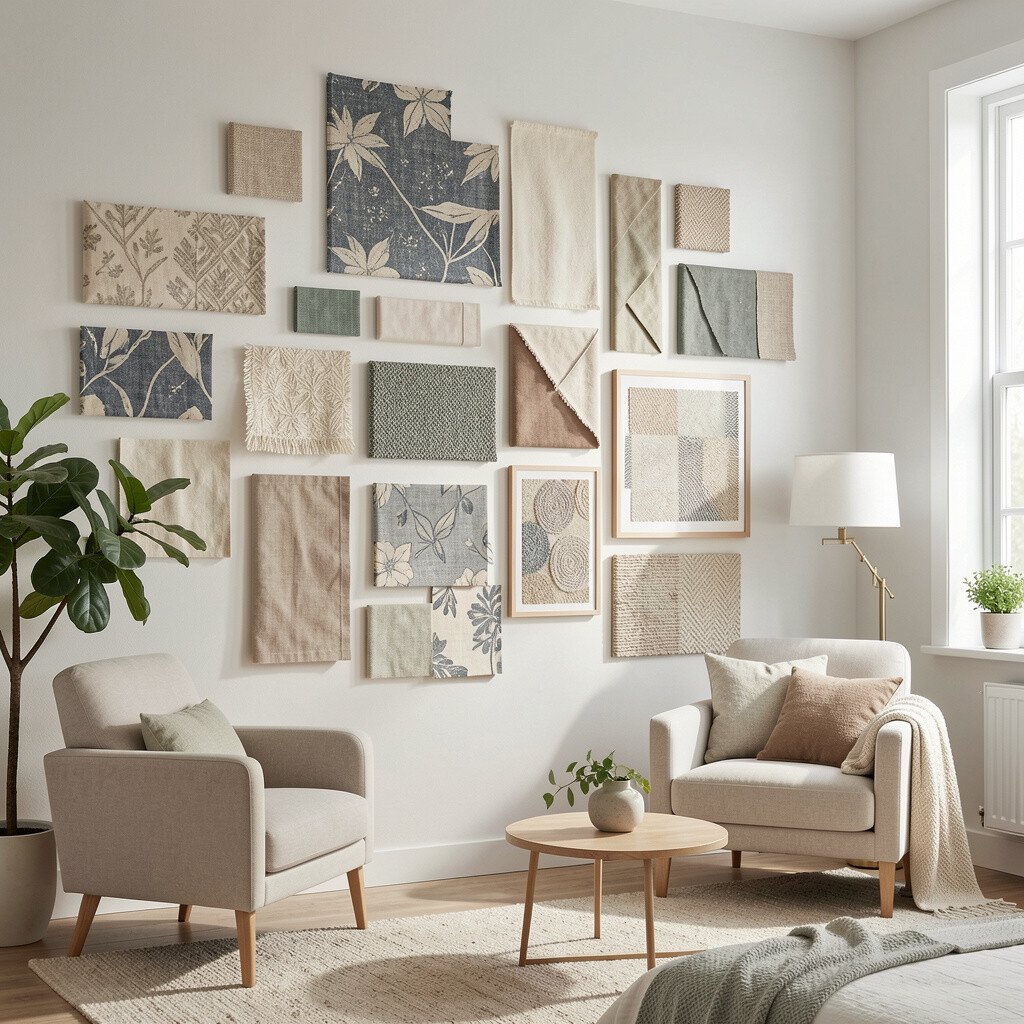
Your wall can hold texture without adding heavy furniture. Try stretching fabric over frames or using textile art panels to create a gallery wall with soft dimension.
Use different weaves like cotton, burlap, or even a lightweight tapestry to make each piece feel unique. This brings benefits because fabrics soften acoustics and make rooms feel more comfortable. For practicality, choose removable frames so you can switch art when your style changes.
Personalize by matching the fabric colors to your bedding or curtains, then keep the size range varied but not too chaotic. You can also include one metallic thread fabric for a small shimmer that feels modern and current.
8. Add Patterned Tiles on a Small Entry Wall
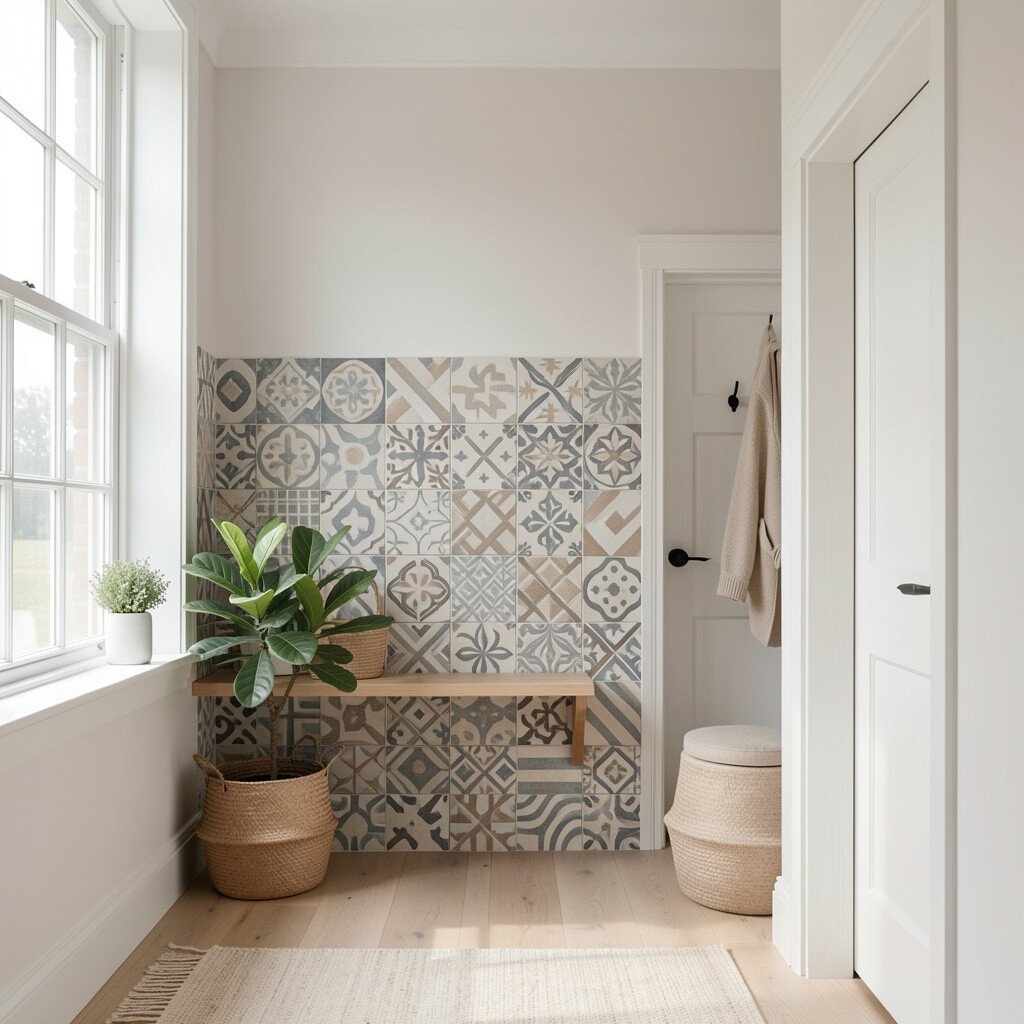
Tile texture can make an entryway feel bold, even if the space is small. A short section behind a bench or near a mirror can add shine, grooves, and depth.
Choose tiles with raised edges or a textured glaze so light creates interesting highlights. For benefits, tile is durable and easy to clean, which is great for shoes, coats, and everyday mess. Personalize the look with a mix of sizes or a color that echoes your front door or rug.
Cost considerations matter here, so focus on a small area first and use a simple layout. Current trends often favor handmade tile looks, so imperfect edges and subtle variations can actually make the final result more charming.
9. Layer Texture With Different Wall Paint Finishes

If you want texture without adding materials, consider wall paint finishes. A satin or eggshell base gives a smooth look, while a plaster-like finish adds gentle texture.
Use a matte finish on larger walls to reduce glare, then add a textured finish on a focal wall. The benefit is visual interest without needing extra decor pieces that take space. For practical tips, test samples on a small section so the texture shows up the way you expect in your lighting.
To personalize, match the finish to your room’s function, like a softer plaster look in a bedroom. Cost can vary, so ask about coverage requirements and whether you’ll need multiple coats for the same depth.
10. Choose an Upholstered Headboard With a Subtle Pattern
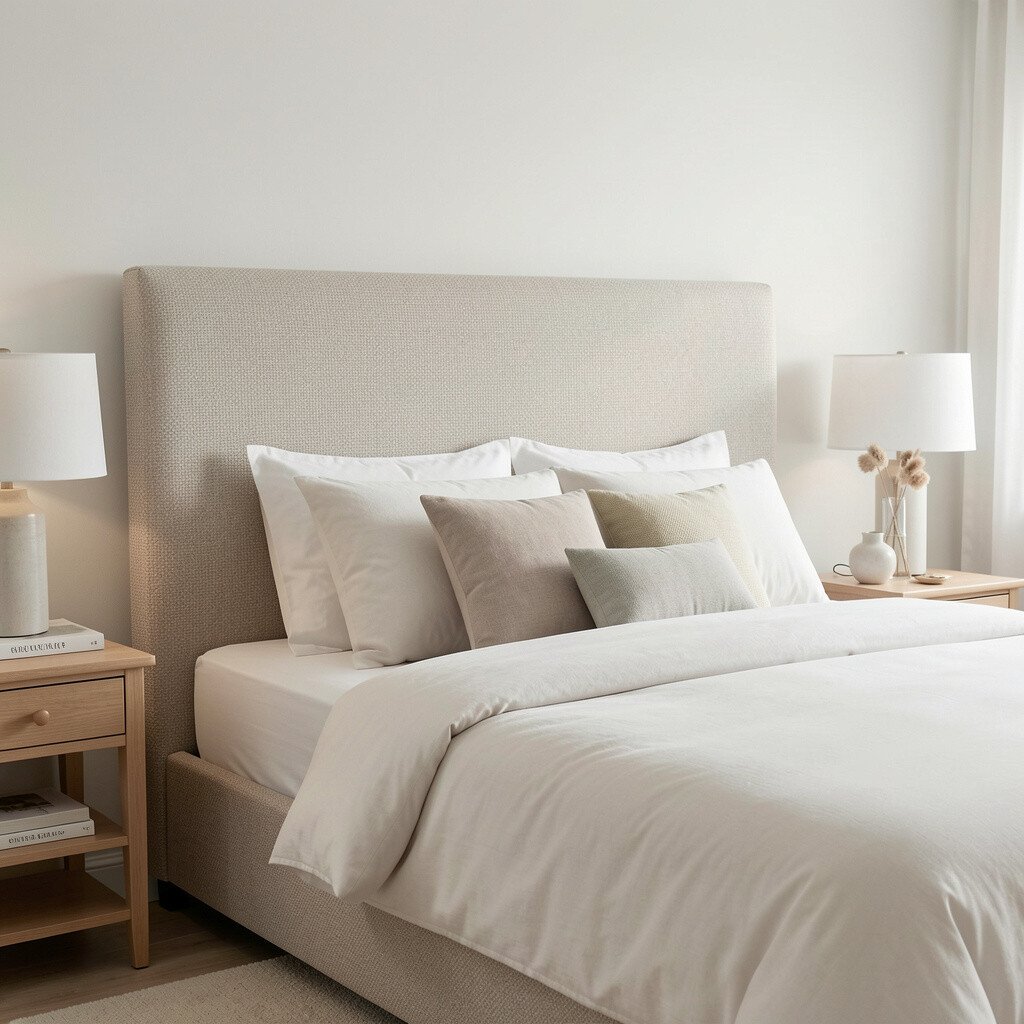
An upholstered headboard is one of the easiest ways to add texture in a bedroom. When the fabric has a weave or a subtle pattern, it adds depth behind your pillows and linens.
Select a headboard in a durable fabric like performance linen or tightly woven cotton blends. This brings benefits like comfort when you sit up to read, plus a softer feel compared to bare wood. For personalization, align the headboard fabric tone with your curtains so the room feels tied together.
Think about uniqueness by choosing a headboard with tufting, channel stitching, or a textured boucle look. For cost, you can start with a simple headboard and add texture through layered bedding like a textured duvet and a knit throw.
11. Bring Texture to Shelves With Baskets and Carved Wood
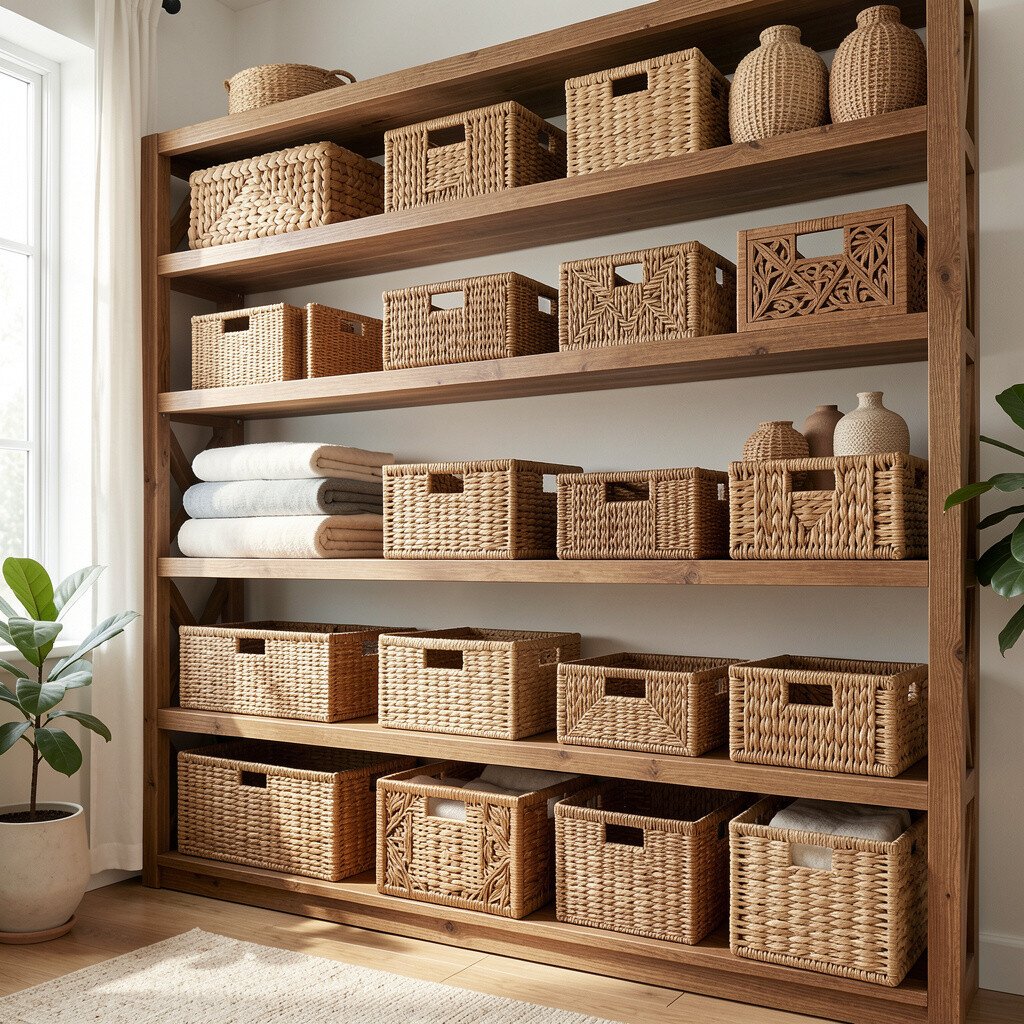
Shelves can look messy fast, but texture makes storage feel stylish. Woven baskets, carved wooden boxes, and lidded containers add structure and comfort.
Group items by height and texture so your shelves look intentional. The benefit is practical organization that still looks beautiful, and it helps your room feel lived-in rather than empty. For practical tips, label baskets in your mind with what goes where so you can keep the system steady.
Personalize by mixing one natural fiber basket with a darker wood box for contrast. If you’re watching cost, shop for a few statement pieces and keep the rest simple using affordable storage bins that match the color family.
12. Add a Shag or Faux Fur Rug for Bare-Foot Comfort
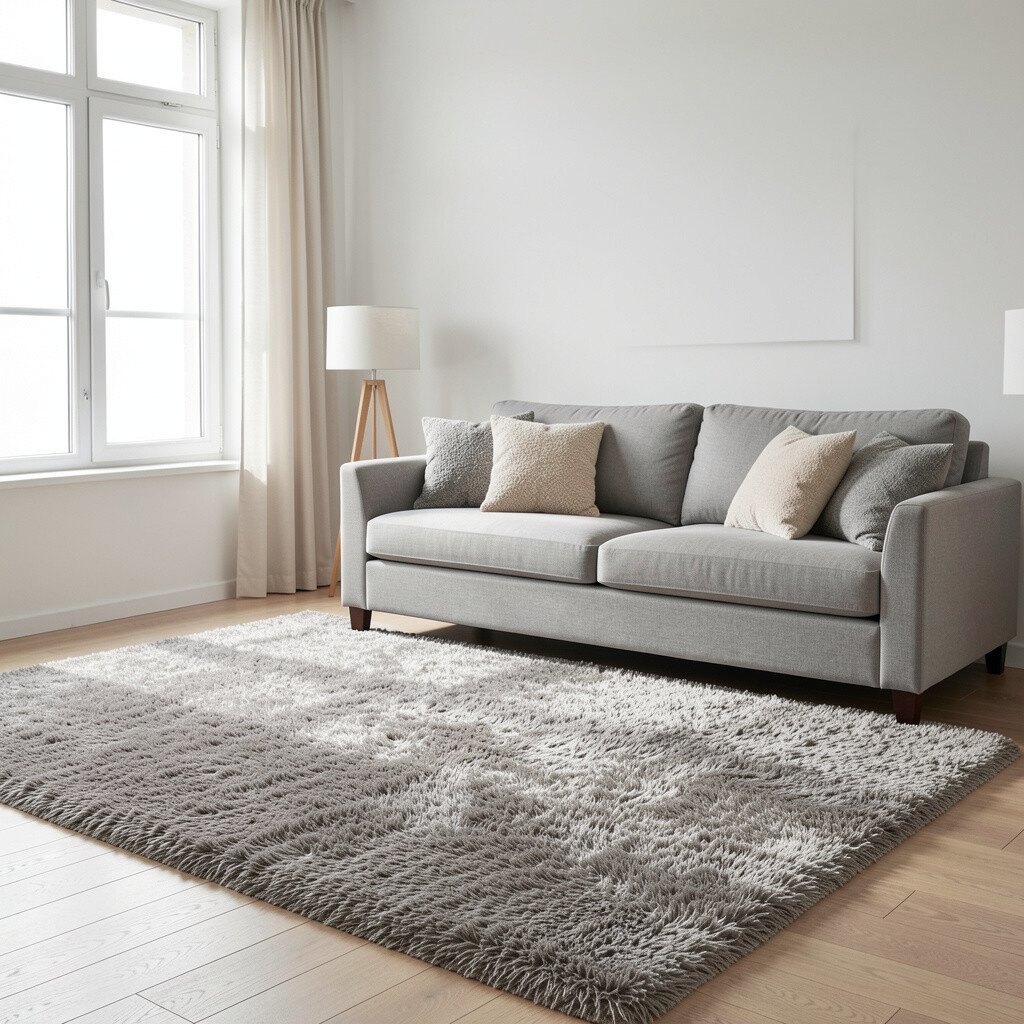
A shag or faux fur rug makes your room feel warm the moment you step on it. The texture looks cozy and the surface feels soft, especially near a bed or reading chair.
Choose a rug height that fits your space, since very tall shag can overwhelm smaller rooms. For benefits, the rug adds softness and can help reduce echoes, which is great in echo-prone homes. Personalize by pairing it with sleek furniture so the fluffy texture becomes a calm focal point.
Cost considerations depend on material, so consider faux fur styles for a budget-friendly way to get the vibe. Current trends often mix soft rugs with modern furniture lines, so you can keep it contemporary while staying comfortable.
13. Use a Textured Pendant Lamp for Warm Light
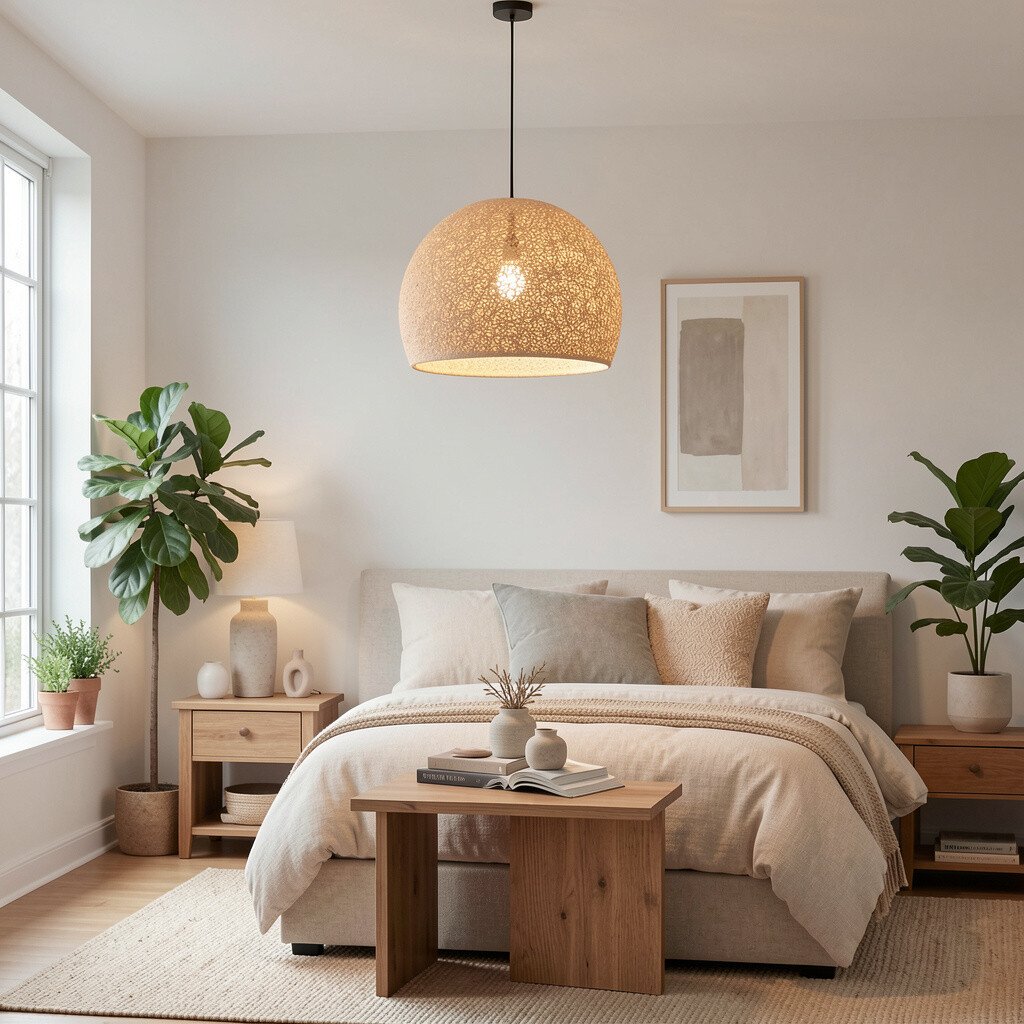
Lighting is texture too, because the shade material changes the look of light. A pendant lamp with a woven shade or fabric-wrapped drum creates a textured glow across walls.
Pick a lamp shade with visible weave or perforations so you get pattern shadows when the light is on. The benefit is that your room feels cozy and inviting without needing extra decor. For practical tips, consider how easy it is to clean the shade, especially if you cook often in nearby spaces.
To personalize, choose a shade color that matches your accent pieces, like a clay tone that echoes ceramics. If you’re mindful of cost, look for the lamp shade alone when you already have a compatible fixture base.
14. Style a Dining Table With a Textured Runner and Matteware
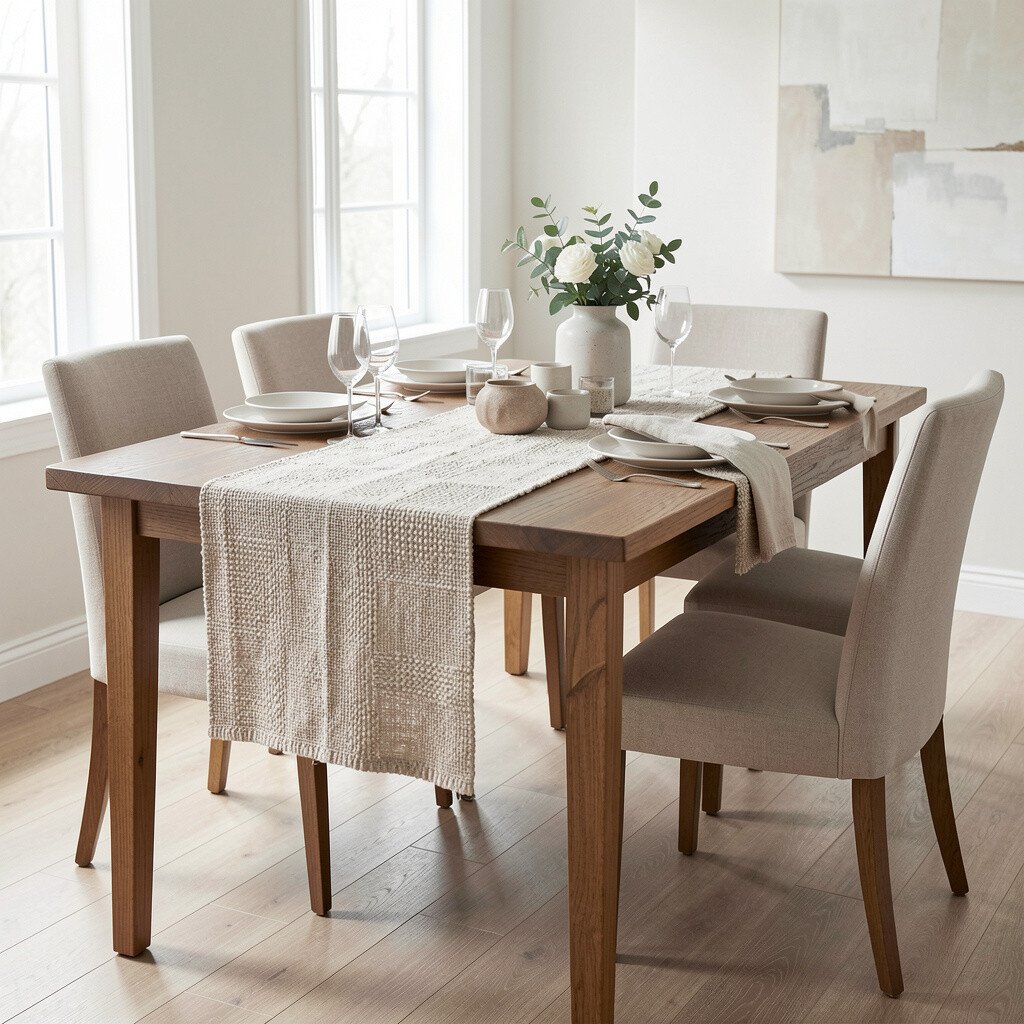
A dining table can feel fancy when the surfaces have texture. Use a textured runner, like woven cotton or linen, then add matte plates that look smooth but not shiny.
This creates benefits because textured fabric adds comfort and visual softness, while matte tableware feels modern and easy on the eyes. Practical tips include using placemats to protect the table and washing the runner according to care instructions so the fibers stay neat. Personalize the setting by mixing napkins with different weaves, like one crisp linen and one softly draped fabric.
For cost considerations, aim for one standout item like the runner and let the rest stay simple. Current trends favor earthy tones and tactile finishes, so you’ll get a stylish look that still works for everyday meals.