A small wall light can change the whole mood of a room. But one placement slip can make it feel awkward instead of inviting.
Here are common sconces mistakes, with easy ways to fix them so your lighting looks intentional and comfortable.
1. Mounting Too High Without Checking Real Sightlines

When sconces sit too high, the light beams slide past your eyes and land on the wrong places. You might notice faces look dim, while walls look bright in a way that feels harsh.
For a cozy glow, hold a tape measure at eye level and imagine where the light will fall. Turn the light on and watch how it behaves when you stand, sit, and move around the room.
2. Ignoring the Height of Furniture and Door Hardware
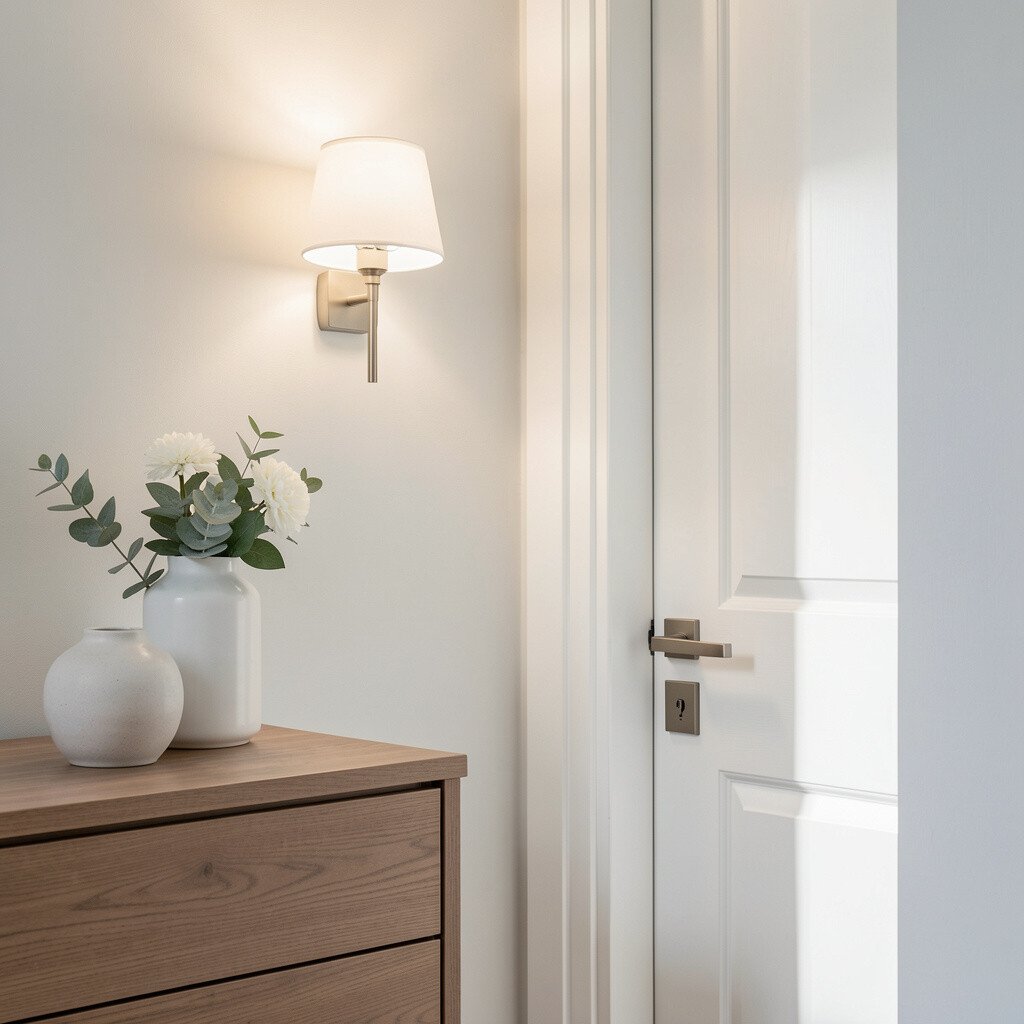
If your room has tall dressers, bookshelves, or a low couch, the sconce light can get blocked or reflected in odd ways. You may see bright strips on a cabinet or shadowy bands above a doorway.
Place the sconce so the light clears the furniture line and doesn’t fight with door trim or handles. If you have a lot of visual lines, align the light’s center with the area you want to highlight, like artwork or a doorway frame.
In kitchens and hallways, this becomes extra important because people move through fast. A little planning helps the light feel smooth, not spotty.
3. Choosing a Position That Creates Glare on Mirrors
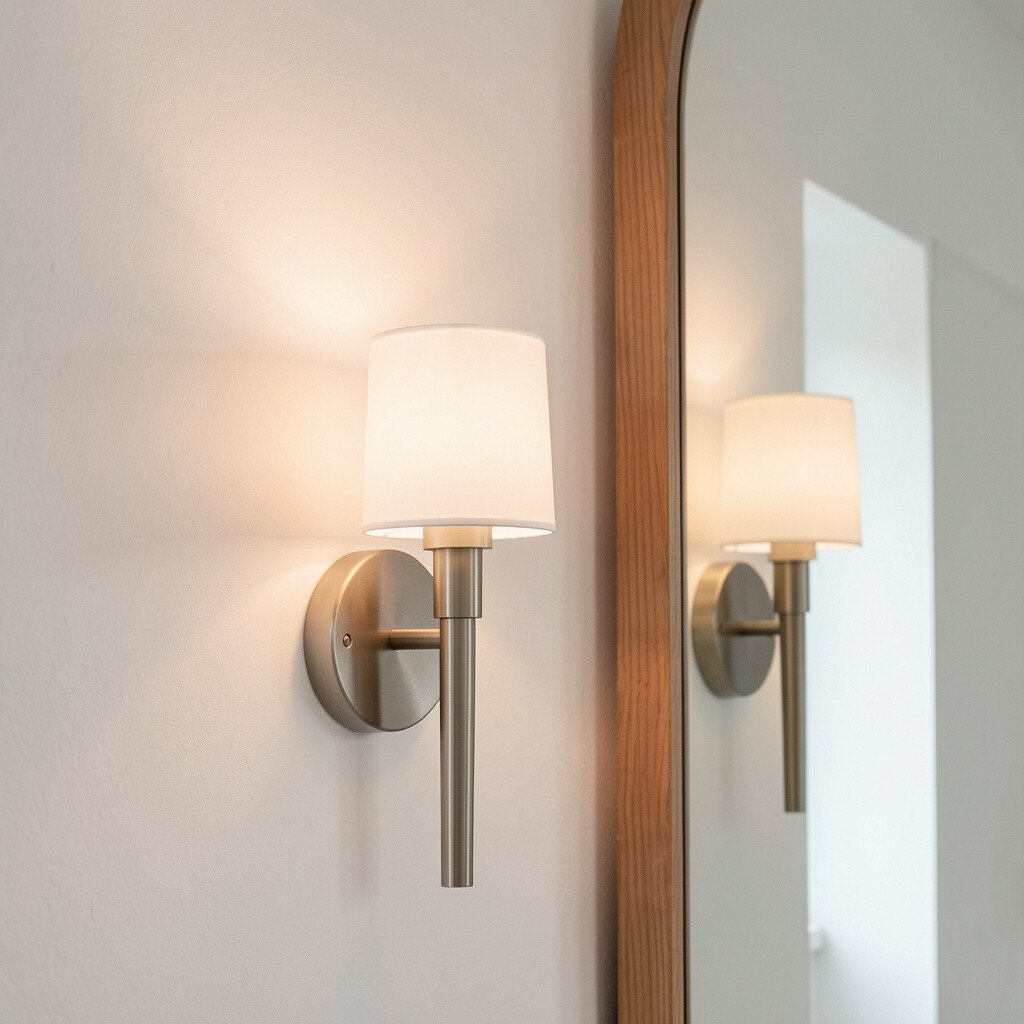
Mirrors love bouncing light, which is great when it’s soft and unpleasant when it’s glaring. When a sconce is too close or too high, you can end up with a bright flash in your own reflection.
Try stepping back while holding a phone flashlight where the sconce would go. If you see a sharp hotspot in the mirror, shift the light or adjust the angle so it washes the wall gently.
For bathrooms, warm bulbs and diffusing shades are trending because they look calm and flattering. You can keep the mirror practical while still giving the space that spa-like comfort people want.
4. Hanging Sconces Without Matching the Style of the Room
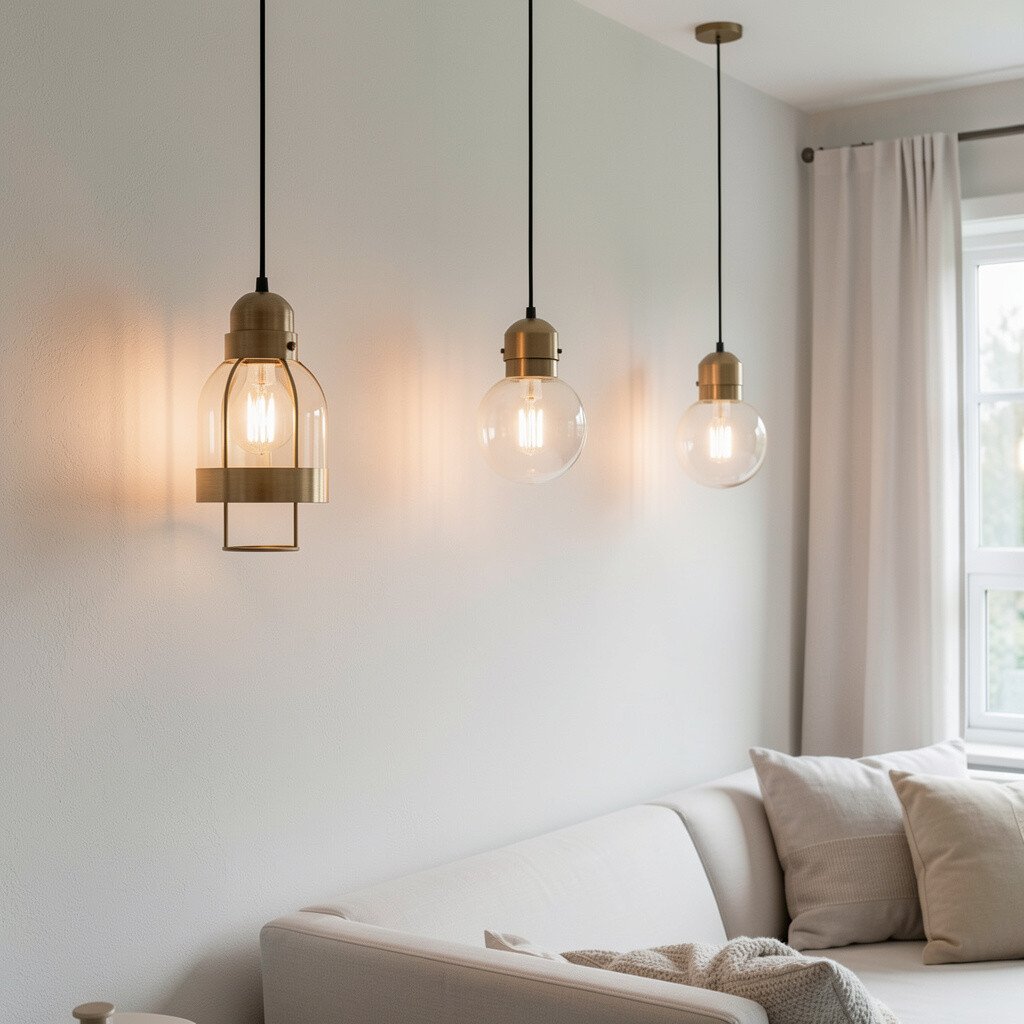
A modern sconce can look stunning, but only if it fits your space’s shape language and finish. If your room has vintage details and the lights look too sleek, the whole wall can feel out of sync.
Look for shared cues like brushed metal tones, glass shape, or the way curves meet flat edges. When the hardware matches other items like cabinet pulls, the lighting feels designed instead of random.
5. Placing Lights So They Don’t Support the Main Task
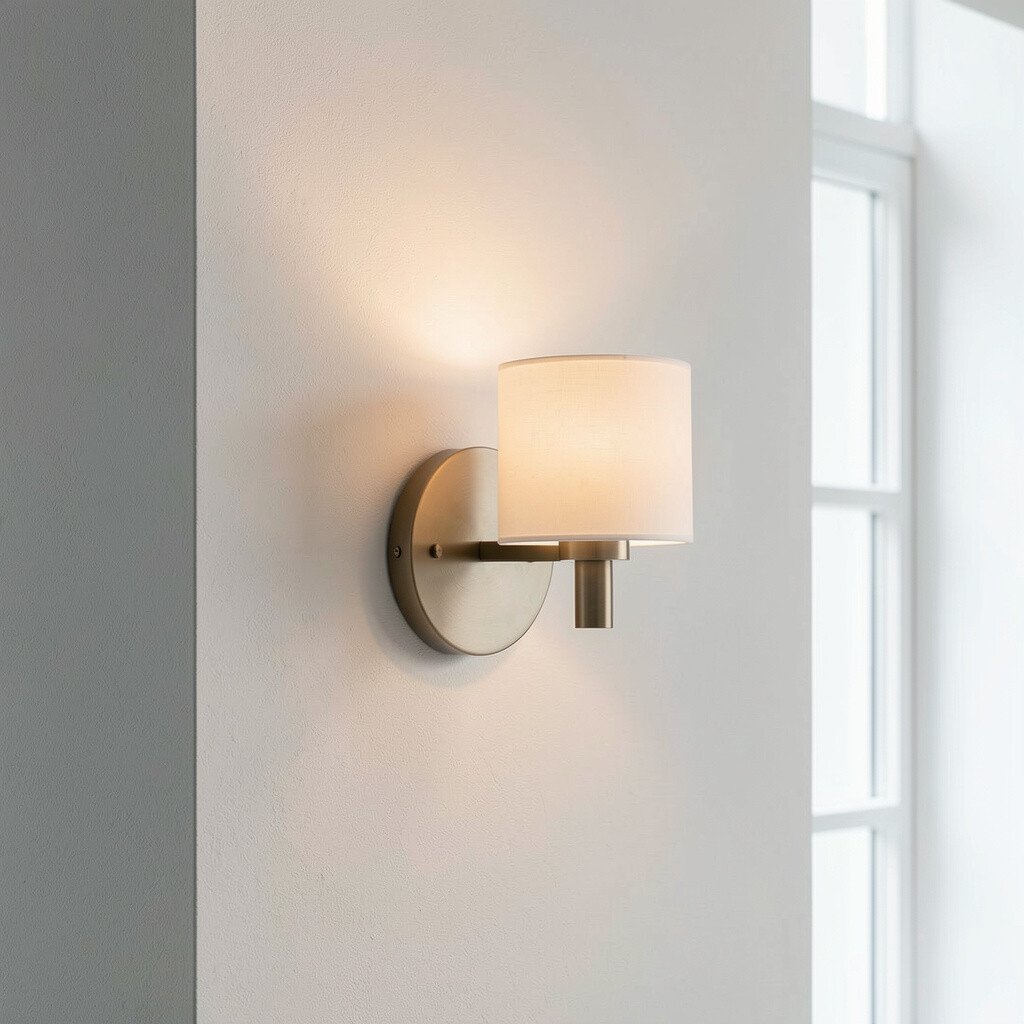
Lighting should help you do what you need, not just look pretty. If the sconce is too decorative and lands in the wrong spot, you may struggle to read, cook, or navigate.
Think about your daily path. Do you want light near a hallway seat for keys and bags, or near a chair for reading?
Target the area you use most, then soften the rest with the wall glow. This approach keeps the room useful, and it often costs less because you can avoid adding extra fixtures.
6. Pairing Sconces Unevenly Across a Wall

Two sconces that don’t feel balanced can make a wall look crooked, even when the measurements are correct. The brain notices differences in height, spacing, and even how the shadows land.
Check symmetry by using painter’s tape to mark where the lights will go, then stand back and compare. If one sconce looks brighter or hits the wall differently, adjust placement or bulb wattage before you mount.
7. Using Only One Sconce in a Wide Room
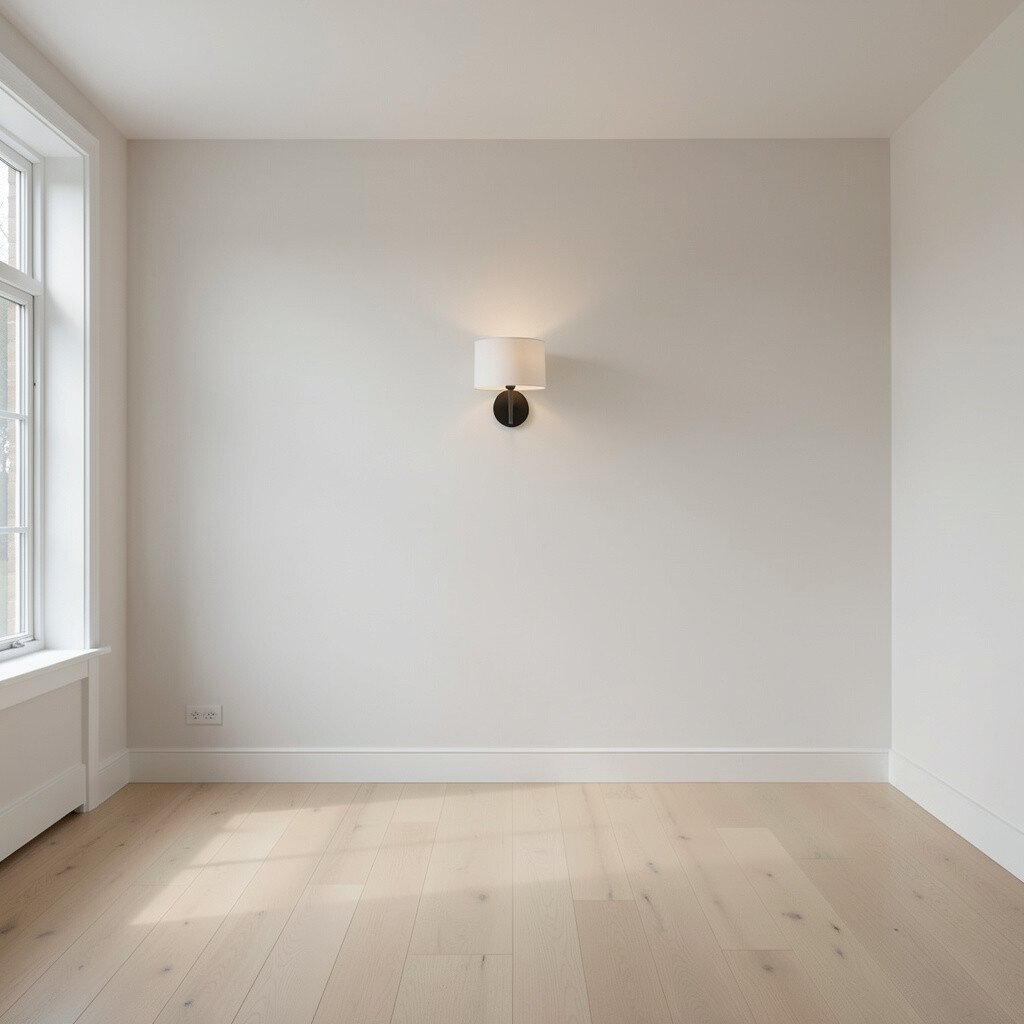
One sconce can create a bright island with darker edges, especially in wide living rooms. You might love the look at first, then realize the far side feels dim or gloomy at night.
Consider where the eye travels as you enter the space. Adding a second sconce, or combining one sconce with a ceiling light on a dimmer, can even out the glow without taking over the room’s style.
This is one reason layered lighting is trending again, because it gives control and comfort. You’ll get a warm mood with less glare and better coverage.
8. Forgetting to Account for Shade Size and Wall Texture
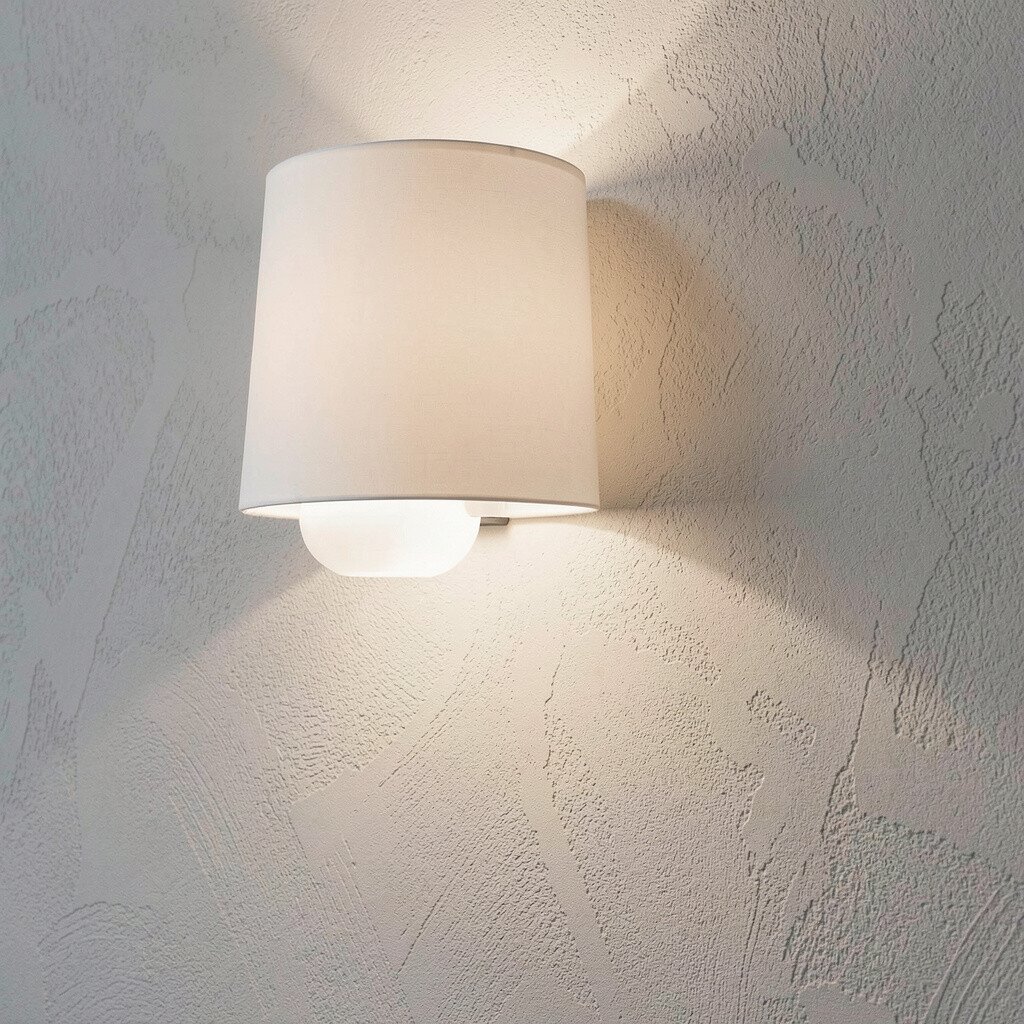
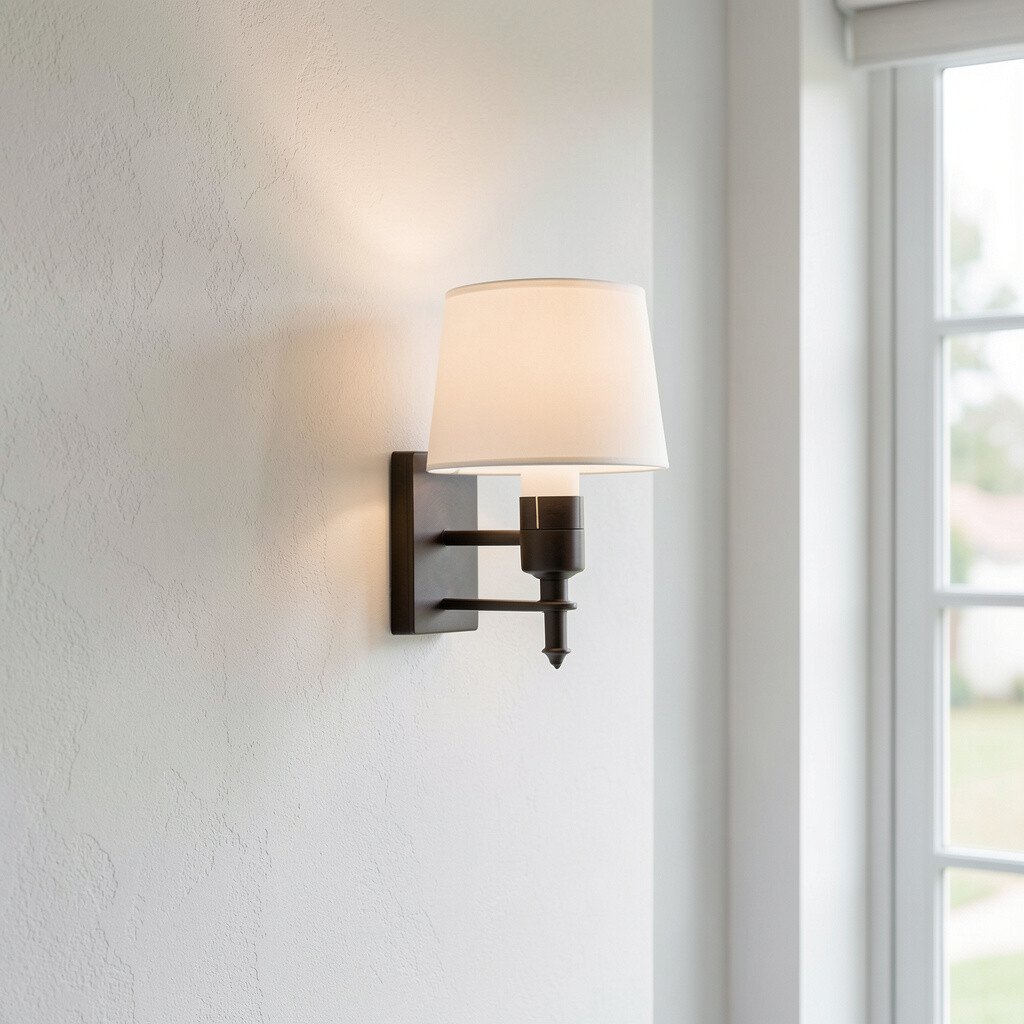
A large shade on smooth drywall might look fine, but on textured plaster it can cast a different pattern. Rough surfaces can make the light scatter, turning a neat glow into a busy speckle effect.
Before drilling, hold up the fixture or a cutout cardboard version near the wall and turn the lamp on. If you see unwanted spots or uneven brightness, choose a different shade style or move the light slightly.
9. Placing Sconces Directly Above or Below Busy Artwork
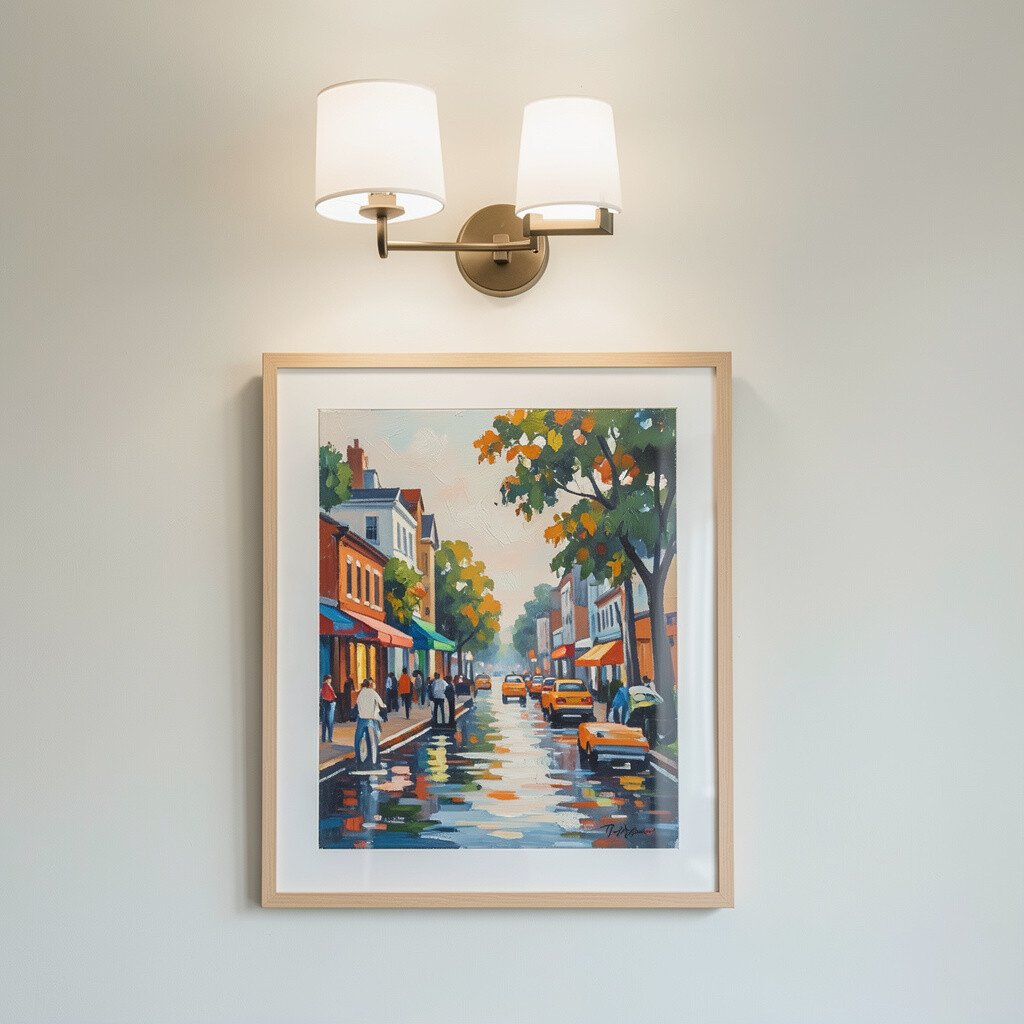
When artwork sits too close to a sconce, the light competes with the picture. You might see glare on the frame or shadows that cover the most important part of the art.
Leave enough breathing room so the light feels like it supports the piece. A helpful trick is to align the lamp’s brightest part with the artwork center, then adjust up or down until the scene looks balanced.
If the art is reflective, consider using a dimmer and warm bulbs to keep things gentle. This can cost less than replacing the whole fixture later.
10. Choosing a Bulb Temperature That Feels Wrong in the Room
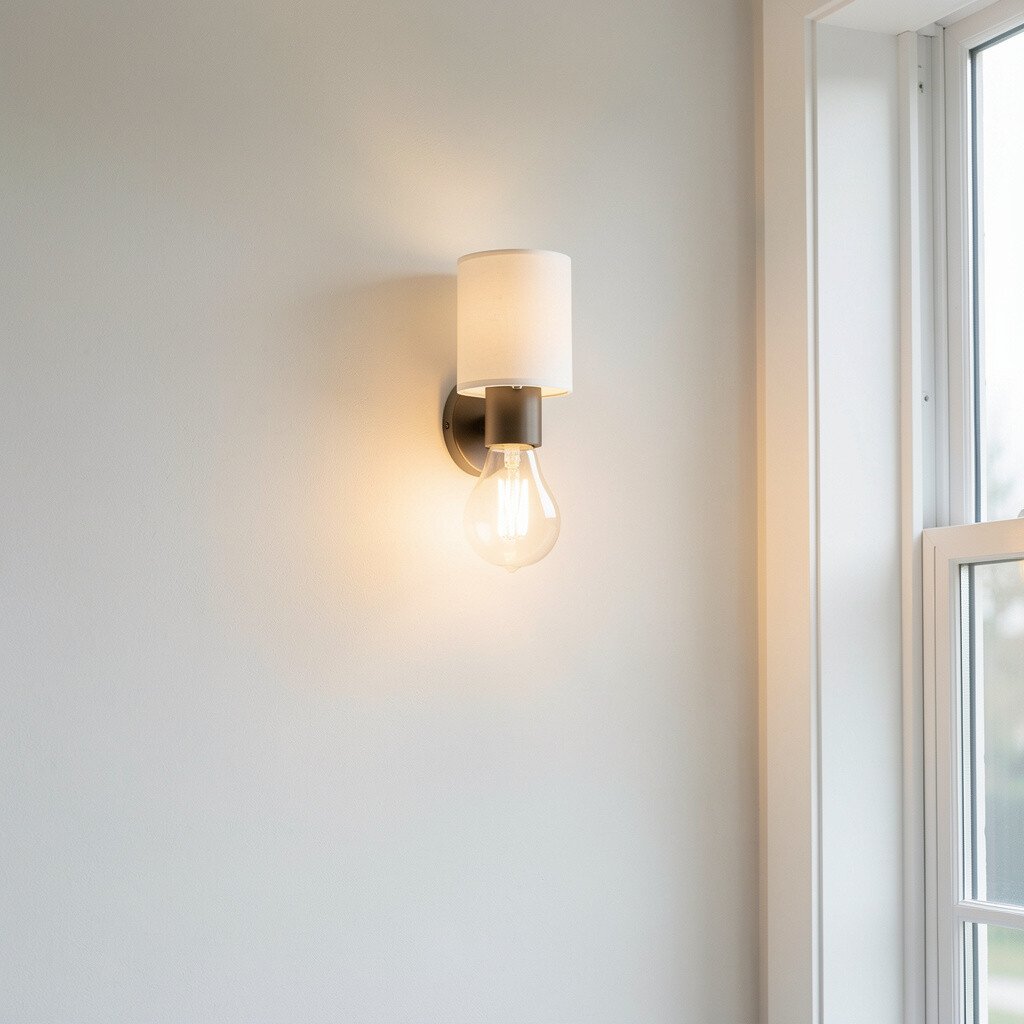
Some sconces look cool and crisp, while others should feel warm and welcoming. If the bulb color doesn’t match your room, walls can look dull or faces can look washed out.
Pick a bulb tone that matches the room’s vibe, like warm white for cozy living areas or slightly brighter for task spots. Many people now choose bulbs that mimic candle warmth because it flatters skin and wood tones.
11. Overlooking How Light Reflects From Floors and Countertops
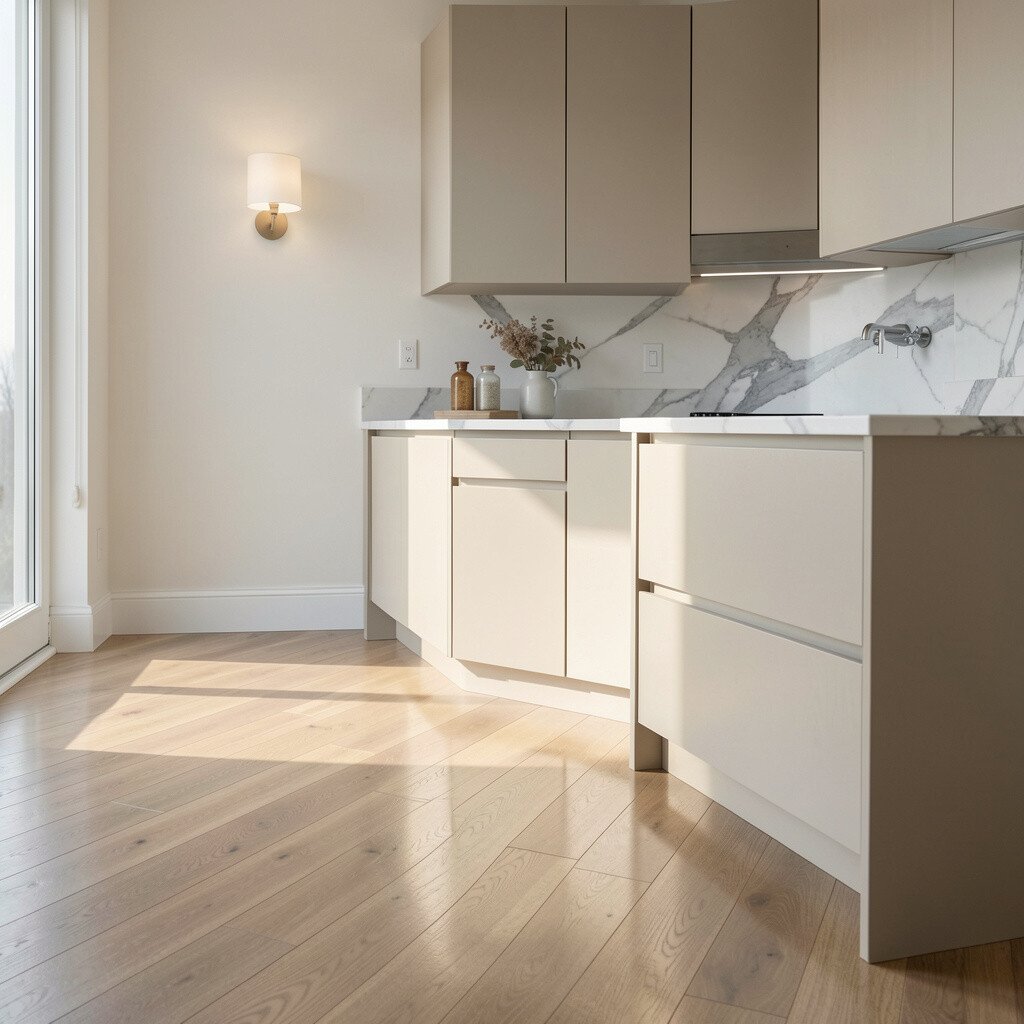
Light doesn’t only bounce off walls; it also bounces off floors, backsplashes, and countertops. A sconce that looks perfect in the planning stage can create distracting shine on tile or stone.
Stand near the surfaces that reflect most, such as polished floors or glossy countertops. If the light creates streaks, angle the fixture inward a little or add a shade that spreads the glow wider.
12. Installing Without Thinking About Wiring Reach and Switch Placement
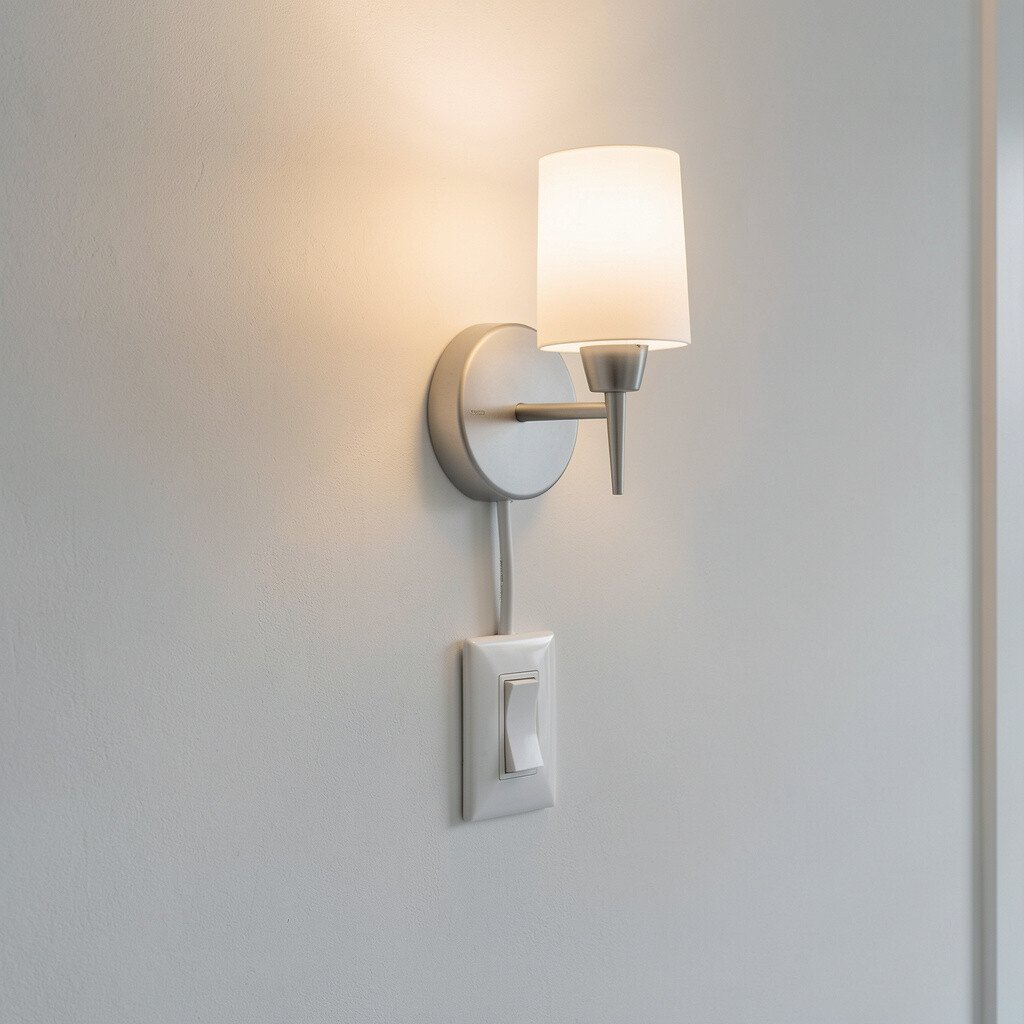
Even the best sconce placement can fail if it’s hard to turn on at the right time. If the switch is hidden or inconvenient, you may end up leaving the light off.
Check the wiring path and plan where the switch will be before you mount anything. Smart dimmers and smart switches are popular right now because you can soften the glow without fumbling, and that can save energy too.
For hallways, a location near the room entry helps you enjoy the light instead of avoiding it.
13. Mounting Too Close to Corners and Trim
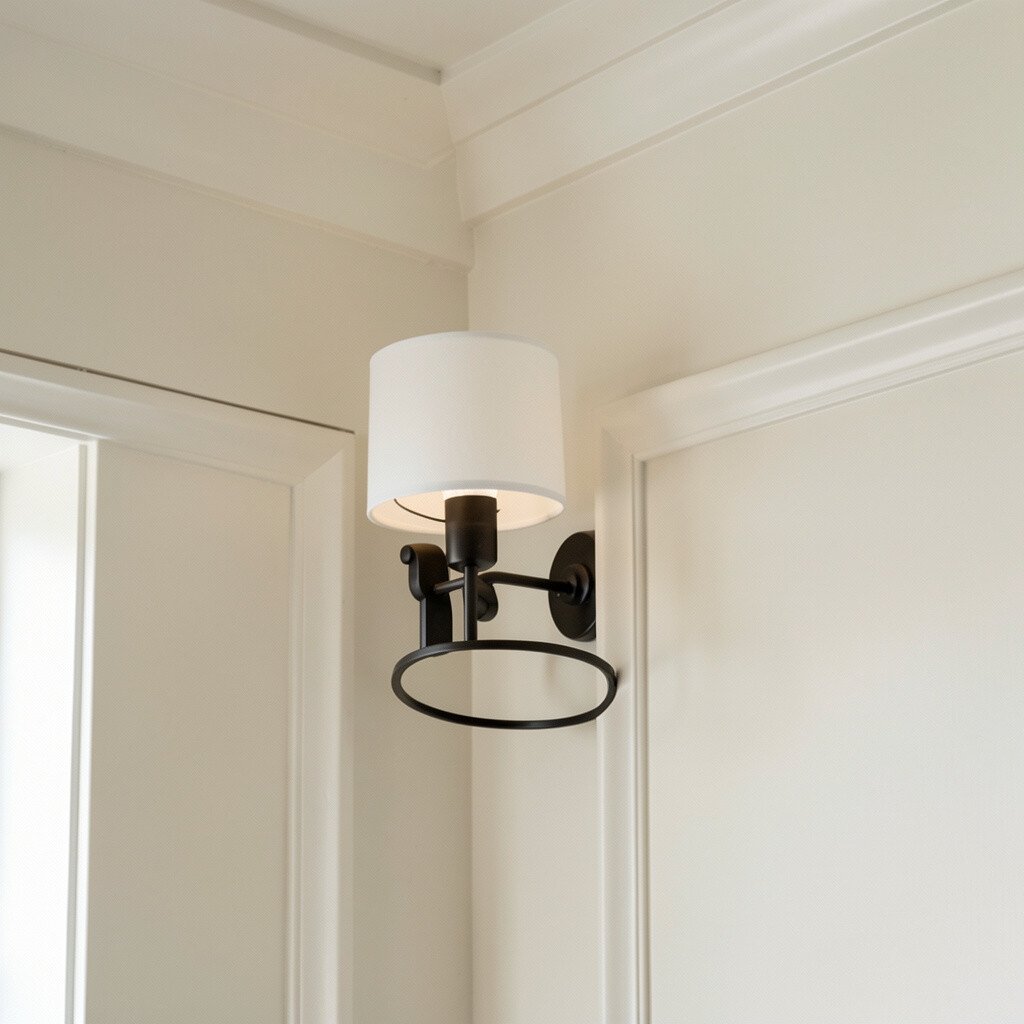
Corners can steal light, and trim can redirect it in ways that look accidental. When a sconce sits right against an edge, the beam can wrap around and leave one side dim.
Move the fixture away from the corner so the light has room to spread. A small shift can reduce shadowy bands and make the wall feel fuller and more even.
14. Using Dimmers Incorrectly or Skipping Them Entirely
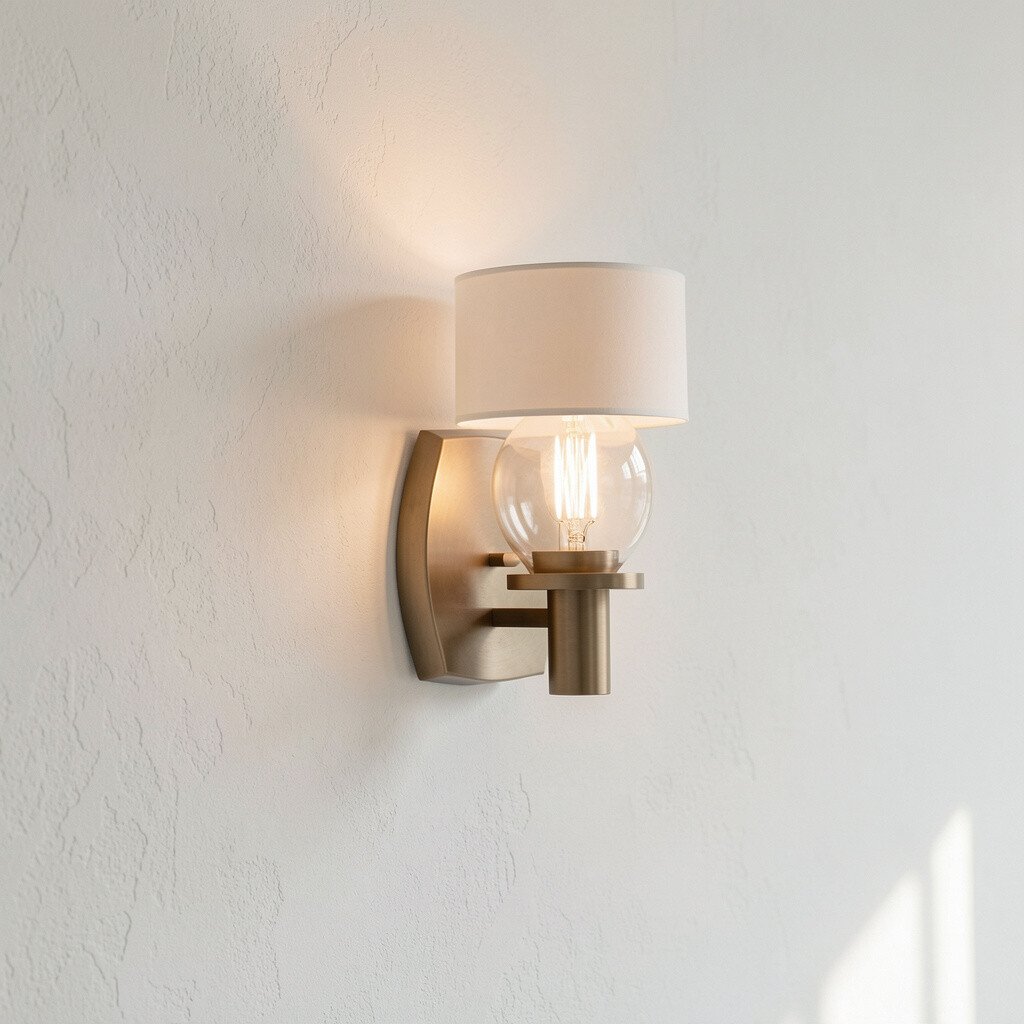
Dimmers are useful because your room changes from daytime tasks to evening comfort. Without them, sconces might feel too bright during movie time or too dim when you need clear vision.
Choose a dimmer that matches your bulb type and adjust it slowly the first few times. People love “soft nighttime” lighting levels because the room feels calm, and it helps reduce glare on glossy surfaces.
15. Picking a Style of Sconce That Looks Fine Up Close but Strange From Afar
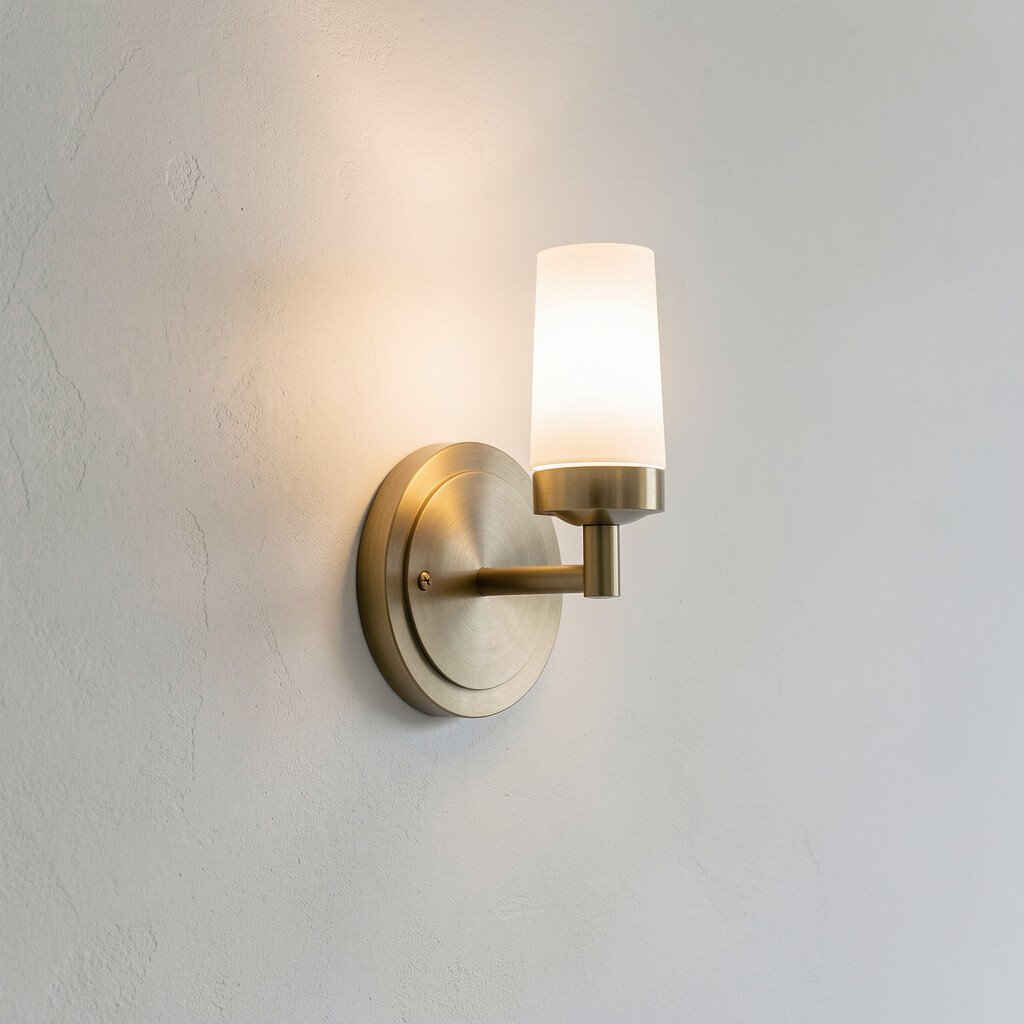
Some fixtures look gorgeous when you’re standing right in front of them, but the wall pattern can surprise you from across the room. You might see heavy shadows, odd color casts, or a shape that feels too bulky.
Before installation, view the sconce location from where you normally sit or stand. If it looks out of place at a distance, try a different size, a slimmer profile, or a more diffused shade.
This is one of the simplest ways to personalize without spending extra money. You can keep the same general vibe while selecting a fixture that scales with your wall.
16. Forgetting to Consider People Passing Under the Light
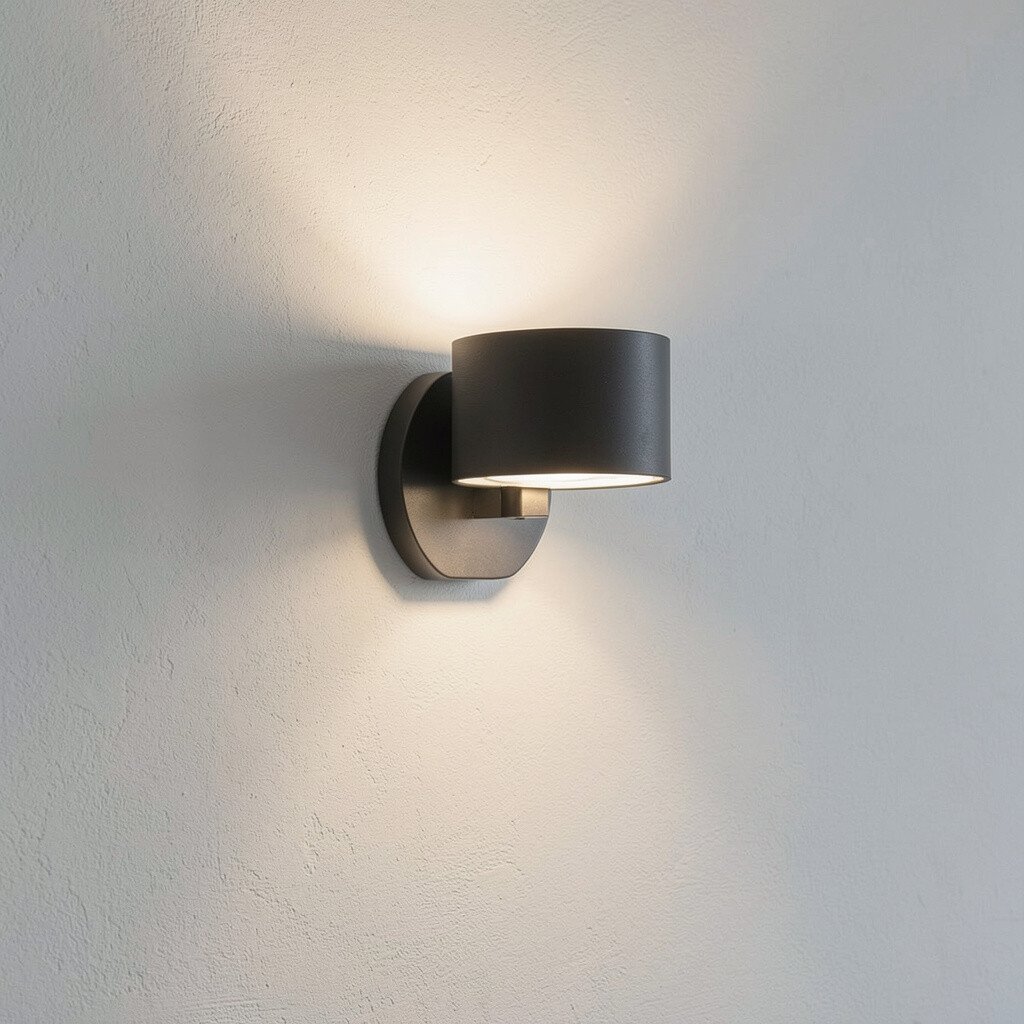
Hallways and entryways involve movement, and sconces can create bright spots where people pass. If the light hits eyes when someone walks beneath it, the space feels uncomfortable.
Walk through the room at night conditions, even if you just use a bright handheld light for testing. If you notice glare where you usually look, adjust height or angle so the brightest part aims toward the wall, not straight ahead.
17. Over-Spacing Sconces So the Light Feels Interrupted
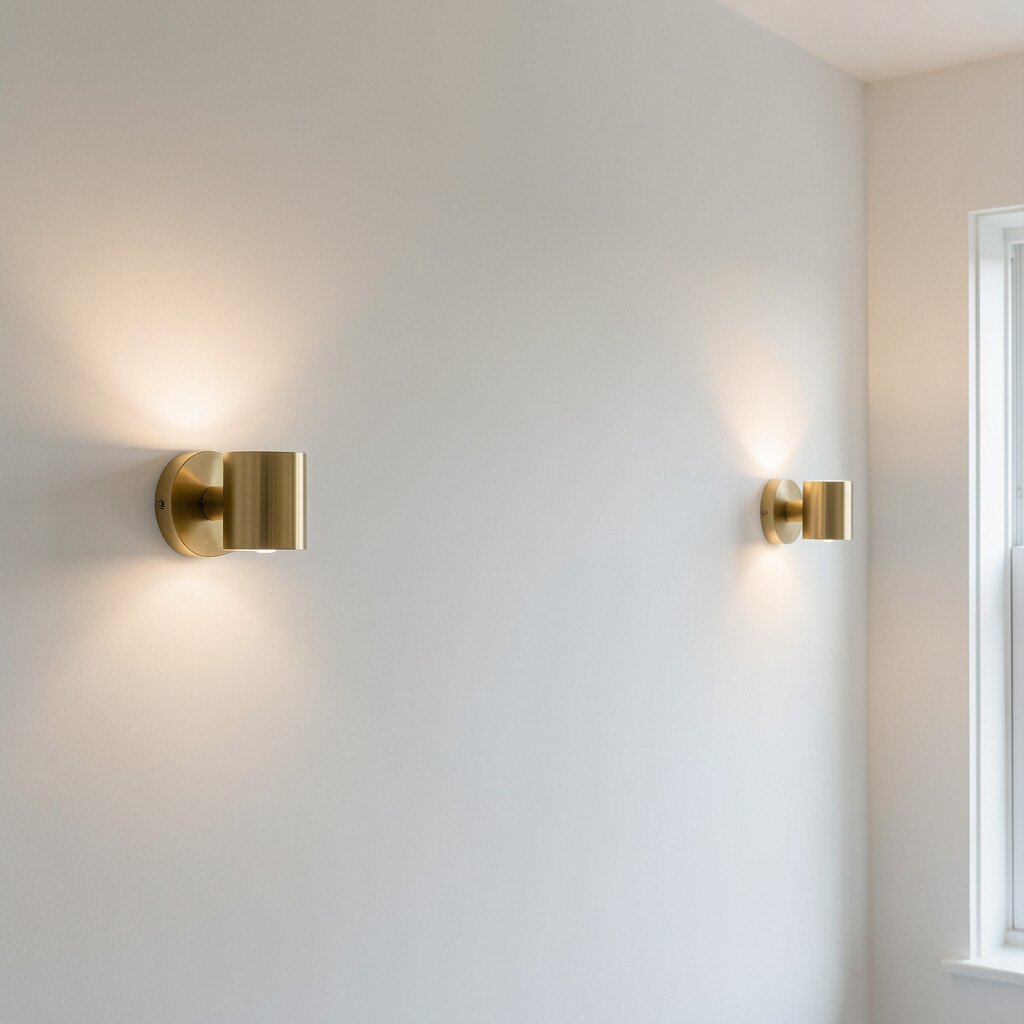
When sconces are spaced too far apart, you get bright patches and darker gaps. This is especially noticeable in long hallways or stair landings where the eye expects a steady path.
Measure the wall span and think in terms of visual rhythm. Matching spacing and keeping consistent height usually makes the wall glow feel calm and continuous.
18. Underestimating the Power of Directional Angle
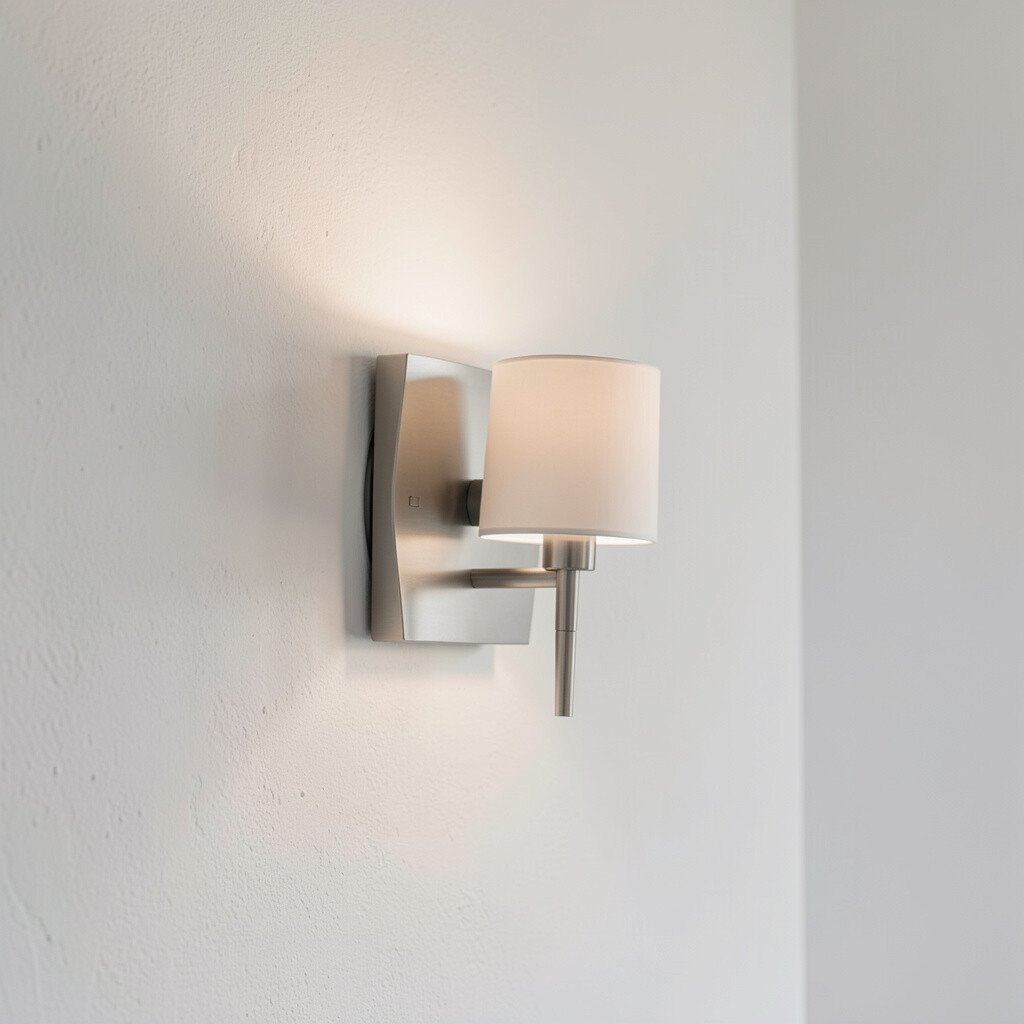
A sconce isn’t just about where it sits; it’s also about where it points. Even a correct height can feel wrong if the shade aims straight out or too downward.
Use a flashlight test to find the best angle for your wall surface. Tilt the fixture so it highlights what you want, such as a textured wall, a framed photo, or the top edge of a cabinet, while keeping glare low.
This simple angle tweak often upgrades the look without adding any new fixtures.
19. Using Tiny Sconces on Large Walls Without Enough Light Presence
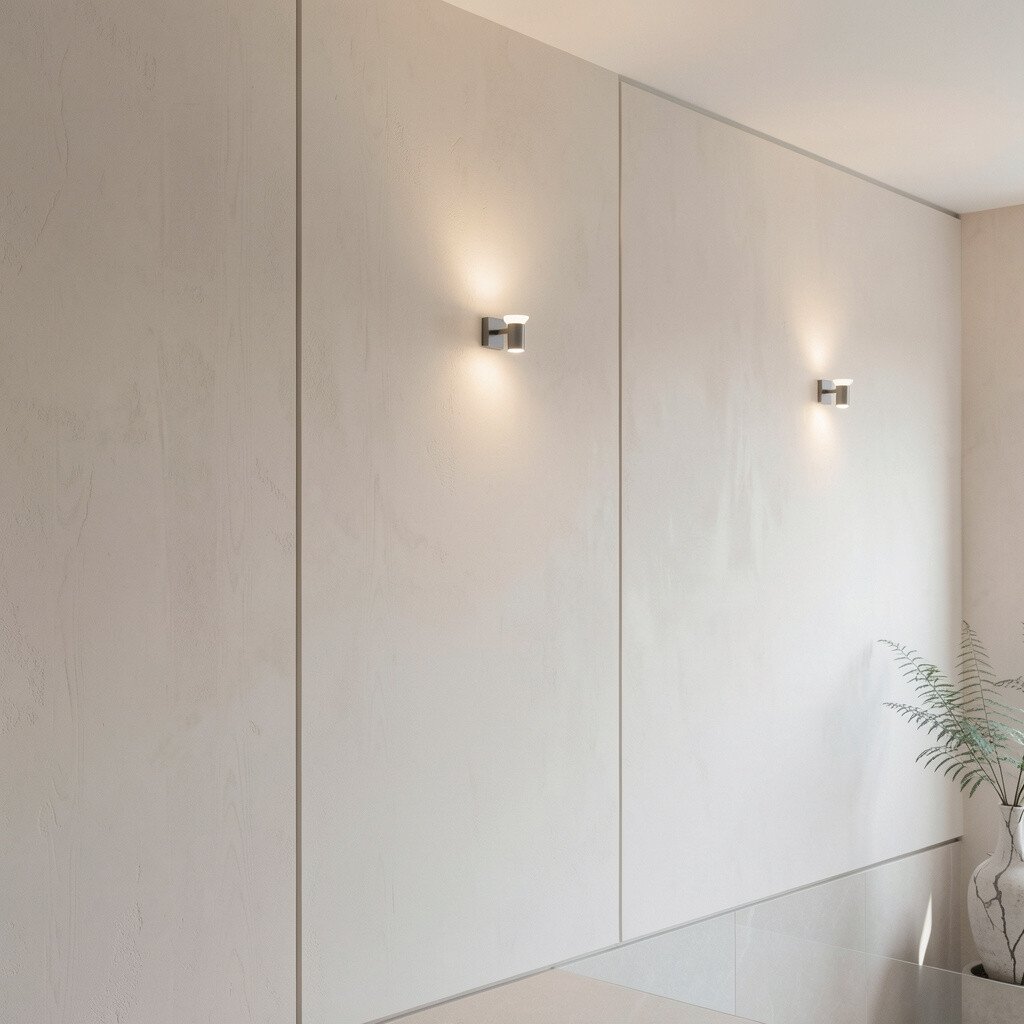
Small fixtures can disappear on big walls, leaving the room feeling unfinished. You may notice that the wall is bright, but the lighting doesn’t create a strong mood anchor.
If your wall has a large frame or a wide bed, consider scaling up in size or adding a second light source. Oversized sconces are gaining attention because they look bold and designer-like, especially in modern rooms.
20. Placing Sconces Where Cleaning Becomes a Daily Hassle
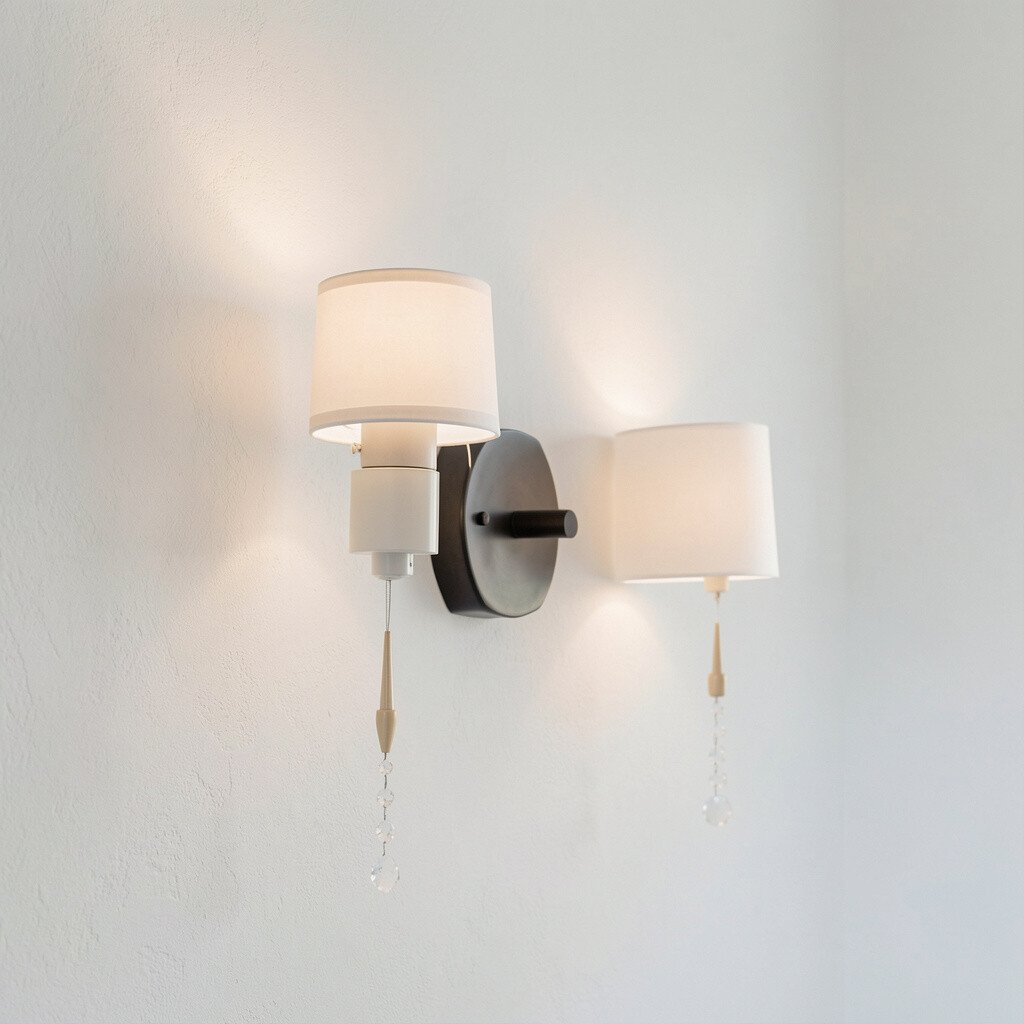
Dust and smudges collect faster than you expect, especially around textured shades and glass. If the fixture is placed where your arm has trouble, you’ll put off cleaning and the light will dull over time.
Choose a height and reach that lets you wipe the glass and dust the shade comfortably. If you want low maintenance, diffused shades and easy-to-access designs can reduce how often you need to work hard.
21. Overdoing the Number of Sconces in One Spot
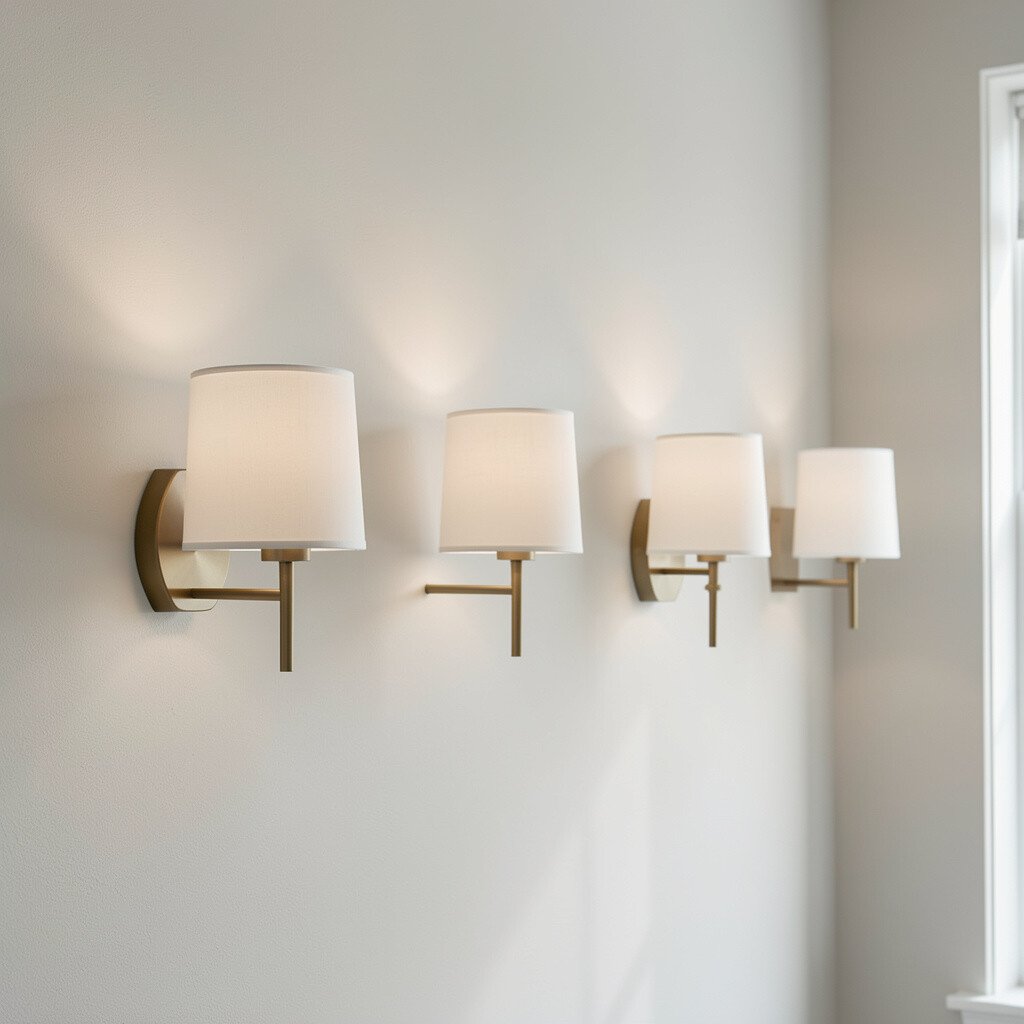
More lights can sound like a better plan, but too many sconces can make a wall feel busy. The room may look bright without looking warm, and shadows can layer in a messy way.
Pick a clear purpose for each sconce, like highlighting art, framing a seating area, or guiding a hallway. When you keep them intentional, the spacing and finish become a design feature instead of a clutter problem.
22. Not Planning for Seasonal and Lifestyle Changes
Your room changes, and your lighting should flex with it. During the holidays, you might add decorations, move furniture, or change where you read, and that can change how the sconce light feels.
Use adjustable angle fixtures, bright-to-warm bulb choices, and dimmers so you can shift mood without remounting everything. People increasingly like versatile lighting setups because it makes a home feel current through the year.
If you’re planning upgrades, think about future changes to layout so your sconces keep working even after you rearrange.