The room feels crowded, yet the heart wants togetherness. With a few smart changes, a small dining space can feel warm, roomy, and special.
Good planning turns everyday meals into cozy traditions that everyone remembers.
1. Choose a Round Table That Trades Corners for Comfort
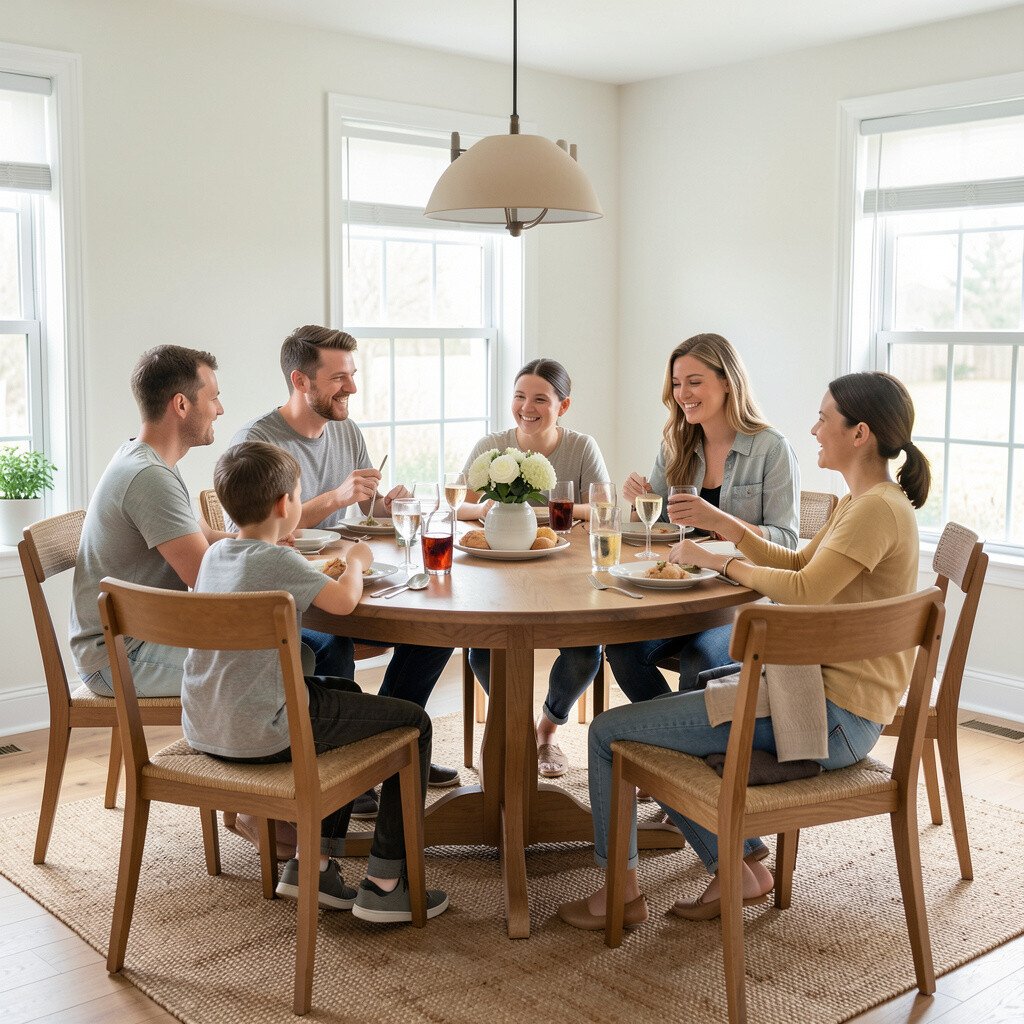
A round table makes the room feel calmer because there are no sharp corners stealing space. Guests can slide in easily, and the center becomes a natural meeting spot for stories and laughter.
For a family setup, pick a size that fits your space with a clear path to the door and kitchen. Add a soft tablecloth or a washable runner for visual comfort, then keep the centerpiece low so people can see each other. If you host often, consider an extendable round table so you can grow seating only when you need it, which saves money compared with buying two tables.
2. Use a Bench and Two Chairs for Flexible Seating
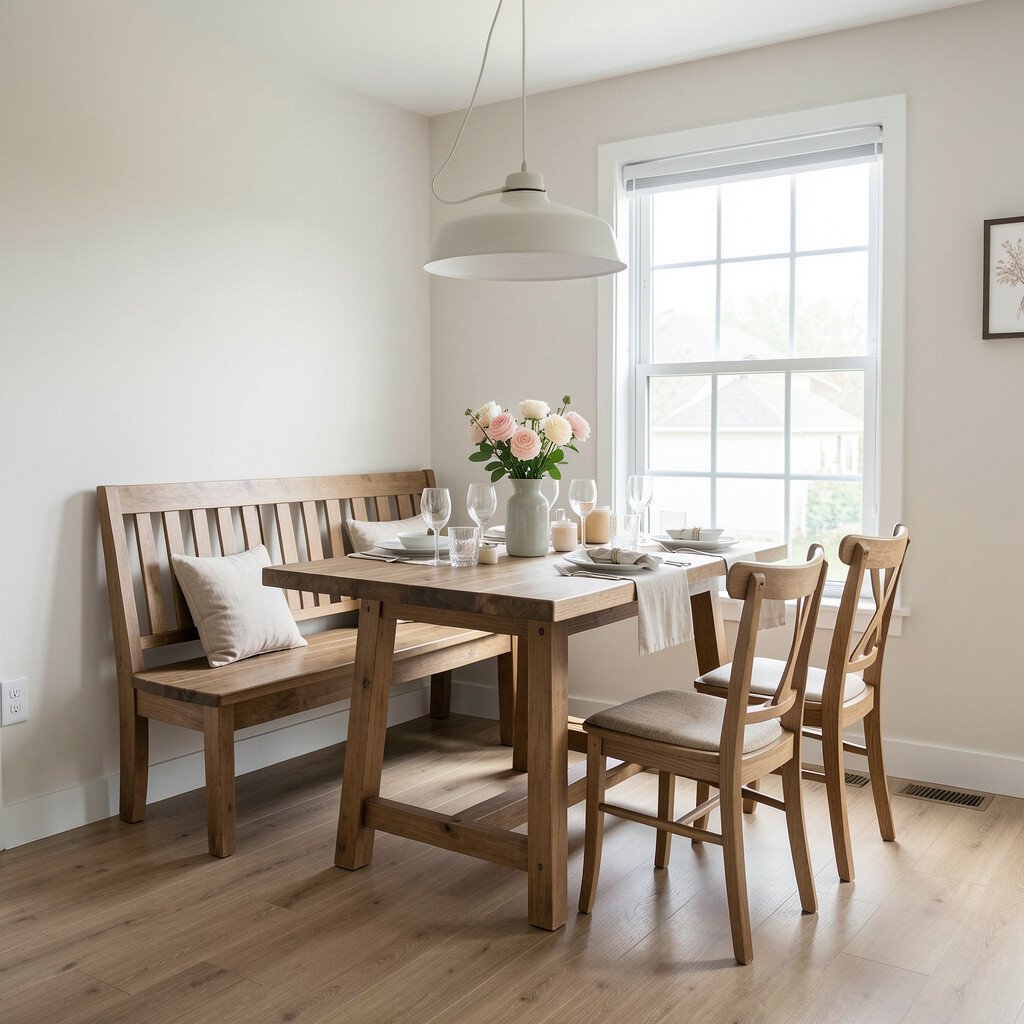
A bench can hug the wall while still giving everyone a place to sit. When the family grows, the extra seat makes the table feel fuller without making the room feel tight.
Choose a slim bench that matches the table height, and use slipcovers or easy-clean fabric for everyday messes. Place two chairs at the ends and keep the bench for most guests, so the layout works even when people arrive at different times. Many families like this because it feels fair, and it reduces the awkward spacing that happens when chairs are too bulky.
For personalization, tie the cushions to your everyday style using simple patterns or colors from your kitchen. A small bench can be cost-friendly if you find a used one, sand it down, and refresh it with new fabric. This trend of mixing practical seating with homey textures keeps the space looking current without expensive upgrades.
3. Hang a Statement Light That Makes Dinner Feel Brighter
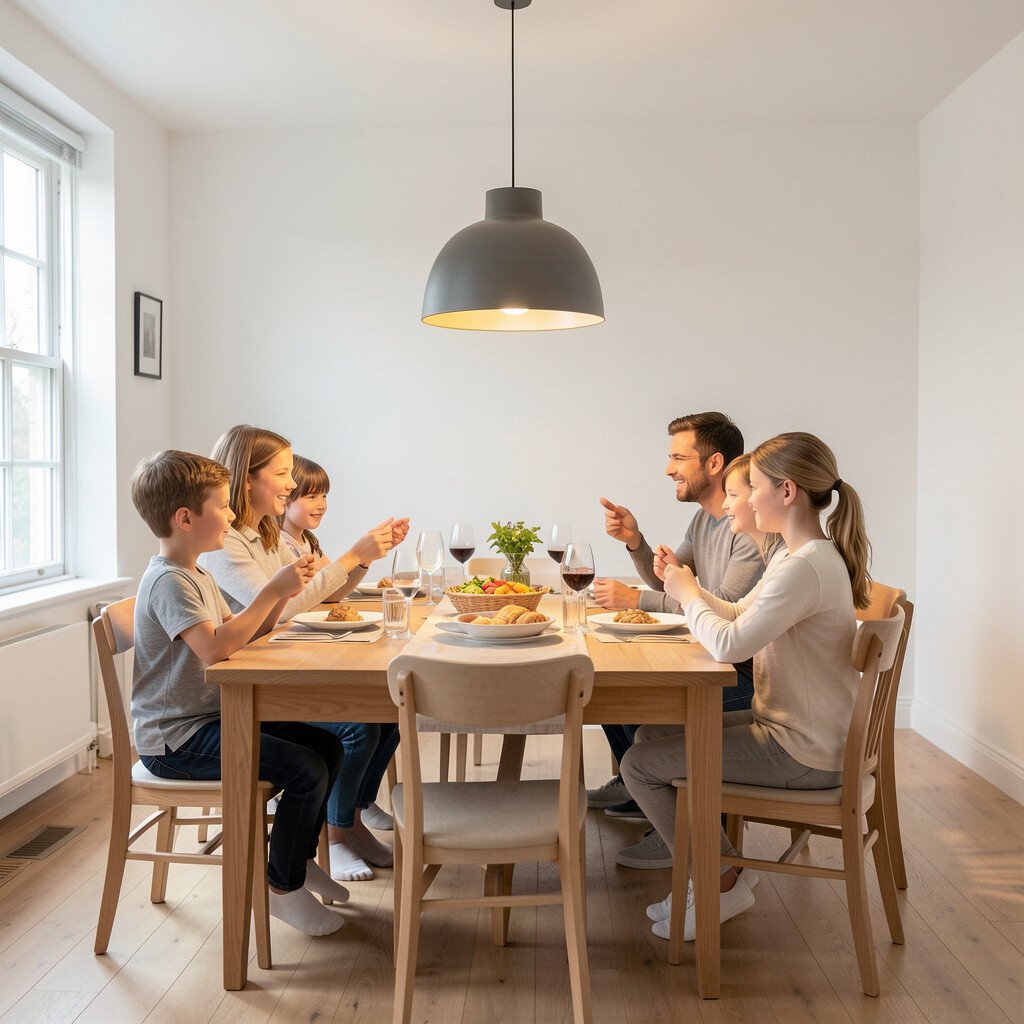
Lighting changes the whole mood, and a single statement fixture can make a small room feel special. When the light is warm, faces look inviting and the table looks more like a gathering place.
Pick a pendant or a chandelier with slim lines so it doesn’t block walkways. Keep the bottom of the light low enough to glow over the table, but high enough for comfort, especially when kids move around. Use dimmable bulbs if you can, because darker evenings make the dining area feel cozy rather than cramped.
Families often love this because it acts like a “centerpiece” that isn’t in the way. For a personal touch, choose a shade color that echoes your plates or napkins so the look feels coordinated. Current trends lean toward vintage-style bulbs and warm metals, which can be a budget win if you shop for pieces that only need a quick cleaning and a bulb swap.
4. Create a Dedicated Place for Tableware to Reduce Clutter
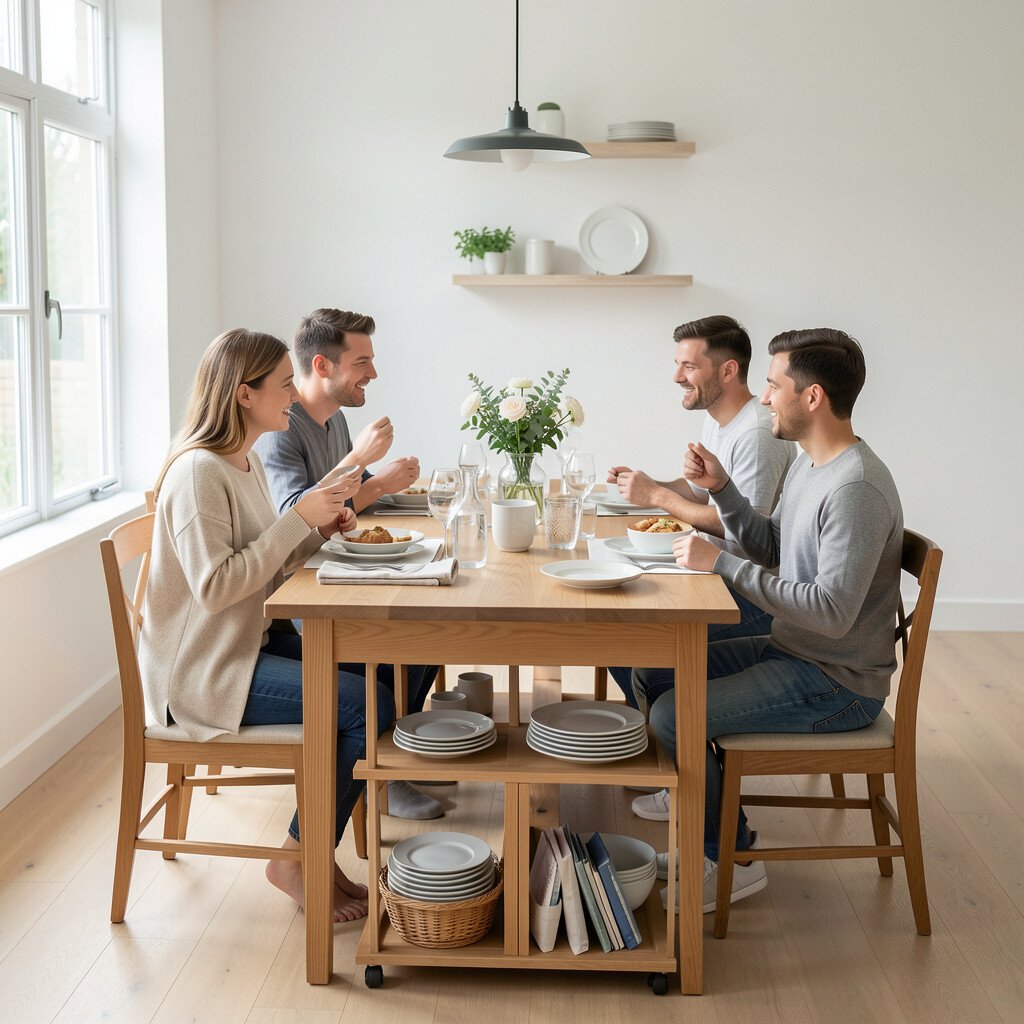
When plates and serving bowls have no home, the dining space starts to feel messy fast. A clear storage spot helps the room stay ready for guests without last-minute stress.
Use a small cabinet, a wall shelf, or even a slim cart tucked near the dining area. Keep daily items within reach and store backup sets in closed storage so the room stays visually calm. If you have kids, add simple labels on the back of bins using plain tape, and you’ll notice how quickly everyone can help.
5. Add a Soft Rug to Define the Dining Zone
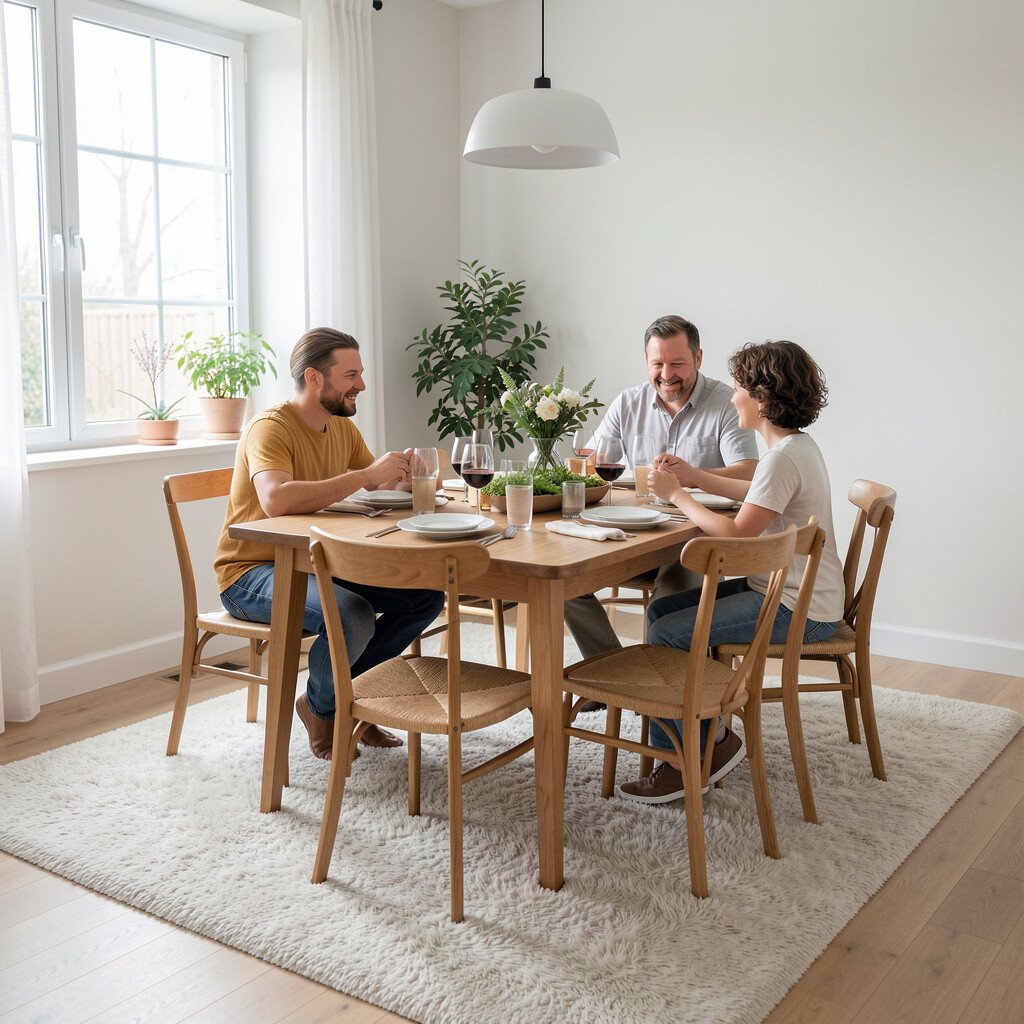
A rug helps a small dining space feel like it has boundaries, even when the room is open to the kitchen. When you step onto a warm surface, you instantly feel more relaxed.
Choose a rug large enough that chair legs stay on it when pulled out, which prevents constant edge-stress and helps the layout look intentional. Use stain-resistant fibers for family meals, and consider a washable option if spills happen often. You can make the look personal by matching the rug pattern to seasonal placemats or using solid colors that let your dishes stand out.
This trend of layering texture is popular because it makes rooms feel “designed” without major renovations. A mid-range rug is often cheaper than remodeling, and it gives fast visual payoff. Keep the rug’s colors friendly and warm so the dining area feels welcoming even on busy days.
6. Mount Floating Shelves for Easy Serving and Decor
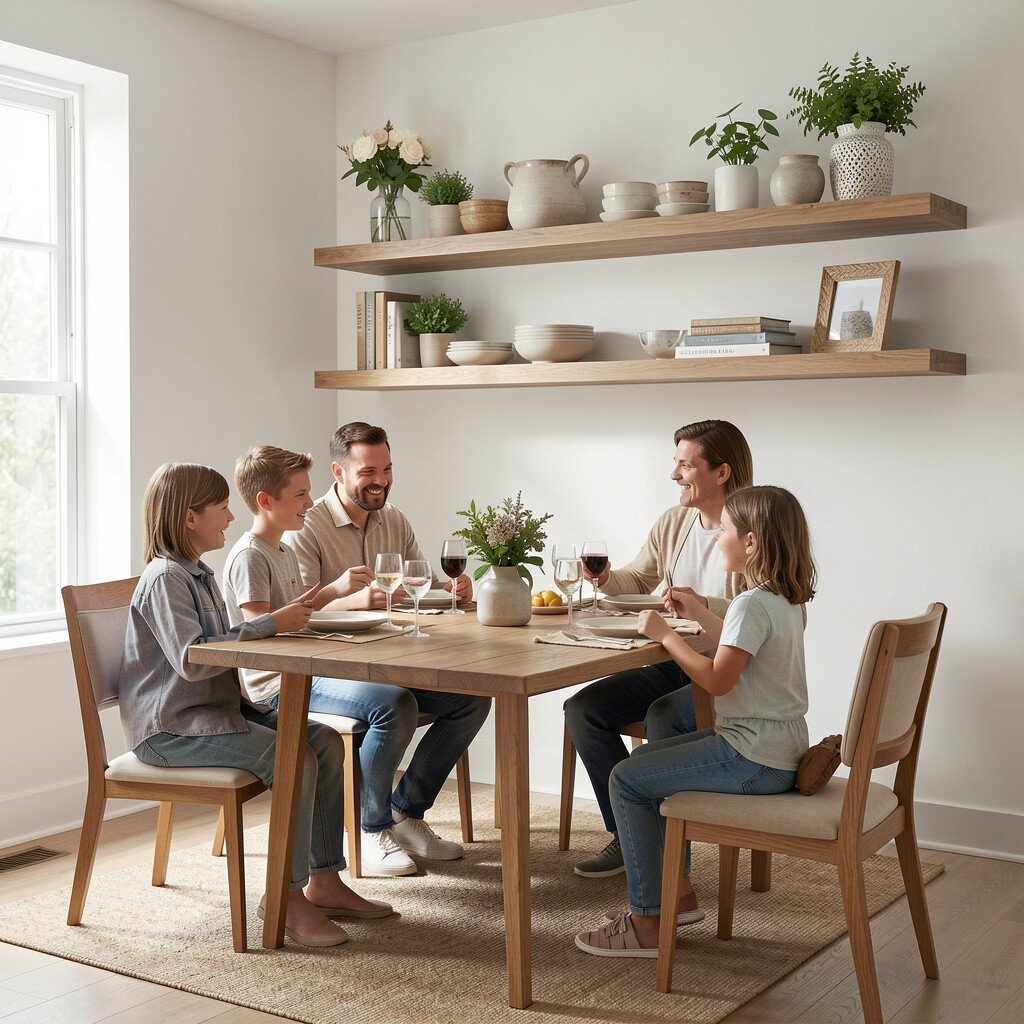
Floating shelves bring storage up and free up floor space, which is a big deal in tight dining areas. They also make the wall look purposeful, not empty.
Arrange bowls, a few everyday plates, and serving spoons so you can grab items quickly during family meals. For a pleasing look, keep the color palette simple and mix heights with one basket or a small cutting board. If you like personalization, display a small framed family recipe, holiday mugs, or even a rotating collection of seasonal napkin designs.
People often worry shelves will look cluttered, but careful placement solves it. Use closed baskets for extra items and keep the visible pieces limited, so the room stays airy. This kind of storage also feels current because many homes now use vertical organization to keep spaces functional.
7. Use Fold-Down or Nesting Side Tables for Extra Space
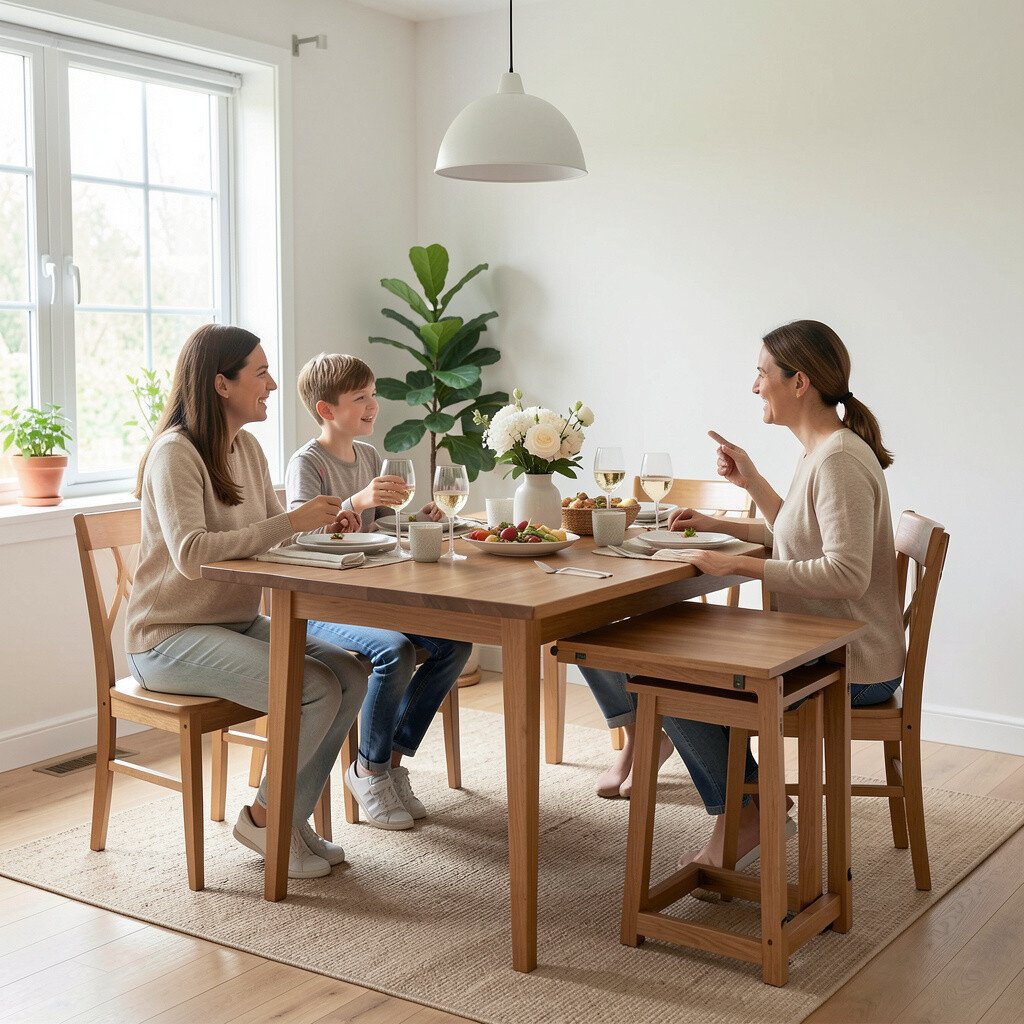
Side tables can be powerful when they show up only when needed. In a small dining space, moving one small surface can create elbow room for serving.
Look for a fold-down wall table or nesting tables that tuck away neatly. When guests arrive, unfold one side and use the others for drinks, bread plates, or serving platters. After the meal, push them back so the room feels open again.
For personalization, choose a wood finish that matches your chairs, or paint the top a fun color that matches your napkins. This is often a budget-friendly idea because a side table costs less than new dining furniture, and the flexibility saves you from buying extra chairs. Family gatherings feel smoother when everything has a place that appears on demand.
8. Select Lightweight Chairs So Rearranging Feels Easy
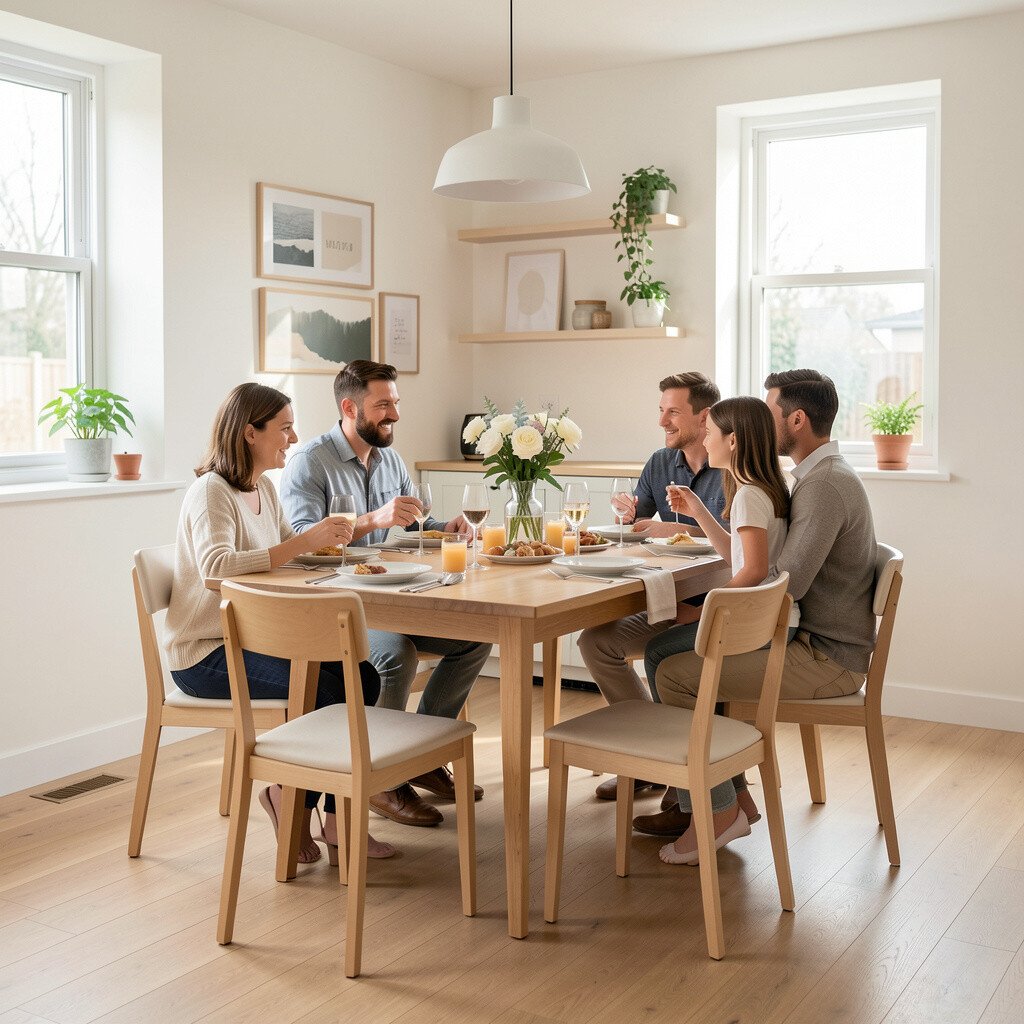
Heavy chairs make it hard to adjust seating, especially when kids need space to move around. Lighter chairs help you rearrange quickly without strain.
Choose chairs with slim profiles and sturdy legs, and keep the fabric easy to wipe. If your dining space is shared with another room, stack or slide chairs only when necessary so the space stays functional. Add small seat cushions for comfort, especially if you expect longer dinners.
This idea feels unique because it turns furniture into a practical tool for hosting. Many families find that lightweight seating lets them add one more guest without crowding. A modern look also comes from simple chair designs, which match current trends toward clean lines and easy styling.
9. Keep a Small Beverage Station for Smooth Hosting
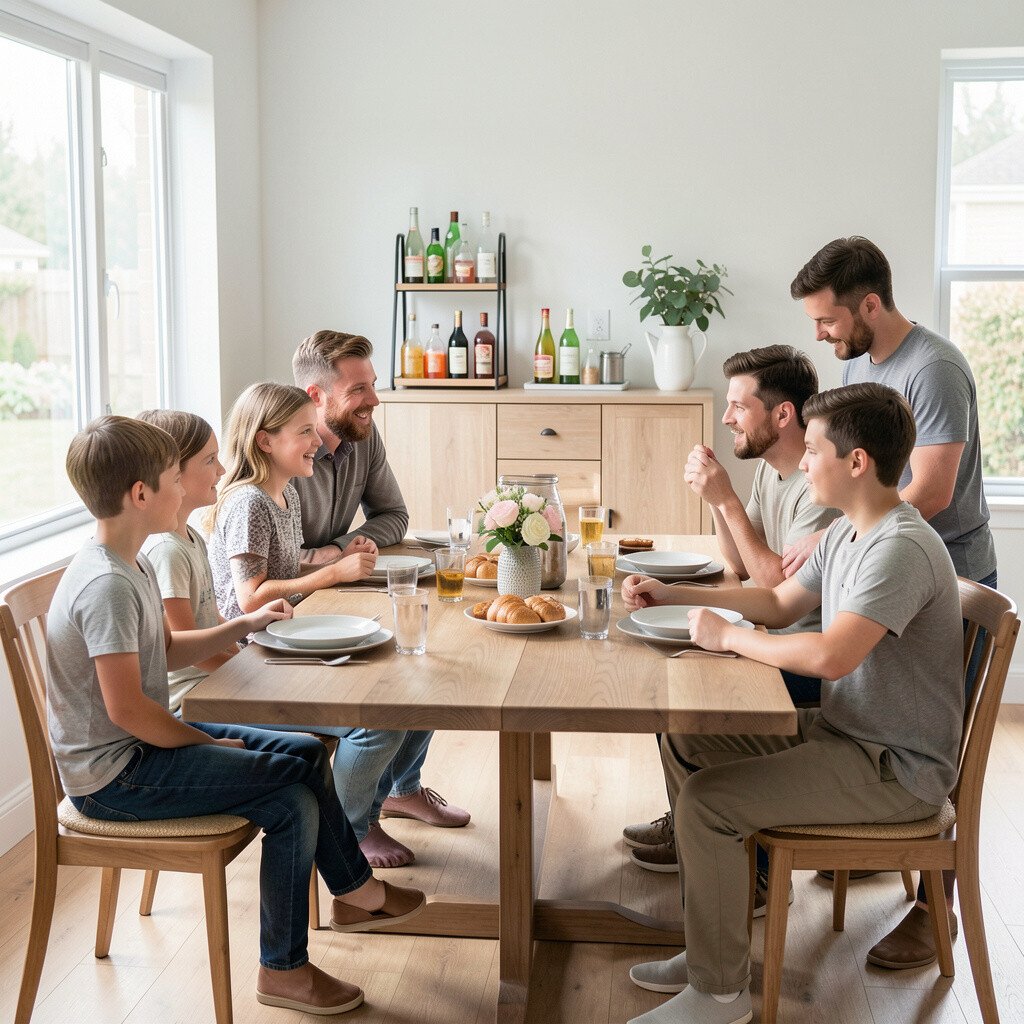
A beverage station can make the whole gathering feel organized, even when your dining area is small. When drinks are in one spot, guests don’t wander around searching.
Use a tray on a cart, a narrow console, or a shelf near the dining space. Set out water bottles, cups, napkins, and a pitcher, then add a small sign or a simple chalk label on the back of a frame so it’s not in the way. Use a cooler bucket or insulated container if you host in warm months to keep drinks ready longer.
For personalization, match the station to your theme with seasonal fruit or a color-coordinated cloth. Cost considerations matter here, so choose reusable pitchers and cups rather than single-use items. This is also a current trend because hosts now focus on “flow” and guest comfort, not just decor.
10. Arrange Seating Around a Clear Pathway to the Kitchen
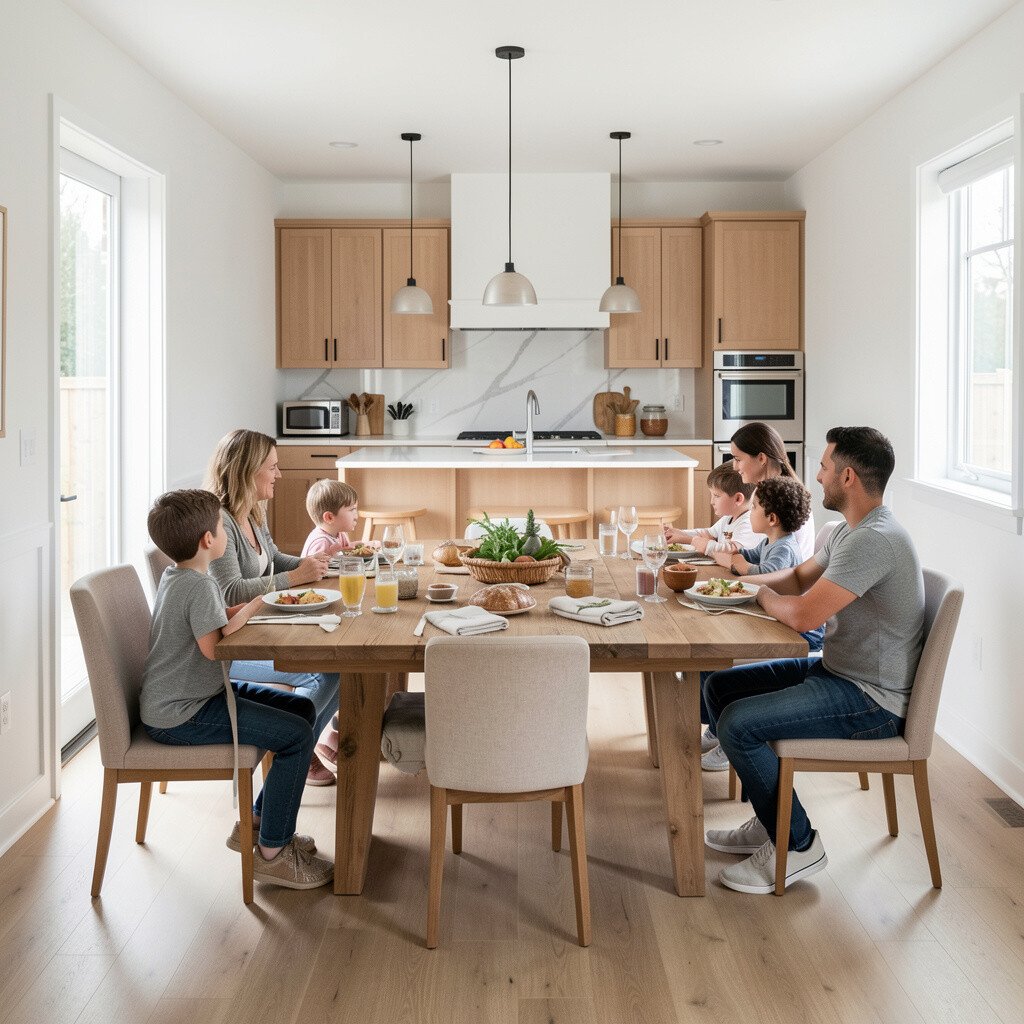
In a small dining space, movement is just as important as seating. When there’s a clear path to the kitchen, hosting feels calm instead of chaotic.
Keep a straight walkway from the serving area to the table, and avoid blocking it with bins, bags, or extra chairs. Position the table so serving can happen from the side closest to your most-used cabinet. This layout helps everyone, including kids, because they can pass without bumping into furniture.
People often overlook this when they focus on pretty decor, but the benefit is huge. You can personalize the path by adding a slim runner under a cart, which makes the space look intentional. In many homes, this “movement-first” layout is trending because it supports real family routines, not just photos.
11. Pick a Narrow Buffet or Sideboard for Serving Space
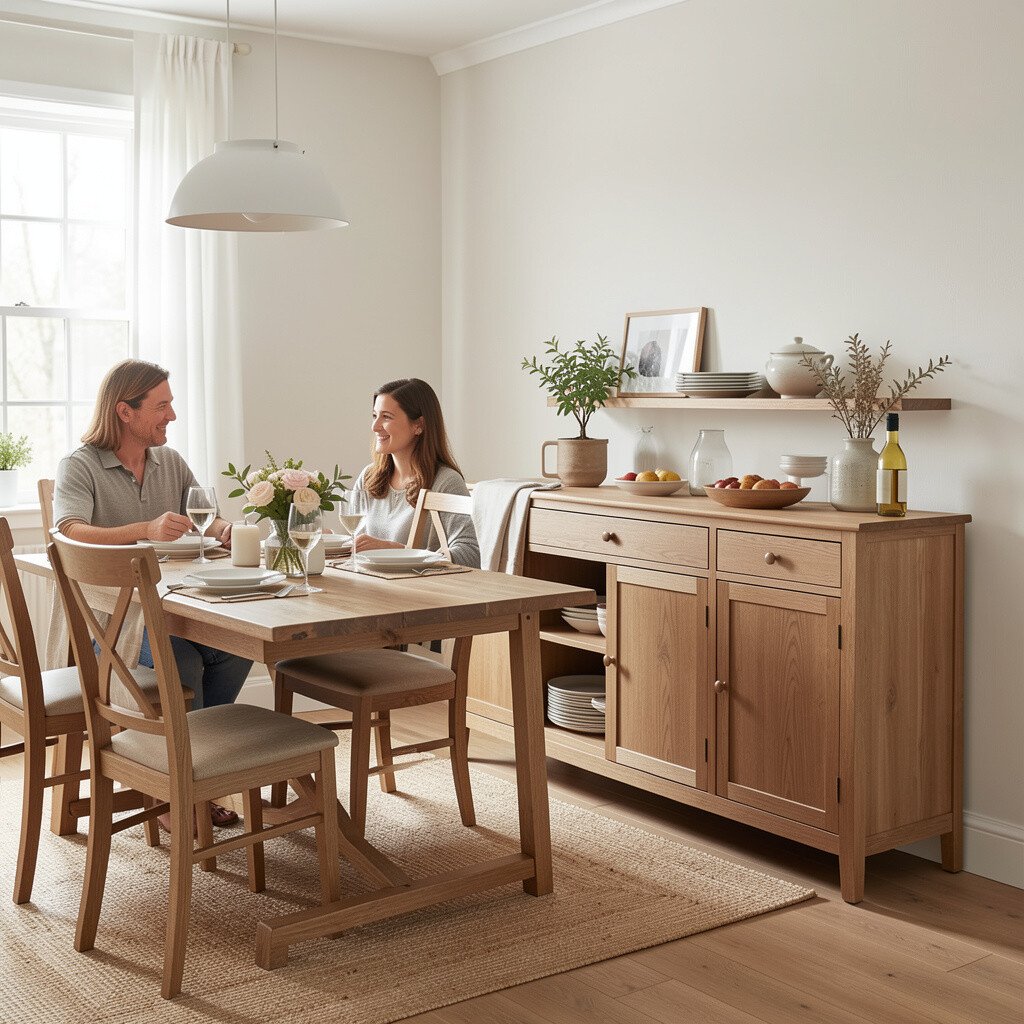
A narrow sideboard adds a place for serving dishes and keeps extra items out of sight. In a small dining area, it’s like gaining another countertop without taking over the room.
Choose a piece with closed storage for games, napkins, and backup utensils. Leave one small open area for display, like a bowl of lemons or a stack of platters, so the room has personality without visual clutter. Match the finish to existing wood tones, or repaint if you want a fresh look for family holidays.
Cost can be controlled by buying a used piece and updating hardware, which is an easy upgrade. This idea feels unique because the serving surface becomes a command center, making big meals less stressful. Many hosts love it because it keeps the dining space neat while still making entertaining feel abundant.
12. Make a One-Basket System for Kids’ Stuff During Meals
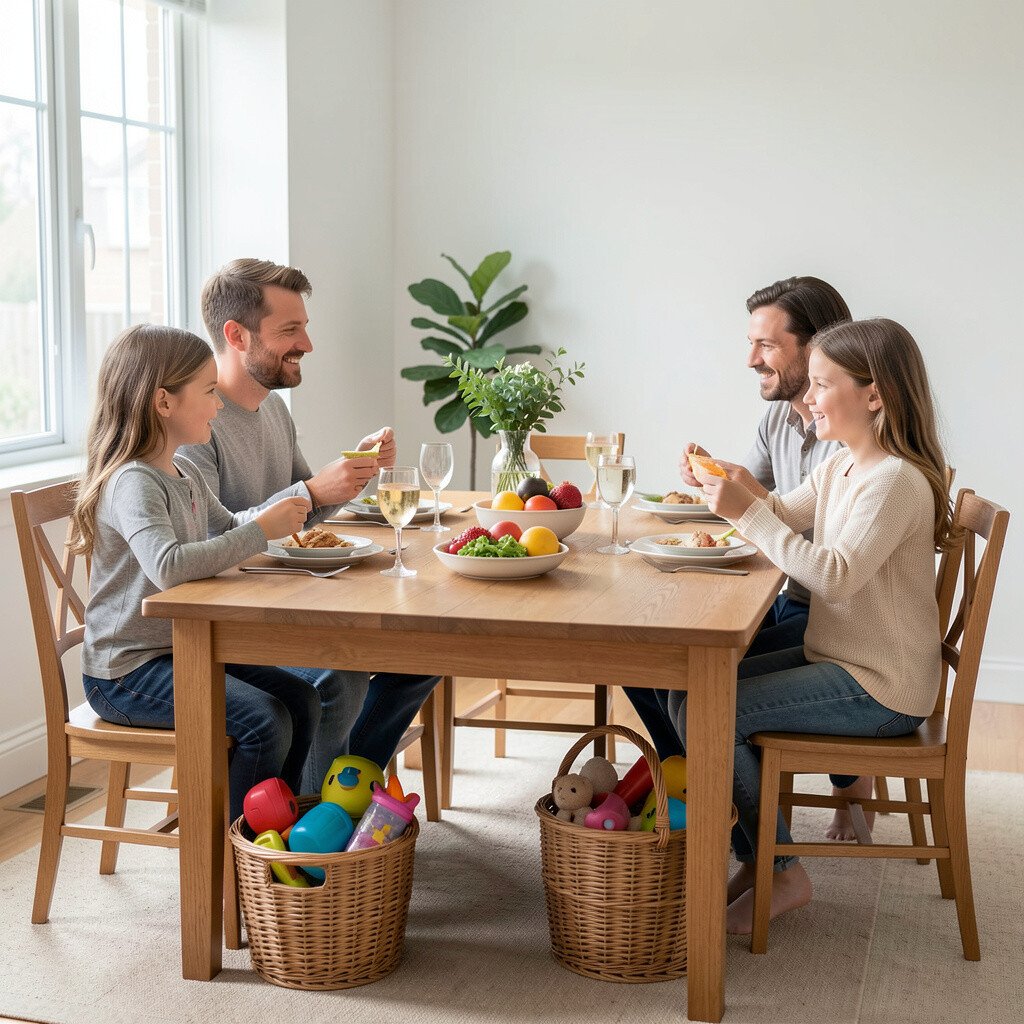
Family gatherings get more fun when kids feel included, but the space can get messy fast. A single kids’ basket gives them a controlled area without turning the dining room into a storage pile.
Fill the basket with washable placemats, crayons that are easy to wipe off, and a small set of kid-friendly utensils. Keep it within arm’s reach, so when kids get restless you can offer an activity instead of searching for it. Choose baskets that match your decor so the solution looks planned, not random.
Personalization is easy here because you can rotate activities by season, like sticker sheets for celebrations or coloring pages for holidays. Budget considerations are good too since these supplies are usually affordable, and you can reuse them for years. This reflects a current trend in family-friendly home planning that supports order and comfort together.
13. Style the Table with Flexible Layers Instead of Large Decor
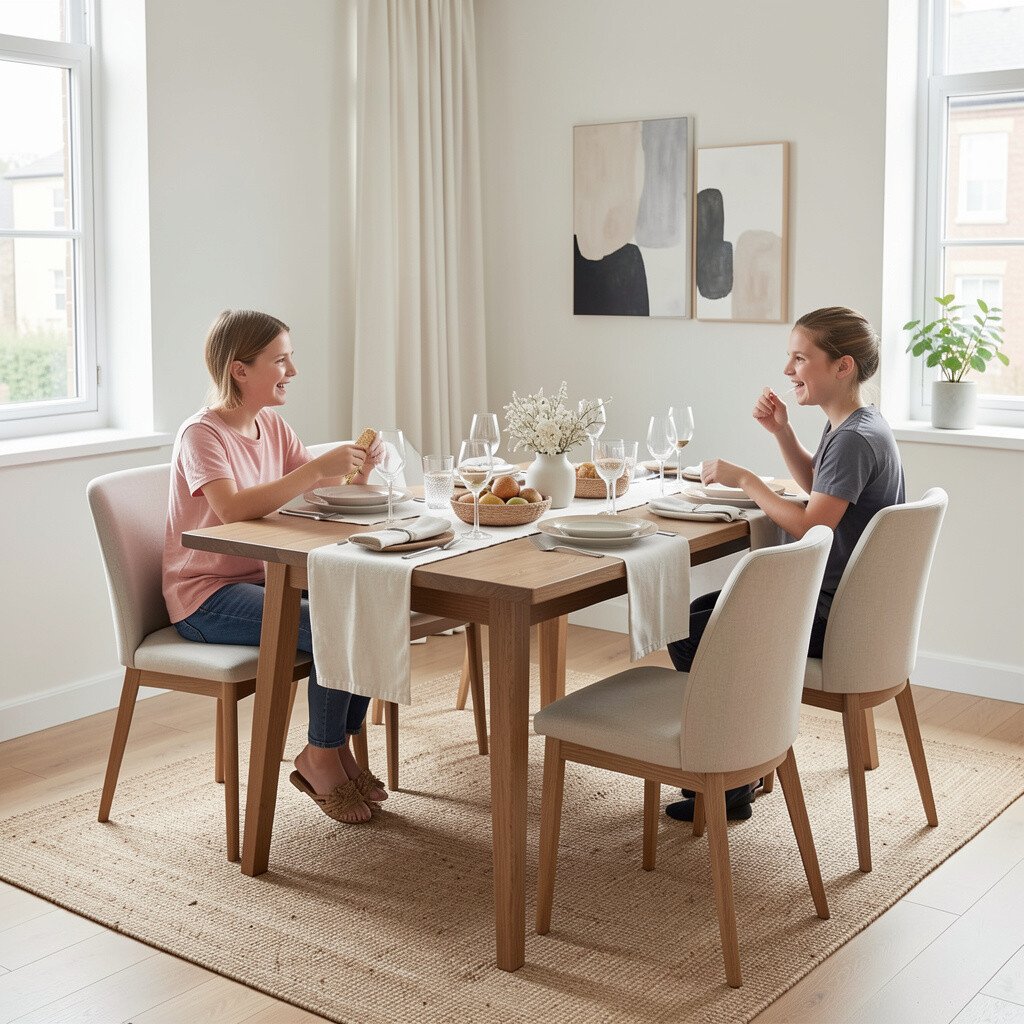
In a small dining space, bulky centerpieces can steal attention and seating space. Layered styling adds beauty without crowding the table.
Use placemats, a runner, and simple napkin rings to create depth. Add a low vase, a small candle holder, or a bowl of fruit that fits the center without blocking sightlines. Keeping items low helps everyone talk easily, which is one of the biggest benefits for family meals.
For uniqueness, mix one unexpected texture, like a linen napkin with a ceramic plate design. Personalization can come from using your family colors or favorite holiday patterns, then switching them when seasons change. This approach is trending because it looks elevated while staying practical for everyday life, and it’s usually cheaper than buying large decor pieces.
14. Use Mirrors or Light-Colored Walls to Make the Room Feel Bigger
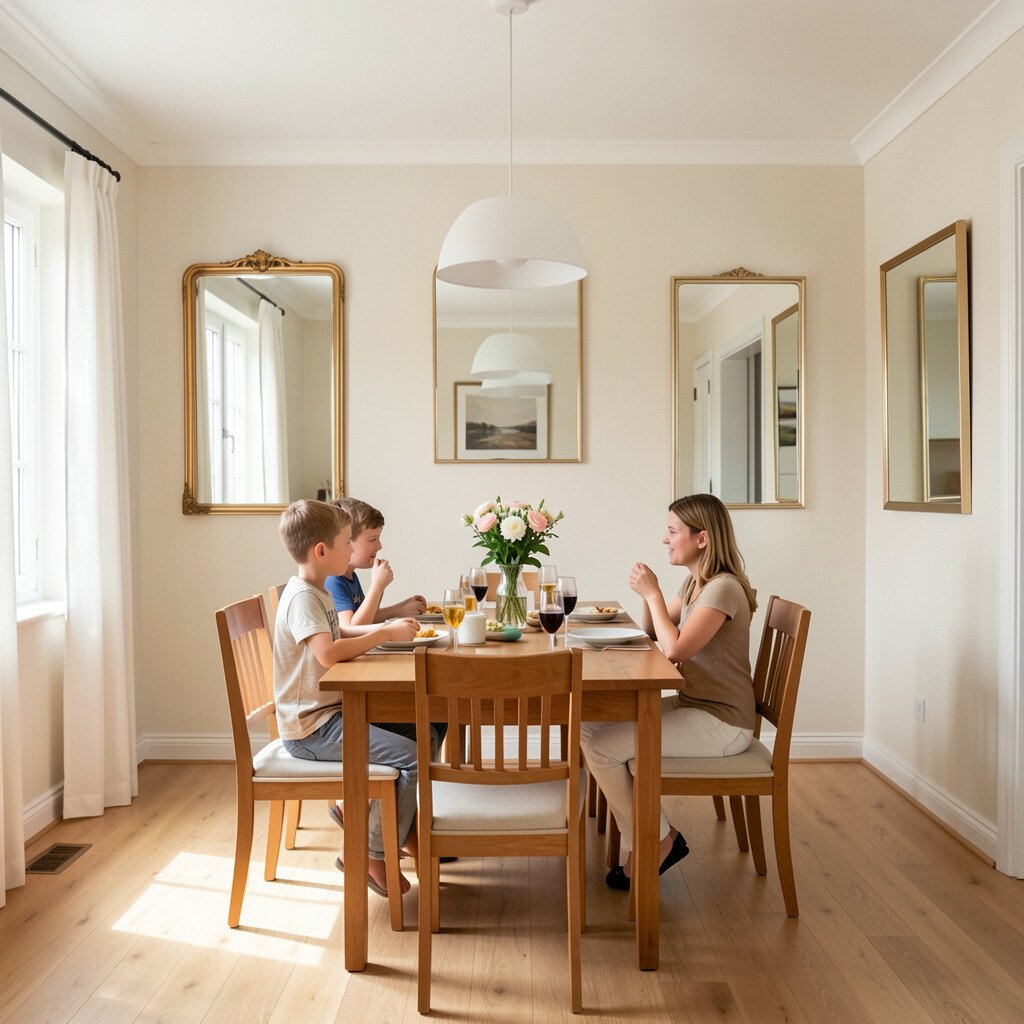
Light can bounce around a small dining space, and mirrors make that effect stronger. When the room gets brighter, it feels more open and friendly.
Place a mirror on the wall opposite a window or near a light source so it reflects warmth. If you prefer paint over decor, go for soft whites, warm creams, or gentle pastel tones that match your furniture. This doesn’t just look good, it helps guests feel comfortable because shadows shrink.
Personalization can be added with a framed mirror in a style you love, like brushed metal or a wood frame that matches your table. Cost is often manageable because painting and a single mirror can upgrade the entire room. Current trends favor warm, airy palettes over stark whites, which keeps the space cozy rather than sterile.
15. Plan a Simple Menu That Fits the Space and Serving Style
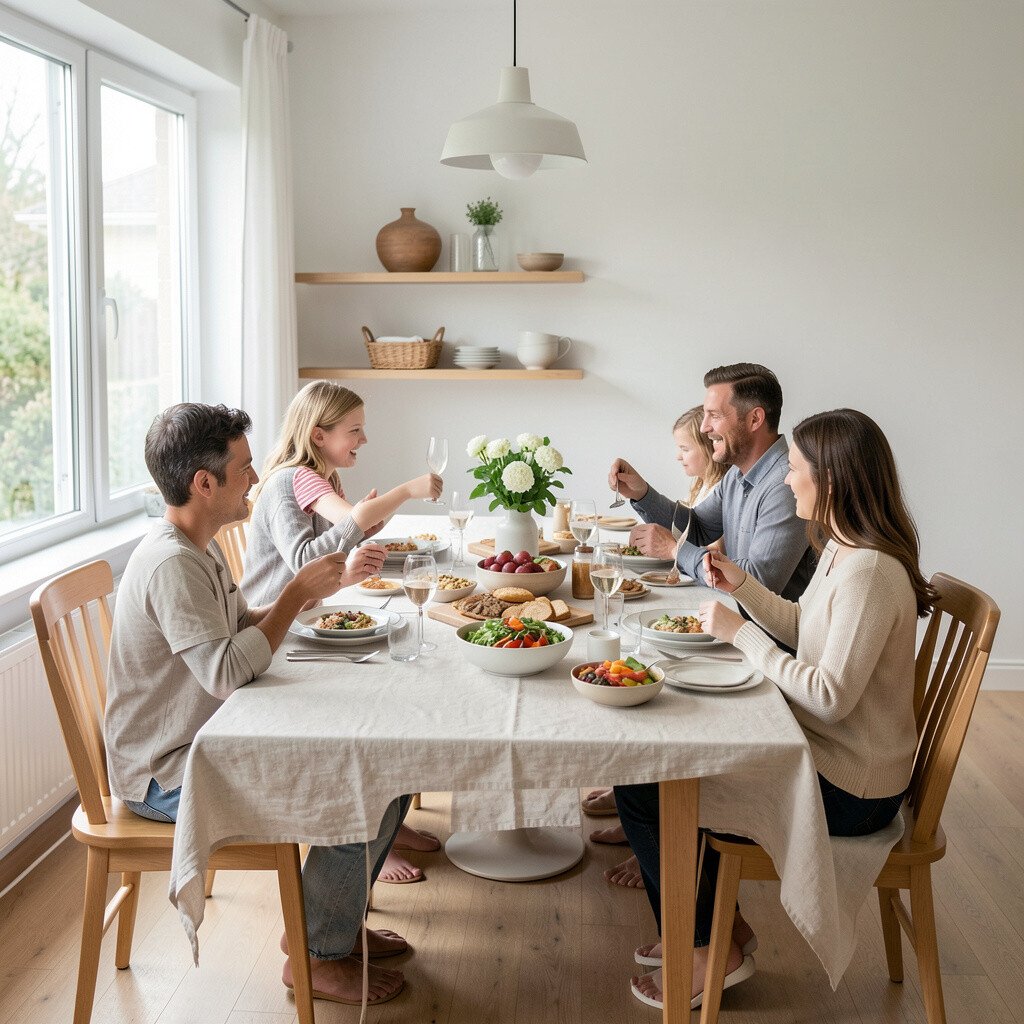
The best dining setup still needs a plan that matches how your kitchen and table work. When your menu is chosen with the room in mind, serving feels smooth and food stays warm.
For small spaces, consider meals with fewer complicated steps and dishes that can share platters. Use a warm baking dish, a slow cooker, or a crockpot to keep food ready while you mingle. If you want personalization, create a “family favorites” rotation where each person helps pick one dish for the month.
Cost considerations are easier when you plan around seasonal produce and store-brand staples, then add one special item that makes the meal feel celebratory. This trend of “host smart” menus is popular because it reduces stress and cuts down on wasted food. When the menu fits the room, your dining space becomes the stage for connection, not the place where everyone scrambles.
16. Keep a Seasonal Refresh Kit for Quick Changes
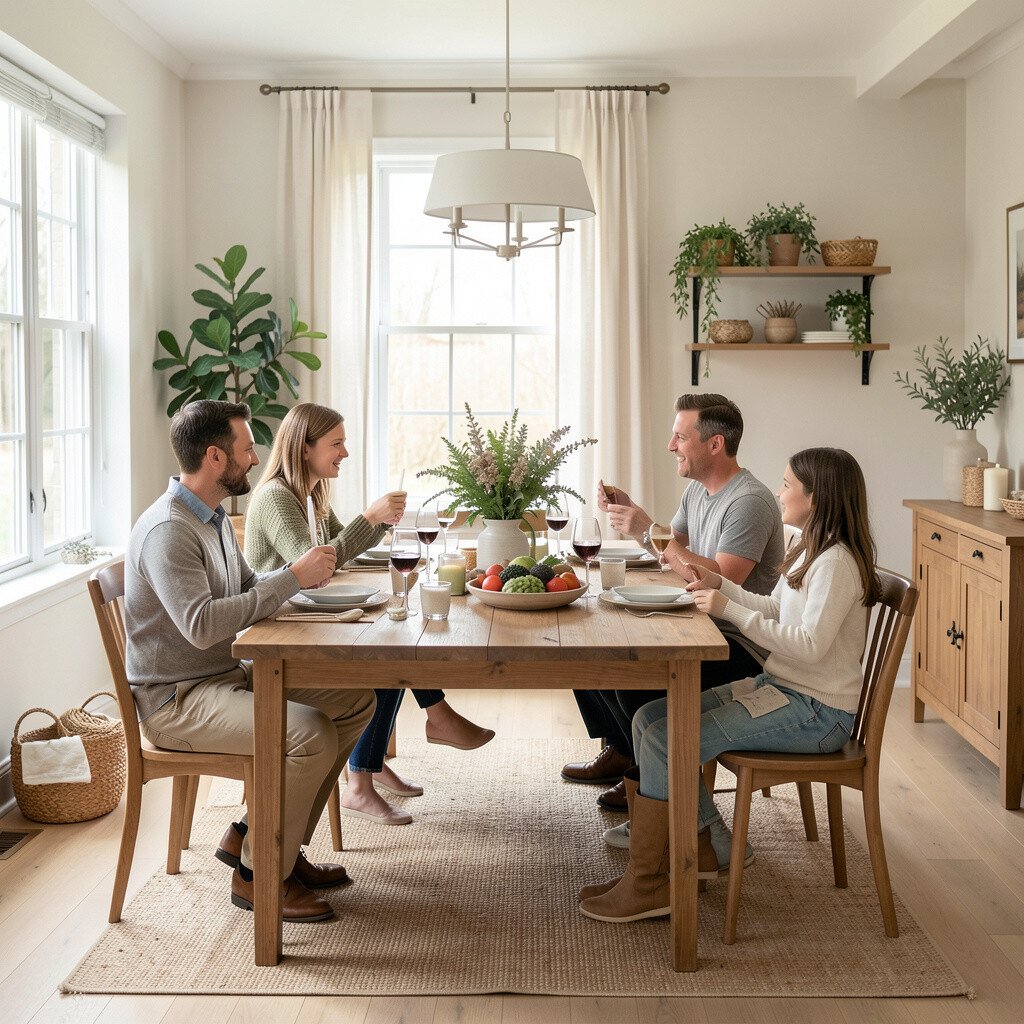
A small refresh kit makes your dining space feel new without buying a whole new set of furniture. Guests notice the change, and families enjoy the ritual of getting ready together.
Build a kit with seasonal napkins, simple table decor, and a few themed items like a small wreath or a runner. Store it neatly in one container so setup takes minutes, not hours, and it doesn’t turn into clutter. For personalization, include one family-made element, like a holiday drawing in a frame or a homemade banner.
Cost considerations stay friendly because you can add pieces slowly over time, using sales and secondhand finds. This is also a current trend in family homes, where people want decor that’s affordable, reusable, and easy to switch. When everything is ready, hosting feels relaxed, and your small dining space shines every time.