The weekend can feel like a reset button for your mind and body. Small changes, in the right setting, make a surprising difference.
You do not need a faraway spa or a pricey membership to feel renewed. With the right plan, even one quiet day can shift your mood.
1. Local Forest Immersion Walk

Picture a green path that narrows under tall trees, with soft birdsong filling the air. You take slow steps, notice bark texture, and let your shoulders drop with each breath.
For a calming start, pick a route that feels safe and comfortable, then bring water and a light snack. Many people find nature walks help with stress and sleep, especially when you stay off your phone and focus on simple sensations. For a personal twist, choose a theme such as mindful noticing of colors, smells, and sounds, then write a few lines afterward.
2. Morning Breathwork + Stretch Session
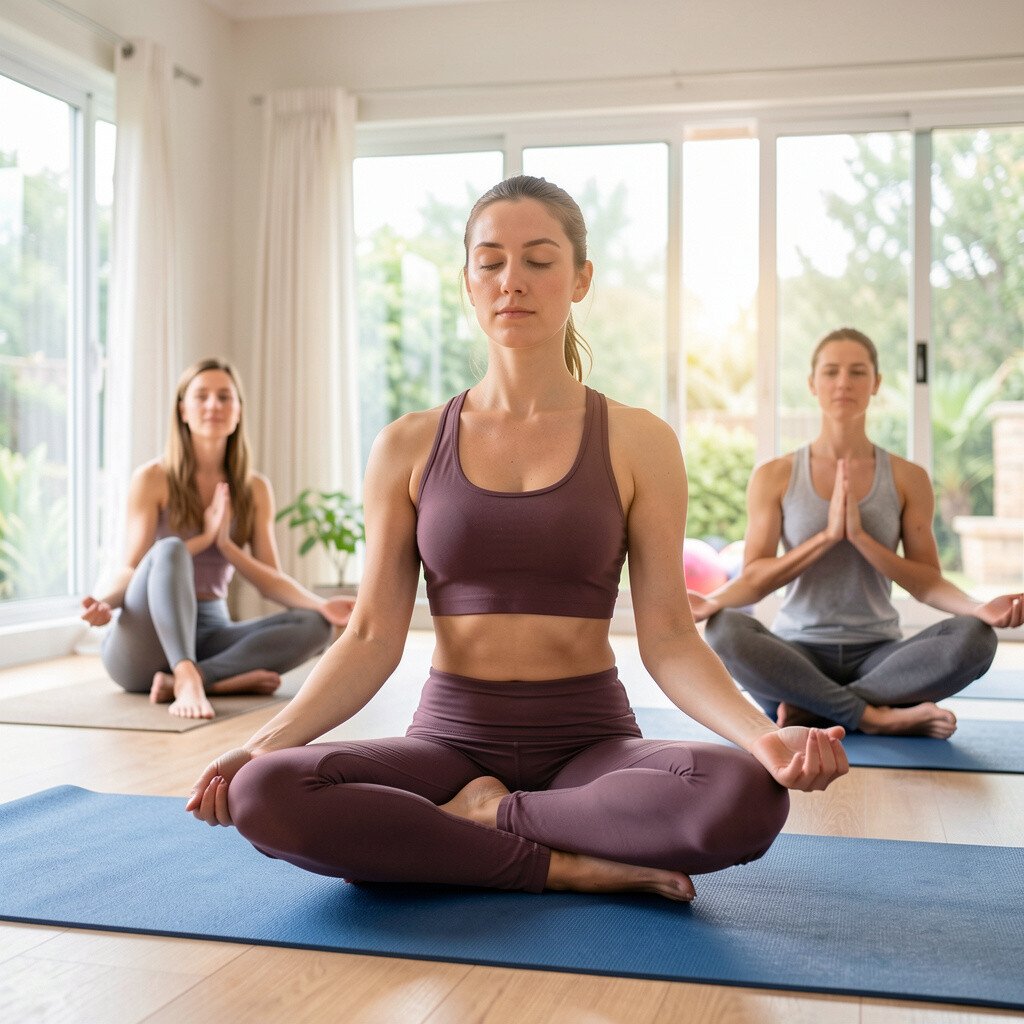
Imagine sunlight on the floor as you settle into a mat and feel your body warming up. Gentle stretches make your hips feel open, while steady breathing brings a calm rhythm to your day.
Breathwork can support relaxation and help you feel more present, which is great when your week has felt busy. Start with ten minutes of slow inhaling and longer exhales, then move into simple stretches for your neck, back, and legs. Keep it practical by setting a specific time, using a timer, and wearing comfortable clothes that let you move freely.
If you want it to feel unique, match your breath tempo to a favorite relaxing playlist, or try a simple guided routine. This can be budget-friendly since you only need a mat, and it fits current wellness trends that favor nervous-system calming without complicated steps.
3. Beach Sound Bath and Barefoot Time

The shoreline looks like a shimmering ribbon, and every wave arrives with its own steady rhythm. When you walk barefoot, the sand presses softly into your feet and you feel grounded.
Sound healing sessions often use gentle tones, and the ocean’s natural audio can make the experience extra soothing. Spend a portion of your time just listening, then add a short mindful breathing break while you watch the horizon. Many people leave feeling lighter and more clear, especially if you’ve been carrying tension in your chest or mind.
To personalize it, choose a spot that feels private and bring a small blanket for comfort. If costs are a concern, you can keep it simple with a nature-based sound experience and zero entrance fees, or join a low-cost community event if one is nearby.
4. Sauna or Steam Room Reset

Close your eyes as warm steam wraps your skin, making the air feel heavy and cozy. The quiet heat invites you to slow down, sip water, and breathe deeply.
Heat sessions can feel refreshing because they encourage relaxation and may help relieve muscle tightness after a long week. Plan it safely by hydrating beforehand, setting a comfortable time limit, and cooling down gently afterward. For uniqueness, pair the heat with a short stretch routine or a slow walk to let your body settle.
5. Community Yoga Class with a Gentle Focus
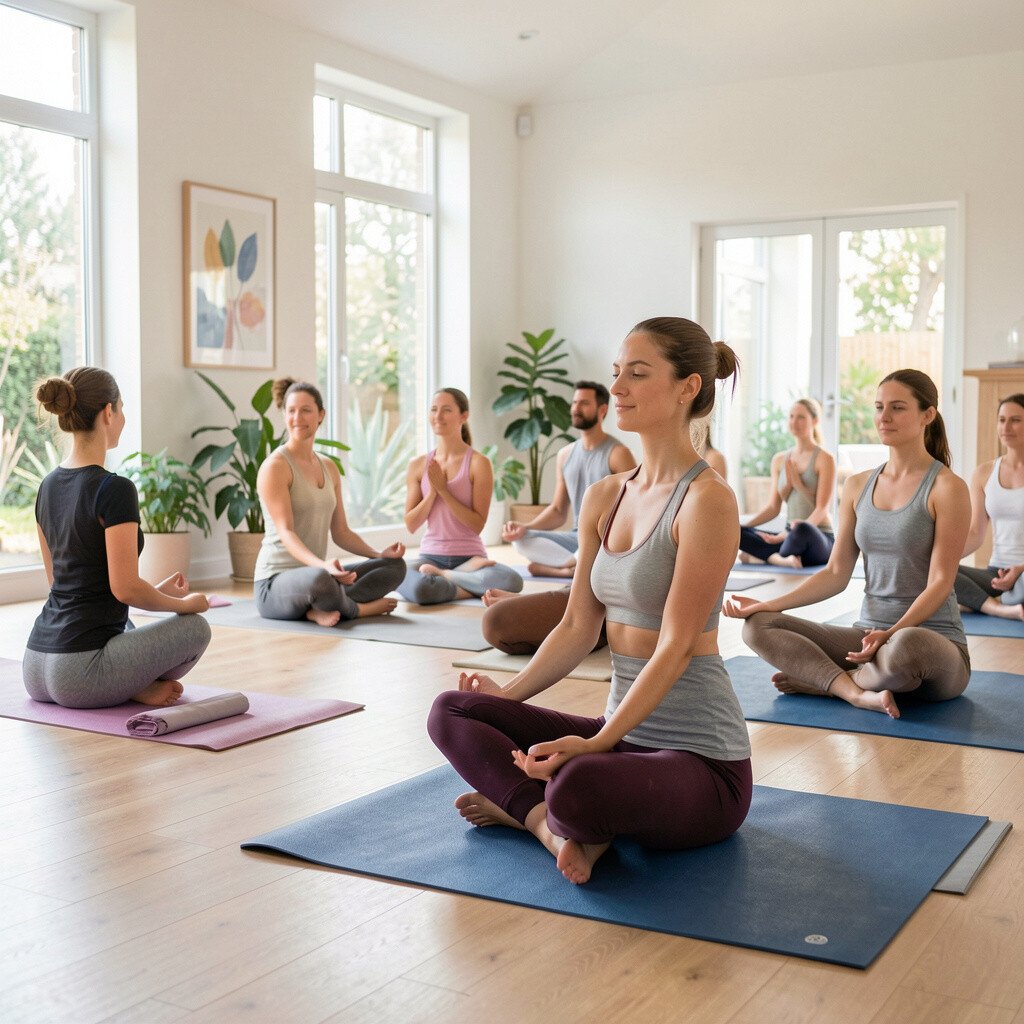
You step into a bright room where people move slowly and breathe in sync. The teacher’s calm voice guides you through poses that feel like support, not pressure.
Yoga can improve flexibility and mood, and it’s also a great social reset because you share a space with kind strangers. Choose a class labeled gentle, restorative, or beginners, then arrive early to set an intention for the weekend. For practical personalization, bring a towel for sweat, use blocks or pillows if offered, and tell yourself you only need to do what feels comfortable.
If you worry about costs, check for community rates, donation-based sessions, or free trial weekends. This fits current wellness trends that emphasize accessible movement and stress relief rather than intense performance.
6. Guided Meditation in a Quiet Library Corner
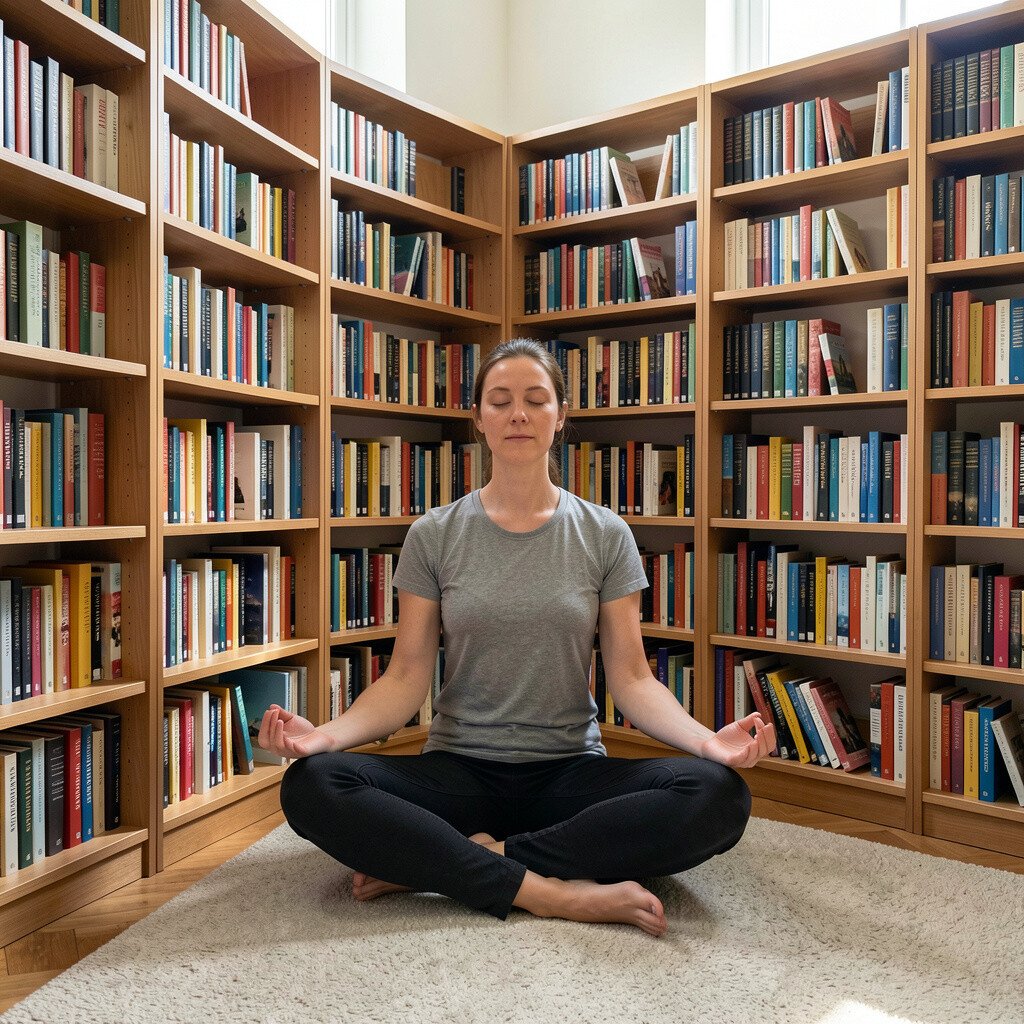
Bookshelves create a soft wall of calm, and the room smells like paper and stillness. You sit in a comfortable chair, close your eyes, and let guided audio carry you away from noise.
Meditation can help lower mental clutter and improve focus, which makes the rest of your weekend feel smoother. Pick a short session you can finish in one sitting, then end with a minute of still breathing to keep the shift gentle. For a practical twist, bring over-ear headphones for comfort and keep your phone on silent.
To personalize it, choose a topic that matches your life right now, like restful sleep or patience during busy moments. This idea can be very low-cost since many libraries are free to access, and it feels unique because you’re using your everyday space as a wellness tool.
7. Nutrition-Friendly Meal Prep Mini Retreat
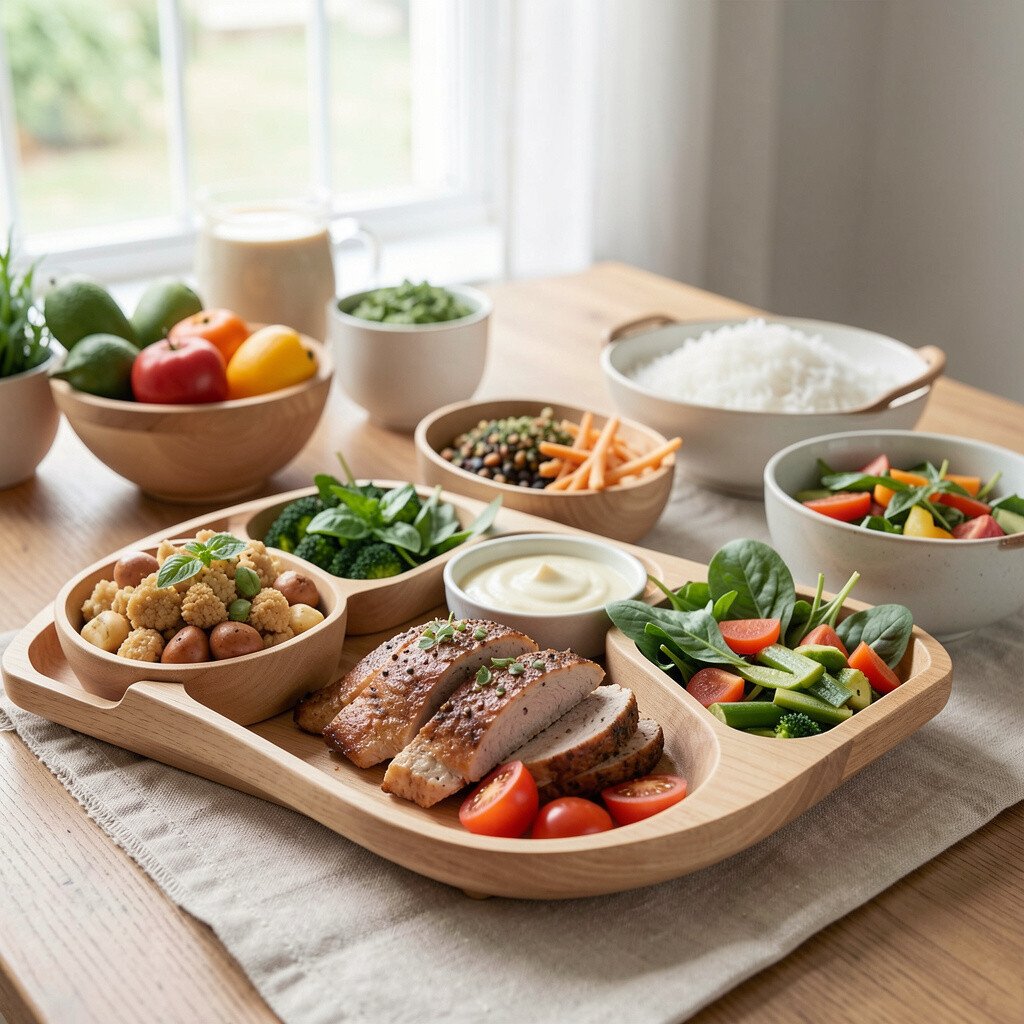
Your kitchen can look like a calm workshop when you set out ingredients in neat bowls. Bright vegetables, warm grains, and fresh herbs give the whole room an inviting glow.
Food-centered retreats help you feel cared for because you control what goes into your body. When you prep a few simple meals, you reduce weekday stress and make healthier choices easier. Start with one protein, one fiber-rich side, and one flavorful sauce, then keep the steps manageable so you actually enjoy them.
For personalization, build meals around what you love, such as lemony fish, lentil bowls, or cozy soups. Costs can stay reasonable if you shop seasonal produce and use a store-brand spice mix, and the trend toward practical home cooking is still growing because it saves time and money.
8. Handmade Herbal Tea Tasting Evening
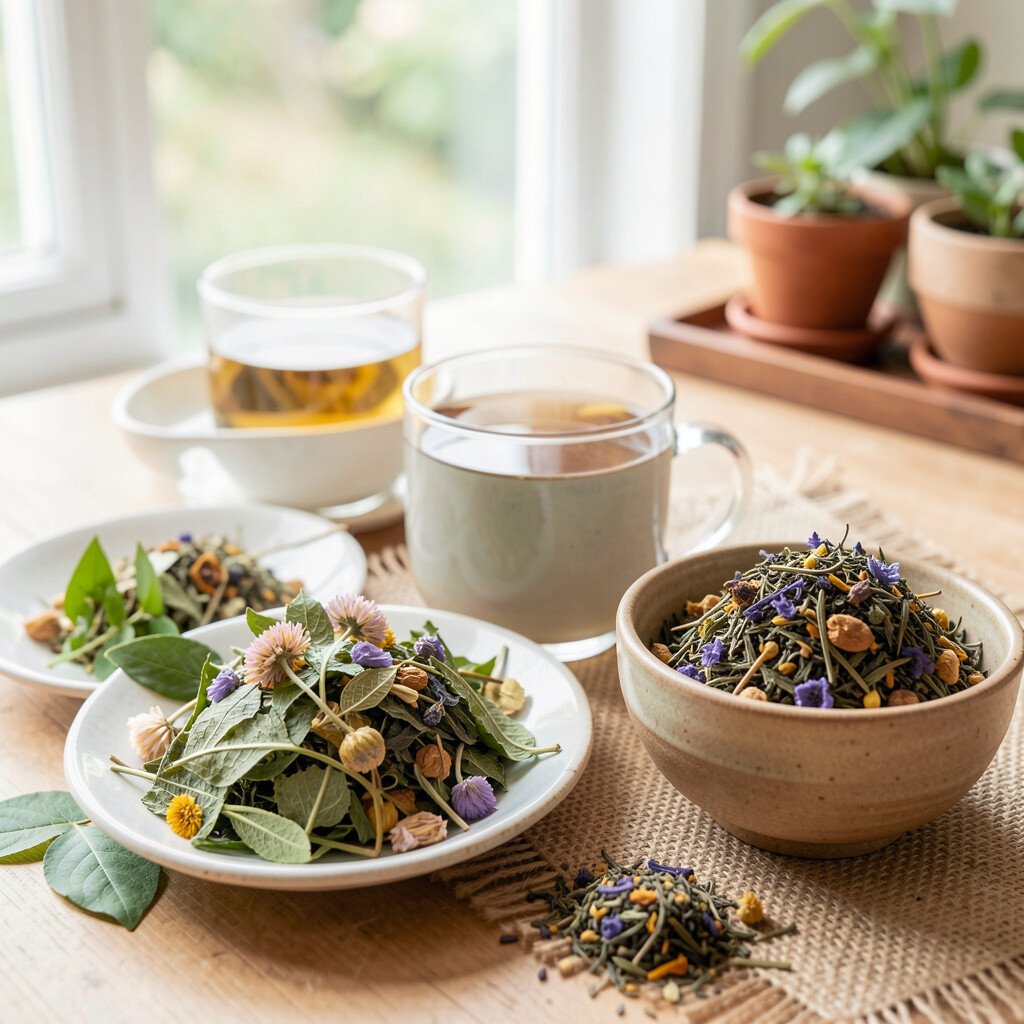
Steam curls up from a cup, and the scent fills the room like a soft invitation. You line up small cups and notice how each aroma feels different, from floral to earthy.
A tea tasting can support relaxation and help you slow down, especially in the evening when your body wants rest. Choose several caffeine-free blends if you’re aiming for sleep, and pace yourself by sipping slowly and taking a few mindful breaths between cups. You can also pair each tea with a quiet activity like journaling or reading.
To make it unique, label your cups with simple impressions in your mind, then write what you liked and what you want again. This can be cost-friendly because you can buy small portions, and it aligns with the current trend of creating cozy rituals at home.
9. Sunset Photo Walk with Mindful Reflection
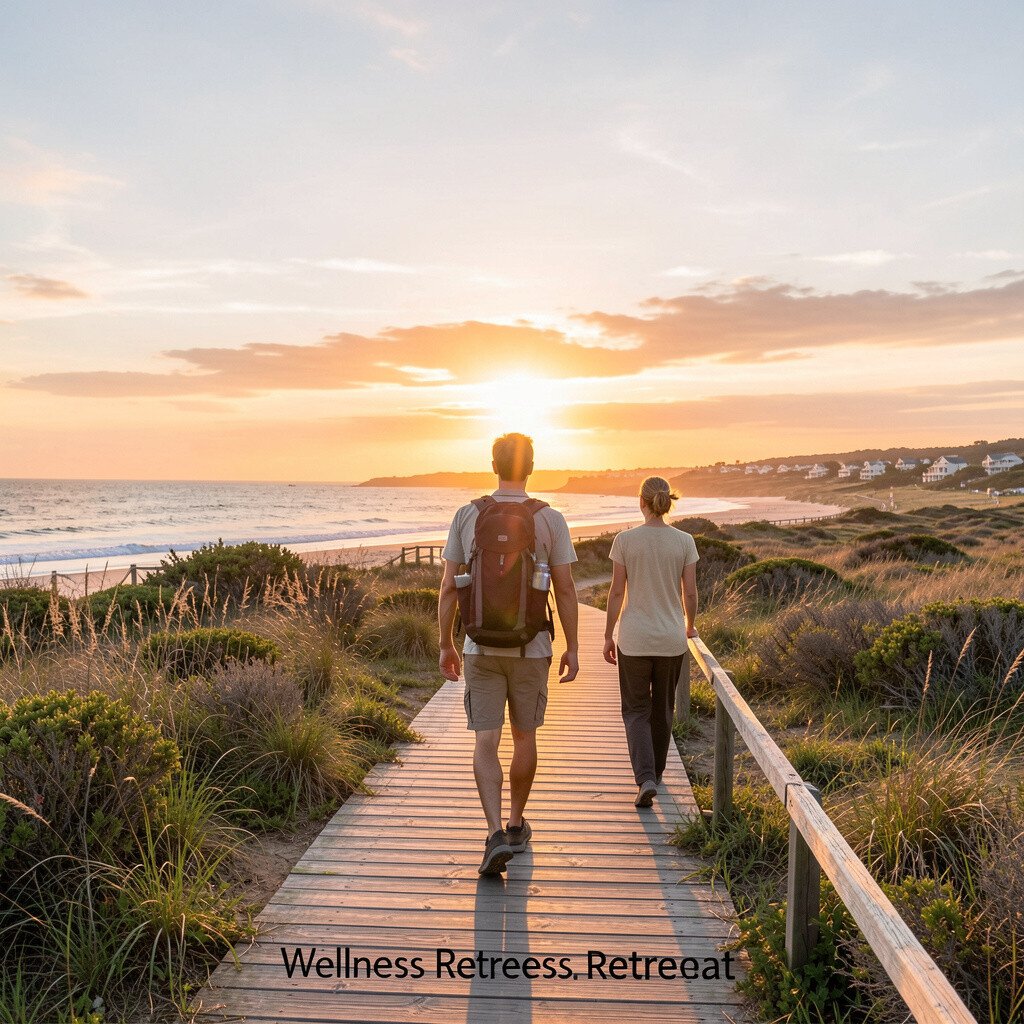
As the sky turns pink and gold, street corners and trees look extra soft. You raise your camera or phone, capture small moments, and notice how your breathing steadies.
Walking while focusing on photos can help you practice attention without feeling like you’re doing “work.” When you choose a theme such as calm colors, textures, or gentle light, you guide your mind toward something soothing. Practical personalization includes bringing a small list of prompts and using them slowly, one at a time.
The benefit shows up later when you review the images and feel gratitude for small things you might miss otherwise. Costs are minimal since you already own a phone, and the uniqueness comes from blending creativity with mindfulness in a simple weekend loop.
To keep it actionable, set a time limit and choose a route you can walk without rushing.
10. Local Museum Quiet Hours or Gallery Stroll
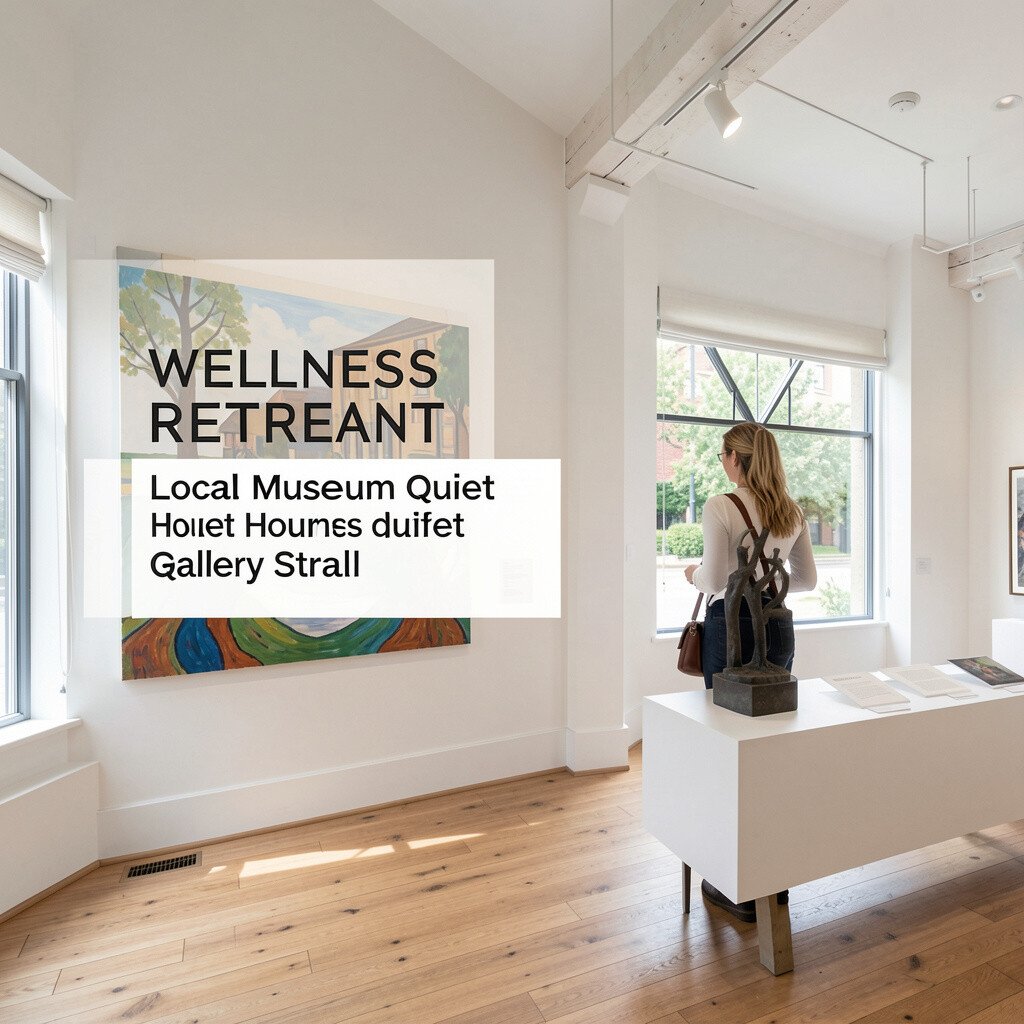
A quiet museum feels like a giant calm room where your thoughts can breathe. You wander at an unhurried pace, looking closely at colors, shapes, and small details.
Art viewing can be surprisingly calming because it gives your mind a gentle focus. Choose an hour when the museum is less crowded, then use slow looking for a few pieces instead of rushing through everything. Practical tips include wearing comfortable shoes, bringing water, and setting a “three favorites” goal so you do not overwhelm yourself.
11. DIY Candlelit Bath and Self-Care Setup
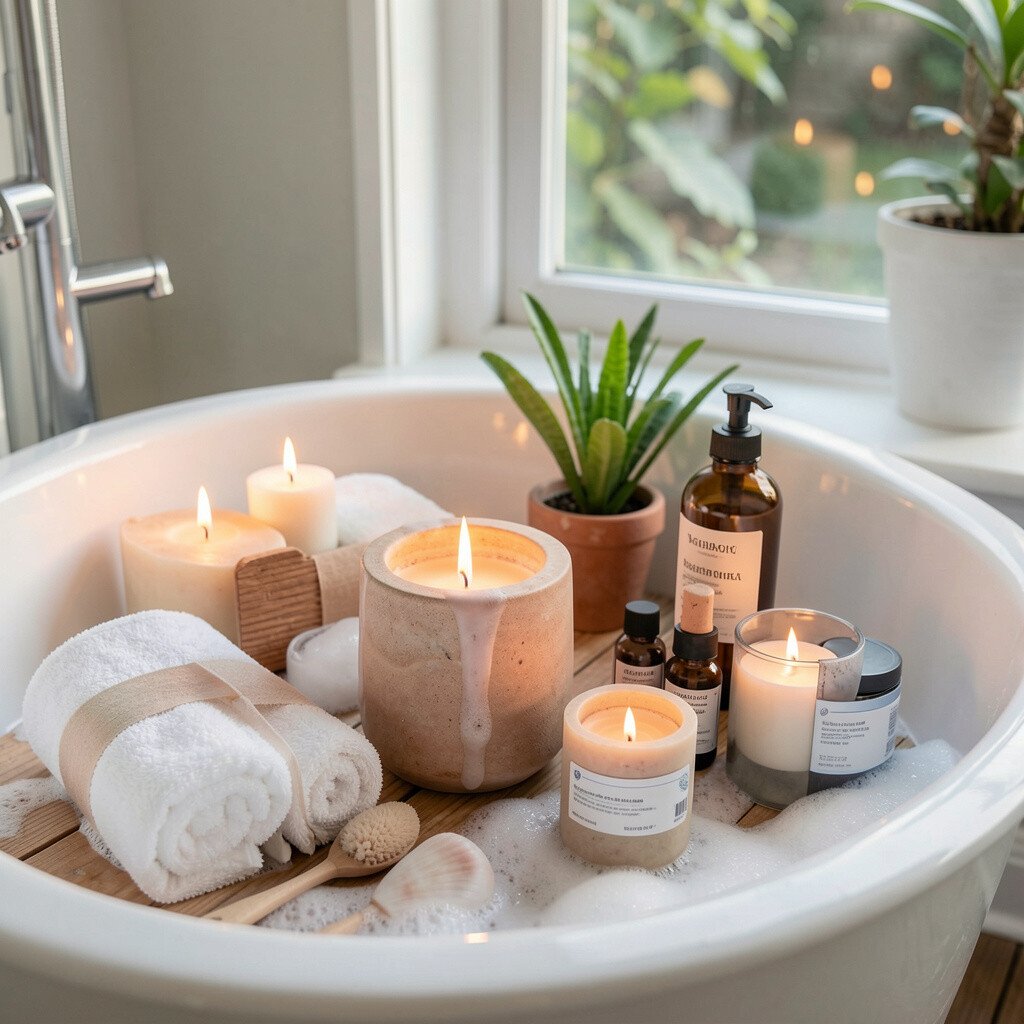
The bathroom glows softly, and bubbles make the water feel extra inviting. You dim the lights, play a relaxing song, and let warm water hold your body like a hug.
A self-care bath can help you unwind, and the ritual itself often improves your mood because it signals rest. Add gentle items like a simple bath soak, clean washcloth, and a moisturizer you like, then keep the routine easy. For personalization, choose a scent that matches your mood, such as lavender for calm or citrus for a brighter feel.
12. Neighborhood Bike Ride with Low-Speed Joy

You pedal along tree-lined streets, and the breeze cools your face in a steady rhythm. Every turn brings a new view, and your body feels alive without needing to push hard.
Biking at an easy pace can support cardiovascular health and reduce stress because movement releases tension. Keep it practical by planning a short route with safe paths, then bring water and a light snack. If you want it to feel unique, pick a theme such as scenic stops or “one new street,” and notice how your mood changes as you ride.
Cost considerations are straightforward since you use your existing bike, and you can add enjoyment with a simple handlebar basket for small treats. This matches current wellness trends that encourage active leisure, not extreme workouts.
For personalization, adjust your pace based on how you feel that day, and stop to take a few deep breaths when traffic feels too loud.
13. Volunteer Hour with a Heart-First Plan
People greet you with kind smiles, and the space feels purposeful in a way that slows your mind. You work alongside others, and your actions start to feel meaningful right away.
Helping others can boost your sense of connection, which often improves mental wellbeing. Choose something manageable, like sorting supplies, helping at an animal shelter, or supporting a community garden. Practical tips include contacting the organization ahead of time, wearing comfortable clothing, and bringing water for the shift.
To make it unique, pick a role that fits your strengths, and set an intention such as “do one thing well” instead of trying to do everything. Costs are usually low, and the trend toward purposeful weekends is strong because connection and kindness feel like real nourishment.
14. Mindful Cooking Class at Home or Studio
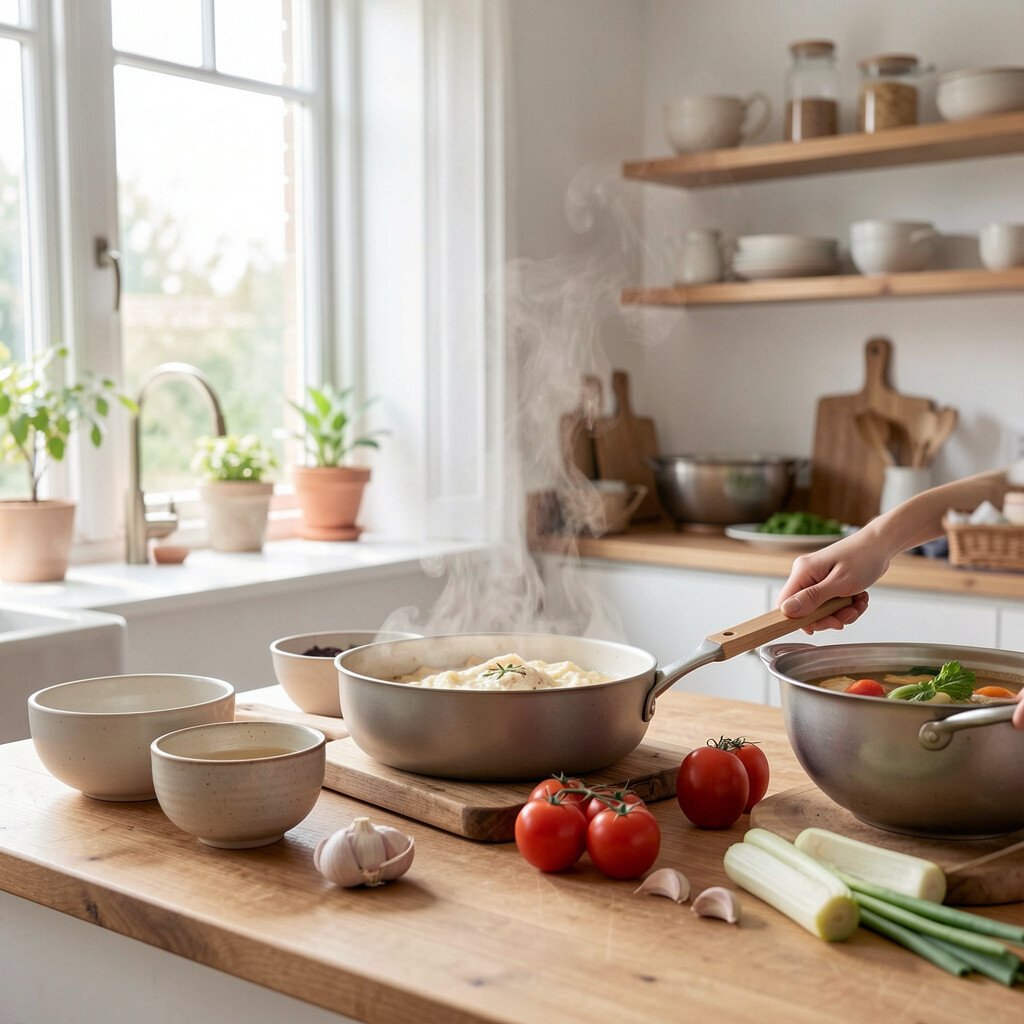
The kitchen turns bright and busy as ingredients line up like colors in a bowl. You stir, chop, taste, and feel proud when the final dish looks just right.
A cooking session can be calming because it keeps your attention in the present moment. Choose a beginner-friendly recipe type such as stir-fries, salads, or warm grain bowls, then focus on one technique rather than mastering everything. Practical personalization includes setting aside a small portion to share, since tasting together often feels extra rewarding.
If you choose a local studio class, check for weekend workshops and student discounts to control cost. This idea fits current trends that value skill-building and mindful making, and it feels unique because your wellness becomes something you can eat.
15. Spa-Style Foot Soak and Towel Massage
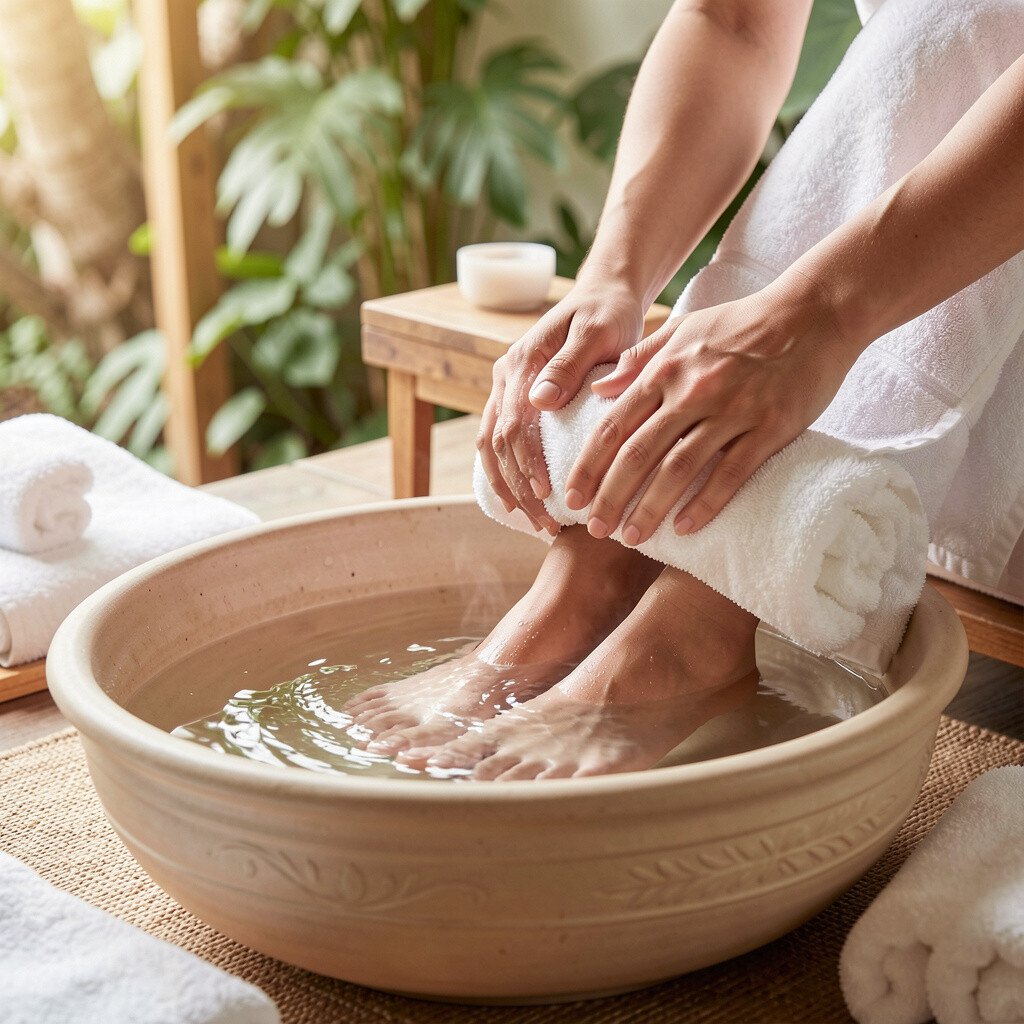
Your feet rest in warm water, and the day’s tension seems to loosen with every minute. A towel massage adds a gentle pressure that feels comforting and surprisingly soothing.
Foot care can support relaxation because it connects you to your body in a calm, sensory way. Use warm water, a mild soak if you have one, and a soft towel to massage your soles and ankles slowly. Keep it practical by trimming the session to what feels good and drying thoroughly afterward to avoid irritation.
For personalization, add a favorite lotion scent or a simple foot scrub, then finish with breathable socks if the weather is cool. Costs can stay low since you likely already have the basics, and this wellness trend toward small rituals is popular because it fits into real life.
To make it actionable, schedule it right after a walk or workday so you remember to do it before you get too tired.
16. Weekend “Digital Reset” Day in Real Quiet
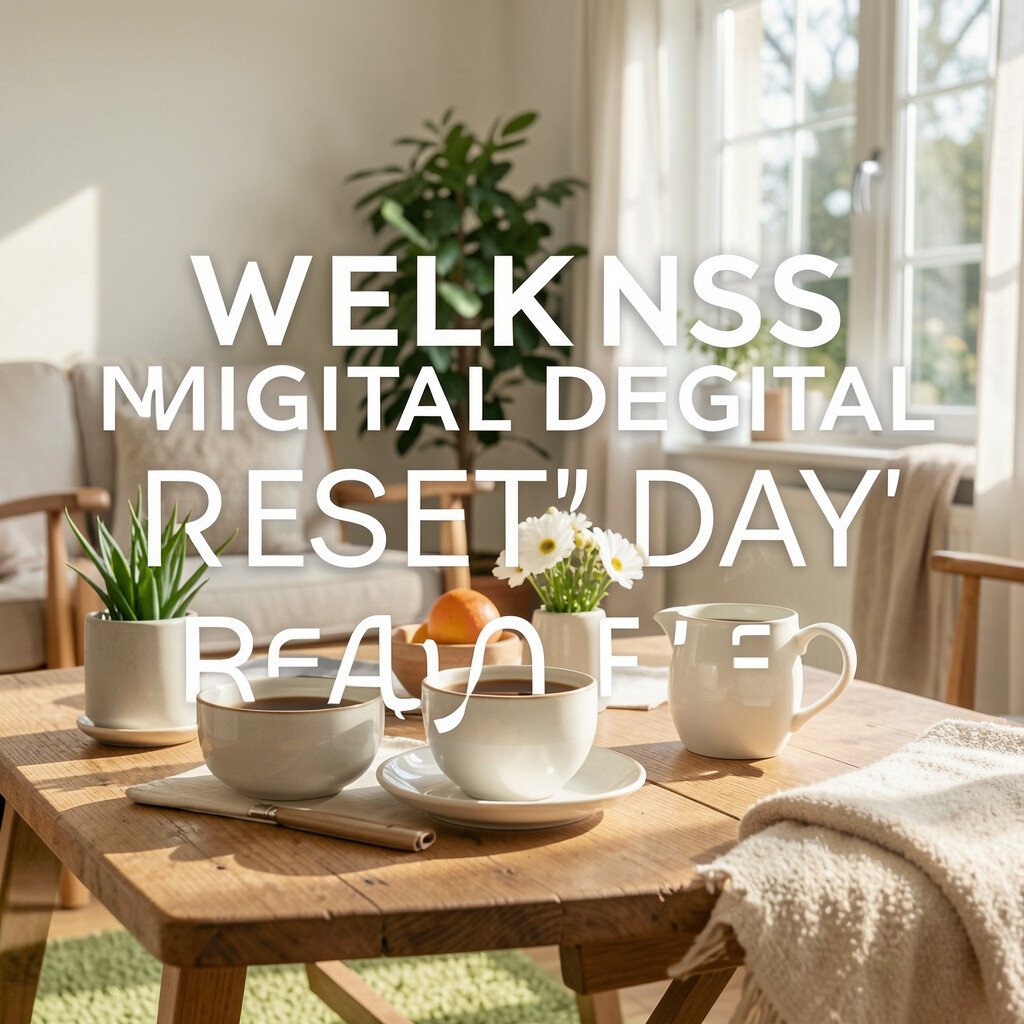
Your living space feels clearer when screens go away and the room sounds softer. You spend the day with simple activities, like stretching, reading, or sitting by a window.
A digital reset can reduce mental fatigue and help you feel more grounded, especially if you feel pulled by notifications. Set practical boundaries by turning off nonessential alerts, using airplane mode, and choosing one offline activity you genuinely enjoy. You can also plan a short recovery routine, such as a calm shower and early bedtime, to help your brain adjust.
To personalize it, create a “media menu” of what you’ll allow, like one short movie or a book chapter, so the day feels intentional. Costs are minimal because you’re not paying for anything new, and this matches a current trend toward attention hygiene and slower living.
17. Overnight Stay in a Cozy Wellness Guesthouse

A small guesthouse feels like a pocket of calm, with warm lights and quiet halls that invite rest. You hear soft outside sounds, and your room becomes a safe place to exhale.
Even a short overnight can make you feel refreshed because your environment supports recovery. Look for guesthouses that offer simple amenities like guided breathing, light movement, or nourishing meals, then choose what fits your needs and energy. Practical tips include booking early for better availability, packing comfy layers for morning activities, and asking what’s included so you can plan your budget.
For uniqueness, pick a theme like mindfulness, nature-focused stays, or creative wellness workshops, and tailor your schedule around slower moments. Cost considerations vary widely, so compare total price with included meals or classes to see what truly feels worth it.
If you enjoy personalization, bring a small journal and one familiar comfort item so the stay feels both new and safe.