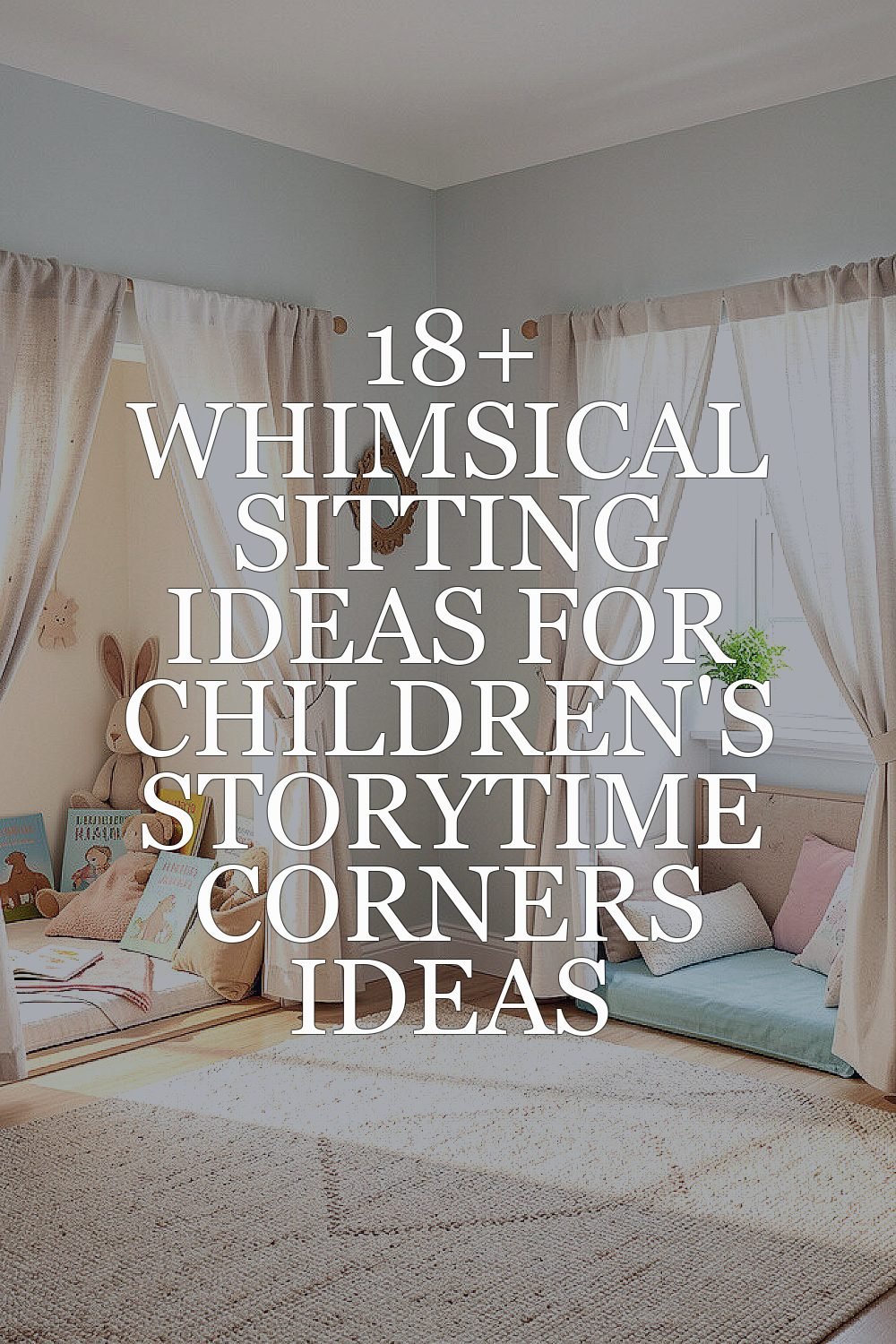
The room can feel magical without spending a fortune. With a few clever seating choices, children may settle in faster and listen longer.
Storytime corners work best when they invite giggles, calm breathing, and curiosity at the same time.
1. Cloud Cushion Lanes
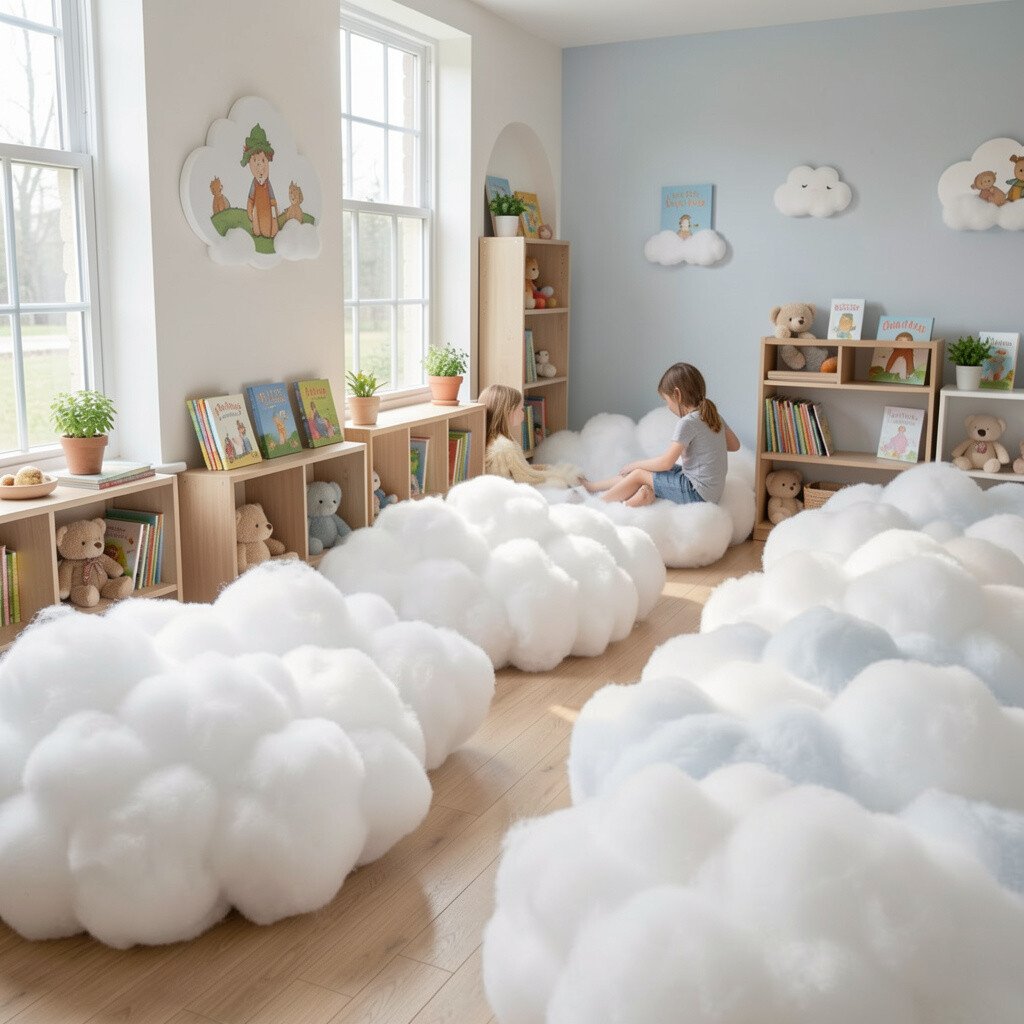
Imagine a soft trail of cushions that looks like floating clouds across the floor. Each cushion is a stepping stone that gently guides little feet toward your reading spot.
Children love the visual pattern, and they often feel more patient when their spot is clear. For practical setup, use washable cushions with slipcovers and place non-slip rug tape under the lane edges. Personalize by adding fabric star patches, weather-themed colors, or tiny embroidered names on the back corners so every child feels “their” cloud is waiting.
2. Mini Reading Forts With Doorway Curtains
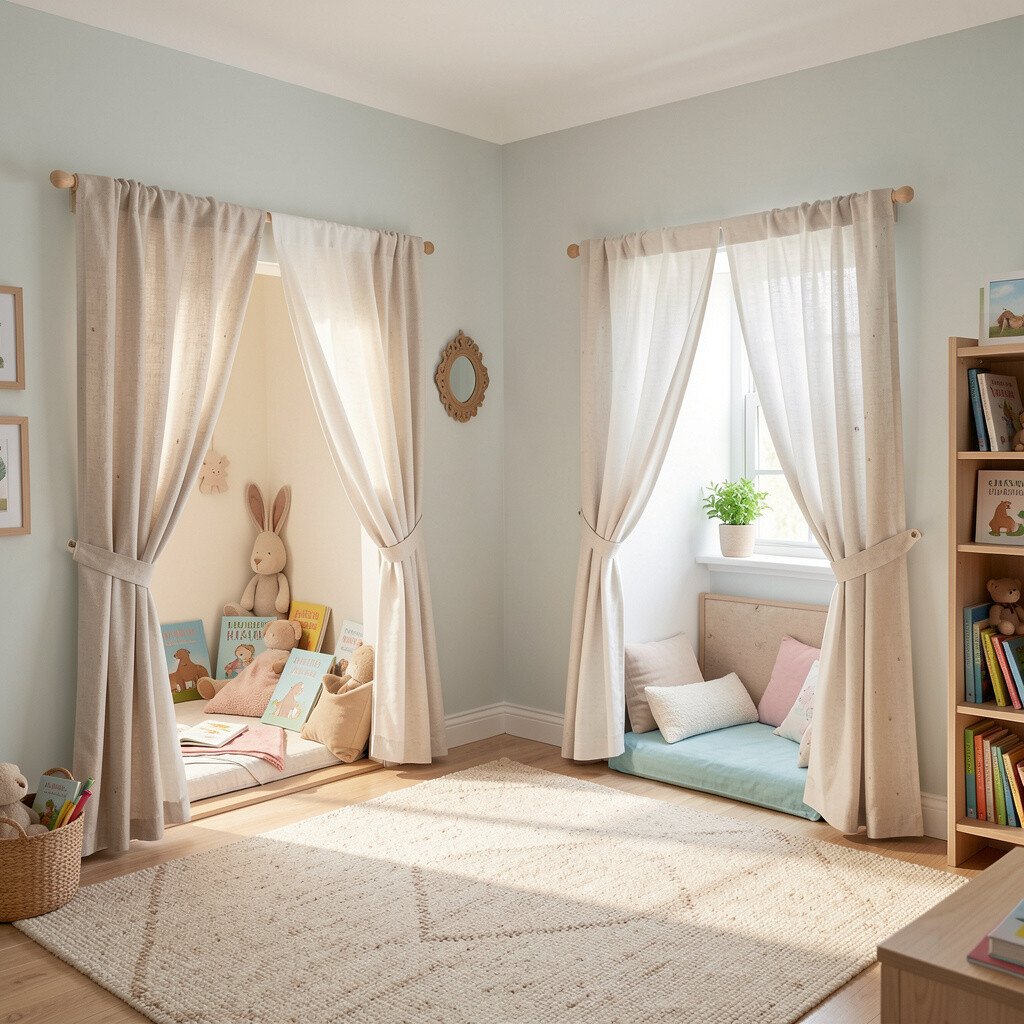
Build small story forts using low shelves, foldable panels, or thick cardboard frames. Add a curtain doorway so kids can pull it back like stage actors entering a scene.
The cozy space can reduce distractions and create a sense of safety, especially for shy listeners. For practical tips, keep the doorway wide enough for supervision and use child-safe magnets or velcro for curtain ties. You can personalize forts with “chapters” on the outside walls, like sea life, fairy tales, or space, by swapping removable fabric banners.
To keep costs reasonable, repurpose craft foam, blankets, and thrifted fabric and stitch simple curtain panels. A current trend is using sensory-friendly fabrics and quiet textures, so choose soft, non-itch materials that stay comfortable during longer readings.
3. Crooked Croissant Seat Stools

Set up stools shaped like playful croissants, or cover regular stools with curved fabric covers. When kids sit, the whole corner feels like it smells faintly of warm bakery stories.
These seats bring humor and comfort, which helps kids stay engaged. For practical tips, use sturdy bases, add grips on the underside, and choose wipeable covers for easy cleanup after snack spills. Personalize the “flaky layers” by using fabric bands in seasonal colors and letting kids vote on the next flavor theme each month.
This idea feels unique because it turns seating into a character itself, not just furniture. If you want a cost-friendly version, buy foam and sew simple slipcovers over inexpensive stools from a discount store.
Pair it with mini “story scent” activities like safe, subtle vanilla-themed visuals using cards, not actual scents, to follow many classrooms’ safety rules.
4. Comfy Bean Bag Islands
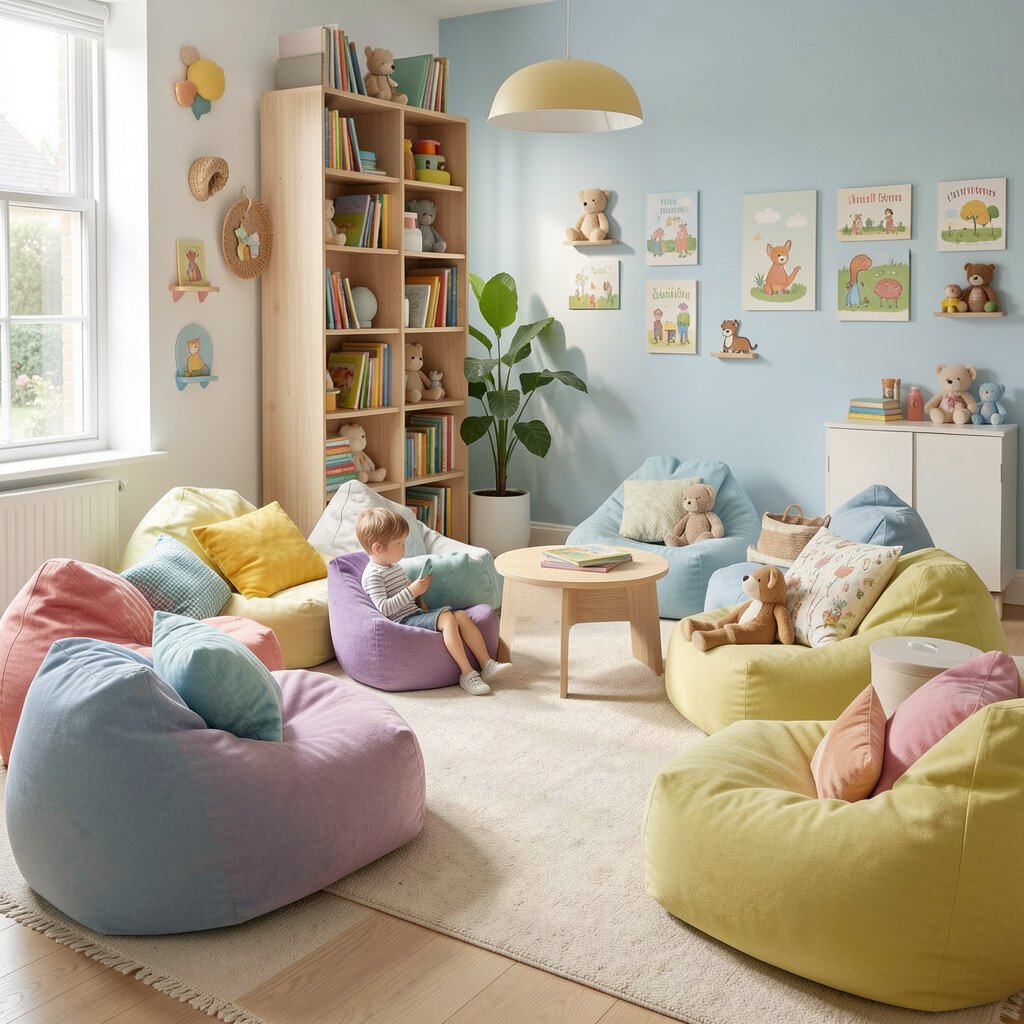
Create islands of bean bags arranged like little continents. Add a soft map strip on the floor so children can “find” their place by pointing.
Bean bags invite relaxed posture and can make sitting feel less stiff. Use a non-slip mat underneath and pick durable, washable covers so the seats last through daily use. Personalize islands by painting or printing waves, mountains, or forest paths that match your current book theme.
5. Telescope Seat Circles
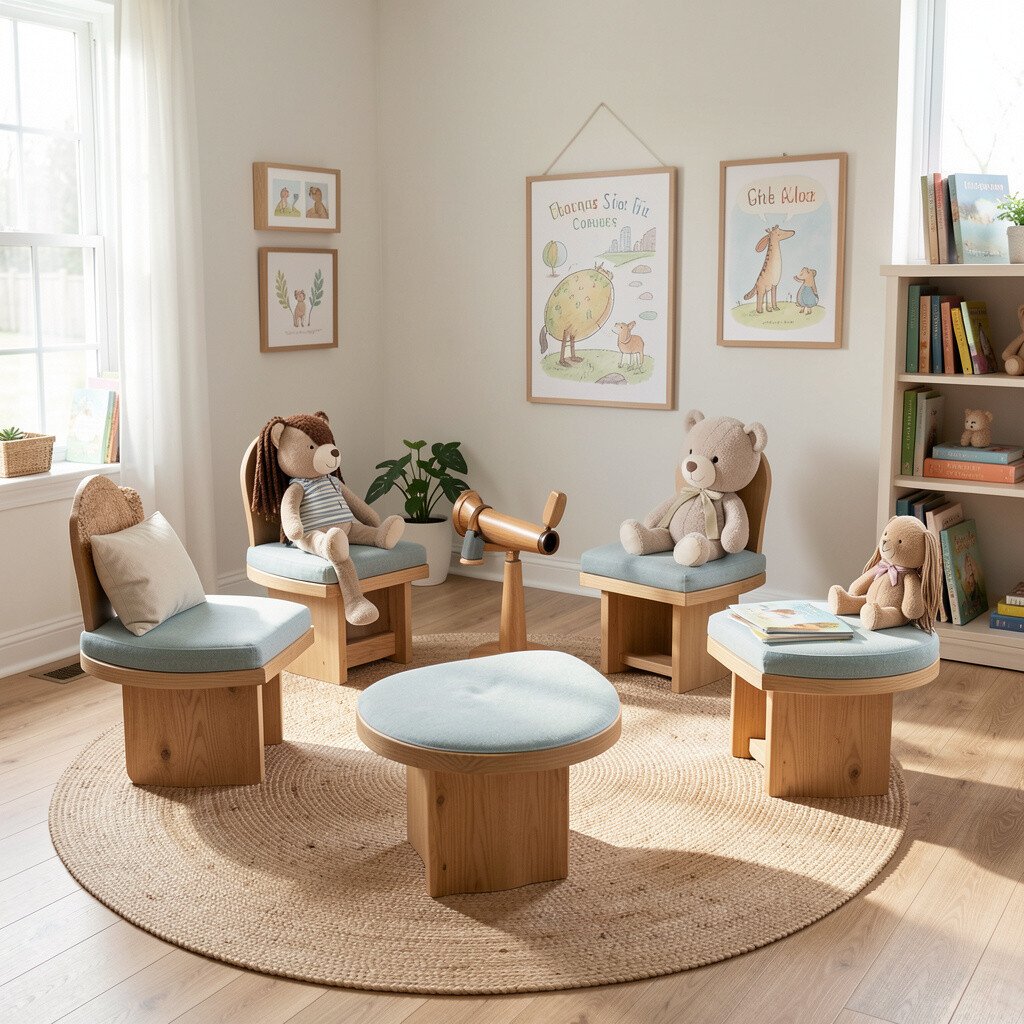
Arrange seats in a circle around a “telescope” prop made from a cardboard tube. Kids can point the tube at a picture book cover like they’re sending it to another planet.
This playful setup supports attentive listening because children want a turn and love the pretend role. For practical tips, keep the telescope height low enough for small hands and place sturdy spots for adults to stand while supervising turn-taking. Personalize by swapping telescope “lenses” with transparent plastic windows that show different illustration scenes from your books.
To fit different budgets, use craft tubing, leftover PVC, or thrifted poster tubes for the prop. A current trend is adding interactive elements to storytime, so this works well with book tie-ins like space facts, ocean adventures, or detective mysteries.
For an extra calm moment, use gentle timers and let kids “look” silently before you read the first page aloud.
6. Robot Mat Check-In Zones
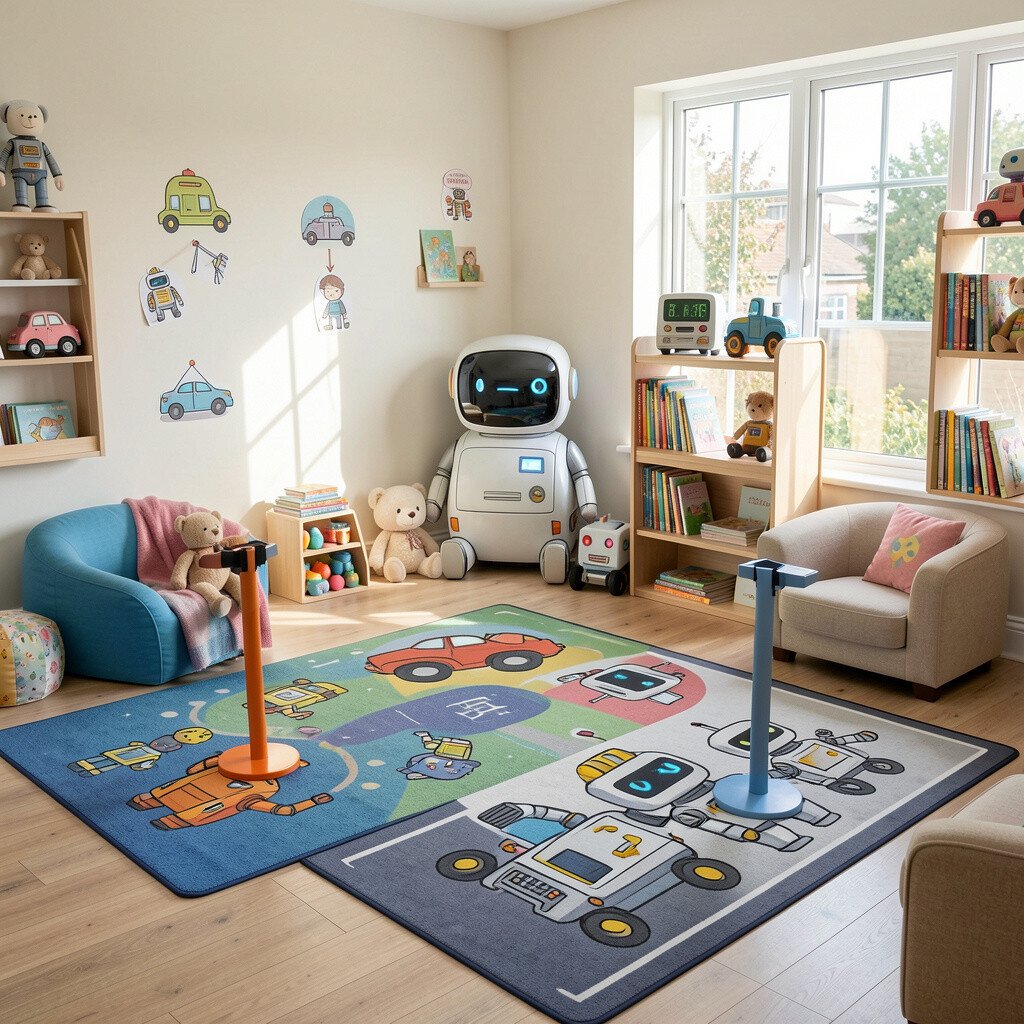
Place floor mats with friendly robot shapes where kids land to “boot up” for storytime. Each mat can include a simple icon, like a heart for calm or a star for listening.
Kids benefit from a predictable routine, and the visual cues help them settle faster. Use machine-washable fabric squares and mark boundaries with bright but not overwhelming colors. Personalize by letting children choose robot faces on laminated cards, so your corner feels like it’s growing with them.
This approach stays unique because the seating becomes part of the story culture rather than an afterthought. If you want a budget-friendly option, use contact paper stencils and rugs you already own, then rotate them weekly to keep it fresh.
7. Yarn-Ball Footlights and Floor Spots
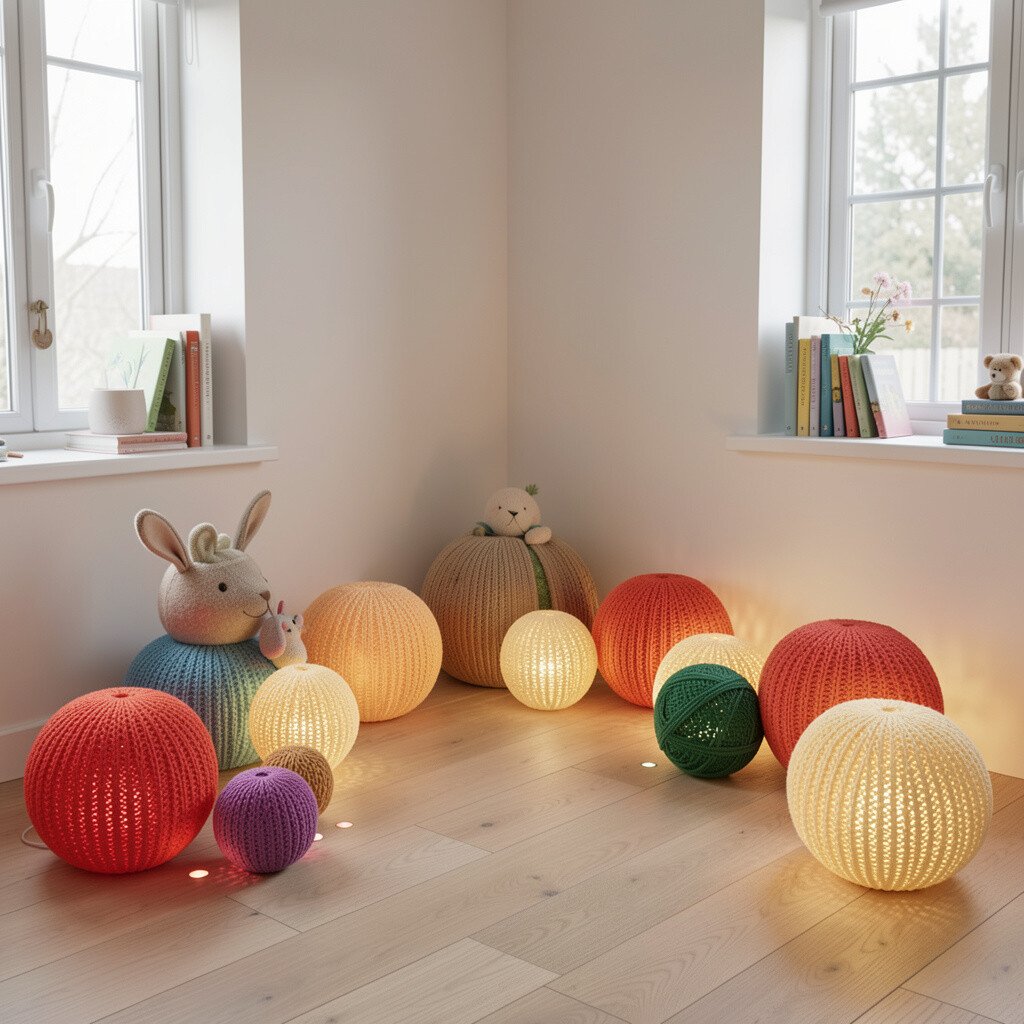
Scatter soft floor spots that look like yarn balls, using round rugs or felt circles. Place them like stepping dots toward your reading area.
These spots help children keep distance and make it easier to organize groups without constant reminders. For practical tips, choose low-pile materials so kids can sit comfortably and so carts can roll safely nearby. Personalize by attaching color-coded yarn tags with each child’s first initial so they can find their spot quickly.
8. Storytime Train Track Seating
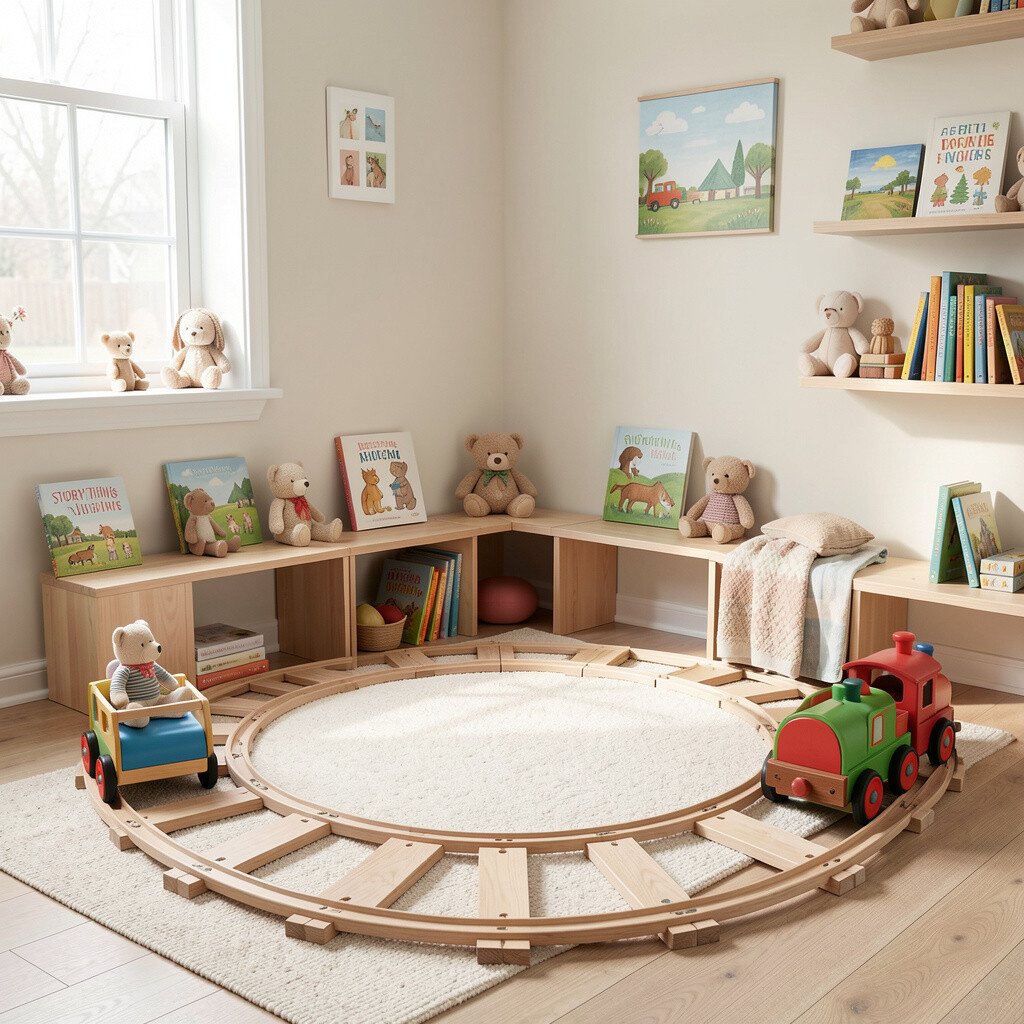
Set down a “train track” path on the floor and seat kids along the rails using rugs or low cushions. Use paper or fabric track pieces that curve toward you like a journey.
Children often enjoy movement-friendly seating because they can wiggle their feet while staying in place. Keep the track lines simple and safe, using tape made for floors or removable rug strips. Personalize by repainting track themes each season, like autumn leaves, spring rain, or winter snow.
This idea is unique because it turns the room layout into a story setting. To manage cost, create the track from cardboard strips covered with washable fabric and store it in a labeled bin between uses.
For a current trend, pair the track with picture-based “destination cards” and let kids pick where the train is headed before each reading.
9. Giant Book-Page Pillow Borders
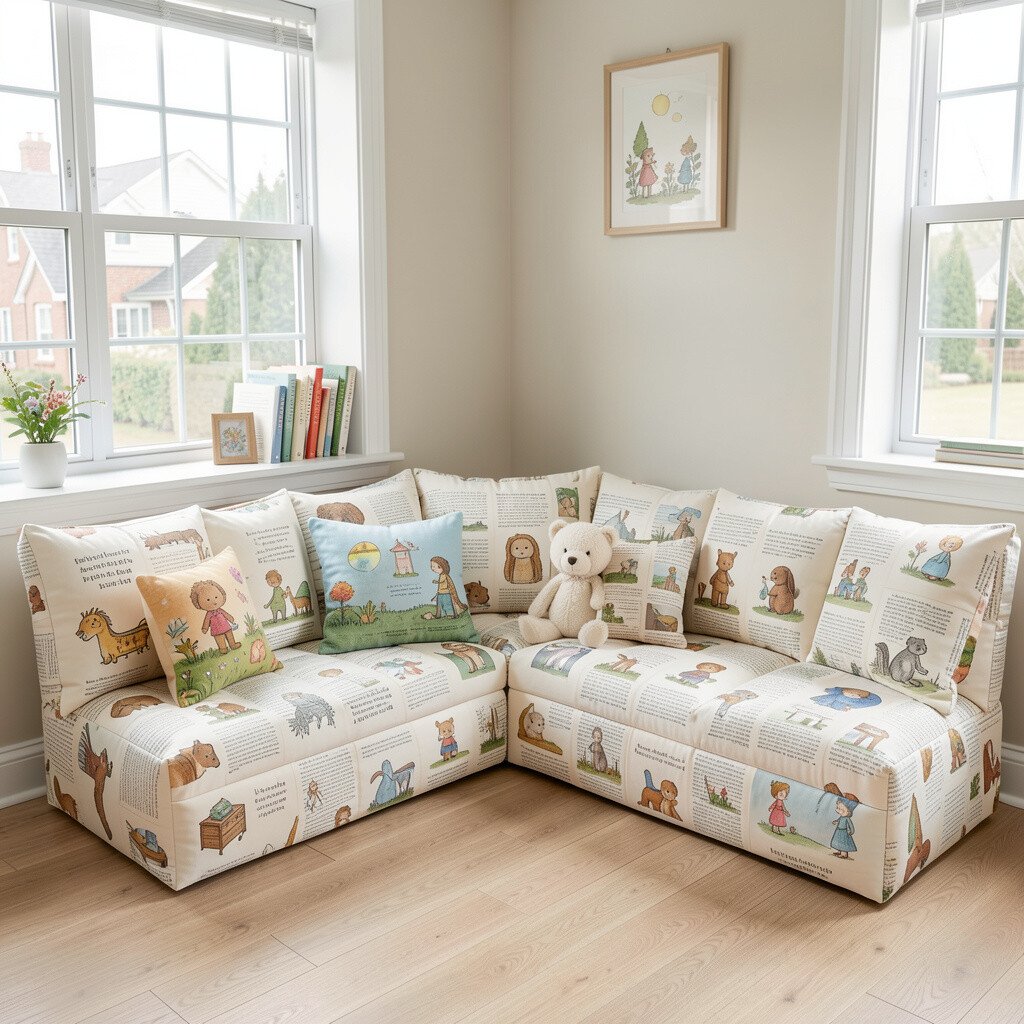
Outline your story area with pillows that look like giant open book pages. Each pillow edge can show a bold illustration frame, like a border from a picture story.
Clear boundaries often reduce wandering and help kids focus on the center. Use foam-backed fabric or thick batting inside covers for comfort, and make sure the borders can’t slide. Personalize by rotating page images weekly so children feel surprised without changing the whole layout.
This corner feels whimsical because the “book world” surrounds them, not just sits in front. If you want a low-cost version, print your own illustrations on fabric-friendly paper and iron-transfer simple designs onto plain pillow covers.
10. Crooked Hay Bale Sitting Ledges
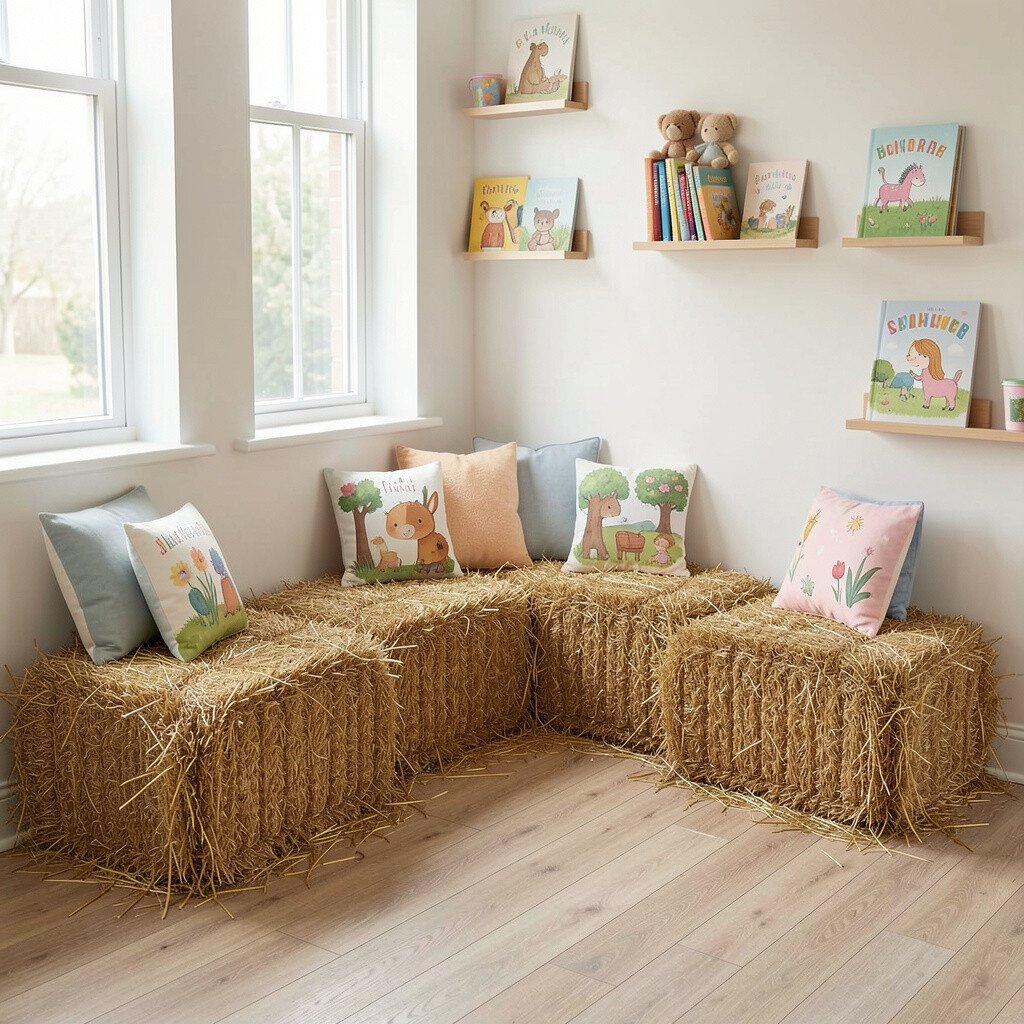
Use low “hay bale” ledges made from rolled blankets in sturdy fabric sleeves. Arrange them in a gentle curve so kids can sit facing inward like a cozy camp circle.
This style gives a rustic, storybook vibe that many kids instantly recognize from farm tales and camping adventures. For practical setup, keep the ledges stable and use non-slip flooring underneath to prevent scooting. Personalize by adding themed patches, like “pumpkin patch,” “rainy day camp,” or “dragon cave,” depending on your reading list.
11. Rainbow Floor Steps With Name Badges
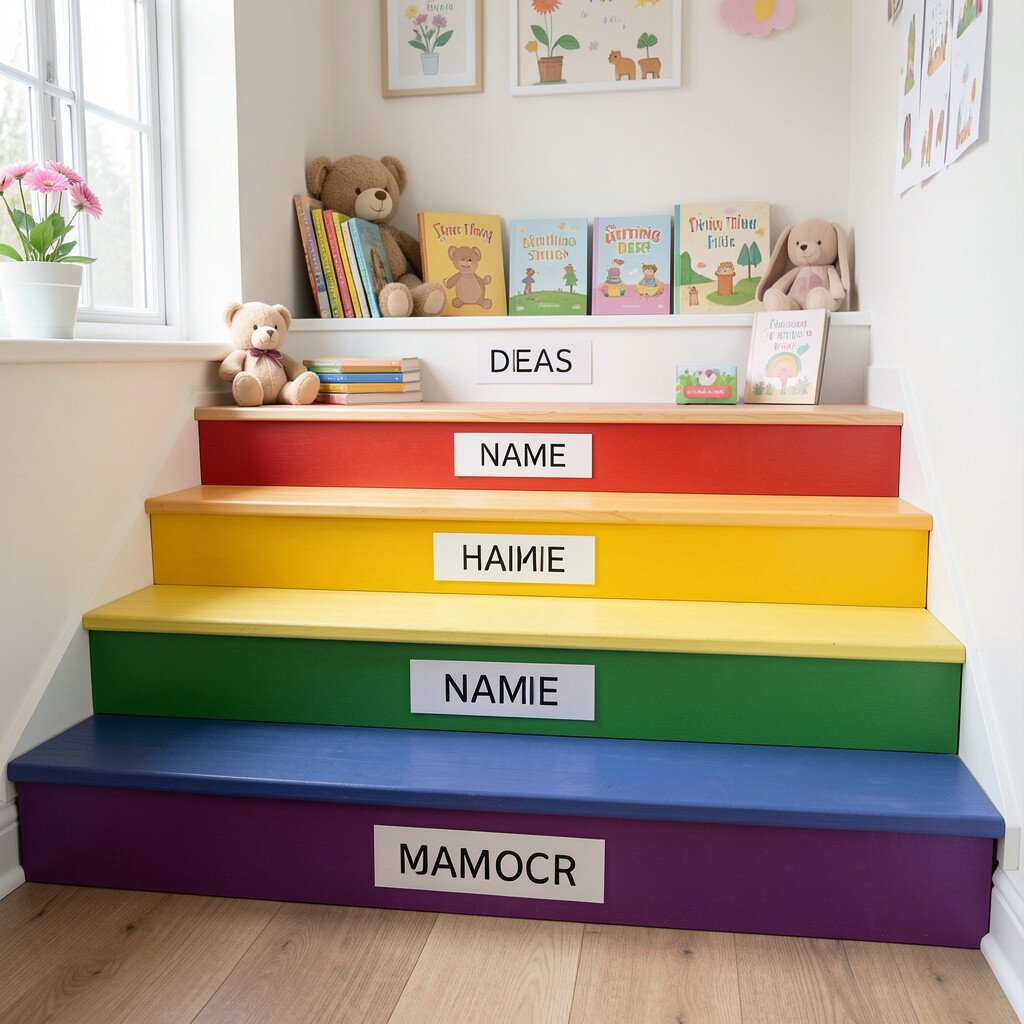
Put rainbow steps or rug blocks in a semicircle leading to your reading spot. On each step, add a name badge with a tiny matching symbol.
Colorful layout helps kids self-sort and lowers the stress of “Where should I sit?” moments. Choose washable materials, and keep the steps low enough for easy sitting. Personalize by letting children help choose the next rainbow shade group, then print their names in fun fonts on small cards.
This idea is unique because it mixes calm sorting with cheerful visuals. For cost considerations, you can use foam puzzle mats cut into shapes and cover them with removable fabric slips.
To follow current trend energy, use simple interactive labels like “Choose a color” so storytime feels like a choice-driven routine.
12. The Warm Muffin Square Seating
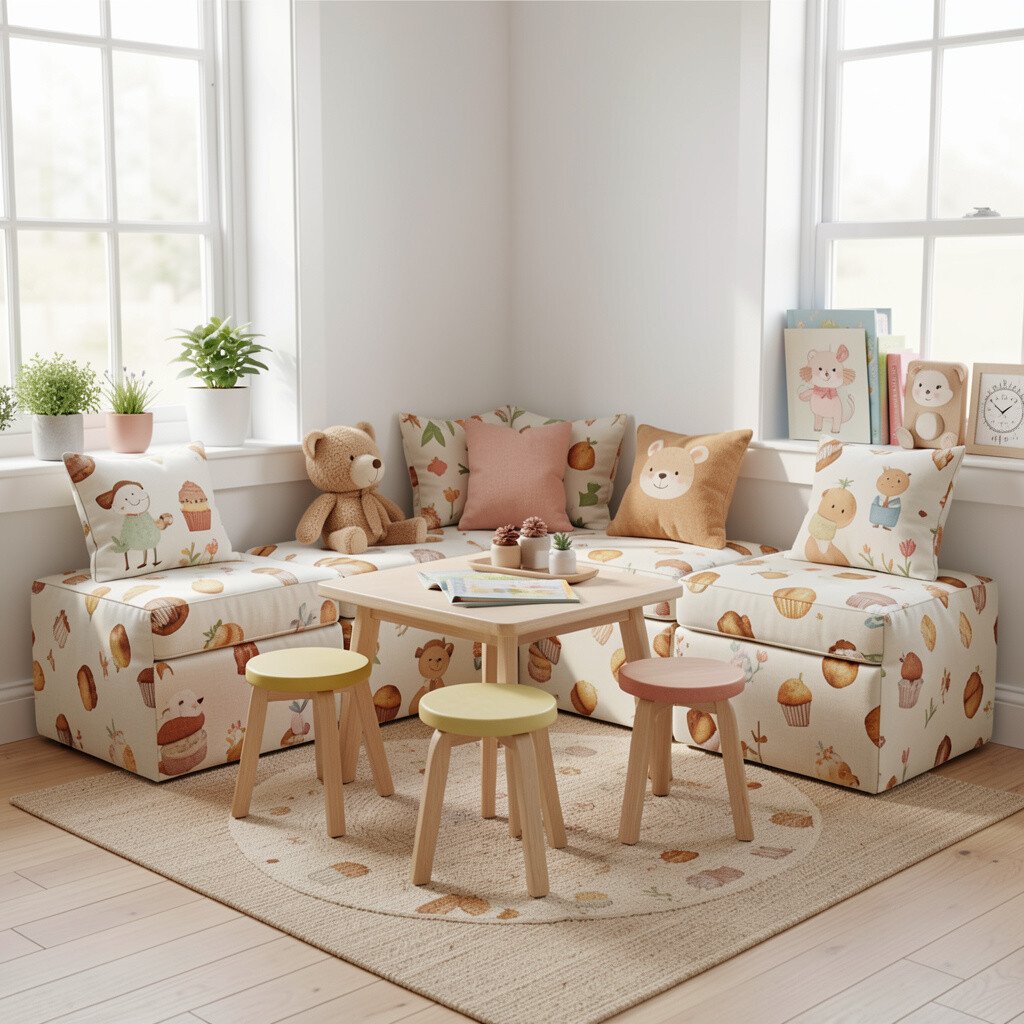
Make seating squares that resemble muffin tops, using thick felt or foam circles stacked on flat bases. Place them in a tight grid so kids settle quickly into neat rows or clusters.
Structured seating can help groups stay orderly during longer stories and read-aloud pauses. Use washable covers and secure foam pieces so they don’t shift when a child leans in. Personalize by changing the “flavor” color each week and adding small card cutouts like chocolate, berry, or banana.
13. Shadow Puppet Stage Perches
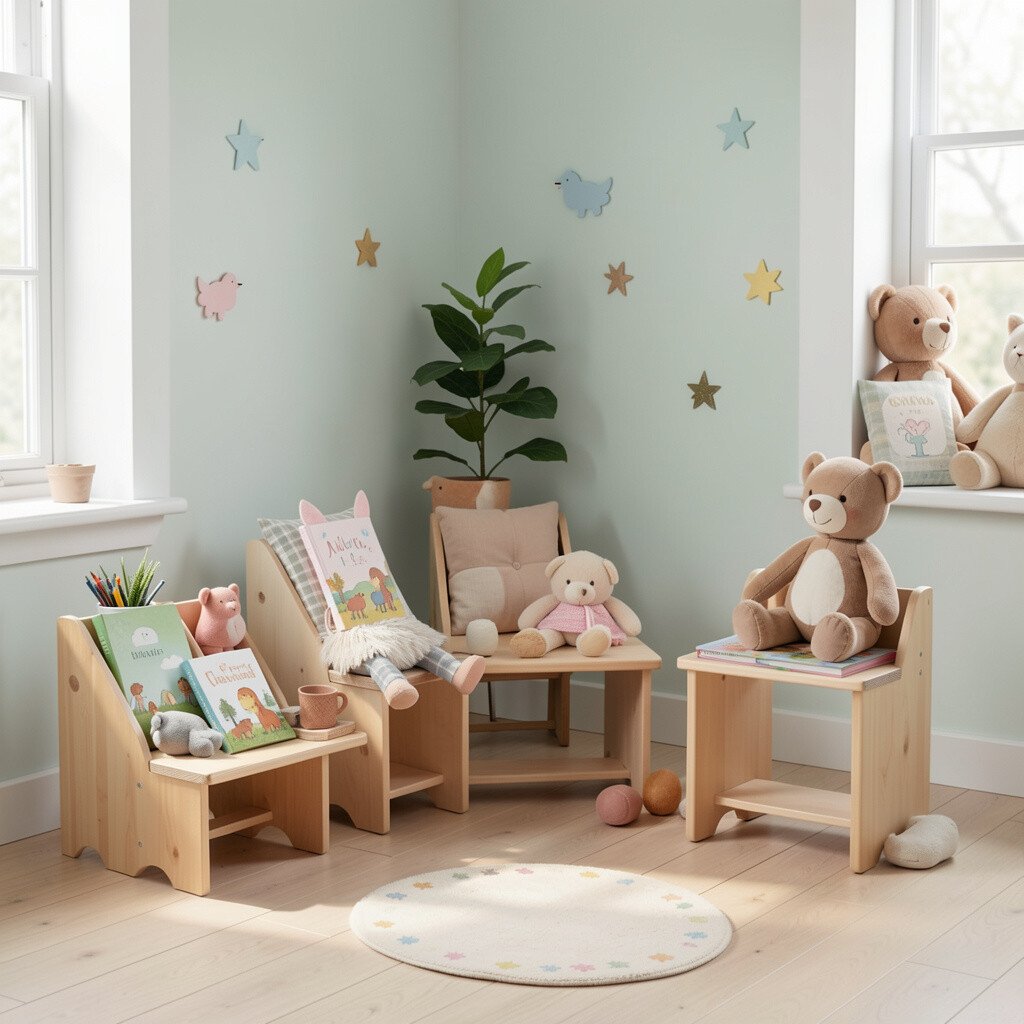
Create small perches near a shadow puppet stage so kids sit where they can see both you and the screen. Use low blocks wrapped in fabric, or thick cushions placed like mini benches.
When kids sit in a view-optimized spot, they often listen more closely and wait for the next scene with excitement. For practical tips, measure sight lines from different heights to avoid awkward head turning and keep cords hidden or out of reach. Personalize by letting children hold a “spotlight baton” card while you cue them for the next puppet moment.
This idea stands out because it combines seating with a performance feeling, like they’re part of the show. Keep costs low by using recycled wood blocks, covering them with scrap fabric, and building a simple stage from a framed sheet and a bright lamp or projector setup that fits your classroom safety rules.
14. Storytime Campfire Ring Cushions
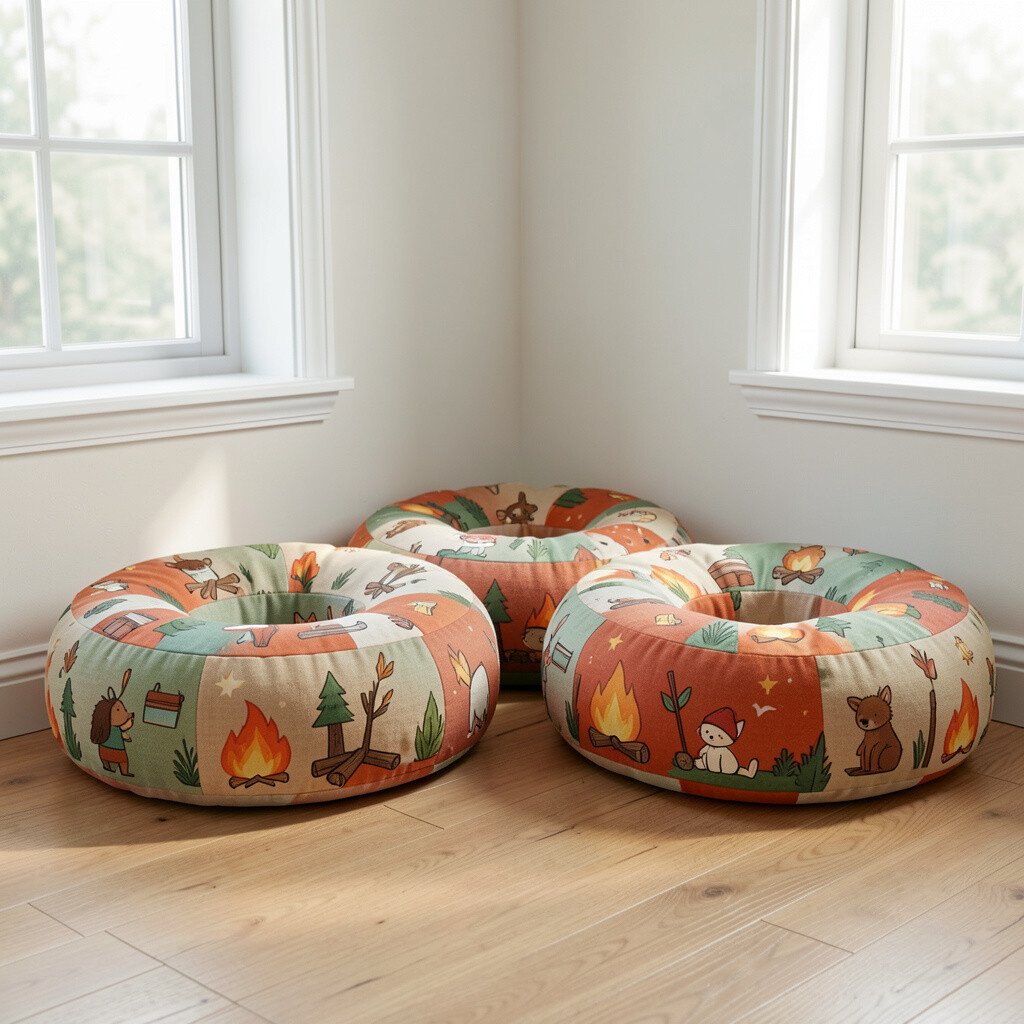
Arrange circular cushions like a campfire ring, and add a safe “flame” prop in the center. The flame can be a small LED light or a paper lantern shape that glows softly.
This setup helps kids imagine the scene and stay quiet during the most suspenseful moments. Use fire-safe materials and keep the center prop stable and supervised, especially with younger children. Personalize by swapping the flame colors to match your book themes, like cozy red for winter tales or golden light for adventure stories.
The uniqueness comes from making the center feel alive, not empty. If you want cost control, start with a rug ring and a low-cost LED candle, then upgrade the look with seasonal covers when you can.
15. Pillow Kingdom Castle Steps
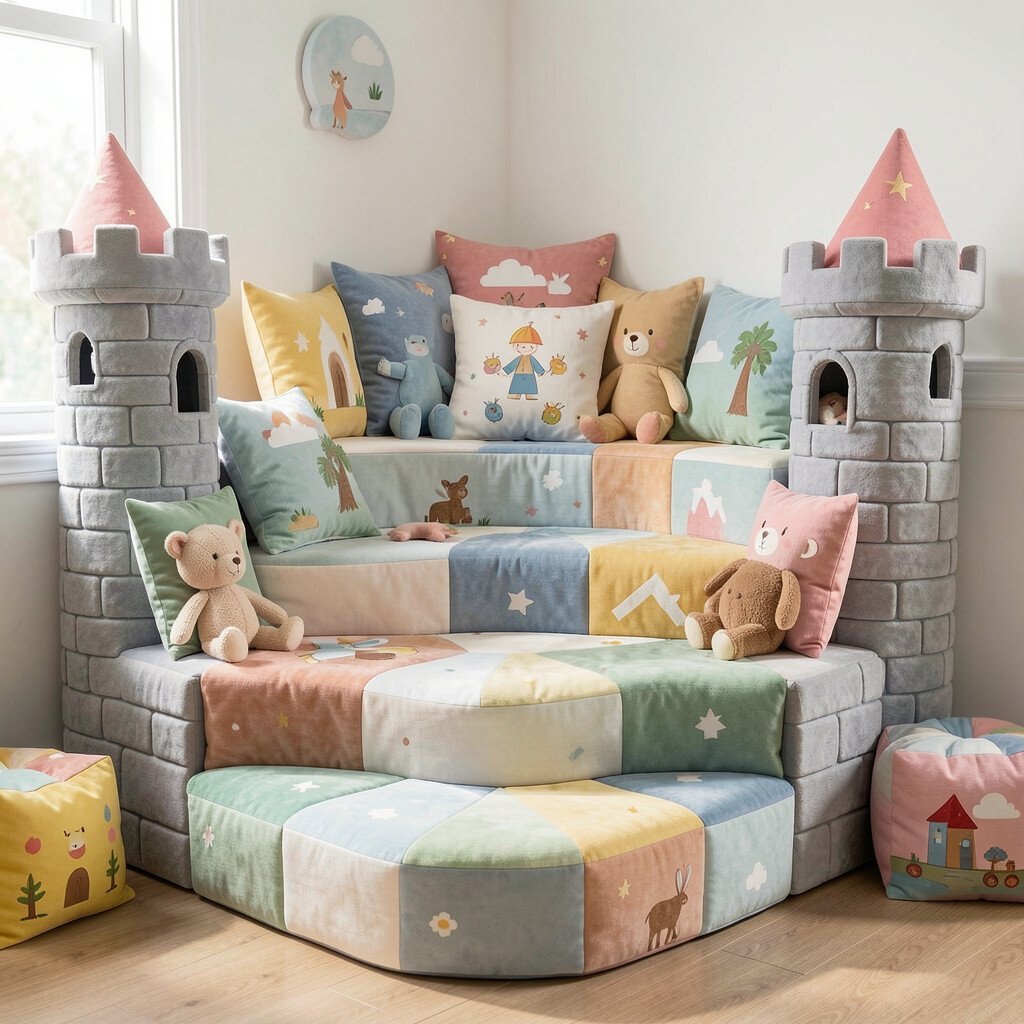
Build “castle steps” using stacked foam or upholstered blocks arranged like a staircase. Add a small crown banner where the storybook sits, so kids see the royal reading spot instantly.
Kids tend to sit taller when the setup feels like a kingdom, which can improve listening and reduce fidgeting. Keep steps sturdy and rounded, and use soft edges so everyone feels safe. Personalize by letting children wear simple paper crowns during special days and by swapping banner colors for holidays or story themes.
This corner feels different because it turns posture into a playful game. For practical cost considerations, use foam pool floats inside covers or repurpose safe gym blocks wrapped in fabric.
If you’re following current trends, add a “royal roll call” where kids place a small token on a mat before the story begins.
16. Tea Party Talk-Seat Trays
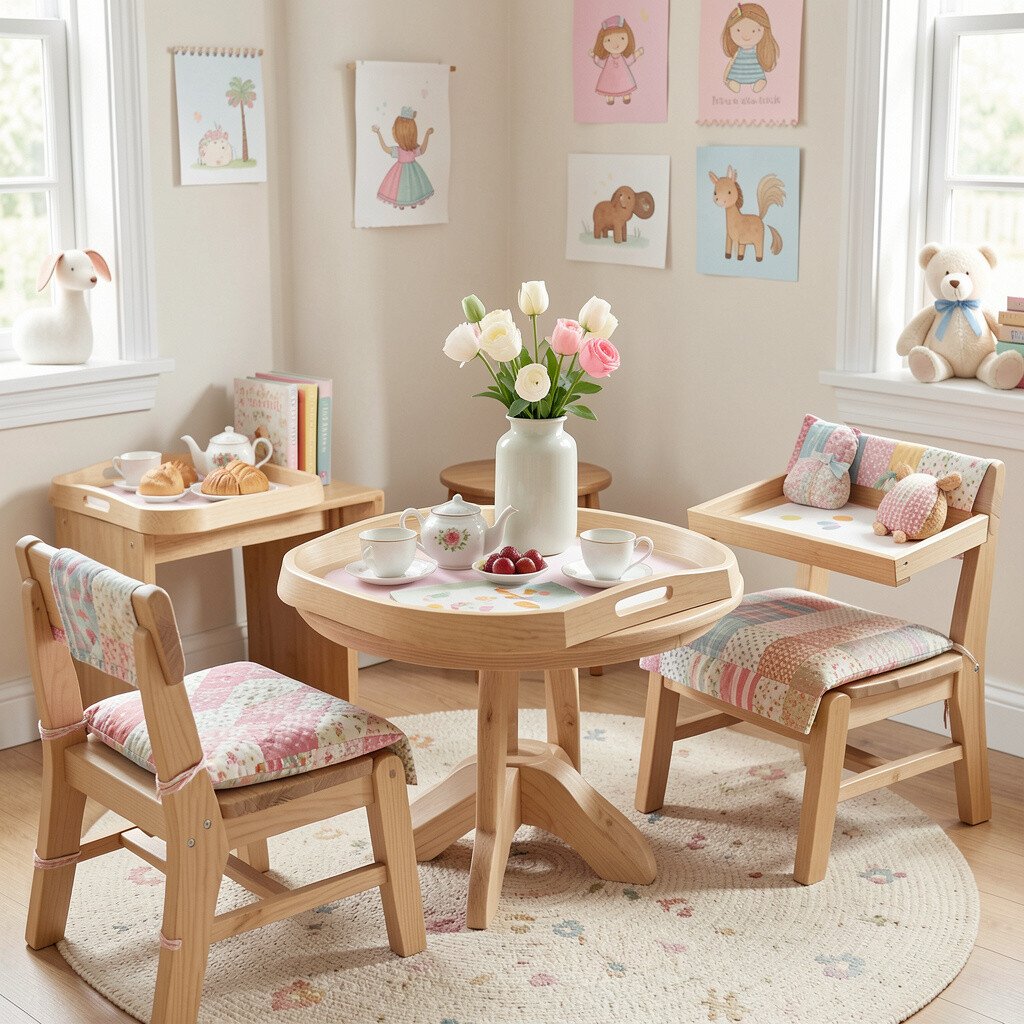
Turn seating into a tea party by using small trays as “seat platforms” with comfy cushions on top. Kids sit on low chairs or benches while their tray holds a book, a picture card, or a pretend cup.
This setup encourages gentle voices and helps kids stay engaged because they have a small job during the reading. Choose lightweight trays with smooth surfaces and supervise so nothing tips. Personalize by swapping tray themes, like ocean tea, jungle snacks, or cloud cakes, based on your books.
17. Floating Raft Seating With Rug Waves
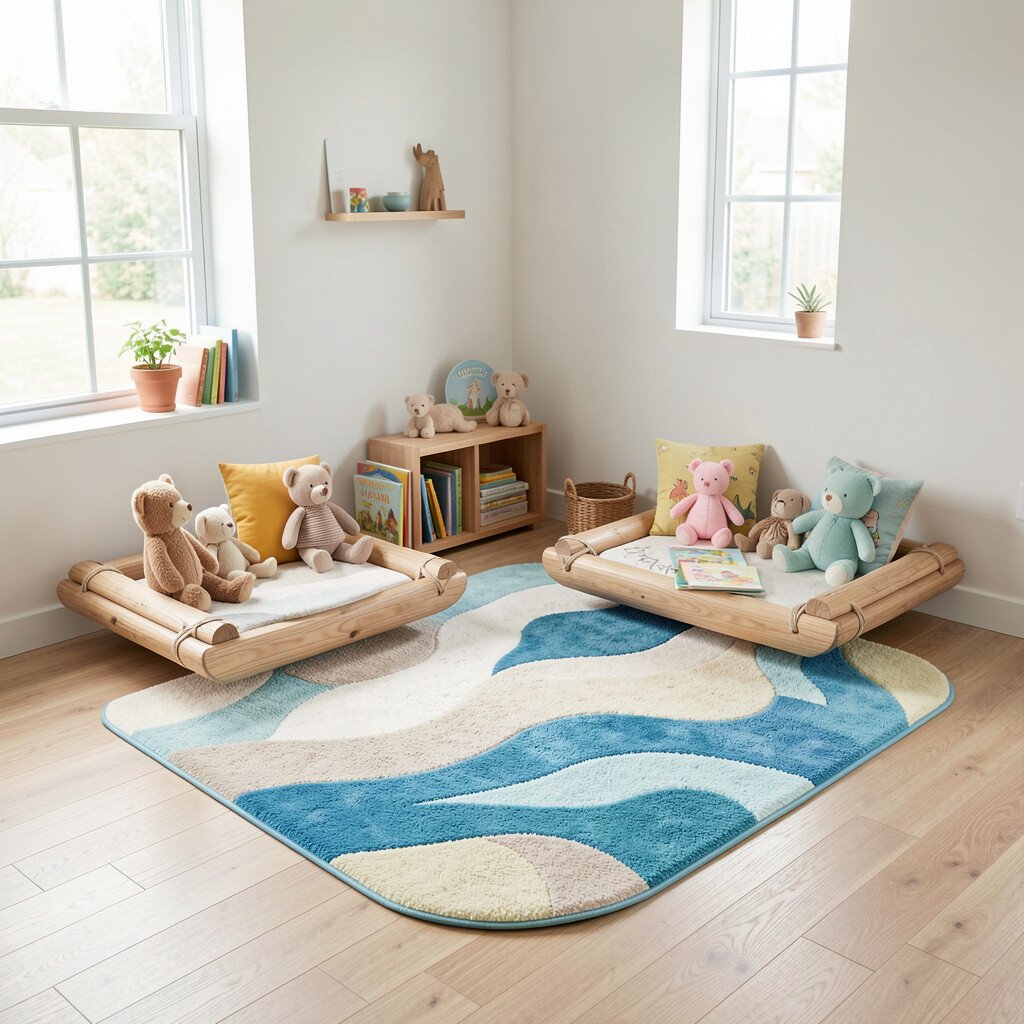
Create a raft theme using a large rug that looks like waves, then place individual cushions like passengers. Children sit on the “raft” and face you like a friendly boat crew.
Many kids love water stories, so this visual connection can boost attention from the first page. For practical tips, use thick cushions with non-slip backing and keep the “raft” anchored so it doesn’t slide. Personalize by switching wave colors and adding a small “captain” name card that matches your current main character.
This idea feels unique because it gives the whole corner a shared setting, not just separate chairs. To keep costs manageable, use one big rug and add removable seat cushions made from thrifted fabric.
For current trend alignment, consider adding a simple “sail and stop” movement pause where children freeze like boats when you say the cue word.
18. Crayon Scribble Bench and Floor Shapes

Design a long bench area with a crayon scribble cover and scatter floor shapes that look like giant doodles. Kids choose a shape and sit on it like they’re finishing an art page.
Art-themed seating can calm kids who love creative play because the corner feels like an ongoing drawing. Use washable covers and keep shapes flat and stable so kids can sit comfortably without rolling. Personalize by using the actual colors from your picture books and adding simple character drawings to each shape.
19. Secret Message Chair Swaps
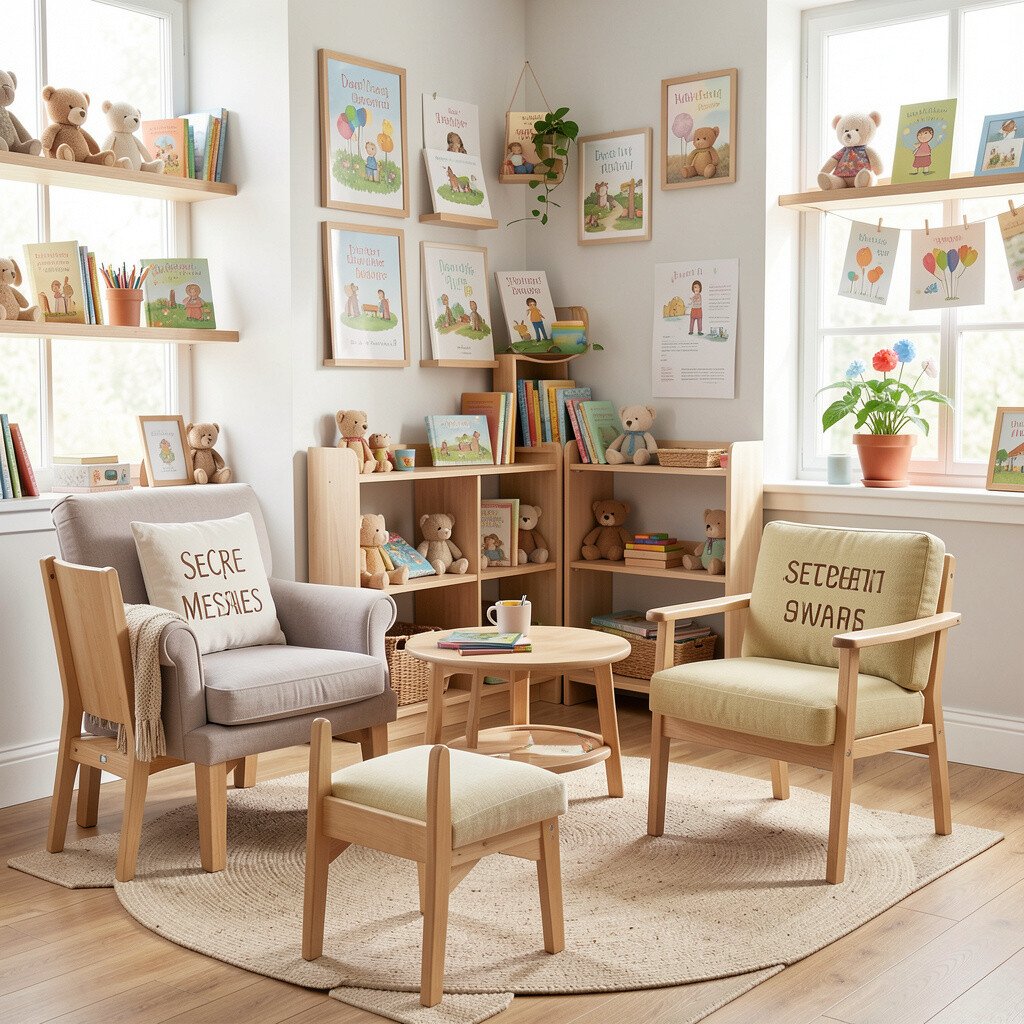
Provide chairs or small stools and decorate the backs with hidden message pockets or flaps. When kids arrive, they open the flap to find a tiny visual cue that says how to be ready for storytime.
This approach is surprisingly engaging because the seating comes with a mini surprise that supports routine and self-control. For practical setup, use secure closures that children can open safely and remove any small pieces that could be a choking hazard. Personalize by changing messages with seasons, like “soft voice,” “listening ears,” or “gentle hands,” and swap the pocket art to match your book characters.
The uniqueness lies in combining comfort with motivation, without turning the whole moment into a lecture. For cost considerations, you can cover existing chairs with fabric and stitch pockets from scrap material, then print small picture cues on card stock for easy updates.
To reflect current trends, keep the cues positive and short, and use inclusive visuals so every child can understand the message right away.