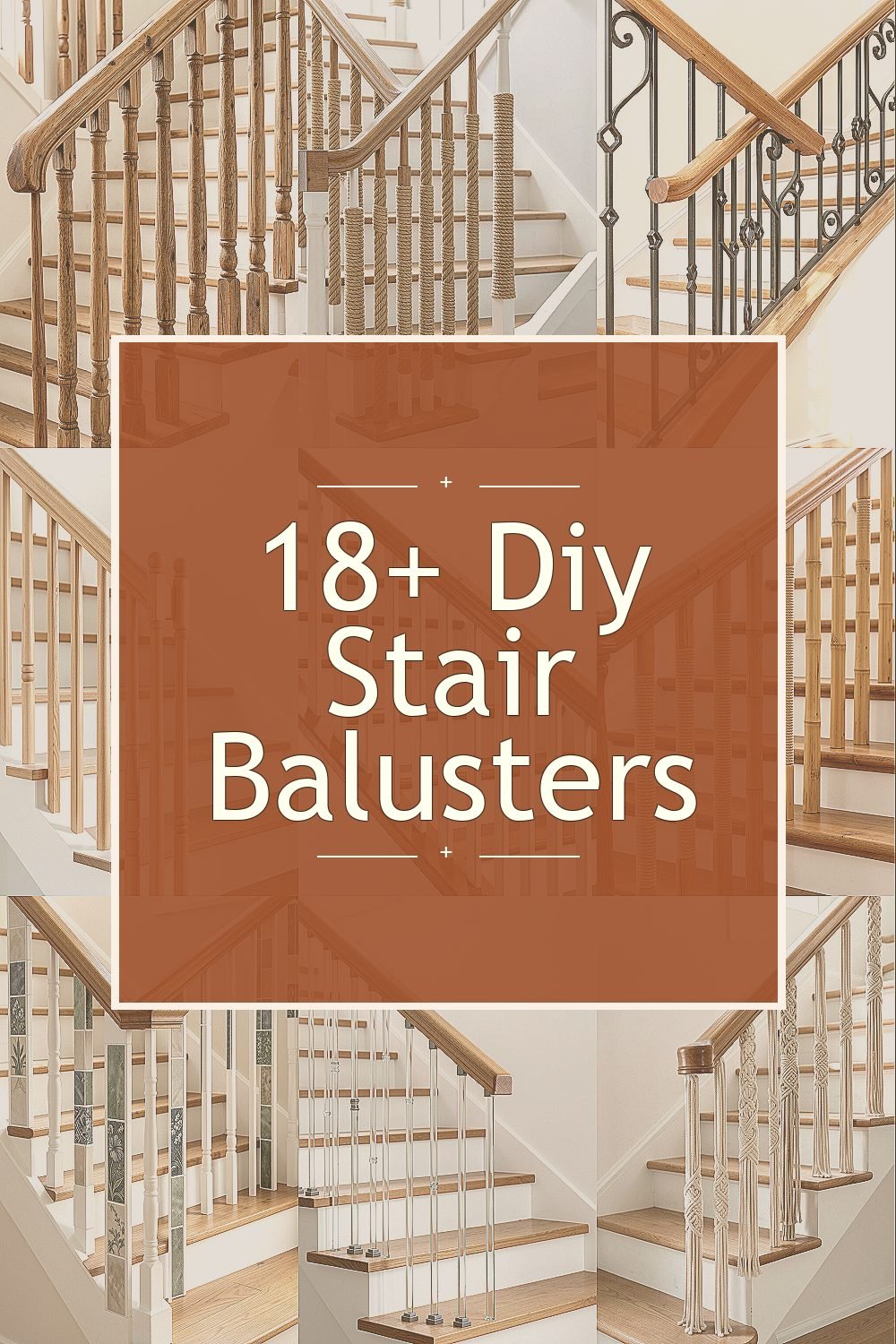
A staircase can feel like the inside of a dream when the balusters match your style. The best part is that you can build that look yourself.
From simple spindles to bold handmade designs, the right balusters make your stairs safer and far more interesting.
1. Reclaimed Wood Turned Spindles

You can use reclaimed wood to create warm, lived-in balusters that look perfect in rustic homes. Find sturdy offcuts from old furniture, barn boards, or flooring scraps, then cut them into spindle shapes.
After you sand everything smooth, stain in layers so you keep the wood’s natural character. These balusters add charm and hide small imperfections, which is great for DIY projects. For safety and comfort, make sure each piece matches the stair height and spacing rules your local code requires. When you finish, seal the wood so it resists scuffs from everyday shoes and boots.
2. Rope-Wrapped Balusters With a Coastal Twist

If you love the look of the ocean, rope-wrapped balusters can bring that relaxed vibe into your hallway. Choose thick, clean rope, then wrap tightly around a straight wood or metal base spindle.
Use a strong adhesive rated for home projects, and keep the wraps even from top to bottom. This gives a soft, textured look that feels unique without needing fancy tools. For longevity, seal the rope lightly so it stays neat and doesn’t snag. Consider pairing the rope with light wood rails or white-painted posts for a clean coastal style.
To personalize, try mixing rope colors or adding small knots at the ends. You’ll also save money because rope is often cheaper than carved wood designs. Just be sure the grip doesn’t create rough edges that could catch clothing.
3. Geometric Metal Scroll Inserts
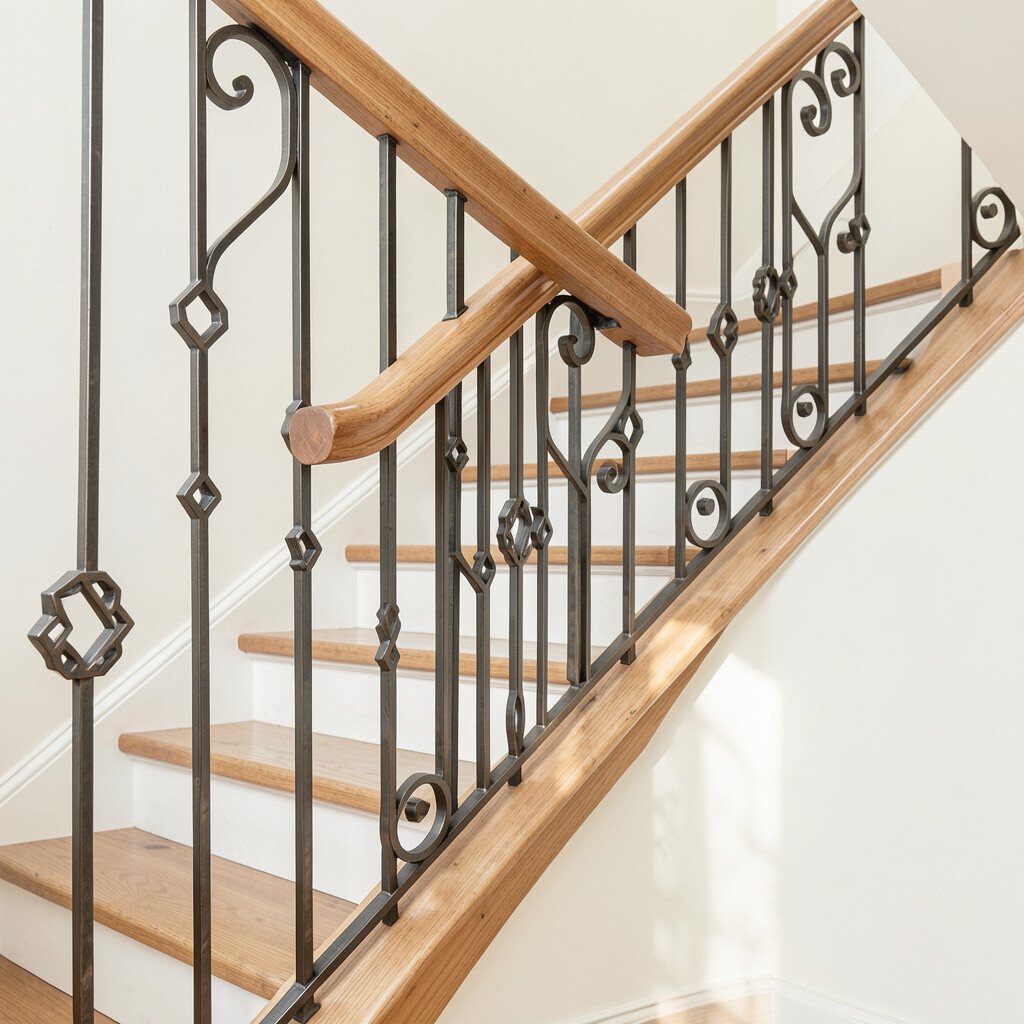
Geometric metal inserts look crisp and modern, especially when set into simple rectangular frames. You can buy scroll-style metal pieces and weld or fasten them into pre-cut baluster housings.
Choose a finish like matte black, brushed steel, or warm bronze for a current look. These balusters feel light visually but still create strong separation along the stairs. For practical installation, pre-drill holes and use hardware that matches the rail material. Tight, clean connections prevent wobbling and keep the line straight from floor to landing.
To make it personal, repeat one geometric pattern at every bay, or stagger sizes for a more artistic rhythm. Metal work can cost more than wood, but you’ll likely reuse basic tools and buy fewer pieces if you select a standard insert size.
If you want an even easier path, select inserts that use screws rather than welding. That way you get a gallery-style vibe with a more beginner-friendly build.
4. Stacked Dowel Balusters With Clean Lines
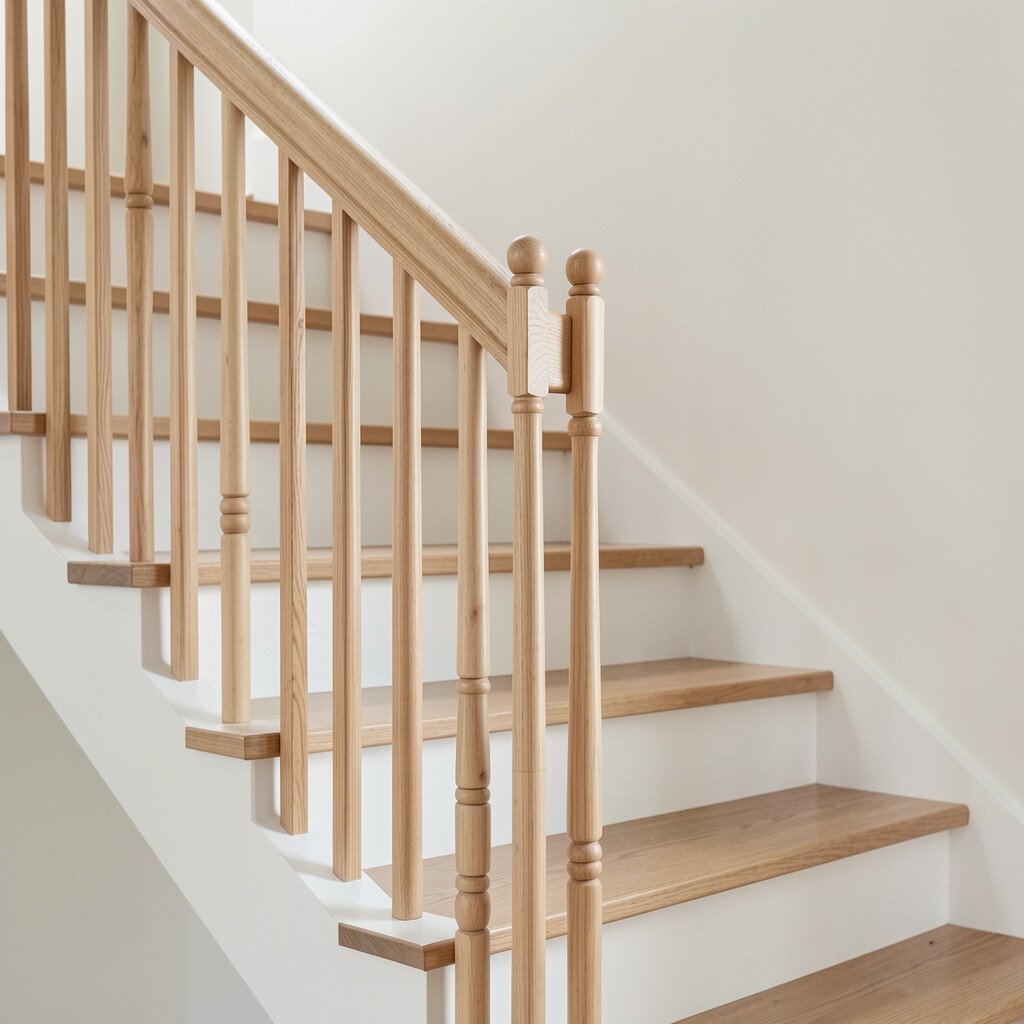
Staircases look sleek when the balusters create straight, even spacing with simple shapes. Stacked dowels let you build that modern rhythm using common hardware store parts.
Cut dowels to consistent lengths, then glue them into a layered pattern, such as two or three stacked rounds per spindle space. Sand the edges lightly, and paint or stain for a smooth match to your railing. This design keeps costs low because dowels are inexpensive and easy to replace if one gets damaged.
5. Vertical Slat Balusters in Painted Wood
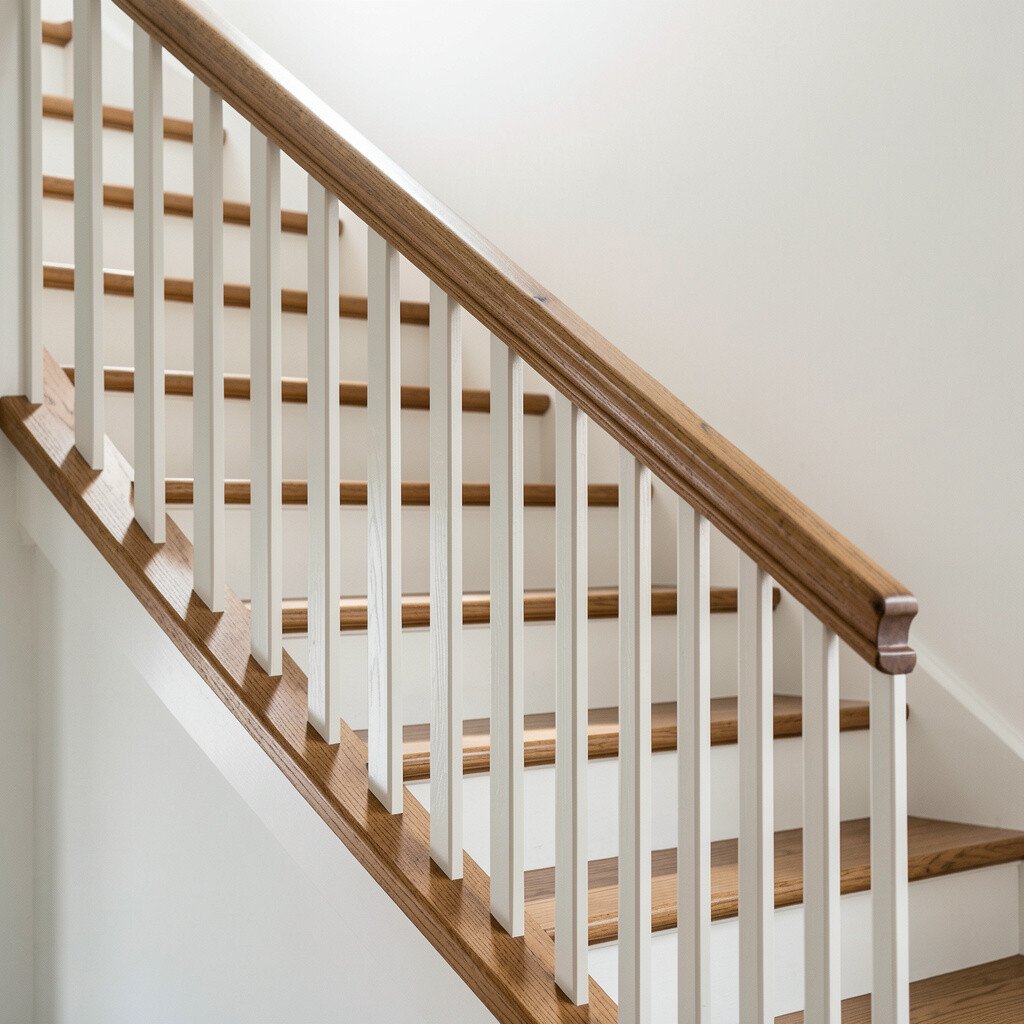
Painted vertical slats bring a bright, airy feeling to staircases, especially in smaller entryways. You can use thin boards or slats from larger lumber, then cut them into matching lengths.
Paint them in your favorite color, and add a contrasting rail for extra pop. This approach is highly customizable because you can match your trim, walls, or even an accent stripe in the room. For a practical finish, use a primer and a durable topcoat that resists chips and fingerprints. Install with uniform spacers so the lines stay crisp from every angle.
One trend right now is using soft neutrals like warm gray and creamy whites, which make the stairs feel bigger. If you want something bolder, deep greens and charcoal tones also look striking with bright natural light. Keep wipe-down convenience in mind by choosing a semi-gloss sheen.
6. Round Rope-Backed Bamboo Spindles
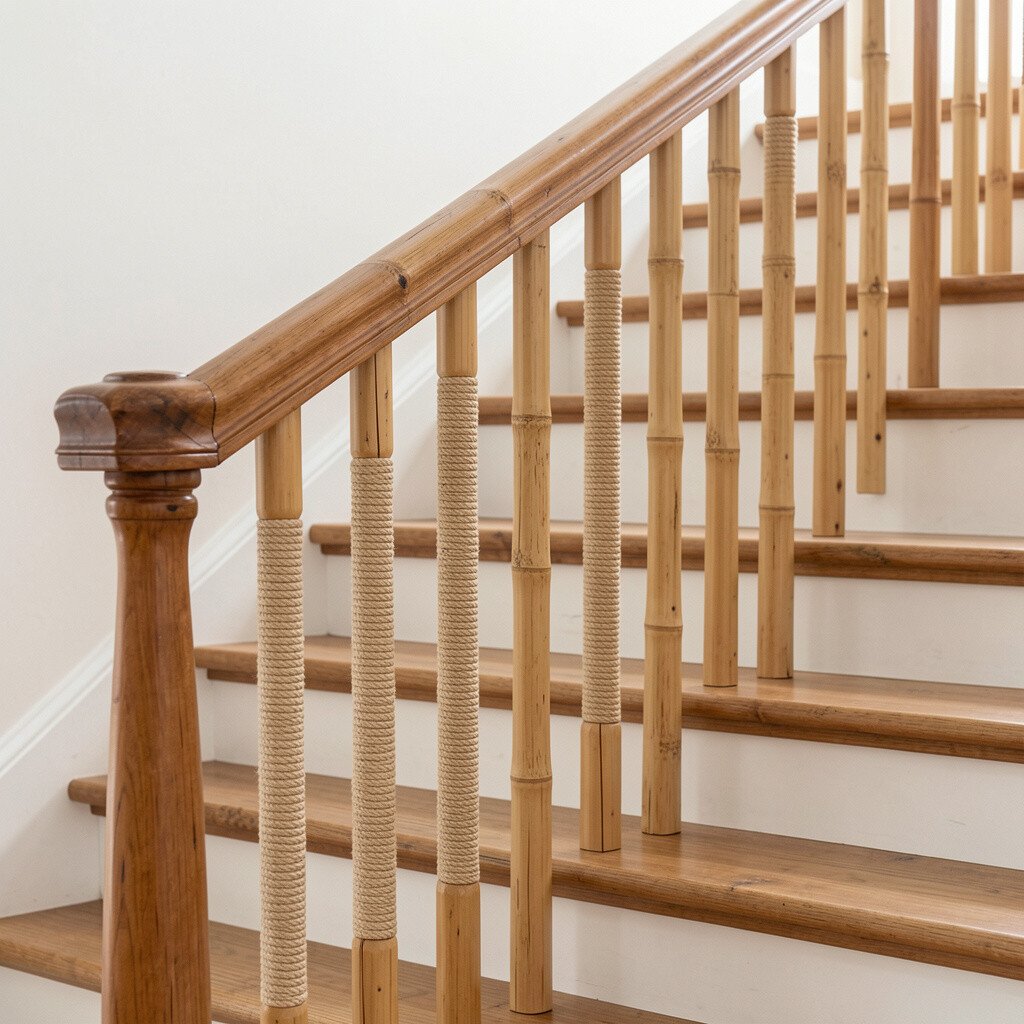
Bamboo brings an instant calm vibe, and adding rope backing creates an extra visual layer. Start with bamboo dowels or bamboo sticks cut to length, then attach a thin rope wrap along the visible face.
This method gives a light, airy look while adding grip feel along the railing line. It’s also a good choice if you want something warm but not overly heavy. Use a clear sealant to protect bamboo from moisture and daily wear. When you install, check each baluster for alignment so the final pattern looks intentional, not accidental.
7. Ceramic Tile Insert Balusters

If you like color and artwork, ceramic tile inserts can make your staircase feel like a mini gallery. You can embed small tile pieces into a simple wood or metal baluster frame.
Choose tiles with a repeating pattern for a polished look, or mix shapes for a more playful style. Tile balusters look durable and are easier to clean than many raw wood designs. To keep edges safe, use smooth trim or grout carefully so nothing sharp shows. For personalization, add a few accent tiles that match your kitchen backsplash or bathroom tiles.
8. Bottle-Glass Balusters for a Modern Statement
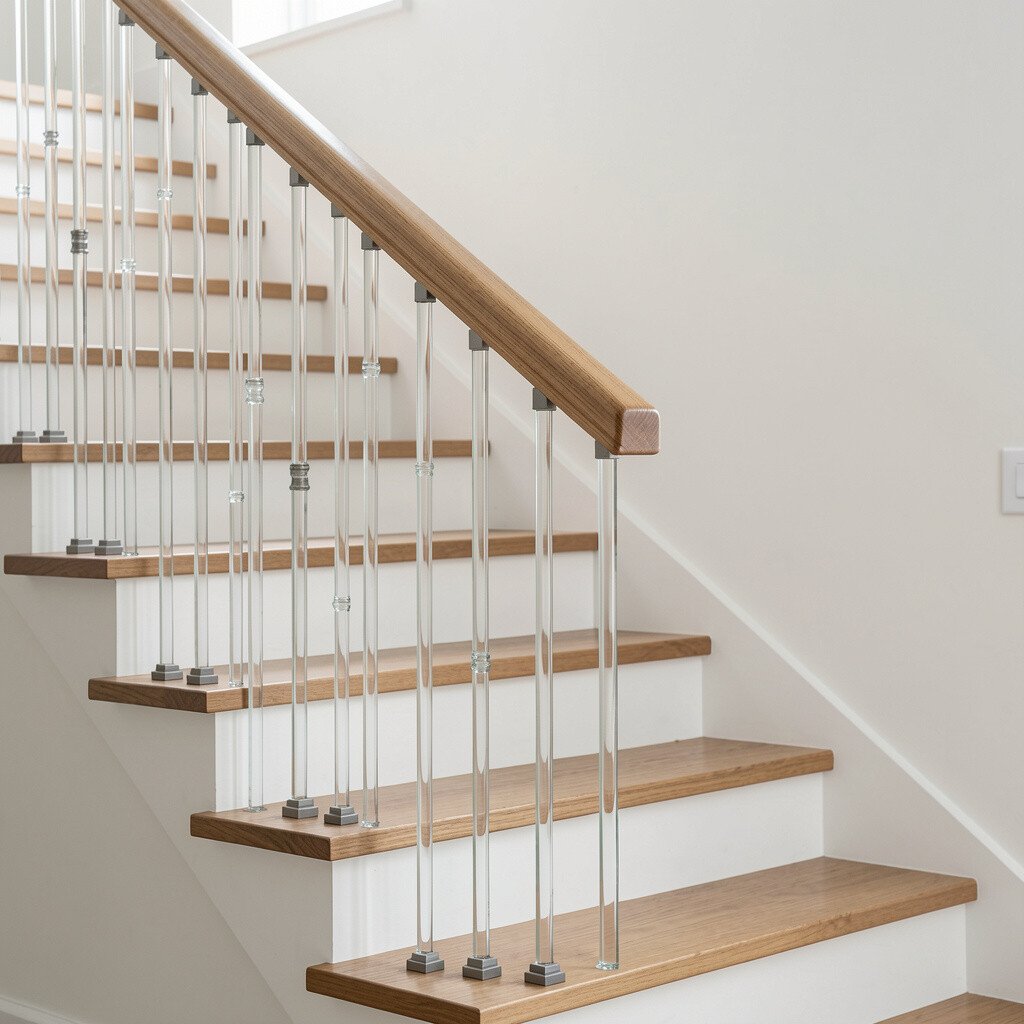
Glass balusters can make staircases look open and stylish, especially in modern homes. You can use clear or tinted glass pieces set into sturdy frames on top of wood or metal posts.
Pick glass that matches your light style, like smoky gray for a calm mood or clear glass for maximum brightness. This design creates a clean, airy visual flow and makes hallways feel less closed in. For safety, use proper tempered glass and secure fasteners so the pieces cannot shift. It may cost more than basic wood, but the wow factor is hard to beat.
To personalize without overspending, focus on using a few glass accents between mostly traditional balusters. That keeps cost in check while giving you a signature look where it matters most.
9. Macramé Accent Balusters With Soft Texture
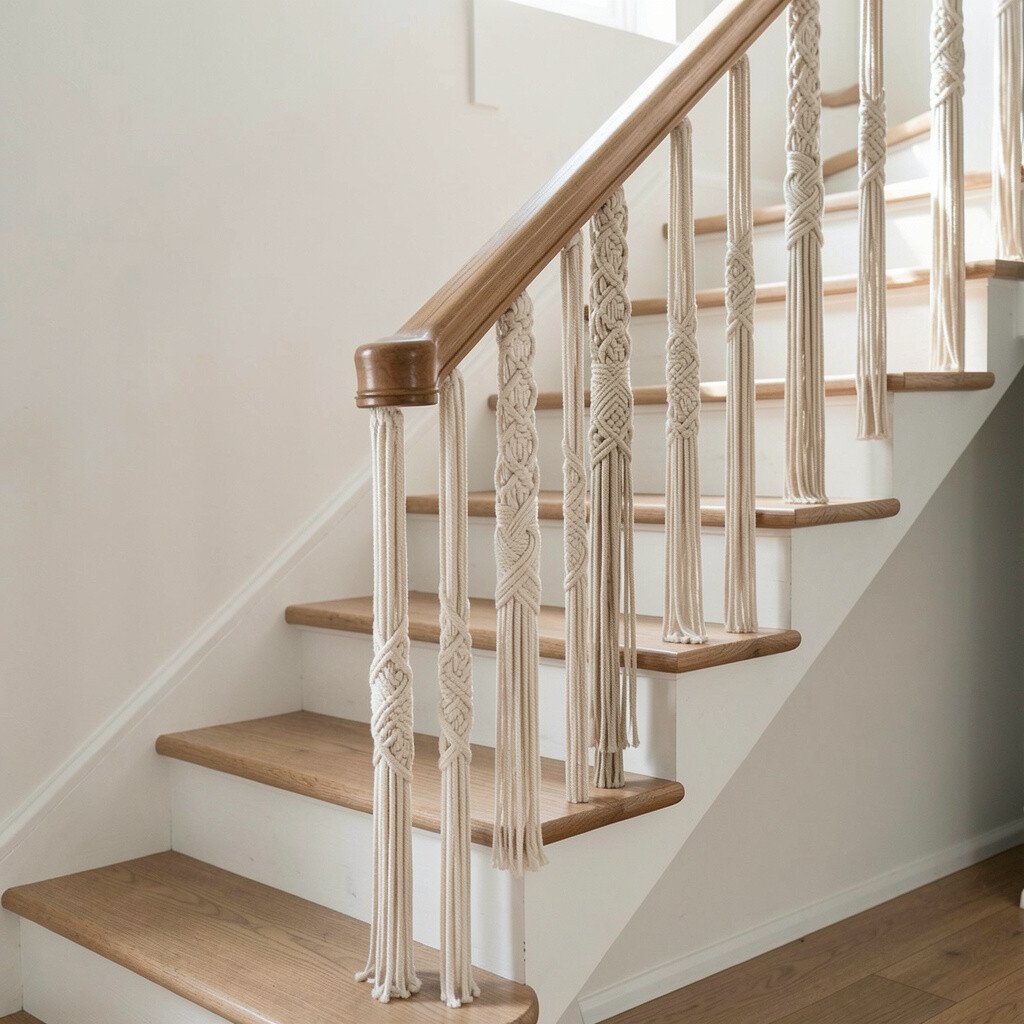
Macramé brings cozy charm and can soften the look of a bold staircase. Instead of covering the entire baluster, you can tie macramé strands onto a simple base spindle.
This gives a layered, handmade vibe that feels warm and welcoming. It also allows you to change the look seasonally by swapping cord colors or adding tiny charms. Use durable cord, and knot tightly so strands don’t loosen over time. For a practical approach, attach macramé to a base frame that you can remove for cleaning.
When you pick colors, match your room textiles like throw pillows or curtains. Trends in home design often lean toward natural fibers and relaxed textures, so this idea fits right in. Plan for extra time because tying knots evenly takes patience, but the result feels special.
10. DIY Turned Balusters From a Single Lumber Board
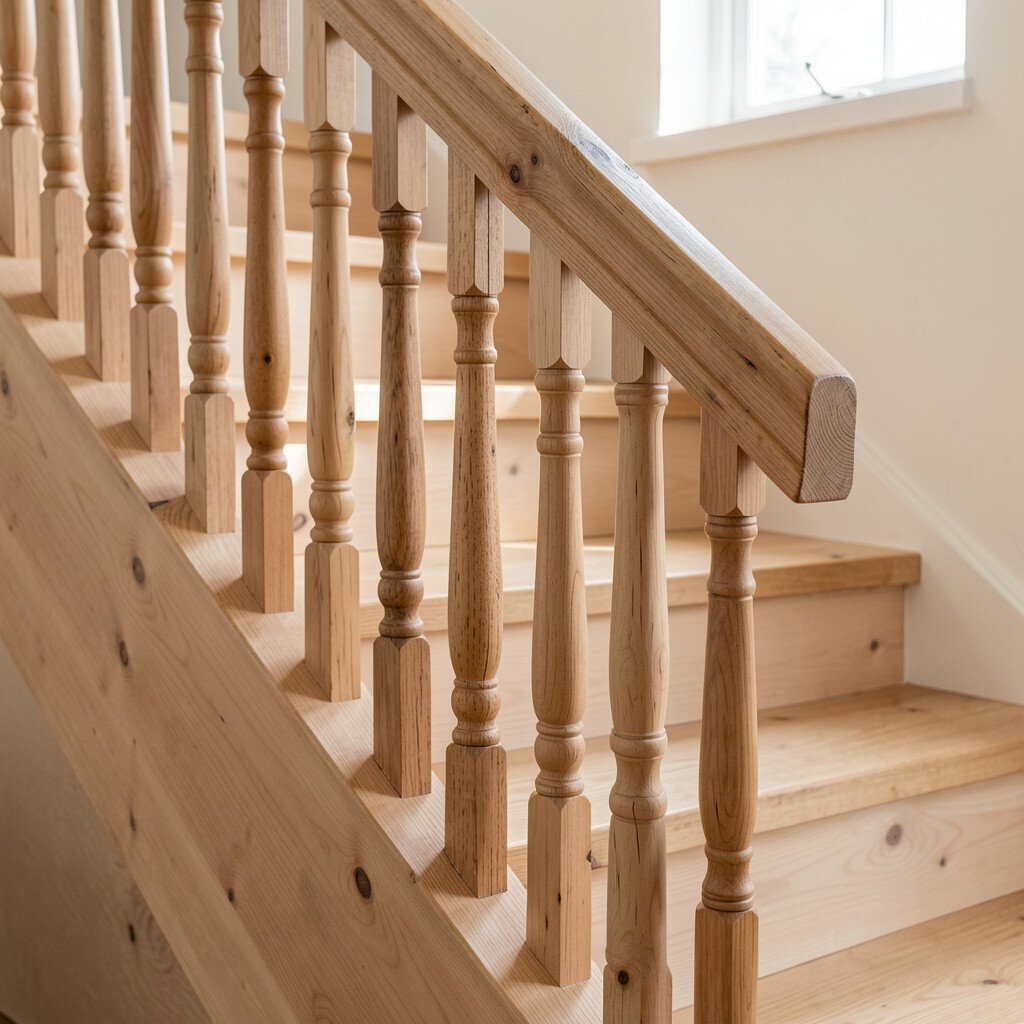
You can create truly consistent balusters by turning pieces from one sturdy lumber board. This method is satisfying because every spindle looks related yet still slightly unique.
Use a template so each baluster matches in length and profile, then sand carefully for a smooth finish. This approach adds value because hand-turned spindles look custom and expensive even when the materials are simple. Stain or paint to match your railing, then seal with a durable clear coat. If you’re working with limited tools, consider buying turned blanks and focusing on finishing and installation.
11. Woven Wood Cane Balusters Inspired by Furniture
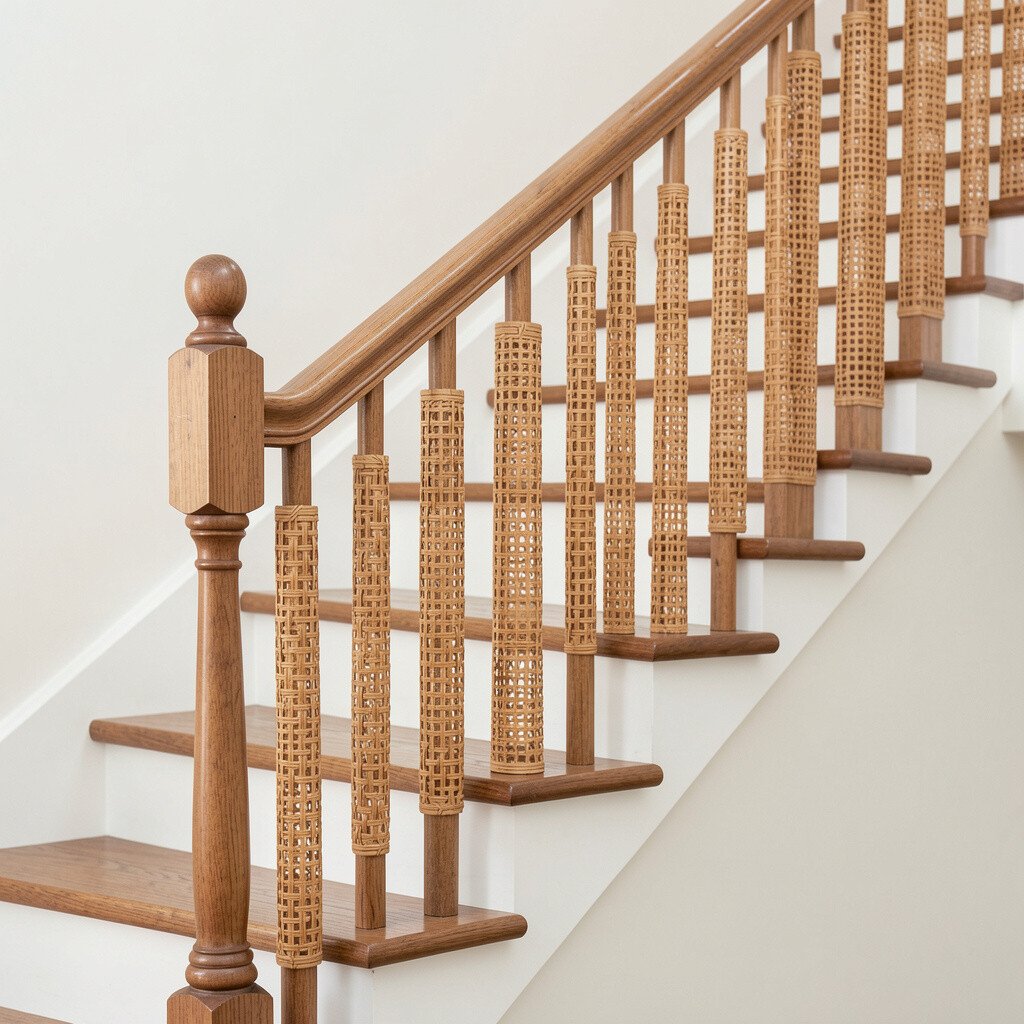
Woven wood cane designs can add a light, breezy texture that feels right in today’s interiors. You can use cane panels or cane-webbing sections attached to slender frames for each baluster space.
Choose a style that echoes dining chairs or cabinet doors so everything feels cohesive. Cane balusters look soft visually, but the structure under the weave keeps them steady. Use screws and wood glue for a strong hold, and sand frame edges so they don’t scratch hands. For personalization, stain the frames darker and keep the cane natural for a two-tone look.
12. Painted Spiral Balusters With an Easy Shortcut
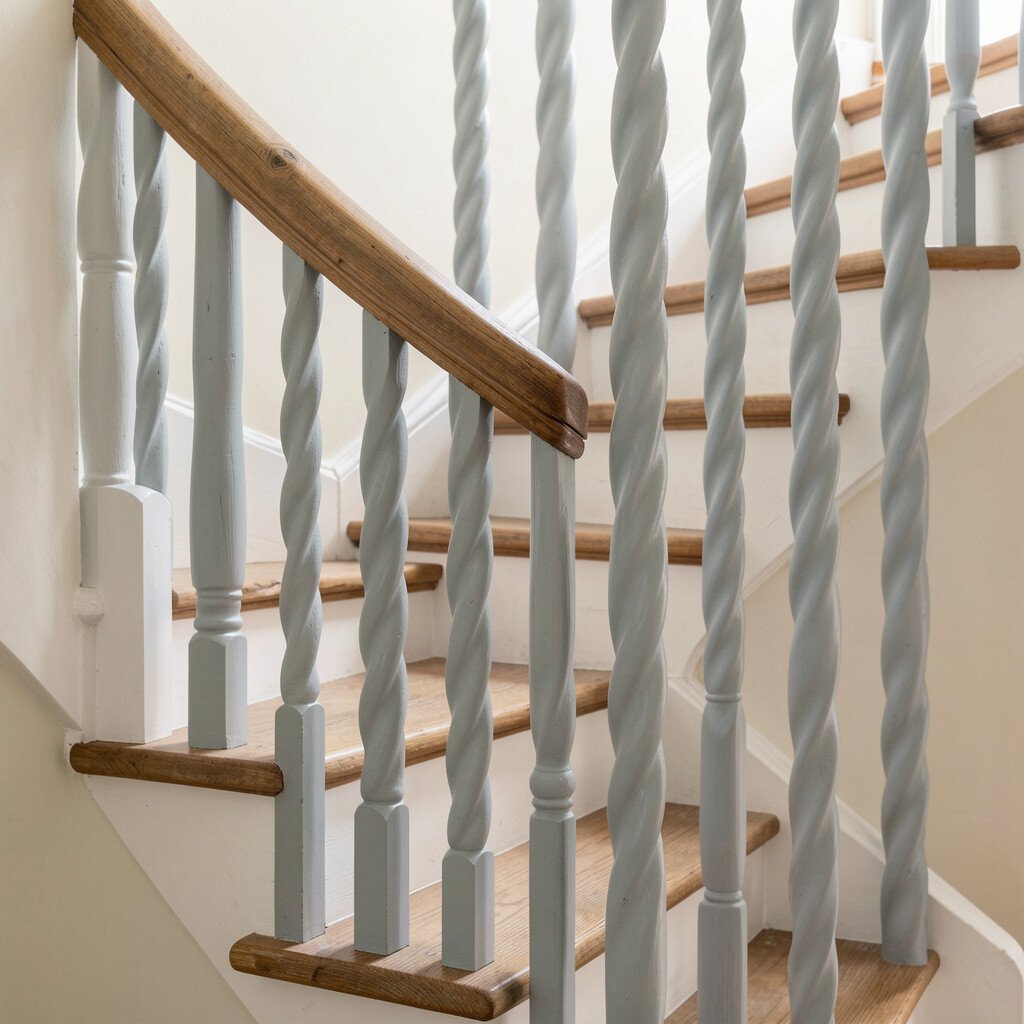
Spiral balusters look like they belong in a storybook, and you can recreate the swirl effect without advanced carving. A practical shortcut is to build spirals using thin strips or dowels that you twist and mount, then paint for a continuous look.
Pick a color theme that suits your space, like classic white with black rails for contrast. This adds personality and movement to the stairs, especially when the lighting hits at an angle. To keep lines neat, measure the spiral spacing carefully and use a jig or spacer while the glue sets. For durability, use primer and a topcoat designed for high-traffic areas.
If you want to lower cost, use a single paint color and focus on consistent alignment rather than complicated patterns. The result still looks handcrafted and high-end.
13. Leather-Wrapped Base With Brass Stud Accents
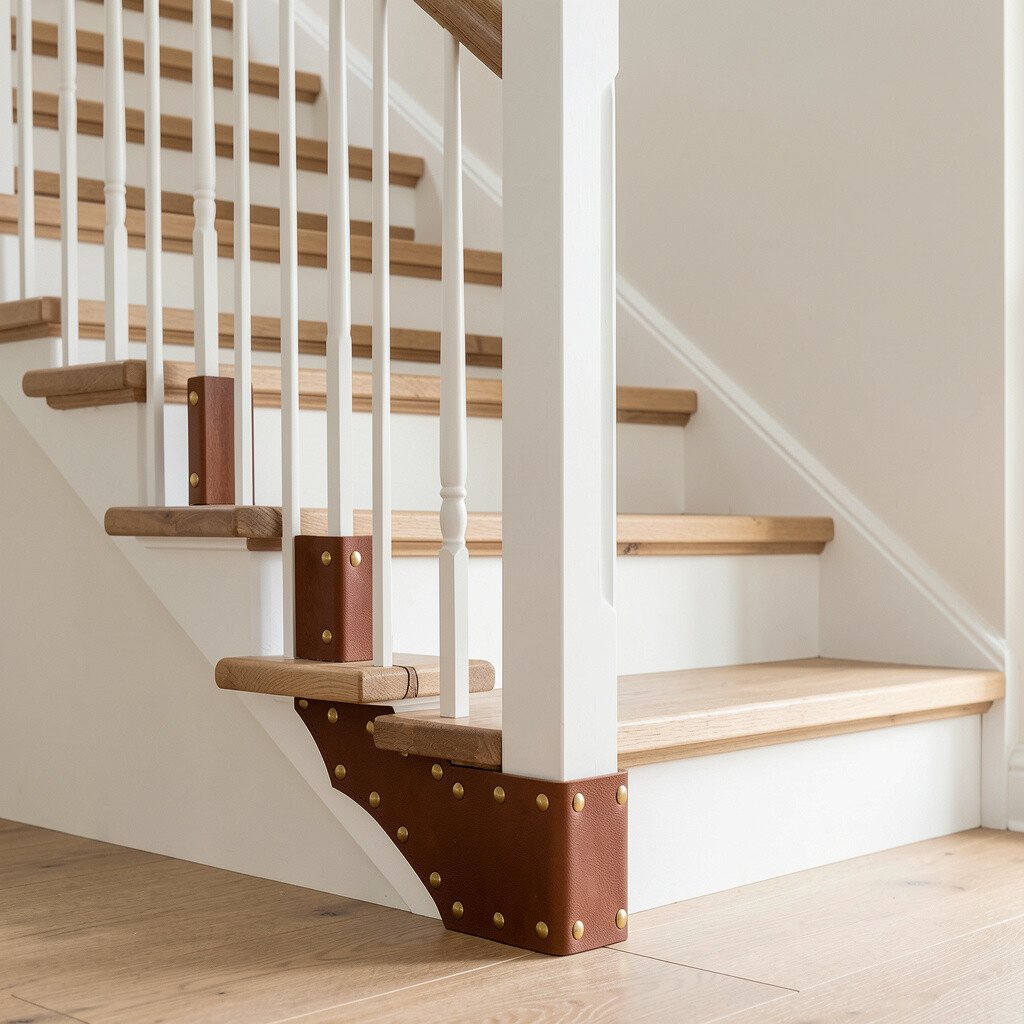
If you enjoy a mix of rugged and polished, leather-wrapped balusters with small brass studs are a great match. Start with a simple spindle base, wrap it with leather strips, and press small studs into place for a neat border.
This design feels bold and modern, while leather adds warmth that wood alone can’t always bring. It also helps cover minor surface marks on the base, which is helpful if you’re reusing materials. Use a leather-safe adhesive and choose studs that sit firmly so they won’t pop out. For personalization, add a stitched edge look by outlining the wrap with a contrasting thread color.
Cost can be moderate depending on leather type, but small pieces go a long way for balusters. You’ll also create a strong focal point, especially when the rail and posts are painted in a simple neutral.
To keep it practical, seal the leather finish lightly and avoid placing the studs where children might rub them constantly.
14. Recessed Panel Balusters With Molding Details
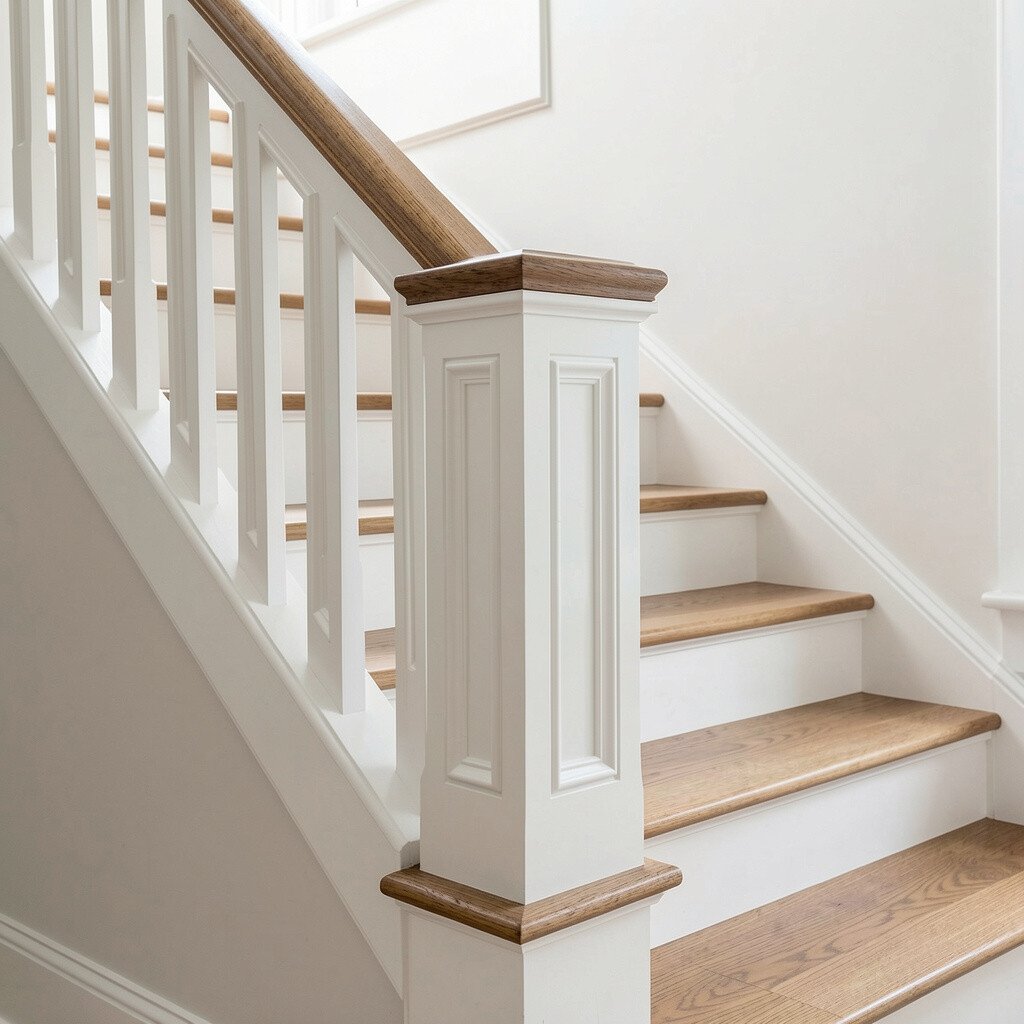
Recessed panels make balusters feel architectural, like they belong in a custom built-in. You can build frames with simple molding strips, then add a flat panel inside for depth.
Paint the recesses one color and the frame another for a high-end look that still stays budget-friendly. This style is great for homes that already use trim details, chair rails, or crown molding. For practical assembly, pre-cut your frames and dry fit them before gluing. Use consistent spacing tools so every panel lines up cleanly.
15. Outdoor-Style Metal Mesh Balusters
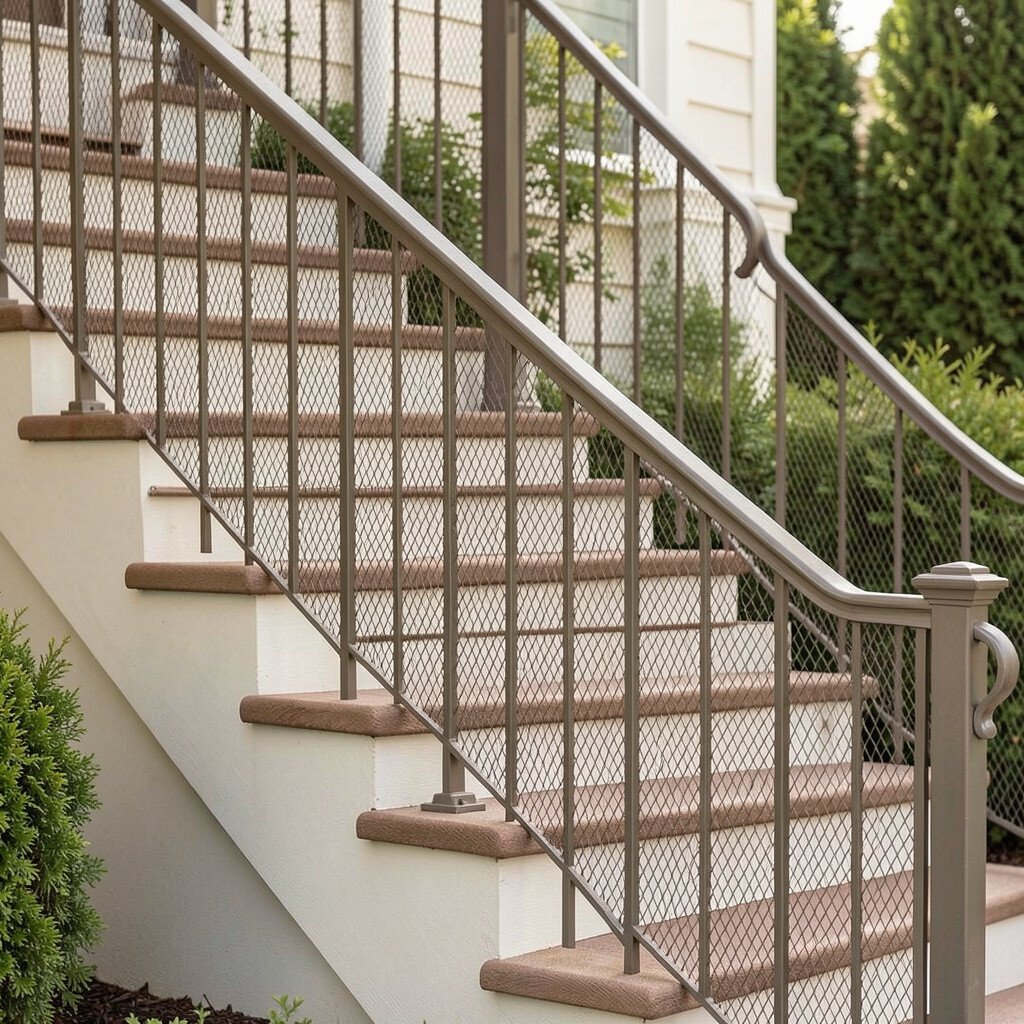
Metal mesh balusters can give your staircase an industrial feel while still maintaining visibility and airflow. Choose mesh panels with a tight weave so the look stays refined and doesn’t feel too open.
You can fasten mesh between metal posts or into wooden frames for a DIY-friendly build. This design can be cheaper than solid metal balusters and it’s durable for daily impact. For safety, cover edges with trim and double-check that the mesh sits tight with no sharp points. When you paint, use a corrosion-resistant primer if your climate is humid or coastal.
To personalize, use a patterned mesh that creates subtle shapes as light moves through it. This is a current look in many interiors, especially when paired with matte black hardware and warm wood floors.
16. Pegboard Balusters for a Handy, Custom Look
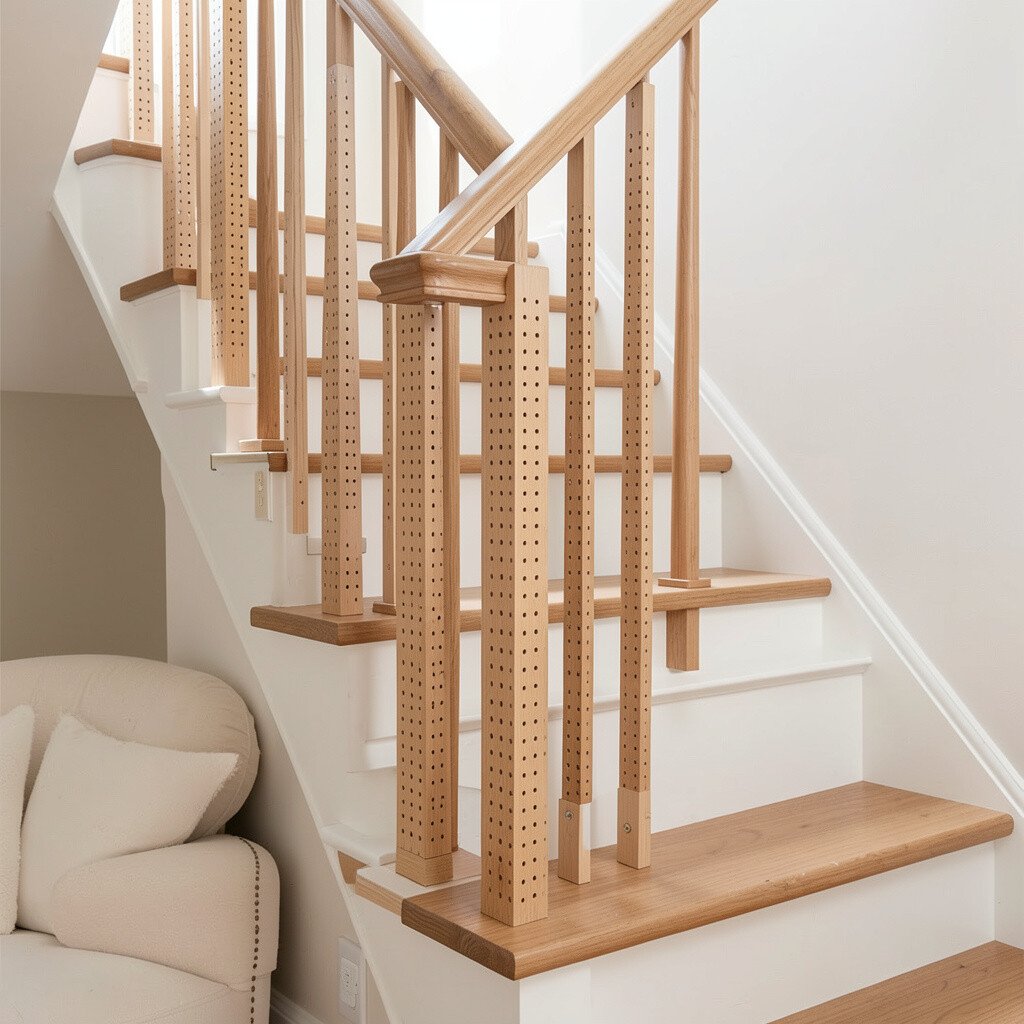
Pegboard balusters are creative and practical, letting you add functional details without a complicated build. Cut pegboard pieces to fit between rails, then attach them securely into a wooden or metal frame.
Paint the pegboard in a solid color so it looks clean, then mount small hooks or shelf brackets if your stairs are near storage zones. This gives you a unique staircase feature that also supports everyday life. For installation, use sturdy hardware and ensure everything is level so the peg pattern stays straight. Personalize by swapping out small decorative items over time to match holidays or seasonal themes.
Cost can be controlled because pegboard is often affordable, and you can choose just the size you need. It’s also a trend in DIY interiors to include “useful beauty,” and this design fits that idea well.
Just keep the added items lightweight and avoid anything that could fall and create a hazard.
17. Acrylic or Lucite Balusters With Stenciled Art
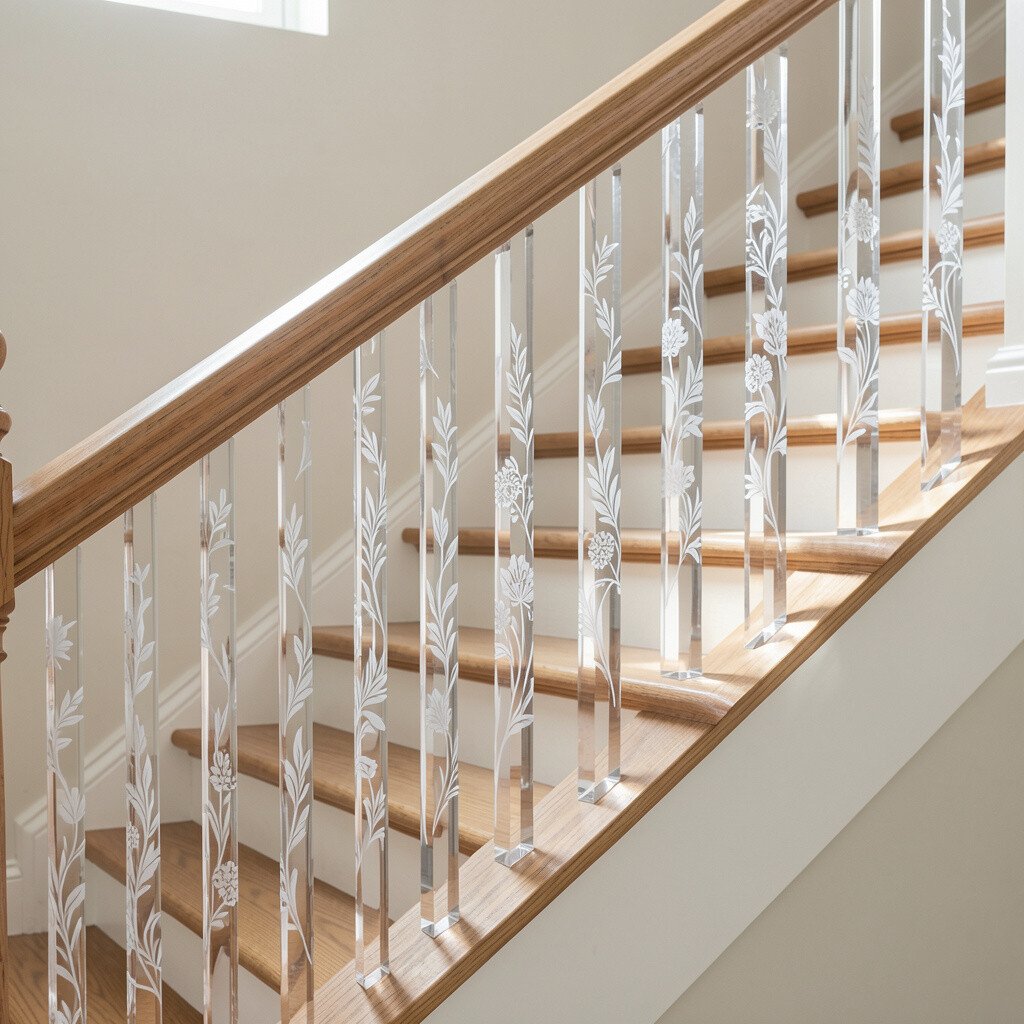
Acrylic balusters can create a sleek, modern appearance while letting you add your own art. You can use clear acrylic panels cut into baluster shapes, then stencil designs onto the surface.
Stenciled details help you personalize the stairs without carving, and the transparent material keeps the space bright. Choose a stencil pattern that matches the room, like subtle dots, geometric lines, or simple botanical shapes. For practical care, acrylic is easy to wipe, but it needs gentle cleaning to avoid scratches. Seal edges carefully and use secure mounting so the panels stay stable.
18. Painted Block Balusters With a Checker Accent

Block balusters can look bold and fun, especially when you add a checker accent along the railing line. Use stacked wood blocks or cut square sections, then paint them in alternating colors.
This creates a strong visual pattern that makes the staircase a focal point. It’s also budget-friendly because you can build the shape from affordable lumber and simple cuts. To keep the checker pattern crisp, measure carefully and use painter’s tape to separate sections. Finish with a durable topcoat so the paint resists scuffs from boots, backpacks, and daily foot traffic.
For personalization, swap the classic black and white checker with colors that match your decor, like navy and cream or sage and warm white. This style looks especially good in entryways with modern lighting and clean lines.
19. Hand-Carved Rooster or Leaf Motif Balusters

Hand-carved motifs can turn plain spindles into charming artwork, like small leaves, vines, or rooster scenes. Start with simple wooden balusters, then carve shallow details so the design stays clear from a distance.
This idea is unique because your staircase becomes one-of-a-kind, not just another copy of a store design. Carving also helps you control style, since you can choose how deep the lines go and how bold the shapes feel. For practical tips, carve slowly, use sharp tools, and sand the details gently so edges feel smooth. Seal the carving with a clear finish to protect the art from wear.
Cost can be very reasonable if you use scrap wood and invest more time than money. Pair these motifs with plain rails or simple posts so the carvings stand out. In current home trends, nature-inspired details and handmade touches keep showing up because they make homes feel lived-in and warm.
If you want a beginner-friendly approach, practice the carving pattern on scrap first. Once you love the look, repeat it across each baluster for a consistent, professional result.