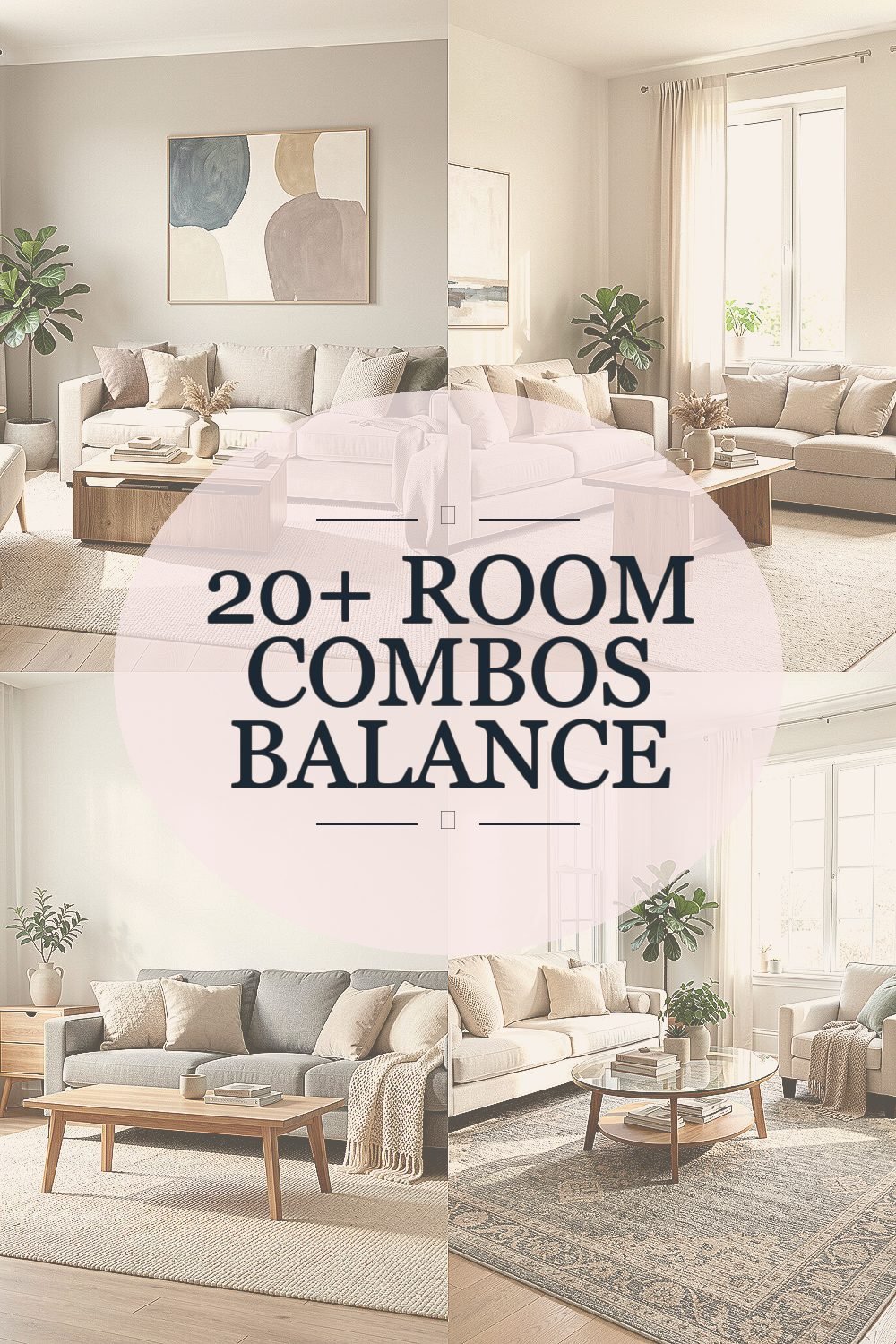
A cozy home doesn’t happen by accident. It happens when your room feels balanced from floor to ceiling.
When colors, textures, and furniture all “agree,” you get calm instead of cluttered chaos. Let’s build that harmony step by step, without losing your personal style.
1. Start With a Clear Color Story
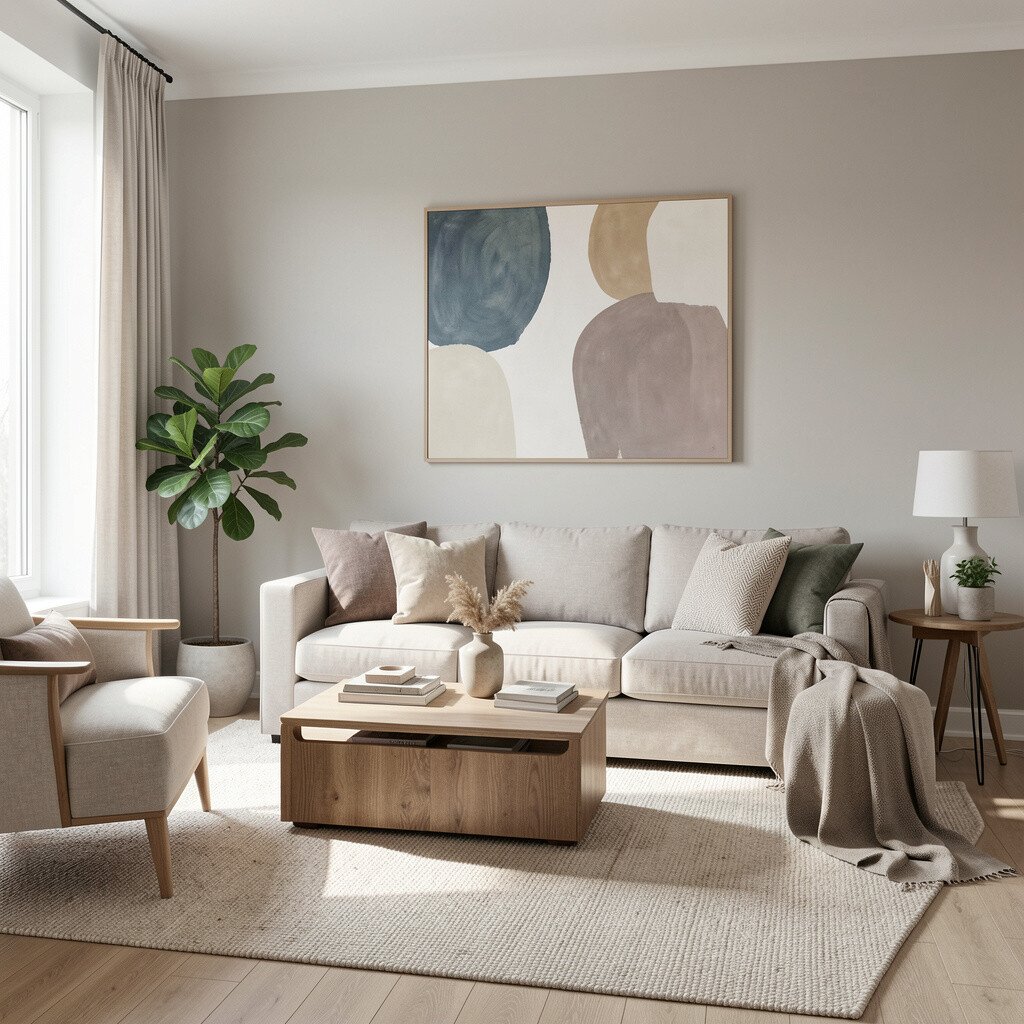
Pick a main color that feels right to you and use it like a steady drumbeat. Then choose one supporting color and one accent color so your room has a simple rhythm.
For example, if your couch is a warm neutral, pair it with a soft green throw and a small amount of terracotta in pillows or a lamp shade. You’ll notice the room looks calmer because your eyes know where to rest. Keep printed patterns limited to the accent color so nothing feels louder than everything else.
2. Match the Light Levels for a Softer Mood
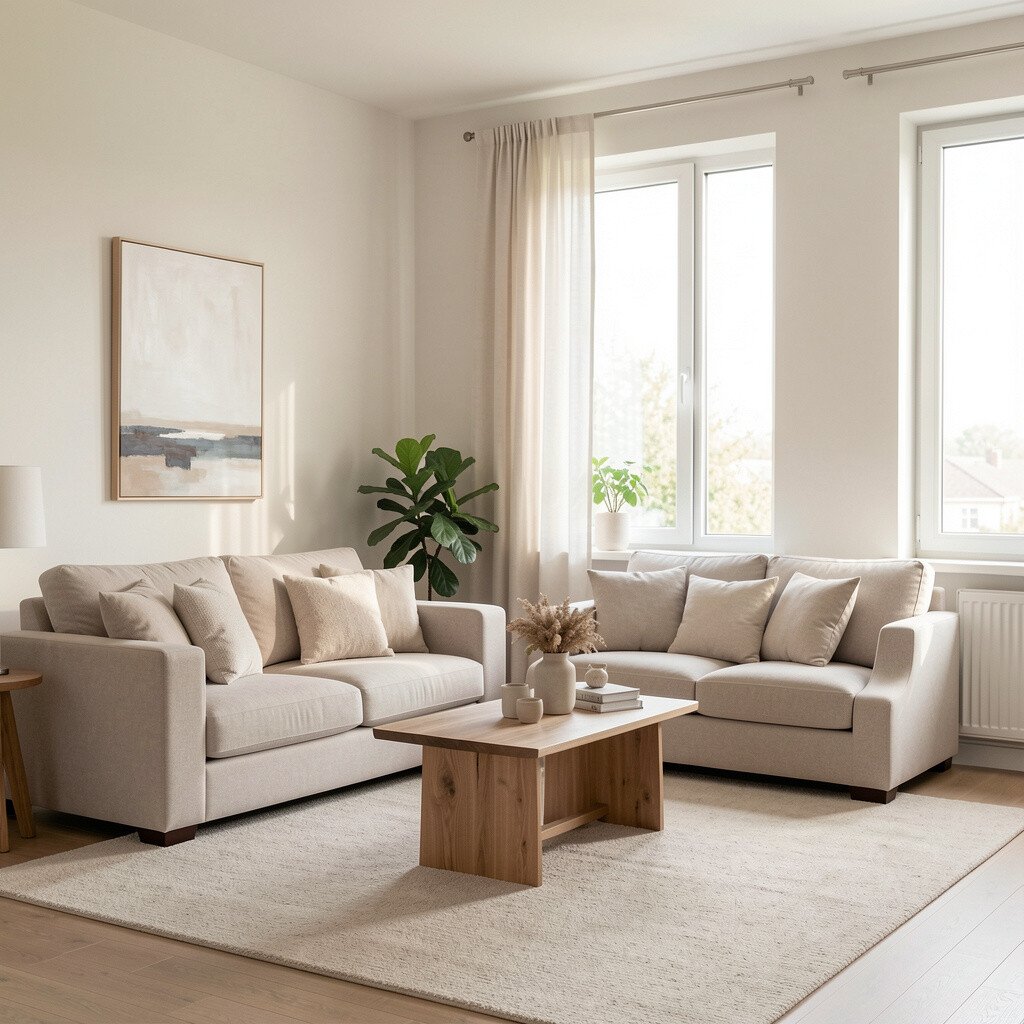
Balance comes fast when your lighting has a mix of bright and gentle. Use overhead light for tasks, but add table lamps or floor lamps for evenings.
Try layering light so one corner glows while another stays relaxed. This makes the whole room feel welcoming and reduces harsh shadows. If you love current trends, warm bulbs with a soft, amber tone are popular because they make skin tones and wood finishes look rich.
To keep it practical, choose bulbs you can swap easily and use dimmers when possible. A dimmer is often a small upgrade that changes the vibe dramatically. Even on a budget, secondhand lamps plus warm bulbs can look high-end when placed thoughtfully.
3. Combine Soft and Solid Textures on Purpose

Cozy rooms feel good partly because textures feel balanced. Mix smooth surfaces with plush materials like knit throws, velvet cushions, or a rug with a subtle pile.
If everything is rough, the room can feel tense. If everything is too smooth, it can feel flat and cold. Add texture like you’d add flavor, using one or two standout pieces such as a chunky blanket or a woven basket.
A neutral sofa paired with a patterned rug and a few tactile pillows can look layered without being busy. This is also a great personalization move because you can swap covers seasonally. Buying one higher-quality textile, like a rug pad plus a durable throw, often costs less over time than replacing whole furniture sets.
4. Anchor the Room With the Right-Sized Rug
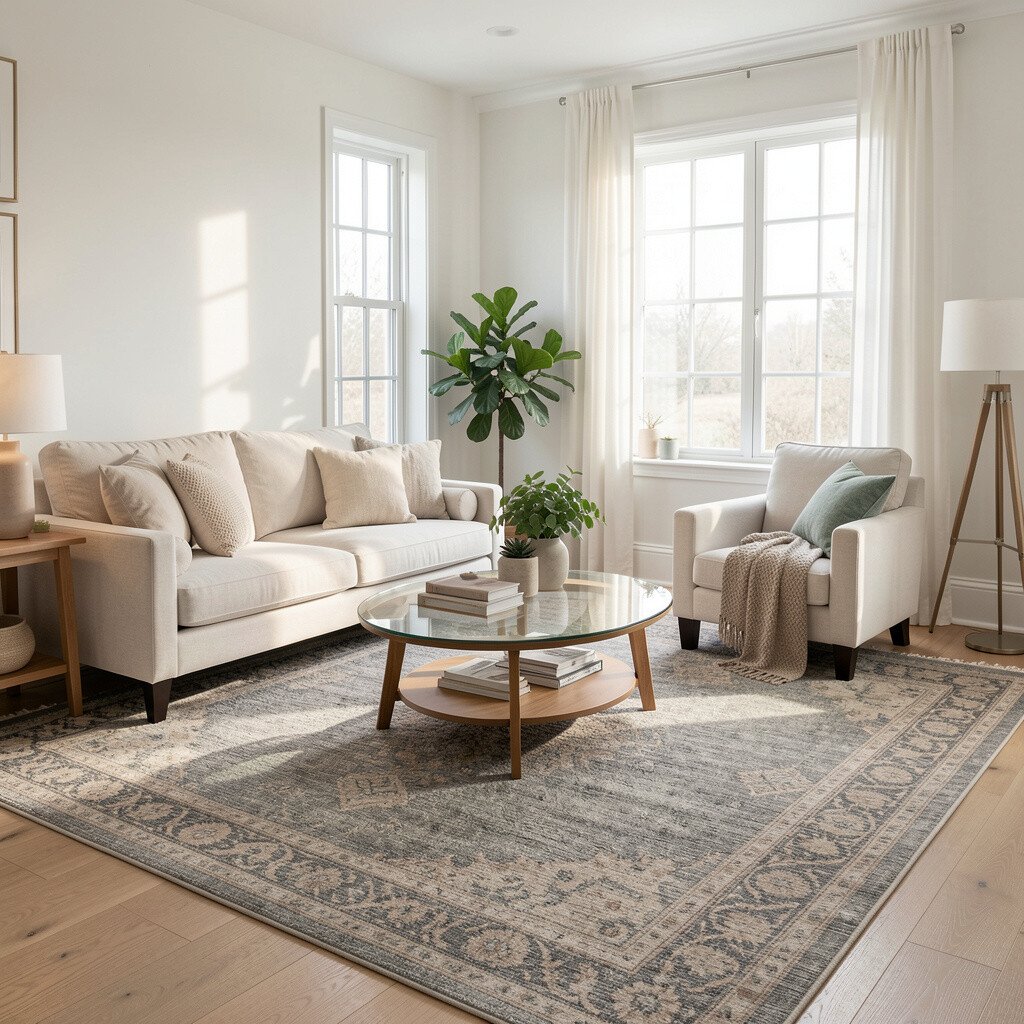
A rug is like a foundation for your room combos. If it’s too small, furniture feels like it’s floating, and balance disappears.
For a cozy living area, aim for rugs that let the front legs of your main seating sit on the rug. That simple shift makes the space look unified. Choose a rug that matches your color story, then add a slightly deeper tone in pattern so it feels grounded, not washed out.
5. Repeat Shapes to Create Visual Harmony
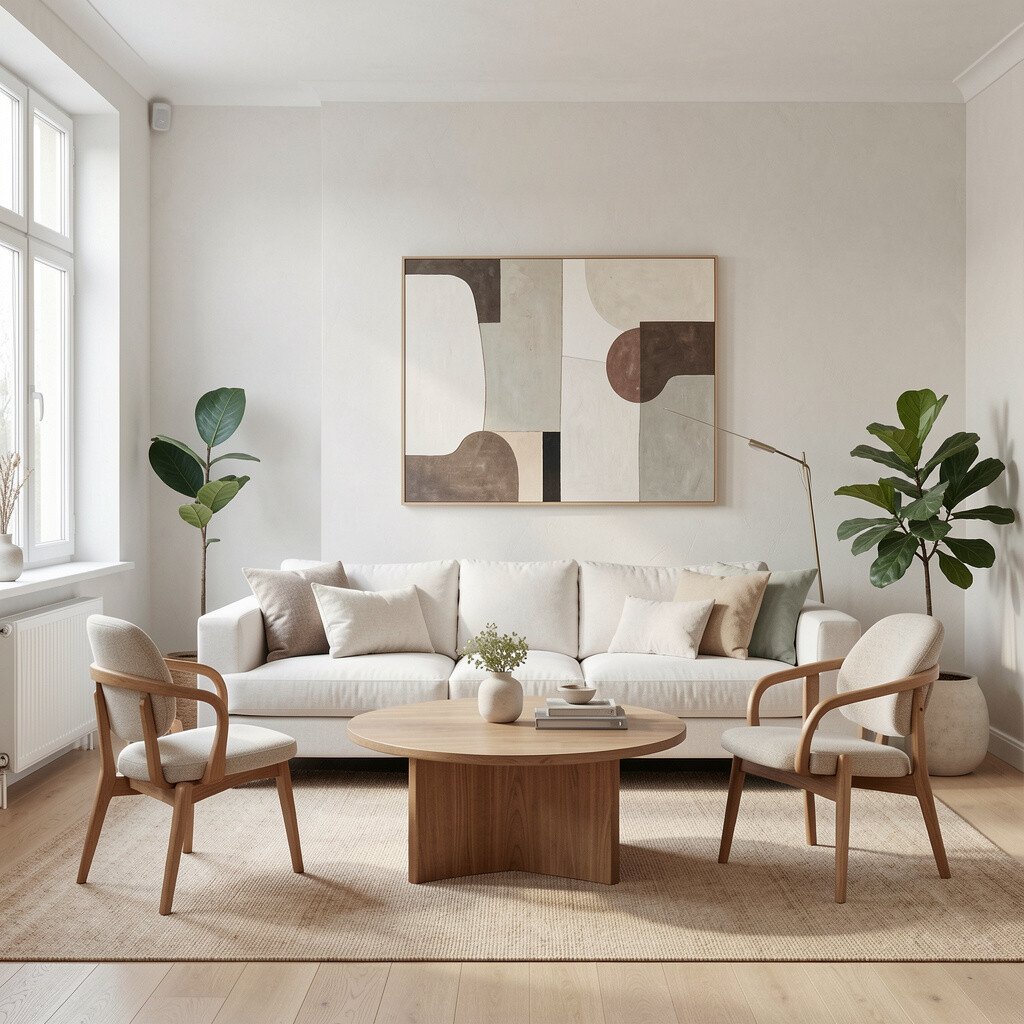
Rooms feel calmer when shapes echo each other. If your coffee table is round, add a round mirror or round wall art nearby.
Repeating shapes helps the eye move smoothly instead of jumping around. Try matching curves in decor, like a rounded lamp base with a curved vase, or repeating angles through picture frames. This kind of harmony feels unique because it’s visible, but it doesn’t feel forced.
If you’re working with different furniture styles, shape repetition can tie them together. Look for one consistent geometry across a few pieces, then stop so the room stays relaxed. When shopping secondhand, keep an eye out for matching silhouettes in frames, trays, and lamps.
6. Let Your Heaviest Pieces Wear the Grounding Colors

Large items like sofas, dressers, and bookcases influence the mood more than people expect. Choose grounding tones for these pieces so the room doesn’t feel like it’s drifting.
Think of dark wood, warm taupe, or deep earthy shades for big furniture, then bring lighter colors into smaller decor. This helps balance between visual weight and airy comfort. It also makes it easier to switch up accessories later without replacing everything.
7. Use the Rule of “Most, Some, Just a Little”
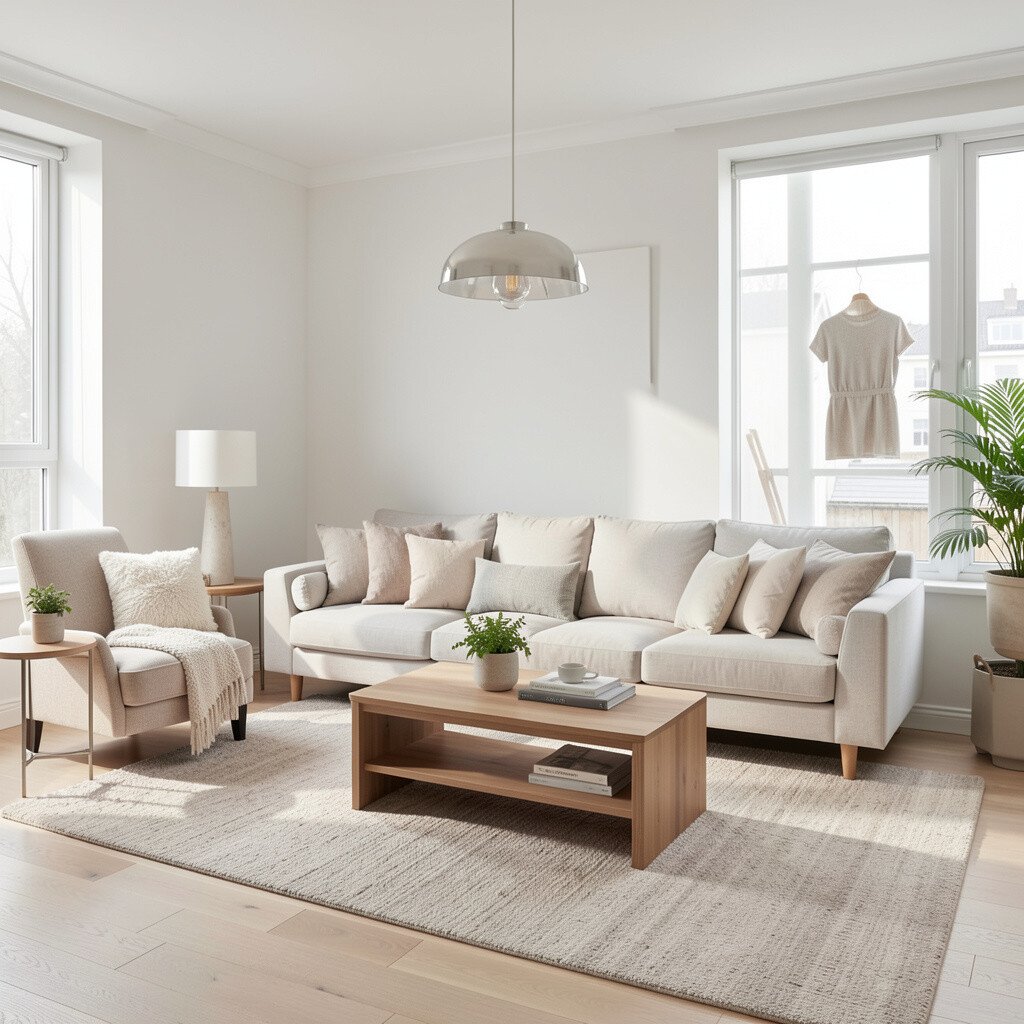
Balance often comes from how much of each element you use. Keep most of the room in your main color, use some of the supporting color, and add just a little of the accent color.
This keeps things cozy instead of crowded. Your accent color will still show personality, but it won’t overwhelm the space. If you have a patterned curtain, reduce competing patterns elsewhere so your eyes can settle.
8. Create a Natural Flow With Clear Pathways
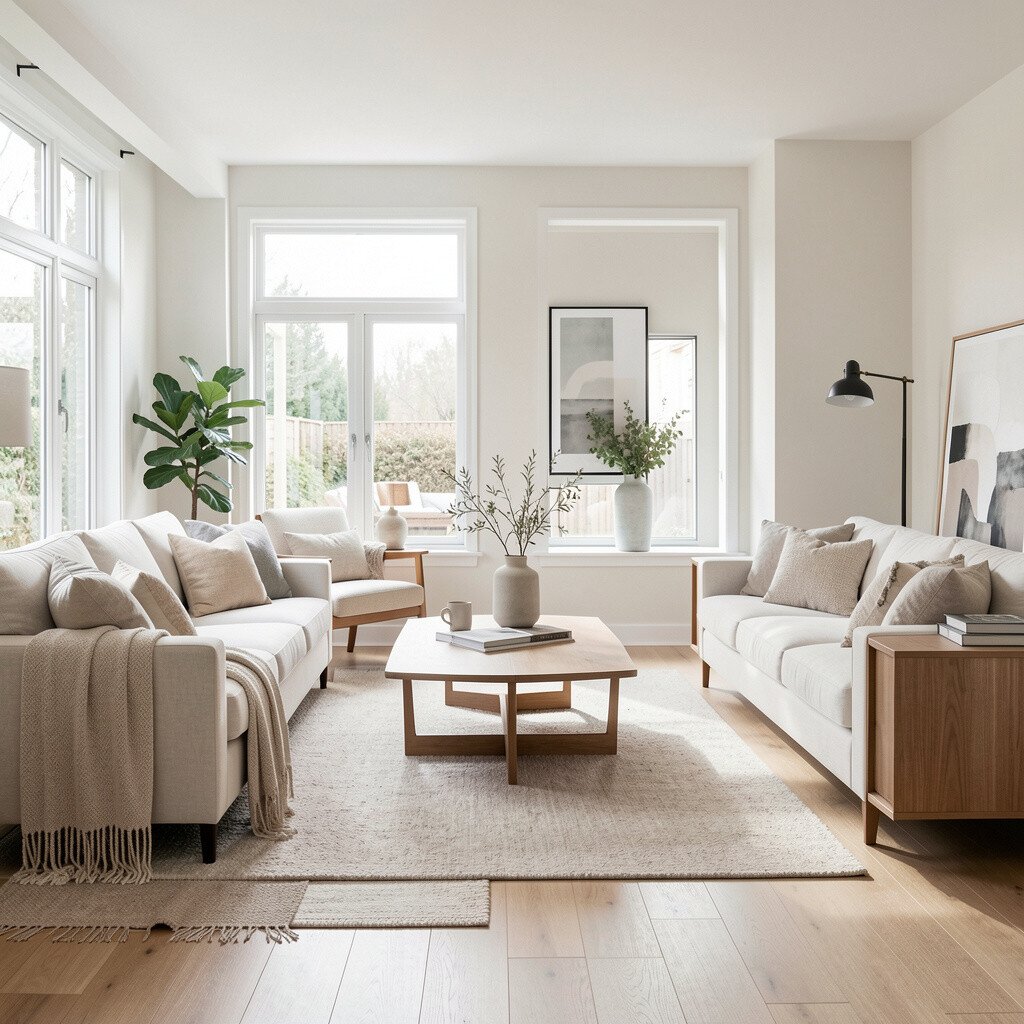
Even beautiful furniture can feel unbalanced if you can’t move easily. Leave clear pathways between seating, entry points, and the areas you use most.
When your feet glide through the room, your mind feels calmer too. A practical trick is to place furniture so you can reach a side table without stretching. If the room is narrow, consider smaller pieces like slim consoles or nesting tables to keep movement easy.
9. Balance Open Space With Cozy Filling

Cozy rooms need a little “breathing room,” not just packed decor. Empty corners can look peaceful, while overfilled surfaces can feel busy.
Fill the room with a few intentional items rather than many small ones. A large floor plant, a single tall lamp, or a cozy throw draped on the arm of a chair can do a lot. This gives your home personality while keeping the layout balanced.
10. Pair New and Vintage With a Shared Detail
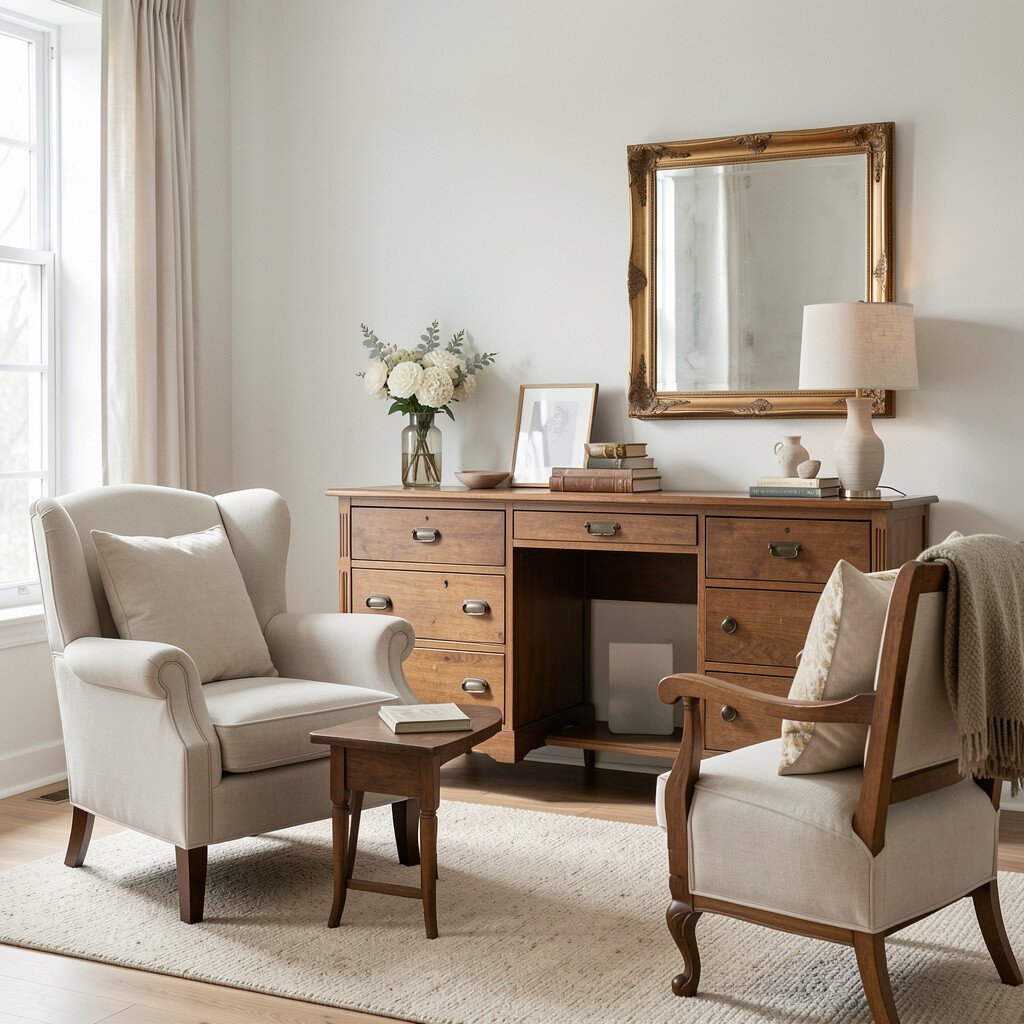
One of the most satisfying ways to get balance is mixing styles. A vintage side table plus a modern sofa can look amazing when there’s one shared detail.
That shared detail could be color tone, like both pieces leaning warm, or it could be the same metal finish like brushed brass. Matching that one thing creates unity while the styles keep the room interesting. This also helps cost considerations because you can buy a few affordable vintage items instead of one expensive matching set.
11. Choose Curtains That Make the Room Feel Taller
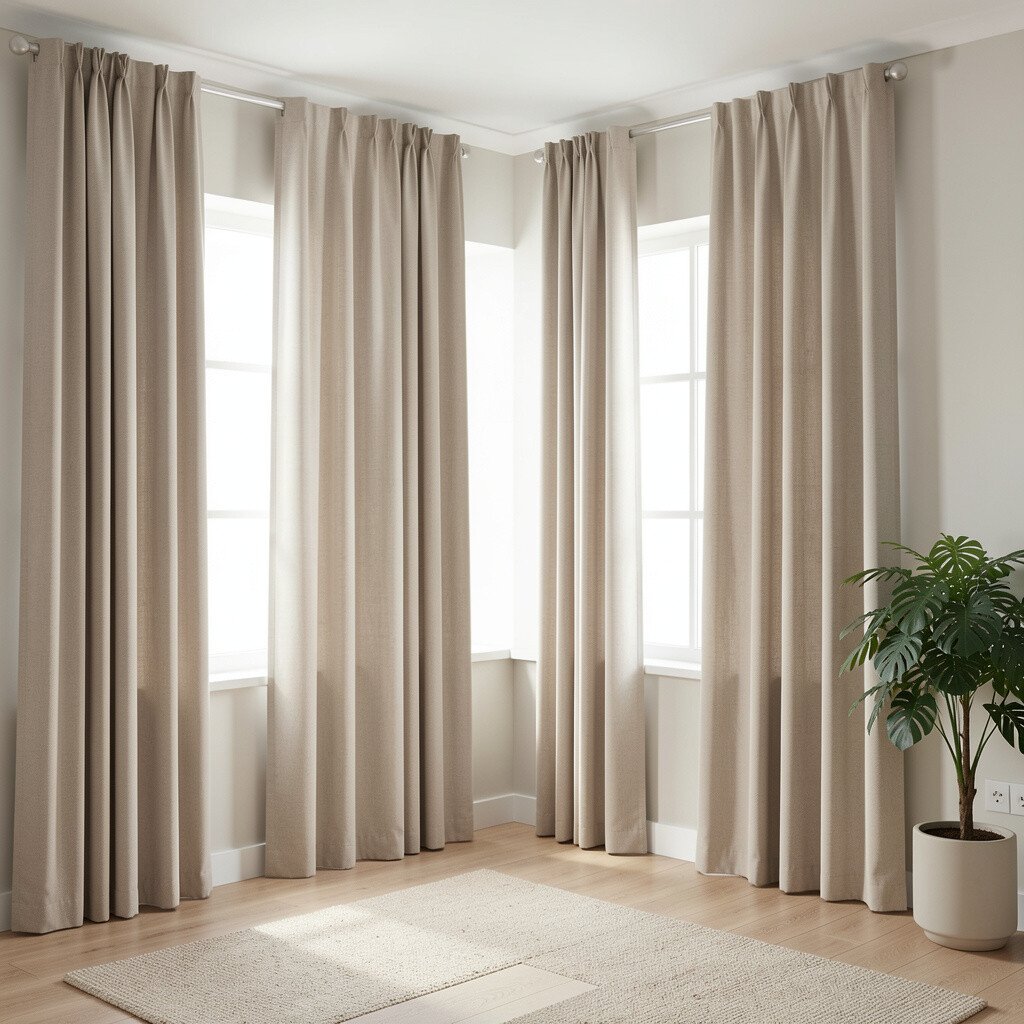
Curtains are a cozy home superpower because they soften hard edges. Hang them slightly higher than the window and let them reach near the floor.
This visual trick makes the ceiling feel higher, which improves balance in most room layouts. If your room feels cramped, use lighter curtain colors to keep things airy. For current trends, long sheer layers mixed with thicker backing are popular because they look stylish and feel gentle in the daytime.
To personalize, add a curtain tieback with a texture you love, like linen or braided rope. If you’re mindful of budget, you can layer a basic curtain panel with a nicer sheer top for a high-impact look. Always measure carefully so the fabric falls the way you want.
12. Balance Vertical and Low Decor Levels

A room feels cozy when it has height and depth. Mix items that sit at different levels rather than placing everything on the same plane.
For instance, place a tall plant or bookshelf on one side, then balance it with a low bench or ottoman on the other. Add wall art at eye level so the visual weight spreads out. This approach keeps the room from feeling top-heavy or bottom-heavy.
13. Keep Surfaces Stylish but Not Cluttered
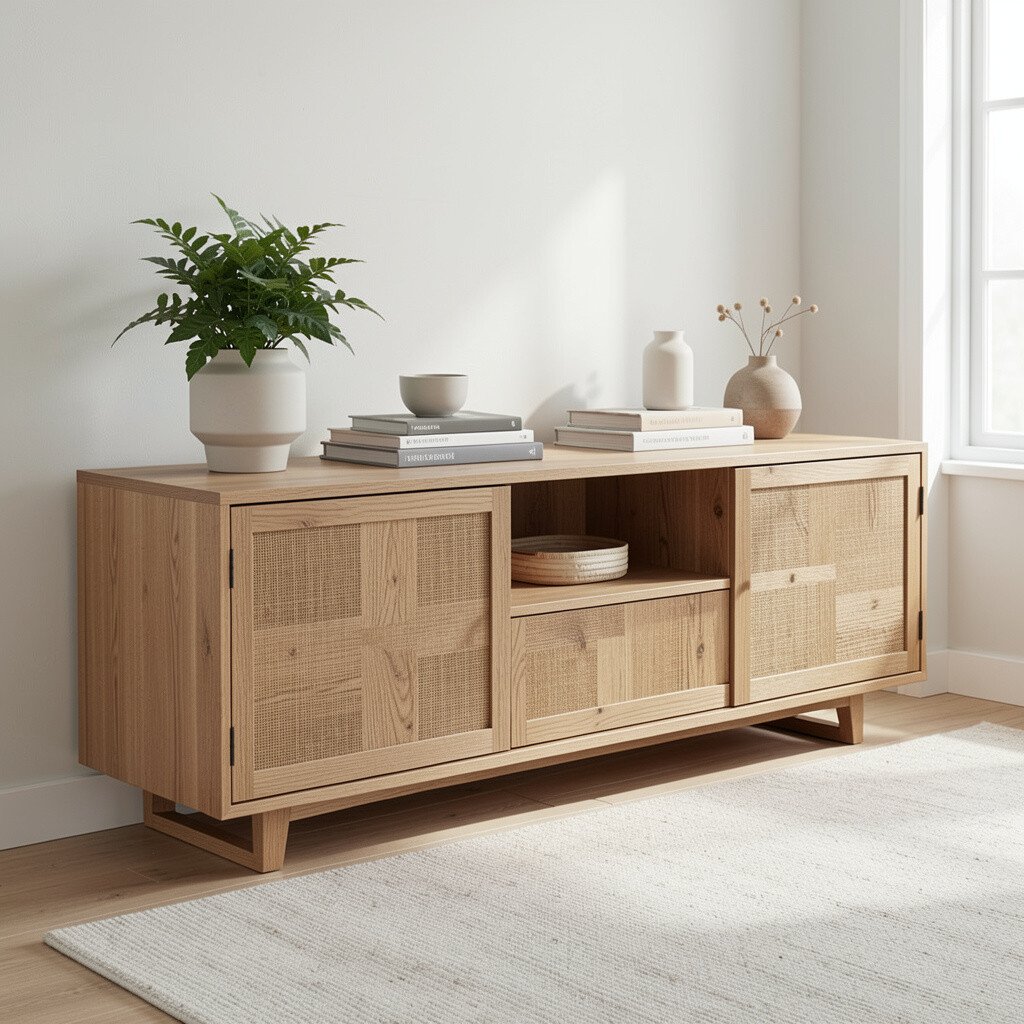
Balance includes what you choose to leave out. A tidy coffee table with a simple tray can look more inviting than a crowded display.
Try grouping items in odd numbers, but keep the group small enough that the surface still breathes. Choose a tray, a small candle, and one personal piece like a photo frame. You get a cozy look with less effort, and it’s easy to refresh when seasons change.
14. Make Your Furniture Combinations Work in Real Life
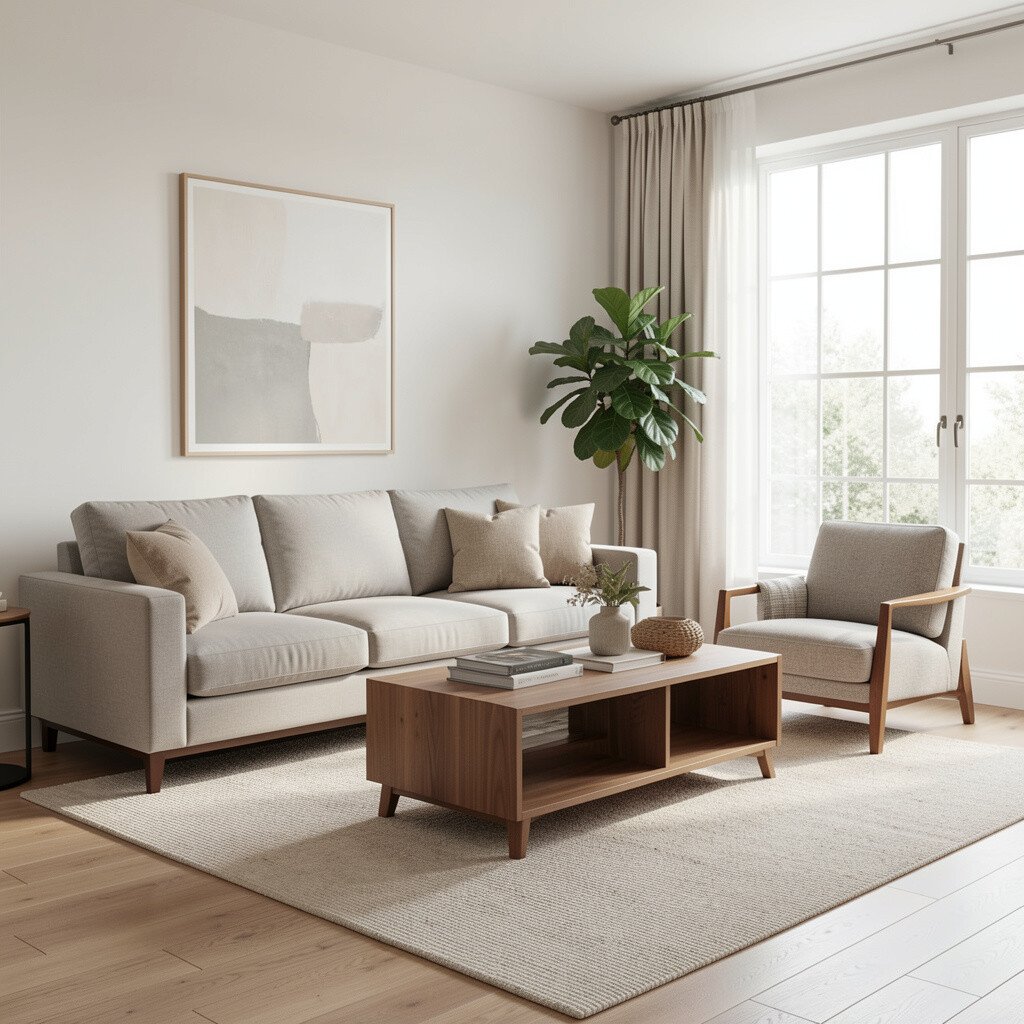
Cozy isn’t just visual, it’s functional. Arrange seating so you can talk easily, reach drinks, and feel comfortable without awkward angles.
If you host friends, place chairs so people face each other, even if they’re not perfectly in line. For a quieter space, set up one “main conversation zone” and keep other pieces as supportive accents. This makes the room feel balanced because it matches how you actually live.
A practical personalization move is to test arrangements for a day before you commit. Move pieces around when you’re home, notice what feels effortless, and adjust before buying anything. That simple step can save money because you’ll avoid costly wrong-turn purchases.
15. Use Curtains, Rugs, and Bedding to Tie the Room Together
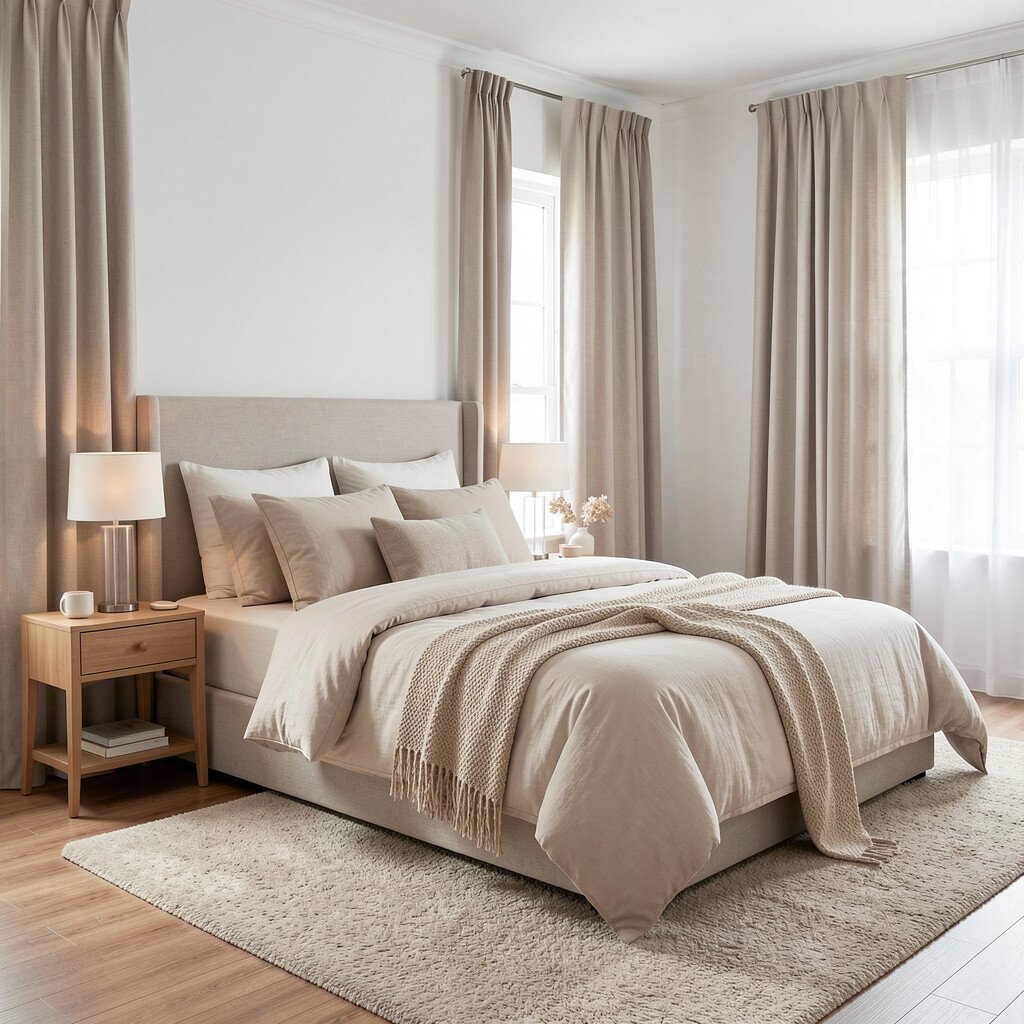
Textiles are where balance becomes easy. If your rug has warm tones, echo them in your bedding or throw blanket so the room feels connected.
Even small matches, like a similar color or a shared pattern style, can make a room look designed instead of accidental. Try repeating a soft geometric or subtle weave across different items. This is a great way to create a unique home because you can build your own “set” from pieces you love.
16. Balance Patterns by Controlling Their Size and Contrast
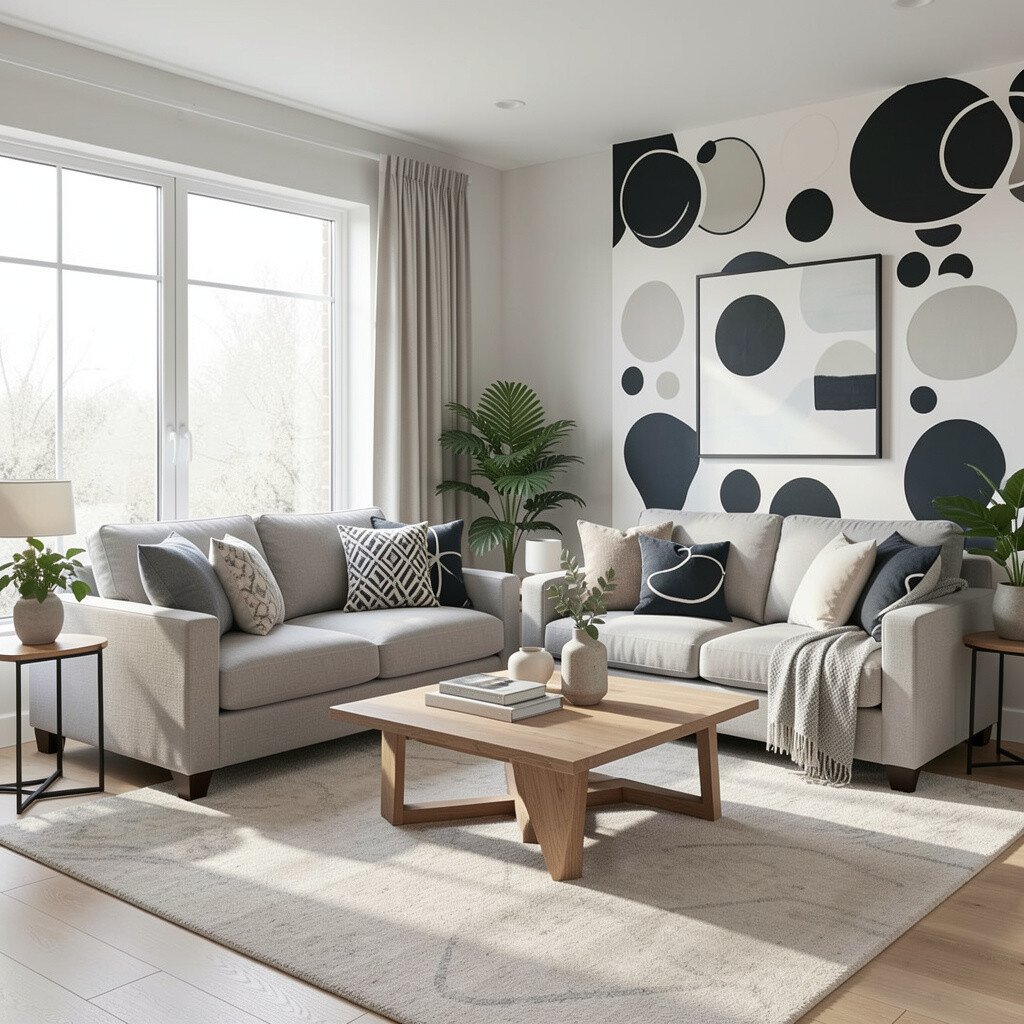
Patterns can look cozy when they play by simple rules. Use one larger pattern, one smaller one, and keep other items mostly solid.
Contrast matters too, so if your pattern is high-contrast, balance it with softer, lower-contrast pieces. This helps the room feel lively without feeling chaotic. If you’re unsure, choose a pattern that repeats a color from your curtains or rug, then let everything else be quieter.
17. Choose a Focal Point and Build Around It

A focal point gives your room combo direction. It might be a fireplace, a large window, a wall of art, or even a standout sofa pillow.
Once you pick the focal point, surround it with supporting pieces that match its colors and scale. For example, if your focal wall has artwork, echo the palette in a nearby rug or side table. This creates benefits like easier decorating decisions and less stress when shopping.
For cost considerations, you can create a strong focal point with one bold piece rather than many small ones. A large mirror or a statement lamp can do the job. It’s also a trend-friendly move because statement lighting and gallery walls stay popular.
18. Control Contrast With Warm Neutrals and One Deeper Tone
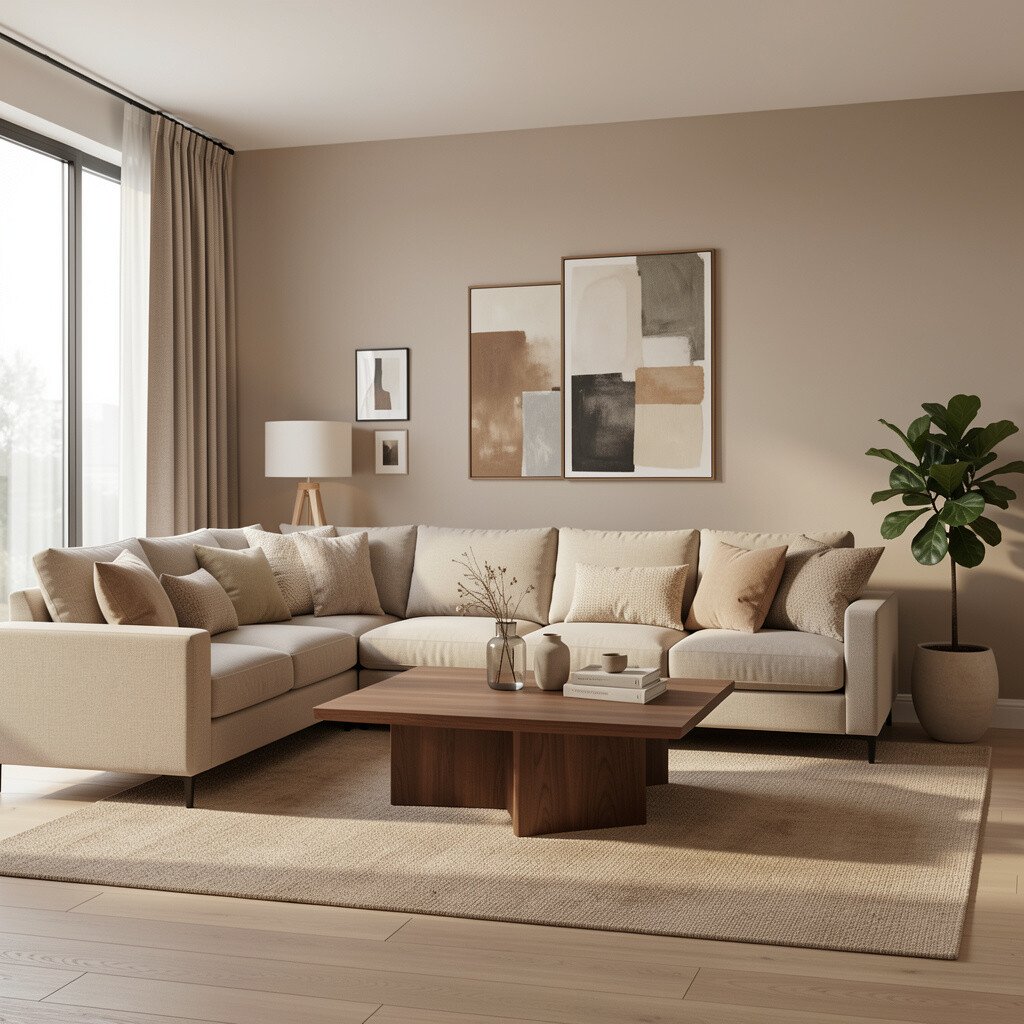
Balance often comes from controlled contrast. Warm neutrals create comfort, and one deeper tone adds definition and grounding.
If your room has light walls and light furniture, add a deeper element like a charcoal cushion, a dark wood frame, or a richer rug shade. This helps the room look intentional and cozy, not washed out. Keep the deeper tone consistent in at least a couple of places so it feels cohesive.
19. Add Personal Mementos Without Overcrowding
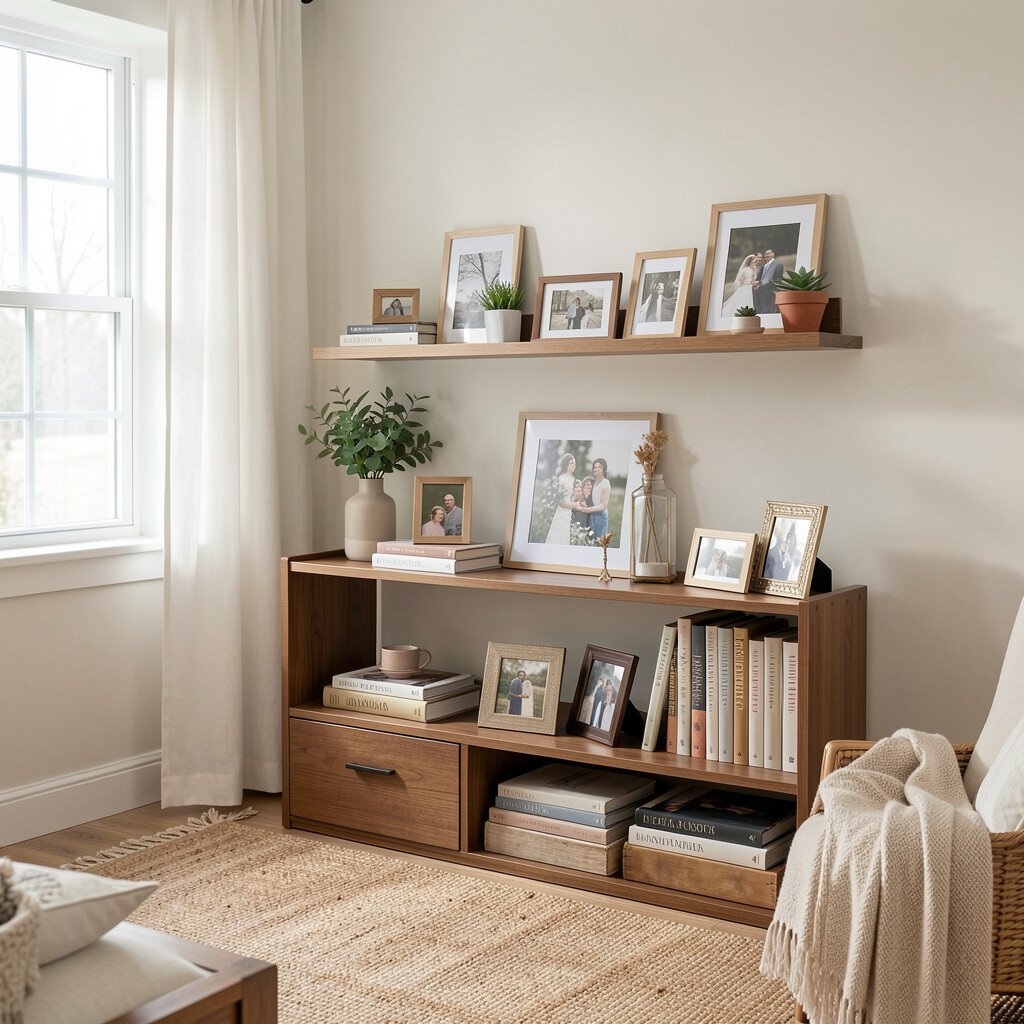
Personal items make your home feel like yours. But too many mementos can fight for attention, which breaks balance.
Choose a few favorites and display them where they naturally catch the eye, like on a shelf corner or a framed photo ledge. Rotate seasonal items so the space feels fresh without constant redecorating. This personalization feels unique because it reflects your life, not a catalog.
20. Plan Storage So Cozy Looks Stay Easy
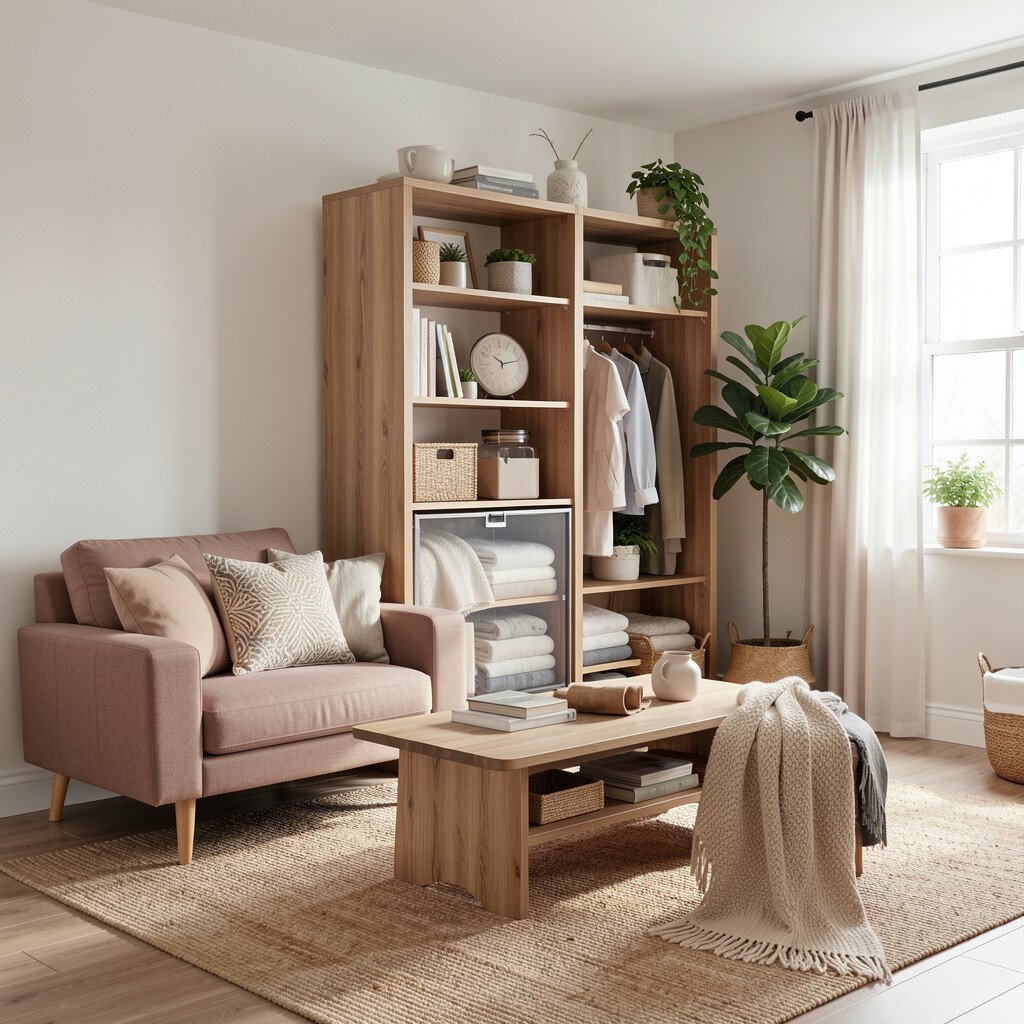
Nothing ruins cozy faster than clutter you have to fight every day. Balanced room combos include storage that hides the stuff you don’t want to see.
Use baskets, drawers, or closed cabinets for everyday items, then keep open shelves for only what looks good. A neat bookshelf with books arranged by color or height can even become a visual accent. The benefit is huge because you’ll maintain the cozy look with less effort.
If storage costs feel like a barrier, start small with a couple of matching bins or a single storage ottoman. You’ll get immediate balance without major renovations. Over time, adding pieces in the same style builds a cohesive system that feels like part of your design.
21. Adjust Seasonally With Small Swaps for Big Comfort
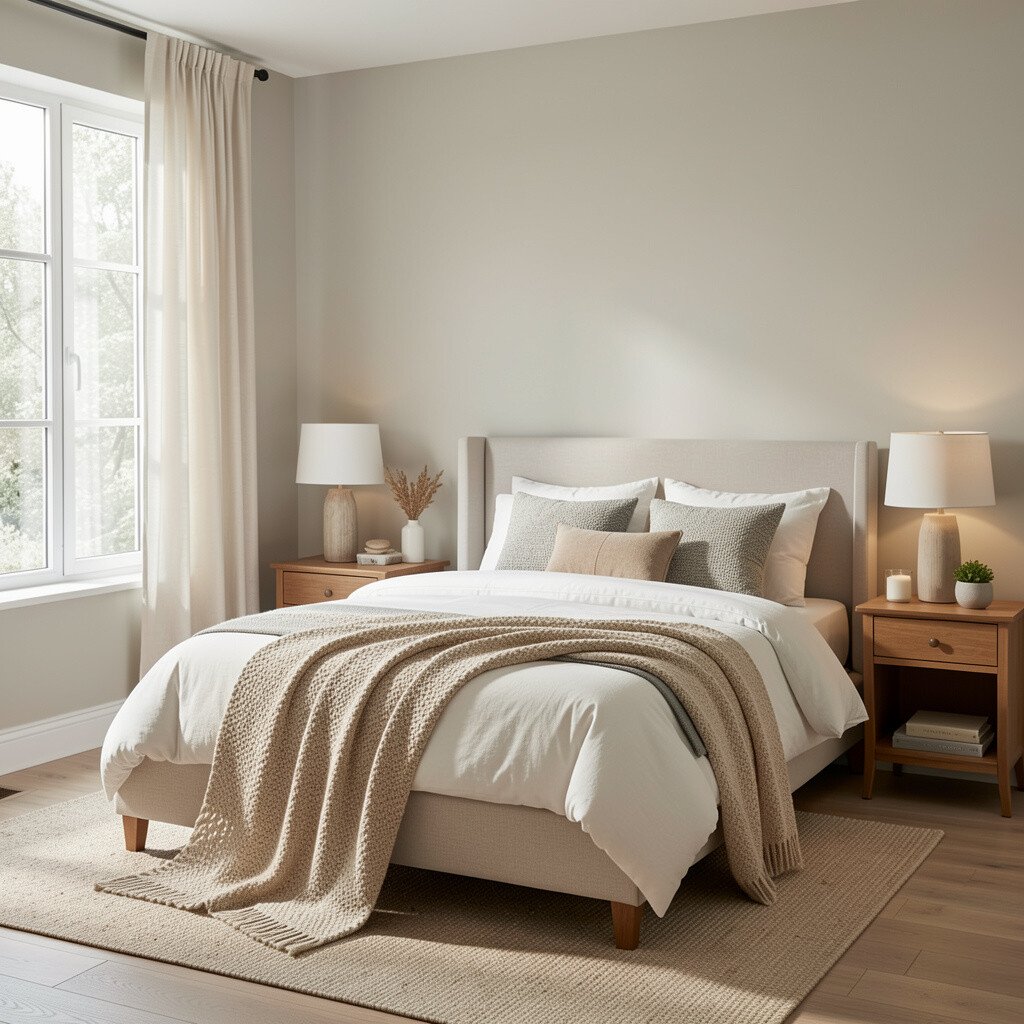
Cozy changes with the seasons, and you don’t need to redecorate from scratch. Switch lighter textiles for warmer ones, and update accent colors to match the mood you want.
Try swapping throw covers, changing pillow sizes, or switching to a rug with a different texture feel. You can also refresh wall art by choosing pieces with warmer themes in colder months and brighter tones in warmer months. This trend of easy seasonal swaps stays popular because it keeps rooms feeling current without overspending.
To keep it budget-friendly, aim for a small set of items you can reuse each year. When you personalize, choose materials you genuinely like touching, like cotton knits, soft wool blends, or chunky boucle. That way your room balance stays cozy because it fits your everyday comfort.