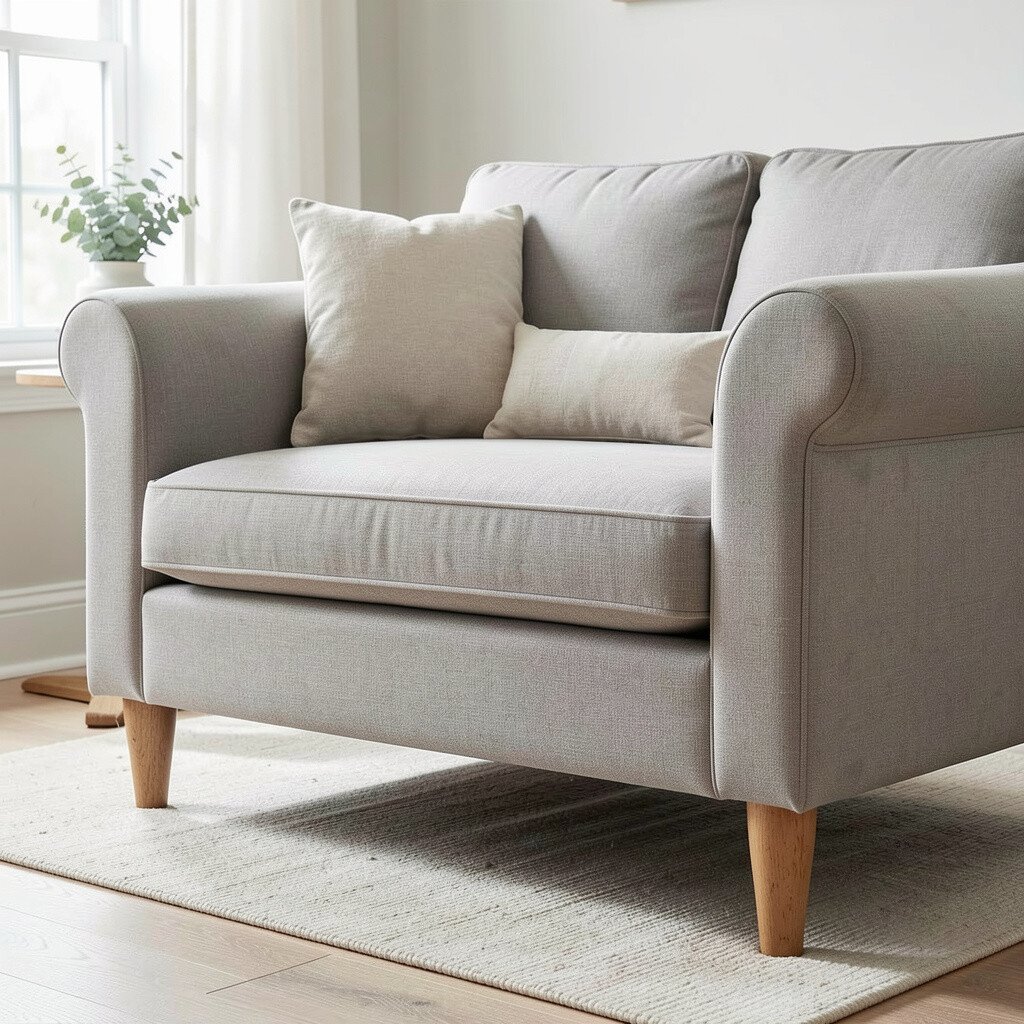
If your loveseat squeaks when you sit down, it usually means parts are rubbing against each other. You can often fix this by tightening bolts and adding a little lubrication where wood meets wood or where metal brackets touch.
Get the loveseat slightly off the floor or turn it upside down carefully, then inspect the frame and legs. Use felt pads on contact points, and apply a dry lubricant like graphite to avoid attracting dust. This makes every sit feel smoother, and it protects the finish over time.
2. Level Wobbly Legs Without Special Tools
Level Wobbly Legs Without Special Tools
A wobbly loveseat can feel like it’s “alive,” shifting every time you lean back. You’ll see it more clearly if you stand in one spot and gently press each corner down.
Start by checking the floor for uneven spots, then adjust leg levelers if your loveseat has them. If the legs are flat and no levelers exist, swap in adhesive rubber shims under the shorter side. You’ll get steady support and fewer creaks, plus it’s a budget-friendly upgrade compared to replacing the frame.
When you reorder your cushions, place the heavier ones first to reduce stress while you test. For a modern look, match the shim color to your leg finish so nothing shows. In current home styling, hidden fixes that keep the lines clean are especially popular.
3. Fix Sagging Cushions With Smart Fluff and Support
Fix Sagging Cushions With Smart Fluff and Support
Sagging cushions can make your loveseat feel less welcoming, like it’s sinking too fast. Often the problem is simple compression from use, not broken springs.
Pull the cushions out and fluff them by hand, then rotate them from front to back. If they still sink, add a supportive layer under the cushion, such as thin foam or a sturdy board cut to size. That extra lift makes lounging more comfortable, and it helps your upholstery keep its shape.
To personalize the feel, choose a topper thickness that matches how you sit most often. Softer toppers create a cozy vibe, while firmer layers feel more supportive for reading or working. Keep in mind that higher-quality foam costs more, but it can last longer than repeatedly replacing cushion covers.
If you notice wrinkled upholstery, it can make your loveseat look tired even when it’s clean. Wrinkles often happen after deep cleaning, heat exposure, or lots of cushion movement.
Remove the cushions, smooth the fabric with your hands, and then gently tug the seams back into place. Use a fabric steamer on low heat, keeping it a few inches away, to relax stubborn creases. This quick refresh boosts your “like-new” look without major sewing or new upholstery costs.
5. Make Loose Throw Pillows Sit Better
Make Loose Throw Pillows Sit Better
Sometimes the real problem is how pillows slide instead of staying where you want them. You might be constantly adjusting, and it gets old fast.
Try adding non-slip shelf liner on the back of pillow covers or under pillow corners. Another easy change is to add a fabric strap that wraps around the cushion seam for a secure hold. Your loveseat will look tidier, and the daily comfort feels instantly better.
For personalization, coordinate the liner color with your trim or hide it under a textured cover. This trend of functional design is showing up in lots of home decor spaces because it keeps style and comfort working together.
6. Tighten Wobbling Armrests and Stop the Clicks
Tighten Wobbling Armrests and Stop the Clicks
Armrests that shift can be distracting, especially if you hear small clicks while you sit. Most of the time, loosened screws or a slightly moved bracket is the culprit.
Grab a screwdriver that matches the hardware and check each armrest connection point. Tighten gently, then test again by pressing down and rocking the arm. If the screw holes look worn, insert toothpicks or small wooden dowels dipped in wood glue to fill gaps before re-tightening.
This fix improves safety, and it makes your loveseat feel more solid for everyday use. The uniqueness here is how your loveseat will start responding to you instead of shifting away, which feels surprisingly satisfying. If you’re working on a tight budget, this kind of hardware attention often costs much less than professional repairs.
7. Restore Sagging Back Support With a Cushion Swap
Restore Sagging Back Support With a Cushion Swap
A backrest that leans too far forward can make your posture suffer and your lounging feel awkward. The fix may be as simple as swapping how cushions sit or adding a supportive layer behind them.
Check whether the back cushions are reversible, and switch them to the side with better loft. If your loveseat uses back pillows, measure their placement and add a thin backer board or foam strip inside the frame for extra support. You’ll feel more upright, and it can reduce that “slump” that people notice after long movie nights.
8. Fix Stains Fast With the Right Gentle Method
Fix Stains Fast With the Right Gentle Method
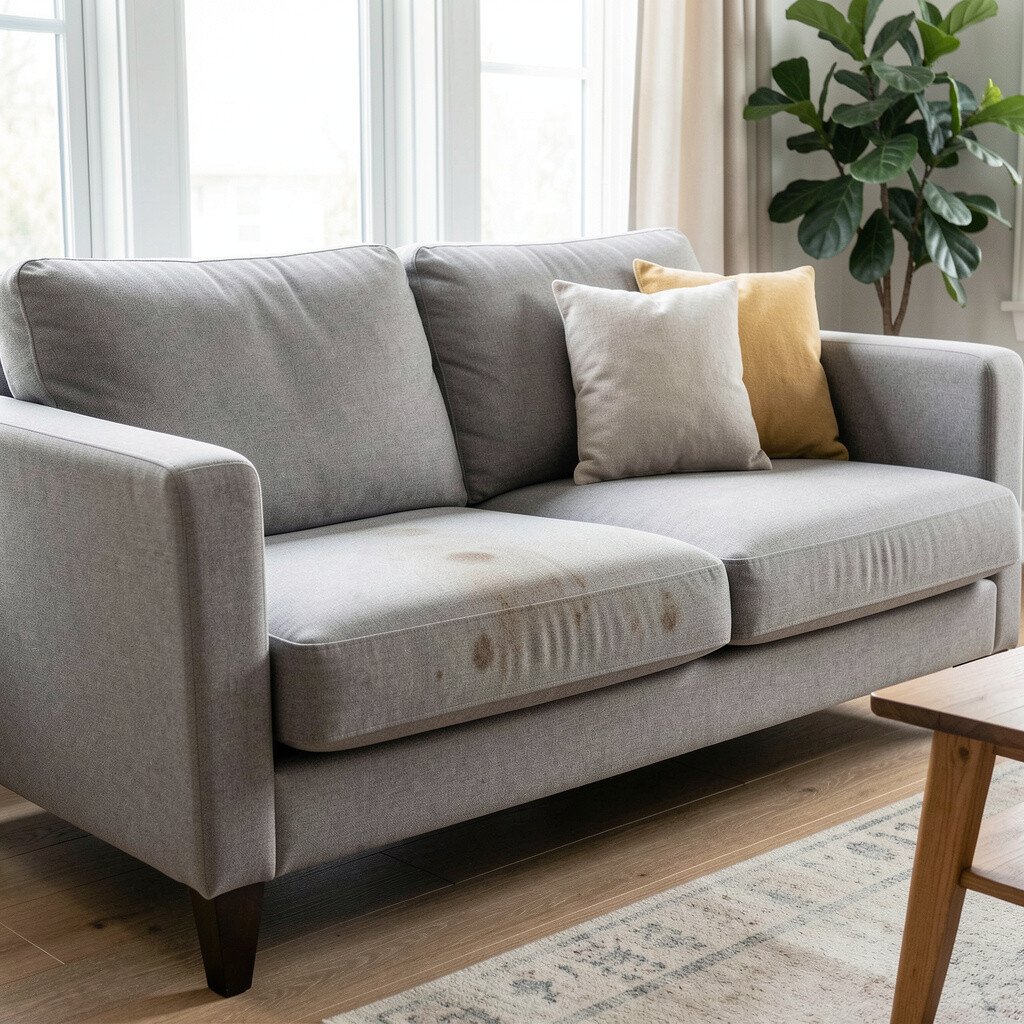
Stains can happen in a split second, and rushing usually makes things worse. The best move is to blot first so you don’t spread the mess into the fabric.
Use a mild upholstery cleaner or a mixture of gentle soap and cool water, then blot with a clean white cloth. Always test in a hidden spot before you clean the whole area, and let it dry fully before adding covers. Keeping stains controlled helps your loveseat keep its color, and it often costs less than replacing cushions or calling a service.
For personalization, you can match your cleaning routine to your fabric style, like microfiber, velvet, or linen blends. People are also choosing color-safe protectors more often now because they want easier care without changing the look. When you stay consistent, your loveseat can look fresh for longer.
9. Repair Ripped Seams With Simple Hand-Sewing
Repair Ripped Seams With Simple Hand-Sewing
A small seam rip can grow fast, especially when you sit in the same spot. The good news is you can repair many rips using basic sewing skills and strong thread.
Trim loose threads, then align the seam and sew with a needle that goes through fabric smoothly. Use tight stitches for stability, and reinforce the first and last inches so it doesn’t reopen. This method preserves the original look, and it’s unique because you’re saving your exact loveseat design instead of hiding the problem with a bulky cover.
If you don’t have thread, check your local craft store for upholstery thread, which costs more than regular thread but holds better. After you finish, press the seam flat with your hands or a cool iron through a cloth. A neat repair also makes your loveseat feel more secure, which is the comfort side people care about most.
10. Stop Buttons From Pulling Loose
Stop Buttons From Pulling Loose
If your loveseat has tufted buttons or decorative fasteners, loose pieces can make fabric gather and look messy. When a button pops, it can strain the surrounding stitching.
Open the area carefully and reattach the button with strong thread, then knot it securely under the fabric. If the button uses a loop, pull it snug but not tight enough to pucker the upholstery. This keeps the visual shape crisp and stops fabric from forming odd lumps that grab your eye.
To personalize the look, you can swap to a similar button color or choose a slightly different sheen, like matte or subtle gloss, as long as it matches the upholstery. Today’s interiors often lean into texture play, so a refined button finish can look trendy instead of patched. Budget-wise, buttons and thread are usually cheaper than replacing a whole panel.
11. Fix Sliding Covers So They Stay Put
Fix Sliding Covers So They Stay Put
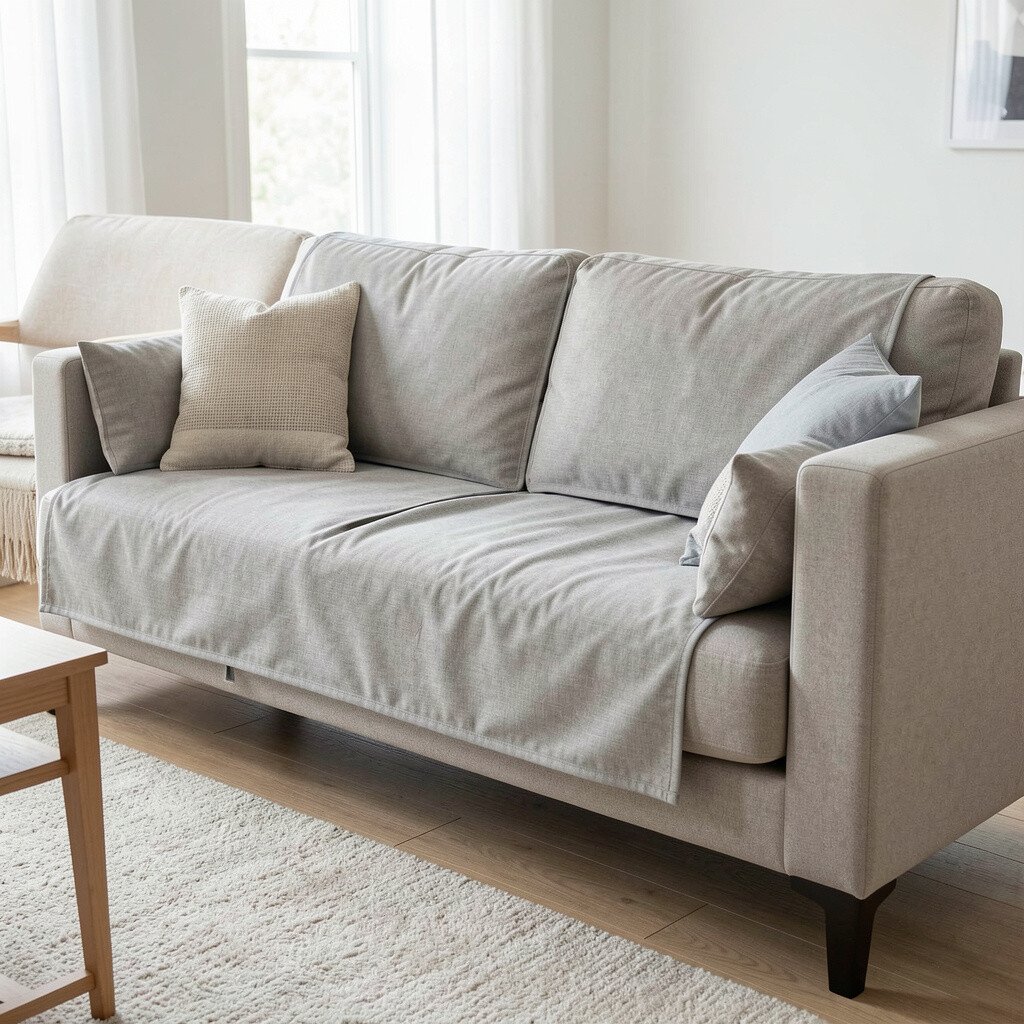
Slipcovers that drift can turn your loveseat into a daily annoyance. You sit down and everything shifts, and then you’re fixing it again.
Secure the cover with ties, clips, or elastic loops if your design allows it. Add non-slip rug tape at the bottom edge, or place a thin grippy underlay between cushion and fabric. When the cover holds steady, your loveseat looks neat even during busy weeks.
For personalization, choose a cover fabric that matches how you live, like breathable cotton for warm months or cozy textured knits for fall. The cost can vary, but a quality slipcover can be less expensive than upholstery repairs. It also fits the current trend of changing looks by swapping covers instead of redecorating everything.
12. Eliminate Odd Smells With Careful Fabric Refresh
Eliminate Odd Smells With Careful Fabric Refresh
Sometimes your loveseat smells musty even when it looks clean. That odor can come from trapped moisture, pets, cooking fumes, or general daily buildup.
Start by vacuuming with a soft brush attachment, then sprinkle baking soda lightly across the fabric. Let it sit for a short time, then vacuum again gently and evenly. This simple refresh helps neutralize odors instead of just masking them.
If the smell is stubborn, use a fabric-safe enzyme cleaner for upholstery and follow the label directions closely. You’ll notice the difference when you sit and the air around the loveseat feels lighter. Cost-wise, household products like baking soda are usually a bargain compared to replacement cushions or professional cleaning.
13. Strengthen Weak Springs or Check the Frame
Strengthen Weak Springs or Check the Frame
If your loveseat feels bouncy in the wrong way, springs may be weak, or the frame may be loosening. You might also hear a faint knocking that shows up when you shift your weight.
Remove cushions and check where the spring support connects to the frame. Tighten any loose hardware, and replace broken components if you can access them safely. If replacing parts is too much, consider using supportive cushion inserts to reduce stress until you can repair the frame properly.
This fix boosts safety and comfort at the same time. It’s also a uniqueness win because your loveseat will keep its familiar style while improving how it feels day to day. While parts and tools can cost more than cleaning products, addressing the structure early often prevents bigger damage later.
14. Refinish Worn Legs for a Fresh, Updated Look
Refinish Worn Legs for a Fresh, Updated Look
Worn legs can make a loveseat look older even if the upholstery is still great. Scuffs and dull finish often build up from everyday bumps and cleaning.
Clean the legs with a mild cleaner, sand lightly to remove rough spots, and apply a matching wood finish or protective coat. If you prefer a faster path, a furniture refinisher wipe can blend scratches and restore shine with less effort. This quick refresh updates the whole vibe, and it’s surprisingly cost-effective compared to full furniture replacement.
For personalization, consider a slightly warmer stain or a more modern matte finish that matches today’s interior trends. Many people are choosing simple, clean leg finishes because they make small rooms feel brighter and more open. After refinishing, let the legs cure fully before putting the loveseat back on the floor.