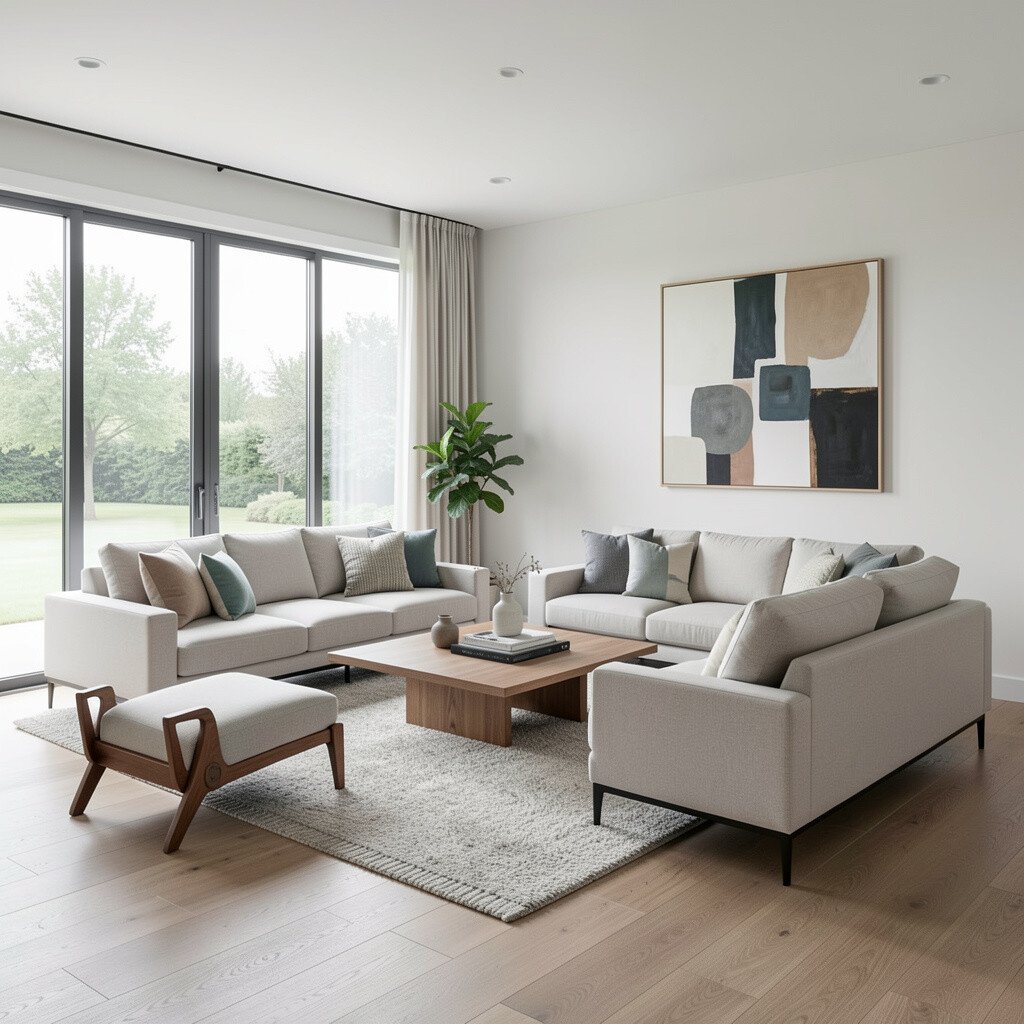
A contemporary living room feels bright and calm from the first step inside. Think smooth surfaces, simple shapes, and furniture that looks light even when it is sturdy.
Choose a neutral base like warm white, soft gray, or sandy beige, then add contrast with black frames, dark wood, or a single deep color. Keep pathways clear by placing the largest sofa so you can still walk behind it easily. For a practical upgrade, select stain-resistant upholstery and performance fabric, because it helps your room stay nice longer.
2. Cozy Traditional Family Room With Warm Wood
Cozy Traditional Family Room With Warm Wood
A traditional family room welcomes you with familiar warmth and a lived-in feel. You might notice layered textures like patterned curtains, rich wood tones, and plush seating that invites you to sit longer.
Use classic elements such as a fireplace mantel, crown molding, or a raised panel wall feature to make the space feel grounded. Mixing in modern comforts is smart too, like updated lighting and better insulation for year-round comfort. If you want it to stay budget-friendly, refinish existing woodwork instead of replacing it, and repaint trim in a traditional sheen for a polished look.
If your room feels tight, try furniture that is traditional in style but sized for the space. A love seat or a smaller sectional can keep the seating plan comfortable. Personalize with family photos in matching frames and a seasonal throw blanket that you can swap without redoing the whole room.
3. Statement Kitchen Backsplash That Steals the Show
Statement Kitchen Backsplash That Steals the Show
The kitchen is the heart of the home, and a striking backsplash can change the mood fast. In a contemporary kitchen, you may picture large-format tiles, subtle patterns, or glossy finishes that reflect light.
In a traditional kitchen, consider hand-painted tiles, smaller mosaics, or a timeless subway tile layout with warm grout tones. Pick materials that handle splashes and cleaning, since kitchens get messy in real life, not in show photos. A practical step is to test a few grout colors with the tile samples under both daylight and evening lighting.
This choice can also be a cost lever, because backsplash projects can often be done without touching cabinets. If you want a bold look without overspending, focus on the backsplash behind the sink and cooktop where it will be most visible. Personalize by using a tile color that matches your hardware, like brushed nickel or oil-rubbed bronze, so everything feels intentional.
4. Contemporary Open Shelving With Curated Display
Contemporary Open Shelving With Curated Display
Open shelving looks crisp and modern, especially when you keep items organized. You’ll likely enjoy the way daily life becomes part of the decor, because dishes, glassware, and books are easy to show.
For a practical approach, use cabinets for clutter and keep shelves for things you love to look at. Choose uniform shelf spacing and consistent container colors so the room feels neat even when life is busy. If you have pets or kids, consider deeper shelves with closed options for cleaning supplies and small mess makers.
5. Traditional Crown Molding and Detail Work
Traditional Crown Molding and Detail Work
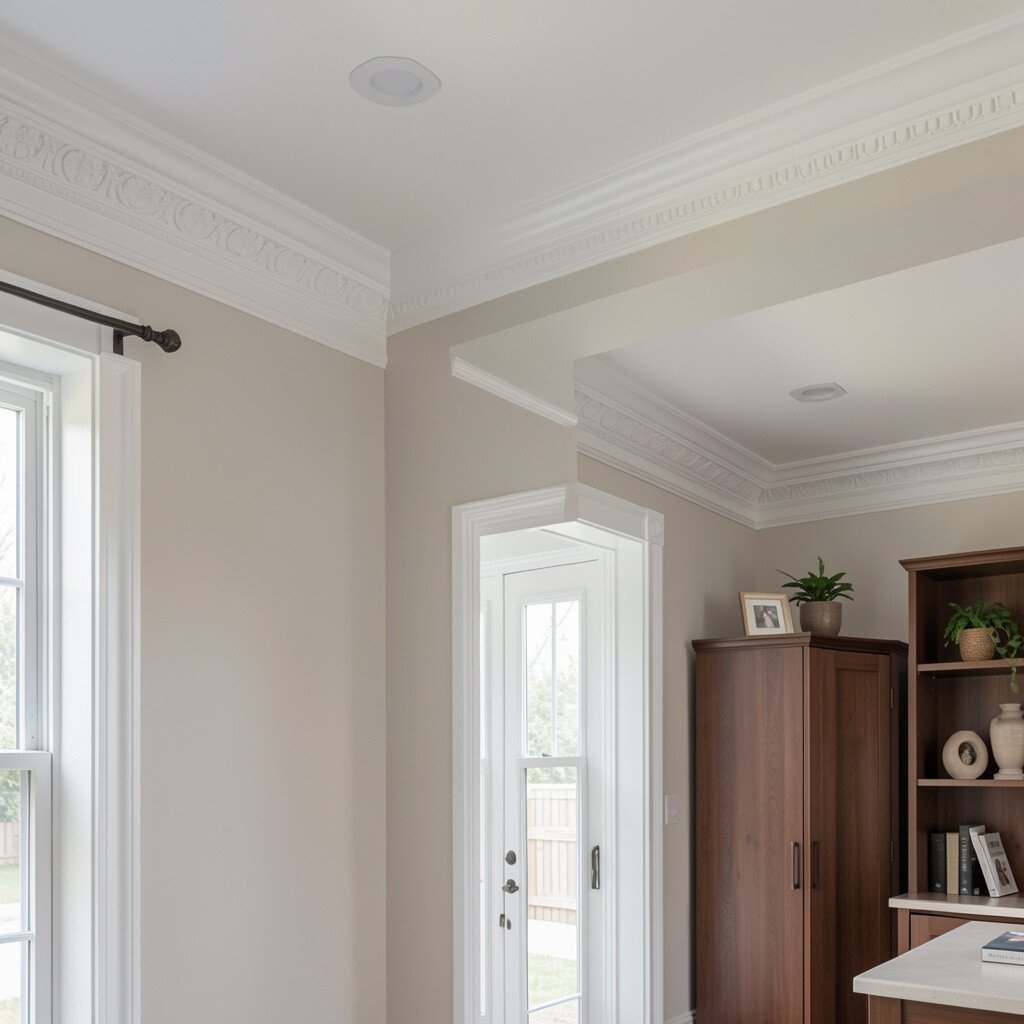
Traditional details add a sense of history and steady comfort to any room. Crown molding, chair rails, and subtle trims can make plain walls feel special without changing the whole layout.
In a contemporary home, you can still use molding, but keep it slimmer and pair it with clean paint colors for balance. For traditional style, go richer with warmer paints and classic profiles that catch light along their edges. A smart, cost-aware move is to use existing trim if it is in good shape, then patch, sand, and paint for a fresh update.
Personalize by adding a built-in shelf or a shallow niche at eye level, so you can display art or family heirlooms. You can also coordinate trim color with floor stain, which makes the entire space feel more connected. If you want a practical upgrade, choose paint that resists scuffs in high-traffic areas, since walls take a beating over time.
6. Light-First Contemporary Lighting Plan
Light-First Contemporary Lighting Plan
Lighting can make a home feel taller, cozier, or more inviting in seconds. Contemporary spaces often use layered lighting with track lights, pendants, and recessed fixtures that brighten without harsh shadows.
Use warm dimmable bulbs so the room can shift from work time to calm evenings. Add task lighting near kitchen counters and reading areas, because it helps daily life and makes the room feel more functional. If you are remodeling on a tighter budget, replace fixtures first and save wiring changes for later phases when you can plan them well.
7. Traditional Lighting With a Softer Glow
Traditional Lighting With a Softer Glow
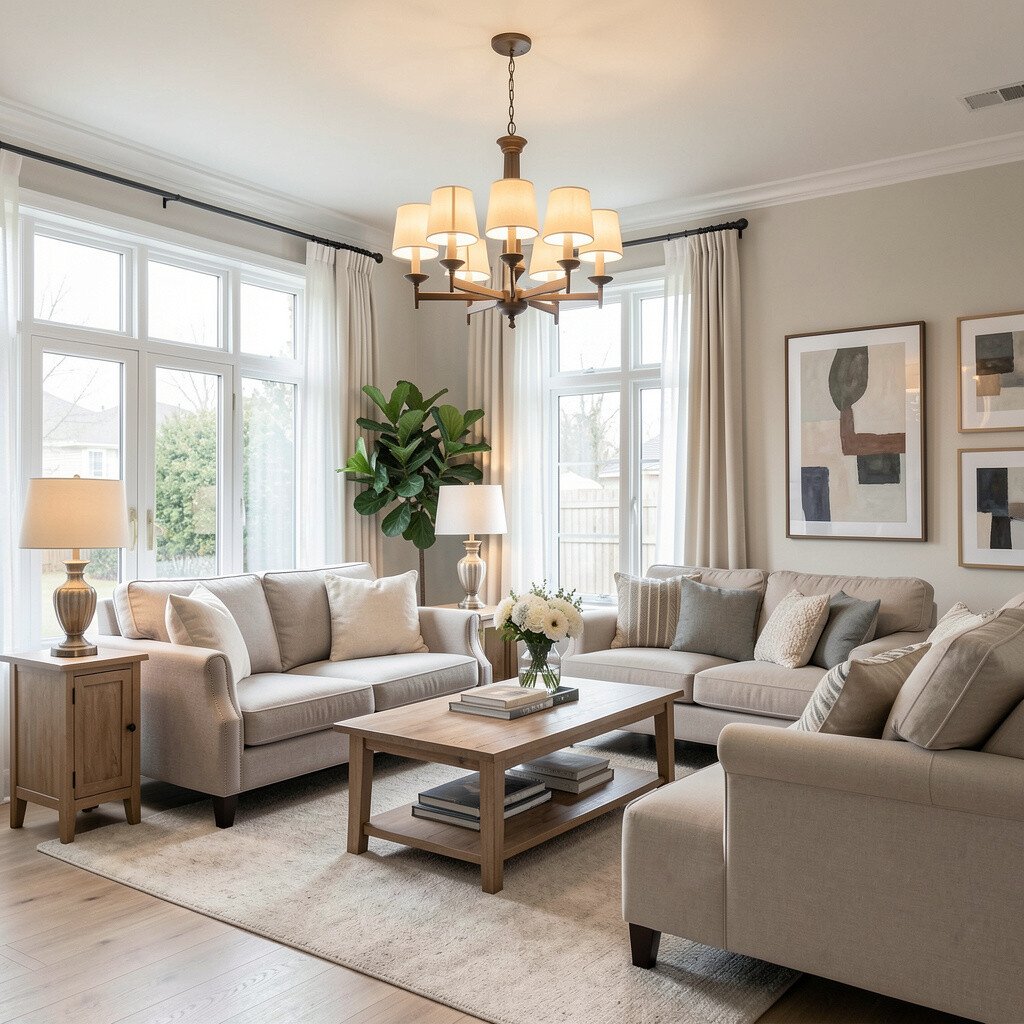
Traditional lighting brings a gentle, comforting mood that feels familiar at night. You might picture warm chandeliers, lantern-style wall sconces, or lamps with fabric shades that soften corners.
Choose fixtures with finishes like brushed brass, antique bronze, or oil-rubbed bronze to match classic hardware. For practical tips, consider installing dimmers so you can adjust brightness for movie nights and gatherings. This style is also forgiving when you update one or two pieces at a time instead of replacing every light.
Personalize by matching lamp heights to your seating, so the glow feels balanced across the room. If you have low ceilings, pick a flush mount in a traditional design to keep the space comfortable. A good budget approach is to spend more on fixtures you will touch and see often, like the entry light and the lights above dining tables.
8. Contemporary Flooring With Texture and Flow
Contemporary Flooring With Texture and Flow
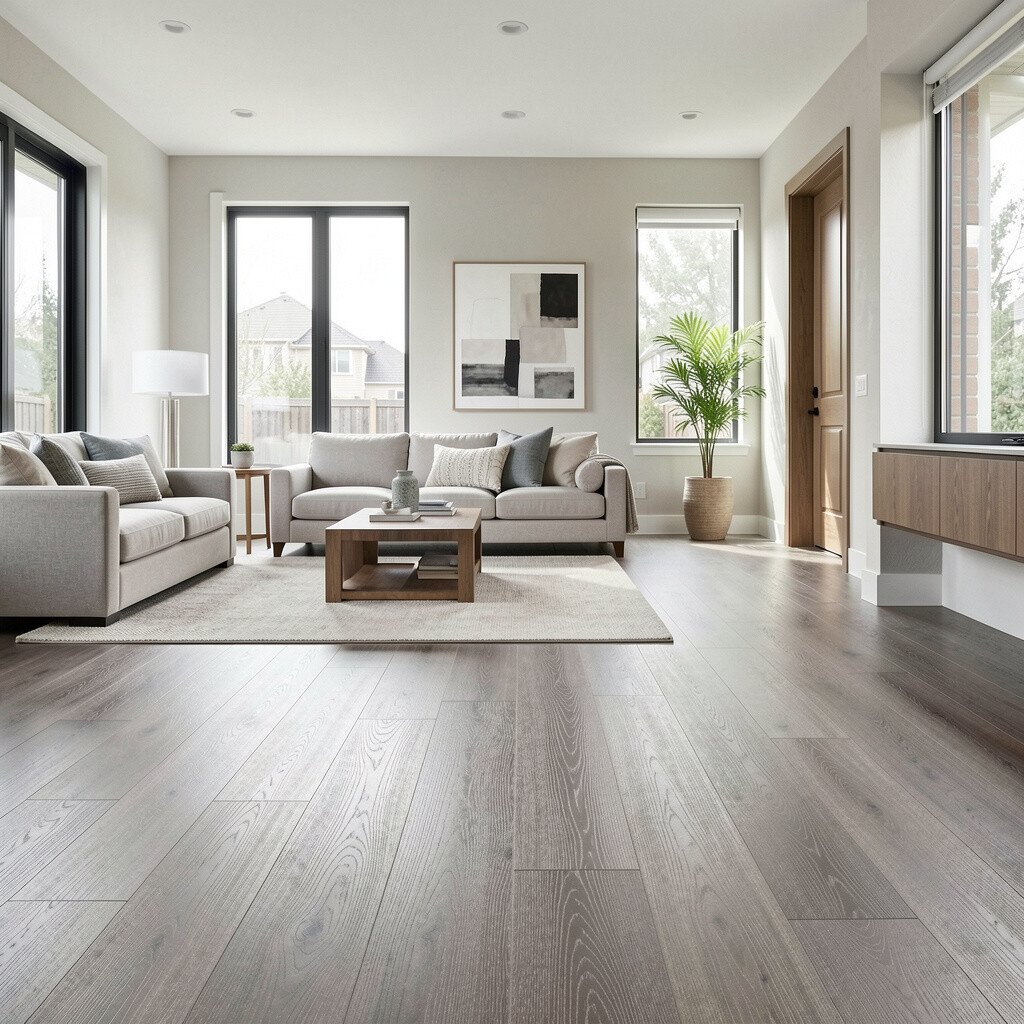
Flooring sets the pace for the entire remodel, and contemporary choices often focus on smooth lines and easy maintenance. You might consider luxury vinyl plank, wide-plank engineered wood, or polished concrete with area rugs for comfort.
Traditional flooring often leans toward hardwood species with visible warmth or classic patterns like herringbone in hallways. If you love how traditional floors look but want easier care, choose engineered wood that handles daily life better than solid wood in humid climates. For practical planning, measure transitions carefully, especially between rooms where heights may differ.
To personalize, add rugs that echo your style, like bold geometric shapes for modern spaces or soft floral patterns for classic rooms. Keep the palette cohesive by repeating a color from your walls in your rugs and decor. Cost considerations matter too, since flooring is a big line item, so get several quotes and ask about removal and subfloor prep costs before you sign anything.
9. Traditional Window Treatments That Feel Tailored
Traditional Window Treatments That Feel Tailored
Windows are like the eyes of a home, and classic coverings can make them look perfectly framed. Traditional window treatments often include layered curtains, valances, or swags that add softness and color.
Contemporary spaces can borrow the idea of tailoring without adding heavy layers. Try simple roller shades with linen curtains nearby, or pick sleek blinds paired with lightweight drapes for a clean look. A practical tip is to install the curtain rod slightly higher than the window frame so the room looks taller.
Personalize by choosing fabric that matches your lifestyle, since thicker drapes can help with privacy while lighter sheers keep rooms bright. If you deal with strong sun, look for UV-resistant materials to reduce fading over time. When thinking about cost, measure carefully and buy extra fabric width so fullness looks right instead of flat.
10. Contemporary Bathroom Spa Feel With Simple Hardware
Contemporary Bathroom Spa Feel With Simple Hardware
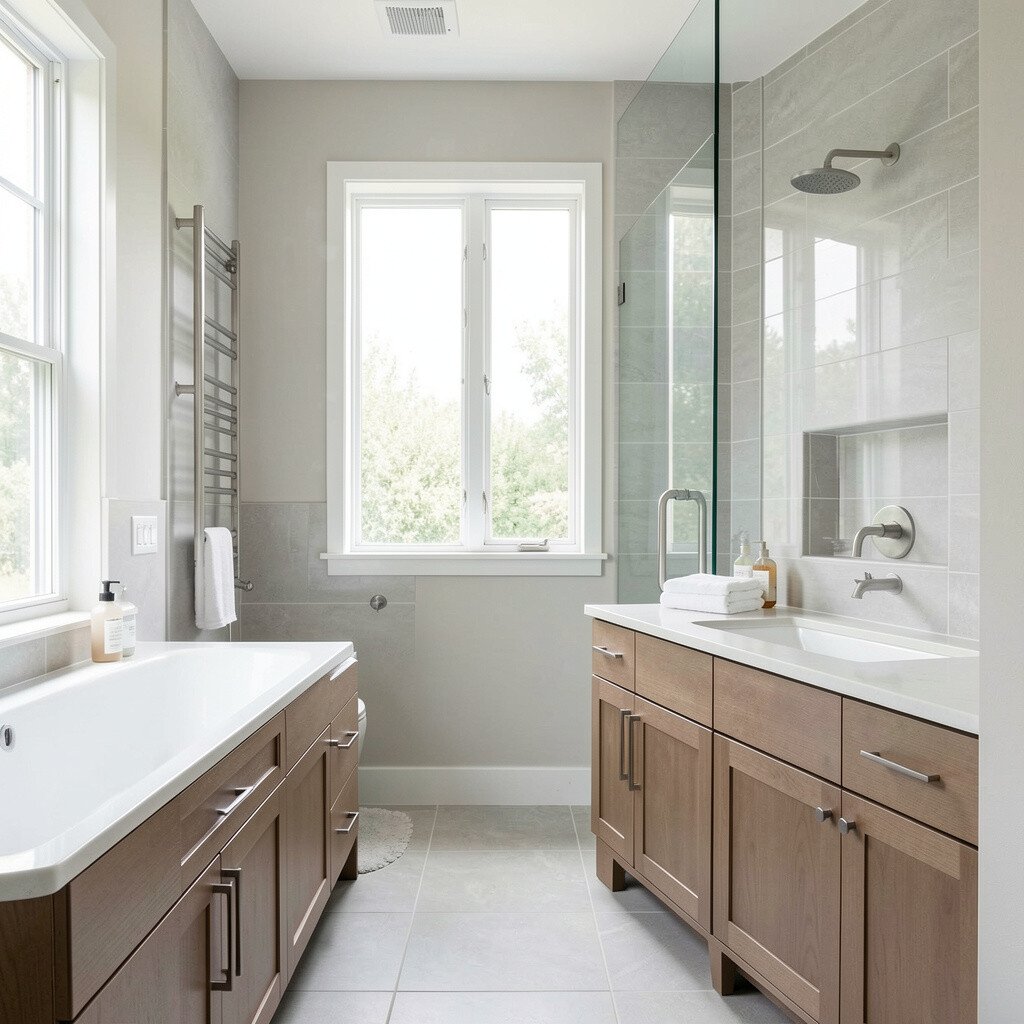
A contemporary bathroom feels like a quiet spa when surfaces are simple and uncluttered. You may love clean faucets, sleek shower glass, and storage that hides everyday items behind doors.
Choose large-format wall tiles and a frameless shower or a low-profile curb to keep lines smooth and modern. For practical benefits, install ventilation that actually moves air, because good airflow prevents damp smells and keeps finishes looking new. If you want to reduce cost, keep the plumbing location the same and refinish what you can, since moving lines can add major labor.
Personalize with a bold mirror shape or a slim vanity in a rich wood tone. Warm lighting around the mirror also makes skin tones look natural and helps you get ready faster. If you like trends, consider matte black fixtures or brushed nickel finishes that pair well with many cabinet colors.
11. Traditional Bathroom Elegance With Classic Shapes
Traditional Bathroom Elegance With Classic Shapes
A traditional bathroom can feel elegant and steady, with shapes that never seem out of date. You might notice a raised vanity, an oval mirror, and wall sconces that cast a warm glow across the room.
Consider fixtures with timeless details like cross handles, vintage-style drains, or a tub faucet that feels substantial. If you want practical comfort, pick slip-resistant flooring and a shower head that suits how you actually rinse, not just how it looks in a photo. A cost-aware move is to reglaze surfaces when possible, because refinishing can cost far less than full replacement.
Personalize by adding a linen cabinet, a matching towel set, and a small tray for daily essentials. Soft colors like cream, sage, or light blue can make the room feel calm without feeling cold. For uniqueness, use a patterned tile accent behind the vanity, then keep the rest simple so it looks intentional.
12. Front Entry Makeover That Matches Your Home’s Personality
Front Entry Makeover That Matches Your Home’s Personality
Your front entry is the first impression, and it sets the tone for every guest and every day. Contemporary entryways often use clean doors, modern house numbers, and planters with tidy lines that look sharp.
Traditional entryways feel inviting with classic columns, warm porch lighting, and doors with panel details. Choose a door color that matches your style, like deep navy or charcoal for a modern look, or rich red or warm brown for classic appeal. A practical tip is to upgrade weather sealing and check the door frame, because a better seal lowers drafts and helps heating bills.
For cost considerations, focus on high-impact changes first, such as repainting the door, replacing the hardware, and improving exterior lighting. Add uniqueness with a seasonal wreath, a pair of matching lanterns, or a console table that fits your space. Personalize the entry by keeping a small storage spot for umbrellas and keys so the area stays tidy even when life gets hectic.