11+ Luxe Carpet Installation Ideas To Brighten Your Space
Soft flooring can make a room feel calmer and more inviting. The right carpet, installed with care, adds warmth that you can see and feel.
When you blend color, texture, and smart placement, even an everyday space starts to glow. From underfoot comfort to designer-level finishing, your carpet can do a lot of work for you.
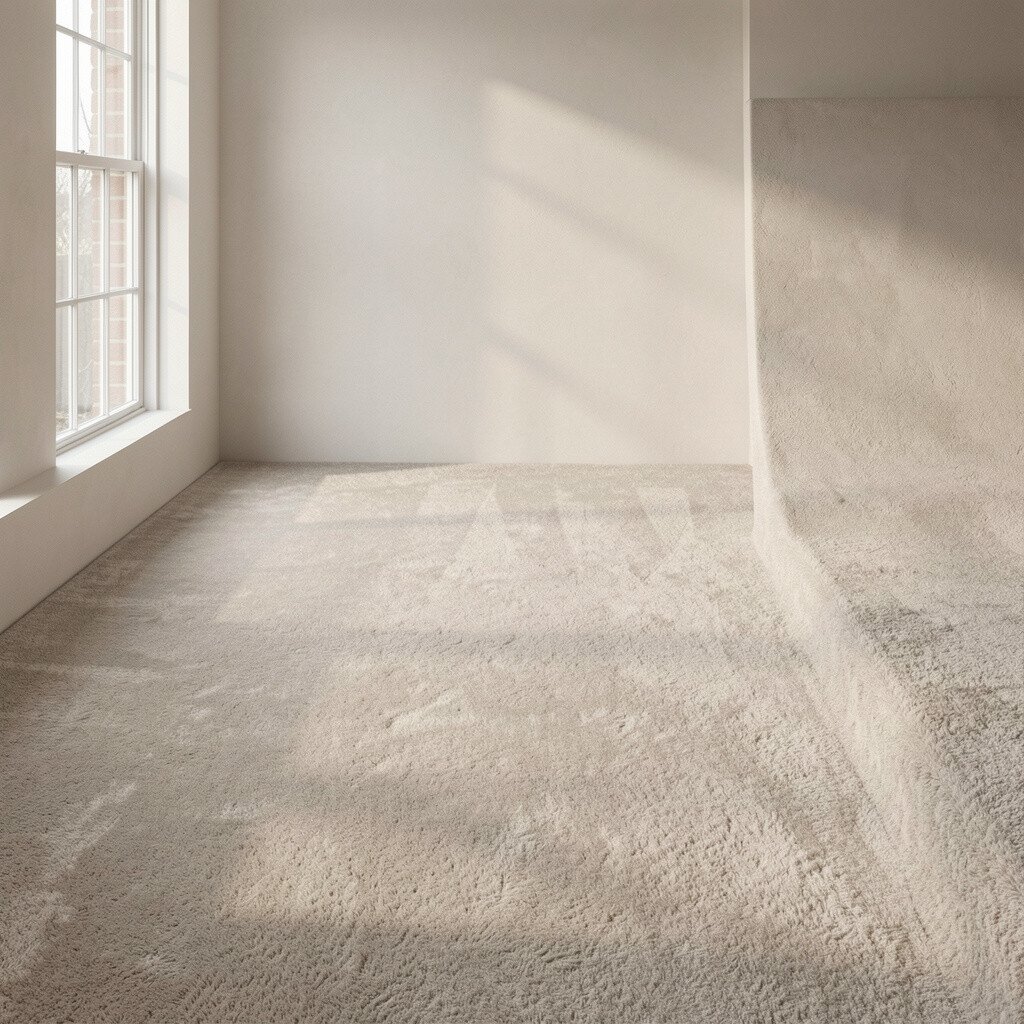
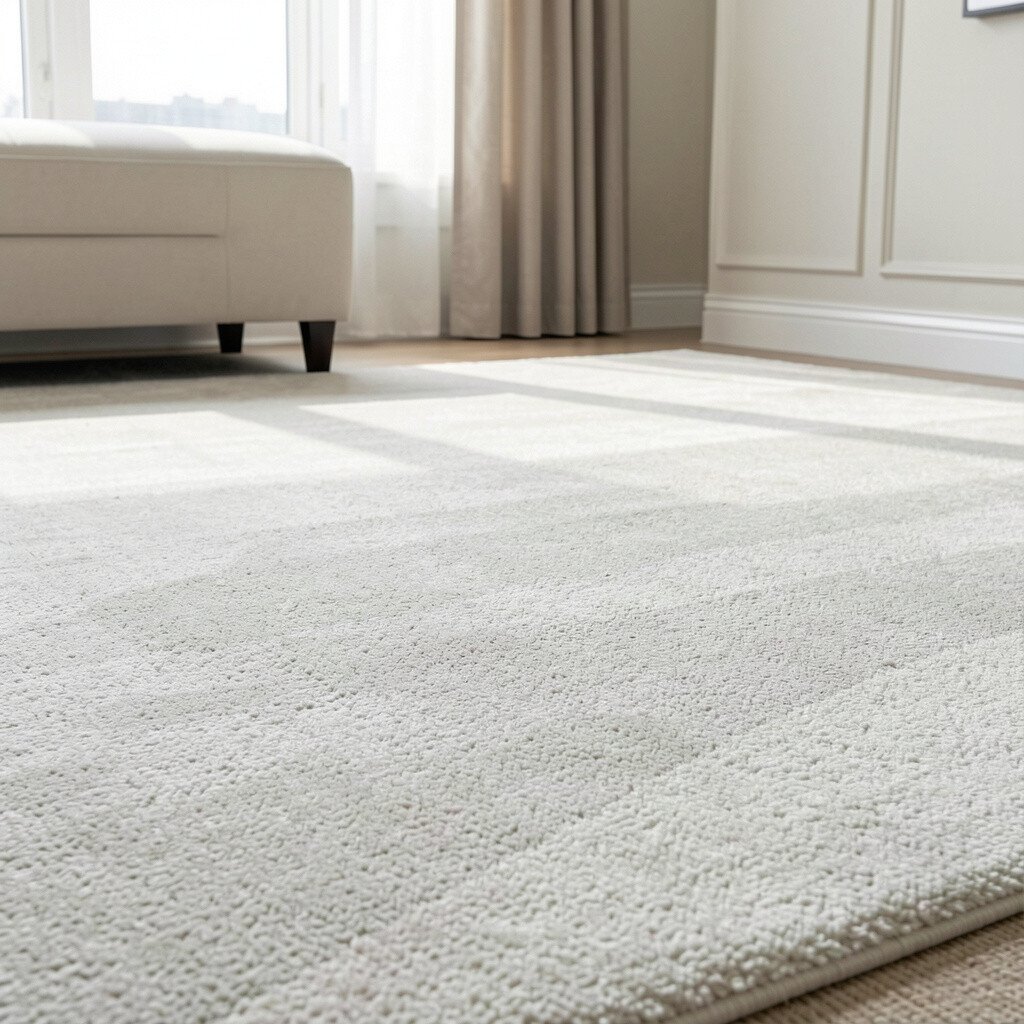
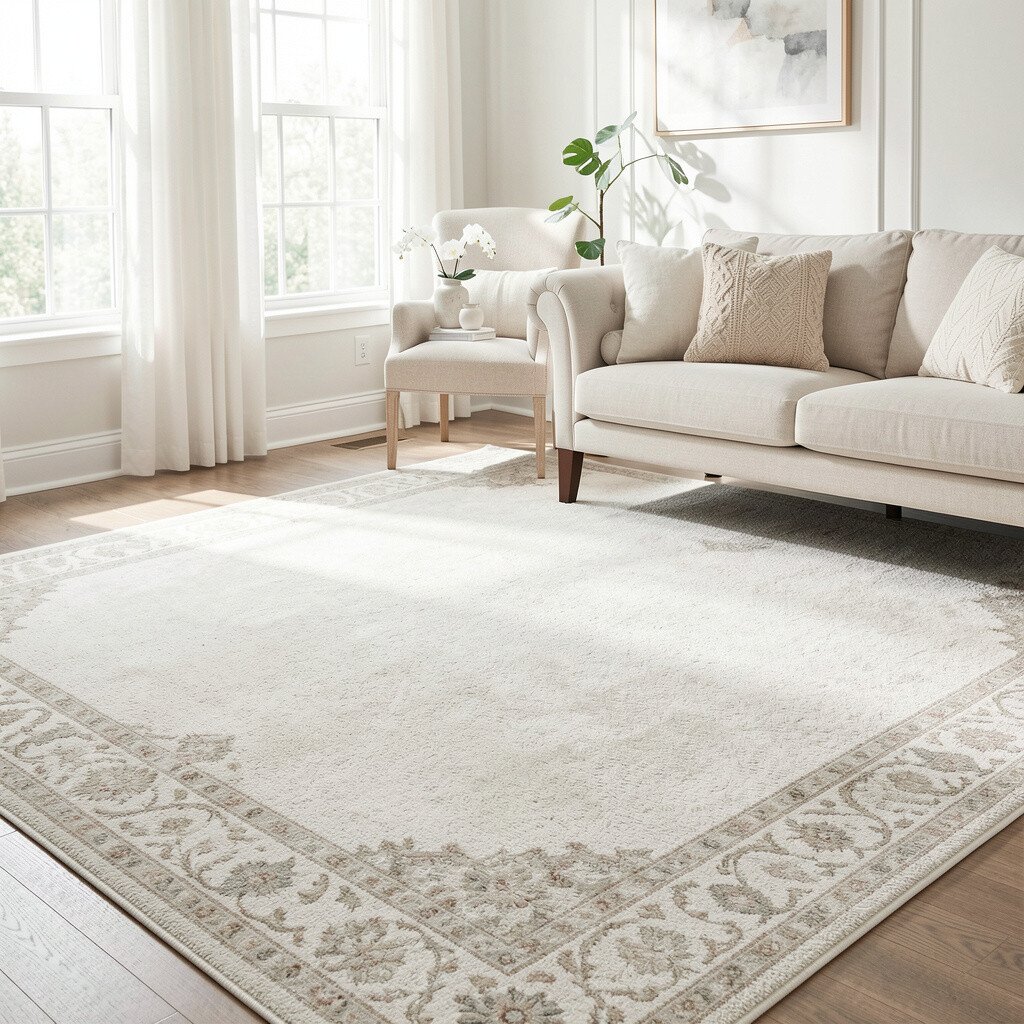
Picture walking into a room where the light seems to land gently on every surface. A plush pile carpet catches the eye by looking smooth, rich, and slightly velvety.
This kind of carpet feels luxurious underfoot, which makes daily routines feel easier. Choose a fiber like high-quality nylon or a well-made wool blend for a steady look and strong wear. For a bright effect, pick a light neutral or soft warm tone that reflects daylight without feeling flashy.
2. Wide-Width Installation for Cleaner Lines
Wide-Width Installation for Cleaner Lines
When carpet seams are fewer, the room looks calmer and more finished. Wide-width installation can help you create long, uninterrupted visual lines.
This is especially helpful in open layouts where you can see the floor from many angles. Plan your room measurements carefully, and talk with your installer about the best direction for rolling and fitting. If you have sunlight from one main window, align the carpet so the nap and texture play nicely with the light.
For cost, wide-width options may cost a bit more upfront, but they can reduce labor and seam-work time. Ask about remnant deals or special-order widths that match your room size. You get that boutique look while keeping your budget under control.
3. Pattern Play with Low-Contrast Texture
Pattern Play with Low-Contrast Texture
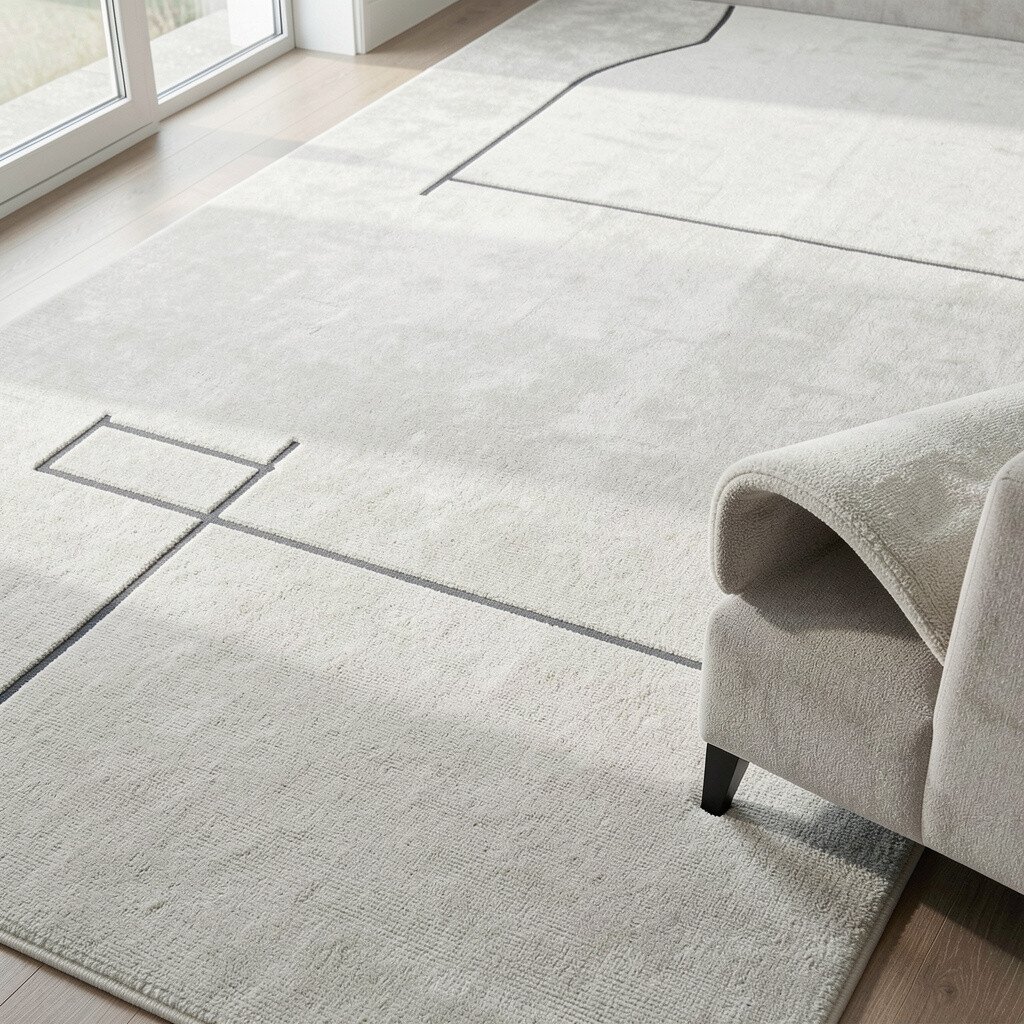
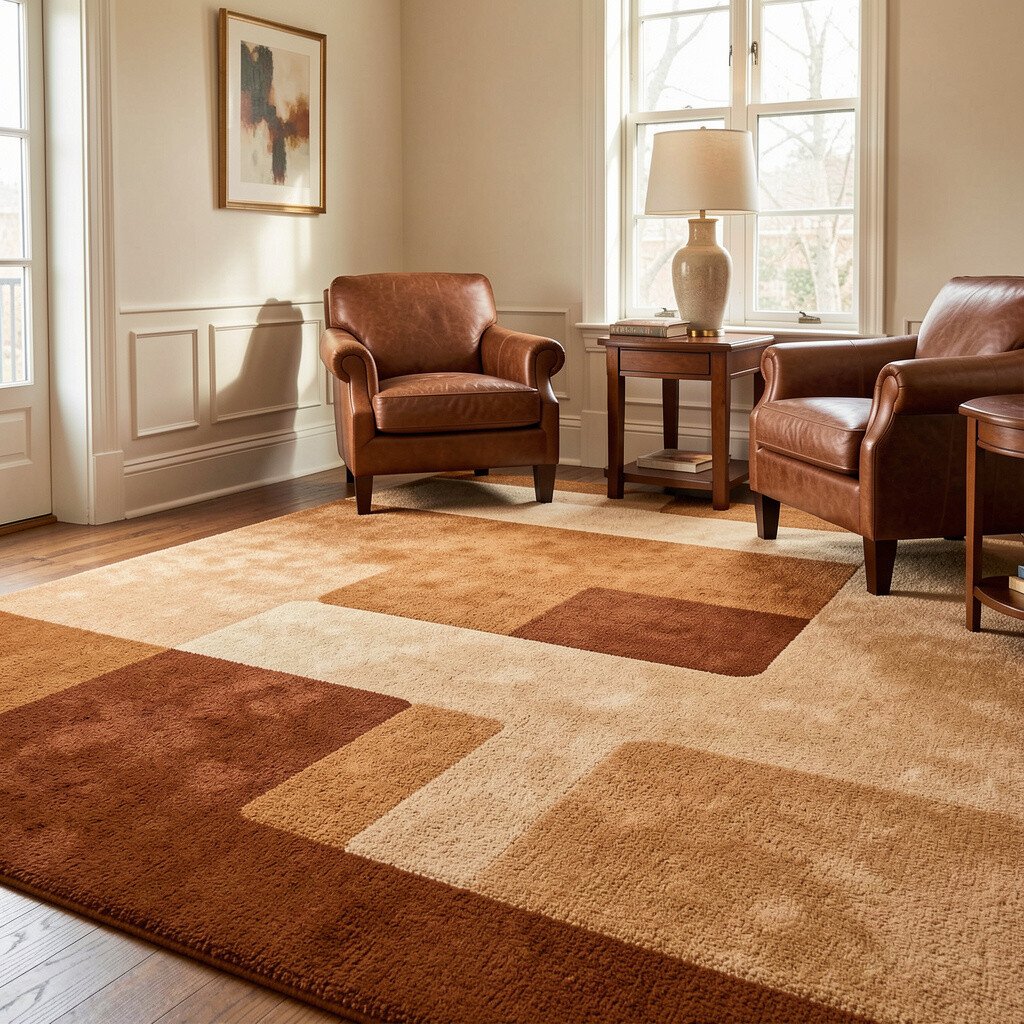
A subtle pattern can make a space feel styled without looking busy. Think of a carpet that shows gentle variation in tone, like a soft shadow effect.
Low-contrast designs hide everyday dust and scuffs better than bold prints. They also add uniqueness because the texture becomes the “pattern” rather than loud colors. If your room has solid furniture, a barely-there motif gives it depth that still feels bright.
To personalize your look, match the carpet’s undertone to your decor, such as warm beige with honey wood or cool gray with brushed metal. When you install, keep the pattern direction consistent across rooms for a smooth flow. This approach often sits in a practical mid-range price level, since intricate all-over patterns may cost more.
4. Seam Placement That Follows Natural Sightlines
Seam Placement That Follows Natural Sightlines
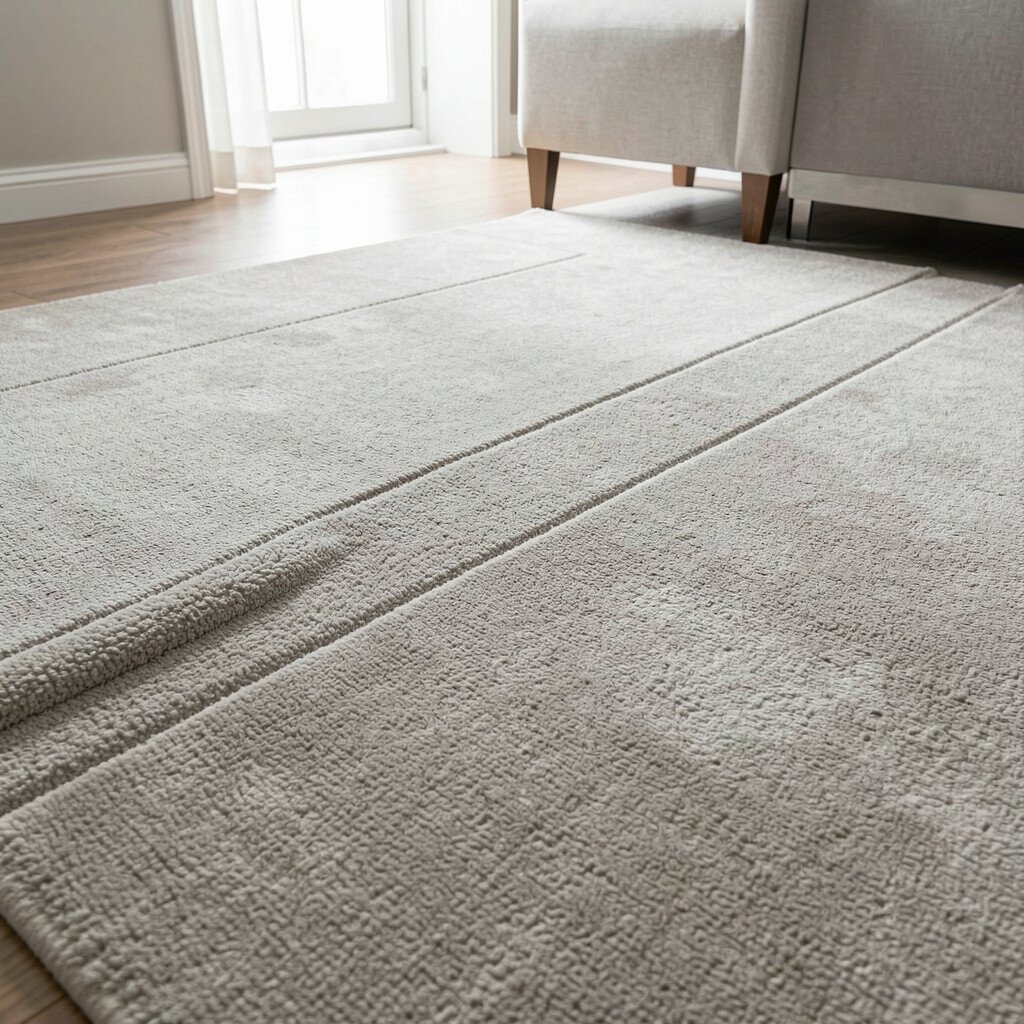
Even a gorgeous carpet can look less luxe if seams catch your eye. Smart seam placement means planning where joins fall so the eye meets the room, not the stitching.
One simple strategy is to line up seams with areas that naturally get less attention, like behind furniture legs or along less-used walls. In living rooms, place seams so they run perpendicular to your main window to reduce visual interruptions. Talk with your installer about the best seam layout before any cutting begins.
5. Color Pairing with Warm Undergrads
Color Pairing with Warm Undergrads
Color can brighten a space fast, but the undertone matters just as much as the shade. Warm undergrads like cream, oatmeal, or soft caramel can make the room feel sun-kissed.
Light carpet colors also help visually expand small rooms because they bounce more light. Try matching the carpet undertone to your flooring accents, such as warm wood trim or brass hardware. For personalization, bring home sample swatches and hold them against your curtain fabric and wall paint.
When it comes to cost, lighter carpets can sometimes show footprints more, so budget for occasional vacuuming and a good cleaner. If you have pets or heavy traffic, choose stain-resistant treatments or a darker warm pattern. You’ll still get that luxe glow while keeping maintenance realistic.
6. Edge Finishing with Crisp Borders and Molding
Edge Finishing with Crisp Borders and Molding
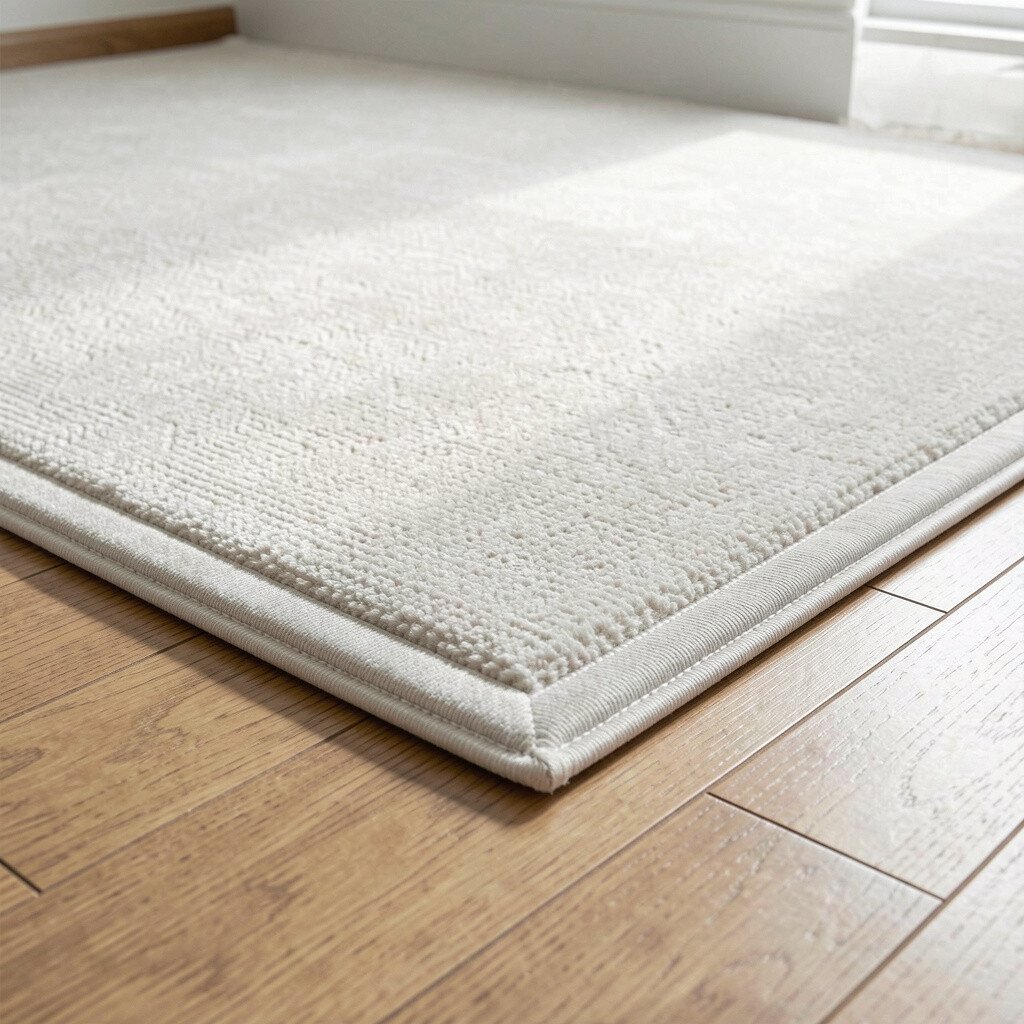
Details at the perimeter make everything look intentional. Clean borders, well-fitted transitions, and tidy edges can make your carpet feel like it belongs in a high-end showroom.
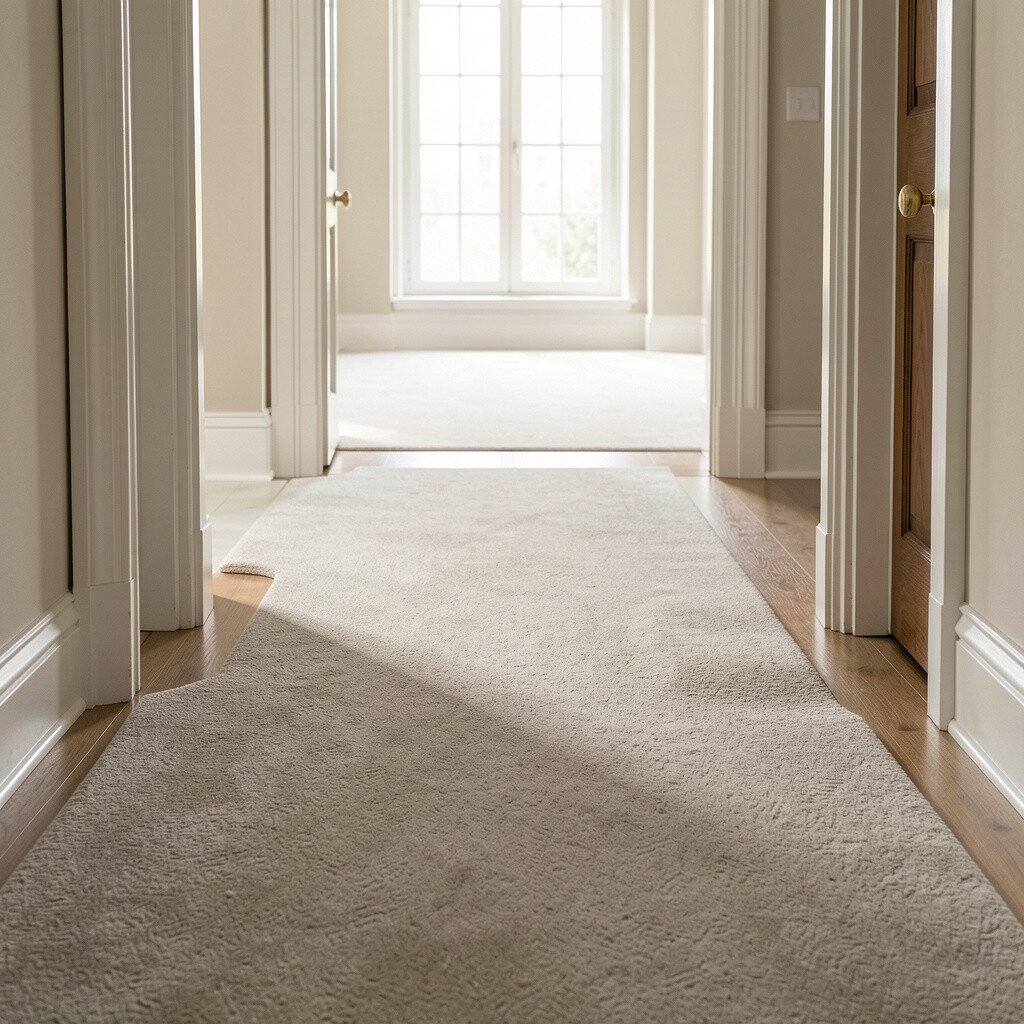
Using the right transition strips between rooms helps prevent fraying and makes the flooring line feel smooth. For a brighter look, consider low-profile edges that keep sightlines open and modern. If you love a classic style, a subtle border tone can frame the space without making it feel boxed in.
To personalize, coordinate edge color with baseboards or doorway hardware. Ask your installer about options that resist wear at doorways, which is where carpet edges tend to get hit first. Depending on materials and labor, premium edging may add cost, but it’s one of the best ways to make results look truly luxe.
7. Install with Strong Stretch for a Sleek Surface
Install with Strong Stretch for a Sleek Surface
A luxe carpet should lie flat, smooth, and even from day one. Proper stretching helps eliminate bumps and ripples that can make the floor look tired.
When carpet is installed with good tension, the pile stands up more evenly and looks brighter under light. This also reduces wear patterns, since loose areas can break down faster. Ask for details on the underlayment and stretching method before the work begins.
Personalize the comfort level by matching padding thickness to your lifestyle. Thicker padding can feel extra cozy, while a firmer pad can help keep a plush carpet looking crisp. Padding costs vary, but choosing quality often saves money later by protecting the carpet investment.
8. Layered Look Using Carpet Padding for Depth
Layered Look Using Carpet Padding for Depth
Some floors feel flat, even when the carpet is pretty. A well-chosen padding layer can create a luxe, dimensional feel that looks richer in photos too.
Padding changes how the carpet moves when you step, which affects comfort and appearance. Look for padding that supports your carpet type, because too-soft padding can cause matting. For bright spaces, you want a stable base so the pile stays upright and evenly lit.
9. Create a Soft Contrast Zone with Rugs-in-Carpet Logic
Create a Soft Contrast Zone with Rugs-in-Carpet Logic
You can get a “rug look” without losing the seamless feel of wall-to-wall. One luxe idea is to pick carpet with a subtle tonal field and then design a defined comfort zone.
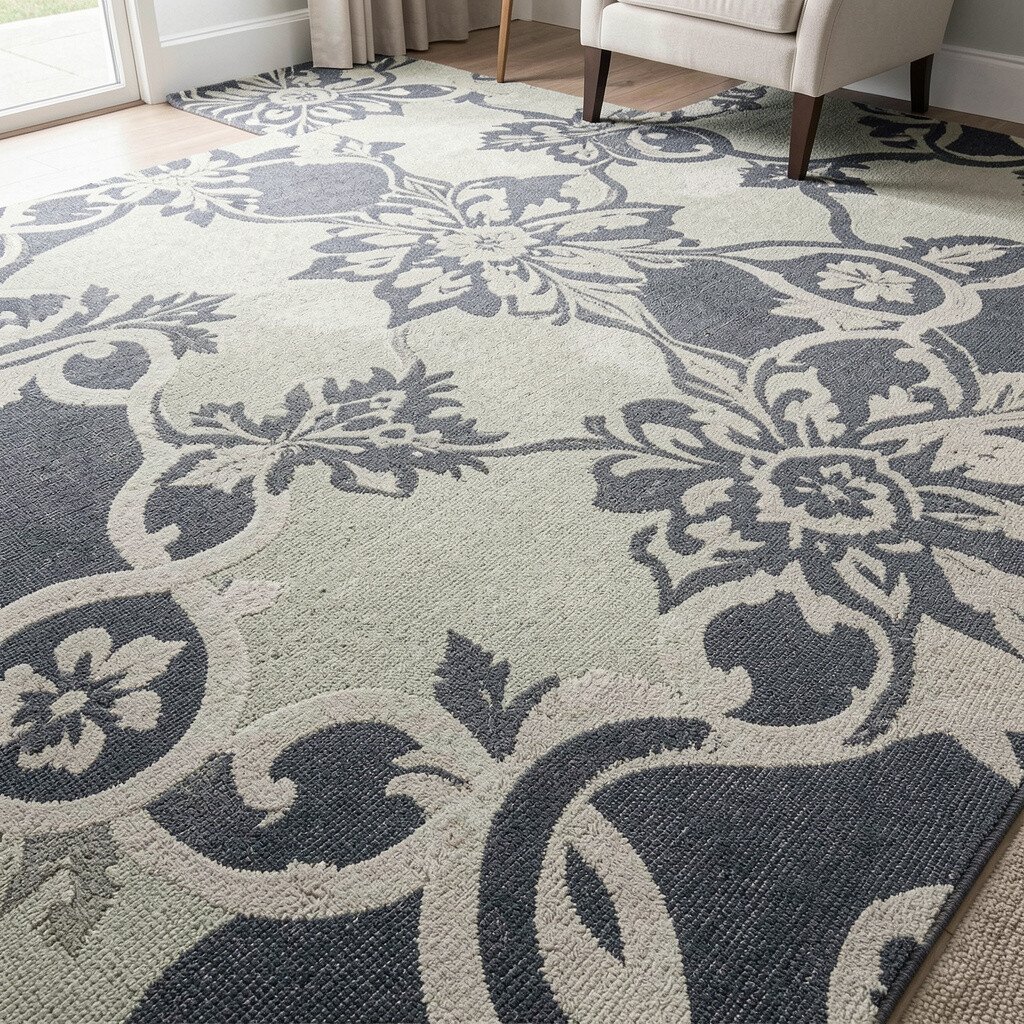
Use furniture grouping to create a natural border, like a conversation area that “reads” as an art rug. Choose coordinating colors so the zone feels intentional and bright, such as a lighter carpet with a slightly richer throw area. For personalization, match the carpet’s texture to your decor style, like smooth and tailored for modern rooms or more casual texture for cozy spaces.
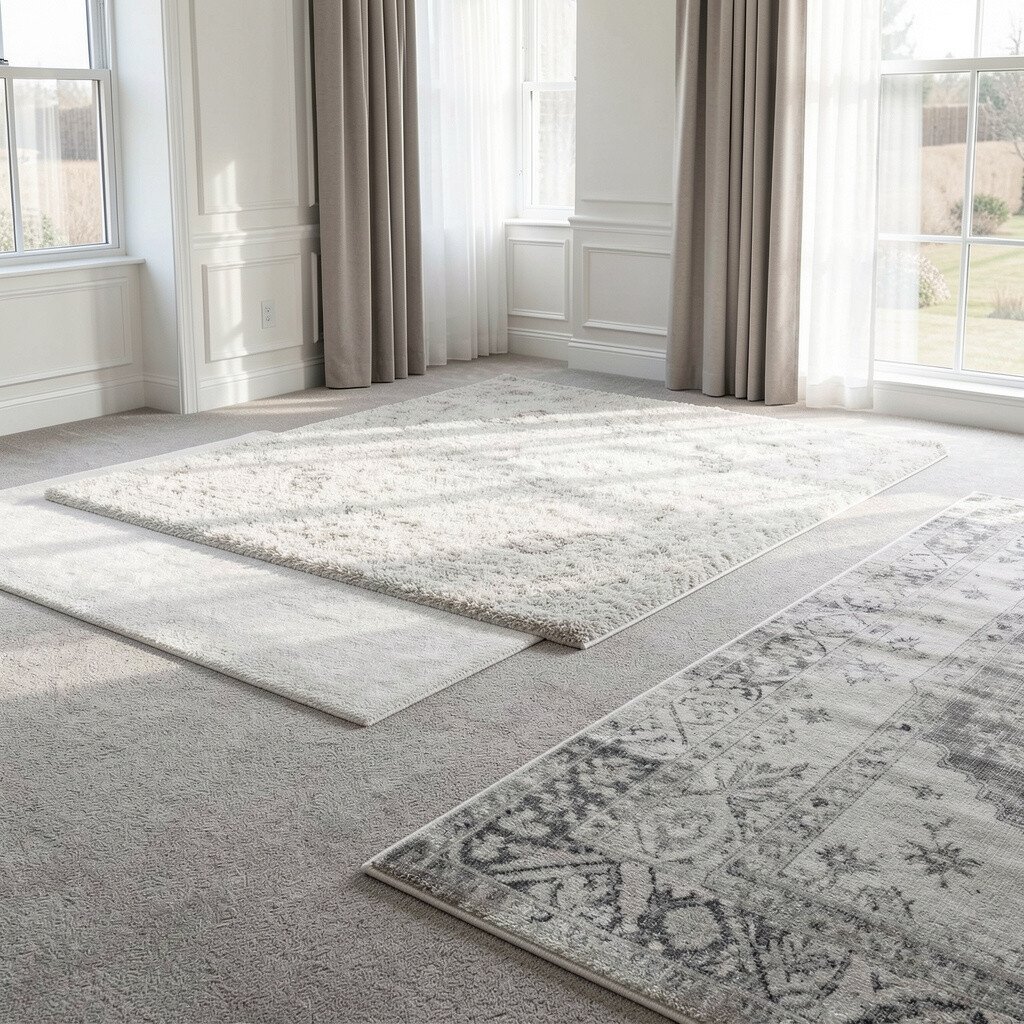
If you want a budget-friendly twist, install carpet broadly and add a high-quality area rug only where it matters most. This can reduce carpet wear in traffic spots while still giving the room a dressed-up look.
10. Cut Pile Direction for Light-Skimming Dimension
Cut Pile Direction for Light-Skimming Dimension
Carpet can show light changes depending on how the pile faces. When the cut pile direction is planned well, the surface can look like it subtly shifts color as you move.
This effect makes a room feel more dynamic and high-end, especially in bright living areas. Ask your installer to follow a consistent direction across the whole layout, or to use a deliberate directional scheme if that’s part of the design. For best results, test samples under your room’s lighting at different times of day.
On cost, cut pile styles can sit higher than basic loop options, but the visual payoff is big. If you’re budget-conscious, you can still achieve similar dimension with a low-contrast texture plan. Either way, the goal is the same, a floor that looks alive rather than flat.
11. Stain-Resistant Finishes for a Bright, Lived-In Look
Stain-Resistant Finishes for a Bright, Lived-In Look
Luxury is not only about looks, it’s also about how long the beauty lasts. A stain-resistant treatment helps keep lighter carpets looking fresher, even with everyday life.
With pets, kids, or frequent guests, you want a carpet that can handle small surprises. Choose a finish that supports your cleaning routine, and ask what products work best without dulling the pile. In terms of personalization, pick a shade that matches your lifestyle, like warm ivory for low-traffic areas and smarter patterned tones for busy zones.
12. Luxury Transitions at Doorways and Floors
Luxury Transitions at Doorways and Floors
Transitions can make or break the final look of your flooring. Thoughtful transitions create a smooth, polished line that feels tailored to the room.
Use matching or well-coordinated transition pieces where carpet meets tile, hardwood, or laminate. These details protect edges and reduce snagging, which helps your carpet stay looking neat for longer. If you want a bright effect, choose a transition color that blends with baseboards or balances the room’s metals.
For cost considerations, transition work can add a noticeable line item, but it’s worth it because it improves durability and appearance. Bring measurements and flooring samples to your installer so the seams and height differences get handled correctly. When transitions are done right, the entire room feels more luxurious from the moment you walk in.