The stars feel close tonight, but the route out is yours to choose. Each orbit escape idea below is built to make your next night feel bigger than the last.
1. Build a DIY Star-Clock from Your Own Observations
Build a DIY Star-Clock from Your Own Observations
Pick a simple target in the sky and watch it at the same time for many nights. Write down what you see in a notebook, then compare how the object seems to shift as your local time changes.
You’ll get a visual trail you can actually hold, like a hand-drawn map made of time and patience. This helps you learn the rhythm of the sky, and that skill makes planning future sessions much easier.
2. Design a “One Constellation” Micro-Quest
Design a “One Constellation” Micro-Quest
Choose a single constellation and commit to it for your next set of sessions. Look for at least three ways it can guide you, like pointing to neighbors, marking seasonal changes, or serving as a landmark in photos.
Work in small steps so it feels manageable, even on busy weeks. You’ll enjoy a sense of progress, and the sky will start to feel like a familiar neighborhood instead of a distant wall of light.
For practical tips, use the same viewing spot and the same brightness settings on your phone camera each time. Keep a tiny checklist for framing, focus, and notes so your later comparison is easier.
3. Try a Low-Cost “Orbit Diary” with Night Photography
Try a Low-Cost “Orbit Diary” with Night Photography
Pick one corner of the sky and shoot it in the same position each night. Use a steady tripod or a flat surface, then aim for consistent framing so your results are truly comparable.
What you’ll notice is a living, looping pattern in the background stars, like the world is gently breathing. That visual loop teaches you patience and helps you spot what changes fast versus what stays calm.
Keep costs reasonable by using your existing phone, natural light blocking, and free apps for basic alignment. Personalize the diary by choosing a theme, like “moon mornings” or “winter nights,” and name your series with something fun.
4. Create a Mini Planetarium with Household Materials
Create a Mini Planetarium with Household Materials
Use a box, tissue paper, and a few craft tools to make a small projection dome. Punch tiny holes to mimic star patterns, then place a bright light behind them so the dots appear on the ceiling.
It’s surprisingly vivid, like a gentle sky scene unfolding inside your room. This is a great way to explain or remember star positions, and it also helps you plan what to look for outside.
5. Build a “Shadow Orbit” Habit Using Landmarks
Build a “Shadow Orbit” Habit Using Landmarks
Pick a nearby landmark like a porch post, tree line, or rooftop edge. Each evening, note the direction your shadow points at the same time relative to the landmark.
This creates a practical visual system that links daily motion to sky motion. You’ll feel more in control because you can build timing skills without needing expensive gear.
To keep it personal, color-code your notes by season or mood, and write one sentence about how the light feels. If you want a small upgrade, add a cheap compass app to help you record directions consistently.
6. Coordinate a “Quiet Night Flight” with Friends
Coordinate a “Quiet Night Flight” with Friends
Invite a few people to sit at the same place and time, but keep the vibe calm and focused. Agree on one shared target, then let each person record a small observation in their own style.
You’ll see the sky through different eyes, and that variety makes the scene richer. The benefit is simple, you’ll remember more and learn faster because conversations spark new questions.
For practical tips, choose a spot with minimal light glare and bring warm layers for everyone. Keep costs low by using phone apps, printable star charts, and shared snacks instead of high-end equipment.
7. Start a “Wavelength Weekend” with Colors from the Sky
Start a “Wavelength Weekend” with Colors from the Sky
Pick a single weather condition, like clear after rain or a hazy evening, and pay attention to how colors shift. Compare the sky’s look across sessions, especially near the horizon where tones often change the most.
This gives you a visual story, like the atmosphere is painting a new background every time. It’s unique because you’re studying mood and texture, not just points of light.
Personalize it by choosing your own prompts, such as “peach horizon” or “inky deep sky.” If you want a gentle trend-friendly approach, look up recent astrophotography styles that emphasize color grading and try a simple version with your editing app.
8. Make a Simple Gravity Map with Walking Routes
Make a Simple Gravity Map with Walking Routes
Walk a set route in your neighborhood and notice how small bends and turns feel like “gravity wells.” Think about how motion changes when you approach a corner, a hill, or an open space.
It’s an unusual way to connect everyday movement to orbital thinking. The visual benefit is that you build intuition for paths and curves without needing any lab tools.
9. Use Household “Orbit Shapes” to Sketch Celestial Paths
Use Household “Orbit Shapes” to Sketch Celestial Paths
Grab string, a paper plate, and a marker to draw circles and loops on the ground or on paper. Then trace how one object moves around another using your string as a guide.
You’ll see the math-like beauty without getting stuck in heavy formulas. This can help your brain understand why objects keep going, even when they seem like they should slow down.
Personalize by turning your sketches into a series, such as “ellipses in autumn” or “loops in spring.” For practical tips, take one photo of each sketch so you can revisit them later and connect them to what you see outside.
10. Launch a “Meteor Snack Watch” for Micro-Goals
Launch a “Meteor Snack Watch” for Micro-Goals
Choose a short window when you expect more shooting stars, then set a simple timer. Keep warm, stay still, and look steadily instead of checking your phone every few minutes.
The reward feels immediate, because the sky can surprise you with quick streaks. You’ll also learn patterns of attention, like how long it takes your eyes to adjust.
11. Try an “Eclipse Storyboard” Using Past Photos
Try an “Eclipse Storyboard” Using Past Photos
Dig up old photos from solar events, the moon’s changes, or even cloudy days with bright moments. Arrange them in a visual sequence on your phone or in a folder with a friendly name.
This turns memory into a mini exhibit, like your own personal museum. It’s unique because you’re not only collecting data, you’re building a narrative that helps your future observing feel more meaningful.
To keep it practical, label each image with the date and the setting you used, such as camera mode or brightness. Costs stay low because you’re working with what you already have, and personalization is easy through color themes or captions.
12. Build a “Sky-Safe” Light Shield for Better Viewing
Build a “Sky-Safe” Light Shield for Better Viewing
Find a way to block stray light near your eyes, even if you’re stuck in a busy place. Use a hoodie pulled back, a small screen, or a portable shade to reduce glare.
You’ll notice the difference right away, since your eyes will work better and the sky will look sharper. The benefit is real improvement with almost no spending, and it helps every observing style from casual to serious.
13. Plan a “Moon-First” Session with a Photo-and-Note Routine
Plan a “Moon-First” Session with a Photo-and-Note Routine
Start with the moon, even if you’re aiming for other objects later. Set a quick routine that includes framing, one short note about the texture you see, and one attempt at a photo.
The moon offers a clear visual anchor, so your eyes and camera settings won’t feel like a guessing game. You’ll gain confidence faster, and the payoff makes the rest of the session feel easier.
For practical tips, check your focus before you start recording and keep your settings steady for a few shots. Personalize it by choosing one moon theme each month, like “ring-like shadows” or “smooth glow,” and track which look you like most.
14. Turn Your Weather App into an Orbit Companion
Turn Your Weather App into an Orbit Companion
Instead of treating weather as background, use it as part of your observing plan. Track wind, humidity, and cloud cover, and note what happens when you choose “just okay” nights versus “perfect” ones.
This gives you actionable insight, because you’ll learn which conditions actually make a visible difference. The visual benefit is that you’ll see more of the sky’s detail when you match the conditions to your goals.
Keep costs low by using the apps you already have and setting consistent logging time. A current trend in sky hobbies is using weather-driven planning and short session goals, so your routine will feel modern and practical.
15. Make an “Orbit Tunes” Playlist for Focus and Calm
Make an “Orbit Tunes” Playlist for Focus and Calm
Pick a playlist that stays gentle and repetitive, then use it only for your observing time. The goal is to create a mental doorway where attention becomes easier as soon as the music starts.
You may be surprised how much better you notice tiny changes when your mind is calmer. It’s unique because it treats observing as a creative practice, not a technical chore.
Personalize it by matching the sound to the sky mood, like soft synth for clear nights and warmer acoustic tones for cloudy evenings. If you want practical tips, use one earbud at low volume or play through a speaker with a soft limit so you can still hear the environment.
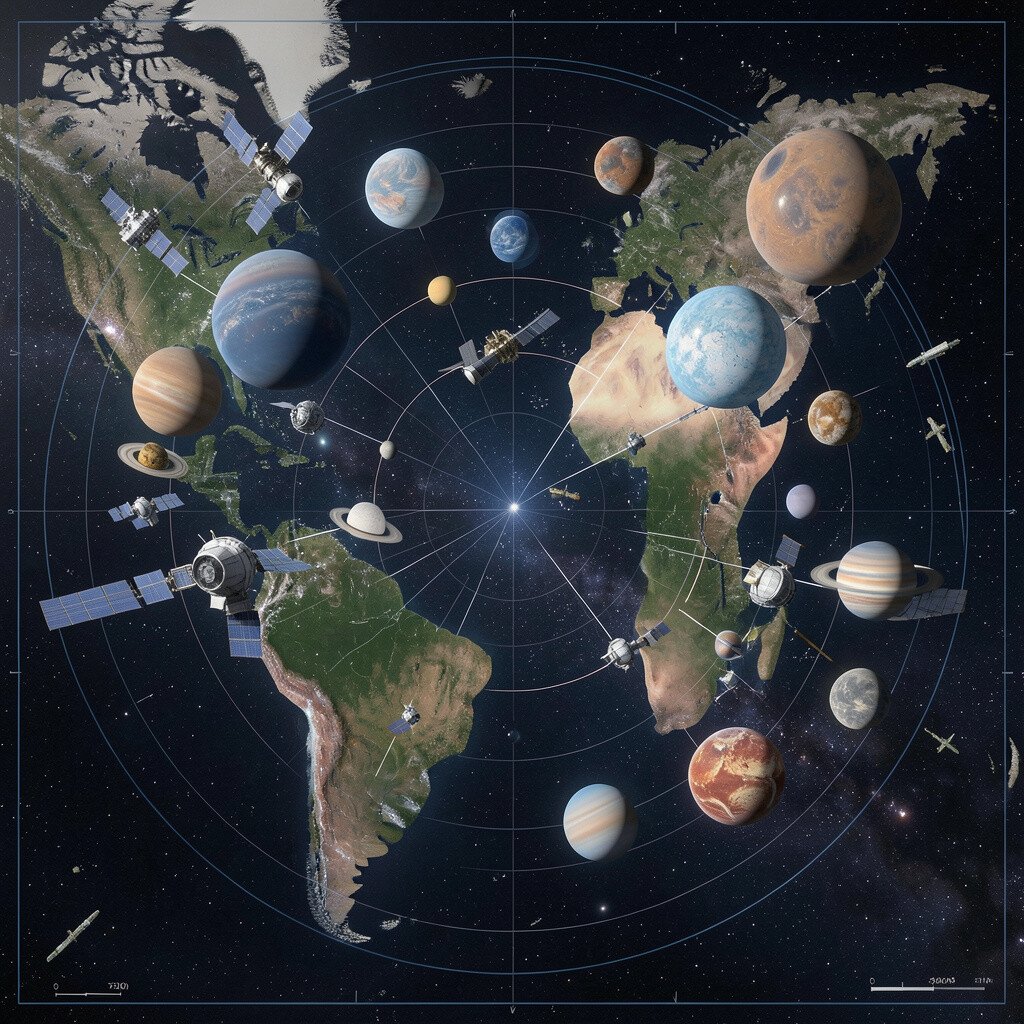
16. Create a “Local Systems” Map of Satellites and Planets
Create a “Local Systems” Map of Satellites and Planets
Use free sky apps to list the bright targets visible from your yard or nearby park. Make a simple map on paper of the directions you’ll face, then plan your steps so you don’t waste time during setup.
You’ll build a vivid sense of place, like the sky is organized in lanes above your own world. The benefit is that you spend more minutes looking and fewer minutes searching.
For cost considerations, rely on your phone and a basic mount if you have one, then upgrade only if you fall in love with the hobby. Personalize by giving your targets nicknames and writing quick one-line impressions, such as “steady glow” or “dancing edge.”
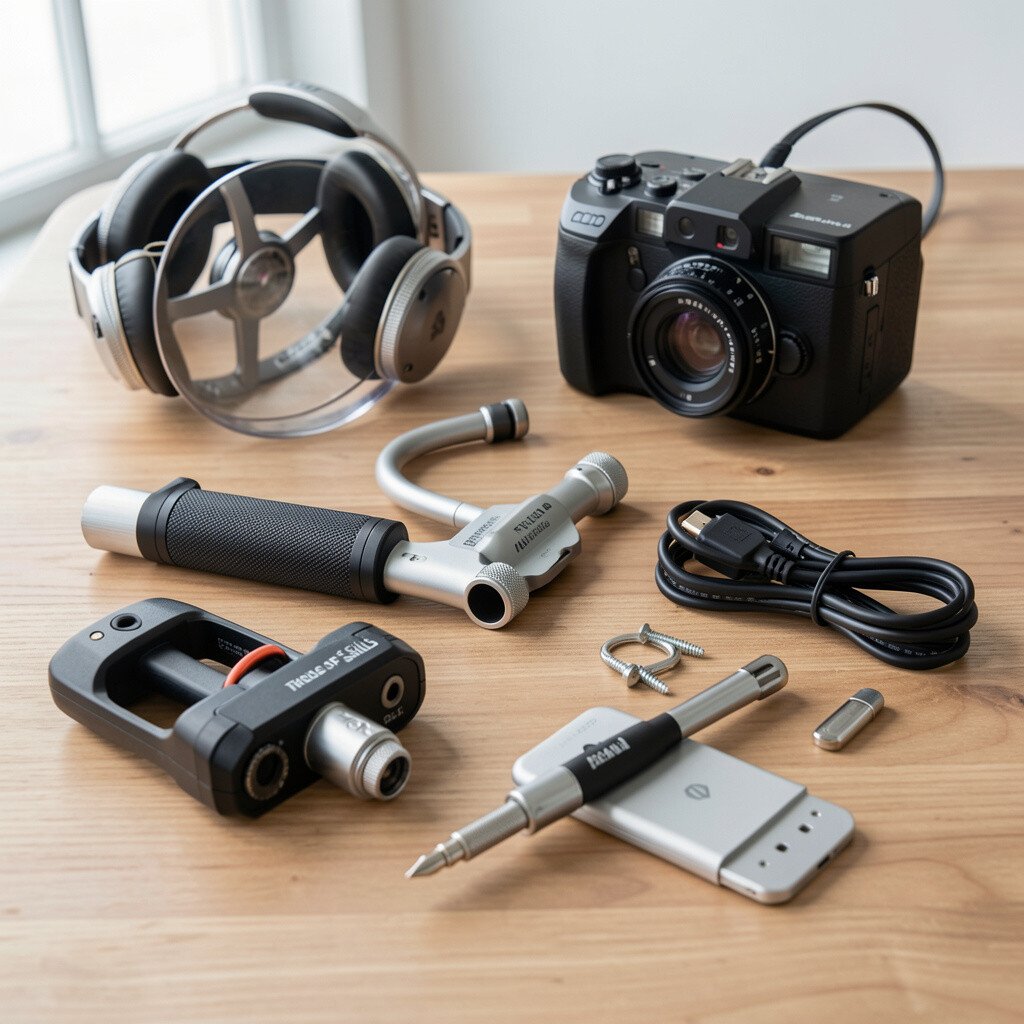
17. Host a “Trade of Skills” Night with Simple Equipment Swaps
Host a “Trade of Skills” Night with Simple Equipment Swaps
Invite people to bring one small tool they like, such as binoculars, a phone tripod, or a cheap lens cloth. Instead of money, trade guidance and show how each person gets better results with what they already own.
The visual payoff is that everyone’s setup looks different, yet the sky still shows its magic for all of you. You’ll learn practical techniques faster because you see how others solve real problems.
Keep costs in check by focusing on sharing, not buying, and by using free resources like printable guides and community star events. Personalize your night by setting a playful rule, like each person must teach one habit for comfort and stability before anyone starts photographing.