Picture a corner of your home where snacks feel like celebrations. When everyone has a seat that fits their needs, mealtimes start to feel easier and warmer.
From cozy built-ins to playful themes, an eating nook can bring comfort, reduce weekday stress, and make family traditions easier to repeat.
A window-ledged nook gives you bright, feel-good light while kids watch birds or clouds. Choose a wide sill, add a cushioned bench, and finish with washable covers for easy cleanup after spaghetti days.
Families often enjoy slower conversations when the space feels calm and safe. For practicality, measure your sunlight hours and place seating so glare doesn’t bounce into everyone’s eyes, especially for homework with juice stains nearby.
2. Turn a Corner Into a Cozy Booth With Storage
Turn a Corner Into a Cozy Booth With Storage
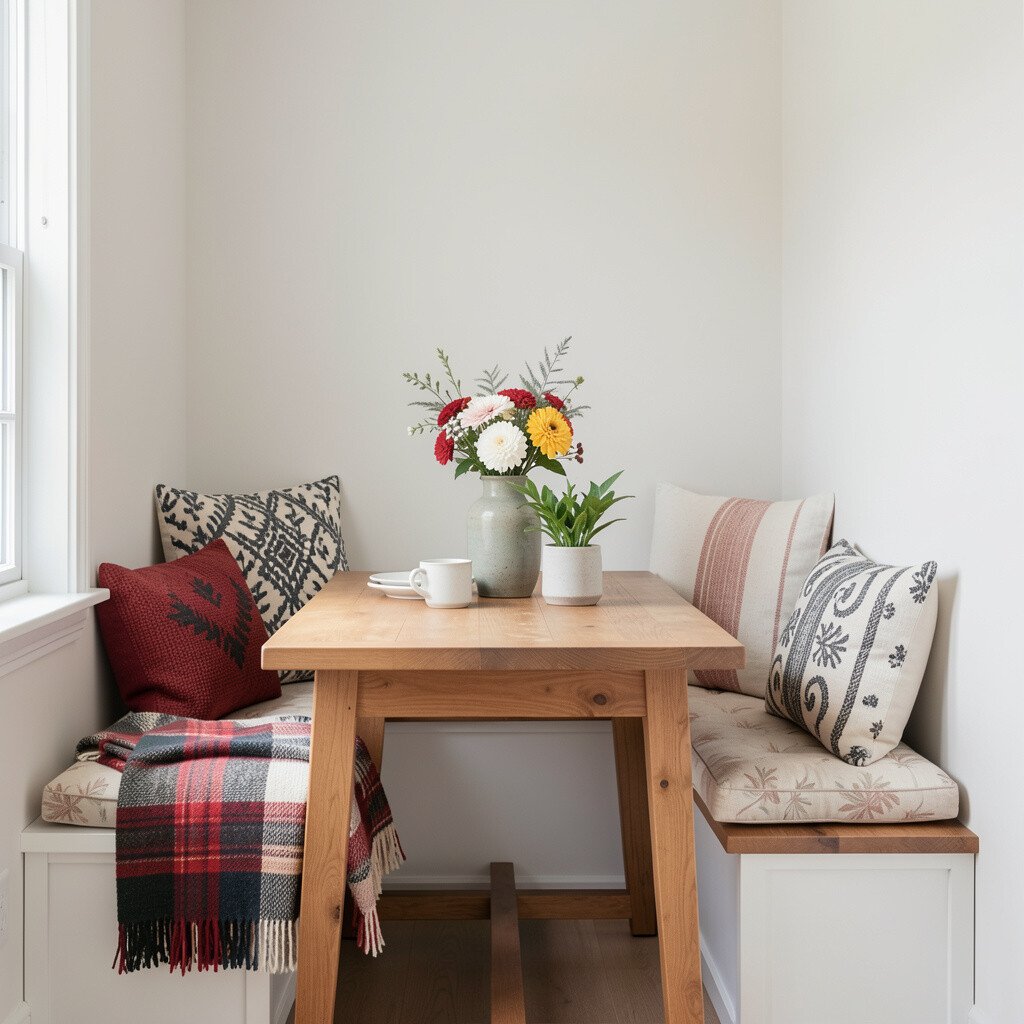
A corner booth makes the room feel instantly intentional, like the house is gently guiding everyone to eat together. Use a U-shaped bench with soft backs, and add drawers under the seats for napkins, bibs, and board games.
That hidden storage helps meals run smoothly because you stop hunting for things mid-dinner. For personalization, paint the back panel a favorite family color or add removable fabric panels that match the season.
When you want cost control, look for secondhand cushions or repurpose foam from an old couch, then reupholster with budget-friendly fabric. A sleek new bench can still look custom when you use clean lines and matching hardware.
3. Create a Low Table Nook for Family-Style Picnics at Home
Create a Low Table Nook for Family-Style Picnics at Home
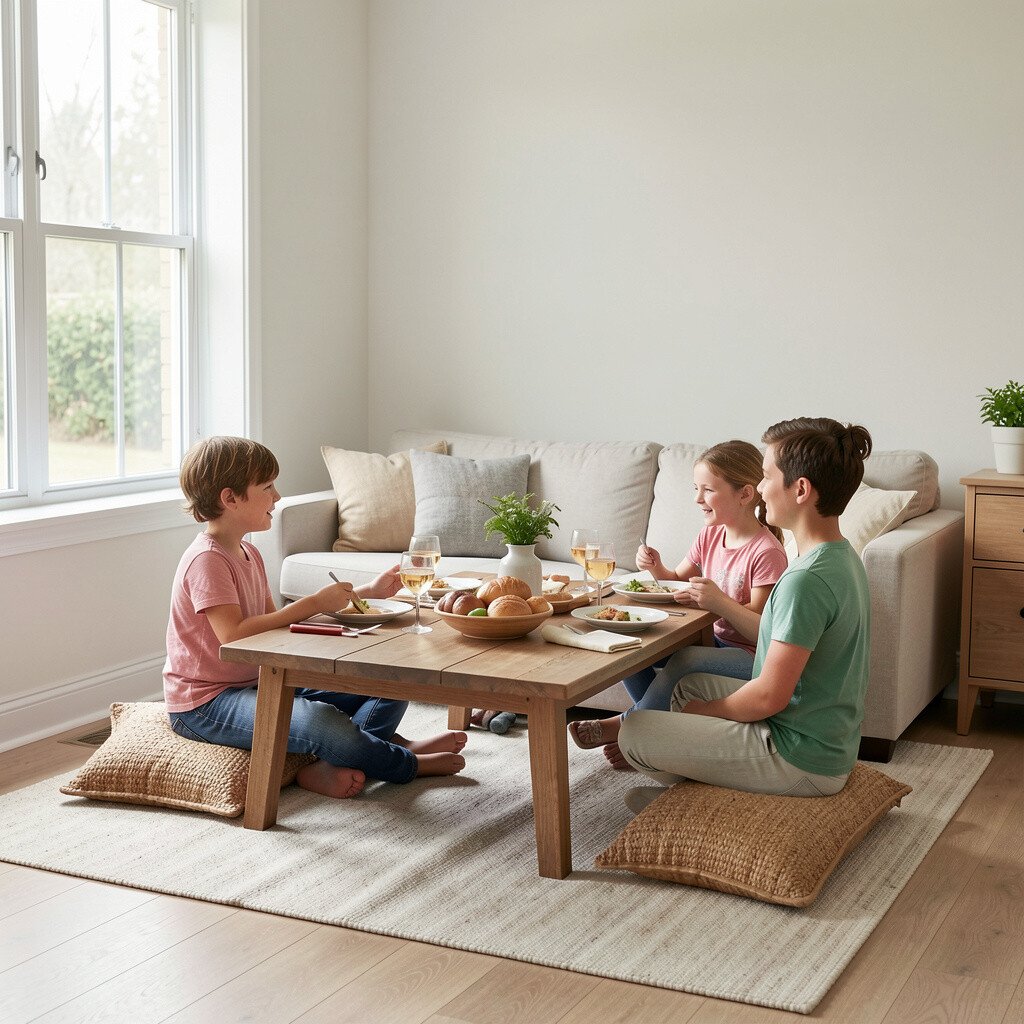
A low table nook feels playful and turns everyday meals into something you can “picnic” around. Choose a sturdy table with rounded edges, then set cushions along one or two sides so kids can sit comfortably.
Keep the floor easy for little movers by using a thick, wipeable rug, and consider foldable placemats so mess stays contained. When kids feel relaxed, they often try more foods because the whole setup feels casual and welcoming.
To make it uniquely yours, swap the table centerpiece each week with theme baskets like taco night napkins or “fruit explorer” bowls. If space is tight, use a table on casters so the nook can roll out of the way for playtime.
A chalkboard wall makes mealtime feel interactive without adding extra work for parents. Write the meal plan, add “build your own” options, and let kids circle what they want before the first bite.
That small choice can reduce fussing because everyone feels included and heard. For a modern look, use chalk markers or removable paint sheets, and frame the edges so it looks neat even when kids get excited.
5. Use a Repurposed Sideboard as the Nook’s Serving Hub
Use a Repurposed Sideboard as the Nook’s Serving Hub
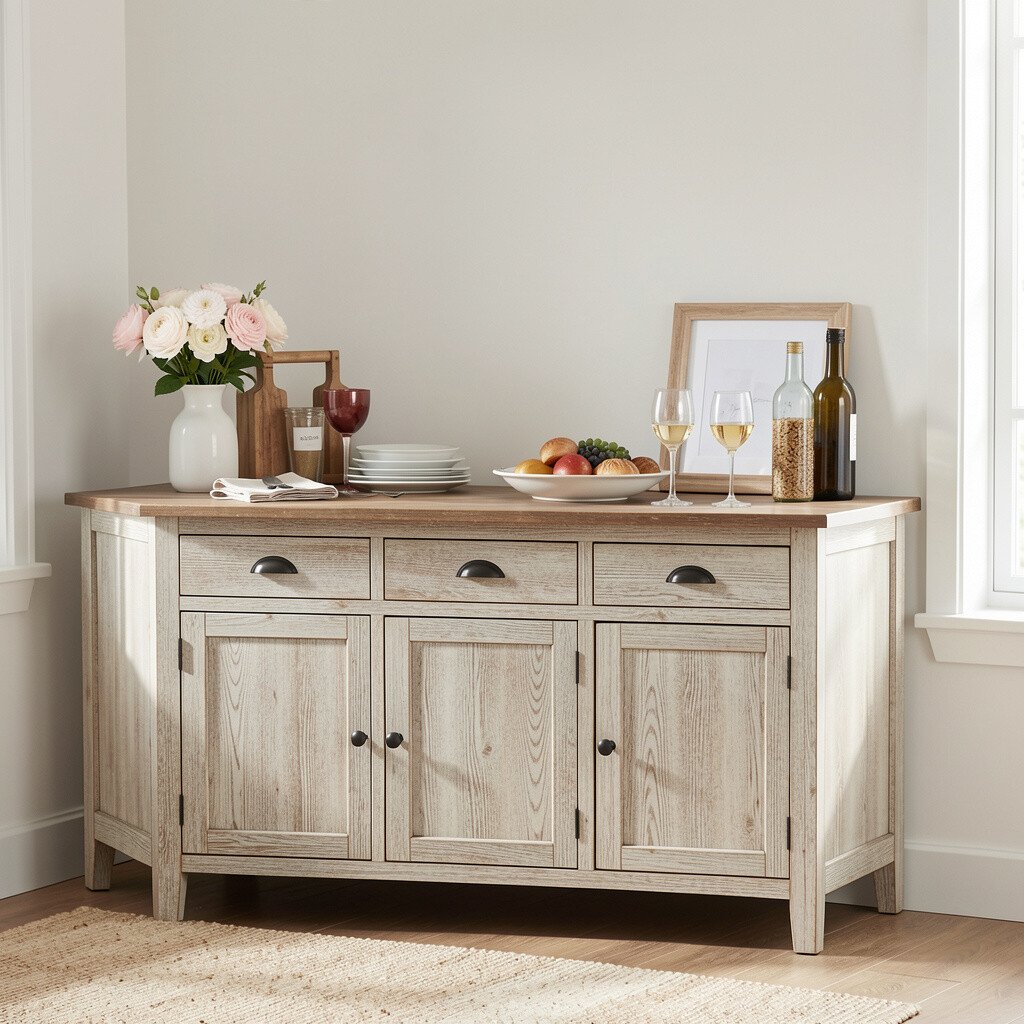
A sideboard or cabinet can become the heart of your eating nook, especially if you set it up for quick serving. Place a tray on top for plates, and use labeled bins inside for cutlery, napkins, and kid-friendly utensils.
This setup keeps food flowing and helps kids reach what they need without rummaging. For personalization, decorate the top with family photos in simple frames and swap seasonal items like mini pumpkins or fresh herbs.
If you’re watching costs, hunt for solid wood pieces at thrift stores, then refinish them with an affordable stain. Current trends lean toward warm, natural tones, so a light oak or walnut finish usually fits right in.
6. Choose Mismatched Chairs for a Fun, Family-Lived Look
Choose Mismatched Chairs for a Fun, Family-Lived Look
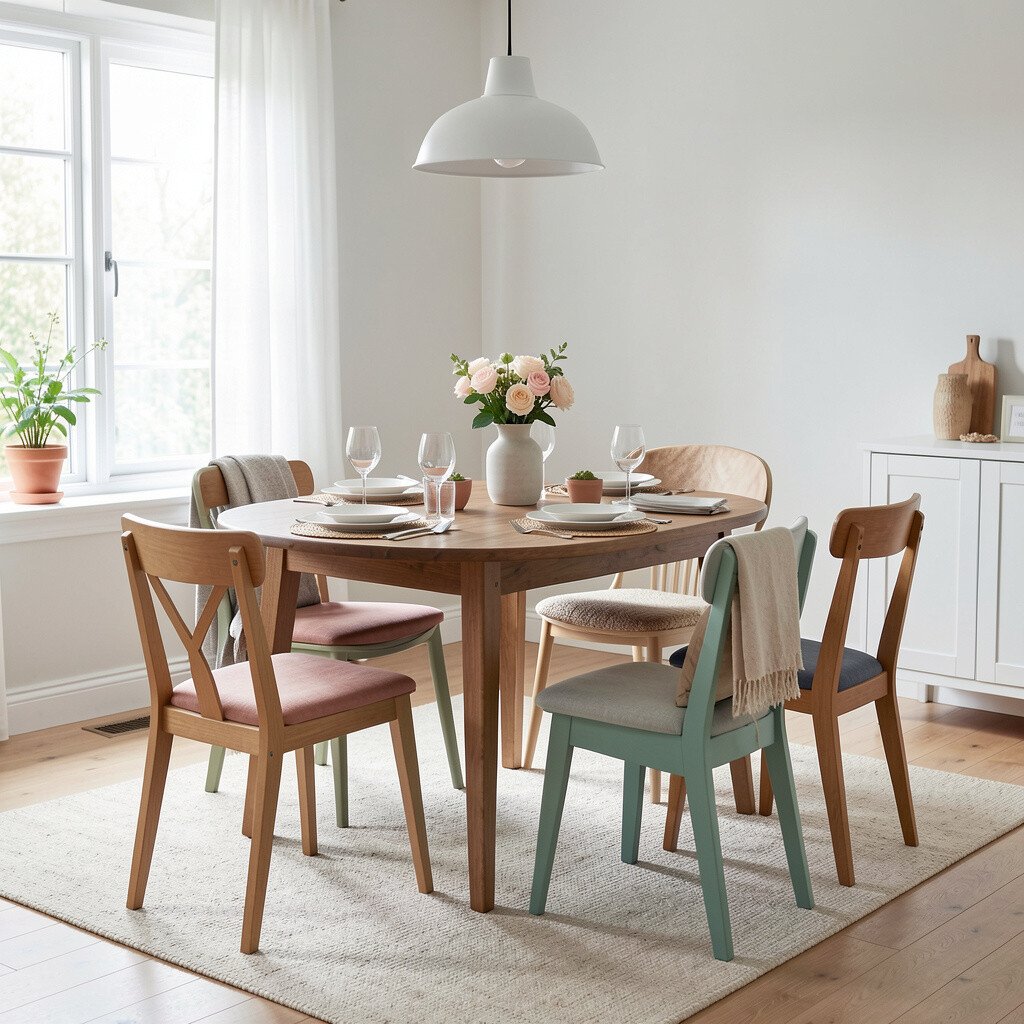
Mixing chairs can make your nook feel lively and not too precious, which is perfect for families. Aim for one shared style like wooden legs, but let the seats vary in color or pattern so the space feels collected, not copied.
When the seating looks friendly, kids may linger and talk more about their day. For practical comfort, add cushioned seat pads and choose fabrics that wipe clean quickly after snack spills.
To personalize without overspending, scan flea markets and online marketplaces, then refinish only the most visible parts. A small color theme, like mint and navy, can help the mismatched look still feel coordinated.
7. Make a Floating Shelf “Snack Gallery” Near the Seating
Make a Floating Shelf “Snack Gallery” Near the Seating
Floating shelves turn a wall into a snack gallery, and the nook starts to feel like a mini market. Display easy grab items like crackers, fruit pouches, and small bowls, so kids can help themselves with less interruption.
This reduces the “can I have…” loop and helps older kids manage portioning with your guidance. For safety, keep heavier items lower and use shelf liners to prevent sliding.
Uniqueness comes from how you style it, like adding little baskets with labels on the outside and a rotating “today’s treat” bowl. For cost considerations, build shelves cheaply with sturdy brackets and paint the wood in a tone that matches your room.
8. Build an Outdoor-Feeling Nook Indoors With Wicker and Greenery
Build an Outdoor-Feeling Nook Indoors With Wicker and Greenery
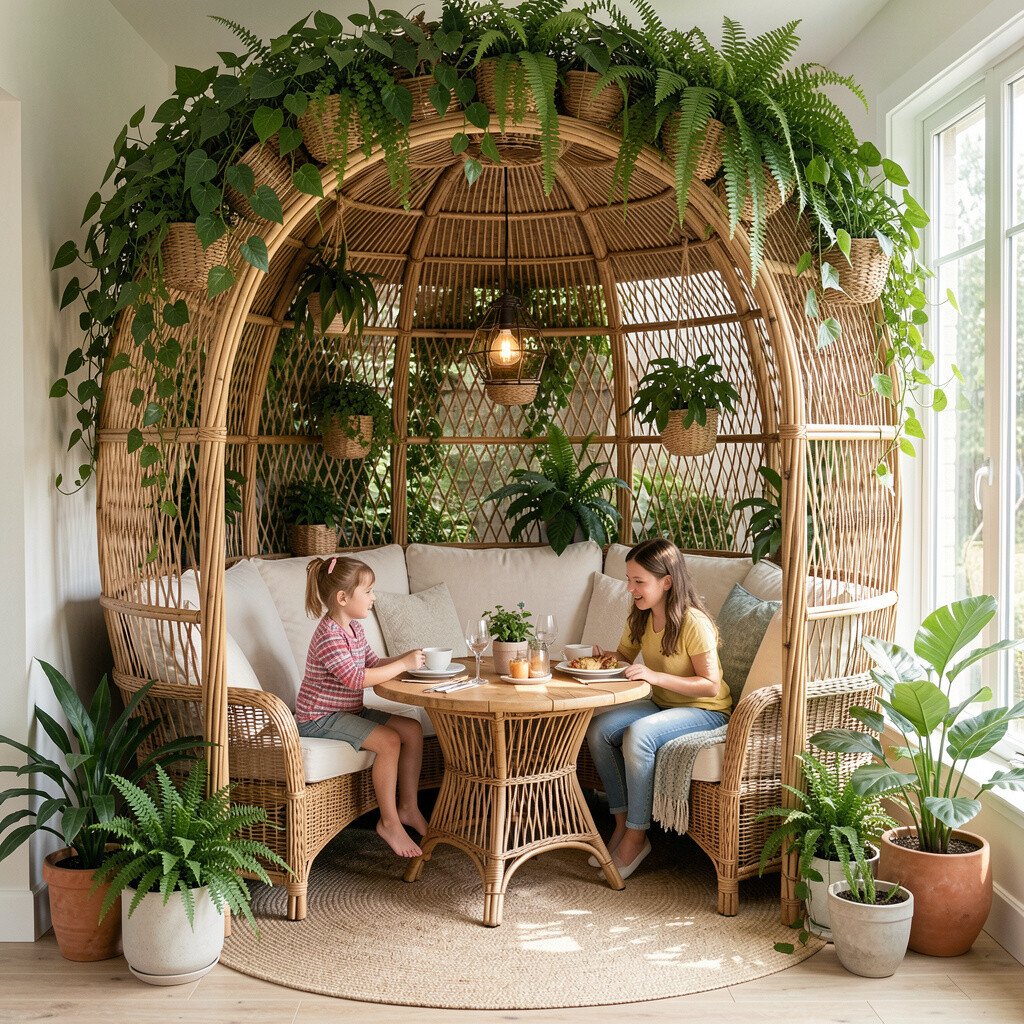
An indoor nook with wicker textures and greenery can make meals feel like fresh air without leaving home. Add a light wicker chair, a rattan tray, and a few low-maintenance plants near the table to soften the space.
People often slow down and enjoy food more when the area feels relaxed and nature-inspired. For practical tips, choose faux plants or hardy live plants based on your sunlight, and use a washable table runner to catch crumbs.
If you want the look right now, warm neutrals and natural materials are trending because they pair well with almost every style. Personalize by tying small seasonal greenery to your family calendar, like spring flowers or winter evergreen branches.
9. Design a “Homework and Nibbles” Corner With Bright Task Lighting
Design a “Homework and Nibbles” Corner With Bright Task Lighting
When your nook supports two activities, it becomes a daily anchor for the whole family. Use a small desk lamp or pendant light above the seating so kids can snack and complete short tasks comfortably.
Better lighting can make focus easier, and it also makes the nook feel welcoming even on busy evenings. Choose a dimmable bulb and keep a small supply caddy nearby for pencils, erasers, and wipes.
To keep costs in check, use a lamp you already have and add a better shade for a fresh look. Personalize with a color-coded tray set so each family member has a “home base” for their materials.
10. Create a Reading-Adjacent Nook With Quiet Corner Cues
Create a Reading-Adjacent Nook With Quiet Corner Cues
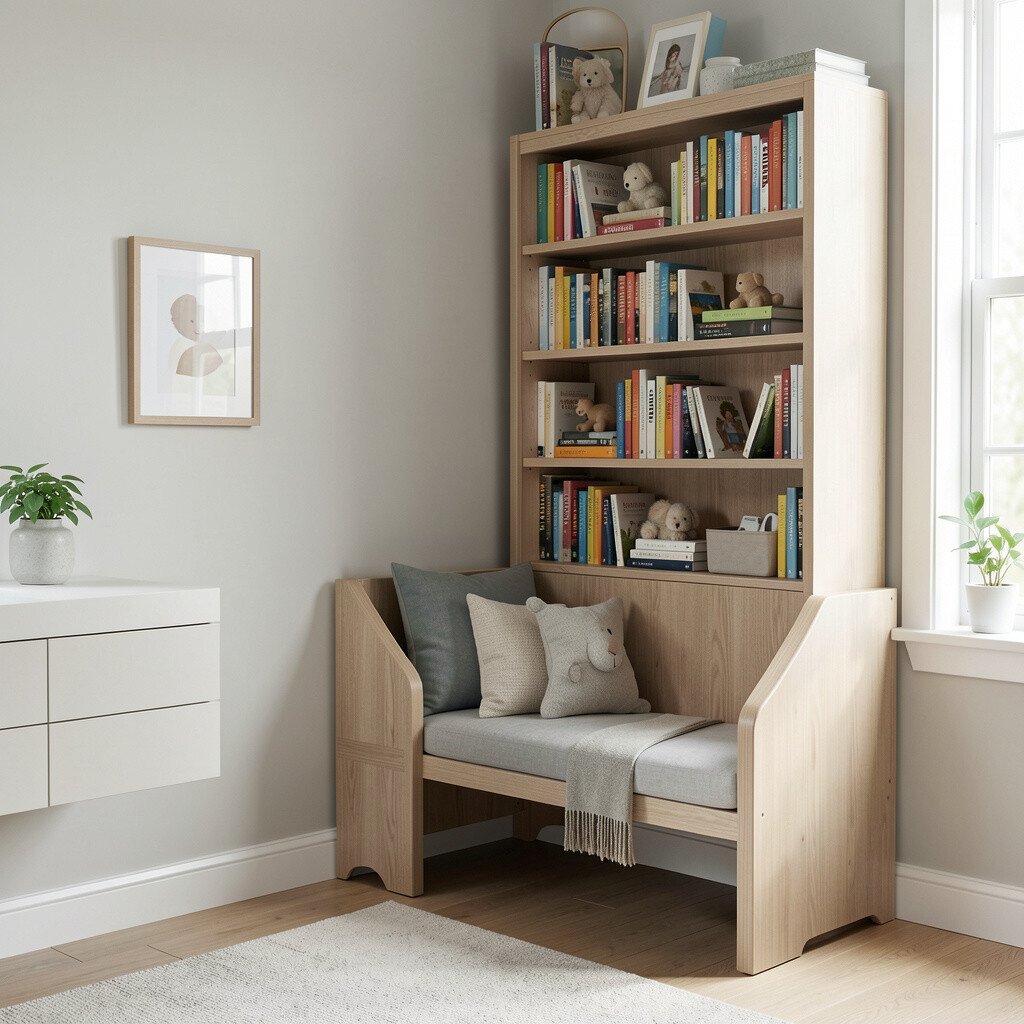
If you place books near the eating area, families often find stories become part of the routine. Use a small bookshelf, a tote for age-appropriate reads, and a soft rug so it feels inviting but not chaotic.
This helps kids calm down before meals, which can make dinners feel smoother and less rushed. For uniqueness, pick one theme like animal adventures or bedtime stories and rotate titles every few weeks.
Practical tip for personalization is to let each child choose a book “seat neighbor” for their spot. If you want to save money, trade books with friends or use library checkouts, then keep a simple return basket inside the nook.
11. Make a Fold-Out Banquette for Apartments and Smaller Homes
Make a Fold-Out Banquette for Apartments and Smaller Homes
For smaller spaces, a fold-out banquette keeps the nook tidy while still giving everyone a comfortable seat. Choose a bench that folds open for storage or a wall-mounted option that swings out when it’s mealtime.
This design reduces clutter and gives you breathing room for play after dinner. To personalize, add removable cushion covers in your family colors so it feels like “your” space even if it’s compact.
Cost-wise, look for modular furniture that ships in pieces you can assemble, and compare prices across big-box and local retailers. Current trends favor space-saving seating, especially in homes where dining and working share the same room.
12. Style a Small Dining Nook With a Fabric Curtain Divider
Style a Small Dining Nook With a Fabric Curtain Divider
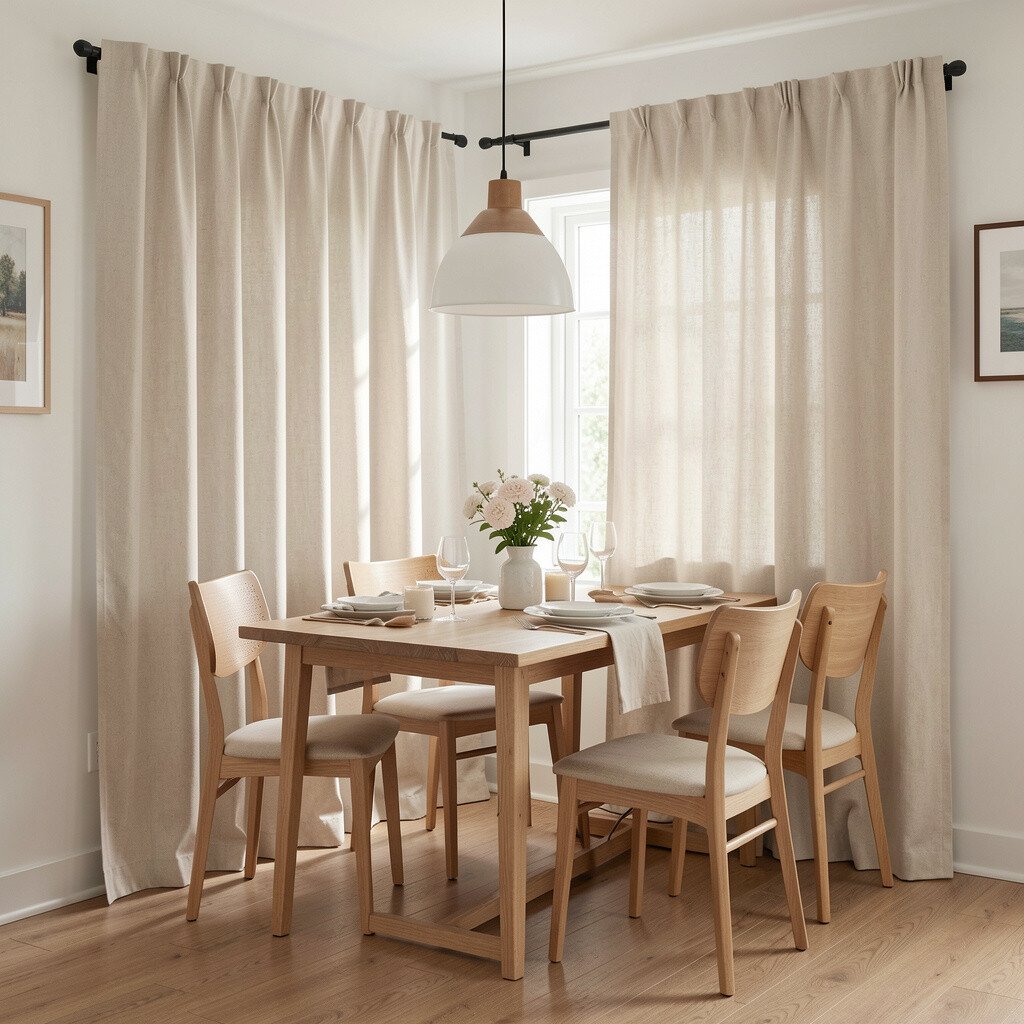
A fabric curtain divider can make a nook feel private even in an open-plan space. Hang a rod near the seating and choose a washable fabric that matches your home tones, like soft linen or a cheerful pattern.
Privacy can help younger kids focus on eating instead of distractions, especially when the rest of the room is busy. For practical tips, use a curtain that reaches just above the table so you keep an open, airy feel.
Uniqueness comes from how you switch it up, like using holiday prints or subtle stripes that match your plates. If you want lower cost, sew simple panels from yardage you love and add clip-on loops for quick removal.
13. Set Up a “Snack Tray Station” for Toddlers and Busy Evenings
Set Up a “Snack Tray Station” for Toddlers and Busy Evenings
A dedicated snack tray station helps toddlers enjoy meals without feeling like they’re stuck in a different room. Place a sturdy cart or side table nearby with trays, kid cups, and a simple sequence for clean-up.
Families benefit because feeding time becomes more consistent, and you spend less time reorganizing the kitchen. For personalization, customize the station with favorite character containers or color-coded cups by age or flavor preference.
To manage costs, choose one durable cart and reuse it across seasons, then swap only the smaller items like bins and placemats. If you’re following trends, organized “micro-stations” are popular because they turn kitchen chaos into calm routines.
14. Host a Family “Tasting Wall” With Rotating Small Bowls
Host a Family “Tasting Wall” With Rotating Small Bowls
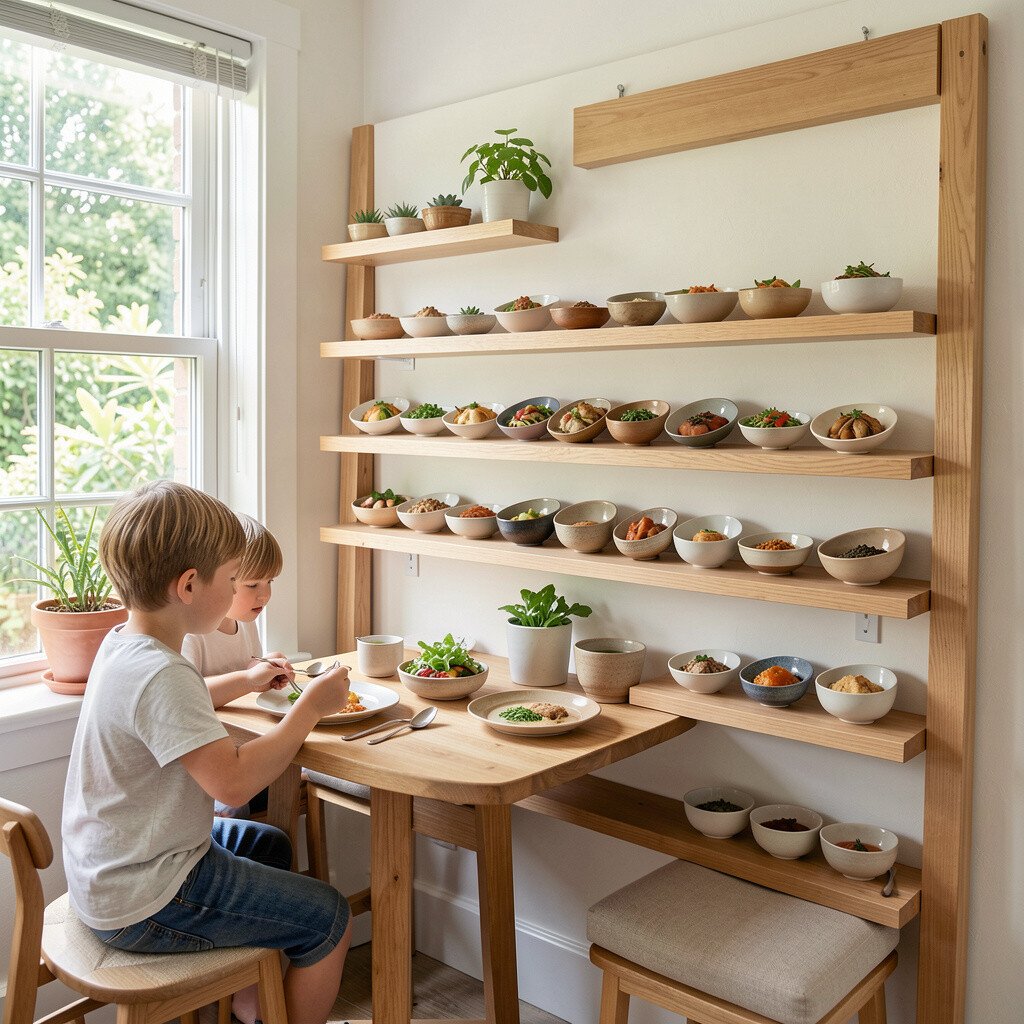
A tasting wall turns simple meals into a fun, interactive experience without forcing elaborate cooking. Mount hooks or small ledges for bowls and let family members pick tiny portions of different toppings or sides.
This can make picky eaters more curious because they can try small amounts and decide what they like. Practical tip is to keep the bowls lightweight and washable, and use labels so siblings don’t mix allergens or preferences.
Uniqueness is easy here, since you can theme it by region, by holiday, or by “colors we need today” like red tomatoes and green cucumbers. For cost considerations, start with a few bowls and reuse them for snack plates, salad bars, and dessert toppings.
15. Put the Nook Near the Kitchen for Faster, Less Stressful Evenings
Put the Nook Near the Kitchen for Faster, Less Stressful Evenings
Placing your eating nook close to food prep keeps everyone moving in sync. You’ll feel the difference when you can set dishes down in seconds and keep kids seated instead of bouncing between rooms.
That convenience is a real benefit because less time walking means more time eating and talking. For practical tips, add a small docking spot for backpacks or coats so the area stays organized before and after meals.
Personalize the space with a photo gallery at kid eye level and a small scent-safe candle during special dinners. If costs are a concern, focus spending on lighting and comfortable seating, since those changes make the biggest day-to-day impact.
16. Make a Theme Nook With Seasonal Textiles and Simple Centerpieces
Make a Theme Nook With Seasonal Textiles and Simple Centerpieces
A theme nook lets your home feel festive without complicated decorating every week. Use seasonal textiles like a fall runner, winter plaid cushions, or spring florals, then keep the table centerpiece small and easy to swap.
This approach helps families enjoy variety while still keeping the space practical and easy to clean. For personalization, have each child help choose one element, like a napkin color or a small ornament that fits their favorite hobby.
Cost-wise, store items in labeled bins and reuse them year after year, which keeps spending under control. Current trends show people favoring “small but meaningful” seasonal touches that look intentional rather than cluttered.
17. Add a “Clean Plate” Routine With Hidden Wipe and Waste
Add a “Clean Plate” Routine With Hidden Wipe and Waste
A smart nook includes a simple clean plate system so everyone can reset quickly after eating. Put a small trash bin and a stack of wipes in a closed cabinet or under-seat compartment so it stays out of sight.
That hidden setup is a benefit because it reduces mess lingering on tables and encourages kids to pitch in. For practical personalization, choose bins that match the room color and add a small sign kids can read with pictures instead of complicated words.
To manage costs, buy basic bins and liners first, then upgrade to better storage later when you find styles you truly like. A tidy nook feels calmer, and families tend to enjoy meals more when the space stays easy to maintain.