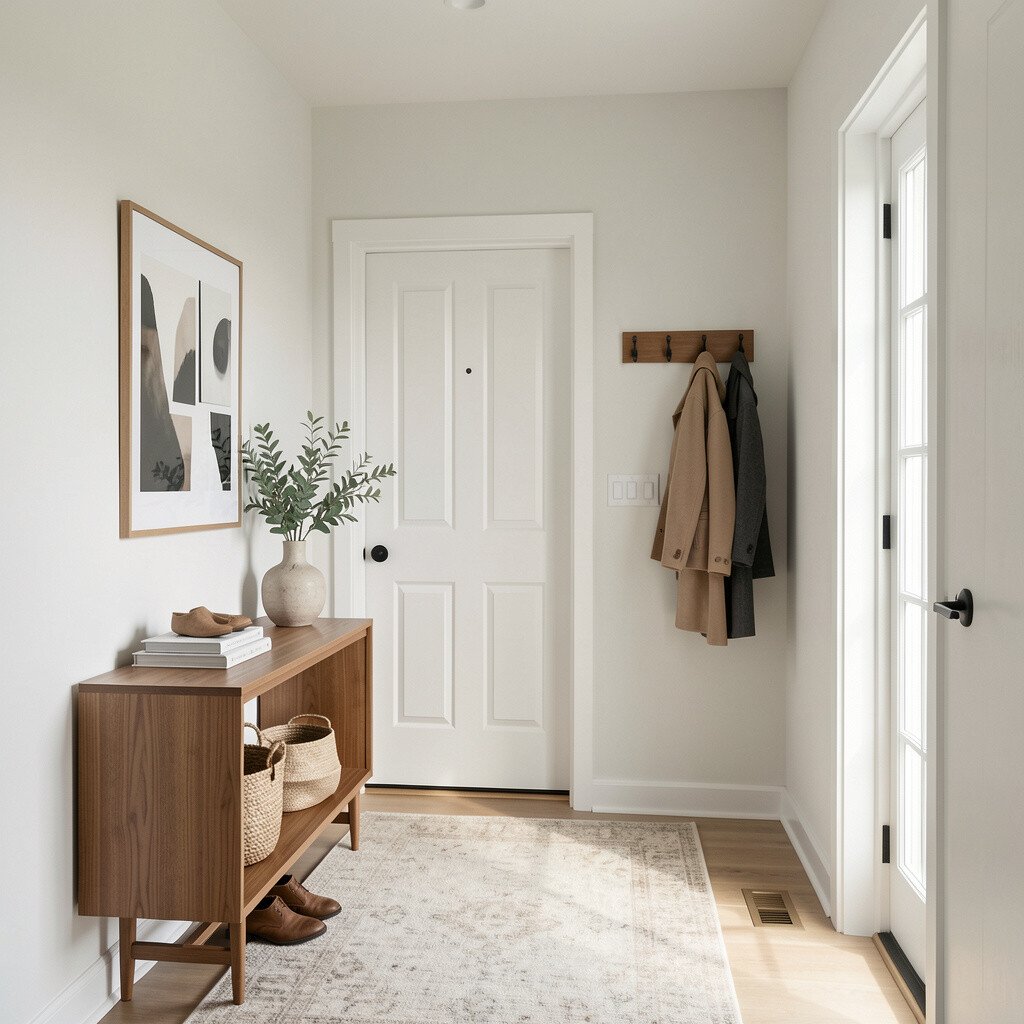
18+ Home Entryway Tips Nobody Talks About For A Fresh Look
Your entryway is the first page of your home, and it should read like a warm hello. Small, low-effort changes can make it feel tidy, bright, and more like you.
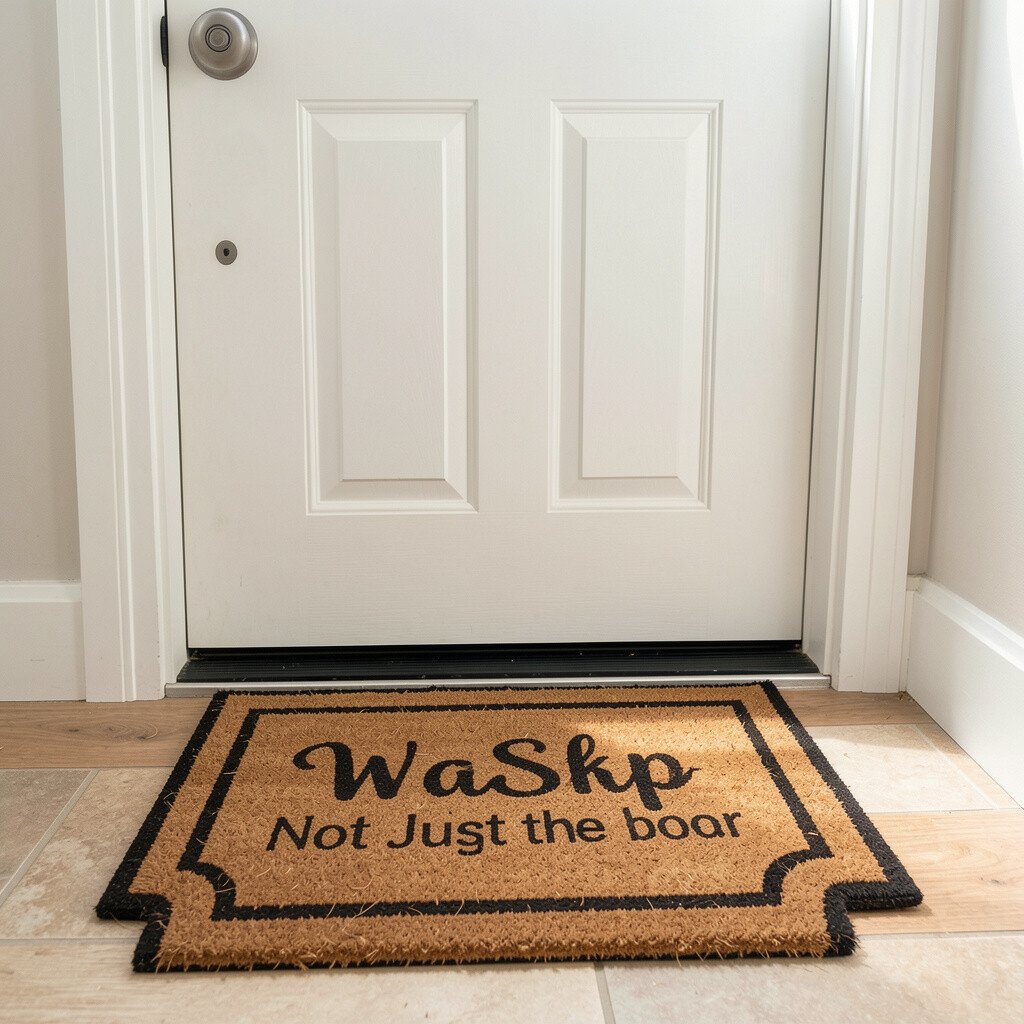
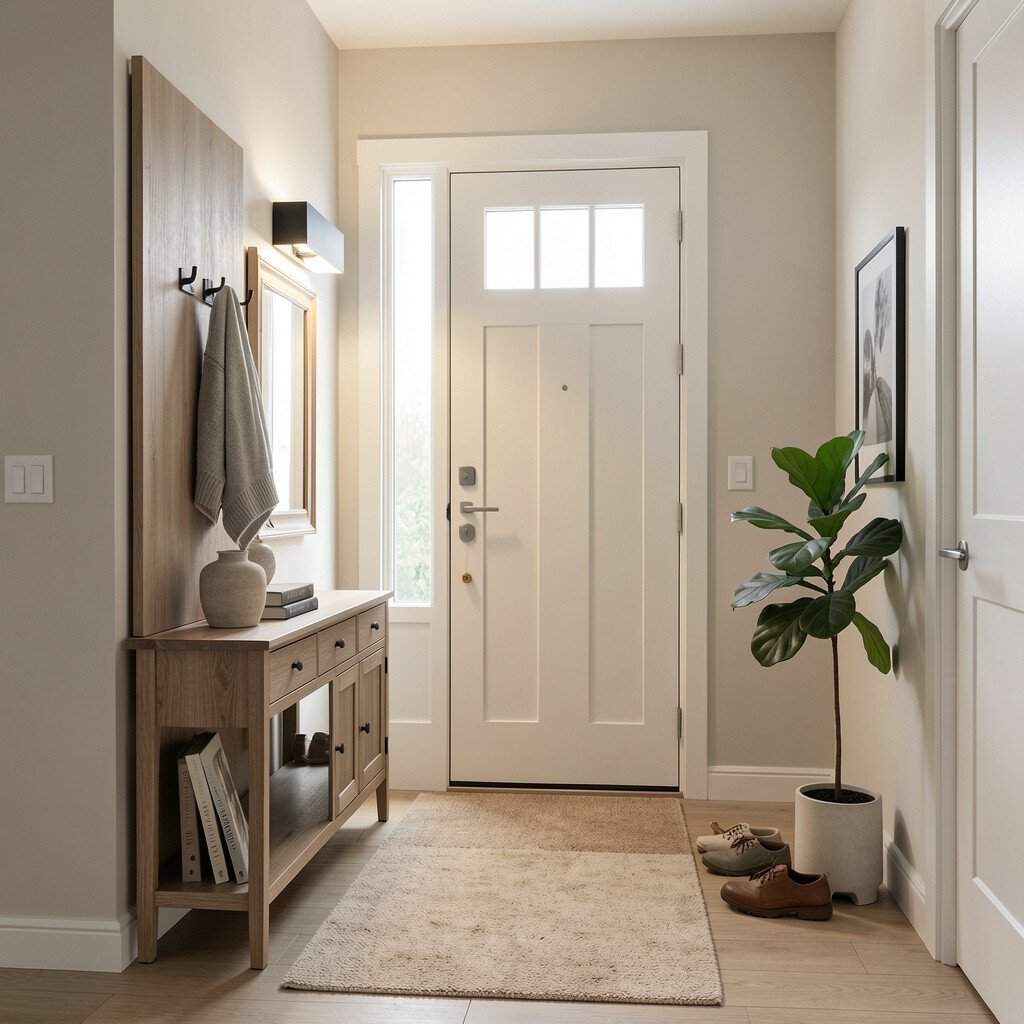
Most people think door mats are only about looks, but shape changes how your entryway performs day to day. A wider mat helps catch more dirt while a runner style keeps shoes from scuffing the surrounding floor.
Try a low profile mat if your door sticks or if you have a thin threshold gap. If you prefer a cozier look, choose a textured loop weave that visually hides footprints. Pair it with a non-slip backing so the mat stays put during rainy days.
2. Add a Catch-All Tray for the “In-Between” Stuff
Add a Catch-All Tray for the “In-Between” Stuff
A small tray near the door quietly handles the items that always end up in the same messy spot. Keys, sunglasses, and a wallet look intentional when they rest on matching material.
Choose a tray that matches your vibe, like natural wood for warmth or matte metal for a clean modern feel. For personalization, put a small dish inside the tray for coins or earbuds, then keep everything in one place.
3. Use One Scent You Can Spot Without Looking
Use One Scent You Can Spot Without Looking
A subtle scent makes an entryway feel cared for, even if you barely change anything else. When guests walk in, they remember how it smells just as much as how it looks.
Pick something that matches the season, like cedar and light citrus in warmer months, or warm vanilla and spice when it cools down. Place a small candle near the door in a safe holder, or use a plug-in diffuser farther inside so the scent blends through your hallway.
To keep it from feeling too strong, aim for soft and steady rather than loud and fast. The uniqueness here is how the scent becomes your signature, not just a random fragrance.
4. Hang Your Hooks at Eye Level for Quick Wins
Hang Your Hooks at Eye Level for Quick Wins
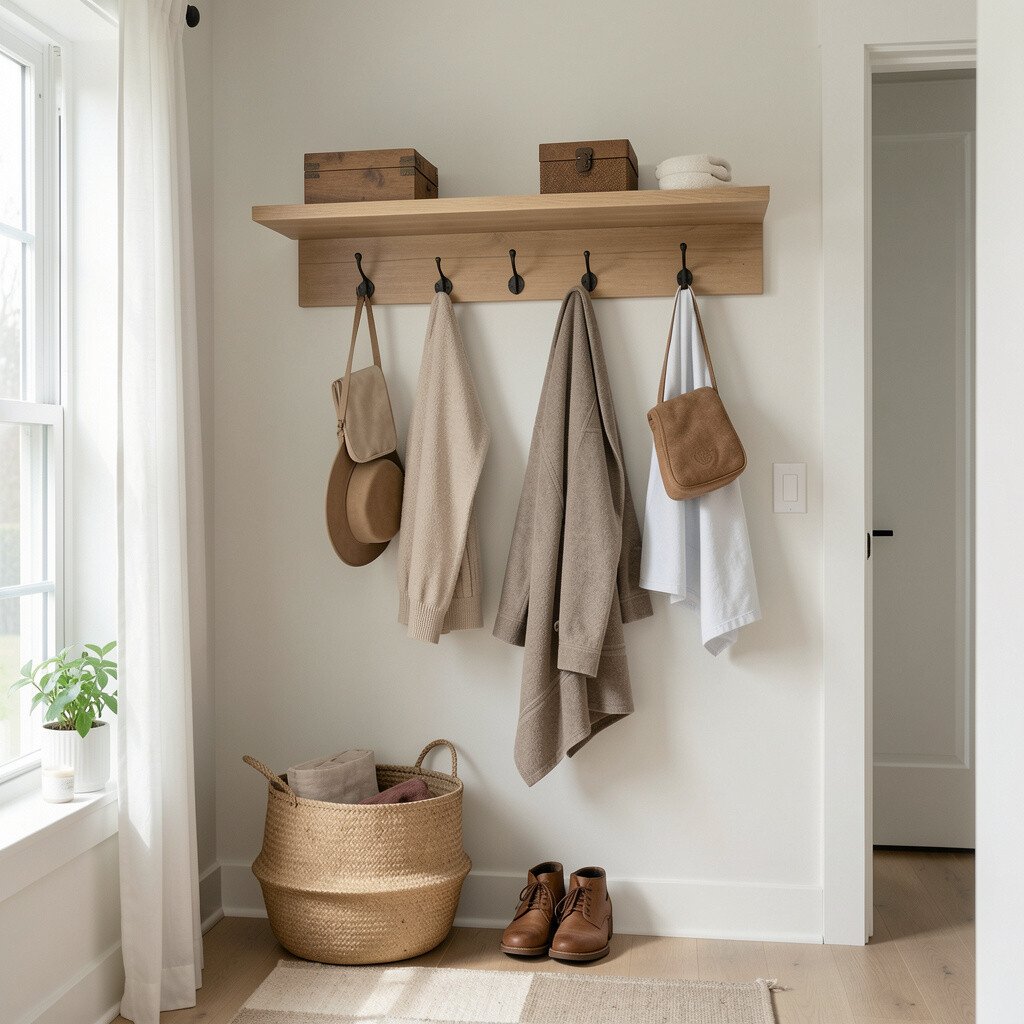
Hooks sound obvious, but the placement is where most entryways fail. If guests can’t spot them right away, coats end up on chairs or over door handles.
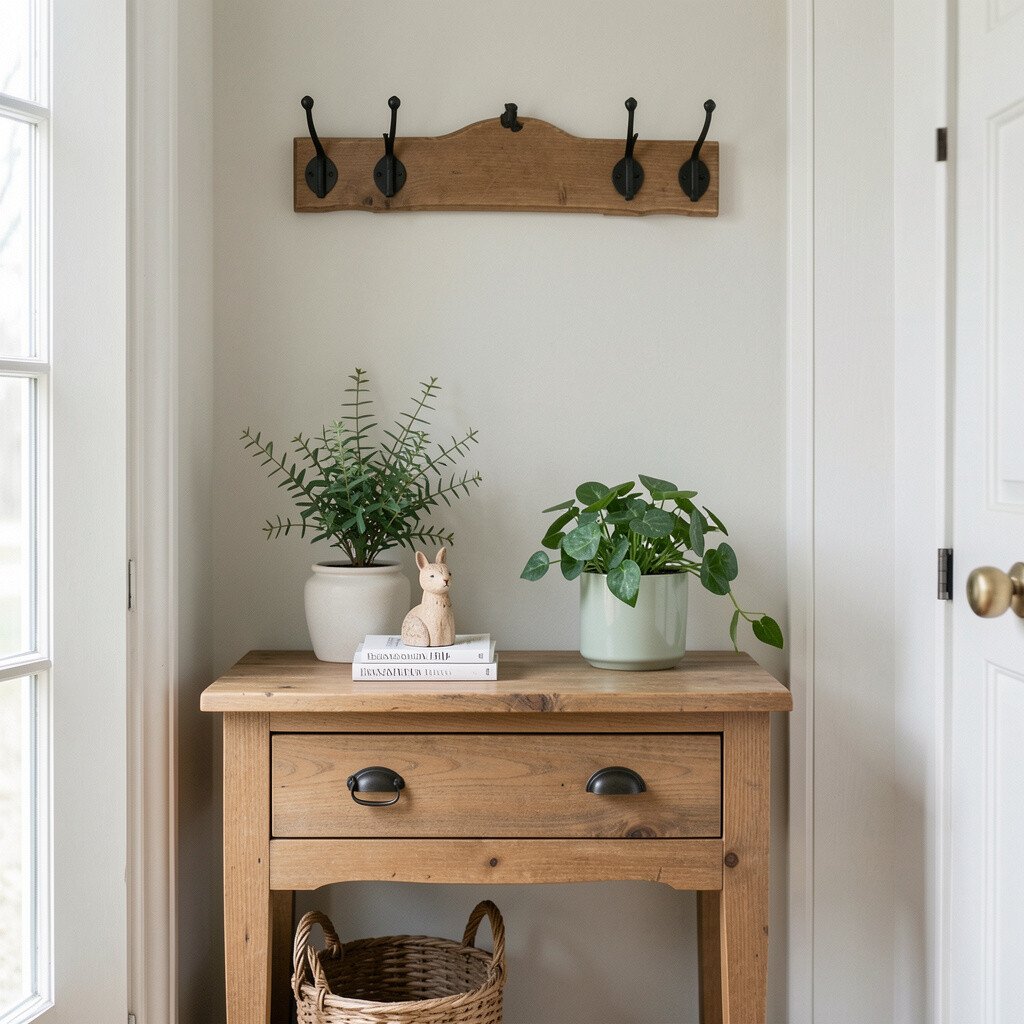
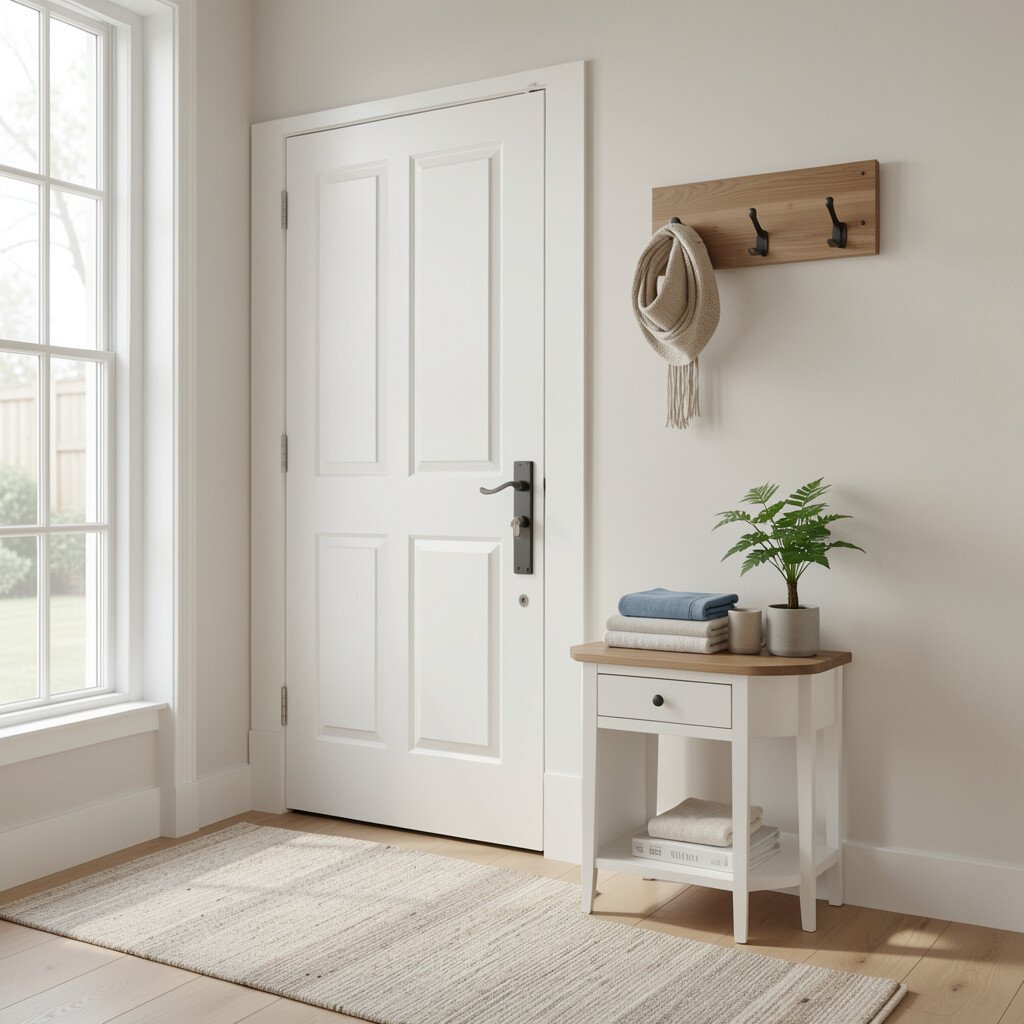
Mount the hooks around eye level so tall items hang neatly and shorter items still reach comfortably. Use one row for everyday coats and add a second spot for bags, so everything has a home.
5. Frame Your Mirror Like It’s Part of the Room
Frame Your Mirror Like It’s Part of the Room
A mirror can brighten a dark entryway, but only if it’s positioned and styled well. When it’s slightly off-center or too close to the door, it can feel awkward and cramped.
Try placing the mirror so it reflects light from a nearby window or lamp, which makes the space feel bigger. Pick a frame that fits your home, like black for contrast or a light wood tone for softness.
For cost considerations, you can often find quality frames at thrift stores and then paint or stain them to match your décor. This is a simple personalization move that makes the piece look custom.
6. Keep One Basket Just for Shoes, Even If You’re Organized
Keep One Basket Just for Shoes, Even If You’re Organized
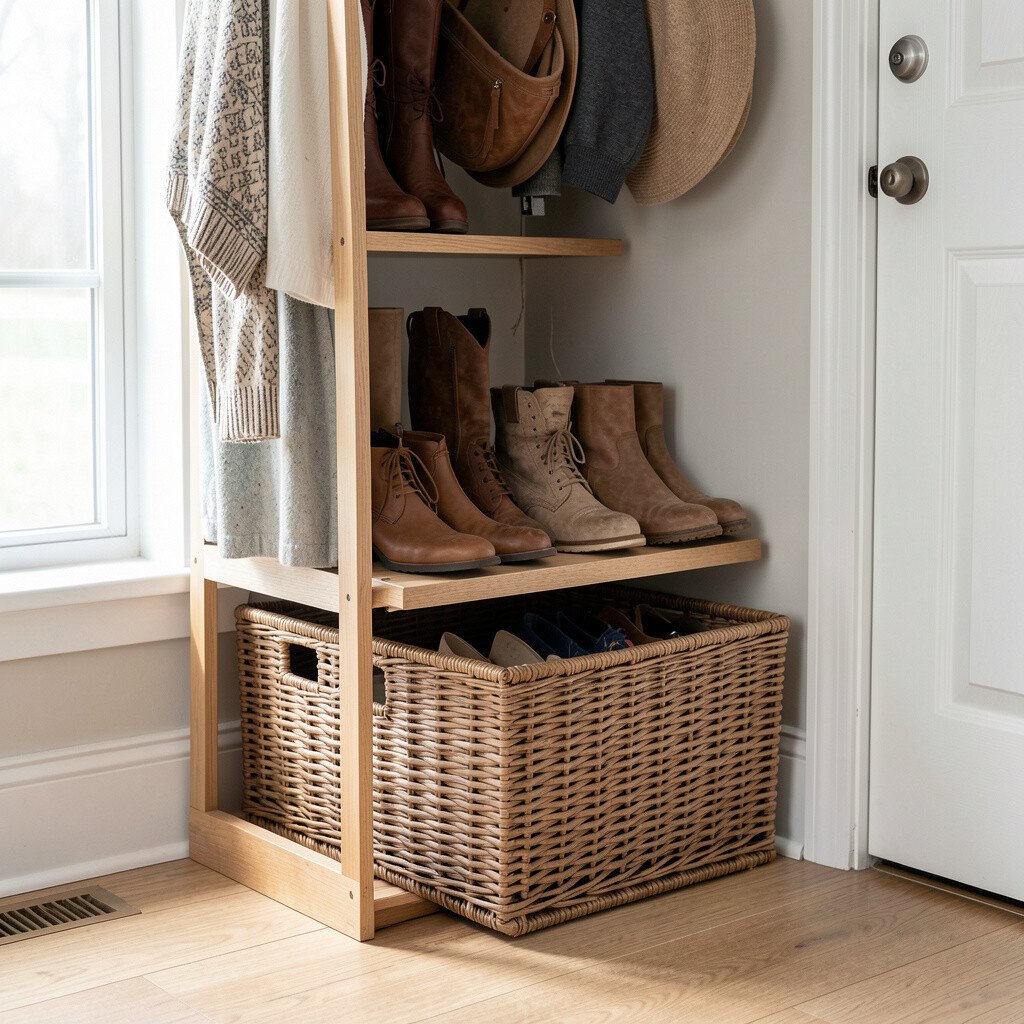
Shoe piles usually start with “just for a minute,” then they grow into a visual mess. A dedicated basket or small bin prevents that spread and keeps the floor looking calm.
Choose a basket with a lid if you want a crisp look that hides everyday clutter. If you hate digging for shoes, use a shallow open design and add a small mat underneath for easy cleaning.
7. Add a Small Bench Cushion That Matches Your Life
Add a Small Bench Cushion That Matches Your Life
A bench makes an entryway feel finished, but comfort makes it feel lived-in. If people sit to take shoes off, a cushion turns a hard surface into a daily pleasure.
Select a fabric that fits your household, like a wipe-clean vinyl for families or a textured performance fabric if you love a cozy look. A removable cover is an easy personalization idea because it lets you refresh the color without replacing the whole bench.
For uniqueness, add a throw with a pattern that echoes your living room so the hallway feels connected. Even a modest cushion can change how the entryway feels when you step inside.
8. Use a Doorway Runner for Direction, Not Just Softness
Use a Doorway Runner for Direction, Not Just Softness
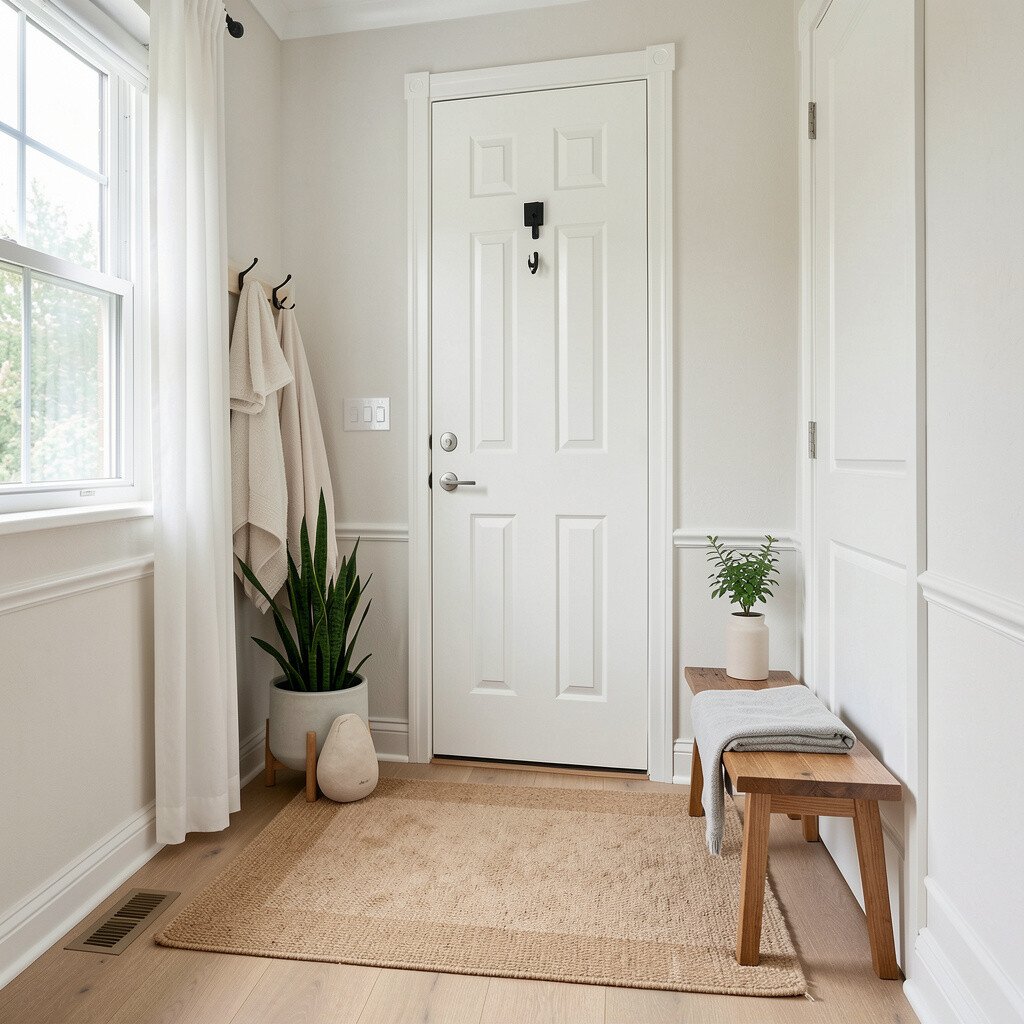
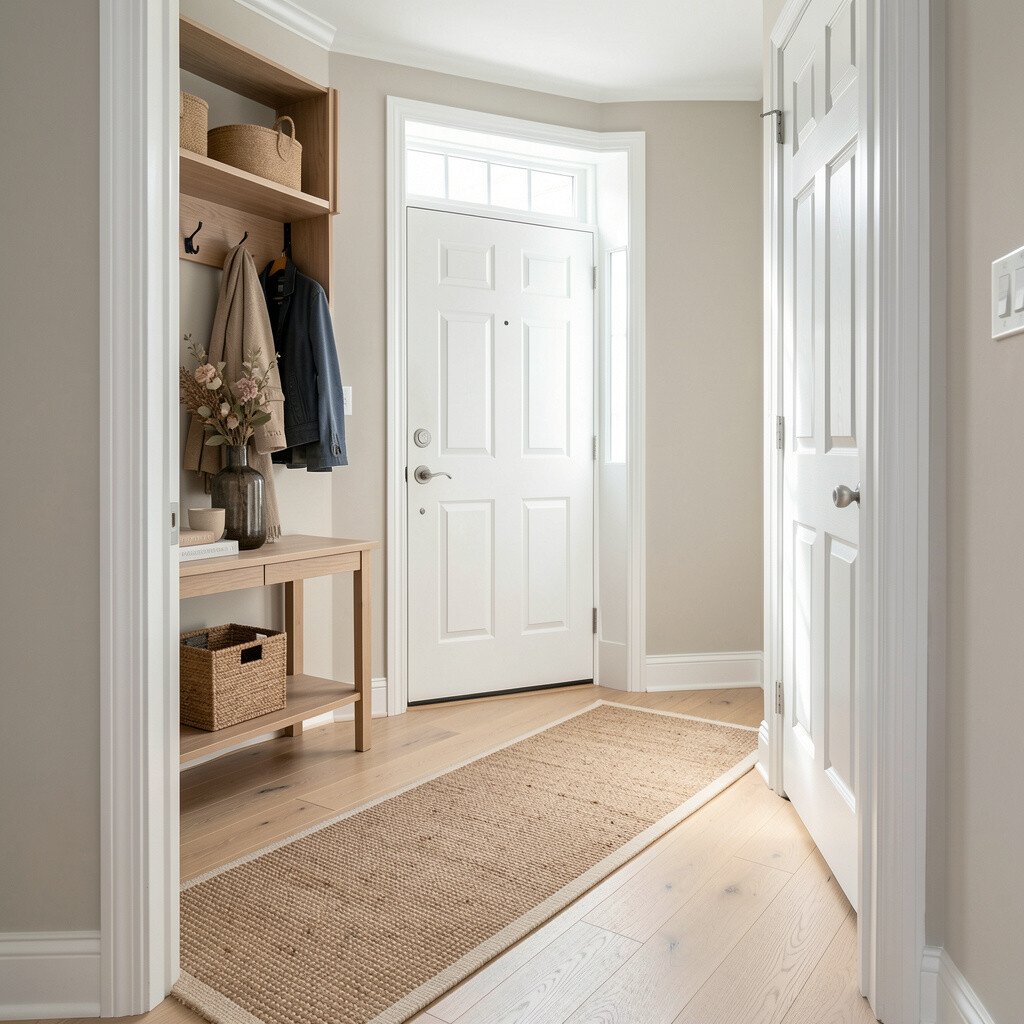
Runners guide movement and reduce the “blank hallway” feeling. They also protect your floor from scuffs, especially near where people walk in and out.
Pick a runner size that leaves a little breathing room at both ends, so it doesn’t look swallowed by the entryway. If you’re working with a narrow space, go for a smaller-scale pattern to avoid visual crowding.
9. Style One Entryway Shelf Like a Mini Gallery
Style One Entryway Shelf Like a Mini Gallery
People often clutter shelves because they want storage and beauty at the same time. A mini gallery approach keeps items grouped so they look curated, not accidental.
Use three groupings on the shelf, mixing heights like a tall vase, a medium framed photo, and a small tray for scent or keys. Keep the colors connected to your room palette so everything feels intentional.
This kind of personalization is inexpensive when you already have frames, bottles, and small décor pieces. Swap items by season to keep the entryway feeling fresh without spending much.
10. Place Lighting Where Your Eyes Land First
Place Lighting Where Your Eyes Land First
Harsh overhead lights can make an entryway feel gloomy even when it’s clean. The goal is to light the spots people actually notice, like the mirror, hooks, or a console table.
Try a wall sconce or a slim table lamp near the mirror side so the light wraps around the space. If you enjoy current trends, consider warm bulbs and layered lighting that creates a soft glow at night.
11. Wrap a Simple Wire or Wood Frame Around Your Organization
Wrap a Simple Wire or Wood Frame Around Your Organization
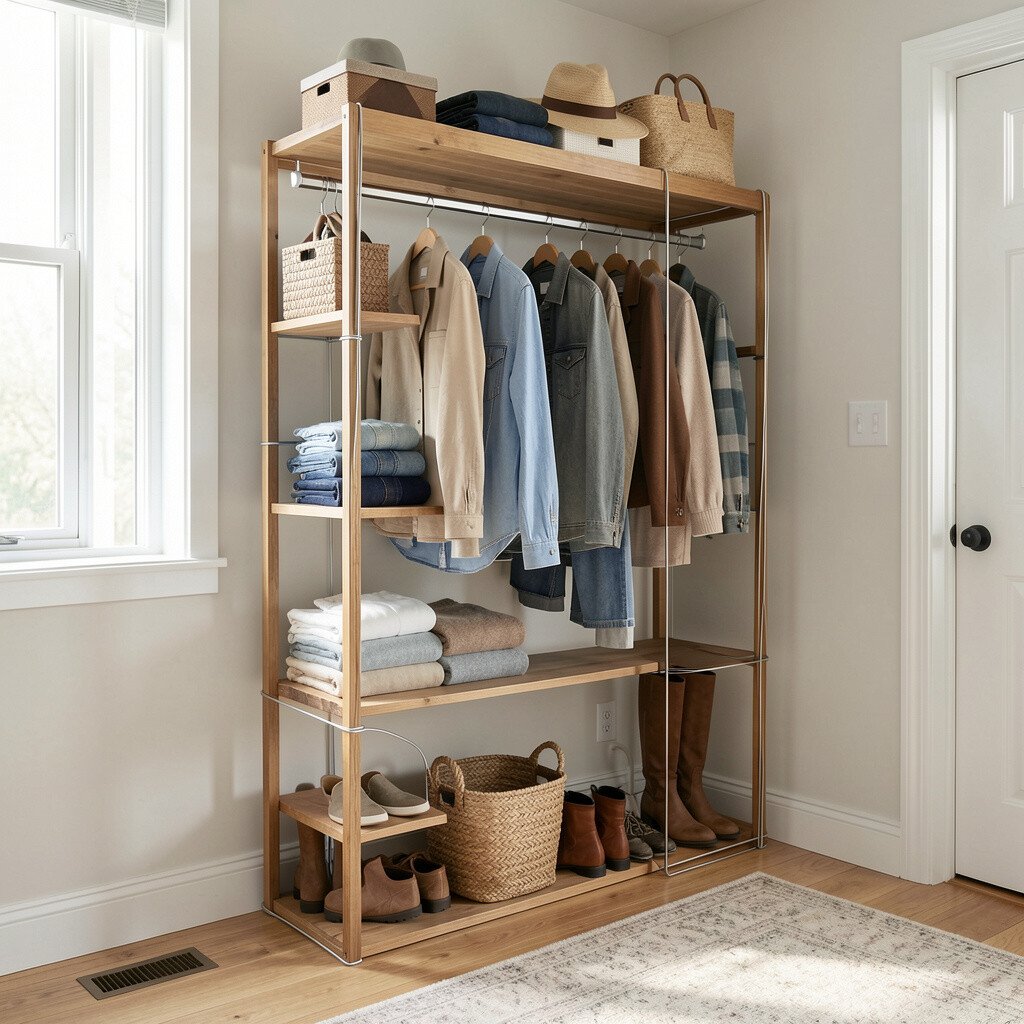
Open storage can look messy because it shows everything at once. A simple frame around an organizer makes the space look styled while still keeping it practical.
Look for a slim holder for mail and a separate spot for small items, then keep them within the same visible boundary. You can paint the frame to match the hardware in your home for a neat, unified look.
This is a uniqueness trick because it turns “storage” into “design,” which feels more satisfying. It also makes it easier to maintain, since you can tell at a glance if something belongs inside the frame.
12. Try a “Season Flip” for One Tiny Decorative Item
Try a “Season Flip” for One Tiny Decorative Item
Refreshing an entryway doesn’t have to mean big purchases or long projects. One tiny seasonal item can change the whole mood when you walk in.
Swap a small wreath, a dish of pinecones, or a seasonal candle holder based on the month. If you want to stay trend-aware, consider natural textures and earthy tones that are popular right now in home styling.
13. Use Painter’s Tape to Test Placement Before You Hang Anything
Use Painter’s Tape to Test Placement Before You Hang Anything
Mounting hooks, shelves, or art can feel risky because walls are hard to undo. Painter’s tape lets you test the look before making holes.
Press tape outlines onto the wall at the height you want, then stand in the doorway and see what feels right. This practical step saves money because you avoid mistakes that lead to patching and repainting.
Personalization becomes easier too, since you can adjust spacing for your height and your family’s habits. Once it feels natural, you’ll know the placement is correct.
14. Add One Textured Layer to Soften the Hard Surfaces
Add One Textured Layer to Soften the Hard Surfaces
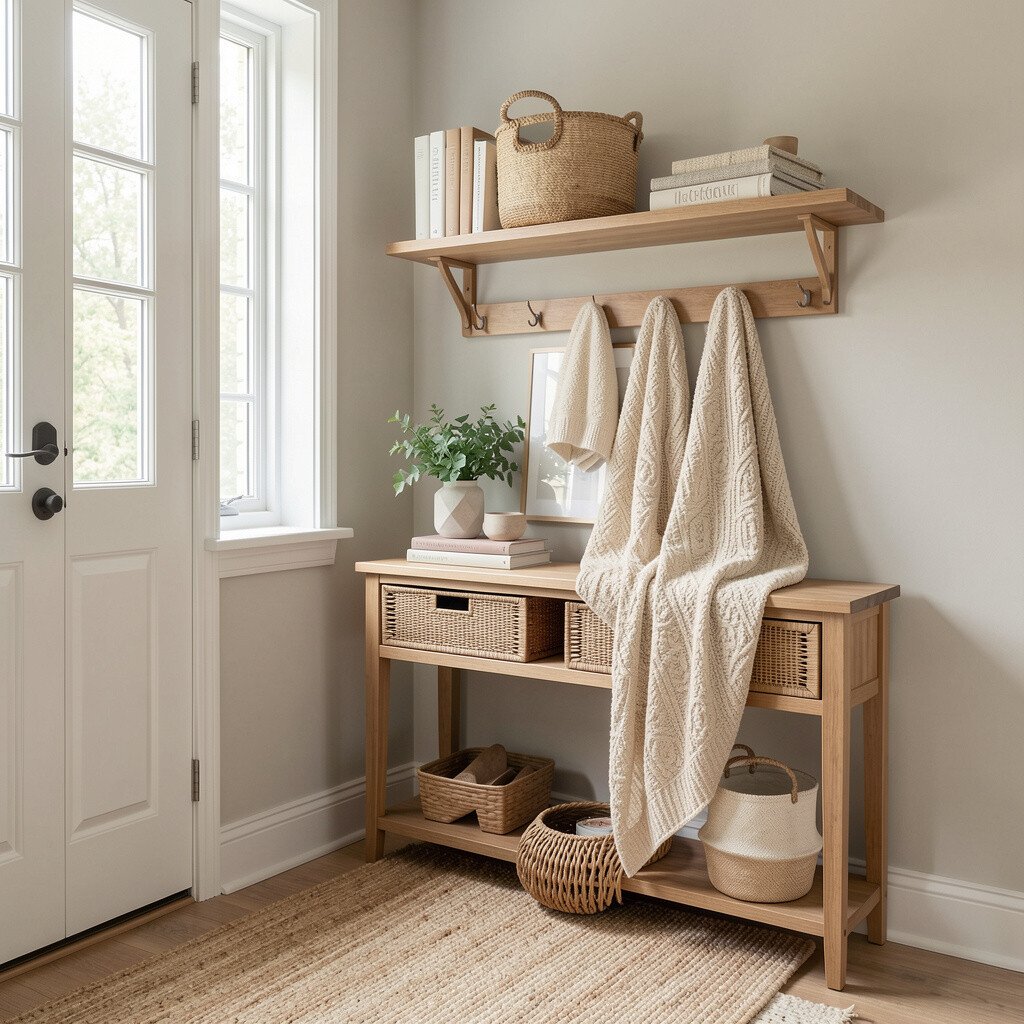
Entryways often have tile, wood, and metal, which can make the space feel loud and cold. A textured layer adds comfort and makes the whole area feel more inviting.
Try a woven basket, a chunky throw draped on the bench, or a small rug with a visible pattern. The benefit is not just visual, but also how sound settles, so the space feels calmer when you walk through.
15. Choose a Mail System That Looks Good Even When It’s Busy
Choose a Mail System That Looks Good Even When It’s Busy
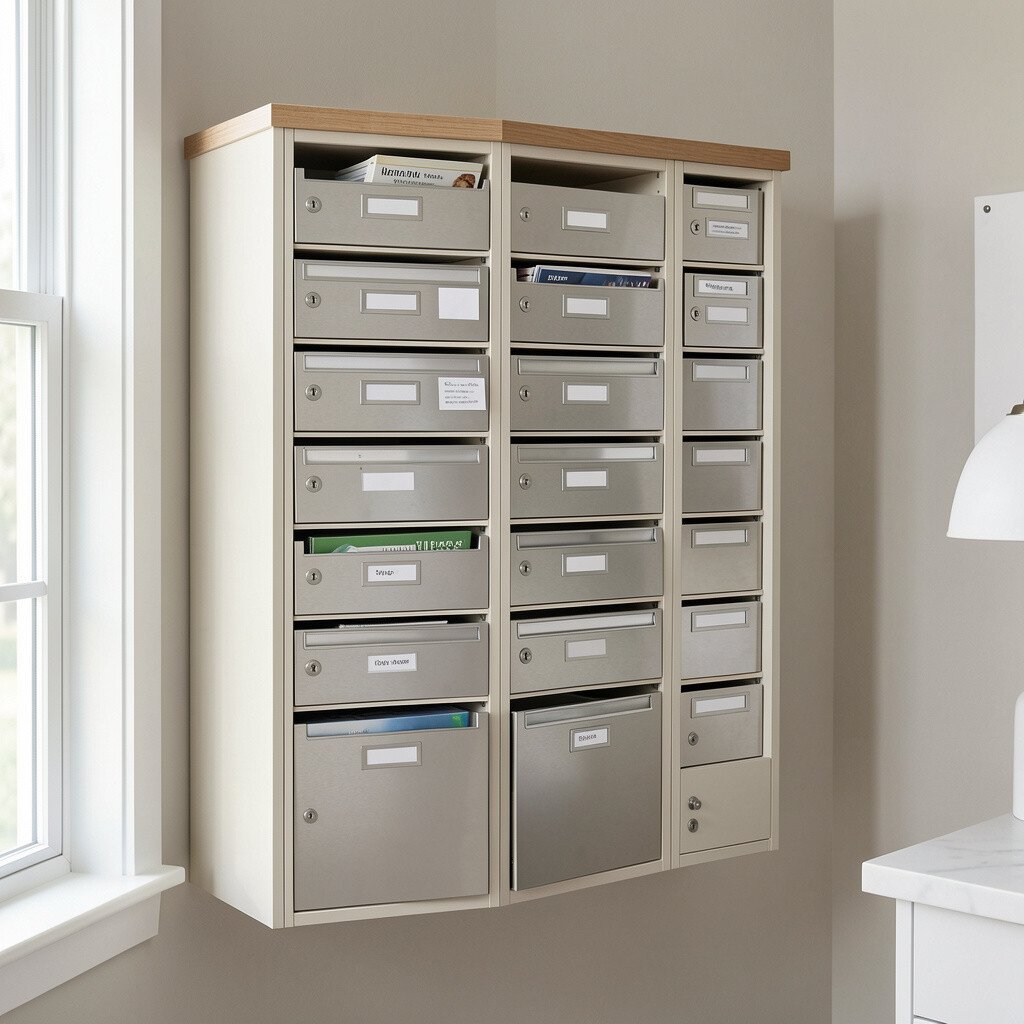
Mail piles happen, even in organized homes, because paper keeps arriving. The trick is to use a mail setup that looks tidy during normal chaos.
A slim wall organizer or a narrow console tray can make mail feel contained while still being easy to handle. For cost considerations, you can repurpose an old wooden box, then line it with a simple fabric or paper for a cleaner look.
Keep one spot for “to deal with later,” so the entryway never turns into a permanent desk. This approach is practical and it keeps the style consistent.
16. Make Your Entryway Hardware a Matching Set
Make Your Entryway Hardware a Matching Set
Little hardware details add up, especially when people notice the doorknob, lock area, and nearby wall accents. When these pieces don’t match, the whole entryway can feel slightly unfinished.
Look for a cohesive finish across hooks, curtain rings, cabinet pulls, or a nearby picture rail. Even if you can’t swap everything at once, upgrading one or two key items creates a clear visual direction.
17. Put a Coaster Under Your Decor to Prevent Scuffs
Put a Coaster Under Your Decor to Prevent Scuffs
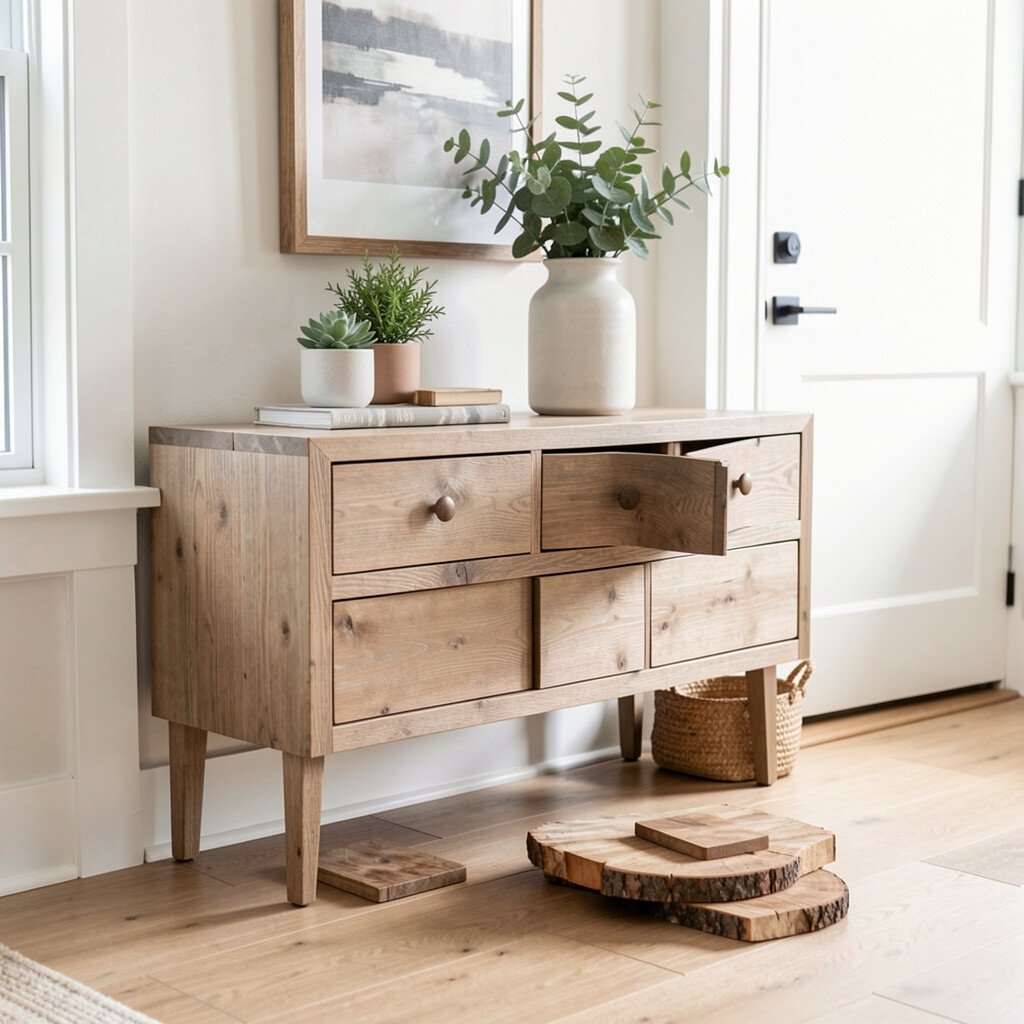
If you set décor on the floor, console, or near a rug edge, it can leave marks over time. A small coaster or felt pad helps prevent scuffs while keeping the surface tidy.
This is an underrated maintenance tip that keeps your entryway looking newer for longer. It also supports personalization because you can use any tray or pedestal you love without worrying about damage.
Choose felt for gentle floors and a thin rubber pad for surfaces that need extra grip. When the base stays protected, the entire look stays crisp.
18. Style with “Negative Space” So It Doesn’t Feel Crowded
Style with “Negative Space” So It Doesn’t Feel Crowded
Overdecorating makes entryways feel busy, even when everything is beautiful. Negative space gives the eye a place to rest and makes your favorite pieces stand out.
Try leaving gaps on a console table, shelf, or entry ledge so items look spaced and breathable. If you’re adding something new, remove something else so the balance stays right.
This method keeps costs down because you’re not constantly buying more décor to fill blank spots. It also creates a more custom feel because your layout is intentional, not piled on.
19. Add a Tiny Habit Spot for Daily Essentials
Add a Tiny Habit Spot for Daily Essentials
A fresh entryway works best when it supports routines, not just aesthetics. When everything you need is easy to grab, you’ll keep the space tidy without thinking too hard.
Create a small “habit spot” by grouping a pen, a small note pad, and a charging cable or charging station near the door. Pick finishes and colors that match the rest of your entry so the everyday tools look like part of the décor.
The trend lately is functional beauty, meaning useful items look good too. This is unique because your entryway becomes smoother for mornings and evenings, which is the real glow-up.