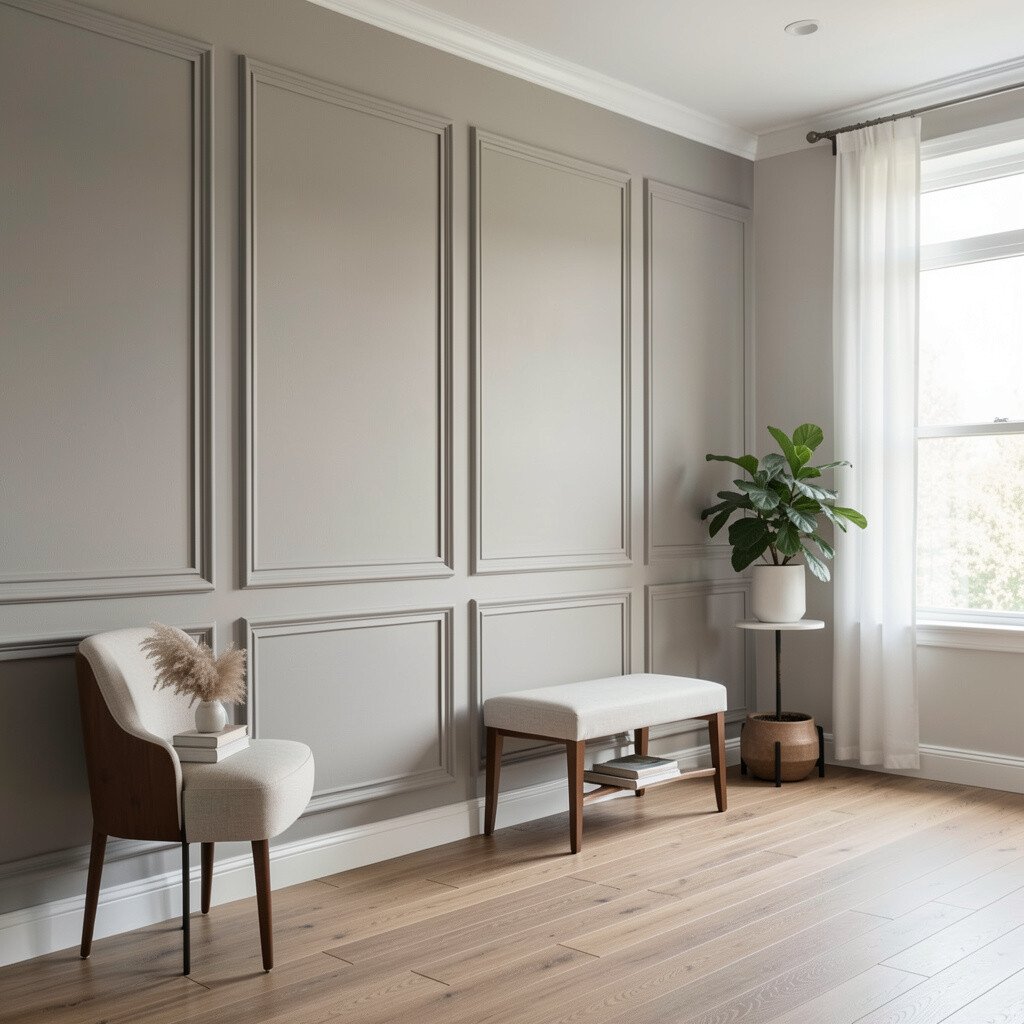
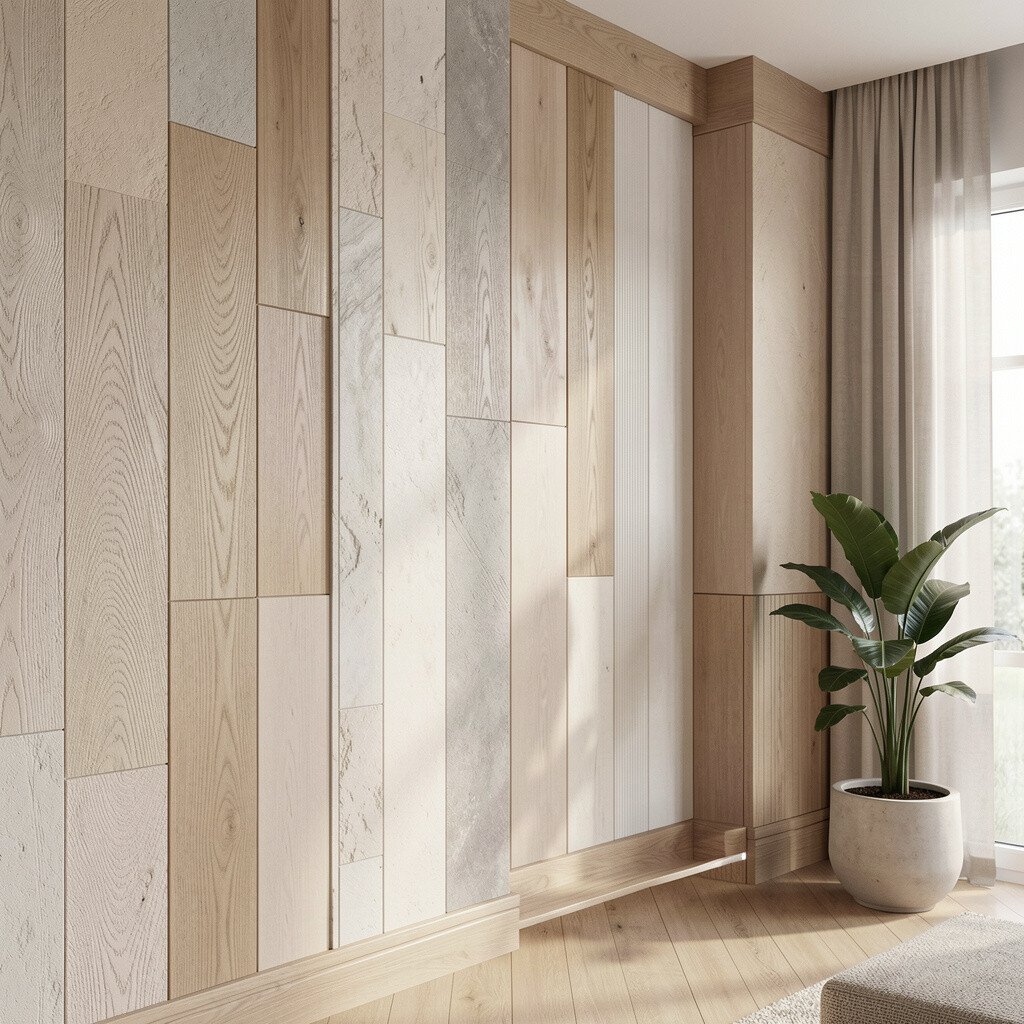
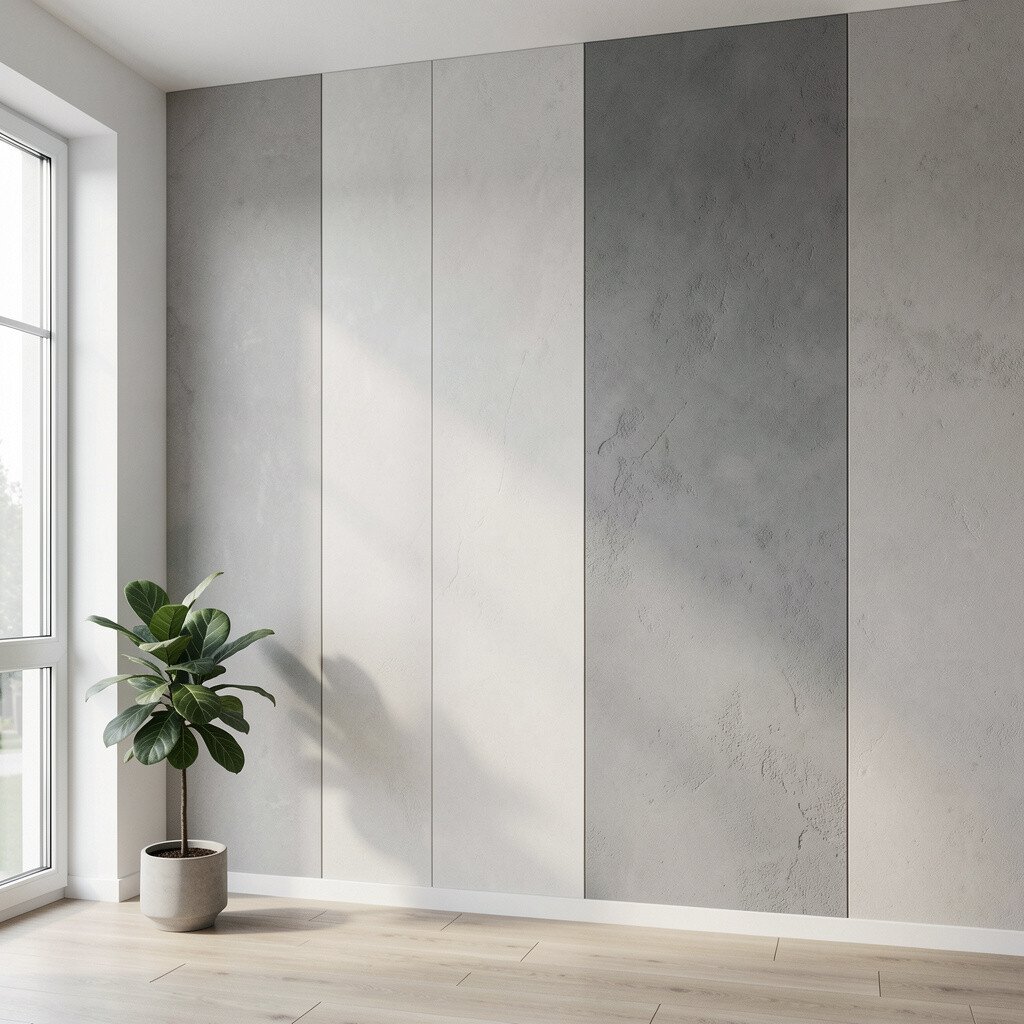
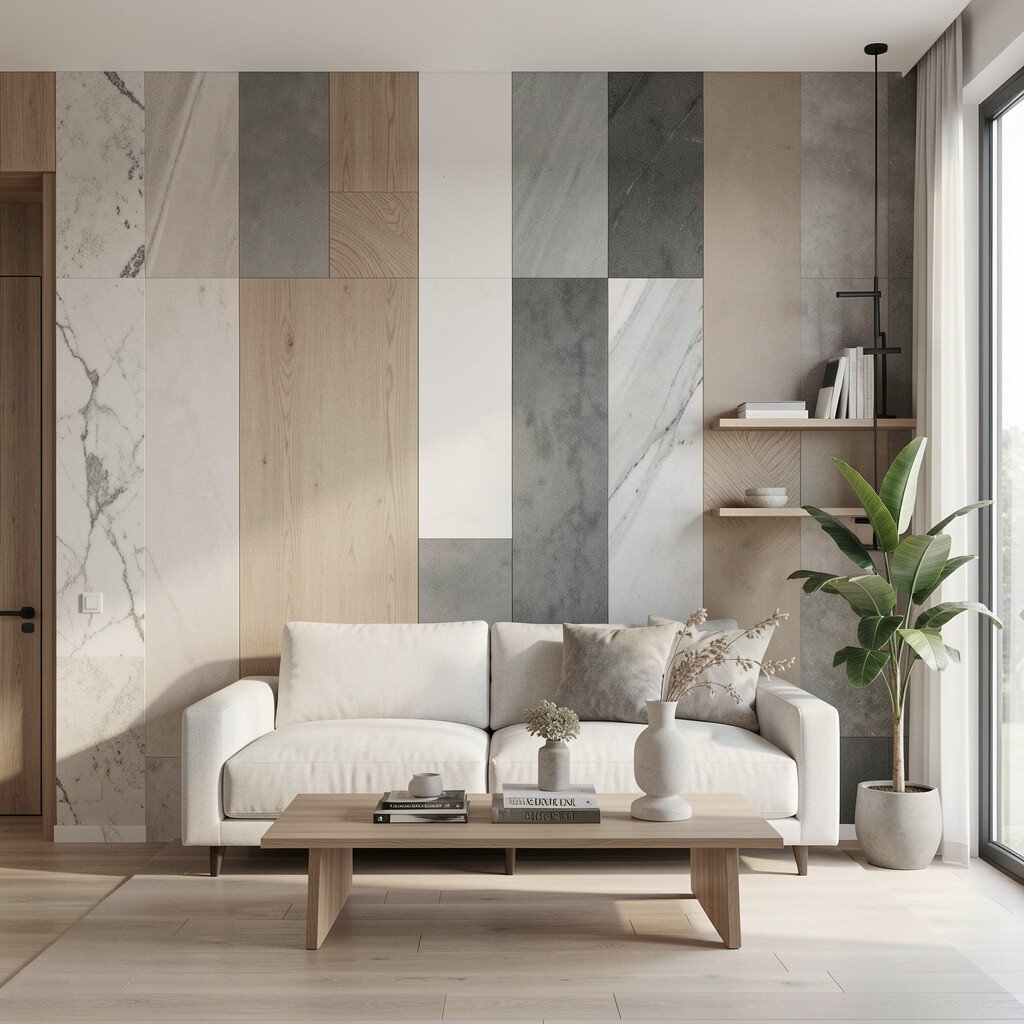
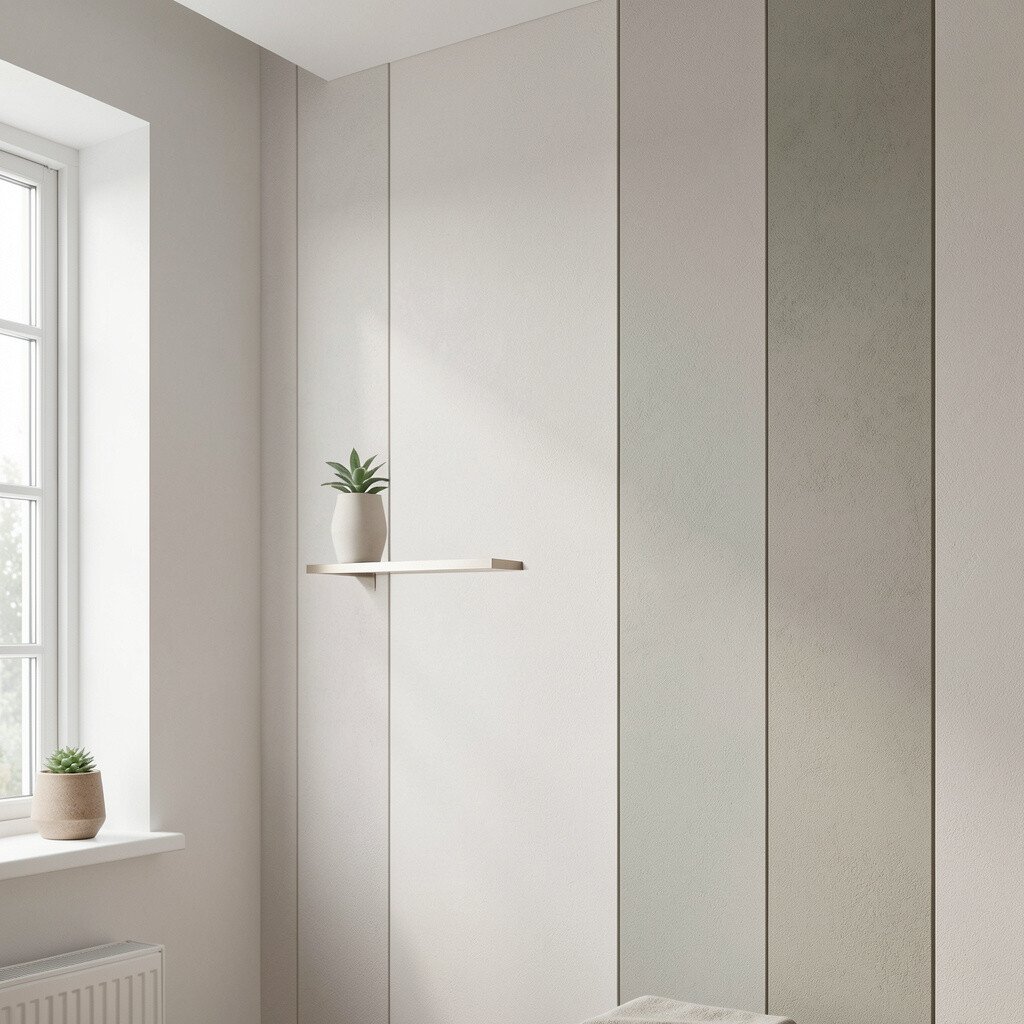
Think about how you want the space to feel when the lights go on. Cozy, calm, playful, or bold can all come through in the wall design.
Warm colors and soft textures tend to feel inviting, while cooler tones can feel neat and relaxing. Pick a mood first, then choose paint shades, patterns, or materials that match it. When you stay consistent, the room looks like it belongs together, not like random pieces were added later.
2. Measure The Wall Like A Pro
Measure The Wall Like A Pro
Before buying anything, look at the wall size and shape carefully. Even one extra inch can affect how wallpaper panels line up or how a mural sits.
Measure height, width, and any odd spots like outlets, vents, or built-ins. If you plan for frames, shelves, or lighting, measure the clear space around them too. This keeps you from overspending and helps your final look feel intentional, not rushed.
For renters, take note of what can stay and what must come down later. Many removable options work best when you know where they will land. If you can plan for a clean layout on paper, you will feel more confident in real life.
3. Choose A Wall Color That Works In Real Light
Choose A Wall Color That Works In Real Light
Wall color looks different from morning to evening, so test it in your actual space. A swatch near a window will tell you more than a sample in a store.
Daylight can make colors feel brighter, while lamps at night can shift them toward warmer or deeper tones. Try more than one paint test or view a digital preview, then compare with how your furniture reads. The right shade will make your room feel steady and comfortable.
If you love a bold color, consider using it on an accent wall first. That way you can enjoy the drama without feeling boxed in. You can also paint a lighter nearby wall to keep the room balanced.
4. Use Accent Walls With Purpose, Not Habit
Use Accent Walls With Purpose, Not Habit
Accent walls can look amazing, but they work best when they connect to the room’s main focus. Choose a wall behind the couch, the bed headboard, or the dining area to anchor attention.
A strong accent can also hide small imperfections like uneven paint or minor wall flaws. If you want pattern, start with something that still feels calm up close. If you want color, match it with one existing fabric or decor item so it feels like it was meant to be there.
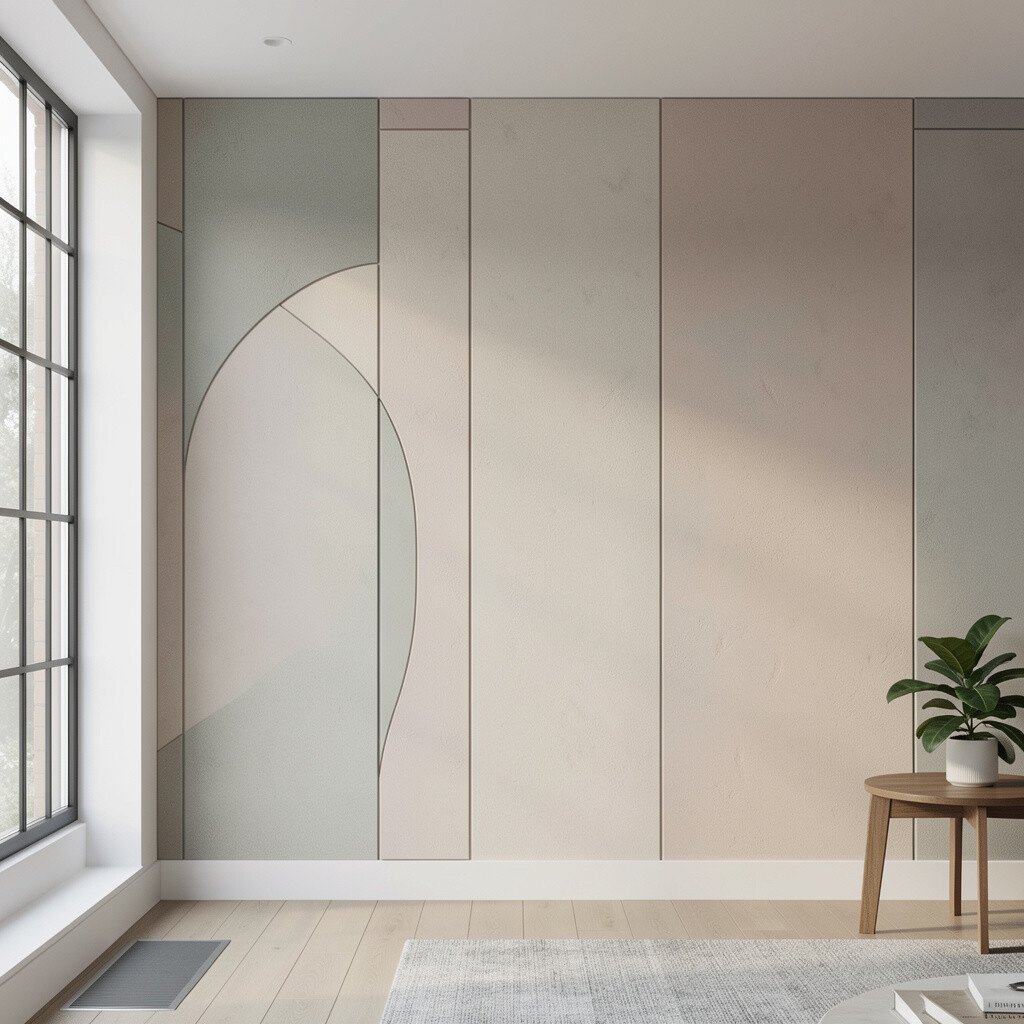
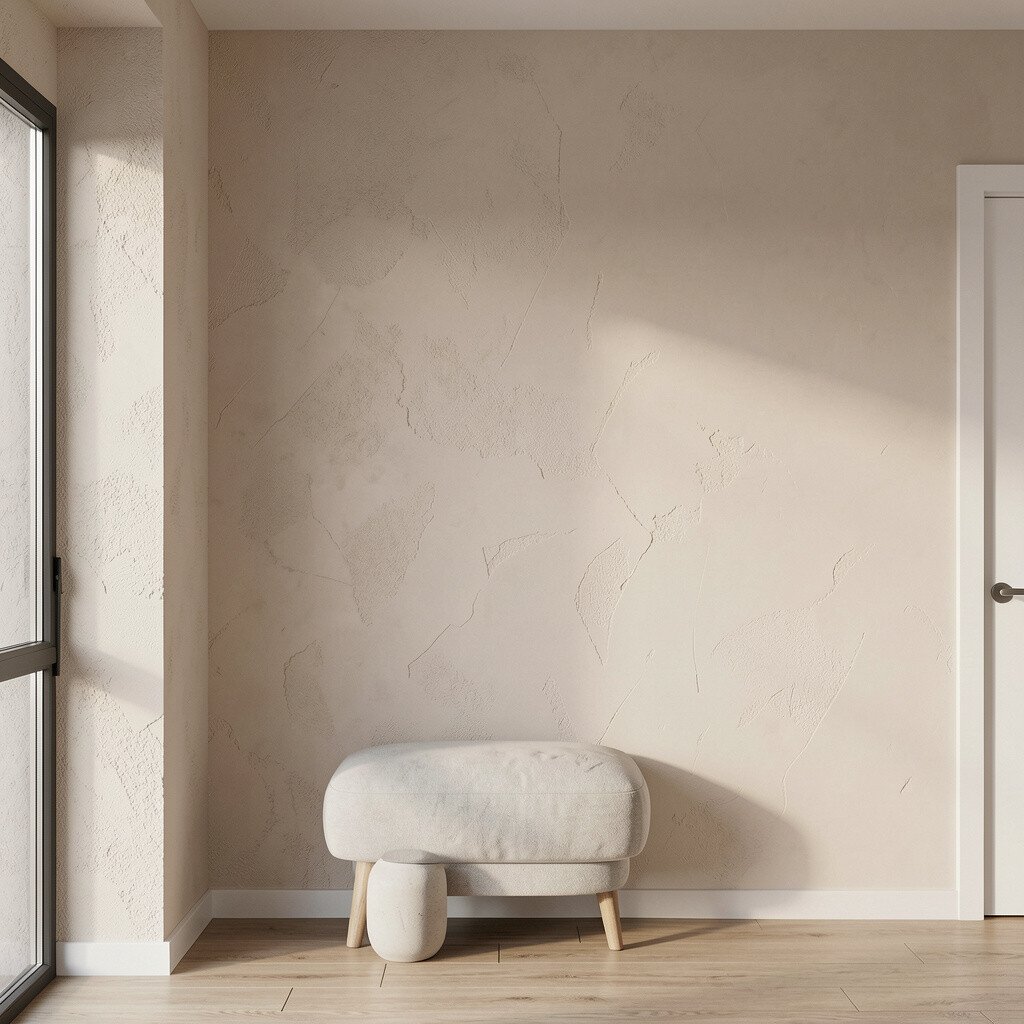
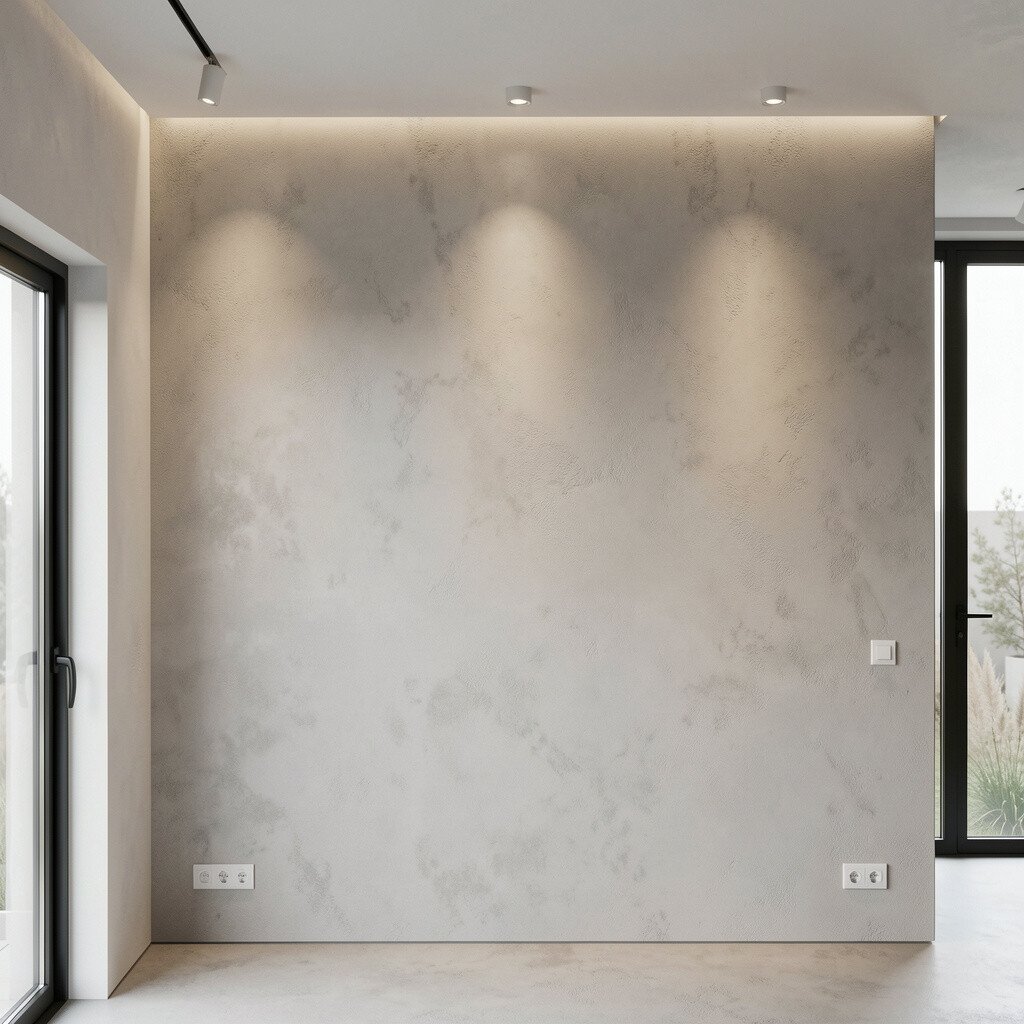
Texture makes walls feel richer, even when the design is simple. Think of limewash finishes, plaster-style paint, or a gently raised pattern.
When light hits a textured surface, shadows add dimension and make the room feel more layered. It can also hide minor dents and surface imperfections better than flat paint.
For a practical approach, choose one wall to experiment with texture. You can keep the rest smooth and let the textured wall be the star.
6. Pick Wallpaper That Fits Your Lifestyle
Pick Wallpaper That Fits Your Lifestyle
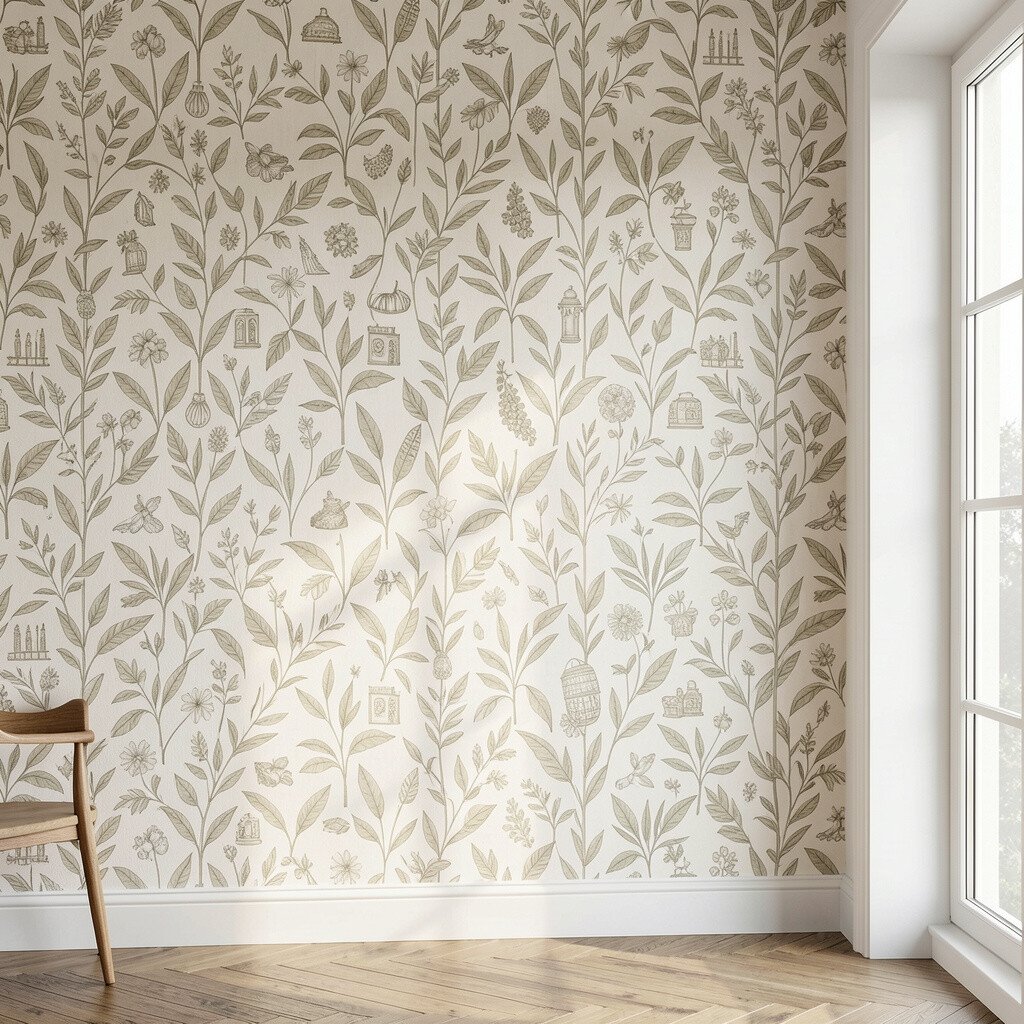
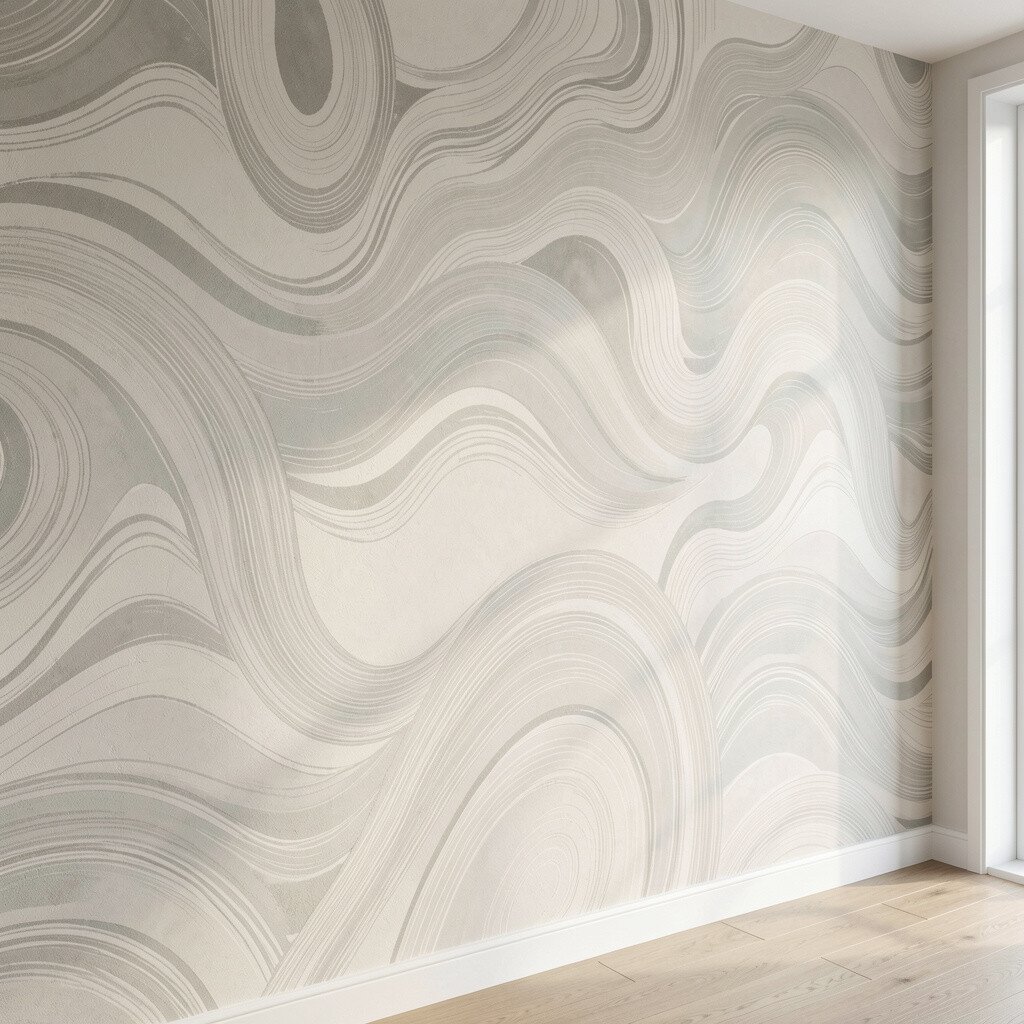
Wallpaper can be a showstopper, especially if you choose a style that matches how your home feels day to day. Look for designs that fit your routines and your kids’ energy level.
Some wallpapers are washable, scrubbable, or easier to replace, which helps when life gets messy. You can also pick peel-and-stick styles for easier changes and fewer tools.
Try testing a small section first so you can see how it behaves next to your lighting. The best wallpaper makes the room feel finished, not overwhelming.
7. Use Peel-And-Stick For Smart Flexibility
Use Peel-And-Stick For Smart Flexibility
Removable wall decals and peel-and-stick wallpaper let you play with style without major risk. They are great for renters, seasonal changes, or anyone who likes variety.
Choose a pattern scale that matches the room, because tiny motifs can disappear in large spaces. If you are adding decals, group them like a mini gallery so the arrangement feels planned. You can build the look slowly, adding more once you like how it settles in.
8. Create A Gallery Wall With Breathing Space
Create A Gallery Wall With Breathing Space
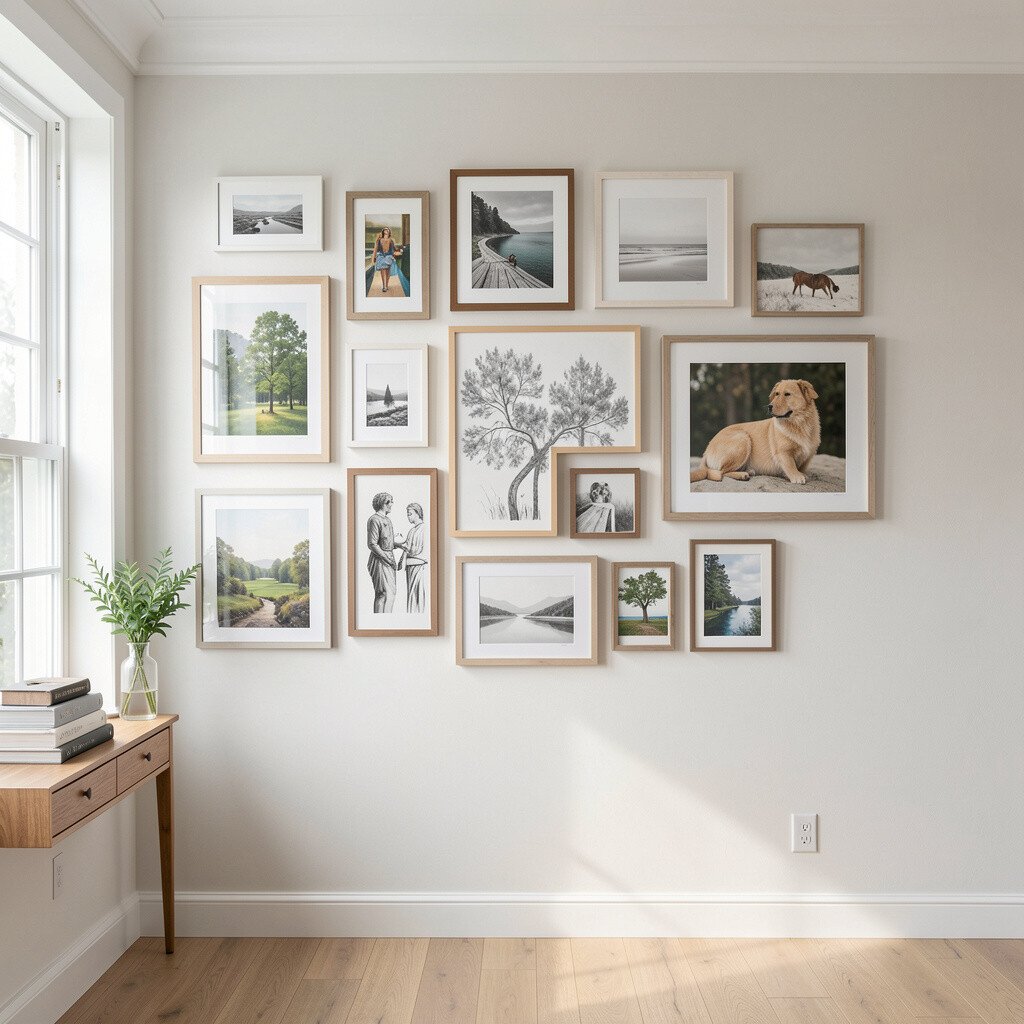
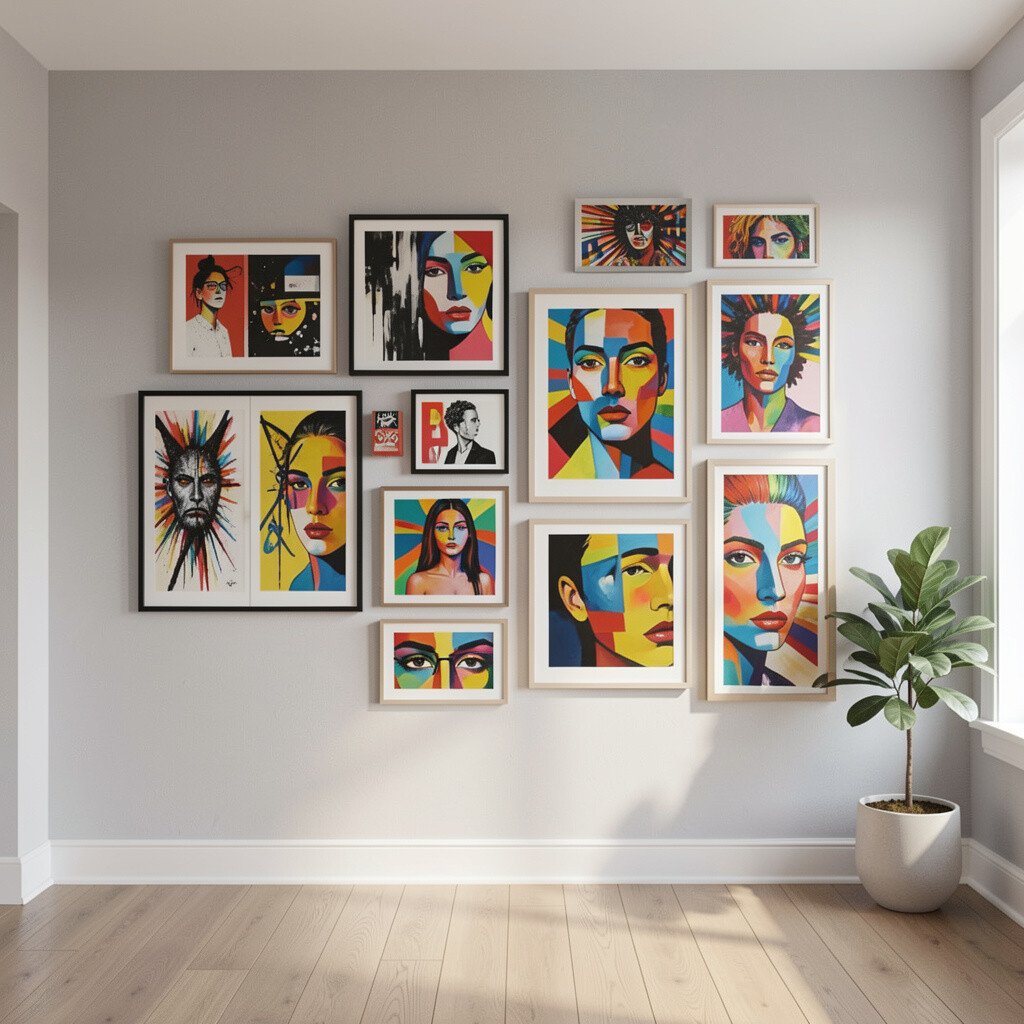
A gallery wall looks best when the frames are spaced with care and shown at the right height. Center your layout so it feels balanced with the furniture below it.
You can mix frame styles for charm, but keep the colors tied to your room palette. Leave some open space between frames so the wall does not feel crowded. A tidy grid also works if you love clean lines and a modern vibe.
9. Mix Materials For A More Lived-In Feel
Mix Materials For A More Lived-In Feel
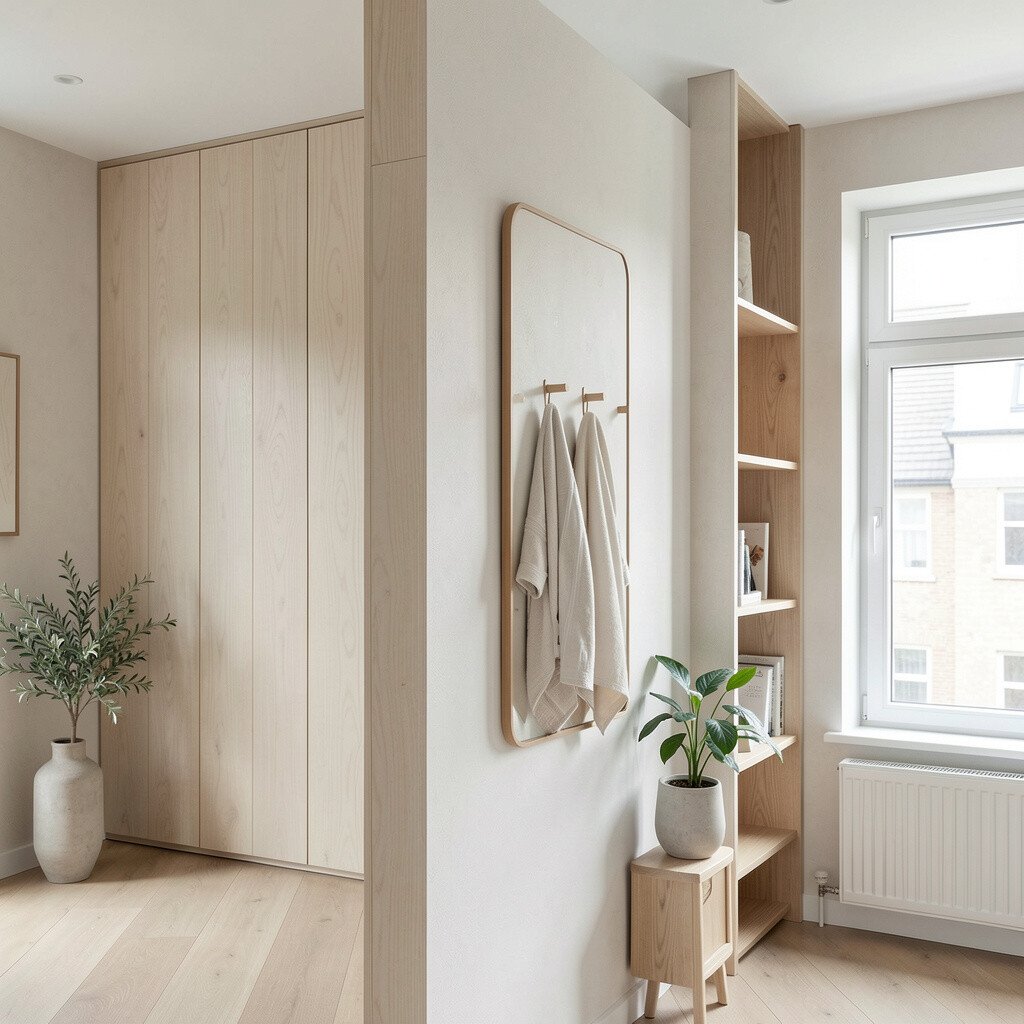
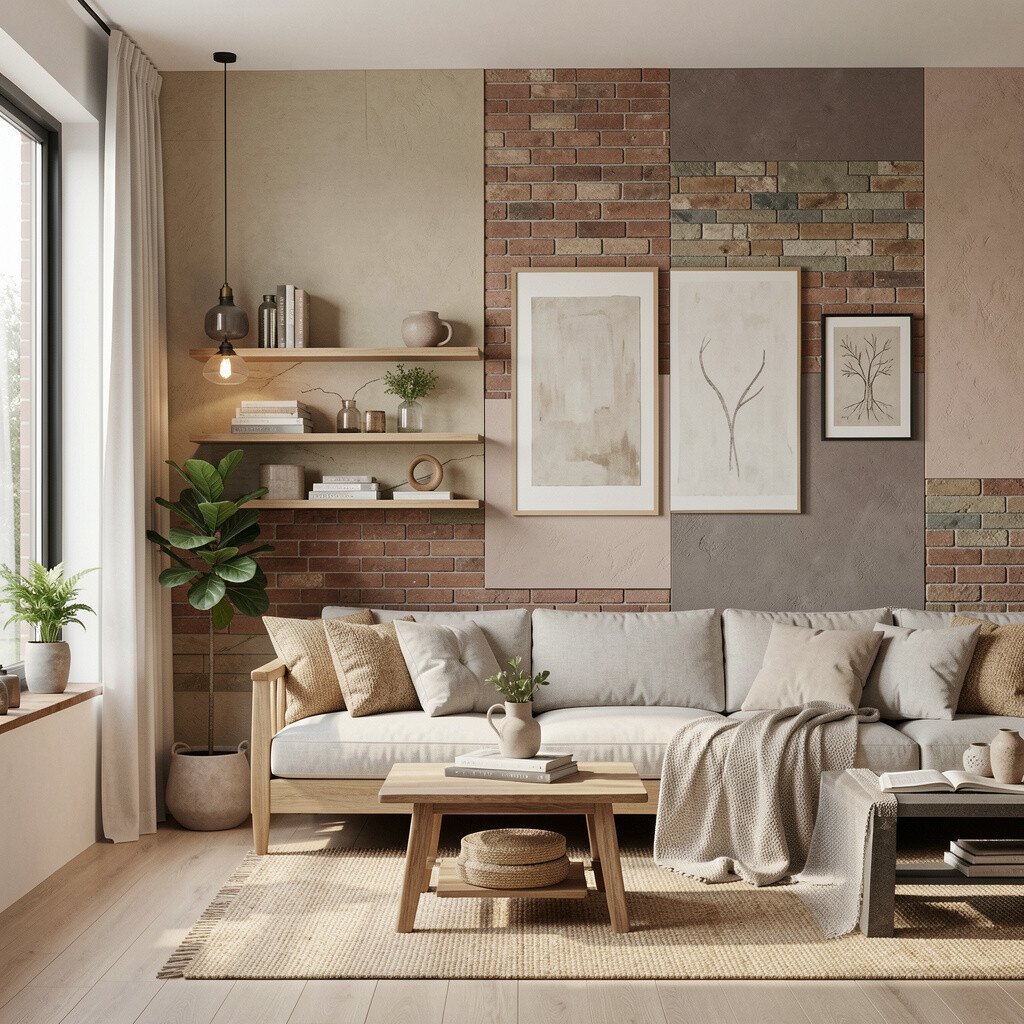
Walls can feel more interesting when you combine materials like wood, fabric, stone-look finishes, or metal accents. This gives your eyes something to move across instead of one flat surface.
For example, pairing wood shelves with a painted wall creates warmth without needing more bold color. Metal frames or slim rails can add a crisp touch, while soft textiles bring comfort. When the materials echo what you already own, the room feels personal.
Try one or two materials rather than five at once. That keeps the design from feeling busy and helps each element stand out on its own.
10. Plan For Wall Lighting To Enhance The Design
Plan For Wall Lighting To Enhance The Design
Wall design looks different when the lighting is right, and wrong lighting can hide even a great choice. Sconces, picture lights, and warm bulbs can make art and textures feel richer.
Think about where light will fall on the wall and how it will highlight edges, frames, or patterned wallpaper. If you place lights above or beside artwork, the wall can feel like a curated exhibit. This also helps you enjoy the design at night, not just during the day.
For a practical upgrade, adjust bulb color temperature so it matches the mood you want. Warmer light usually feels cozier, while cooler light can feel fresher and sharper.
11. Consider The Backsplash-Style Look For Vertical Moments
Consider The Backsplash-Style Look For Vertical Moments
Some wall moments feel special when they have a strong, clean boundary like a backsplash. It can be a small section behind a desk, a console, or a kitchen counter area.
Using tile, a sleek panel, or a water-resistant finish helps protect the wall and keeps the look tidy. A vertical strip of patterned tile can also add energy without taking over the whole room. This approach works well when you want function plus style.
If you rent, look for peel-and-stick tile sheets or removable wall panels that can be taken down later. Measure the width carefully so the seams look neat instead of accidental.
12. Go For Bold Art Scale, Not Just Small Prints
Go For Bold Art Scale, Not Just Small Prints
A single large piece can make a wall feel calm and powerful. Smaller prints can still work, but scale matters when you want impact.
Choose a size that covers enough wall area so the room does not feel like it is waiting for something. Large art can also help hide an awkward patch of blank space and pull the room together fast. If you love photography, choose one strong image and frame it well.
When budgets are tighter, consider affordable prints in a larger frame size. A simple frame can elevate it without needing the most expensive art on the shelf.
13. Use Color Blocking For A Fun, Modern Edge
Use Color Blocking For A Fun, Modern Edge
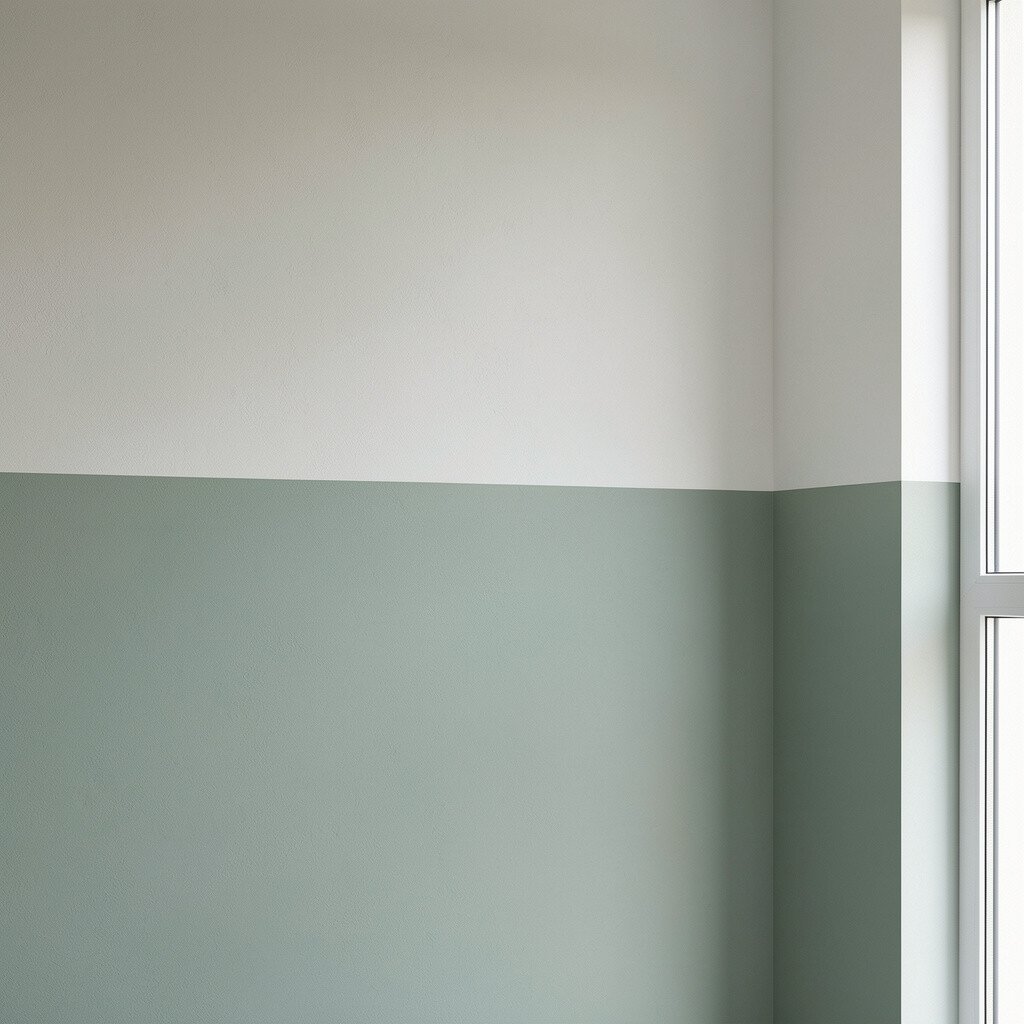
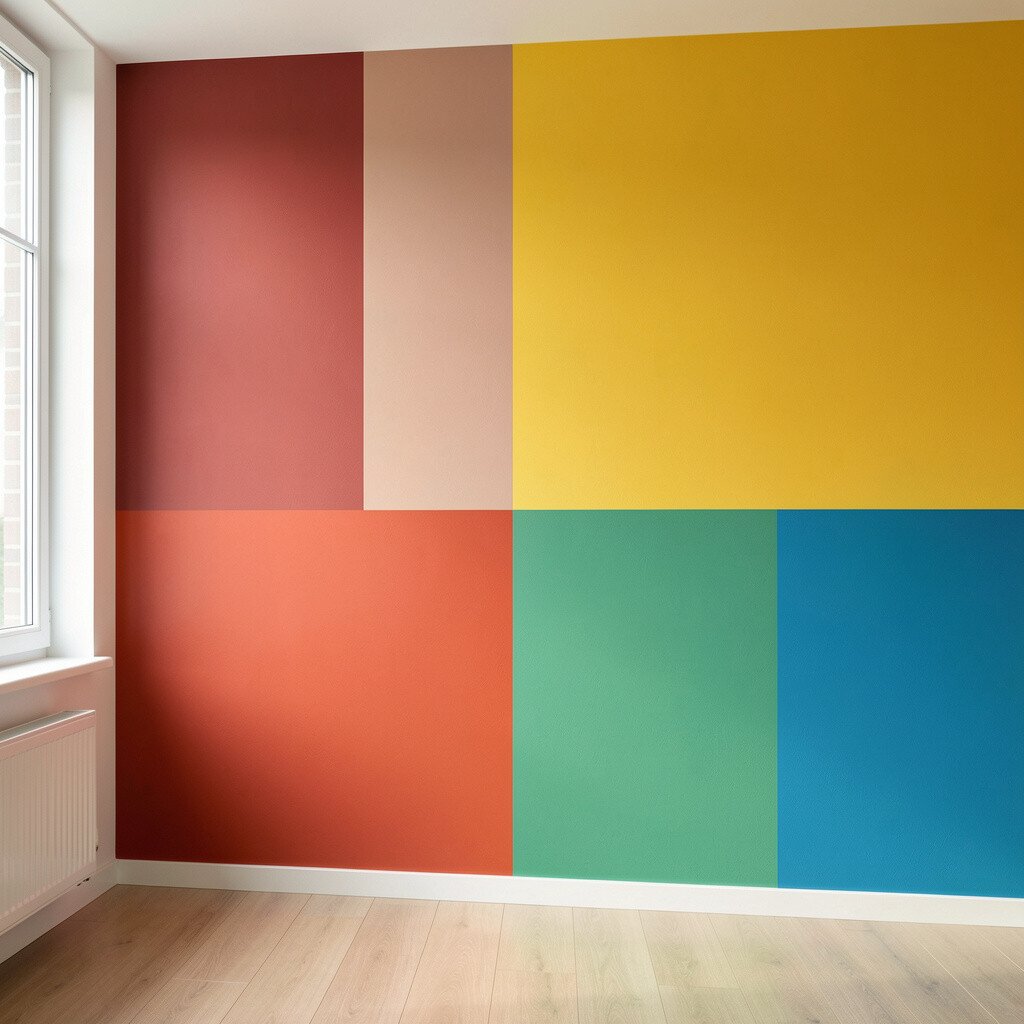
Color blocking can make walls feel playful and organized at the same time. Clean lines and simple shapes look crisp and modern.
You can use paint to split a wall into sections, or use painter’s tape to guide even bold stripes. Try matching the blocks to existing colors in your room like cushions, rugs, or curtains. This makes the design feel connected instead of random.
If you worry about making it too intense, start with subtle shades first. Soft contrast can still create shape and structure without feeling loud.
14. Choose A Pattern That Creates Calm Movement
Choose A Pattern That Creates Calm Movement
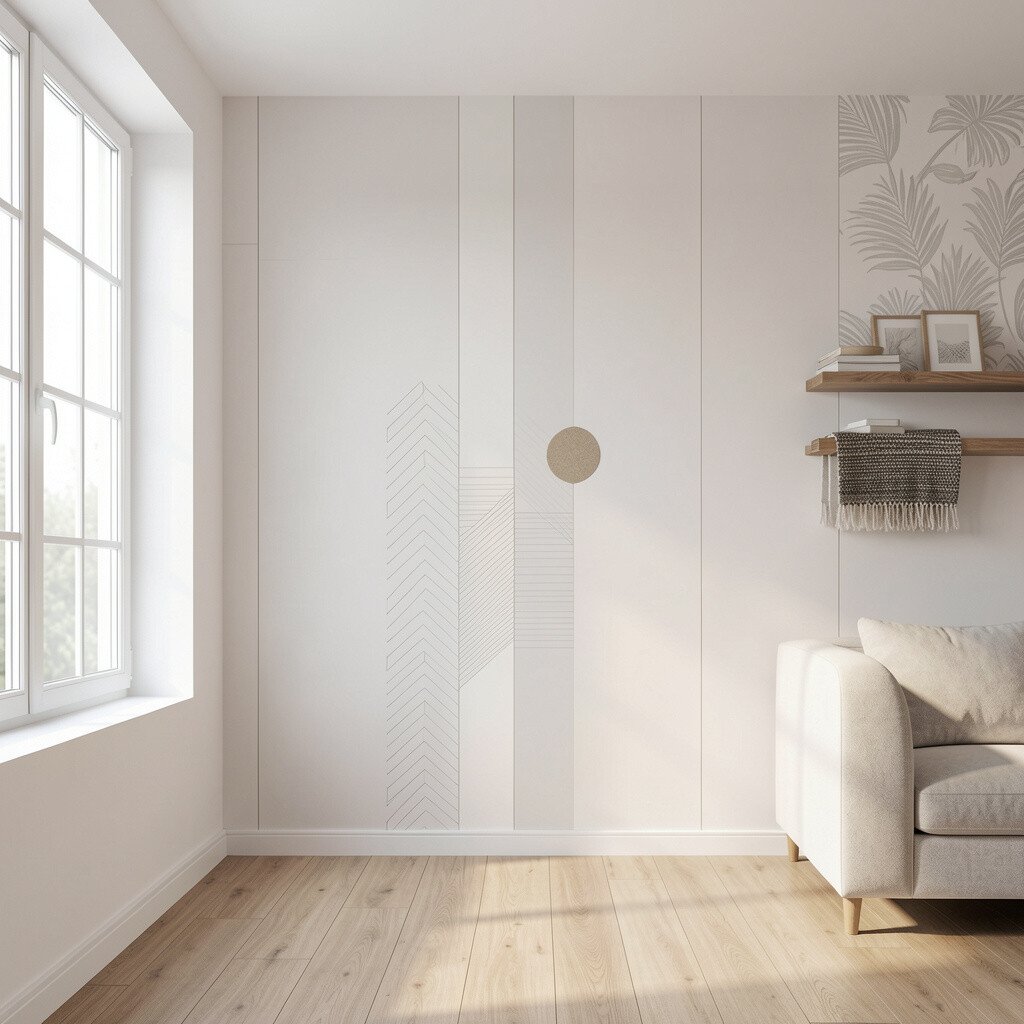
Patterns can guide your eyes, especially when they echo how your room is arranged. Horizontal lines can feel steady, while vertical lines can make a wall feel taller.
For a softer look, pick patterns with gentle contrast and leave room for plain walls elsewhere. If you prefer bold design, keep the rest of the room simpler so the pattern remains the hero. This way your space feels balanced and comfortable to live with.
You can personalize patterns by adding solid color mats around art, or by repeating one pattern color in accessories like vases. Repetition ties everything together and makes the style feel intentional.
15. Make Room For Shelves And Built-Ins Visually
Make Room For Shelves And Built-Ins Visually
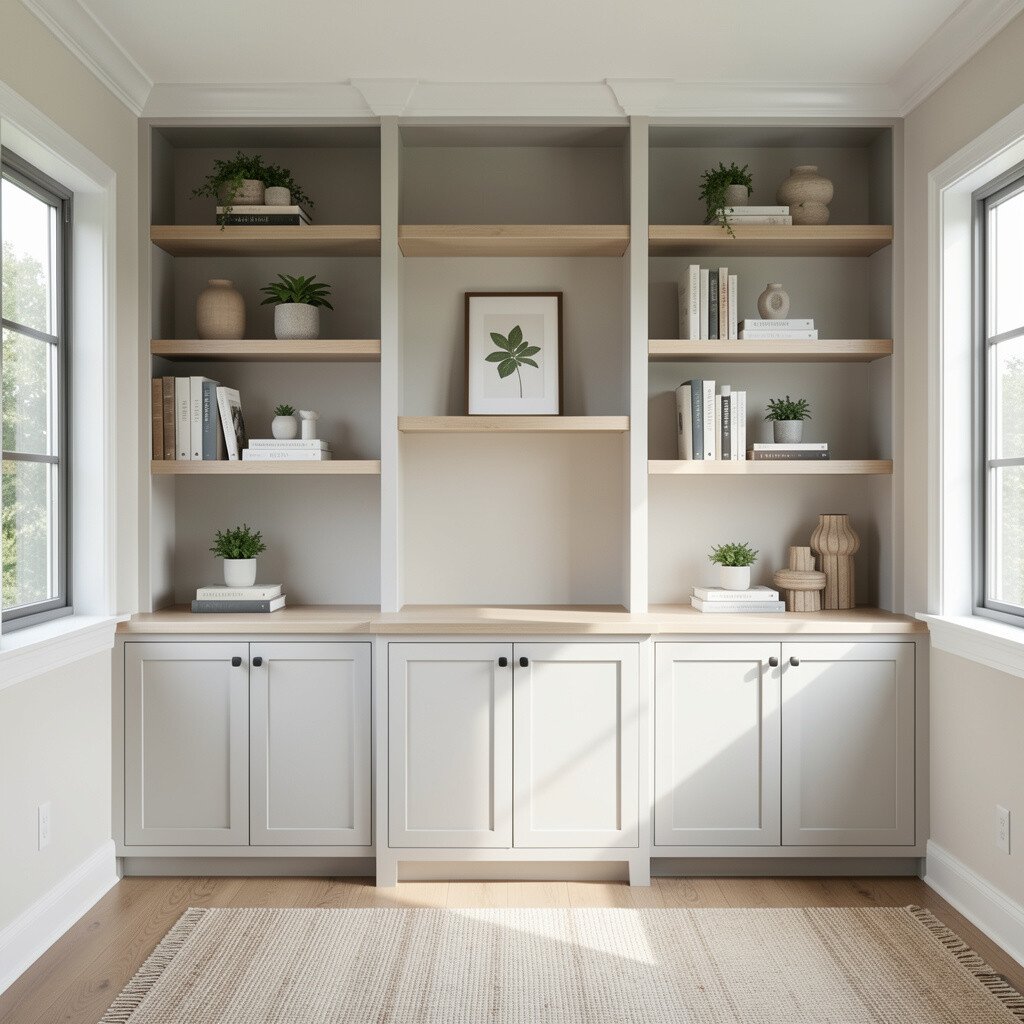
Shelves change how a wall functions, even if they are not technically “decor.” They let you display books, plants, and meaningful objects that add daily personality.
When you style shelves, keep items grouped by height and color so the wall looks curated. A few larger pieces can balance many small ones and make the wall feel less cluttered. Shelves also help you use wall space that might otherwise stay blank.
For practical planning, place shelves where you can reach them comfortably. If you want a low-cost option, start with floating shelves and add decor gradually. This makes it easier to adjust the look as your taste changes.
16. Add A Statement Mirror For Light And Space
Add A Statement Mirror For Light And Space
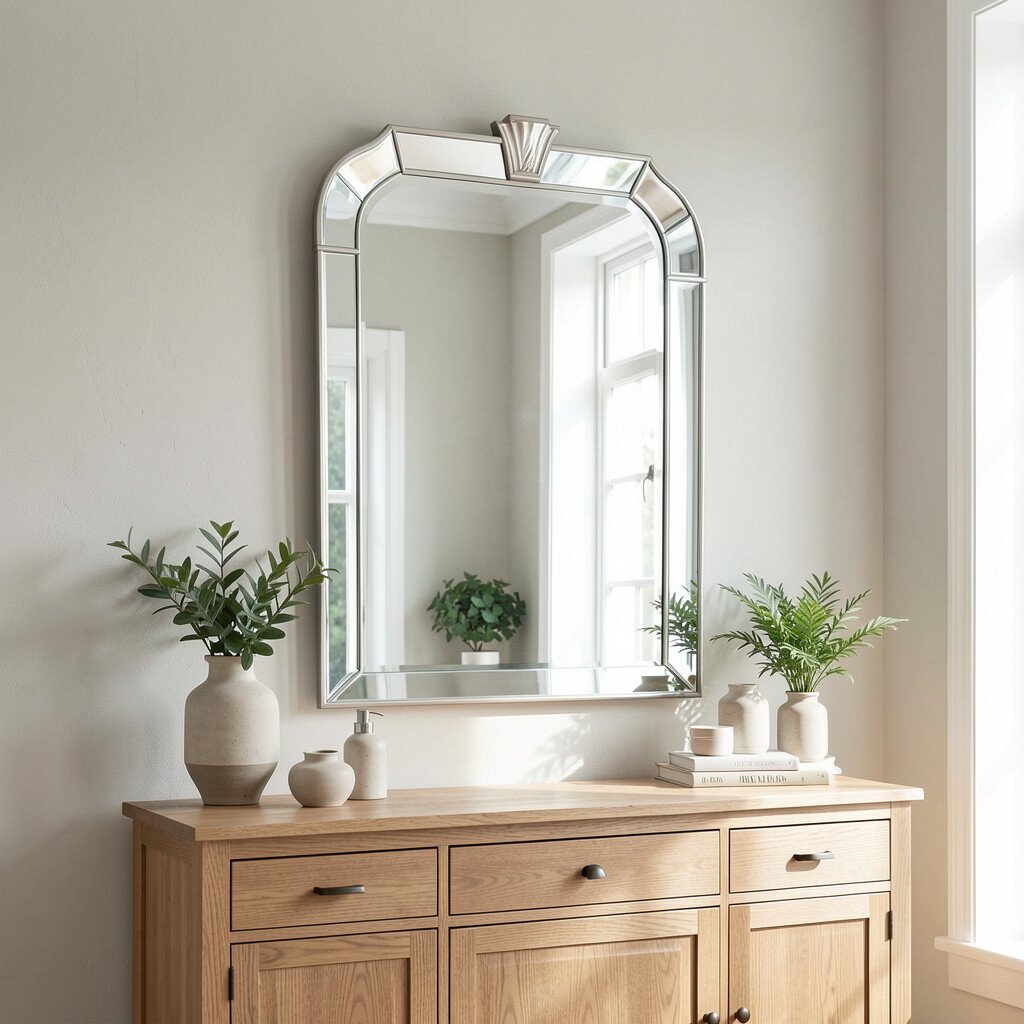
A mirror can make a room feel brighter and larger because it reflects light and adds depth. It also gives your wall design a functional glow-up.
Choose a frame style that matches your vibe, like sleek metal for modern rooms or warm wood for cozy spaces. Place it across from a window or near a light source to maximize the effect. The right mirror can also visually “complete” a wall where art might feel too heavy.
If you worry about drilling, check for secure mounting options or professional help for larger mirrors. A safe installation protects your investment and keeps the mirror looking neat for years.
17. Plan Around Windows, Doors, And Odd Angles
Plan Around Windows, Doors, And Odd Angles
Every room has tricky parts like window trim, door swings, or sloped ceilings. Instead of fighting them, work with them so the wall design feels smoother.
Use those shapes to guide where you place art, shelves, or wallpaper seams. If you have an awkward corner, a taller frame or a vertical mural detail can help it feel intentional. Keep clearances in mind so you do not cover what you need to open or close comfortably.
Practical planning here also saves money since you avoid buying decor that cannot sit where you hoped. Measure again after you imagine the final layout, not just the blank wall.
18. Use Plants Or Wall Niches For Living Color
Use Plants Or Wall Niches For Living Color
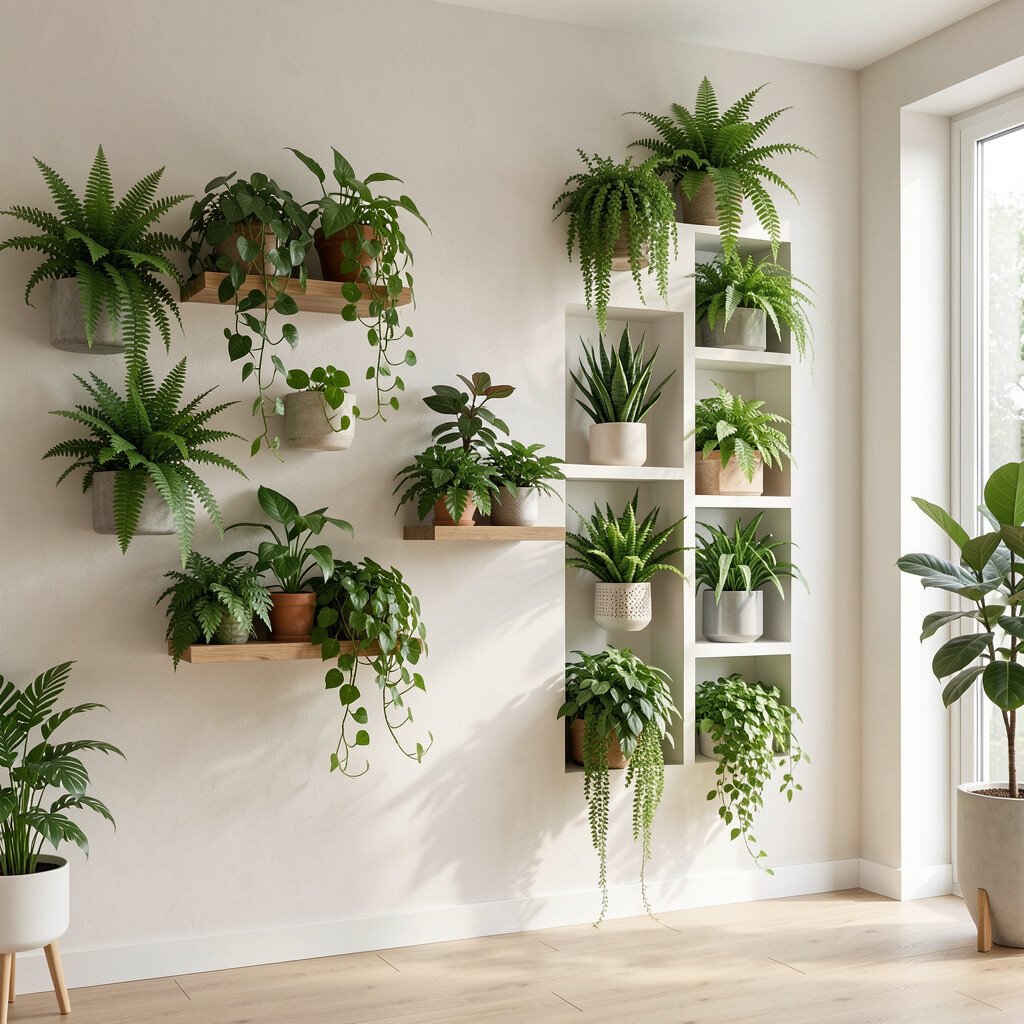
Living green brings softness to walls and helps the space feel fresh and friendly. Plants work especially well when you add vertical interest like wall planters or small niches.
Niches can also display tiny treasures like candles, stones, or art cards while keeping the area tidy. Choose materials that match your home, like wood niches for warmth or sleek shelves for a modern look. This adds uniqueness without making the wall busy.
If you want low maintenance, choose hardy plants or try faux greenery for a no-fuss look. Just keep an eye on light levels so your wall “garden” still looks healthy and vibrant.
19. Choose Custom Details That Feel Like You
Choose Custom Details That Feel Like You
Personal wall details make a space feel genuinely yours, even when the design basics are simple. Think about photos, meaningful art, or souvenirs that reflect your story.
You can also personalize with custom colors by matching paint to fabric you already love. If you like travel, frame maps or ticket-style prints in matching frames for a cohesive look. When personalization is consistent, the wall feels curated instead of crowded.
For a practical twist, use UV-protective glass or frames that keep images safe from fading. It helps your wall memories look good longer without extra worry.
20. Keep Cost In Mind With Smart Priorities
Keep Cost In Mind With Smart Priorities
Wall design can be budget-friendly when you decide what matters most to you. Spend on the pieces that get the most attention, like a standout mural, quality paint, or a great frame.
You can save on smaller items by choosing affordable prints, simple decor accessories, or DIY-friendly materials. Also consider durability so you do not end up replacing things sooner than you planned. Washable wallpaper, removable decals, and sturdy frames can reduce future costs.
A smart way to personalize without overspending is to rotate decor seasonally. Swap prints, change small accents, or update shelf styling so the wall stays interesting. This makes your design feel new without constant purchases.
21. Match Current Trends To Your Own Taste
Match Current Trends To Your Own Taste
Trends can be fun, but you do not have to copy everything to get the modern feel. Look at what is popular in wall design and then pick the pieces that suit your personality.
Right now, many homes lean toward textured finishes, warm earthy palettes, and mix-and-match gallery walls. Statement lighting and flexible removable decor are also popular because people like change. If you want a trendy look that lasts, pair trend colors with timeless frame shapes and classic layout rules.
When you keep the foundation steady, you can adjust the “trend layer” without repainting or replacing everything. That approach feels practical and gives you freedom over time.
22. Plan A Simple Maintenance Routine For Peace Of Mind
Plan A Simple Maintenance Routine For Peace Of Mind
Wall designs look better longer when you plan for cleaning and upkeep from the start. Different finishes need different care, so it helps to know what you have chosen.
For painted walls, a gentle wipe-down can keep dust away, while textured finishes may need softer cleaning to avoid scuffs. Wallpaper can require special cleaners, and decals may need careful handling around edges. If you design with maintenance in mind, your wall stays fresh instead of turning dull or worn.
You can also protect your wall by using coasters, keeping humidity in check, and avoiding direct harsh sunlight when possible. Small habits like these keep your design looking crisp and keep you from feeling stressed about the upkeep.