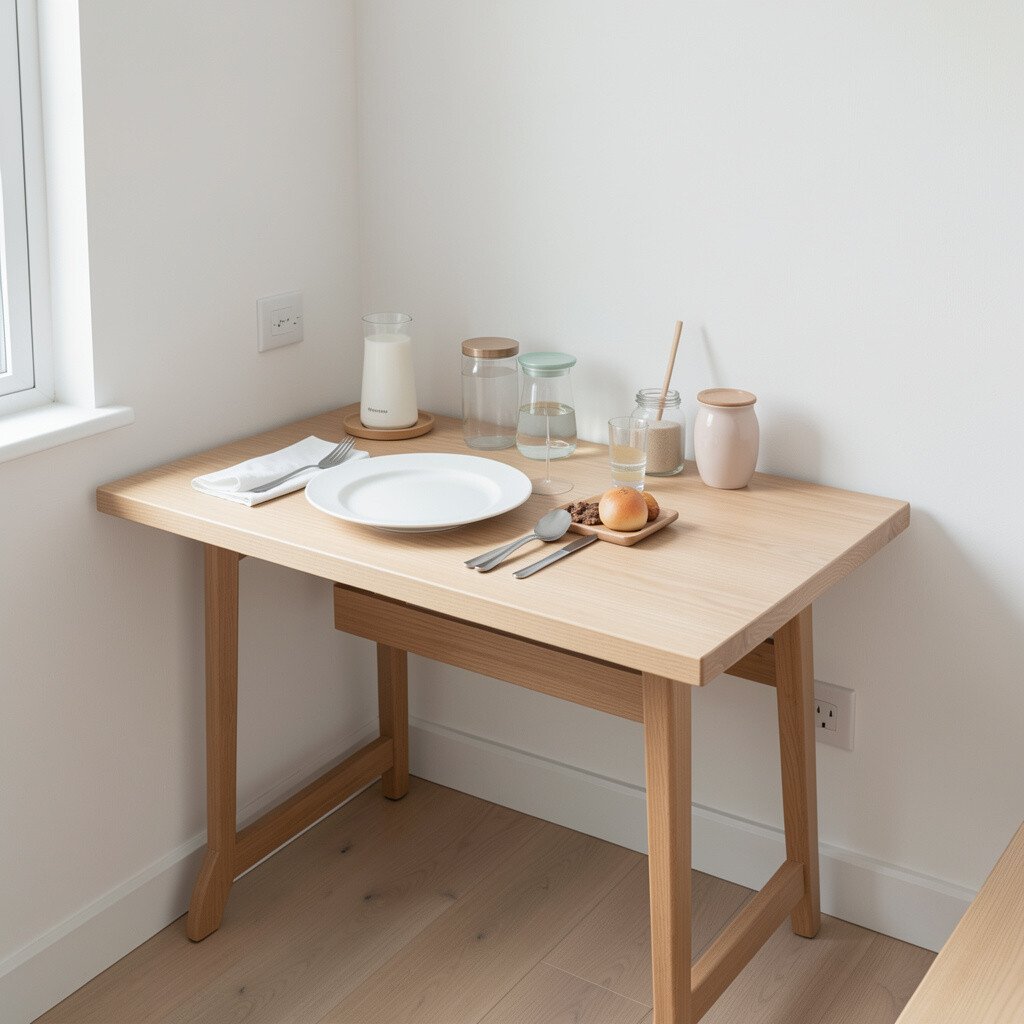
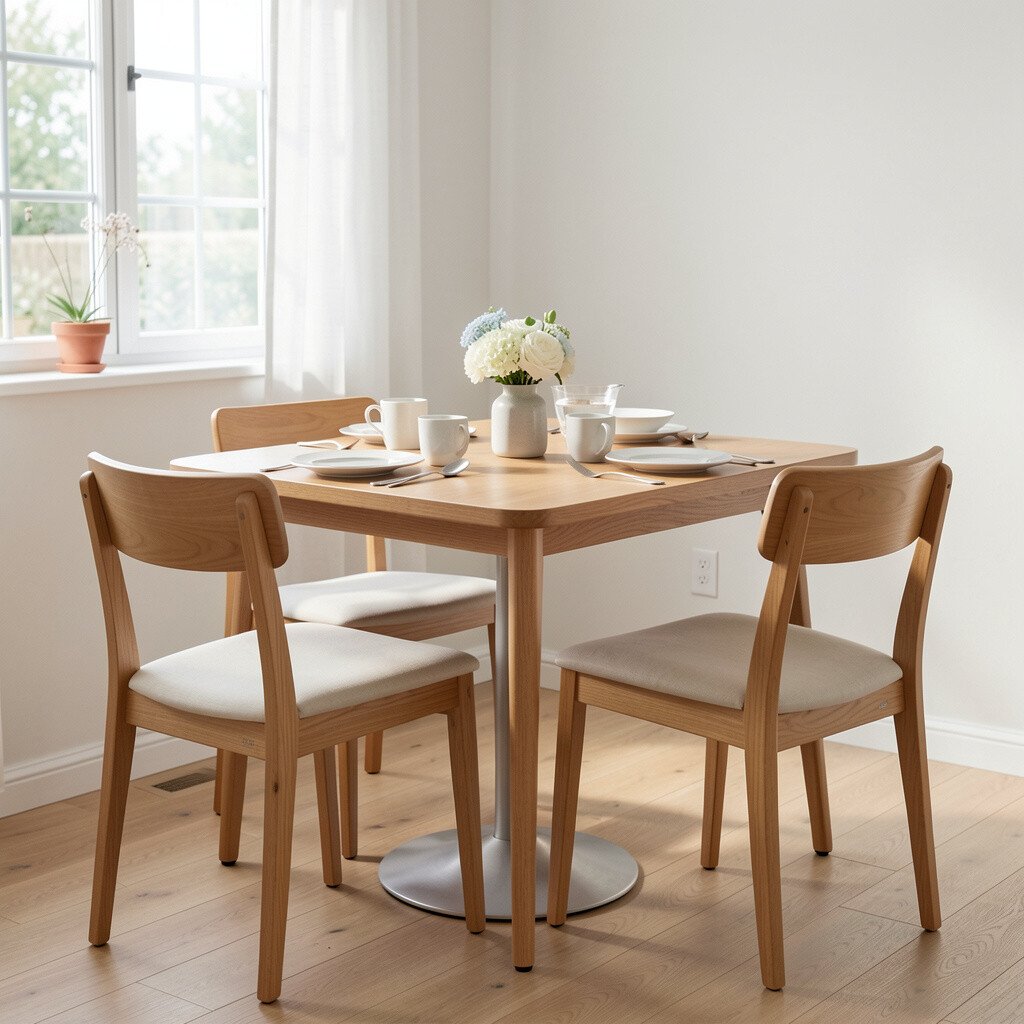
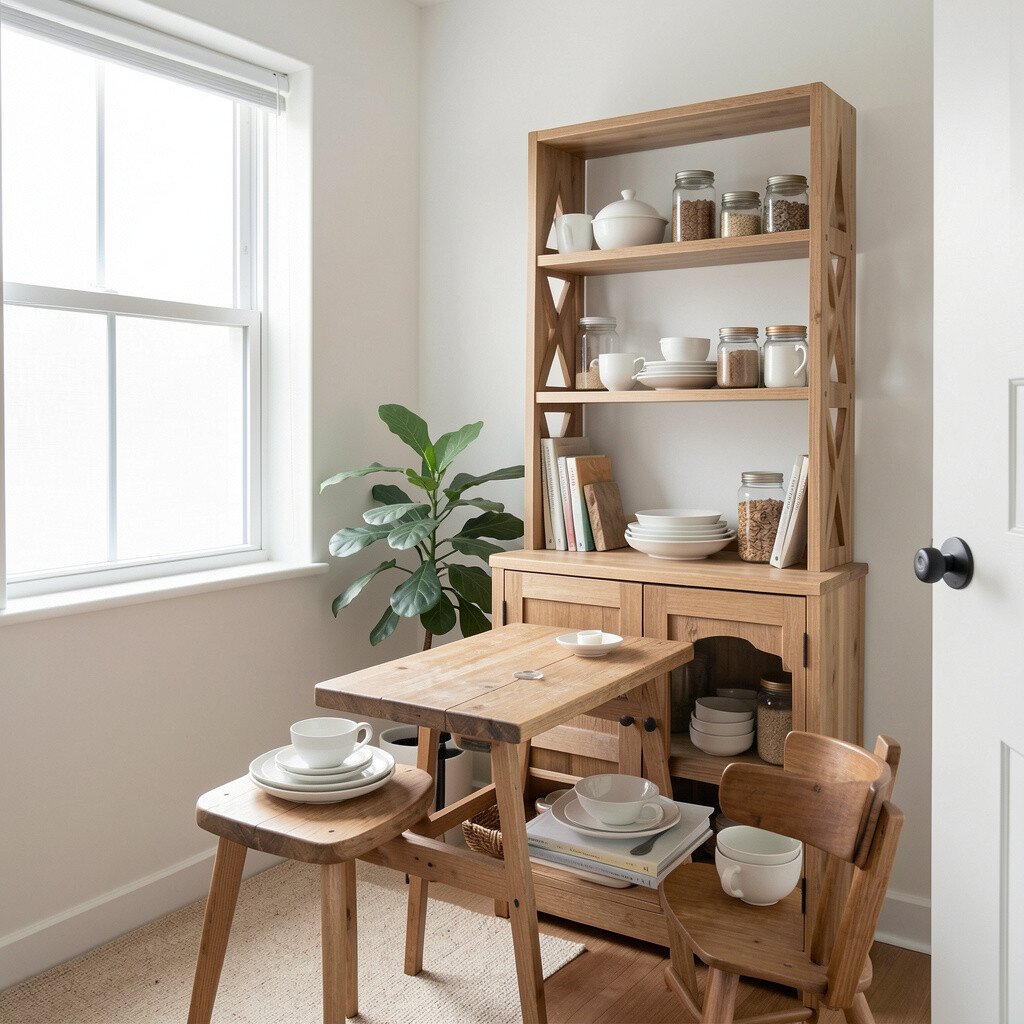
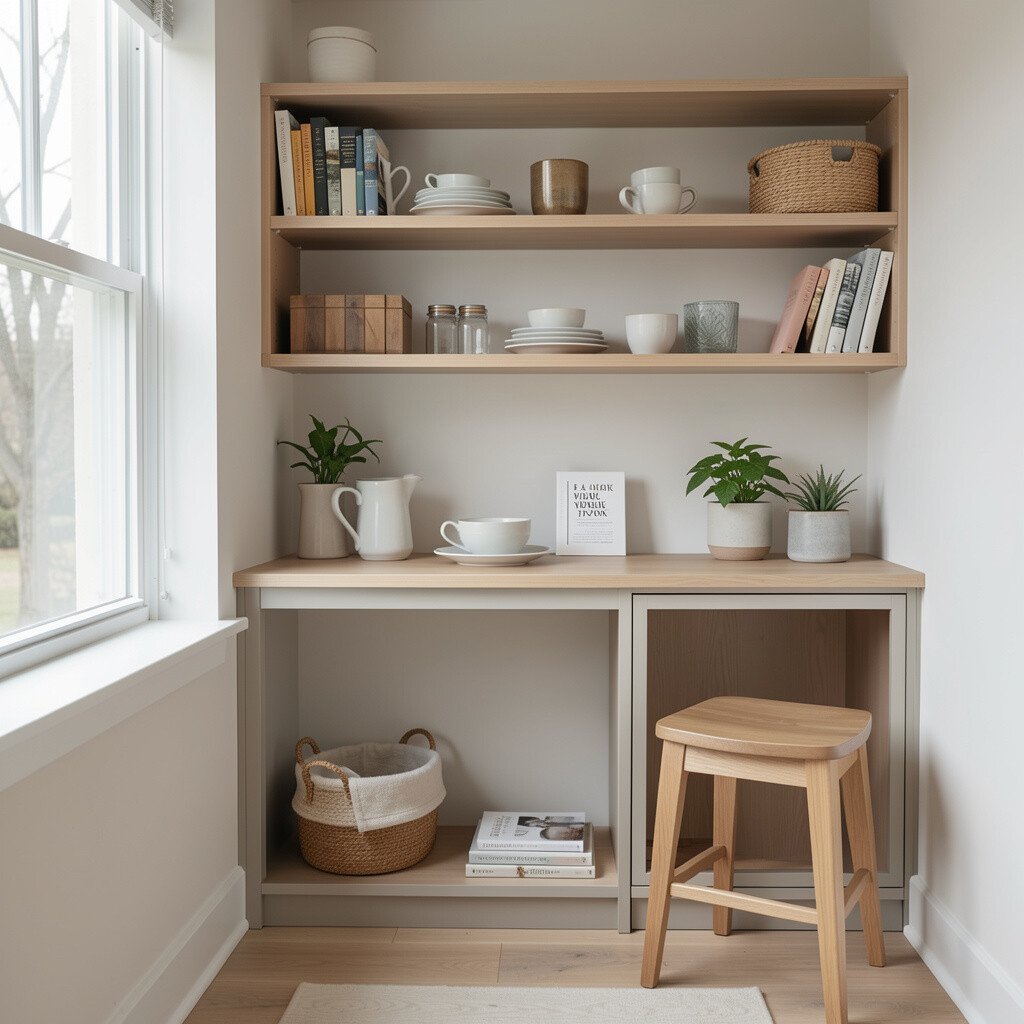
Start by choosing the one place your eyes land on first, like a tabletop, bench, or window ledge. Pull everything off that surface and set it aside in a single pile.
When the surface is empty, wipe it and notice how open the space looks. You will feel the difference right away because clutter blocks light and makes food time feel rushed.
2. Sort Items by “Stay, Move, or Bye”
Sort Items by “Stay, Move, or Bye”
As you put things back, group them into three simple categories: keep where they belong, move somewhere else, or remove from the nook. A dish stack can stay, but extra mail and random chargers can go.
Keep a small basket nearby so you can place “move” items in it without thinking too hard. When you return them to the right rooms, the nook looks intentional instead of temporary.
To personalize it, match the categories to your routines, like “snack now” for the items you reach for daily. This makes decluttering feel like setup, not cleanup.
3. Create a Snack Station That Fits Your Real Life
Create a Snack Station That Fits Your Real Life
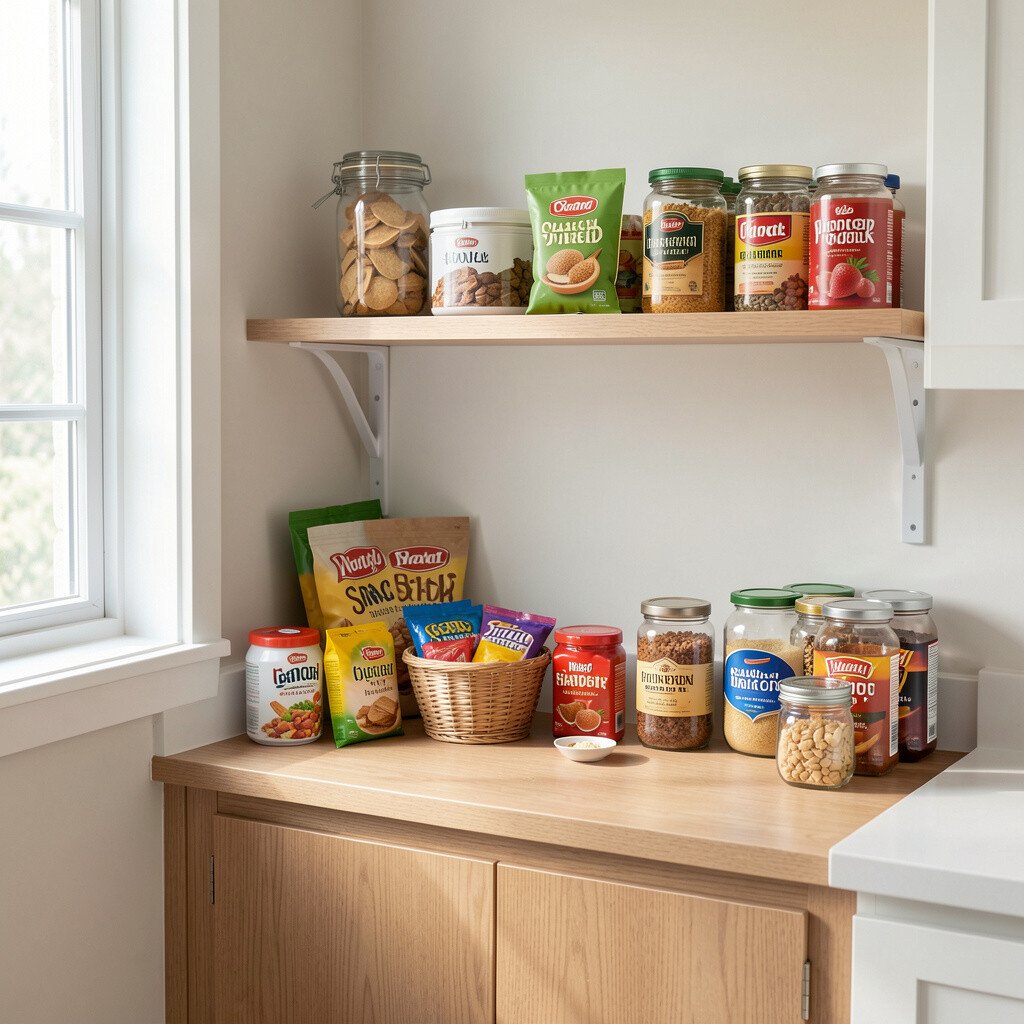
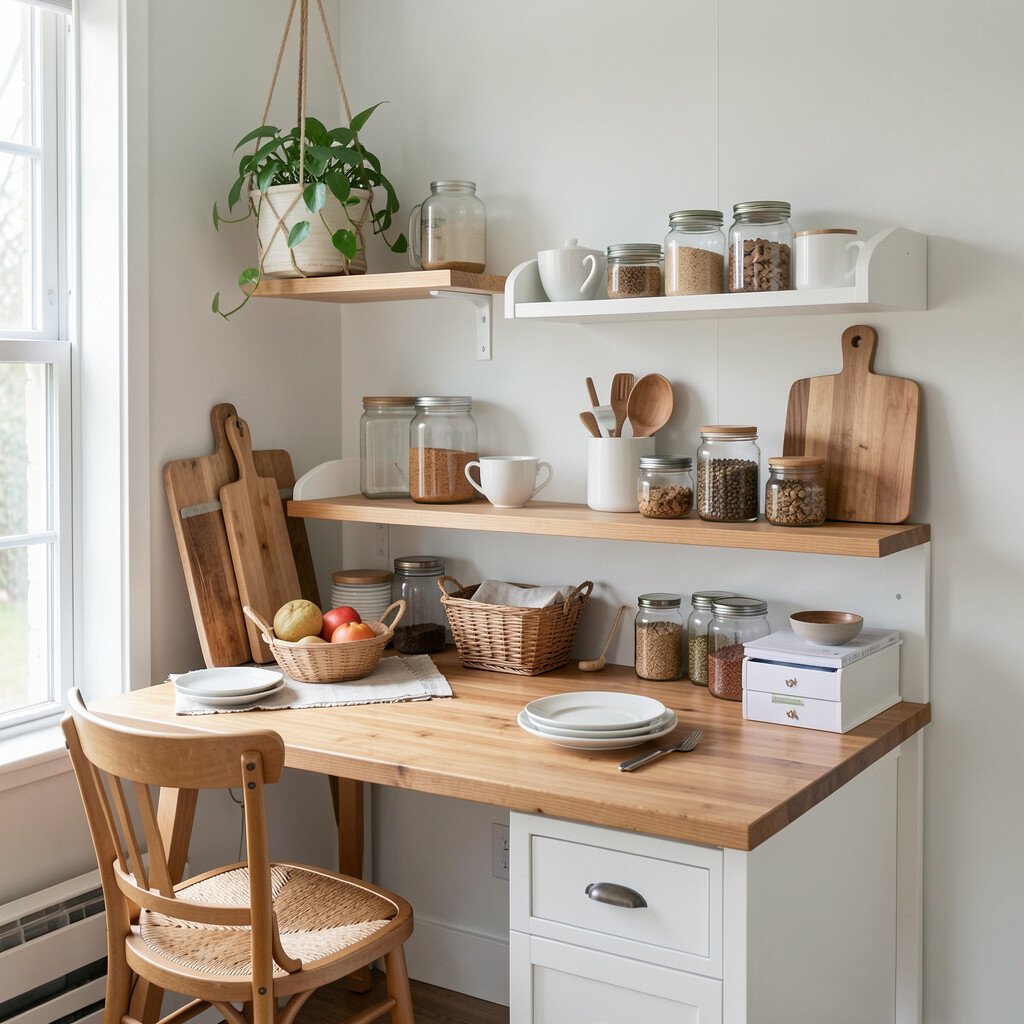
Look at how you actually use the nook during the week, then keep only what supports that routine. If you drink tea in the morning, place cups and a kettle where your hands can reach.
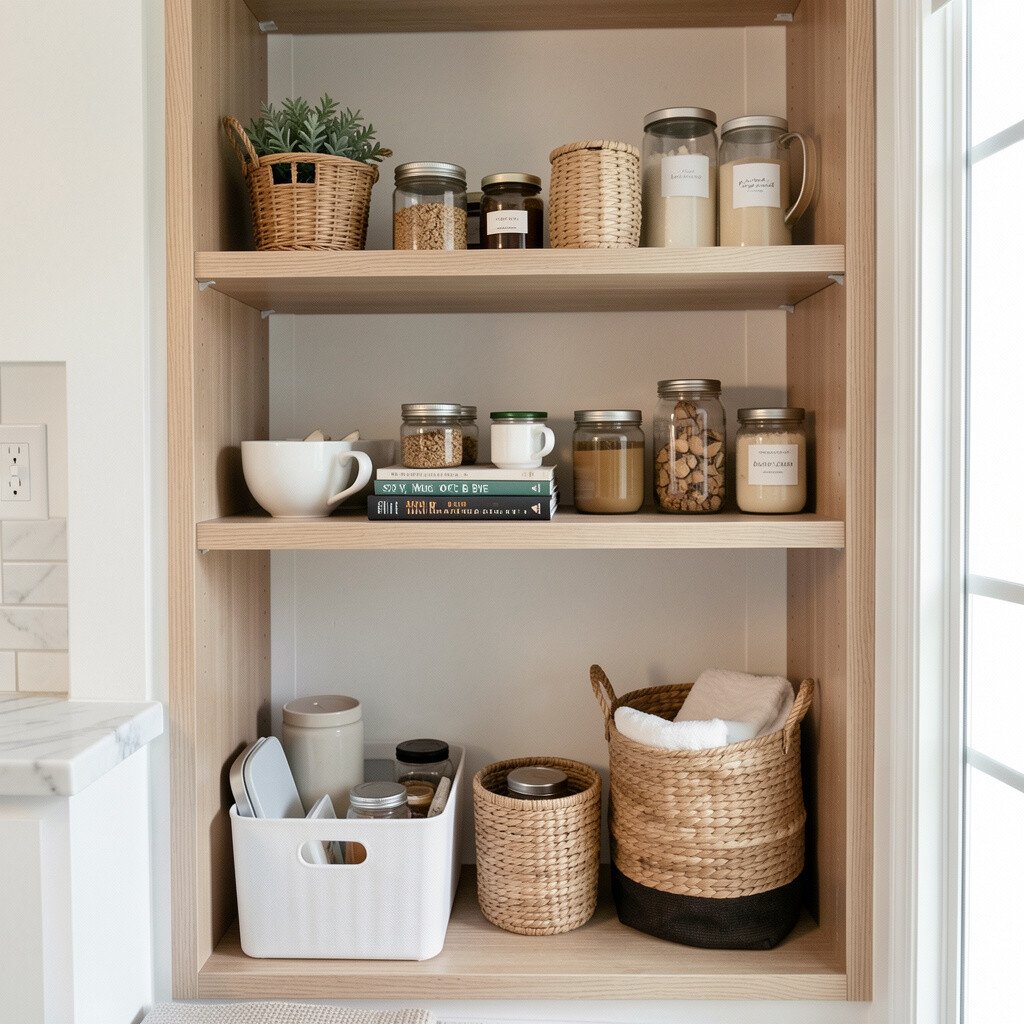
For a visual upgrade, use a small tray or shallow organizer so everything looks neat even when it is being used. You get the benefit of faster mornings because you’re not hunting through drawers.
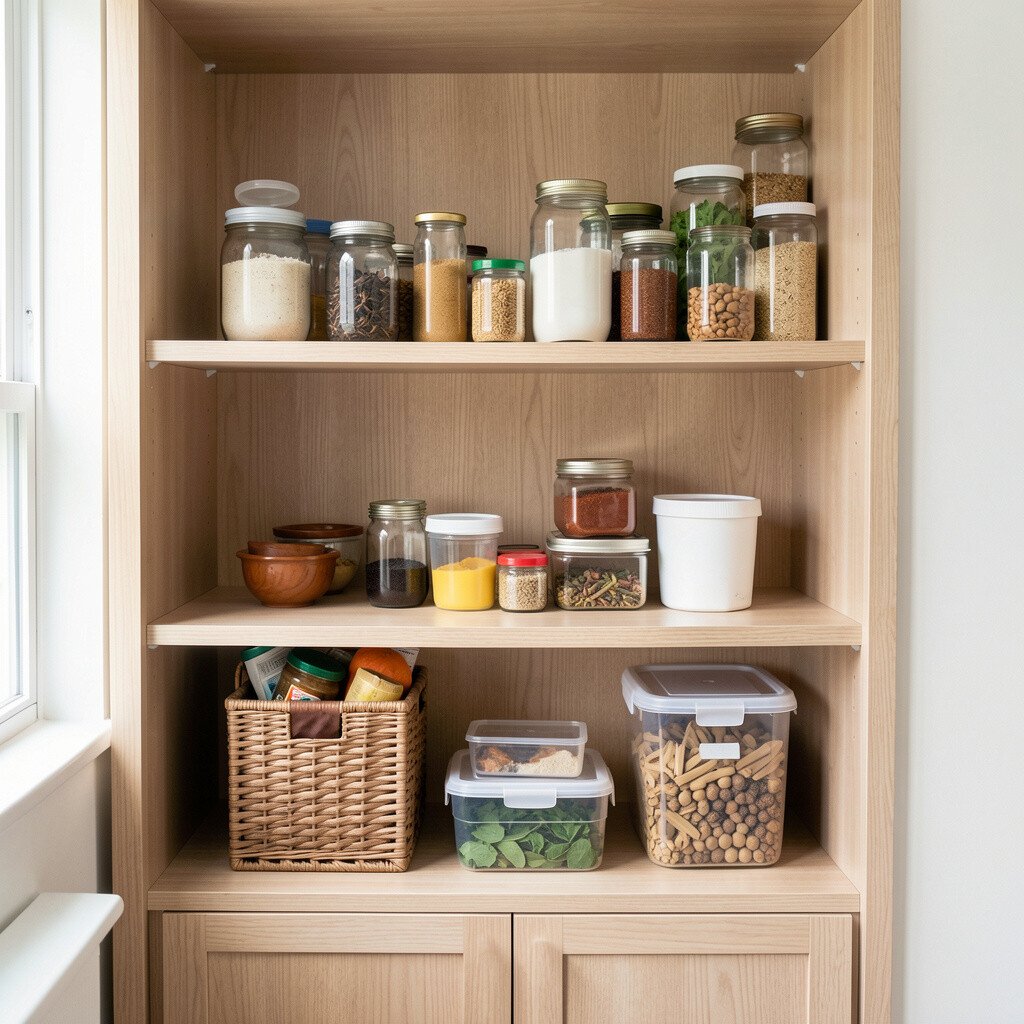
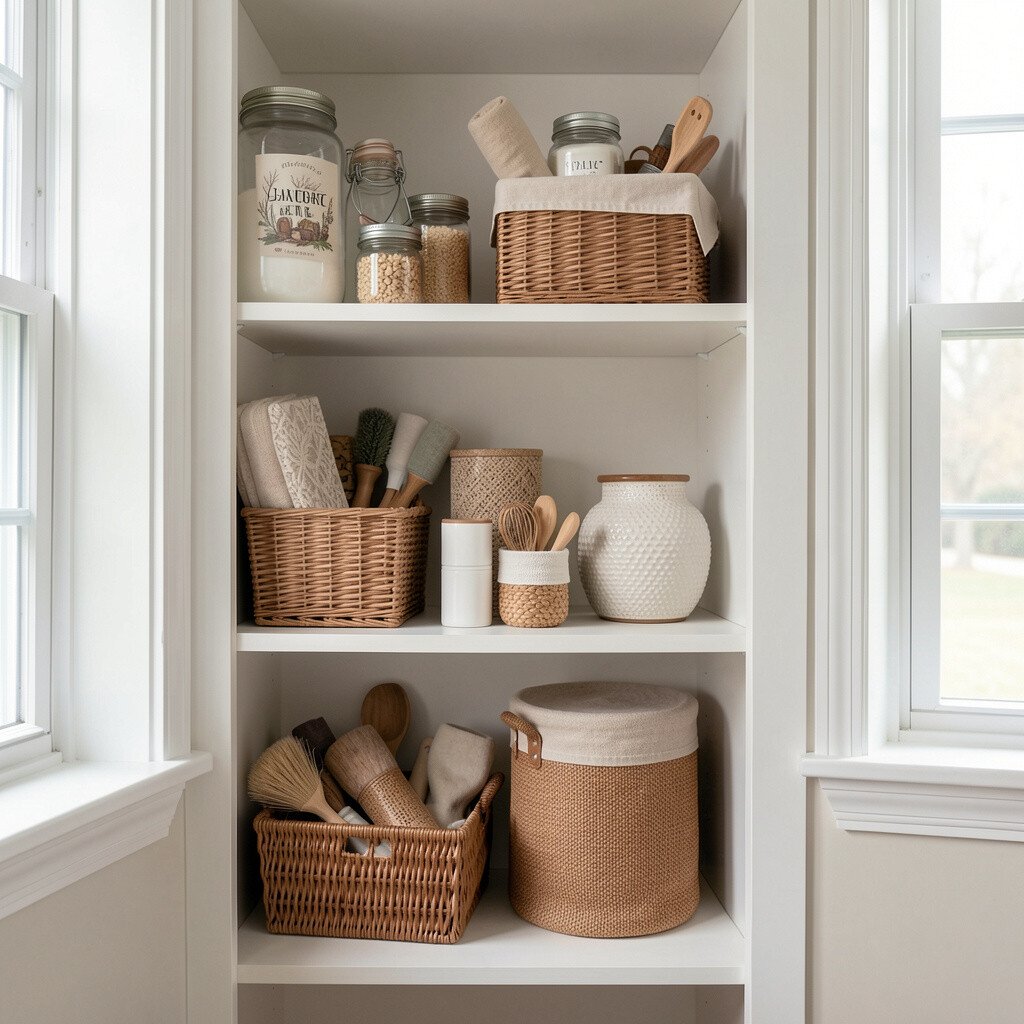
Make it unique by choosing containers that match your style, like a woven basket for cozy homes or a clear bin for a crisp look. If you are working with a tight budget, repurpose jars and boxes you already own.
4. Limit Daily Decor to One “Hero” Piece
Limit Daily Decor to One “Hero” Piece
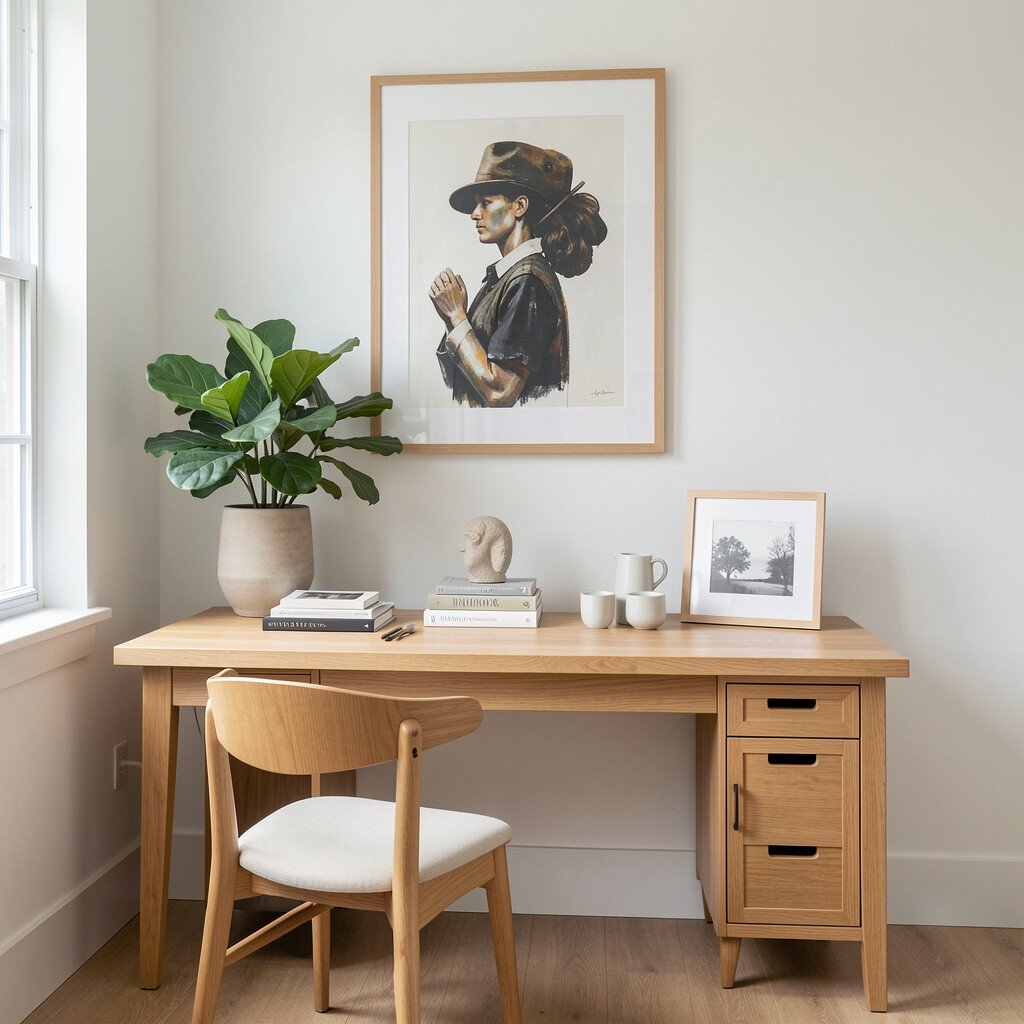
Too many decorations can quietly turn into clutter, especially on shelves and corner tables. Pick one centerpiece, like a vase, a framed photo, or a small plant, and give it room to breathe.
You get a fresher look because your eye has a clear focus point. It also helps you reset faster since there are fewer items competing for attention.
5. Set a Five-Minute “Return Path” Rule
Set a Five-Minute “Return Path” Rule
Pick a return path so items always have a clear home, such as “back to the kitchen,” “into the snack basket,” or “into the storage cabinet.” Then practice returning anything that doesn’t belong in the nook right after you notice it.
This small habit keeps clutter from rebuilding while you are busy eating. It feels easier because you are making one choice each time instead of doing big cleaning days.
Make your return path match your layout, like keeping a small caddy near the nook for napkins and utensils. A few hooks on the wall can also save time and money compared with more furniture.
6. Tame the Mail Pile with a Dedicated Catch Basket
Tame the Mail Pile with a Dedicated Catch Basket
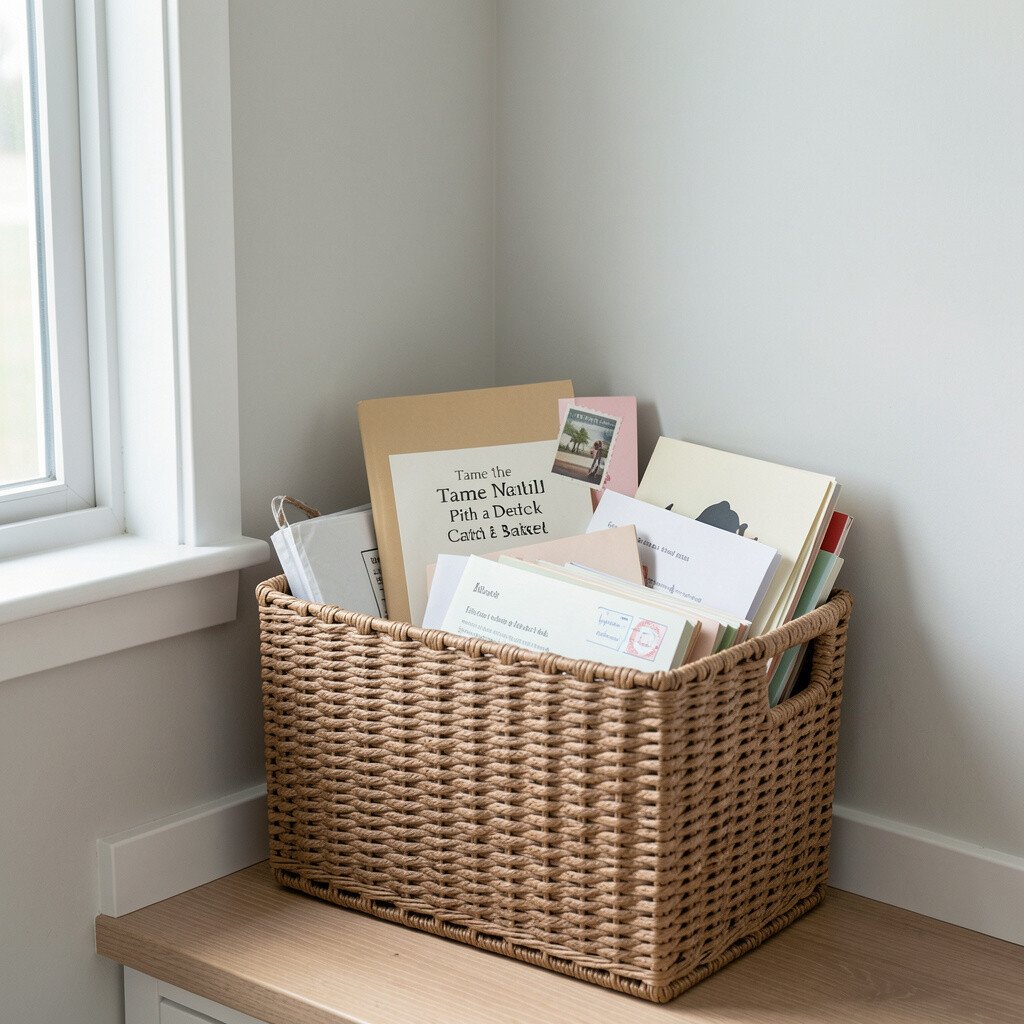
If mail lands in the nook, it will keep growing because it is convenient. Add one catch basket or folder right there so papers gather in one tidy spot.
When you declutter for five minutes, you can sort that basket quickly and keep the nook calmer. This benefits you by reducing decision fatigue during dinner time.
For personalization, label it with a simple symbol like a little envelope, so it feels friendly. If you want a budget option, use an old shoe box lined with paper or fabric.
7. Rotate Place Settings Like You Mean It
Rotate Place Settings Like You Mean It
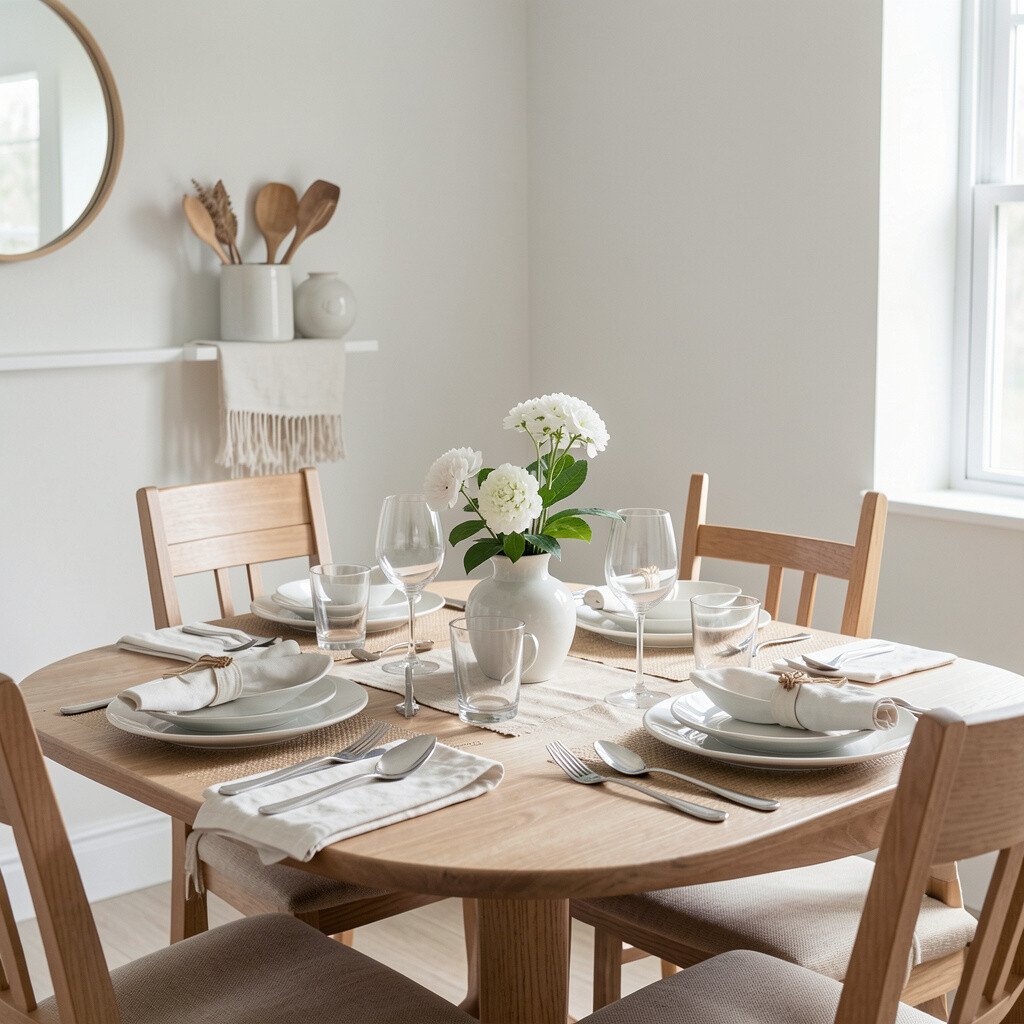
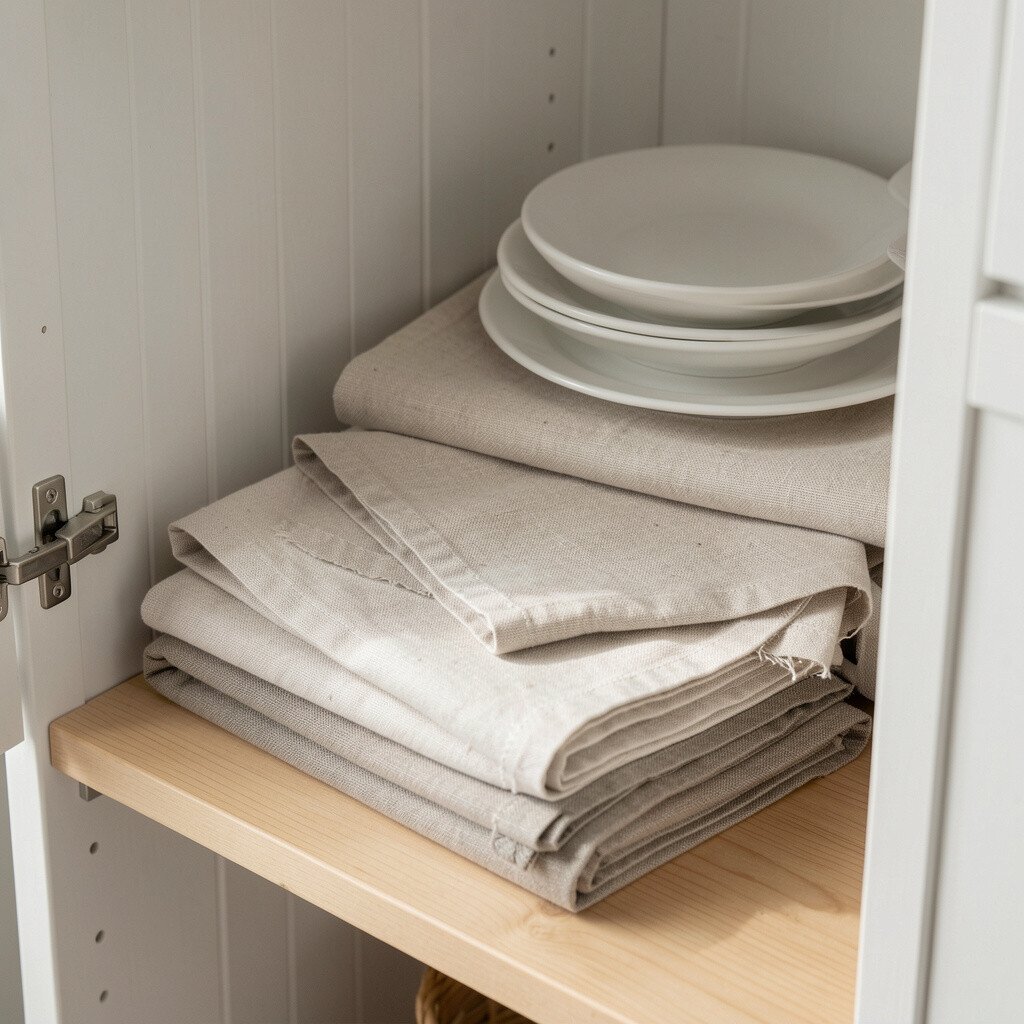
Take a look at your everyday dishes and decide what you truly use. Keep the plates, bowls, and napkins you grab most often within easy reach.
For everything else, store it elsewhere and bring it out only when you need it. Your nook looks less crowded, and you avoid the clutter that comes from unused extras.
8. Remove Extra Utensils That Don’t Get Used
Remove Extra Utensils That Don’t Get Used
Open the utensil drawer or caddy and pull out anything you haven’t used lately. If you have multiple spatulas, mismatched serving spoons, or duplicate tools, keep just one set.
You will feel calmer because the clutter is gone and you can find what you need without digging. This is a practical win because the easiest utensils are usually the ones you reach for during snacks and quick meals.
9. Make a Tiny Landing Zone for Bags and Keys
Make a Tiny Landing Zone for Bags and Keys
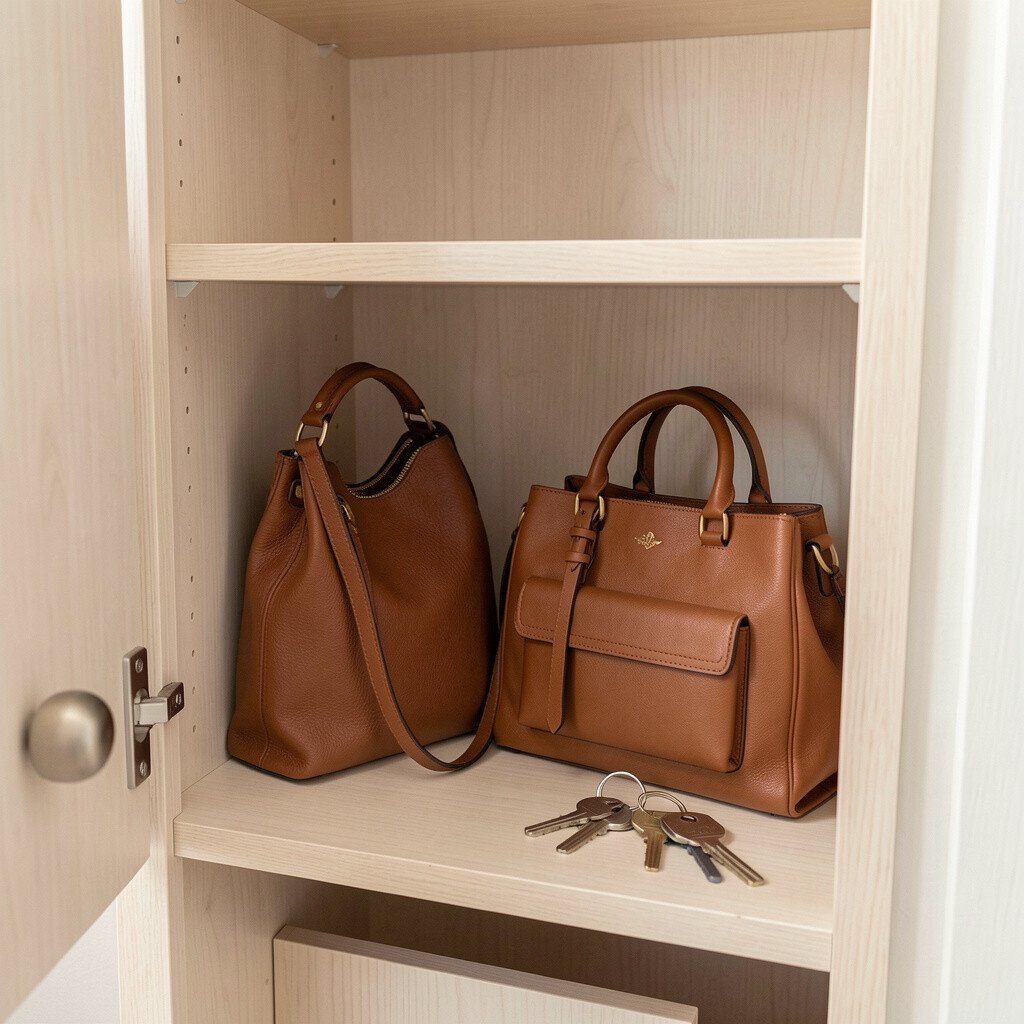
Declutter gets hard when bags and keys have nowhere to go, so they pile on chairs and tabletops. Add a small tray, hook, or slim stand near the nook so items land in the same spot each time.
This keeps surfaces clear and helps you start each day with less stress. If you like trends, many people are using wall-mounted hooks and minimal trays to keep floors and seats open.
To save money, use a repurposed wooden board for a key tray. For uniqueness, paint it in a color that matches your dining mood, like soft sage or warm terracotta.
10. Fold Napkins and Linens in a Way You Can See
Fold Napkins and Linens in a Way You Can See
If napkins are stacked loosely, they become a messy mound that spills over. Fold them neatly and store them in a container that lets you see what is inside.
Clear visibility is a benefit because it encourages you to use what you already have. It also makes the nook feel more cared for, even when you are not styling it.
11. Reduce Condiment Clutter to a Right-Sized Set
Reduce Condiment Clutter to a Right-Sized Set
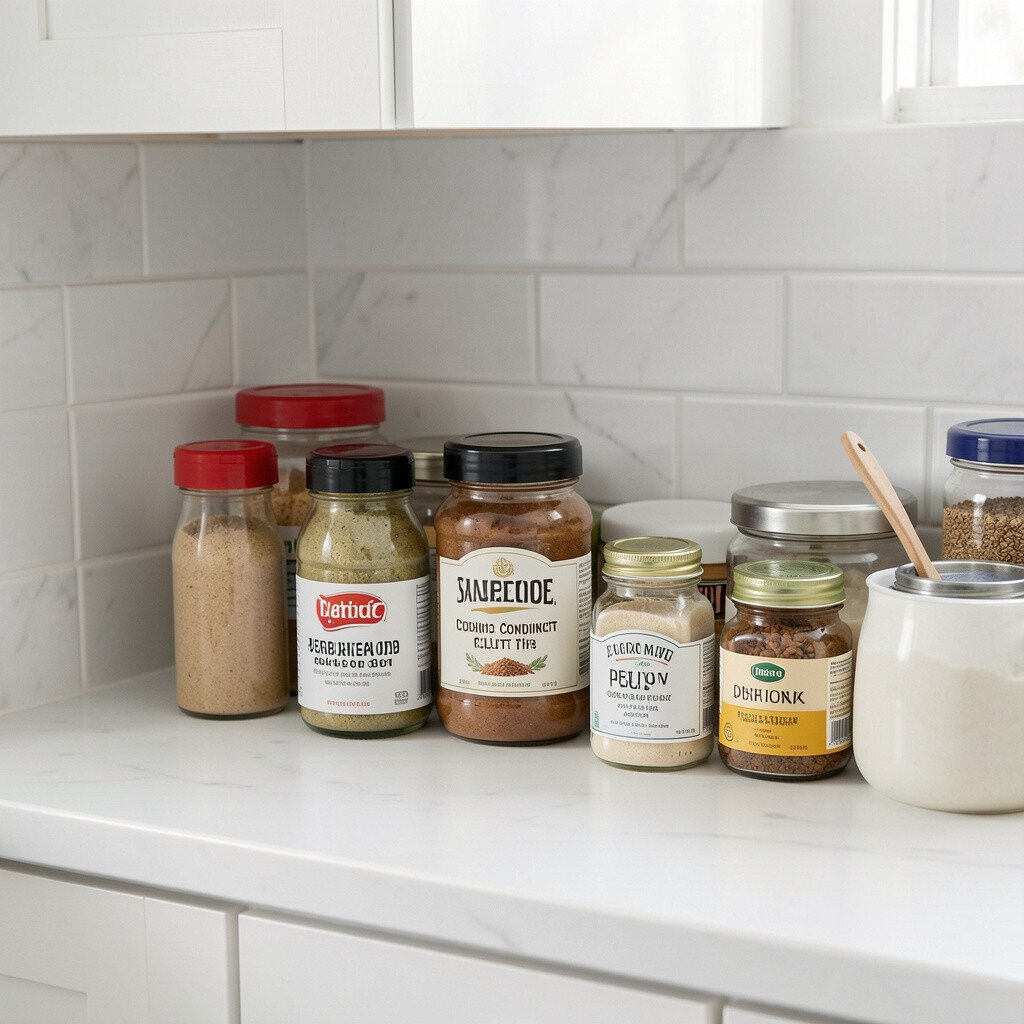
Check your salt, pepper, sauces, and little bottles, and keep only what you use regularly. If you have half-empty bottles you never touch, move them to a kitchen shelf or donate them if they are unopened.
This gives you a cleaner look and a smoother snack routine since you don’t have to move bottles around. You can personalize it by grouping condiments by flavor type, like “sweet,” “savory,” and “spice.”
For cost considerations, buy refills only when you finish what you already own. Many people also choose simple refillable jars because they reduce packaging waste and feel modern.
12. Choose One Storage Container Instead of Many Small Ones
Choose One Storage Container Instead of Many Small Ones
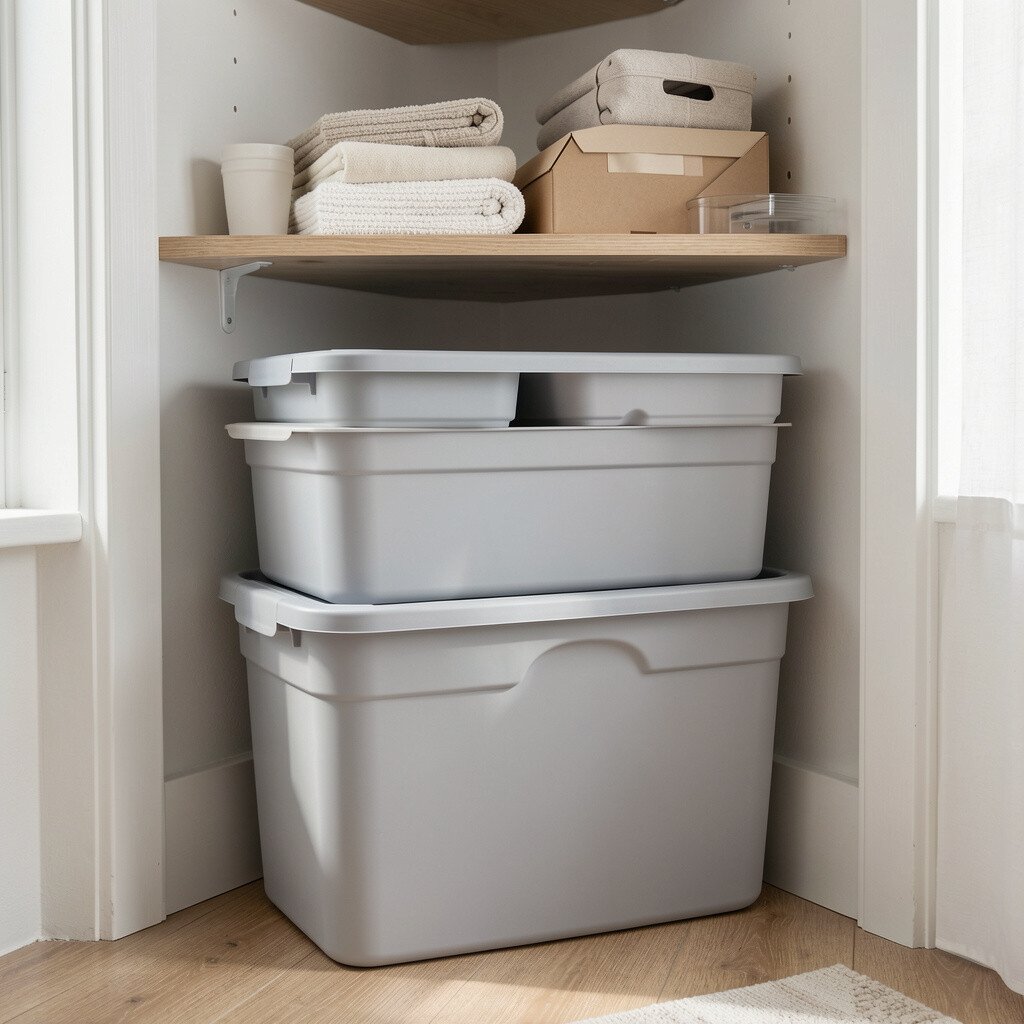
When storage turns into a collection of tiny boxes, the nook can look busy even if everything is “organized.” Pick one matching container style for the nook, like a single lidded bin for small items.
Consolidating helps because the space reads simpler and your eyes rest easier while you eat. It also makes five-minute cleanups easier since you are dealing with one unit instead of many.
For uniqueness, choose one color that ties into your room, and let it become part of your look. If you are keeping costs low, use sturdy household containers you already have and just add labels with simple paper.
13. Clear the Chair Backs and Keep Seating Unblocked
Clear the Chair Backs and Keep Seating Unblocked
Chair backs are a common clutter trap because they “seem like a temporary place.” Clear them fully so jackets, scarves, and random items stop stacking up on the edges of your eating spot.
When your seating looks open, the nook feels inviting rather than crowded. It also prevents small items from getting forgotten and turning into a bigger mess later.
14. Give Plants a Real Home and Remove Extra Pots
Give Plants a Real Home and Remove Extra Pots
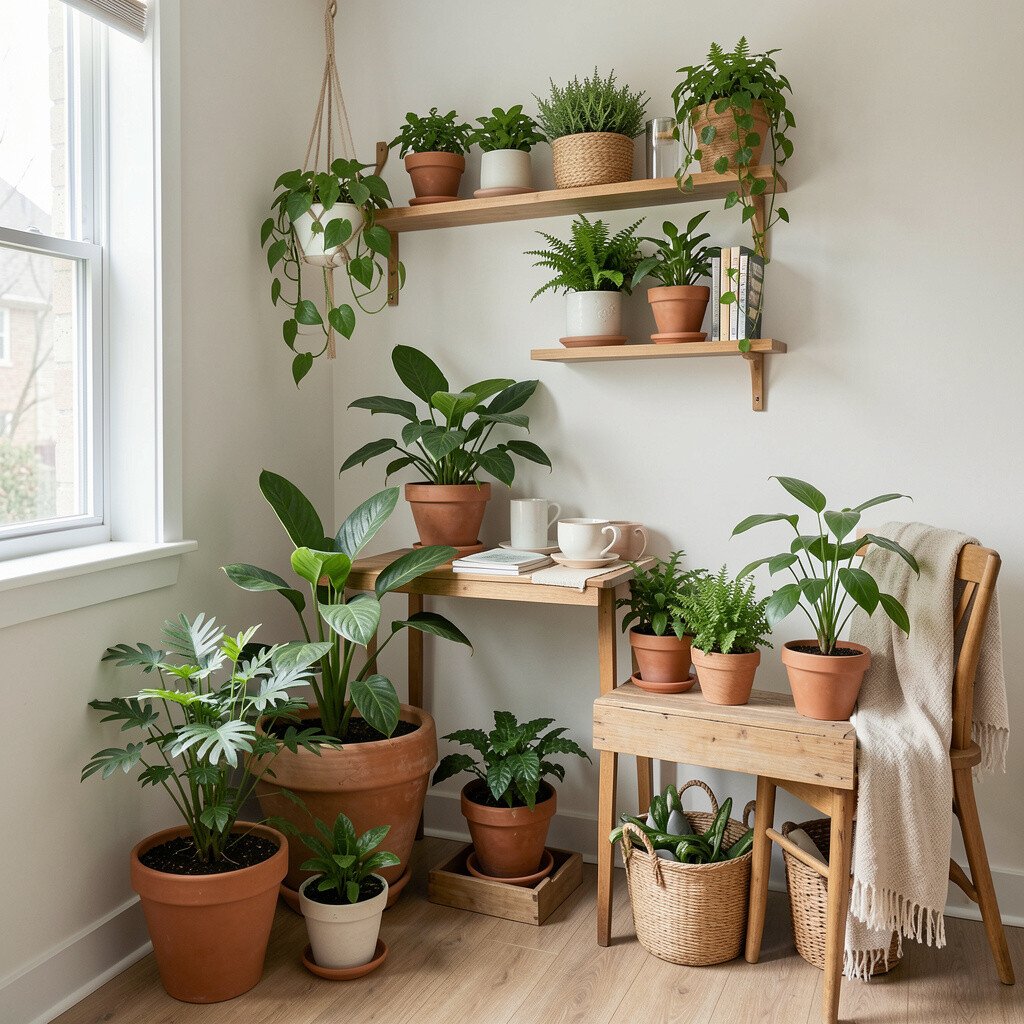
If you have plants near the nook, check how many pots and trays are hanging around. Keep the healthiest plant display and tuck any extra pots away in a closet or cabinet.
Green touches create a warm mood, and fewer pots make the area look intentional. This benefits you by adding calm during meals, and it also makes watering and maintenance easier because everything is in one place.
For a trend, many people are using simple plant stands and grouped greenery for a curated look. You can personalize it with a lightweight tray so water stays in one spot instead of on the floor.
15. Create a “Read and Eat” Stack That Never Spills
Create a “Read and Eat” Stack That Never Spills
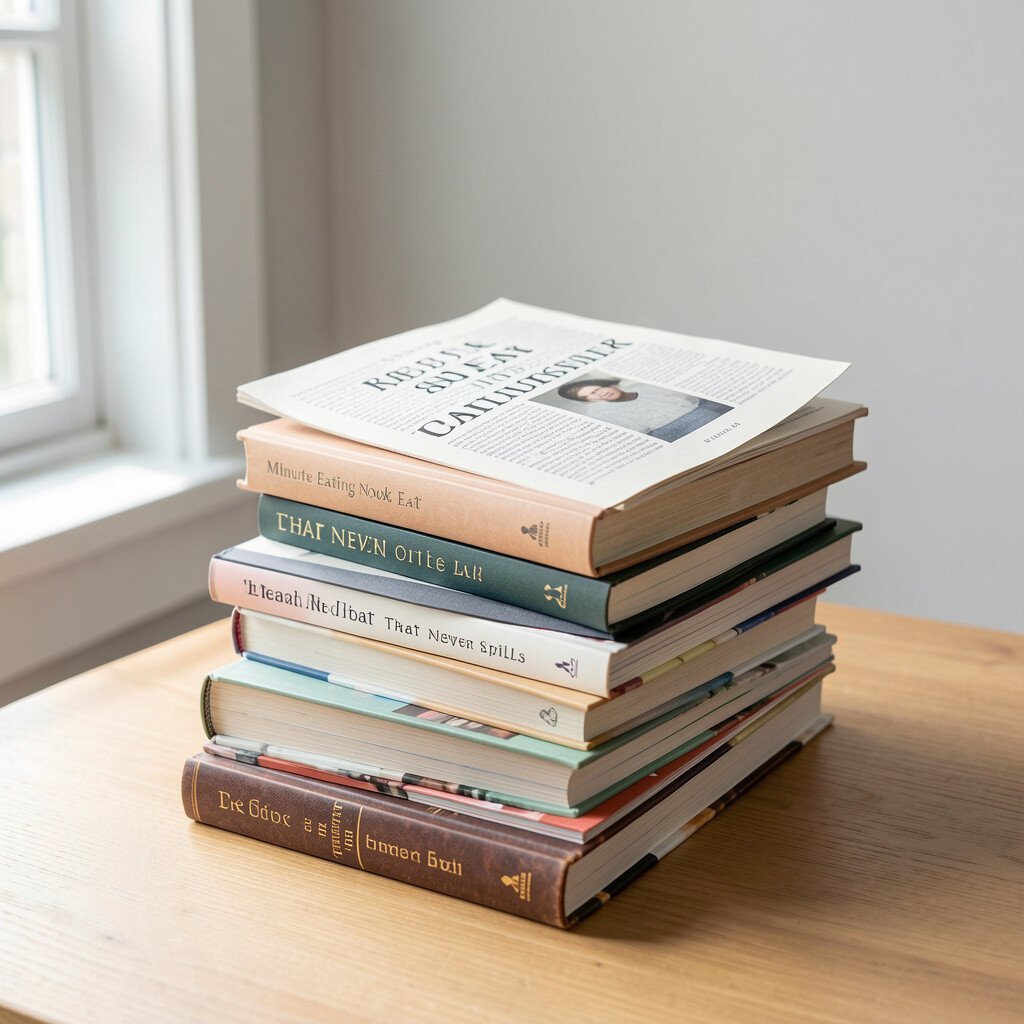
If you often leave menus, books, or notes in the nook, create a small stack spot that stays contained. Use a magazine holder, a slim basket, or a vertical file so papers don’t drift across surfaces.
This keeps your nook looking neat and reduces the frustration of finding things under plates. It is practical because you can pick up the stack in seconds and move it away when you wipe down.
Make it unique by choosing a holder that matches your style, like a brass-toned stand or a woven basket. For budget, a sturdy folder propped upright can work just as well.
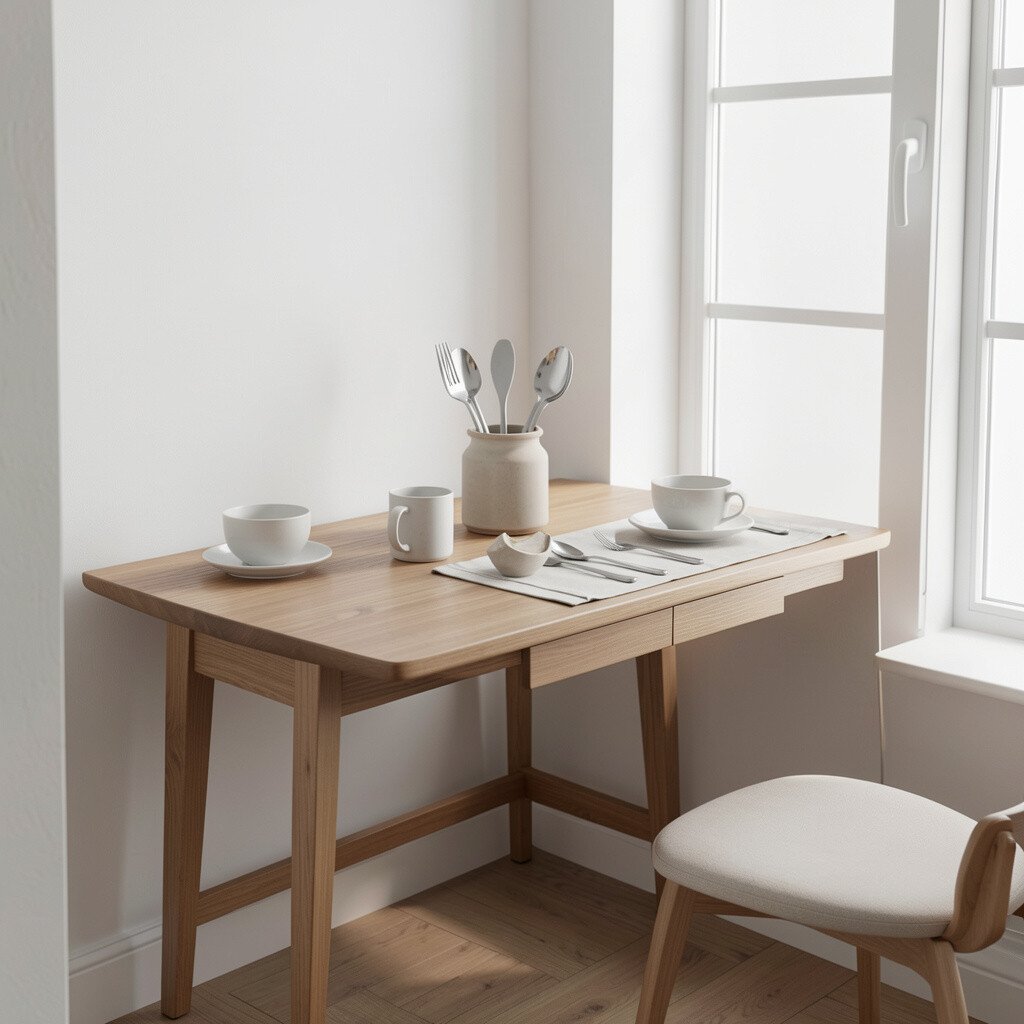
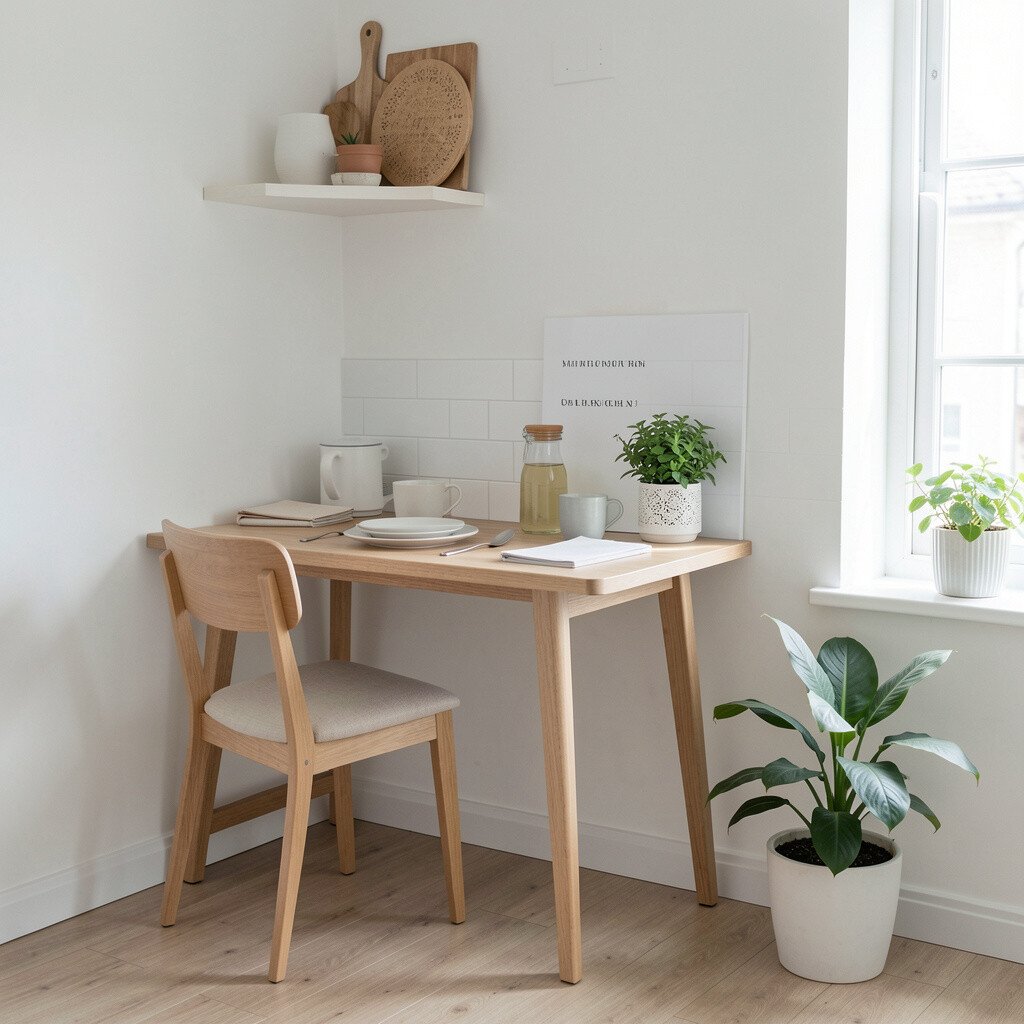
Decluttering feels better when you finish with a clean reset, not just empty space. After you remove items, wipe the nook and place back only what you want on the surface right now.
Use a simple layout that looks balanced, like one tray centered, cups on one side, and a small utensil container tucked near your usual seat. Your benefit is visual calm, and your cleaning time stays shorter because everything has a place.
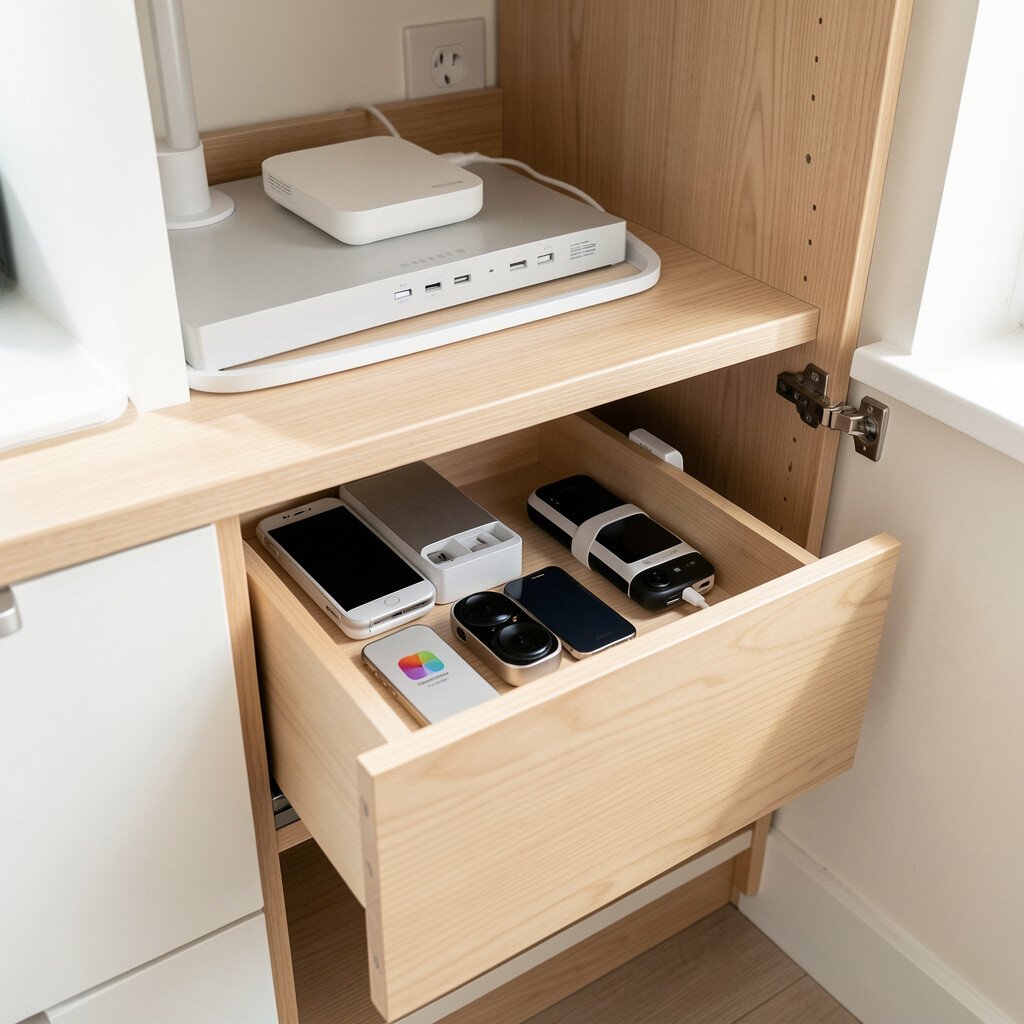
17. Put Small Electronics in a Drawer or Charging Zone
Put Small Electronics in a Drawer or Charging Zone
Chargers, phone stands, and remotes can quietly spread across the nook like clutter fog. Choose one charging zone, then move everything else into a drawer or cabinet.
This helps because fewer cords and devices break the relaxing vibe of eating. If you like current trends, cable management is a big focus in modern home setups, with hidden charging docks and cord clips.
For cost considerations, use a simple cord organizer from a basic store or make one with a binder clip. Personalize the look by storing devices in a matching lidded container rather than leaving them out.
18. Sort Leftovers Supplies So They Don’t Take Over
Sort Leftovers Supplies So They Don’t Take Over
If you keep wrap, bags, and containers near the nook, check that they are stored in a way you can grab quickly. Consolidate extras and keep only the types you use most, like one set of reusable containers and one roll of wrap.
You gain convenience because you’re not digging through mixed items. The nook also stays more attractive because you are reducing random “kitchen overflow” pieces.
19. Store Seasonal Items Out of Reach and Out of Sight
Store Seasonal Items Out of Reach and Out of Sight
Seasonal things can creep into the nook, like holiday mugs, themed napkins, or winter candles you forget you own. Put them in a labeled bin and store them somewhere less visible until that season returns.
This gives you a consistent, fresh look and reduces the urge to constantly swap items. You can personalize your nook year-round by keeping a small base set that works in every season, like plain place settings and one neutral centerpiece.
If you want to keep costs low, avoid buying new seasonal décor every year. Many people are choosing “one accessory per season” because it keeps budgets calm and spaces tidy.
20. Set a “No New Clutter” Pause Before Adding Anything
Set a “No New Clutter” Pause Before Adding Anything
Before you bring in a new item, pause and check what space it will take. If the nook is already full, it will likely turn into clutter again unless you remove something first.
This helps you keep your declutter progress because you are protecting the new baseline. You can personalize your rule by tying it to your lifestyle, like only adding one new décor item per month or only keeping new supplies if you finish an old one.
21. Do a Quick Visual Scan and Fix One Thing Only
Do a Quick Visual Scan and Fix One Thing Only
End each five-minute session with a visual scan, starting at the entry view and moving across surfaces and seating. Choose only one thing to fix, like moving a cup stack or aligning a tray, then stop.
This keeps decluttering realistic and prevents burnout because you are not trying to fix everything at once. The benefit is that your nook stays consistently fresh, and it trains your brain to notice clutter early.
For uniqueness, use a small “fresh check” habit like straightening one item to a certain angle so you can feel satisfaction fast. If you want a cost-free approach, rely on alignment, spacing, and hiding instead of buying new organizers.