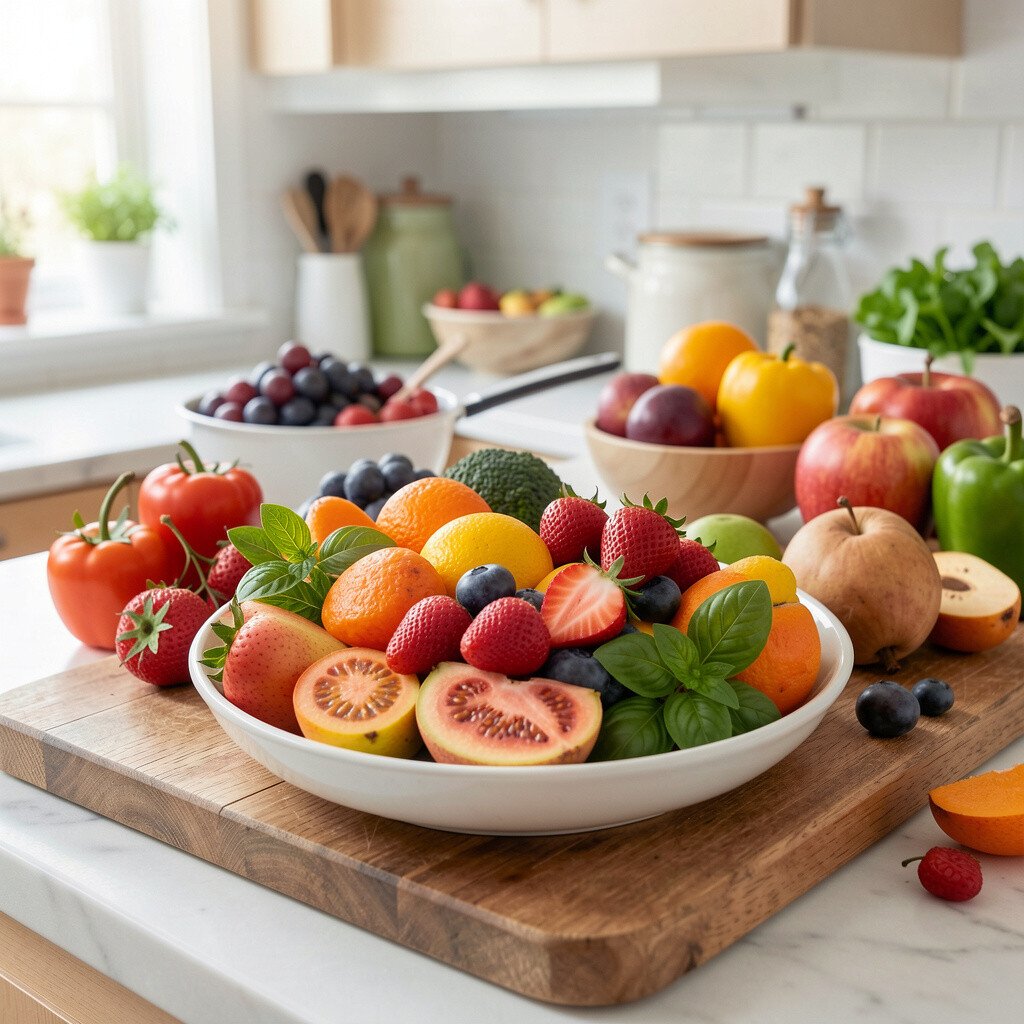
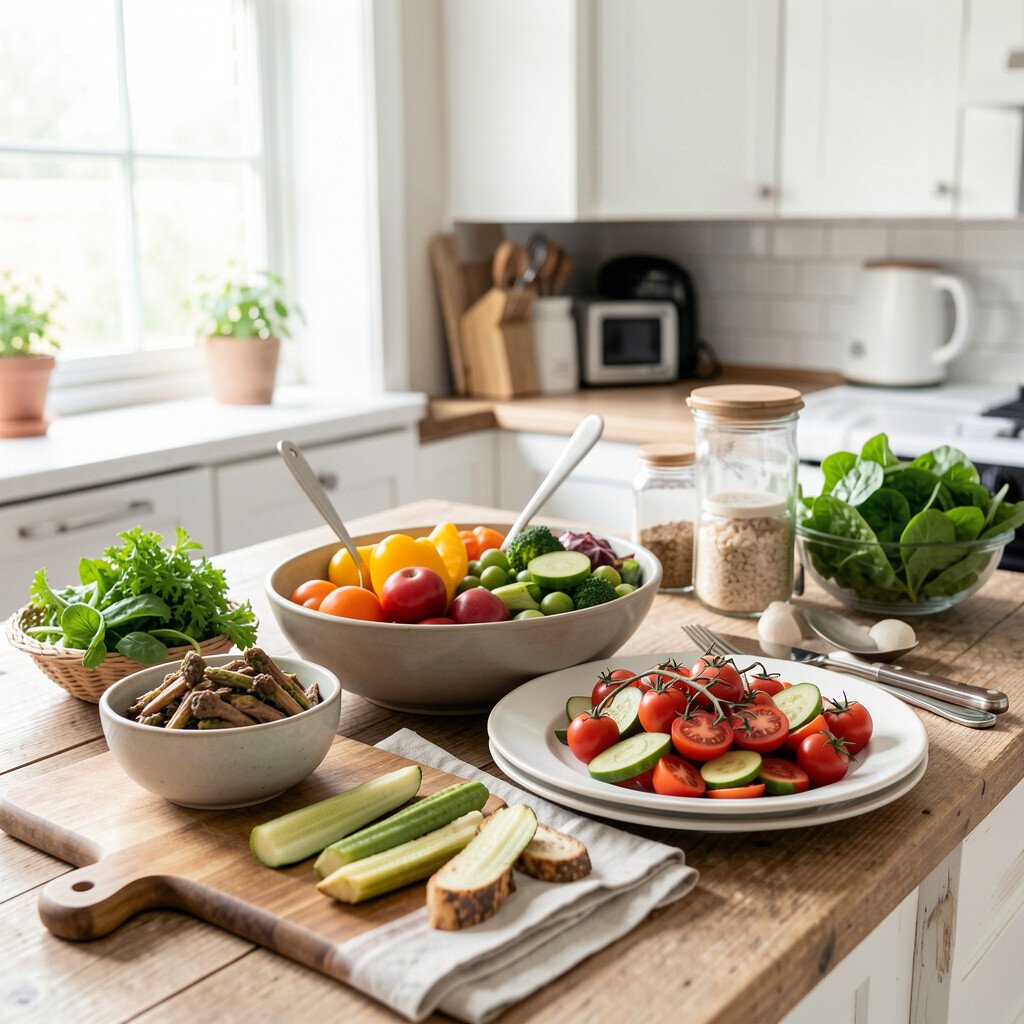
Open your fridge and picture a rainbow instead of a checklist. When you plan for different colors, your meals naturally include more different nutrients.
Try building plates around vivid produce like red tomatoes, orange carrots, yellow peppers, and deep green herbs. This also helps you notice what you already have so nothing gets wasted.
2. Upgrade Your Plate With Better Portions
Upgrade Your Plate With Better Portions
Use a smaller plate so your brain gets a gentle nudge toward the right amount. You’ll still feel satisfied, but the meal won’t run away from your goals.
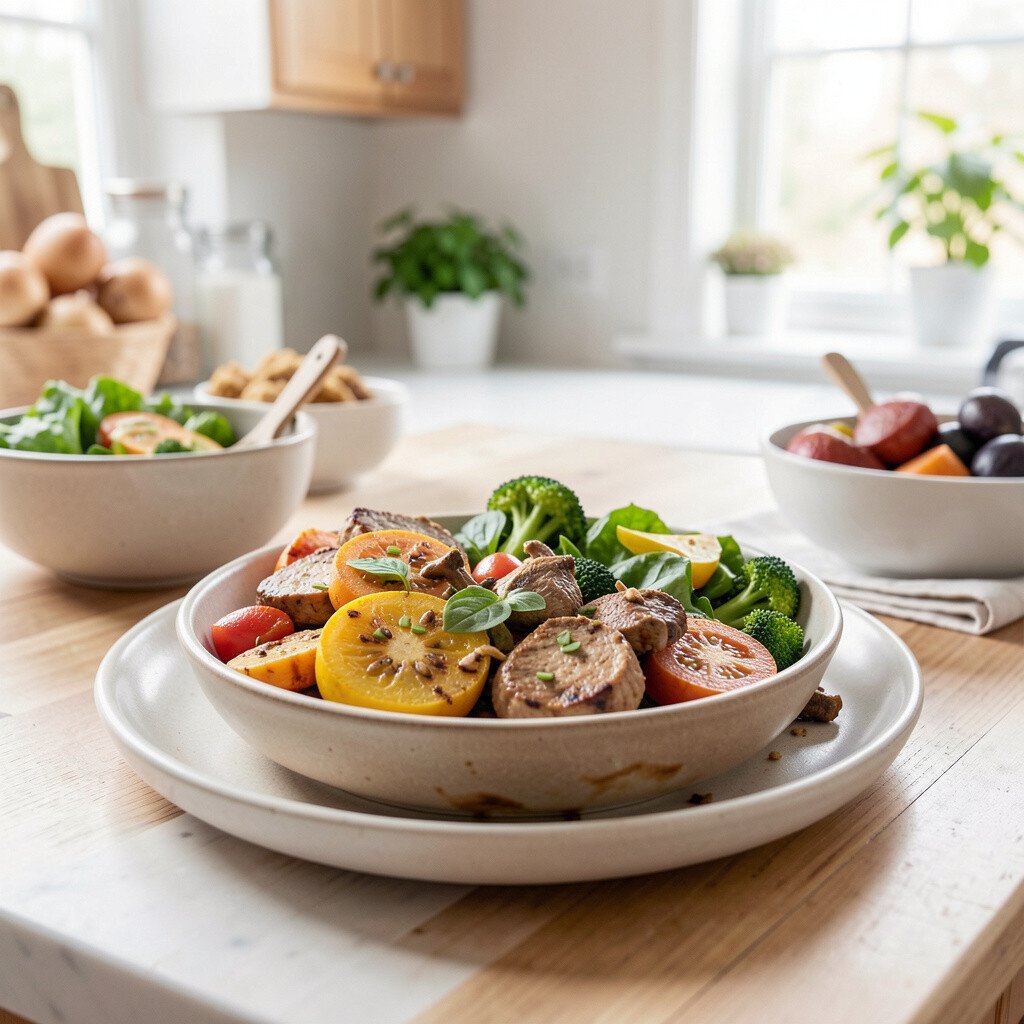
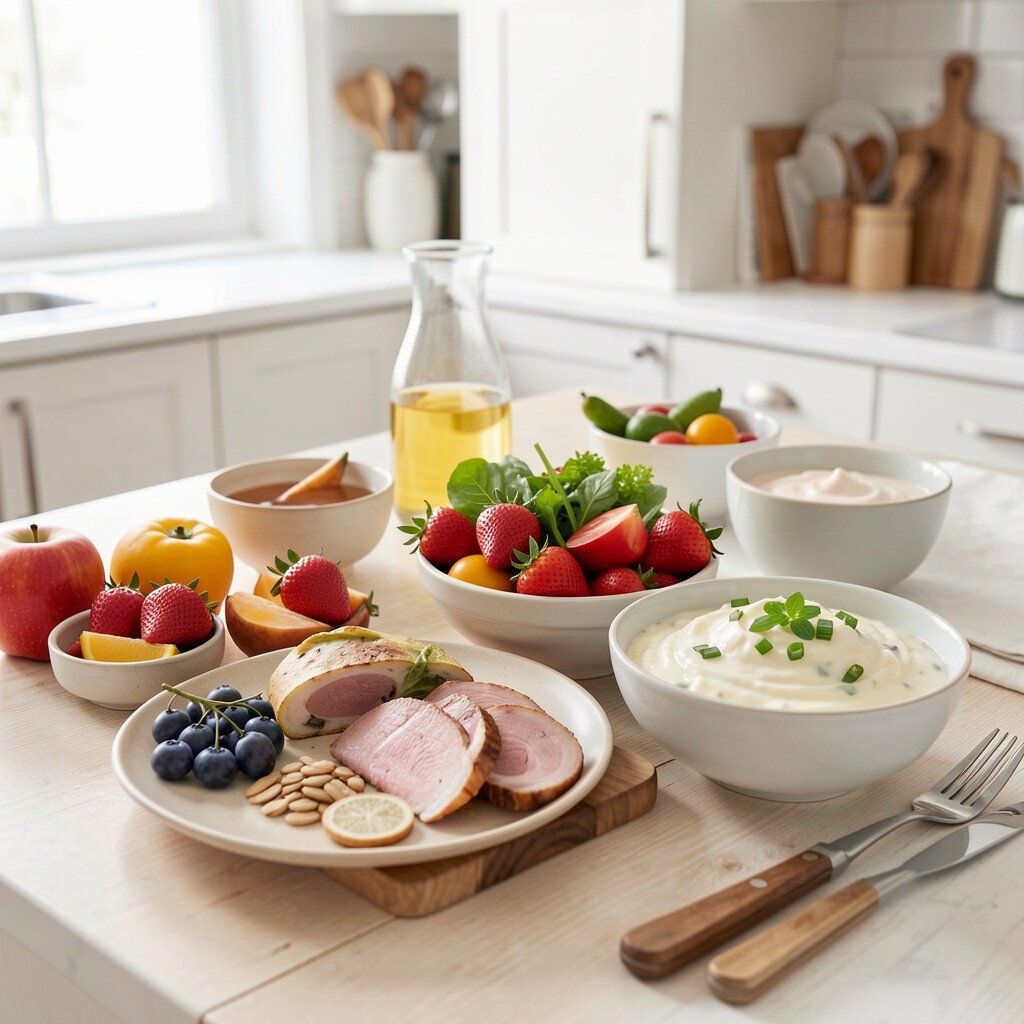
Fill half the plate with vegetables or fruit, then add a palm-sized portion of protein and a small serving of whole grains. If you’re eating out, you can ask for a to-go box first and save half before you start.
This simple shift supports steady energy and helps with portion awareness without measuring everything all the time. For personalization, match the grain size to your activity level and your hunger, not to pressure.
3. Cook More at Home With “Low Effort” Systems
Cook More at Home With “Low Effort” Systems
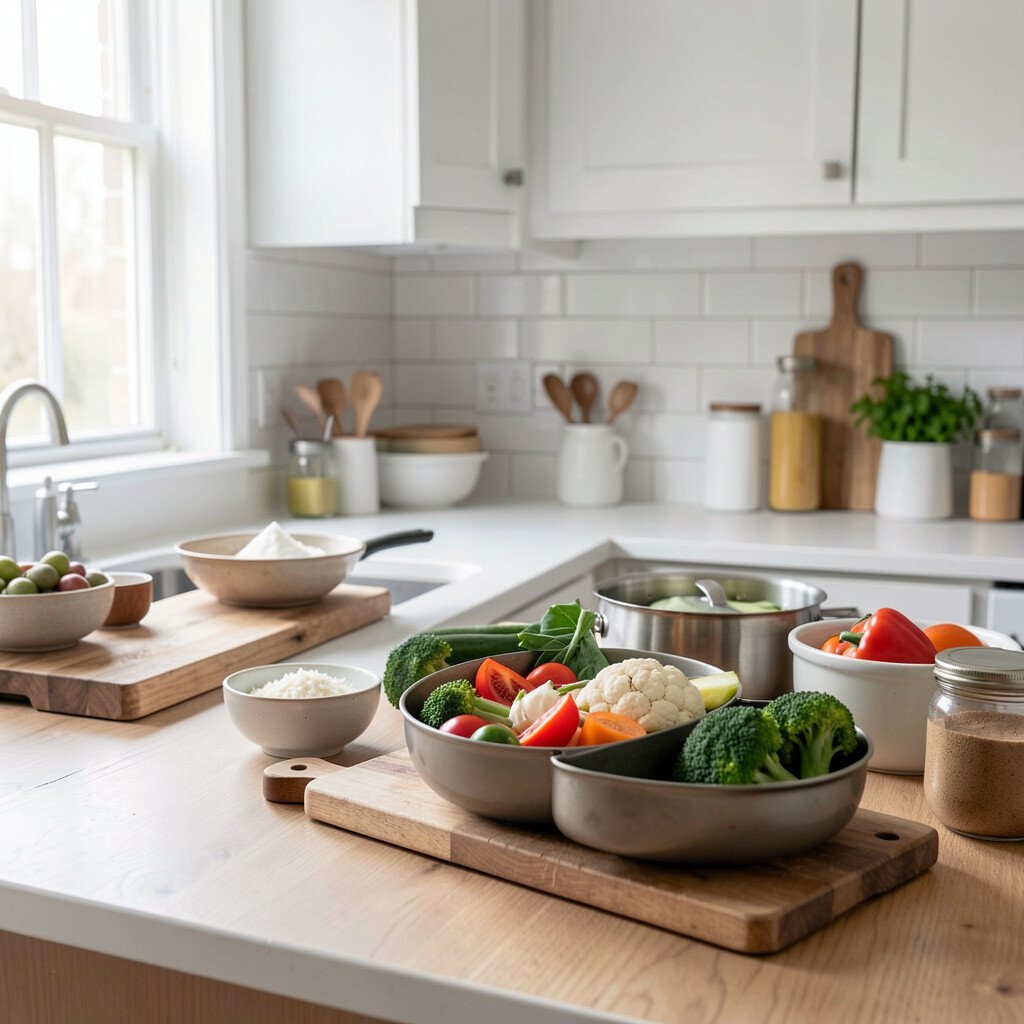
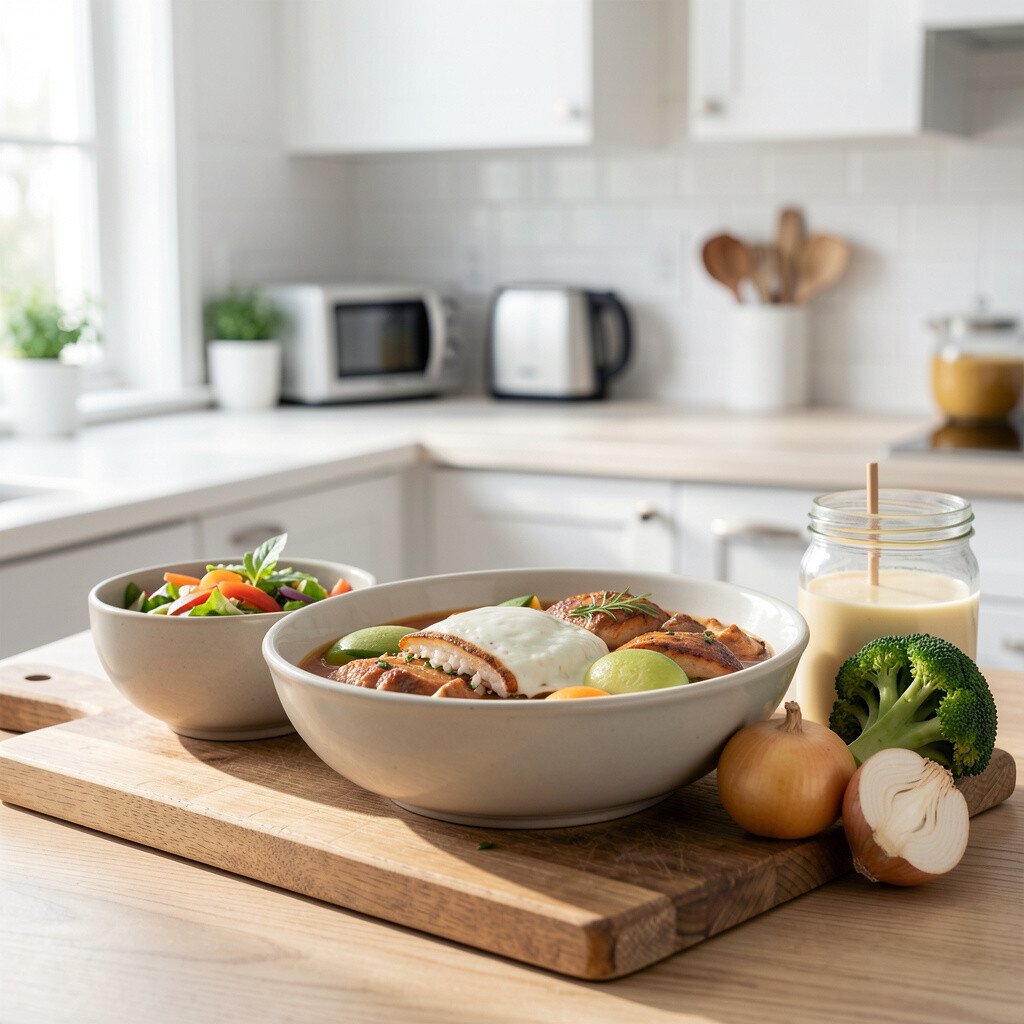
Pick one or two go-to methods that you can repeat on busy nights. Sheet pan roasting, quick stir-frying, and simple skillet meals keep cooking steps manageable.
When food is made with less fuss, you’re more likely to use vegetables and lean proteins. A neat system also reduces stress, which makes healthier choices feel easier.
Set a weekly rhythm such as chopping vegetables in one session and storing them in clear containers. Keep a small “grab bag” of frozen options for when fresh produce runs low, especially during seasonal price swings.
Try pairing your routine with current trends like one-pan dinners and bowl meals, since they’re popular for a reason. You can also rotate flavors using different sauces instead of changing the whole recipe.
4. Make Protein the Easy Anchor of Every Meal
Make Protein the Easy Anchor of Every Meal
Think of protein as the sturdy base that helps you feel full after eating. It can also support muscle and keep cravings calmer later.
Choose options you truly enjoy, such as eggs, Greek yogurt, beans, tofu, chicken, or fish. If you prefer plant-forward meals, try mixing beans with whole grains for a satisfying balance.
5. Season With Flavor Instead of Extra Salt
Season With Flavor Instead of Extra Salt
Flavor does not need to mean heavy sodium. A squeeze of lemon, a handful of fresh herbs, and a dash of spices can make simple food taste special.
Roast vegetables until they caramelize, then finish with garlic, pepper, or vinegar for a bright kick. This method creates deeper taste so you use less of the “just add salt” habit.
If you’re trying new cuisines, keep a small spice shelf with cumin, smoked paprika, chili powder, and curry blends. For cost, buy whole spices and grind them when you need aroma, since they last longer and feel more exciting.
6. Swap Refined Grains for Whole Grains Most Days
Swap Refined Grains for Whole Grains Most Days
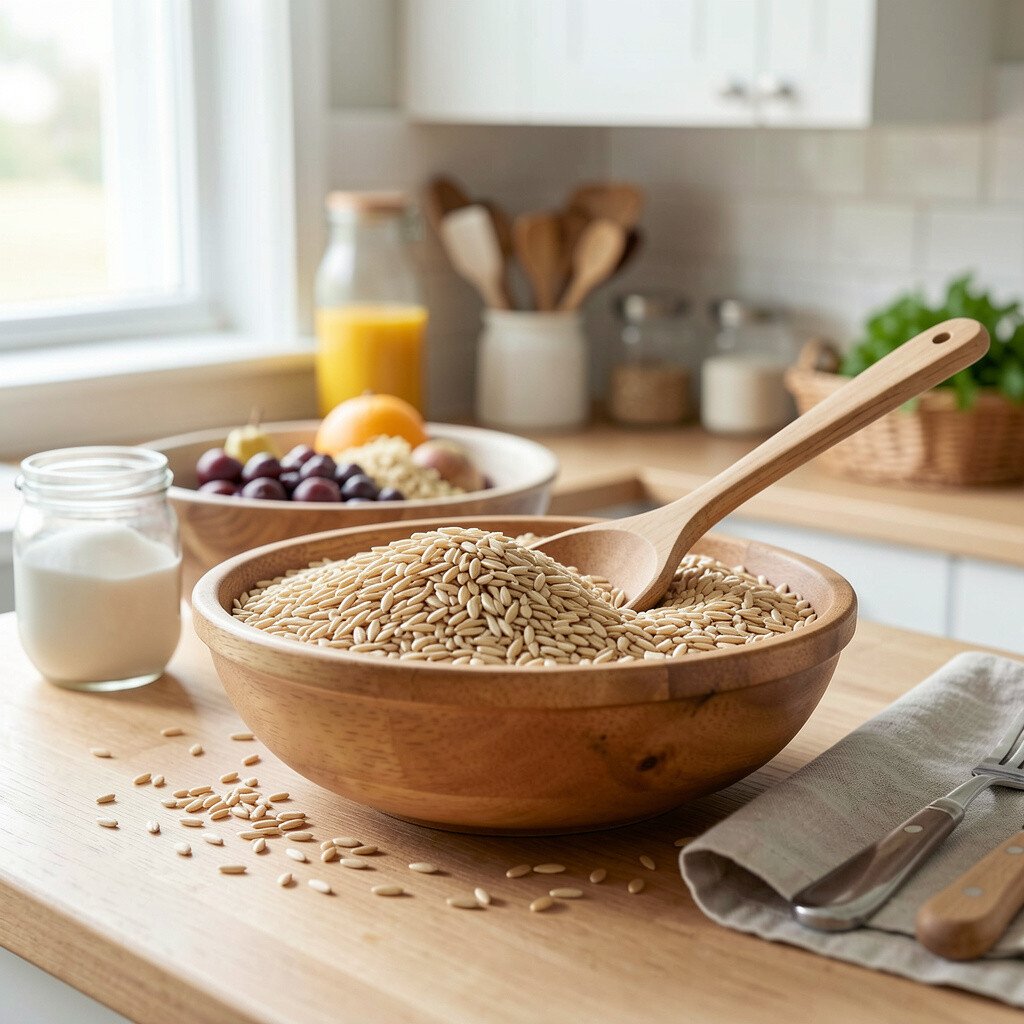
Whole grains bring more fiber, which helps you feel satisfied and supports digestion. They also tend to taste heartier, so you might like them even more once you get used to them.
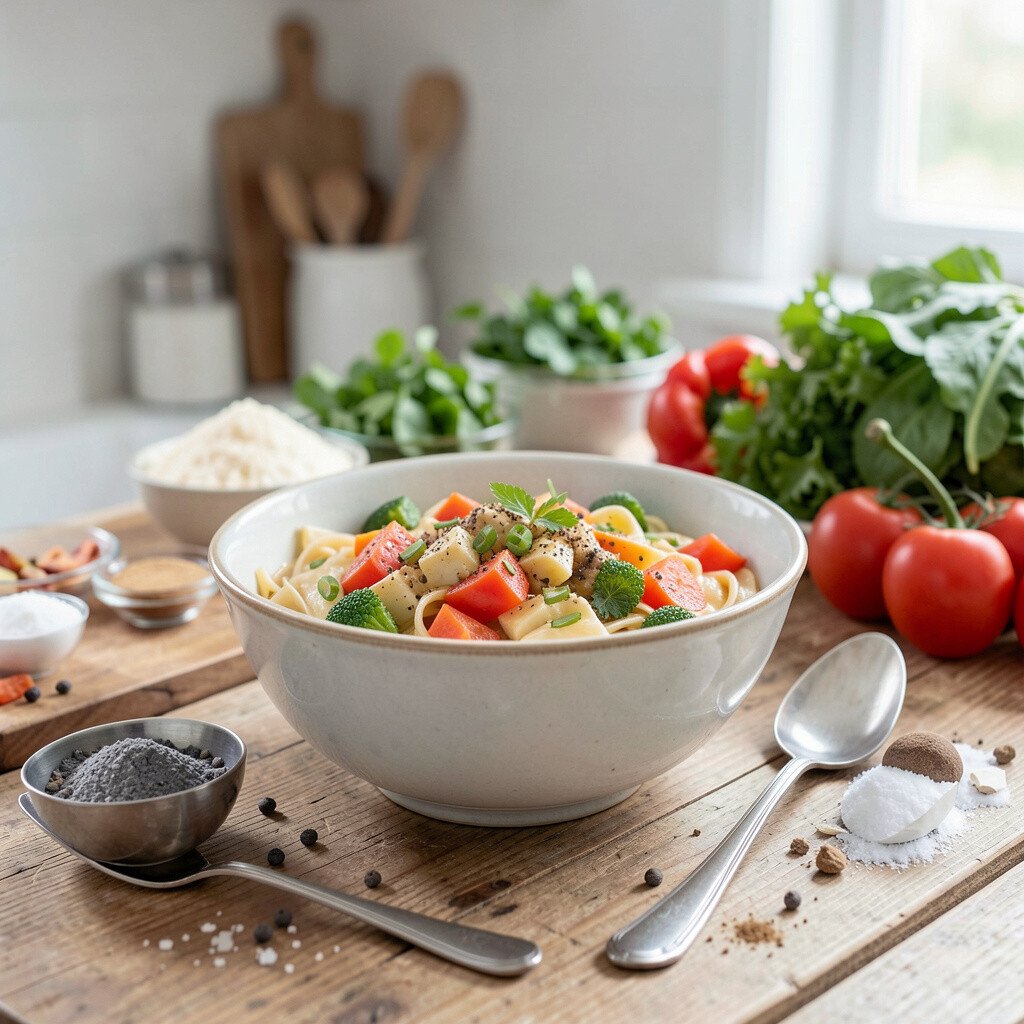
Try using brown rice, quinoa, oats, whole wheat pasta, or barley when you can. If you’re used to white bread, start by mixing whole grain with your usual choice so the transition feels smooth.
This also fits current kitchen trends like “bowl lunches” and grain-based salads. You can personalize toppings based on your favorites, such as roasted chickpeas, sliced avocado, or a simple yogurt sauce.
7. Build a “Sauce Cabinet” for Healthier Flavor
Build a “Sauce Cabinet” for Healthier Flavor
Many meals become less healthy when sauces are sugary or salty. A small homemade sauce cabinet can keep flavor exciting while you stay in control.
Whisk plain yogurt with lemon, herbs, and garlic, or blend olive oil with vinegar and mustard. Keep a jar of quick tomato sauce with no added sugar and add vegetables for extra volume.
8. Add Fiber With Beans, Nuts, and Seeds
Add Fiber With Beans, Nuts, and Seeds
Fiber is like the quiet helper that keeps your meals moving in the right direction. It can also support your gut and help you feel fuller with fewer calories.
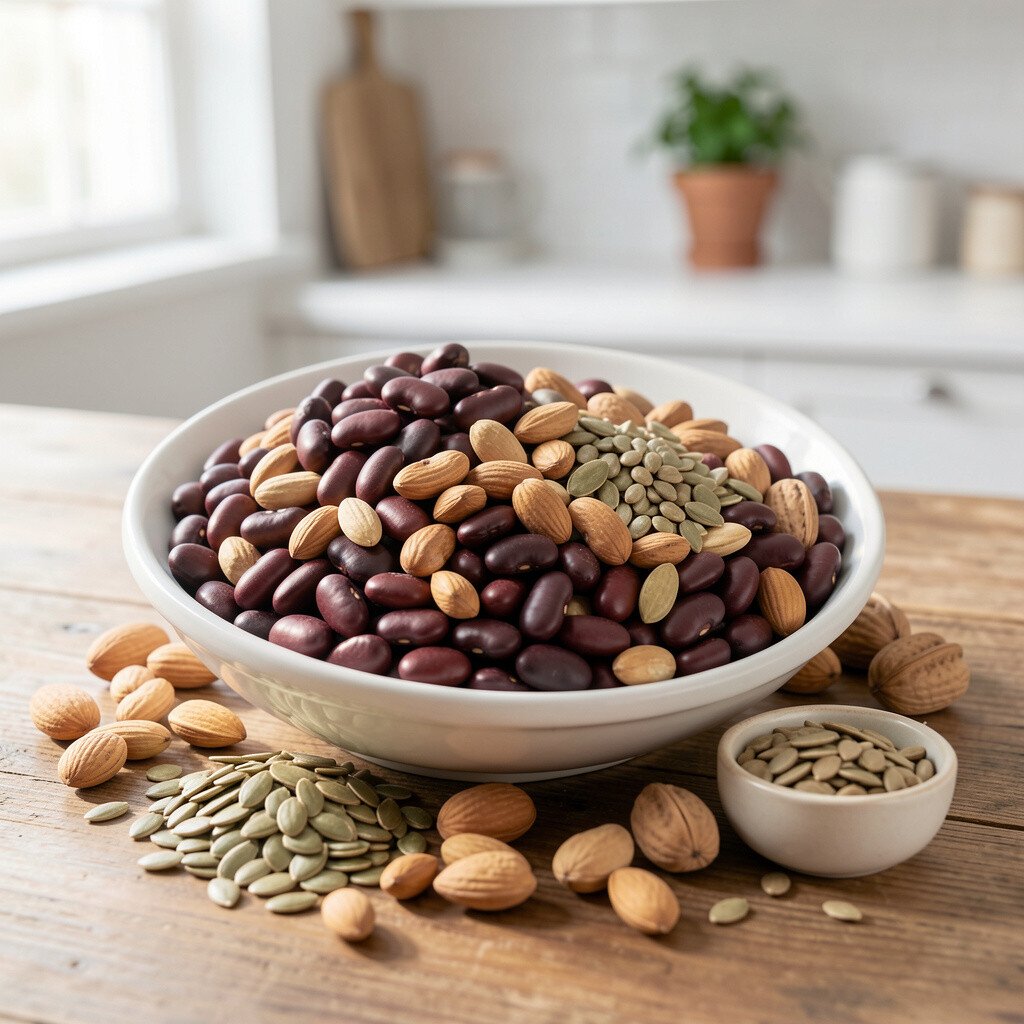
Stir lentils into soups, fold black beans into tacos, or toss chickpeas into salads for crunch. Add nuts and seeds to yogurt, oatmeal, or roasted vegetables for a satisfying bite.
For personalization, choose what fits your budget and your digestion. If you’re sensitive, start with smaller portions, rinse canned beans, and increase gradually over time.
9. Choose Healthy Fats in Smart, Simple Amounts
Choose Healthy Fats in Smart, Simple Amounts
Healthy fats help food taste rich and can support heart health. They also help your body absorb certain vitamins from vegetables.
Use olive oil for dressings, drizzle avocado on toast, or add a spoon of nut butter to oatmeal. Keep portions modest so the fat supports your meal instead of overpowering it.
Many home cooks now use “finishing fats” at the end, like olive oil or herbs, to boost flavor without heavy cooking. You can personalize by switching oil types seasonally or based on what’s on sale.
10. Keep Convenience Foods More Nutritious
Keep Convenience Foods More Nutritious
Convenience food can still fit a healthy style when you pick the right options. Look for frozen vegetables and fruits, whole grain items, and simple ingredient lists.
Frozen berries are great for smoothies, and frozen vegetables roast beautifully without thawing. For cost, store brands are often cheaper, and they can taste just as good in baked or stir-fried meals.
11. Plan Snacks Like Mini Meals
Plan Snacks Like Mini Meals
Snacks can either steady your energy or send it on a roller coaster. When you build them with protein and fiber, hunger stays calmer between meals.
Try apple slices with peanut butter, hummus with carrots, or a small bowl of cottage cheese with berries. If you crave something crunchy, roasted chickpeas or nuts can feel satisfying without the “empty” feeling of many chips.
For personalization, match snack timing to your schedule, like post-workout or mid-afternoon. You can also swap sweet and savory based on your mood, using spices, fruit, or herbs to keep variety high.
12. Reduce Food Waste With a Weeknight Rotation
Reduce Food Waste With a Weeknight Rotation
Food waste hurts your budget and your goals at the same time. When you plan a rotation, you use ingredients before they go bad and you cook fewer last-minute meals.
Use a simple loop such as one night for greens and beans, one night for protein and whole grains, and one night for leftovers transformed into a new bowl or wrap. You can also turn nearly tired vegetables into soup, stir-fry, or a quick frittata.
This habit fits current kitchen trends like “use what you have” cooking and meal prep styles that focus on flexible ingredients. For cost considerations, prioritize buying produce that’s plentiful in your local store and pair it with budget-friendly staples like rice, oats, and beans.
When you keep it flexible, you’ll feel more in control and more excited to cook again. Your kitchen becomes a place where healthy eating feels doable, not demanding.