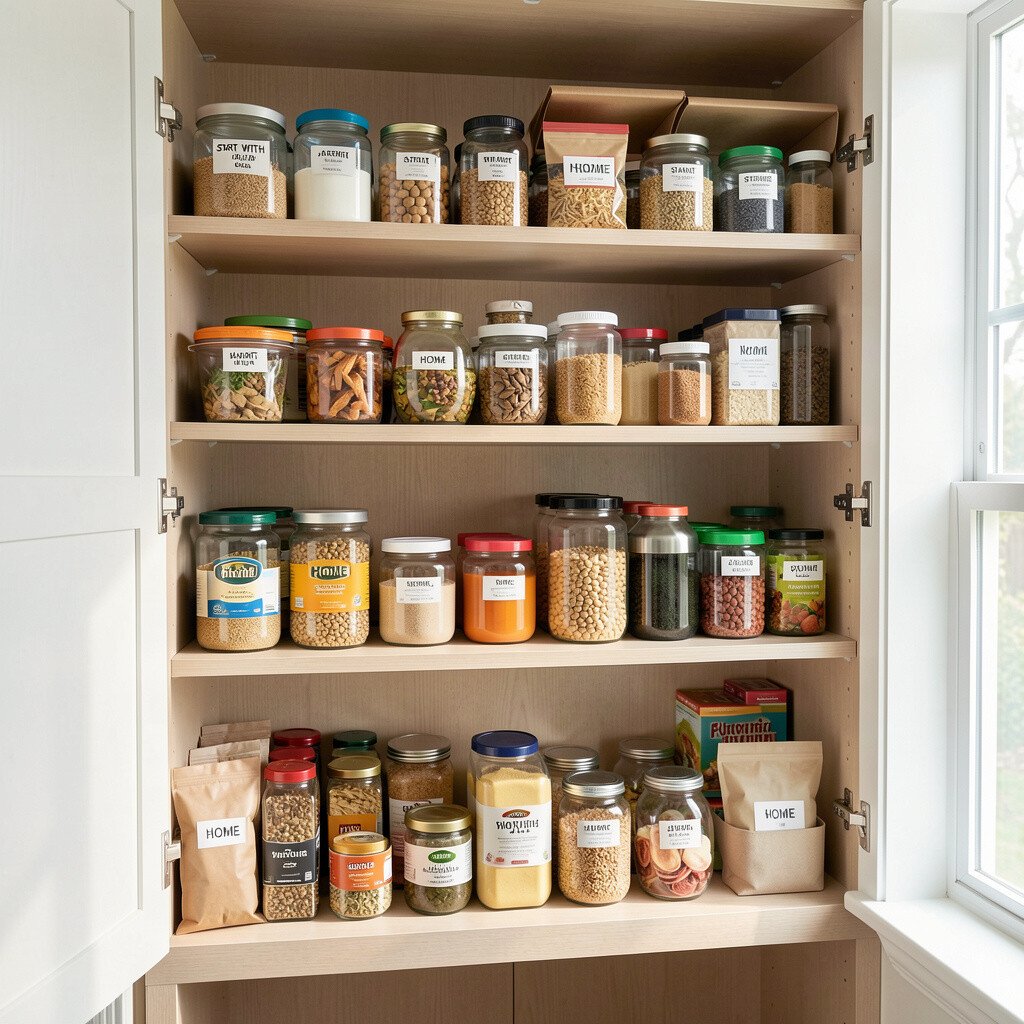
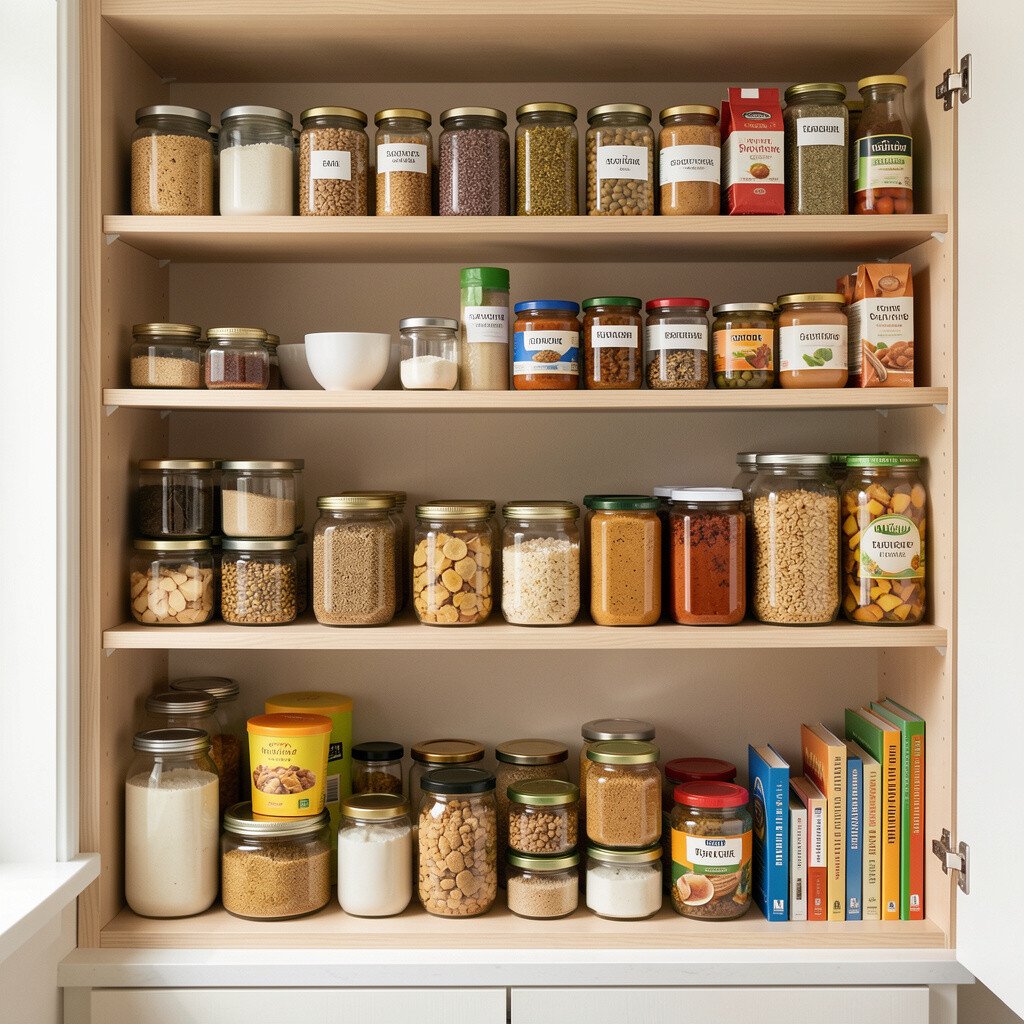
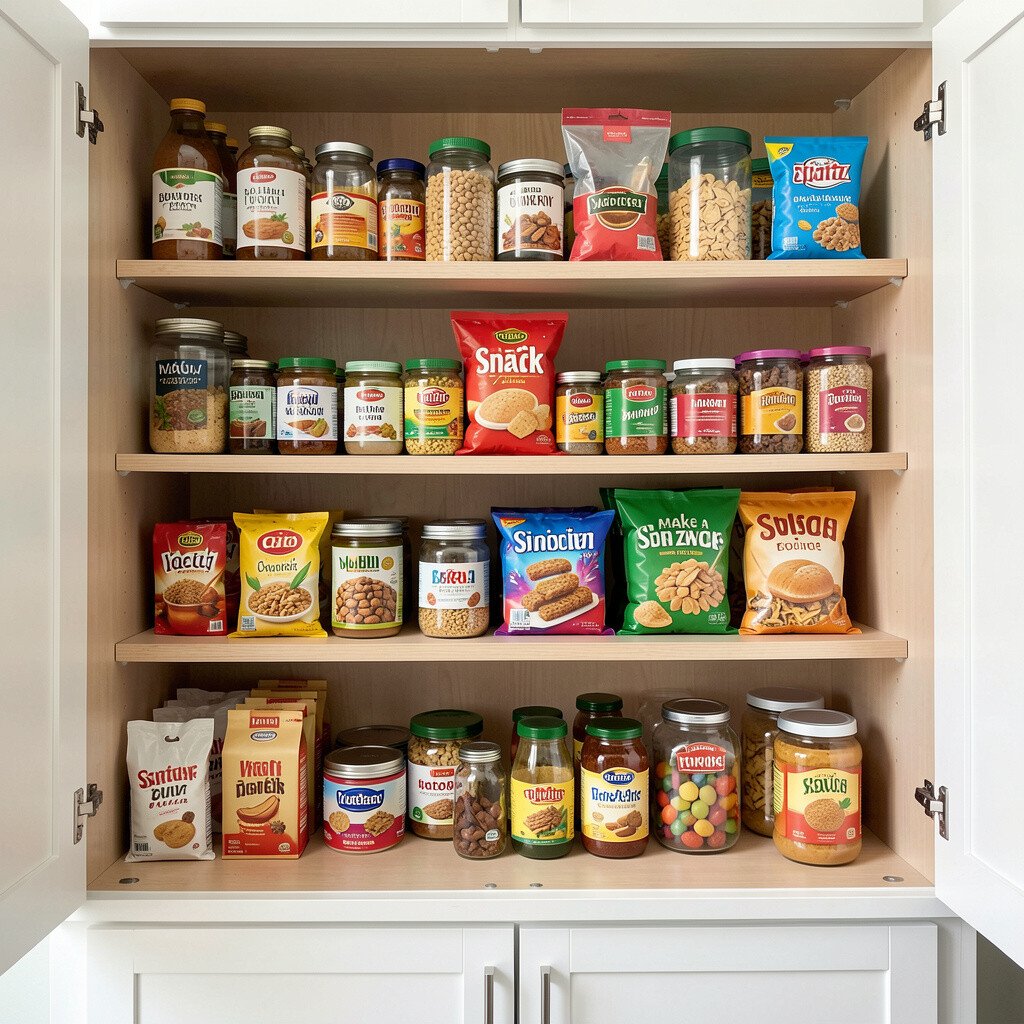
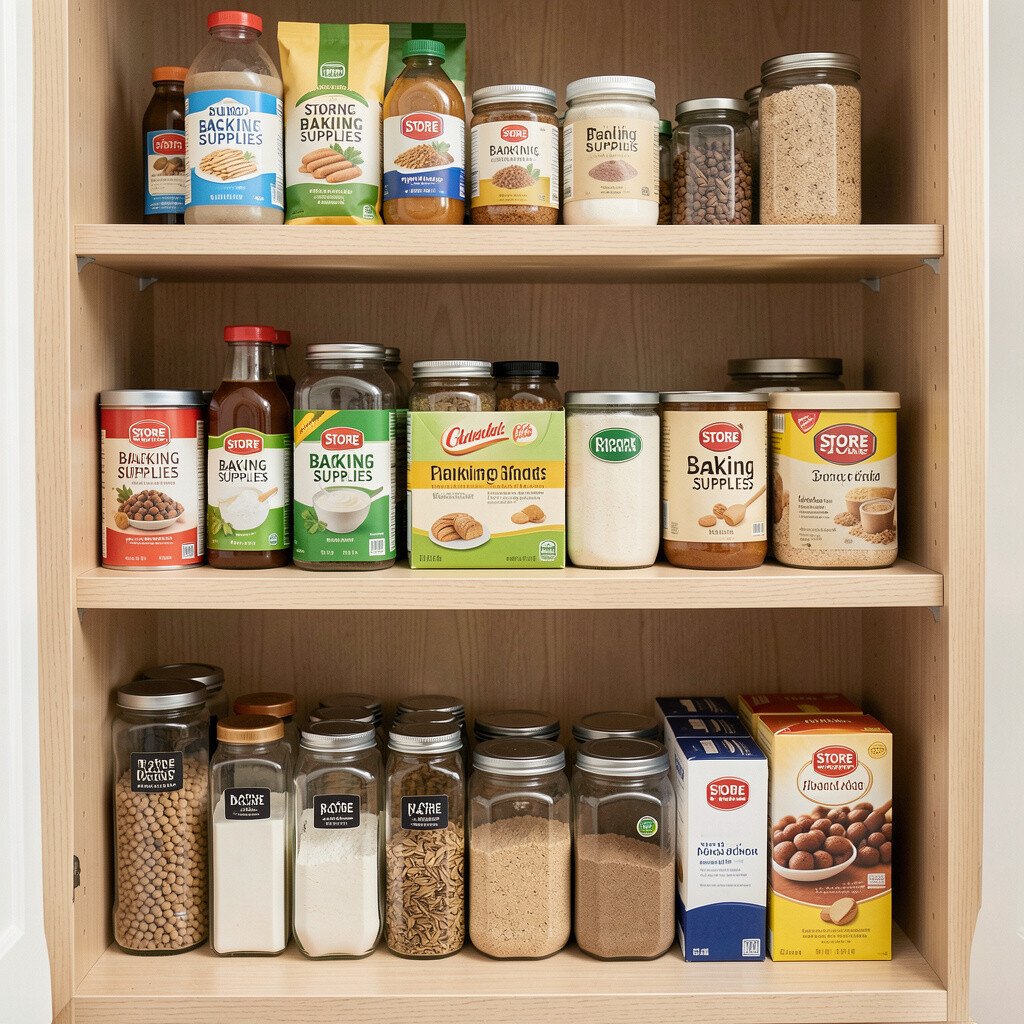
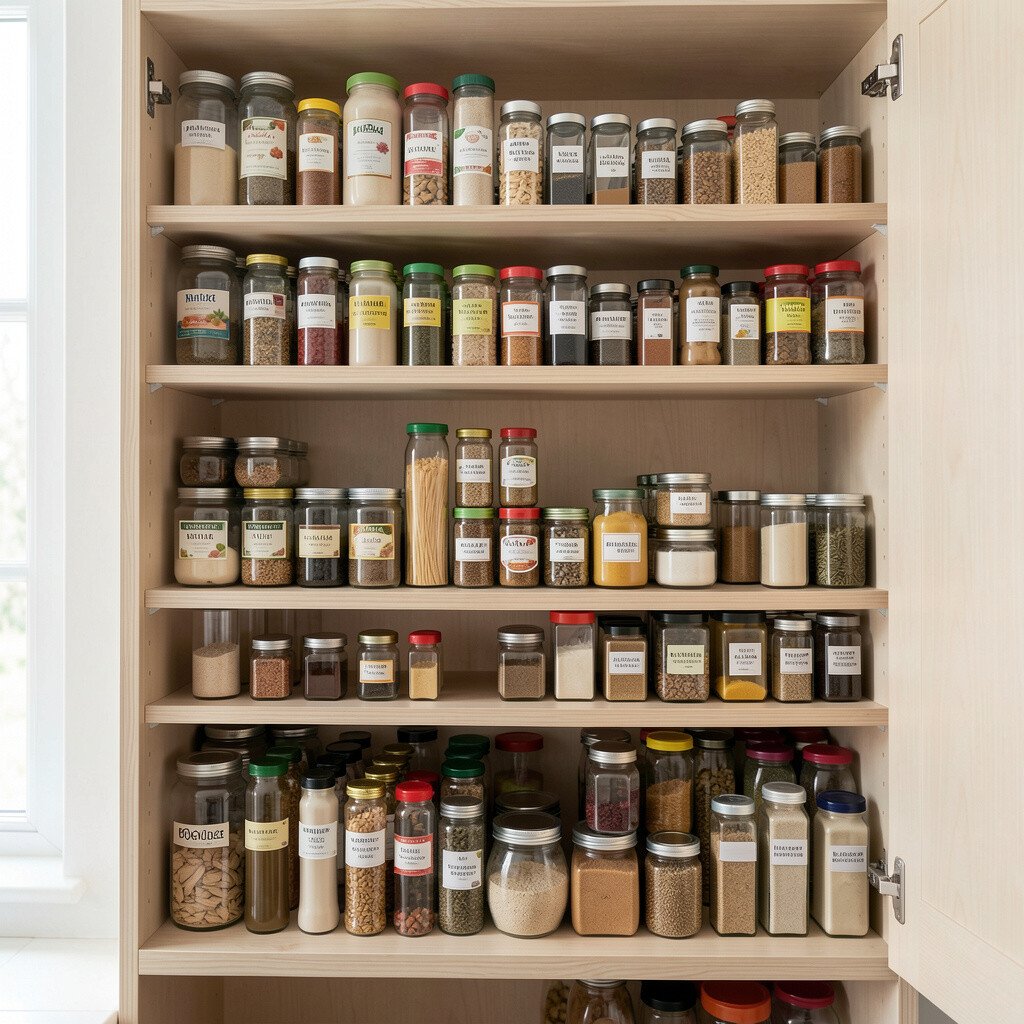
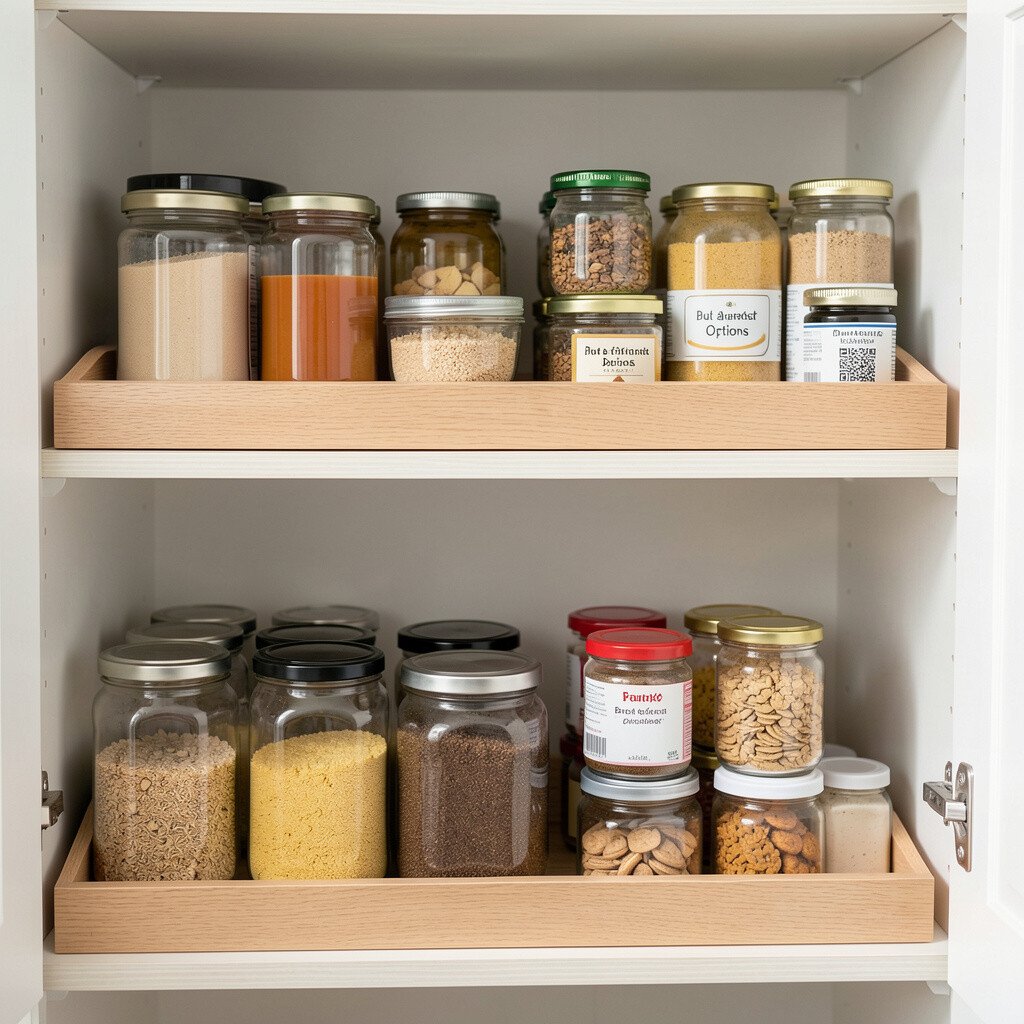
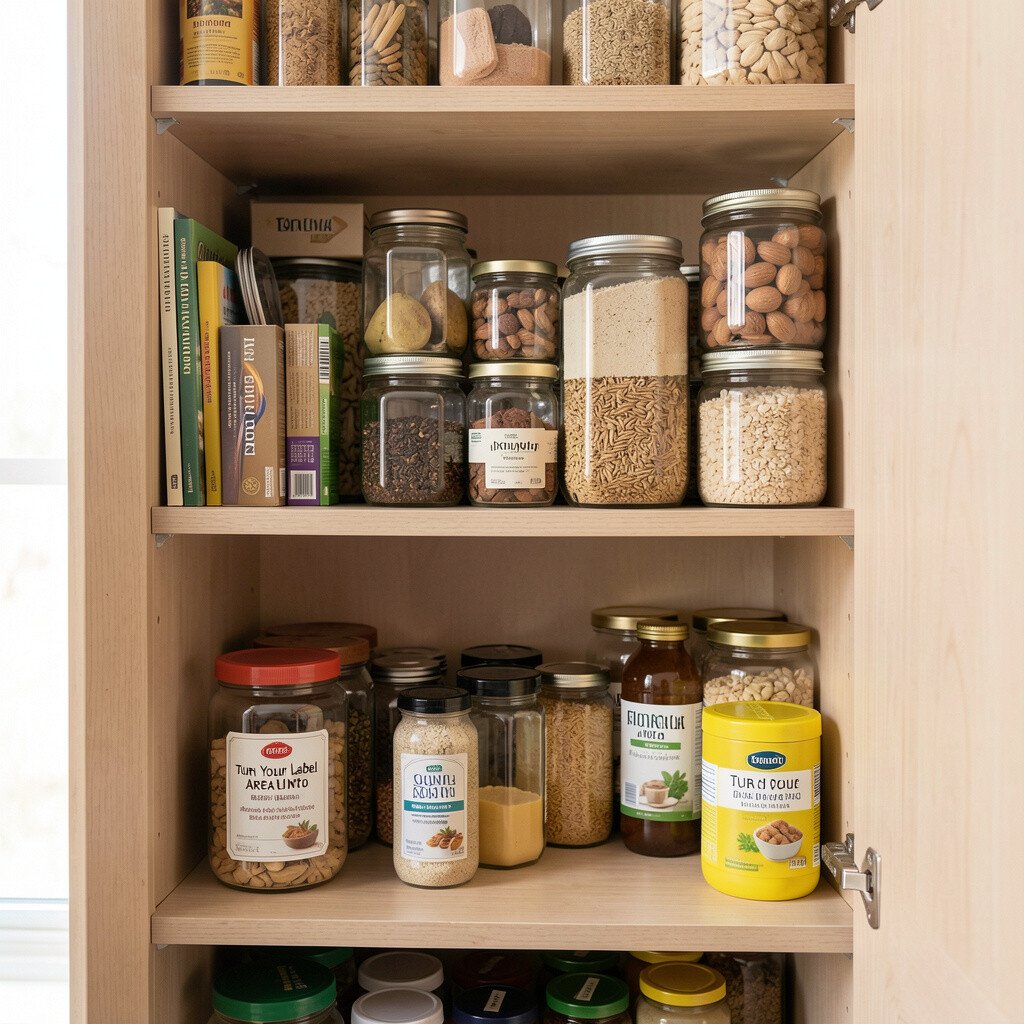
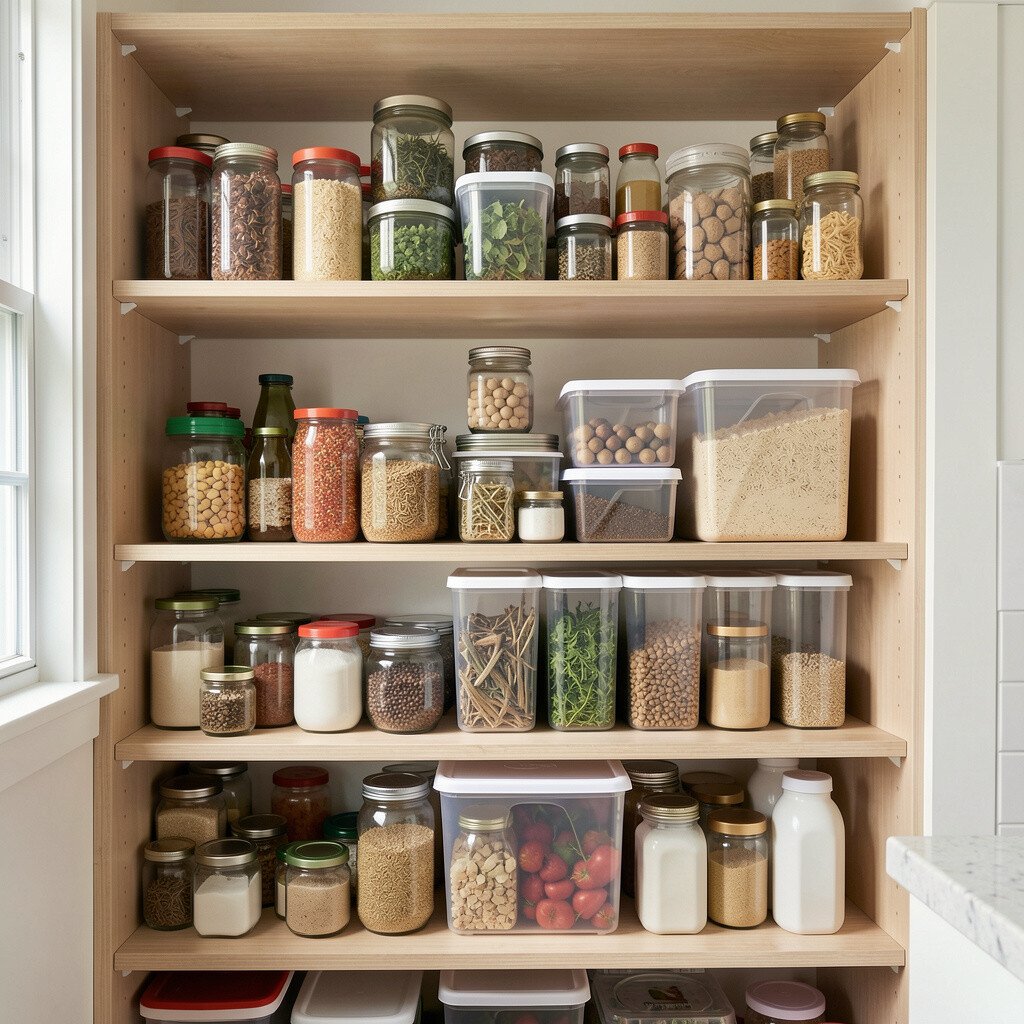
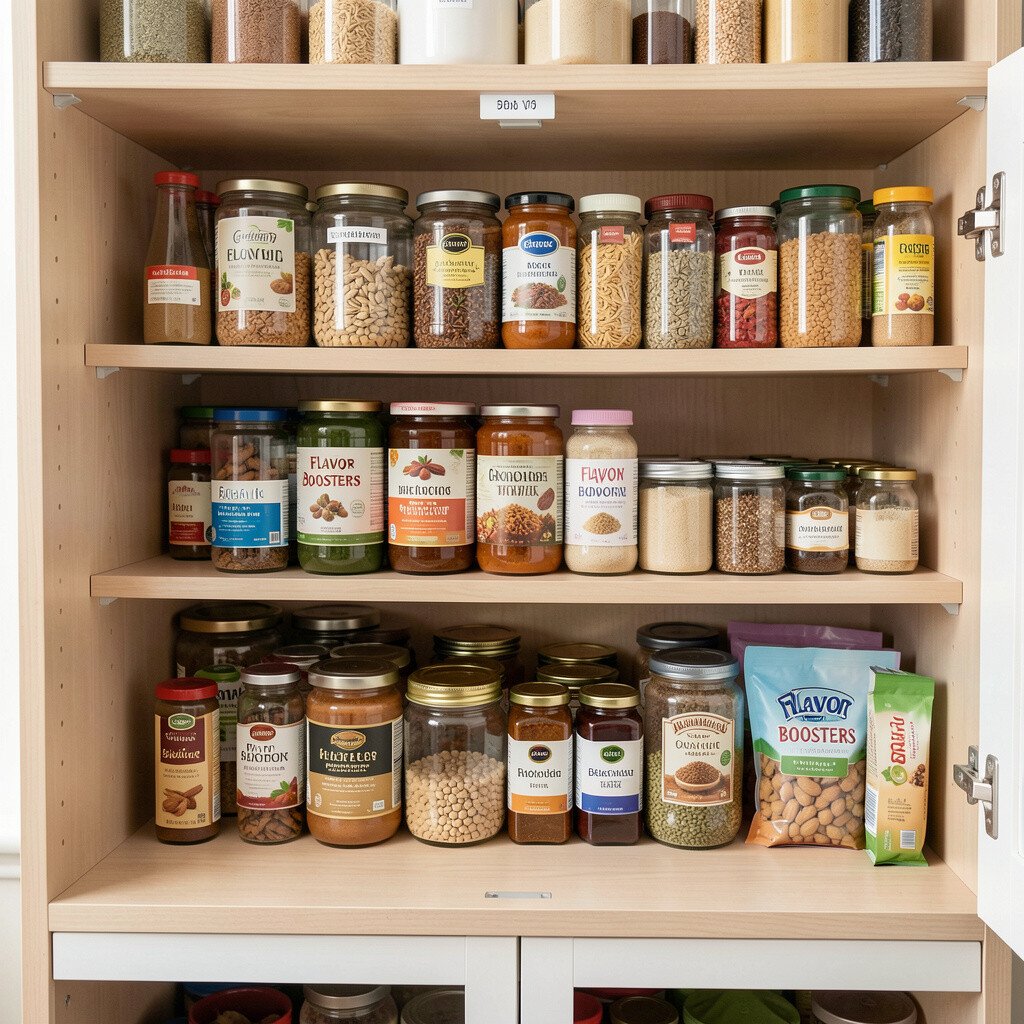
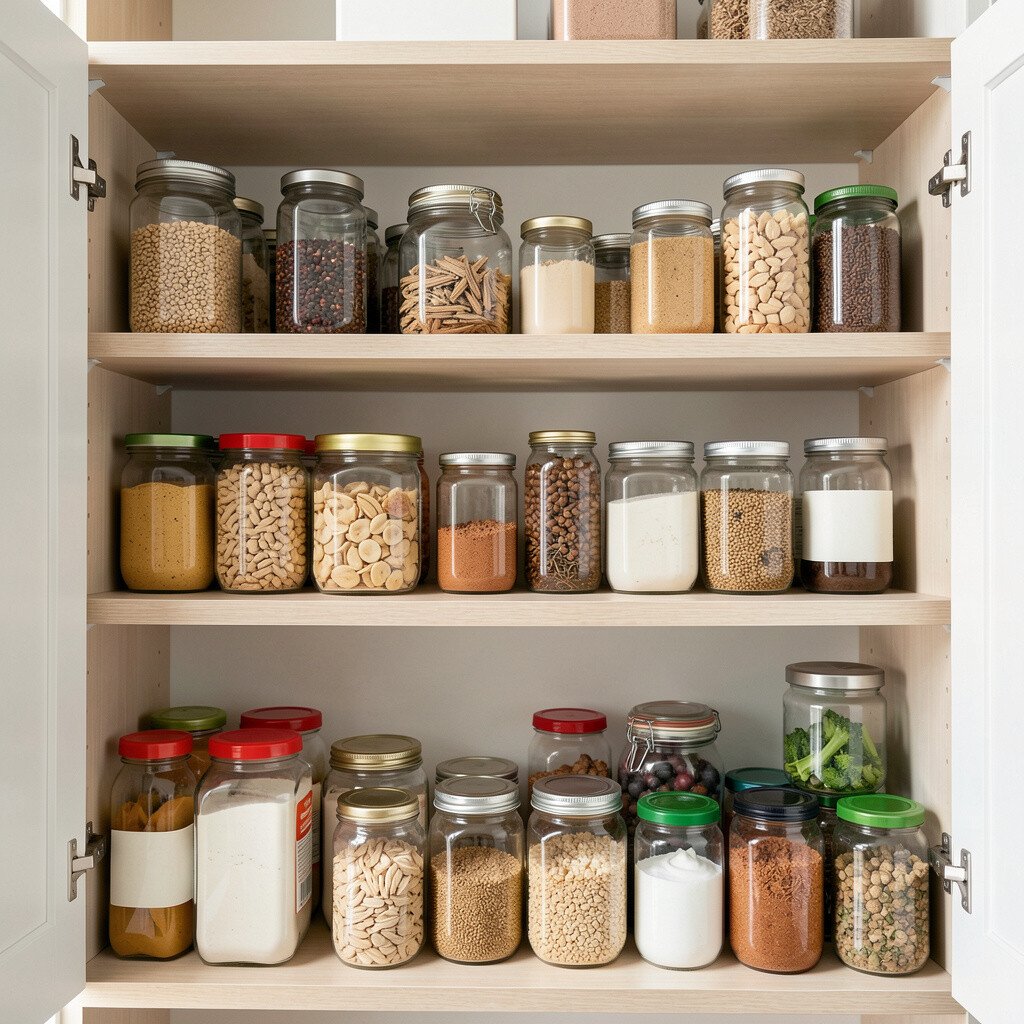
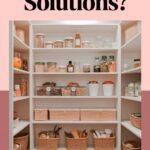
When every container has a home, you stop hunting for it later. Picture a row of matching jars with labels facing forward, so the shelf looks neat even before you fill it.
Choose simple zones like snacks, baking supplies, and canned goods. Then keep items in the same spot every time you put them away, which saves time and reduces clutter. As a bonus, your pantry starts to look like a friendly store display instead of a storage closet.
2. Use Uniform Containers for a Cleaner Look
Use Uniform Containers for a Cleaner Look
Uniform containers make your pantry look tidy because everything lines up visually. You can see it right away when flour, sugar, and oats sit in similar clear canisters on the same shelf.
Try glass or BPA-free plastic with airtight lids to keep things fresh. Many people also like stackable shapes because they free up space and make the pantry feel larger.
3. Label with Simple, Big-Font Stickers
Label with Simple, Big-Font Stickers
Labels reduce confusion, especially when you have similar items that look alike. Imagine grabbing a jar of brown sugar and instantly knowing it’s the one you need because the name is readable from across the shelf.
Use large, clear lettering and place labels on the front so they don’t hide behind other things. If you like a playful vibe, pick a few colors for different food types and keep the style consistent. This keeps the system personal while still being practical for everyday use.
For cost-friendly labeling, you can reuse small sticker packs from office supplies. If you enjoy current trends, you might choose minimalist labels with a clean font that looks modern and calm.
4. Group by Meal, Not Just by Category
Group by Meal, Not Just by Category
Grouping by meal helps you cook faster because your ingredients are together. Visualize a shelf where pasta night items live side by side, with noodles, sauce, and spices within easy reach.
Arrange clusters like breakfast, taco night, baking day, and soup essentials. This makes meal prep feel smoother because you can grab a whole set instead of searching one item at a time. You also get a natural way to notice what you run low on.
5. Add a “First In, First Out” Setup
Add a “First In, First Out” Setup
When older items move forward, you waste less food. Think of a shelf where cans and boxes sit so the newest ones go to the back and the older ones stay within easy reach.
Use a simple approach by placing newer purchases behind older ones. You can even use a shallow bin or tray to keep the front row consistent. This strategy feels especially helpful for rice, pasta, cereal, and snack bags.
To personalize it, mark a small date sticker on sticky note labels and keep it discreet. Many people find that this trend toward mindful pantry use makes the whole space feel more intentional.
6. Make a Snack Zone for Easy Grab-and-Go
Make a Snack Zone for Easy Grab-and-Go
Snacks belong where hands can reach without pulling everything down. Picture a dedicated shelf with a tidy lineup of snack bags, each standing upright like little packages of fun.
Use a wide bin for kid snacks and another bin for adult favorites, so both groups can find things quickly. This prevents the pantry door from becoming a dumping spot during busy days.
7. Store Baking Supplies in a Dedicated Baking Shelf
Store Baking Supplies in a Dedicated Baking Shelf
Baking items can multiply fast, so giving them a dedicated shelf brings order. You can visualize a top shelf where baking flour, cocoa, baking powder, and vanilla sit together in a neat row.
Keep measuring tools nearby in a small organizer so you don’t waste time running around. Many bakers also like keeping ingredients at eye level so the pantry feels like a workshop.
If you want to keep costs low, reuse clean jars you already have and upgrade lids as needed. A more modern look comes from matching finishes, like using the same style of lids across multiple containers.
8. Put a Small Bin Under Frequently Used Shelves
Put a Small Bin Under Frequently Used Shelves
Under-shelf space is often ignored, but it can hide useful items. Imagine a shallow bin beneath everyday items holding extra napkins, seasonings, or small packets you use often.
This kind of storage reduces mess while keeping essentials close. It also keeps small stuff from sliding around and getting lost behind taller items.
9. Use Clear Bins for Temporary Sorting
Use Clear Bins for Temporary Sorting
Sometimes your pantry needs a reset, and sorting makes that easier. You can picture a clear bin acting like a staging area where like items are grouped before you place them on shelves.
Sort by what you use together, then move the groups back to their homes. Clear bins help you see what’s inside, which is helpful when you’re rearranging during a busy week.
If you enjoy a trend toward “reversible” systems, keep a couple of bins ready so you can adjust when routines change. Cost-wise, many people pick up affordable clear storage bins in multipacks and reuse them for years.
10. Organize Spices by Height and Usefulness
Organize Spices by Height and Usefulness
Spices look messy fast when bottles stack and tip over. Visualize a spice shelf where jars stand in height order, with the most used ones at the front.
Arrange by frequency, like daily cooking staples in the front row and occasional spices in the back. This improves speed and makes your pantry feel like a smart kitchen tool.
11. Keep Oils and Vinegars in a Lean Vertical Layout
Keep Oils and Vinegars in a Lean Vertical Layout
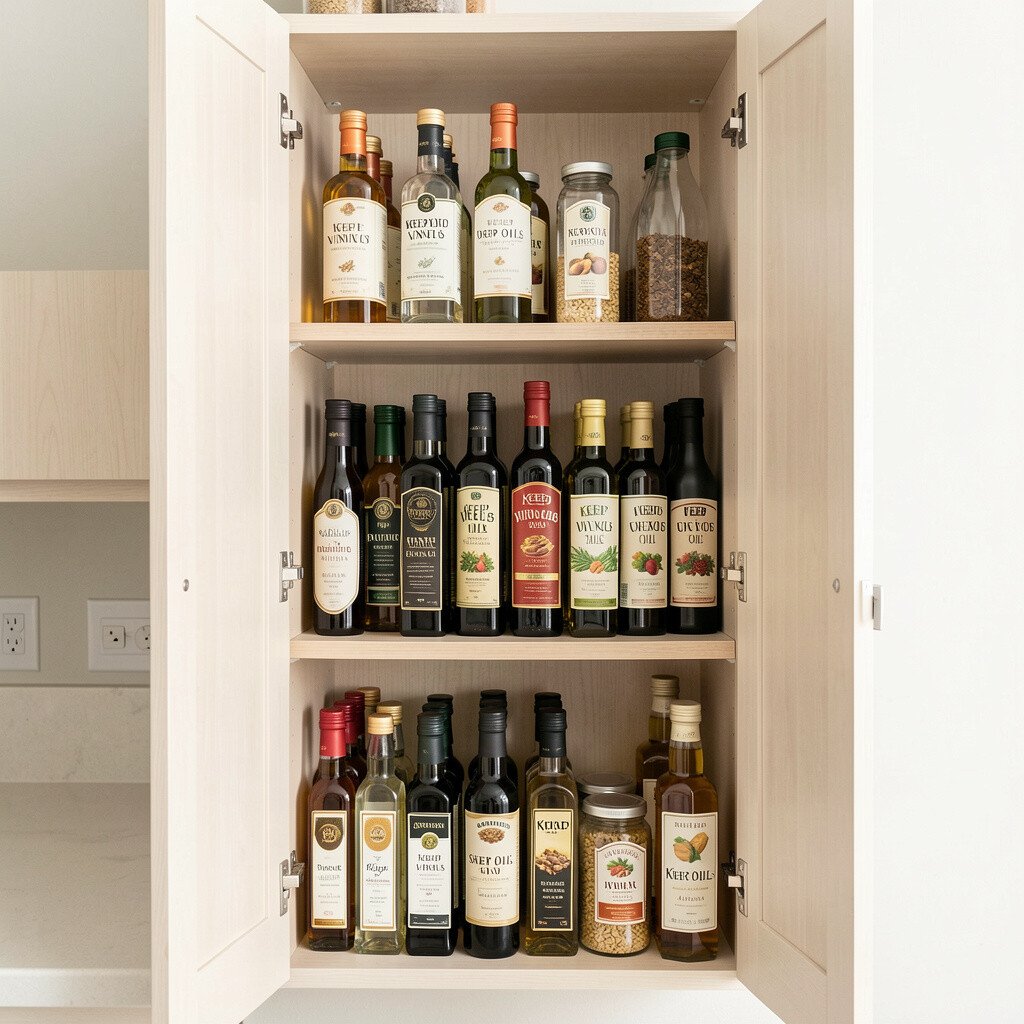
Oils and vinegars are tall and can crowd shelves if you don’t plan. Imagine standing bottles in a simple organizer so labels face outward and nothing gets buried.
A vertical layout saves horizontal space and also makes it easier to spot what’s missing. Choose a tray or rack that fits your bottle size, and leave a little gap so you can pull bottles without wobbling.
If you want personalization, rotate in specialty oils for a pop of color, like chili oil or flavored vinegar. This also matches a current trend of cooking-forward pantries that feel stylish, not just functional.
12. Create a “Cans and Bags” Wall
Create a “Cans and Bags” Wall
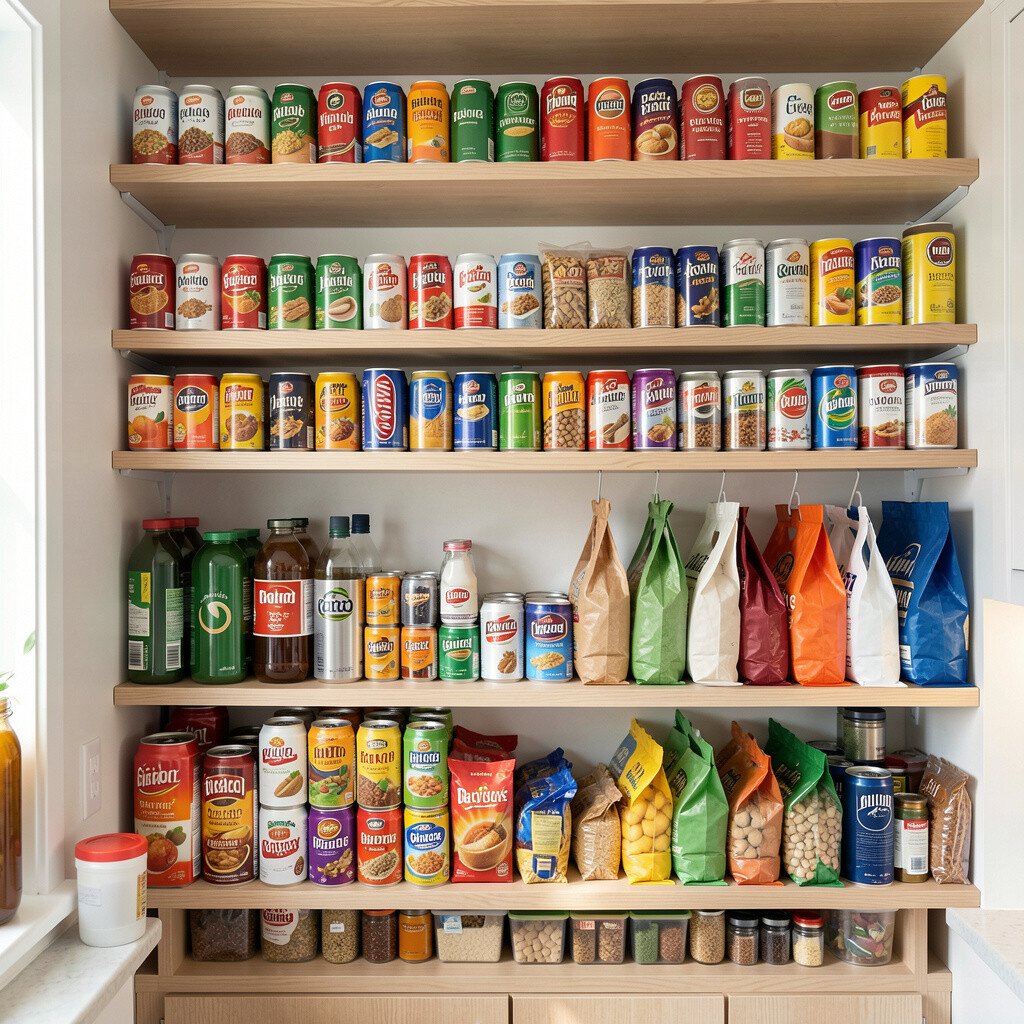
Canned goods and bags can take over a shelf because they look similar. Picture a tidy grid where cans sit together and bagged items like chips or crackers stand in a neat line.
Use shelf dividers or vertical organizers so cans don’t roll and bags don’t collapse. This creates a stable look that feels calm even when you’re busy.
13. Use Door Storage for Small, Frequent Items
Use Door Storage for Small, Frequent Items
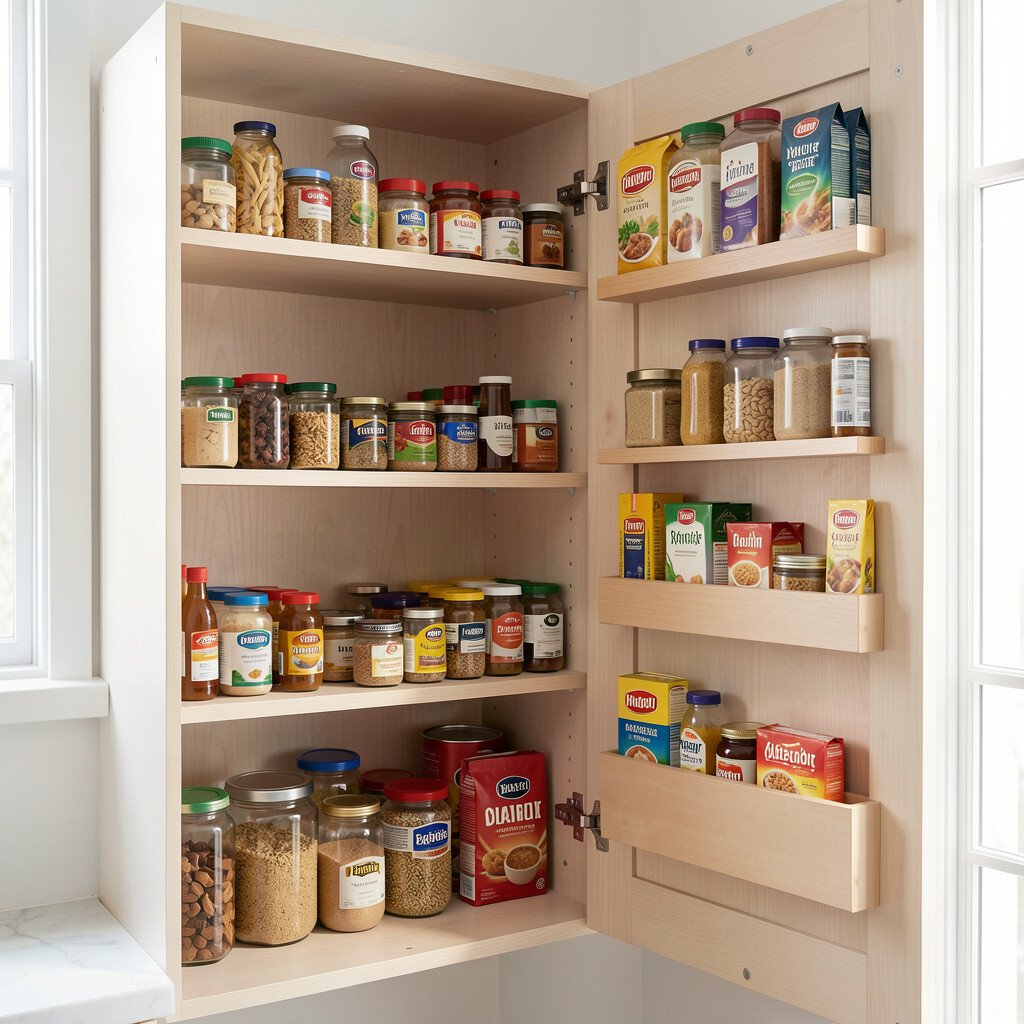
The pantry door is a hidden surface, and it’s perfect for small items you reach for often. Imagine the door holding packets, measuring spoons, and extra spices in a way that keeps your main shelves open.
Try clear pockets or small hanging organizers so you can see what’s inside. This can prevent clutter in the main area and makes the pantry easier to use day to day.
14. Put a Tray for Breakfast Options at Eye Level
Put a Tray for Breakfast Options at Eye Level
Breakfast items deserve a spot that matches how mornings feel. Picture a mid-level tray holding cereal, oatmeal, and granola where you can see everything at once.
Keep one tray for warm breakfasts and one for quick options. This reduces the scramble and makes it easier to involve kids or other family members in grabbing their own items.
For cost, you can start with shallow baking trays or even large plates repurposed with non-slip liners. Personalization can be as simple as using matching liners in a color you love.
15. Add a “Backstock” Shelf for Overflow
Add a “Backstock” Shelf for Overflow
Backstock is what keeps your pantry stable when you buy in bulk. Visualize a higher shelf with neatly stacked backups that stay out of the way until the front row runs low.
Use a separate space so your everyday shelf stays neat and not crowded. This also helps you avoid the common problem of long-forgotten packages expiring in the back.
16. Keep Cleaning and Paper Products Together
Keep Cleaning and Paper Products Together
Paper goods and cleaning supplies often sneak into pantry space and make it feel crowded. Imagine a dedicated area where paper towels, napkins, and backup bags sit together on one shelf.
Grouping these items keeps the food side separate in your mind. It also makes the pantry easier to maintain because you can quickly check the whole system at once.
If you like a minimal style, choose matching boxes for paper products so the shelves look intentional. Cost-wise, this can be done with sturdy cardboard boxes you cover with simple contact paper.
17. Turn Your Label Area Into a Quick Reading Zone
Turn Your Label Area Into a Quick Reading Zone
Labels work best when you can read them quickly without pulling anything out. Picture a shelf where each label sits at the same height, forming a tidy line you can scan in seconds.
This helps everyone in the home follow the system, including guests. It also encourages you to put items back neatly because you can see the empty spot and match it.
18. Use Stackable Storage to Free Up Prime Shelf Space
Use Stackable Storage to Free Up Prime Shelf Space
Stacking containers can make tall shelves feel less wasted. Imagine a pantry where bins stack neatly so you gain extra room without adding more shelves.
Pick stackable sizes that match your shelf depth and keep lids secure. When you stack smart, you also reduce the chance of items toppling during a quick grab.
For personalization, you can mix clear stacking bins with one or two decorative boxes to add warmth. Many shoppers also like this trend of using vertical space, especially in smaller kitchens where every inch matters.
19. Group “Flavor Boosters” in One Compact Cluster
Group “Flavor Boosters” in One Compact Cluster
Flavor boosters like soy sauce, hot sauce, mustards, and dressings often hide among other ingredients. Visualize one compact area where these add-ons sit together, ready to finish any meal.
Keep them in a small organizer so the cluster stays tidy and doesn’t spread across multiple shelves. This makes cooking more fun because you can see options and mix flavors without digging.
20. Use Shelf Liners That Make Everything Look Brighter
Use Shelf Liners That Make Everything Look Brighter
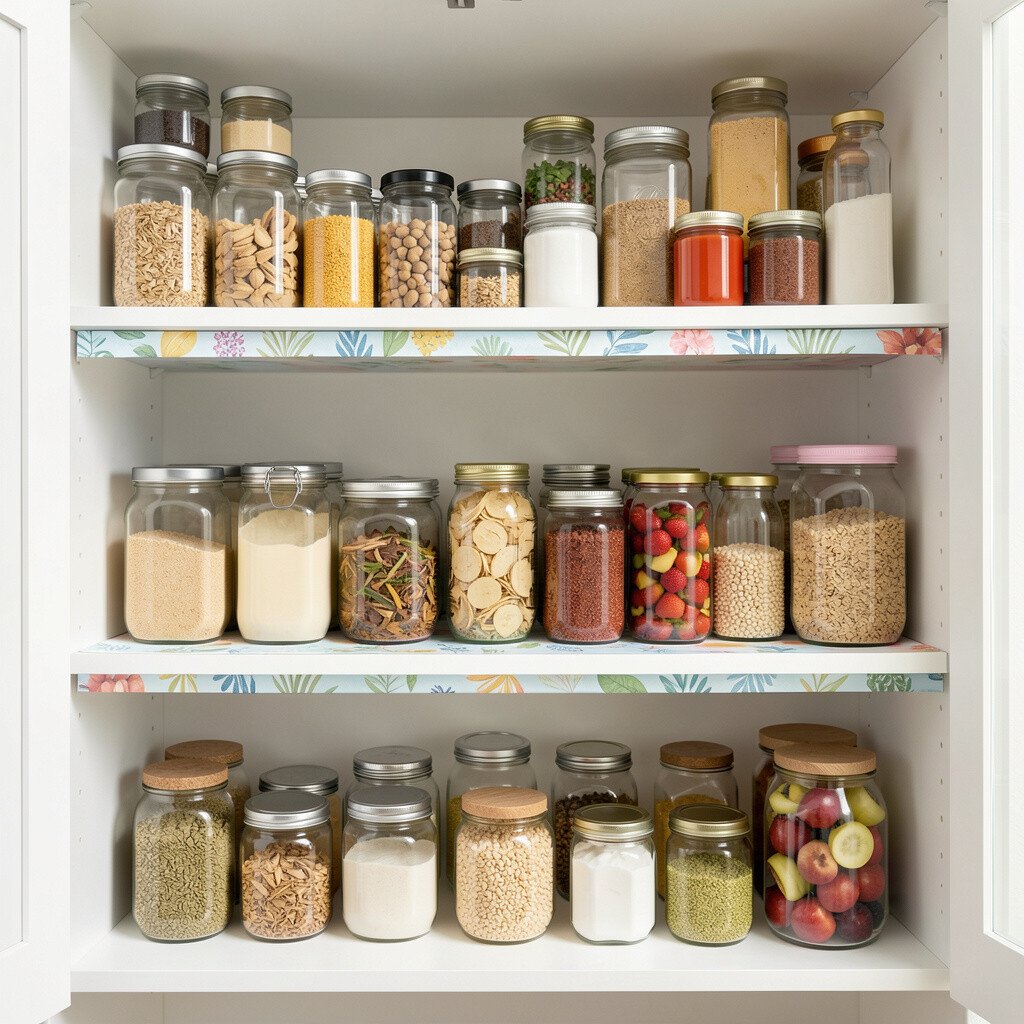
Shelf liners make your pantry feel cleaner even when you’re not reorganizing. Imagine soft, easy-to-wipe liners in a light color that makes jars and boxes pop.
Choose liners that protect shelves from spills and crumbs, which reduces mess buildup over time. Many people prefer patterns now because they hide small smudges, and the pantry looks warmer and more inviting.
If you want a budget-friendly choice, use washable liners you already own or cut leftover contact paper to size. This is an easy personalization step that costs little and makes the space feel fresh.
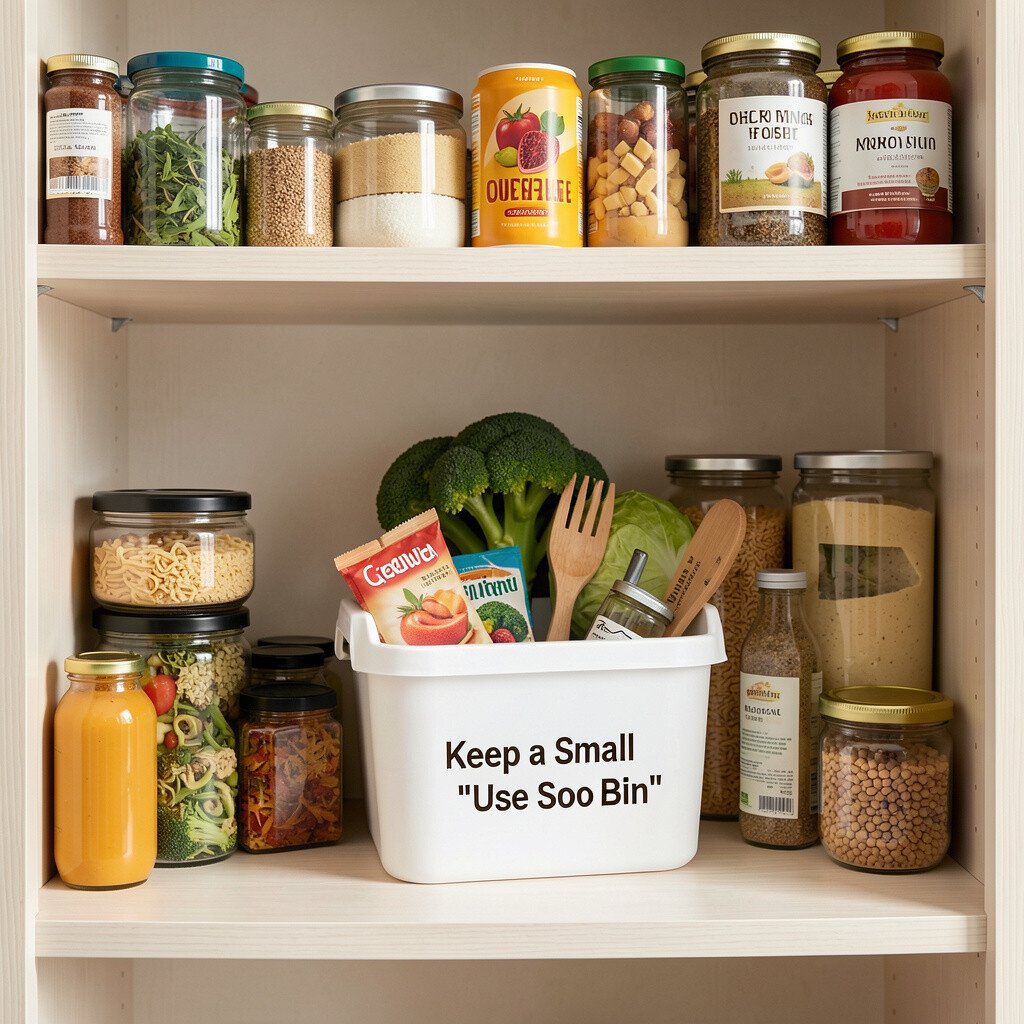
21. Keep a Small “Use Soon” Bin for Meals You Plan
Keep a Small “Use Soon” Bin for Meals You Plan
A use soon bin helps you match your pantry to your real life schedule. Picture a small front bin holding items you plan to use next week, like pasta, sauce, and toppings.
Rotate items into the bin when you decide on meals, then move them back when you’re done. This prevents the “everything is everywhere” problem and supports steady routines.
22. Do a Gentle Monthly Reset and Adjust as You Learn
Do a Gentle Monthly Reset and Adjust as You Learn
Organization improves when you review it and tweak it over time. Imagine a calm monthly moment where you check each shelf, notice what you reach for most, and adjust the layout accordingly.
This habit keeps your pantry aligned with how your household actually eats. It also reduces the frustration of trying to get everything perfect right away, and it lets you personalize the system as your needs change.
If you want to keep costs low, reuse bags, labels, and containers during your reset. Many modern organizers suggest focusing on small wins, because consistent care beats big, stressful cleanups.