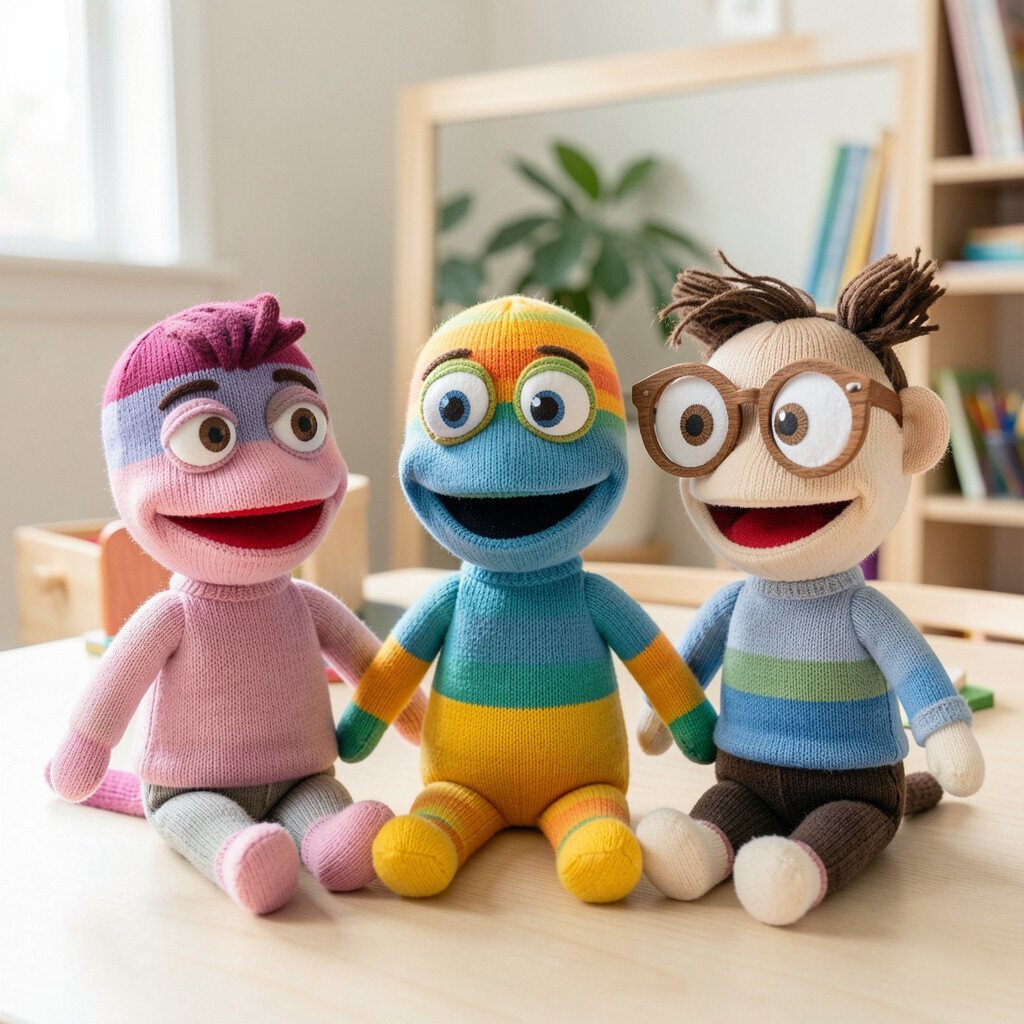
Turn a stray sock into a talking helper and give it a simple job like delivering a message from the “land of giggles.” Let the puppet speak only in short phrases while children act out the scene with their hands.
Use a visual setup with a small shoebox stage, a blanket “curtain,” and a few felt scraps for characters. This builds early language, listening habits, and confidence because children can predict what comes next. Keep it practical by reusing the same sock puppet for a week, swapping who holds it during each story moment.
2. Color Walk With Real Objects
Color Walk With Real Objects
Pick a sidewalk, hallway, or yard corner and ask children to hunt for one color at a time using their eyes first, not hands. Bring a simple paper bag of “check marks” so they can mark off what they find.
Choose a bright visual focus like red leaves, blue chalk, or green grass and narrate quietly as you watch them notice details. It supports observation, sorting skills, and vocabulary without needing any worksheets. To personalize, let each child choose a “their color” badge and create a mini banner by taping found items on paper later.
If you want to keep costs low, skip store-bought props and rely on natural items plus washable markers. A current trend in classrooms is more sensory nature play, so this fits right into that style. For safety, set clear boundaries and remind everyone to look but not pick unknown plants.
3. Tape Shape Scavenger Hunt
Tape Shape Scavenger Hunt
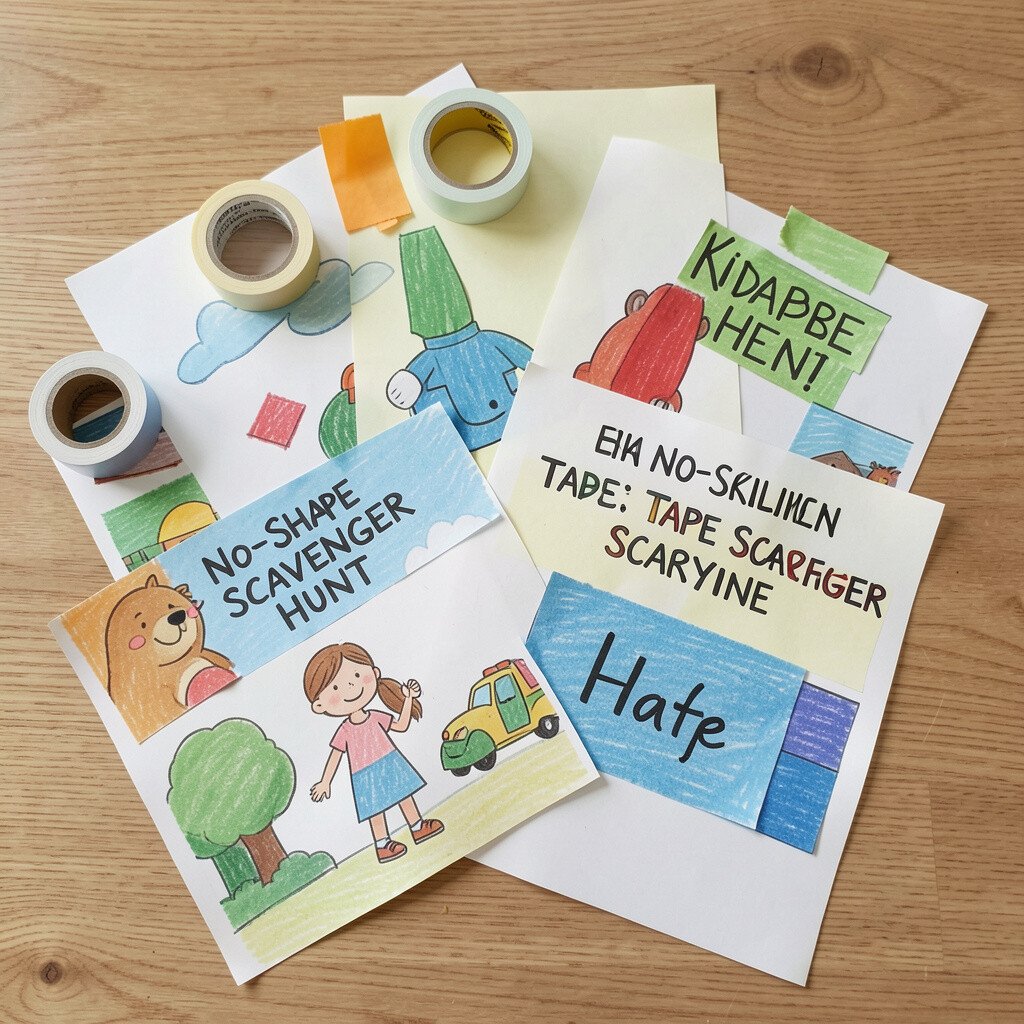
Lay pieces of painter’s tape on the floor in simple shapes like circles, squares, and triangles. Then ask kids to step into a shape when they hear you say it.
Keep the visuals strong with bold tape lines and use different textures, like paper under tape for rough spots, so the floor feels interesting. This helps with spatial awareness, body control, and early geometry language in a playful way. Make it practical by using removable tape so cleanup is quick and floors stay happy.
To personalize, write each child’s name on a small shape card and let them be the “shape leader” for a turn. If you have limited supplies, one roll of tape is enough to create many sessions. This also matches a popular trend of active learning corners where kids move instead of sit still.
When you set it up, start small with only two shapes, then add more after the routine feels familiar.
4. Build-Anything Cartons
Build-Anything Cartons
Save empty boxes like cereal cartons, tissue boxes, and shipping packages, then place them in a “building dock” with tape and safe scissors within reach. Invite kids to create vehicles, houses, or creatures using whatever fits in their imagination.
Use visual variety by keeping some cartons glossy, some crinkly, and some plain, so each build feels different to the touch. This supports fine motor skills, problem solving, and creative confidence because children learn that there are many correct answers. For a practical routine, set a two-minute clean-up timer and encourage kids to help gather materials.
5. Music Stoplight Movement
Music Stoplight Movement
Play simple music and hold up colored paper signs that mean different moves. When the “green” sign shows, kids dance freely, and when “yellow” shows, they move slowly, and when “red” shows, they freeze like statues.
Make the visuals clear with large colors and exaggerated body examples like gentle stomps, tiptoes, and big stretches. This strengthens listening, self-control, and coordination in a fun way that feels like a game show. Personalize by letting children invent a move for each color, such as “green is animal hops” or “yellow is robot arms.”
Keep cost low by using colored construction paper or old folder covers. A current trend is movement-based learning, and this gives a natural outlet for big energy while still practicing important skills. For classroom-friendly tips, choose songs with steady beats so the freeze moments feel easy.
6. Story Stones From The Beach Of Your Day
Story Stones From The Beach Of Your Day
Collect a few smooth stones, or use safe bottle caps or chunky craft beads if stones aren’t available. During group time, let a child pick one “story stone” and create a small part of a story.
Use visual charm by painting simple icons on each stone, like a star, a moon, a smile, or a leaf. This supports language sequencing, imagination, and turn-taking as kids listen and connect each part. Make it practical by storing stones in a labeled small container and keeping the story length short so the group stays engaged.
To personalize, match icons to what children are into, like dinosaurs for a theme week or ocean animals for a rainy week. Costs stay low because rock painting uses basic craft supplies. This also fits a trend toward “choice-based story making,” where children participate instead of just watching.
7. Cloud Watching With Paper Frames
Cloud Watching With Paper Frames
Hand out simple paper frames made from cut-out rectangles and invite kids to hold them up to the sky to find shapes in clouds. Encourage gentle “spot and share” moments where each child describes what they see.
Create a visual routine by taking a few minutes to compare clouds like “one looks like a tummy” or “that one looks like a hat.” The benefits include vocabulary growth, calm attention, and early observation habits. For practical tips, use thick paper so frames hold up and keep everyone spaced out on a bench or blanket.
Personalize by offering optional prompts like “find something that feels like you today,” which helps kids connect feelings to visuals. Costs are minimal since frames can be made from scrap paper. If you want a current trend angle, this supports mindfulness-style outdoor time that many early childhood spaces are adding.
Try it indoor too by using a window and pretending the clouds are “visiting guests.”
8. Kitchen Helper Sorting Table
Kitchen Helper Sorting Table
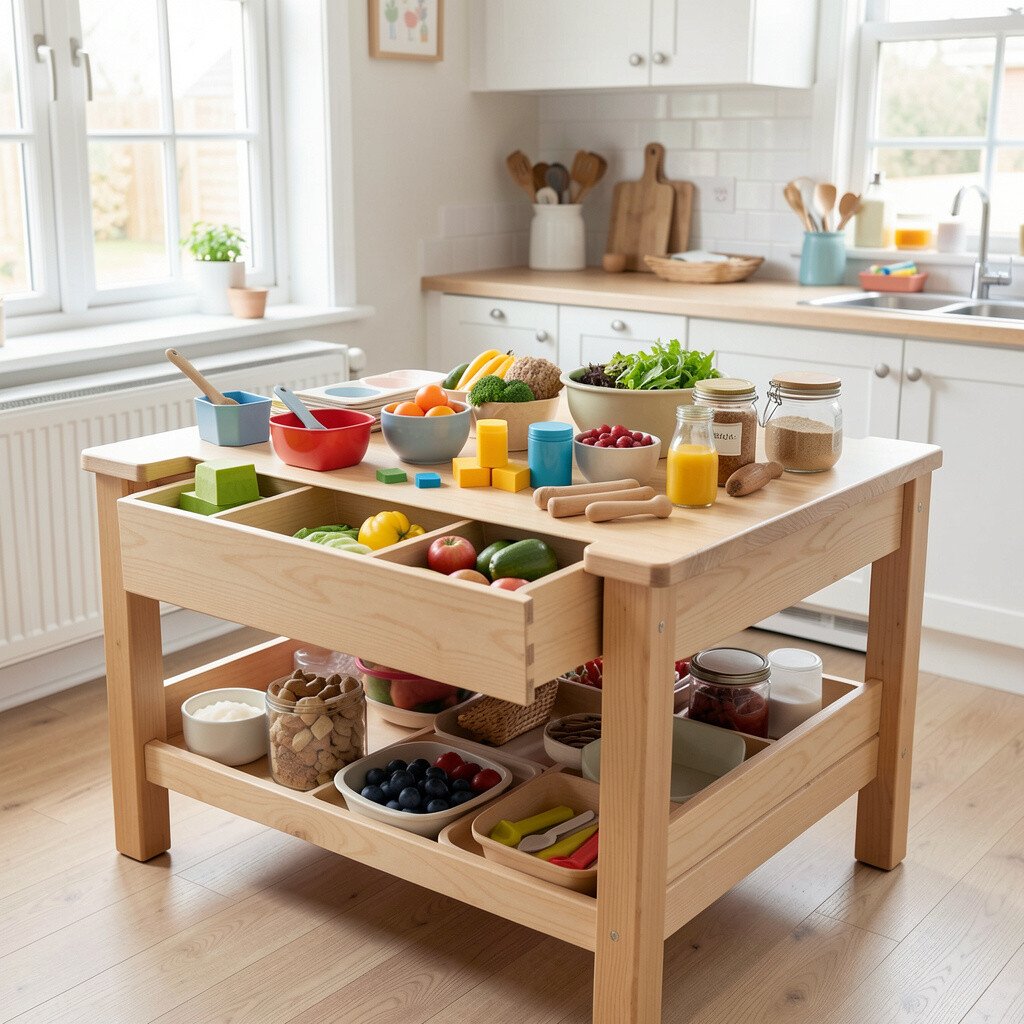
Set up a small sorting station using everyday kitchen items like dry beans, spoons, and a couple of bowls. Give children a simple mission such as “put the same kind together” or “deliver one spoon to each bowl.”
Use visual cues with different-colored bowls and clear containers so it’s easy to see what belongs where. This improves early math thinking, hand strength, and patience while keeping the activity close to real life. Keep it practical by using only one type of item per session and supervising closely.
To personalize, let kids choose the “delivery theme” such as jungle snacks or astronaut food. Costs can stay very low because many households have safe, washable bowls and utensils. This matches a growing classroom trend of using real objects instead of overly plastic toys, which can feel more meaningful to children.
9. Paper Plate Rainbows
Paper Plate Rainbows
Give children a paper plate and bright markers or washable paint, then ask them to draw rainbow bands across the plate. Encourage them to add tiny details like dots for raindrops or stripes for windy air.
Make the visual result big and satisfying by using thick paint strokes and placing plates upright on a drying rack. The benefits include color recognition, fine motor practice, and creative expression without complex steps. For practical tips, cover tables with an old shower curtain or plastic table cover to reduce mess stress.
Personalize by letting each child choose a rainbow mood, such as “super sunny,” “calm evening,” or “rainy day giggles,” and matching the color choices. Costs stay modest because paper plates and markers are affordable. A current trend is using more washable and low-tox options, so choose non-toxic paint and do a quick test on a small area first.
10. Bubble Wand Practice With Household Tools
Bubble Wand Practice With Household Tools
Make bubble time feel like a skill game by giving kids wands of different shapes and sizes. Invite them to predict what will happen when they blow gently compared to blowing hard.
Create a visual experience with big bubbles rising near a window and smaller bubbles popping at floor level, so children can see cause and effect. This helps with respiratory control, hand-eye coordination, and early scientific thinking in a low-pressure way. For practical tips, set a soft landing spot with a towel so cleanup is easier and children don’t slip.
Personalize the activity by adding a theme like “ocean bubbles” or “space bubbles,” then ask them to name what the bubbles look like. Costs are flexible, from store-bought solution to a simple mix you can make at home depending on what you already have. Many early childhood classrooms now include short “micro experiments,” and bubbles are a perfect, safe one.
Keep it engaging by taking turns, with each child choosing the next wand shape.
11. Shadow Tag With Everyday Props
Shadow Tag With Everyday Props
Take kids outside for shadow tag and place simple objects on the ground, like a ball, a leaf, or a shoe, then watch where shadows land. When a shadow lands on the chosen “safe spot,” everyone points and freezes.
Use strong visuals by doing it at a time when sunlight is clear, so shadows stretch dramatically. The benefits include body awareness, attention practice, and vocabulary for space like near, far, and under. Make it practical by picking just two objects and one safe spot to keep the game simple.
To personalize, let each child choose the prop for the next round and describe what the shadow reminds them of. Cost considerations are simple because you can use items you already own. This aligns with current outdoor learning trends that emphasize natural phenomena and movement together.
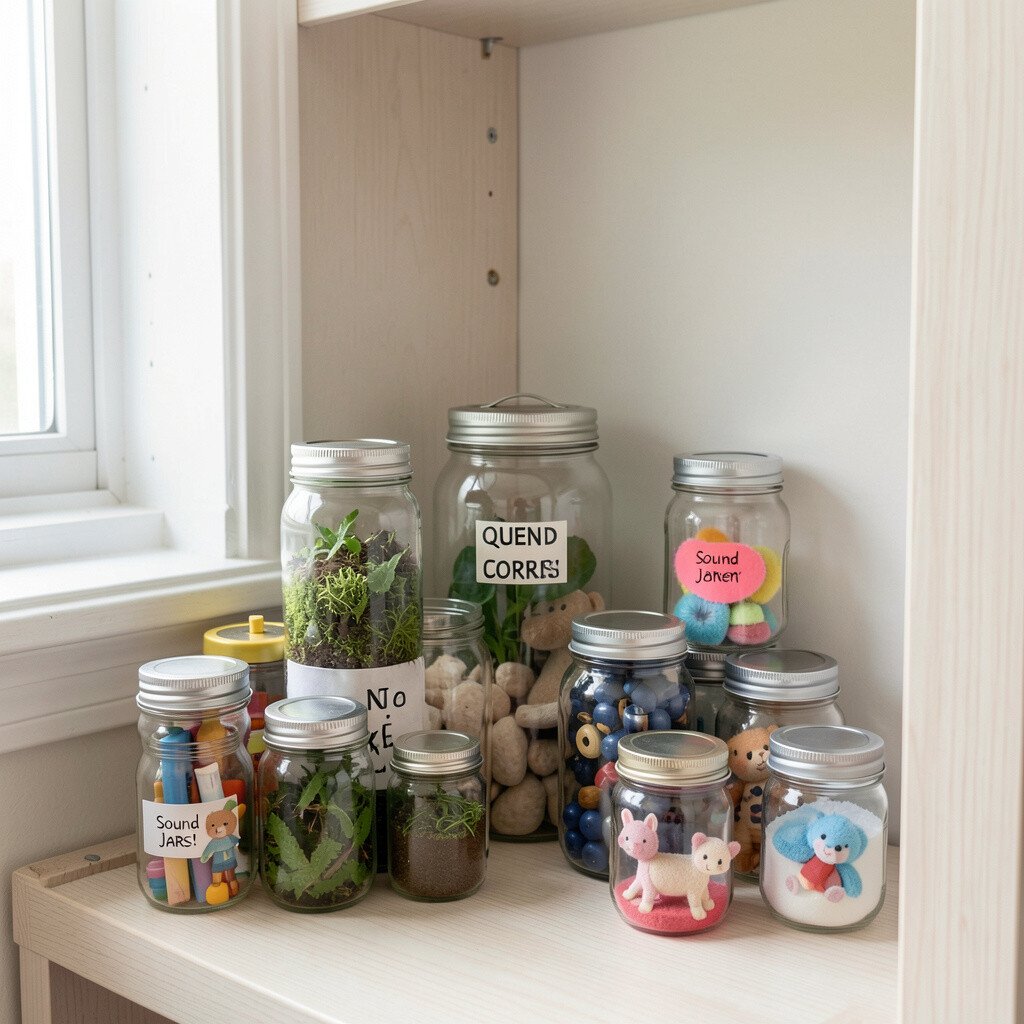
12. Quiet Corner “Sound Jars”
Quiet Corner “Sound Jars”
Fill small containers with different safe sounds like rice, dry beans, or crumpled paper, then seal them well. Invite kids to shake gently, listen closely, and match jars by sound using a simple sorting tray.
Create a visual system by labeling only with pictures, like a bean icon, so children can handle the task independently. This supports auditory discrimination, early language, and calm focus when the room needs a softer pace. For practical tips, keep jars uniform in size and use strong lids to prevent spills.
Personalize by adding favorites, like a “rain jar” with rice and a “thunder jar” with heavier materials depending on what’s safe. Costs are low because you’re using household items and basic containers. Many classrooms are adding sensory calming tools, and sound jars fit that trend while still teaching important skills.
Try a gentle rule like “shake, listen, and place back,” so the quiet corner stays orderly.
13. Crayon Rubbings With Textures Around the House
Crayon Rubbings With Textures Around the House
Collect safe textured items such as cardboard with bumps, bubble wrap, leaves, or fabric scraps. Lay the texture under paper and let kids rub with the side of a crayon to reveal patterns.
Use visual magic by choosing high-contrast textures that show clearly, like a leaf vein under thin paper. The benefits include sensory learning, early art skills, and vocabulary for textures such as smooth, rough, and bumpy. Make it practical by taping down the paper so it doesn’t slide and handing out only a small section at a time.
Personalize by letting each child create a “texture collection page” and name their favorite rubbing. Cost is easy to manage because crayons and paper are likely already available. This connects to current interest in process art, where the focus is on making and noticing rather than producing a perfect picture.
For younger kids, try one texture per round, then rotate so attention stays strong.
14. Mini Message Mailbox
Mini Message Mailbox
Create a mailbox from a shoebox slit and invite kids to post simple notes, pictures, or drawings. You can say the message is for a teacher helper, a class friend, or “future me” depending on the day.
Make the visuals inviting by decorating the outside with big shapes and adding a flap that opens with a satisfying sound. The benefits include early writing awareness, language practice, and social connection because children share ideas in a low-pressure way. For practical tips, keep messages small, like one picture or one scribble, so kids don’t get overwhelmed.
Personalize the messages by changing prompts to match daily life, like “my brave feeling,” “my snack request,” or “a thank you for.” Costs are minimal because a shoebox and scrap paper are enough. A current classroom trend is encouraging student voice, and this gives kids a safe way to be heard.
15. Classroom “How-To” Mime Stories
Classroom “How-To” Mime Stories
Pick a common routine like washing hands, putting on shoes, or feeding a toy, then act it out using only body movements. Children guess what you’re showing and then take turns miming the next step.
Use visuals by emphasizing big gestures, like pretending to turn a faucet, scrubbing with dramatic hands, and patting dry with a towel motion. The benefits include sequencing skills, executive function practice, and body awareness, all built into everyday learning. Make it practical by choosing steps that kids already know so they can succeed quickly.
To personalize, let children pick which routine matters most to them, such as bedtime, bath time, or getting ready for outdoors. Costs are essentially zero since you’re using your body and a few props like a pretend towel. This also matches a growing trend toward role-play learning, where kids rehearse life skills through storytelling.
Keep the pace light and fun by praising effort, not perfection, as everyone mimics their own style.
16. Sticker Scene Builders
Sticker Scene Builders
Place a few theme stickers in bowls and offer a blank sheet where children can build a scene. Ask them to create a place for a story character, like a cozy home, a playground adventure, or a “space snack” station.
Use visual appeal by choosing stickers with big shapes and clear meanings, then arrange a small set of “scene starter” backgrounds like colored paper or simple sky paper. The benefits include storytelling, vocabulary growth, and visual planning because kids decide what goes where. For practical tips, keep the number of sticker choices limited for short sessions, then restock later when everyone is ready for more.
Personalize by letting each child add a tiny drawn detail using crayons, like a sun, a path, or a pet, so the scene feels uniquely theirs. Costs can stay friendly if you use leftovers from past craft packs or trade with other families. A current trend is mixed-media play, so pairing stickers with drawing fits well and keeps it fresh.
Invite kids to share their scene in one sentence so the activity stays upbeat and not too long.