Pour water into a clear container and let kids watch how it looks at first. Add salt slowly and stir until the water tastes like the ocean and feels slightly thicker.
Now sprinkle different colors of food coloring around the surface, using a dropper or spoon. As the salt level changes, the colors will move differently, making a fun visual “rainbow” effect.
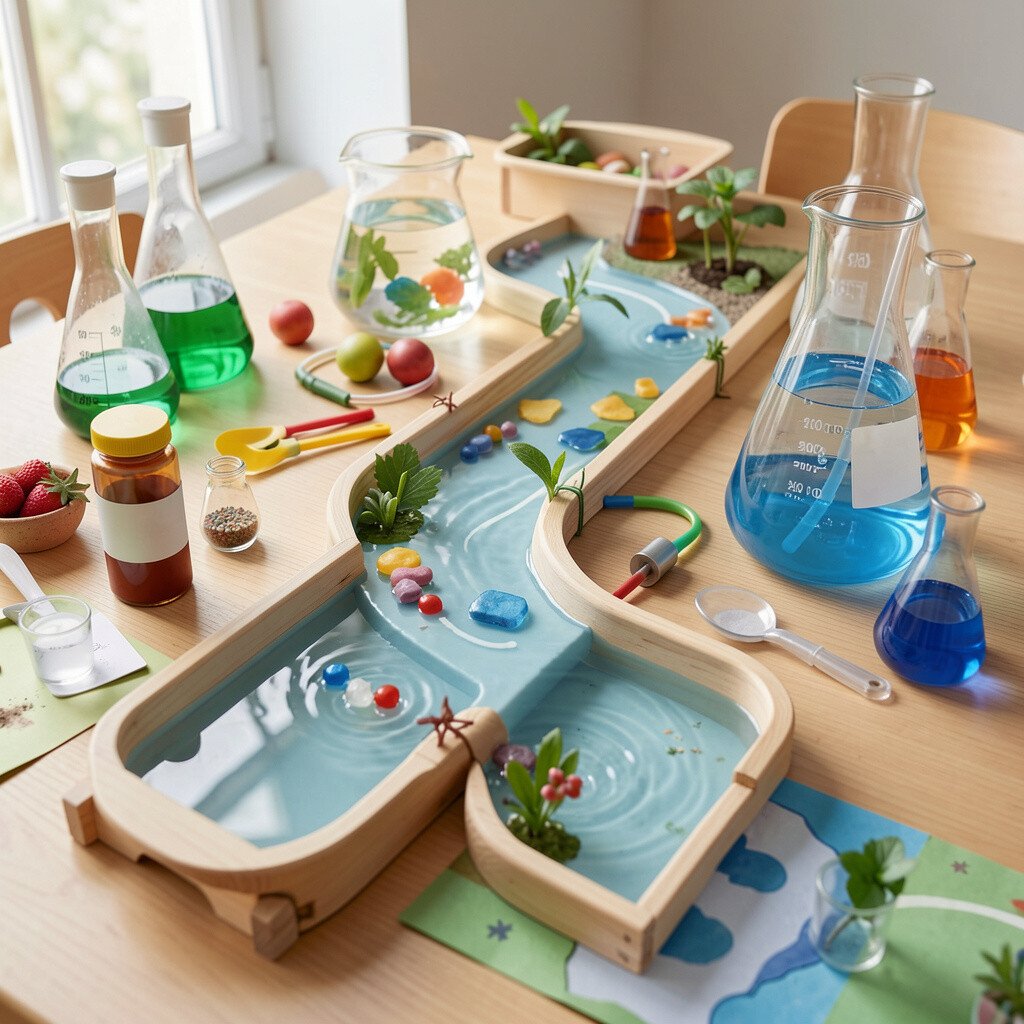
2. Walking Water Roads
Walking Water Roads
Set two cups close together and place paper towels between them like bridges. Pour different colors into each cup so the paper towel can “drink” the colors.
Kids will see the colored water creep along the towel and curve in neat lines. Try thicker strips of paper towel for slower, steadier movement that looks calmer on the table.
For personalization, let children pick the colors that match their favorite books or classroom themes. This activity is very low cost because paper towels and food coloring are usually easy to find.
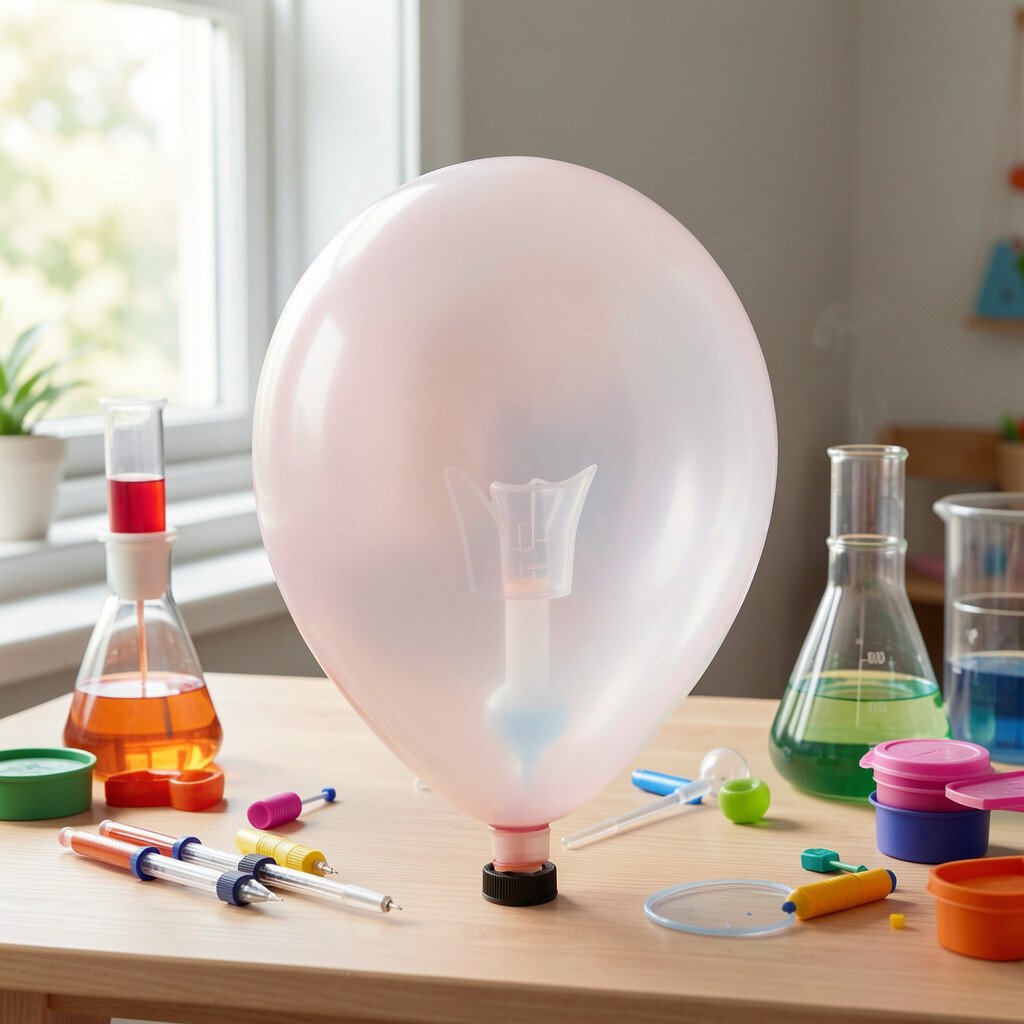
3. Balloon Static Peekaboo
Balloon Static Peekaboo
Rub a balloon on a sweater or your hair for a short time and hold it near small bits of paper. At first, nothing seems to happen, and then the paper jumps toward the balloon.
Use a plate or tray under the action so little pieces stay tidy. You can also test different fabrics like cotton and wool to see which one “charges” the balloon best.
As a unique twist, try using a cardboard cutout shaped like a star and see if it tips toward the balloon. Kids love the shiny look of the balloon and the sudden, surprising motion.
Keep the pieces bigger than confetti so they are easier to pick up. This experiment feels like a magic show, but it builds real curiosity about electricity.
4. Sink or Float Pattern Hunt
Sink or Float Pattern Hunt
Fill a basin with water and gather everyday items like a grape, a button, a dry leaf, and a small toy. Ask children to make careful guesses before placing each item into the water.
Some objects bob right up while others sink like sleepy stones. Let kids group items by what happens and talk about what they notice, like size, shape, and weight.
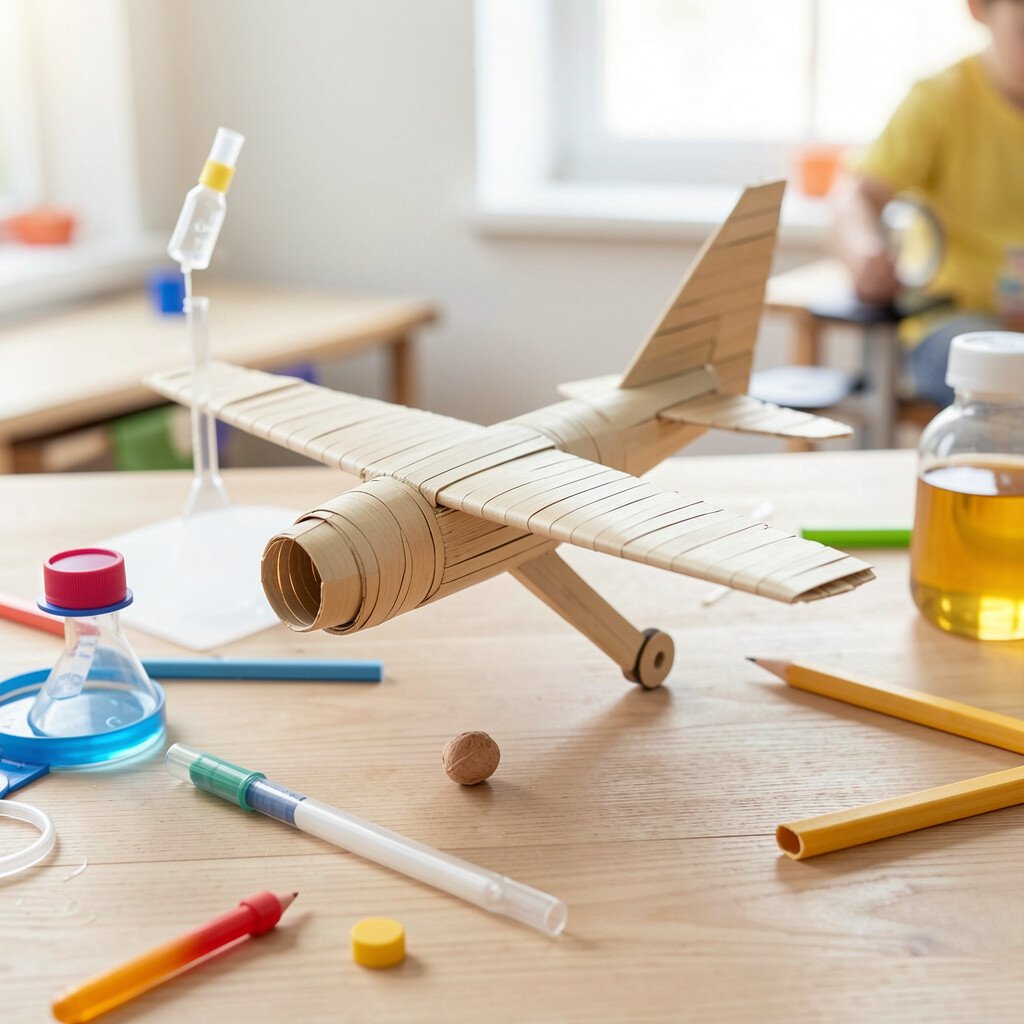
5. Straw Airplane Thrust Test
Straw Airplane Thrust Test
Use a straw, a small piece of paper, and tape to make a simple “mini sail” that can move through the air. Place the straw at the end of a table, hold the sail steady, and blow gently.
Watch how the paper shifts and slides as the air pushes it forward. For practical tips, try different straw lengths or bends so the movement becomes different each round.
Children can personalize by drawing patterns on the paper before taping it on. This is a great low-cost experiment because straws and paper scraps are usually available.
6. Crayon Melt Color Mix Volcano
Crayon Melt Color Mix Volcano
Break crayons into small bits and put them into a muffin tin cup. Heat the tin briefly in a warm spot like a safe adult-controlled toaster oven, then watch the colors pool.
Kids will see bright swirls form as the wax flows, and they can predict which colors will mix. Try adding one or two tiny pieces from different crayons so the results look marbled.
For safety, keep the melting area monitored and let children observe from a comfortable distance. The uniqueness comes from the unpredictable patterns, which often look like tiny stained-glass windows.
7. Magnet Maze With Paper Clips
Magnet Maze With Paper Clips
Draw a simple maze on cardboard and place it on a cookie sheet. Scatter paper clips around, and let children guide them with a magnet through the maze lines.
The visual is instant and exciting when the clips slide and snap toward the magnet. Try thicker maze lines for younger learners, because the path becomes easier to follow.
Kids can personalize by adding traffic signs, tunnels, or a “start” and “finish” spot with markers. Magnets and paper clips are inexpensive, and they are perfect for repeated practice.
8. DIY Cloud in a Jar
DIY Cloud in a Jar
Pour warm water into a clear jar and add a few cubes of ice on top like a snowy cap. Watch the steam rise and the misty cloud appear as the air inside cools.
The jar will start looking foggy in the middle, like a tiny sky in a box. If it doesn’t show right away, use warmer water and position the ice so it stays in contact with the jar top.
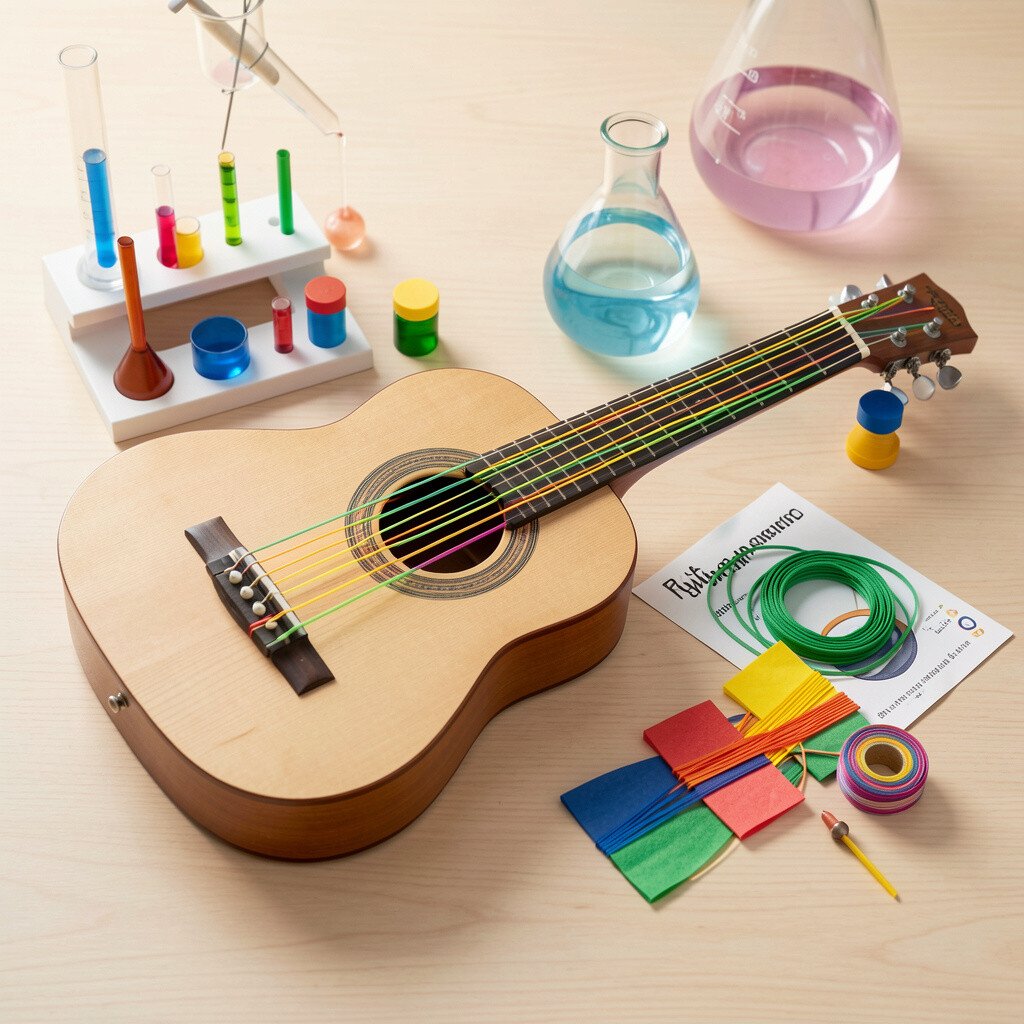
9. Rubber Band Guitar Sound Shapes
Rubber Band Guitar Sound Shapes
Stretch a rubber band over a small empty box or cardboard frame and tap it gently with a finger. Different stretches can make higher or lower sounds, and kids will love hearing the change.
Try making several rubber bands at different tightness levels and listen for different pitches. For practical tips, place a hand near the band to feel the vibration too.
Personalization is easy since kids can draw “guitar” designs on the frame and name their own sound. This is a cost-friendly option because rubber bands are cheap and you can reuse them many times.
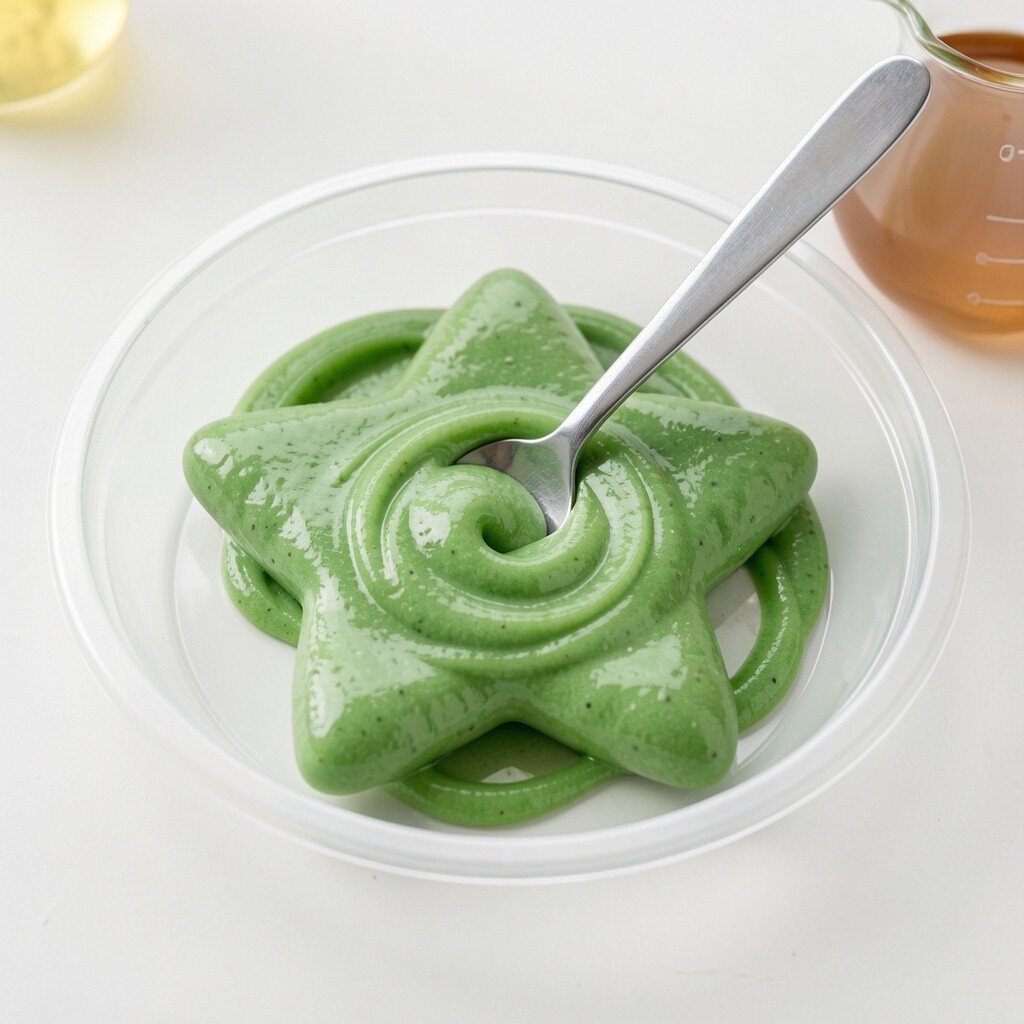
10. Oobleck Star Spoon Swirl
Oobleck Star Spoon Swirl
Mix cornstarch and water in a bowl until it feels like a slow-moving liquid that can also resist. The look is silky and cloudy, and it clumps in a way that feels surprising in your hand.
Let children poke it, then lift a spoonful and watch it drip slowly. When they press harder, it can feel firm, and when they relax, it turns runny again.
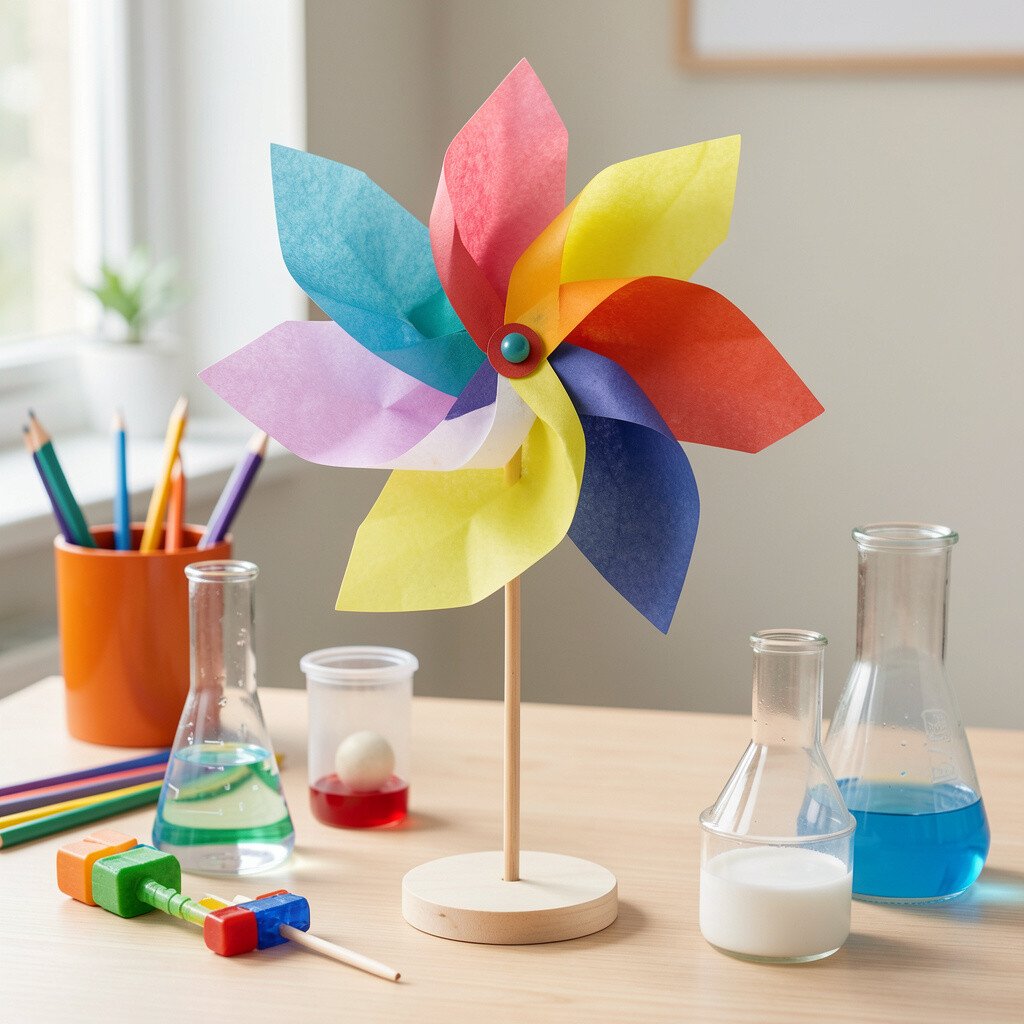
11. Tissue Paper Wind Spinner
Tissue Paper Wind Spinner
Cut a simple star or circle shape from lightweight paper and attach it to a stick or straw. Use a small fan, or wave it gently in front of the spinner, and watch how it turns.
As the paper spins, it catches the air and makes visible movement that kids can predict and test. To personalize, let children pick bright colors and add glittery shapes, using sparingly to keep cleanup easy.
For cost considerations, plain tissue paper is affordable and you can make many spinners for a whole group. This fits a current classroom trend of using motion and airflow to make science feel active and hands-on.
Encourage kids to compare how the spinner acts when they blow fast versus slow. It’s a simple way to connect everyday gestures with real air movement.
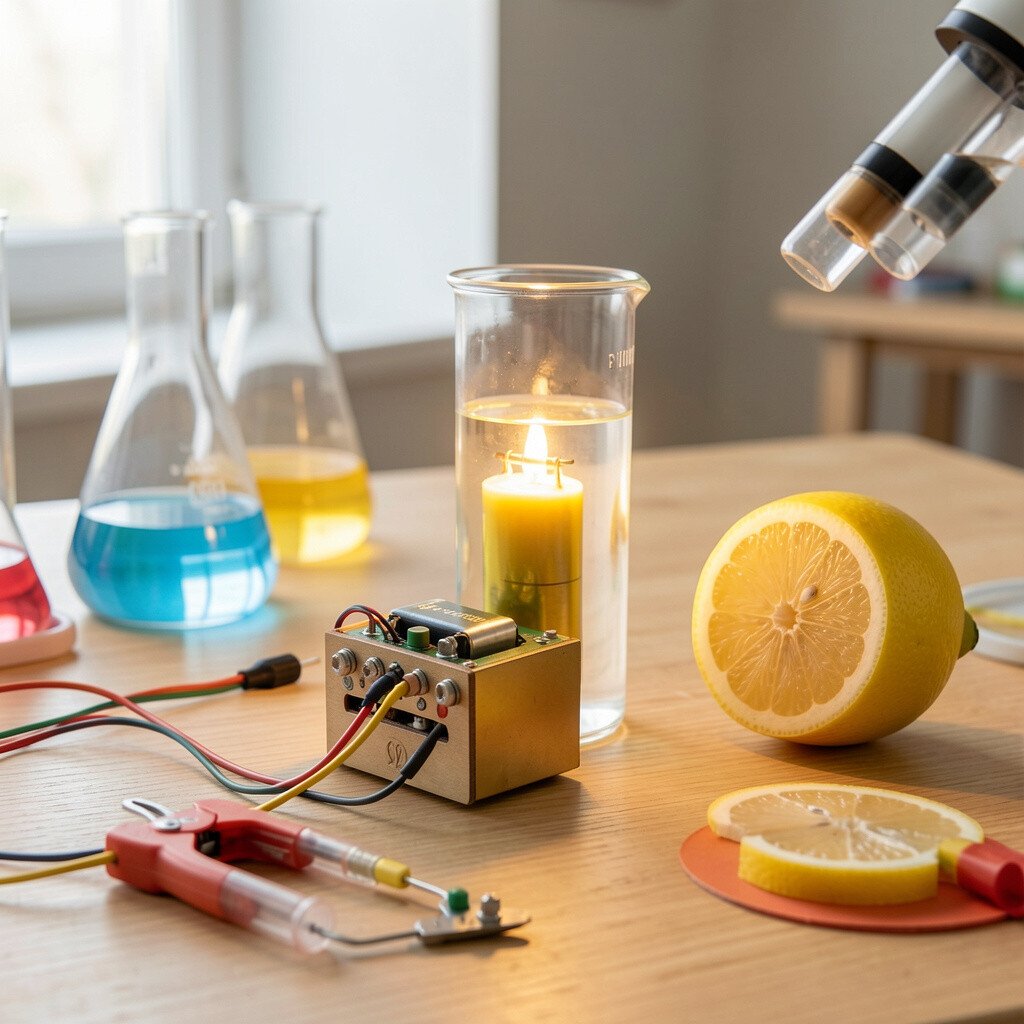
12. Lemon Battery Light Glow
Lemon Battery Light Glow
Place a lemon on a tray and gently insert a small copper coin and a zinc-coated nail or strip into the fruit. Clip wires carefully and connect them to a tiny LED to see if it lights.
Kids may spot a soft glow, and even when it is dim, the moment still feels like a big win. For practical tips, roll the lemon on the counter first to help it stay juicy and conductive.
Safety matters, so use tools and handling with adult help and keep fingers away from metal parts. The uniqueness of this activity is that it uses a kitchen item to power a tiny light, making “energy” feel real right away.
Personalize the story by letting children name their lemon and draw a label on the tray. This can be budget-friendly because lemons are often inexpensive and the parts can be reused for several tries.