12+ Kindergarten Sensory Garden Activities To Inspire Kids
The moment kids step into a sensory garden, the whole world feels bigger. Every sound, smell, and texture invites them to use their senses with purpose.
Here are hands-on activities that fit kindergarten life and make outdoor time feel joyful and meaningful.
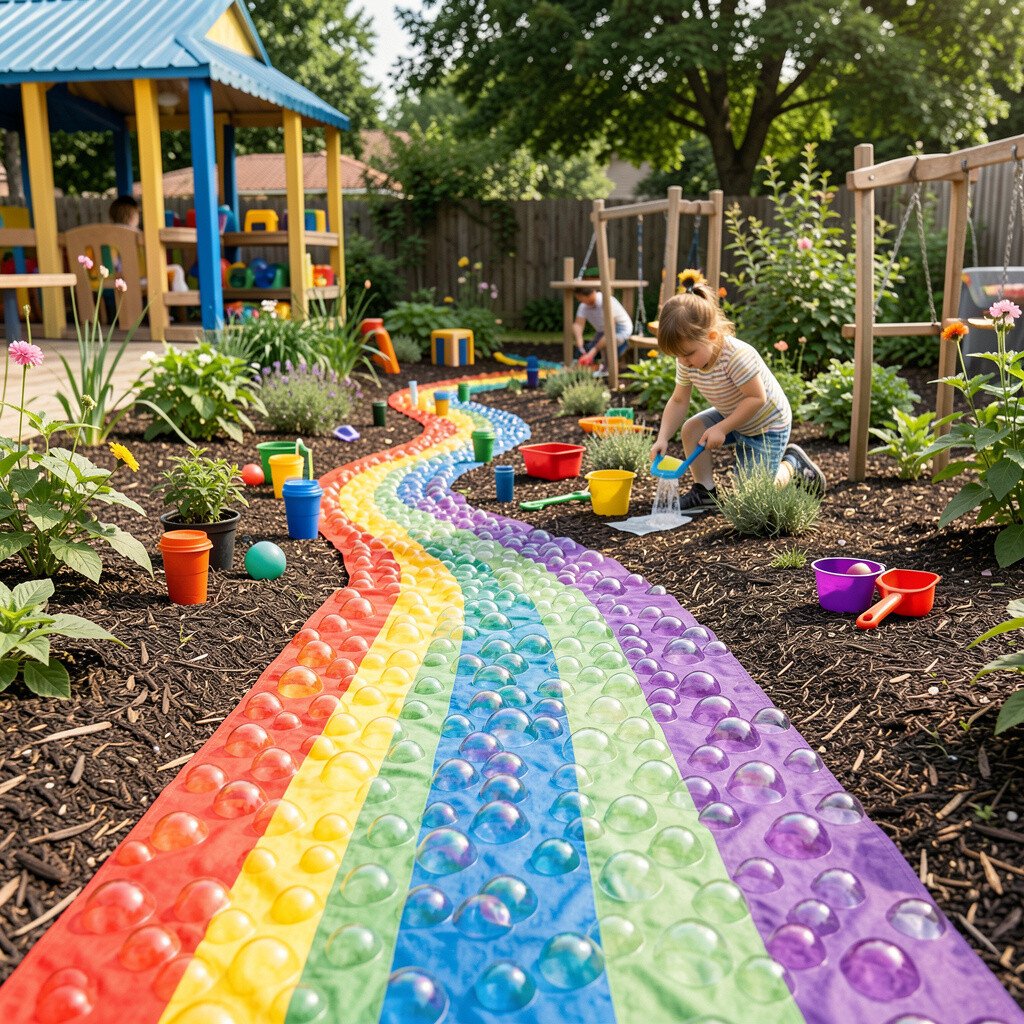
Set up a winding path in your garden with small scent spots along the way. Use a gentle mist of scented bubbles so the air feels playful as children walk.
Choose safe, kid-friendly scents like vanilla, citrus, or lavender essential oil diluted in water. Visual learners will love the rainbow effect when bubbles catch sunlight, and you’ll see kids slow down to notice color, smell, and sound.
Keep the experience simple by using a watering can or spray bottle with a wide nozzle. Pair the walk with quiet moments where kids describe what they sense using simple words like “sweet,” “fresh,” or “calm.”
2. Texture Treasure Stepping Stones
Texture Treasure Stepping Stones
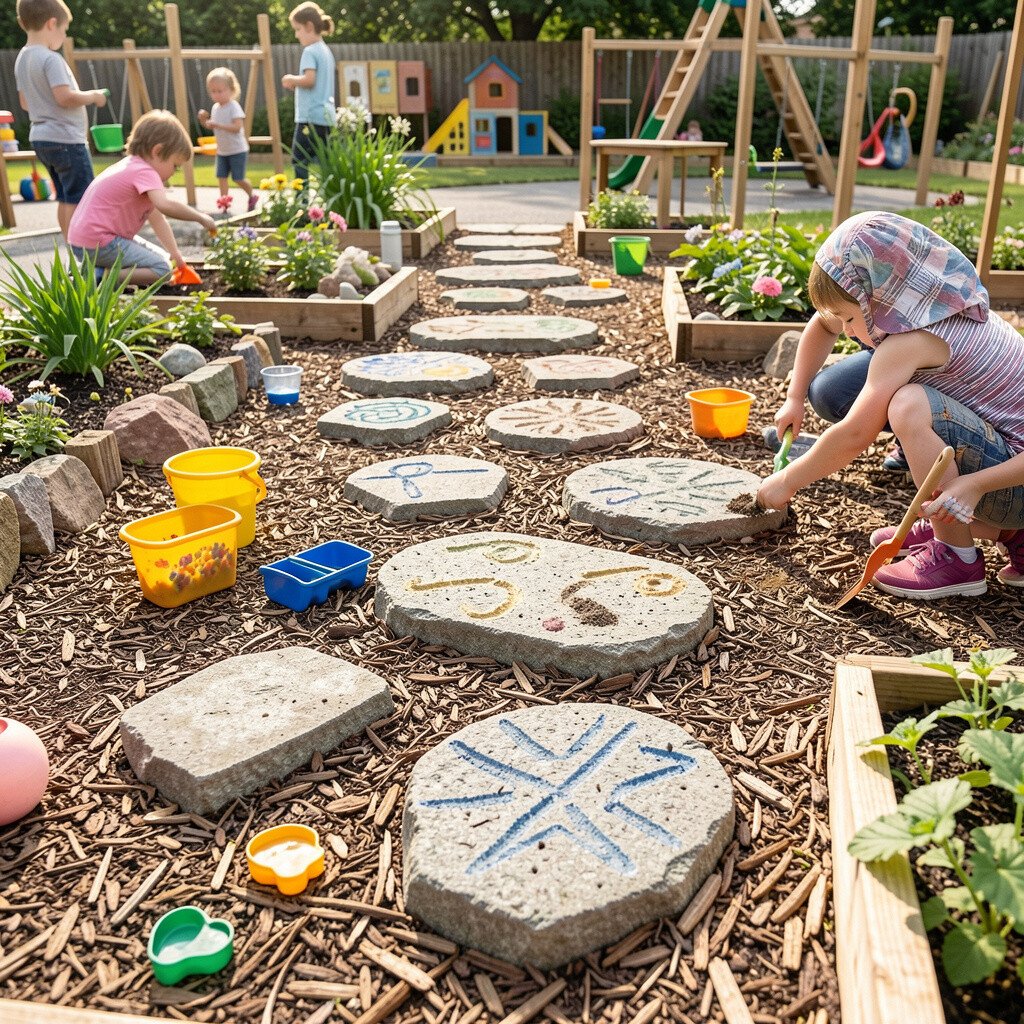
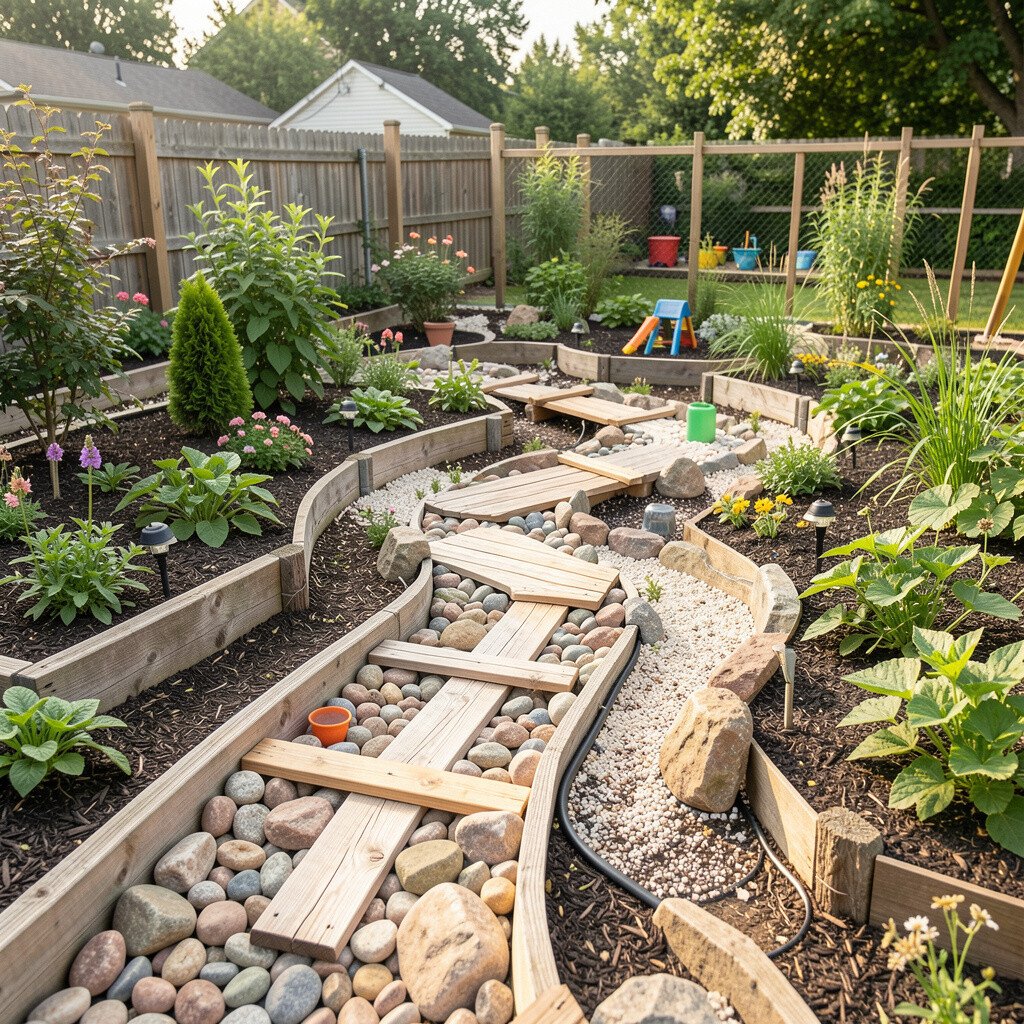
Scatter stepping stones or thick cardboard squares around the sensory beds. Cover each one with a different texture such as smooth river rocks, soft moss, dry leaves, or fabric scraps.
Kids will enjoy the visual variety and the steady rhythm of stepping, which helps coordination. Sensory input supports focus, and the repeated motion gives children a calming routine.
For an easy setup, use what you already have from home and the yard, then sanitize any reusable pieces. Let each child pick one “favorite foot feel” to bring a sense of personalization to the activity.
3. Scent-Mixing Plant Labels
Scent-Mixing Plant Labels
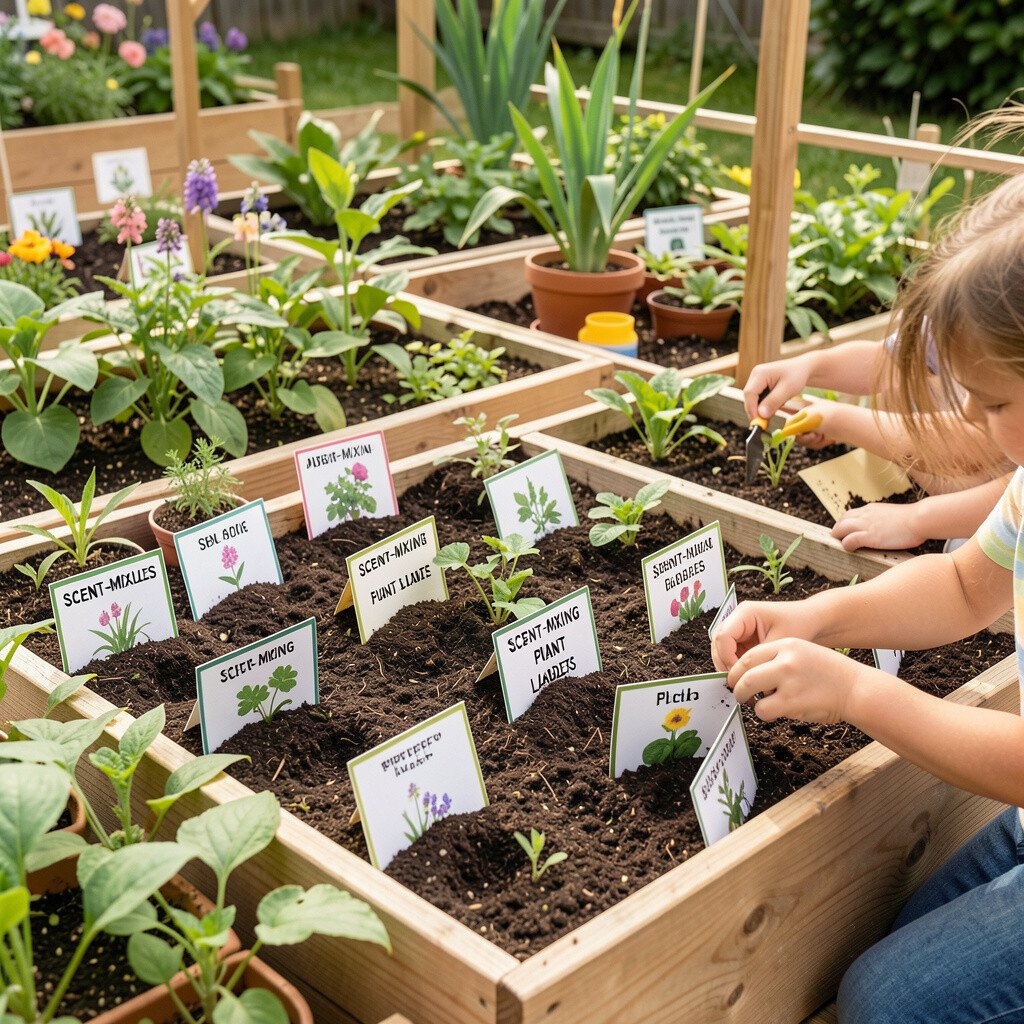
Place small plant tags near herbs and flowers with clear, picture-friendly wording. Instead of only writing names, give each label a tiny matching scent guide like “minty” or “flowery.”
When kids crouch to look closely, they practice visual attention and fine-motor skills. They also connect the look of a plant with what it smells like, which strengthens memory and language.
Use washable tags or weatherproof labels, and keep scents consistent by using only a few plants per season. Rotate which plants are “featured” so children feel the garden keeps changing over time.
If you want a budget-friendly upgrade, use cardboard from shipping boxes and cover it with clear contact paper for durability.
4. Wind Chime Leaf Listening Station
Wind Chime Leaf Listening Station
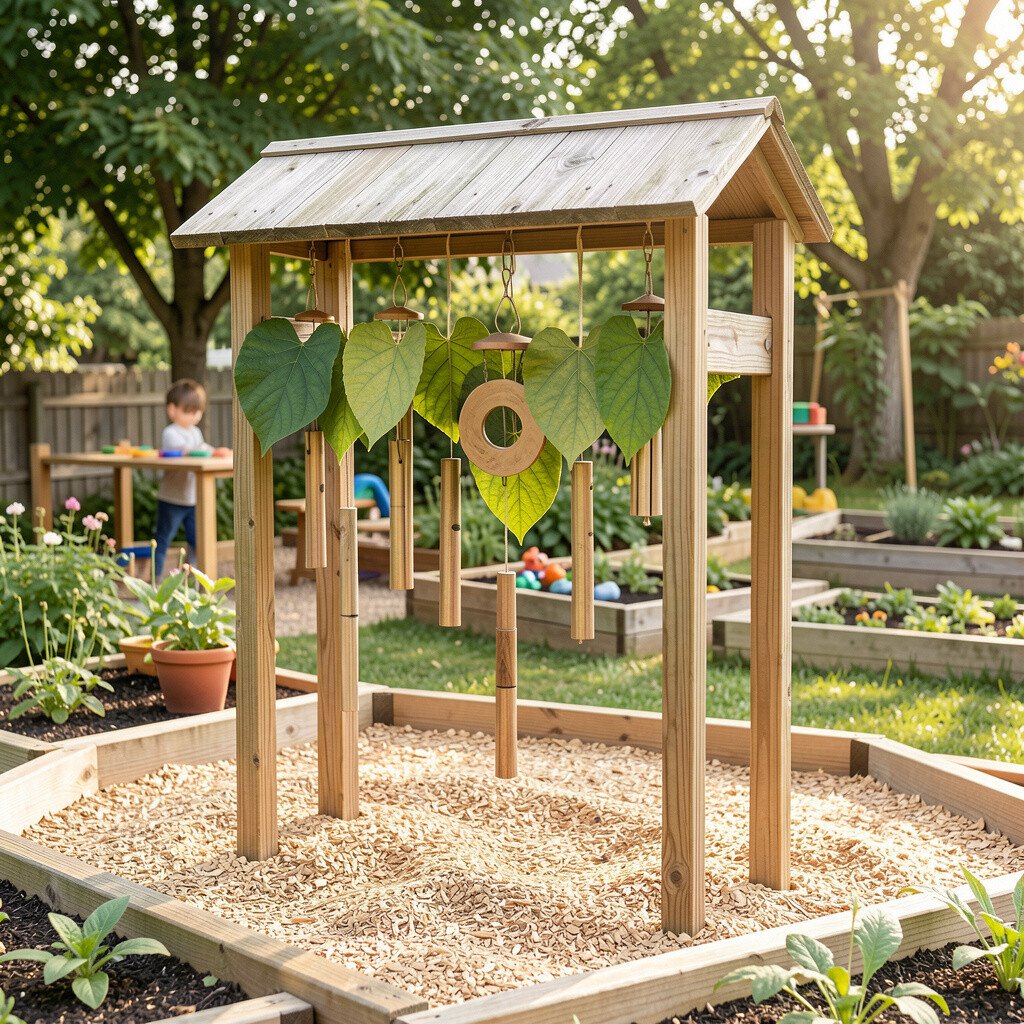
Create a listening station using wind chimes made from garden-safe materials. Tie colorful ribbons or strips of lightweight fabric to chime hangers near leafy plants so they sway in the breeze.
Kids can watch the ribbons flutter and hear soft clinks, which blends visual and auditory input. This type of activity supports sensory regulation and gives shy kids a calm way to participate.
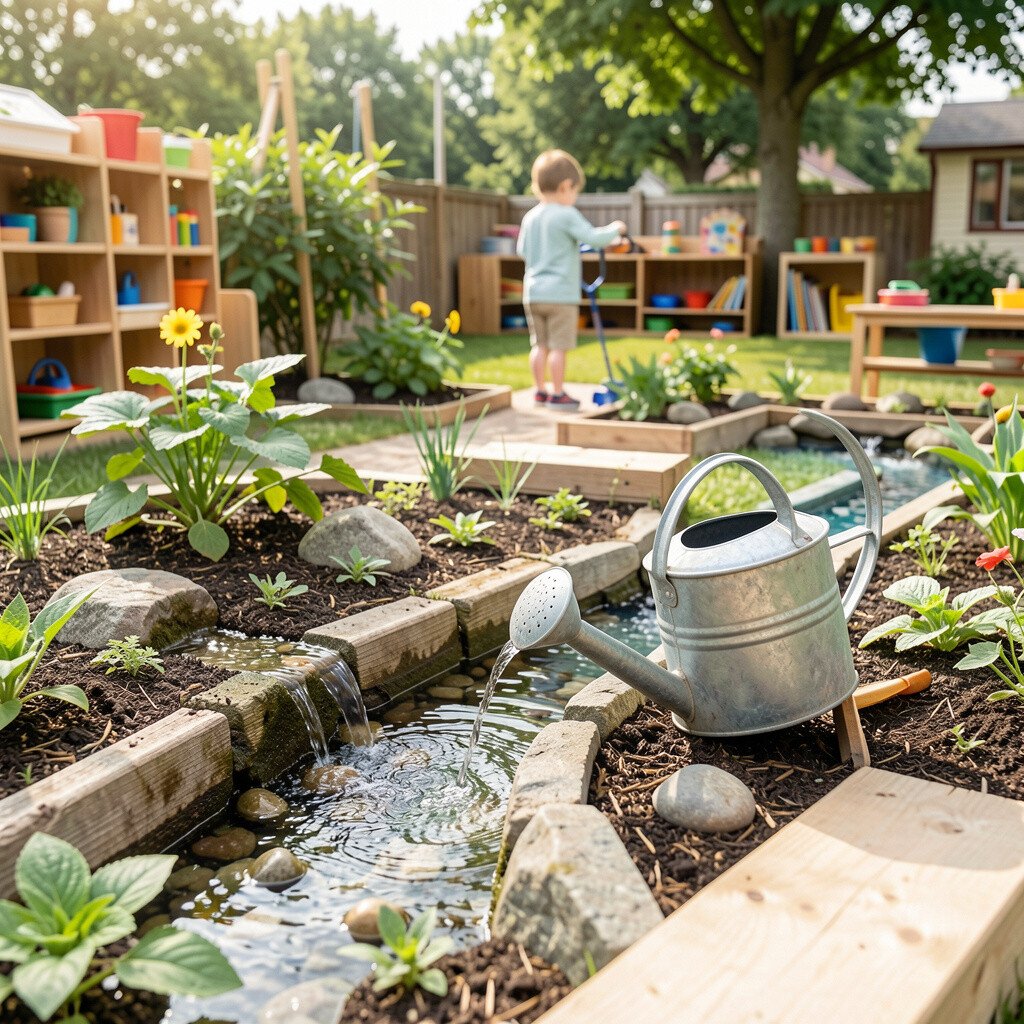
5. Watering Can Micro-Streams
Watering Can Micro-Streams
Offer small watering cans and let children aim gentle streams at thirsty corners of the garden. If you use sprinklers or a hose with a trigger nozzle set low, the sound becomes part of the fun.
Watching water soak into soil gives a strong cause-and-effect feeling that kids love. It builds responsibility, because they can visibly see how their actions help living plants.
Set a simple route from one plant to the next so children don’t wander too far. For personalization, let each child choose their “watering style” such as slow drips, splashy sprinkles, or steady rain.
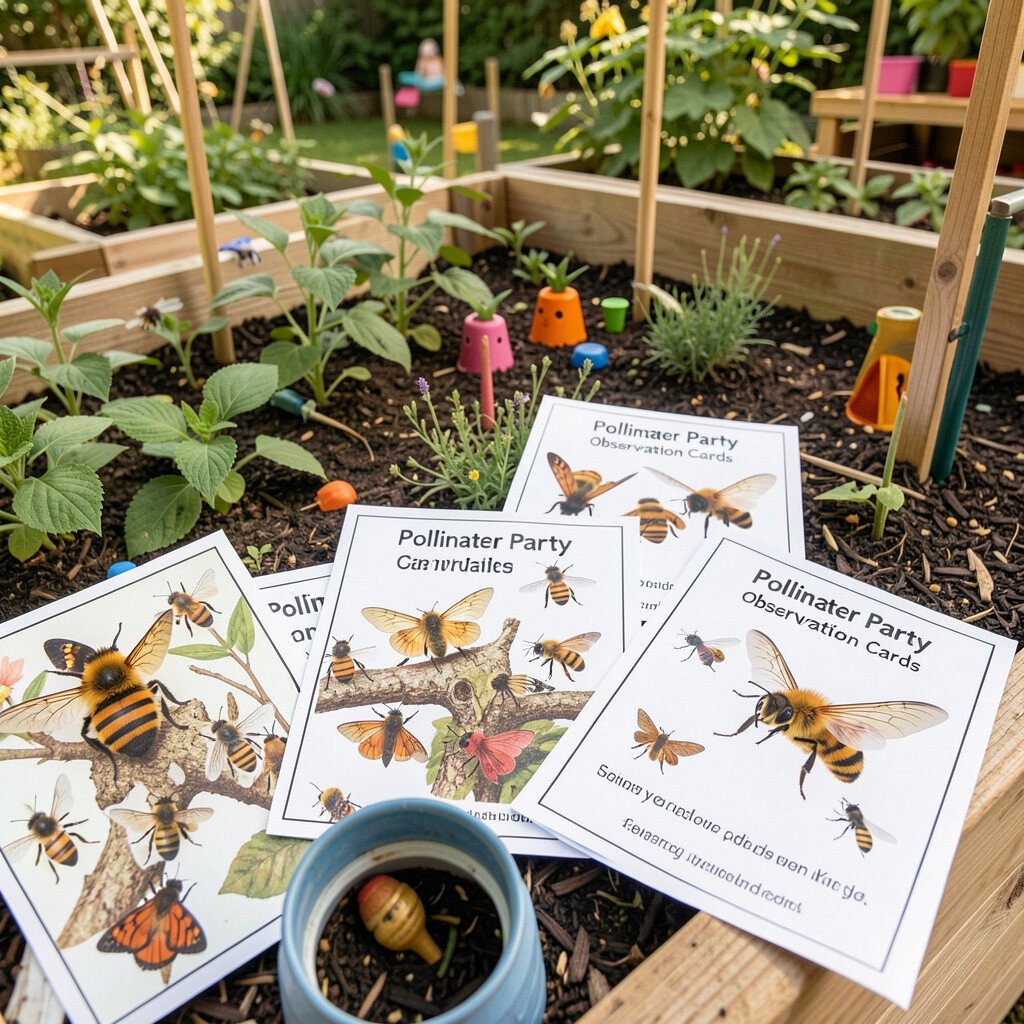
6. Pollinator Party Observation Cards
Pollinator Party Observation Cards
Hand out simple picture cards showing a bee, butterfly, ladybug, or hummingbird. Kids can hold the card while they scan the garden for matching visitors.
This activity turns visual searching into an exciting game while building patience and attention. It also connects children to real-life life cycles and supports curiosity about nature.
Use laminated cards you can wipe clean and keep the garden free from harsh chemicals so pollinators feel safe. To add uniqueness, place a few observation “stands” at different heights so children can choose their preferred viewpoint.
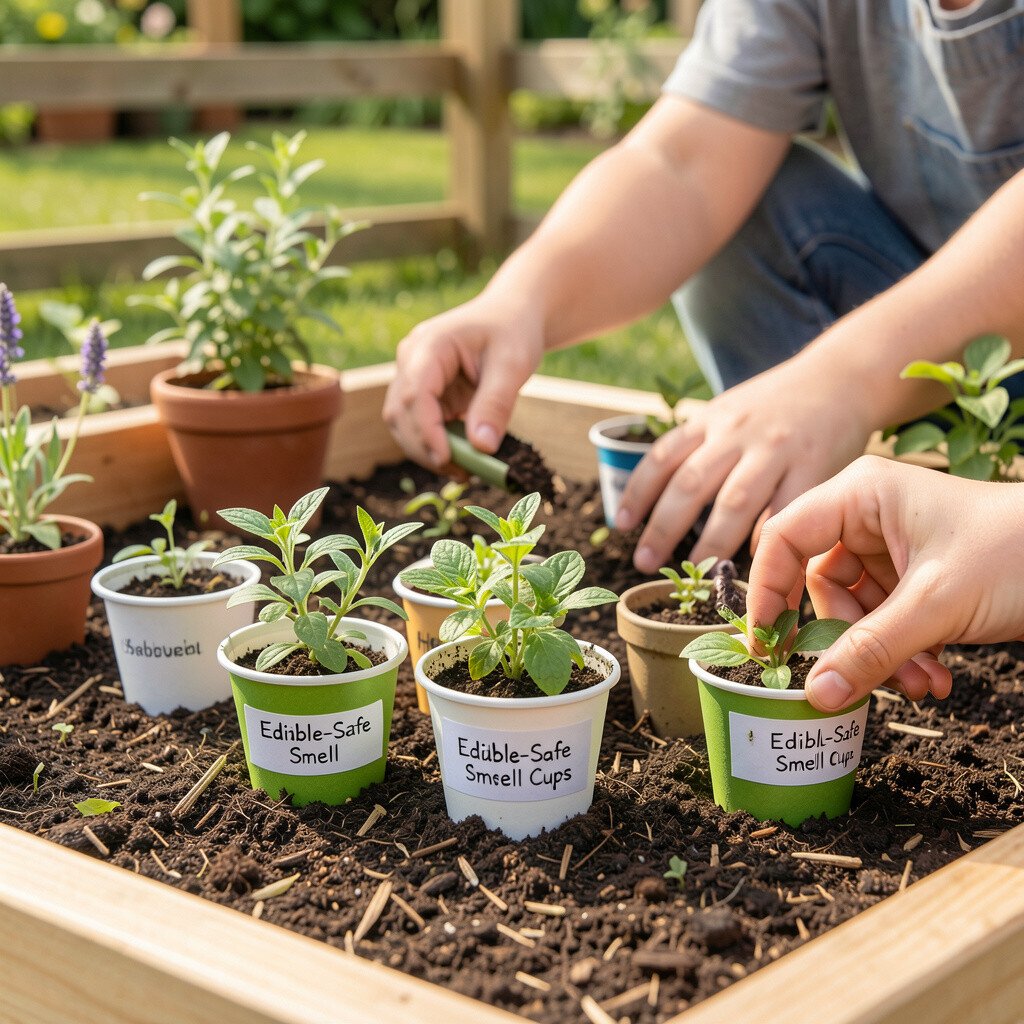
7. Edible-Safe Herb Smell Cups
Edible-Safe Herb Smell Cups
Fill small, breathable cups with safe herb leaves and let kids smell them gently by wafting. Include options like mint, basil, lemon balm, and chamomile petals where appropriate.
Kids will notice differences in color and fragrance, and they’ll practice careful handling with a calm, quiet pace. Smell memory is powerful in early childhood, so this can boost vocabulary even for kids who are learning language.
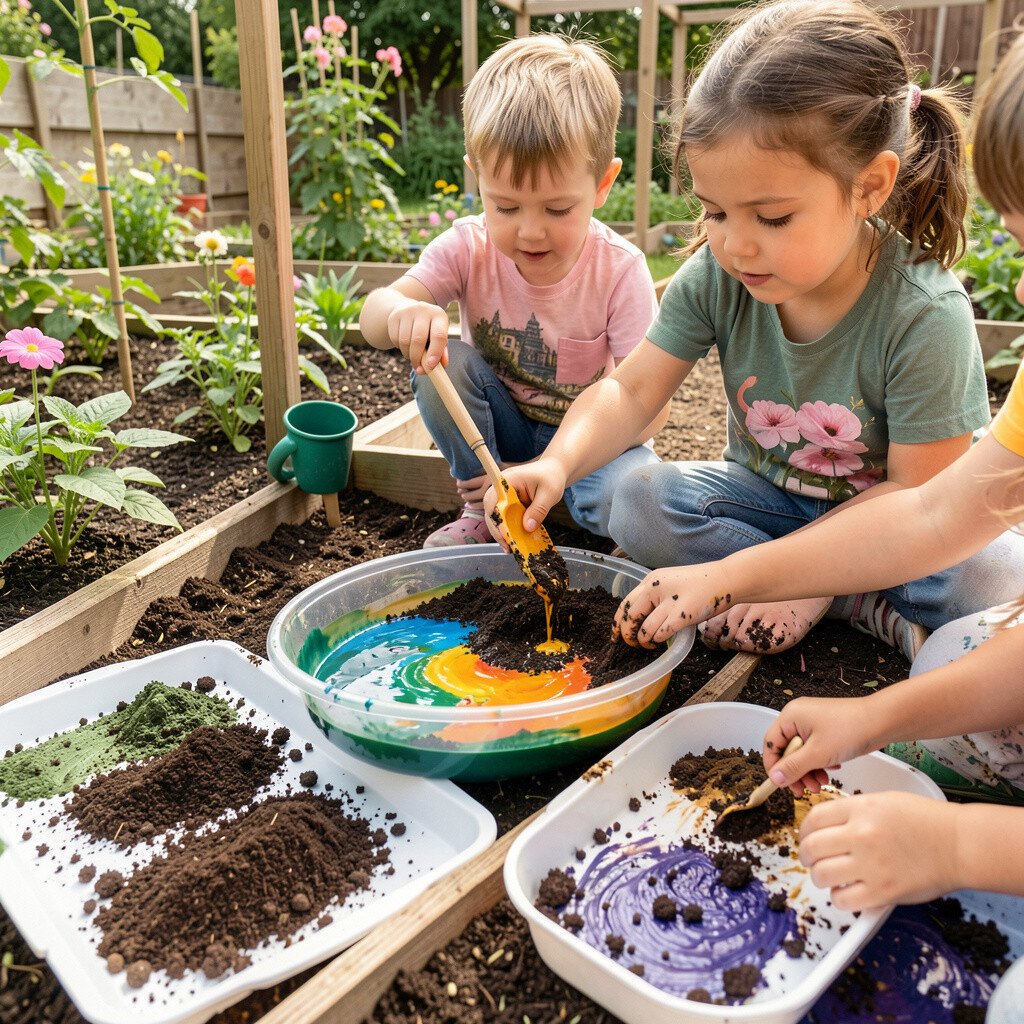
8. Nature Color Mixing With Soil Swatches
Nature Color Mixing With Soil Swatches
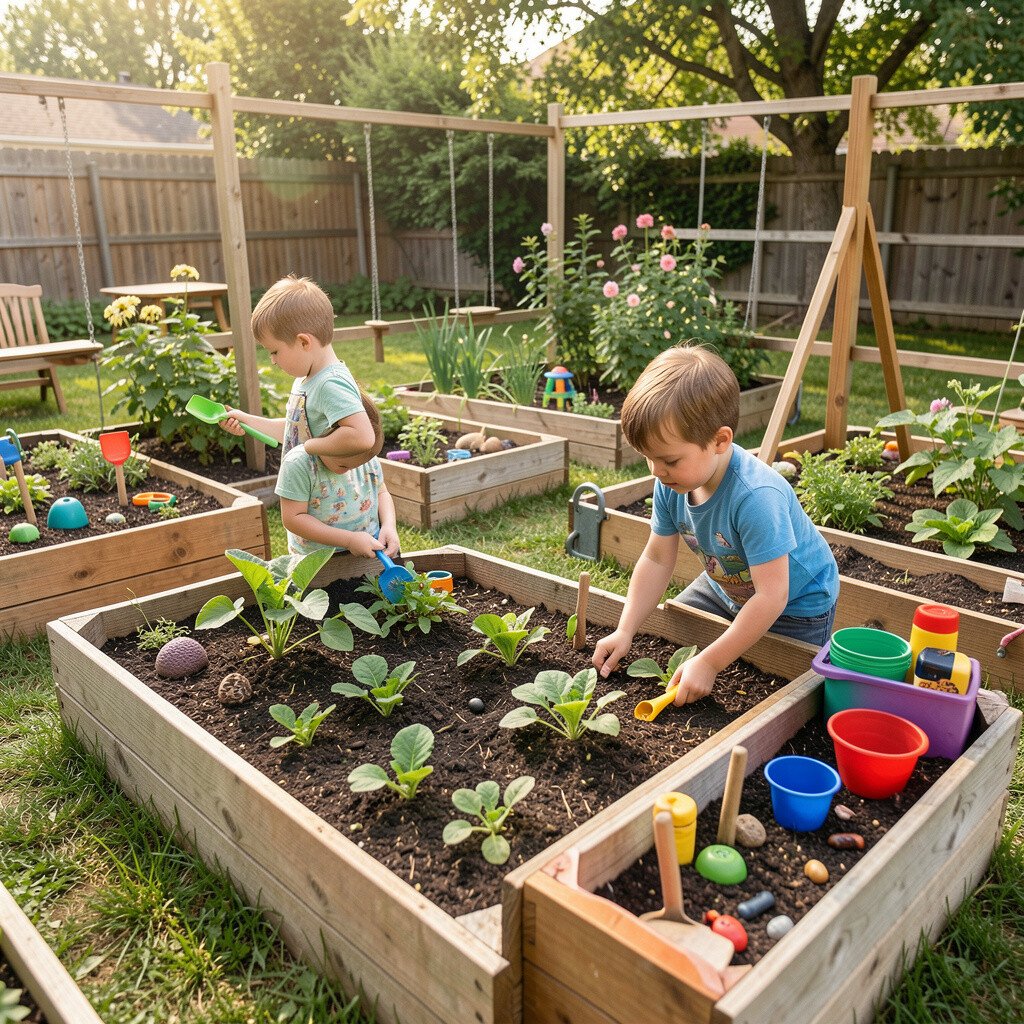
Provide shallow trays of soil types from different spots, like dark garden soil and lighter sand. Add tiny, safe amounts of water so kids can stir and feel how textures change.
Children will see colors shift from crumbly to clumpy, which makes the “visual first” moment feel magical. Tactile mixing encourages fine-motor practice and supports scientific thinking through simple observations.
Keep it tidy by using muffin tins or small compostable cups and letting kids mix only one swatch at a time. For cost considerations, scoop soil from your own yard and use leftover paint stir sticks or craft spoons.
To personalize, invite kids to name their mix colors, such as “sun caramel” or “storm gray,” using kid-friendly language.
9. Rock Garden Balance Lanes
Rock Garden Balance Lanes
Build short lanes using flat stones or stepping boards placed on the ground. Kids balance a small leaf, smooth pebble, or acorn along the path without dropping it.
This activity strengthens balance, coordination, and body awareness while keeping the play clearly sensory. The garden setting adds meaning, because children connect movement with place and surface.
Set lanes in a safe, wide area and use only smooth rocks to prevent splinters. If you want extra engagement, place two lanes with different textures so kids can compare how balance changes on each surface.
10. Leaf Rubbing Picture Frames
Leaf Rubbing Picture Frames
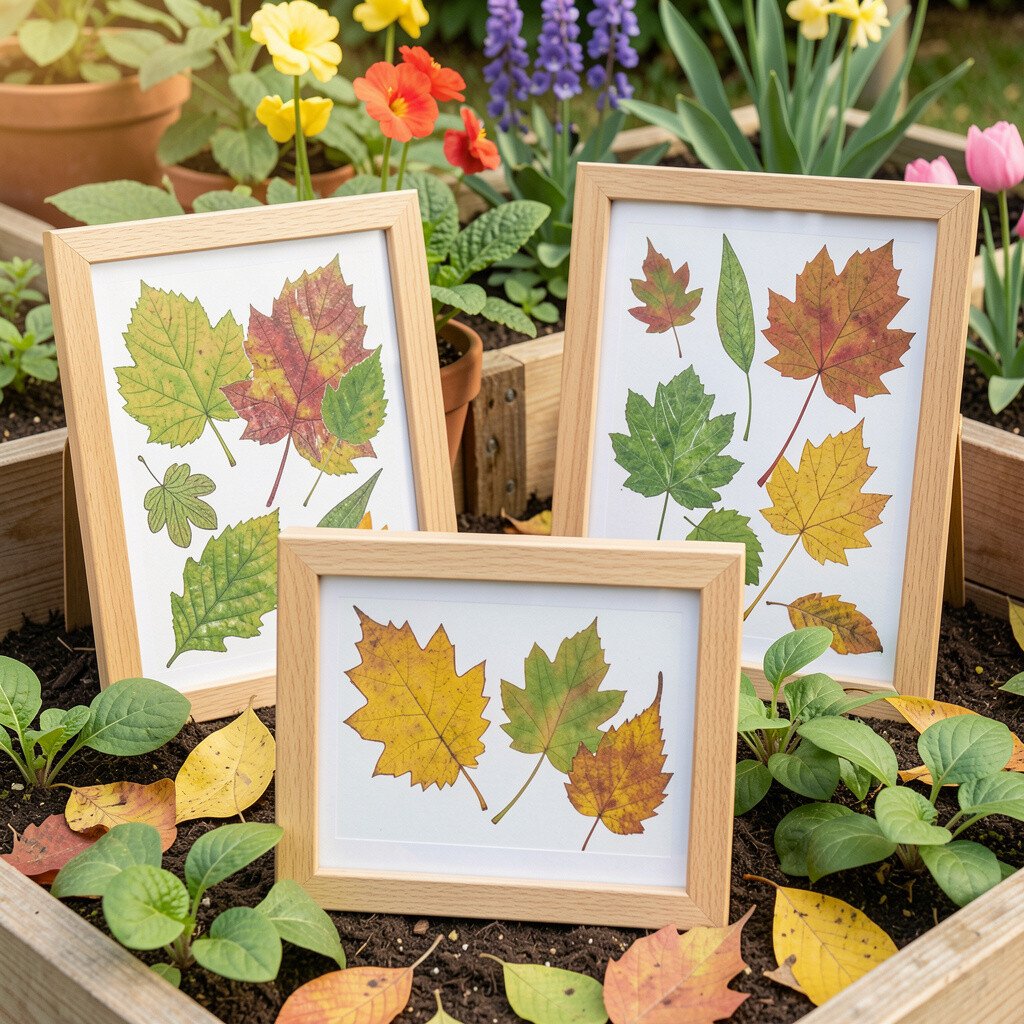
Gather thick leaves and place them under paper on a board or clipboard. Let kids use crayons or waxy chalk to rub over the leaf texture while they look for strong veins and patterns.
The results are visually satisfying and help children slow down to notice details. This supports fine-motor control, and the repeating hand motion can feel soothing for many kids.
Use paper you don’t mind getting slightly messy, and set up a “cleaning corner” with wipes. For uniqueness, ask children to create frames for their leaf rubbings that match the season, using colors inspired by nearby flowers.
11. Sound Safari Around the Garden Beds
Sound Safari Around the Garden Beds
Guide children to listen for different garden sounds while they stand in place. Give them a small “mission” to hear wind in leaves, water drips, buzzing insects, or footsteps on gravel.
This makes auditory sensory play more focused, and it teaches kids to wait and listen. Over time, children may also start to notice sounds they usually miss, which builds awareness and confidence.
To keep it practical, choose quiet times of day and limit the group size at each station if possible. Personalize the safari by letting each child pick one sound they want to “collect,” then share their best guess with a friend.
12. Seed-Soil Mix Planting Stations
Seed-Soil Mix Planting Stations
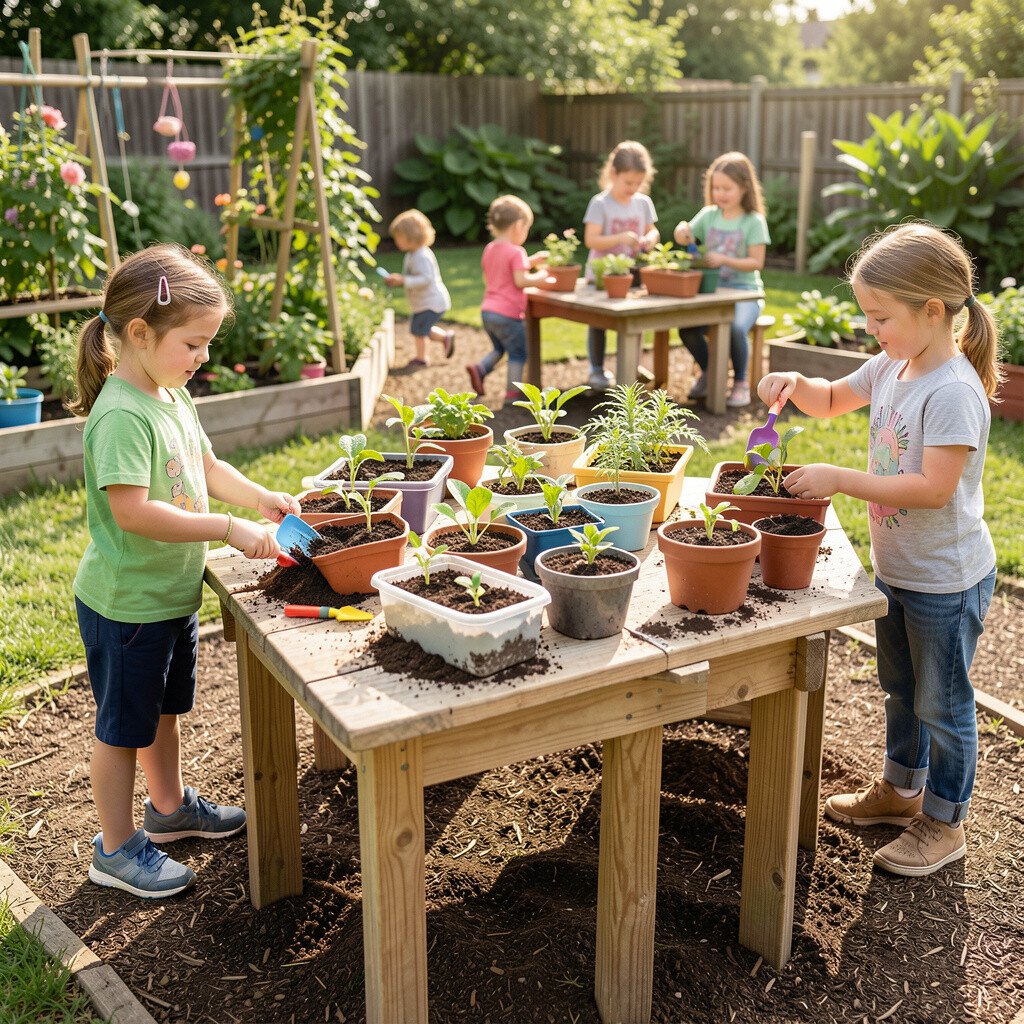
Create small planting areas with cups or biodegradable pots filled with potting mix. Kids sprinkle seeds and gently cover them using a soil layer that feels light and crumbly.
The garden becomes their living project, and that sense of ownership can make kids more willing to care for plants. Visual progress shows up quickly with tiny sprouts, which helps young children feel proud and motivated.
Choose seeds that fit your climate and grow reliably, such as radish or fast herbs, so results are visible soon. For cost considerations, use seed packets and reuse containers from home, then label everything with simple pictures and dates.
To make the activity unique, let children plant in “story themes,” like “space seeds” or “rainbow salad,” based on the colors they see in the garden.
13. Sensory Path Storytime With Prop Bins
Sensory Path Storytime With Prop Bins
Bring a small prop bin to the garden path and read a short story while children move between sensory stops. Each stop matches a moment in the book using items like a ribbon for wind, a leaf for a character, or a tiny sand cup for “desert.”
Linking story and senses helps children build connection and attention, and it makes outdoor time feel special. Visuals from props plus tactile moments create a learning-rich experience without making it feel like a lesson.
Keep it practical by preparing one bin per group and choosing reusable items that wipe clean easily. Personalization shines when kids choose which prop they hold during the next page, giving them a voice in the shared experience.
For a current-trend style, think “slow sensory attention” rather than fast crafts, and encourage children to take one deep breath before moving to the next stop.