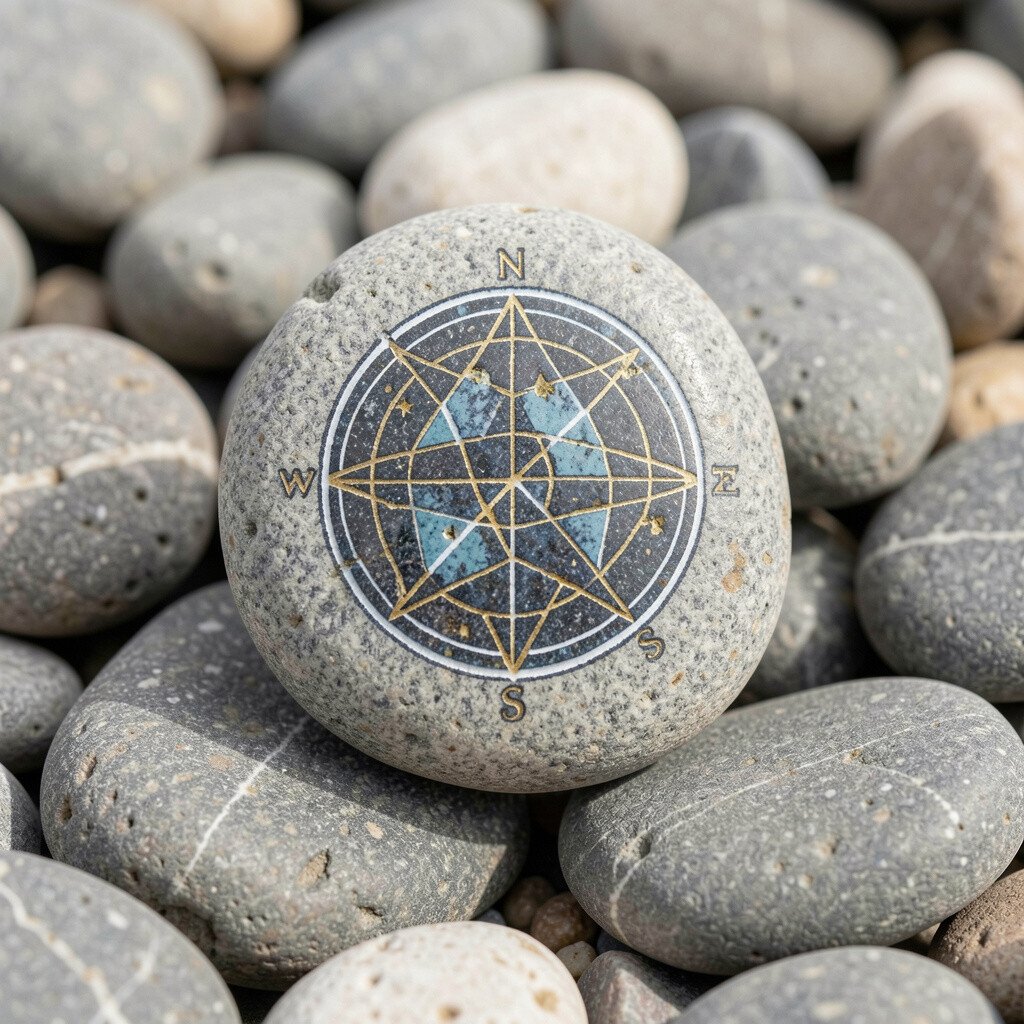
Find a smooth pebble that looks like it might be from a faraway shore. In a dim room, place it near a flashlight so the light makes “constellations” on a nearby wall.
Ask your child what the stars are spelling and who lives on the message. They can invent a navigator character, then act out how the map leads to a hidden place. For personalization, let them choose the planet name and the “rule” of traveling, like following quiet sounds or counting heartbeats.
2. The Castle of Sand Grains
The Castle of Sand Grains
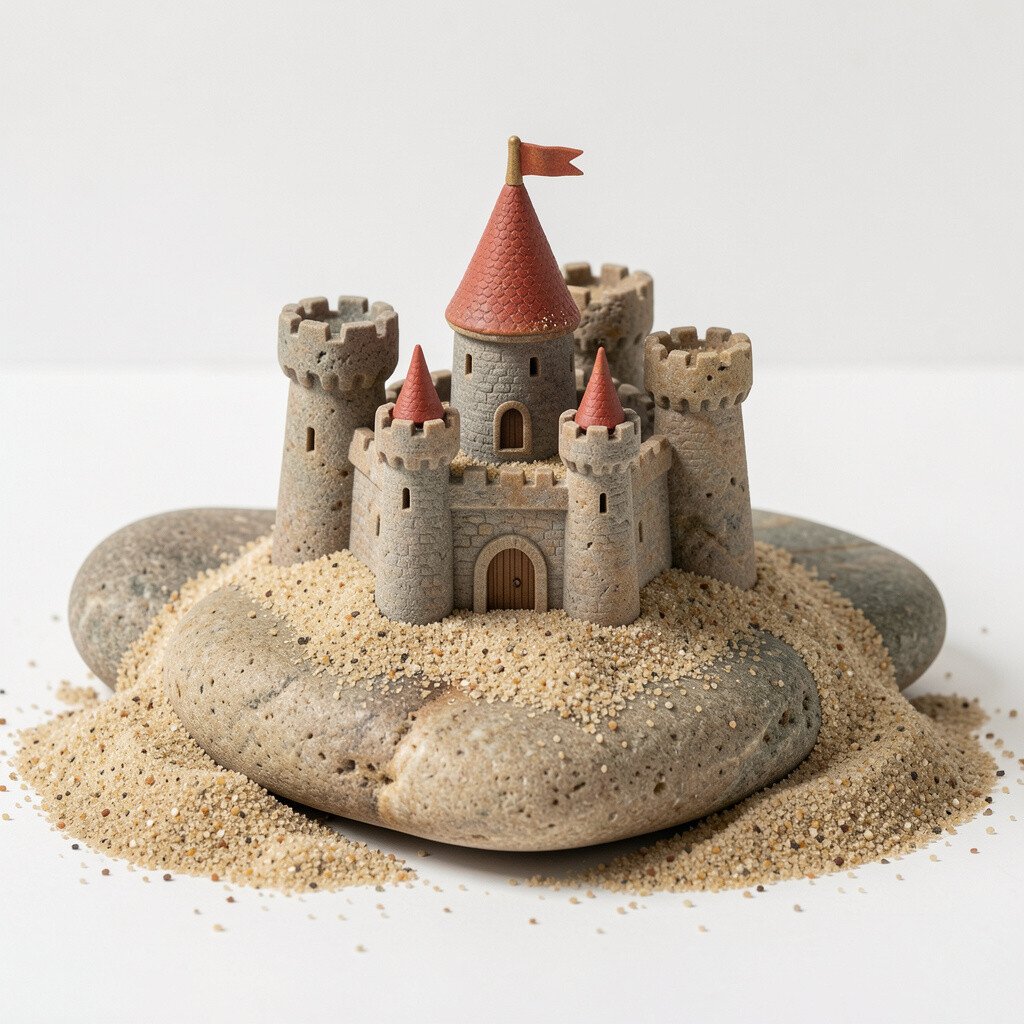
Choose a small stone shaped like a tiny bump, then sit at a table with a pinch bowl of sand or colored sugar. Let your child place the stone on a blank tray and imagine the tray is a beach city.
They can tell a story about builders, storms, and brave rescues while moving the stone “castle” across the sand. Try a simple action game by having your child add one grain for each new character they introduce.
To keep it easy, use any safe, clean sand and a spare spoon, so cost stays low. This works well with today’s love of sensory play, where kids learn through hands-on textures and movement.
3. The Whispering Library Rock
The Whispering Library Rock
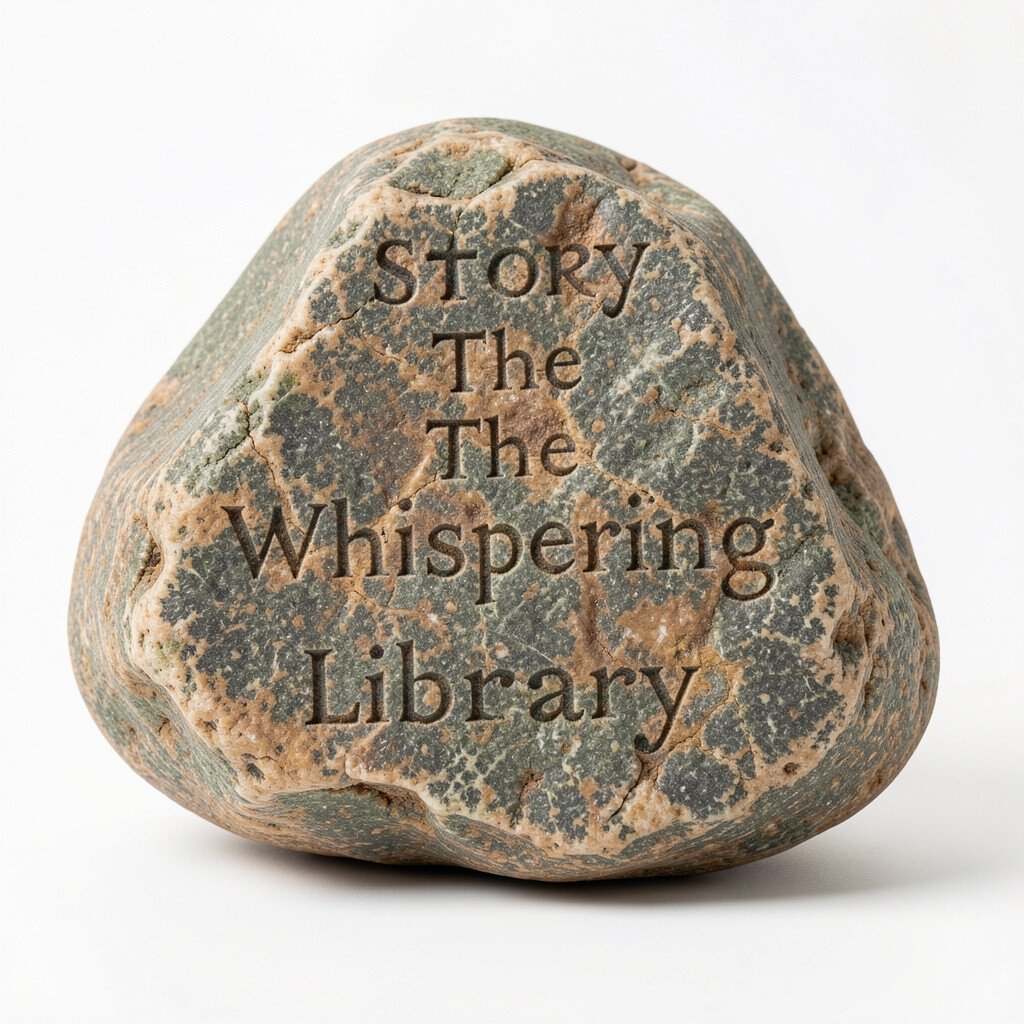
Pick a flat stone with a speckled pattern, then hold it close and make a “shh” face to invite listening. Tell your child it is a library that only speaks when you pause.
Have them pick a genre using the stone’s colors, like mystery for dark dots or comedy for bright flecks. Then they can write or draw a quick scene on paper before acting it out with voices.
For uniqueness, you can glue a tiny label string loop to the stone’s side so it “belongs” to your child’s library. It boosts focus because kids get a clear job each time, and the stone becomes a ritual cue that helps them shift into storytelling mode.
If you want a low-cost twist, use a blank notebook and let them reuse the same pages, turning the library into an ongoing series.
4. The Dragon Egg That Isn’t
The Dragon Egg That Isn’t
Find an egg-shaped stone or one with a swirl pattern, then place it in a small cloth pouch. Ask your child what creature might be “hiding” inside and what the creature needs most right now.
Create a warm visual by wrapping the pouch like a nest and letting your child choose a “temperature” story, such as cool mountain air or cozy fireplace glow. They can make the hatch happen by telling a sentence that starts with what the egg wants to protect.
5. The Clockwork Road Button
The Clockwork Road Button
Choose a coin-like stone and place it on paper as if it were a wheel. Invite your child to imagine it powers a road where time behaves differently.
They can create a character who travels by listening, then describe what the road sounds like when it speeds up. A practical way to keep the game moving is to set a timer for short turns, so each child gets a chance to add one new twist.
For personalization, let them name the “clockwork driver” and decide the road’s color. This kind of sequential storytelling matches current interest in STEM-friendly pretend play, where kids blend imagination with simple cause-and-effect.
6. The Lighthouse Stone of Brave Notes
The Lighthouse Stone of Brave Notes
Pick a stone with stripes or a white-gray look that feels like foam. Place it beside a bowl of water and use a small LED tea light to mimic a beam.
Have your child create signals by telling what each “light blink” means, like friend, danger, or follow me. Their story can include characters stuck on the other side of the waves, and your child becomes the guide.
To make it actionable at home, write three short “signal meanings” on scrap paper and let them swap choices each session. The materials are cheap, and the water-and-light setup brings instant atmosphere that kids usually love.
7. The Forest Gate Stone
The Forest Gate Stone
Find a stone that looks like it has a door shape when held sideways. Draw a simple frame on paper and “fit” the stone into the frame as the gate opens.
Ask your child what rules the forest gate has, such as only speaking in rhymes or only trading kindness for clues. Then they can act out a short scene where they enter, meet a guide, and leave with one helpful item.
For uniqueness, you can add a tiny leaf-shaped sticker beside the gate so it’s clearly tied to your child’s forest. This boosts confidence because kids get to practice problem-solving in a safe pretend world.
If you want cost control, use crayons and old paper, and keep the gate as a reusable drawing.
8. The Mermaid Melody Smooth Rock
The Mermaid Melody Smooth Rock
Pick a glossy stone that feels cool in your palm, then sit near music or a quiet speaker. Tell your child the rock is a shell that plays a tune when they rub it slowly.
Have them create the melody story by describing what the sound makes them do, like swim, dance, or search for a lost song. A practical tip is to let them choose one sound effect, then build three short lines of dialogue for their characters.
9. The Mountain Protector Stone
The Mountain Protector Stone
Choose a heavy-looking stone and place it in a spot like a “summit” on the floor. Ask your child to imagine they are the mountain’s guardian and that wind carries messages up the slope.
They can tell a story about weather changing and how they help a traveler make it through. For personalization, let them decide the mountain’s name and the promise the protector makes each time trouble comes.
These stones feel special because they look steady and strong, and kids often connect that feeling to brave emotions. If you want an easy setup, use sticky notes for “weather clues” and let your child pick one before every new scene.
Since the materials are just paper and a stone, cost stays minimal while the activity stays high in excitement.
10. The Meteor That Landed in Candy Color
The Meteor That Landed in Candy Color
Find a stone that has bright flecks or use a safe craft paint pen to add a few star dots. Tell your child it is a meteor that arrived wearing confetti.
Ask them what happened in the sky right before it fell and who might have sent it. Then they can invent a “mission” the meteor must finish before night ends.
To keep things practical, provide a small bag of colorful paper scraps so the story can include quick decorations. This matches the current trend of bright, playful sensory craft days, where imagination and making go hand in hand.
Choose a small stone and mark it with a simple line using washable paint. Place it on a table and ask your child to show you how it teaches stealth.
Have them create a training plan story by listing three skills, like tiptoeing, waiting, and sneaking a snack. You can make it physical by having them move like ninjas while they speak their lines.
For uniqueness, let your child add a “dojo rule” that matches their personality, such as sharing props or using kind words. The benefit is that kids practice sequencing and self-control while still laughing at the silly parts.
12. The Time Capsule Stone Postcard
The Time Capsule Stone Postcard
Pick a stone and place it in an envelope or small jar like it’s a message from future you. Ask your child to write a postcard that begins with how their day changes after receiving the stone.
They can include one detail about a place, one about a feeling, and one about a tiny invention. For personalization, let them choose the future style, like space bubbles or underwater streets.
If you want a low-cost option, use recycled paper for postcards and store the “future” letters in the same jar. This kind of imaginative journaling is popular right now because families want creative calm during busy weeks.
It’s also a great way to talk about feelings without making it feel like a big serious talk.
13. The Puzzle-Map River Rock
The Puzzle-Map River Rock
Find a stone with a natural line that looks like a winding river. Place it on a sheet of paper and draw simple banks around it.
Ask your child to create characters who must cross the river and to decide what each crossing requires. A practical tip is to let them choose one object from around the room, then tie that object to the river’s magic, like a button for a bridge or a spoon for a boat.
For uniqueness, your child can name the turns of the river and give each turn a different mood. The benefit is that kids practice planning steps, because they can’t cross without telling how each step works.
14. The Giant’s Thumbprint Stone
The Giant’s Thumbprint Stone
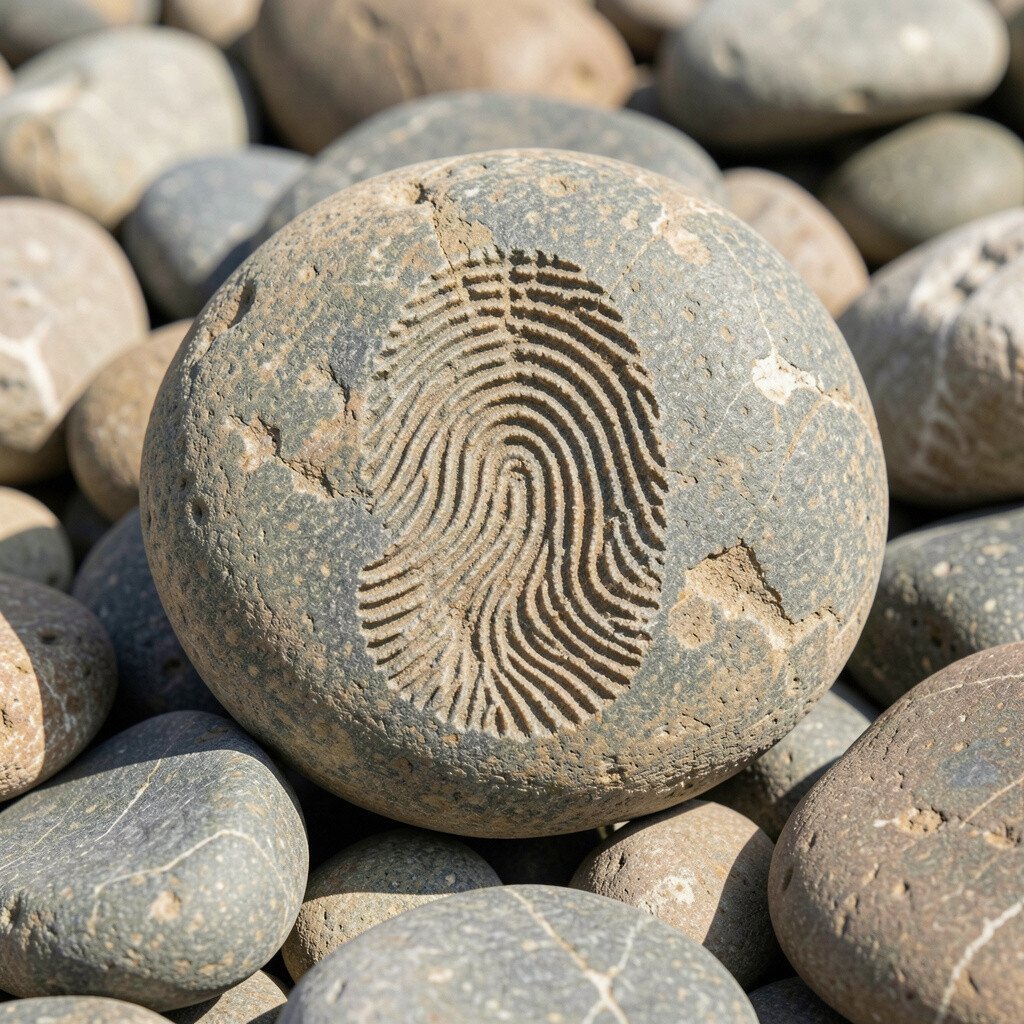
Choose a stone with a round shape that feels like a thumb-sized stamp. Tell your child it is proof a giant walked by long ago.
Have them imagine what the giant was doing and what they left behind, like a secret trail of footprints made of leaves. Then ask what the kid would do if they could talk to the giant for one minute.
Try a cost-friendly method by using chalk on the sidewalk if you have it, or tape paper footprints indoors. Kids love physical evidence stories because it makes the pretend world feel real and nearby.
This also sparks teamwork when siblings or friends take turns building the giant’s backstory.
15. The Moon Mirror Pebble
The Moon Mirror Pebble
Pick a shiny stone and place it in front of a mirror or under a lamp. Tell your child it is a moon that shows hidden feelings.
Ask them to name what they see in the stone’s reflection, like a brave hero face or a sleepy kitten mood. Then let them invent a mini story where the character learns how to handle that feeling.
For personalization, let them choose a “reflection power,” such as courage, patience, or silly laughter. The benefit is emotional practice in a gentle way, because kids can talk about feelings using story language instead of direct pressure.
16. The Secret Agent Suitcase Stone
The Secret Agent Suitcase Stone
Choose a small stone and put it inside a fake “agent” pocket, like a zipped pouch or clipped bag. Tell your child the stone contains a code that only works when spoken aloud.
Have them create a mission story with a goal, a surprise obstacle, and a clever solution. A practical tip is to hand them a scrap of paper with three question prompts, then they can choose one per turn.
For uniqueness, let them decide the agent’s name and whether the code is a rhyme, a color pattern, or a sound. This is a fun way to build narrative structure and vocabulary without it feeling like homework.
Keep costs low by using items you already own, like old keychains and paper for mission cards.
17. The Volcano Promise Rock
The Volcano Promise Rock
Find a stone with warm tones like reds or browns, or color one with washable marker. Tell your child it is a promise stone that must be held when emotions rise.
Ask them to imagine a volcano that erupts only when someone needs help, not when someone is in trouble. They can write a story where characters use gentle words, breathing, and teamwork to cool the fire.
For practical use, keep the stone in a calm spot so it becomes a go-to tool during big feelings. The uniqueness comes from connecting the stone to real coping routines, while still keeping the tone playful.
18. The Galaxy Library Scroll Stone
The Galaxy Library Scroll Stone
Choose a long, flat stone and roll it like a scroll in your hands. Tell your child it is a library book that changes pages based on curiosity.
Have them ask the stone one question, then you both create the answer as a story. For personalization, let them set the story’s setting, like a spaceship kitchen or a school of seaweed.
A simple, practical tip is to keep a “curiosity jar” where you write questions on small strips of paper. Kids can pull one at random, which keeps the game fresh without you having to invent every prompt alone.
19. The Backyard Starship Rivet Stone
The Backyard Starship Rivet Stone
Find a stone that looks like it has a button-like center and call it a rivet. Point to the yard, a hallway, or even a living room blanket fort and tell your child the rivet keeps the starship safe.
Ask them to describe where the starship wants to go next and what it must pack for the trip. Then let them build a “cargo list” story by turning household items into mission tools, like a sock for a floating balloon or a spoon for a discovery probe.
To match current family routines, this works for quick play between errands because it needs only a stone and imagination. It’s also budget-friendly since you’re not buying themed toys, just using what you already have.
The benefit is that kids practice organization and storytelling at the same time, which helps their ideas feel more complete.
20. The Kindness Compass Stone
The Kindness Compass Stone
Pick a stone with a swirl pattern and pretend it points to good choices. Set it on paper and let your child choose a direction by naming a value like honesty, bravery, or patience.
Have them create a story where a character gets lost, then finds the right path by following kindness. For a practical twist, ask them to act out one helpful action that matches the compass direction before the next scene.
For personalization, let them draw a tiny symbol on the stone’s side that represents their own compass. Kids tend to remember the lesson better when they attach it to something they can hold, and the stone becomes a personal reminder that story and kindness belong together.
If you want to keep cost low, use plain paper, crayons, and a stone you already have, and you’ll still get a meaningful, repeatable activity.
Make the game feel fresh by letting your child trade stones with a sibling, so each person carries a different kind of magic.