20+ Personalized Storybooks For Preschool Gifts To Inspire Imagination
A brand-new story can make a preschooler feel like the hero of their own world. When you add their name and details, every page starts to feel personal.
Personalized storybooks also give grown-ups an easy way to turn bedtime, car rides, and rainy days into gentle learning moments.
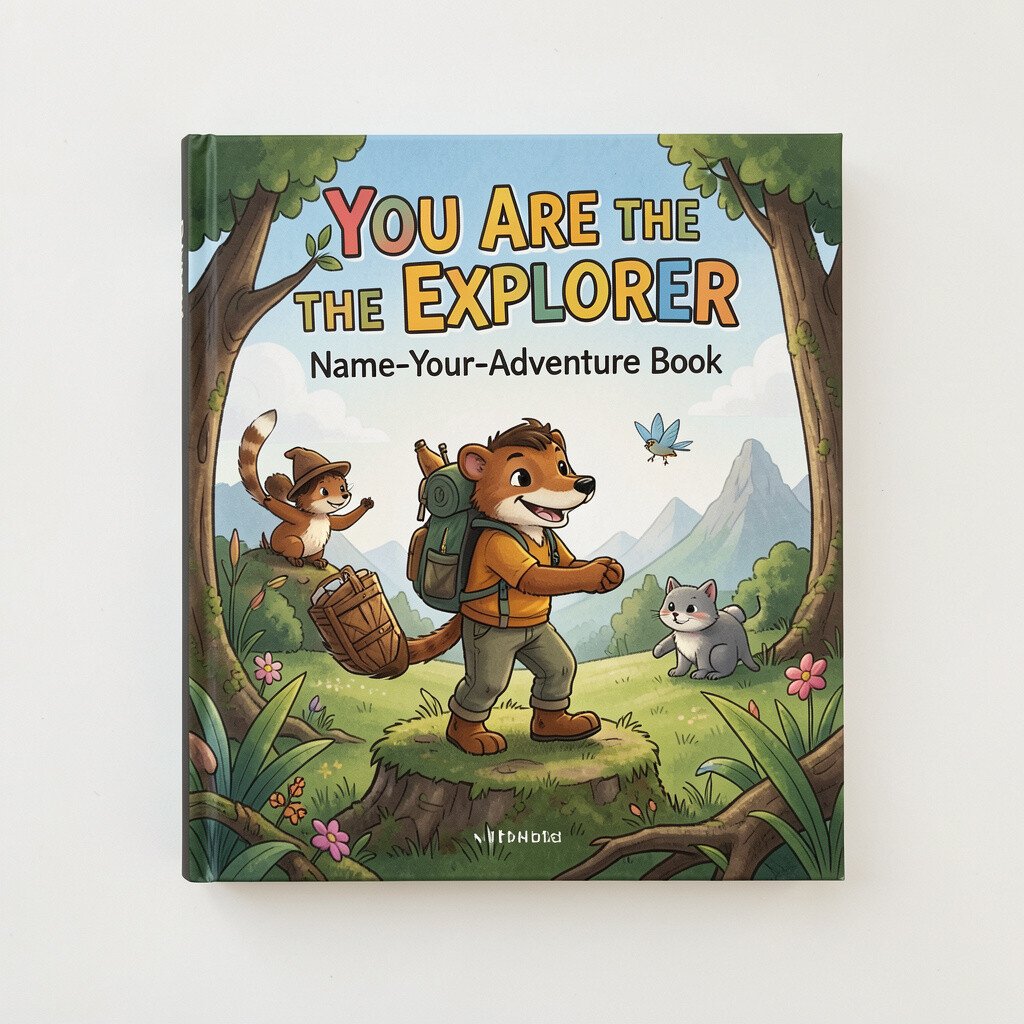
1. The “You Are the Explorer” Name-Your-Adventure Book
The “You Are the Explorer” Name-Your-Adventure Book
Picture a cozy cover with your child’s name shining like a treasure label. Inside, they step into a friendly map world filled with soft colors, playful animals, and tiny surprises in every illustration.
Personalization makes the story easier to follow because the child recognizes themselves right away. They can practice listening as the narrator guides them through simple choices, and you can pause to ask what they would pick next. A practical way to use it is to read one scene during snack time, then point to the pictures while saying the key words again.
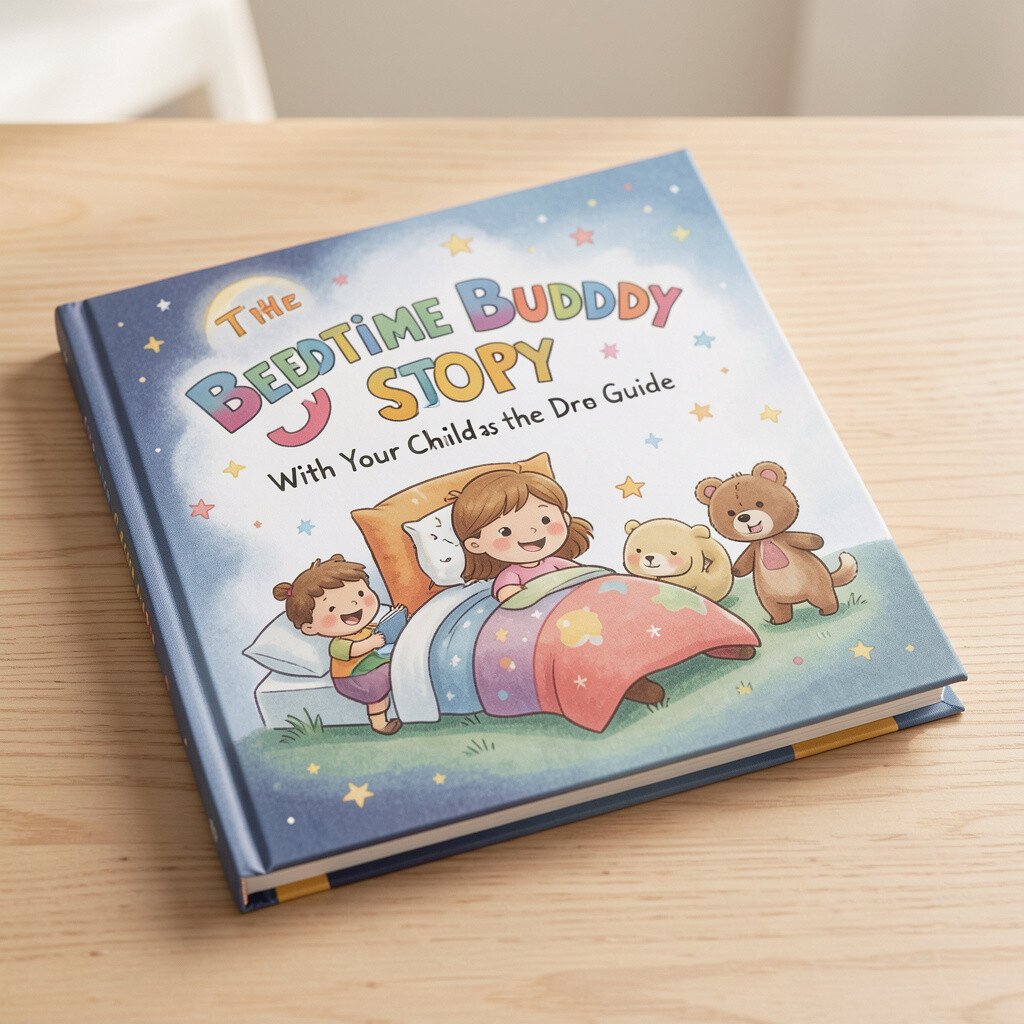
2. The “Bedtime Buddy” Story With Your Child as the Dream Guide
The “Bedtime Buddy” Story With Your Child as the Dream Guide
Imagine your preschooler in warm pajamas on the first page, smiling under a blanket of stars. The art style feels calm and gentle, with bedtime rhythms like moons floating across dark-blue skies.
When a character carries your child’s name, bedtime routines become less of a battle and more of a shared script. You can model slow breathing by matching it to the story’s quiet moments, which helps many kids settle faster. For personalization, add a favorite stuffed animal or bedtime comfort phrase, then keep it consistent night after night.
Some versions include customizable pages for bedtime habits, which is a current trend because families love routines that feel “built for us.” Consider budgeting for a hardcover if you plan to reread daily, since sturdier books survive toddler hands better.
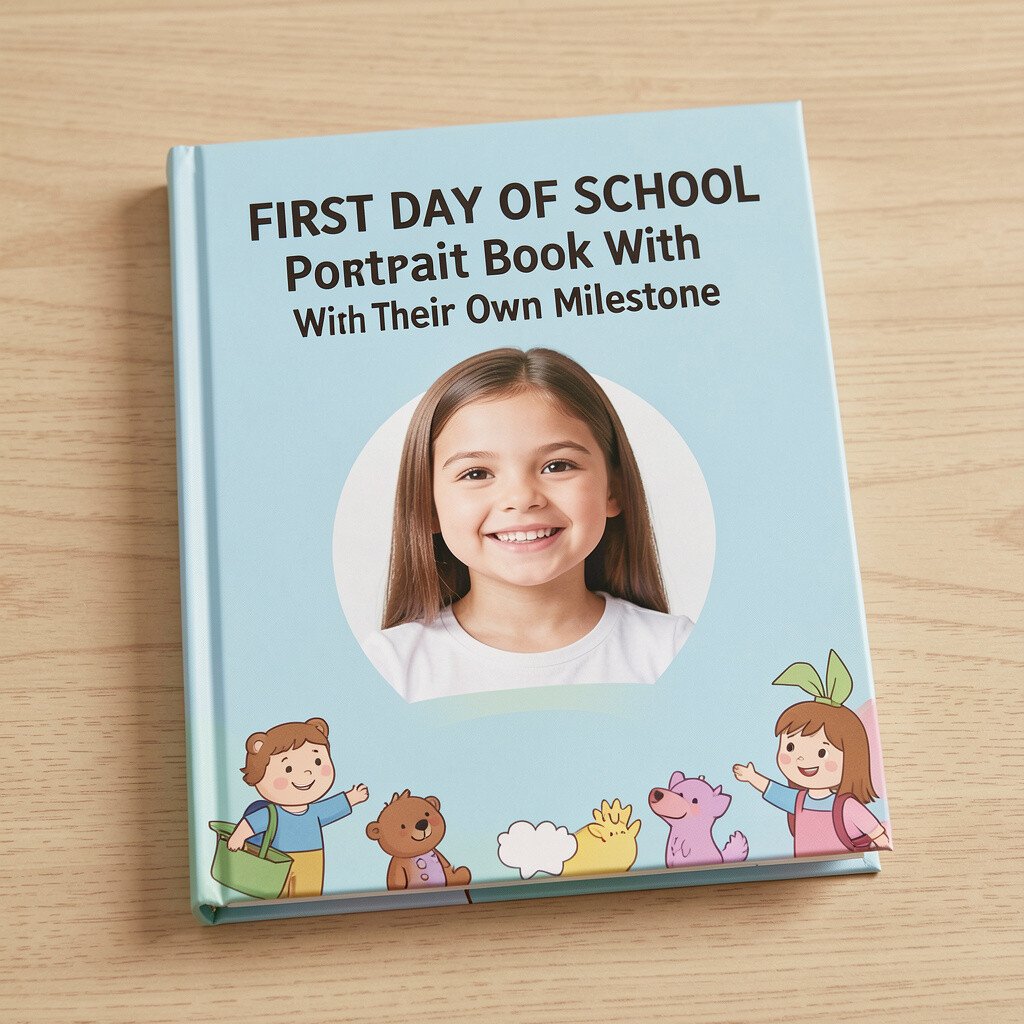
3. The “First Day of School” Portrait Book With Their Own Milestone
The “First Day of School” Portrait Book With Their Own Milestone
Your child’s face might appear as a bright school-day character, standing beside a friendly classroom door. You’ll see colorful lockers, smiling teachers, and a speech-bubble moment where the hero says a line that includes your child’s name.
This kind of story supports confidence when transitions feel big. It gives preschoolers a safe mental rehearsal for new sounds, new rules, and new friends. A practical tip is to read it during the week before school starts, then revisit the pages on the morning of the day they feel most nervous.
Cost can vary based on print quality and how many pages allow custom text, so it helps to choose a version with enough customizable spread space for the important milestone. If there’s room, personalize the child’s favorite color and include a small “brave moment” page that matches their personality.
4. The “Super Helper” Story Featuring Their Favorite Kind Deed
The “Super Helper” Story Featuring Their Favorite Kind Deed
Think of a bright, comic-style world where your child is the helper saving the day in friendly ways. The illustrations show hands-on actions, like picking up toys, sharing a snack, or cheering a sibling with a big heart.
This book turns everyday chores into feel-good adventures, which can make cooperation more natural. It also strengthens language skills because the story repeats simple cause-and-effect actions kids can understand. For personalization, add one real-life deed your child already likes doing, such as feeding a pet or handing out crayons.
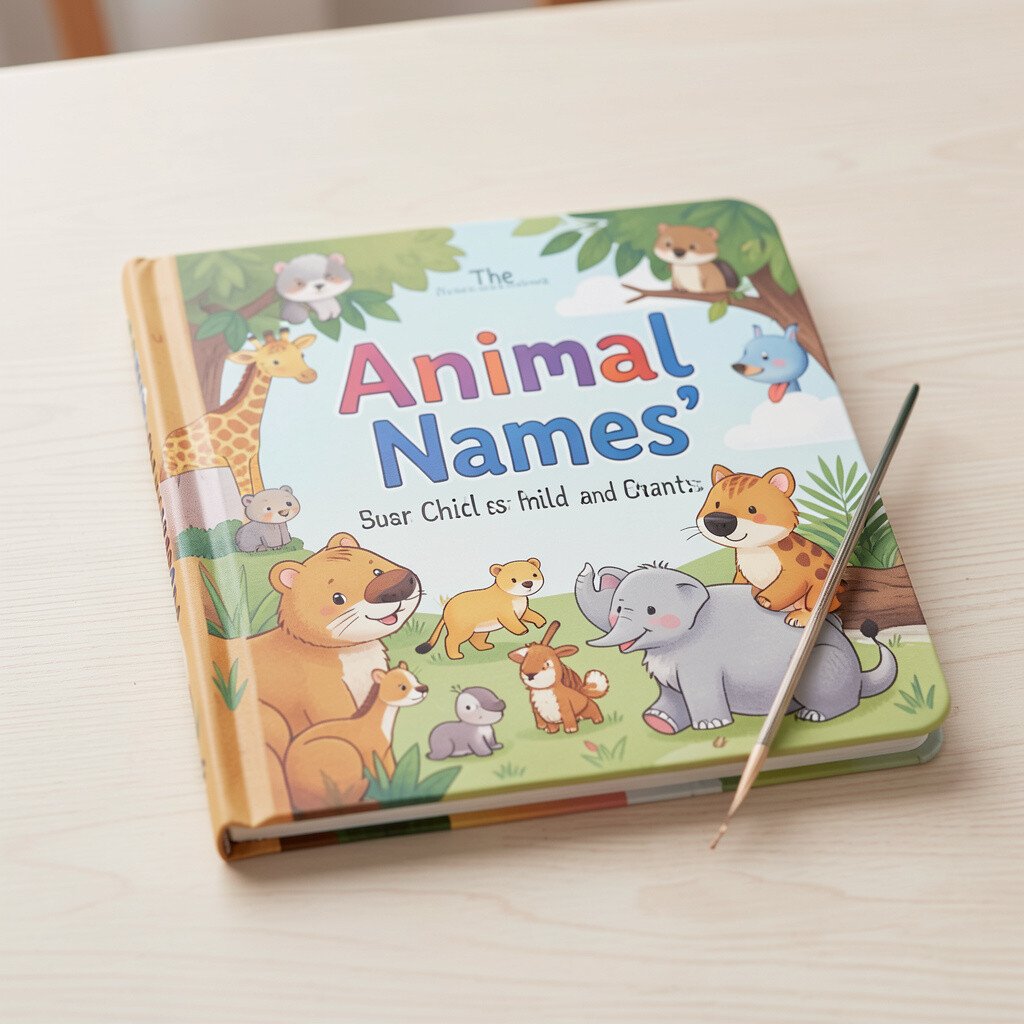
5. The “Animal Names” Book That Uses Your Child’s Voice for Calls and Chants
The “Animal Names” Book That Uses Your Child’s Voice for Calls and Chants
On each page, you might spot a cartoon character speaking your child’s name, then leading a call-and-response moment. The pictures could include friendly forest friends with bold shapes and bright, kid-friendly patterns.
When kids hear their own name in a chant, they often engage longer without forcing it. This supports early reading readiness because children start predicting repeated phrases and listening for rhymes. A practical tip is to clap along to the page rhythm, then ask your child to “read” by repeating the chant parts.
If you’re cost-conscious, look for shorter personalized editions that still include multiple name uses, since repetition is what matters most. A current trend is interactive audio add-ons, but even a regular print book works well when you make the routine playful at home.
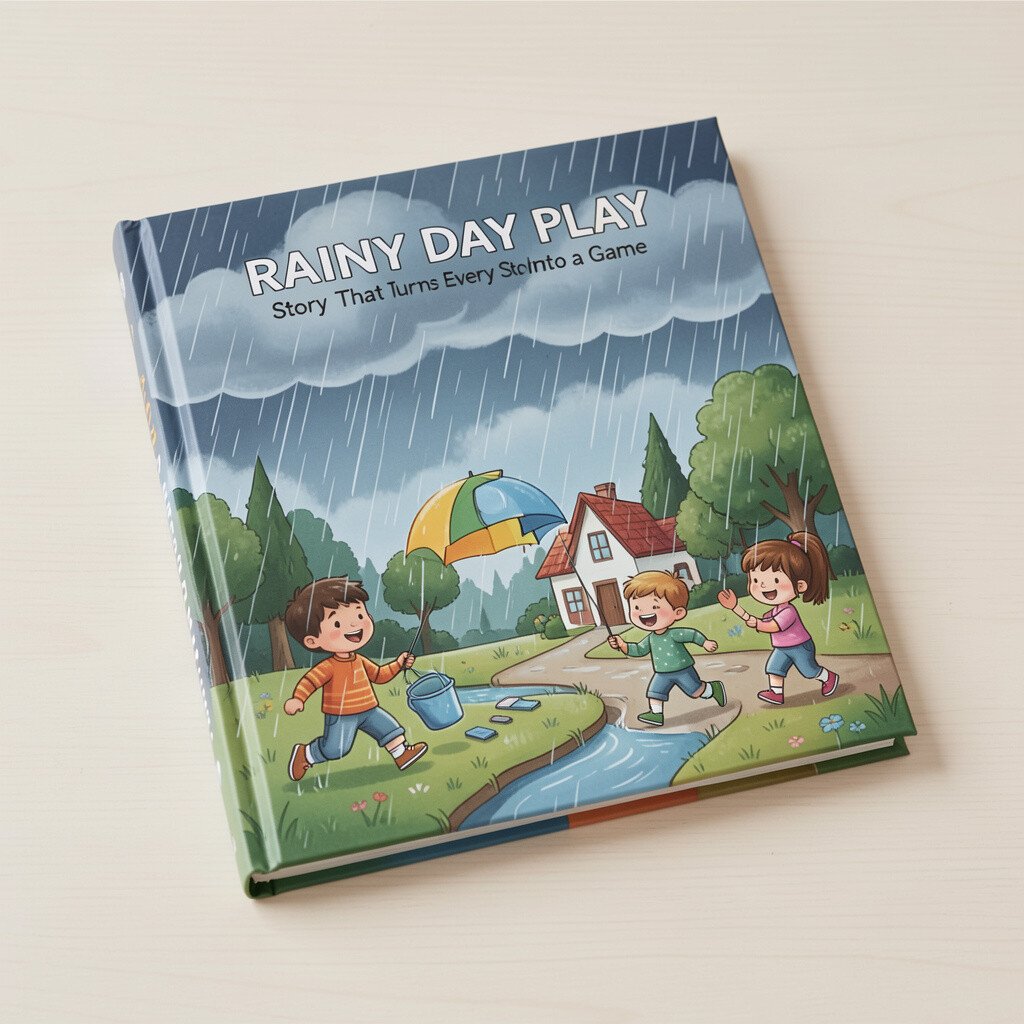
6. The “Rainy Day Play” Story That Turns Every Storm Into a Game
The “Rainy Day Play” Story That Turns Every Storm Into a Game
Imagine a vivid scene where the main character, wearing your child’s name, jumps into puddle clouds. The art might show umbrellas with silly patterns, cozy windows, and raindrops that look like little music notes.
A personalized rainy-day story can help shift mood when weather plans change suddenly. It also encourages creative thinking because the child is guided toward fun indoor missions instead of frustration. For personalization, swap in your child’s favorite indoor activity, like building blocks or making paper boats, and mention it right inside the plot.
Even if the book costs a bit more than a basic paperback, it may replace the need for extra “what to do today” supplies. In your reading session, keep a small prop box so the story’s actions can match what happens in real life that same day.
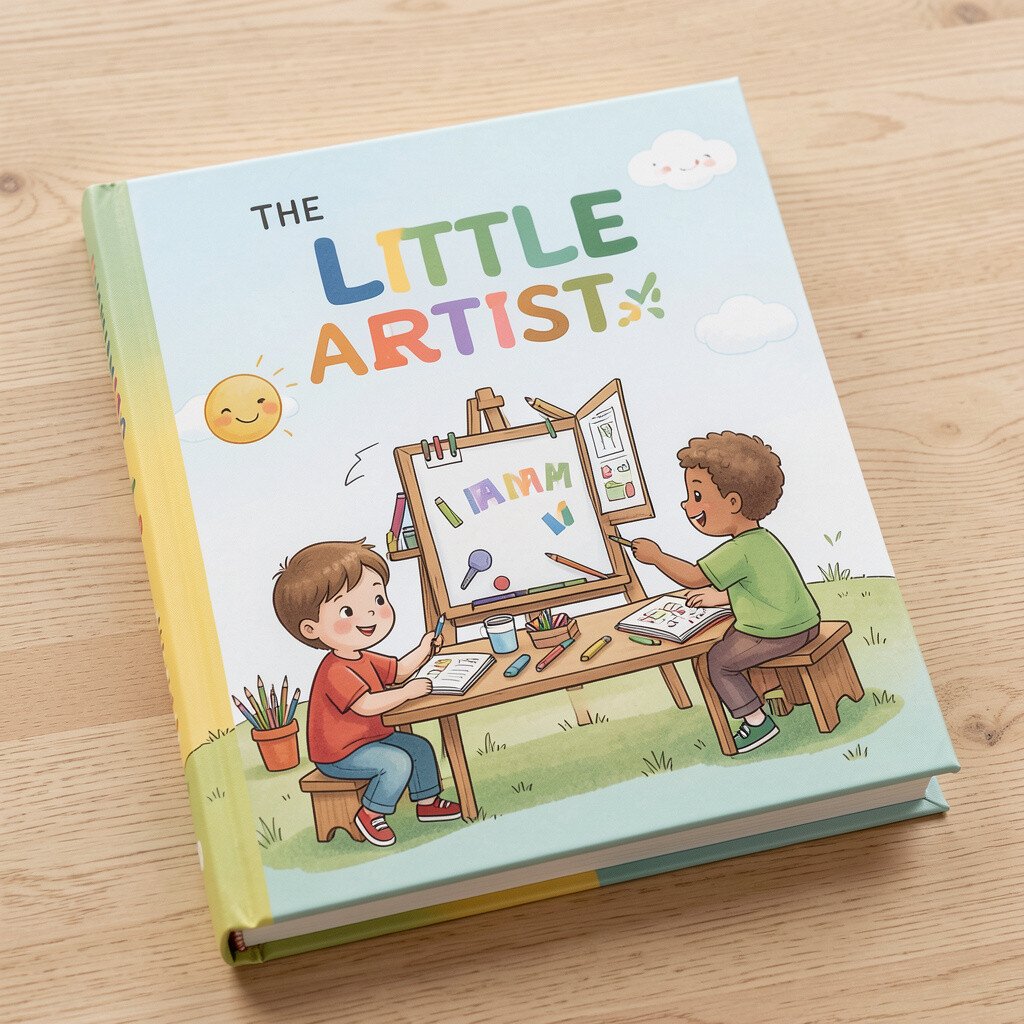
7. The “Little Artist” Book With Their Name Hidden in the Pictures
The “Little Artist” Book With Their Name Hidden in the Pictures
Look closely on each spread and you might find your child’s name tucked inside crayon doodles and painting swirls. The illustrations can feel handcrafted, with textured colors that make every page look like a mini gallery.
Hidden-name details spark curiosity and keep attention strong, especially for kids who love searching. This also supports fine-motor readiness when you practice pointing, tracing in the air, and naming shapes seen in the art. For personalization, include the child’s favorite theme, like dinosaurs or ocean creatures, and keep the hidden words consistent so they feel “found” repeatedly.
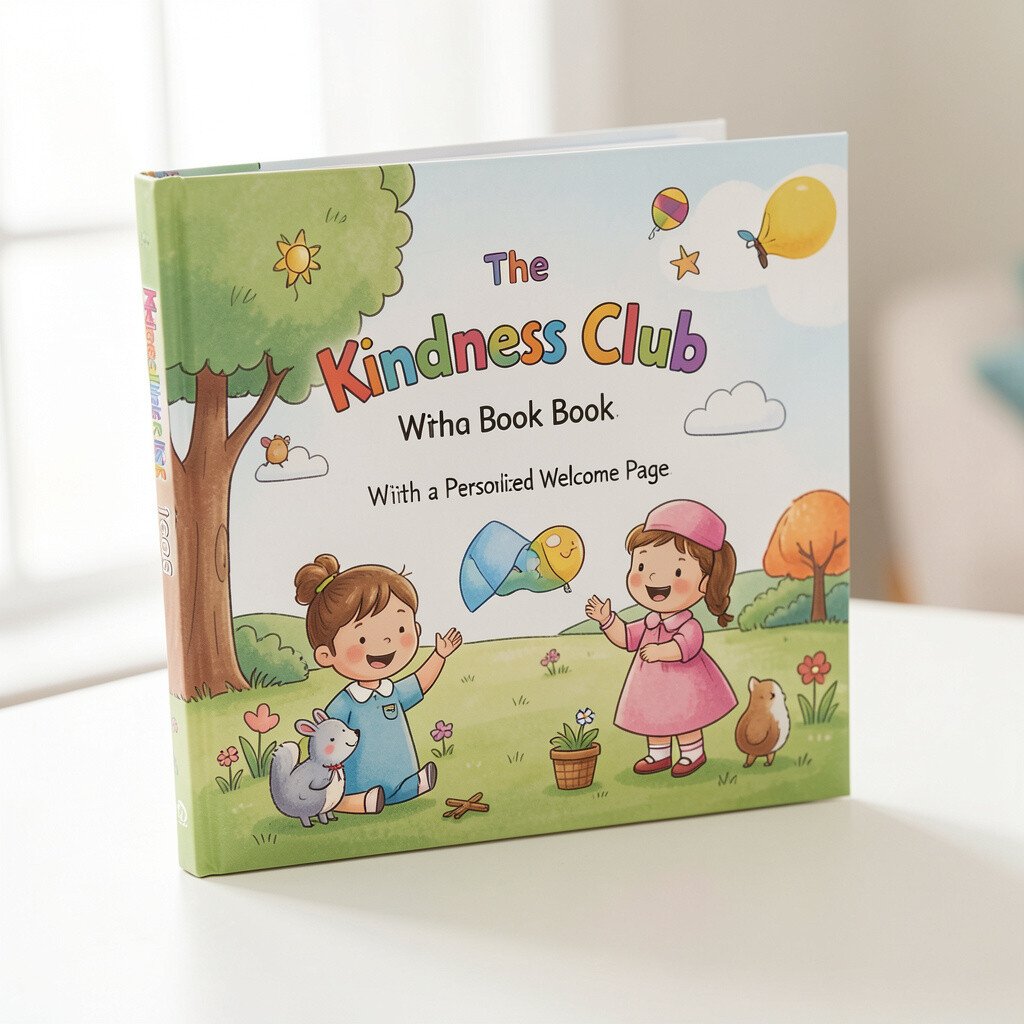
8. The “Kindness Club” Book With a Personalized Welcome Page
The “Kindness Club” Book With a Personalized Welcome Page
Your child could open the book to a “welcome” moment where the club meets them by name and favorite interest. You’ll see a warm group of characters, soft lighting, and a cozy clubhouse scene that feels welcoming from page one.
Personalization helps kids feel safe because the story starts with belonging, not expectations. It encourages empathy by showing how small actions matter, like including others in play or using gentle words. A practical tip is to ask your child to choose one kindness action for each reading, then do the action the same day.
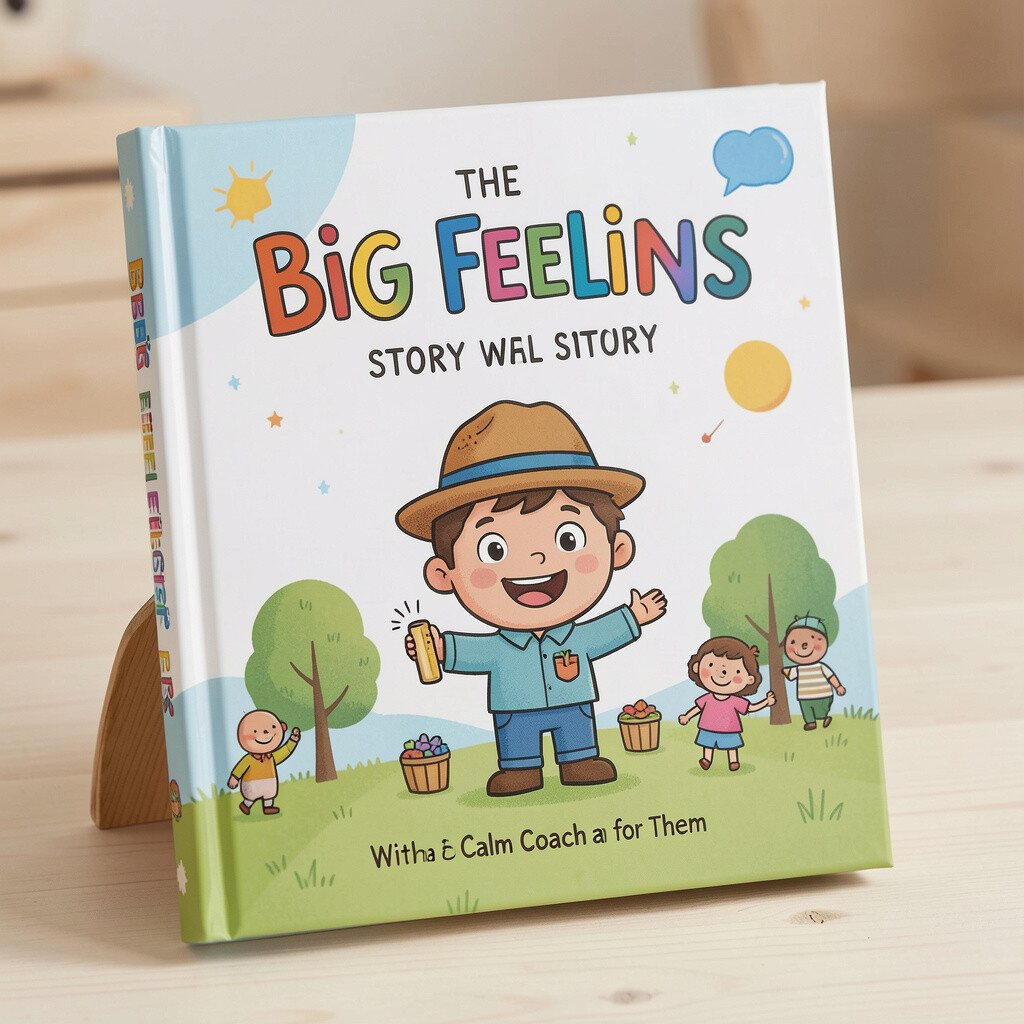
9. The “Big Feelings” Story With a Calm Coach Character Named for Them
The “Big Feelings” Story With a Calm Coach Character Named for Them
Picture a friendly coach character on the first page, wearing a badge with your child’s name printed in bright letters. The illustrations show simple emotions with clear symbols, like a cloud for worry and a sun for excitement.
When a child sees their name connected to calm strategies, they can learn coping tools without feeling blamed. This supports emotional language because you can practice naming feelings and choosing a helpful response. For personalization, pick a comfort phrase you already use at home, then weave it into the character’s guidance.
Some books let you customize triggers and coping scenes, and that’s a big trend for families who want stories that match real life. Consider the price of customization carefully, but choose it if it will make your child feel understood during tough moments.
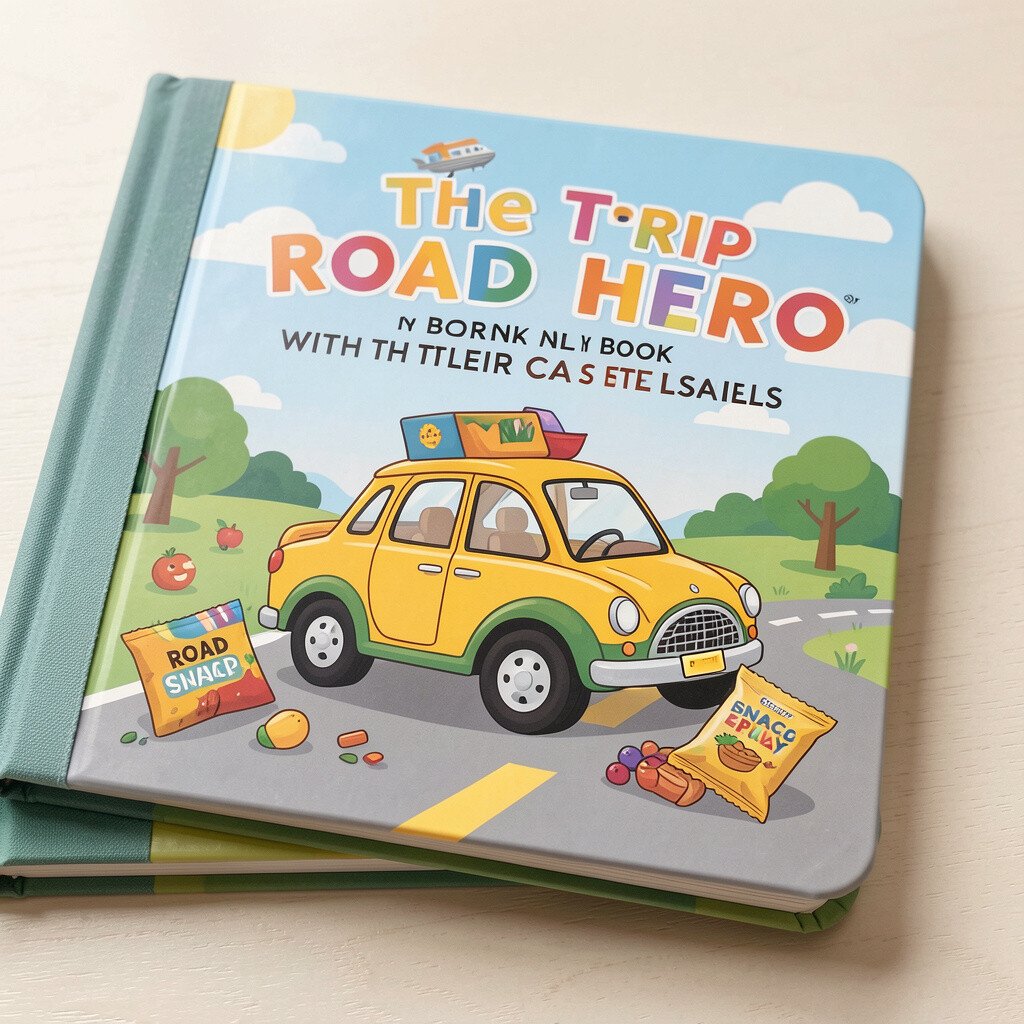
10. The “Road Trip Hero” Book With Their Car Play and Snack Details
The “Road Trip Hero” Book With Their Car Play and Snack Details
On the cover, your child might sit as the “captain” of a car with their name stitched onto a seatbelt badge. Inside, the pages could feature landmark-like picture stops, silly road signs, and a game they play at each stop.
This personalized story makes travel smoother because kids look forward to the next page like a mini event. It also supports focus by giving structured, repeatable prompts you can say along the way. A practical tip is to match the story’s “next stop” moment to when you hand out snacks or when screens are paused.
Cost-wise, consider whether you need a hardcover or if a sturdy paperback is enough for the car bag. If you plan to reread often, sturdier binding can be worth it, since pages take a beating from seats and snack crumbs.
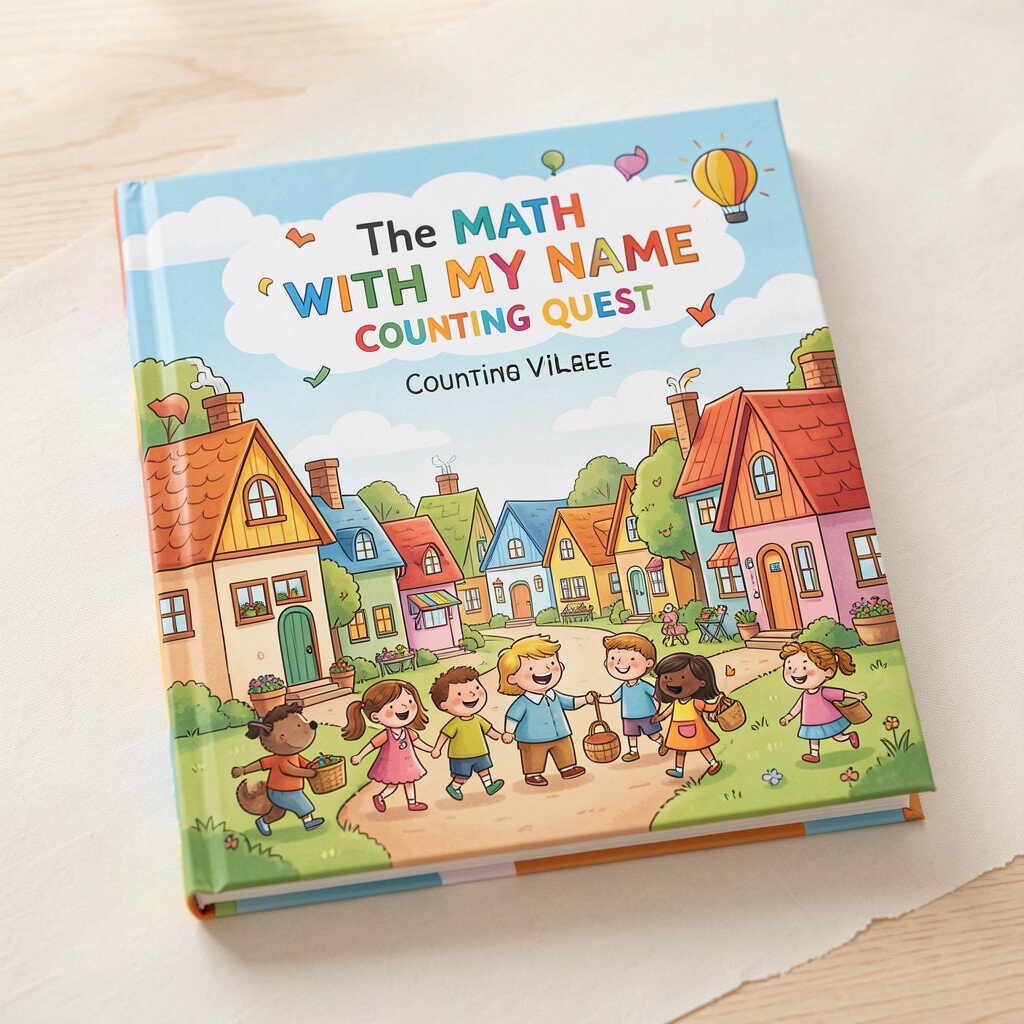
11. The “Math With My Name” Counting Quest in a Colorful Village
The “Math With My Name” Counting Quest in a Colorful Village
Imagine a cheerful village where your child’s name appears on little number tiles on sidewalks and doors. The pictures are bright and simple, showing counting paths, grouped objects, and playful “count with me” moments.
Personalized math stories can make numbers feel like a friend instead of a challenge. They strengthen early counting skills and help children understand that math is part of everyday life. For personalization, add the child’s favorite animal or object, like frogs or cars, so the story’s counting uses a theme they already love.
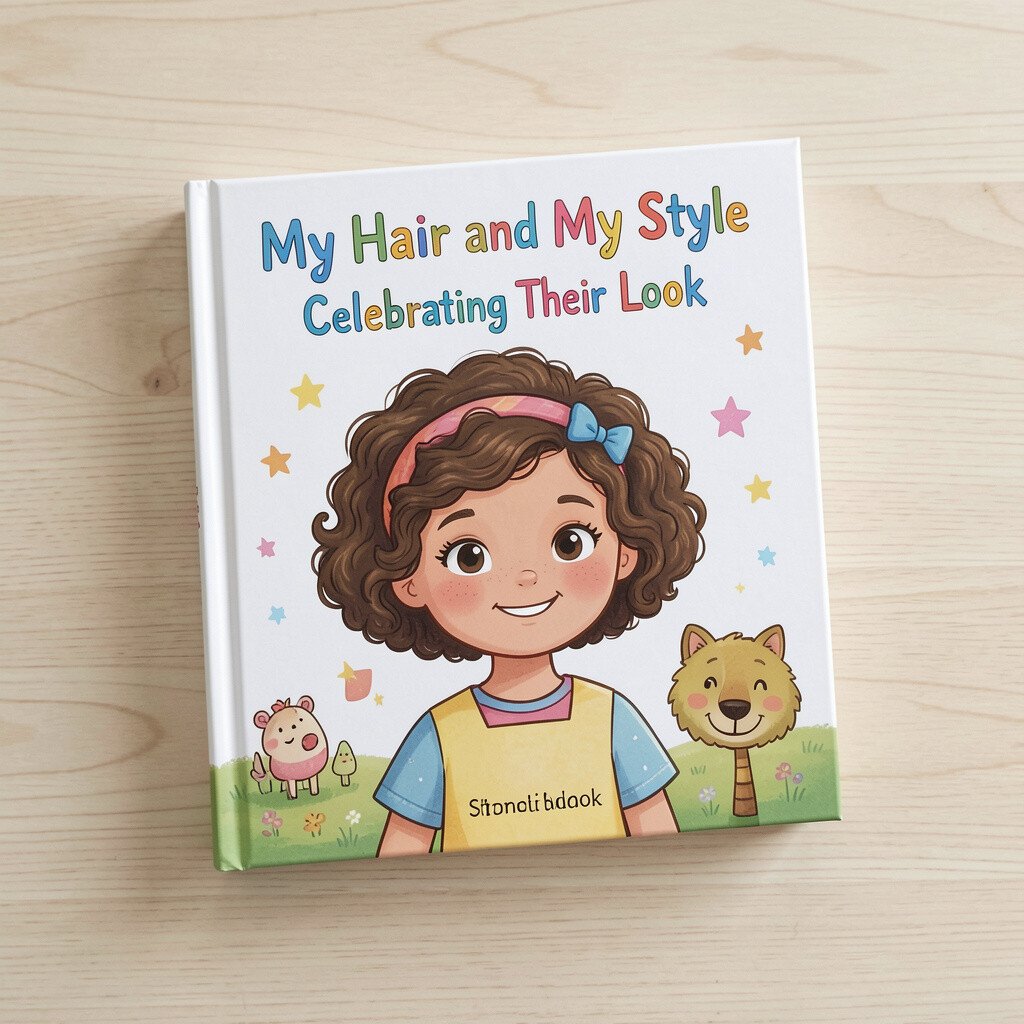
12. The “My Hair and My Style” Storybook Celebrating Their Look
The “My Hair and My Style” Storybook Celebrating Their Look
On each page, your child appears with a style that matches how you see them each morning, like curls, braids, or straight hair. The illustrations feel celebratory, with fashion textures and bright accessories that look fun, not serious.
This kind of personalized story boosts self-esteem because kids feel noticed for what makes them unique. It also helps build descriptive language as you talk about colors, patterns, and features. A practical tip is to choose customization options that reflect your child’s daily look, then keep the story part of your routine before school or photos.
Pricing can depend on how detailed the image options are, so it may help to select a version that includes a few key features rather than every possible style. The goal is connection, not perfection, so choose what feels close to real life for your family.
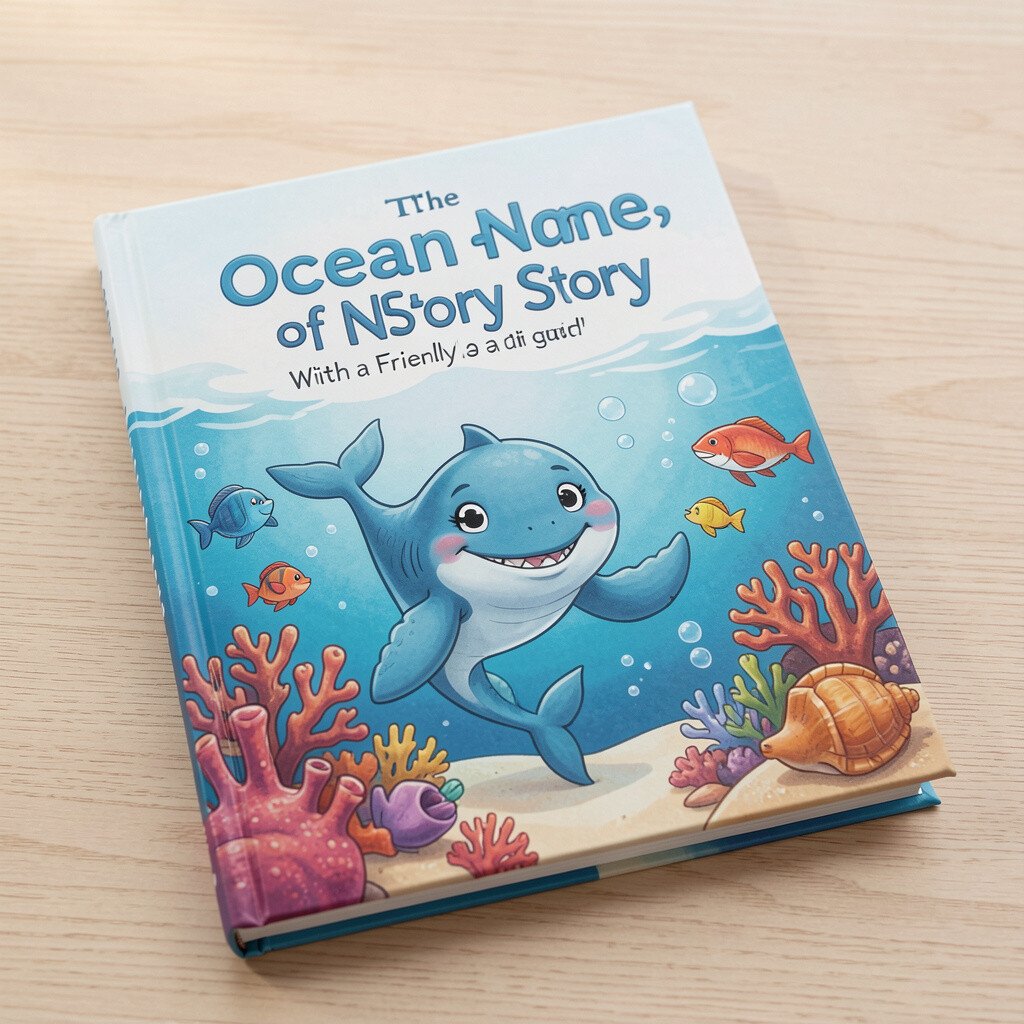
13. The “Ocean of Names” Story With a Friendly Sea Creature Guide
The “Ocean of Names” Story With a Friendly Sea Creature Guide
Picture a sparkling underwater world where a sea guide calls your child by name as they swim through coral cities. The artwork may include gentle waves, friendly fish, and treasure bubbles that pop above the text.
Personalization makes the child the main character, which encourages curiosity about the ocean and science-like concepts. It also supports vocabulary growth through repeated animal names and simple descriptions like “glide,” “hide,” and “swim.” For practical use, ask your child to point to a fish on each page, then name it together before moving on.
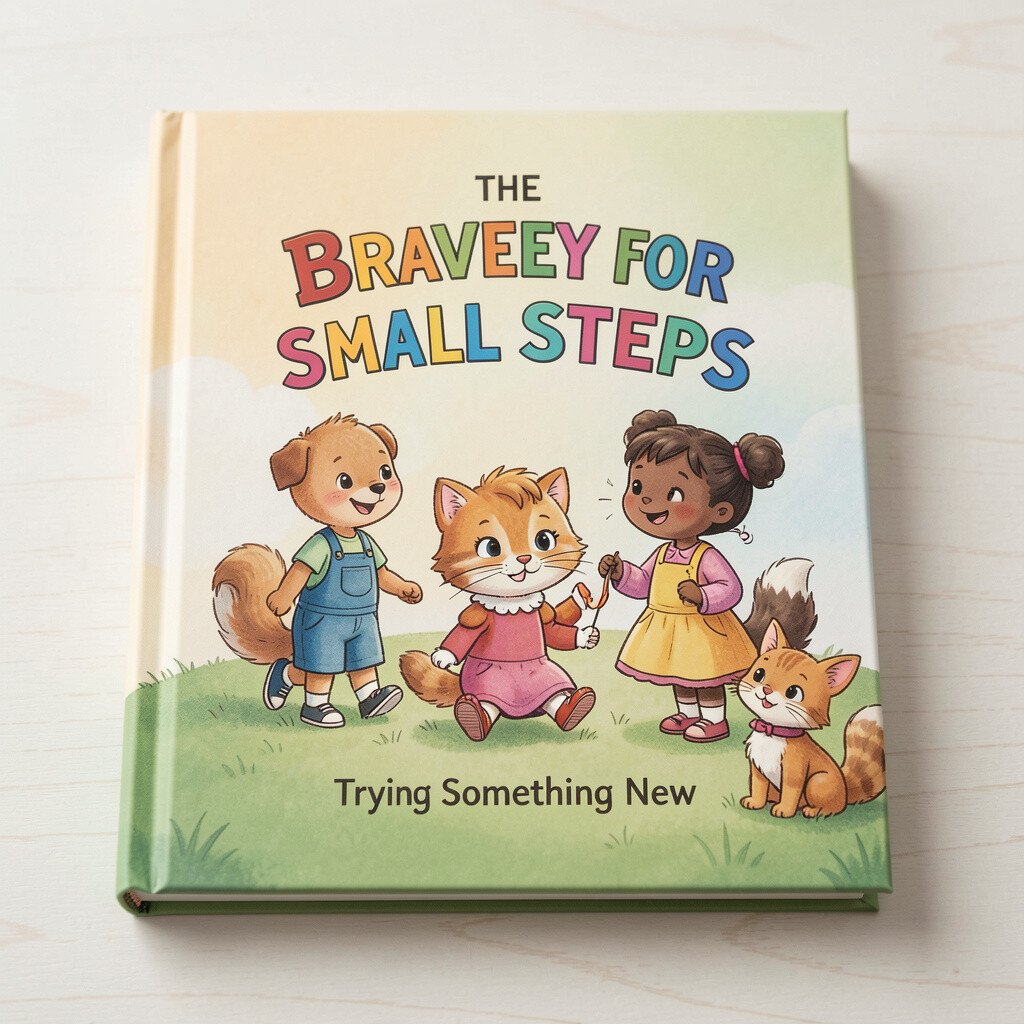
14. The “Bravery for Small Steps” Story About Trying Something New
The “Bravery for Small Steps” Story About Trying Something New
Imagine a story where your child appears wearing a bravery cape labeled with their name, but the adventures are small and real. Each page shows one step of trying, like taking a turn, practicing a skill, or saying hello to a new friend.
This book can reduce fear because it teaches that courage can look quiet and small. It supports perseverance by showing characters who keep going after a first attempt feels hard. For personalization, include one activity your child is working on, such as using a new classroom activity or practicing a new sport movement at home.
Cost considerations are usually tied to how many personalized pages exist, so choose the version that includes the key “trying again” scene. A current trend is to add a page that connects the story’s courage to real life, so your child can see the bridge between books and life.
15. The “Garden Friends” Book With Your Child’s Name on Plant Tags
The “Garden Friends” Book With Your Child’s Name on Plant Tags
In the illustrations, your child’s name can appear on plant tags like little name labels you’d see in a garden. The colors might be soft greens and bright flowers, with friendly bugs that wave when you walk by.
A personalized garden story can make nature time feel more exciting and less like “just chores.” It also supports early science thinking, like noticing growth and caring for living things in simple steps. A practical tip is to keep a tiny journal card at home and, after reading, write or draw what changed in your real garden or house plants.
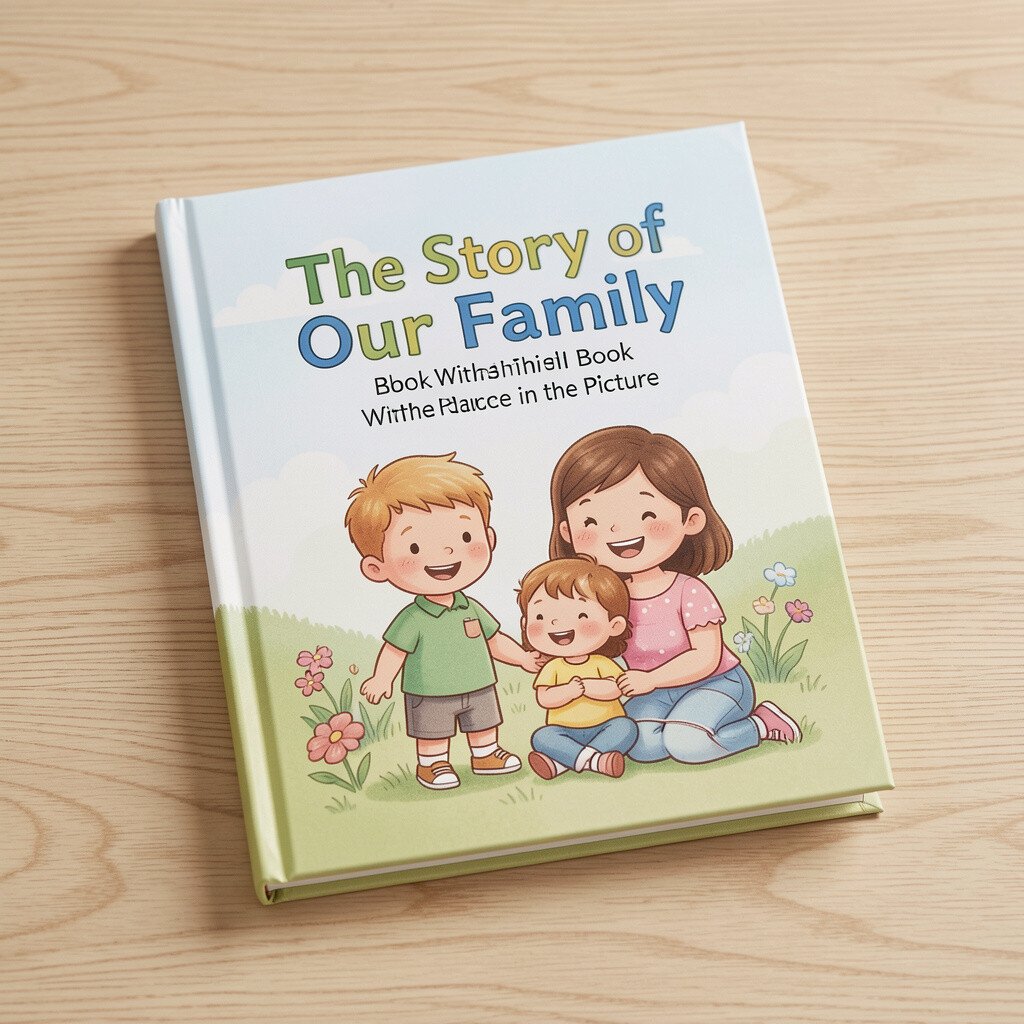
16. The “Story of Our Family” Book With Their Place in the Picture
The “Story of Our Family” Book With Their Place in the Picture
Think of a warm family scene where your child’s name is placed next to a favorite family activity, like cooking, reading, or weekend walks. The art style often feels like a family portrait, with cozy lighting and friendly smiles.
Personalization helps children feel secure because they see themselves part of a loving circle. It strengthens comprehension too, because the story can follow a simple sequence of what happens in a familiar day. For personalization, include one detail from your household, like a shared game, a signature snack, or how your child likes to help.
If you’re choosing between options, consider how many family roles you can include, since that can affect both meaning and cost. Even one extra personalized page that celebrates your child’s role can make the book feel priceless.
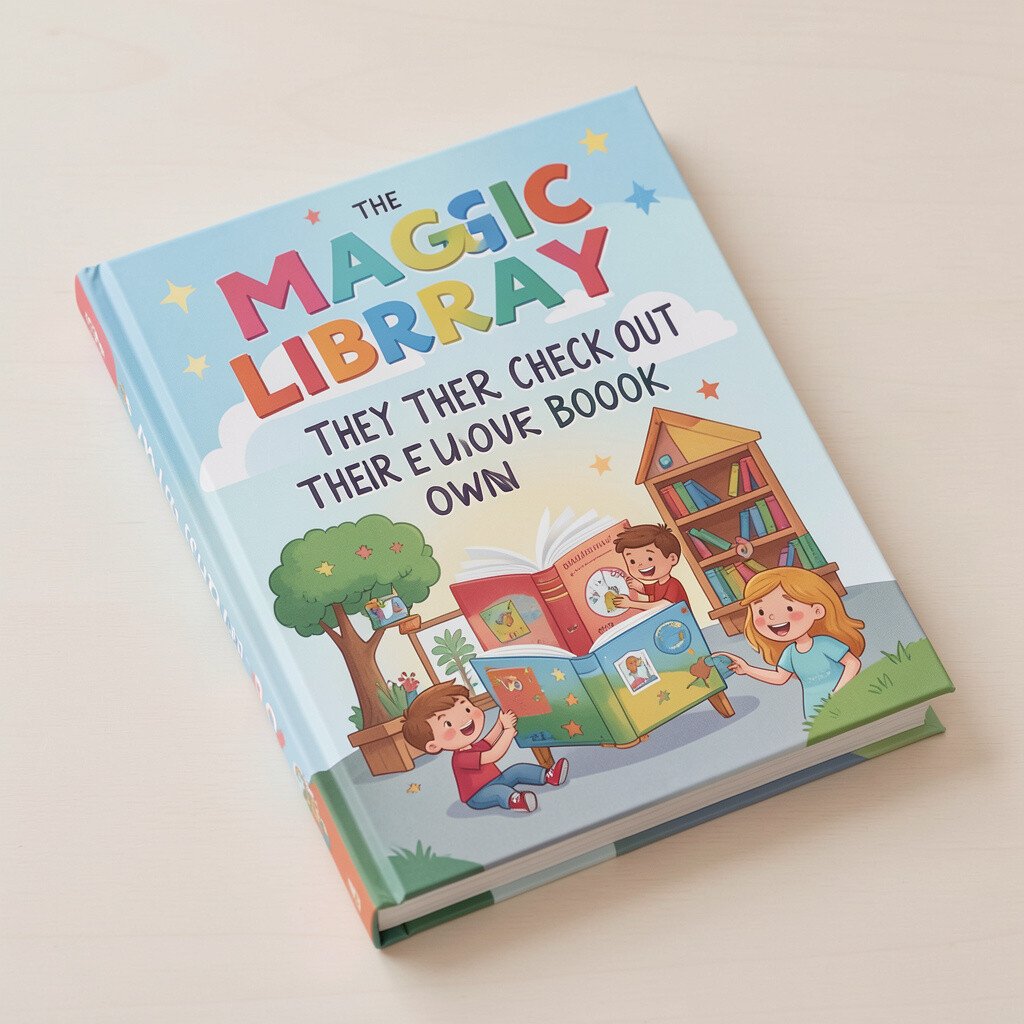
17. The “Magic Library” Storybook Where They Check Out Their Own Book
The “Magic Library” Storybook Where They Check Out Their Own Book
On the cover, your child might be shown holding a big “library card” with their name printed clearly. Inside, you’ll see shelves that twist into magical shapes, with floating bookmarks and glowing reading lamps.
This personalized storybook can spark early literacy habits because it treats reading as an exciting routine. It also encourages imagination by giving your child a role in the library, like choosing characters or solving a tiny reading mystery. A practical tip is to create a home “checkout” ritual where your child places a bookmark on the page you’ll read later.
Many modern personalized books offer theme choices, such as fantasy or outer space, and that’s a fun current trend. If cost is a factor, prioritize the core personalization that includes name and a “choose your book” moment.
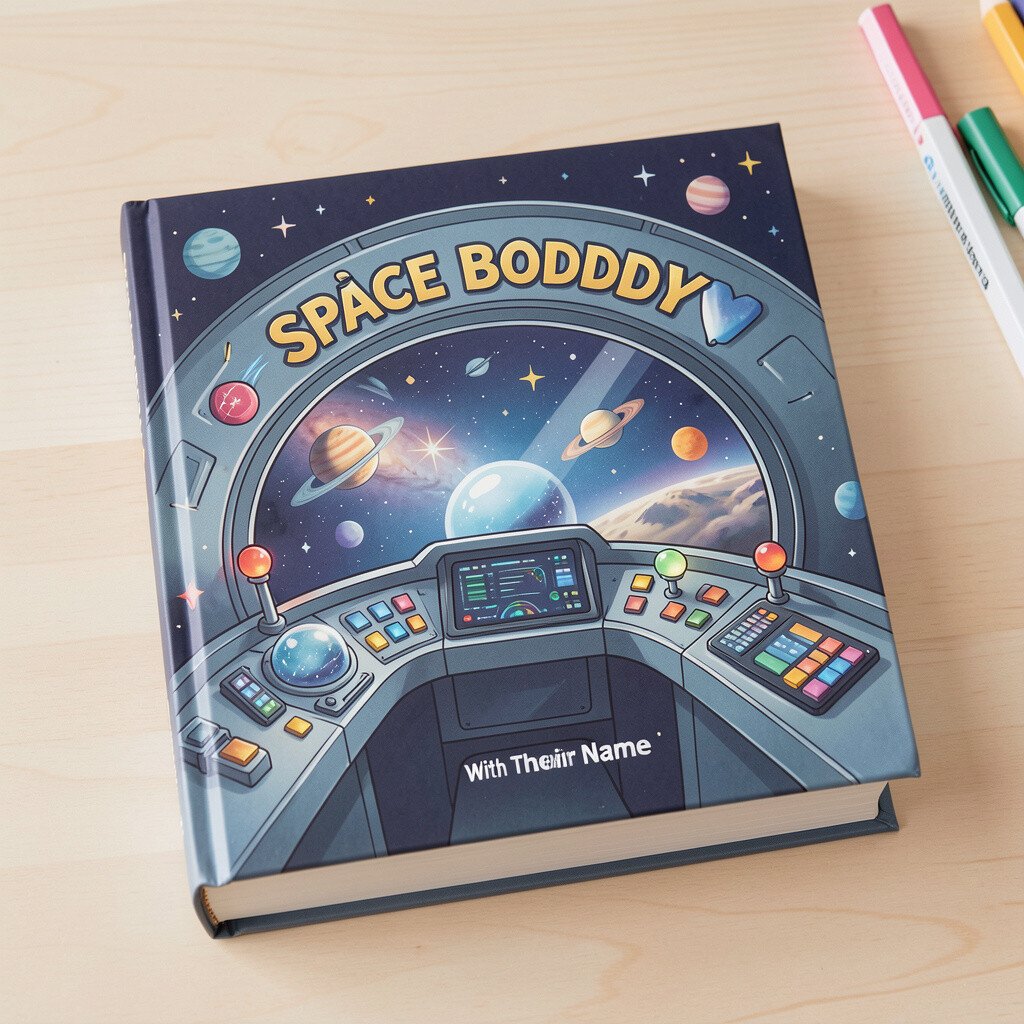
18. The “Space Buddy” Story With Their Name on a Spaceship Control Panel
The “Space Buddy” Story With Their Name on a Spaceship Control Panel
Picture a cartoon spaceship with your child’s name glowing on the control buttons in bright, friendly shapes. The illustrations show planets that look like candy dots, and a space buddy who speaks in short, hopeful sentences.
Personalization helps kids feel like they are part of the action, which can boost engagement during story time. It also supports science curiosity through gentle concepts like orbit, stars, and exploring without getting too technical. For practical use, you can do a quick “space check” at the end by pointing out the sky lights during evening walks.
19. The “Sports Star” Story With Their Favorite Team Feeling Like Family
The “Sports Star” Story With Their Favorite Team Feeling Like Family
In this book, your child might be pictured as a player with their name on a jersey-like badge and their own “team captain” smile. The art may show friendly stadium scenes, silly mascots, and celebratory confetti in kid-safe colors.
A personalized sports story can help kids enjoy practicing because it frames effort as something to celebrate. It also teaches teamwork and respectful cheering, which can be helpful at preschool playdates. For personalization, mention a favorite sport or a simple home game, like tossing a ball into a basket, then connect it to the story’s practice moments.
Cost can increase when you add multiple customization fields, like character name and outfit details, so choose options that matter most to your child. If you already have a team favorite, keep the customization focused on that emotion rather than trying to include everything.
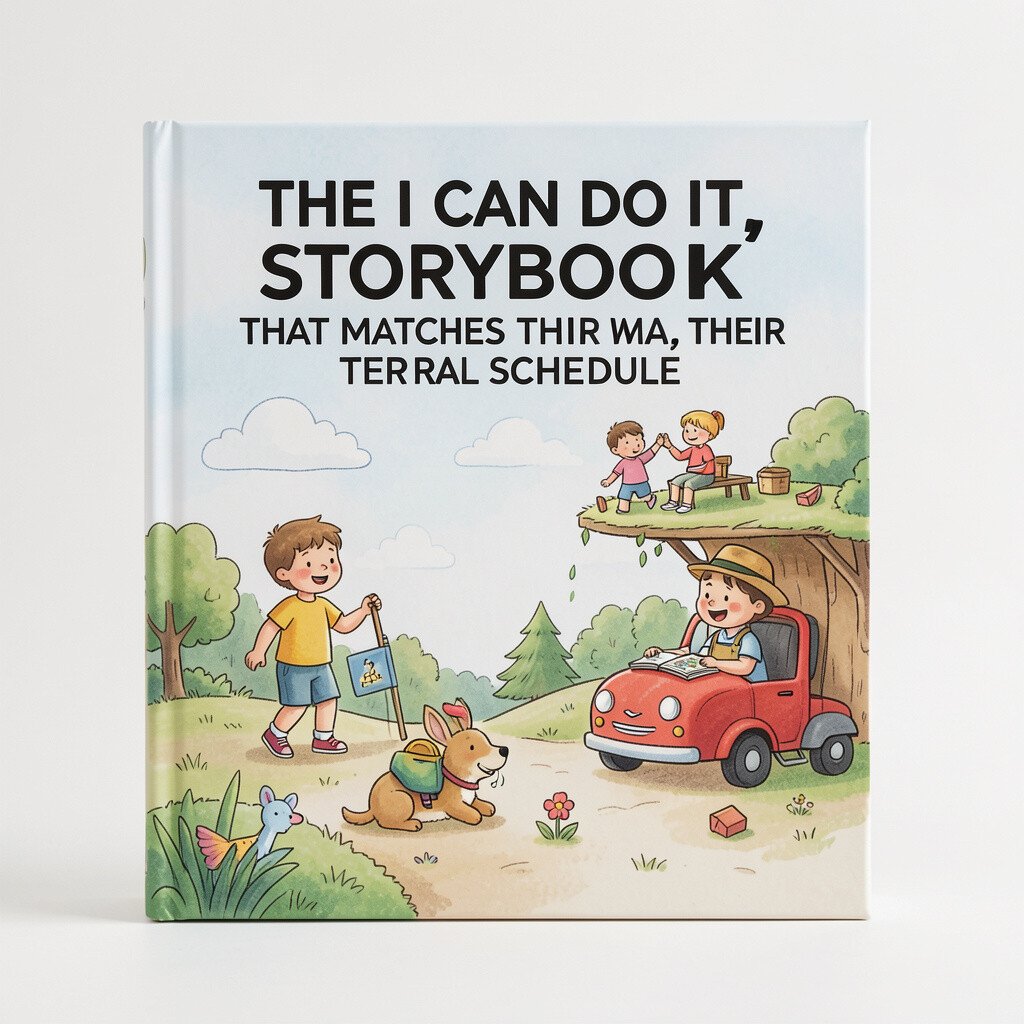
20. The “I Can Do It” Storybook That Matches Their Real Schedule
The “I Can Do It” Storybook That Matches Their Real Schedule
Imagine a story where your child’s name appears alongside the times of their day, like morning, lunch, and evening calm. The illustrations might show a clock-shaped world with different scenes, each one designed to match what your child already does.
This personalized schedule story can make daily transitions easier because the child knows what comes next. It supports understanding of routines and builds language skills through repeated time-related words. A practical tip is to read it in the same order every time, then act out one tiny part after reading, like picking a “morning mission” toy.
When you think about cost, consider whether your child will reread it often, since schedule books tend to become favorites. A current trend is customizing routines for screen time, cleanup time, or sensory breaks, which can be especially helpful for busy families.
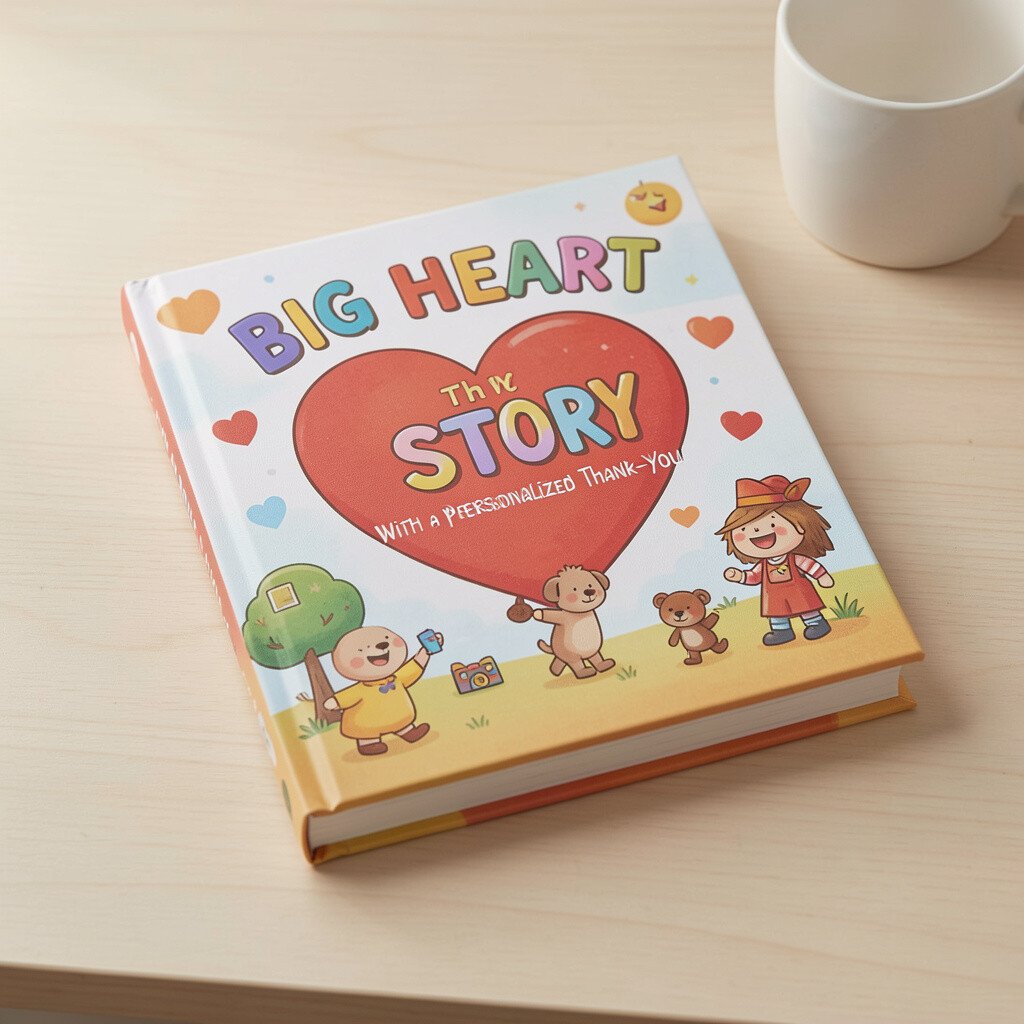
21. The “Big Heart” Story With a Personalized Thank-You Page
The “Big Heart” Story With a Personalized Thank-You Page
This book can open with your child’s name on a “thank you” banner, surrounded by friendly characters who show appreciation. The illustrations often feel warm and glowing, with heart shapes that aren’t overdone and scenes that look kind, not chaotic.
Personalization helps children connect their actions to positive outcomes, which can encourage gratitude and gentle communication. It also gives you a simple way to talk about kindness without turning it into a lecture. For personalization, include who your child loves to thank, like grandparents, teachers, or siblings, and add one reason that feels real and specific.
As for cost, many families find it worth choosing a format that includes a final keepsake page, since it can become something you keep in a memory box. Pair the reading with a small activity, like drawing a picture after the last page, so the story becomes part of daily life.