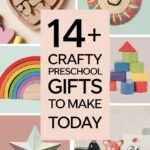
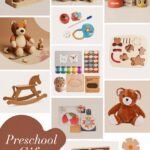
12+ Top Preschool Gifts For Preschoolers To Explore And Learn
The right gift can turn an ordinary day into a bright learning moment. Pick something that invites play, attention, and happy practice.
Below are gift ideas that feel fun in the living room and helpful in growing brains. Each one comes with simple ways to use it, ideas to personalize it, and realistic notes about cost.
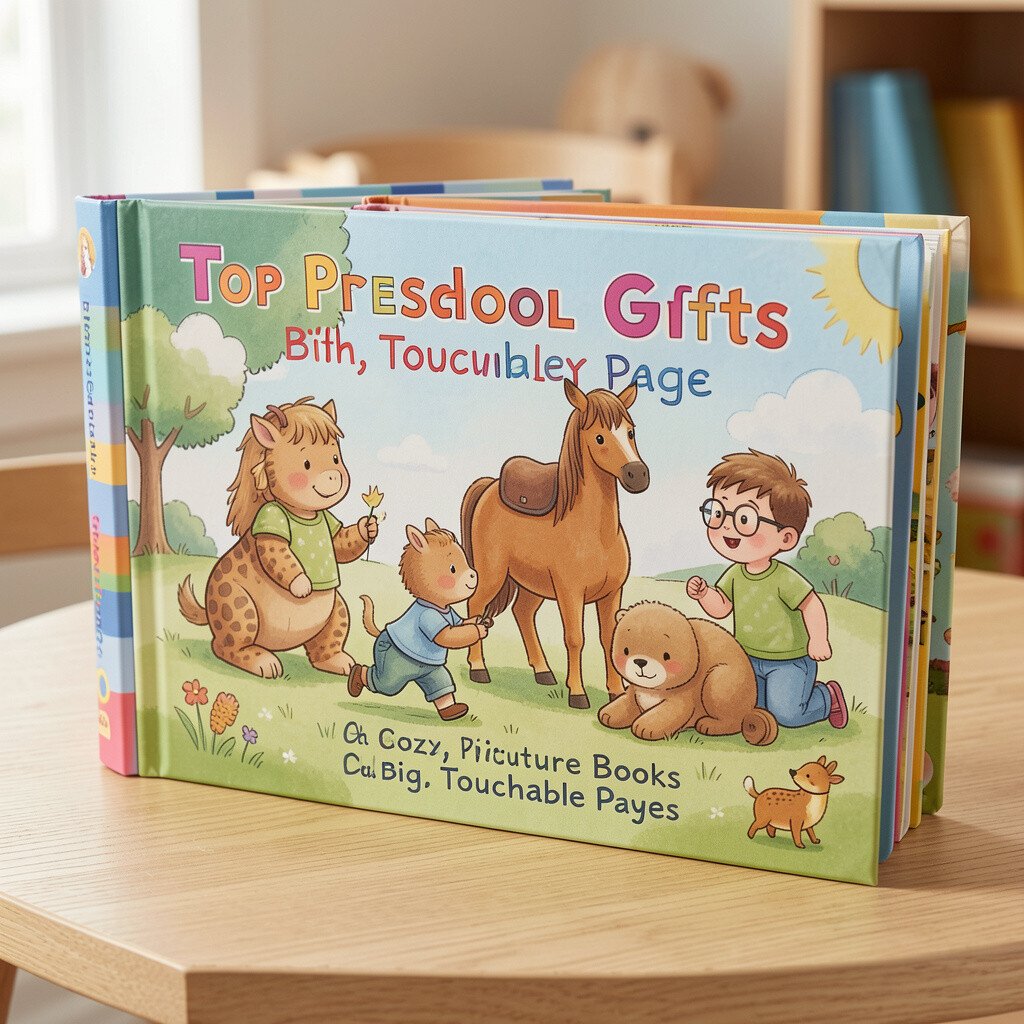
Picture books with thick pages and sturdy covers look colorful even from across the room. A preschooler can flip through safely while you both enjoy the matching pictures.
When books include different textures, kids strengthen fine-motor skills and build early language patterns. Choose stories with clear illustrations and repeatable phrases, so they can “read” along. For practical use, set a daily book time in a comfy spot and let your child pick the order of pages for a few minutes.
If you want personalization, write a short dedication inside the front cover and tape in a tiny photo of your family near the last page. Consider cost by starting with a few favorites that get reread often, since rereading is where learning really sticks. A current trend is tactile publishing, with cloth-like or raised elements that feel great for hands and curiosity.
2. Wooden Building Blocks In Bright, Rounded Shapes
Wooden Building Blocks In Bright, Rounded Shapes
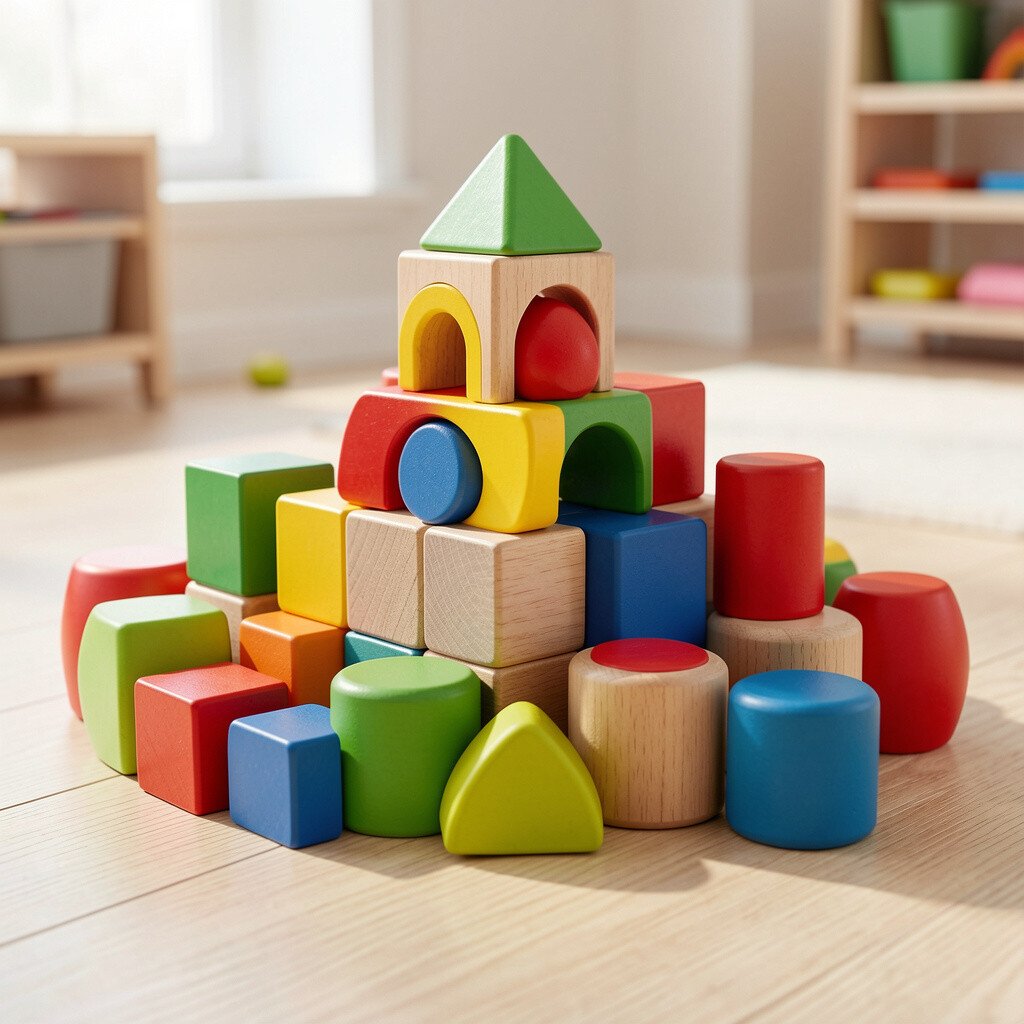
Wooden blocks with smooth edges look warm and inviting, and the colors pop under any light. When your child stacks them, the tower slowly becomes a lesson in balance and patience.
Building helps with spatial thinking, counting awareness, and creative problem-solving. Use practical tips like starting with simple goals such as “make a bridge” or “build a tall wall,” then celebrate any attempt. Keep a soft mat nearby so pieces land gently and cleanup takes less time.
For personalization, paint a few blocks with safe, non-toxic paint dots to match a favorite theme like planets or dinosaurs. Cost can vary, so look for sets that include many shapes and a sturdy storage box, because durable pieces usually last for years. Many parents now prefer natural wood blocks over plastic because they’re easy to wipe down and look timeless.
3. Sensory Play Trays With Scoop, Pour, and Pour Again Tools
Sensory Play Trays With Scoop, Pour, and Pour Again Tools
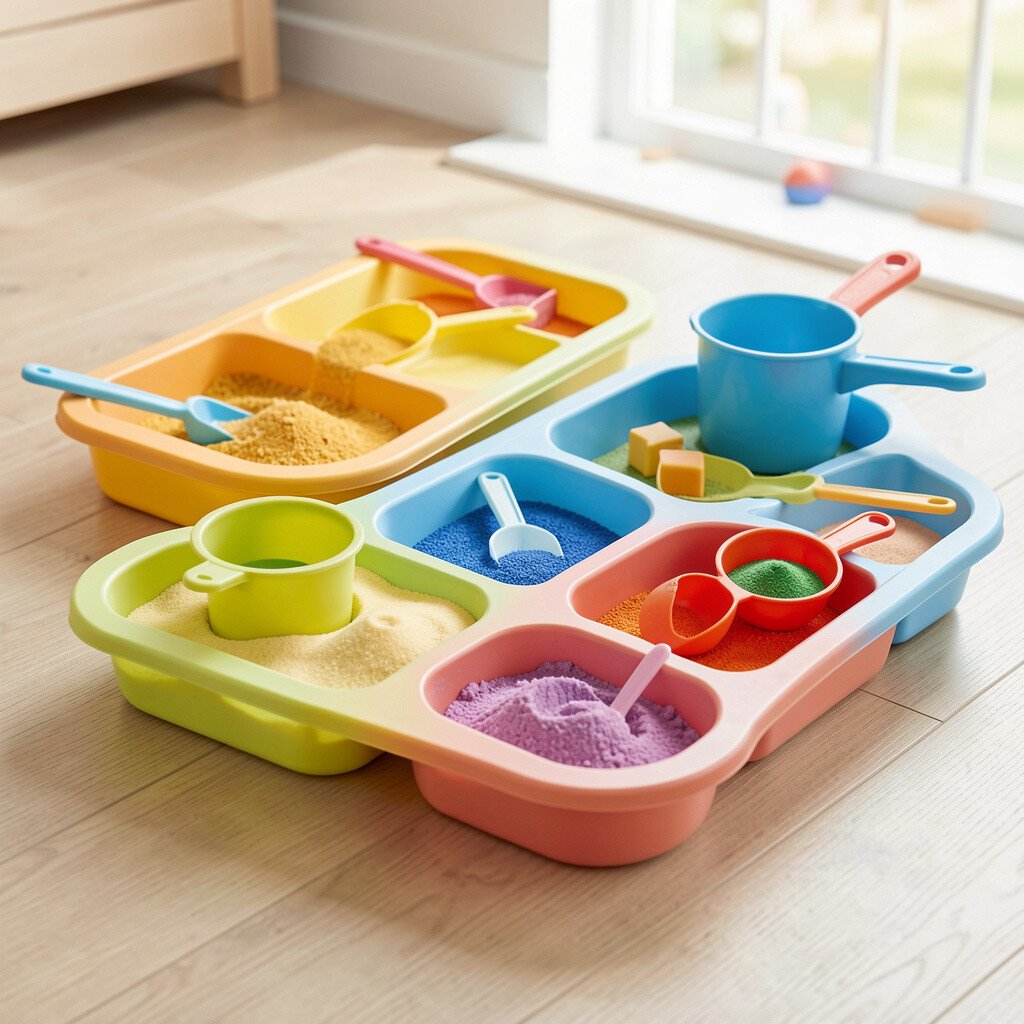
These trays come with mini containers, scoops, and cups that make everything feel like a tiny kitchen. You can see sand-like textures, glossy beads, or dyed rice, depending on what you choose.
Sensory play supports hand strength, cause-and-effect thinking, and calm focus. For practical tips, use a tray with high sides for less mess and set out towels ahead of time. Try “quiet scooping” during transitions, so the activity becomes a helpful routine.
If you want uniqueness, add themed items like a pretend mailbox for “mail delivery” using dry beans as “letters.” Personalization can be as simple as using your child’s favorite color of scoop cups. Costs range widely, so consider starting with a single starter tray and one safe filler, then grow slowly as your child’s interest grows.
4. Big Crayons Or Thick Markers For Confident Coloring
Big Crayons Or Thick Markers For Confident Coloring
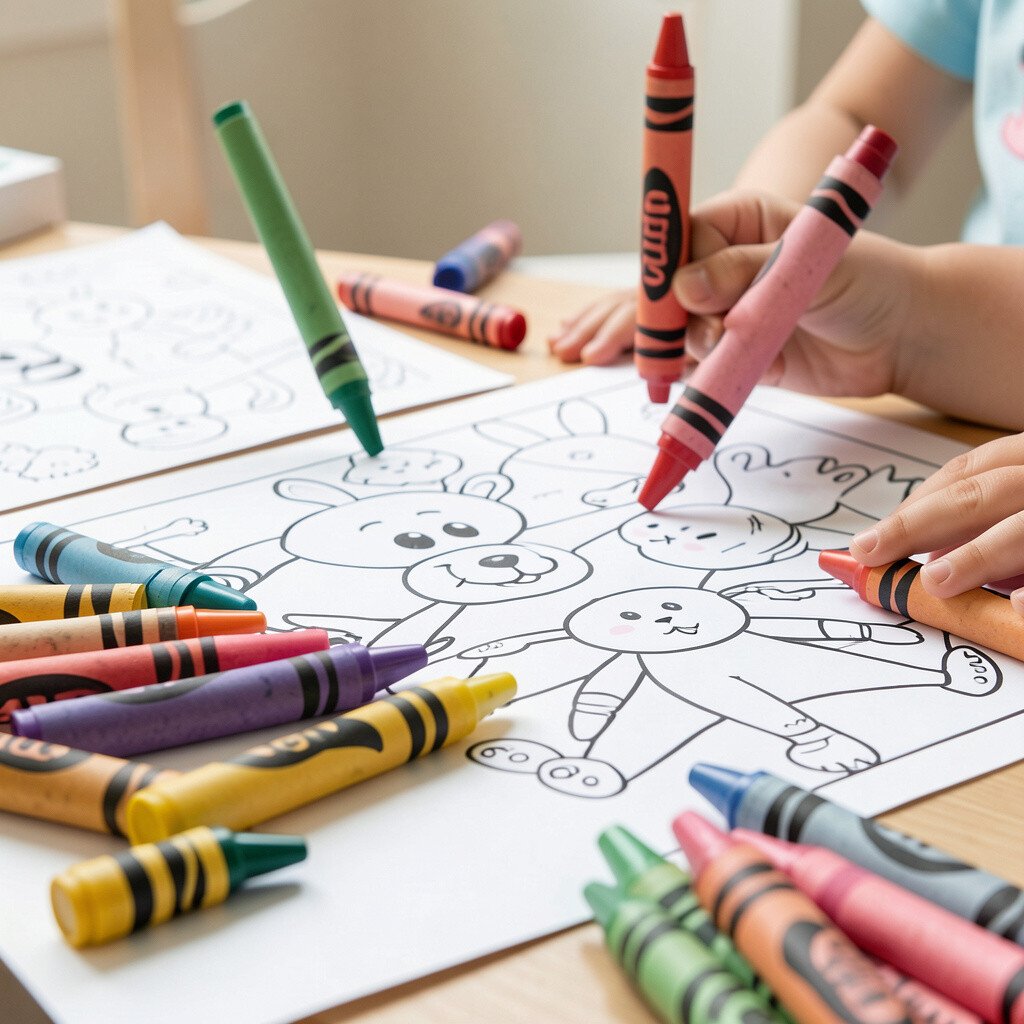
Thick crayons and chunky markers feel easy to grip, and the marks look bold right away. A child’s page can turn into a mini gallery of circles, zigzags, and silly faces.
Mark-making supports early writing readiness, grip strength, and imagination. Offer a small set of colors to reduce overwhelm, then let your child choose what to use. For practical tips, place paper on a clipboard or a lap desk, so coloring stays steady and cleanup feels manageable.
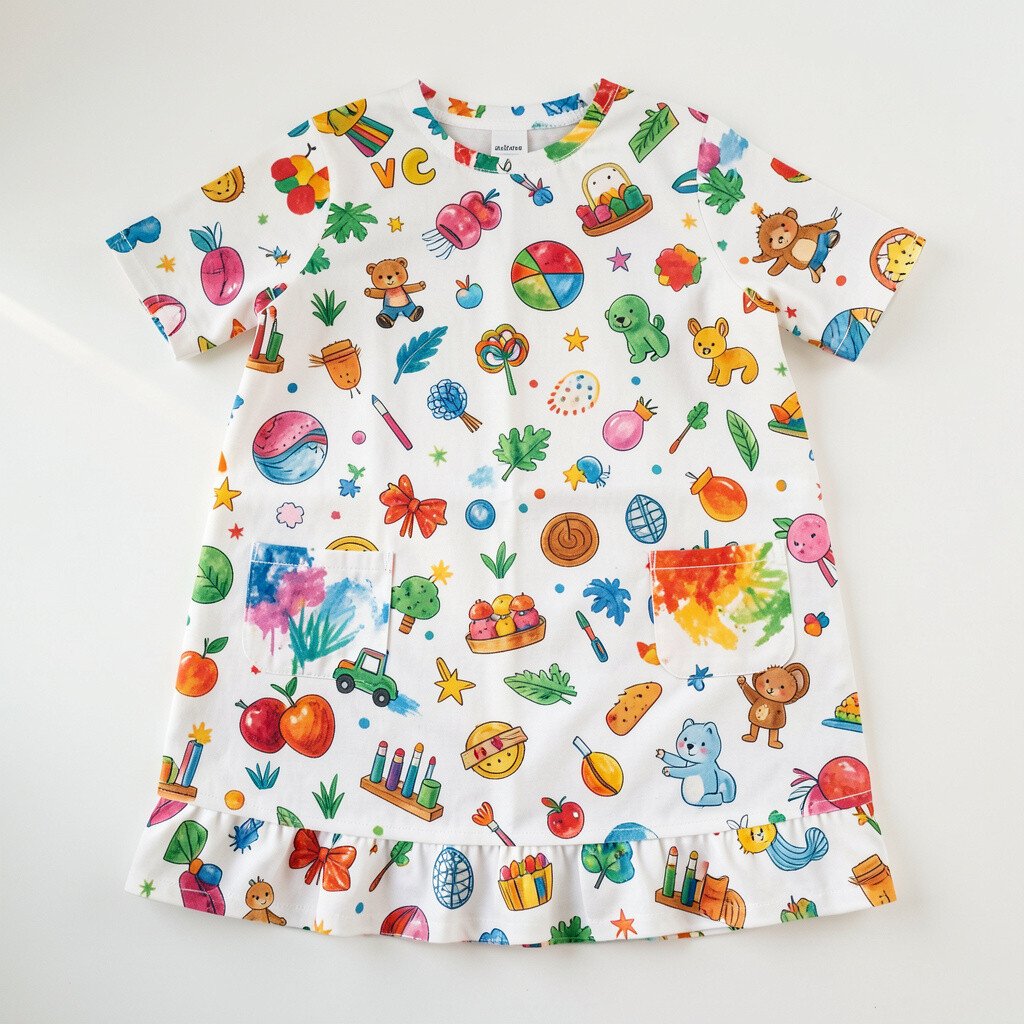
5. A Kid-Sized Art Smock With Fun Patterns
A Kid-Sized Art Smock With Fun Patterns
A bright smock hangs like a superhero cape, and it helps prevent stress about stains. Watching your child put it on gives a sense of independence before craft time begins.
This gift supports creativity because kids can color, glue, and paint without fear of mess. Choose a washable fabric with wide sleeves for comfort, and add a front pocket for small tools. For practical tips, keep a designated “art station” with paper towels and a simple trash bin nearby.
To personalize it, match the smock design to your child’s current interest, like space stars, ocean waves, or farm animals. Cost considerations are simple since a few good smocks can last through many projects, especially if you pick durable seams. A current trend is personalization with iron-on patches, so your child can “wear” their evolving hobbies.
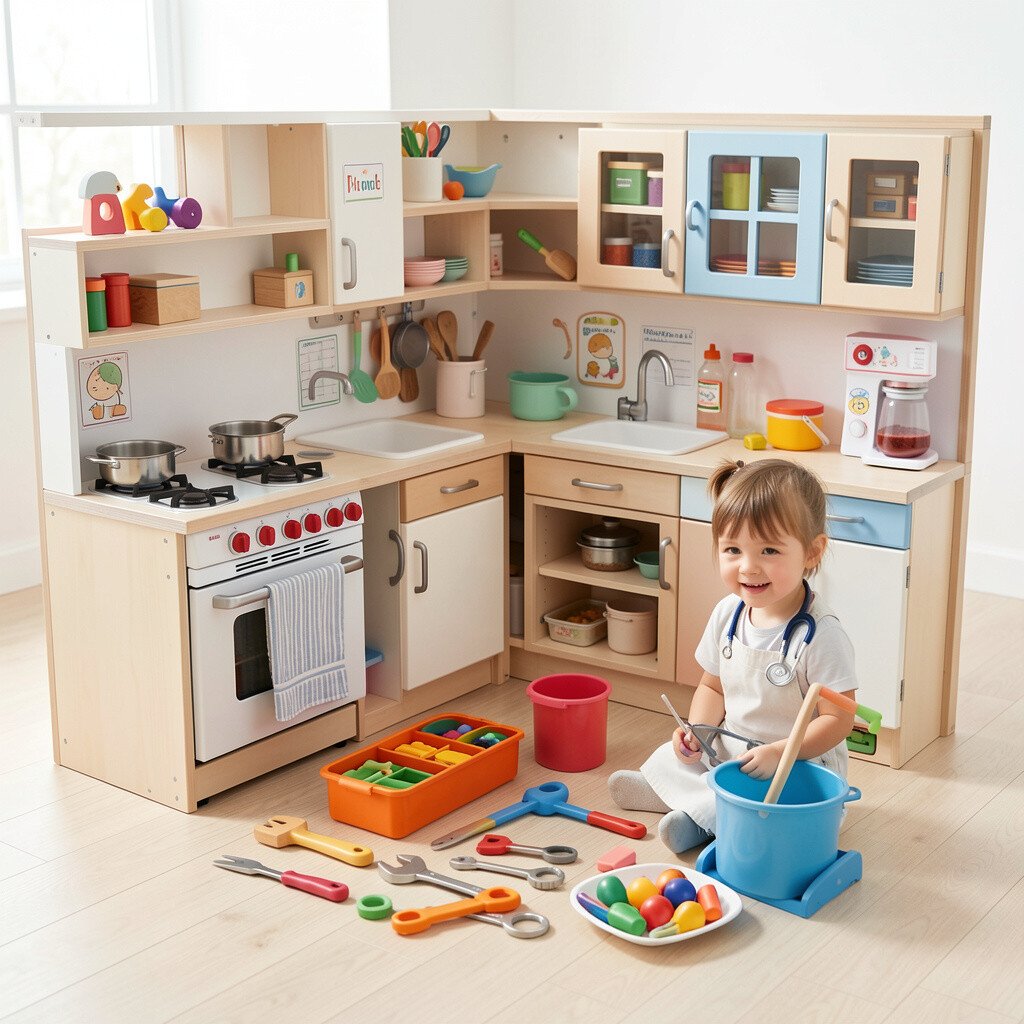
6. Pretend Play Sets For Kitchens, Tools, Or Doctor Visits
Pretend Play Sets For Kitchens, Tools, Or Doctor Visits
Pretend sets look like miniature worlds, with shiny pots, soft plush tools, or tiny “medical” accessories. Even a small kit can spark big role-play, with dramatic sound effects and giggles.
Role-play builds social-emotional skills, language practice, and flexible thinking. A practical way to use the set is to start with one simple scenario such as cooking “breakfast” or fixing “a broken toy.” Include everyday items like a spoon or a clean measuring cup to make the play feel realistic.
Personalize the story by using your child’s name for the character and letting them choose the “patient” or the “chef.” Cost can be kept reasonable by picking one durable theme set rather than many tiny add-ons, since quality items get more use. Many families are leaning toward inclusive and gender-neutral themes, which helps kids see themselves in every story.
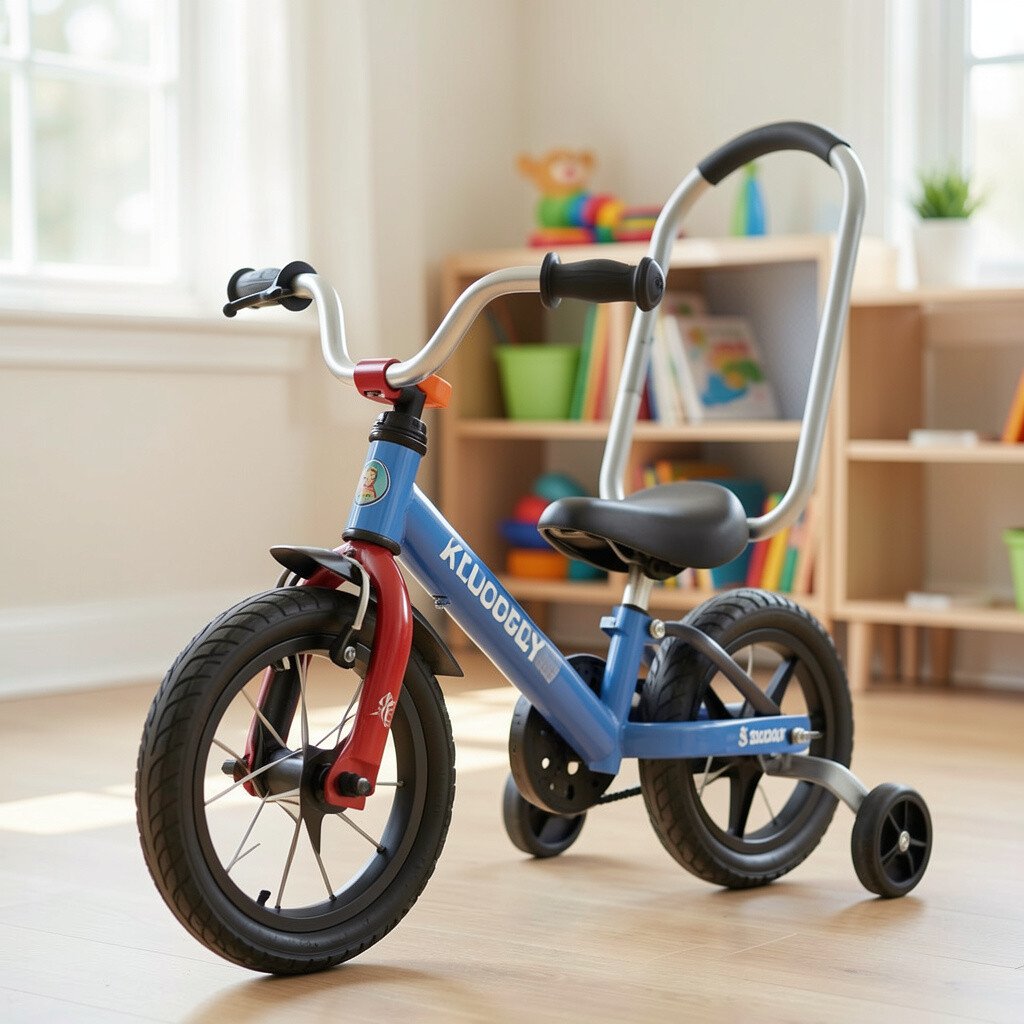
7. A Sturdy Tricycle Or Push Bike With Safety Accessories
A Sturdy Tricycle Or Push Bike With Safety Accessories
A tricycle with bright grips and a comfy seat looks ready for neighborhood adventures. When your child pedals slowly, the world feels larger and more exciting.
Active riding strengthens leg muscles, coordination, and confidence in movement. For practical tips, adjust the seat height so feet can touch the ground safely during early rides. Add a helmet that fits well and plan a short route, like a loop around your driveway or a calm path in a park.
To personalize, choose a basket or flag that matches your child’s favorite colors or theme. Cost depends on bike type and brand, so look for a model that stays stable as skills grow. A current trend is adding simple accessories like reflective elements for safety, which is especially useful during low-light evenings.
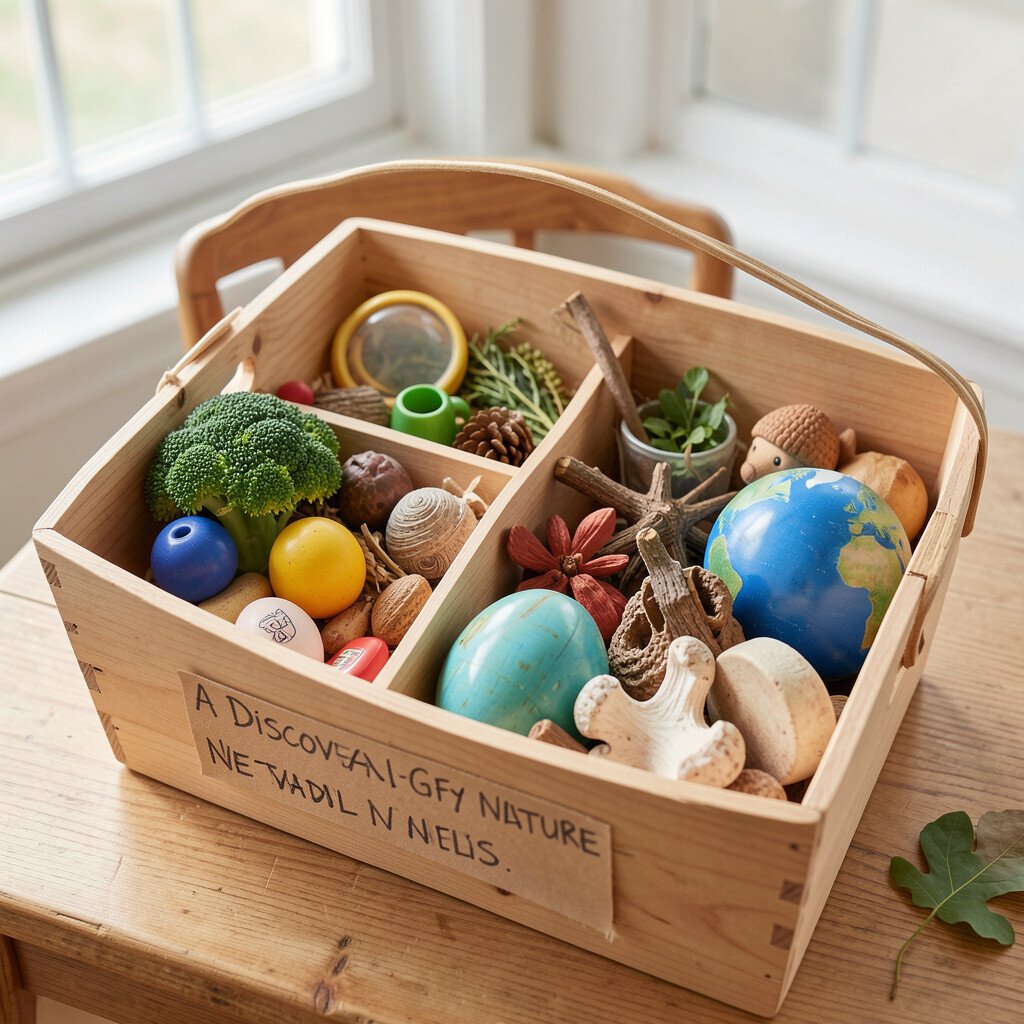
8. A Discovery-Like Nature Bin With Safe, Everyday Finds
A Discovery-Like Nature Bin With Safe, Everyday Finds
A nature bin can hold smooth stones, pinecones, leaves, and seed pods that your child can handle. You’ll often notice the calm focus that happens when kids sort and touch real textures.
Natural items support observation skills, vocabulary building, and respectful curiosity. Use practical tips like pre-washing and baking items at home to reduce bugs and keep pieces clean. Create a simple sorting game using categories like “soft” and “hard” or “round” and “spiky.”
For personalization, label a few jars with your child’s name and preferred colors for each category. Cost is usually low when you gather items yourself, though you may spend a little on storage containers. Many parents enjoy seasonal themes, like a fall bin or a spring bin, which keeps interest fresh without buying new things often.
9. A Beginner Musical Instrument Such As A Small Drum Or Xylophone
A Beginner Musical Instrument Such As A Small Drum Or Xylophone
A little drum or xylophone shines with sound, and it instantly turns play into rhythm. The visual cue of colorful bars or a round drumhead invites your child to try again and again.
Music helps with listening skills, pattern recognition, and emotional regulation. For practical tips, teach a simple beat like tap-tap-pause, then encourage your child to make up their own songs. Keep sessions short and joyful, and let them choose whether the music is loud or soft.
Personalize by using family names for “bands” or letting your child pick a favorite song theme for pretend performances. Cost can be moderate depending on brand and materials, so consider checking for durable, easy-to-clean options that stay in use. A current trend is music kits that include multiple tones, helping kids feel successful while learning tonal differences.
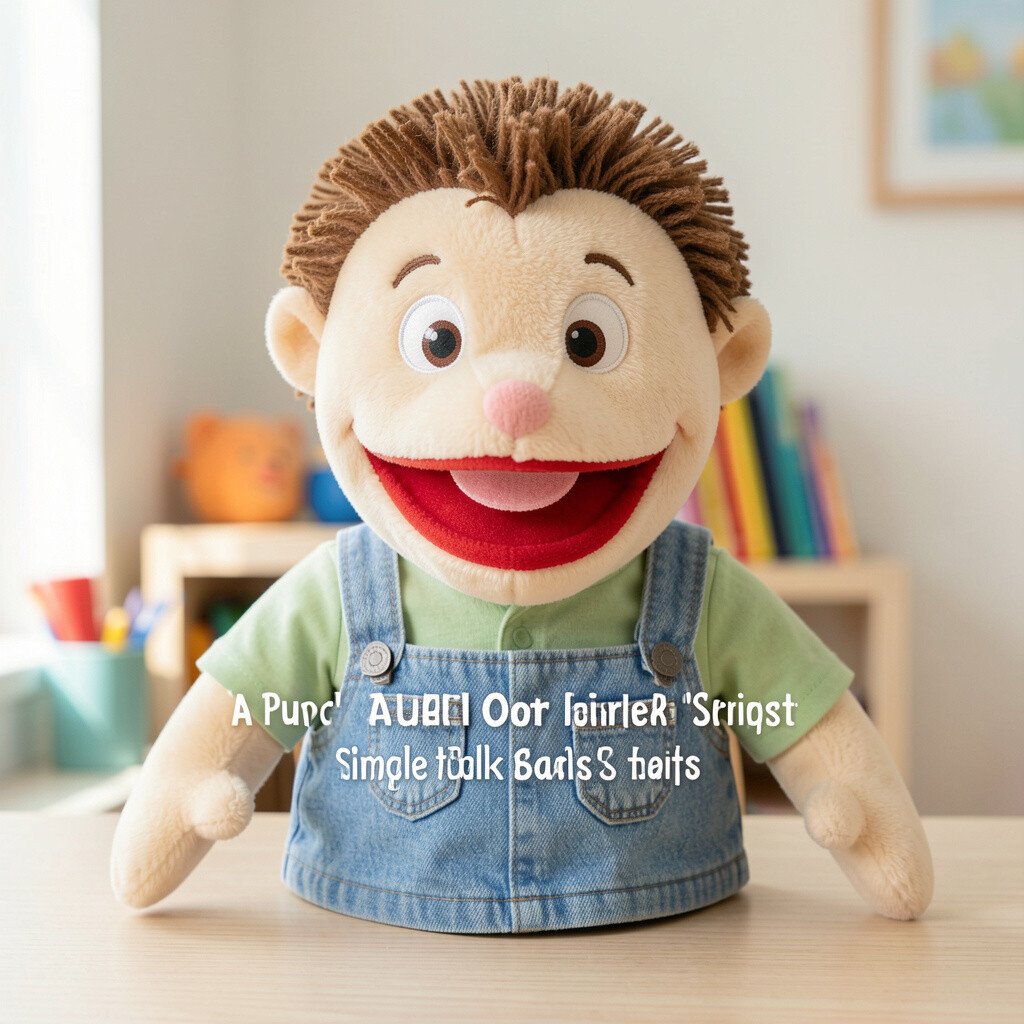
10. A Puppet Or Plush Friend With Simple “Talk Back” Scripts
A Puppet Or Plush Friend With Simple “Talk Back” Scripts
A puppet with big friendly eyes becomes a companion that can “say” anything you want to practice. When your child moves it, their voice may grow braver and their attention may sharpen.
Puppetry builds language confidence, empathy, and storytelling skills. Use practical tips by writing a few short lines you and your child repeat, such as greeting, asking for a snack, or saying “I need help.” Add a small prop basket so the puppet can “hold” items during pretend scenes.
For personalization, choose a puppet that matches your child’s favorite animal, like a cat, bunny, or dragon. Cost can stay reasonable because one good puppet often replaces many small speech prompts. Many families now use puppets for bedtime routines since it turns feelings into words without pressure.
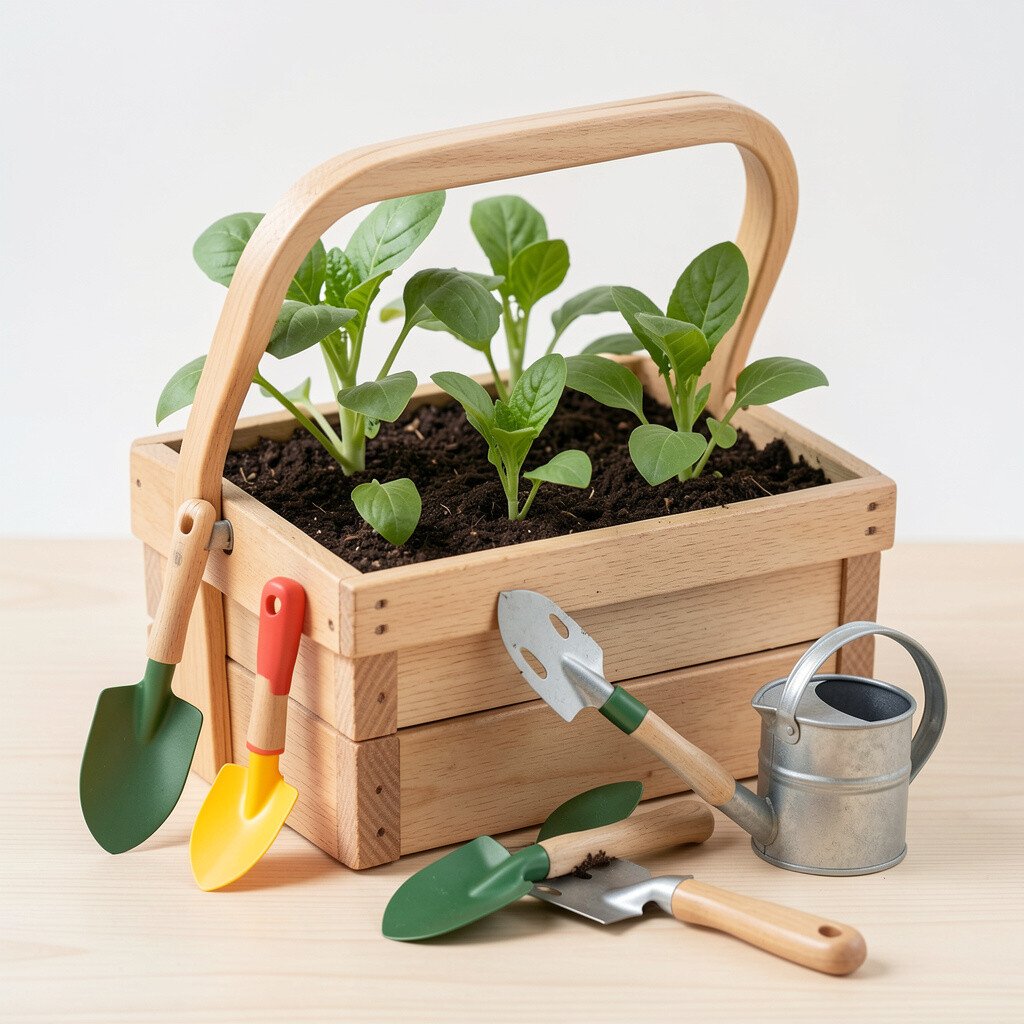
A gardening kit looks exciting with tiny trowels and seed packets ready for action. You can picture little hands scooping soil and spotting sprouts near a sunny window.
Gardening supports patience, responsibility, and science habits like observing change over time. For practical tips, start with easy seeds like herbs or fast-growing flowers and water on a simple schedule. Keep a small watering can nearby so your child participates daily without feeling rushed.
Personalize the garden by letting your child name plants, choose the pot color, and draw labels for each sprout. Cost depends on whether you start indoors or outdoors, so consider reusing containers you already have to save money. A current trend is growing microgreens indoors, which can provide quick results and keep curiosity going during cooler seasons.
12. Learning Puzzles With Large Pieces And Picture Sorting
Learning Puzzles With Large Pieces And Picture Sorting
Large-piece puzzles look satisfying because every shape feels manageable for small fingers. Bright images like animals, vehicles, or seasons help kids connect pictures with names.
Puzzles build problem-solving skills, hand-eye coordination, and early logic. For practical tips, start with a few-piece option and keep the board facing the right way. When your child struggles, point out patterns like matching colors or similar shapes instead of giving away the whole solution.
To personalize, choose puzzles featuring your child’s favorite characters or family activities such as a park scene. Cost considerations matter because puzzle quality affects how long pieces stay together, so choose sturdy edges and good fit. Many parents are leaning toward picture-sorting puzzles with removable pieces since they encourage both matching and storytelling.
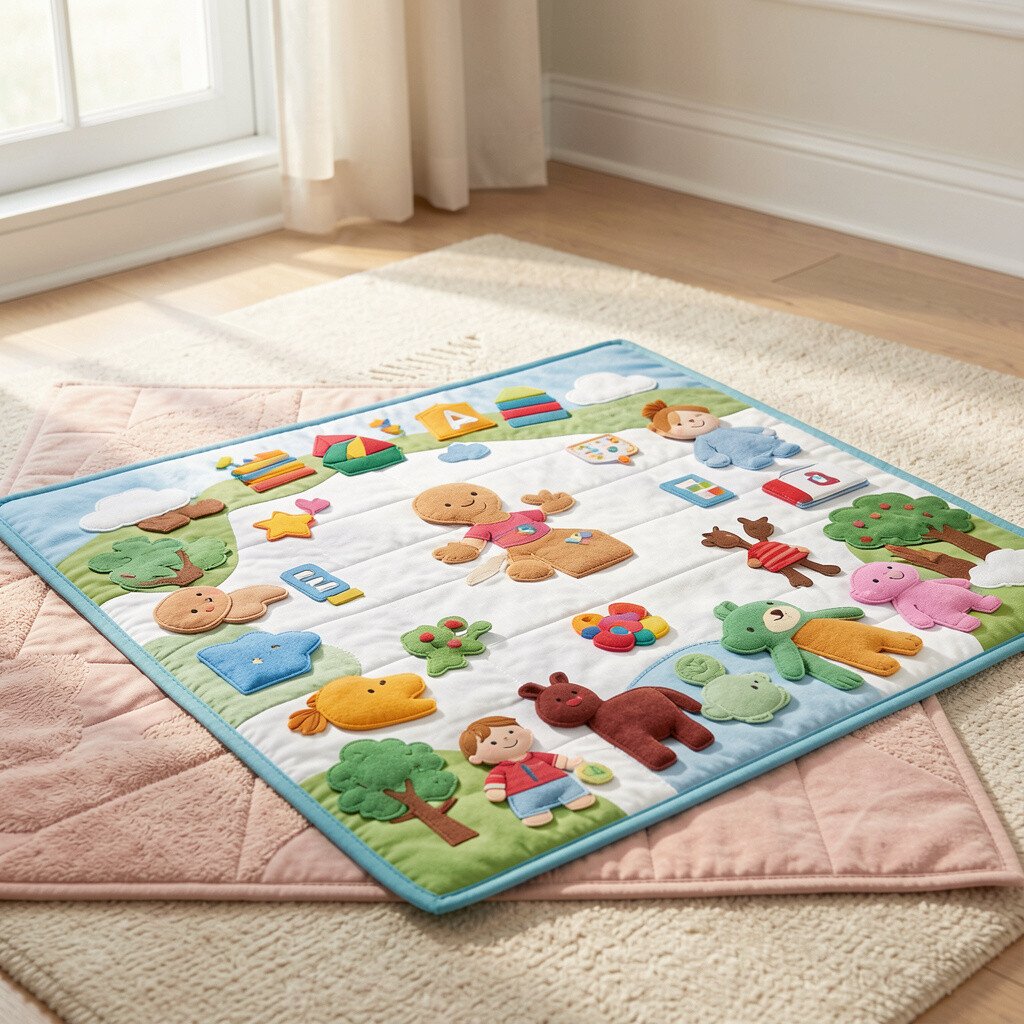
13. A Cozy Storytelling Mat With Velcro Characters
A Cozy Storytelling Mat With Velcro Characters
A storytelling mat often shows a landscape background where characters can stick and move around. The bright velcro pieces look like magnets for imagination, and kids enjoy arranging scenes in different ways.
This kind of mat supports sequencing, language practice, and comprehension skills during play. Use practical tips like choosing one story each day and repeating the same order until your child can predict what comes next. Leave the mat out in a visible spot so spontaneous storytelling can happen during quiet moments.
Personalize the scenes by adding characters that match your family routines, like a “bedtime” figure or a “picnic” set. Cost can be moderate, but you can often start with one base mat and expand with a few character packs over time. A current trend in learning play is combining felt-like visuals with interactive story pieces, because it encourages kids to participate instead of just watch.
Remember to supervise closely if any small parts are involved, and keep storage simple by using a matching bag or box. When your child retells the story, you’ll see how language grows through play rather than worksheets.