Hide a few picture cards around the classroom with numbers of items shown on each card. Invite children to collect matching sets of pictures, like finding two “three” objects by hunting for the right card.
As they walk, notice how their eyes track clues and how their hands make careful choices. This kind of visual practice helps children build number sense without pressure, because they are solving a game, not “answering” a test.
Try using household items as the target pictures, such as toy cups, buttons, or animal stickers, so they feel real. For personalization, let each child choose one theme for the hunt, like dinosaurs or space.
2. Snack-Time Shape Sorting
Snack-Time Shape Sorting
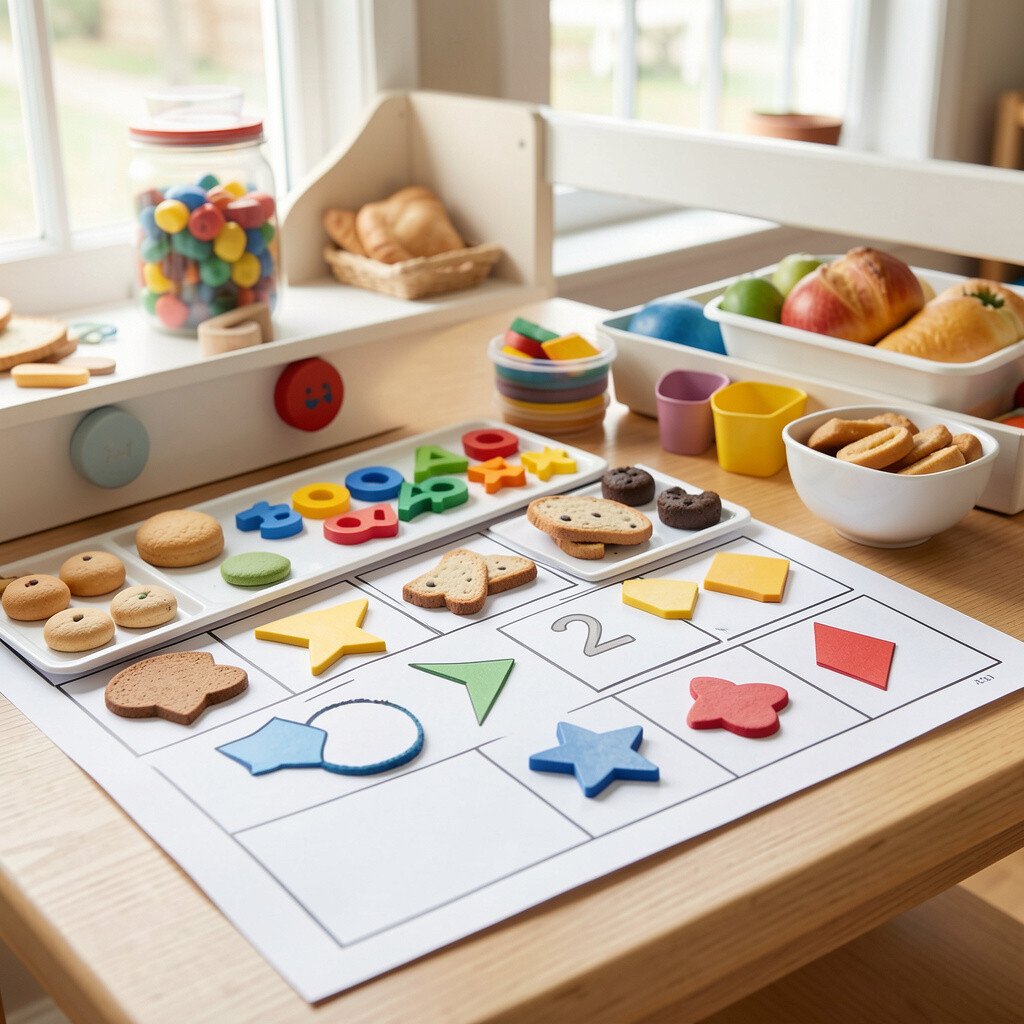
Set out safe snack pieces cut into simple shapes, then sort them on a tray with matching outlines. Children place circle snacks on the circle space and triangle snacks on the triangle space as they talk about what they notice.
Seeing shapes in food makes the learning feel warm and familiar. Sorting improves thinking skills, because kids compare, classify, and explain choices in their own words.
To keep it practical, use reusable silicone muffin cups or paper circles on a laminated sheet for the spaces. Keep cost low by using produce shapes, cereal shapes, or even paper cutouts when snacks are not possible.
3. Counting With Paper Clip Robots
Counting With Paper Clip Robots
Make “robot arms” using paper clips clipped to pipe cleaners, then have kids move the arms one at a time while counting. Start with a few moves, then ask children to show the number with the number of robot arm steps.
The visual of shiny clips clicking onto a target line is satisfying and helps kids stay focused. When children count with their hands, they often feel more confident about numbers because they can check themselves.
Try personalizing by giving each child a color-coded robot arm and a name tag for their robot. For an easy trend to match today’s interests, use tiny sticker faces on the pipe cleaners so the activity feels like friendly maker play.
For cost considerations, gather paper clips and pipe cleaners from craft supplies, and reuse the tools for many days. Keep the pace steady by using a simple mat with a straight “path” line children can follow.
4. Mystery Bag Motion Patterns
Mystery Bag Motion Patterns
Put a few small items in a bag, like bears, blocks, or pom-poms, and draw one at a time. Ask children to make a repeating motion pattern with their bodies, such as clap, stomp, clap, stomp, using the item as the “signal.”
They might clap once, then stomp once, then repeat, while the visual rhythm helps them notice patterns. Pattern play strengthens early math thinking and helps kids feel proud when they can predict what comes next.
5. Number Line Hopscotch on the Floor
Number Line Hopscotch on the Floor
Use painter’s tape to create a number line on the floor, then turn it into hopscotch. Call out a starting spot and have children hop to the next number while counting out loud together.
The taped line is bright and visible, and kids love the movement. This activity supports counting practice and helps children connect number order with physical steps.
For practical tips, use masking tape segments that are wide enough for small feet, and set a clear starting and ending area. Personalization can be as simple as choosing different “journey” themes, like “train stops” or “moon landings,” for how children travel across the line.
6. Ten-Frame “Glow” with Puffy Paint Dots
Ten-Frame “Glow” with Puffy Paint Dots
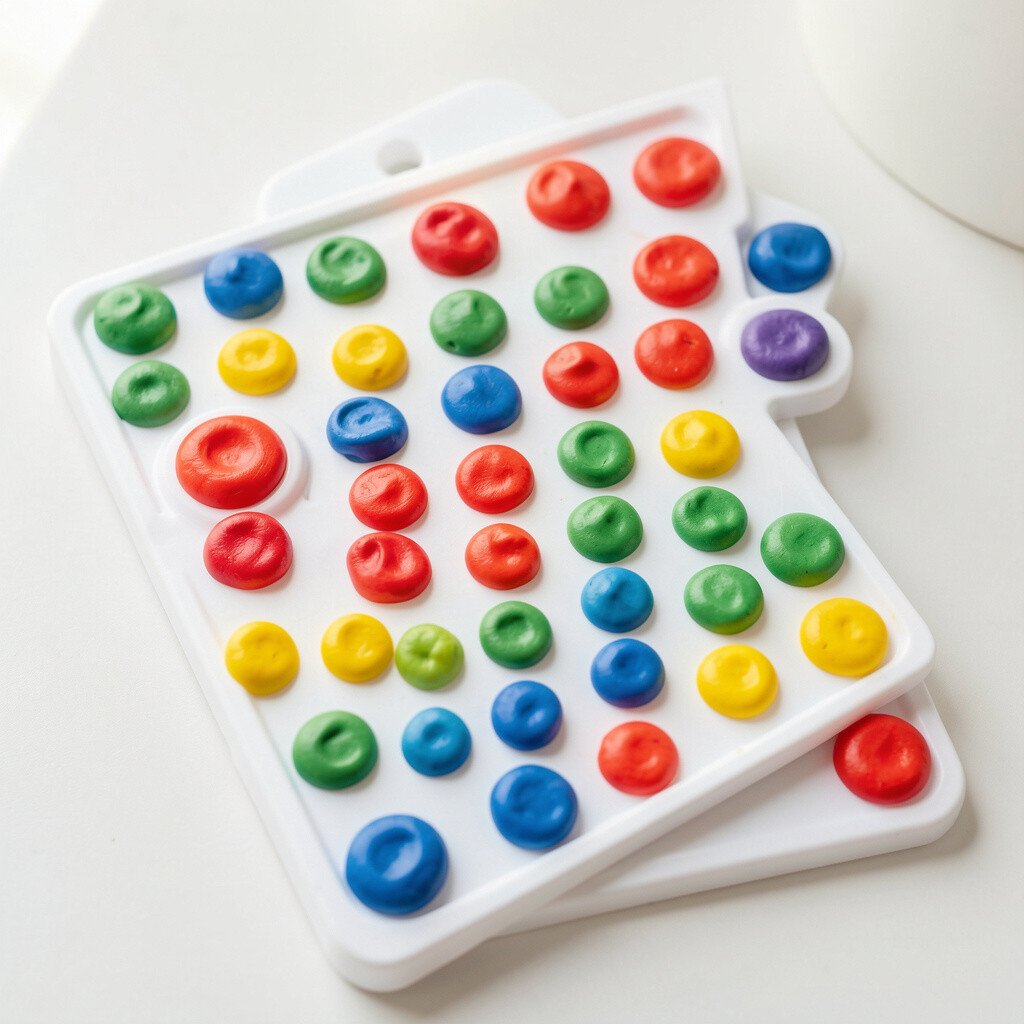
Create a ten-frame grid on sturdy paper and add puffy paint dots to mark filled spaces. Children press their finger to pick up or gently tap a dot template, then match it to a number you show.
The raised paint spots make a tactile “glow” that kids can feel while they count. This builds confidence because children get both a visual and a sensory check that their count matches the pattern.
Try cost-smart options by using craft foam or washable markers if puffy paint is too expensive. For personalization ideas, let children decorate their ten-frames with stars or planets so each grid feels like theirs.
7. Clothespin Counting on a Party Line
Clothespin Counting on a Party Line
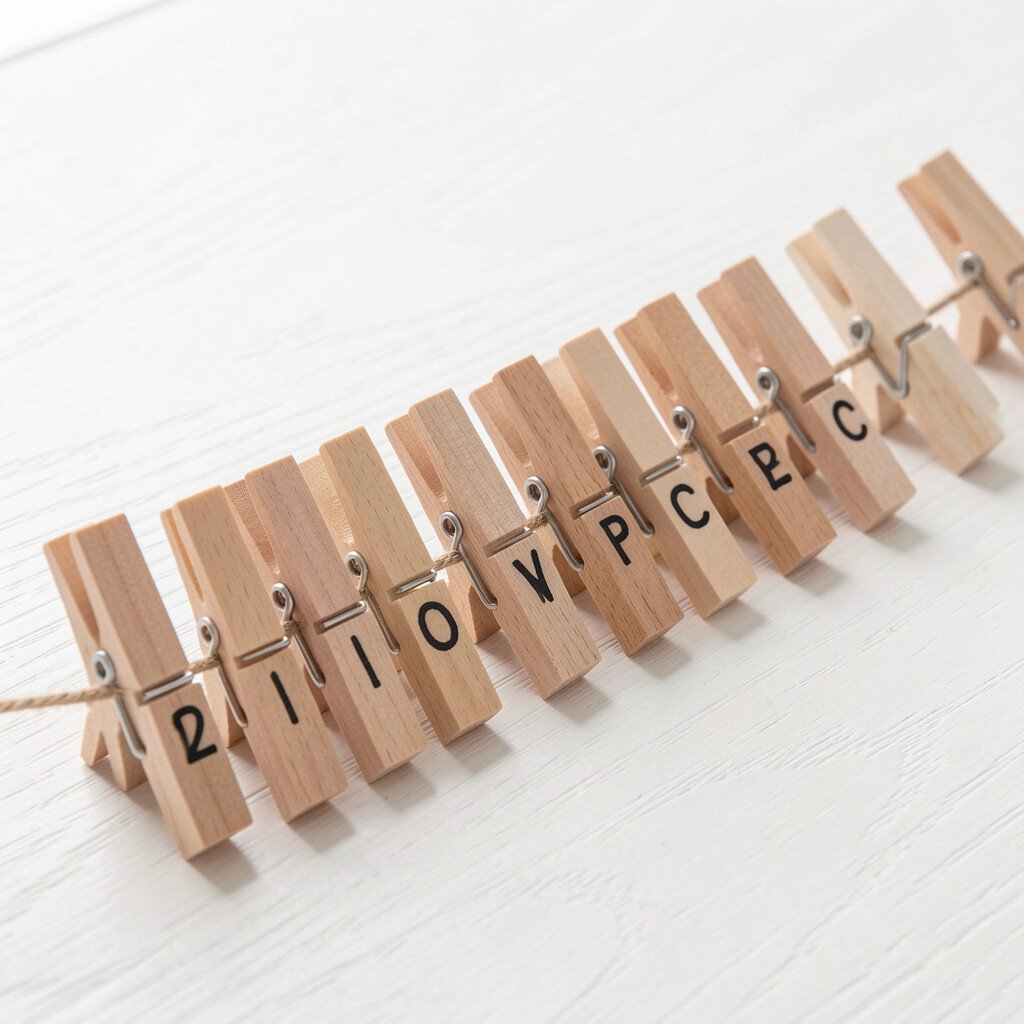
Clip paper “number cards” to a line, then have children clip the matching number of small cards to each number. Use clothespins or mini clips, and encourage kids to count carefully as they attach each one.
The sound of clips snapping on is like a tiny celebration, and the visual stacking helps children see quantity. When kids match numbers to sets, they build strong confidence in counting and one-to-one matching.
To keep it practical, use cardboard strips or a hanging clothesline with clips, and reuse the number cards. Personalize by choosing the set type for each day, like clip-on fish for ocean week or clip-on hearts for kindness week.
8. Shape Hunt With Shadow Tracing
Shape Hunt With Shadow Tracing
Use a bright lamp or sunlight to cast shadows of simple shapes onto paper. Place the shape, trace the shadow outline, and help children compare the traced shape to what they think they saw.
The shadow outlines are striking and different from what children expect, which keeps attention high. Tracing supports fine motor practice and helps kids notice attributes like corners and curves in a memorable way.
9. Build-and-Compare Block Towers
Build-and-Compare Block Towers
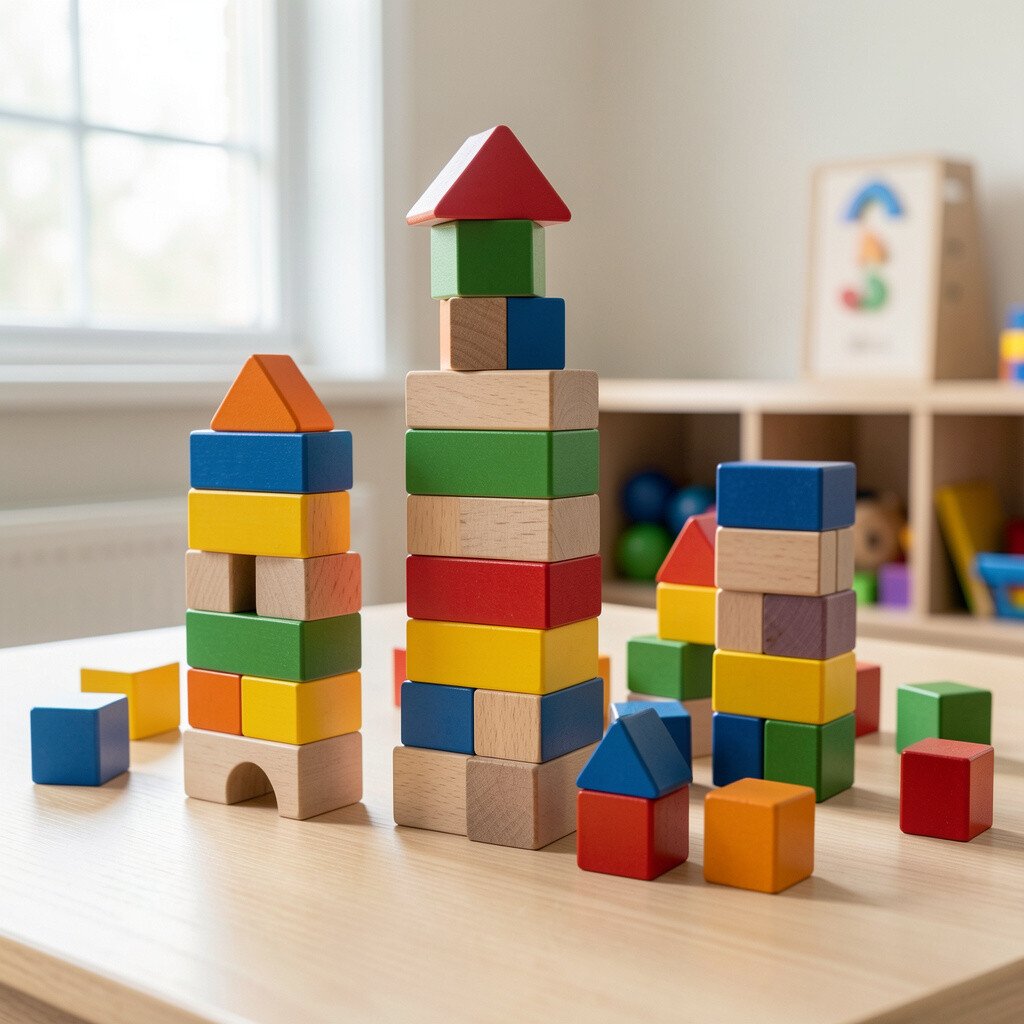
Invite children to build block towers with specific goals, like “taller than your friend’s tower” or “same height as the picture.” Use a visual height guide made from a paper strip marked in simple steps.
As towers rise and sides compare, children get a clear visual of more and fewer. This helps confidence because they can see results right away and feel proud when their tower matches the goal.
For practical tips, limit the number of blocks at first so kids can finish within the lesson time. Cost stays low by using classroom blocks, and personalization can include letting each child pick a color theme for their tower.
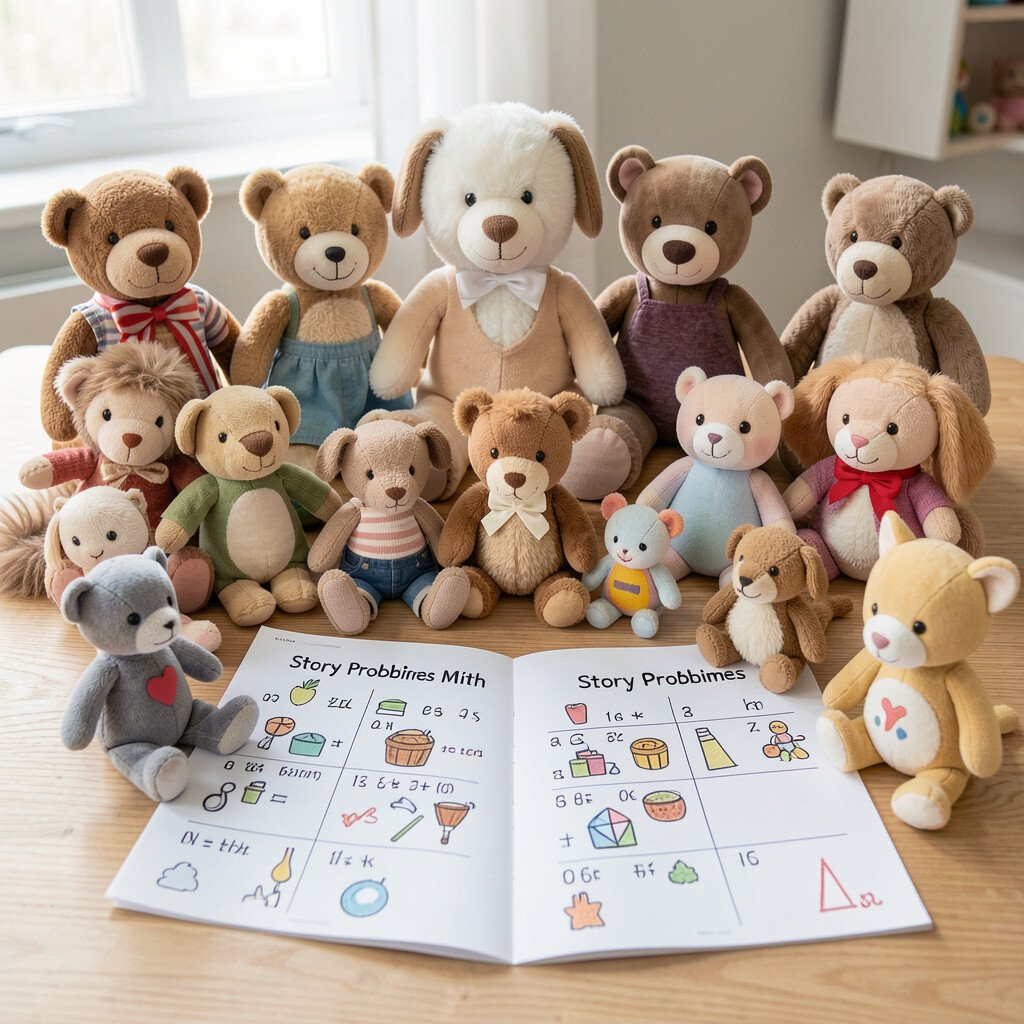
10. Story Problems With Stuffed Animals
Story Problems With Stuffed Animals
Use a small group of stuffed animals, then create short “math stories” with their actions, like sharing snacks or marching in a line. Ask children to predict what happens next, then count the stuffed animals together to check.
The characters make the story feel playful, and the counting becomes part of the plot. When children answer with hands and voices, they often feel safer taking math risks.
Try personalization by letting kids choose the animal group each day and decide what they bring for the animals. For a current trend, many classrooms now use storytelling and character play, so you can lean into that by adding simple “character cards” with numbers written on them.
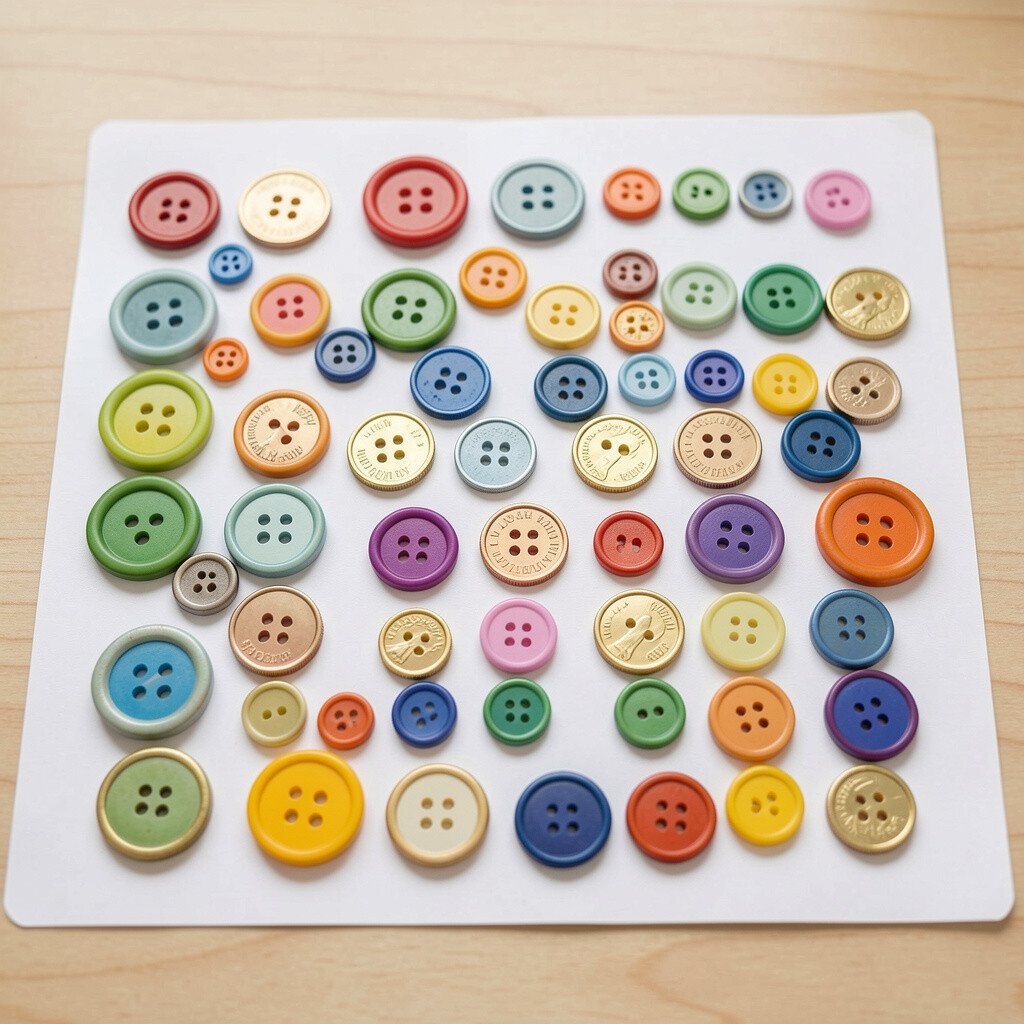
11. Coin-Sized Button Patterns for Counting By Fives
Coin-Sized Button Patterns for Counting By Fives
Create a pattern strip on paper, then place button “coins” in order, such as five at a time for a set. Children tap and count each group as they add buttons to match the pattern strip.
The repeating button circles look neat and satisfying, and the groups become easy to see. Counting by groups is a friendly doorway to skip-counting skills that many kids find exciting.
To keep costs in mind, use buttons from an old jar or thrift store items, and make the strips reusable with Velcro. Personalization can happen by using different button colors for different “money” themes, like space credits or garden coins.
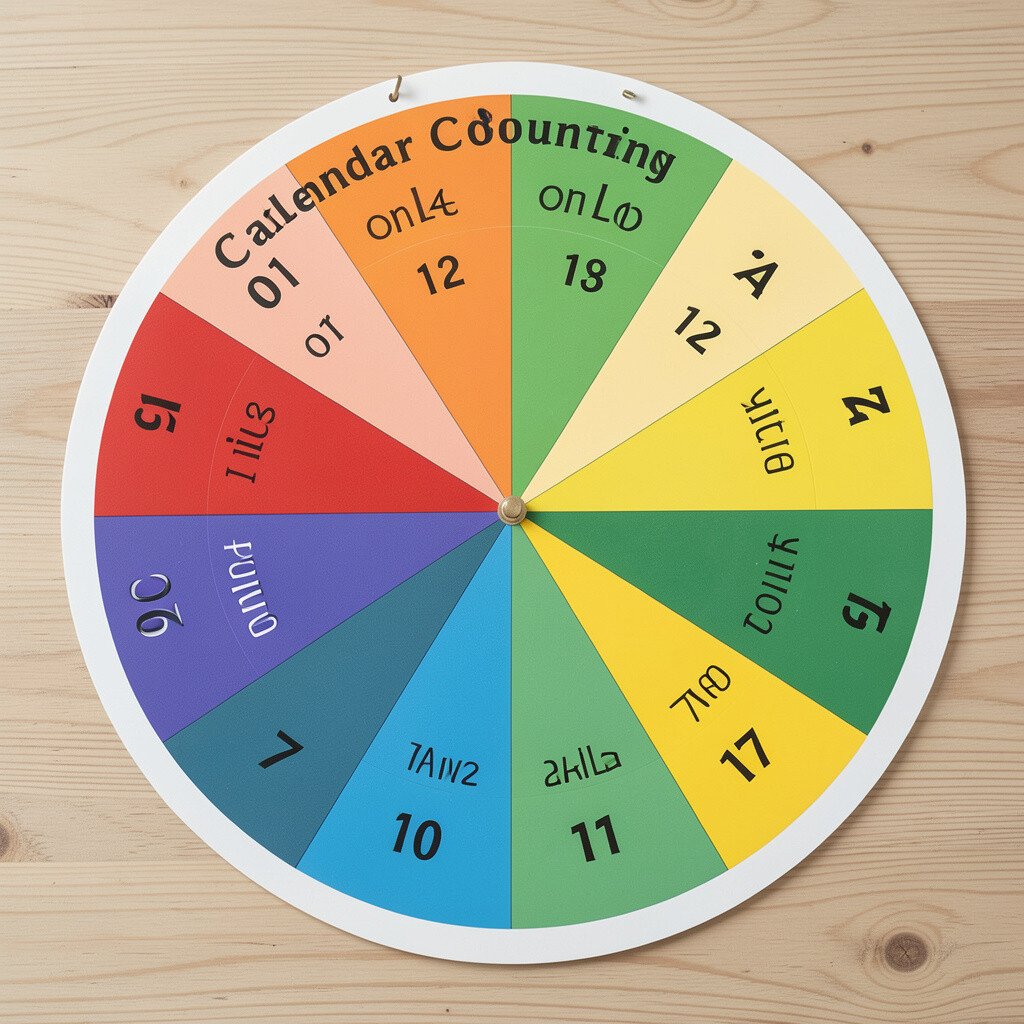
12. Calendar Counting on a Color Wheel
Calendar Counting on a Color Wheel
Make a color wheel with sections for each day, then spin it to choose a day picture. Children count the matching number of dots or objects on the day card and place it in the right wheel section.
The spin is a big attention grab, and the visible wheel helps children track time. This supports counting and sequencing skills while also connecting math to daily classroom routines.
Use paper plates, markers, and a brad fastener to keep it budget-friendly. For personalization, let kids wear a “calendar helper” badge and choose the theme, like spring colors or rainbow weekdays.
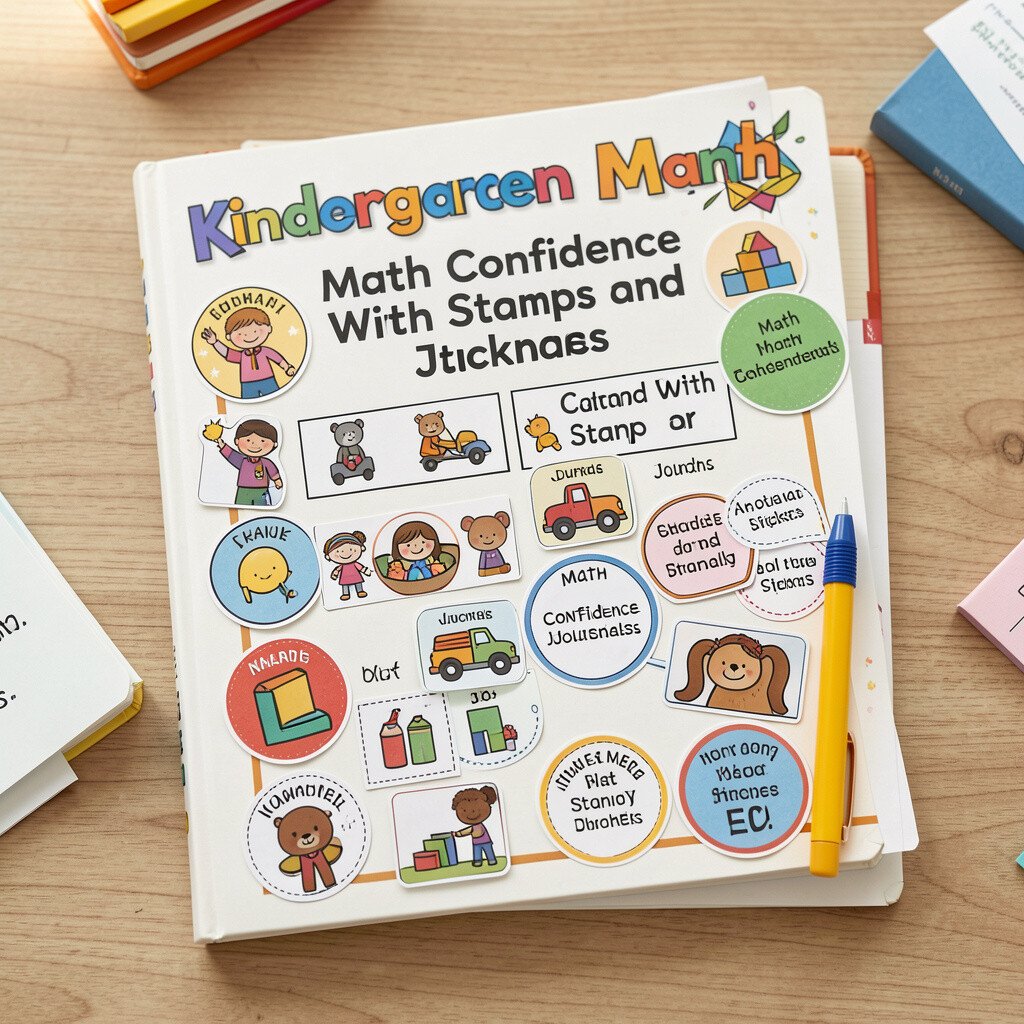
13. Math Confidence Journals With Stamps and Stickers
Math Confidence Journals With Stamps and Stickers
Create a small journal where children complete one simple math task and then add a stamp or sticker they choose. Include activities like circle the set with more, draw the missing shape, or match the number of stickers to a card.
The journal becomes a confidence record because it shows progress over time, like a personal math scrapbook. When kids can point to their own work, they often speak up more during new math moments.
For practical tips, use thick crayons, simple pages, and a consistent routine so children know what to expect. Personalize by letting them pick from a sticker menu and by adding a short drawing prompt tied to their interests, like trucks, ballet, or ocean animals.