15+ Unexpected Kindergarten Ideas That Work Wonders For Kids
Kindergarten thrives on small surprises that feel safe and exciting. When you add the right twist, kids show more curiosity, confidence, and joy.
These ideas are practical, playful, and easy to fit into real classroom days. Try a few and watch how quickly routines become warmer and more creative.
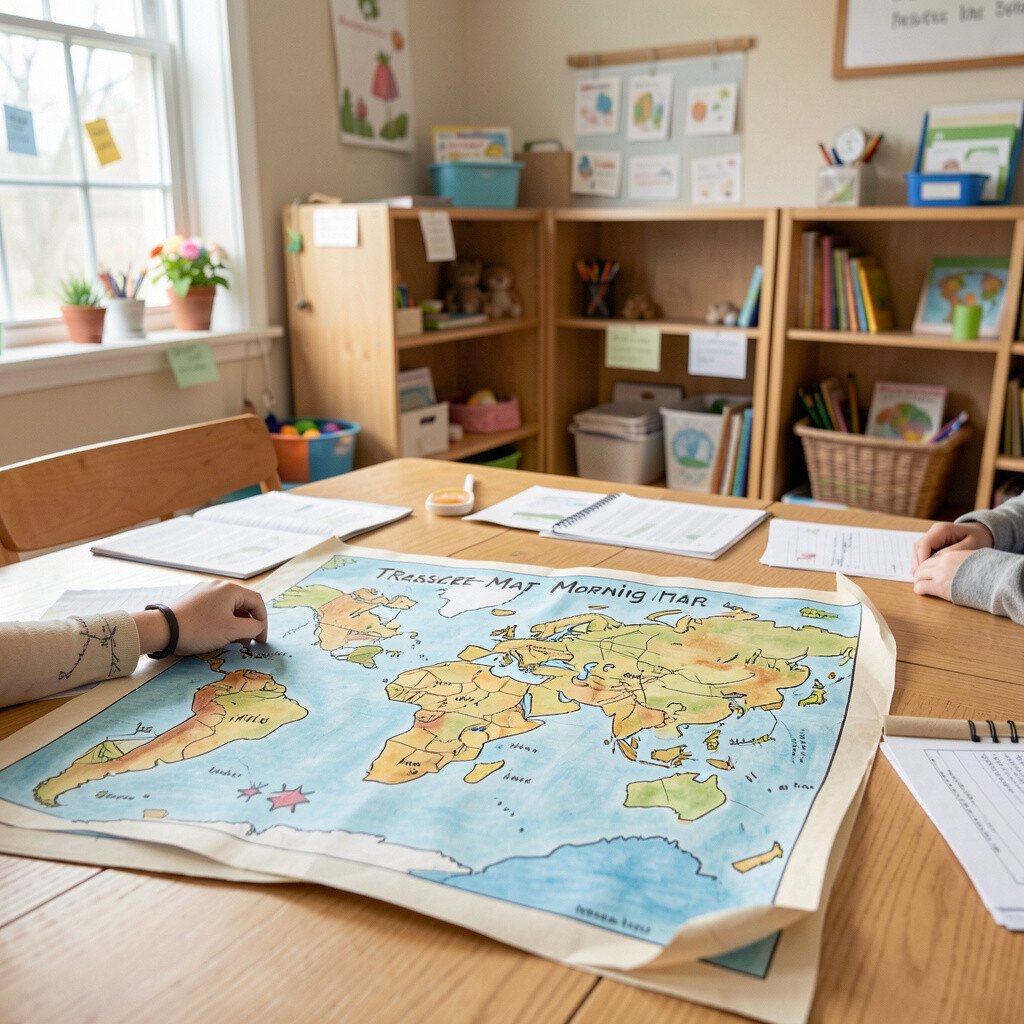
Turn greeting time into a mini “quest” using a simple paper map taped to the wall. Kids find their names by spotting icons like a star sticker for happy hellos and a leaf for calm voices.
Show a clear visual route: a starting spot, three stops, and a finish line where everyone sits together. Keep it personal by letting children choose one icon to add after each meeting. This idea boosts attention because kids anticipate what comes next, and it reduces the morning scramble.
2. Sensory Story Stones
Sensory Story Stones
Place smooth stones in a basket, each with a tiny symbol drawn on it, like a wave or a sun. As you read a story, children hold a stone that matches the feeling of the scene.
Use visual textures to make meaning stick, such as a bumpy dot for suspense and a flat line for safety. Kids benefit because they practice emotional labeling in a calm way, not as a lecture. Rotate stones often and pair them with simple movements like tapping for “hard parts” and rubbing for “soft parts.”
Personalize by letting families send one small stone from home with a child telling what it reminds them of. For cost, you can gather stones from local parks or buy a small pack cheaply. A current trend is using low-cost sensory tools to support regulation, and this fits that idea perfectly.
3. Grocery-List Letter Sounds
Grocery-List Letter Sounds
Write a “class grocery list” for a pretend snack, using pictures and the first letter sound of each item. Children add magnets or paper cards to match the sound they hear at the start, like banana for B or cracker for C.
Keep it visual by using real photos from magazines and letting kids point, sort, and slide cards into place. This boosts phonics because the letters connect to something concrete and fun. Try asking for a “mystery food” at the end so kids listen closely before choosing a card.
Personalize the list based on allergies and interests, and let one student pick a picture each week. For cost, use scrap paper, magazine cutouts, and a marker for easy updates. It also mirrors everyday literacy at home, which is a big win for families who want practice without extra worksheets.
Make a small lamp and a screen using a sheet, then create shadow puppets with paper shapes. Each day, kids choose a weather mood like sunny, windy, rainy, or snowy, and they act it out.
Visual drama helps children remember vocabulary, like “clouds,” “breezes,” or “drizzle,” because they see it happen instantly. Add benefits for listening by having the class repeat the weather word before moving. Keep instructions simple, and give kids a chance to lead one scene even if it’s just a quick shadow wave.
5. Quiet Coloring With Character Voices
Quiet Coloring With Character Voices
During a calm work time, offer coloring pages featuring friendly characters and let children “hear” the story in their own way. Give each table a different low voice cue, like a soft narrator, a gentle helper, or a silly sidekick.
Kids benefit from lower stress because they can choose a character voice that matches their energy. Use visuals by posting a small chart of character faces, so they know which voice fits which feeling. Personalize by letting children color a character accessory, like a hat, scarf, or backpack, based on their own choice.
For cost, print simple black-and-white drawings or use reusable doodle boards. A current trend in classrooms is calm creativity that supports self-regulation, and character voices make the quiet time feel warm instead of boring.
6. Motion Cards for Math Without Worksheets
Motion Cards for Math Without Worksheets
Create cards that show simple amounts using dots, shapes, or fingers, then assign each card a body action. When a child picks a card, everyone performs the action, like jumping for four dots or clapping for three triangles.
Visual counting becomes physical, so children feel the meaning in their bodies instead of only seeing numbers on paper. This supports early math and reduces frustration because there’s no right-or-wrong worksheet moment. Personalize by letting kids create a new motion for their favorite card after practicing the original one.
For cost, make cards from index cards, craft paper, or scrap cardboard. It also matches a broader trend toward kinesthetic learning, where movement helps memory stick.
7. “One-Sniff” Science Smell Stations
“One-Sniff” Science Smell Stations
Set up a small table with safe, labeled containers like cinnamon, cocoa, or fresh citrus peel. Kids do one guided sniff and then choose from picture options for what they think it is.
Visual signs help because children match the smell to a picture, like a warm cookie for cinnamon or a lemon slice for citrus. The benefits include strong sensory language growth and better focus during transitions. Keep safety in mind by using only kitchen-safe scents and keeping containers sealed until it’s time to sniff.
8. Classroom Post-It Praise Path
Classroom Post-It Praise Path
Place a long strip of paper across the floor with simple symbols at intervals, like a smile, a helper hand, and a “thank you” star. When a child does a kind action, you add a small sticky note picture to the path.
This creates a visual trail of community, showing that good choices matter and spreading motivation across the room. Kids benefit because praise becomes specific and shared, not vague. Personalize by letting each student hold a “praise job” for a few minutes, so they can look for moments worth celebrating.
For cost, use cheap sticky notes and print small icon faces from free templates. A current trend is positive behavior systems that feel human and warm, and this path does that without making it feel like a strict reward chart.
9. Carpet Corner Jobs With Real Tools
Carpet Corner Jobs With Real Tools
Give each carpet corner a job that uses a real-but-safe tool, like a soft cloth for wiping, a scoop for sorting, or a small brush for sweeping glitter-free tasks. Kids rotate after short intervals so everyone tastes responsibility.
Visual organization helps because each tool has a home spot, and kids see what belongs where. The benefits include independence and smoother routines since children participate instead of waiting. Personalize job choices by offering two options each rotation, such as “cloth helper” or “scoop sorter,” based on what children enjoy.
For cost, you can use child-sized items or thrift gently used kitchen tools and label them. This fits a big classroom trend toward meaningful roles, where young kids learn that adults trust them.
10. Letters in Bubble Wrap Lines
Letters in Bubble Wrap Lines
Roll out bubble wrap on the floor and draw thick letter shapes or simple words on paper that matches each line. Kids step on the bubbles in order, saying the sound as they go, like B for “bubble” and S for “soft.”
Visual textures make the activity unforgettable, because the bubbles pop underfoot and give instant feedback. Kids benefit from phonics practice that feels like play, not drilling. Personalize by choosing letter sets that match your current unit and letting kids pick which line to start with.
For cost, use leftover bubble wrap from deliveries, which is often free. It also reflects a growing interest in sensory play that supports literacy through movement.
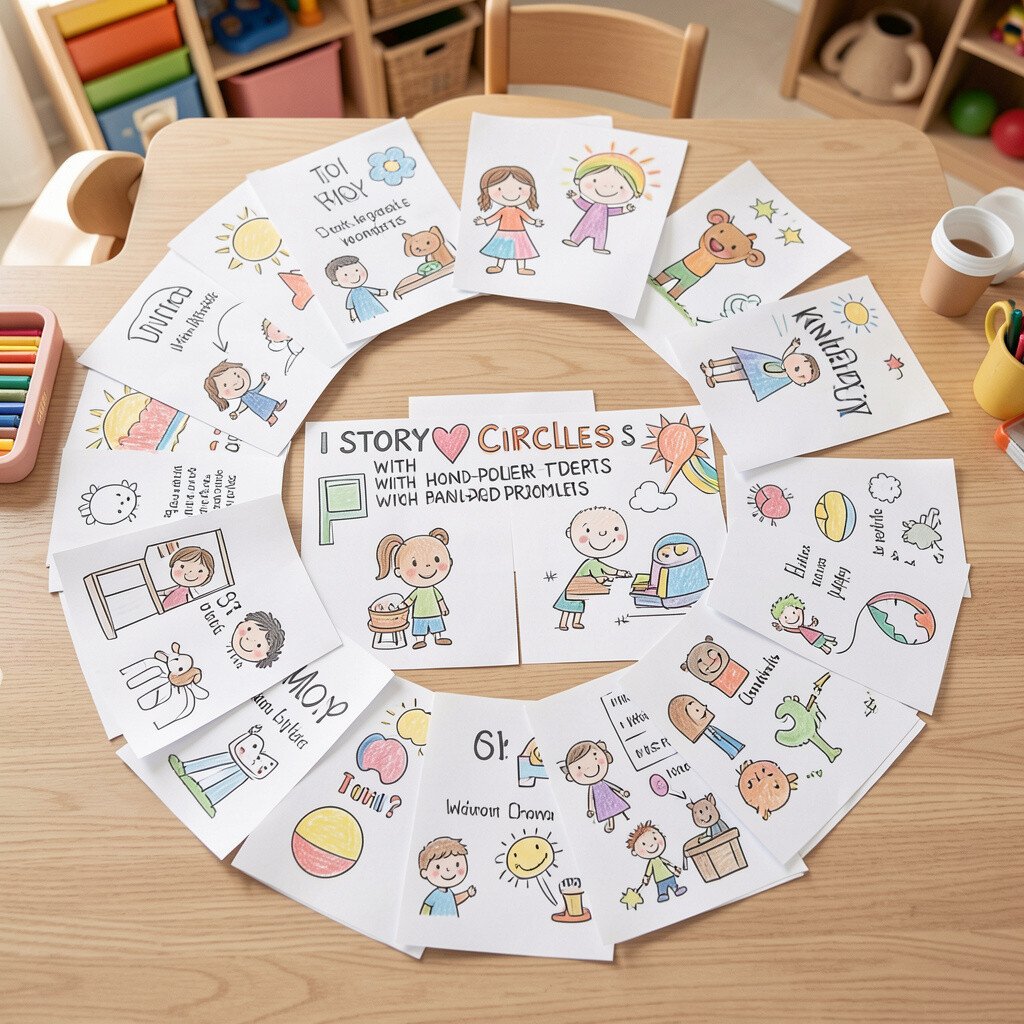
11. Story Circles With Hand-Doodle Prompts
Story Circles With Hand-Doodle Prompts
Before reading, draw a small doodle prompt on your own hand, like a heart, a question mark, or a swirl. Kids look, guess what the symbol might mean in the story, and then you read to confirm.
Visual anticipation keeps attention high because they’re watching for clues the whole time. The benefits include richer story comprehension and better speaking practice, since kids share their guesses before the reading ends. Personalize by matching doodles to children’s interests, like dinosaurs for one week and outer space for the next.
For cost, you only need a marker and a plain story book. This method also fits a trend toward interactive reading where children predict, gesture, and connect emotions to plot.
12. Calendar as a “Body Machine”
Calendar as a “Body Machine”
Use calendar days as a body-building game where each part of the body represents a category like weather, day, or feelings. For example, point to your head for “today,” touch shoulders for “weather,” and tap knees for “how you feel.”
Visual clarity makes it easier because kids see a consistent body pattern every morning. Kids benefit by connecting time language to movement, which improves memory and participation. Keep it practical by staying consistent, using the same body cues for a full week before changing them.
13. Art Collage From Recyclable “Sound Packs”
Art Collage From Recyclable “Sound Packs”
Collect small recyclable items like bottle caps, paper scraps, and cardboard pieces, then let children build collages while you tap a rhythm. Each sound pattern signals which material to place, so art becomes a listening game.
Visual creativity shines because the collage shows texture differences, like shiny caps, crinkly paper, and rough cardboard. This boosts focus and auditory processing because kids respond to rhythm without feeling like they’re taking a test. Personalize the collage by allowing kids to choose a theme, such as pets, habitats, or favorite colors.
For cost, you can gather materials over time and avoid expensive supplies by using what families already recycle. A current trend is using maker-style learning and recycled materials, and this activity supports both creativity and sustainability.
14. “Explain It Like I’m Small” Classroom Demonstrations
“Explain It Like I’m Small” Classroom Demonstrations
Pick one simple skill, like washing hands, tying a bow, or using scissors safely, and model it with extra clear gestures. Ask a child to be your “tiny teacher” and repeat your steps using their own words and motions.
Visual demonstration makes instructions easier because children watch the body actions, not just hear sentences. Kids benefit because they practice sequencing and speaking, which builds confidence for new tasks. Personalize the language by letting children choose a silly phrase for each step, like “tap-tap soap” or “snip-snip close.”
15. Feelings Weather Reports With Toy Props
Feelings Weather Reports With Toy Props
Set up a small “reporting desk” with a toy microphone and a few emotion props, like a smiling cloud, a grumpy thunderball, or a cozy heart. A child picks a prop and gives a short feelings weather report about how their day is going.
Visual props reduce fear of sharing because the child can talk through something playful and symbolic. The benefits include stronger emotional vocabulary and better peer empathy, since classmates learn to respond kindly. Personalize the script by offering picture options for phrases, like “I feel…” “because…” and “I need…” using simple visuals rather than full sentences.
For cost, use a cheap toy mic, print emotion icons, and make the desk from a shoebox lid. This matches today’s emphasis on social-emotional learning that’s practical, child-friendly, and woven into daily moments.
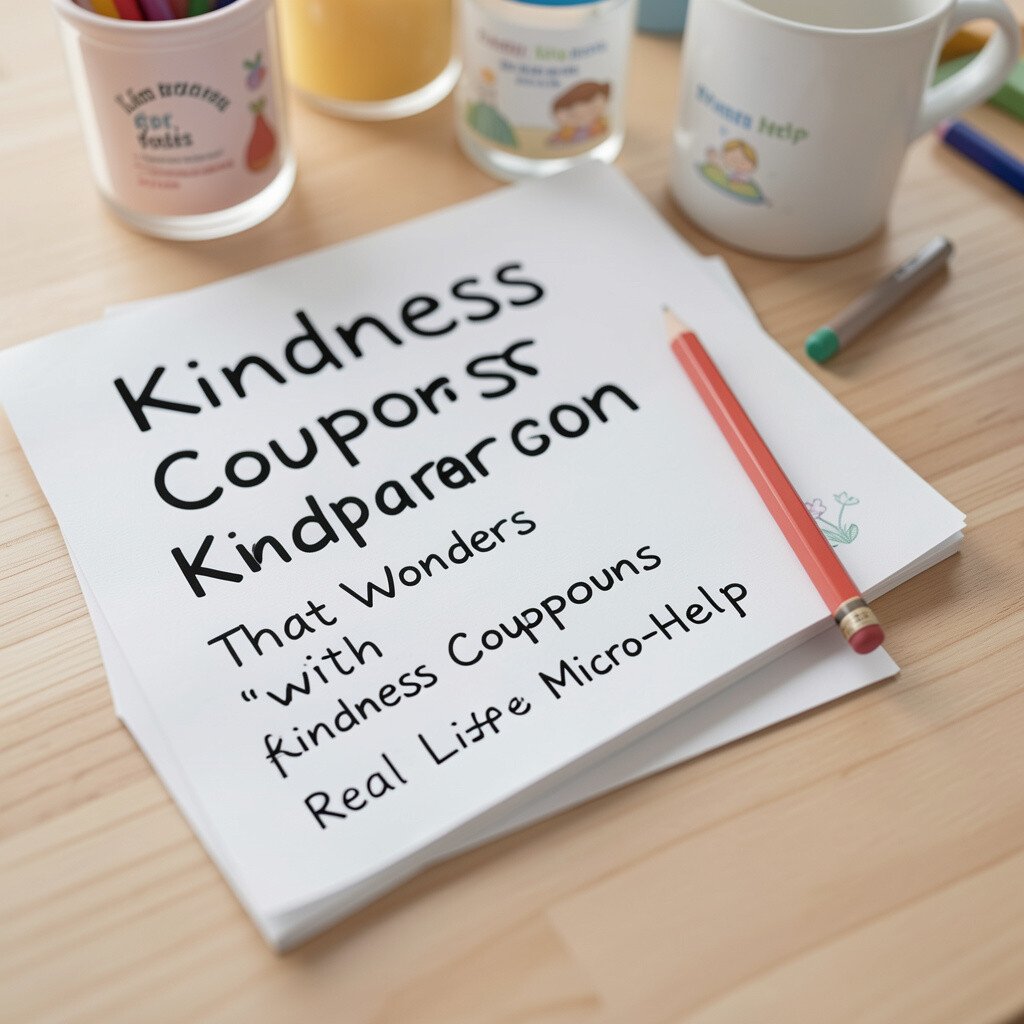
16. Kindness Coupons for Real-Life Micro-Help
Kindness Coupons for Real-Life Micro-Help
Create simple paper coupons that children can “spend” for micro-help, like carrying a book, opening a lunch container, or guiding a friend to a center. Kids choose the coupon they want to use, then they complete the helpful action with gentle adult support.
Visual cues on each coupon, such as an icon of a book or a lunch box, make roles easy to understand. Kids benefit because kindness becomes actionable, not just a rule, and helpers build pride while friends feel supported. Personalize by letting children design one coupon icon based on a real need they’ve noticed, like “help with pencils” or “music line helper.”
For cost, use cardstock scraps and markers, then reuse the coupons each week. A current trend is emphasizing student agency in classroom culture, and this gives kids meaningful power in a safe, structured way.