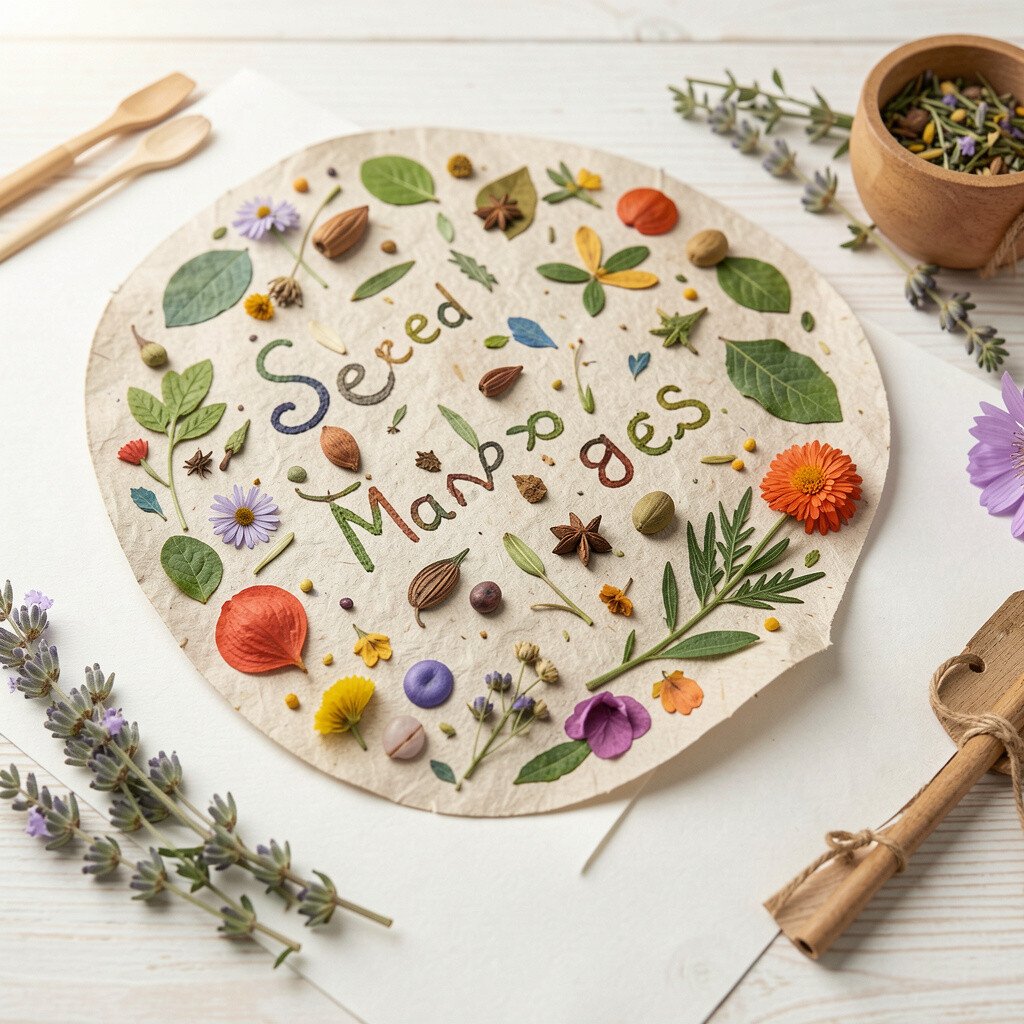
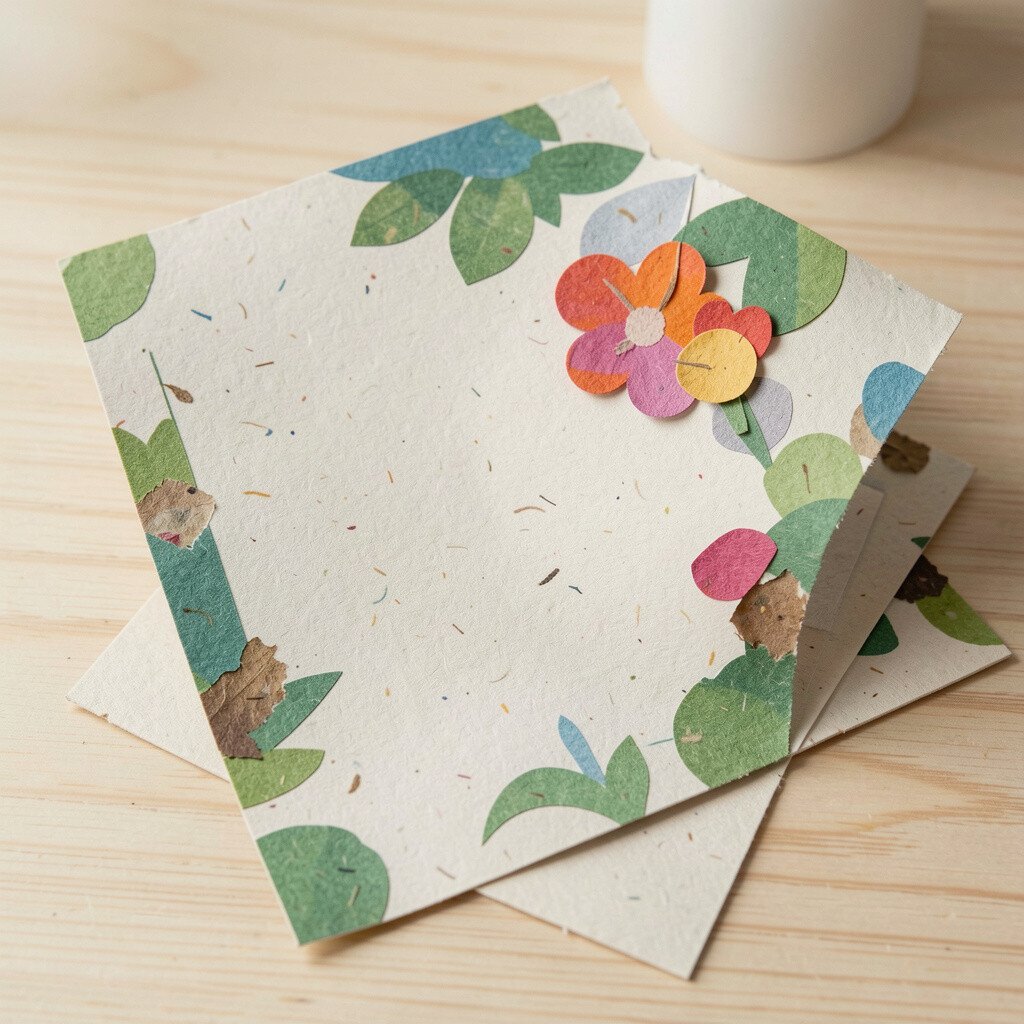
Imagine a sheet of paper that holds tiny seeds inside, like a secret garden you can mail. When it gets wet, the paper softens and tiny sprouts peek through, turning a craft into a living surprise.
This project works great for birthdays, thank-you notes, or kind messages between friends. Kids can choose shapes, press leaves into the paper mix, and write with seed-friendly ink. For practical results, spread the paper thin so it dries evenly, and keep it away from heavy moisture until you’re ready to plant.
2. Bottle Cap Friendly Faces
Bottle Cap Friendly Faces
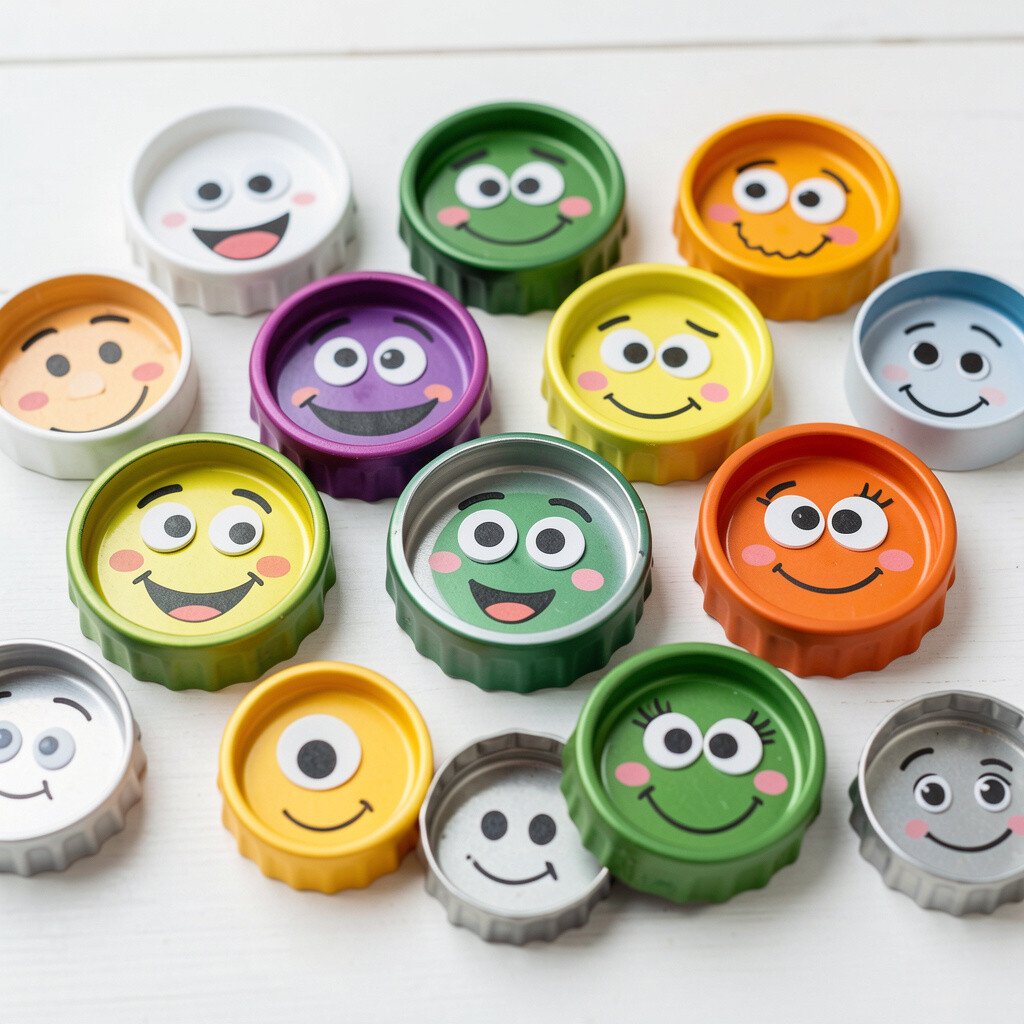
Small bottle caps can become cheerful faces with just a few safe materials. Picture a row of bright characters lined up like a tiny parade on a table.
Kids can use non-toxic paint, scraps of fabric, and yarn for hair to create their own styles. It’s a playful way to reuse waste while building fine motor skills and self-expression. To keep it tidy, lay down newspaper or a washable mat, and use a dab of glue that won’t ooze.
Try personalization by matching each face to a family member’s favorite colors or hobbies. For cost considerations, save caps from home and swap with neighbors to get different sizes without buying new supplies.
3. Newspaper Roll Planters
Newspaper Roll Planters
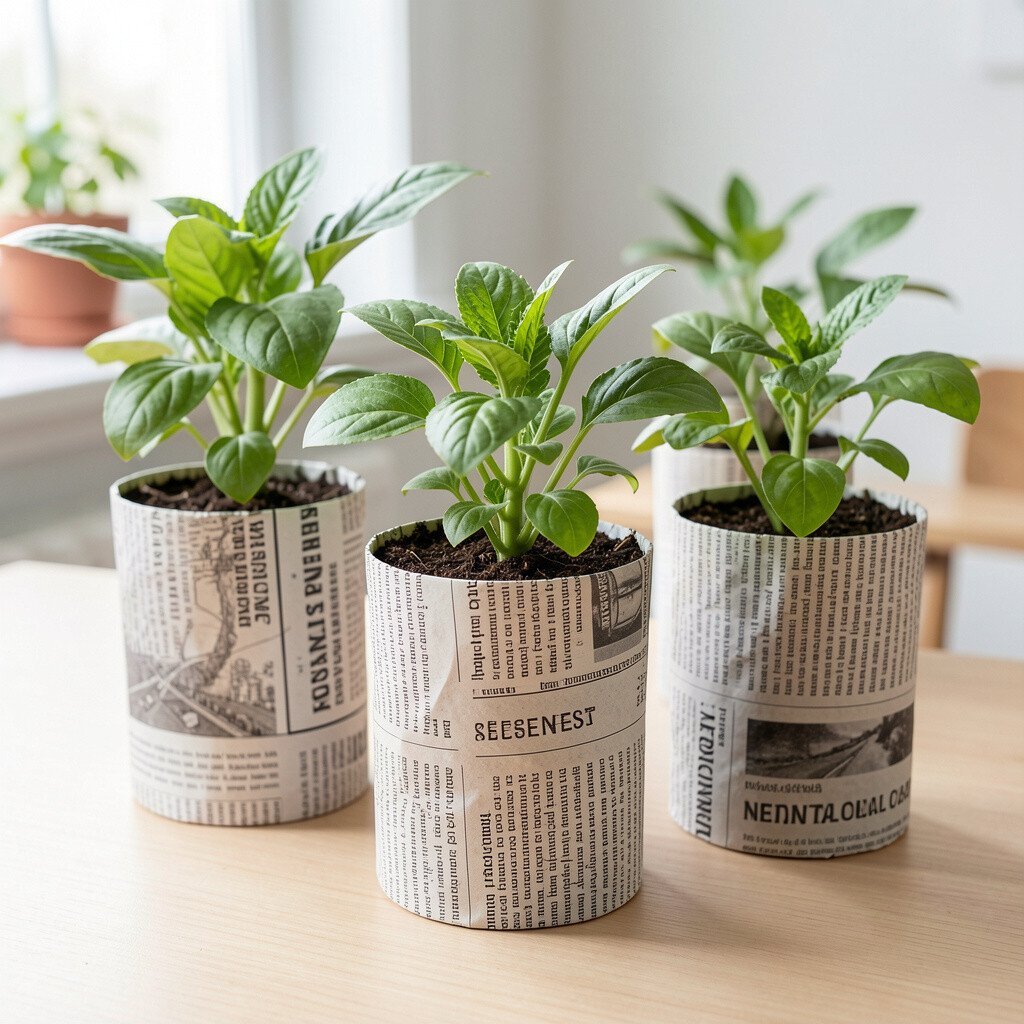
Fresh sprouts look extra special when they’re growing in handmade planters. The rolled paper cups feel light and cozy, and the outside can be decorated with simple patterns.
Kids can plant herbs like basil or fast-growing flowers, then watch their garden come alive. This craft reduces waste and teaches responsibility as plants need water and sunlight. For practical tips, roll the newspaper tight, tuck the bottom in so it holds shape, and place planters on a tray to catch drips.
You can personalize by stamping handprints using washable paint or adding names with a pencil and leaf-rub patterns. If you want to save money, start seeds from kitchen herb leftovers where appropriate and share seed packs among friends.
4. Cardboard Marble Run Worlds
Cardboard Marble Run Worlds
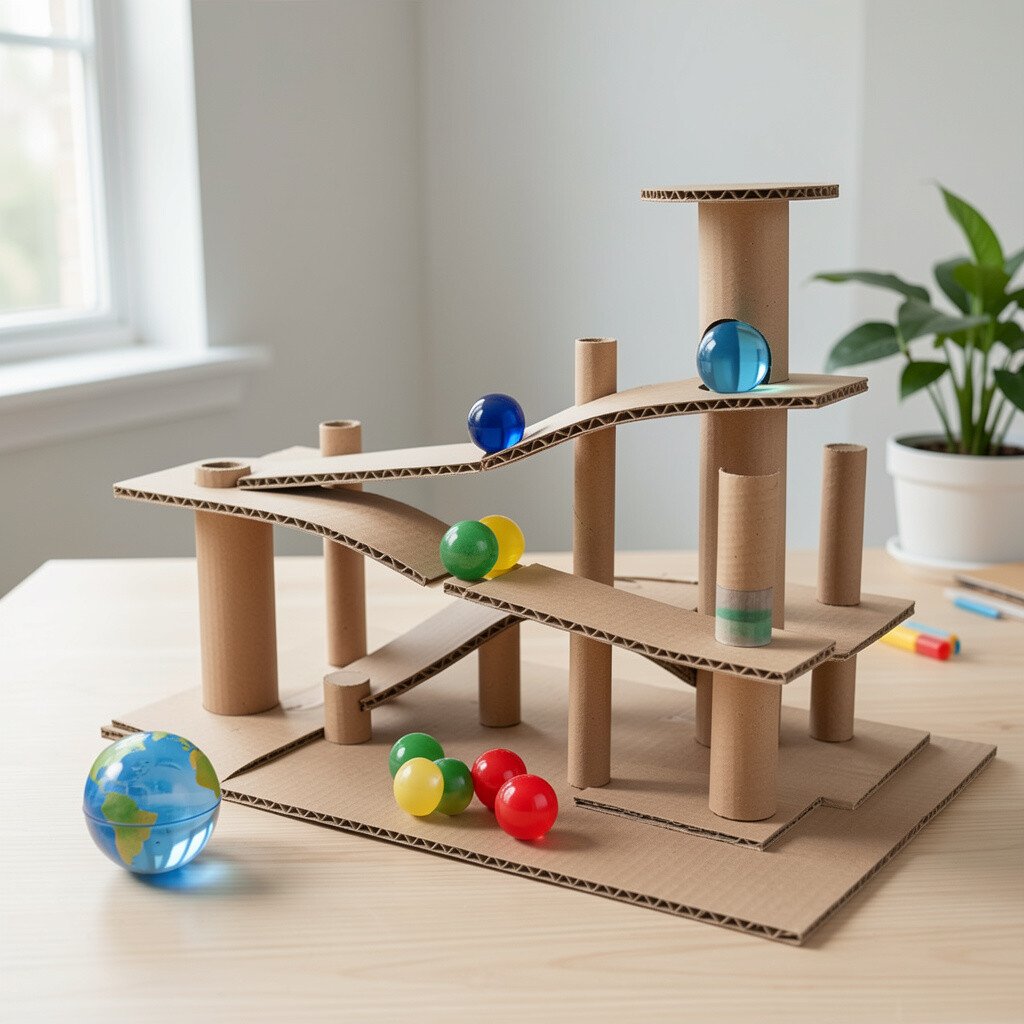
Cardboard boxes can turn into exciting roller tracks that echo with little “clacks.” Each bend and ramp makes a new scene, and kids can decorate the walls like a mini theme park.
Building a marble run boosts problem-solving and spatial thinking while giving sturdy craft time to a material that would otherwise be tossed. Use a safe, lightweight marble or a small ball, and make sure tracks are smooth so they don’t snag. A practical tip is to add barriers made from folded cardboard so marbles stay on the track during play.
5. Nature Collage Rainbows
Nature Collage Rainbows
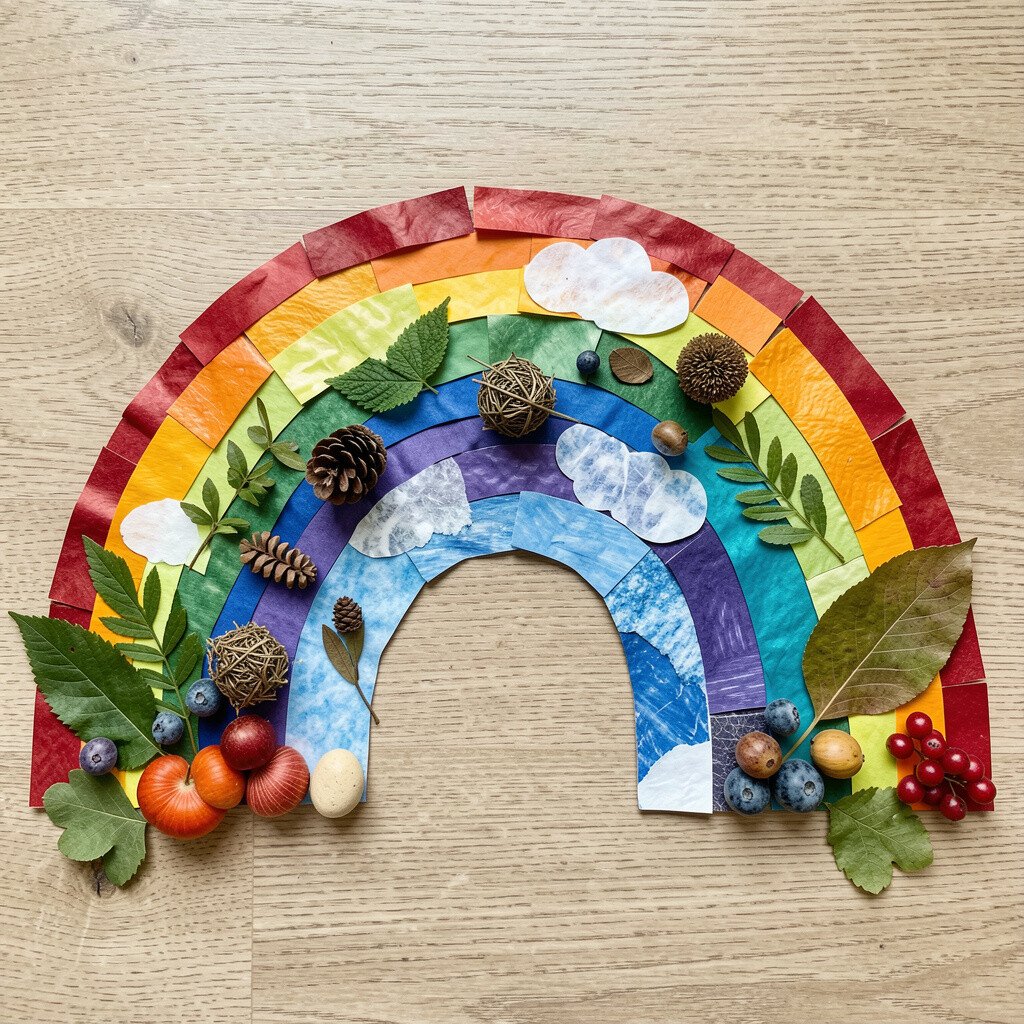
Thin leaves, petals, and grass bits can make a collage that looks like a rainbow made from outdoors. When sunlight hits it, you’ll see tiny textures everywhere like a living painting.
This craft supports creativity and teaches kids to notice patterns in nature. It also feels gentle and calming compared to screens, especially for younger kids. To keep it practical, gather items in small amounts, press them in a book for a day or two, and glue carefully so everything stays flat.
Personalize the design by choosing a color theme such as “all cool colors” or “only things shaped like hearts.” If you’re thinking about costs, natural materials are usually free, and the only extra items are simple glue and paper.
6. DIY Beeswax Wraps
DIY Beeswax Wraps
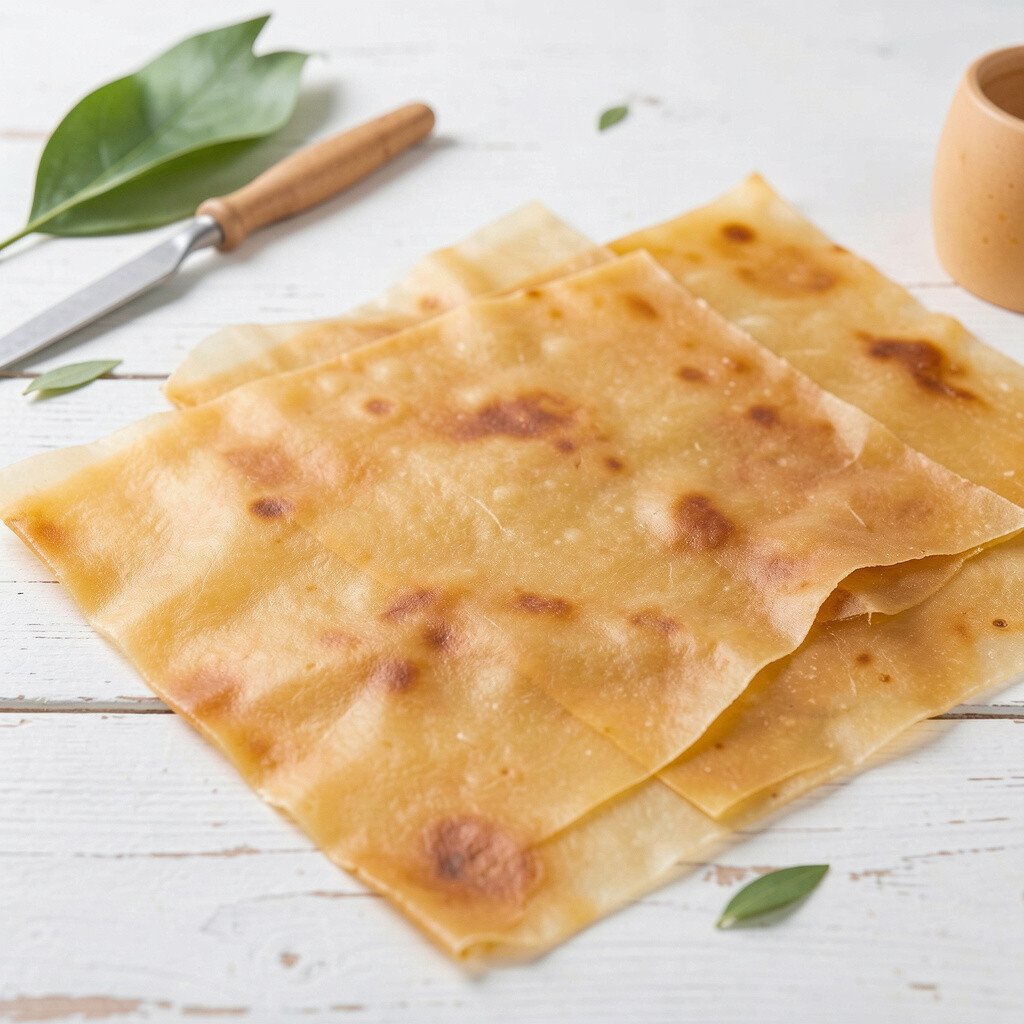
Beeswax wrap sheets can replace plastic wrap in a way that looks beautiful and works hard. Imagine warm, honey-colored fabric folding around bowls like a snug little blanket.
Kids can help with measuring cloth, choosing patterns, and watching grown-ups melt and mix ingredients. Using reusable wraps cuts single-use waste and is perfect for snacks, sandwiches, and leftovers. For practical safety, set up in an adult-supervised area, use parchment paper under the cloth, and ventilate the room well while heating.
Personalize wraps by cutting shapes, making corner folds for different containers, and labeling each one with washable markers. Cost-wise, you can start with a small batch using leftover cotton fabric and household ingredients, then reuse for months.
7. Sock Puppet Eco Heroes
Sock Puppet Eco Heroes
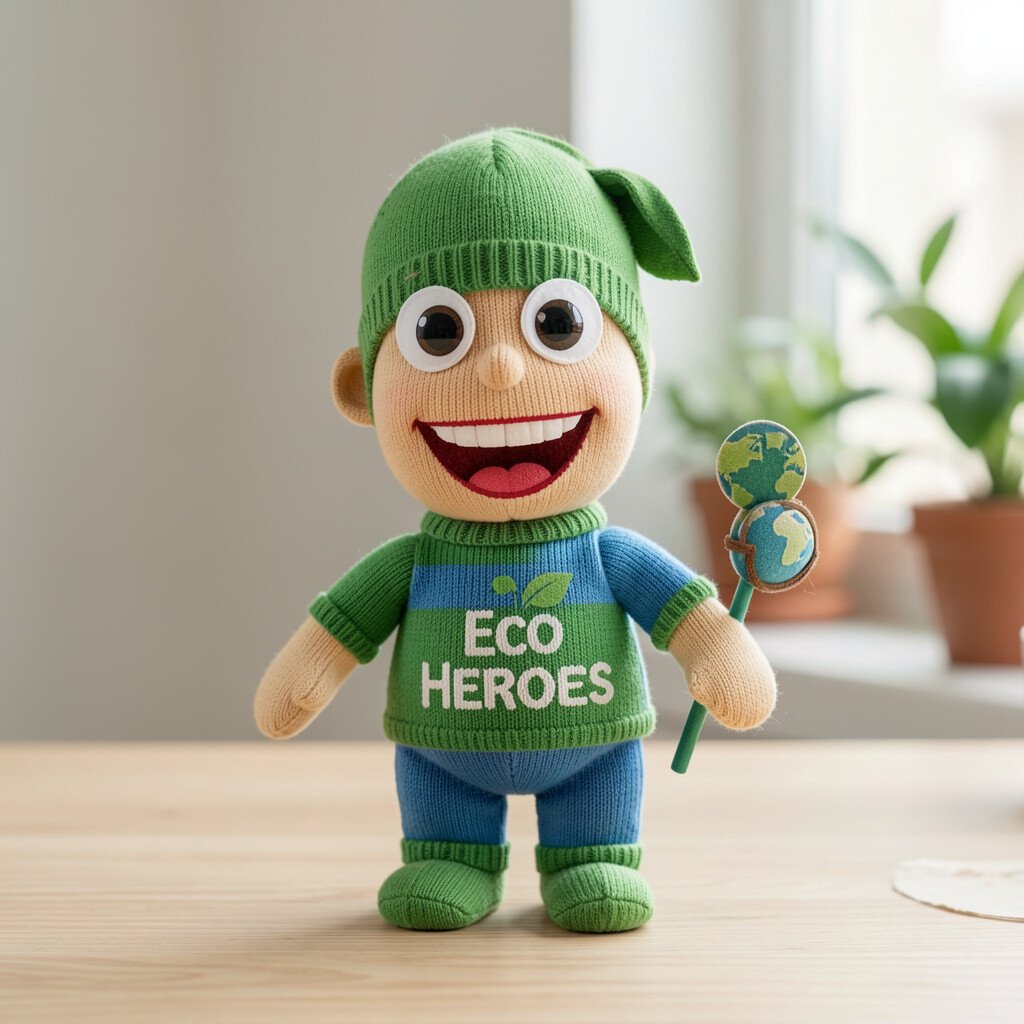
One mismatched sock can turn into a whole character with a friendly voice and funny moves. Kids will grin as the puppet talks about litter picking, saving trees, or caring for animals.
This craft makes storytelling feel real, and it helps kids practice language and empathy through play. You can use safe fabric scraps for costumes and add buttons only with adult help if needed. A practical tip is to stitch or glue securely at the seams so the puppet stays sturdy during lots of performances.
8. Leaf Stencil T-Shirts
Leaf Stencil T-Shirts
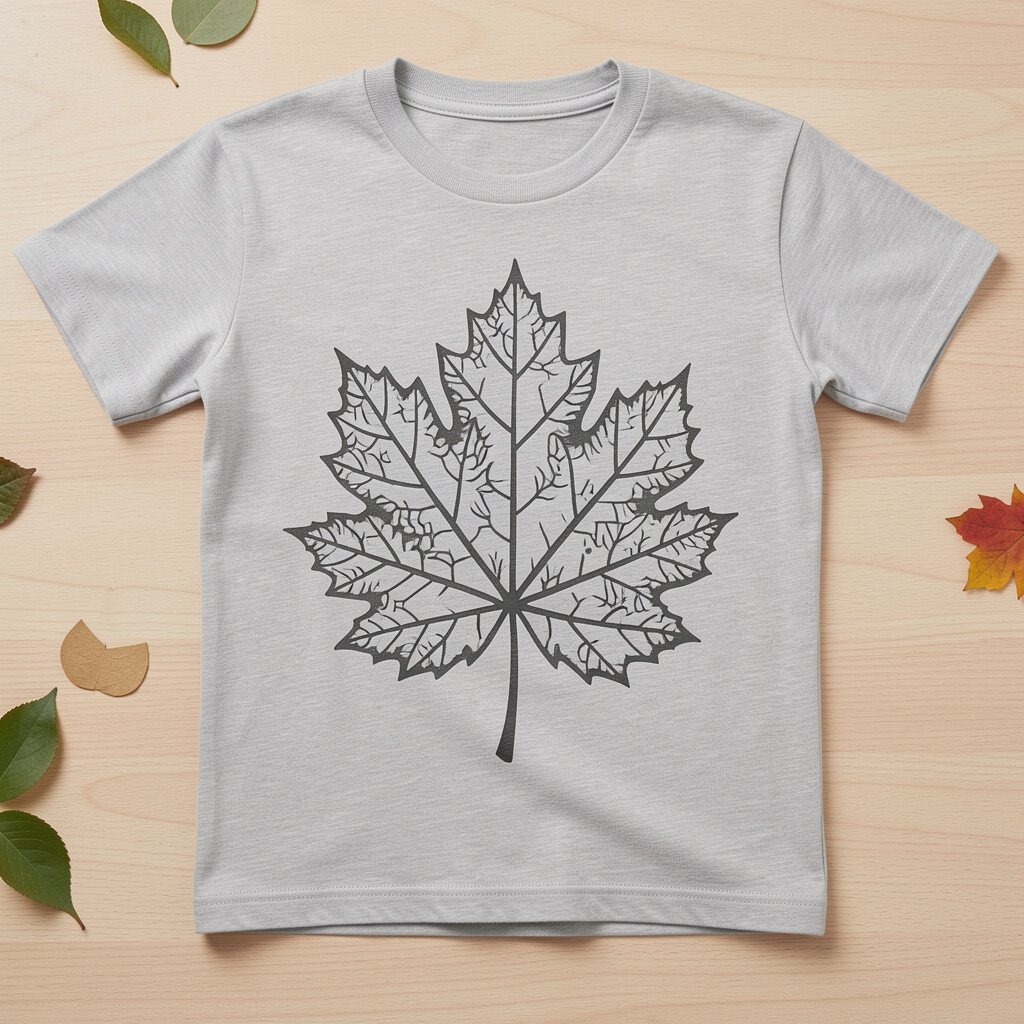
Leaves pressed onto fabric create shapes that look like wearable art. You’ll see veins and edges pop up as clean patterns, almost like nature’s own stamps.
This project is popular right now because it fits the trend of upcycling old clothes into personal style. It also gives kids a hands-on art experience while learning that “new” doesn’t have to mean “bought.” For practical results, flatten leaves with books, use washable paint, and place cardboard inside the shirt to prevent bleeding.
Personalize by choosing a theme like “park day” or “forest friends,” then mix paint colors to match a favorite outfit. Cost stays low since old T-shirts and leaf cuttings are easy to find, and fabric markers can be used if you want extra detail.
9. Rock Painting With Promise Stones
Rock Painting With Promise Stones
Smooth rocks can become tiny reminders that feel encouraging and bright. When painted carefully, they look like little gemstones with messages kids want to read every day.
This craft supports emotional growth, because kids can paint promises like “be kind,” “share,” or “try again.” It also helps kids reuse natural finds without buying anything fancy. For practical tips, rinse rocks, let them dry fully, and use outdoor-safe paint if you plan to display them outside.
Personalize by adding birthstones using dots and short symbols, like stars or hearts. If cost matters, acrylic paint and a few brushes can last for many rock sessions, and you can share supplies with friends.
10. Compost Starter Time-Lapse Jars
Compost Starter Time-Lapse Jars
Watching a jar change over days can feel like science magic. A clear container shows layers, tiny moisture spots, and the slow shift of materials into compost.
Kids learn about soil health and why compost reduces landfill waste. It’s also a great way to build patience since the jar needs time and steady care. For practical setup, layer brown and green materials in small pieces, keep it lightly moist like a wrung-out sponge, and secure the lid loosely to let air in.
Egg cartons turn into adorable bugs, birds, and creatures when kids paint and assemble them. You might spot a ladybug with bright dots or a caterpillar with wiggly segments made from cups.
This craft is great for reusing bulky packaging and building creative teamwork during group projects. It strengthens cutting and shaping skills, too, because kids need to form bodies and wings. For practical tips, use scissors made for kids, smooth any rough edges, and glue pieces in stages so nothing falls apart.
Personalize critters by adding googly eyes, paper feather details, or yarn antennae. Cost is usually very low since egg cartons come from home, and the only extras are paint, glue, and optional recycled accessories.
12. Paper Bag Eco Shops
Paper Bag Eco Shops
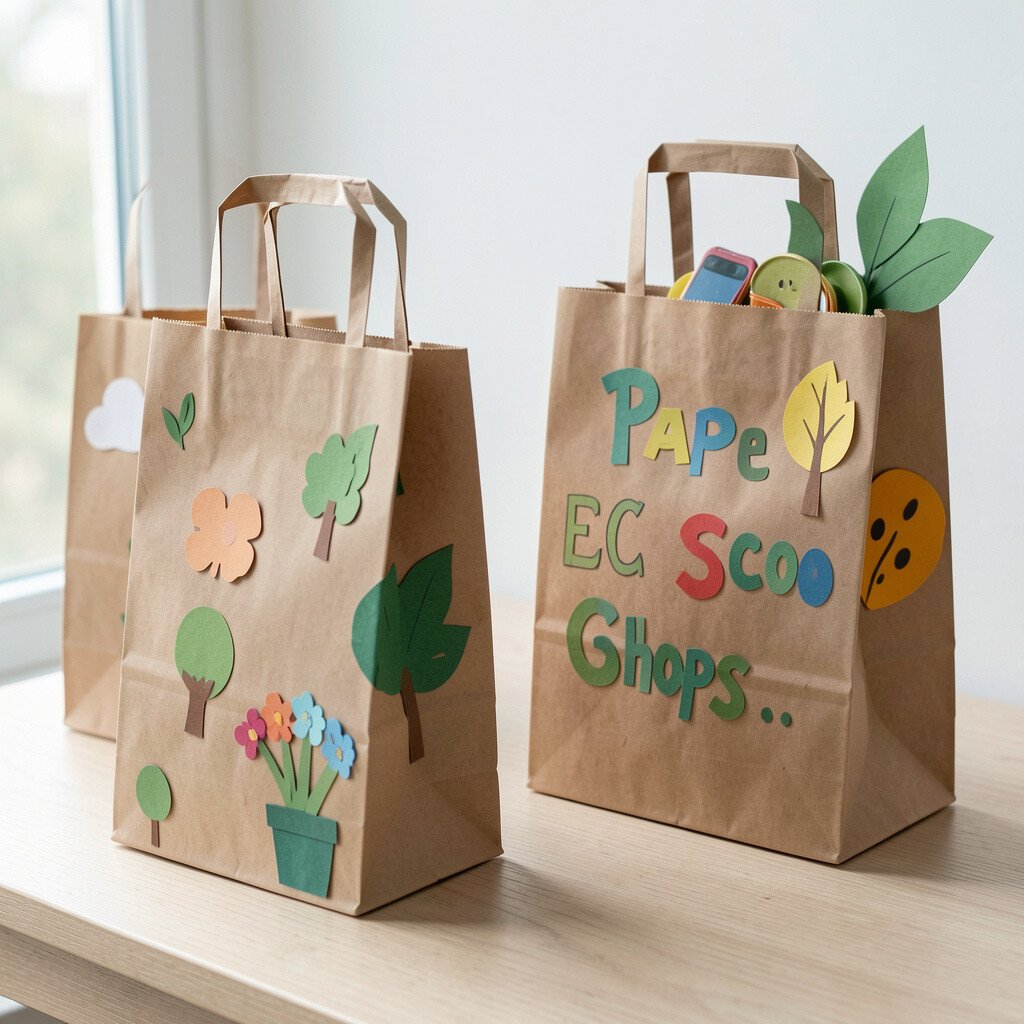
Paper bags can become pretend stores, snack counters, or gift booths with just a marker and a few shapes. The whole play space feels organized, and the “shopfront” looks like something made for kids.
This idea encourages imaginative role-play while keeping materials simple and recyclable. It also teaches planning skills since kids decide what to make, label, and “sell.” For practical tips, cut window shapes, add sturdy handles, and reinforce corners with tape made from paper-based material when possible.
13. Cardboard Picture Frames and Photo Towers
Cardboard Picture Frames and Photo Towers
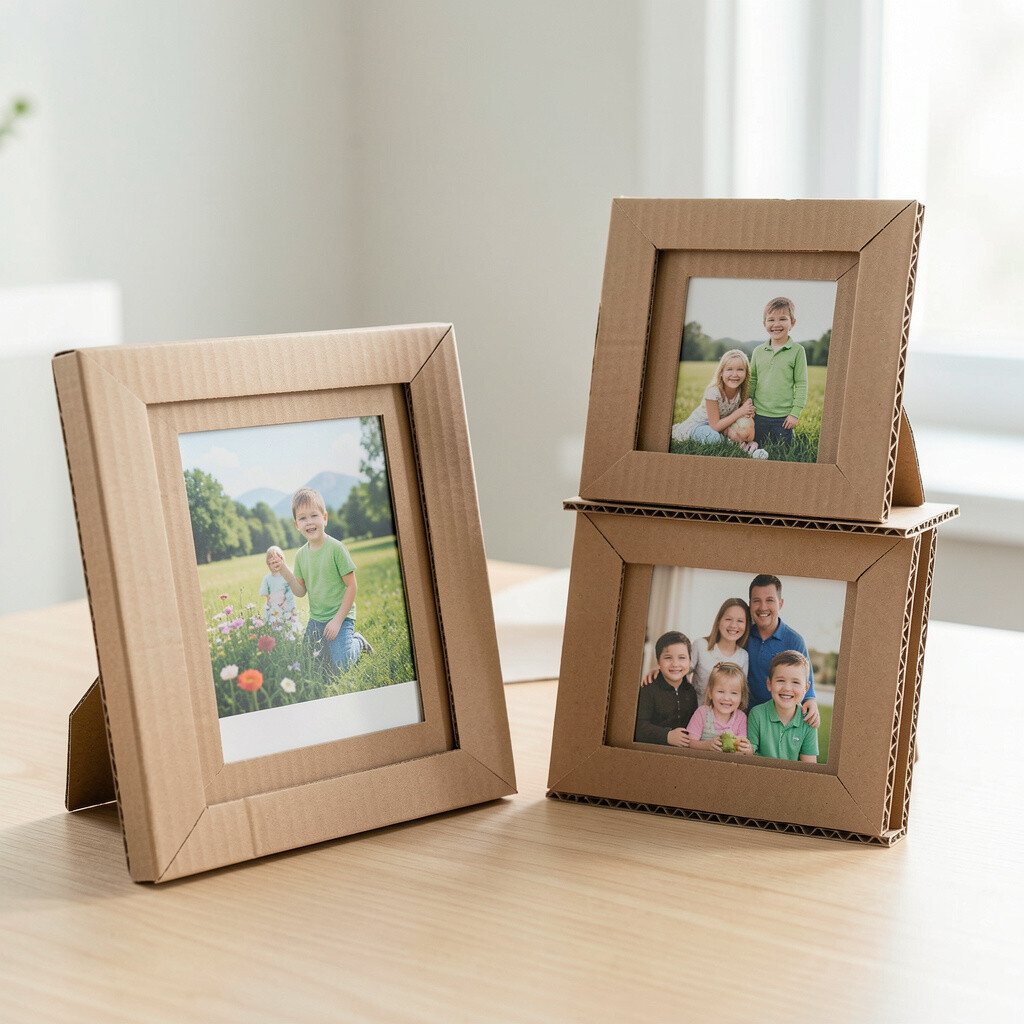
Cardboard frames can make everyday photos feel like museum art. Stacked towers of frames look playful and give kids a neat way to display their favorite moments.
This craft uses sturdy scrap cardboard that’s easy to cut, paint, and decorate. Kids can personalize frames with natural textures, like twine, dried petals, or crayon rubbing from leaf veins. For practical results, measure openings carefully, reinforce corners with extra cardboard strips, and use a safe glue that dries clear.
If you want to keep costs down, recycle old cereal boxes or packaging and share paint colors. A current trend is mixing craft textures with personal memories, so your home display can feel both artsy and meaningful.
14. Lemon Salt Painting Patterns
Lemon Salt Painting Patterns
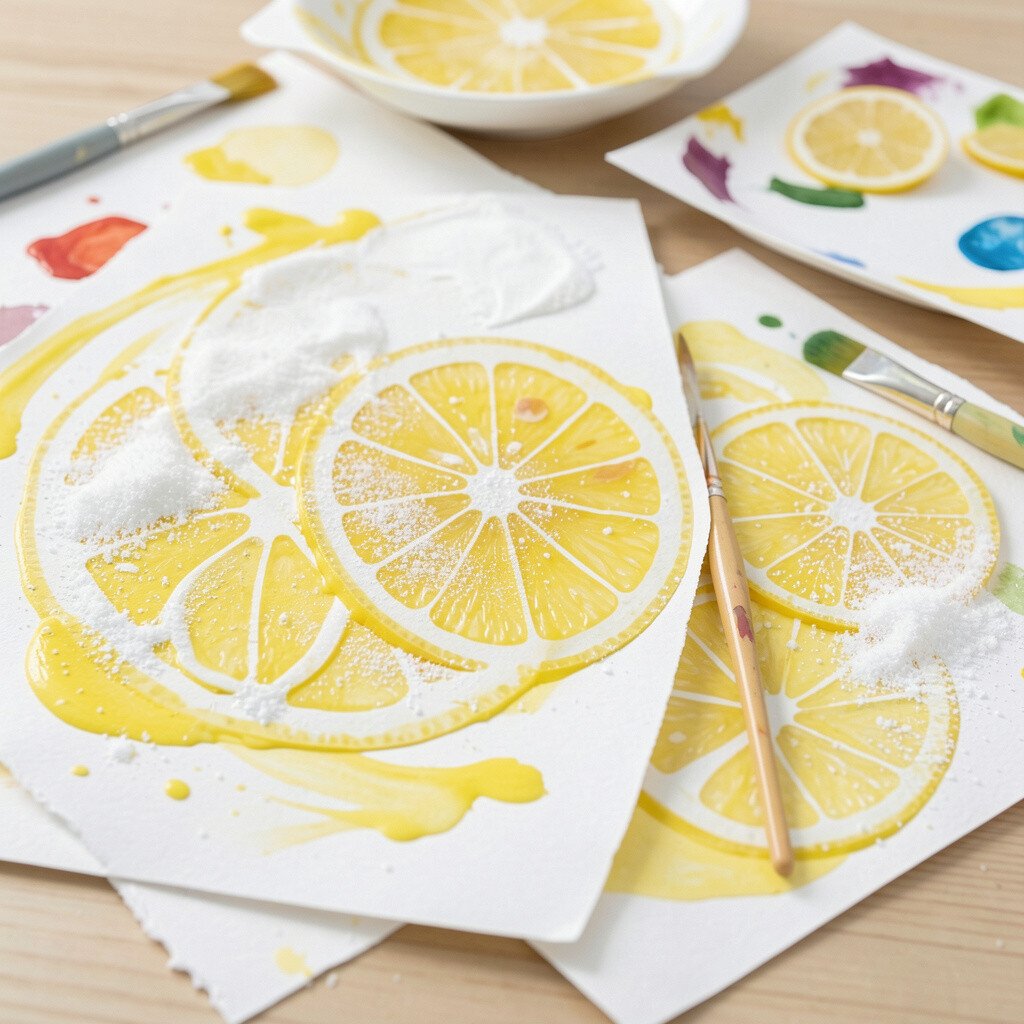
Lemon juice mixed with salt can create surprising lines and swirls on paper. As it dries and warms, the artwork reveals faint shapes that become bold later.
This craft feels like a science experiment, and kids will love the “wait and see” effect. It’s also a fun way to practice patience and careful measuring with kid-safe materials. For practical tips, use a thin brush, let the design dry fully, and keep paper flat while it changes.
Personalize by drawing favorite animals first, then adding lemon-salt “fur” or “feathers” with dotted patterns. Cost considerations are excellent since lemon and salt are usually already in the kitchen.
15. Rainbow Water Bottle Wind Chimes
Rainbow Water Bottle Wind Chimes
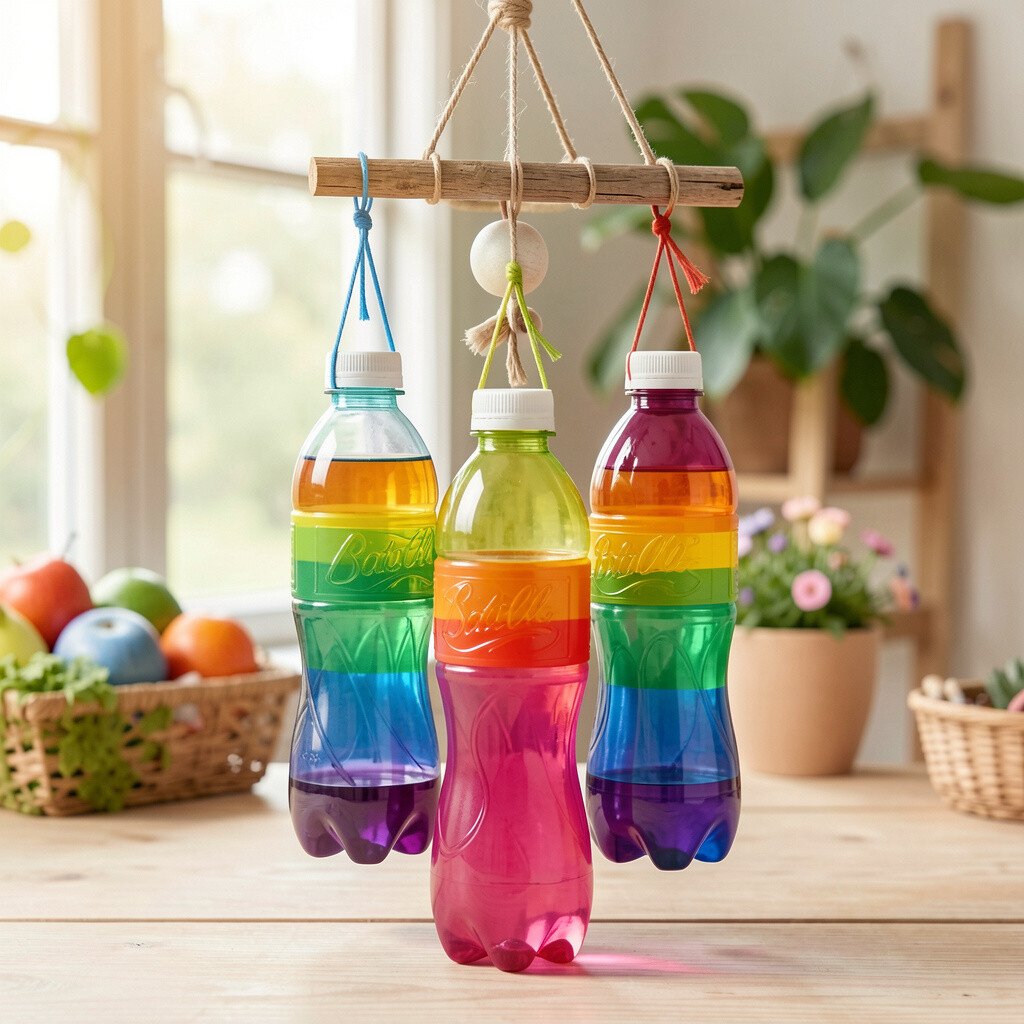
Old bottles can become colorful wind chimes that sparkle as breezes move them. Each hanging strip clinks softly, and kids can spot their rainbow colors from across the yard.
This craft helps kids reuse containers while creating a calming sound that makes outdoor time more fun. It’s also a great sensory project that connects art with motion. For practical tips, cut strips safely with adult help, punch holes carefully, and tie knots that won’t slip in the wind.
Personalize by using bottle sections tinted with washable markers and adding small recycled charms. For cost, you can gather bottles from home and skip buying new decor entirely.
Scrap paper can become matching cards for memory games, and the set looks unique every time. Kids will enjoy flipping cards made from old drawings and colorful packaging.
This craft keeps paper out of the trash while teaching sorting and concentration through play. It also helps kids practice creativity because each card can be designed with a symbol, animal, or favorite pattern. For practical tips, use thicker scraps or glue multiple layers, cut cards evenly, and laminate with clear tape to extend their life.
Personalize the game by adding family themes like “kitchen objects” or “ocean animals.” Since you’re using scraps, the cost is usually just time and a bit of tape or glue, which makes this a budget-friendly favorite.
17. Natural Dye Tie-Dyed Scarves
Natural Dye Tie-Dyed Scarves
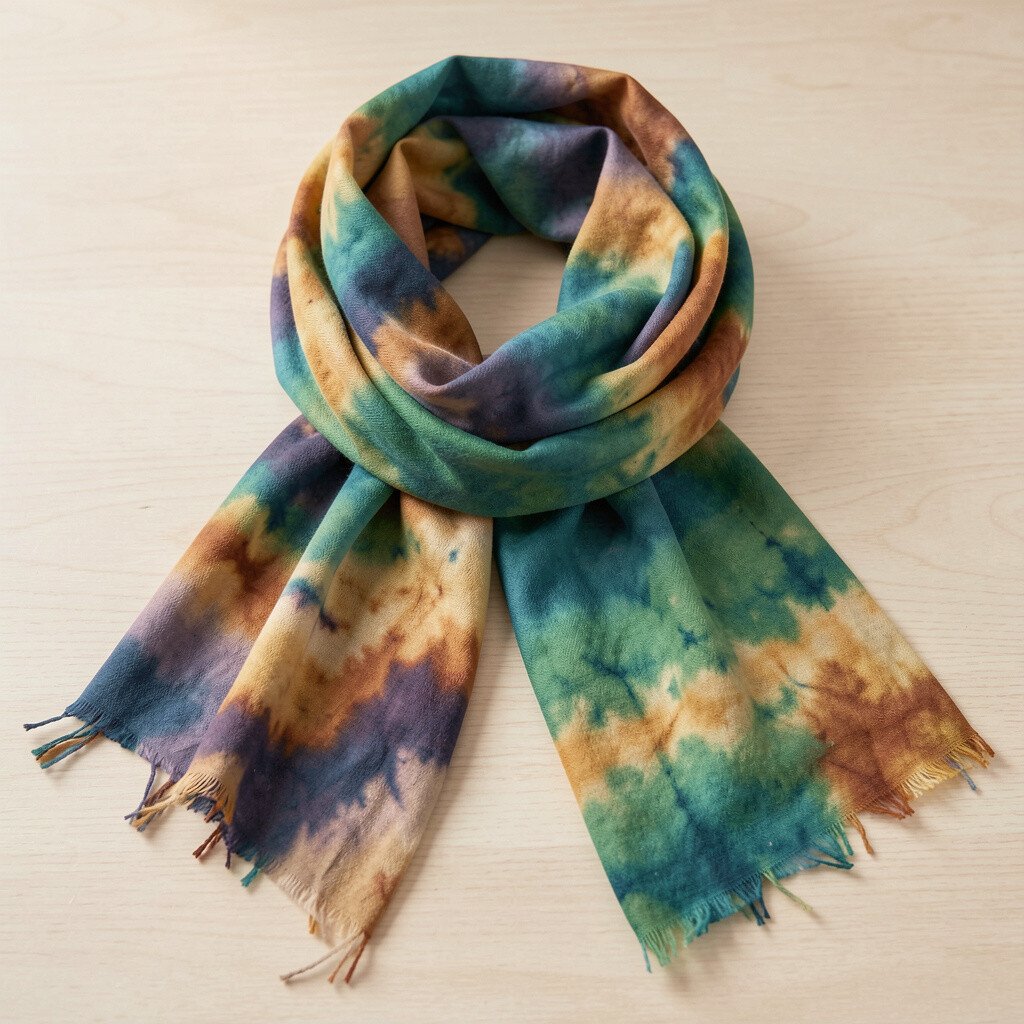
Tie-dye can be gentle and eco-friendly when you use natural dyes instead of harsh chemicals. The fabric may shift into earthy reds, soft yellows, and deep greens that look like a sunset in a field.
This craft is popular because many families want safer ways to make bold color at home. It’s also a wonderful moment for kids to learn that color can come from plants. For practical tips, use plant-based dye sources, wear gloves if needed, and soak fabric long enough for strong color before rinsing carefully.
Personalize by tying patterns with rubber bands, adding extra swirls where kids place knots, and naming each scarf after a place they love. Cost can stay low if you collect dye plants from a safe source and reuse old white fabric.
18. Acorn Caps and Clay Pendant Charms
Acorn Caps and Clay Pendant Charms
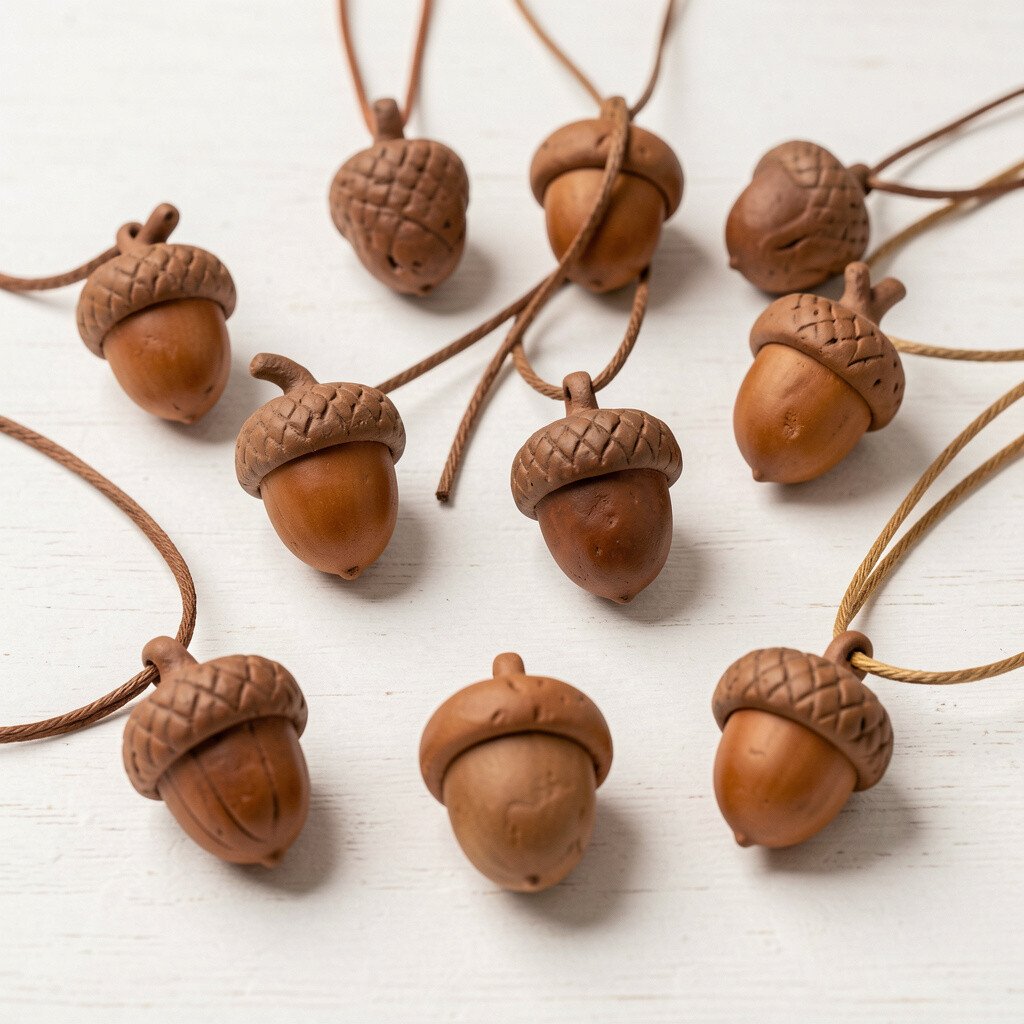
Acorn caps paired with simple clay can become charming wearable pieces. The texture looks wonderfully natural, like tiny forest crowns on small treasures.
This craft is unique because it combines found natural parts with kid-friendly art that can be worn as a necklace or keychain. Kids practice shaping and detail work, and they get a keepsake they made themselves. For practical tips, let clay fully dry before painting, attach caps securely with glue, and use a sturdy hole punch for string.
19. Upcycled Tin Can Storage Friends
Upcycled Tin Can Storage Friends
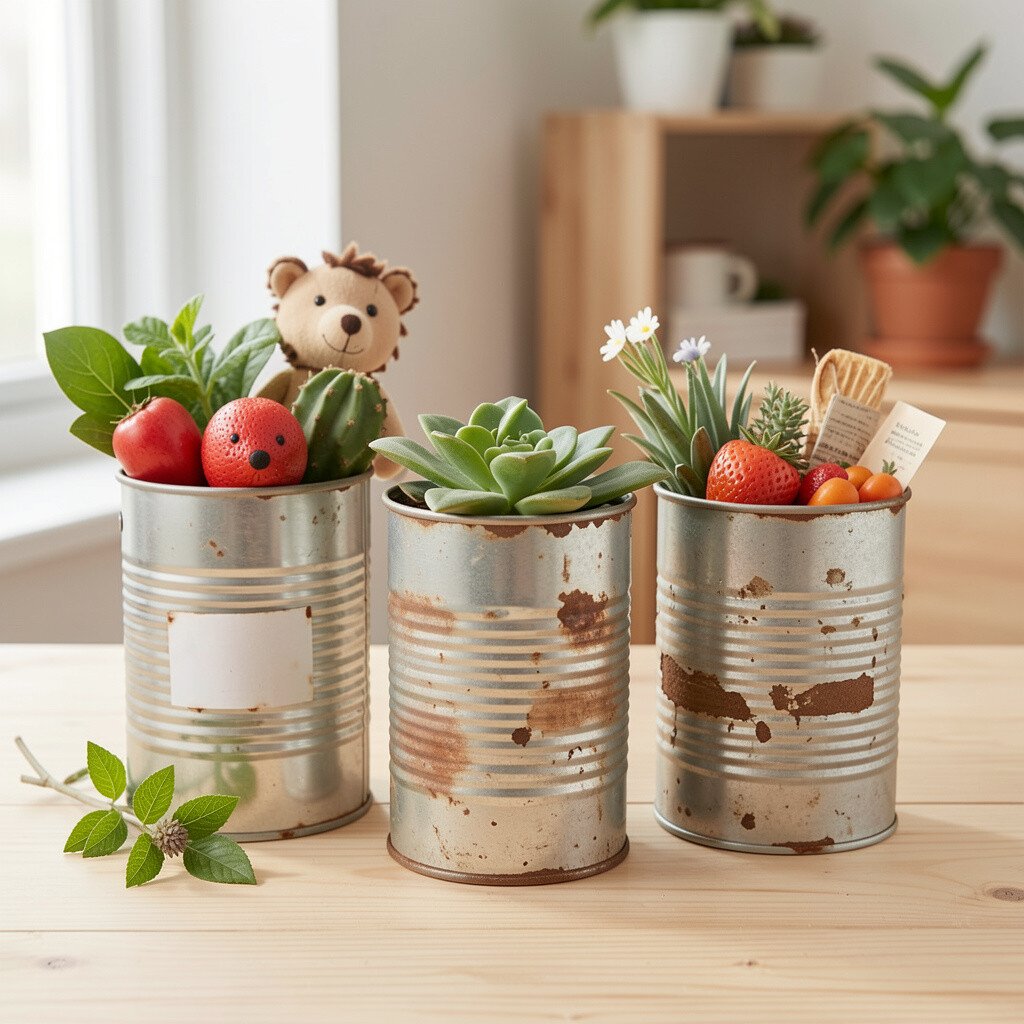
Old tins can turn into storage buddies for art supplies, seeds, or small toys. When painted and decorated, they look like friendly characters sitting at the shelf.
This idea reduces waste while helping kids keep their space tidy. It also supports sustainability because the same container can be reused as needs change. For practical tips, wash tins well, smooth sharp edges carefully with adult help, and use non-toxic paint so kids can handle their creations safely.
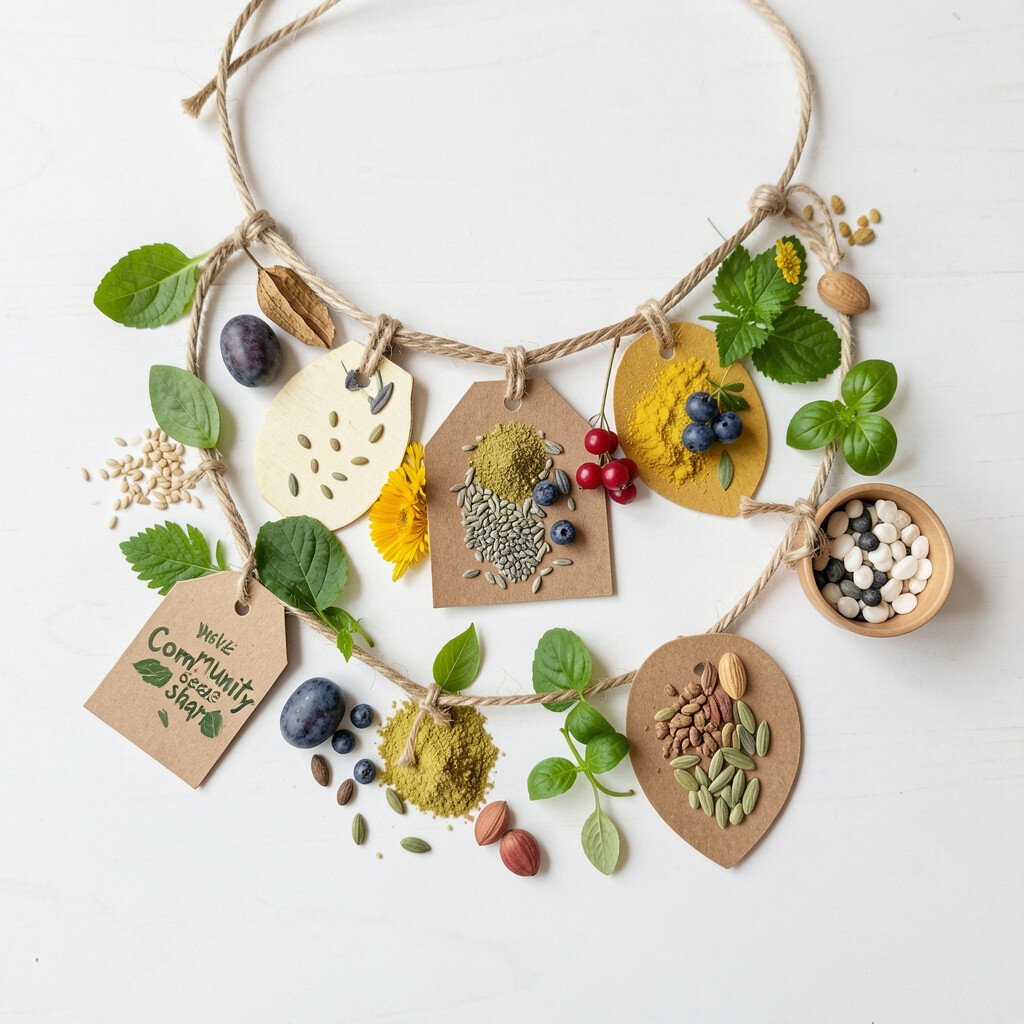
20. Community Seed Share Garland
Community Seed Share Garland
A garland made from recycled paper packets can look festive and meaningful. Imagine small seed envelopes hanging like decorations, each one ready for planting after the celebration.
This craft builds community spirit and teaches kids that sharing resources can help everyone grow. It’s also a nice seasonal activity, especially when local gardens and schools host seed swaps and planting days. For practical tips, fold paper packets so they seal neatly, write growing instructions in simple words, and string them with strong recycled twine.
Personalize by choosing packets for different sunlight needs, like “sun lovers” and “shade helpers,” and let each child label their own. Cost considerations are great because you can reuse string, collect paper scraps, and trade seeds instead of buying everything new.