Lay down a soft mat that looks like a winding story trail. Add small washable icons like stars, doors, and waves using fabric paint or iron-on patches.
Kids move a toy figure along the path to “visit” each scene. They practice sequencing while you casually ask what happens next. For personalization, swap icons based on your child’s favorite characters, holidays, or seasons. This kind of mat also supports fine-motor skills as children place pieces carefully.
2. Number and Shape Hopscotch Mat
Number and Shape Hopscotch Mat
Create a hopscotch-style layout with big foam numbers and bold shapes. The visual clarity helps little kids aim their feet and hands with confidence.
Play by calling out a shape, a number, or a simple pattern and have your child jump to the right squares. Keep it inclusive by letting them use stickers instead of jumping during busy days. For practical setup, use non-slip backing and double-check that pieces can’t slip under socks.
To match current trends, many families are adding “sticker math” where children remove and place labels like a game. The cost can stay low because you can reuse craft shapes and swap them weekly instead of buying new sets. You can also make it quiet-time friendly by turning jumps into “tap and count” with a finger pointer.
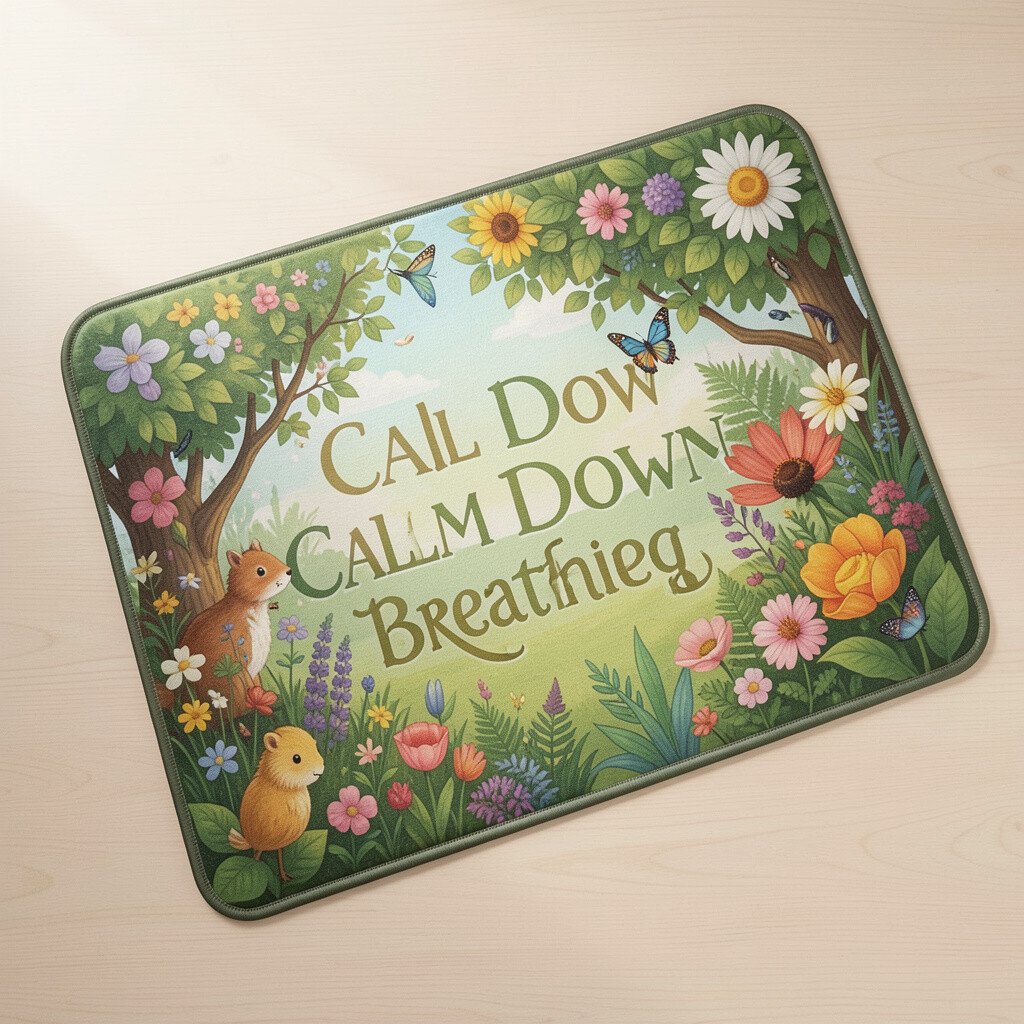
3. Calm Down Breathing Garden Mat
Calm Down Breathing Garden Mat
Design a mat with a gentle garden theme using pastel circles and leaf shapes. Each section can hint at a breathing cue through simple visuals.
Guide your child to trace a path from “smell the flower” to “blow the seed” using slow motions. This gives them a body routine when they feel restless. Add a soft spinner token or a card with pictures so the breathing steps feel like a choice.
For benefits, the mat supports emotional regulation while offering sensory comfort through light texture. Personalization is easy since you can tailor the pictures to your child’s feelings vocabulary. Cost can be kept reasonable by using felt scraps, leftover fabric, and a washable marker. If your household is into mindful movement, this mat fits right in with modern calm routines.
Make the prompts short and playful, and let them lead once they learn the order. Over time, the routine becomes a trusted reset button without feeling like a lecture.
4. Construction Job Site Mat
Construction Job Site Mat
Build a “job site” mat with lanes, parking spots, and pretend equipment bays. Use bright tape lines or stitched seams so the layout looks real on the floor.
Kids can sort toy trucks, match vehicles to bays, and practice moving in “construction rules.” You can add a simple challenge like delivering items to the right lane while using calm, clear directions.
For unique play, include one “mystery delivery” slot where the kid must choose the correct tool from a small bin. This mat is great for social skills too when you play together as the foreman and helper. Keep practical tips in mind by using sturdy bins and keeping small parts away from younger siblings.
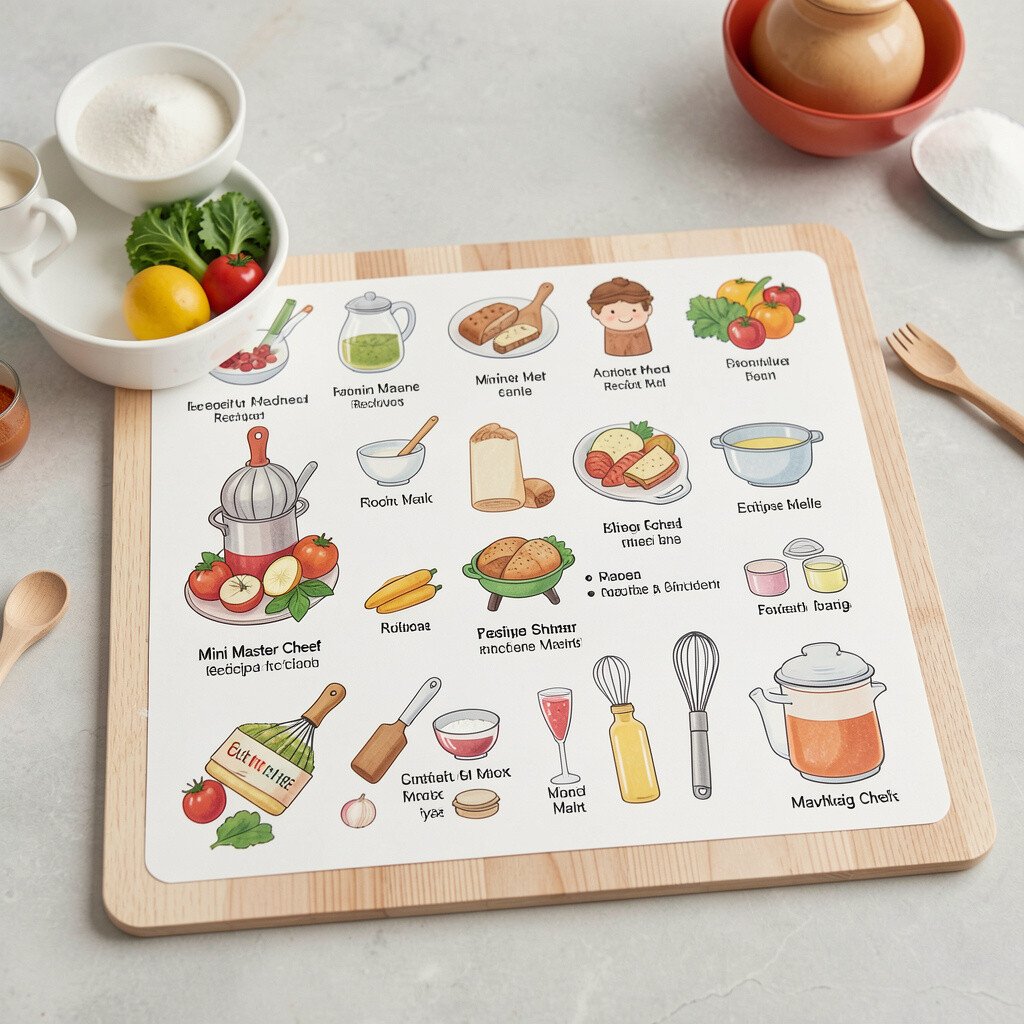
5. Mini Master Chef Recipe Mat
Mini Master Chef Recipe Mat
Create a mat that looks like a kitchen counter with empty plate circles. Add picture steps for mixing, stirring, and plating using stickers or fabric images.
Let your child “cook” with safe pretend tools, like wooden spoons and measuring cups. They follow the order, count scoops, and practice patience while you keep the pace upbeat.
For personalization, use family-friendly themes such as pizza night, taco day, or smoothie season. Cost considerations can be gentle because you can build the mat with scraps and reuse felt food pieces from craft stores or old sets.
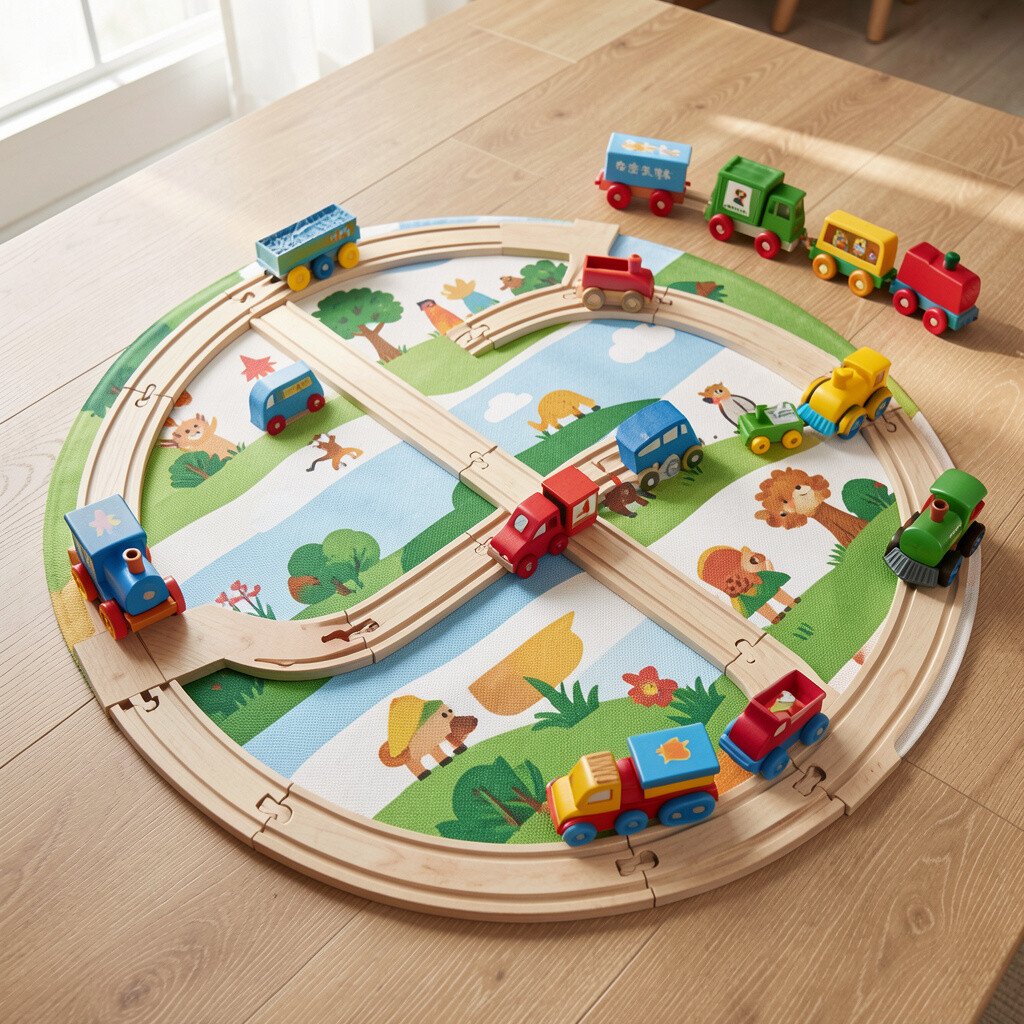
6. Alphabet Train Track Mat
Alphabet Train Track Mat
Make a track mat where each car has a letter, picture, or symbol. Kids love the visual rhythm of moving along the rails.
Play trains by sliding magnets or foam letter tiles from car to car while you sound out the letter name. You can also match beginning sounds by placing a picture card and asking what letter comes first. This builds early literacy without pressure, and the repetitive motion helps attention.
For practical tips, choose letters that are large and spaced far enough to avoid frustration. If you want to follow current trends, many classrooms use hands-on phonics with tactile pieces, and this mat fits that style. Personalization is simple by adding letters that your child is actively learning this month.
7. Weather Explorer Cloud Mat
Weather Explorer Cloud Mat
Design a mat with cloud shapes, sun rays, rain drops, and wind lines across the floor. The look can be bright and friendly, like a cartoon weather map.
Ask your child to match movements to the weather pictures, such as slow steps for rain or quick wiggles for wind. You can also sort small toy animals into “habitats” like sunny beach or snowy cave based on the image prompts.
Benefits include science curiosity and vocabulary practice while kids stay active. Use practical tips like keeping a small bag of weather tokens so setup stays fast. For cost, you can make weather pieces from felt scraps and reuse buttons or bottle caps as raindrops.
This mat feels unique when you let kids add their own weather signs with washable markers. Over time, the “forecast” becomes a creative ritual rather than a chore.
8. Shape Shadow Color Hunt Mat
Shape Shadow Color Hunt Mat
Give your mat a sunburst theme with spaces for “color” and “shadow” play. You can place translucent sleeves or ribbon shapes that catch light.
Hide small colored objects or card squares around the room and have your child place each one into the right sun section. Then they trace around shadows or place a matching shape to connect the visual pairings.
This supports visual perception while bringing in light-based curiosity, which feels very current with STEM play trends. Practical tips include doing it near a window and keeping the room safe from tripping hazards. Personalization is easy by changing the color set based on what you already own.
9. Quiet Time LEGO Landing Pad Mat
Quiet Time LEGO Landing Pad Mat
Create a mat with landing zones, numbered build spots, and a gentle storage strip. The layout should guide where pieces go, which reduces the mess spiral.
Kids “dock” their build pieces into zones, build a small creation, and then park the pieces back into the matching areas. It turns cleanup into a game because the mat shows exactly where things belong.
For benefits, this mat strengthens planning skills and supports executive function through clear organization. It’s also unique because it blends sensory comfort with structure, making it ideal for busy hands. Cost can be managed by using inexpensive baskets, scrap fabric pockets, and removable labels.
10. Animal Trail Tracking Mat
Animal Trail Tracking Mat
Draw a trail across the mat with paw prints and small mystery checkpoints. Add optional “track” cards with simple footprints like tiny, medium, or big.
Kids act like wildlife trackers by placing toy animals at the checkpoints and building a route for them to travel. You can ask questions like how many steps to the next spot or which trail leads back home.
Personalization is powerful here because you can align animals with what your child loves, such as dinosaurs, jungle cats, or farm friends. Practical tips include using washable markers for paw shapes and keeping the trail lines thick for easy visibility. This activity also offers benefits for turn-taking if you alternate between being the tracker and the animal.
If you want a modern twist, you can use QR-like picture riddles on the checkpoints with simple audio from a phone, as long as it stays quick and kid-friendly. The mat stays the main stage while technology adds a fun layer.
11. Music and Rhythm Beat Pad Mat
Music and Rhythm Beat Pad Mat
Make a beat pad mat with circles for drums, zigzags for rhythm lines, and a few “stage” spots. The design should look like a playful music studio on the floor.
Tap along using hands, claps, or gentle percussion toys while calling out rhythms shown on picture cards. Kids can also practice patterns by repeating the same beat for a full round, then switching to a new card.
Benefits include listening skills, timing practice, and coordination. For practical tips, keep the beat zones large so younger kids can land their taps easily. Personalization can come from letting your child choose a theme such as space music or bedtime songs.
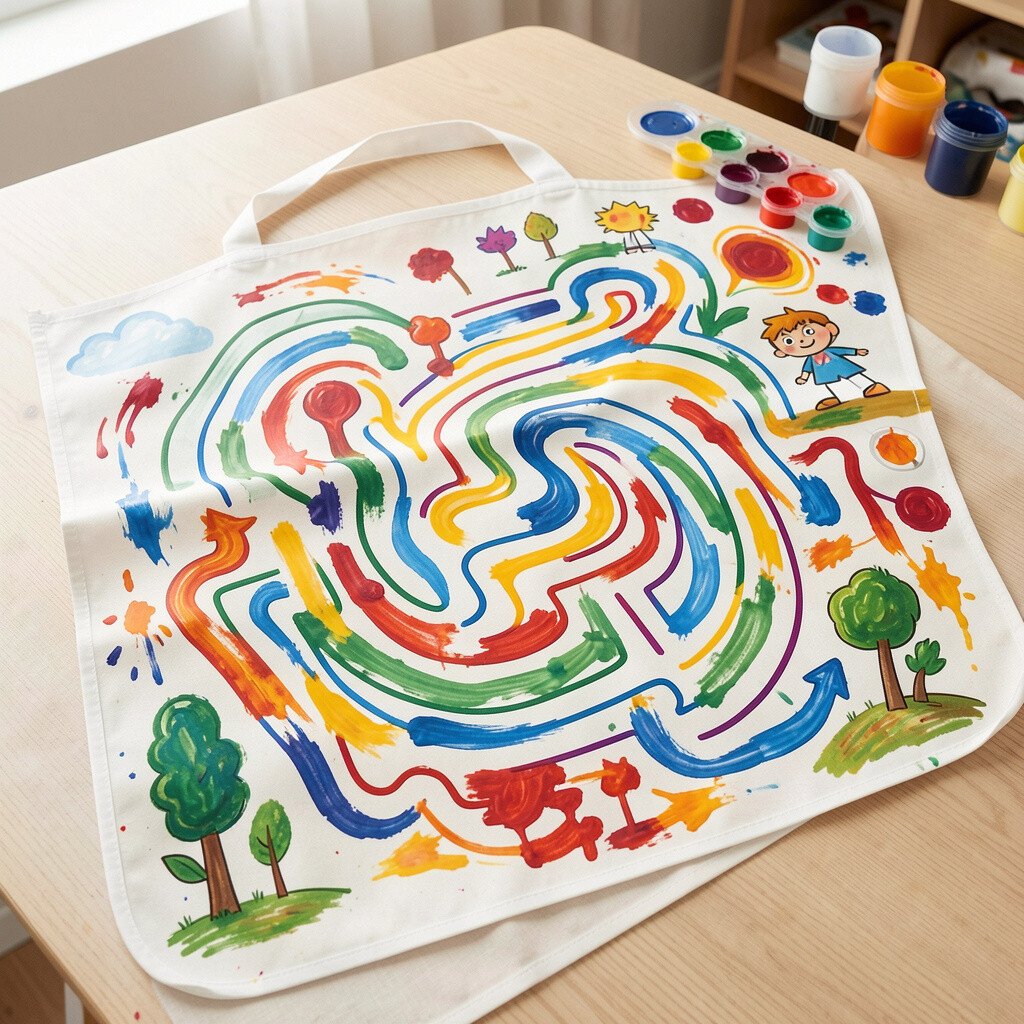
12. Art Smock Painting Color Maze Mat
Art Smock Painting Color Maze Mat
Turn messy art into a tidy game with a color maze layout. Add thick borders that guide where paint marks should go.
Use washable dot paint or marker stamps so kids fill “maze corridors” with color. They follow the path from start to finish and create a picture that looks intentional instead of scattered.
This mat is unique because the maze design quietly teaches control and containment. Practical tips matter most here, so place a simple protective sheet underneath the mat and keep paper towels nearby. Cost can be kept low by using washable materials and recycling old frames or trays for holding supplies.
For personalization, adjust difficulty by using fewer corridors for younger children or adding extra branches for older kids. Current trends lean toward low-mess creativity, and this fits that idea while still feeling exciting.
13. Treasure Quest Scavenger Map Mat
Treasure Quest Scavenger Map Mat
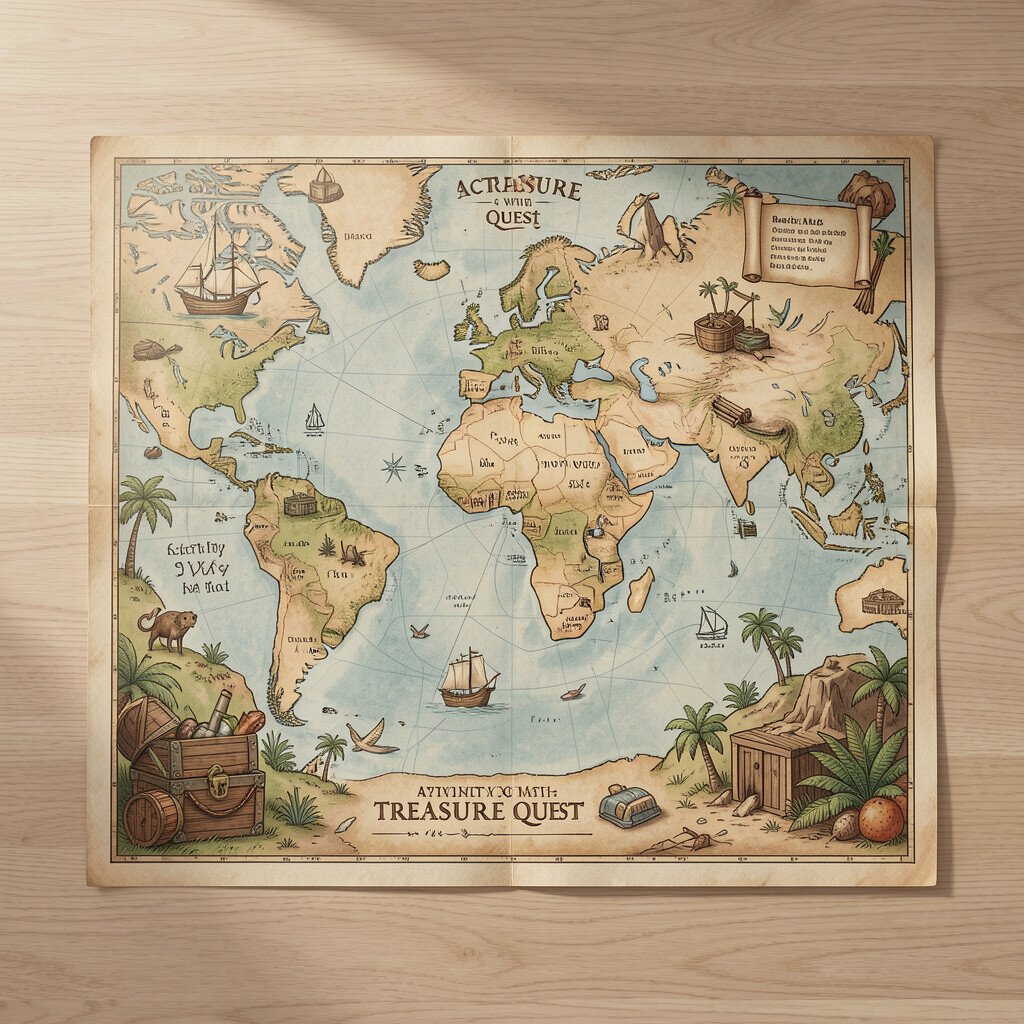
Create a treasure map mat with “X” marks, cave icons, and safe zones. Make the lines clear so kids can follow the plan even when they’re excited.
Hide small items around the room and let your child match each find to a spot on the mat. They can place tokens, check off picture clues with a stamp, and practice basic vocabulary like “near,” “far,” and “between.”
For benefits, this builds focus, problem-solving, and body movement while encouraging careful searching. Practical tips include setting a timer for short rounds and using items that are easy to clean up, like foam shapes or fabric cards.
Personalization is a breeze since you can match the treasure theme to a hobby or season, like ocean gems or dragon coins. Cost considerations stay friendly because you can create most tokens from cardboard and old craft materials, then reuse everything for future quests.
This activity also connects with current trend interest in game-based learning and family-friendly challenges. When kids feel like explorers, they often stay busy longer without extra prompting.