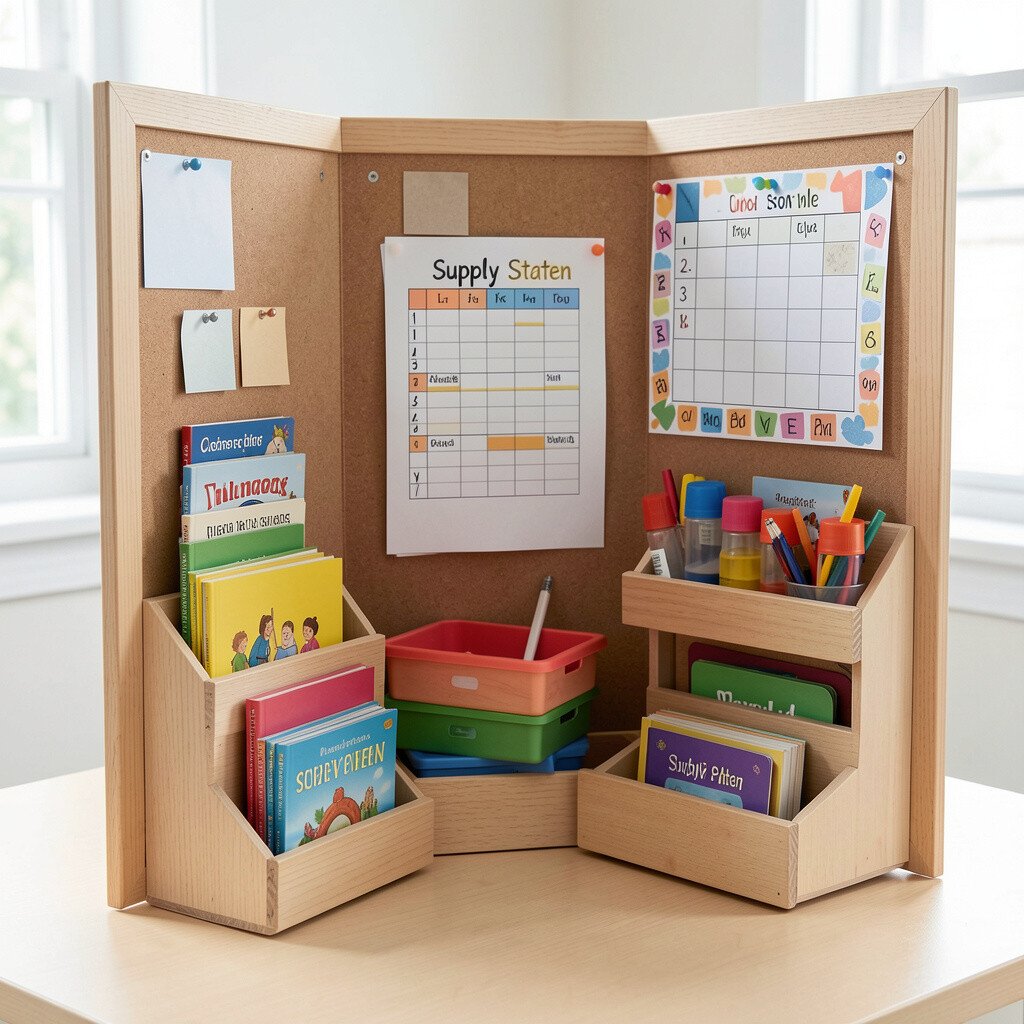
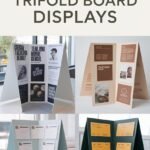
Picture a trifold board like a small, tidy wall in your room. Each panel can hold a different group of supplies with folders or pocket sleeves.
Label the areas with simple words or icons so you know where things belong at a glance. This setup cuts down on searching because you always return items to the same spot. Choose clear pockets for small items so you can see what is running low.
2. Layered Pocket Layout for Quick Sorting
Layered Pocket Layout for Quick Sorting
Use pockets in each panel to create layers for sorting. You will visually separate categories by size, shape, and daily use.
Put your most-used items in the outer pocket area so they are easiest to reach. Keep backup supplies in deeper pockets so they stay hidden until needed.
3. Color-Coordinated Panels for Instant Recognition
Color-Coordinated Panels for Instant Recognition
Pick a color for each panel and match it with your storage style. For example, use blue sleeves for paperwork and green sleeves for tools.
As soon as you walk by, your brain starts doing the work of finding things. This is a simple way to add uniqueness without buying complicated organizers. Use sticky note tabs at first, then replace them with permanent labels once you settle on a routine.
To keep costs low, you can use colored paper or fabric strips to frame each section. If you like current trends, try using a soft “aesthetic grid” look with consistent spacing across panels.
Design your trifold board so tasks move from one place to another across the day. One panel can be for morning chores, one for afternoon tasks, and one for evening wrap-up.
Use small sticky tabs or mini clips to move items as you finish. This makes the board feel alive, like a gentle checklist you can see from across the room. If your household has changing needs, swap out the labels each week.
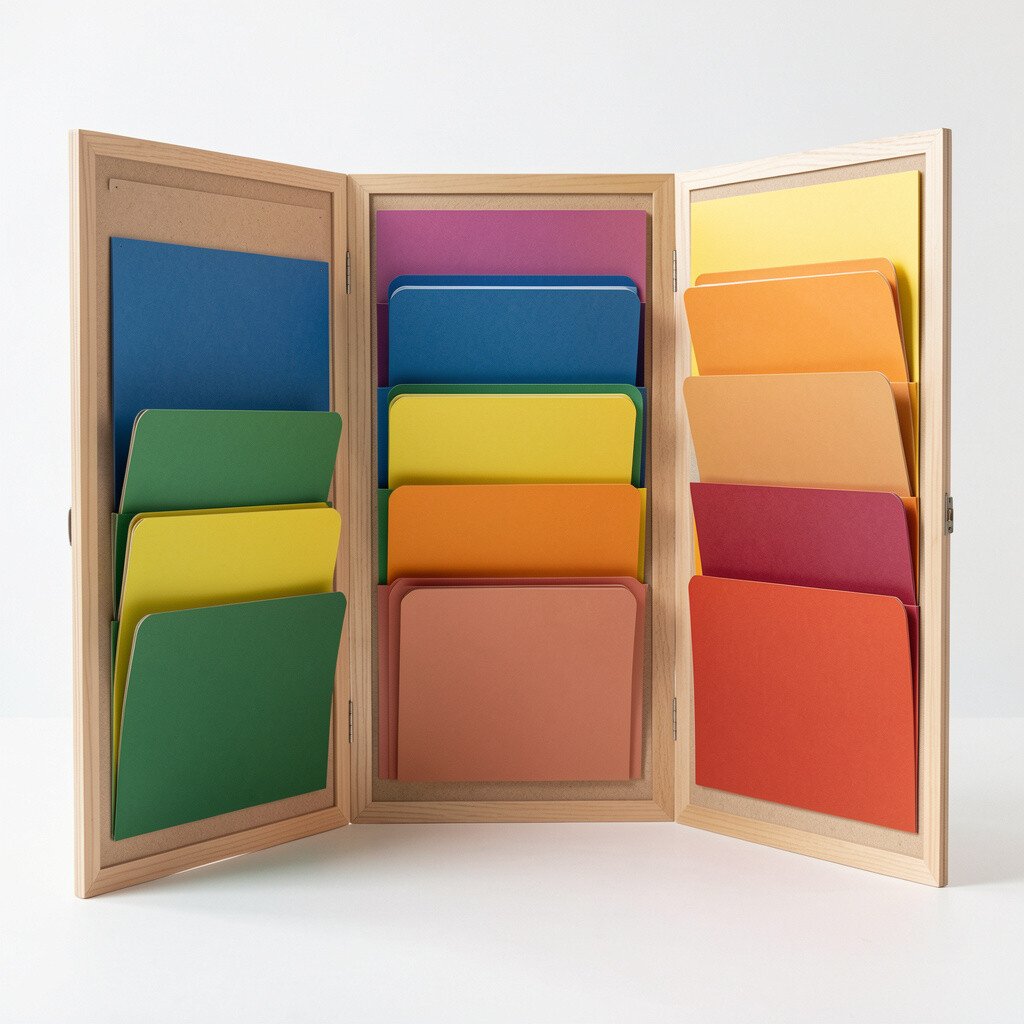
5. Folder Rows That Keep Paper from Piling Up
Folder Rows That Keep Paper from Piling Up
Make straight “rows” inside each panel using file folders or lightweight cardstock dividers. Slide papers into upright sleeves so they stand tall instead of folding over.
This layout helps you keep forms, receipts, and notes from turning into a messy stack. Use a top row for active items and a bottom row for items you might revisit later.
Personalize the board by adding a small picture or theme on the inside edge of one panel. For cost considerations, thrift-store frames or scrap cardboard can become sturdy dividers with minimal effort.
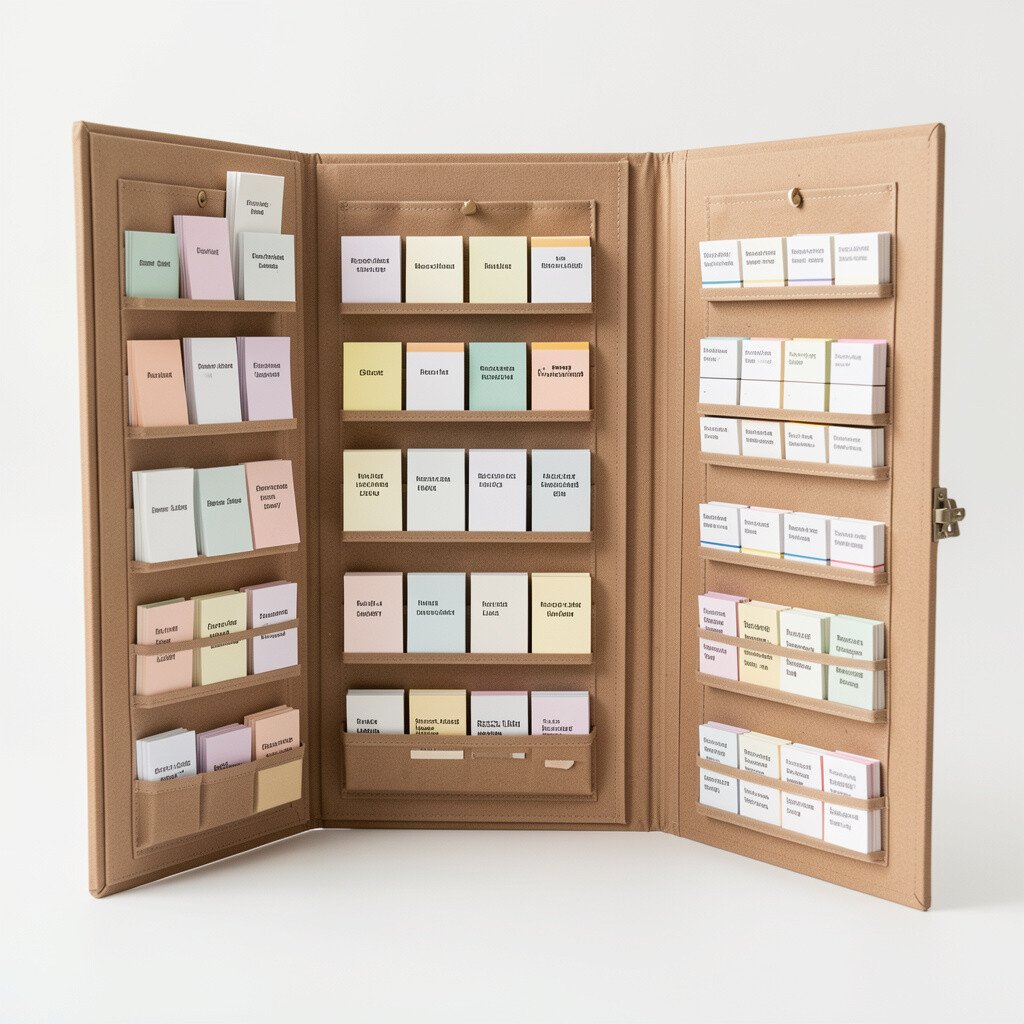
6. Resource Library with Mini Index Cards
Resource Library with Mini Index Cards
Turn each trifold panel into a mini reference area using index cards. Place cards in pockets so you can pull them out without tearing anything.
Write quick instructions like “how to reset a router,” “phone numbers,” or “what goes where.” Having the answers visible saves time during busy moments and makes you feel more prepared. For uniqueness, use different card styles by category, like handwritten notes for home basics.
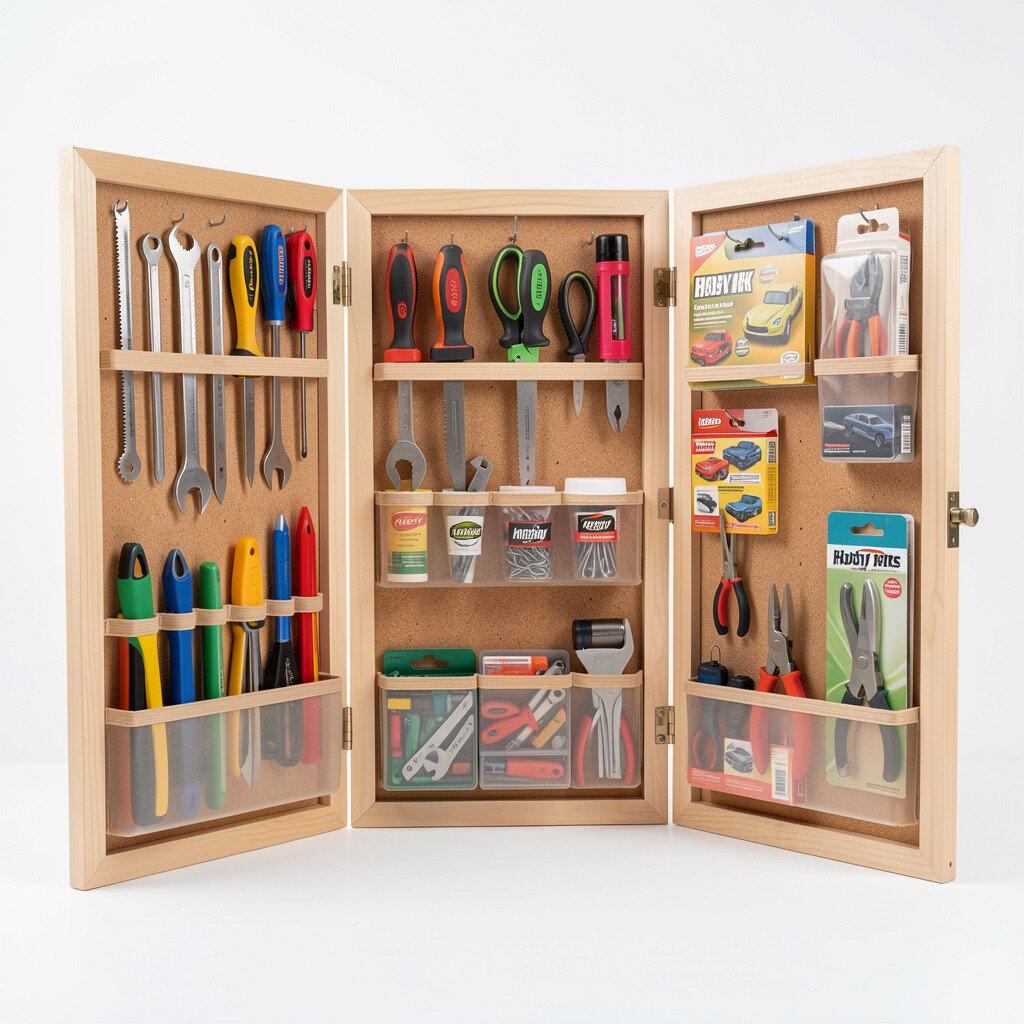
7. Tool Organization for Hobby Kits
Tool Organization for Hobby Kits
Think of the board as a backstage manager for your hobby supplies. Each panel can hold a different kit, such as art, knitting, or model building.
Use elastic bands or small holders to keep items from shifting. When you set up, you can grab the whole kit in seconds, which feels amazing on busy weekends. Personalize the look by matching the pocket colors to your hobby theme.
If you have limited storage, store the trifold board in a closet or behind a door so it stays out of the way. To manage cost, use leftover packaging inserts as tray-style supports inside the pockets.
8. Meal Planning Corner with Replaceable Sheets
Meal Planning Corner with Replaceable Sheets
Set up one panel for meal ideas, one for grocery list items, and one for your “next to cook” rotation. Use removable sheets so you can update the plan without redoing everything.
This arrangement makes planning feel less stressful and reduces last-minute takeout. Keep a pen clipped to the board so you never hunt for writing tools. A trend you may notice is magnet-and-pocket combos, and you can mimic it by using small clip-on holders for quick changes.
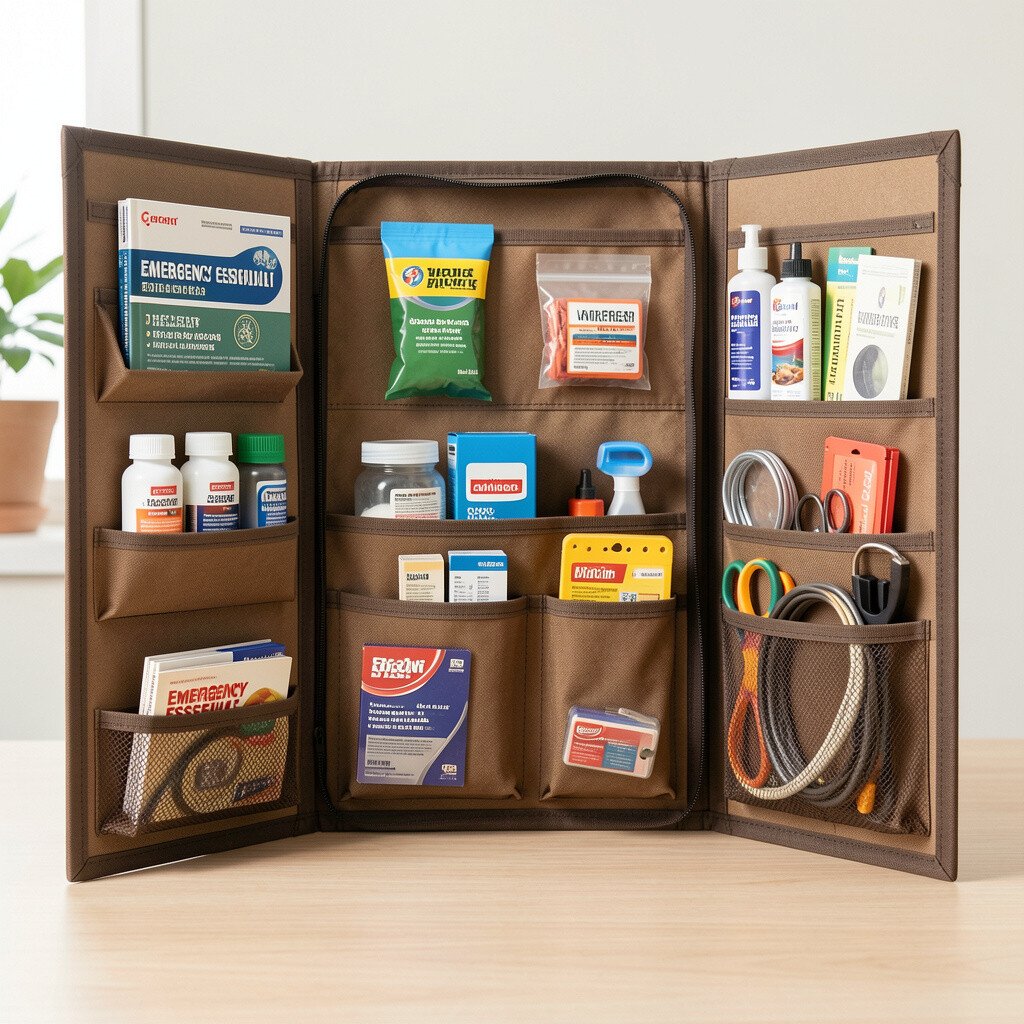
9. Emergency Essentials That Stay Easy to Reach
Emergency Essentials That Stay Easy to Reach
Dedicate a panel to emergency supplies so they are visible when you need them most. Use pockets for first aid basics, flashlights, batteries, and important documents.
This setup brings comfort because you know where to go during stressful moments. Use clear sleeves so you can spot shortages early and restock on a schedule. For personalization, add a small checklist card that you can rewrite every season.
Cost-wise, focus on affordable essentials first, then add extras as you go. If you want a clean modern feel, choose neutral colors for frames and keep icons simple and consistent.
10. Medication and Health Tracking with Simple Labels
Medication and Health Tracking with Simple Labels
Create a health board area that organizes daily items and appointment notes. Use separate compartments for morning, afternoon, and evening items, plus a pocket for forms.
This reduces confusion and helps you follow routines even when you are tired. Keep instructions on a small card inside the relevant pocket so you do not have to search through drawers. Personalize the board by using calming colors and gentle spacing.
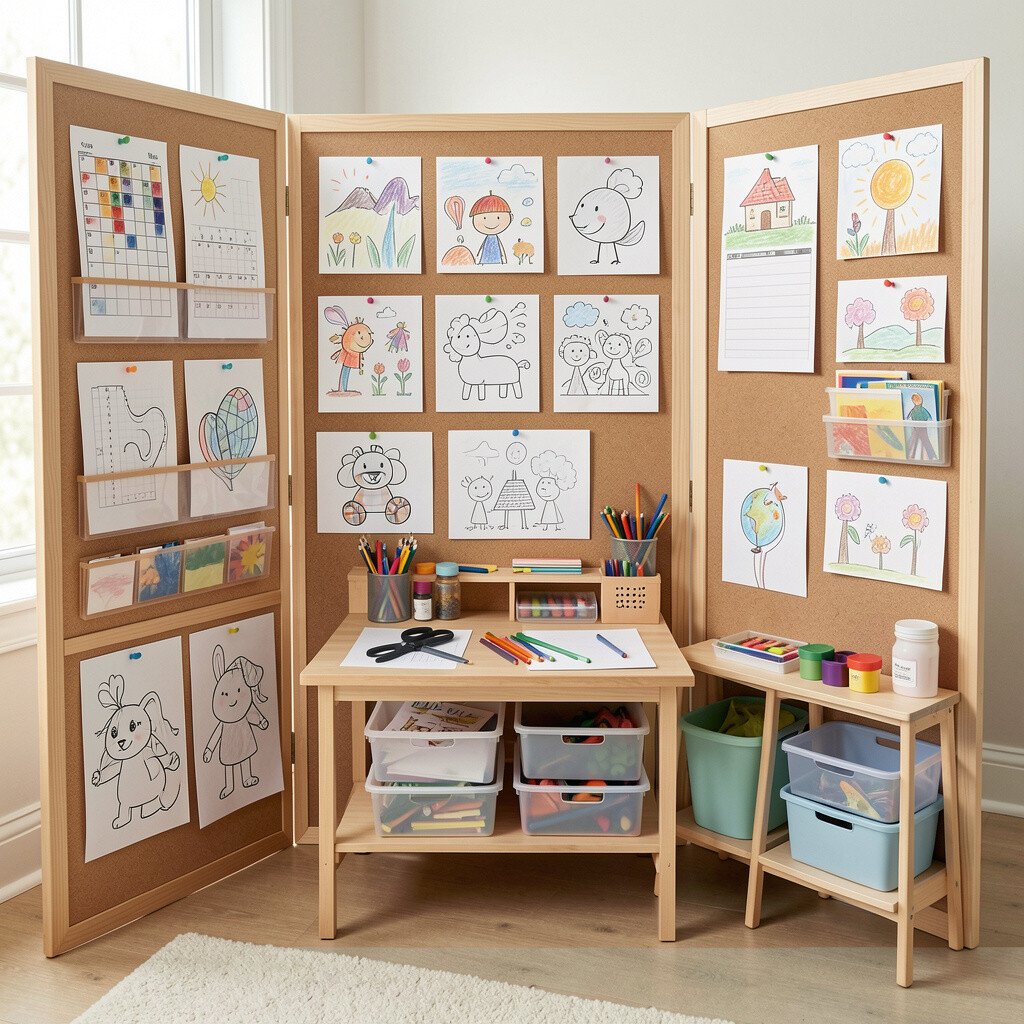
11. Art Station Layout with Cutting, Coloring, and Clean-Up
Art Station Layout with Cutting, Coloring, and Clean-Up
Use each panel for a stage of your creative workflow. One side can be for cutting tools and scissors, another for color supplies, and the last one for clean-up items.
This design is practical because it supports the way you actually work, from start to finish. Add a small “ready to pause” pocket so you can stop mid-project without losing your place. For uniqueness, decorate the outside edge with stickers that match your creative style.
To keep cost in check, reuse envelopes, cardboard scraps, and old file folders for the internal structure. Current maker trends often mix upcycling with clean organization, and a trifold board fits that perfectly.
12. Homework and Study Flow for Focused Sessions
Homework and Study Flow for Focused Sessions
Arrange your board so studying feels like a clear path instead of a pile of tasks. One panel can hold “today,” another can hold “materials,” and the last can hold “finished work.”
This structure helps you start faster and end cleanly, which is great for young learners and busy adults. Put a pocket for a timer or a small study worksheet so everything stays together. Personalize by adding a favorite theme like space, plants, or mountains to make routines feel fun.
13. Vendor and Order Tracking for Small Businesses
Vendor and Order Tracking for Small Businesses
If you run a small shop, your trifold board can track orders without overwhelming spreadsheets. Use panels to separate current orders, shipping notes, and follow-ups.
Make it easy to update by using pocket labels and removable cards. This keeps you organized while you work, and it reduces missed messages. For uniqueness, add a small “status” color system using sticky strips that you change as orders move forward.
Cost considerations matter, so use low-cost cardstock for cards and recycled packaging for dividers. A trend you can lean into is “minimal admin,” where you handle quick updates on the spot instead of waiting for later.
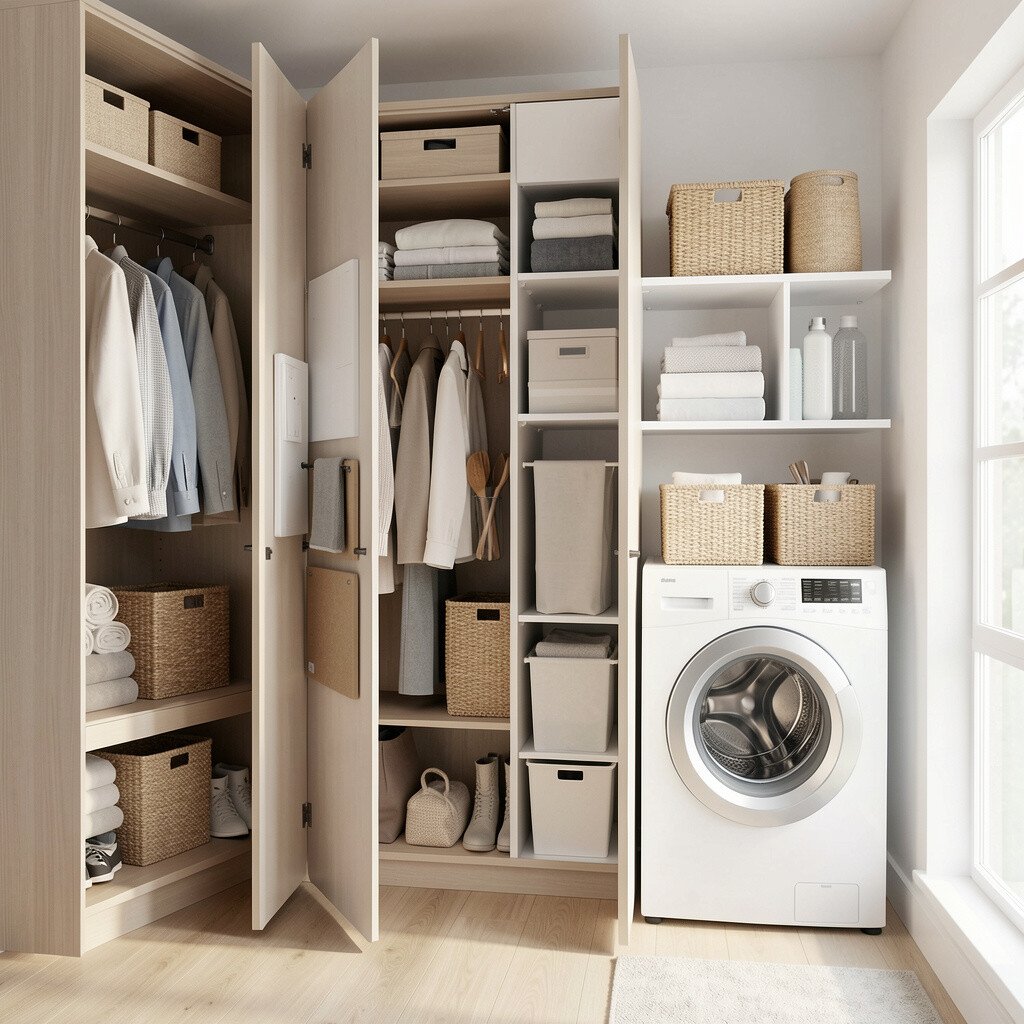
14. Closet and Laundry Flow with Matching Zones
Closet and Laundry Flow with Matching Zones
Turn a trifold board into a closet coach by organizing laundry steps. Use pockets for clean sorting, stain reminders, and “to wash next” items.
This layout keeps clothing care simple and reduces the chance of mixing items. Put a small card with stain tips inside the relevant pocket so you have quick guidance when something happens. For personalization, align the pockets with your actual routine by choosing names you already use at home.
15. Event Setup Organizer for Parties and Gatherings
Event Setup Organizer for Parties and Gatherings
Plan events with a trifold board that tracks what you need before guests arrive. Create sections for decorations, serving supplies, and last-minute essentials like tape and batteries.
This keeps setup from becoming chaotic and helps you remember the small things that matter. Use clear pockets so you can see what is missing even from across the room. Personalize it by matching the board colors to your event theme, which makes the setup feel more fun and intentional.
If you want to manage costs, use what you already own and repurpose small storage items like shoe box dividers. Current trends favor quick, printable checklists, and you can print cards on plain paper and slip them into the pockets for easy updates.