You can build a map that shows local garden spots and also tells mini stories about each place. Imagine a bright, handmade-style layout where icons bloom like tiny flowers and photos look sun-warmed.
Students often get extra value by combining directions, planting tips, and short histories in one place. A practical way to make it work is to start with a simple list of nearby locations, then record what grows well in each yard or shared plot. Keep the design personal by adding a legend that matches your own neighborhood colors and handwriting style.
2. Smart Trash Sorter Using Images and Simple Rules
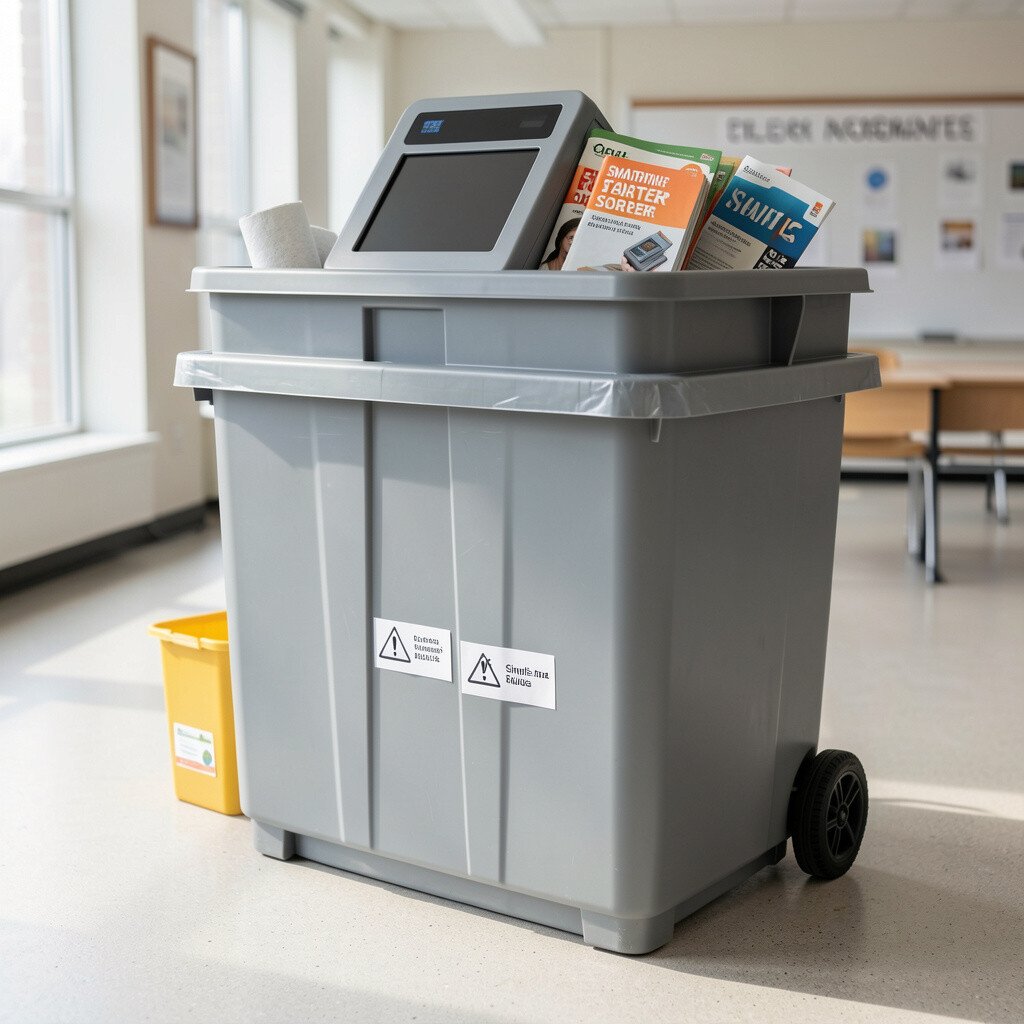
Smart Trash Sorter Using Images and Simple Rules
One student project used a small camera and clear sorting cues to help people separate trash more accurately. The screen showed bold images, and the interface looked like a friendly robot pointing at the right bin.
You get real-world benefits because better sorting can reduce mess and waste. A great way to make it practical is to test the rules on real items from your home, then fine-tune how the system handles tricky things like mixed paper. For cost, you can rely on basic sensors or even a low-cost setup, then focus more on clear categories than fancy hardware.
To make it unique, add “local habits” so the guidance matches what your community actually throws away. Students can personalize the icons and labels to reflect their favorite team colors or art style. A current trend is using AI-like image guidance without heavy complexity, so the project still feels modern and doable.
3. A Study Planner App That Talks Back With Gentle Prompts
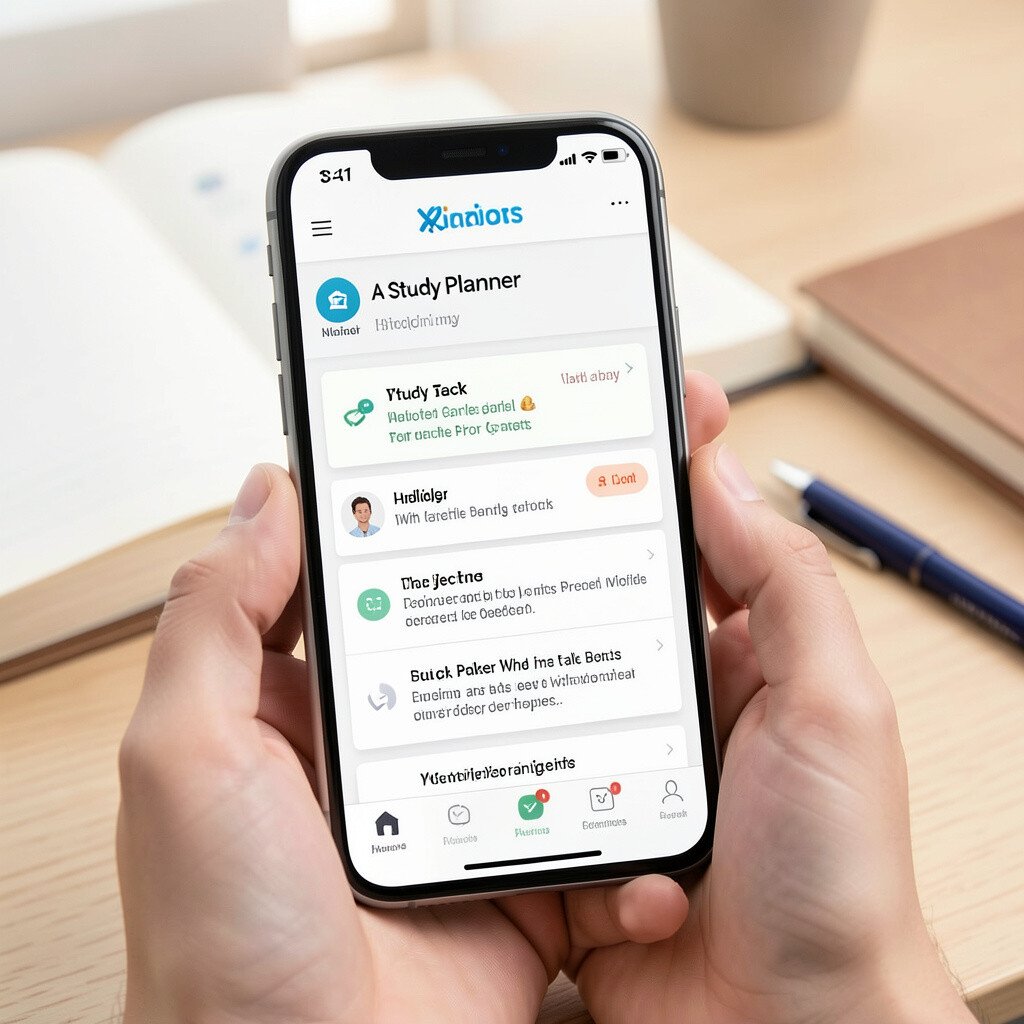
A Study Planner App That Talks Back With Gentle Prompts
This project turns planning into a conversation, using reminders that feel supportive instead of scary. The app screens could look like soft sticky notes, with colorful checkmarks that pop after each study session.
It benefits busy learners because it turns vague goals into short steps. Start by building prompts for common moments, like starting homework, preparing for a quiz, or taking a break after reading. Add personalization by letting users choose their mood theme, such as calm blues for focus or bright oranges for energy.
Make the project actionable by testing with classmates and adjusting the tone based on their feedback. A student can keep costs low by using free app templates and focusing on simple features like schedules, timers, and message logic. The current trend of habit-building is perfect here, because the plan becomes part of daily routines.
4. Recycled Plastic Planters With Seed Journal QR Codes
Recycled Plastic Planters With Seed Journal QR Codes
A student can create planters from cleaned plastic, then attach labels that link to a seed journal. Picture a row of pots with glossy textures, each with a QR code tag that looks like a mini treasure map.
This kind of project is unique because it blends art, gardening, and tech in one gentle loop. It helps students and families learn by tracking growth with photos and notes, which makes the learning stick. Practical tips include using safe materials, adding drainage holes, and testing sunlight needs before planting.
You can also personalize the journal by writing about your own observations, like which leaf curl shows up first or how fast the soil dries. Cost considerations are usually manageable because the main materials come from household recycling. A current trend is using mobile-friendly documentation, so people can scan the code and see the growth story in seconds.
5. An AR Poster Series That Brings Campus Art to Life
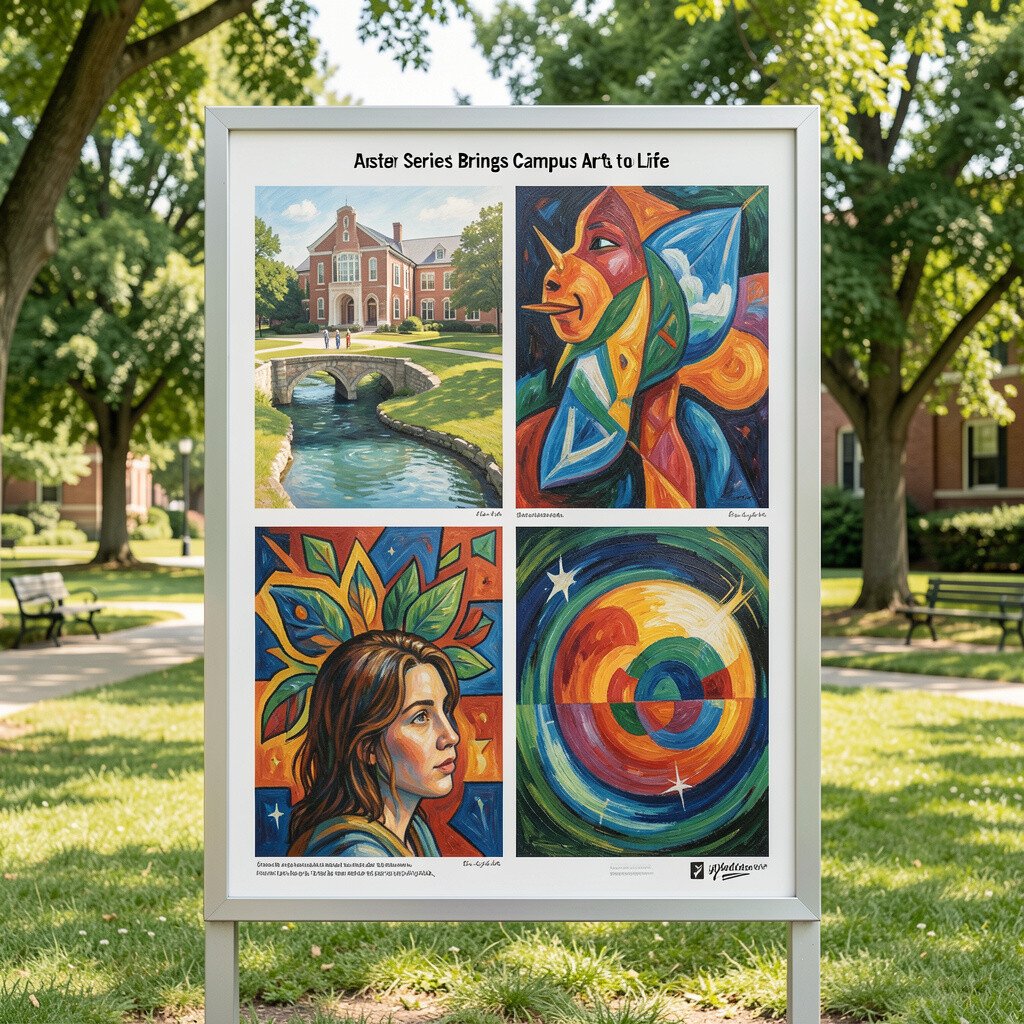
An AR Poster Series That Brings Campus Art to Life
A student can design posters that look normal on the wall, then become moving scenes when viewed through a phone camera. Think of bold illustrations that “wake up” into 3D shapes, like murals floating above the paper.
One benefit is that it teaches communication, because you must decide what viewers should notice first. Keep it practical by creating a small set of art targets and testing them under different lighting, since glare can ruin the effect. For uniqueness, pick a theme that matters to you, such as local history, favorite characters, or environmental messages.
Personalization ideas are easy here, since you can use your own drawings, photos, or campus sketches. Costs can stay reasonable if you use free design tools and a basic AR framework. A current trend is AR “silent storytelling,” where art does the talking without long text.
6. A Low-Tech Water Quality Test Kit for Home Users
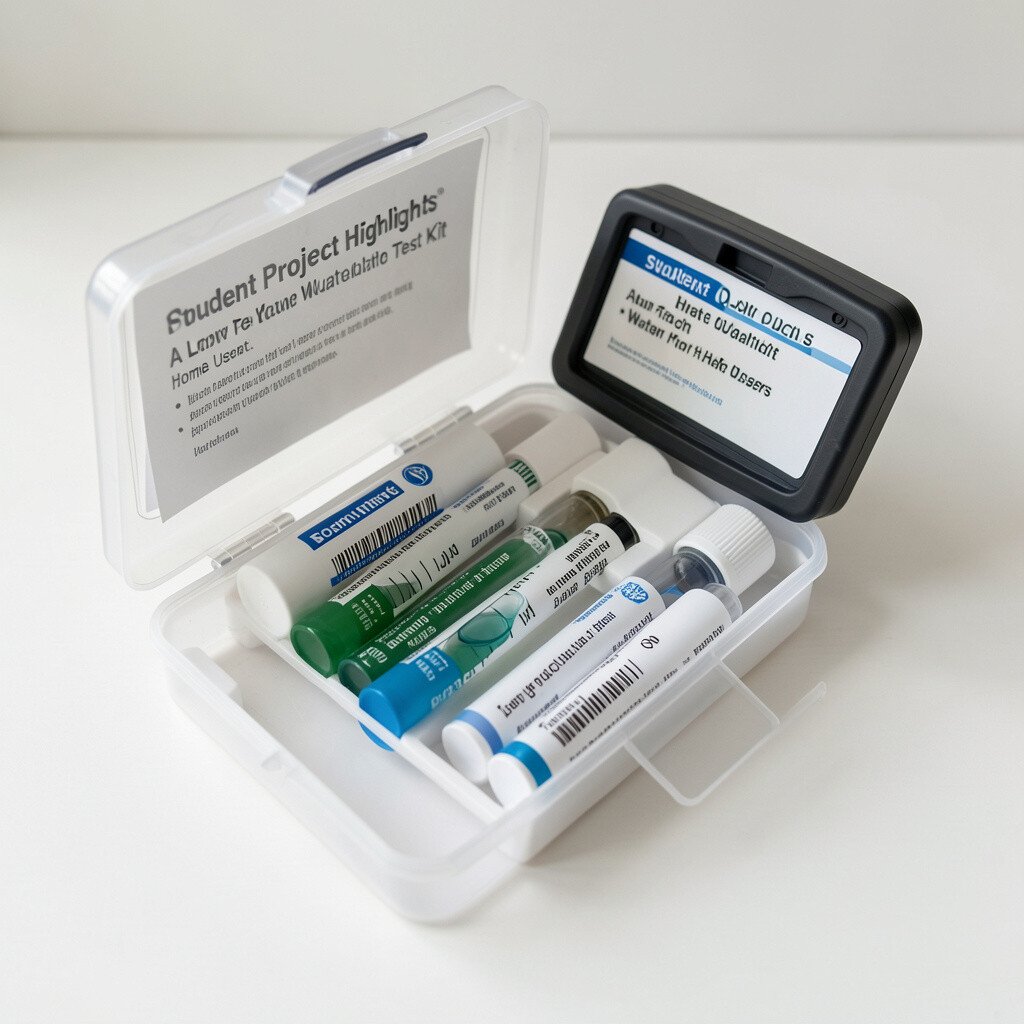
A Low-Tech Water Quality Test Kit for Home Users
A simple water testing kit can be made with clear steps and visual color checks. It might look like a tidy box with labeled bottles and a color chart printed on thick card.
This project has strong benefits because it helps people make safer choices without waiting for a lab. To keep it practical, you can include guidance on how to sample water, how to store samples, and how to interpret results with clear wording. Personalize it by writing examples for your own water source, such as tap, well, or nearby streams.
For cost considerations, use reusable containers where possible and print durable guides so the kit lasts. A current trend is “do-it-yourself science,” where people learn basic testing with trustworthy processes. The uniqueness comes from turning scientific steps into friendly, everyday language that a family can follow.
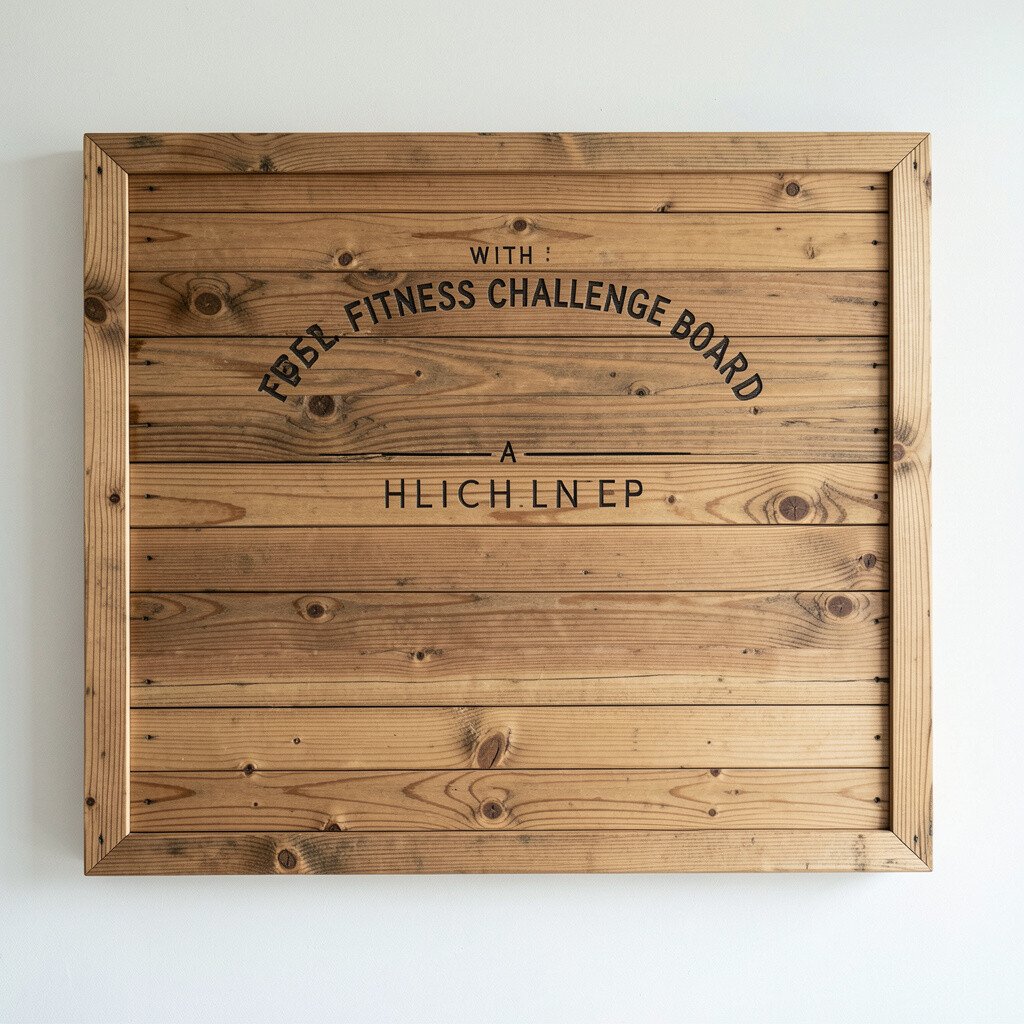
7. A Fitness Challenge Board Built From Weatherproof Wood
A Fitness Challenge Board Built From Weatherproof Wood
Instead of a digital leaderboard, a student creates a physical challenge board that updates through color changes or removable cards. Imagine a sturdy wooden panel outdoors, with bright markers and a simple way to swap today’s goals.
This project benefits students because it encourages movement in a calm, visible way. It stays practical by using clear weekly rules, keeping pieces easy to handle, and making sure everything is weatherproof. Personalization can happen through custom artwork, like your own pattern style or a sports theme.
Cost is often moderate because wood and paint are usually easy to find, and you can use recycled materials for the base. A current trend is “analog wellness,” where physical prompts help people step away from screens. The uniqueness shows up when the board reflects your own community culture, like local team colors or neighborhood symbols.
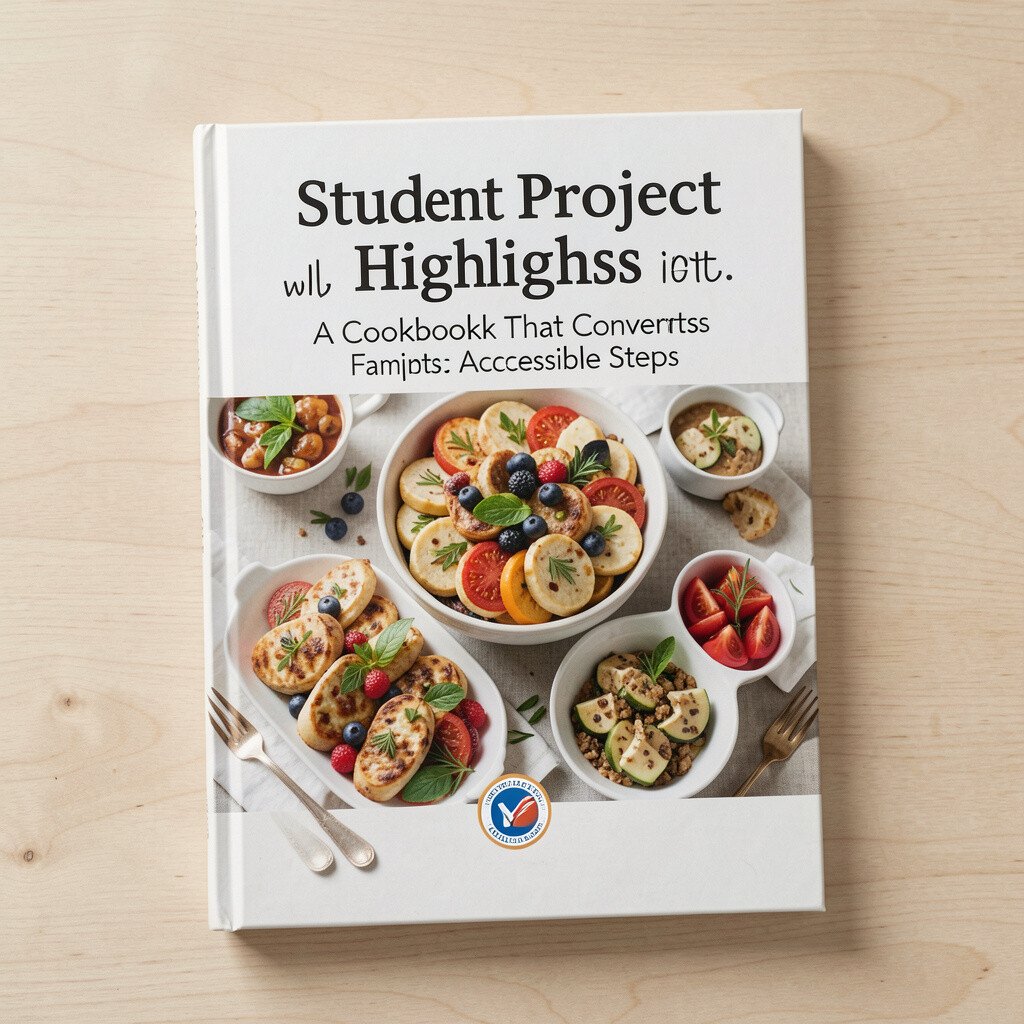
8. A Cookbook That Converts Family Recipes Into Accessible Steps
A Cookbook That Converts Family Recipes Into Accessible Steps
A student can collect family recipes and rewrite them with clear measurements, timing cues, and step-by-step visuals. The final booklet can feel cozy, with handwritten notes, warm food photos, and side notes that sound like a friend.
This project benefits readers because it reduces confusion and makes cooking feel less intimidating. Keep it practical by testing recipes with someone other than the original cook and adjusting anything that feels unclear. For personalization, add a small “story page” for each recipe, like how it was first learned or what it means during holidays.
Cost considerations are friendly since you can print at small scale, then bind with inexpensive supplies. A current trend in student work is making “instruction-first” content that supports accessibility, including easy reading layouts. The uniqueness comes from combining emotion with structure, so the cookbook does more than list ingredients.
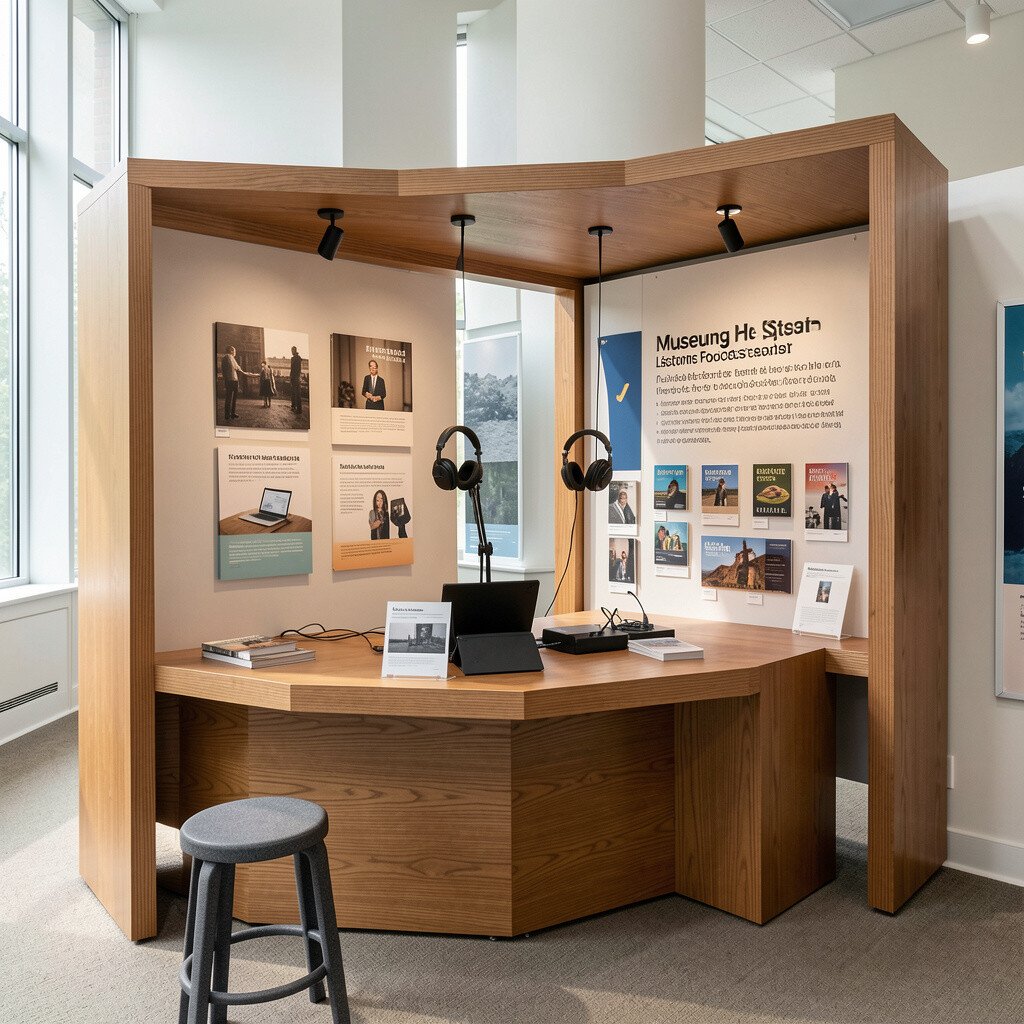
9. A Museum-Style Listening Station for Student Podcasts
A Museum-Style Listening Station for Student Podcasts
One student project can turn podcast listening into an experience by building a small “listening station” with speakers and a simple screen. Imagine a booth-like setup where headphones hang neatly and the display shows episode art with warm, museum lighting.
This concept benefits students because it values audio storytelling, pacing, and editing. To make it practical, choose a few themes, record interviews, and test audio quality in different rooms. Personalize the station by designing episode covers that match your voice, using colors that show the mood of each topic.
You can keep costs reasonable by using basic speakers, a recycled shelf, and free editing tools. A current trend is short-form audio that feels intimate, so the station helps people slow down and actually listen. Uniqueness comes from blending design and story into one calm corner that invites curiosity.
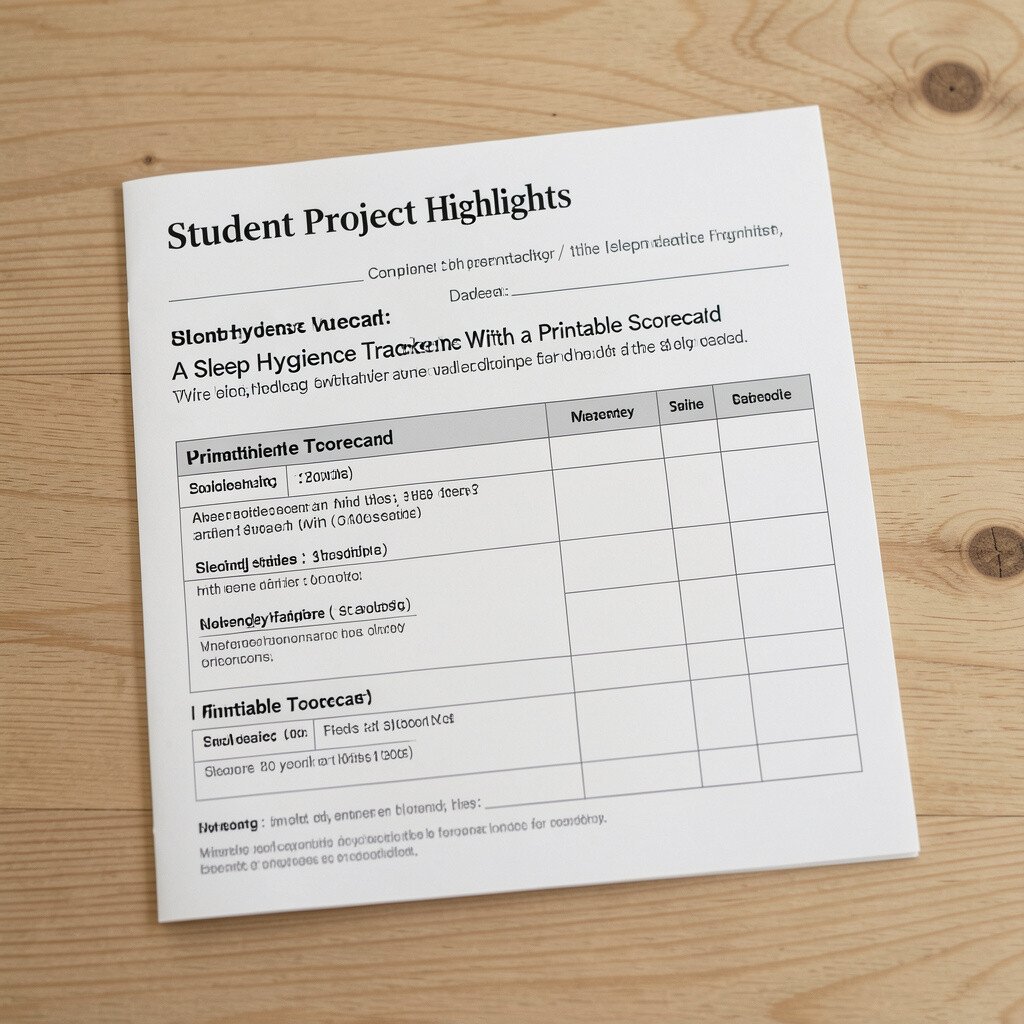
10. A Sleep Hygiene Tracker With a Printable Scorecard
A Sleep Hygiene Tracker With a Printable Scorecard
A student can create a printable tracker that uses simple bedtime routines instead of complicated math. The layout might look like a calm grid of icons, where each day earns a gentle “stability” score.
This project benefits learners by making sleep habits visible and easy to change. Keep it practical by focusing on routines like screens-off time, wind-down reading, and consistent wake-up times. Personalization ideas include using your favorite colors, adding a “dream note” section, or tailoring suggestions for different schedules.
Cost considerations are excellent because printables and markers are cheap, and you can share copies with classmates. A current trend is wellness tracking that respects mental health, so the language should feel supportive and non-judgmental. Uniqueness can come from turning the tracker into an art piece, like a weekly poster that you display.
11. A Campus Access Guide Built for Real Routes
A Campus Access Guide Built for Real Routes
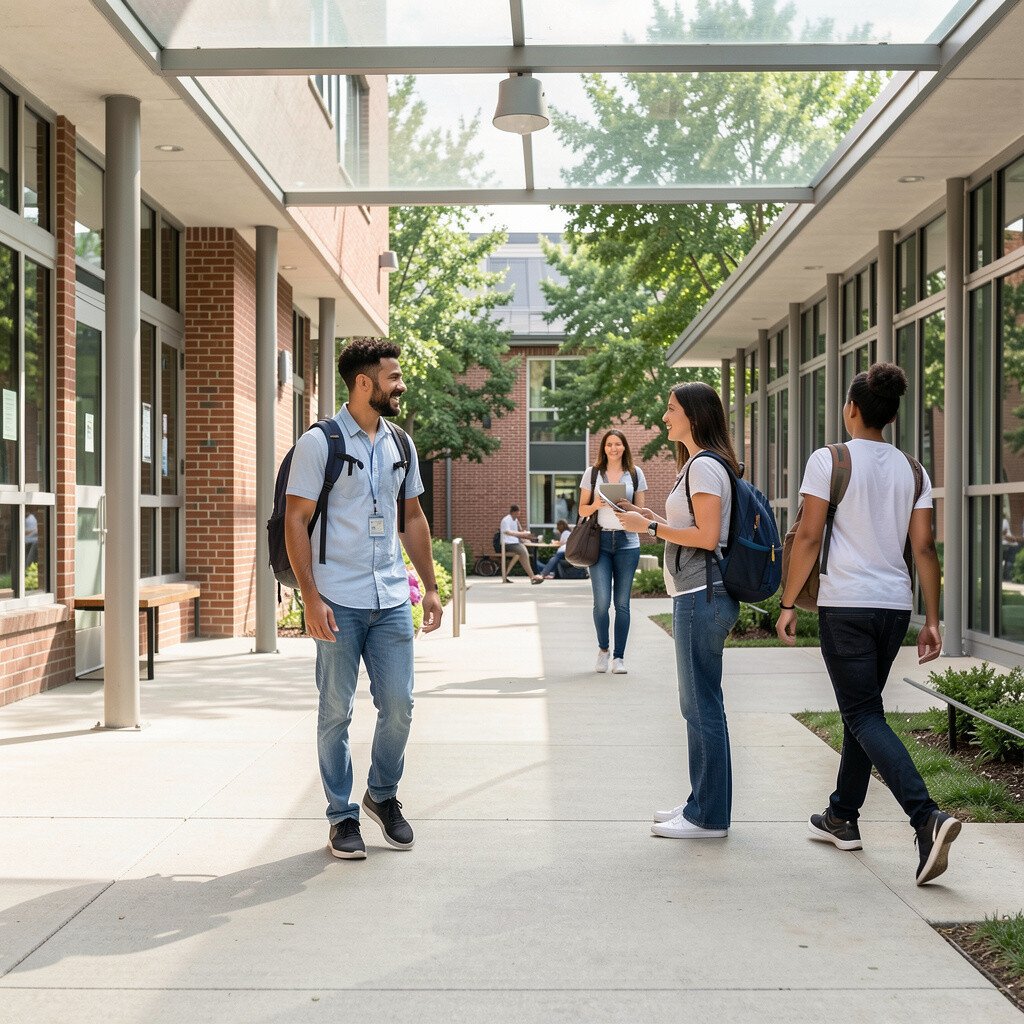
A student can make a guide that shows the easiest campus routes for mobility needs, including elevators, smooth paths, and resting spots. Visuals can be clean and bold, with route lines that look like bright ribbons over a map.
This project benefits many people because it turns vague directions into clear, step-by-step guidance. Keep it practical by walking the routes yourself, noting door widths, signage clarity, and travel time, then verifying with others. Personalization can include adding a user-choice section, like routes for stairs-free travel or quicker walks when energy is low.
Cost considerations are manageable since you can start with open mapping tools and print a small “field guide” booklet. A current trend in civic design is user-centered accessibility, so your project feels timely and helpful. The uniqueness comes from including small details people forget, like where benches actually are or which entrances feel easiest.
12. A Tiny Museum of Local Reuse Crafts
A Tiny Museum of Local Reuse Crafts
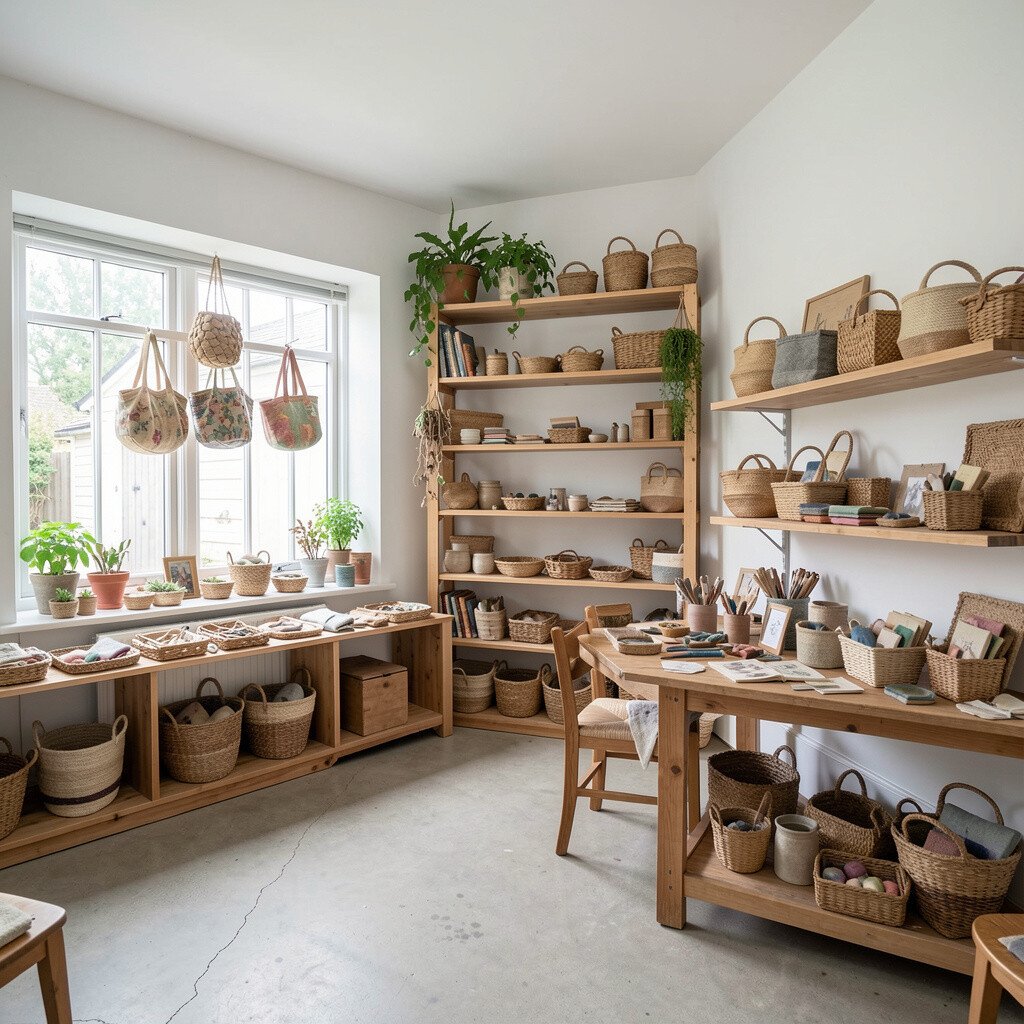
Instead of throwing old items away, a student can create a craft “museum” featuring small projects made from scraps. Picture shelves filled with neat mini art pieces, each one labeled with what it used and what skill it taught.
This project benefits learners because reuse builds confidence and reduces waste in a hands-on way. Keep it practical by choosing crafts that use safe materials and short build times so visitors can try them. Personalization ideas include making the display theme match your interests, like ocean animals, city scenes, or space motifs.
Cost considerations are usually low because scraps and old packaging can become the main supplies. A current trend is sustainable making, where students show process videos and teach beginner techniques. Uniqueness can come from featuring “before and after” stories, so each piece shows how something old gains a new purpose.
13. A Mini Language Learning Board Game for Beginners
A Mini Language Learning Board Game for Beginners
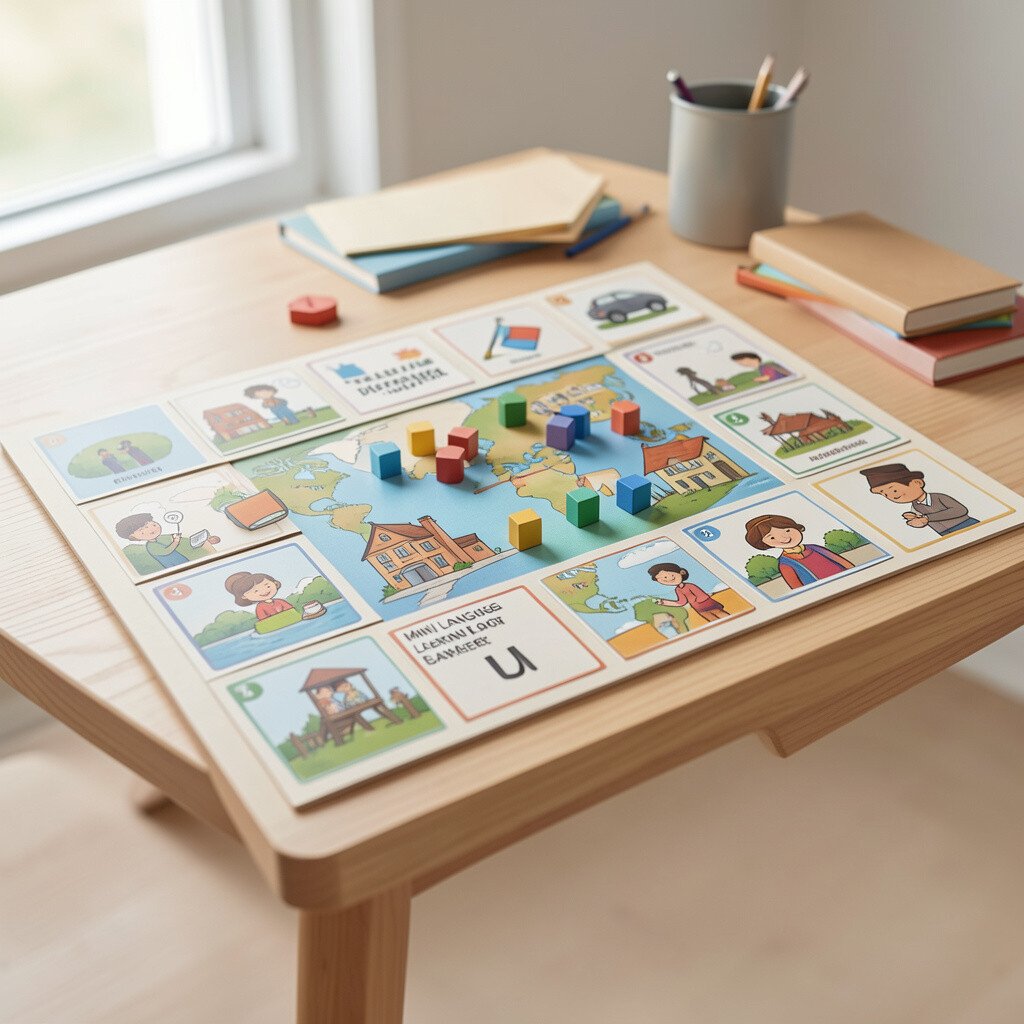
A student can design a board game that teaches basic words through movement, cards, and friendly challenges. The board can have colorful paths with picture squares, and the pieces can look like tiny characters.
This project benefits players because it turns memorizing into playful repetition. Keep it practical by writing short instructions, using simple question types, and testing with classmates who are true beginners. Personalization is easy too, since you can theme the game around your hobbies, like music, sports, or cooking.
Cost considerations are usually modest if you print card decks and use cardboard for the board. A current trend is language learning through community games, which helps learners feel less nervous. Uniqueness comes from adding your own local phrases or cultural hints so the game feels real, not generic.
14. A Visual Guide to Budgeting for Students
A Visual Guide to Budgeting for Students
A student can build a budgeting guide that uses pictures, examples, and weekly planning pages. Imagine a clean booklet with grocery photo icons, rent sections, and a cheerful color system for needs and wants.
This project benefits readers by making money decisions less stressful and more clear. Keep it practical by using realistic sample budgets, then showing how small changes affect monthly totals. Personalize it by including your own spending categories, like transit costs, streaming subscriptions, or club fees.
Cost considerations are friendly because you can design in free tools and print only the pages you need. A current trend is financial literacy content that uses plain language, so your guide can feel welcoming. The uniqueness comes from adding a “confidence plan” that focuses on habits, not guilt.
15. A Soundscape Recorder That Maps Quiet Spots
A Soundscape Recorder That Maps Quiet Spots
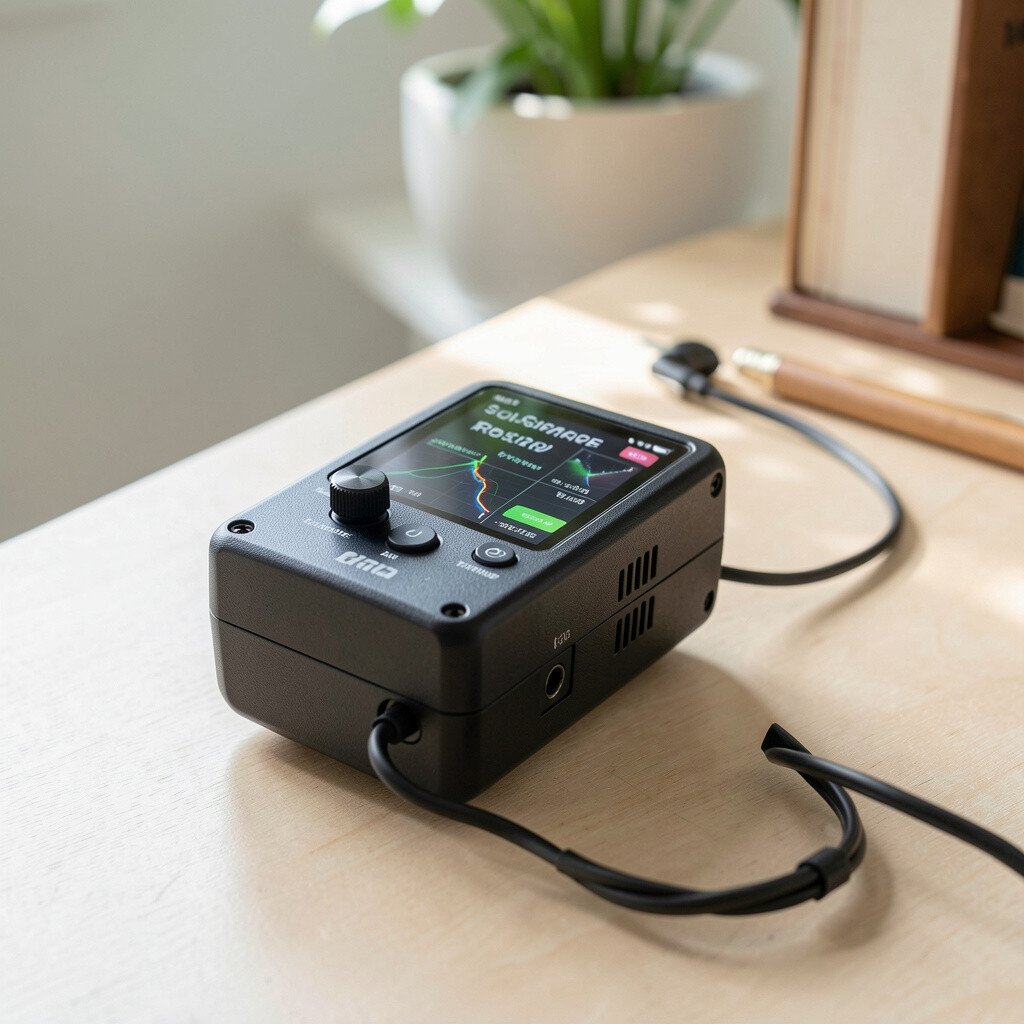
One student project can record ambient sounds around school and turn them into an interactive sound map. Visuals could show calm circles on a map, with labels that hint at what you hear, like birds, rain, or soft footsteps.
This project benefits students because it helps people find focus zones when classrooms get noisy. Keep it practical by using consistent recording times and keeping file naming neat, then organizing clips by location. Personalization ideas include letting users tag each sound with what they felt in the moment.
Cost is often low because phones can do the recording, while the real work comes from organization and design. A current trend is mindful tech, where data helps wellbeing instead of just tracking. Uniqueness comes from treating sound like a guide, not just background noise.
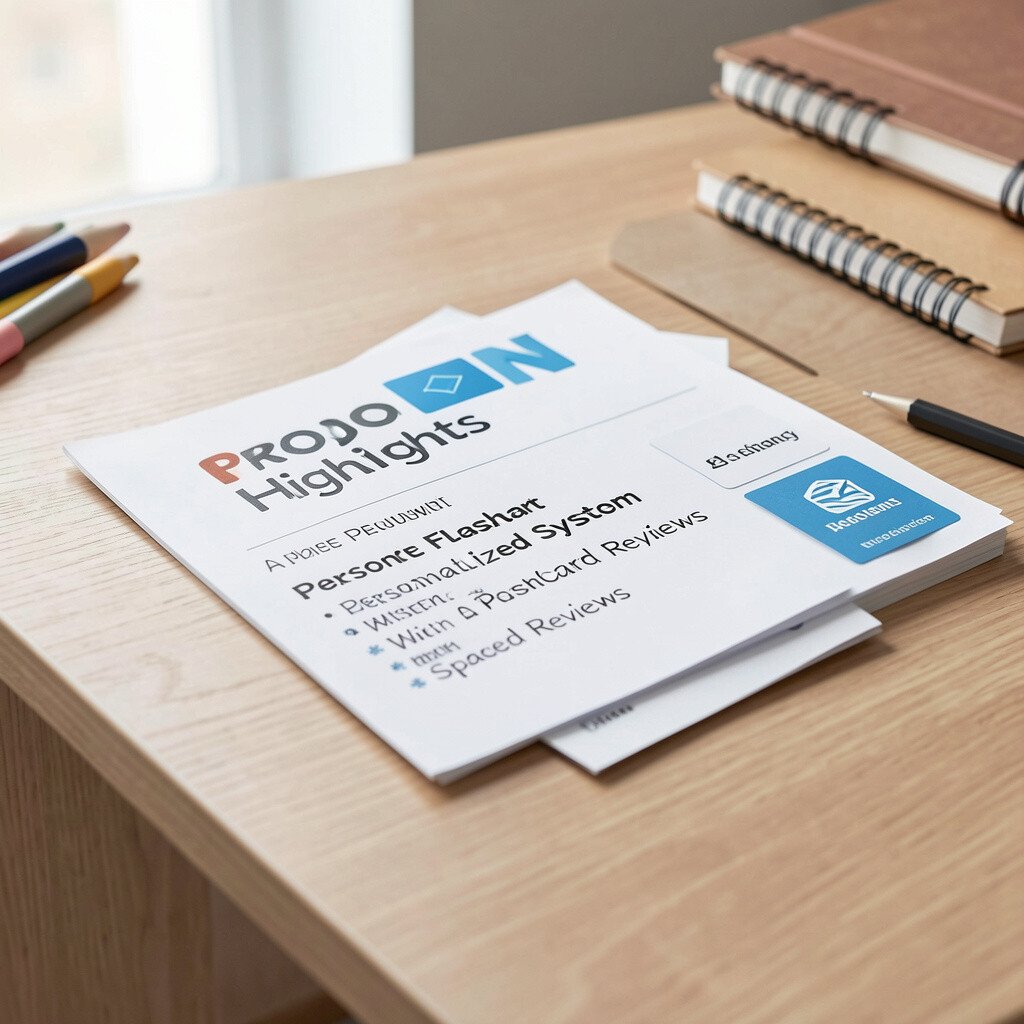
16. A Personalized Flashcard System With Spaced Reviews
A Personalized Flashcard System With Spaced Reviews
A student can create a flashcard system that schedules reviews using simple timing rules. The interface could feel like a deck of colorful cards, with a progress bar that grows gently instead of shouting.
This project benefits learners by improving memory without endless rereading. Keep it practical by starting with a small rule set, then adding only what you can test with real study sessions. Personalization can happen by letting users pick card themes, font styles, and image choices that match their learning style.
For cost considerations, you can build it using accessible software and rely on free hosting for sharing. A current trend is spaced repetition tools that are friendly and transparent, so the schedule makes sense. Uniqueness shows up when the system includes “why it matters” notes that help learners connect facts to real life.
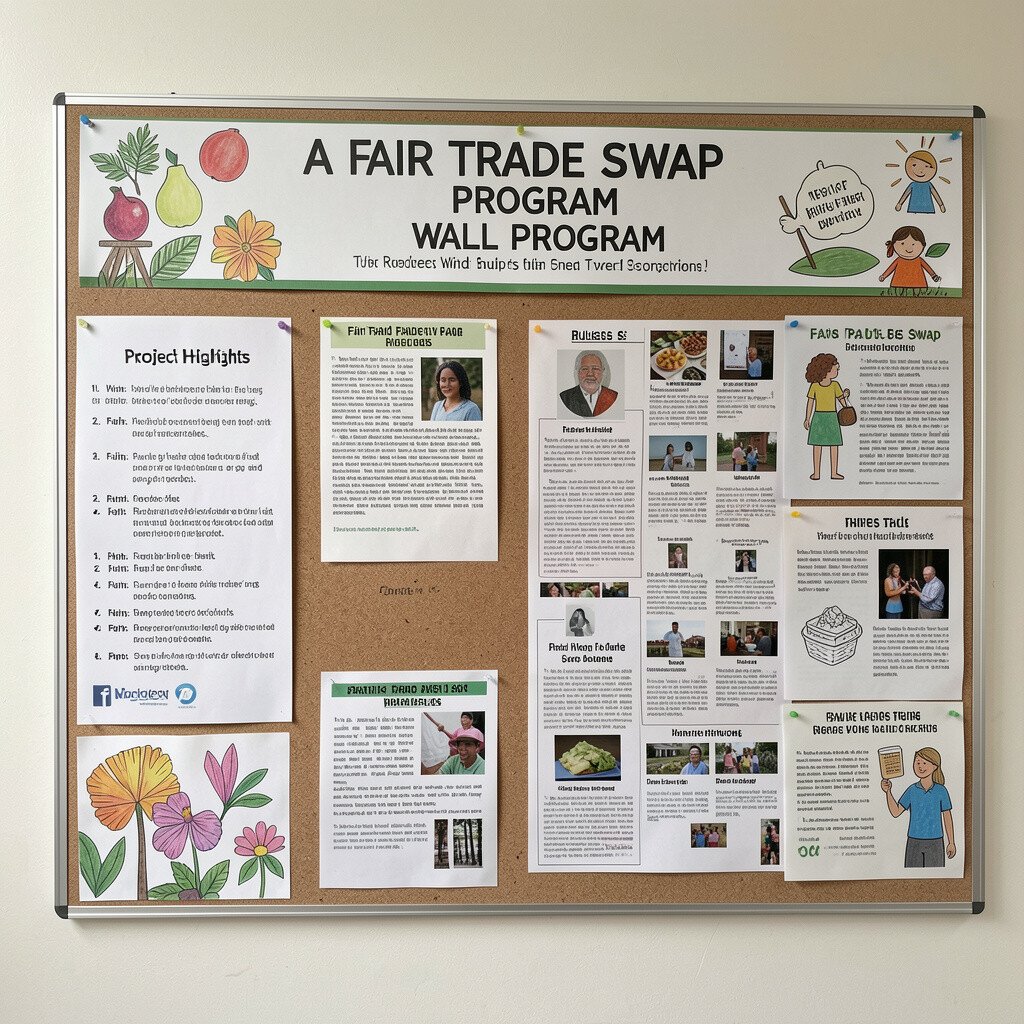
17. A Fair Trade Swap Program Poster Wall With Rules
A Fair Trade Swap Program Poster Wall With Rules
A student can create a poster wall that encourages swapping books, clothes, and supplies using clear, welcoming rules. Picture a bright display with pocket slots for items, and cards that show what’s accepted with simple photos.
This project benefits the campus by keeping usable items out of trash while also building friendly community habits. Keep it practical by writing rules that are easy to follow, like cleanliness expectations and drop-off timing, then testing the workflow with a small group. Personalization ideas include adding a “swap wish list” section that reflects what students in your classes need.
Cost considerations are low since posters, clear sleeves, and simple folders do most of the work. A current trend is circular fashion and sharing economies, so the program feels modern and responsible. Uniqueness comes from using the wall like a community conversation, not a strict system.
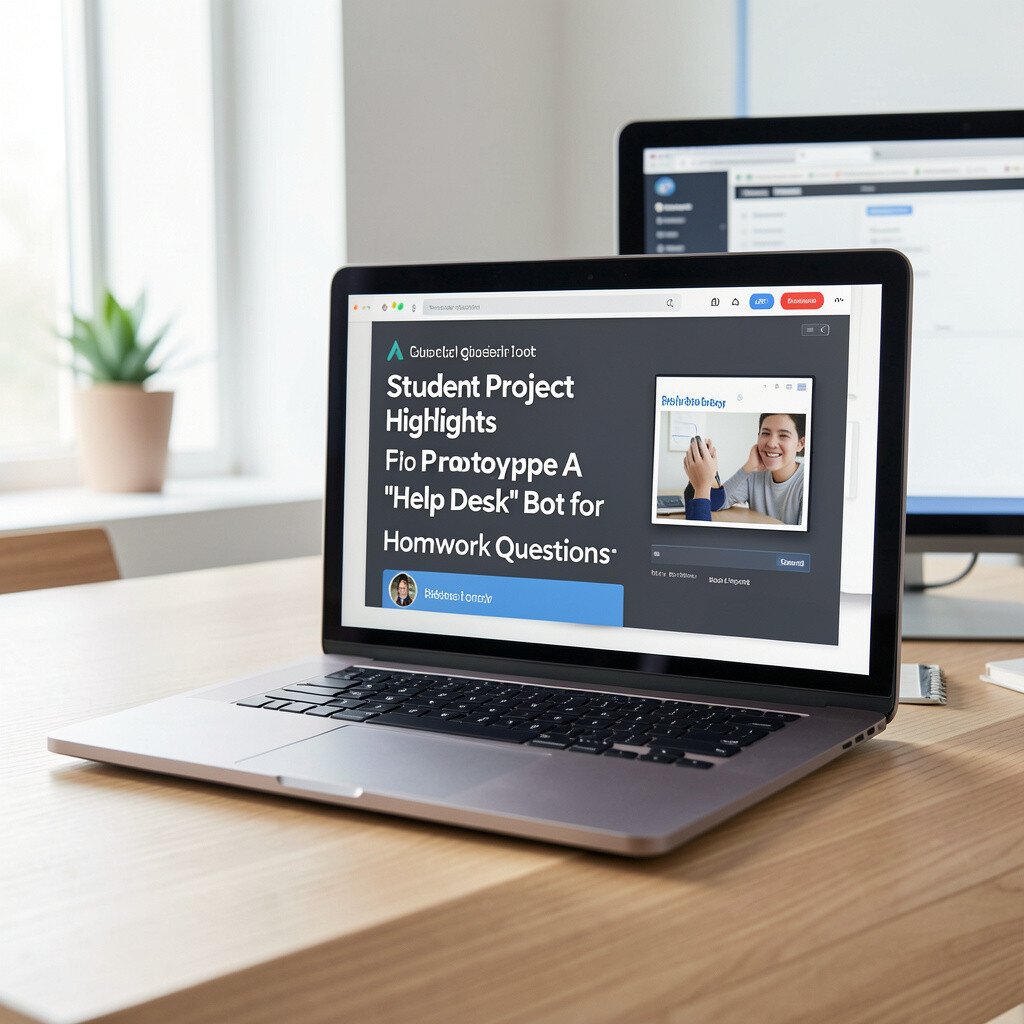
18. A Prototype “Help Desk” Bot for Homework Questions
A Prototype “Help Desk” Bot for Homework Questions
A student can build a prototype bot that helps classmates by asking guiding questions instead of giving direct answers. The chatbot experience can feel like a calm tutor, using small steps and examples that match the user’s topic.
This project benefits learners because it teaches problem-solving, not just memorizing steps. Keep it practical by focusing on a narrow set of subjects, writing clear conversation paths, and testing with students who struggle most. Personalization can include letting users choose their learning pace, like quick hints or slow explanations.
Cost considerations can stay manageable because many students can start with free tools and limited datasets, then improve over time. A current trend is educational bots that promote thinking skills, so your design should encourage effort and reflection. Uniqueness shows up when the bot includes “check your work” prompts that match common mistakes you’ve seen in class.