Your walls can do more than hold up paint. With the right texture, they can add warmth, depth, and personality to every room.
Think of texture as the secret ingredient that makes a space feel finished. It catches light differently, softens acoustics, and turns plain walls into something you’ll notice every day.
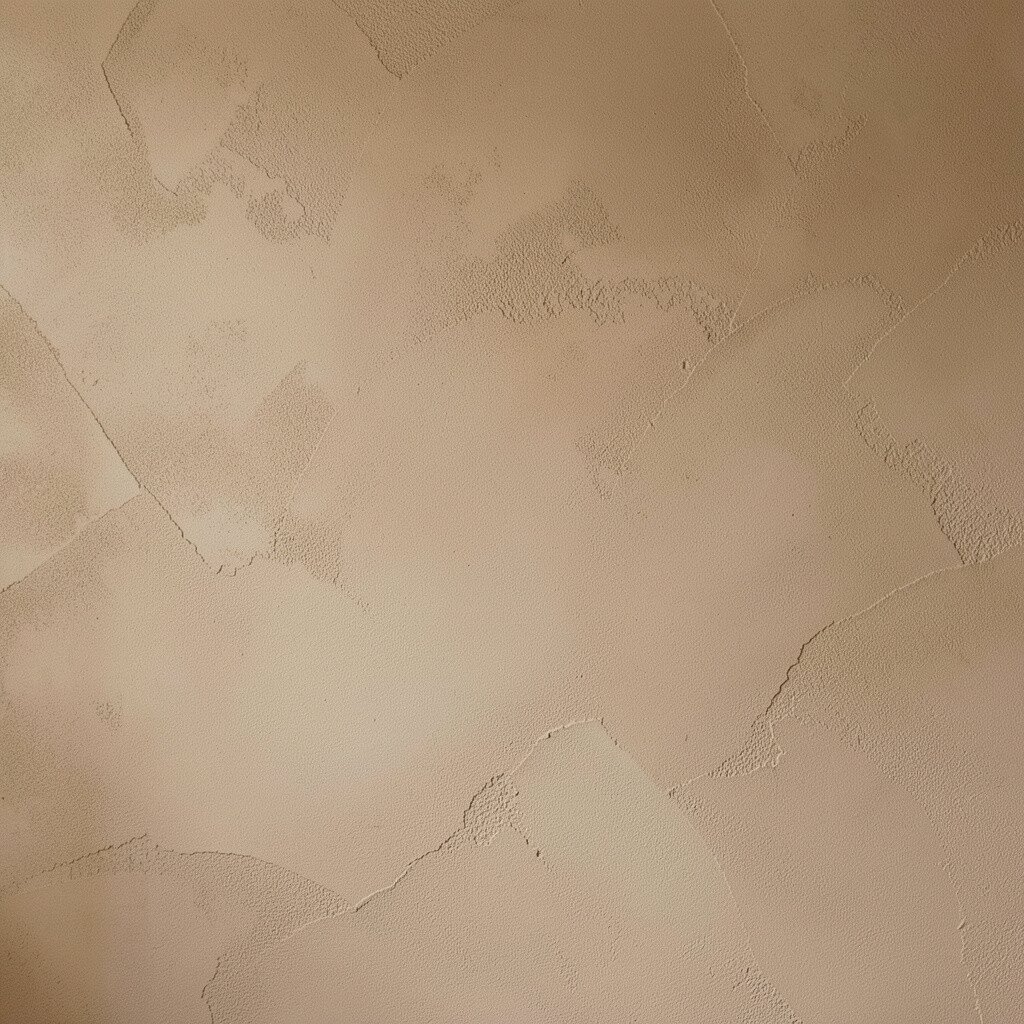
Limewash creates a gentle, airy look that feels like old plaster and fresh light at the same time. Up close, you’ll see tiny variations that make each section feel natural, not uniform.
Use a flat, breathable limewash product and apply in thin layers for the best cloudy depth. It’s great for living rooms and bedrooms because it hides small flaws and makes the wall feel warmer without looking heavy.
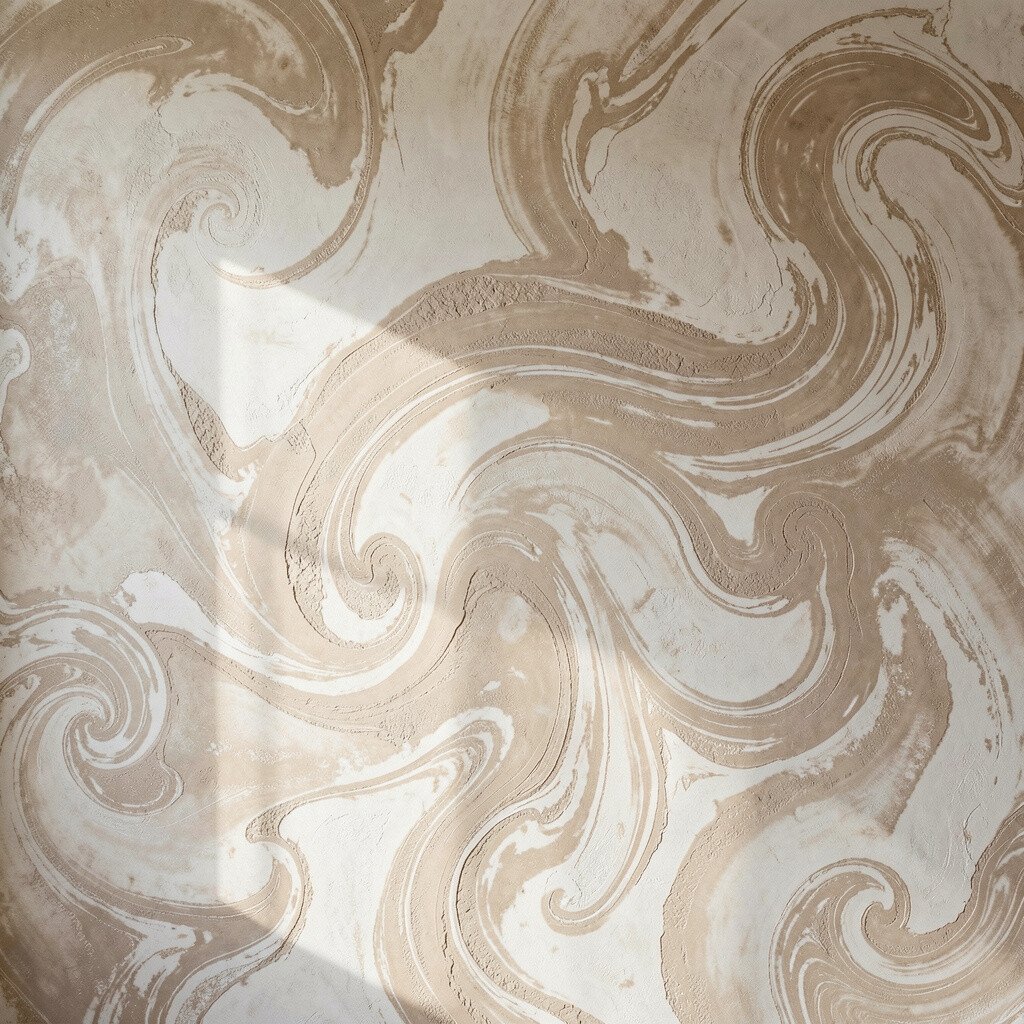
2. Venetian Plaster With High-End Swirls
Venetian Plaster With High-End Swirls
Venetian plaster looks like polished stone with elegant swirls under soft lighting. When you run your eyes across it, the surface seems to move, especially near windows.
To get a smooth, upscale finish, apply multiple thin coats and finish with gentle troweling. Seal it properly if the room needs extra durability, and plan on a little practice or a small test patch first.
For personalization, choose a base tone like warm white, then blend in subtle gray or sand pigments. Even if you keep it minimal, the texture will give your room a boutique feel.
3. Rattan-Style Woven Panels for Texture and Airiness
Rattan-Style Woven Panels for Texture and Airiness
Woven wall panels bring a light, breezy texture that instantly softens a room. They add pattern without feeling busy, and they look especially good in natural light.
Pick panels with a tight weave for smoother visuals or a more open weave for stronger shadows. Mount them on a simple backing or frame for easier installation, and keep them away from high-moisture areas.
This style is unique because it mixes modern interiors with an old-world craft feeling. You can personalize it by painting the backing a warm cream or leaving it natural for a sunlit look.
If you’re budget-minded, start with one accent wall instead of covering everything. Many homeowners choose just the area behind a sofa or bed so the texture feels intentional.
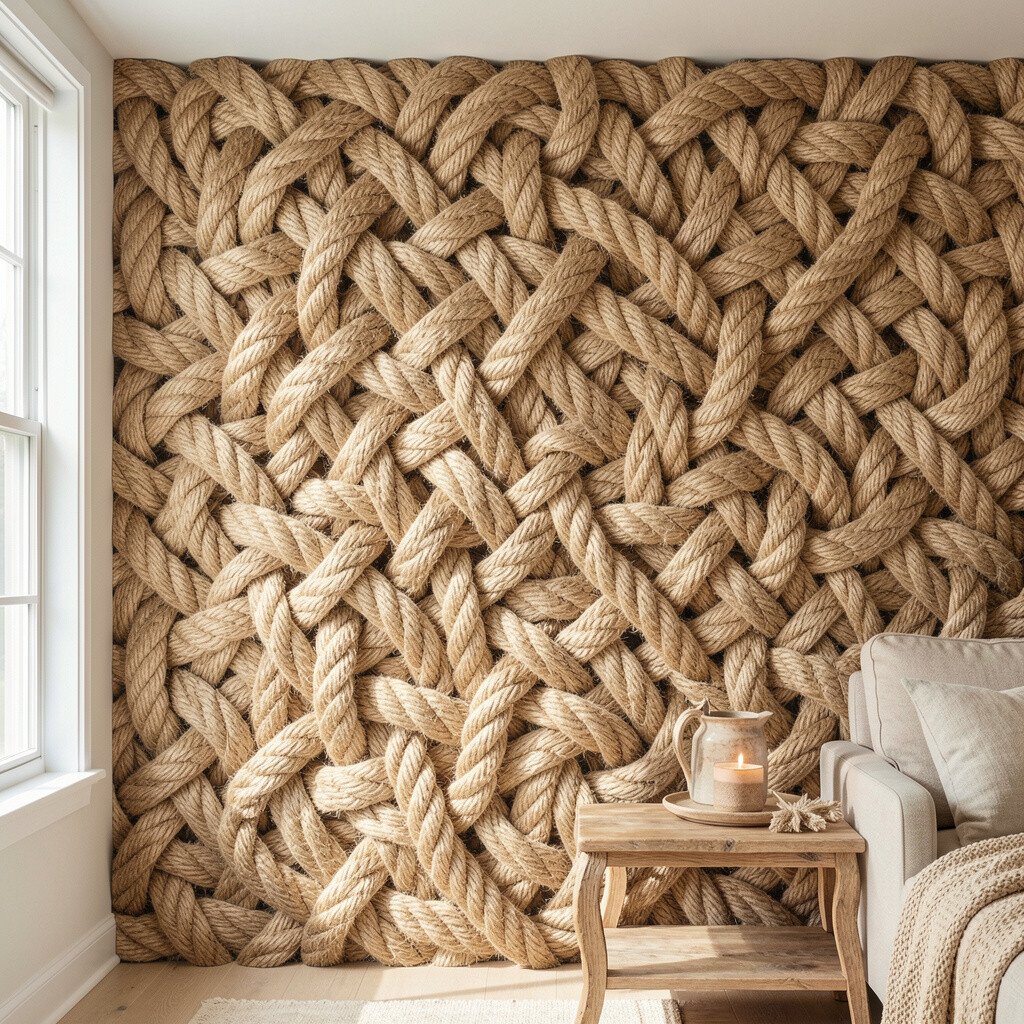
4. Knotted Rope Texture for a Coastal Accent
Knotted Rope Texture for a Coastal Accent
Rope texture on the wall adds a coastal vibe that feels cozy and creative. The raised loops create clear shadows, so the wall looks full even when lights are dim.
Use rope that won’t shed and attach it with a strong, flexible adhesive. Work in small sections, keep tension consistent, and press firmly so the rope lays flat and neat.
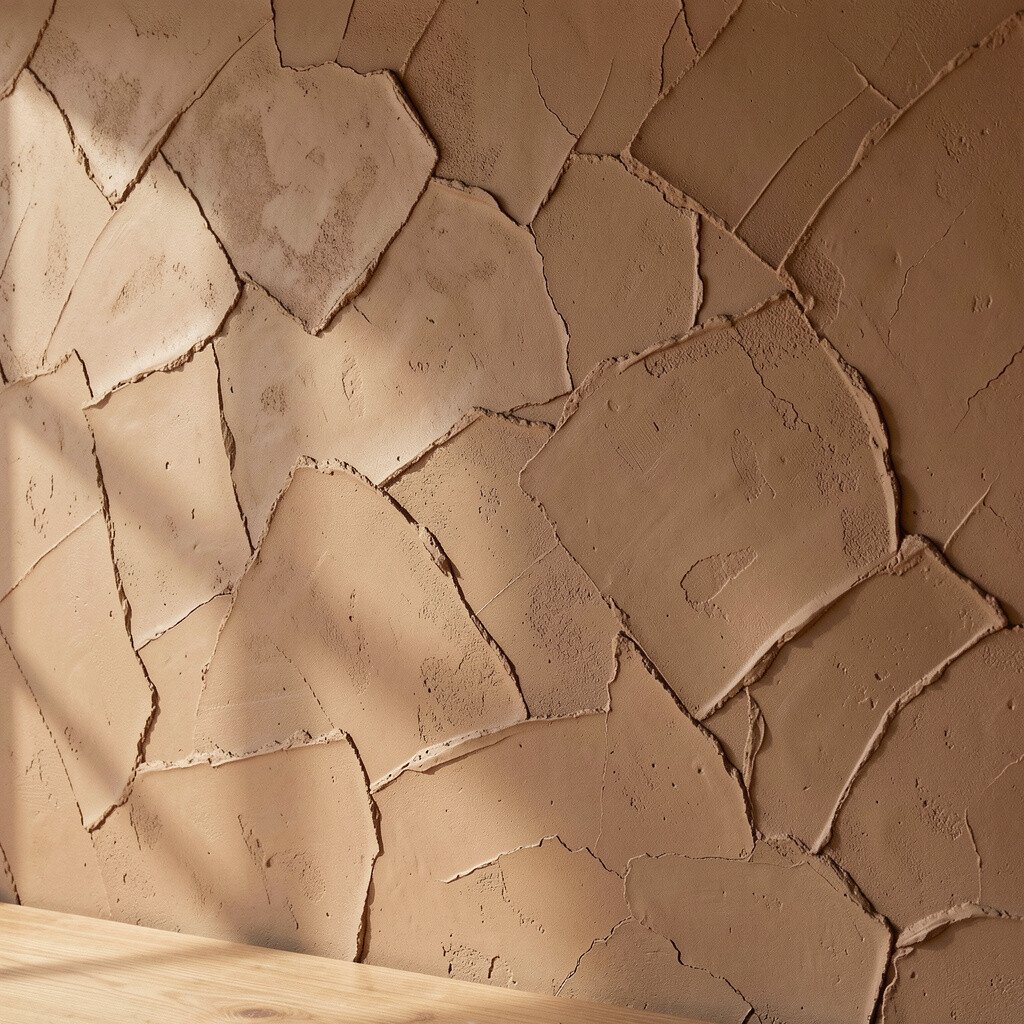
5. Clay Slap-On for a Handmade, Earthy Feel
Clay Slap-On for a Handmade, Earthy Feel
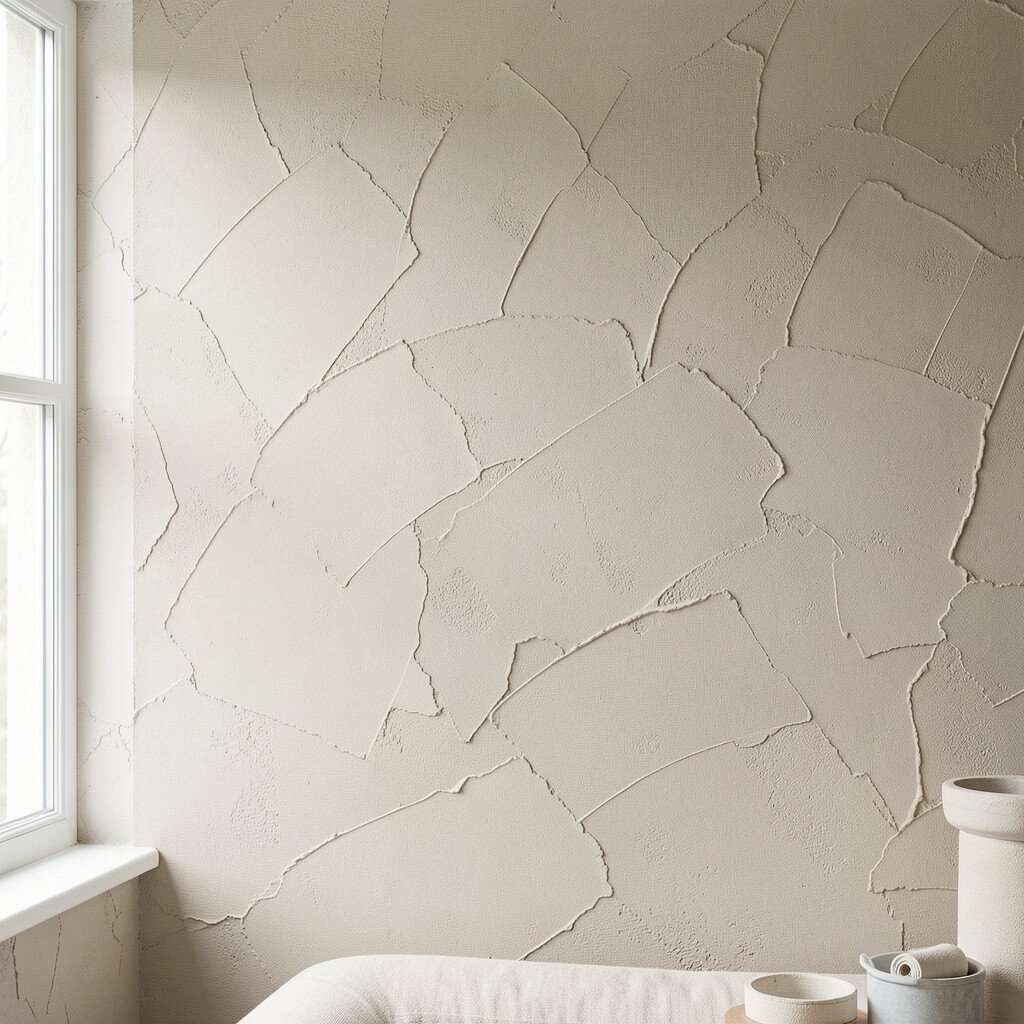
Clay slap-on texture has that hands-on, artisanal look that makes a wall feel alive. With each pass, you’ll notice ridges and impressions that catch light like miniature landscapes.
Apply it with a wide trowel or putty knife, then keep some areas rough for character. It’s especially effective in dining spaces and entryways because it creates a memorable first impression.
To personalize, blend in natural tones like terracotta, umber, or muted olive. If you want a calmer look, keep the pattern spread out rather than heavy in one area.
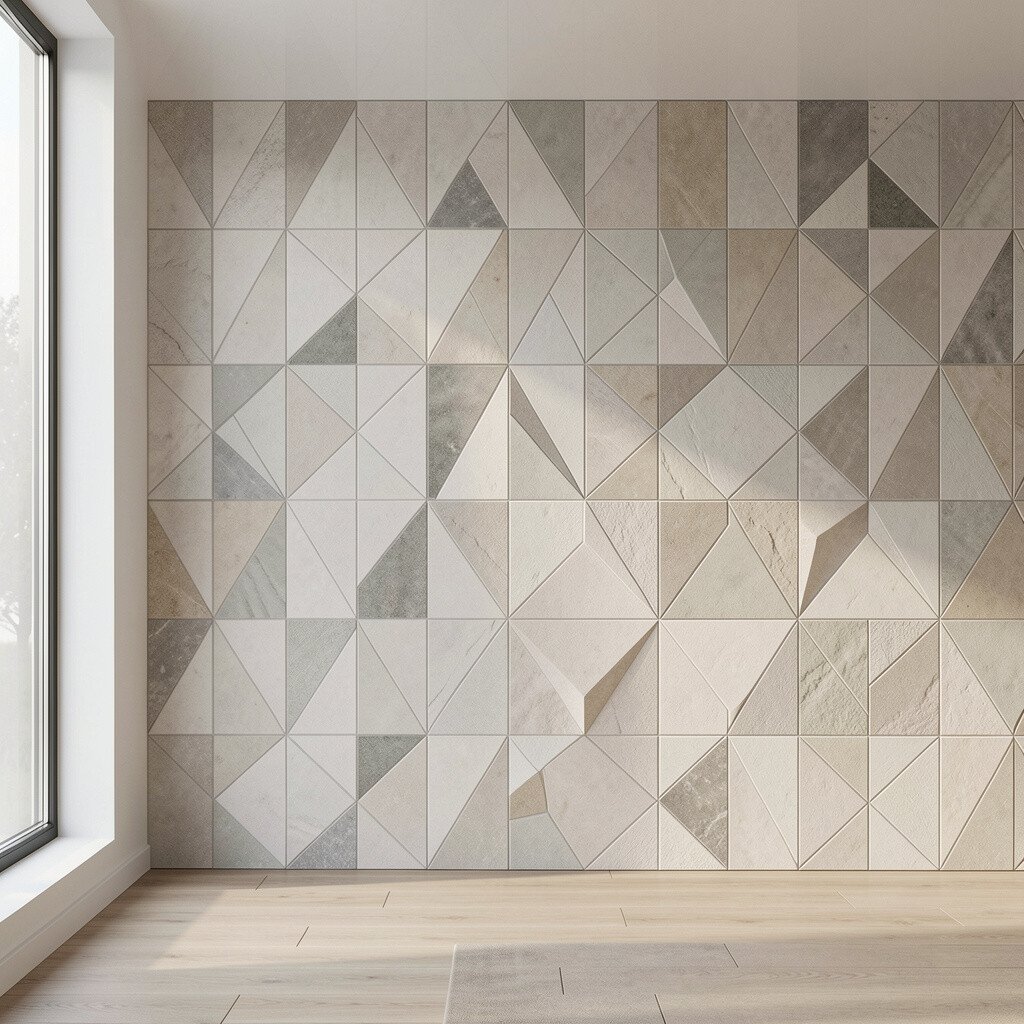
6. 3D Geometric Wall Tiles for a Modern Statement
D Geometric Wall Tiles for a Modern Statement
Three-dimensional geometric tiles make shadows do the decorating for you. They look crisp, modern, and stylish, especially when paired with simple furniture.
Choose a small pattern if you want a subtle texture and a larger pattern if you want bold drama. Use a level for installation and leave enough time for adhesive to set between sections.
For practical setup, plan your layout on the floor first so cuts look clean. Many people start with one wall to keep the cost and effort manageable.
7. Sand-Finish Drywall for a Natural, Velvety Surface
Sand-Finish Drywall for a Natural, Velvety Surface
A sand-finish wall turns smooth drywall into a soft, velvety surface. The grain adds depth without requiring complicated tools or heavy products.
Use a ready-made sand-texture product or lightly texture thin coats, then sand gently for an even feel. This technique works well in hallways where you want comfort and fewer visible imperfections.
Personalize the vibe by keeping it light for airy rooms or slightly heavier for a cozy, rustic mood. If you’re trying to stay within a budget, this is one of the more affordable ways to add texture across larger areas.
Just remember that sanding and cleanup take time, so protect floors and cover nearby items.
8. Concrete-Style Micro-Topcoat for Industrial Calm
Concrete-Style Micro-Topcoat for Industrial Calm
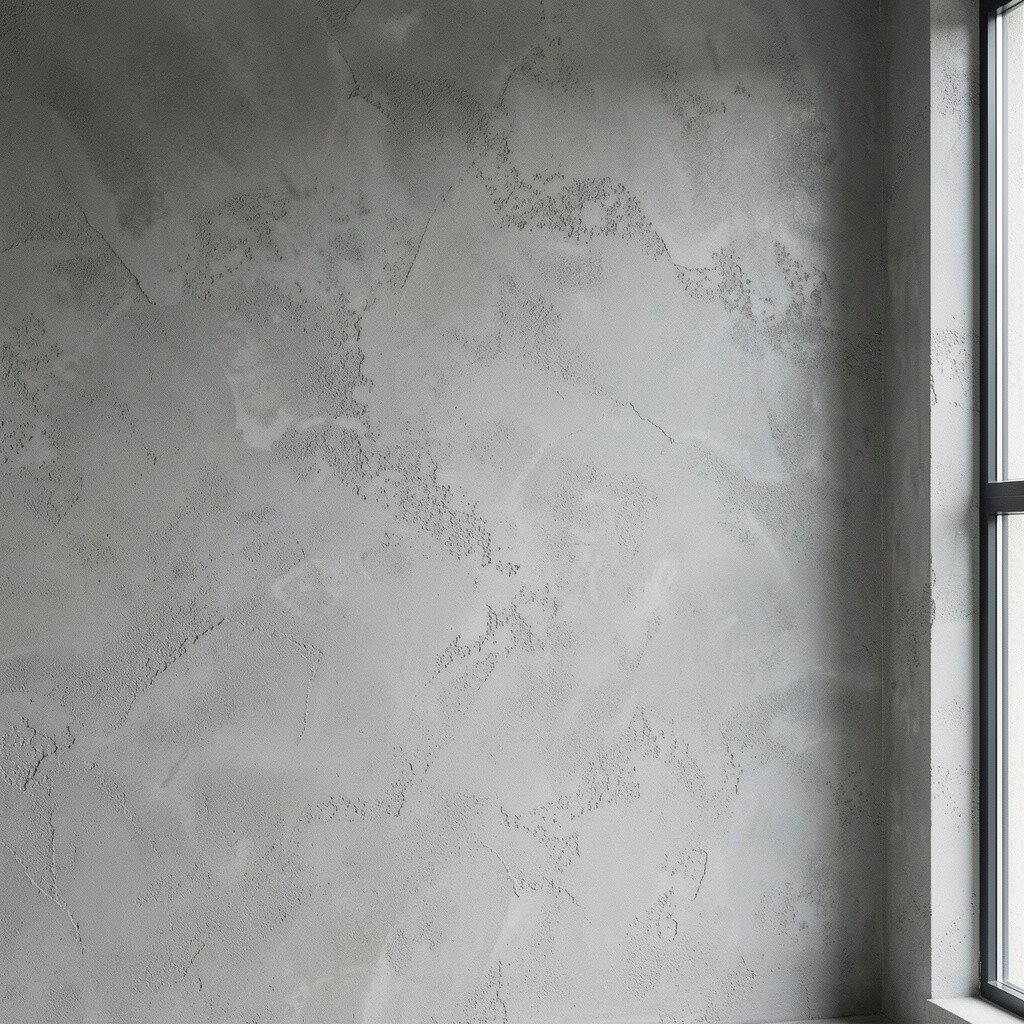
Concrete-style micro-topcoat gives a refined industrial look that still feels warm. Under light, you’ll see a smooth texture with tiny specks that mimic real material.
Apply the coating thinly in even strokes, then use the recommended tools to create the right sheen level. Seal it if your space needs stain resistance, especially near kitchens and busy entrances.
This is unique because it creates texture without the rough feel of heavy concrete. You can personalize it with warmer undertones so it doesn’t feel cold.
For cost considerations, compare professional quotes versus renting tools for DIY, since finishing methods can vary. Many homeowners choose one accent wall to manage cost while still getting that modern vibe.
9. Faux Brick with Raised Mortar Lines
Faux Brick with Raised Mortar Lines
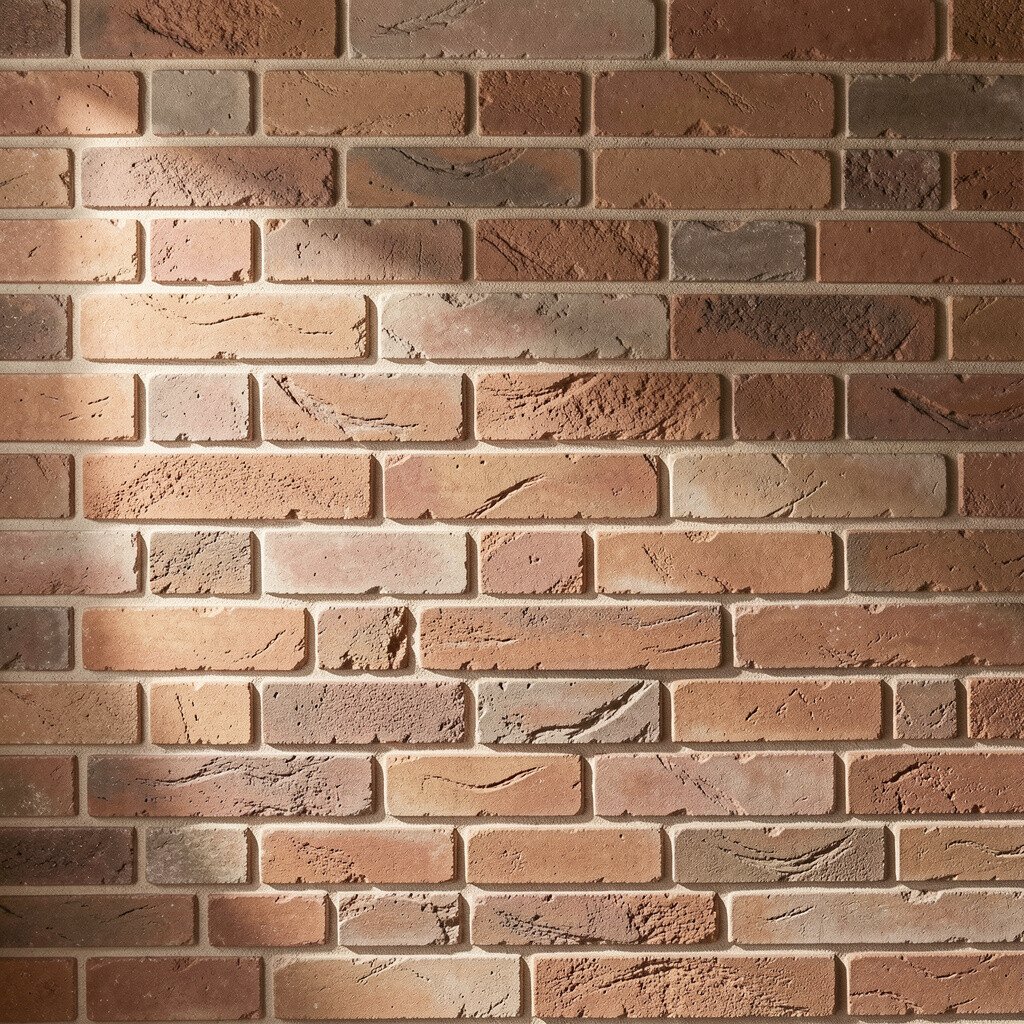
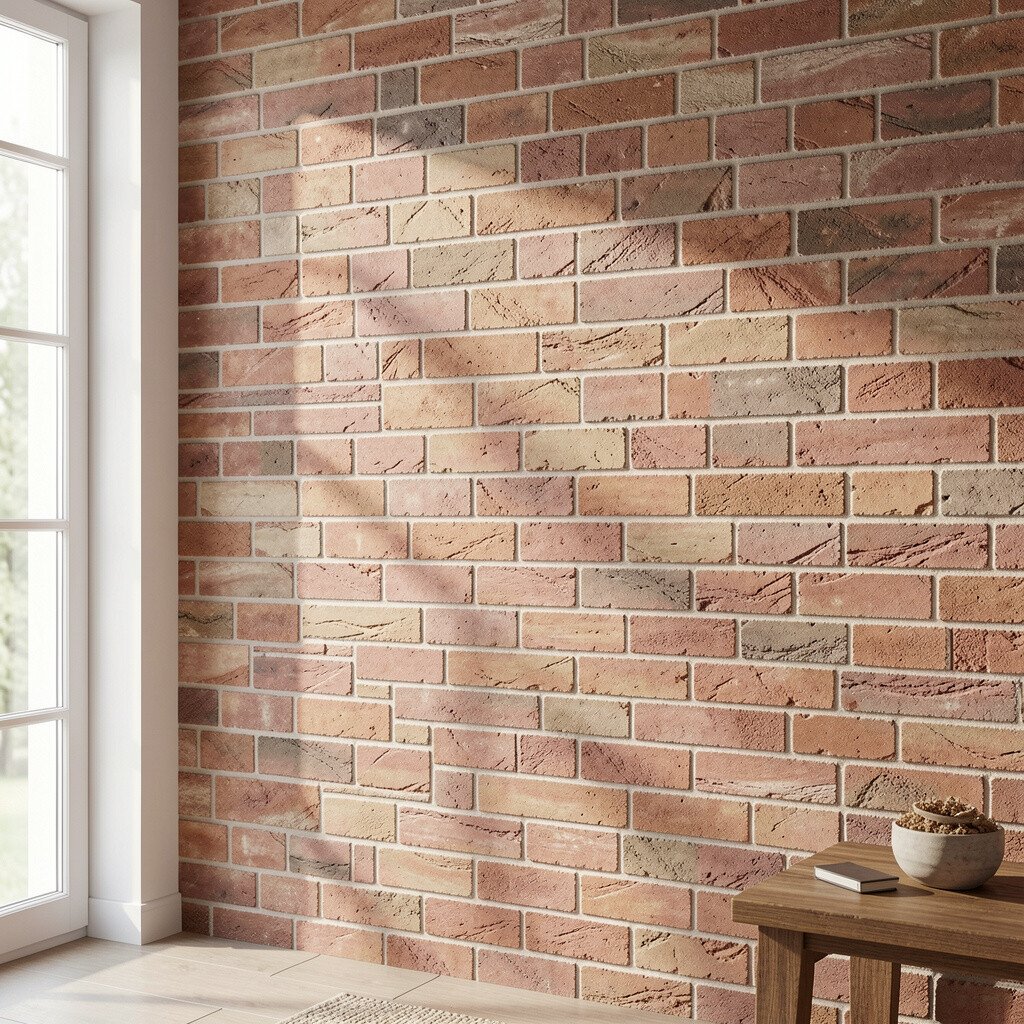
Faux brick brings a classic texture that instantly adds history to a room. Raised mortar lines create shadow depth and make the wall feel architectural.
Install panels carefully, then use joint compound for realistic mortar texture. Keep the grout lines consistent and wipe any excess before it dries.
Personalize by choosing an earthy brick color for cozy warmth or a whitewashed look for a brighter style. This works great behind a fireplace, bar cart area, or in a reading nook.
To keep it practical, measure your wall and plan for trimming around outlets and vents. Many kits make it easier to keep the overall look neat without huge material waste.
10. Shiplap With Extra Depth and Light Catching Lines
Shiplap With Extra Depth and Light Catching Lines
Shiplap isn’t just a farmhouse trick anymore, and the texture looks sharper than ever. When boards are installed with consistent spacing, light moves across the grooves in a satisfying way.
Choose thicker boards or add a slightly deeper groove so the shadows are stronger. Seal and paint with a quality primer so it lasts in high-traffic rooms.
For personalization, stain the boards for a natural tone or paint them in a soft neutral to match modern decor. If you love styling, place warm lamps nearby so the texture shows off at night.
Cost-wise, shiplap can be mid-range, but you can keep spending under control by using it on one featured wall. It’s often more budget-friendly than covering an entire room.
11. Plaster Roll-On With Canvas-Like Texture
Plaster Roll-On With Canvas-Like Texture
A roll-on plaster finish can create a canvas-like texture that feels artistic and relaxed. It’s textured enough to catch light, but not so rough that it looks messy.
Use a roller made for texture and apply with a steady, consistent motion. Work quickly enough to keep the surface from drying unevenly, and follow product directions for curing time.
Personalize by changing color depth, such as adding a slightly darker glaze in the low spots. This small step makes the texture look more dimensional.
For practical results, test on a small area because different lighting can change how grain shows. Many homeowners love this method because it’s approachable and less labor than trowel techniques.
12. Stenciled Patterns With Raised Paste for Subtle Drama
Stenciled Patterns With Raised Paste for Subtle Drama
Stenciled texture adds structure while still leaving plenty of breathing room. When you use raised paste, the pattern becomes tactile, not just decorative.
Pick a stencil with thick lines so the raised shapes hold up after drying. Apply in thin layers to prevent cracking, then sand lightly if needed for a smoother feel.
Personalize the pattern scale to your space, using smaller repeats for tight rooms and larger motifs for wider walls. This trend feels fresh because it merges traditional ornament with modern, minimal interiors.
For cost considerations, stencils and paste are usually budget-friendly, especially compared with full tile installs. If you want a quick win, focus the stencil on one wall and keep the surrounding paint simple.
13. Thermoformed Foam Panels for a Futuristic Texture Look
Thermoformed Foam Panels for a Futuristic Texture Look
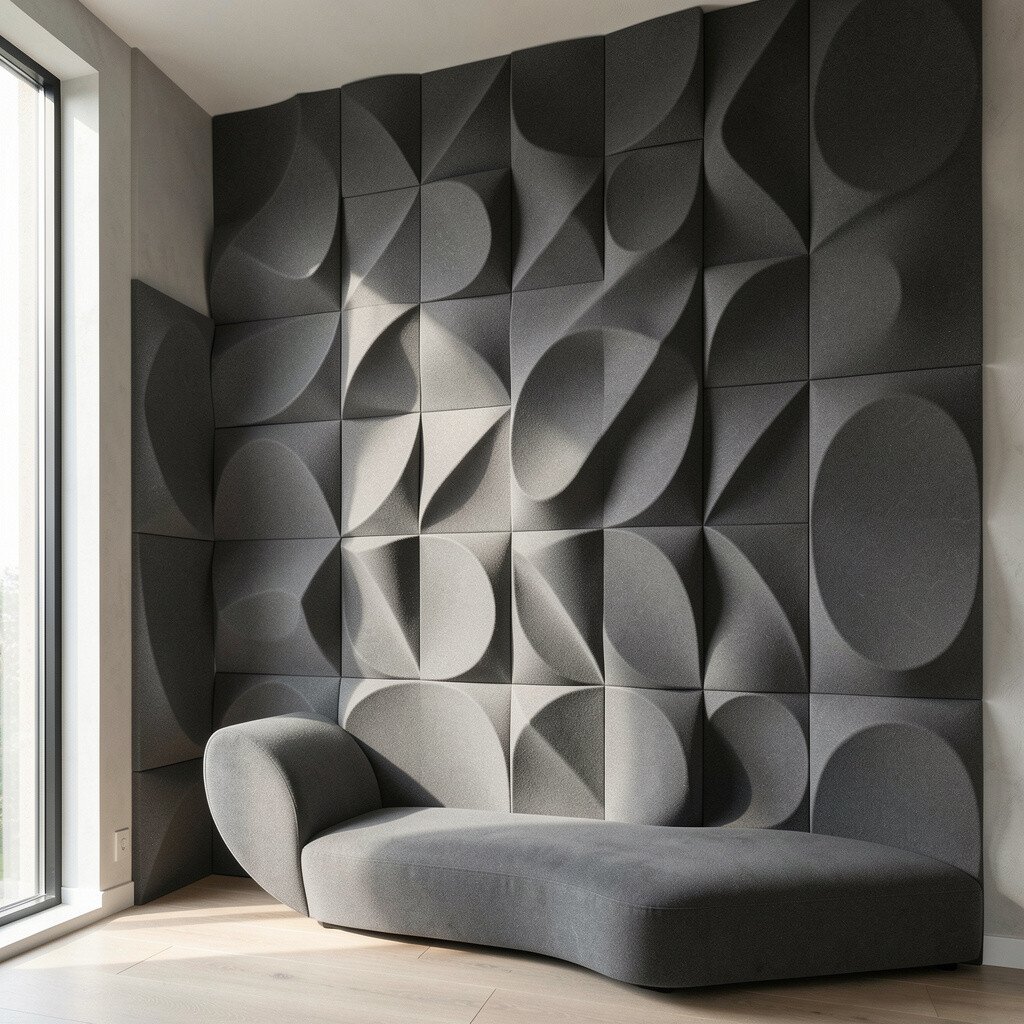
Thermoformed foam panels bring a futuristic, sculpted feel that looks bold and clean. The surface creates crisp highlights that look great with modern lighting.
Use panels designed for walls and follow installation guidelines for proper adhesion. Many are lightweight, making DIY setup easier than heavy materials.
Personalize by painting the panels matte for a calm high-tech vibe or using satin for extra shine. This texture is unique because it reads like a gallery piece, even in everyday rooms.
Cost can vary, so compare pack sizes and measure first. Many homeowners find that covering a small area behind a TV or desk gives the impact without overspending.
14. Raised Wallpaper With Premium Linen-Feel Patterns
Raised Wallpaper With Premium Linen-Feel Patterns
Raised wallpaper adds a soft texture that looks rich even when it’s not under direct light. Some designs feel like woven fabric, creating warmth and comfort on the wall.
Choose a washable, peelable option if you like changing decor later. Apply carefully and smooth out bubbles so the pattern stays crisp and the raised parts look even.
Personalize by selecting a tone that matches your trim, like a slightly warmer white or a muted clay. Current design trends lean toward nature-inspired textures and muted colors, and linen-like patterns fit right in.
Cost-wise, wallpaper can be mid-range, but it often costs less than wall tile and lets you cover an entire room quickly. Use it on a single feature wall if you want to keep expenses under control.
15. Fabric Wall Panels With Soft, Quiet Texture
Fabric Wall Panels With Soft, Quiet Texture
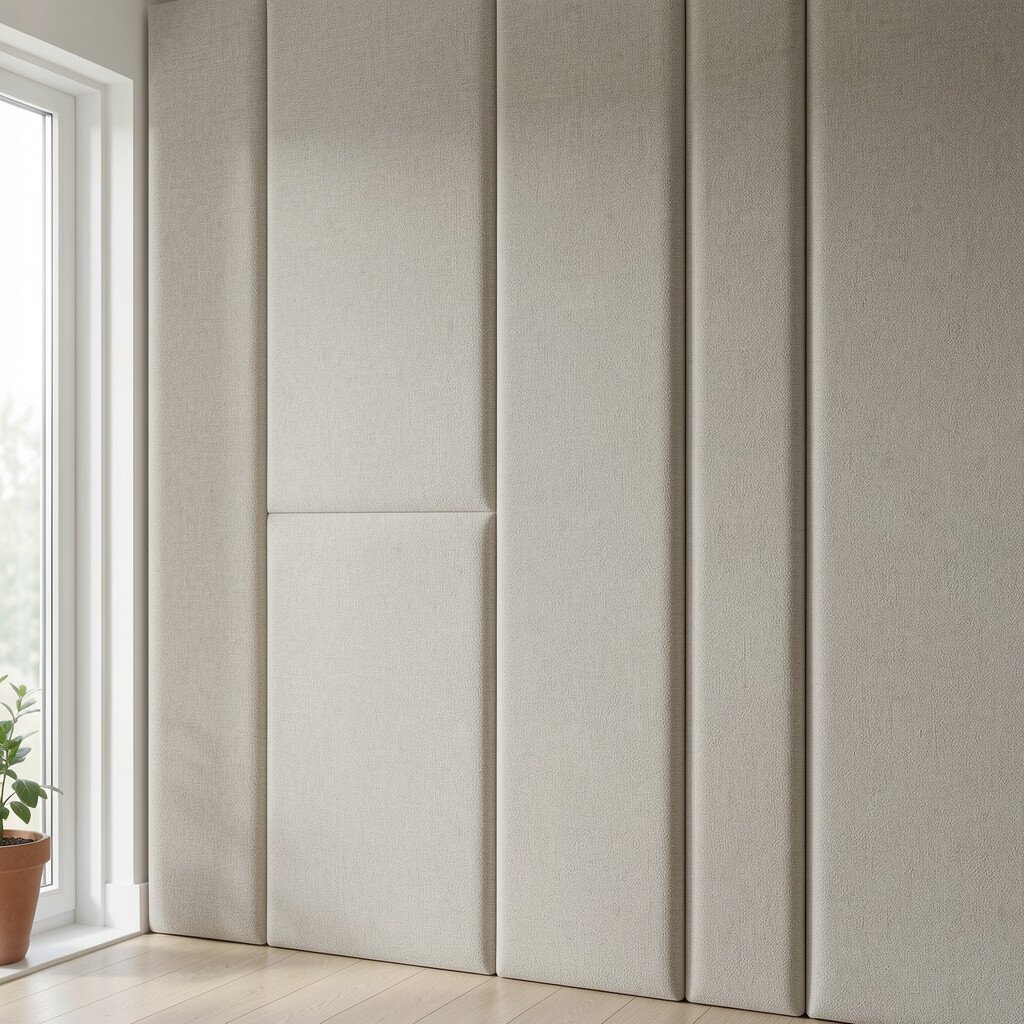
Fabric wall panels create a gentle, cushioned texture that also helps soften sound. They make rooms feel calmer and more comfortable, especially in living spaces.
Look for panels with sturdy backing and a fabric that suits your lifestyle, like stain-resistant weaves. Install with the right anchors and keep panels aligned so seams stay tidy.
Personalize by choosing colors that echo pillows and rugs, or select subtle patterns for a layered look. This is unique because it turns a wall into part of your comfort system, not just your decor.
If you’re budget-minded, cover only the most visible wall and mix fabric panels with painted surfaces. That approach keeps the texture impact high while controlling material cost.
16. Water-Based Spackle Ridges for a Playful Handcrafted Pattern
Water-Based Spackle Ridges for a Playful Handcrafted Pattern
Using spackle to form ridges can give your wall a playful, handcrafted look. The wall becomes a set of gentle waves that change how light lands across the surface.
Skim spackle onto a primed wall, then shape it with a putty knife, comb tool, or even a sponge. Let it dry fully, then sand carefully for a smooth touch where needed.
Personalize by making the pattern tight for energy or wide and calm for relaxation. This method feels trendy because it embraces imperfect, made-by-you textures.
For practical tips, wear gloves and keep a small bowl of water nearby for smoother tool handling. Cost is usually low since spackle is common and you’re working in controlled amounts.
17. Brick-Like Peel-and-Stick Panels for Fast Updates
Brick-Like Peel-and-Stick Panels for Fast Updates
Peel-and-stick brick panels offer instant texture without much construction work. They look surprisingly real from a few steps back, and the raised lines create a strong shadow effect.
Clean the wall well and apply panels carefully, starting from a straight reference line. Press firmly, and trim edges neatly to avoid peeling at corners.
This option is unique because it’s highly adjustable, so you can change your mind later. Personalize by selecting distressed brick patterns for an aged feel or clean white panels for a brighter style.
For cost considerations, compare panel size and coverage because prices vary by brand and thickness. Many people use them behind headboards, in laundry rooms, or on small entry alcoves to keep it economical.
18. Brushstroke Texture With Layered Paint for Artistic Motion
Brushstroke Texture With Layered Paint for Artistic Motion
Brushstroke texture adds motion and personality without needing extra materials. When you layer paint and vary pressure, you get a surface that looks like it’s been thoughtfully made.
Use two or more paint tones, then blend them with a dry brush or roller for a natural transition. Keep each stroke consistent in direction so the wall reads as intentional artwork.
This texture feels unique because it’s different every time you step into the room. Personalize by choosing colors that match your style, from warm terracotta to cool sage or dramatic charcoal.
Cost-wise, this method usually stays budget-friendly since it relies on paint. If you want to upgrade, invest in good brushes and quality paint so the strokes look crisp instead of patchy.
19. Bubble Texture With Sponged Foam for Retro Charm
Bubble Texture With Sponged Foam for Retro Charm
Bubble texture gives a retro, playful feel that adds tiny depth all over the wall. It looks charming in kids’ rooms, breakfast nooks, and creative studios.
For a controlled pattern, use a foam tool or sponge technique to place bubbles evenly. Practice on scrap drywall or a hidden area first so the size matches your taste.
Personalize it by choosing a neutral color for bubbles to blend softly or a contrast shade for bold fun. This trend can feel fresh again when paired with modern furniture and clean decor lines.
From a cost perspective, it’s often inexpensive because you use common paint and tools. Just keep in mind that textured walls can collect dust, so choose smooth, cleanable finishes where possible.
20. Metallic Limewash or Glow Pigments for Light-Play Texture
Metallic Limewash or Glow Pigments for Light-Play Texture
Metallic limewash or glow pigments add a subtle shimmer that feels magical as the light shifts. The surface still keeps that natural, imperfect look, but with added sparkle in the texture valleys.
Apply in thin coats and blend well so the shimmer distributes evenly rather than pooling. Use matte base tones if you want a soft glow instead of a loud shine.
This is unique because it turns texture into a lighting feature, especially near warm bulbs and window corners. Personalize by selecting a champagne shimmer for elegance or a bronze tint for a cozy mood.
Cost considerations matter here, since specialty pigments cost more than standard paint. To stay practical, use the shimmering product on an accent wall and keep the rest simple.
21. Scored Plaster Lines for Contemporary, Architectural Texture
Scored Plaster Lines for Contemporary, Architectural Texture
Scored plaster lines create a sleek, architectural look that feels calm but not flat. The thin grooves guide the eye and add structure without turning the wall into clutter.
Apply plaster evenly, then use a scoring tool to draw consistent lines. Keep line spacing steady for a clean modern effect, and remove dust before painting if needed.
Personalize by changing line direction, such as vertical for height or diagonal for energy. This texture also pairs well with current trends that favor clean geometry and neutral palettes.
For practicality, plan around outlets and wall fixtures so scoring stays smooth and uninterrupted. It can be cost-friendly because you mainly use plaster, tools, and paint, but take your time for crisp results.