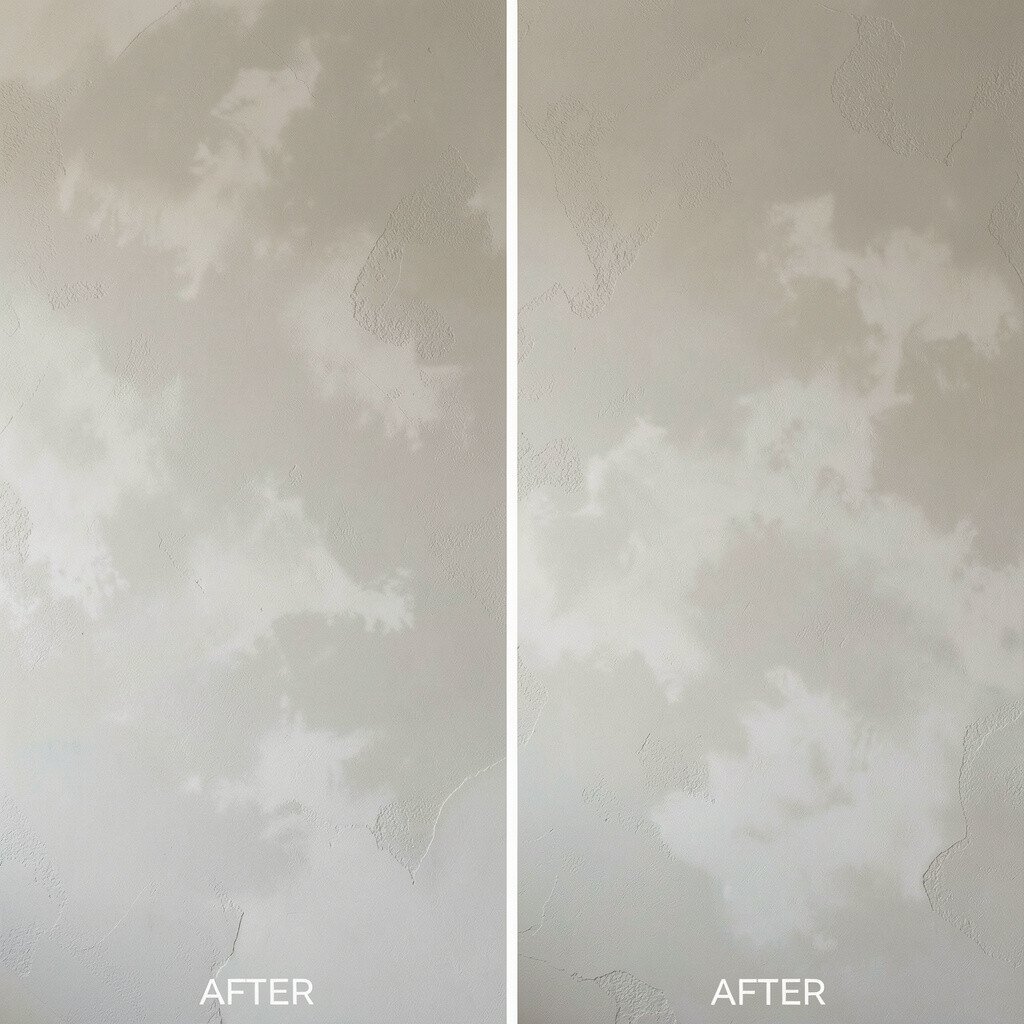
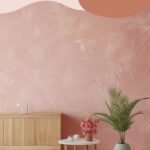
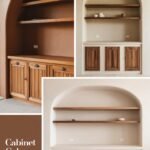
Before, the wall can feel flat and a little gray, like daylight gets stuck on the surface. After, limewash brings a cloudy, airy look that changes with the light across the day.
You’ll see gentle variations and a natural, breathable feel that hides small bumps and hairline imperfections. It also helps you get a unique finish because no two passes look identical. Keep your color palette simple, then pick a finish level that matches your space, from calm to warm. For a practical start, clean the wall well, patch cracks, and test a small area so the tone lands the way you expect.
2. Modern Venetian Plaster With Smooth Drama
Modern Venetian Plaster With Smooth Drama
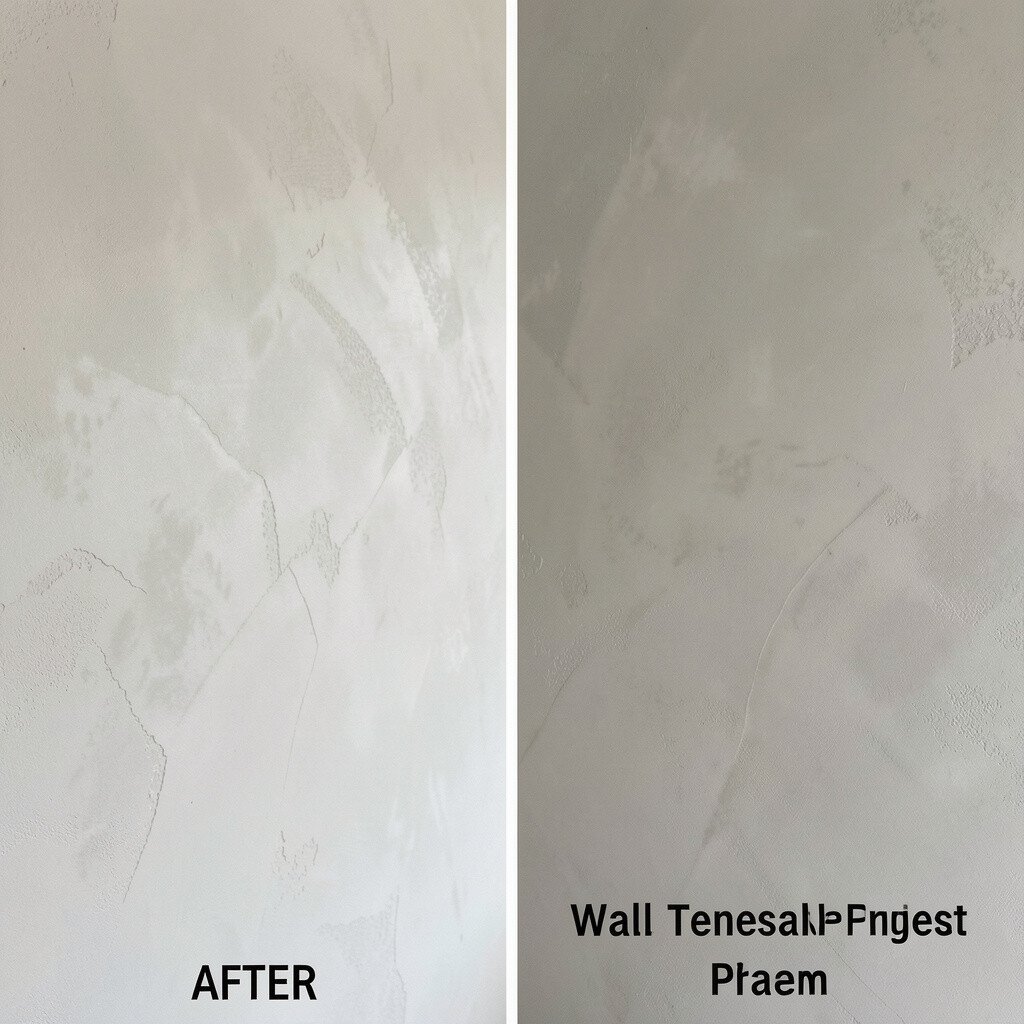
Before, the room may have a smooth coat that reflects light in an unflattering way. After, Venetian plaster creates a silky surface with subtle swirls that look almost like stone.
The visual payoff is high because the sheen adds depth without making the space feel busy. You also get durability and easier wipe-down for everyday life. Use a consistent trowel technique for a clean pattern, and layer thin coats so you don’t end up with streaks. If you want personalization, choose a warm neutral and add a darker glaze on the edges for a soft “spotlight” effect.
For cost considerations, labor usually matters more than materials, since the finish depends on careful application. If budget is tight, focus the feature on one wall first, then expand once you love the look.
3. Skip-Trowel Texture That Feels Handmade
Skip-Trowel Texture That Feels Handmade
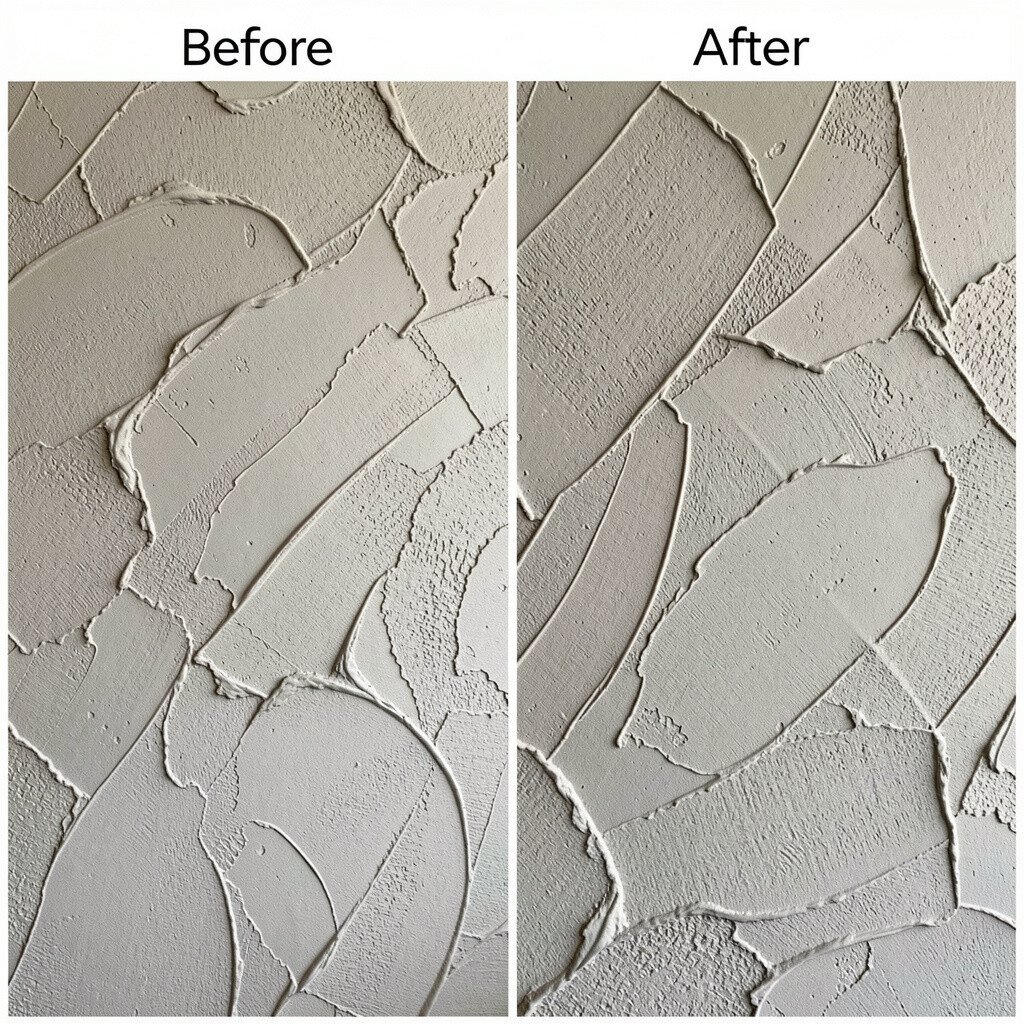
Before, the wall can look too perfect, like it belongs to a rental. After, skip-trowel texture gives it a friendly, handcrafted rhythm with raised and relaxed patches.
The surface adds character without needing bold colors, which is great when you want a fresh look but don’t want to repaint. It also helps hide small flaws like uneven drywall joints. To get practical results, work in sections and keep your texture pattern consistent so the wall doesn’t look patchy. You can personalize by mixing paint and tint for a slightly richer base, then top with a matching or lighter shade for contrast.
If you’re thinking about cost, this project is often more budget-friendly than high-end plaster because it uses common tools. A short test area saves money by showing how thick the texture reads in your lighting.
The current trend toward tactile “imperfection” makes this style feel modern, even in classic rooms. Pair it with simple fixtures and warm wood to let the wall texture do the talking.
4. Knockdown Texture For Balanced, Everyday Style
Knockdown Texture For Balanced, Everyday Style
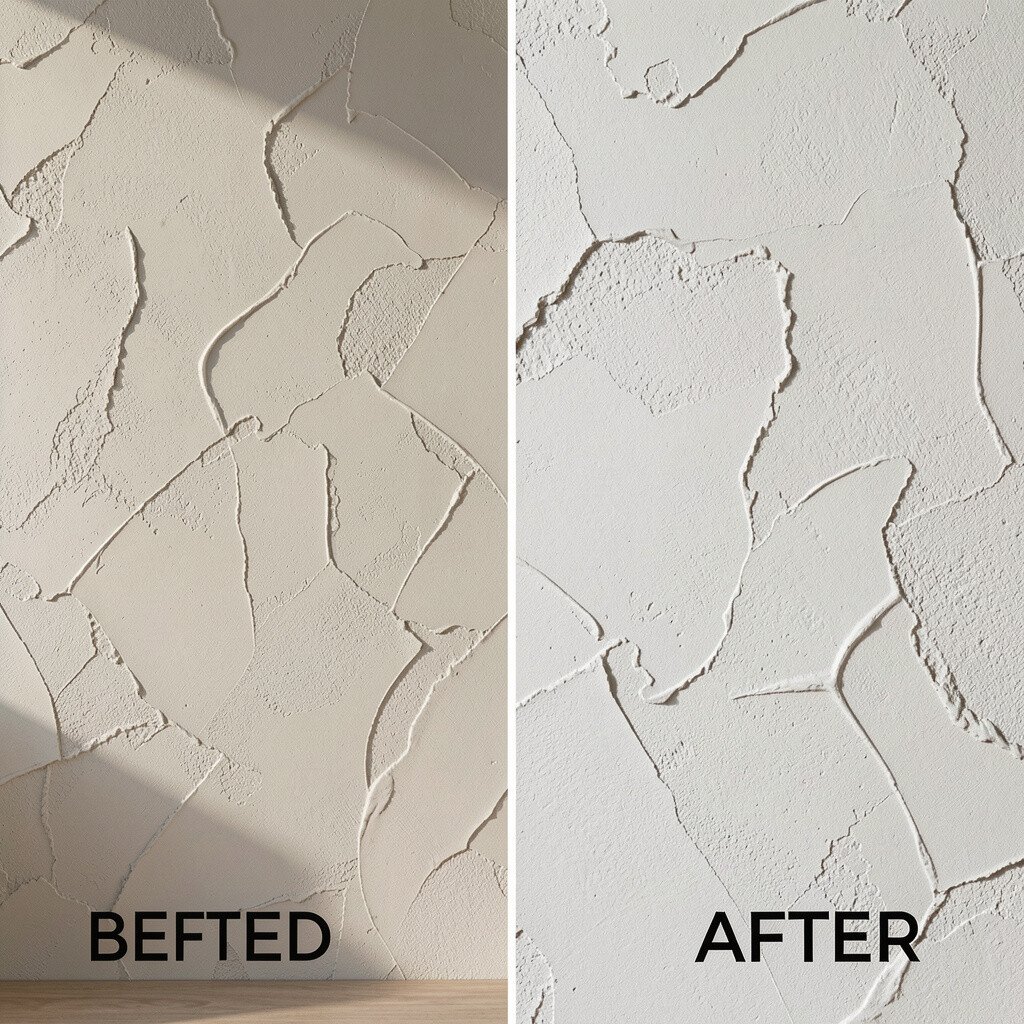
Before, many walls have either harsh ridges or a bland, flat finish that doesn’t hide mistakes well. After, knockdown texture smooths things out while still keeping a lively pattern in the background.
Visually, you get a gentle stipple that breaks up shadows and makes the room feel more layered. It’s also practical because the texture can mask minor patching marks you might otherwise see after painting.
To keep it tidy, apply the compound evenly, wait for the right set time, and use consistent pressure when you knock it down. Personalize by choosing a paint sheen that matches the mood, since eggshell softens the pattern and satin emphasizes it. If you’re budgeting, this approach often uses a moderate amount of material, so plan for extra supplies for mixing and clean-up.
Knockdown is a current favorite for living rooms and hallways because it looks stylish up close but still reads as calm from across the space. It also pairs well with modern lighting where shadows add depth.
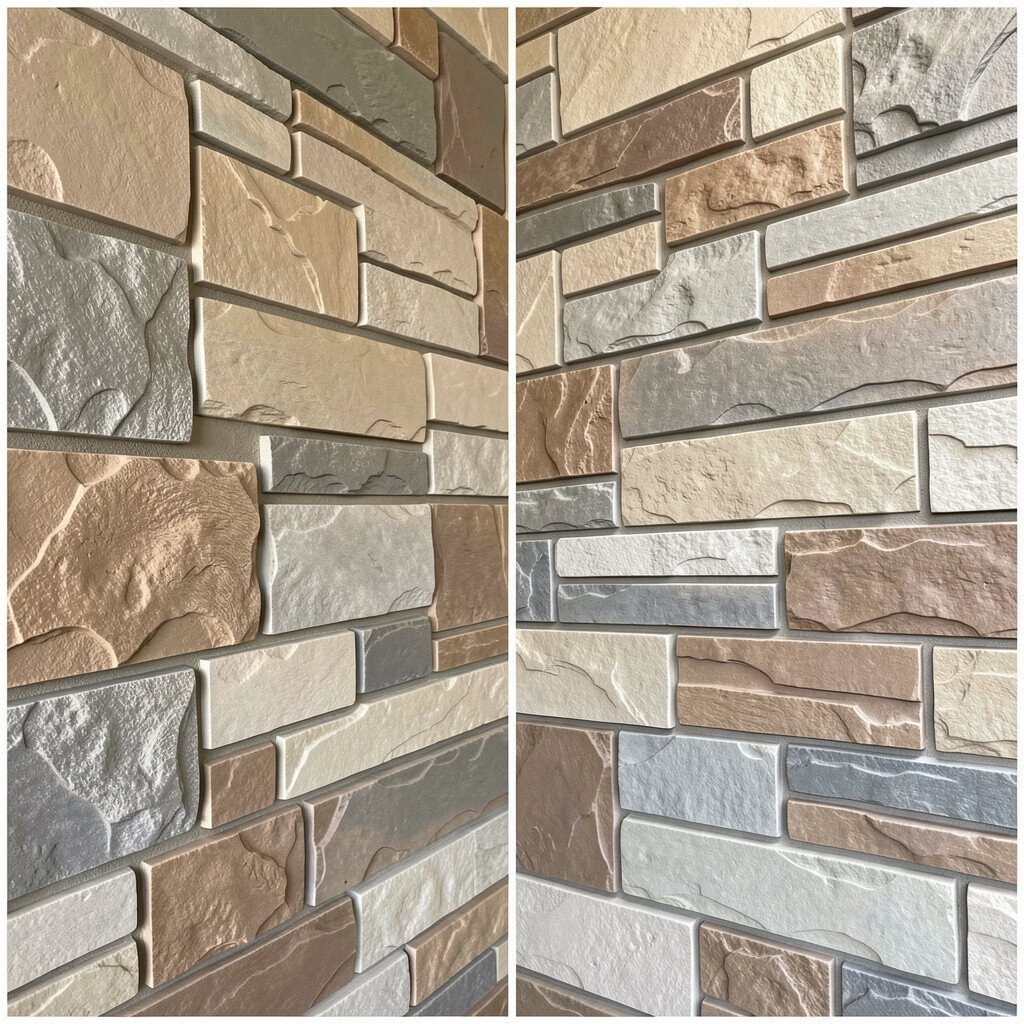
5. Faux Brick Panels With A Cozy Before-And-After
Faux Brick Panels With A Cozy Before-And-After
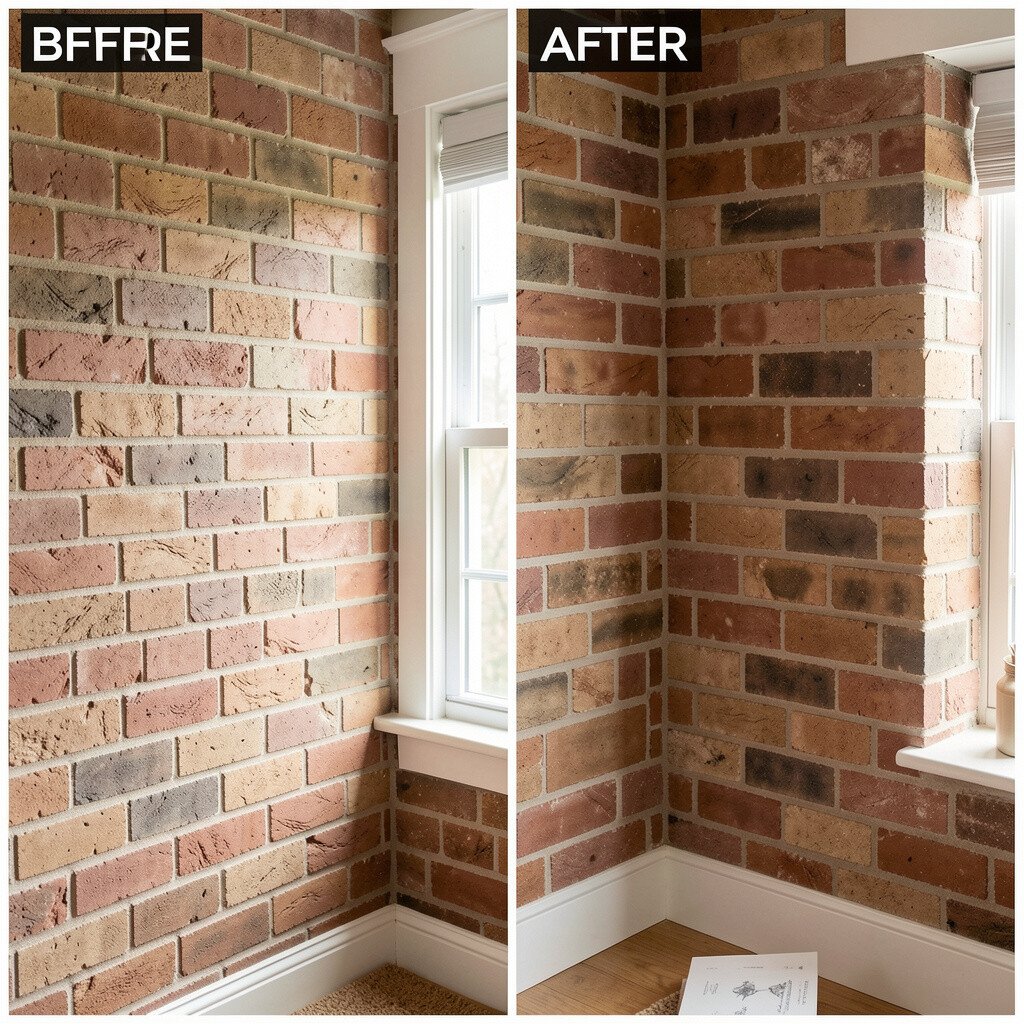
Before, the wall might feel plain and too uniform, like it’s missing a focal point. After, faux brick panels bring a warm, classic vibe with clear lines and a textured surface that looks real.
You get immediate visual interest, and the texture creates shadows that make the wall feel richer even in dim rooms. For benefits, it’s easier than real brick and usually faster to install, especially for a single accent wall.
To personalize, choose panels with the right brick size for your space, since smaller bricks can feel more delicate and larger bricks can feel bold. You can also vary the mortar color with a simple glaze so the wall looks lived-in. Before you buy, measure carefully and check where outlets and switches land, since clean cuts make the result look professional. For cost considerations, panel kits vary a lot, so compare shipping and add-ons like corner trim and adhesive.
This kind of wall treatment remains popular because it adds character without major renovation. Pair it with soft lighting and neutral furnishings for a cozy look that still feels modern.
6. Bold Stripes Using Textured Paint Layers
Bold Stripes Using Textured Paint Layers
Before, the wall might be one solid color that makes the room feel flat. After, textured paint stripes bring motion, like the walls are subtly moving as you walk by.
You can create an easy “before and after” effect by applying tape lines, then using two different paint consistencies across the stripe. The tactile ridges catch light and help your eyes follow the design, which is a big style benefit in spaces that need a focal point.
For practical tips, choose painter’s tape that won’t pull existing paint and press it firmly so the edges stay crisp. Let each layer dry enough to avoid smearing, and peel the tape at the right time for clean lines. Personalize by using stripes in one color family or mixing matte and semi-gloss textures for contrast. When budgeting, buy only the extra quantity you need for the textured layer, and keep an eye on paint thickness so you don’t use too much.
Right now, people love textured accent details that feel custom, and stripes are an easy way to get that look. This project works great behind a console, a bed headboard, or a dining table.
7. Fabric-Style Textured Wallpaper For Soft Depth
Fabric-Style Textured Wallpaper For Soft Depth
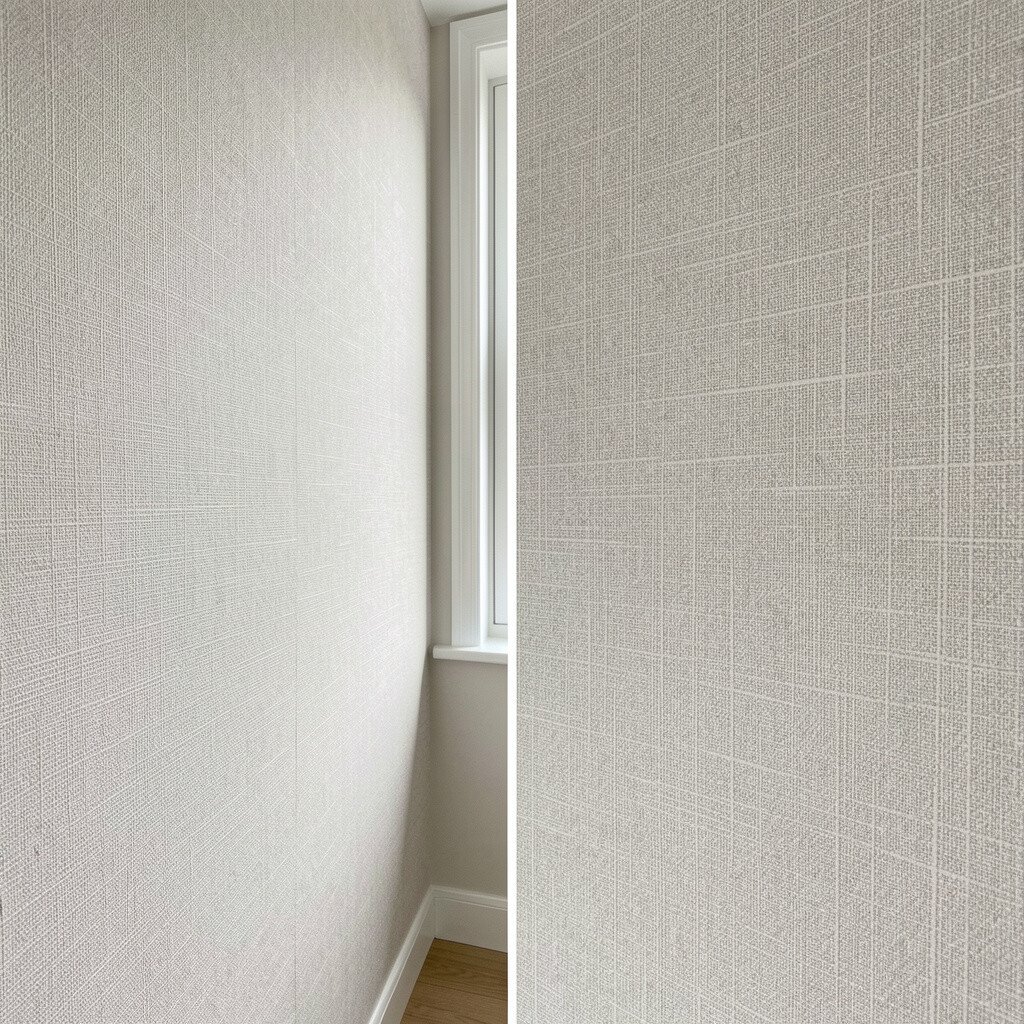
Before, the wall may look empty and echo-y because everything is smooth and hard. After, textured wallpaper can add a gentle fabric look that makes the room feel warmer and quieter.
The visual description is all about softness, with raised fibers or woven patterns that catch light without harsh shine. It also gives you personality fast because patterns can range from subtle linen effects to bold ornamental texture.
For practical tips, measure height and plan for pattern alignment, even with repeating designs. If you want it to feel custom, pick a wallpaper tone that matches your decor and choose a background that hides touch-ups. Cost considerations matter here, since wallpaper varies widely in price and installation labor, but buying quality often improves how well it lays flat. If you’re doing it yourself, practice on one small test section and keep a sharp cutting blade for clean edges.
This trend stays strong because wallpaper has moved beyond “dated” styles into modern textures. Pair textured wallpaper with warm lighting and simple furniture so the wall looks intentional, not crowded.
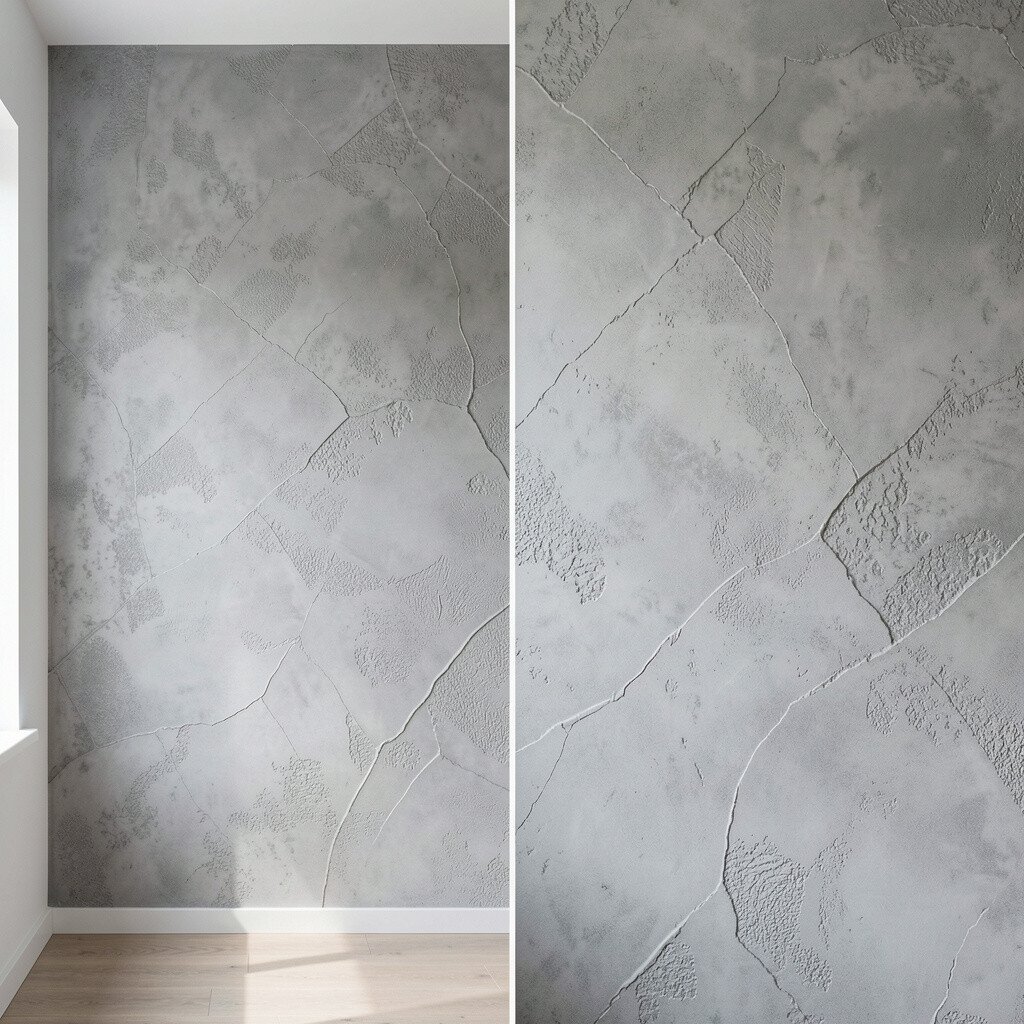
8. Microcement Finish For Sleek, Urban Texture
Microcement Finish For Sleek, Urban Texture
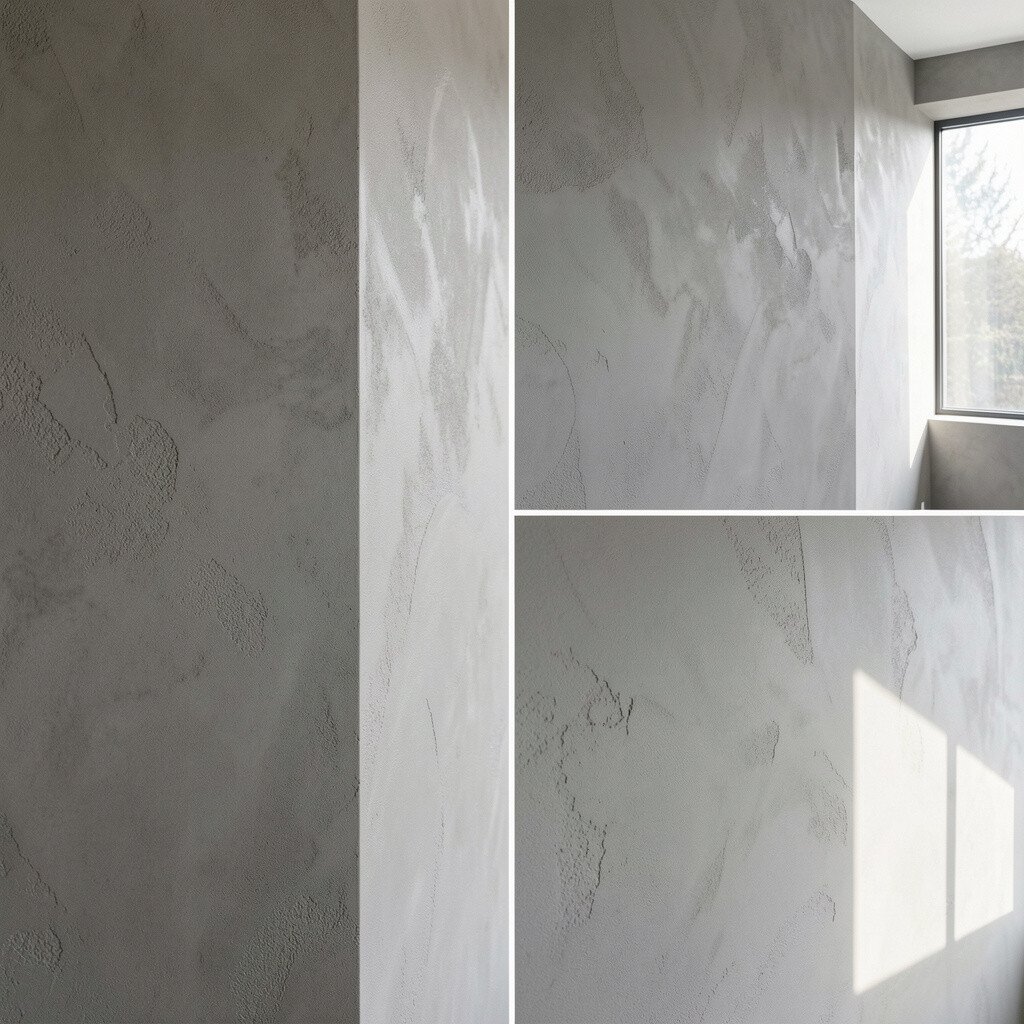
Before, the wall might feel too typical, like every room uses the same paint and same sheen. After, microcement brings a modern, urban surface with a smooth feel and tiny specks that look like quiet motion.
The visual effect is calm but stylish, because light glides over the surface instead of bouncing off flat paint. It also offers benefits like a cohesive look and resistance that suits high-traffic areas when installed properly.
To get practical results, prep the wall thoroughly and apply in layers according to product instructions, since thin coats create the best final finish. Personalize by choosing a neutral with undertones that match your floors, or by adding pigment for a soft industrial mood. For cost considerations, microcement can be pricier due to specialized materials and skilled application, so start with a single wall if your budget is tight.
Current trends lean toward minimalist texture, where the wall looks smooth until you get close. This finish is perfect for contemporary spaces, especially with metal fixtures and clean lines.
9. Wood Slat Accents For Natural Texture
Wood Slat Accents For Natural Texture
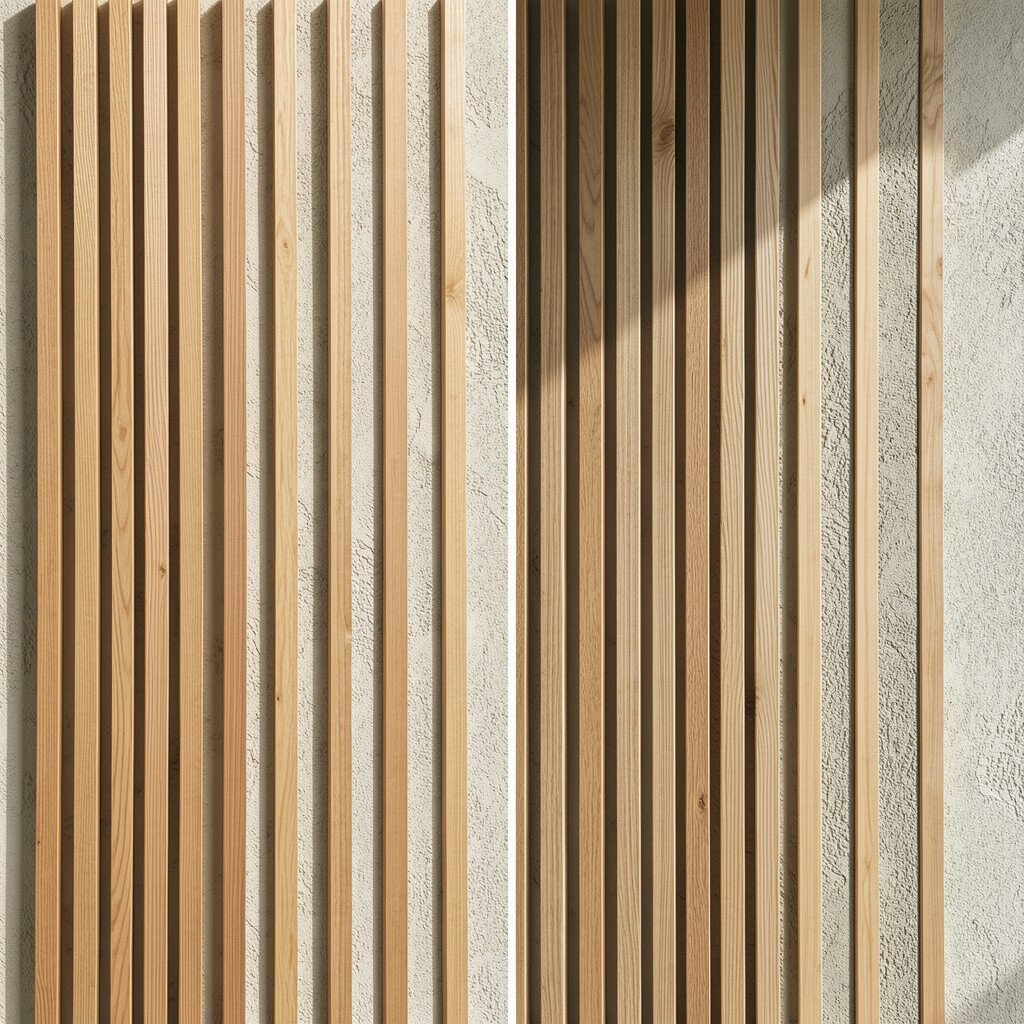
Before, the wall may feel like it’s missing warmth, especially if your room has lots of hard surfaces. After, wood slats add a natural rhythm with shadows that change throughout the day.
You can visually describe the before-and-after as “flat to dimensional,” because slats create lines that frame photos, art, or a TV. The benefits include improved sound feel and a stylish look that works with many decor styles.
For practical tips, decide your slat spacing before you start, and use a level so the pattern stays straight. Personalize by staining slats to match your floor or by painting them a soft off-white for a brighter vibe. Cost considerations depend on wood type, so consider using lightweight boards and planning how many linear feet you truly need. Seal the surface to make it easier to wipe down and to keep the wood looking fresh.
This is a current favorite because it feels both modern and cozy at the same time. Finish the look with warm-toned decor and simple wall art so the texture leads.
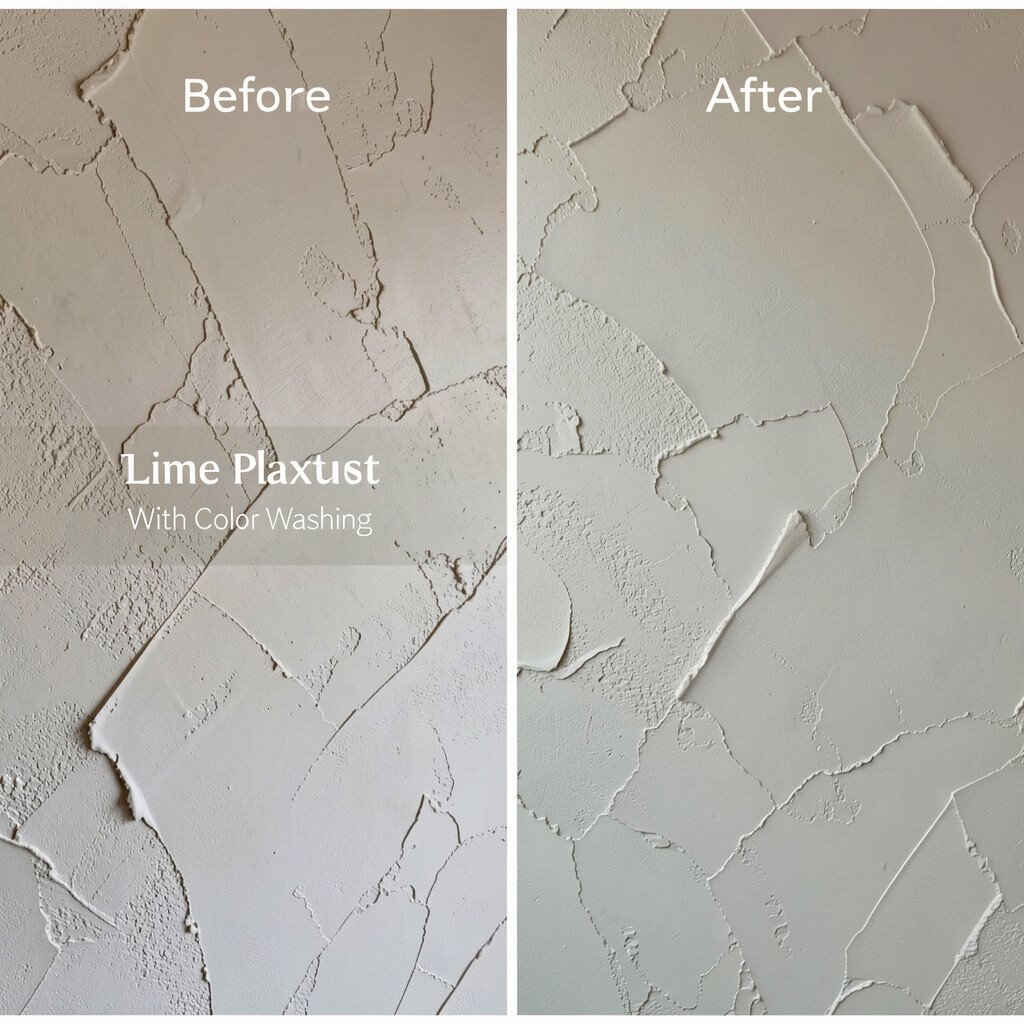
10. Textured Lime Plaster With Color Washing
Textured Lime Plaster With Color Washing
Before, the wall might have a single tone that looks fine in daytime but dull in the evening. After, color washing over textured lime plaster creates a soft, painterly depth that feels artistic.
The visual description is like gentle brush clouds, with uneven absorption that makes each spot unique. A big benefit is that it can hide subtle drywall patching and make transitions look smoother.
For practical tips, apply plaster in thin, even passes, then add a diluted wash so the texture shows through. Personalize by selecting two complementary hues, one deeper and one lighter, so you get dimension without going loud. When thinking about cost, lime-based products vary, but the amount you save in repainting later can help your overall budget. Plan extra time for drying, since rushed steps can blur the layered look.
This style fits current tastes because it feels “slow made” and natural. Pair it with matte finishes, linen curtains, and warm bulbs for a calming glow.
11. Stamped Concrete-Inspired Texture On An Accent Wall
Stamped Concrete-Inspired Texture On An Accent Wall
Before, the wall may be too smooth for a room that wants character, like an entryway or office. After, stamped concrete-inspired texture gives a rugged, architectural vibe with repeating patterns and shadow lines.
The visual payoff comes from the raised pattern that looks great in raking light, almost like an outdoor patio made indoor. It also provides practical benefits because the textured surface hides minor scuffs better than slick paint.
To make it manageable, work on an accent wall first and practice on scrap board if you can. Personalize by choosing a stencil pattern that matches your style, like geometric for modern rooms or more organic shapes for a rustic feel. For cost considerations, you may spend more on stamping tools or mats, but you’ll save on demolition and major rebuilds. Use a sealer finish that suits your lifestyle so the wall wipes clean after daily life.
This approach is trending because people want industrial texture that still feels warm. Keep the rest of the room simple so the wall pattern looks intentional, not accidental.
12. Faux Stone Paint Texture With Layered Highlights
Faux Stone Paint Texture With Layered Highlights
Before, the wall can feel like it’s missing a feature, even with good lighting. After, faux stone paint creates a natural look with veining and depth that feels like a curated material.
You’ll notice the texture right away as colors break apart into gentle stone-like shapes, with highlights that mimic polished edges. The benefits include budget-friendly impact compared to real stone and the ability to tailor the tone to your decor.
For practical tips, use layered glazing, a stencil or sponge tool, and patience, since thin layers create realism. Personalize by copying the vibe you like, like warm travertine colors or cool slate tones, using your existing palette as a guide. Cost considerations are usually reasonable for materials, but you should account for brushes, multiple glaze shades, and cleanup time. If you’re worried about matching, test on a poster board until the colors look right in your room light.
Current trends show a love for “realistic finishes” that look expensive but stay doable. Pair faux stone with simple hardware and smooth fabrics so the texture reads high-end.
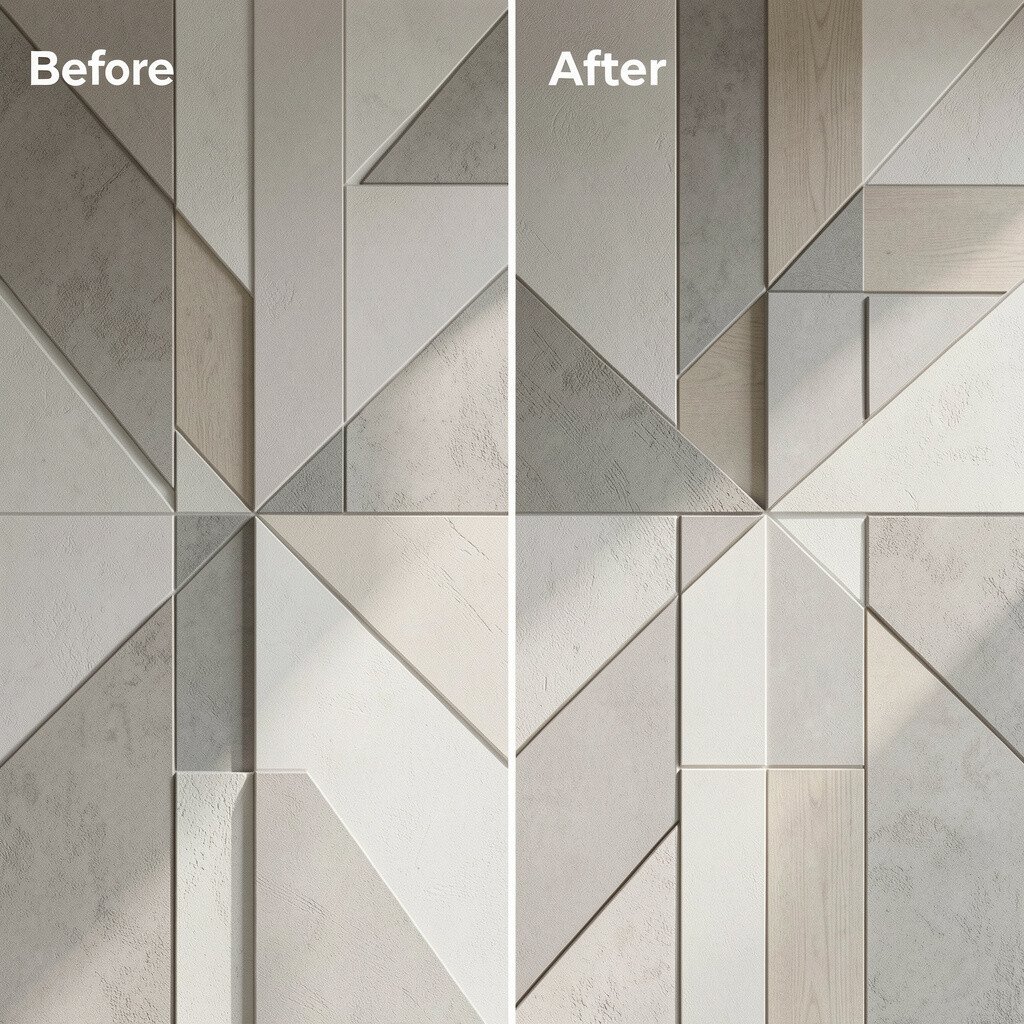
13. 3D Panel Texture With Modern Geometry
D Panel Texture With Modern Geometry
Before, the wall may look flat even when you add art, because there’s no depth for light to catch. After, 3D panels bring geometric texture that makes the space feel built-in and styled.
The visual description is clean and crisp, with shadow gaps between shapes that create a moving pattern. The benefits include a clear focal point and a way to update the look without repainting everything right away.
For practical tips, choose lightweight panels to make installation easier and plan your layout so pieces line up around outlets and corners. Personalize by painting panels in a color that matches your walls or by using contrast paint so the shapes pop. Cost considerations vary with panel material, so compare not just the price, but also the tools and adhesive you’ll need. A few extra panels for misalignment can prevent delays and last-minute stress.
This is a current favorite for modern interiors because geometric texture feels fresh and controlled. Style the room with minimal decor, then let the panel shadows create the drama.