Walls can feel flat even when the room is full of personality. The right texture adds depth, comfort, and a little wow factor.
Texture turns ordinary paint into something that catches the light and feels more lived-in. It also helps hide tiny flaws so your space looks cared for.
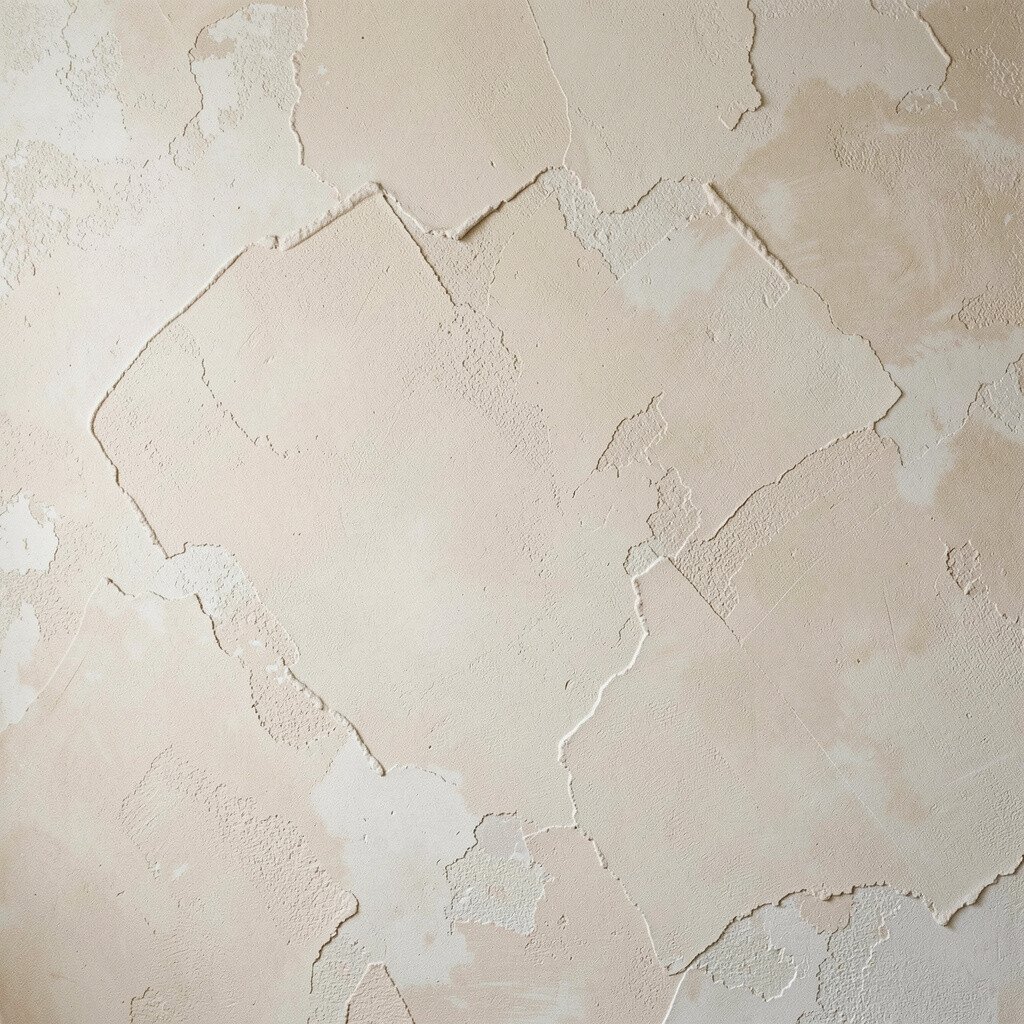
Limewash creates a soft, airy surface that looks different depending on the time of day. You’ll notice subtle variation, like gentle clouds across the wall.
It helps hide small dents and uneven spots because the finish isn’t perfectly smooth. For best results, apply it with a wide brush or textured roller, then keep a wet edge so you avoid harsh lines. Pair limewash with warm neutrals or muted greens for a cozy, current look.
2. Plaster Walls for a Modern Gallery Feel
Plaster Walls for a Modern Gallery Feel
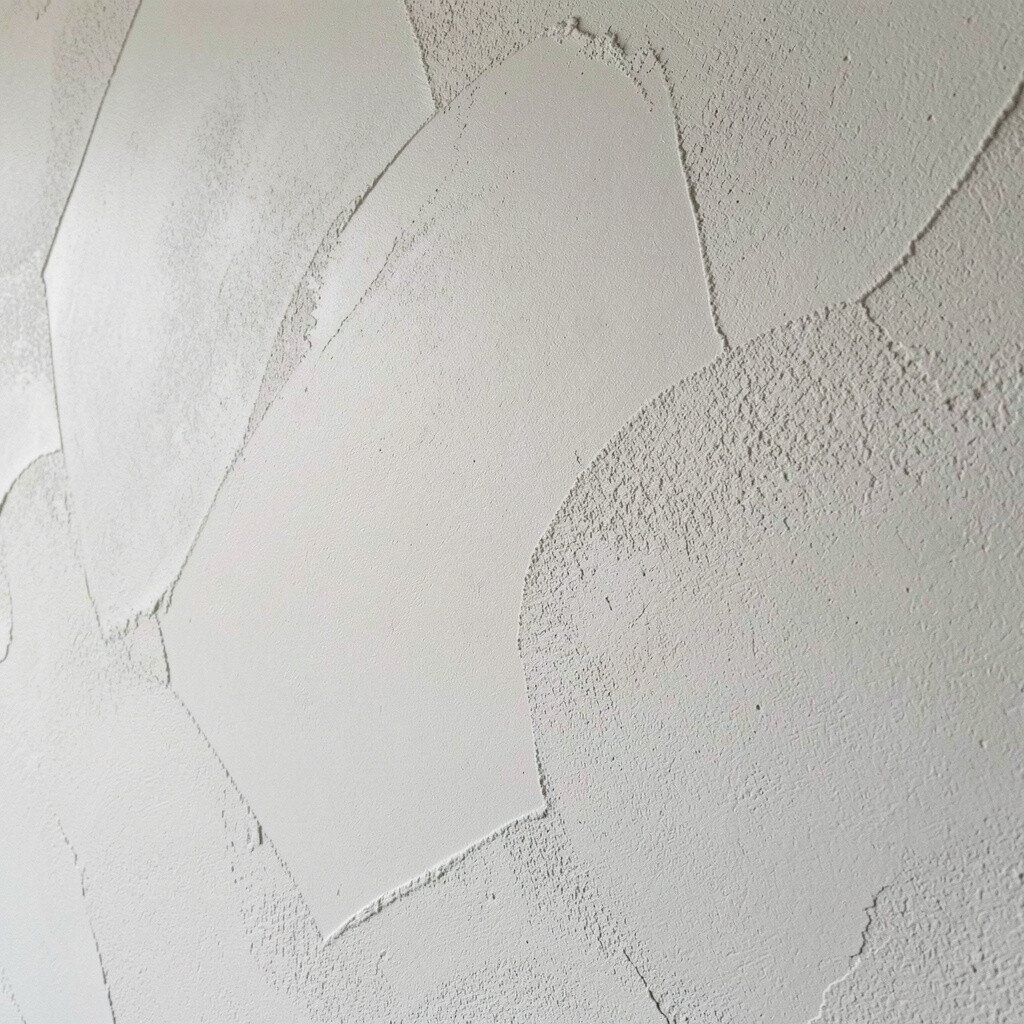
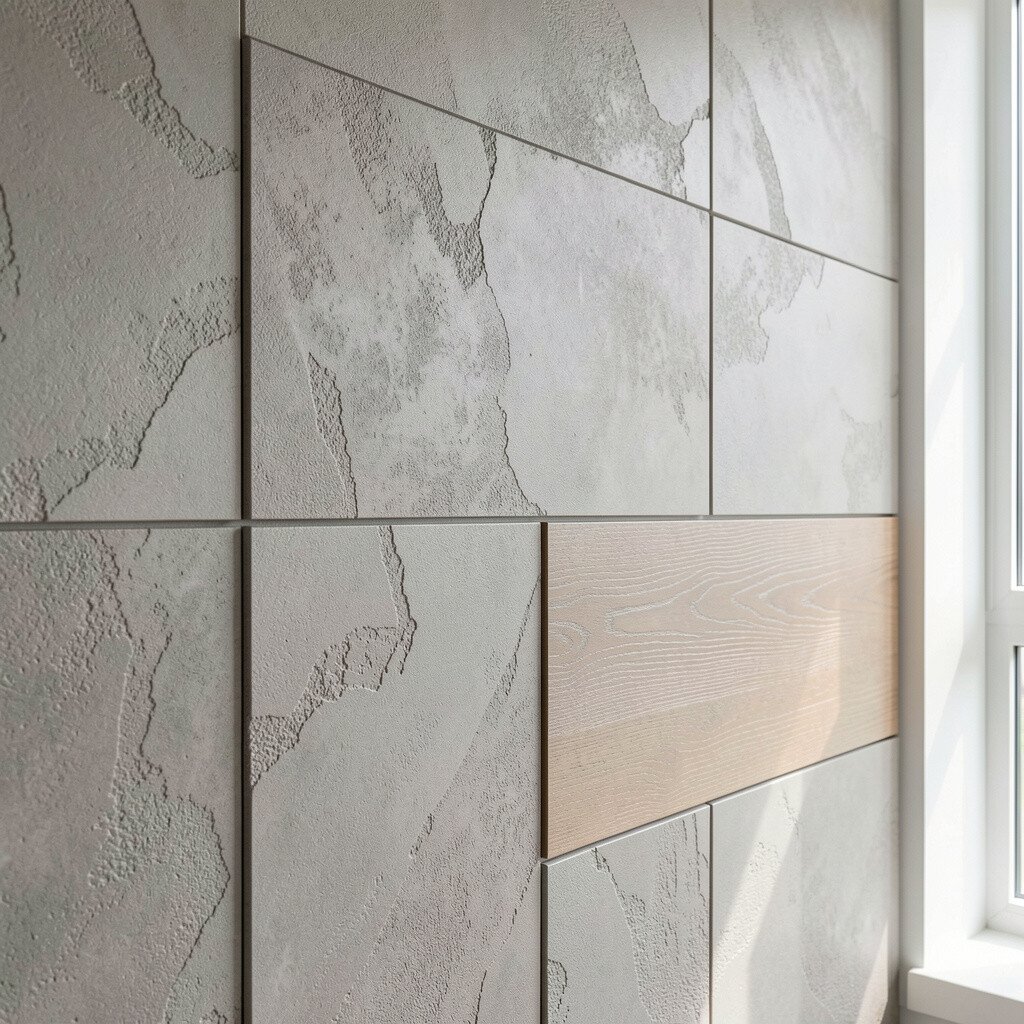
Plaster finishes give walls a refined, tactile look that feels almost like sculpture. You can spot delicate shading as light moves across the surface.
They add elegance without needing bold color changes. Keep the base coat flat, then use thin layers for depth, and finish with a smoothing trowel for a clean modern vibe.
To personalize, choose a plaster tone that matches your trim and flooring, or add a gentle tint for drama. This option can be mid to higher in material cost, but it often pays off because fewer coats or repainting can be needed when done well.
3. Drywall Skim Coating for Smooth-Plus Texture
Drywall Skim Coating for Smooth-Plus Texture
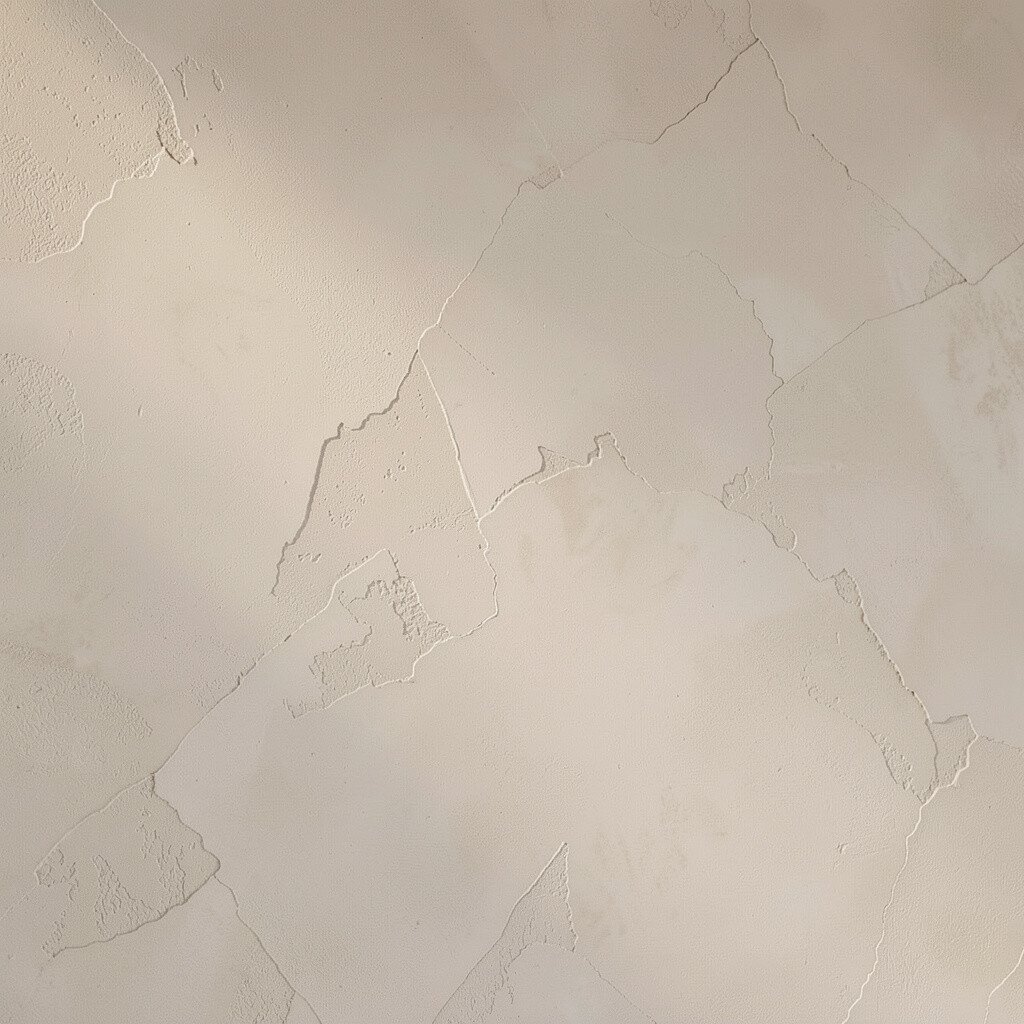
If your walls feel too smooth, a skim coat can create a refined micro-texture. It’s the kind of texture you notice up close, not from across the room.
This approach also smooths out minor flaws while still adding a little visual depth. Use a wide trowel and work in consistent passes, then let it cure fully before sanding and finishing.
For personality, consider tinted topcoat paint so the surface catches light in a flattering way. It’s usually budget-friendly compared with specialty finishes, and it’s great when you want “fresh” without a big remodeling feel.
One practical trick is to test samples on the least visible wall first, since lighting can make skim texture look stronger or softer. Keeping coats light also helps prevent a grainy feel.
4. Knockdown Texture for Fast, Flexible Character
Knockdown Texture for Fast, Flexible Character
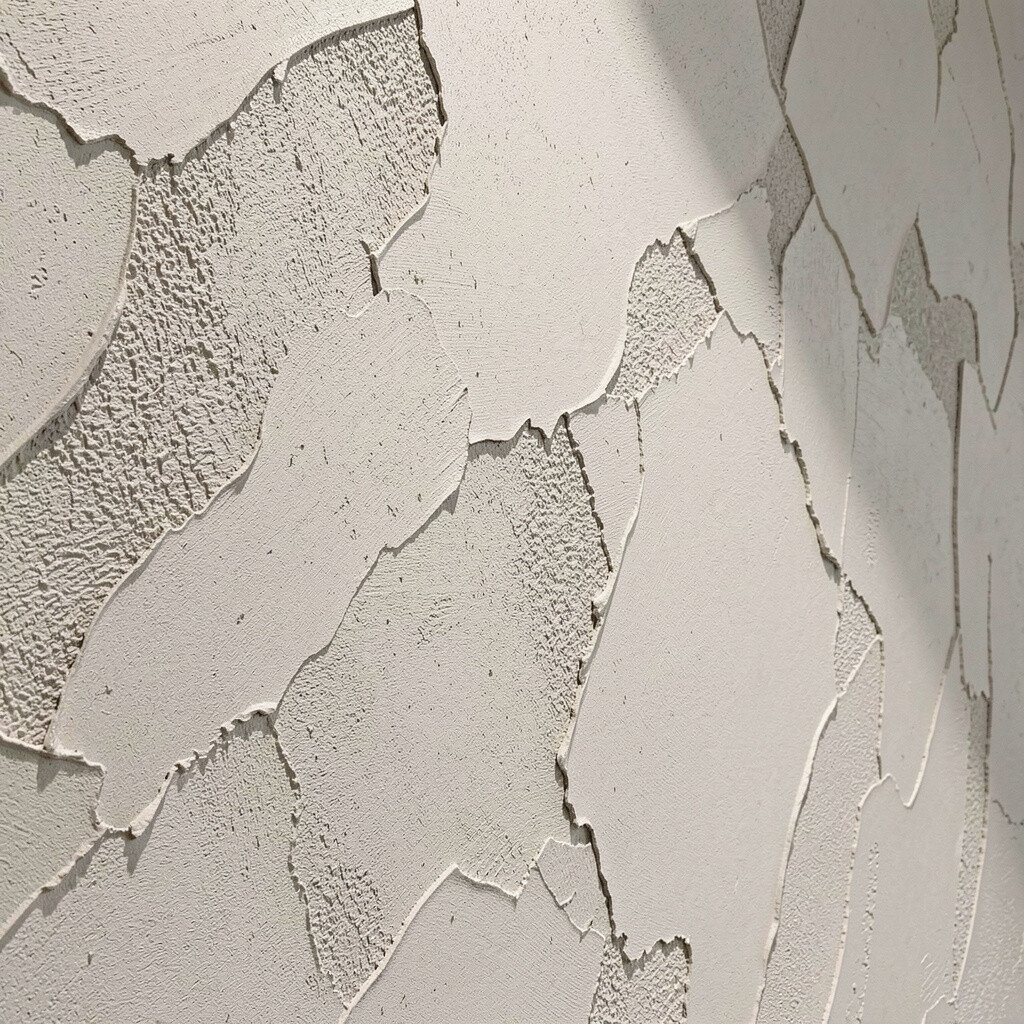
Knockdown texture brings a classic, casual character that can look timeless when applied carefully. The surface shows little peaks and valleys that catch light and make walls feel fuller.
It’s a practical choice when you want coverage quickly and you’re okay with a slightly bolder look. Use a consistent spray pattern, let it set until it’s firm, and then knock it down lightly so the texture stays airy.
5. Venetian Plaster for Depth and Glow
Venetian Plaster for Depth and Glow
Venetian plaster looks rich and glossy, even when you keep the color soft. You’ll often see “movement” in the wall, like a calm ripple under light.
This finish makes rooms feel elevated, which is why it’s popular in contemporary homes and high-end renovations. Apply in thin coats, then polish the final layer until it reaches the shine you want.
To make it personal, blend tones such as warm white with a whisper of gold, gray, or sage for a gentle modern twist. Material cost can be higher than regular paint, but the long-lasting finish can feel worth it when maintained.
6. Wood Slat Walls for Warm, Architectural Texture
Wood Slat Walls for Warm, Architectural Texture
Wood slats add instant warmth and a clear design rhythm across your walls. Even thin strips create shadows that make the space feel more layered.
You can use slats to frame a feature wall, hide imperfections, or give an entryway a more intentional look. For practical success, keep spacing even, use a laser level if you can, and seal the wood so it stays stable in changing seasons.
Personalize by mixing widths, staining to match furniture, or leaving a light natural tone for a breathable feel. Depending on the wood and size of the project, this can range from mid to higher cost, but prefabricated slat panels can reduce time and expense.
7. 3D Wall Panels for Bold Texture Without Heavy Work
D Wall Panels for Bold Texture Without Heavy Work
3D wall panels bring a striking look that reads like design even when your decor is simple. The raised pattern throws crisp shadows, which makes the wall the star.
It’s a great option when you want texture fast and prefer less mess than traditional plastering. Choose panels with a pattern that fits your style, then install on a smooth, clean surface for best results.
To personalize, paint the panels in a matte color for modern calm or a soft sheen for a more dramatic vibe. Many options are budget-friendly, especially if you pick lightweight materials that are easy to mount.
One helpful trick is to test a small panel on your lighting conditions, because highlights can make the pattern look deeper than expected. Keeping the rest of the room simple helps the texture stay elegant instead of busy.
8. Stamped Clay for a Handmade, Earthy Look
Stamped Clay for a Handmade, Earthy Look
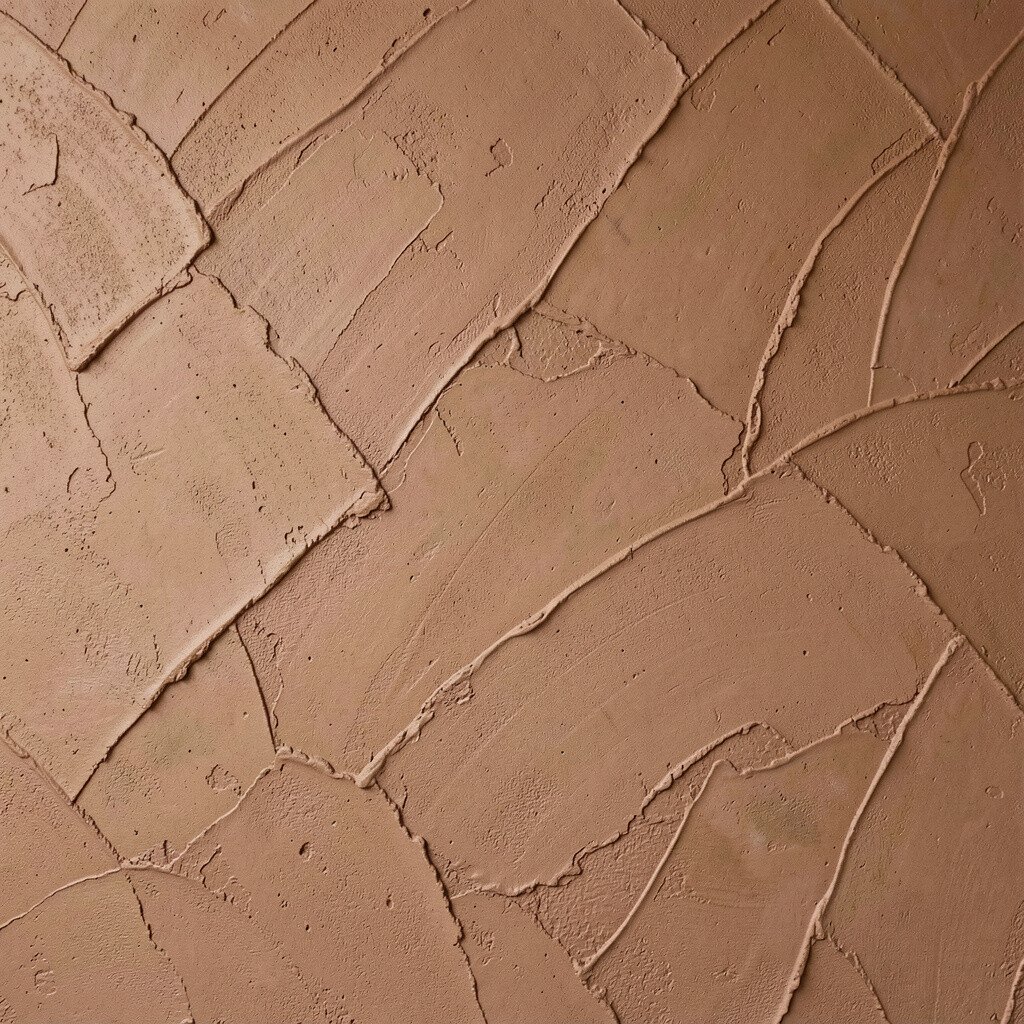
Stamped clay textures look like something made by hand, with gentle impressions and earthy depth. You’ll love how natural tones make the wall feel grounded and calm.
The surface can hide small surface imperfections while adding character that can’t be replicated by flat paint. Work in sections, press stamps evenly, and smooth edges so the pattern looks intentional rather than random.
9. Textured Wallpaper for Effortless Pattern and Depth
Textured Wallpaper for Effortless Pattern and Depth
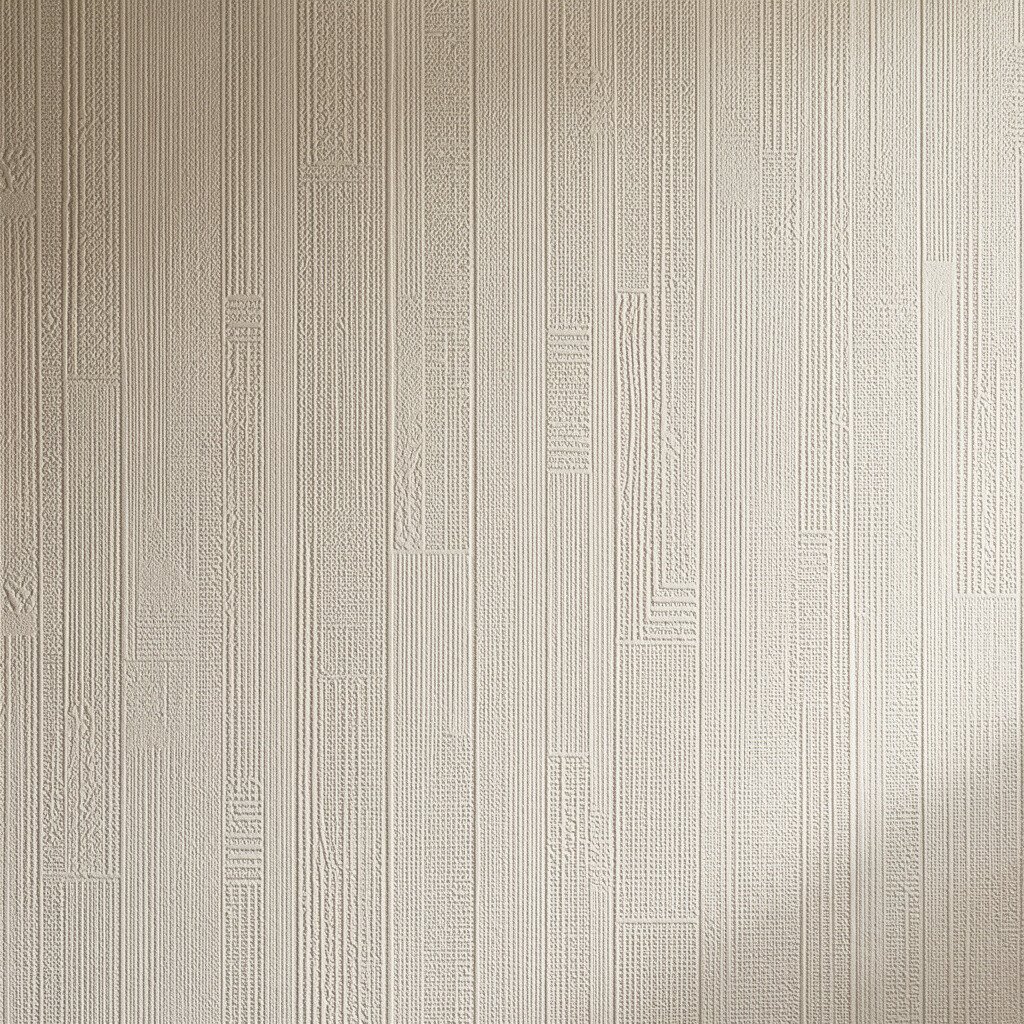
Textured wallpaper adds dimension with less labor than many wall finishes. You’ll feel the surface when you brush past it, and the pattern will shift with your lighting.
It’s a convenient way to try trend-forward styles without committing to plaster or long installation processes. Pick vinyl or washable options for areas like hallways and kitchens, and match the pattern so the room stays neat and polished.
Personalize by choosing subtle texture for a calm background or a bolder raised design for a statement wall. Many wallpapers sit in a range from mid to higher cost, but they can save money on paint and prep when the installation goes smoothly.
10. Fabric-Look Wallcoverings for Cozy Soft Texture
Fabric-Look Wallcoverings for Cozy Soft Texture
Fabric-look wallcoverings make walls feel warm and quiet, like a room dressed for comfort. The texture can be subtle, but it adds softness that hard finishes can’t match.
They’re great for bedrooms, offices, and cozy reading nooks because they reduce the “echo” feeling of bare drywall. For a practical install, measure carefully, use the right adhesive for the product, and keep seams aligned for a clean finish.
If you want a personal touch, pick a tone that matches your textiles, such as oatmeal, taupe, or muted blue. Cost varies widely depending on the fabric style, but you can often find budget-friendly options that still look high-end.
Try it on one wall first if you’re unsure, because lighting and furniture can change how soft texture reads. This also pairs well with wood, brass, and layered lighting.
11. Exposed Brick With a Fresh Finish Plan
Exposed Brick With a Fresh Finish Plan
Exposed brick brings strong texture and visual history to a room. You can see every groove and rough edge, and the surface naturally creates shadow play.
It gives a timeless look that works with both modern and rustic decor. If your brick is dusty or uneven, cleaning and sealing are key so it looks intentional and stays easy to maintain.
A rock-salt finish creates a speckled, dappled surface that feels playful and airy. Under light, the tiny texture looks like soft grains scattered across the wall.
This style hides imperfections well and adds a casual trend that feels fresh without being loud. For practical results, apply an even base, then add the texture method consistently so the speckle density looks balanced across the wall.
Personalize with a tinted base coat so the speckles have a gentle contrast instead of a harsh difference. Depending on the product and tools you choose, it can be mid-range cost, and the result is often a durable surface that resists everyday scuffs.
Keeping your color palette coastal or earthy helps the texture look designed rather than accidental. Pair with light woods and linen fabrics for a natural effect.
13. Stenciled Texture for Pattern With a Custom Touch
Stenciled Texture for Pattern With a Custom Touch
Stenciled texture lets you add a pattern that feels custom, even if you’re not doing a full wall makeover. The raised or layered paint creates a design you can tailor to your taste.
It’s especially useful when you want texture in a specific shape, like above a console or behind a desk. Use painter’s tape to lock in the spacing, apply thin layers so edges stay crisp, and remove the stencil carefully while paint is slightly tacky.
To personalize, pick a stencil style that fits your room, such as geometric for a modern look or floral for a softer feel. Cost is often budget-friendly because it relies on paint and stencil tools, and you can scale the design to the wall size you want.
14. Contrast Paint Techniques With Texture-Friendly Coverage
Contrast Paint Techniques With Texture-Friendly Coverage
Using contrast paint and a texture-friendly method can make walls look richer without expensive materials. For example, base paint with a matte finish plus a slightly textured top layer creates more depth than either alone.
This technique helps you personalize the mood, from calm and subtle to bold and dramatic. If you’re working with roller patterns, choose consistent nap size, keep brush marks controlled, and let each coat cure fully to avoid muddiness.
Consider current trends like soft color blocking or warm white with a charcoal accent for modern contrast. In terms of cost, this is usually one of the more affordable options since it relies on paint and straightforward tools, making it ideal when you want impact on a realistic budget.
For best results, test your contrast on a small section and observe it at morning and evening light. You’ll be surprised how much texture changes the way color feels across the day.