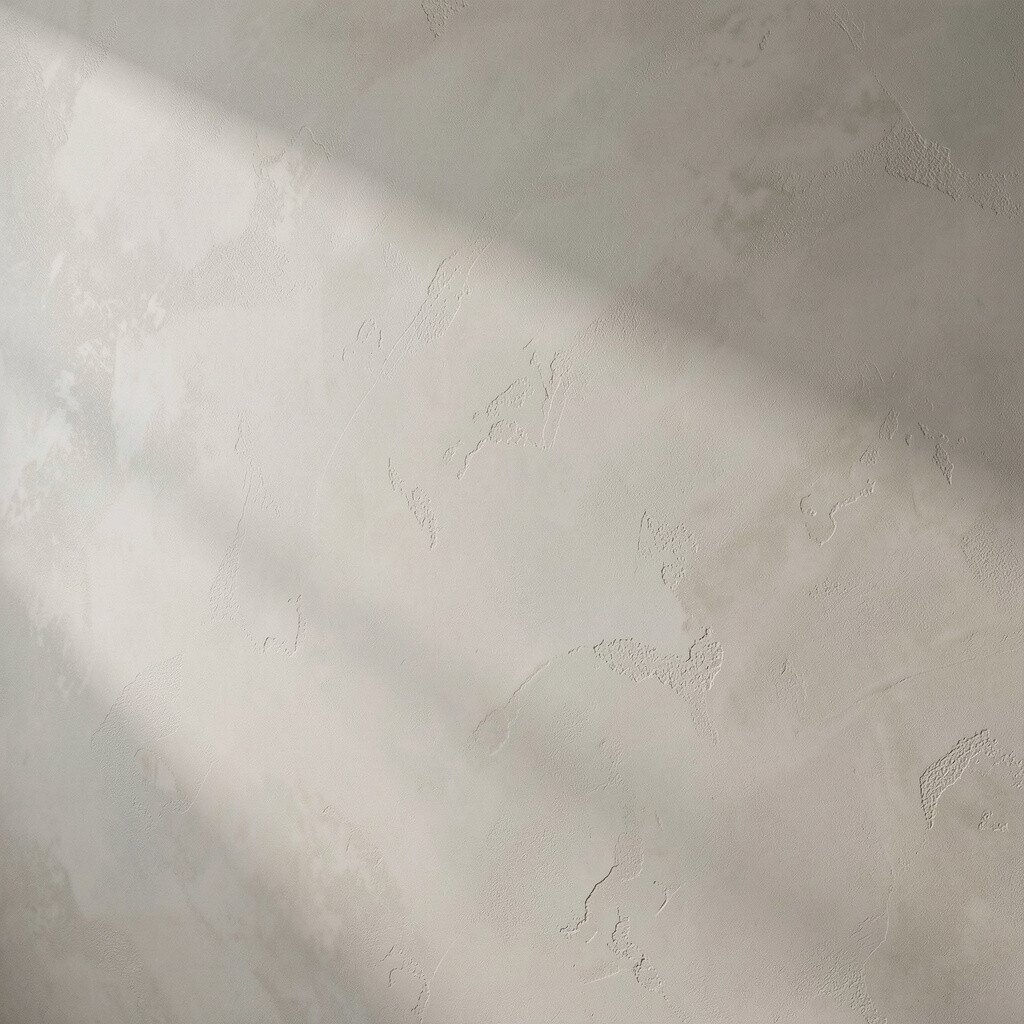
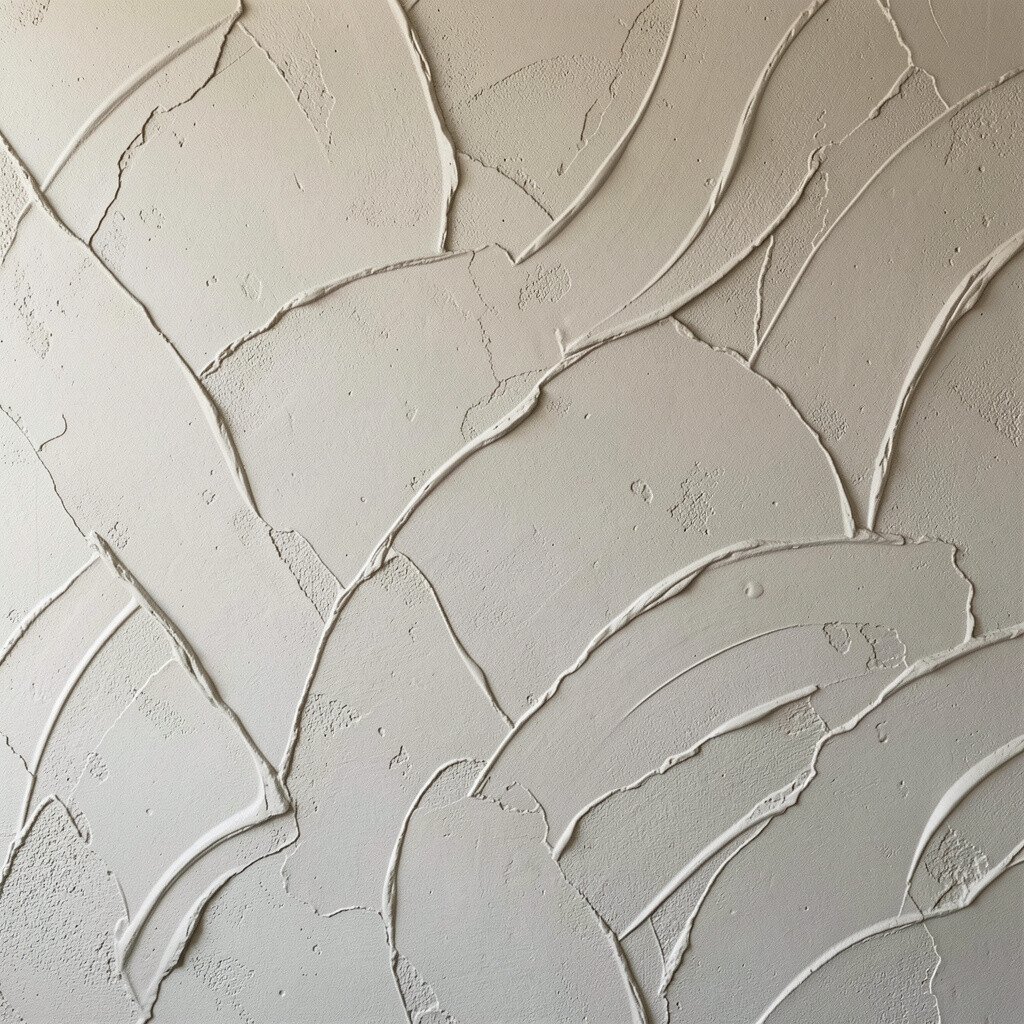
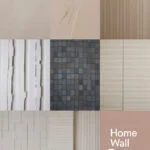
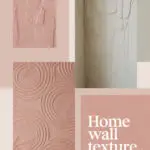
Limewashed plaster gives walls a cloudy, breathable look with gentle variation. Colors appear deeper where the light hits and lighter where it fades.
You’ll love how it hides small wall flaws while still looking intentional. Use it in living rooms and hallways for a cozy, slightly rustic vibe. For best results, hire a crew if you want that airy, hand-finished swirl effect, because technique matters.
2. Venetian Plaster for Sleek, Studio-Style Depth
Venetian Plaster for Sleek, Studio-Style Depth
Venetian plaster creates a smooth surface that still feels rich and layered. Under side lighting, it can look almost like stone with subtle waves.
This option adds a high-end look without needing loud patterns. Ask for a sample test board and pick a finish sheen that matches your lighting so you get the depth you imagine. If your walls are not perfectly flat, plan for patching first, because the beauty is in the continuity.
3. Cork Texture Panels for Warmth and Quiet
Cork Texture Panels for Warmth and Quiet
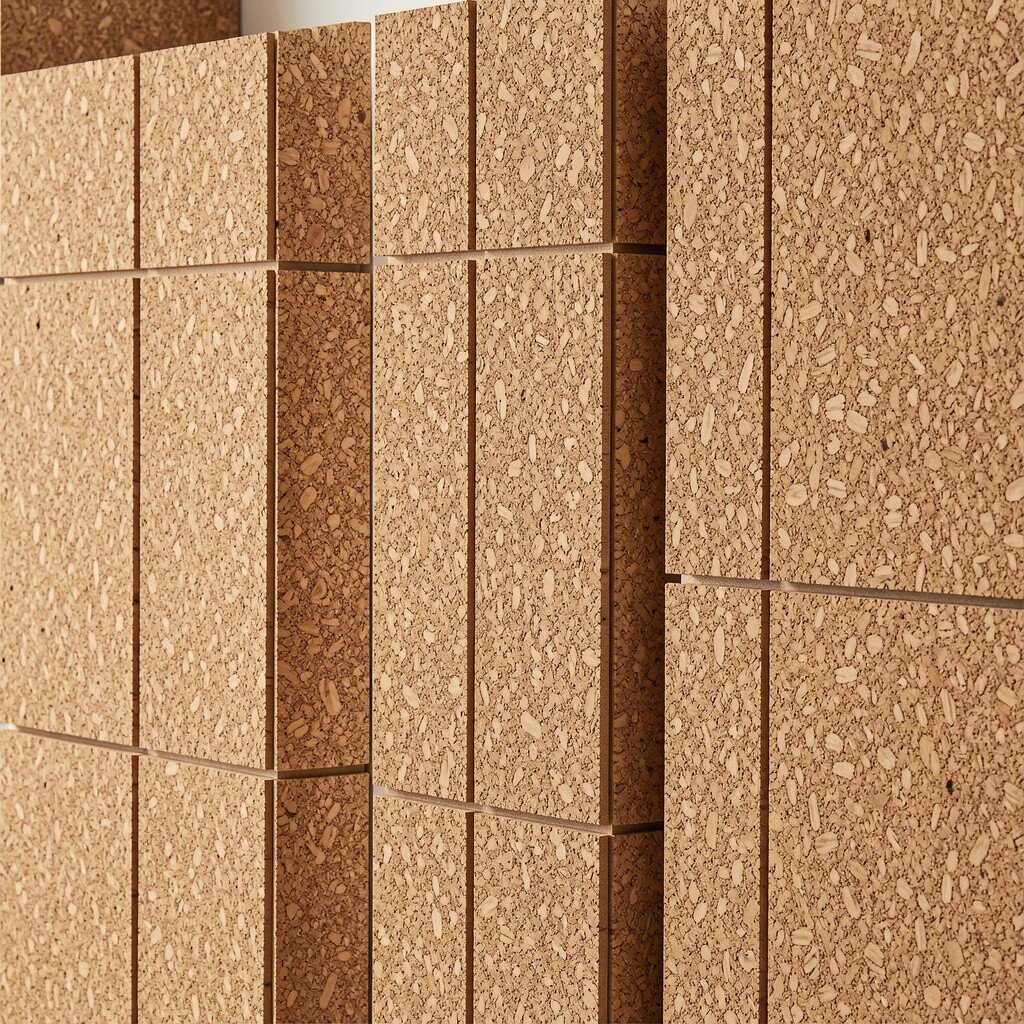
Cork adds a naturally speckled texture that feels soft to the eye. It also brings a warm, earthy tone that works well with wood, linen, and earthy decor.
Beyond looks, cork can help reduce echoes, which is great in rooms that feel too echoey. Choose glued cork sheets for easier installation, or go with panels for a more statement wall. For personalization, stain or paint cork in muted greens, sand tones, or gentle grays to match your palette.
Cost can vary based on thickness and whether it’s prefinished, so compare options before committing. If you want savings, cover one accent wall and keep the rest simple.
4. Slat Wood Walls for Modern Lines
Slat Wood Walls for Modern Lines
Wood slats bring clean spacing and a rhythm that instantly modernizes a room. The grooves create shadows that move as the day changes.
This texture works especially well behind a bed, sofa, or desk. Use narrower slats for a calmer feel and wider slats for stronger contrast. To keep it practical, seal the wood properly in humid areas and check fasteners if you’re installing yourself.
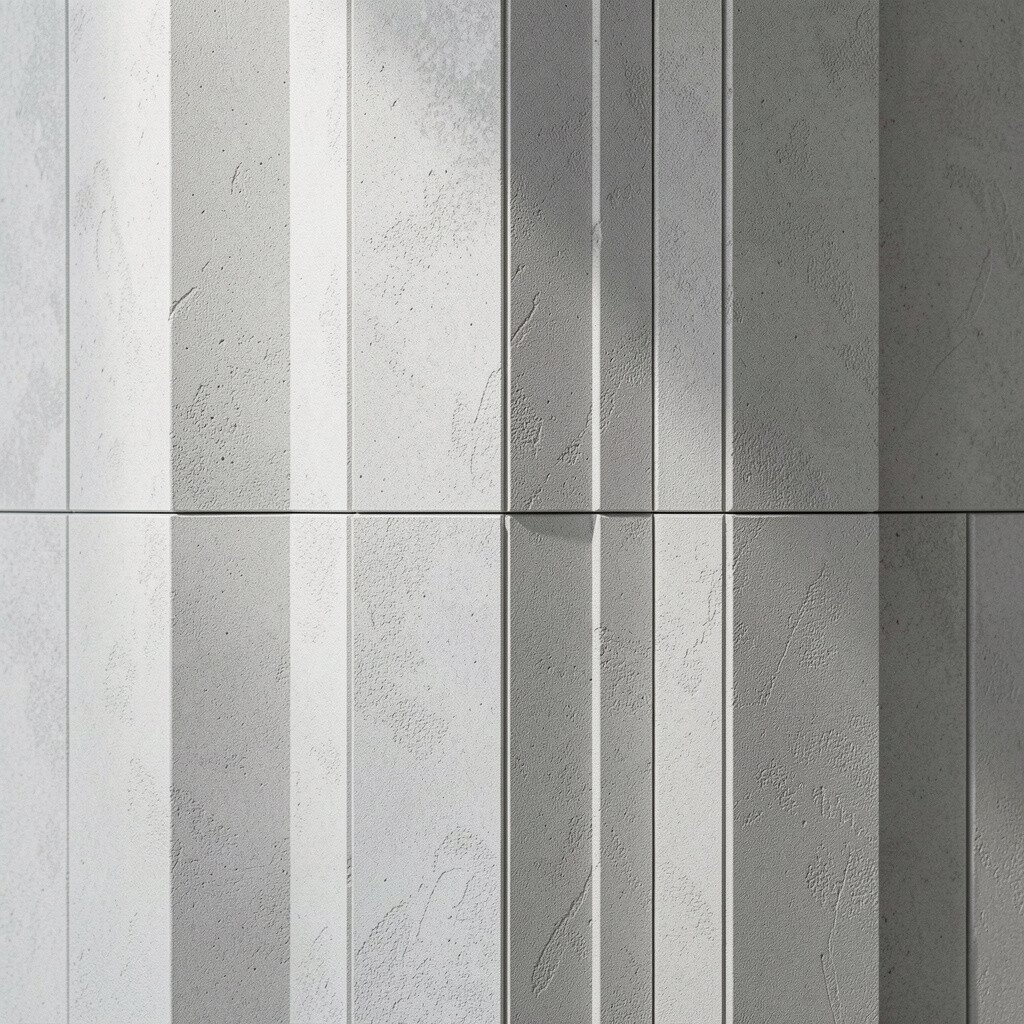
3D drywall panels give your wall a sculpted look without needing heavy materials. The raised patterns catch light and make even a simple color feel interesting.
They’re a great choice when you want something dramatic but still tidy and symmetrical. For a balanced look, pick one focal area and keep surrounding walls smooth. You can also paint panels in a matte finish to reduce glare and highlight the shape.
As for cost, it can run higher than basic texture paint because of materials and labor. Still, you can save by using panels only on one wall or only on a portion behind key furniture.
6. Microcement for Industrial Calm
Microcement for Industrial Calm
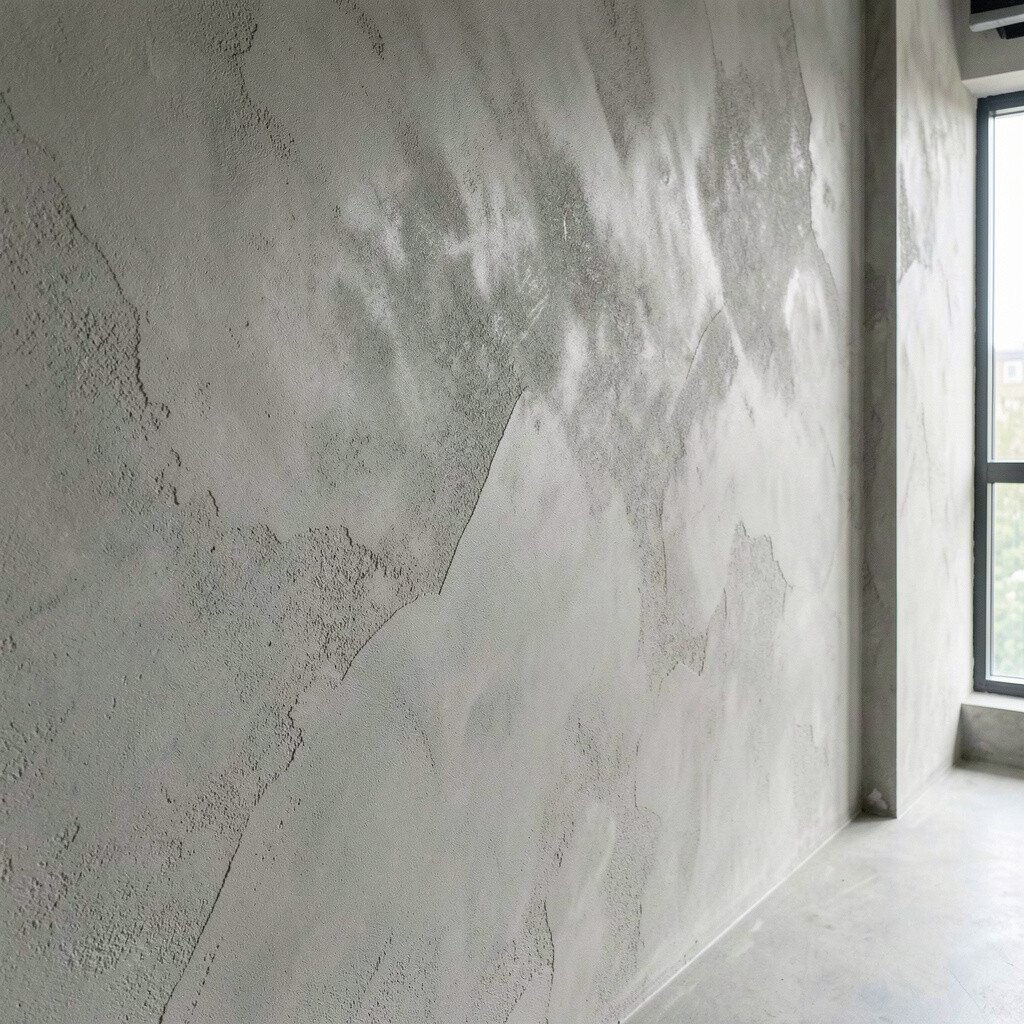
Microcement creates a seamless, smooth-to-satin look that feels architectural. It can carry a subtle speckle and a modern, quiet tone.
This finish is popular for contemporary spaces because it blends well with metal, glass, and concrete accents. Ask about proper sealing since microcement needs the right protective layer for daily life. If you want personalization, choose a warm gray for a softer mood or a creamy white for an airy feel.
Cost depends on surface prep and whether it’s a full wall coating. Budget for repairs before coating, because the final look depends on how well the base is prepared.
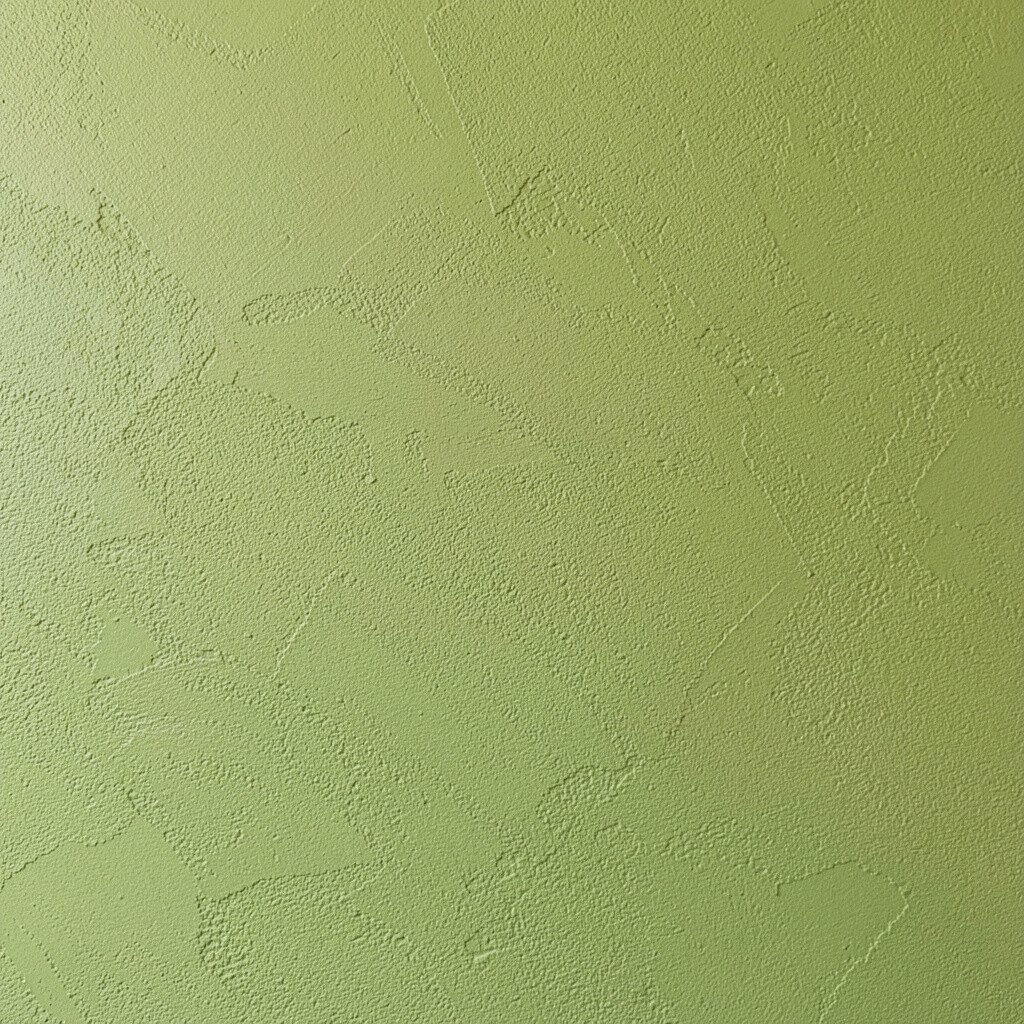
7. Textured Paint with a Lime-Tinted Finish
Textured Paint with a Lime-Tinted Finish
Textured paint adds a tactile layer that feels simple but looks rich. With the right roller, you can create a gentle stipple or a soft, uneven glow.
This option is flexible because you can tune how subtle or bold the texture appears. Choose lighter colors if you want a calm, bright room, and choose deeper tones if you want coziness. Before painting the full wall, test on scrap drywall so you can feel the pattern in real light.
8. Heavy Sand Texture for a Classic, Rustic Feel
Heavy Sand Texture for a Classic, Rustic Feel
A sand-like texture gives walls a timeworn, earthy surface that hides imperfections well. It can create a natural feel that pairs nicely with rustic decor and warm lighting.
This finish is also practical because it tends to mask minor marks and bumps. If you prefer a DIY-friendly approach, you can use a sand texture product and apply it with a consistent method. Keep in mind that some sand finishes feel rough, so consider a slightly finer mix if you want it smoother.
9. Smooth Clay Plaster for a Soft Touch Look
Smooth Clay Plaster for a Soft Touch Look
Clay plaster brings a velvety look that feels comforting and grounded. It often has subtle color shifts that make the wall feel hand-crafted.
This texture is loved for its natural vibe and for how it pairs with natural materials. It can also help regulate indoor humidity when the system is done correctly, which many homeowners enjoy. For personalization, you can select warm pigments and layer finishes to get a gentle, lived-in feel.
Cost may be moderate to higher depending on brand and whether it requires multiple coats. You can reduce spending by using it on an accent wall and keeping other walls in complementary paint.
10. Raised Wallpaper for Patterned Texture Without Construction
Raised Wallpaper for Patterned Texture Without Construction
Raised wallpaper adds texture through pattern and thickness, giving walls a tactile look. It often has a dimensional effect that looks crisp, even in simple rooms.
It’s a smart choice if you want variety without mixing plaster or sanding. Pick a pattern scale that fits your space, because large raised designs can overwhelm small rooms. For personalization, choose a neutral tone with metallic highlights or a matte pattern that stays calm.
Cost can depend on brand and whether the paper is pre-pasted, but it can be more budget-friendly than plaster. Measure carefully and plan for waste, especially if you need pattern matching.
11. Striated Lime Finish for Sculpted Light Play
Striated Lime Finish for Sculpted Light Play
A striated lime finish makes vertical or horizontal grooves that catch light in a flattering way. The wall becomes more like a fabric of shadows.
This texture is unique because it can feel modern while still using natural, breathable materials. Use it behind a sofa or in a dining area where light will hit from the side. For a practical approach, keep your pattern direction consistent across the wall so it looks intentional, not accidental.
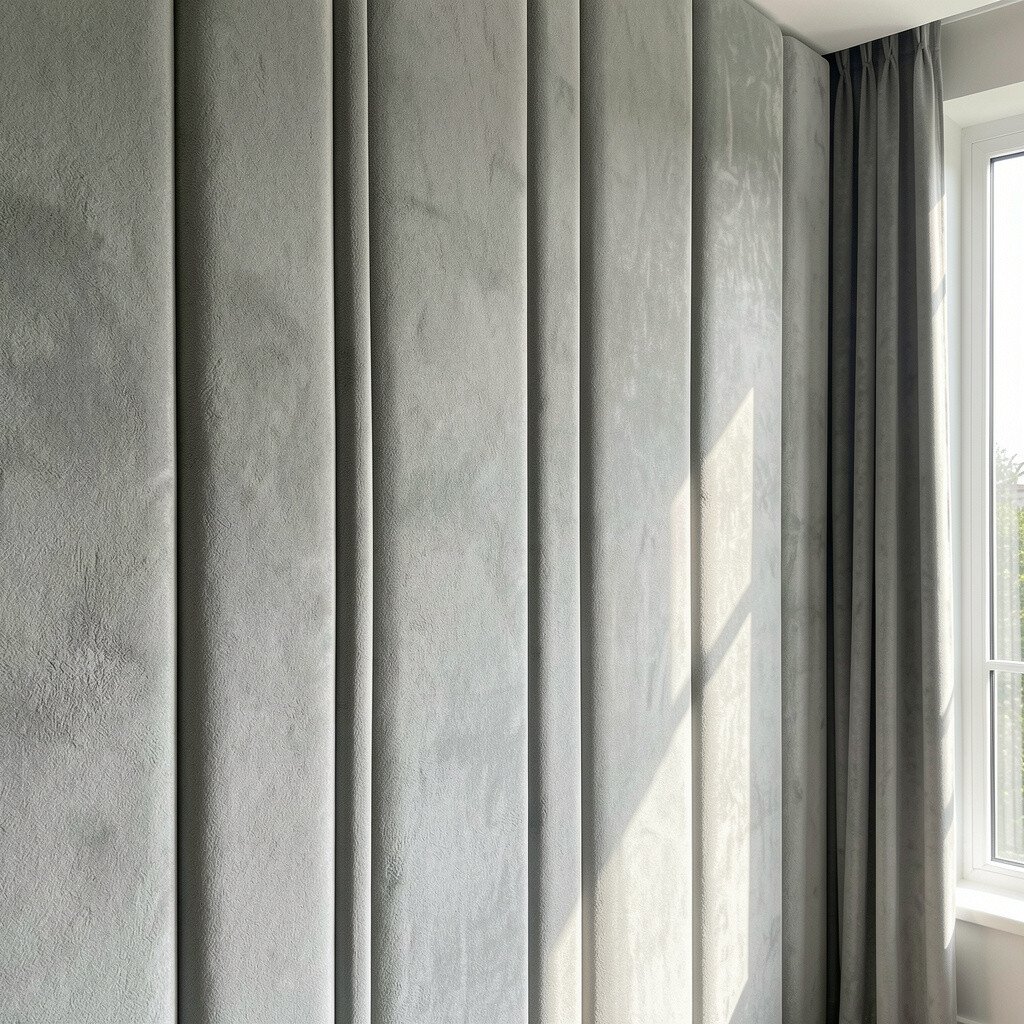
12. Fabric Wall Panels for Plush Style
Fabric Wall Panels for Plush Style
Fabric wall panels add a soft, cushioned look that instantly makes a room feel inviting. They can be quilted, tufted, or smooth with subtle stitching lines.
This texture is especially nice in bedrooms, offices, and kids’ spaces where comfort matters. It also helps reduce echo, making the whole room feel calmer. Choose breathable fabric and a removable backing system if you want easier upkeep, and select colors that echo your curtains or bedding.
Costs often reflect the panel quality and installation, so compare options. To stay within budget, cover a single wall and keep the rest simple with clean paint.
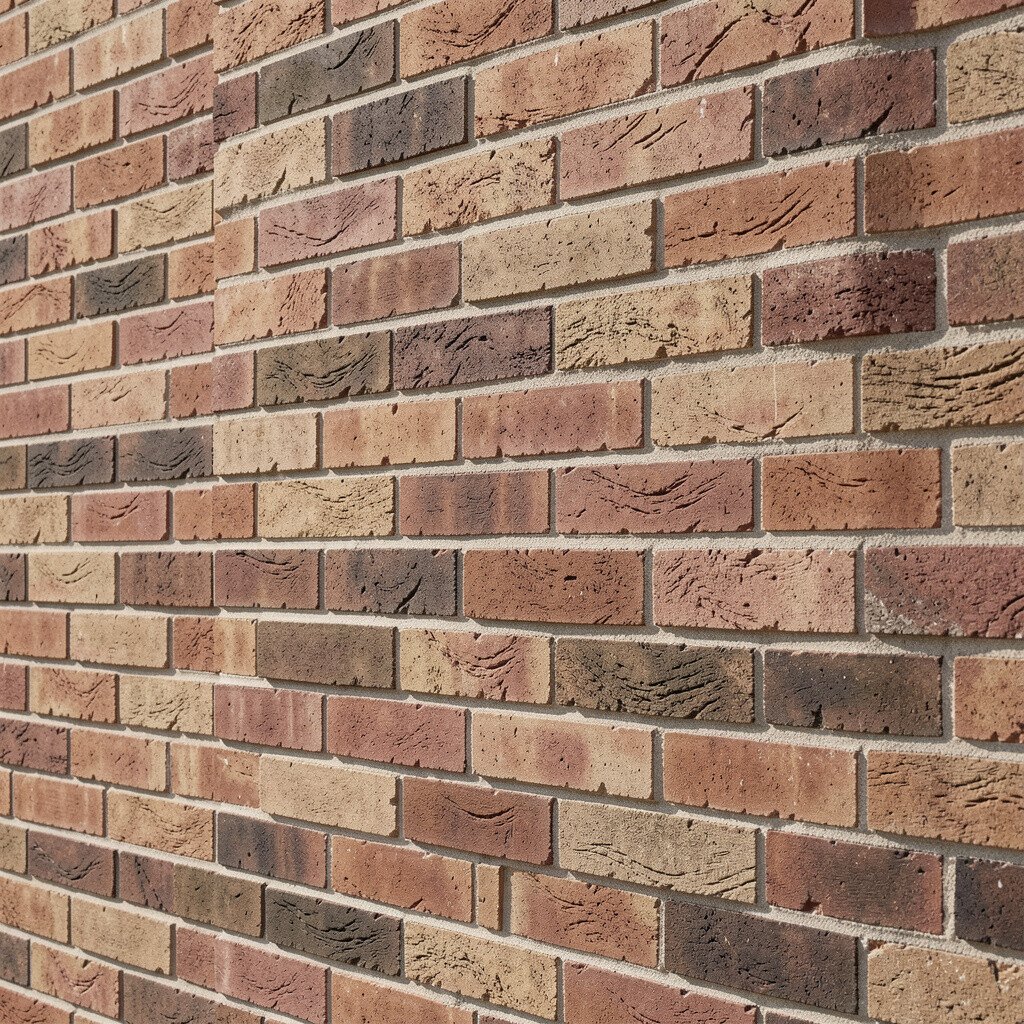
13. Brick Veneer for Timeless Texture and Character
Brick Veneer for Timeless Texture and Character
Brick veneer brings the rugged texture of exposed brick without full structural weight. It gives deep shadows in the mortar lines that look great with warm bulbs and daylight.
It’s a standout choice for creating character in kitchens, living rooms, and entryways. Choose the right brick tone for your decor, like soft reds for warmth or cool grays for a modern twist. For personalization, pair brick with smooth cabinetry or sleek furniture to balance the rough texture.
Cost depends on thickness and whether it’s a peel-and-stick system or a true veneer install. If you want an easier project, start with a small feature wall behind a mantel or console.
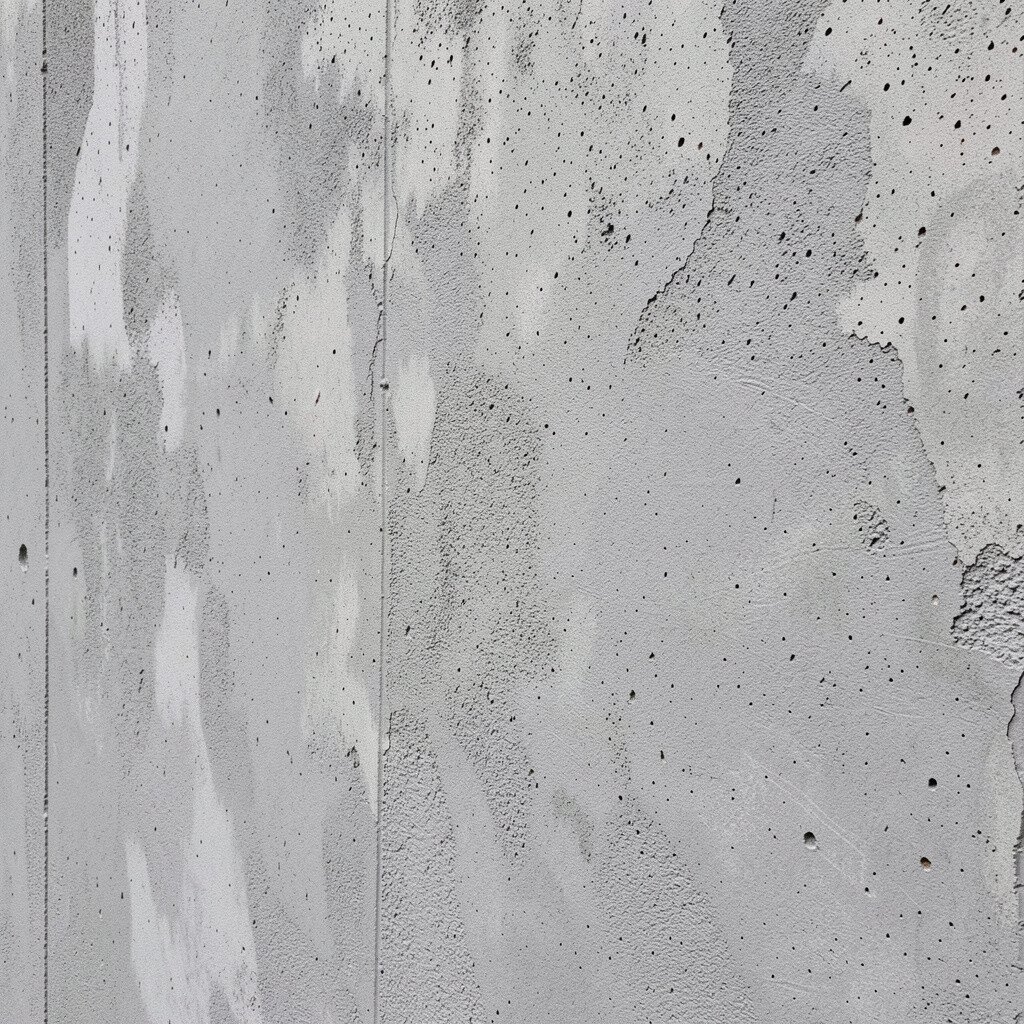
14. Concrete Look Texture Coating for Urban Style
Concrete Look Texture Coating for Urban Style
A concrete look coating gives walls an industrial texture that feels trendy and sturdy. It can be smooth for a modern finish or more textured for a weathered effect.
This option works well when you want an urban, minimalist vibe. Pair it with warm wood, soft textiles, and rounded shapes to avoid a cold feel. For personalization, choose a concrete color that matches your flooring undertone so everything ties together naturally.
Cost can be medium to high depending on whether you’re doing a single-coat texture or a multi-layer system. Plan for prep, because proper surface readiness leads to better adhesion and a cleaner finish.
15. Embossed Plaster for Artistic Relief
Embossed Plaster for Artistic Relief
Embossed plaster uses molds or tools to create raised designs that look like small artworks on the wall. Even a subtle motif can add energy without changing your furniture layout.
This texture is unique because the relief can look different from every angle. Choose a pattern inspired by nature, like gentle leaf shapes or wave lines, to keep the vibe calm. If you want practical control, keep the palette quiet so the wall texture becomes the star without overwhelming the room.
Cost depends on how custom the relief is, since handcrafted detail often takes more time. You can manage budget by using embossed plaster in a smaller panel area rather than covering every wall.
16. Linen-Effect Texture Paint for Soft, Tailored Walls
Linen-Effect Texture Paint for Soft, Tailored Walls
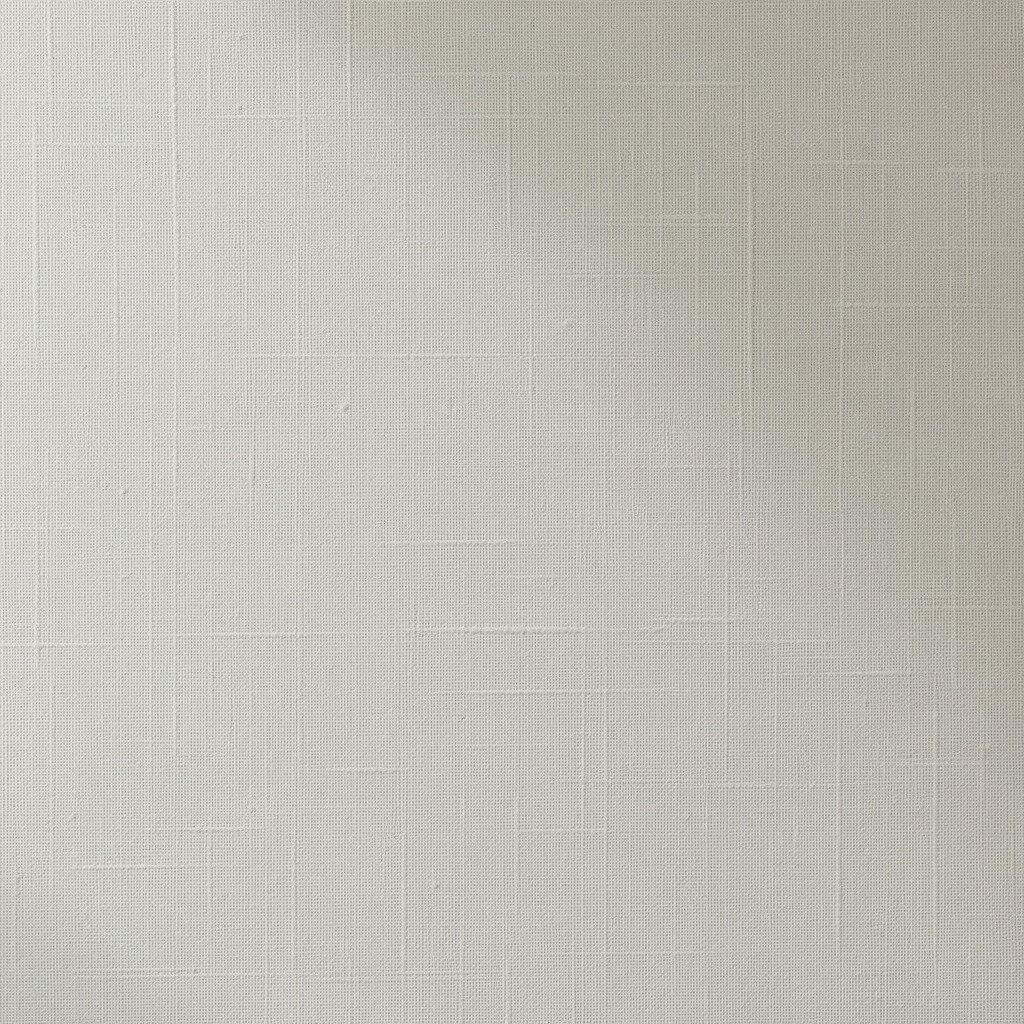
Linen-effect paint creates a fabric-like texture that looks elegant and relaxed. Under light, it shows tiny variations that make the wall feel layered.
This finish is a great choice if you want texture but don’t want strong grooves. It works beautifully in bedrooms and living rooms where you want the whole space to feel calm. For personalization, experiment with warm whites, sand beiges, or muted blush tones that complement your textiles.
17. Grasscloth for Natural Pattern and Depth
Grasscloth for Natural Pattern and Depth
Grasscloth adds an organic woven texture that feels like nature is gently pressed onto the wall. It brings a subtle pattern that changes with light and gives walls a rich, tactile depth.
This option is popular in modern-boho spaces because it adds warmth without bright colors. Choose a tone that fits your decor, such as oatmeal, sage, or toasted tan, and pair it with simple trims. For practical tips, plan for gentle cleaning and avoid high-moisture areas unless your product is designed for them.
Cost can be higher than basic paint because it’s a natural material and often requires careful installation. If you want a smarter budget move, use grasscloth on one feature wall and keep the rest in easy-to-maintain paint.
18. Metallic Venetian Texture for Glow and Movement
Metallic Venetian Texture for Glow and Movement
Metallic texture finishes add a shimmering depth that feels luxurious without needing heavy ornament. When the wall catches light, it can look like soft movement across the surface.
This texture is unique because it can shift tones from warm to cool depending on the lighting. Use it in dining rooms, powder rooms, or entryways where you’ll notice it often. For personalization, choose a metallic that matches your hardware, then test a swatch so you understand how bold the sheen will feel.
Cost can run higher due to specialty materials and skilled application. To keep it manageable, limit coverage to one wall or create a bordered area that frames artwork.
19. Knotty Wood Paneling for Cozy, Cabin-Style Charm
Knotty Wood Paneling for Cozy, Cabin-Style Charm
Knotty wood paneling brings a strong, cozy texture that instantly adds character. The grain and natural knots make each section feel one-of-a-kind.
This option works great for dens, studios, and bedrooms where you want a warm, grounded atmosphere. Balance bold wood with lighter furniture, simple bedding, and neutral walls elsewhere. For personalization, stain the wood darker for a dramatic feel or leave it lighter for a bright, airy cabin look.
Cost can vary widely based on wood type and whether you’re installing full sheets or smaller sections. If you want a practical approach, consider covering only the lower half of the wall or using paneling as an accent behind key furniture.