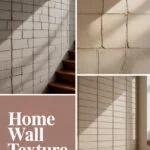
15+ Wall Texture In Vintage Themes For Cozy Spaces
There’s something magical about walls that feel lived in, even when they’re brand new. The right texture can make a room look warmer, calmer, and more like you.
Vintage style shines when surface details carry stories, not just paint. When texture meets cozy lighting and softened colors, the whole space starts to breathe.
Limewash gives walls a soft, cloudy look that feels like old plaster catching daylight. It can show gentle variation from spot to spot, like a subtle sky across your room.
For a cozy vintage theme, limewash pairs beautifully with warm whites, pale creams, and faded sage. It helps hide small wall flaws and gives your space a breathable feel that many people love. You’ll also enjoy how it ages over time, adding character without looking messy.
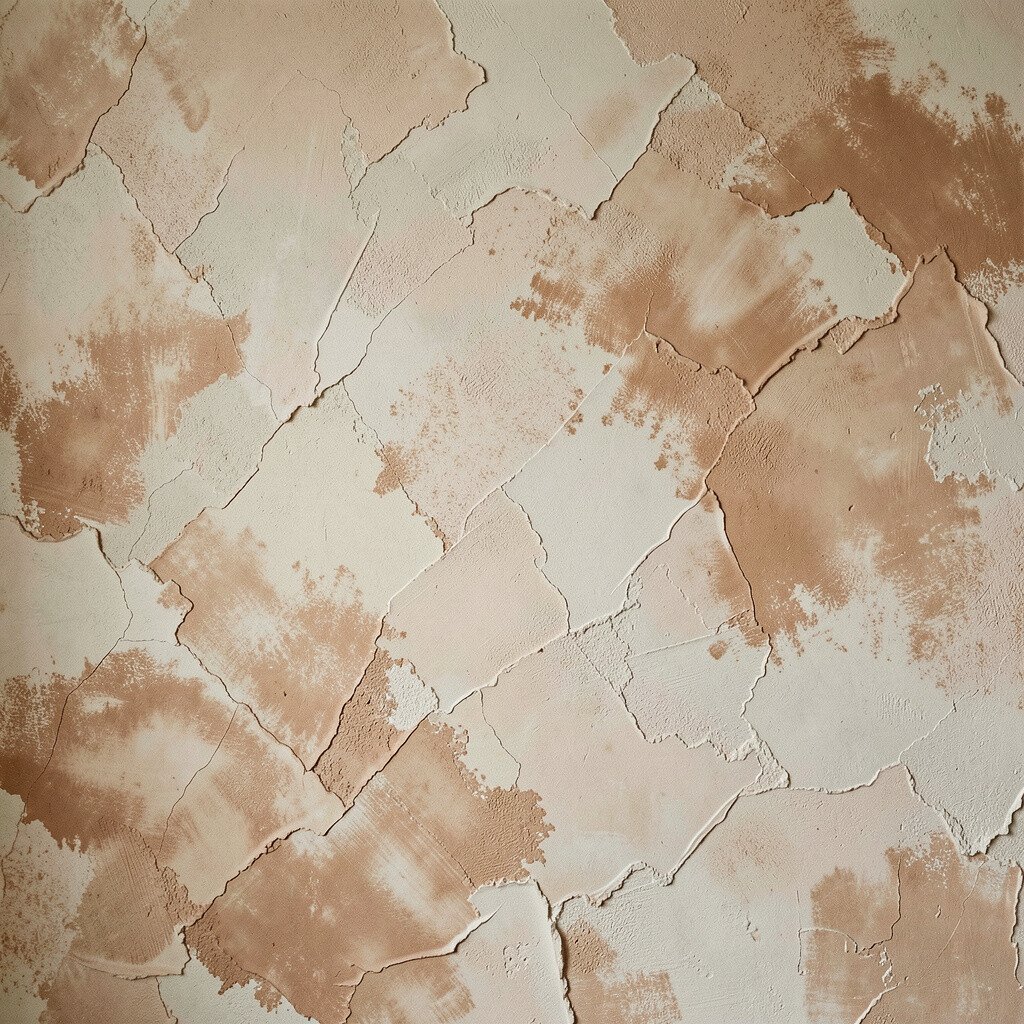
2. Distressed Venetian Plaster Glow
Distressed Venetian Plaster Glow
Venetian plaster can look smooth at first glance, then reveal a gentle shine as you move around the room. With a slightly distressed finish, it reads vintage and refined, like an old hotel lobby hallway.
This texture adds depth without heavy patterns, which is perfect for small cozy spaces. It also reflects light softly, so your corners feel brighter even when the room is dim. Choose a satin or low-sheen topcoat and let the wall keep that lived-in glow.
To personalize, you can ask for a darker trowel mark here and there to mimic antique repairs. If you’re watching cost, know that true plaster finishes take skill, so budgeting for professional application often pays off. Current trends lean toward muted neutrals and creamy taupes, which look great with this technique.
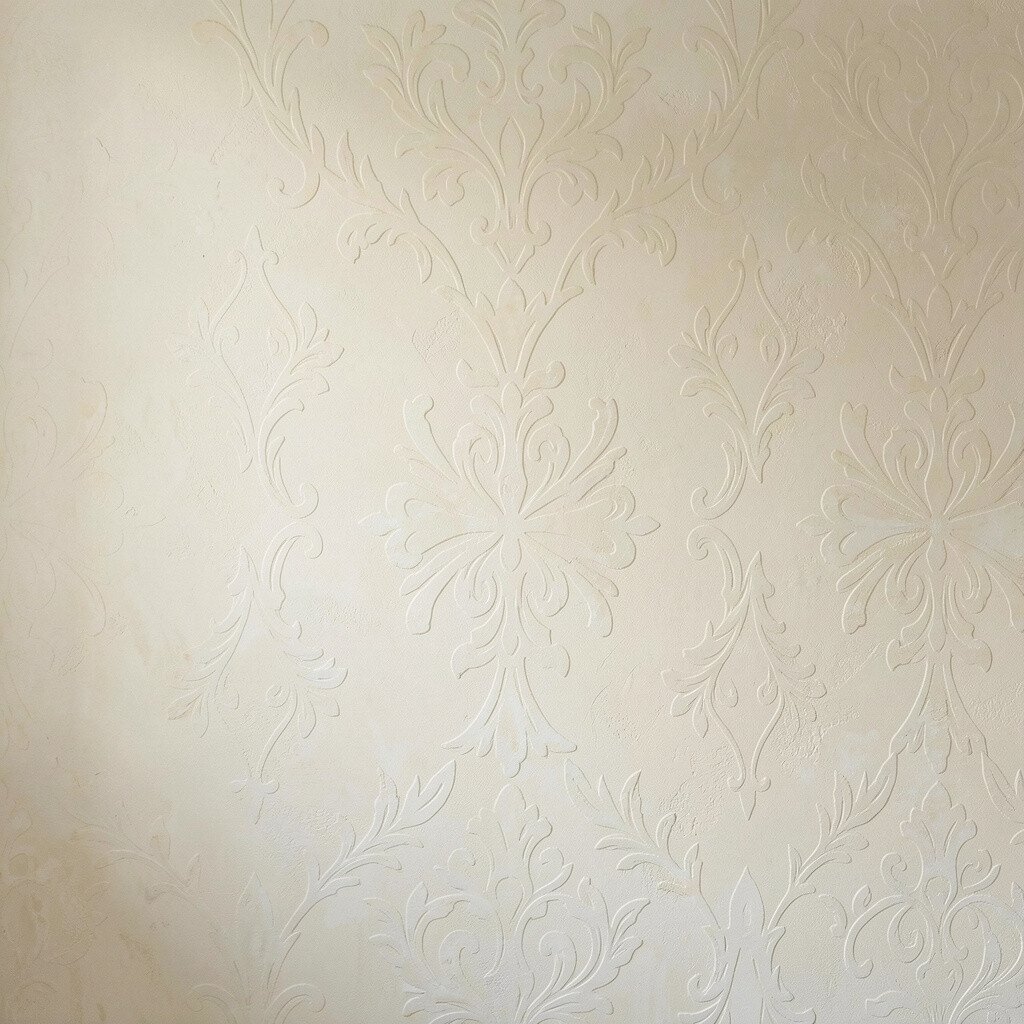
3. Raised Wallpaper Panels With Soft Relief
Raised Wallpaper Panels With Soft Relief
Raised wallpaper panels create a vintage rhythm you can see and feel. The grooves catch shadows under warm lights, so your walls look cozy even on quiet evenings.
They’re also practical because many designs hide minor imperfections better than flat paint. Pick a pattern that feels timeless, like damask, small florals, or subtle geometric relief. You can keep the room calm by choosing one main wall feature and letting the rest stay simple.
For personalization, mix panel styles in matching tones, such as ivory and dusty rose. If cost is a concern, consider using removable wallpaper on a single accent wall first. A popular current approach is pairing textured wallpaper with natural wood trim and simple, rounded furniture.
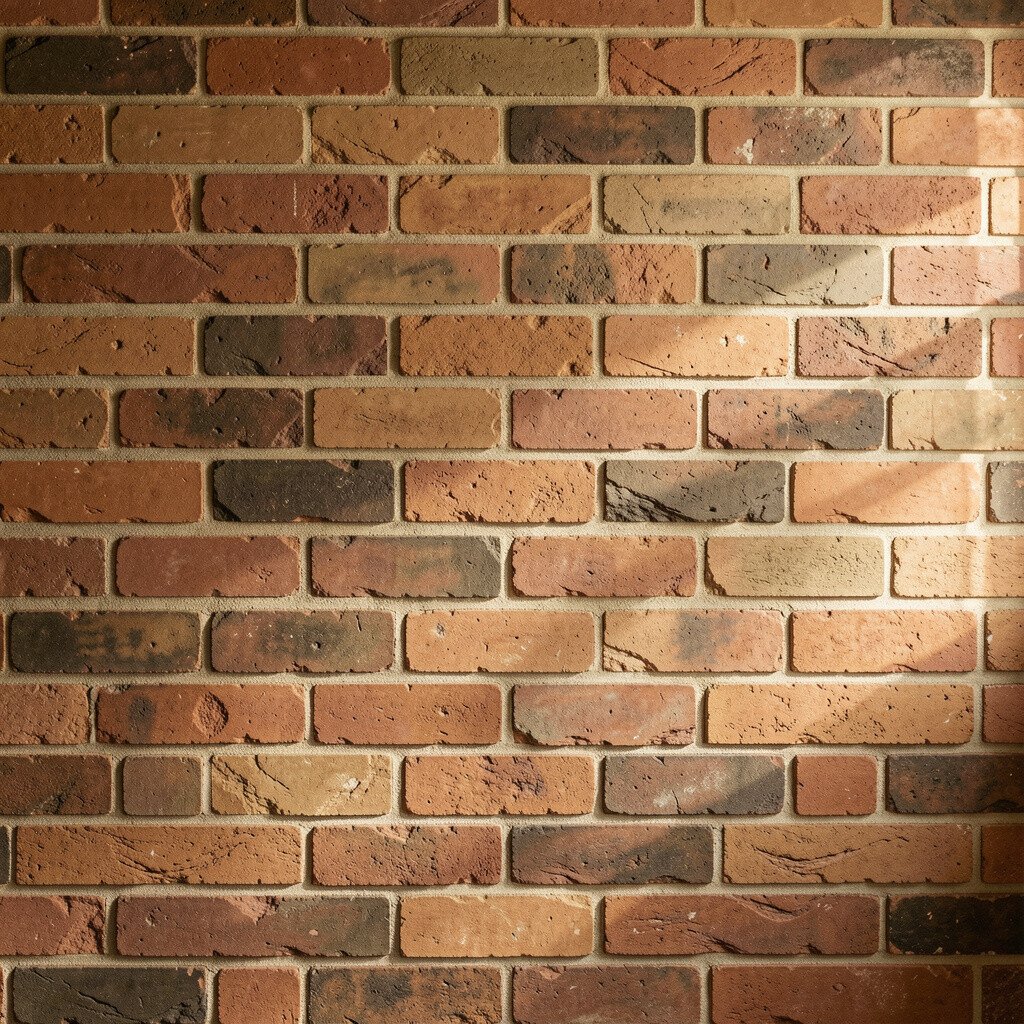
Faux brick gives you that countryside comfort without the weight of real masonry. Even a small section can make a room feel grounded, like a cottage kitchen ready for morning coffee.
It works especially well with vintage pieces because the texture adds history to otherwise modern rooms. To keep it cozy, paint the faux brick in soft chalky shades instead of harsh red tones. Then add warm lighting and textiles, because texture loves fabric that softens edges.
5. Textured Plaster Rolls in Subtle Swirls
Textured Plaster Rolls in Subtle Swirls
Swirled textured plaster looks like a gentle breeze moving across the wall. From a distance it feels calm, and up close you can see tiny movement in the finish.
This kind of surface adds visual interest while still letting furniture and art stay the main focus. It’s helpful for bedrooms and reading corners because the texture doesn’t shout. Use it to add warmth to plain rooms that feel too flat or too modern.
Personalize it by choosing a color that matches your vintage palette, such as putty, buttermilk, or faded gold. For cost considerations, do a single room first, then expand once you love the look. A current trend is mixing soft wall textures with clean-lined vintage furniture, especially mid-century inspired pieces.
6. Sand-Finished Paint for Gentle Vintage Wear
Sand-Finished Paint for Gentle Vintage Wear
Sand-finished paint creates a matte surface with tiny grains that catch light slowly. The result feels old-world and soothing, like sun-warmed stone.
This finish is great at hiding uneven patches and small dents because the texture blends the wall. It also makes cleaning easier in many cases since scuffs can look less obvious than on glossy paint. If you’re aiming for cozy, pair it with warm taupes, soft greige, and muted terracotta accents.
7. Sponging Techniques With Faded Country Color
Sponging Techniques With Faded Country Color
Sponging builds a layered, mottled look that feels like faded farmhouse paint. You can see depth where the sponge lightens and deepens the color, creating a gentle vintage haze.
The benefit is that no two areas look identical, which is exactly what vintage style loves. Sponged walls also help hide roller marks and small imperfections, so the final result looks more naturally handmade. Keep the sponge work subtle for a calm cozy vibe, especially in living rooms and hallways.
To personalize, blend two tones close in value, like oat and oatmeal, so the effect feels soft. If you’re considering cost, sponging is often budget-friendly because it uses simple tools you may already own. Current trends favor earthy, low-contrast colors, which make sponging look fresh instead of loud.
8. Burlap-Like Textiles for a Soft Heritage Touch
Burlap-Like Textiles for a Soft Heritage Touch
Burlap-like wall treatments bring warmth you can almost feel through the air. The texture gives the wall a cozy, rustic look that pairs well with wooden shelves and linen curtains.
This approach can make rooms feel quieter, too, because the fabric-like surface adds softness visually and sometimes acoustically. It’s also unique, since most homes stick to smooth walls, and this choice stands out in a gentle way. Choose earthy neutrals and avoid very shiny materials so the vibe stays vintage and cozy.
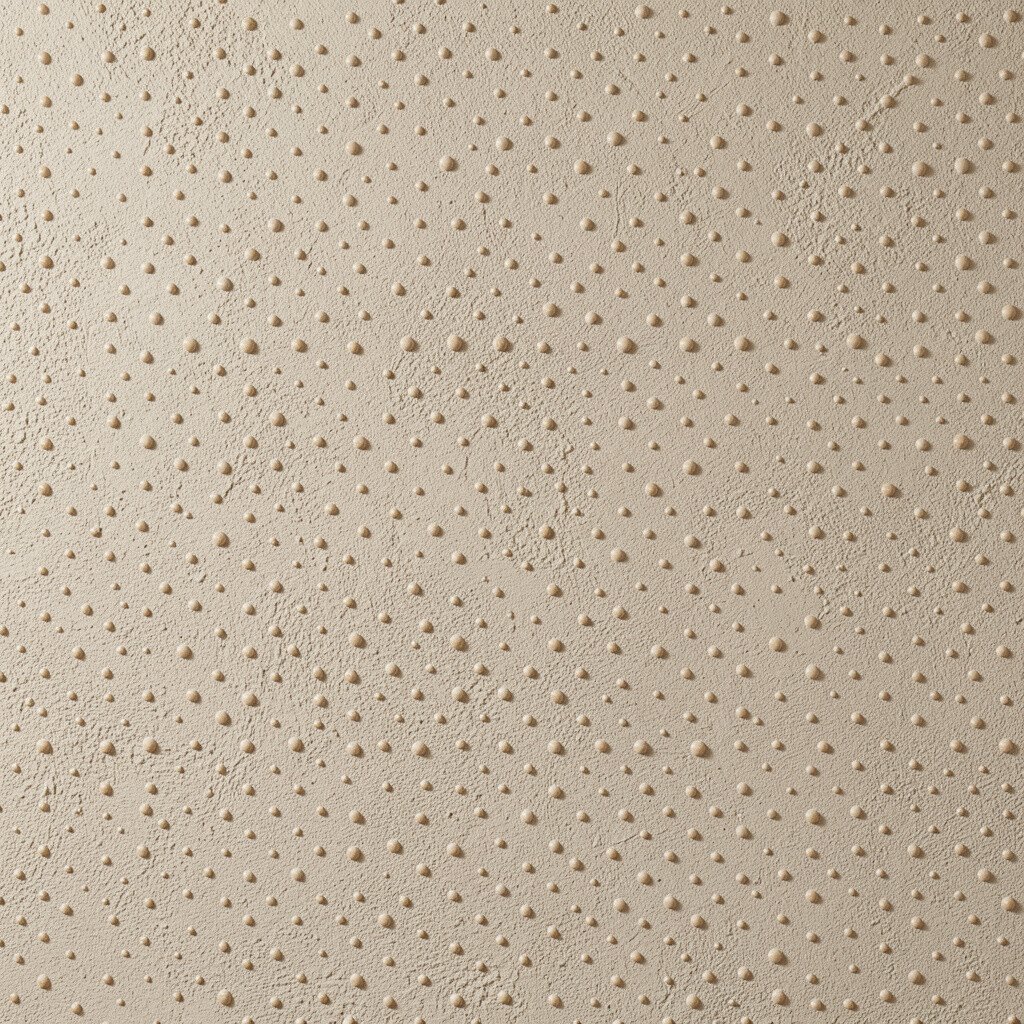
Beaded plaster looks like a field of tiny pearls pressed into the wall. Under warm lights, those micro textures glow, giving the room a gentle vintage sparkle.
This texture can feel luxurious without turning into a heavy pattern. It also works well in entryways and dining rooms because the light reflection makes the space feel welcoming. Keep your colors muted, like cream, warm sand, or dusty ivory, so the wall adds comfort instead of drama.
Personalize by blending beaded plaster with a smoother surrounding area, such as a lower border or framed sections. For cost, expect this to sit mid-range because specialized finishes may require skilled application. A current style move is using warm off-whites paired with antique brass fixtures, which makes this wall shine in a subtle way.
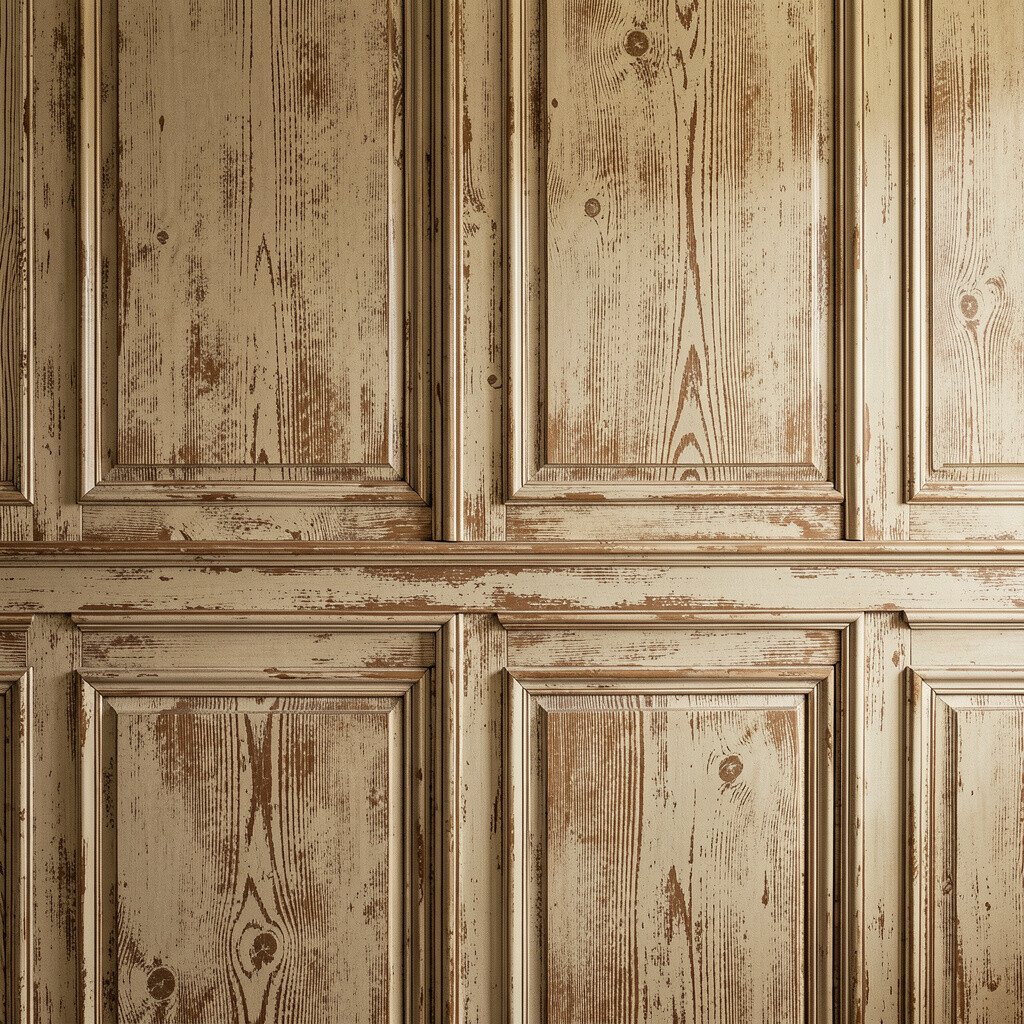
10. Heritage Wood Paneling in Distressed Tones
Heritage Wood Paneling in Distressed Tones
Distressed wood paneling brings instant vintage character with real depth. When the finish is aged and slightly worn, the wall looks like it belongs to an older home with good stories.
This texture is practical because wood can be more forgiving than plaster when you bump furniture. It also frames cozy spaces beautifully, especially when you choose a warm stain and add soft paint over trim. Keep the rest of the room light and inviting so the wall reads comforting rather than heavy.
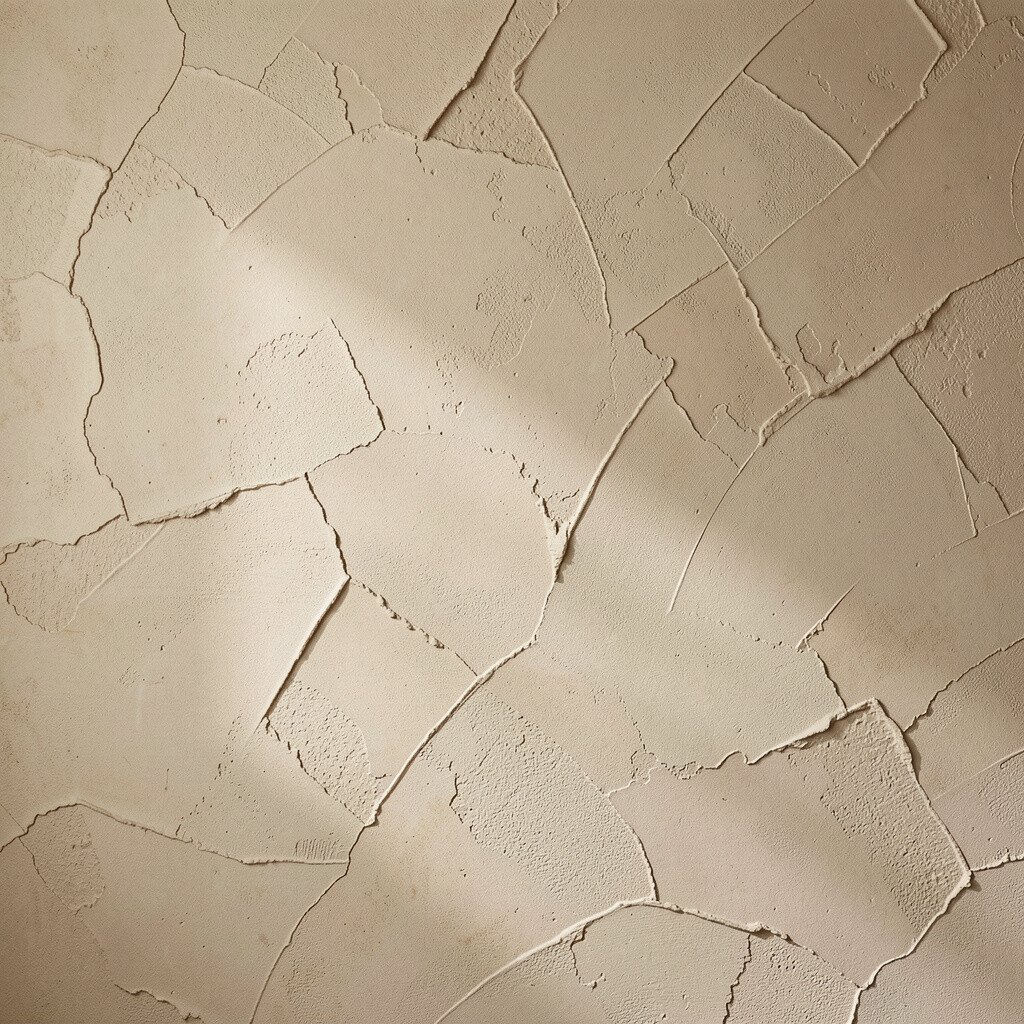
11. Cracked Glaze Look With Controlled Aging
Cracked Glaze Look With Controlled Aging
A cracked glaze effect can mimic aged ceramics and antique finishes. The web-like pattern feels delicate, and it can look especially charming on a feature wall.
This finish is unique because it gives texture without needing large raised areas. It can also help you create a vintage mood fast, especially when you use muted colors and pair the wall with classic decor. The trick is to control the crack size and spacing so it looks intentional, not accidental.
To personalize, match the glaze color to your accessories, like aged green, warm clay, or soft tobacco. If you’re worried about cost, start with a smaller wall section and use it as a statement backdrop for art or a mirror. Current trends keep the cracked look soft and understated, which helps it fit cozy spaces rather than feeling old-fashioned in a harsh way.
12. Limewash Over Stencil for Soft Patterns
Limewash Over Stencil for Soft Patterns
Limewash is already dreamy, and stenciling on top adds a vintage flourish. The pattern appears faded and natural, like old decoration painted by hand and then softened by time.
This method gives you the benefits of both worlds: a breathable, cloudy background and a gentle motif that doesn’t overpower. You can create cozy romance in a corner by using small floral stencils or repeating arches. Try keeping the stencil limited to one section so the room stays restful.
Cork offers a natural, cozy texture that looks warm and feels friendly. It has a gentle, organic pattern that can make a room feel grounded and calm.
One big benefit is comfort underfoot in nearby areas, and cork walls often complement rustic and vintage decor beautifully. Cork also helps add softness to acoustics, which can make rooms feel less echoey. If you like practical choices, cork is relatively easy to work with and can be forgiving during installation.
Personalize cork with paint or stains in warm neutrals, like honey, oat, or soft walnut tones. For cost considerations, cork can range widely, so checking remnant sheets or smaller panels can help. A current trend is mixing natural textures like cork with vintage textiles and curved furniture for an inviting, lived-in look.
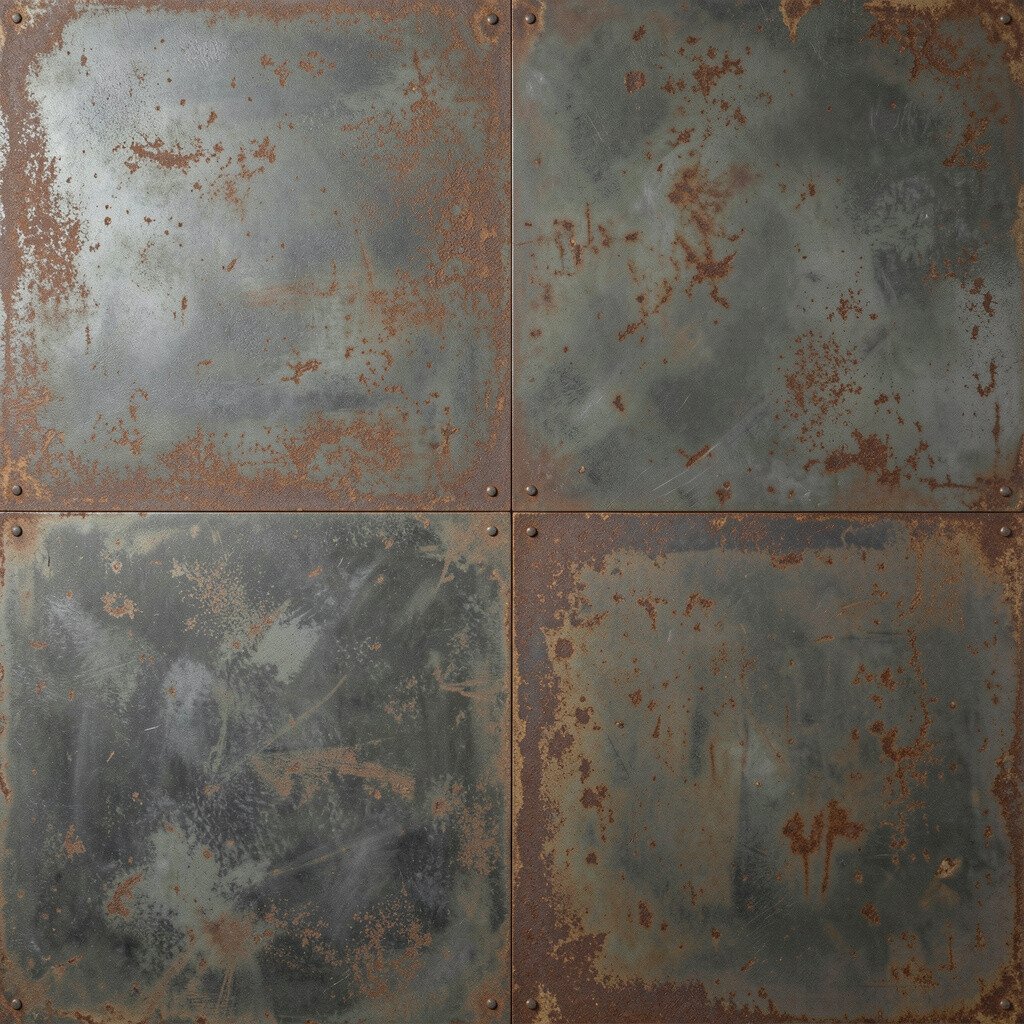
14. Faux Weathered Metal Patina With Depth
Faux Weathered Metal Patina With Depth
Metallic patina finishes can feel vintage and moody, like a cabinet pulled from an antique shop. When you choose the right color, the texture looks aged, not flashy.
This texture is unique because it adds depth and atmosphere, especially in spaces with warm lamps. It can also make your walls feel more like a backdrop for art, since the surface has its own subtle movement. To keep it cozy, choose muted patina tones such as bronze, aged pewter, or soft verdigris.
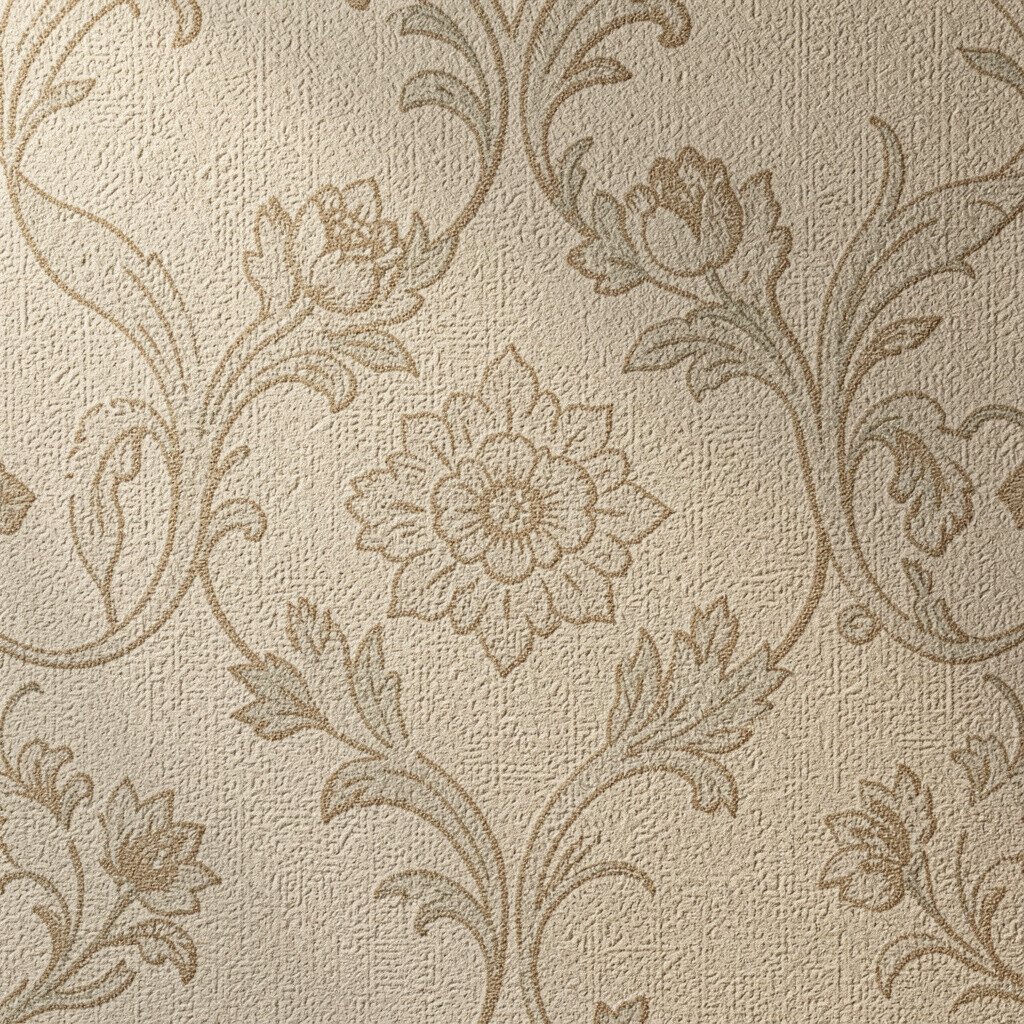
15. Textured Wallpaper With Flock-Style Softness
Textured Wallpaper With Flock-Style Softness
Flock-style wallpaper adds a velvety, touchable feeling to your walls. Even if you don’t touch it, the light creates a soft shadow effect that feels romantic and cozy.
This kind of texture brings vintage mood without needing extra decor. It also makes a room feel special, like you stepped into a boutique space. Choose patterns that are small and gentle, such as subtle florals or scrolling vines, so the texture stays soothing.
Personalize it by pairing flock walls with warm woods, antique frames, and cozy curtains. If you’re thinking about cost, focus on one feature wall, because it’s often best value and impact. A current trend is using rich yet muted colors, like smoky plum and deep cream, to keep the look warm instead of dramatic.
16. Plasterboard Knockdown for Classic Old-World Texture
Plasterboard Knockdown for Classic Old-World Texture
Knockdown texture creates a time-worn, uneven surface with broken peaks and valleys. It reads vintage in a practical way because it looks like plaster that has settled over years.
This finish is beneficial for homeowners who want texture but also want durability and easy maintenance. It’s also forgiving, since the uneven surface helps hide small wall imperfections. To personalize, choose a warm neutral base color and keep the sheen low so the wall stays soft.
If cost is a concern, knockdown texture can be a good middle option because it uses common materials and a familiar process. For current trends, pair knockdown walls with vintage lighting, such as linen shades and warm bulbs, to make the texture feel intentional and cozy.