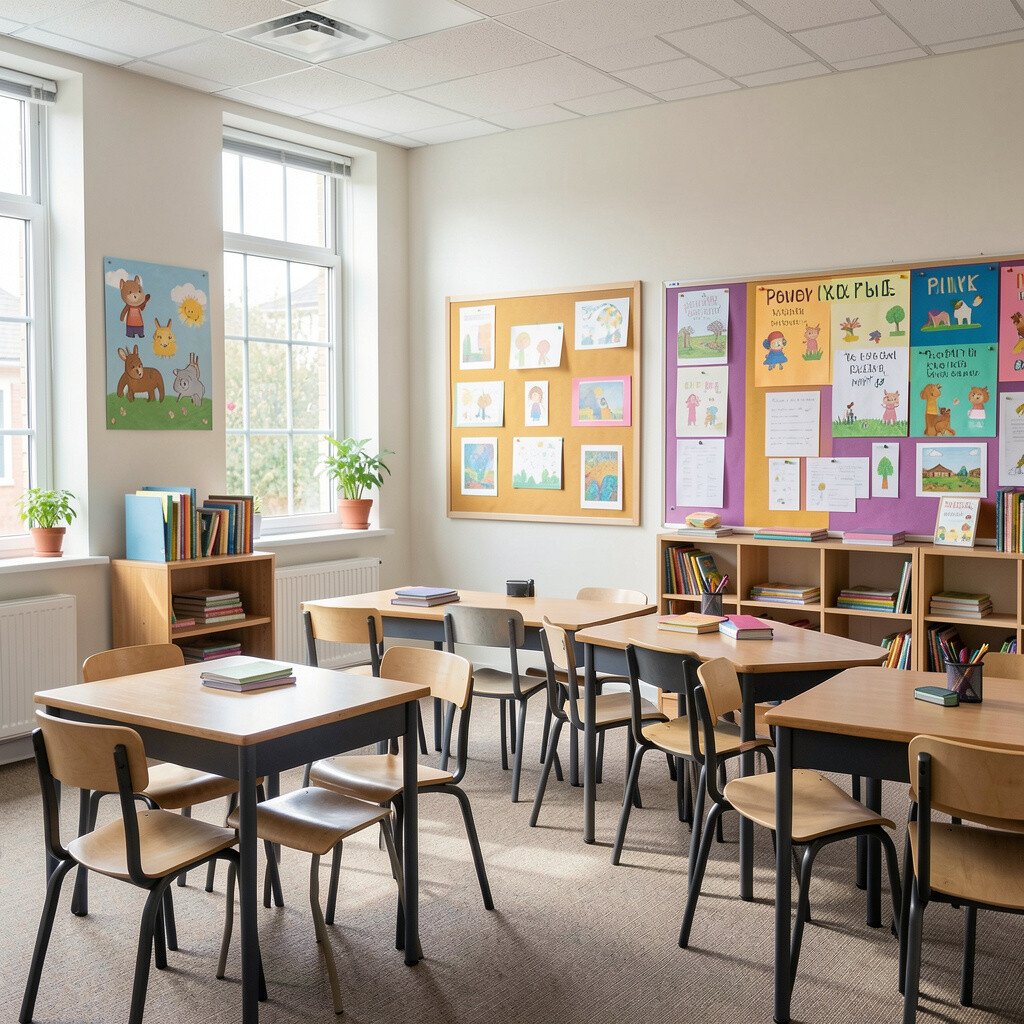
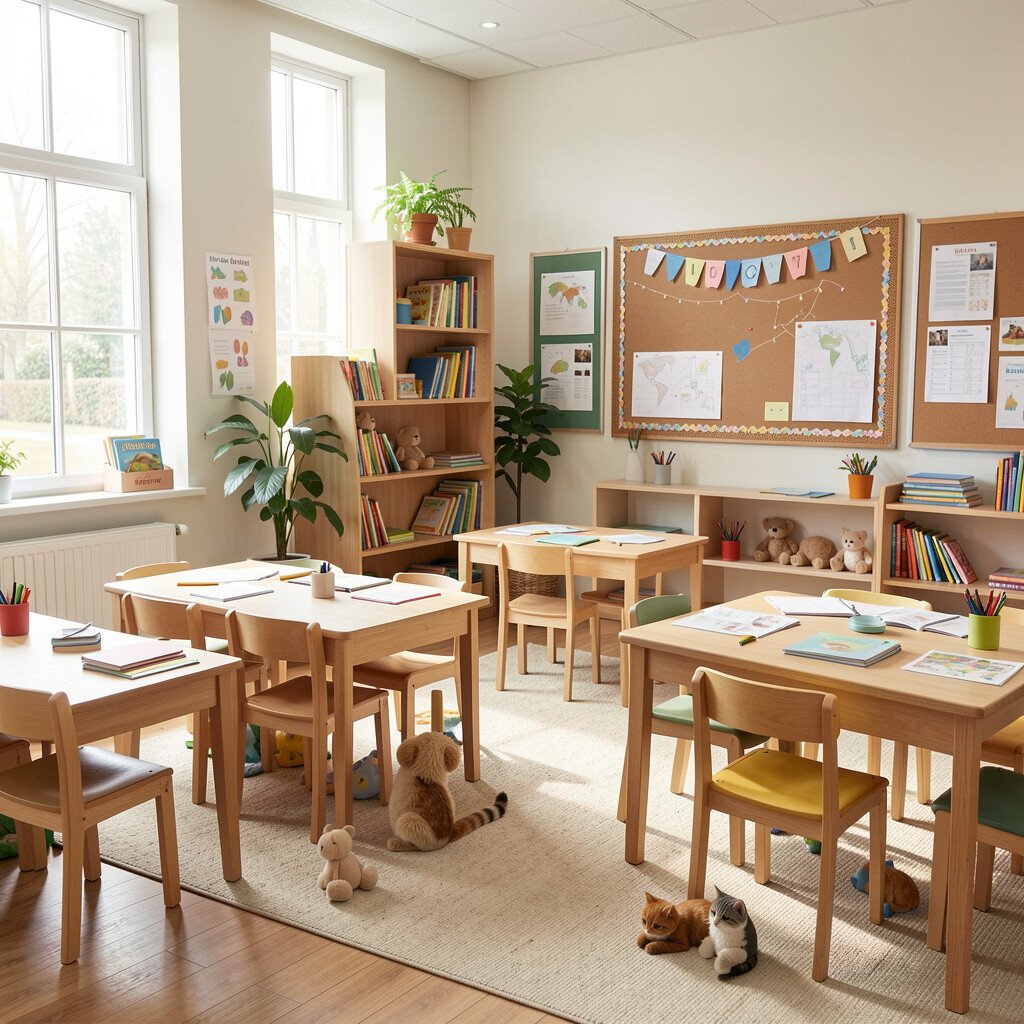
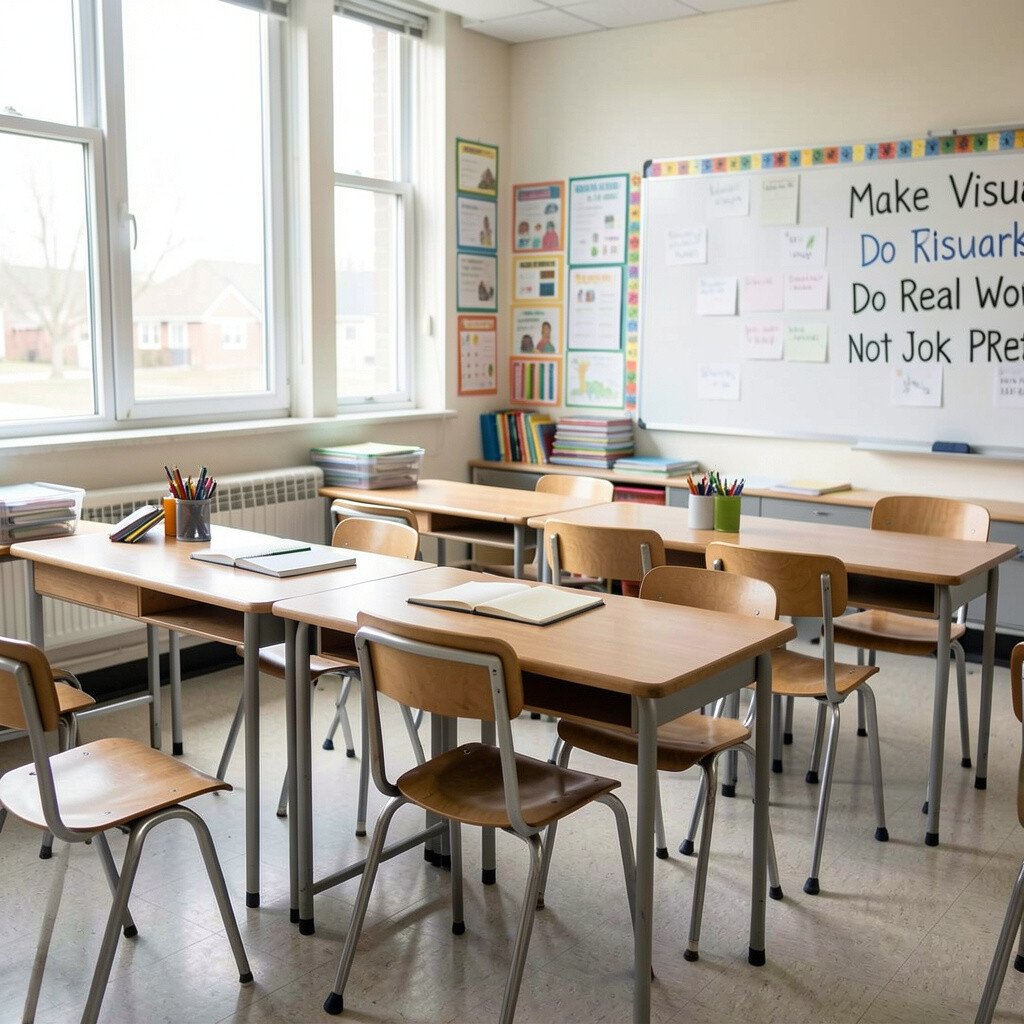
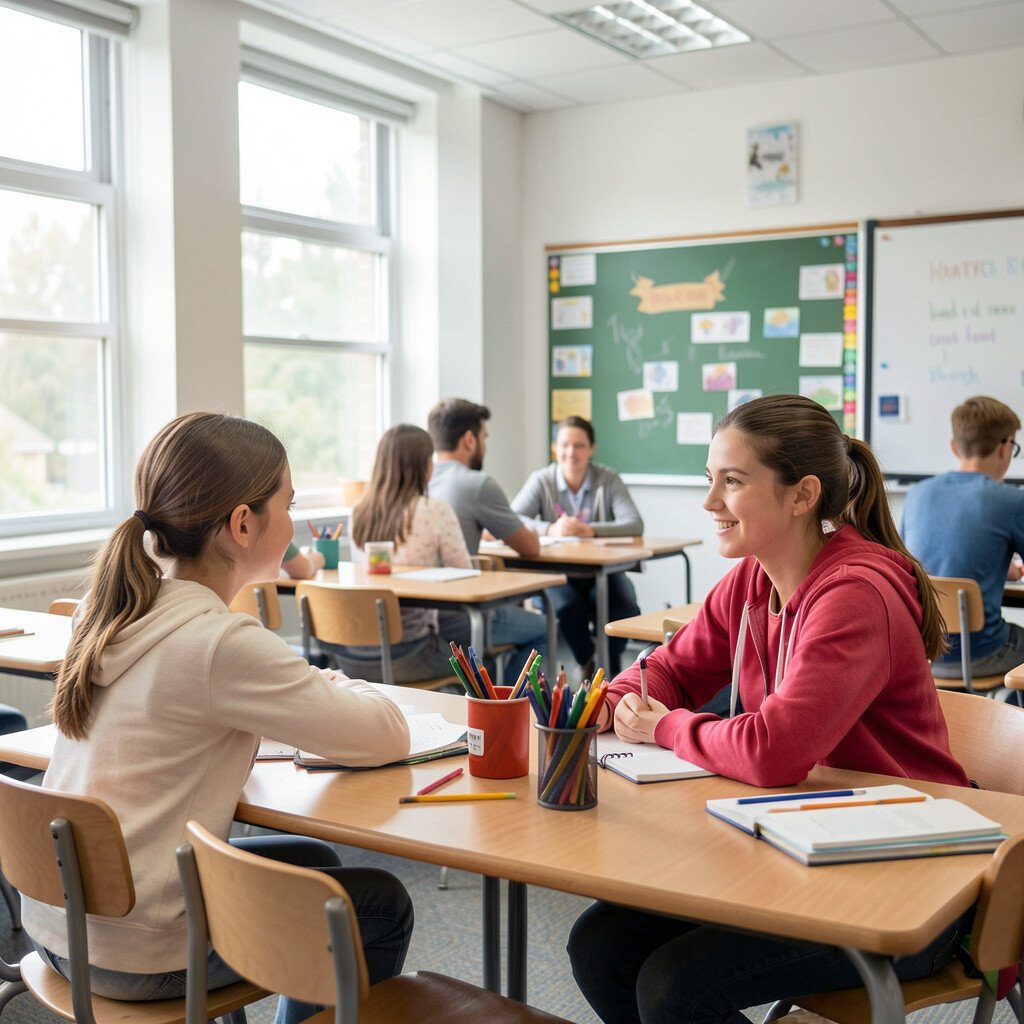
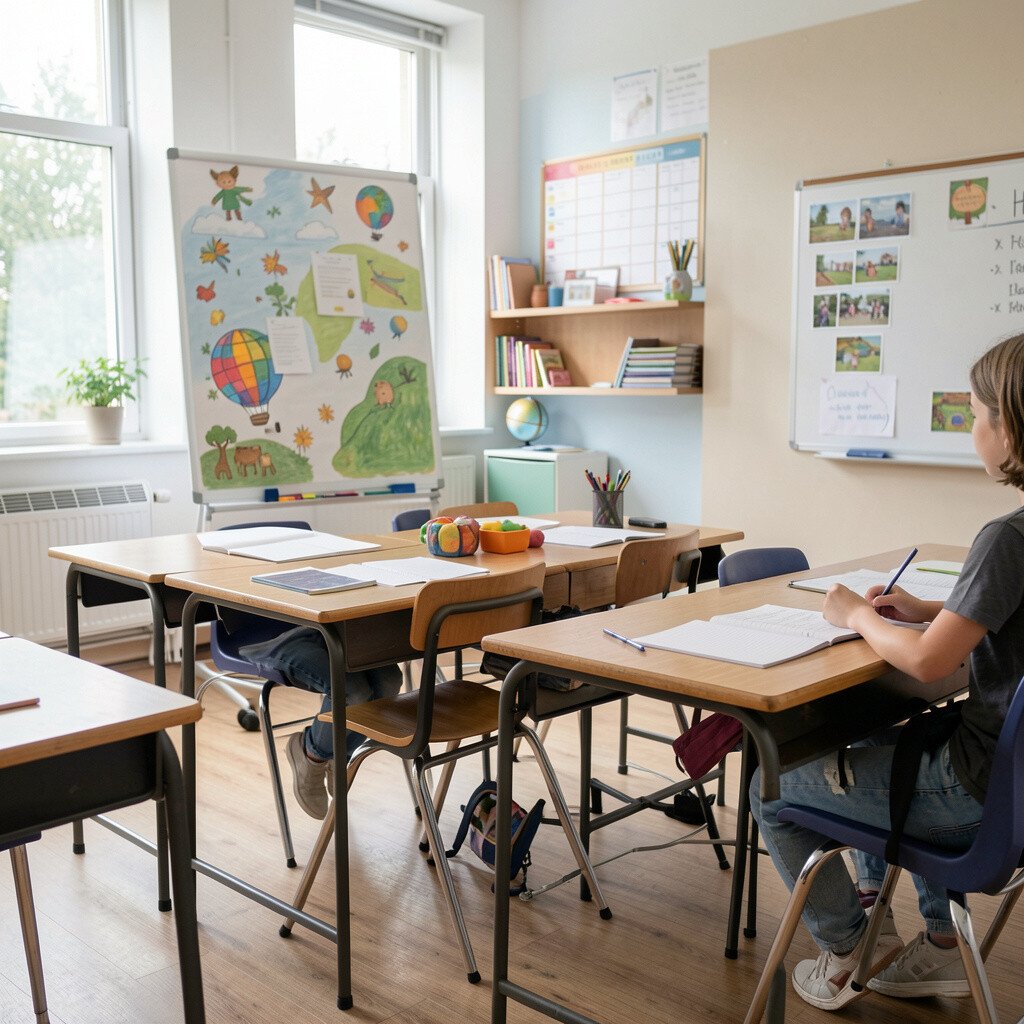
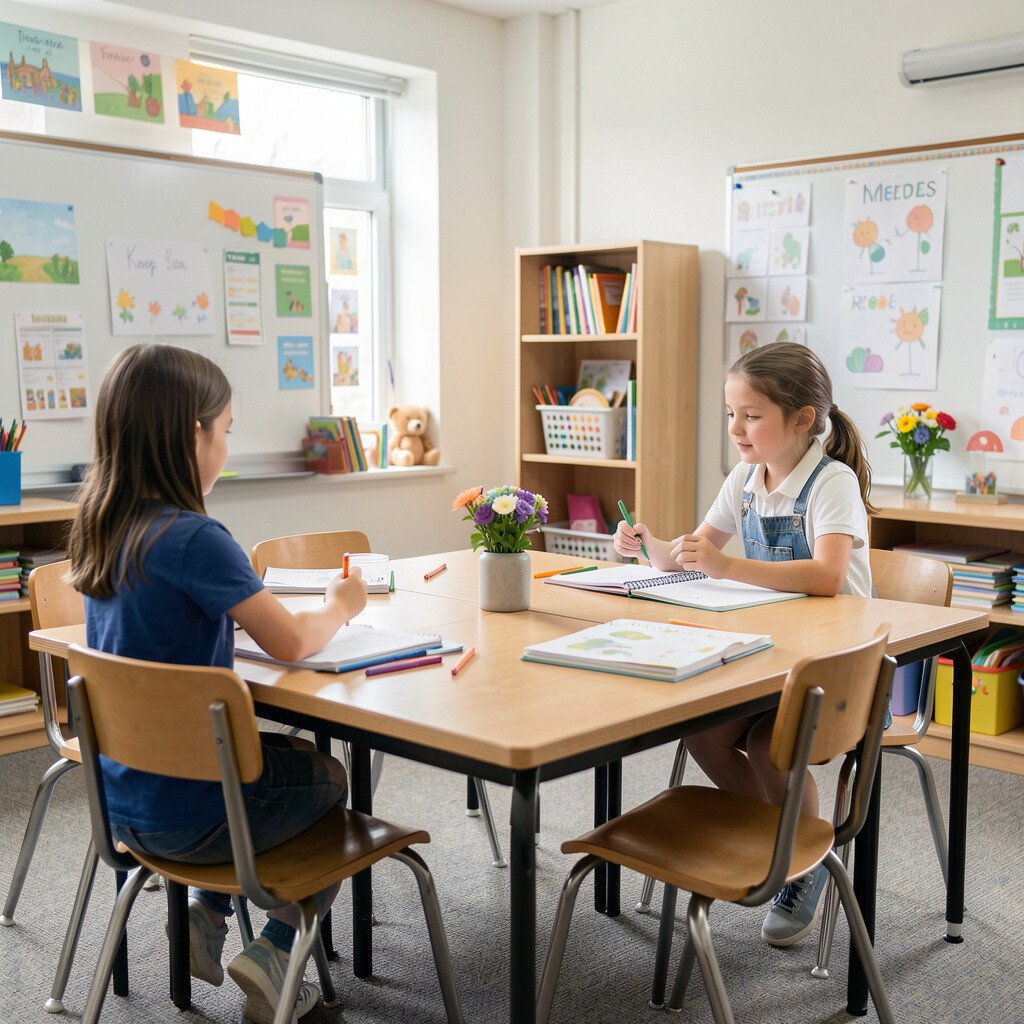
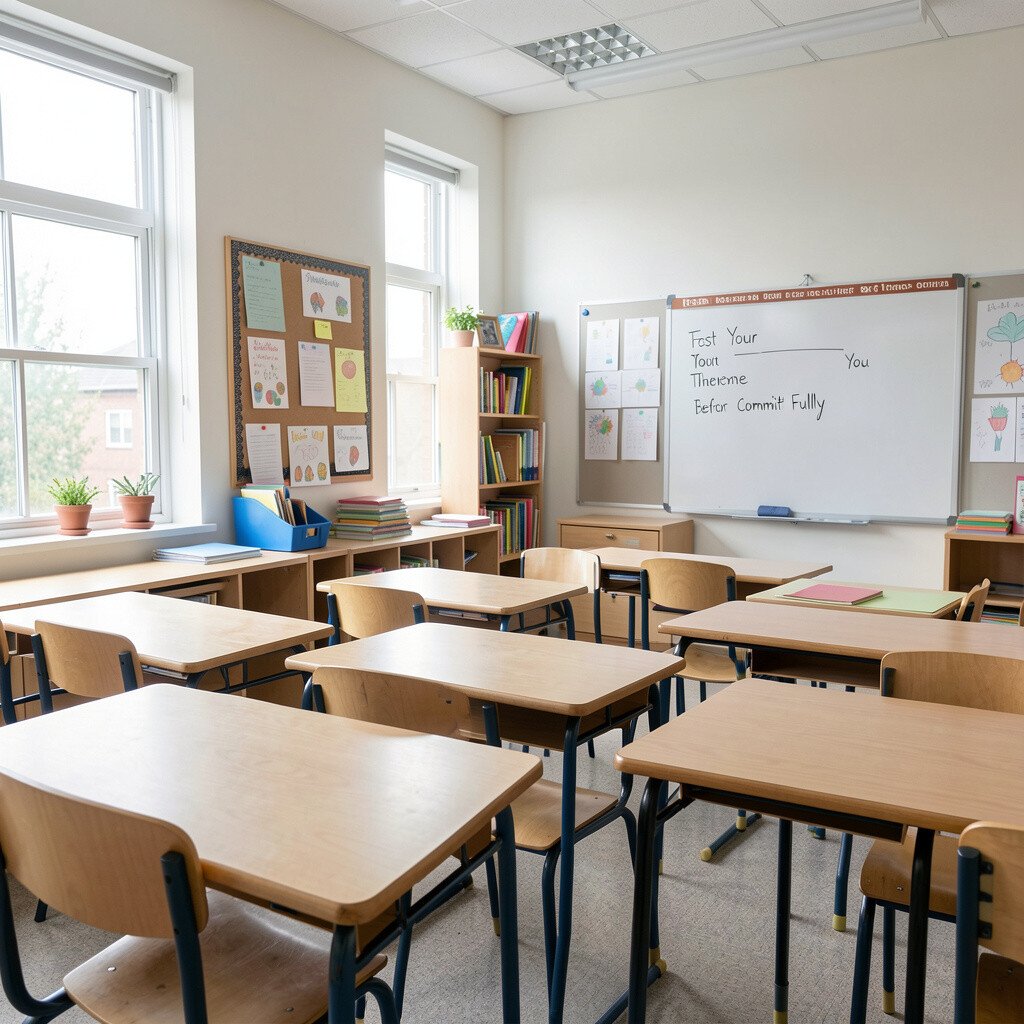
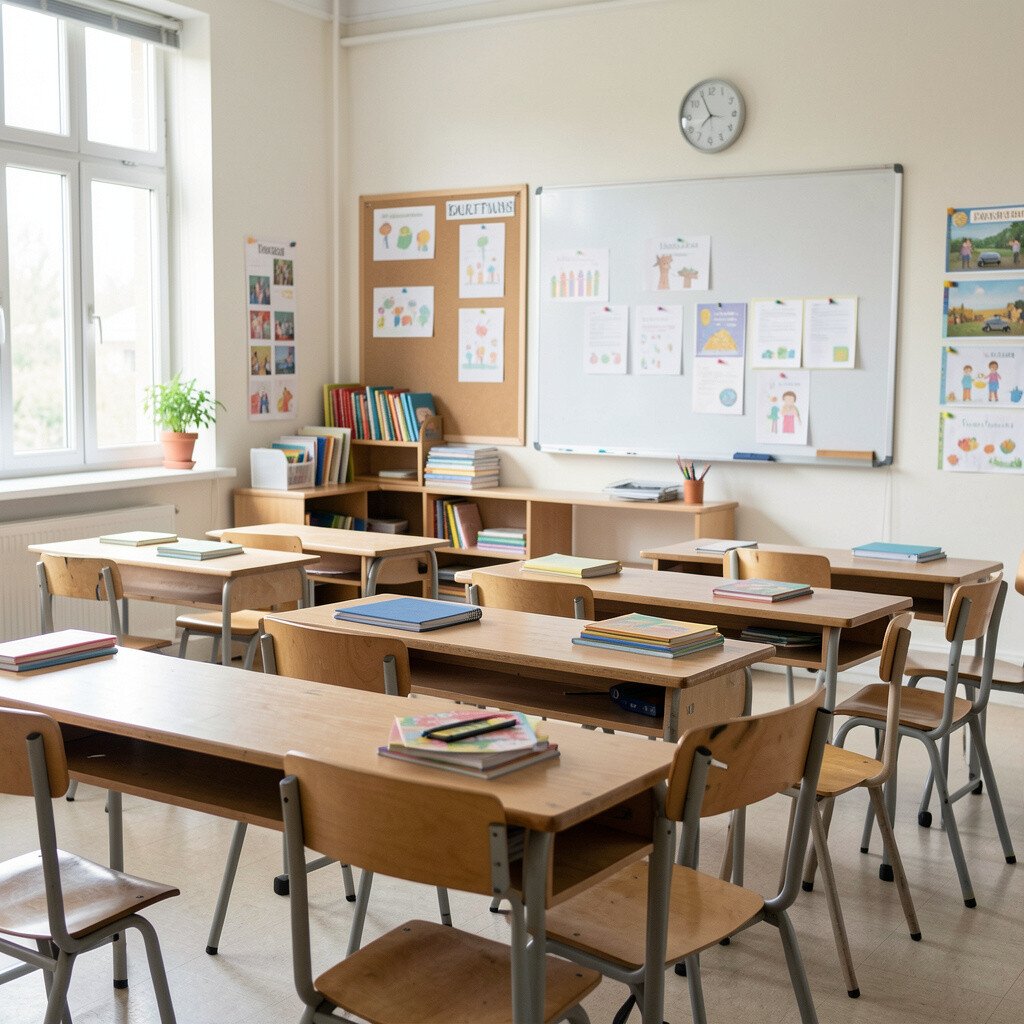
Before choosing any theme, pay attention to the current mood of your space. Walk in and notice what students notice first, like bright corners, quiet walls, or messy supply areas.
A good theme should guide the eye and lower stress. When students can predict where things go, they feel safer, and learning flows more smoothly.
2. Choose a Theme That Matches Your Teaching Style
Choose a Theme That Matches Your Teaching Style
Your teaching style and your theme should act like partners, not rivals. If you run active group work, a theme with movement and roles will fit naturally.
If you teach with calm routines, a gentle theme using soft colors and simple visuals can support that rhythm. The best match is the one that makes you feel confident when you talk and when students move.
Think about what you repeat every day, like morning meetings, reading time, or stations. Pick a theme that helps those moments feel meaningful instead of random.
3. Use Color as the First Big Design Choice
Use Color as the First Big Design Choice
Color is the fastest way to make a theme feel real. Even a few accents, like posters, bins, and anchor charts, can shift the room from plain to playful.
Try starting with two main colors and one extra pop color. This keeps the room lively without turning it into a busy maze for young eyes.
Look at your lighting too, because warm bulbs can make colors feel cozy, while cool lights can feel crisp. Test by taping sample sheets to the wall for a day and watching how they look during morning and afternoon.
Color also affects behavior, since high-contrast shades can feel energizing and softer tones can feel grounding. Choose what you want students to feel during your hardest lesson and build from there.
4. Build a Theme Around Everyday Learning Zones
Build a Theme Around Everyday Learning Zones
A theme works best when it connects to how the classroom is used each day. Instead of only decorating walls, align your theme with reading, writing, math practice, and supplies.
For example, you might make the reading area feel like a cozy “cabin,” with calm lighting and comfy seating cues. Then you can label tubs like they belong to that world, so cleanup feels like part of the story.
5. Make Visuals Do Real Work, Not Just Look Pretty
Make Visuals Do Real Work, Not Just Look Pretty
When students see helpful images, they use them without asking. Clear visuals can guide routines like turning in work, finding help, or choosing a book.
Pair visuals with small amounts of text so everything stays easy. If students must read tiny writing from across the room, your “pretty” theme becomes a frustrating obstacle.
Use eye-catching icons for common tasks, like a pencil for writing time or a speech bubble for partner talk. That way, the theme supports learning goals instead of competing with them.
6. Personalize So Students See Themselves
Personalize So Students See Themselves
Kids light up when a space reflects their interests and identities. A theme becomes more powerful when you include student choices, like artwork, class survey results, and rotating displays of their work.
Consider adding name labels in a style that matches your theme, such as “crew tags” for a space story or “gallery cards” for an art-forward theme. Students feel ownership when their names fit the world you created.
You can also invite families by asking for small contributions, like photos of favorite hobbies or short stories about local places. Just keep contributions simple and easy to manage.
Personalization helps with motivation because students don’t feel like guests in someone else’s classroom. They feel like they are building the room together.
7. Think About Flexibility for Seasons and Units
Think About Flexibility for Seasons and Units
A theme doesn’t need to stay frozen all year. Many strong classroom themes are built on a flexible “base,” like a color palette and a set of icons that can shift with units.
When you switch from a weather unit to a biography project, you can swap weekly visuals while keeping the same labels, bins, and routine markers. That balance keeps the room stable and fresh at the same time.
Consider using removable pieces like pocket chart cards, Velcro name tags, and slide-in folders. This makes updates cheaper and faster than replacing every wall poster.
8. Plan for Materials and Storage Up Front
Plan for Materials and Storage Up Front
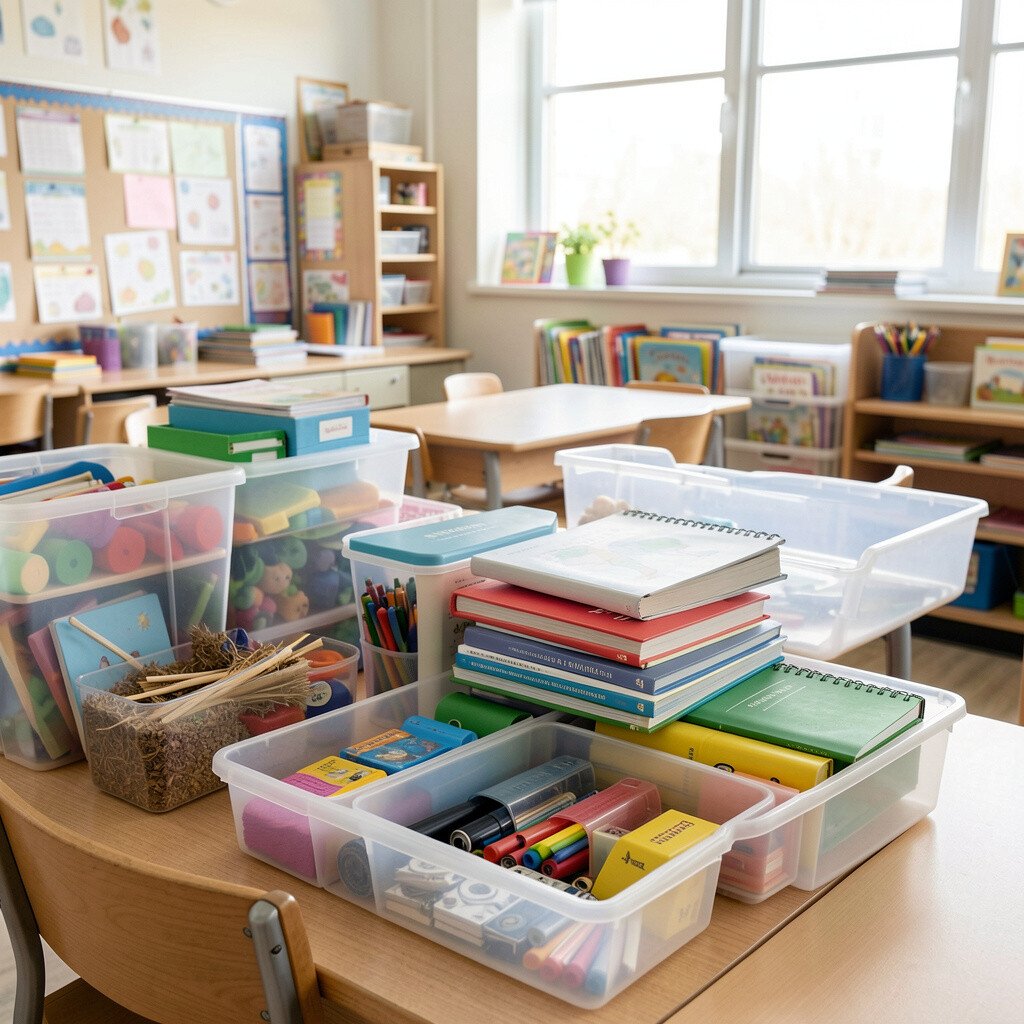
If supplies are hard to find, even the best theme starts to wobble. Students need clear places for everything, and storage should match the theme so it feels intuitive.
Label bins with symbols and simple words, and group items by how they are used. When students grab supplies smoothly, you save time and protect focus.
Keep daily-use items within easy reach and store bulk items higher up or in closets. A practical room design makes themed decor feel intentional instead of cluttered.
You can even theme the storage, like creating “planet” containers for writing tools. Just make sure every container is sturdy enough for repeated handling.
9. Keep Cost in Mind With Smart Priorities
Keep Cost in Mind With Smart Priorities
Creating a theme can be budget-friendly if you focus on high-impact areas first. Start with printables or simple craft materials that you can reuse across years.
Wall space is great, but you can also spend money on durable bins, folders, and labels since these get daily use. Those choices often give the biggest payoff per dollar.
Look for sales, use coupons, and shop secondhand for frames, fabric, and baskets. Sometimes a single thrifted frame can become a “museum” display that supports your entire theme.
If you want a more playful look without overspending, print small posters at home and use them alongside student-created art. DIY work feels unique, and it lowers the pressure to buy everything at once.
10. Follow Current Trends Without Copying Everything
Follow Current Trends Without Copying Everything
Right now, many classrooms lean toward themes that feel modern and calm instead of loud and crowded. You’ll see lots of neutral backgrounds, warm accents, and clean typography.
Student-led displays are also a big trend, with rotating galleries and “work in progress” boards. This keeps the room current and gives students a reason to care about quality.
Another trend is interactive routines using pockets, decision cards, and visual schedules. Themes fit well when the visuals help students choose next steps quickly.
You can keep trends in mind while still making the room yours. Use one or two popular ideas and adapt them to your grade level, language needs, and classroom culture.
11. Make Routines Part of the Theme
Make Routines Part of the Theme
A theme becomes real when it shapes how students act, not just how the room looks. If you want calm focus, build routines that match that feeling every day.
For a “library adventure” theme, you can teach a silent reading signal and reinforce it with visual cues. For a “travel team” theme, you can use passports for tracking skill goals and celebrate growth.
Routines can also be social and kind, like using theme-based “encouragement notes” during group work. When students know exactly what kind of support they should give, discussion gets better.
12. Test Your Theme Before You Commit Fully
Test Your Theme Before You Commit Fully
Try a mini version of your theme before you invest serious time or money. Use a small area, like one wall or one set of bins, and see how students respond.
Pay attention to attention span, confusion points, and cleanup speed. If something is too busy or too hard to read, adjust it before expanding.
This kind of trial also helps you find what feels joyful. When students ask questions about your visuals or point out their favorite details, you’ll know you’ve chosen something that sticks.
You can even run a “design week” where students vote on which posters stay. That makes the theme feel like it belongs to them from the start.
13. Keep the Theme Unique by Using Your Own Story
Keep the Theme Unique by Using Your Own Story
Your classroom theme should have fingerprints of you. Think about the stories you love, the hobbies you have, or the places that shaped your imagination.
Maybe you grew up near the ocean and want a “coastal classroom” with wave patterns and seashell-inspired labels. Or maybe you love building things and want a “workshop” theme with tool icons and sturdy display boards.
Uniqueness grows when you mix styles, like adding a science mindset to a favorite fairy tale. Add personal touches such as a class timeline inspired by your community or a “community map” of student stories.
Once you build a theme that feels like your voice, it becomes easier to maintain. That’s the real secret to an inspiring space that lasts, even when schedules change.