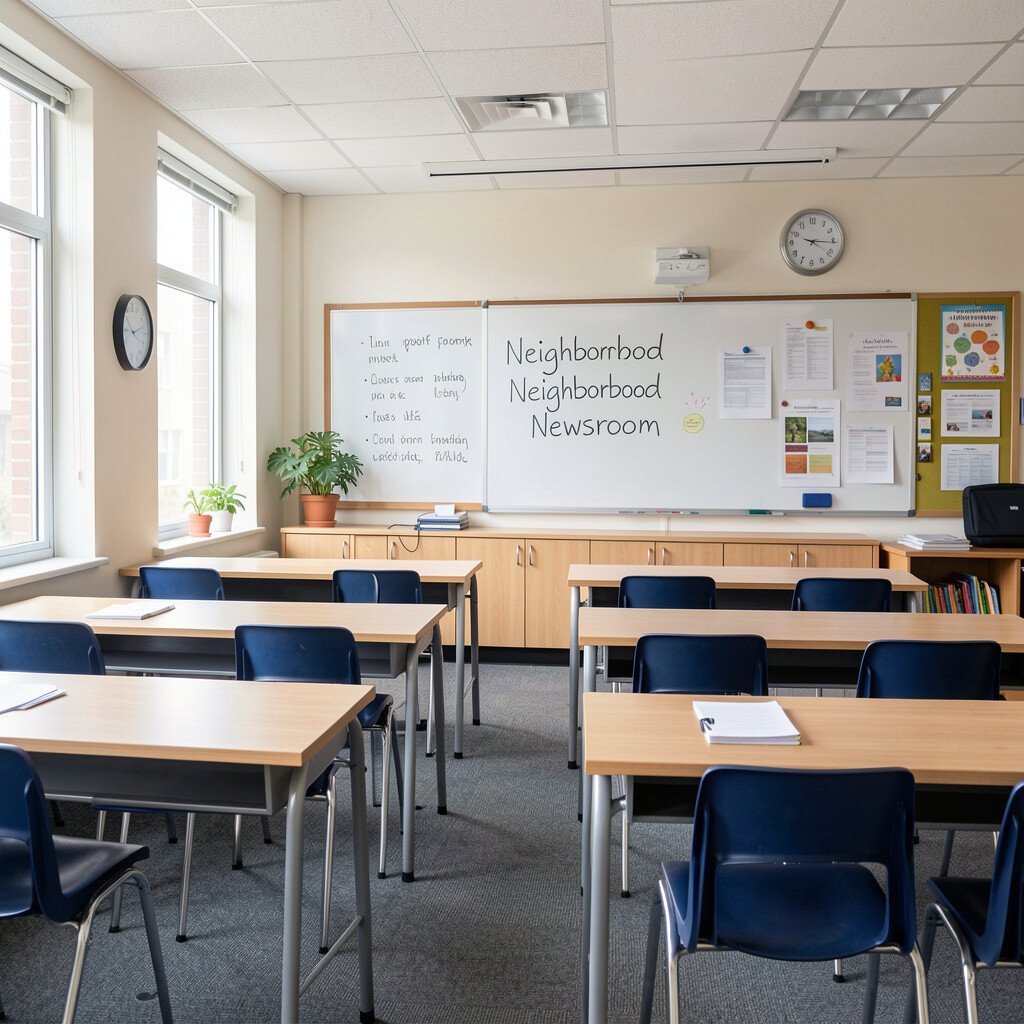
Turn your classroom into a friendly newsroom where everyone has a role. Students can “report” what they learn using sticky notes, short recordings, or quick drawings.
Use desk signs that look like job cards, such as “Editor,” “Fact Checker,” or “Timekeeper,” and assign roles for small groups. For visual impact, hang a big bulletin board that resembles a news desk, with headlines that match current topics. Keep transitions smooth by having a two-minute “broadcast countdown” and a clear place for materials to go when the segment ends.
2. The Space Station Crew
The Space Station Crew
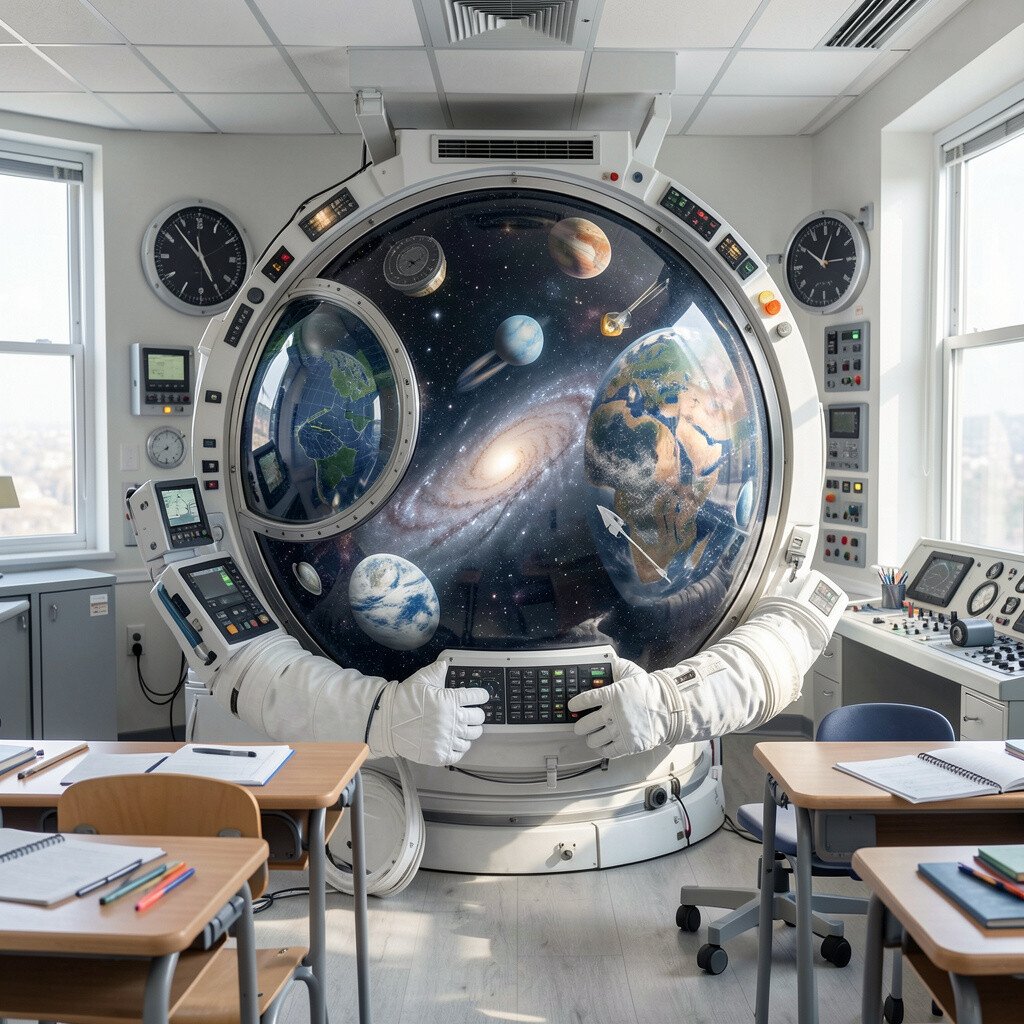
Make the classroom feel like a calm space station where everyone follows safety procedures. Posters can show “mission steps” for entering, working, and cleaning up, with simple pictures and arrows.
For a uniqueness boost, label storage bins with planets, moons, and spacecraft parts, like “Fuel,” “Tools,” and “Landing Zone.” Students earn “mission points” for teamwork and respectful talk, then trade them for small choices like who leads the warm-up. During group work, use a “radio check” routine where students show with hand signals that they are ready for help. Keep costs low by printing images, using colored paper, and repurposing cardboard for station signs.
To personalize, let students name their crew and vote on the next “mission,” such as designing a poster for the week’s goal. Current trends fit here too, because many classrooms are using tech-friendly stations, like QR codes that link to directions or practice sets. If you have limited devices, use print-based stations with the same layout idea.
3. The Cozy Book Café
The Cozy Book Café
Set a warm tone like a neighborhood café where students feel comfortable sharing ideas. Use soft colors, book stacks by reading level, and a small “menu” board that lists today’s learning options.
Visual reminders help students manage themselves, so create a “How We Order” chart showing what students do when they need help, materials, or a new page. Let students practice respectful volume by using “indoor whisper” rules during silent reading. For practical tips, place sentence frames on the table tents so students can ask for clarification without blurting.
Personalization makes it feel theirs, so invite students to design menu items for projects, like “Plot Power,” “Character Specials,” or “Vocabulary Latte.” To manage cost, use paper menus, real book covers, and simple string lights instead of expensive décor. When you rotate themes inside the café, you can match seasons and units without rebuilding everything.
When students see familiar patterns, transitions get smoother, and your room stays busy in a good way.
4. The Sports Playbook
The Sports Playbook
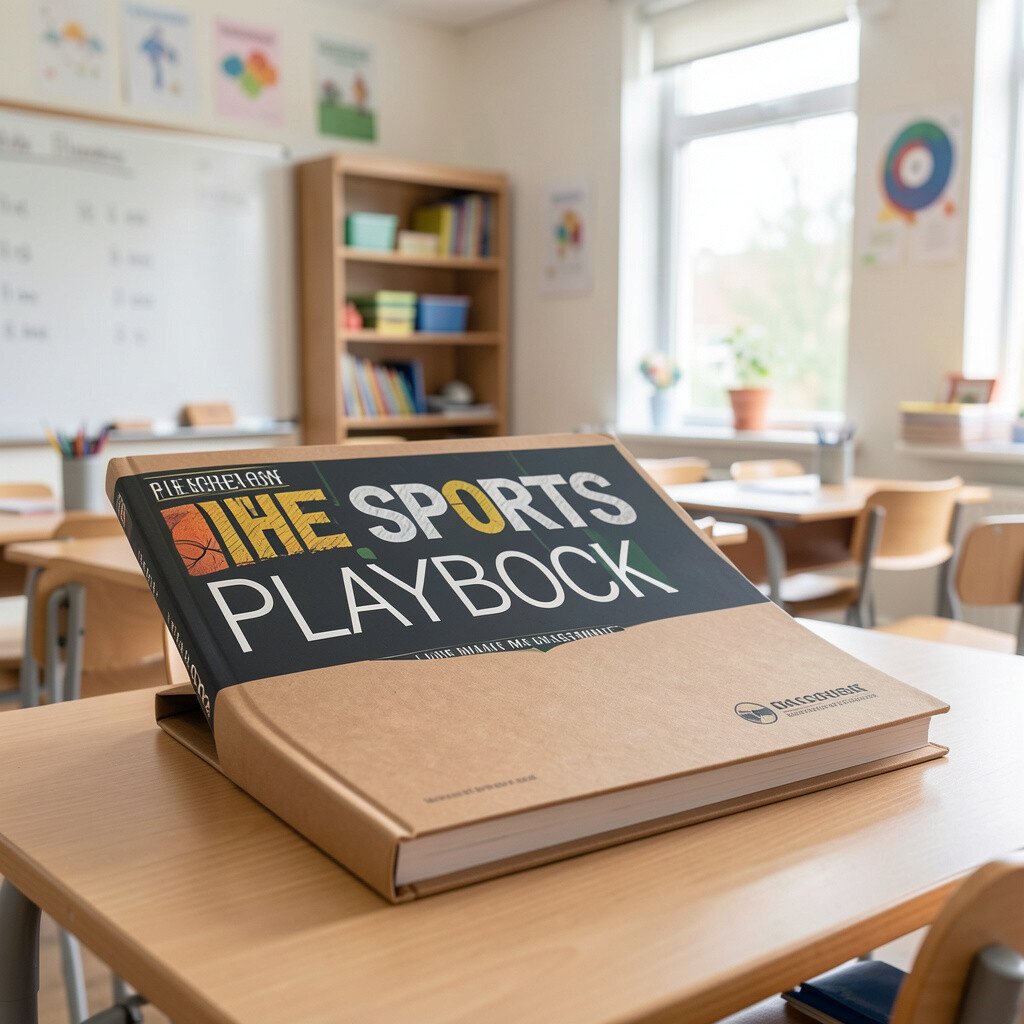
Bring energy and structure with a sports playbook theme that turns routines into team strategies. Create a wall of “plays” that show step-by-step actions for starting work, requesting help, and packing up.
Students love roles, so assign “captain,” “coach,” and “statkeeper” for each day. For a visual feel, use mini whiteboards or poster paper with bold headings and icons that look like field markings. Keep behavior steady by using quick whistle cues for attention and a “timeout practice” card for when students need to reset.
5. The Underwater Discovery Garden
The Underwater Discovery Garden
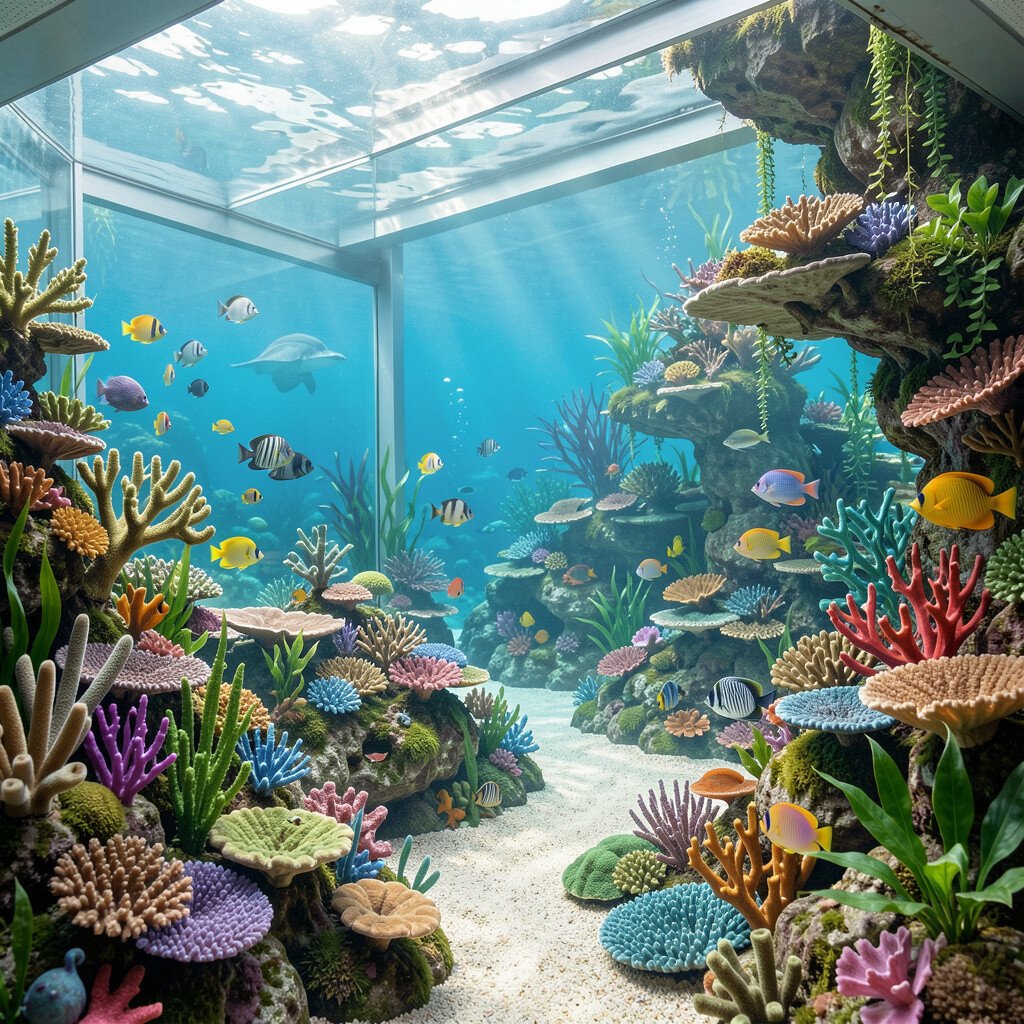
Imagine your classroom as a calm aquarium where learning feels safe and curious. Use blue paper, bubbles cut from foam or white paper, and plant-like decorations that frame your learning zones.
To support classroom management, set up a “current of work” system where students move through tasks in order using color-coded steps. Visual schedules with small fish icons can show what comes next, which reduces confusion and off-task wandering. During discussions, try a “splash of ideas” routine where only one group shares at a time while others track points on a class chart.
Personalization can be simple, like letting students choose a creature name for their notebook folder. Cost considerations stay friendly by using inexpensive craft supplies and reusing old paper for bubble art. This theme also matches current trends in wellness and sensory-friendly learning, since many teachers are designing calmer spaces to reduce stress.
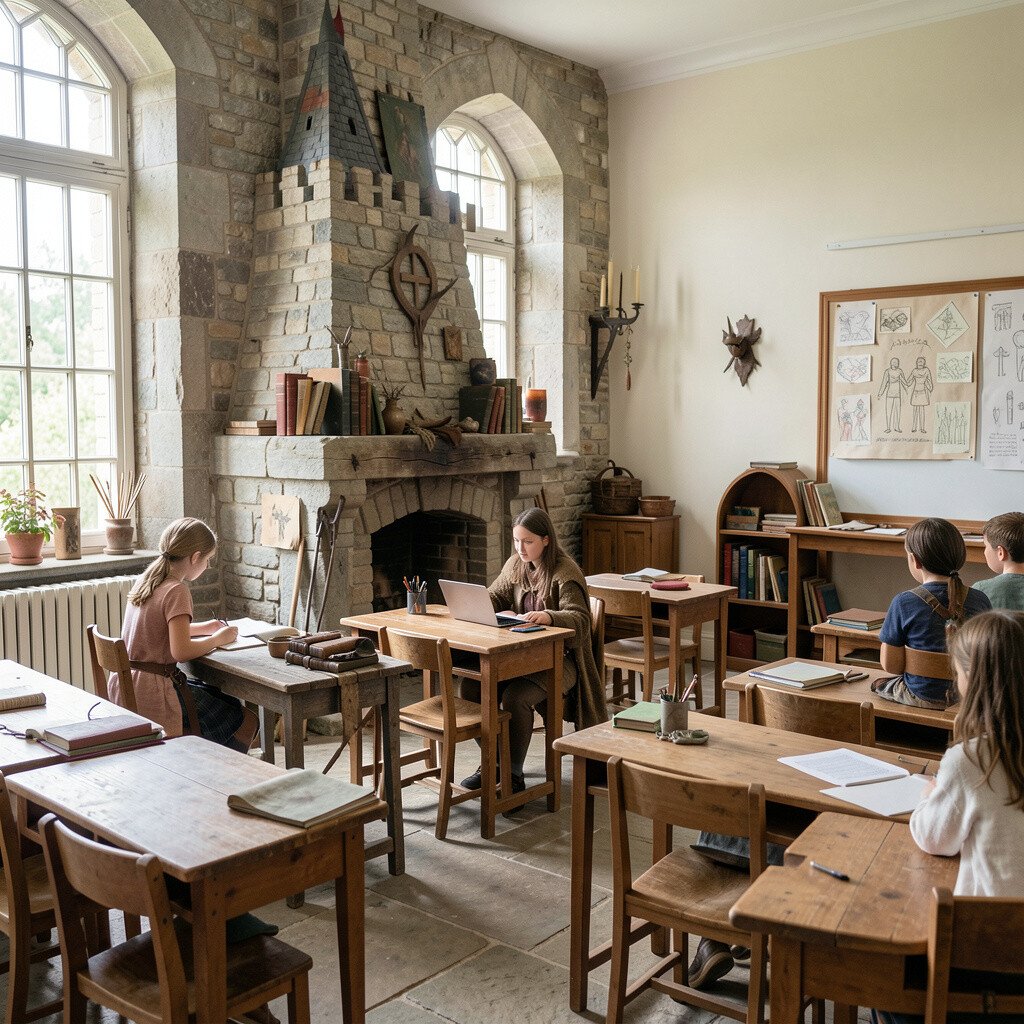
6. The Medieval Castle Workshop
The Medieval Castle Workshop
Make learning feel like a hands-on mission inside a castle where rules protect the quest. Use a large “castle map” on the wall with stations labeled for reading, writing, and problem solving.
For visual description, hang a “courtyard” poster made of butcher paper where students place work like scrolls. Classroom management becomes easier when each station has clear expectations and a “knight’s check” sign that reminds students to read directions before asking. Give students practical tips by modeling how to request help with a card that says what they tried and where they got stuck, even if it’s just a scribble picture.
Uniqueness comes from using themed vocabulary like “spell” for a strategy students practice, such as using context clues. Cost can stay low because you can print simple medieval silhouettes and use brown paper for scrolls. Personalization ideas include letting students build their own “quest” from a menu of tasks, then track progress on a map they help create.
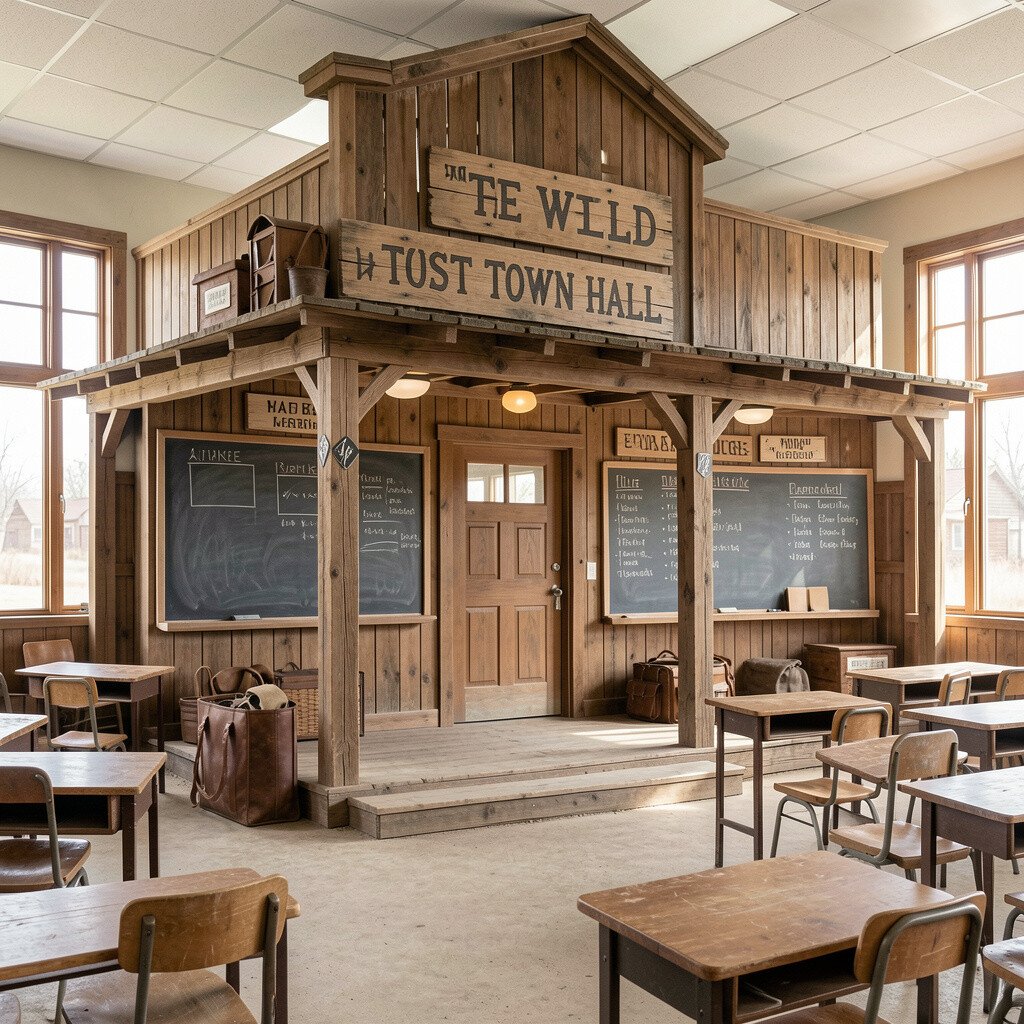
7. The Wild West Town Hall
The Wild West Town Hall
Turn your room into a lively town where good manners keep the peace. Use a “town schedule” board that looks like a saloon sign, with clear times for lessons, practice, and cleanup.
Set up an easy consequence system with the theme built in, like a “sheriff’s reset” corner where students can take a breath and try again. For practical tips, use a call-and-response phrase for transitions, such as a quick class chant that signals when to stop and look. Visuals matter, so add cowboy hat icons next to classroom rules and keep them consistent throughout the year.
To personalize, let students earn “town jobs” like “Mail Carrier” for delivering papers or “Ranch Hand” for passing materials. Cost considerations include using cardstock, markers, and free printables for posters. This theme feels timely because many schools now use restorative practices, and the “reset” corner helps students repair their choices with calm support.
Students get excited to return to learning when the routine is predictable and fun.
8. The Art Studio Atelier
The Art Studio Atelier
Create an art studio where students manage materials like artists preparing a canvas. Show where supplies live with label cards and pictures, and teach students to “check the palette” before starting.
For visual description, hang a “gallery wall” with student work at eye level and rotate pieces weekly. Management improves because students know exactly where to put finished work, how to clean tools, and what to do if something spills. Use a gentle “quiet hands, listening ears” signal to control noise during teacher directions.
Uniqueness shines when you connect classroom jobs to creativity, such as “Curator” for organizing books or “Studio Guide” for leading a routine. Personalization ideas include letting students choose their own folder color, then naming it with a short student slogan. Keep costs low by using paper-based supplies and thrifted frames or binder clips to display work.
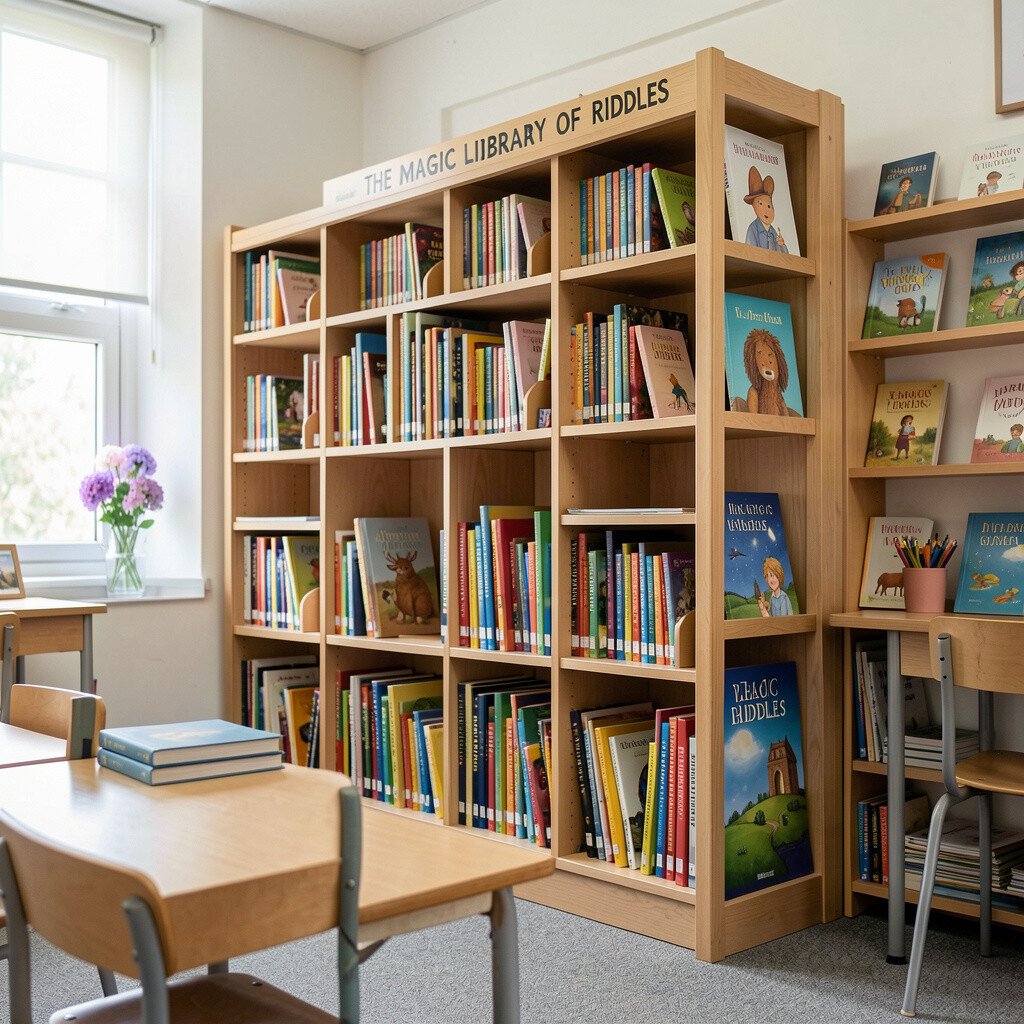
9. The Magic Library of Riddles
The Magic Library of Riddles
Give your classroom a storybook feel where directions feel like spells that help students succeed. Create a “riddle door” banner and use it as the cue for morning tasks, transitions, and homework reminders.
To manage behavior, use a “wand” system in a safe, simple way by handing a pointer to the student who is sharing or answering. Visual supports work well here, so create cards that show how to start a question, how to ask for help, and how to show understanding during seatwork. Practical tips include posting a short checklist for independent work that students can reuse across subjects.
Personalization can be built in by allowing students to write a tiny “spell” for a strategy they practiced, like a mnemonic for vocabulary. Cost considerations are gentle because most materials are printable and you can use paper, glue, and markers. This theme fits current trends in engagement, since many classrooms are leaning into playful literacy and interactive prompts.
When students feel like they are part of an ongoing story, attention tends to hold longer.
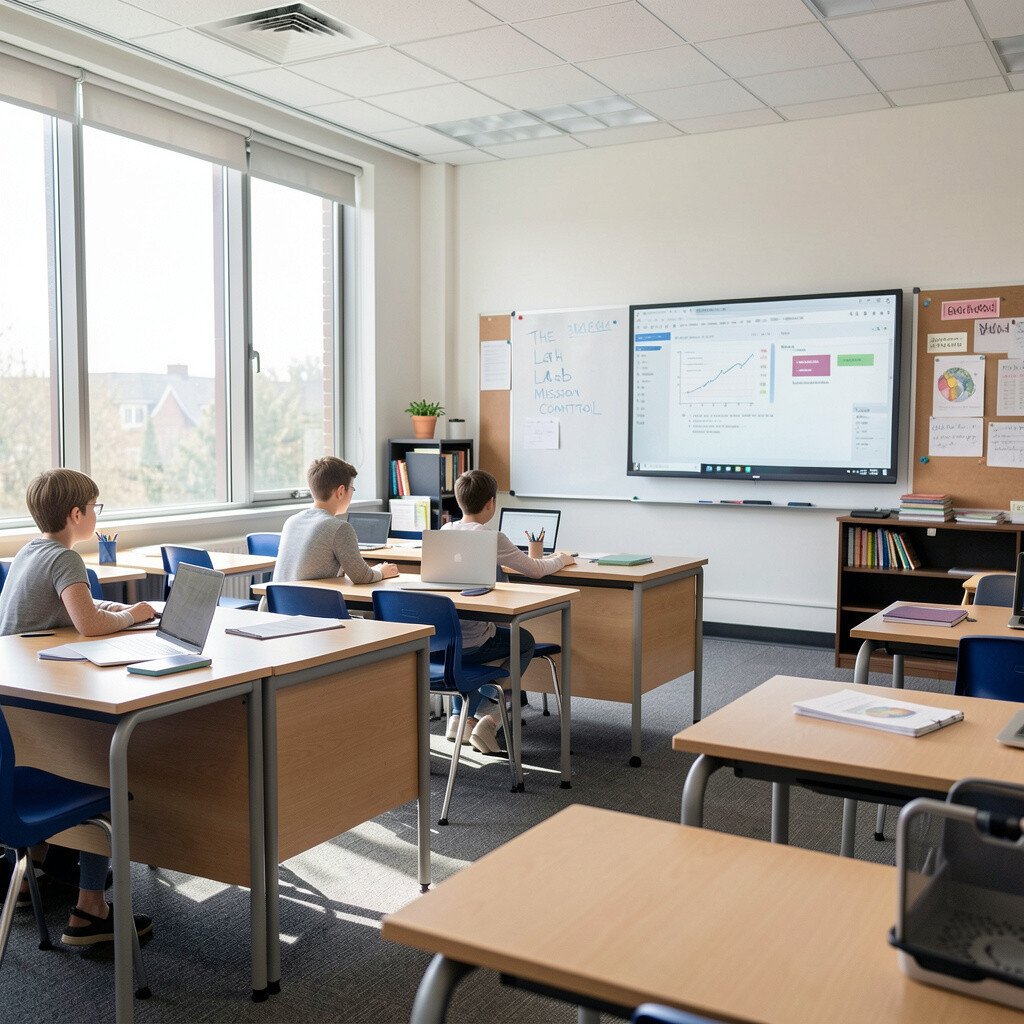
10. The Tech Lab Mission Control
The Tech Lab Mission Control
Turn your room into mission control where learning routines feel like hands-on engineering. Set up “launch pads” for each subject with clearly labeled bins, charging stations, or notebook areas.
Visual description helps a lot, so display a simple “status bar” chart that shows when students are ready, working, or finishing. Practical tips include using quick timers with visible progress, plus clear steps for submitting work so you’re not hunting for papers. Management improves when students know the workflow, so errors become normal and part of learning instead of a problem.
To keep it unique, assign roles like “System Checker” and “Signal Helper,” rotating them so everyone gets a turn. For personalization, let students decorate their device covers or folders with symbols that match their strengths. Cost considerations include reusing old device boxes for stations and printing labels in bulk, which is usually far cheaper than buying new décor.
11. The Carnival of Learning Games
The Carnival of Learning Games
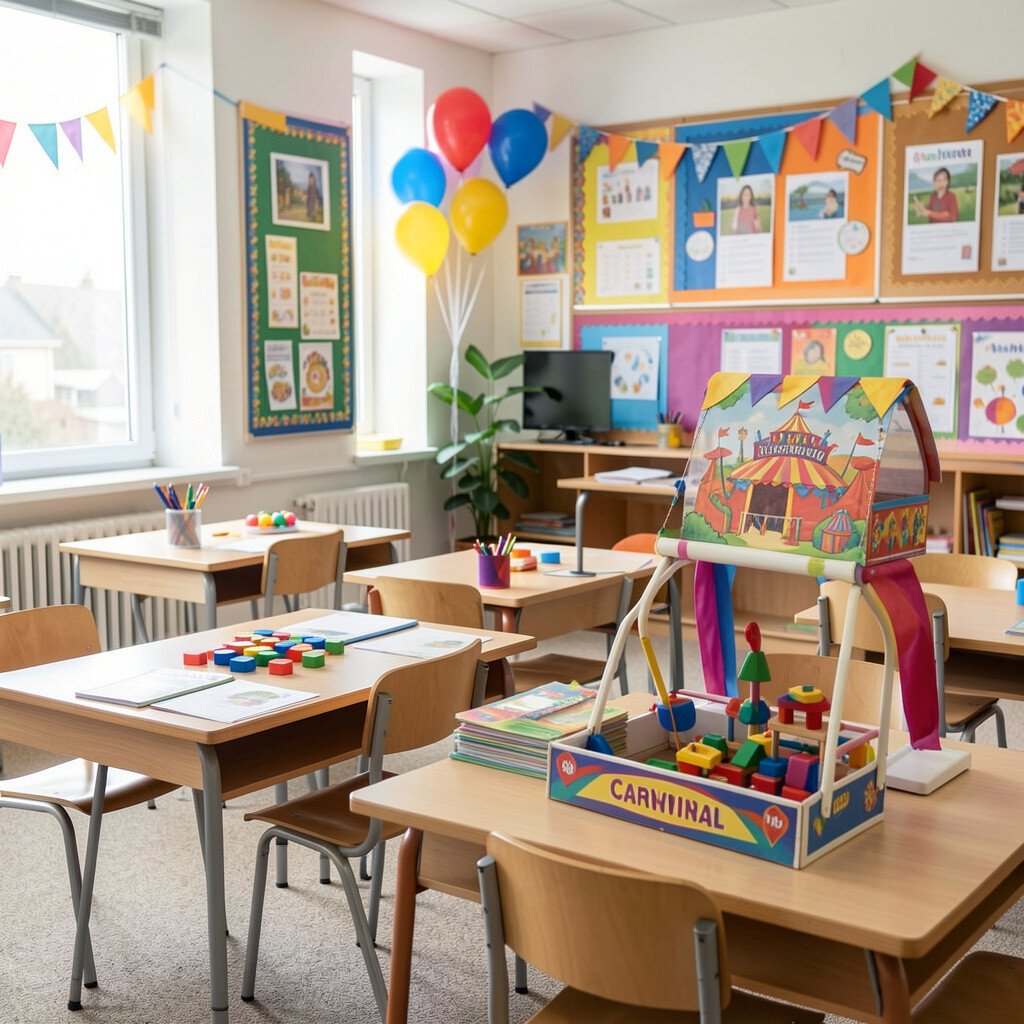
Bring joy with a carnival theme where each subject is a booth that students can “earn” through effort. Use colorful signs for each station and store materials in matching buckets for fast setup.
For classroom management, build routines around game rules, such as waiting your turn, using kind words, and cleaning your station before moving on. Visuals can include a “ticket” system where students collect a token for positive behaviors and academic choices. Practical tips include using a clear “line and look” cue for attention and a timer that signals when to rotate booths.
Uniqueness comes from letting students design one booth per month, turning their interests into activities. Personalization ideas might include choosing game-style rewards, like selecting a partner or picking a reading spot. Cost stays manageable by using paper tickets, homemade prizes like bookmarks, and repurposed boxes for props.
This theme also fits current trends in gamified learning, as long as you keep the focus on growth, not only winning.
12. The Nature Trail and Campfire
The Nature Trail and Campfire
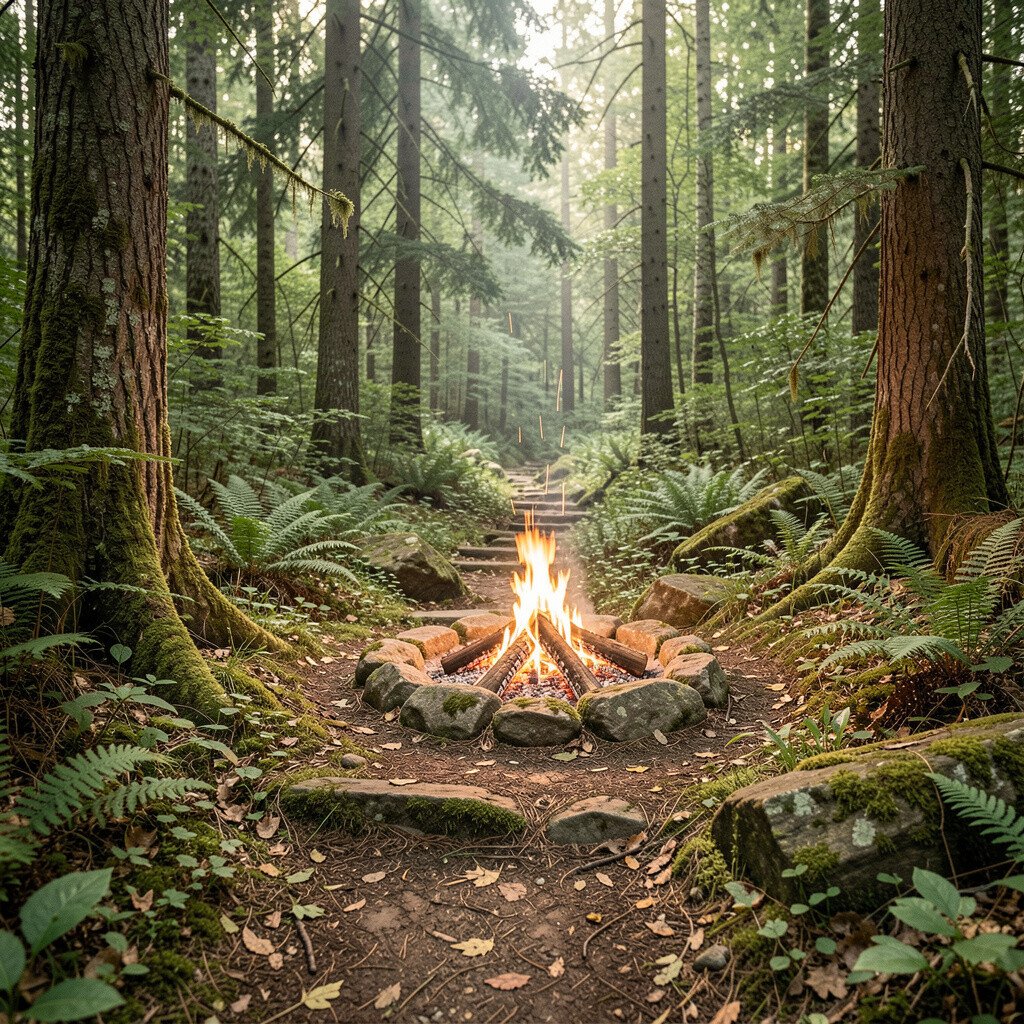
Make your classroom feel like a gentle nature walk where calm routines keep everyone grounded. Use earthy colors, leaf-shaped cutouts, and a “trail map” schedule that shows the day’s route.
To support behavior, create a “campfire circle” area for discussions, with clear seating expectations and a simple talk rule like one voice at a time. Practical tips include teaching students to use a “trail problem” card when they need help, so you can respond while others keep working. Visual description helps too, so place signs near the door showing how to enter quietly and get started right away.
Personalization can be simple, like letting students choose a nature name for their notebook or create a small “habitat” zone for their supplies. Cost considerations are low since you can use paper leaves, recycled cardboard, and natural colors without buying much. This theme matches current interest in social-emotional learning, because the campfire circle and reset moments encourage respectful emotions.
13. The Detective Agency Case Files
The Detective Agency Case Files
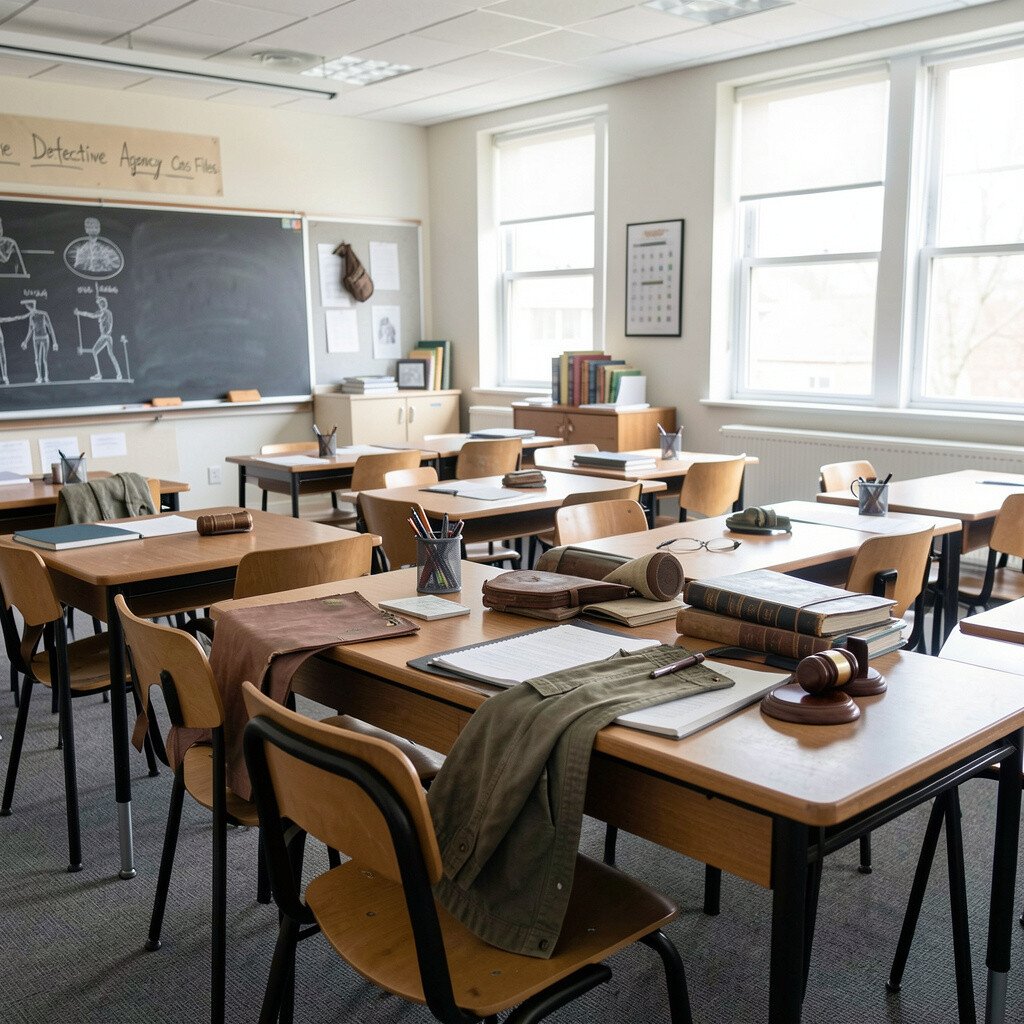
Set up a classroom where curiosity is the superpower and behavior supports teamwork. Use a detective file wall where students store work samples and track progress like evidence collected over time.
For visual description, create case folders for each topic with tabs, photos of clues, and a simple “question to investigate” statement students can refer to during lessons. Classroom management gets easier when you teach a consistent workflow for staying on task, like reading the clue card, doing the work, then submitting the final answer as evidence. Practical tips include using a “case note” page where students write what they tried, what happened, and what they’ll do next.
Uniqueness comes from personal case labels, like students choosing a detective name and designing their folder cover. Cost considerations are friendly because you can print files, cut paper labels, and use inexpensive folders. This theme stays current because many classrooms use inquiry-based learning, and detectives are a natural fit for asking questions and using evidence in discussions.
When students see each task as part of a bigger story, you’ll notice fewer power struggles and more thoughtful effort.