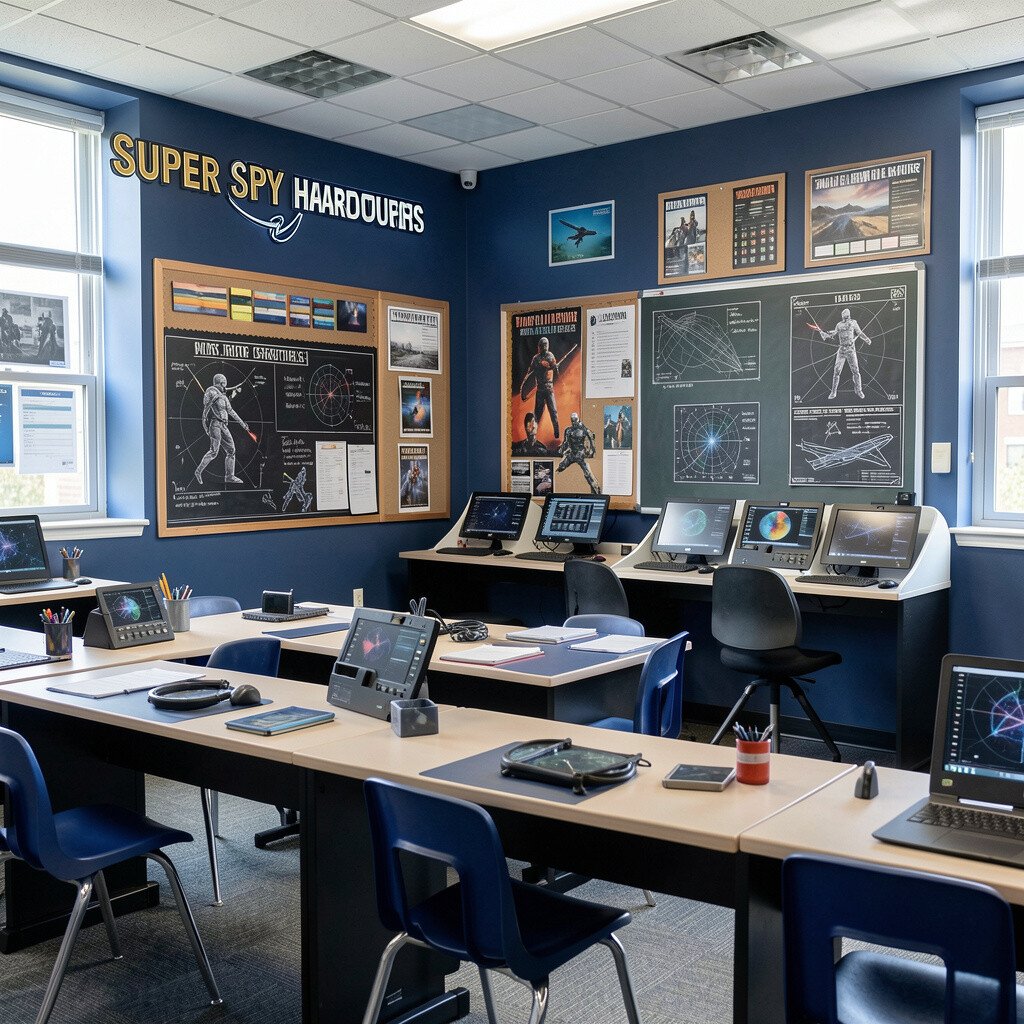
In your mind, you can almost hear buzzing gadgets and see secret folders on a corkboard. Students love writing “classified” notes and solving short clues tied to lessons.
Set up a “headquarters” corner with a desk lamp, a file organizer, and a simple code wheel made from cardboard. Use QR cards that point to kid-friendly videos, vocab practice, or reading passages so students can “unlock” answers. Try a spy log where learners track observations during experiments or reading, then share one clue that supports their thinking.
2. Underwater Wonder Cove
Underwater Wonder Cove
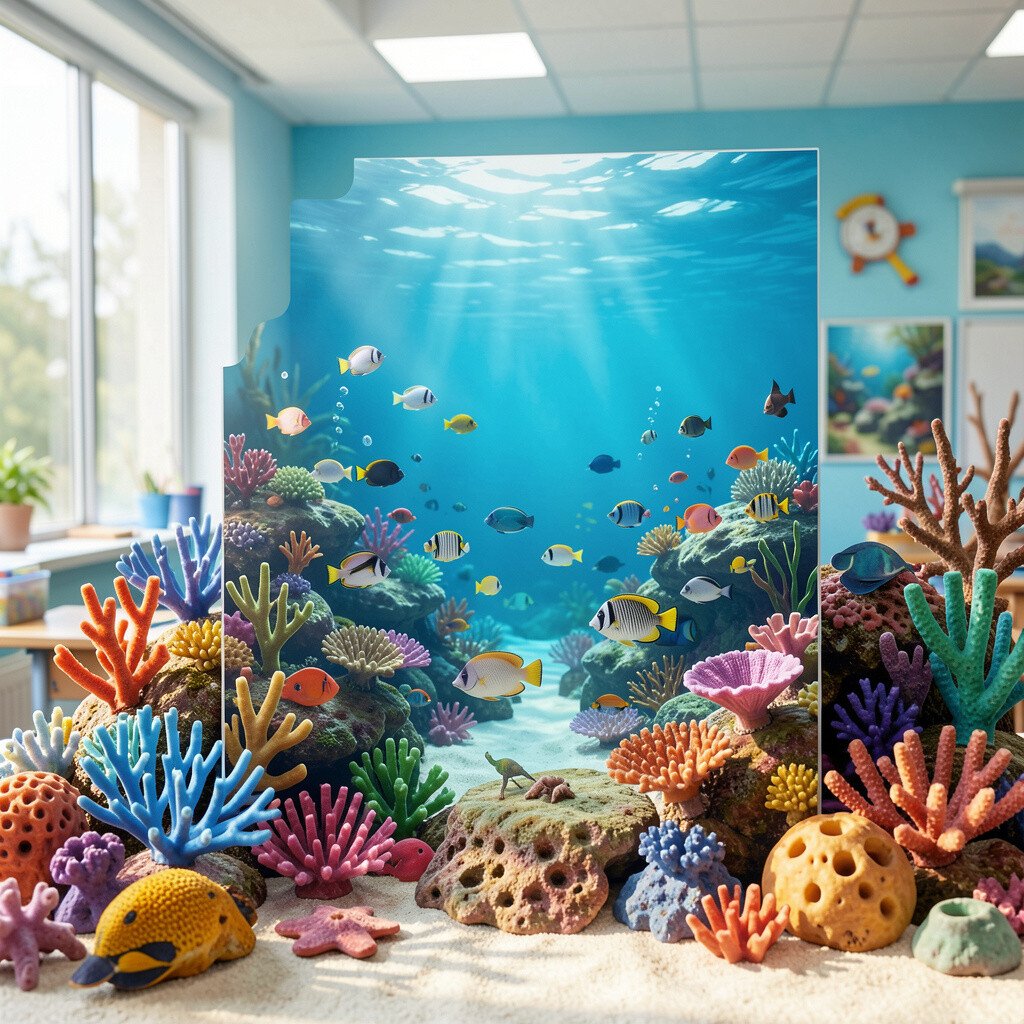
Imagine a dim, blue classroom glow with paper waves curling across bulletin boards. Students feel curious when everything from math practice to science notes has a sea-story vibe.
Hang laminated “reef signs” that mark learning stations, such as sea sorting for word study or coral counting for number work. Use free printable ocean images for writing prompts, then invite students to draw their own creatures to personalize character traits and story settings. Pair lessons with short audio clips of waves and ocean animal sounds to set a calm, focused mood.
For cost, you can skip expensive decor by using blue construction paper, tissue paper streamers, and classroom-safe tape. Students can build “tide charts” with string and clothespins to show progress goals, making growth visible without any fancy tools.
3. Space Station Mission Control
Space Station Mission Control
The classroom turns into a place where students point, predict, and celebrate discoveries. Star charts, planet flashcards, and orbit timelines can make even routine practice feel like a mission.
Create a “mission board” on the wall with weekly goals written like flight plans, plus a slot for team roles. Use interactive resources such as simulation websites for science, then add a simple reflection sheet where students explain what they predicted and what they noticed. For a hands-on twist, use classroom timers labeled “launch,” “experiment,” and “check results,” so pacing feels like spaceflight.
To personalize, let students name their teams after favorite planets and design small “mission patches” from paper shapes. You can keep costs low by using marker drawings and reusing old cereal boxes for control panels.
When you add current trends, consider using student-made short videos where they describe a concept as if they are on a live broadcast. That keeps engagement high and builds confidence in speaking.
4. Medieval Castle and Knights
Medieval Castle and Knights
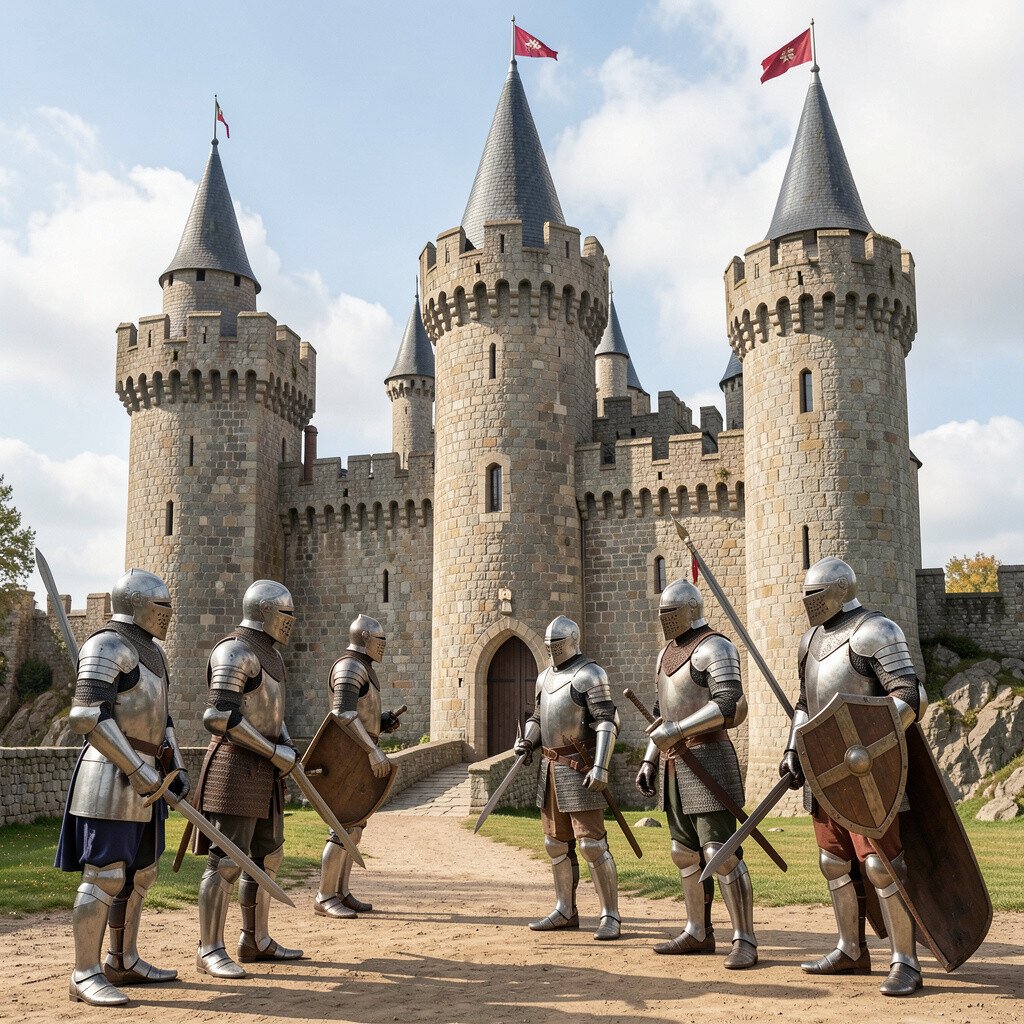
Stone-like borders and dragon doodles can make literacy feel like a real story world. Students enjoy the challenge of quests that require reading, writing, and reasoning.
Use a “castle wall” bulletin board where each student adds a “banner” that shows a completed skill, such as a strong thesis sentence or a solved fraction riddle. Add a “knight’s code” card with classroom expectations written in kid-friendly language, then reinforce it during discussions. For a practical resource, use printable role cards for group work so students rotate through builder, reader, checker, and reporter.
5. City Builders and Community Helpers
City Builders and Community Helpers
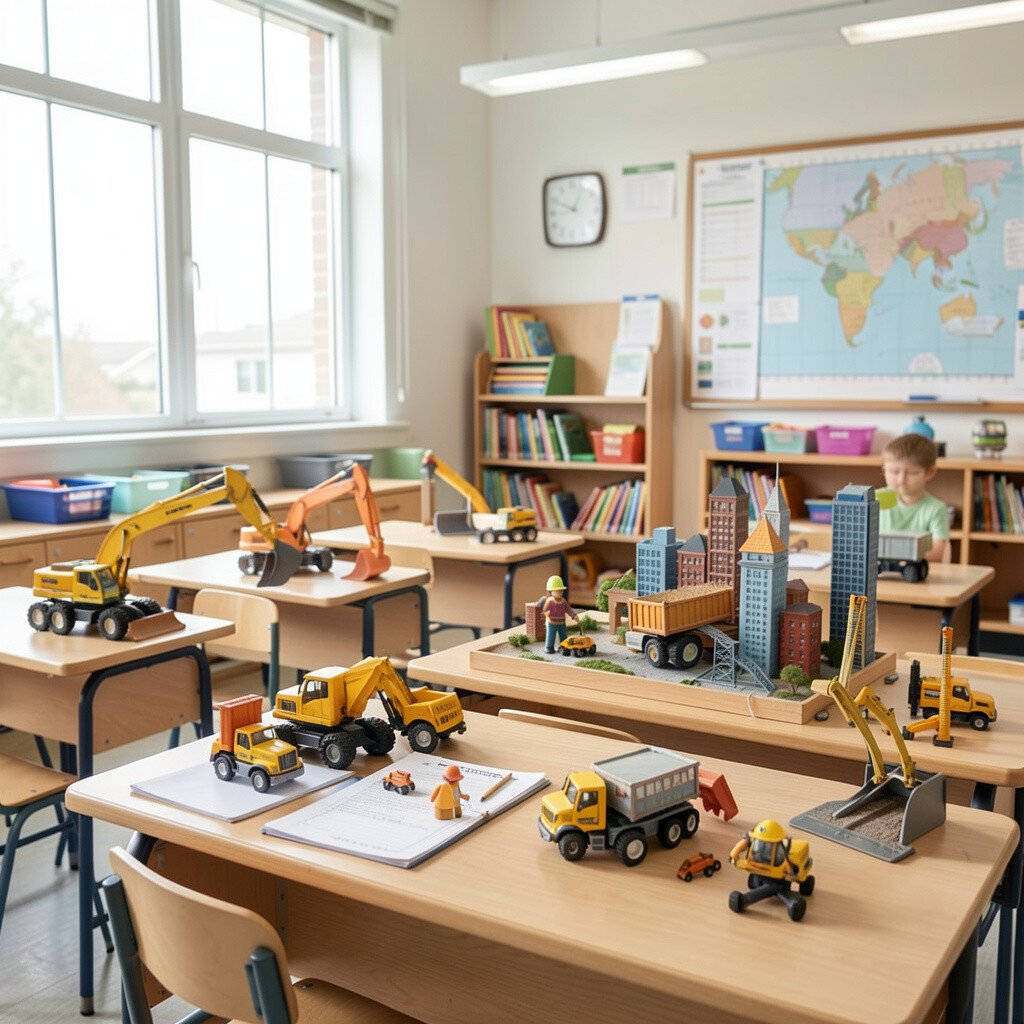
When posters show streets, buildings, and tiny landmarks, students start thinking about how systems work. This theme fits well for math, social studies, and writing because communities need plans.
Set up a “mini city” with shoe boxes or cardboard blocks labeled by purpose, then connect each building to a skill. For example, the library box can hold reading logs, the bakery box can connect to story problems, and the park box can collect journaling prompts. Students can create “service maps” that show where they used evidence from texts to solve a question.
To keep it doable on a budget, use reused packaging, paper scraps, and simple markers. Personalize by letting students choose a city role for the week, like Mayor, Architect, Reporter, or Artist, and then match their weekly tasks to that role.
For current trends, try “project-based mini sprints,” where groups tackle one community problem and present a short plan using photos or drawings.
6. Beach Day Science Lab
Beach Day Science Lab
Bright sand colors and shell-shaped labels instantly bring a lighter mood to tough concepts. Students remember lessons better when the visuals feel like a fun place, not just a worksheet.
Use shell stickers or cutouts to mark stations for inquiry activities, such as observing, measuring, and recording. Add a “tide timer” to signal transitions, then keep materials in clear bins labeled with icons, like a wave for lab tools. For practical tips, create a student-friendly data page with boxes for prediction, evidence, and conclusion so they practice scientific writing without stress.
Personalize by letting students choose a “sea challenge” for their journal, such as describing how density works using examples from sinking and floating. If you want cost control, build visuals from craft foam or print out sea-themed icons, then reuse them across multiple units.
7. Detective Case Files for Reading and Writing
Detective Case Files for Reading and Writing
Think of a wall of hanging folders, each one stamped like a real case file. Students become more confident when they learn to gather evidence like detectives.
Provide graphic organizers shaped like evidence cards so students pull quotes, details, and reasoning from texts. Use interactive resources, such as online story maps, then follow up with students creating a paper version that includes character clues and theme clues. Let them role-play as investigators who must solve a “case” question using textual proof and a clear explanation.
To personalize, allow students to choose a detective style, like puzzle solver, logic thinker, or calm observer, and then tailor their writing goals to that role. Keep it affordable by printing black-and-white case forms and letting students color them for ownership.
Pair this theme with a trend toward evidence-based writing by emphasizing claim plus evidence plus reasoning in short, repeated practice cycles.
8. Carnival of Colors and Art Studio
Carnival of Colors and Art Studio
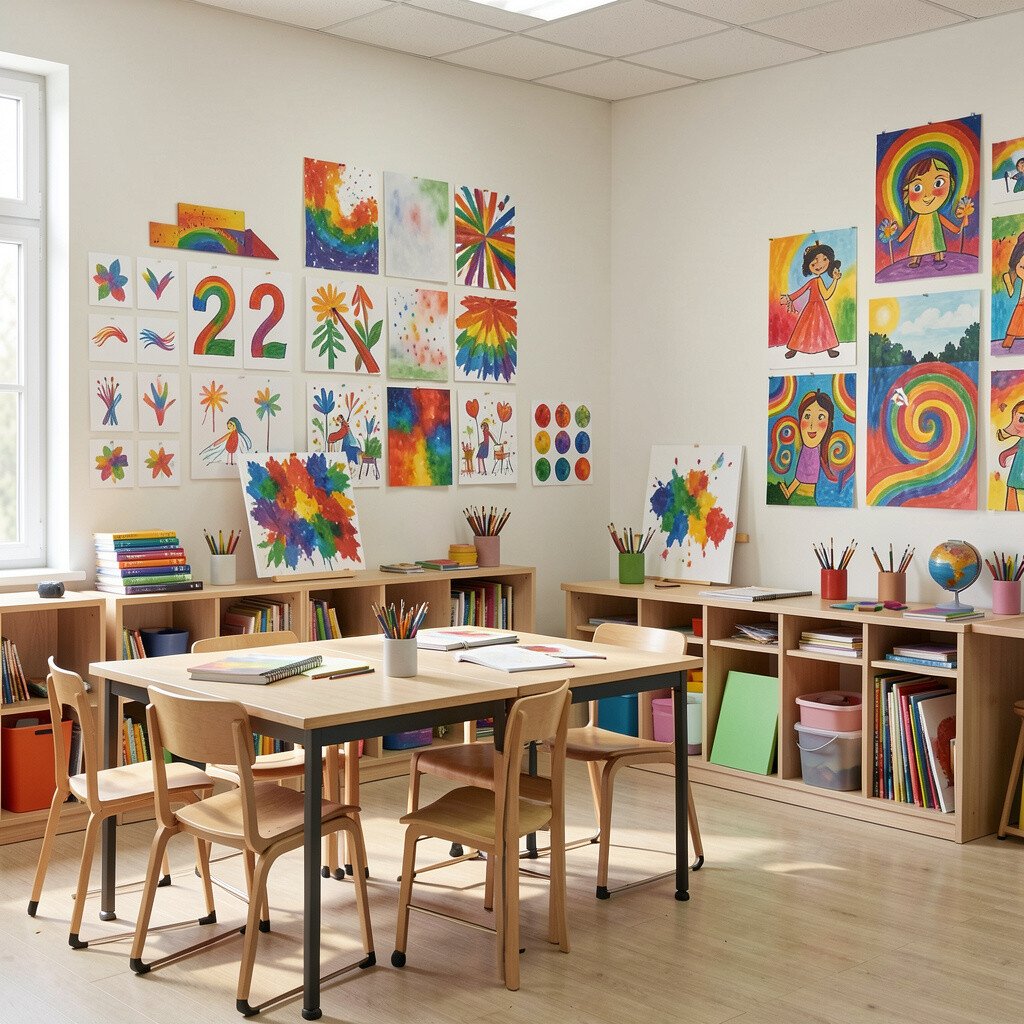
Paper streamers and paint-splatter borders can turn a learning space into an art festival. This theme helps students practice creativity while building strong skills in observation and description.
Create a “color wheel gallery” where students display finished work alongside a short note about the color choices they used. Use art prompts that connect to the curriculum, like describing a character’s mood using color adjectives or counting patterns in repeating designs. Practical resources include free online drawing guides and printable templates for shapes, which you can adapt to different skill levels.
9. Jungle Expedition and Animal Adaptations
Jungle Expedition and Animal Adaptations
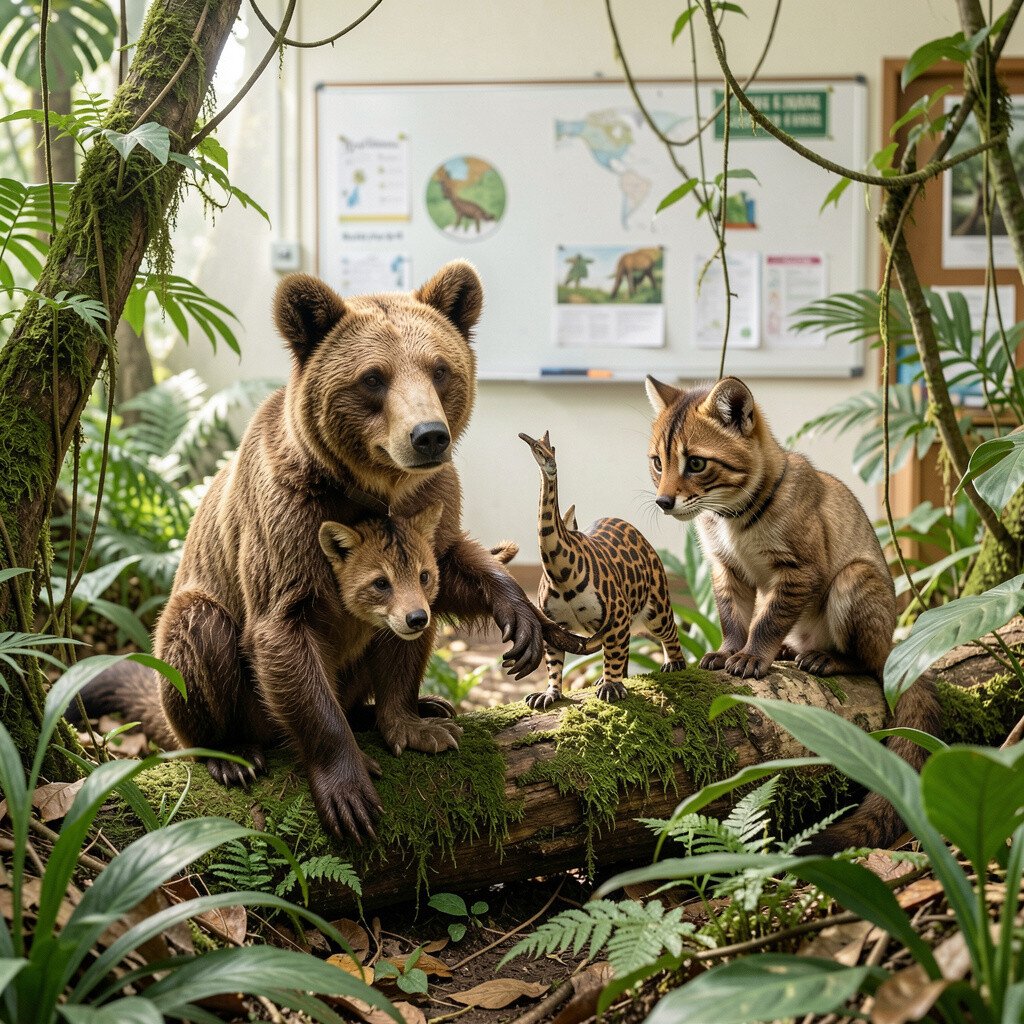
Leaves, vines, and friendly animal posters can make science and literacy feel adventurous. Students enjoy comparing facts when the room looks like a safe expedition spot.
Set up an “expedition notebook” with section tabs for vocabulary, observation notes, and reflection questions. Use scavenger hunts where students find examples of cause and effect in short passages, then attach them to leaf cutouts. Personalize by letting students choose a “trail role” for group work, like tracker, photographer, or storyteller, and then assign tasks that match each role.
For cost considerations, print low-cost animal images and laminate them if possible, but paper is fine for short-term use. Add uniqueness by having students create their own fictional animals with real adaptations they research or invent using class notes.
To match current trends, use short student videos or voice recordings for presentations, since many learners enjoy sharing how they think in their own words.
10. Ancient Egypt Museum Day
Ancient Egypt Museum Day
Gold-colored frames and pyramid-shaped signs can make the classroom feel like a museum. Students love handling “artifacts” because it turns learning into something they can touch and talk about.
Use replica artifact cards made from cardstock where each card holds a question, a fact, or a reading challenge. Let students rotate through “galleries” that connect to your unit, such as mapping skills for history or persuasive writing using artifact descriptions. Add a simple scavenger checklist so they know what evidence to collect for their final written response.
Personalize by giving students choices for their “exhibit labels,” where they write a short explanation that matches their reading level. For budget, use recycled boxes for display cases and print black-and-white images to color together.
11. Cozy Reading Nook and Story World
Cozy Reading Nook and Story World
A soft rug, warm lamps, and pillow piles can help students settle into reading mode quickly. When the space feels inviting, students spend more time practicing fluency and comprehension.
Build a reading path on the wall with small steps, each one representing a reading goal like summarizing, asking questions, or noticing story structure. Use audio reading resources and short interactive story choices so students can practice while staying engaged. Add practical tip pages for families and students that explain how to choose a “just right” book using quick self-check questions.
For personalization, let students create a “book passport” where they stamp genres they enjoy and set a personal next goal for each week. Keep costs low by using thrifted items, blankets, and craft paper for bookmarks and sign displays.
Current classroom trends often favor student choice, so include a menu of reading options tied to the same skill, like plot retelling or vocabulary practice.
12. Medieval Math Tournament and Strategy Games
Medieval Math Tournament and Strategy Games
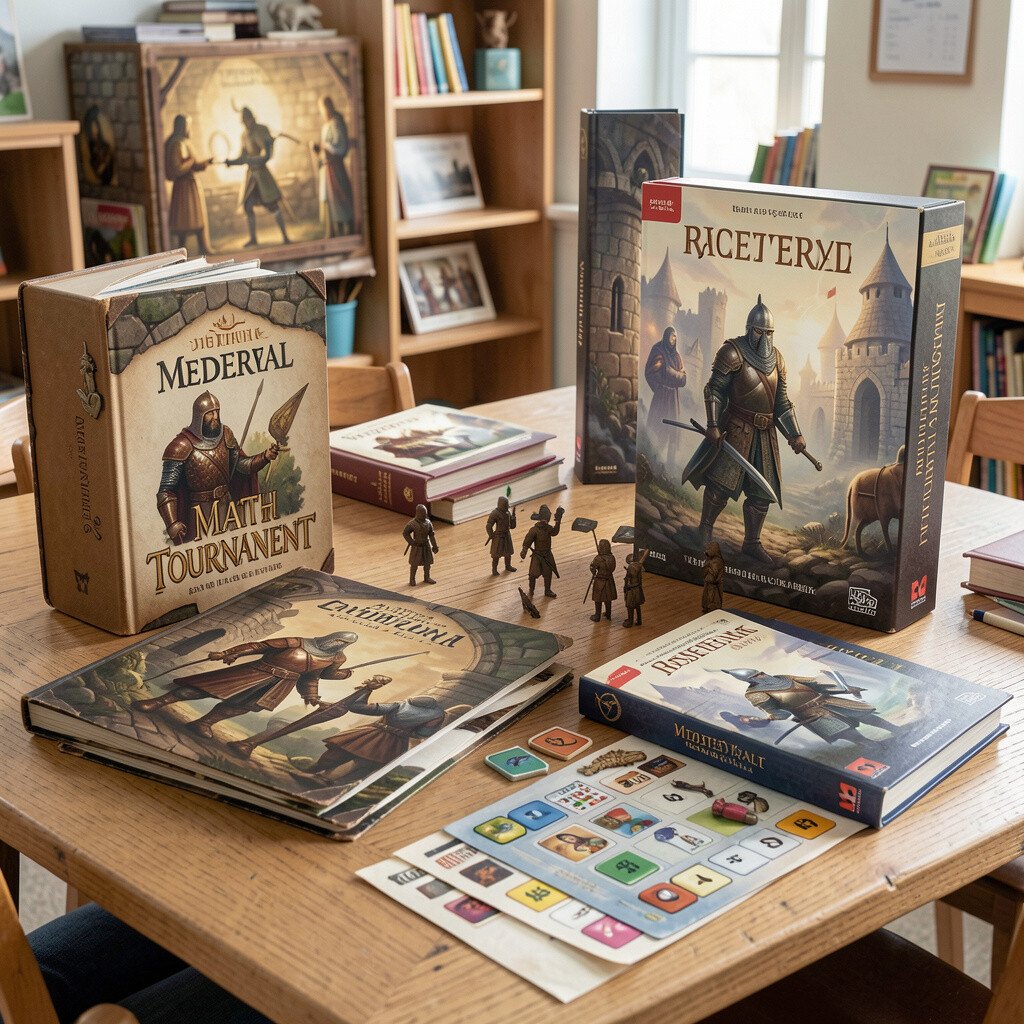
Picture a hall filled with problem cards and game boards, with friendly cheering for smart strategies. Students can learn math facts and concepts through turns, reasoning, and quick feedback.
Create “tournament quests” where each round uses a different skill, such as fraction comparison or multi-step word problems. Use simple resources like printable dice, spinner cards, and answer boards that students can hold up for quick checks. For practical tips, model one strategy clearly, then ask students to explain how they chose their move before solving.
Personalize by allowing students to choose a difficulty level for their quest cards, while still keeping the same learning goal. To manage cost, reuse old game pieces and keep sets in labeled envelopes that rotate by group.
13. Weather Watchers and Nature Forecasting
Weather Watchers and Nature Forecasting
A sky-themed wall with clouds, sun symbols, and raindrop charting makes daily learning feel alive. Students practice skills when the theme connects to what they can see and measure in the real world.
Use a weather station corner with a simple thermometer, a wind sock, and printable observation sheets. Tie reading and writing to forecasts by having students predict what they think will happen next, then justify it using evidence from stories or science notes. Practical resources include kid-friendly weather videos and interactive maps, paired with reflection questions that ask students to compare predictions and results.
For personalization, let students pick a “weather character” for their journal, like Rain Poet, Sunshine Scientist, or Cloud Cartographer. Cost considerations can be handled by focusing on free printable visuals and inexpensive tools, such as paper cups and basic measuring items.
To match current trends, encourage short student-led “forecast talks” recorded on phones or tablets for extra practice with speaking and listening.
14. Storybook Fairytale Kingdom
Storybook Fairytale Kingdom
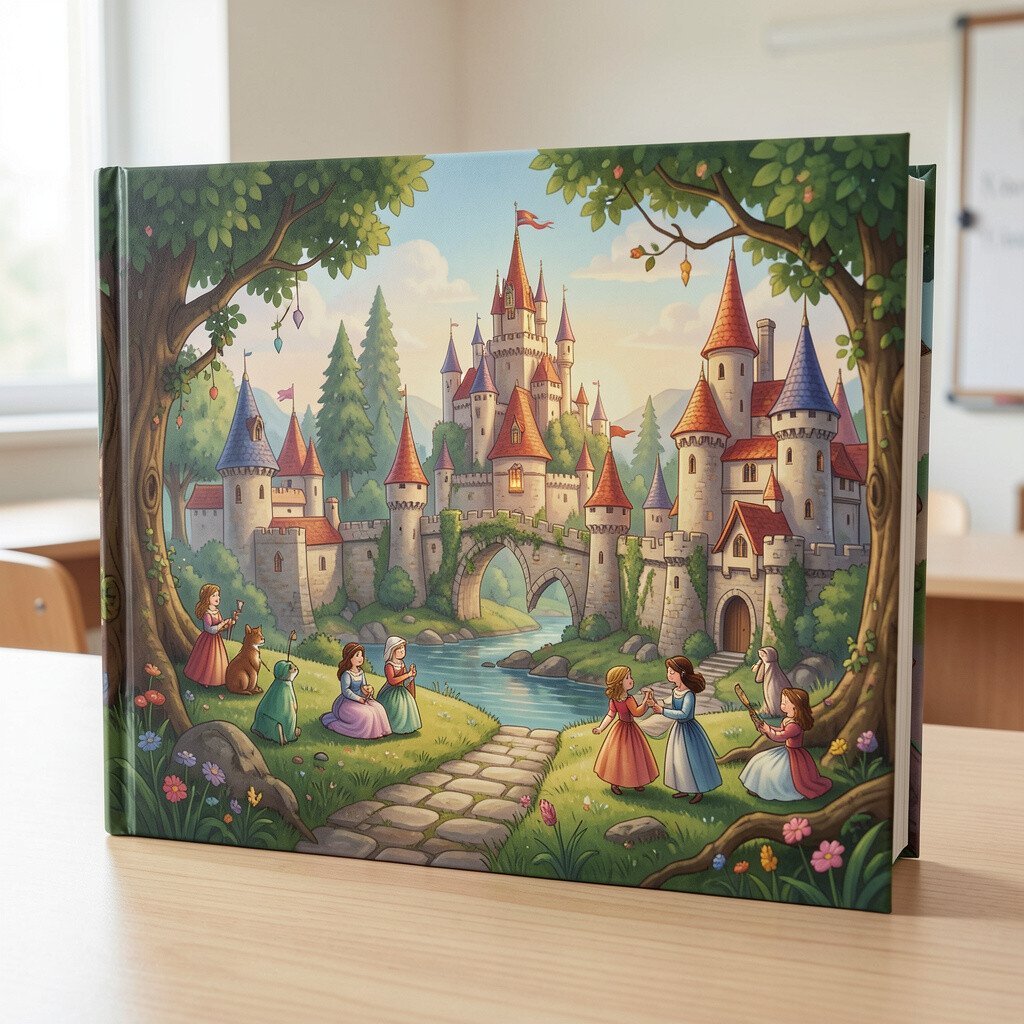
Glowing crowns, castle doors on paper, and fairy wings can help students remember story elements. This theme turns reading comprehension into something playful and meaningful.
Use “kingdom” folders for each story part, such as characters, setting, conflict, and resolution, so students can sort evidence while reading. Create writing tasks where students rewrite a scene from a different viewpoint or change one element, then track how the theme shifts. For practical tips, keep sentence starters visible for students who need support with explaining their thinking.
Personalize by letting students choose a kingdom job for the week, like Scribe, Bard, Guard, or Baker, and then match the writing style to that job. Keep costs low by using paper crowns, printable fairy silhouettes, and reused boxes for storage.
15. Robotics and Mini Engineering Workshop
Robotics and Mini Engineering Workshop
Clean labels, simple circuit diagrams, and colorful tool bins make engineering feel organized and exciting. Students enjoy building, testing, and improving when they see their ideas take shape.
Provide design challenges that connect to your unit, such as building a paper bridge to explain forces or designing a model to demonstrate geometry. Use accessible resources like beginner coding platforms or simulation sites, then pair them with hands-on prototypes so students connect virtual learning to real work. Practical tips include giving a quick checklist for testing, documenting results, and redesigning one part at a time.
For personalization, offer choices in materials, such as straws, tape, cardboard, or craft sticks, and let students decide which tool suits their design best. Cost considerations are manageable by using low-cost supplies and reusing packaging as structural components.
To match current trends, include student-created “how it works” demos where they record a short explanation of their prototype and the design choice behind it.
16. Music Studio for Rhythm and Poetry
Music Studio for Rhythm and Poetry
When the room has beat posters and lyric-style word walls, writing can feel joyful. Students start to hear patterns in language just like they hear patterns in music.
Create a “rhythm board” with clapping prompts and simple tempo cards, then connect those patterns to reading fluency or phonics practice. Use audio resources where students listen to short clips and identify sounds, themes, or mood, then write their own lines to match. Practical tips include using small-group recording moments so students practice expression without pressure.
Personalize by letting students choose a song mood for their poem, such as calm, energetic, or mysterious, and then pick vocabulary that fits that mood. For cost, you can use free beat templates, printed instruments icons, and homemade percussion tools like rice shakers.
17. Sports Arena and Team Strategy Learning
Sports Arena and Team Strategy Learning
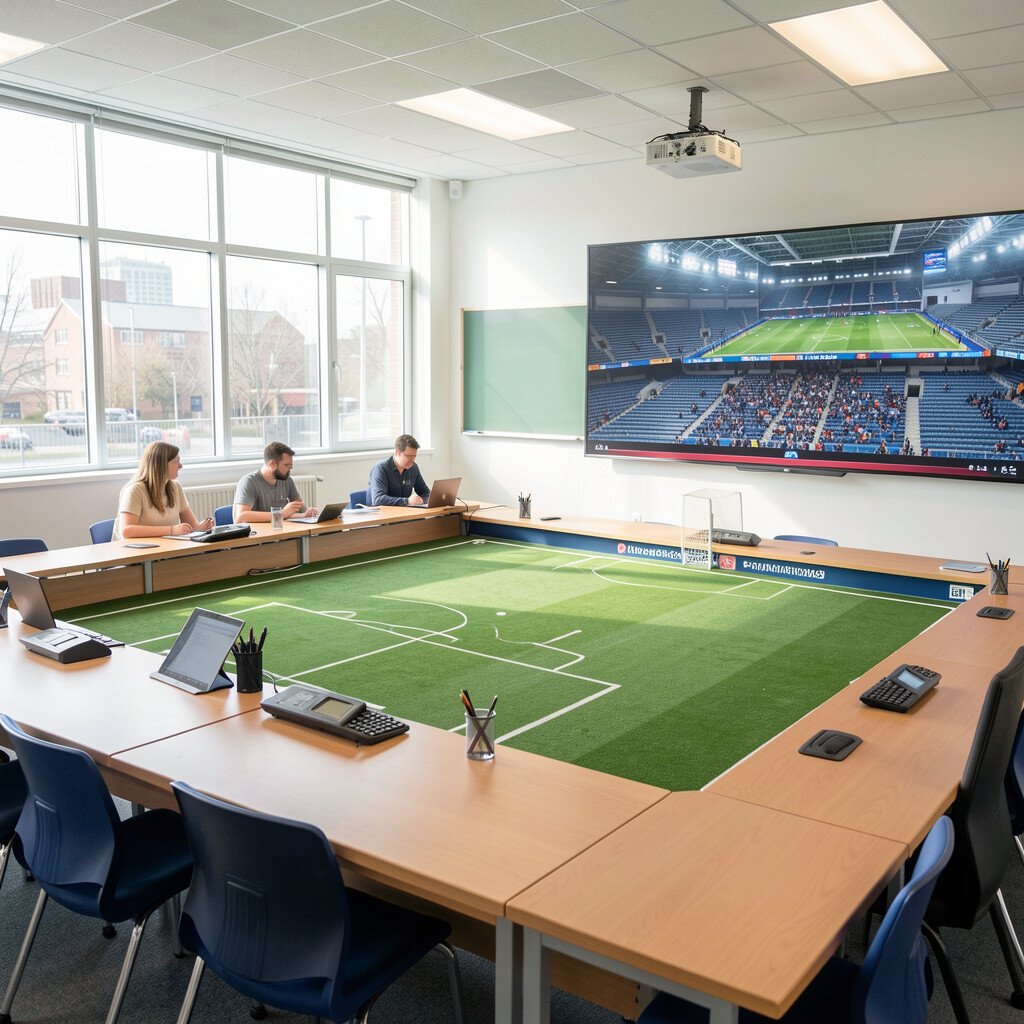
Hoop-shaped charts, scoreboard visuals, and cheering-style prompts can make math and reading practice feel like game day. Students stay motivated when they understand how skills lead to wins.
Use a scoreboard that tracks growth goals, not just grades, so students feel safe while improving. Create “plays” using short tasks, like decoding words, solving a quick set of problems, or summarizing a paragraph in one sentence. For practical tips, teach one “coach phrase” for feedback, such as explaining what strategy helped or naming the next step to try.
Personalize by assigning team roles that match student strengths, like strategist, timekeeper, or reporter, then rotate roles regularly. Cost considerations can be handled with printed clipboards, recycled paper for play cards, and reusable markers for the scoreboard.
18. Halloween Mystery and Spooky Story Labs
Halloween Mystery and Spooky Story Labs
Even a gentle “spooky” theme can bring excitement to writing and reading. The visual of flickering candle lights on paper can help students focus on suspense and detail.
Build story labs with timed writing sprints where students add one element each round, such as setting details, mystery clues, or character motives. Use interactive ghost-free resources like audio storytelling and vocabulary games to keep students engaged without overwhelming them. Practical tips include choosing age-appropriate language and giving clear boundaries so all students feel comfortable.
Personalize by letting students choose between a haunted house story, a missing pet case, or a creepy-cute mystery at school. For cost, print seasonal images once and reuse them, then focus on student-made materials like clue envelopes and character badges.
To match current trends, encourage “micro-stories,” where students write very short pieces and revise them for stronger craft, which also supports busy schedules.
19. Space Under the Stars: Night Sky Journals
Space Under the Stars: Night Sky Journals
Dark blue paper, paper stars, and soft lights can make journaling feel like a calm bedtime ritual. Students write more when they feel safe and their work feels valued.
Use a night sky journal prompt board with rotating prompts, such as describing a moment, predicting an outcome, or reflecting on a reading passage. Pair science topics with a “sky log” where students track what they learned like they are recording constellations. Practical tips include providing a few sentence starters and encouraging drawings, since visuals often help students organize thoughts.
Personalize by letting students create their own constellations from story characters or class experiences, then label them with themes or key vocabulary. Cost considerations are easy here because stars can be made from paper punches, white crayon, or leftover craft supplies.
20. Tropical Market and Shopping Math
Tropical Market and Shopping Math
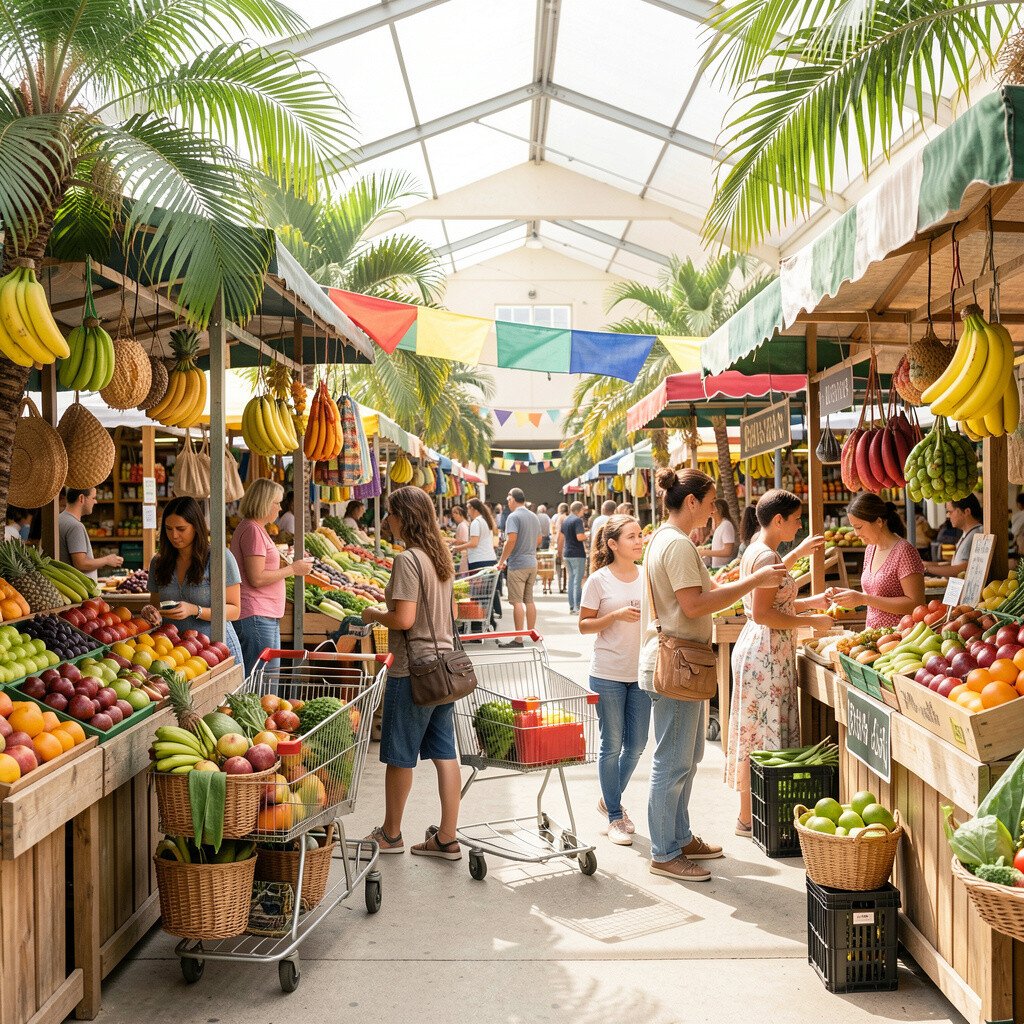
Imagine a colorful market wall where price tags, baskets, and product signs invite students to calculate. This theme makes fractions, money, and measurement feel more real and less abstract.
Set up a pretend market using play money, printable product cards, and a simple point system for practice. Students can choose items, compare costs, and solve word problems tied to the products they select. For practical tips, include a “receipt” template so students show their steps and practice explaining how they decided.
Personalize by letting students design one market item and write a problem for a peer to solve, such as calculating change or finding the total weight. Cost considerations can be handled by using paper for price labels and reusing household containers for baskets.
To match current trends, use real student interests by letting them pick products inspired by current kids’ favorites, such as fruit bowls, smoothies, or snack packs.
21. Mythology Tales and Hero’s Journey Reading
Mythology Tales and Hero’s Journey Reading
When the room feels like a library of legends, students lean into reading with stronger attention. Myth themes also give a great structure for teaching plot, character, and theme.
Create a “hero’s journey map” on the wall and have students label key story events as they read. Use layered texts with short mythology excerpts, then ask students to compare how different stories handle the same idea, like trials or transformation. Practical tips include using discussion prompts that encourage students to cite story details and connect them to character choices.
Personalize by letting students choose a hero to study, then write a modern retelling set in a school or neighborhood setting. For cost, you can print simple map templates and let students decorate with markers instead of expensive art supplies.
To keep it current, try student podcasts where they retell a myth in their own style and include a quick “what we can learn” segment at the end.