A quiet puzzle can make your brain feel awake without feeling stressed. Once you start, you will notice your focus getting steadier and your thinking getting sharper.
Here are hands-on puzzle activities you can use at home, in class, or on the go. Each one is built to strengthen important learning skills you use every day.
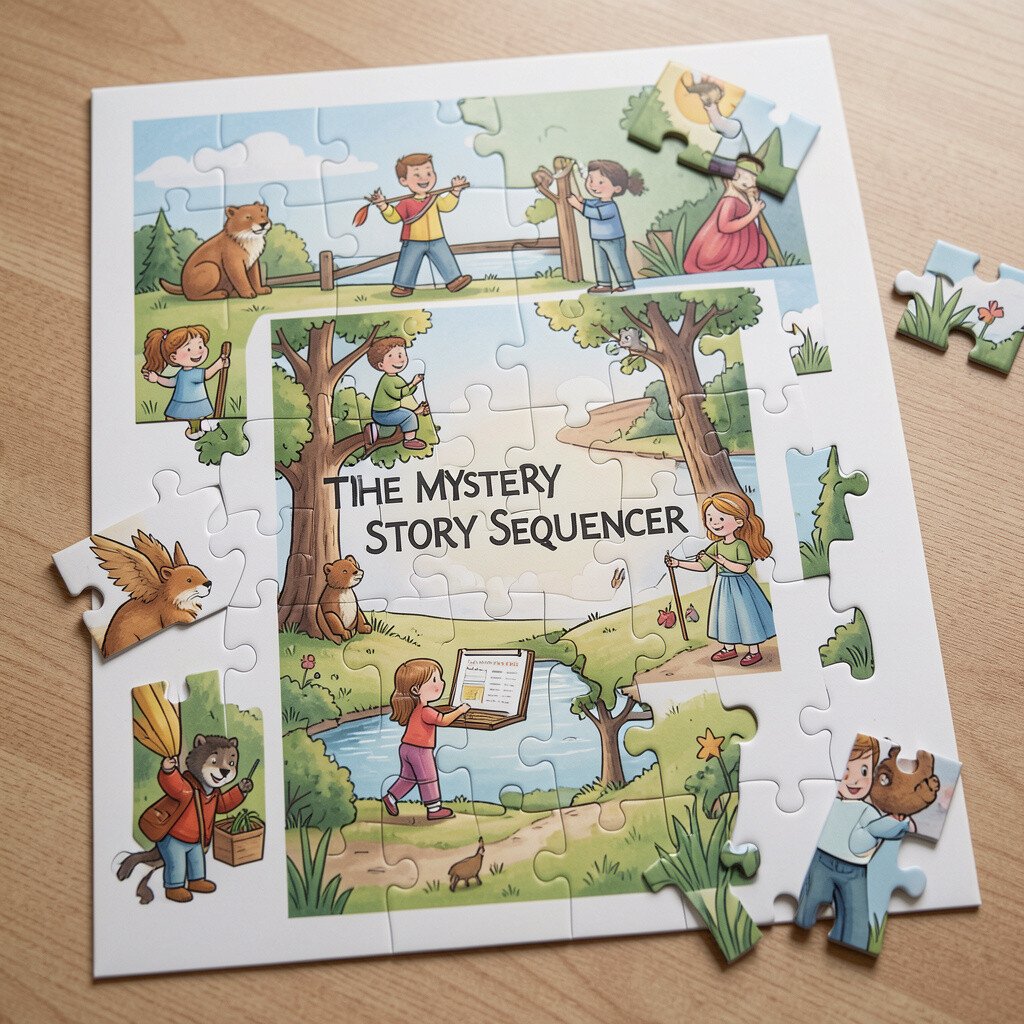
Find or draw a simple scene with several moments in it, like a cat finding a key, a person opening a door, and a surprise outcome. Print it or sketch it as four small panels, then scramble the order.
Ask yourself to retell the story in the right sequence while pointing to each panel. As you do, pay attention to time words like before, after, and finally, and use them in your sentences. This puzzle boosts narrative thinking and helps you practice organizing details into a clear order.
2. Word-Flip Grammar Mirror
Word-Flip Grammar Mirror
Write a short sentence on one side of a card, then write a “flipped” version on the back using different word order. For example, you can swap the subject and verb, or move an adverb to a new spot.
Hold the card like a mirror and read both versions out loud, noticing what stays the same and what changes. This helps you catch grammar patterns through visual comparison instead of memorizing rules.
Try personalizing it by using sentences about your favorite hobby, game, or pet. Keep cost low by reusing old index cards or scrap paper, and use a pencil so you can erase and adjust often. A current trend in learning is using quick, low-pressure practice loops, and this fits perfectly because it takes only a minute or two.
3. Sound Detective Rhyming Hunt
Sound Detective Rhyming Hunt
Grab a phone voice memo or a small notebook and collect words that rhyme, like cat, hat, and flat. Then write or record a short “case file” list of rhyming pairs with a picture next to each one.
Say the words slowly, listening for the ending sounds, then make up a tiny mini-poem with the whole set. This builds phonics and phonological awareness, which helps reading and spelling.
Make it unique by choosing a theme, such as dinosaurs, space, or soccer moves. If you want a practical twist, challenge a friend to guess the rhyme pair from only one word. The best part is that you can do it with free tools like a basic recorder app or any pencil and paper.
4. Pattern Block Symmetry Builder
Pattern Block Symmetry Builder
Use colored paper shapes or pattern blocks to build a figure with a visible line of symmetry. Place two halves so they look like they would “match” in a mirror.
Change one small piece and predict what will happen before you move anything again. When your symmetry breaks, you can try to fix it while learning spatial reasoning and careful checking.
5. The Math Riddle Switchboard
The Math Riddle Switchboard
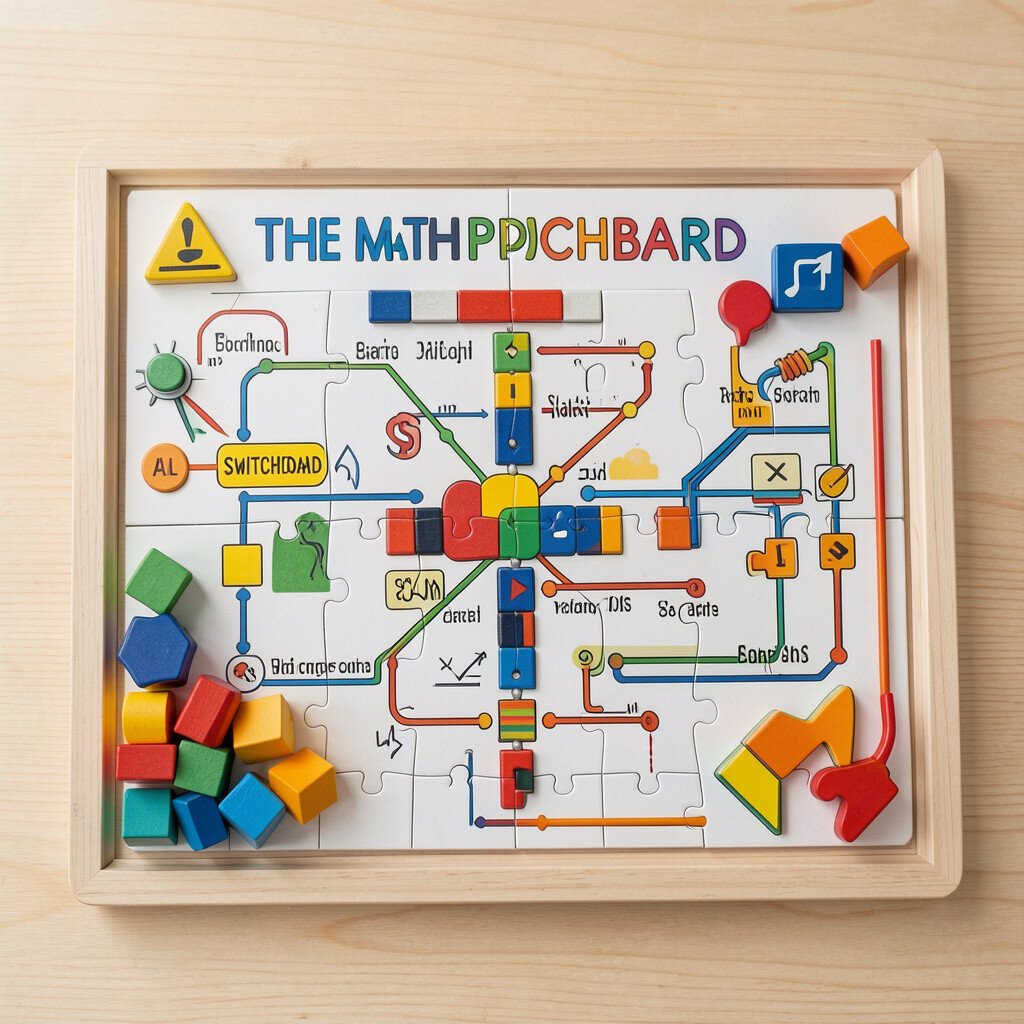
Write a math problem as a simple riddle using plain language, like “I am a number that fits in a box of ten.” Put several answer options nearby, but only one should work.
Turn the riddle into a puzzle by mixing numbers, signs, and clues on separate cards, then combine them to see if the logic holds. This strengthens reasoning and problem-solving steps.
Personalize it by using numbers that connect to your life, like favorite snacks, minutes for a walk, or points in a game. Cost stays near zero because you only need paper and a pen, and the setup can be reused all week. Many classrooms now favor problem-based learning, and riddles like these support that style of thinking.
6. Historical Timeline Card Flip
Historical Timeline Card Flip
Choose a topic you like, such as inventions, weather events, or famous explorers, and write events on small cards with dates or rough time words. Shuffle the cards and spread them out in a visual row on your desk.
Flip two cards at a time and decide which one should come first, then justify your choice using a sentence you actually understand. Keep going until your timeline looks right and you can say it smoothly from start to finish.
7. Map Maze With Hidden Instructions
Map Maze With Hidden Instructions
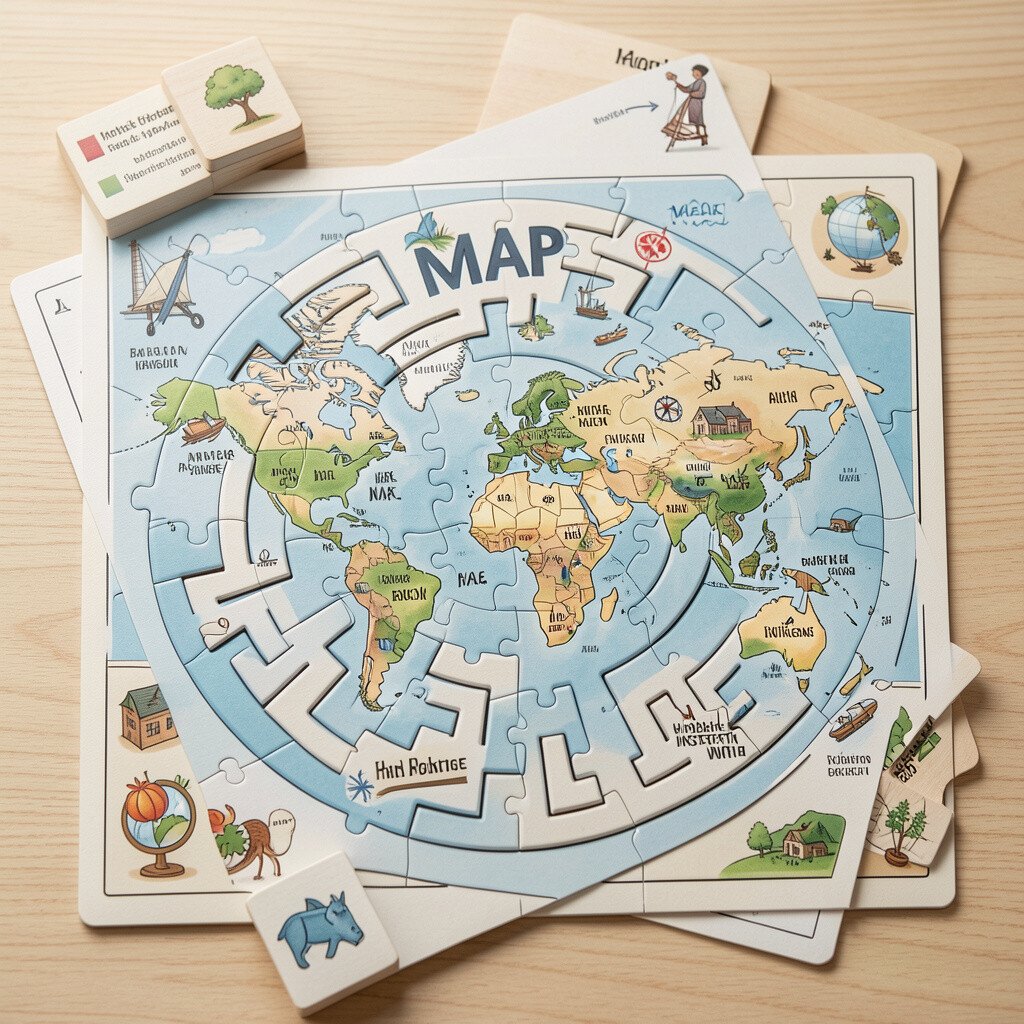
Draw a simple neighborhood map with landmarks like a library, park, and store. Then write movement instructions on “mystery slips” such as walk two steps up, turn right, and trace a curved path.
Pick a slip and follow it on the map while leaving a trail with your finger. When you finish, compare your route with a quick check mark system you make yourself.
This puzzle helps directional language, working memory, and careful following of multi-step directions. Make it unique by using a story theme, like “rescue the robot” or “deliver the cake,” and swap landmarks to match your interests. It’s low cost because you can redraw the map with any scrap paper and reuse the same slips.
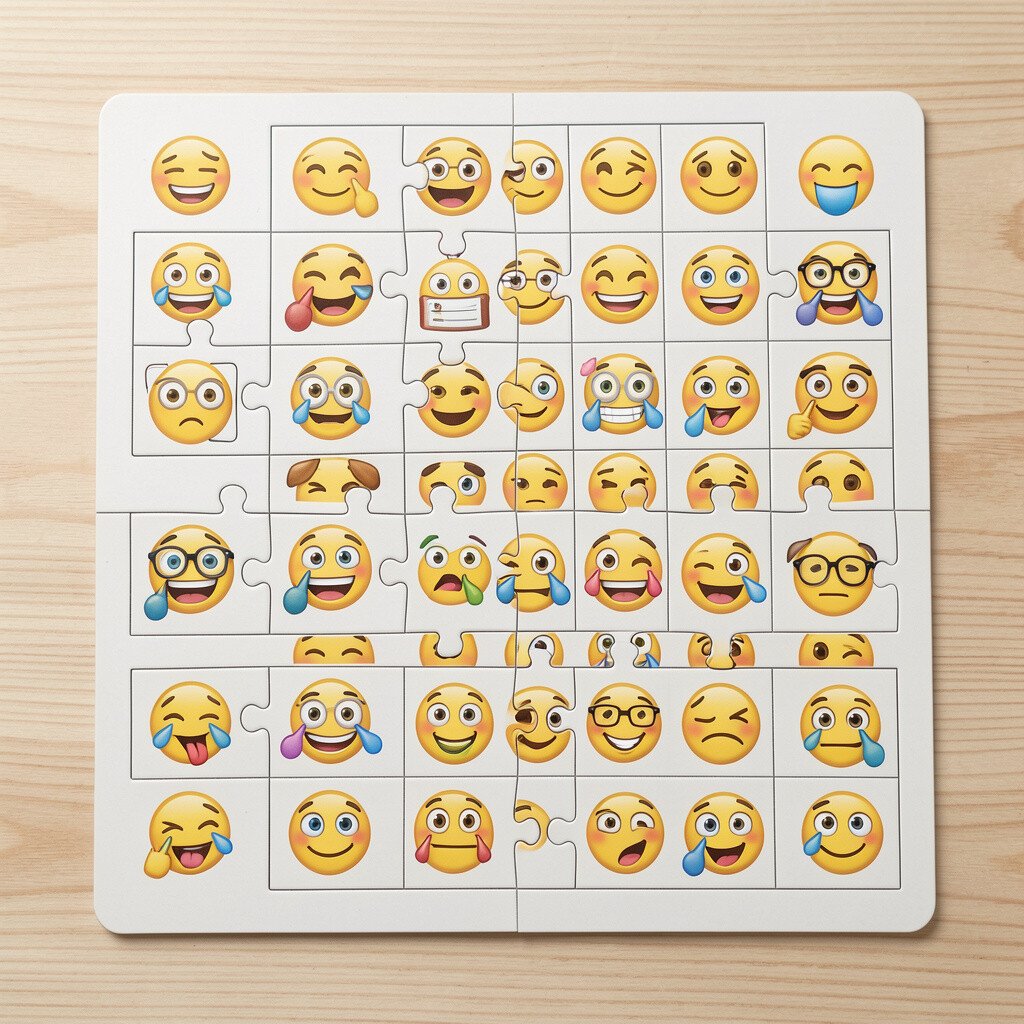
8. Emoji Emotion Reasoning Grid
Emoji Emotion Reasoning Grid
Draw a grid with empty squares and add a few emojis that show feelings, like happy, worried, angry, and calm. Next to the grid, write short situations such as “Someone cuts in line” or “A team wins a game.”
For each situation, choose the emoji that fits best and write a reason in your own words. This builds social understanding, reading comprehension, and flexible thinking.
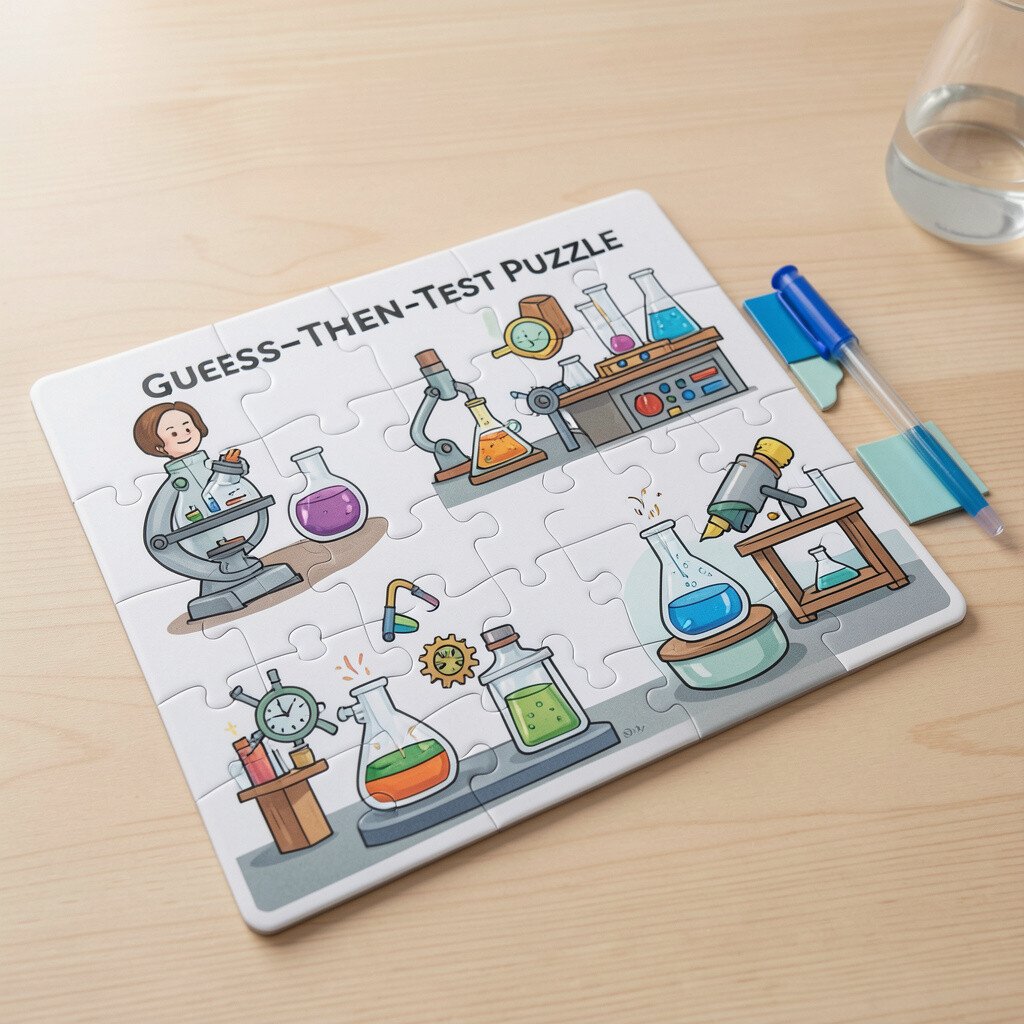
9. Science Lab Guess-Then-Test Puzzle
Science Lab Guess-Then-Test Puzzle
Pick a tiny science question you can test at home, like which material stops a pencil mark best. Gather simple items, like paper types, fabric scraps, or plastic bags, and label them with letters.
Before testing, make a prediction and sketch what you think will happen. Then run the test, record results with quick notes, and compare your sketch to reality.
Personalize it by picking a topic that matches what you already love, such as gardening, cooking, or weather. The cost stays friendly because many experiments only need common household materials, plus you can borrow tools from school if you already have them. A helpful learning trend right now is small experiment practice, since it turns mistakes into data you can use.
As you wrap up, explain your results like you are teaching a younger kid, using clear cause and effect words. This boosts scientific thinking and strengthens how you handle uncertainty.
10. Creative Constraints Riddle Writing
Creative Constraints Riddle Writing
Choose a theme, like “lost mitten” or “space mail,” and write a riddle story using a strict constraint. For instance, you might use only questions, or you might include exactly five color words, or you might keep every sentence under a certain length.
Read your riddle to a friend or family member and watch their guesses, then revise based on what confused them. This puzzle builds language control, attention to detail, and the skill of revising ideas.
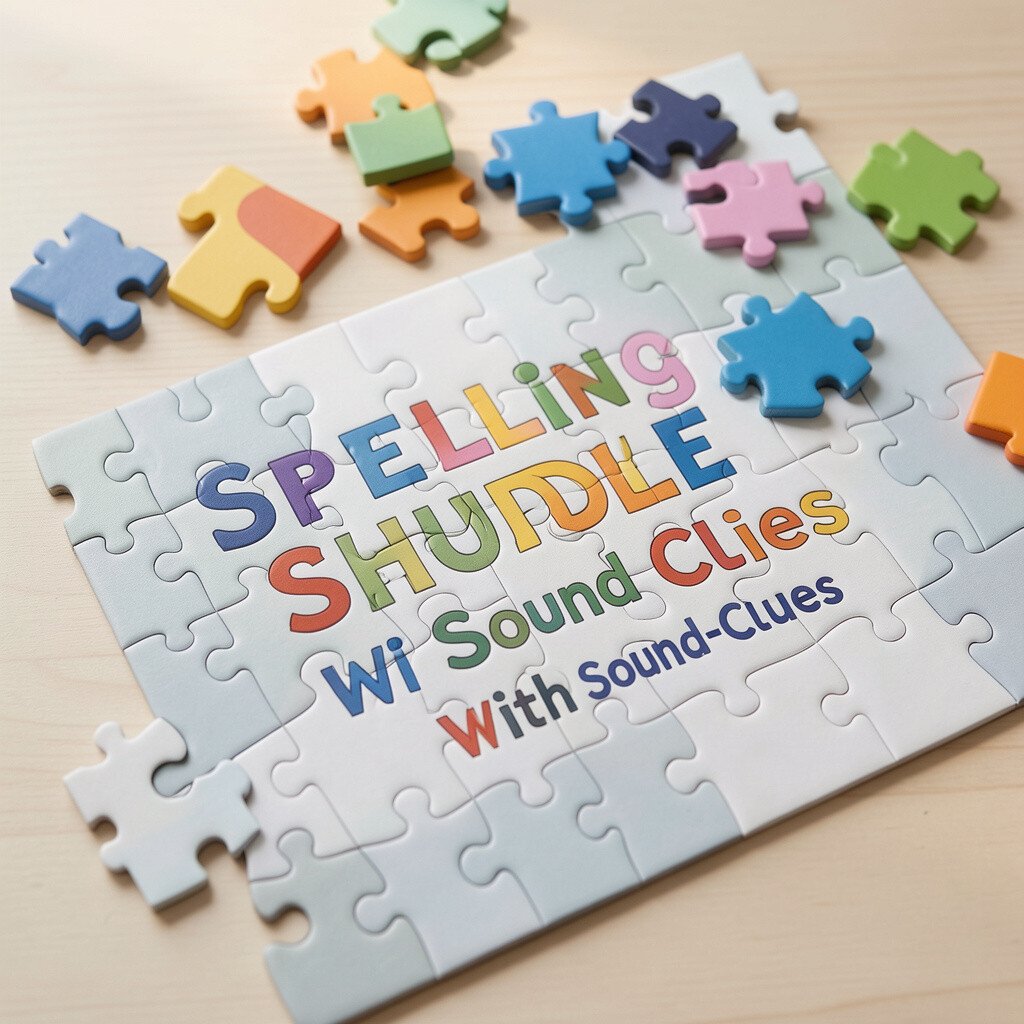
11. Spelling Shuffle With Sound Clues
Spelling Shuffle With Sound Clues
Write a target word on paper, then cut it into letter tiles. Mix the tiles and try to rebuild the word while saying the sound of each letter as you place it.
After you form it, add a new tile to make a related word, like changing one sound to make a new meaning. This supports spelling flexibility and helps you notice letter patterns.
Make it unique by using spelling words from your current reading book or your own name, which makes practice feel personal. Cost is minimal because you can cut letters from scrap paper or reuse old game cards. Many learners benefit from small daily routines, and shuffling tiles is a great way to keep that routine fun.
12. Budget Recipe Logic Challenge
Budget Recipe Logic Challenge
Pick a simple recipe you would actually eat, then list the ingredients with made-up prices or real prices from your pantry. Write several possible ingredient bundles on paper, then choose the bundle that matches a goal budget you set for yourself.
Work out the total and decide if your choice leaves enough for an “extra,” like fruit on the side. Visualize your math by drawing a bar that fills as you spend, so you can see the budget moving.
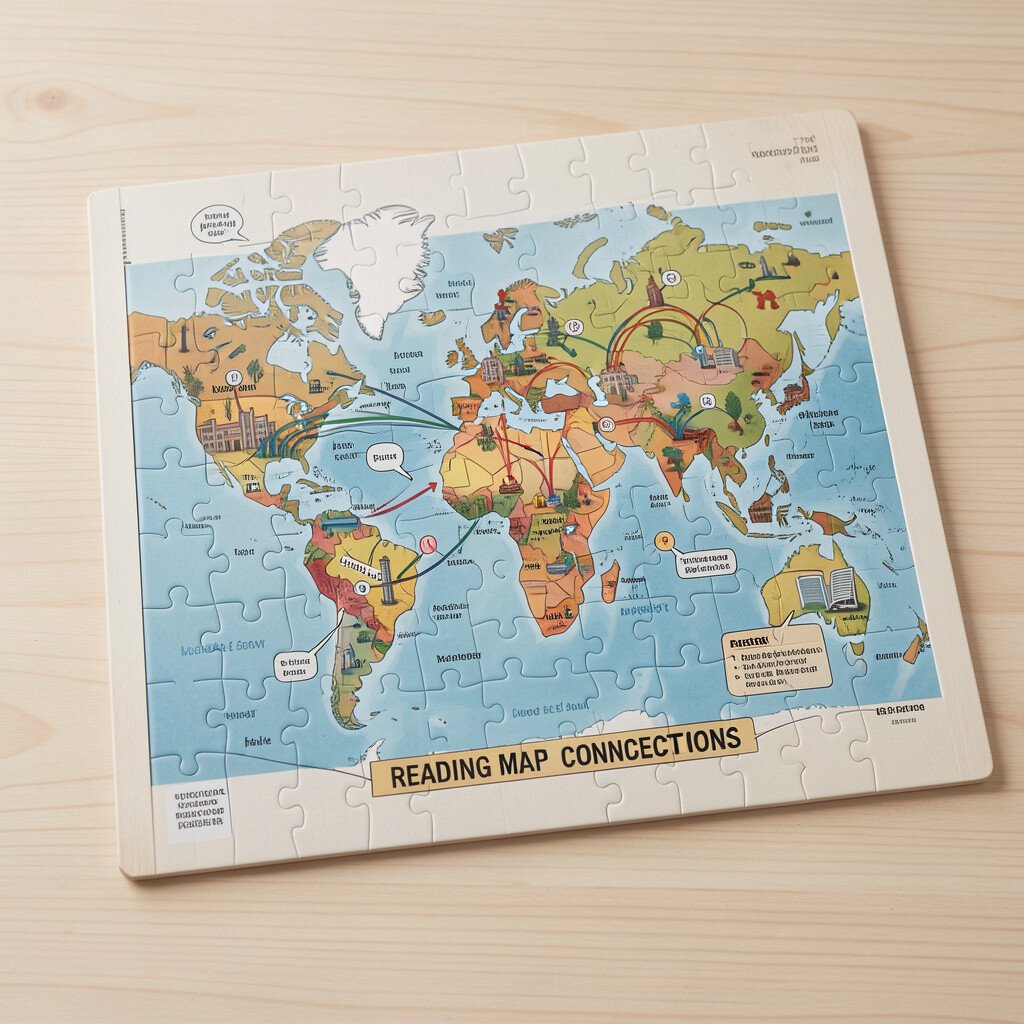
13. Reading Map of Connections
Reading Map of Connections
Take a short paragraph from a book and draw a small “connection map” with circles for characters, events, and key details. Link them with lines and add one short note on why each link matters.
Then reread and try to answer three questions from memory, like what changed, what caused it, and what clues the writer gave. This puzzle supports comprehension, recall, and the ability to connect details without getting lost.
Personalize it by using your favorite characters, sports stories, or comic-style text when possible. Cost considerations are easy because you only need a notebook, and you can do it with printed pages or screen text using a stylus. A current trend in learning is “active reading,” and connection maps are a strong way to practice it every day.
Finally, share your map with someone and ask them to point to the line they find most interesting. That small talk can make your understanding stick longer.