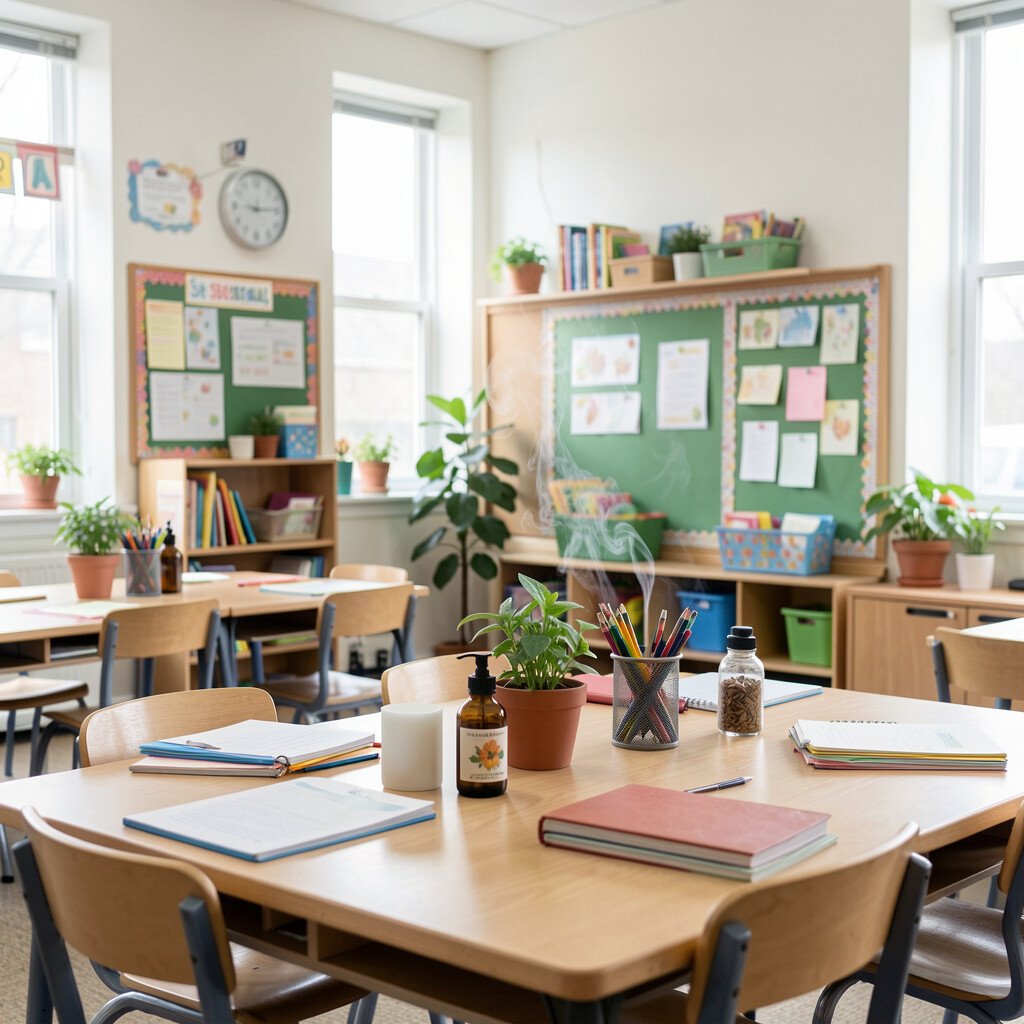
18+ How To Personalize Classroom Decor For A Cozy Space
Cozy classroom decor makes everyday learning feel safer and friendlier. Small choices can turn a plain room into a place students want to spend time in.
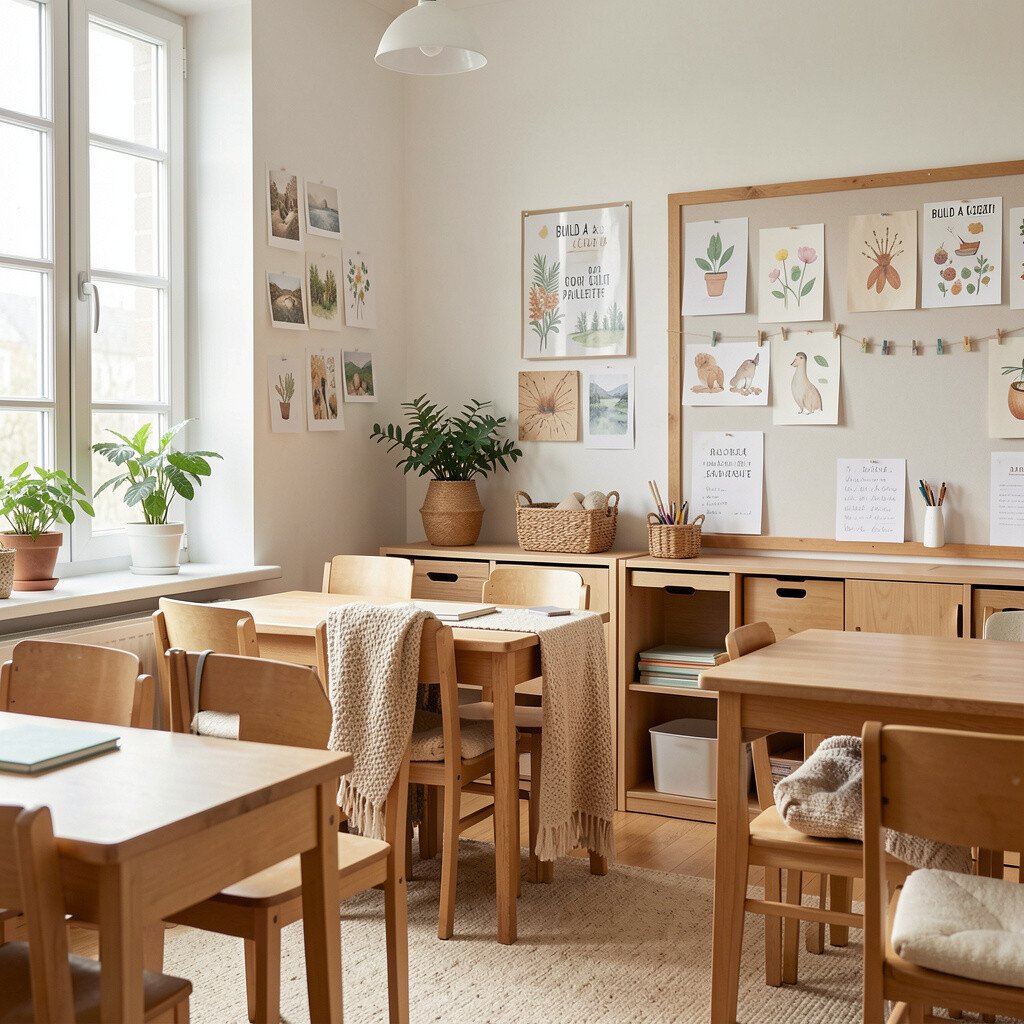
When the room feels warm, students pay attention longer and settle in faster. You can personalize on a budget, mix styles, and still keep everything practical for busy school days.
Swap harsh overhead lighting for softer options like warm LED bulbs or lamp-style fixtures. When the light feels gentle, the room looks inviting and students relax without even noticing why.
Try placing a small lamp near the reading corner or using clip-on lights that spread glow across a wall. Warm lighting helps printed materials look clearer and reduces glare on posters and whiteboards.
2. Build a Cozy Color Palette
Build a Cozy Color Palette
Pick two main colors and one accent color, then repeat them around the room in tiny ways. A steady palette makes the classroom look calm instead of busy.
Use colored paper for student work displays, matching storage bins, and coordinating desk labels. Even simple choices like cinnamon, cream, and muted green can feel cozy while staying student-friendly.
Keep the contrast strong enough for readability so signs and directions stay easy to spot. When you choose colors you genuinely like, you’ll enjoy walking into the room every day.
3. Hang Personal Value Signs Without the Clutter
Hang Personal Value Signs Without the Clutter
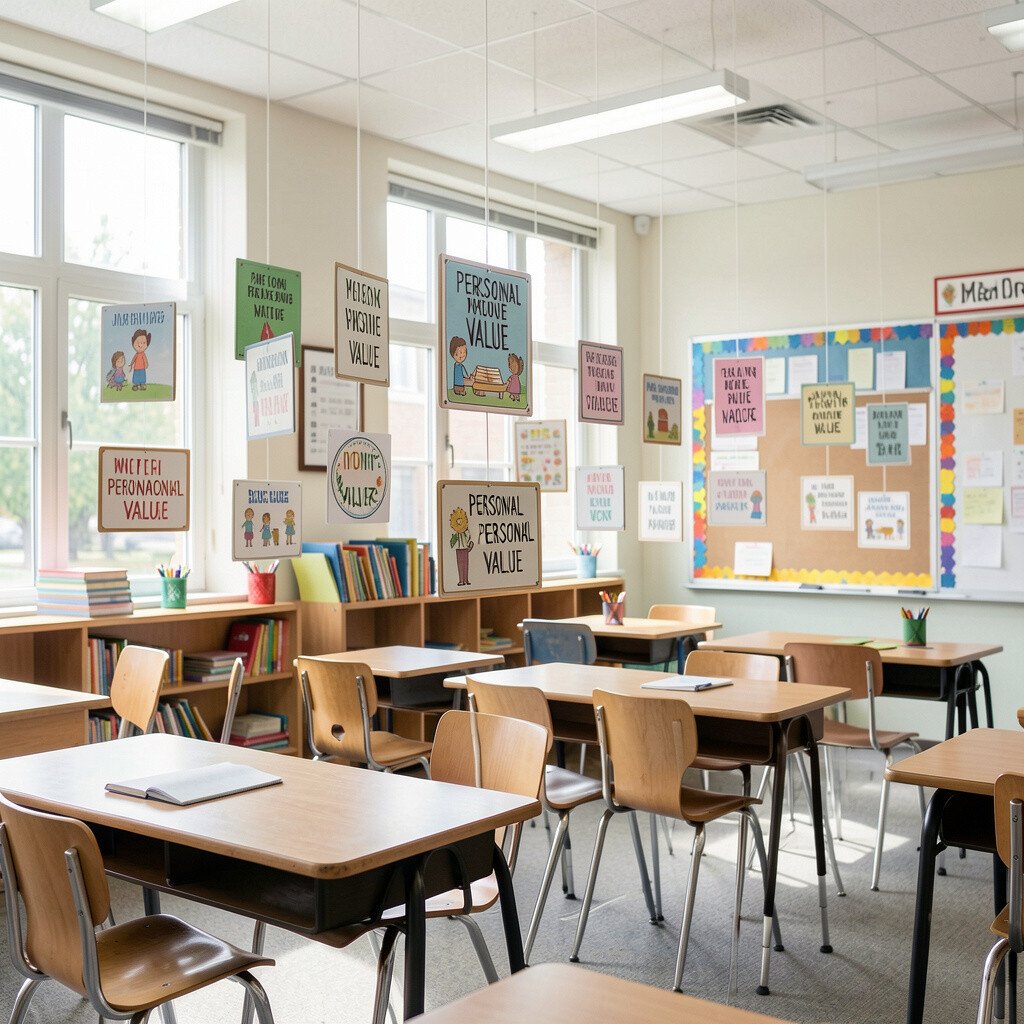
Create a few small “values” displays that match your room theme. Students love seeing words that match how they should treat each other and how you run the day.
Use simple frames or sturdy cardstock with clear fonts and consistent spacing. Make the signs easy to update so you can switch from kindness to focus during different seasons.
Place them where students naturally look, like near the entry path or close to the group table. This keeps the room meaningful without turning every wall into a collage.
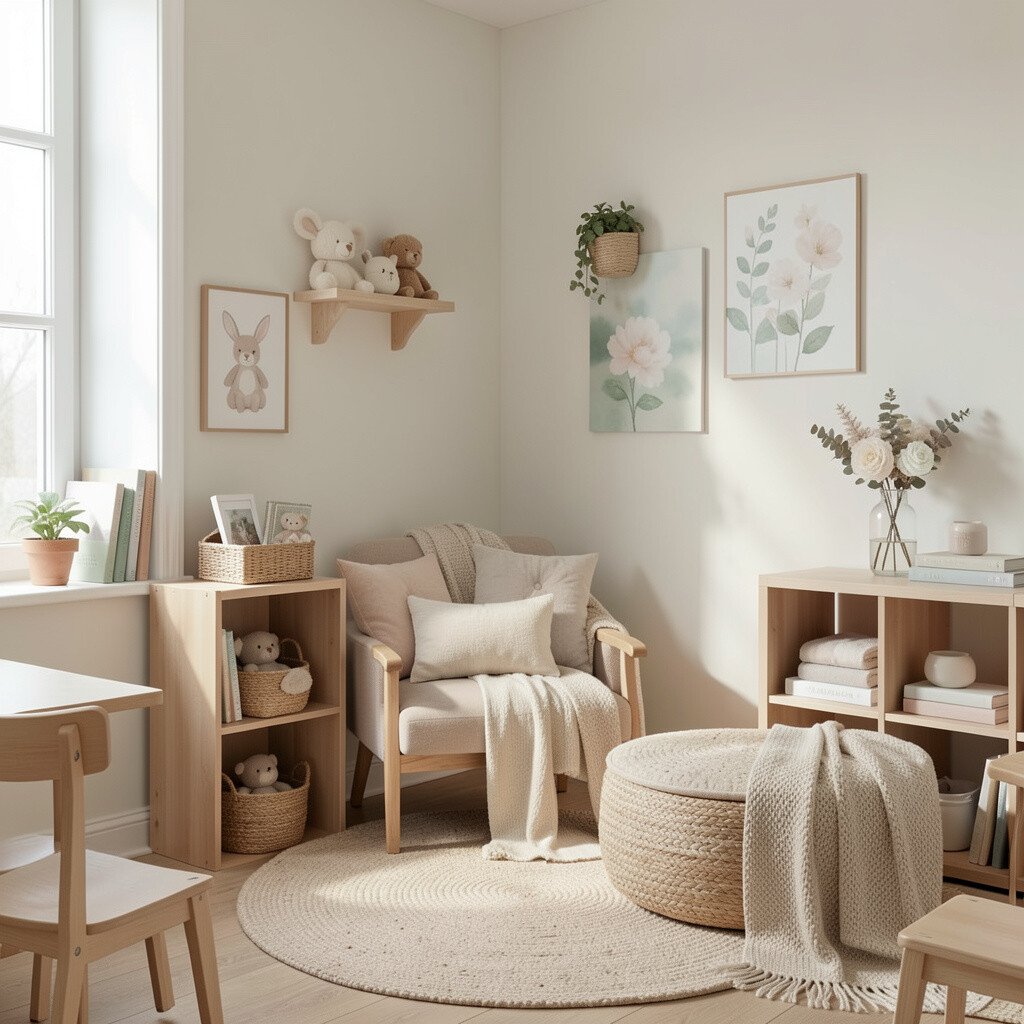
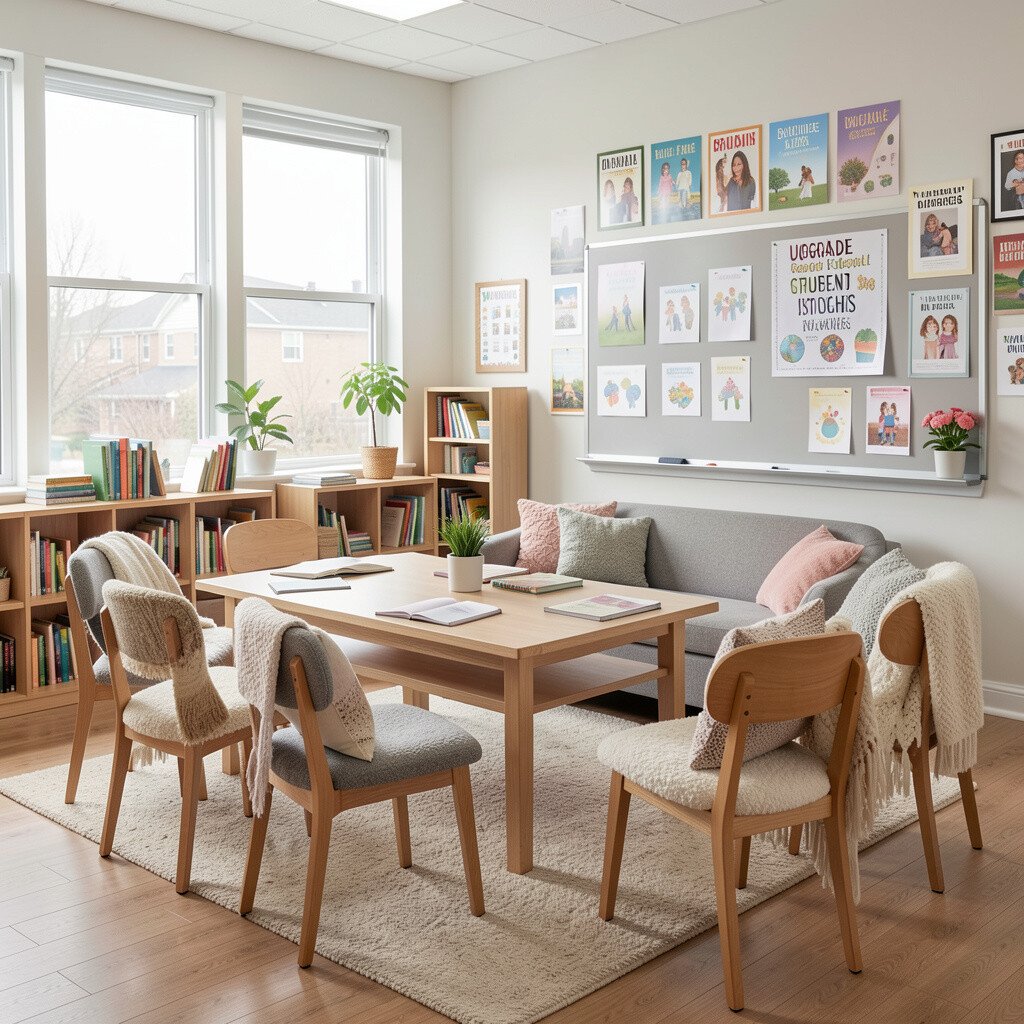
4. Make a Reading Nook That Feels Like a Retreat
Make a Reading Nook That Feels Like a Retreat
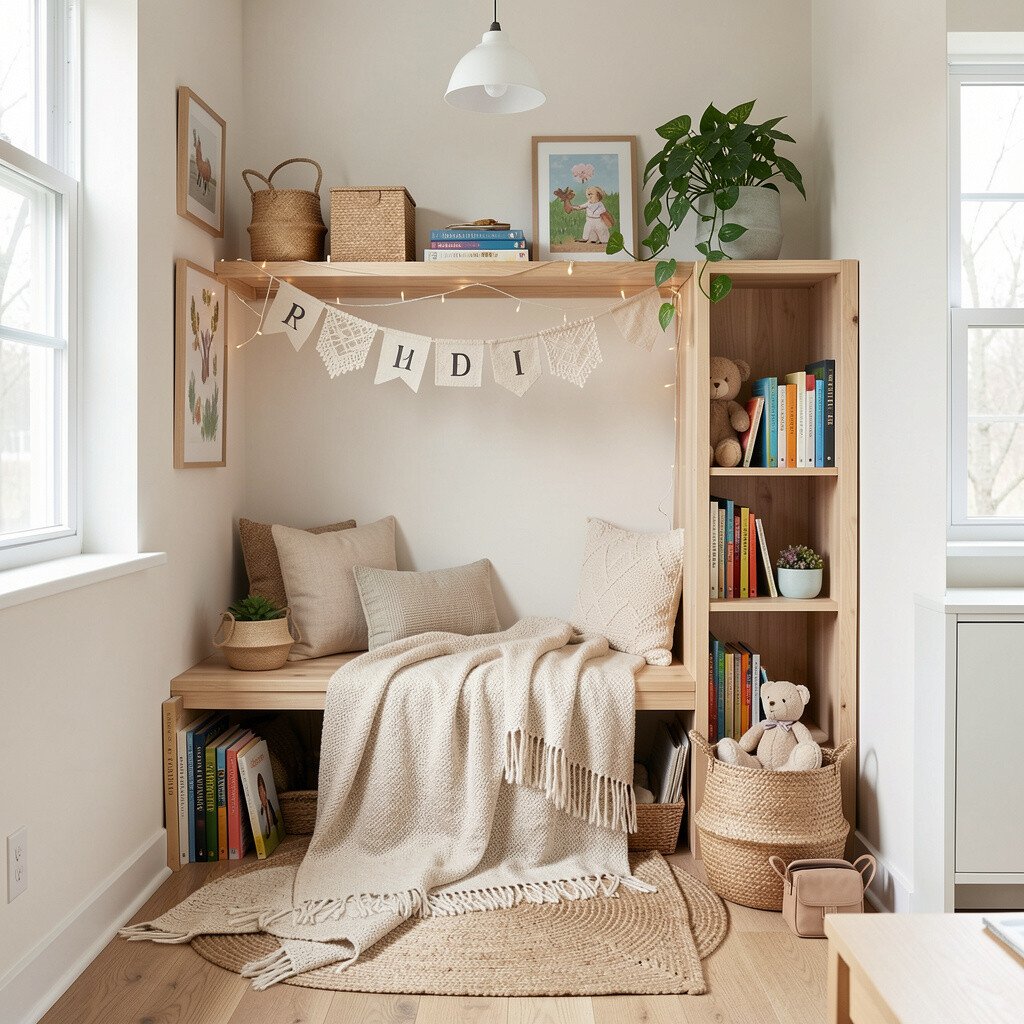
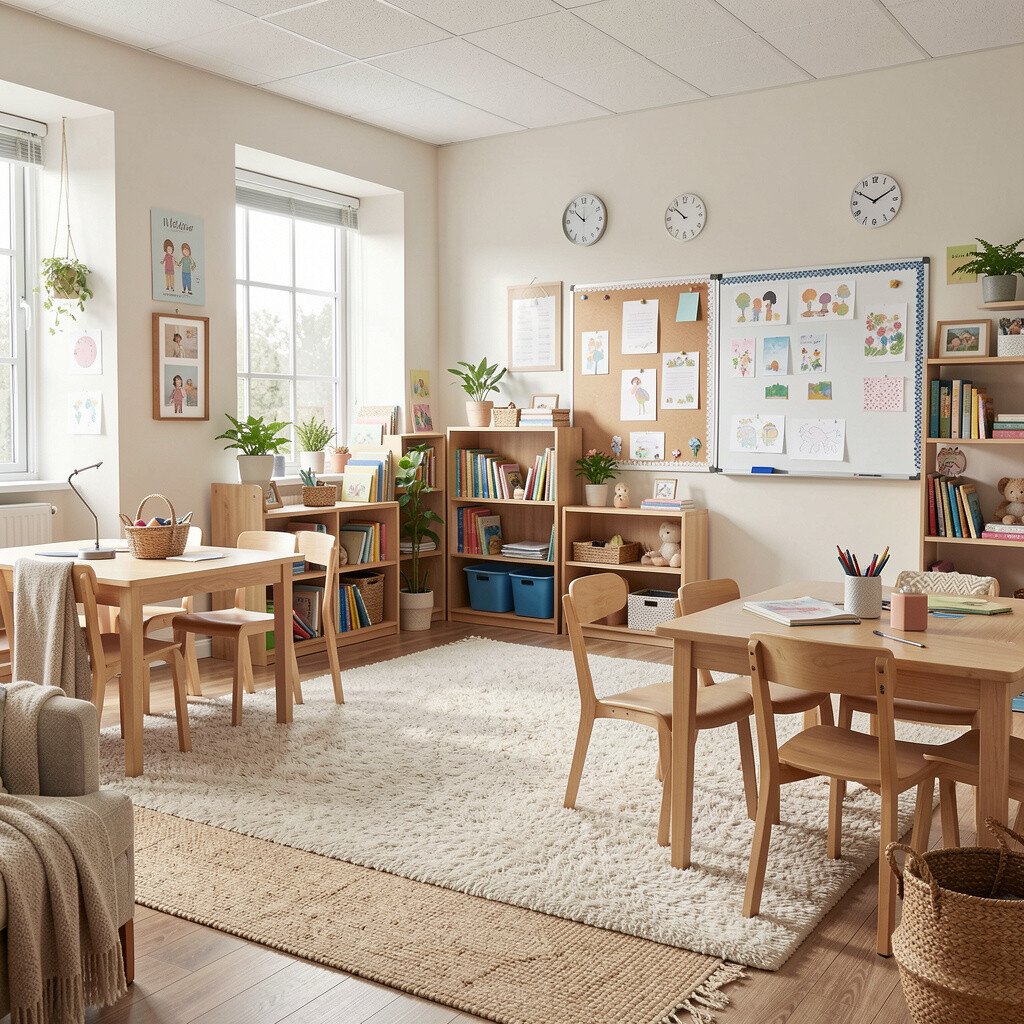
Choose one quiet spot and give it a purpose, even if it’s small. Add a soft rug, a couple of comfy pillows, and a lightweight throw to create a cozy corner.
Use book displays that face the students, not the wall, so they can pick books confidently. A neat reading nook supports quieter behavior and helps students self-start during independent reading time.
5. Use Student Photos in Friendly Shapes
Use Student Photos in Friendly Shapes
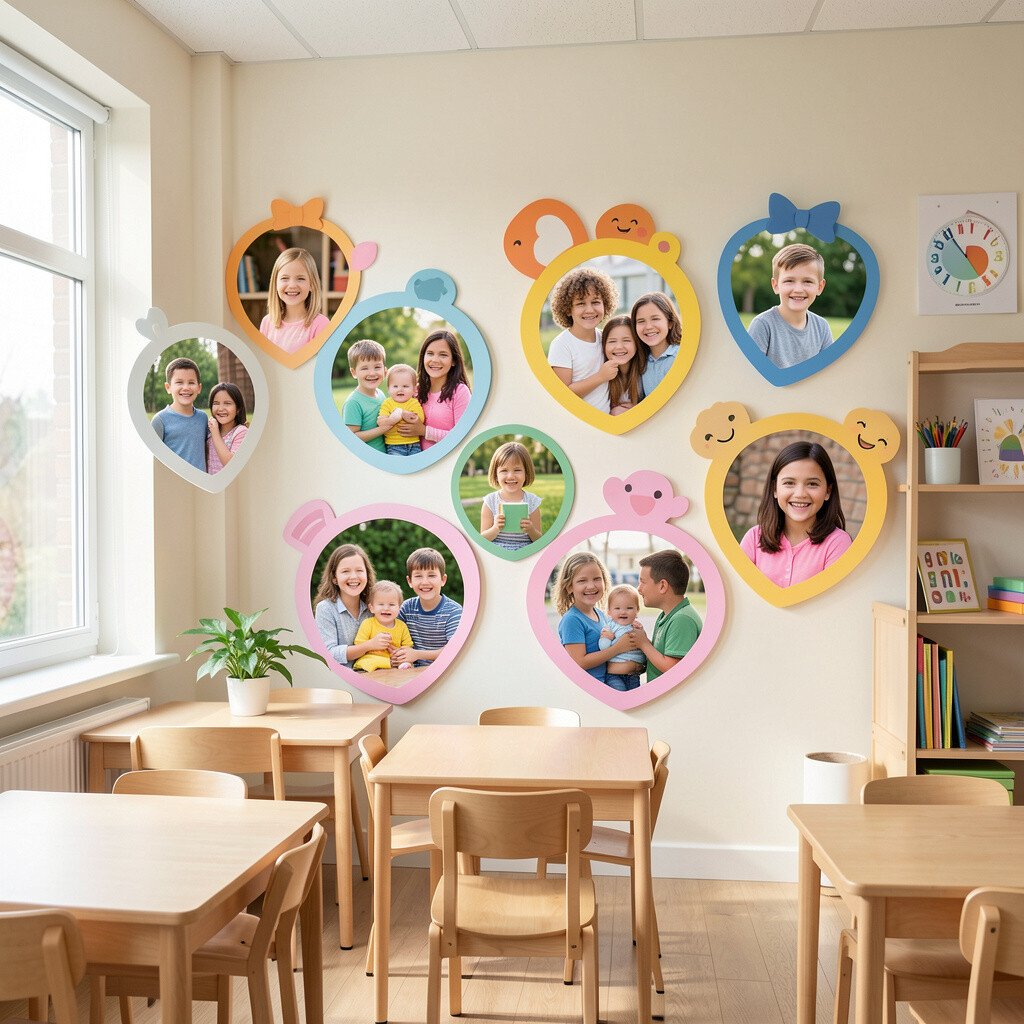
Invite students to share a favorite photo or a quick drawing about themselves. Then frame or mount these images in playful shapes like circles or stars to keep things cheerful.
Rotate displays every few weeks so the room stays fresh and students feel seen. When students recognize their work in the space, it boosts pride and makes routines feel more personal.
Use affordable frames from discount stores or cover bulletin boards with fabric-like paper for a softer look. Adding just a small photo wall can raise the cozy factor without spending a lot.
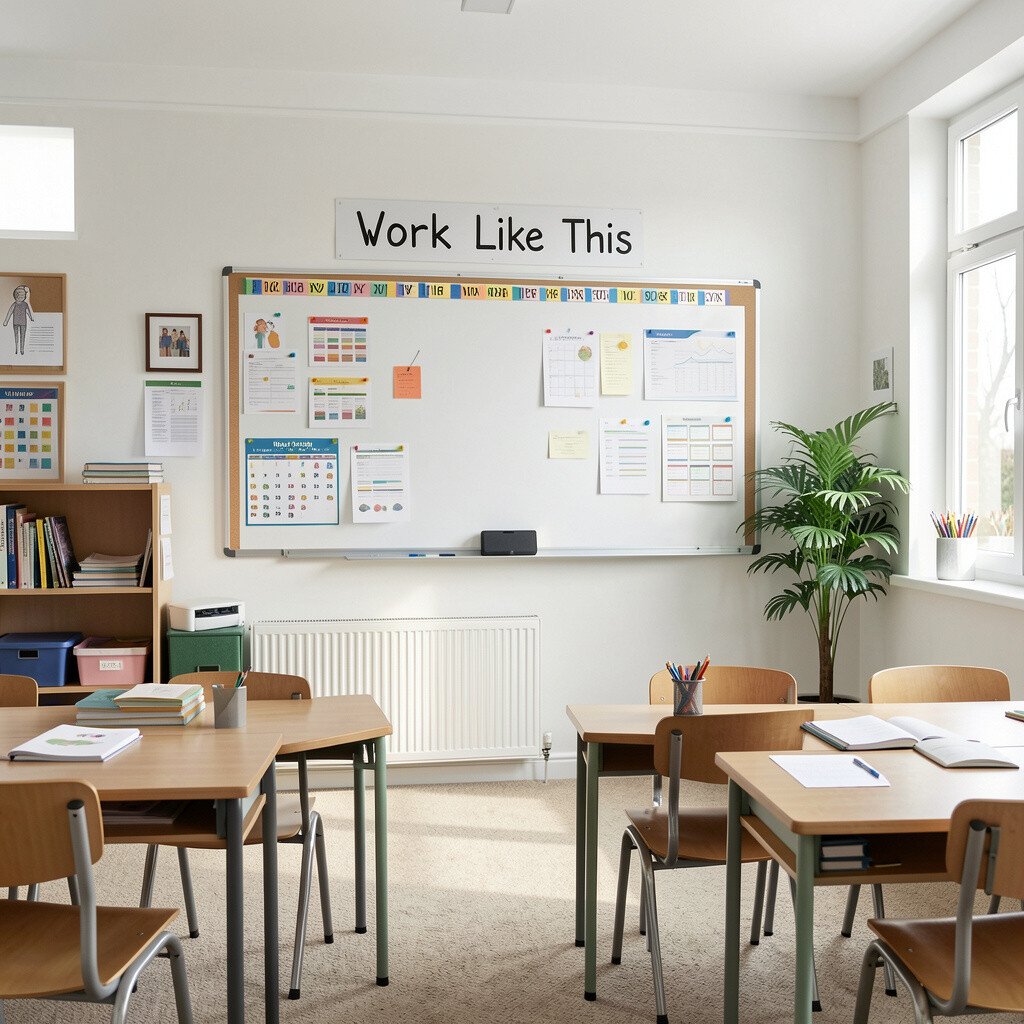
6. Create a “Work Like This” Visual System
Create a “Work Like This” Visual System
Use simple visuals that show how to start, how to ask for help, and how to clean up. Clear routines reduce stress, and stress-free rooms feel warmer.
Choose materials that match your palette, then place them near desks or learning centers. Students will spend less time searching and more time building confidence.
Laminate printed cards or use page protectors so they last through the year. This is practical personalization because the decor also teaches.
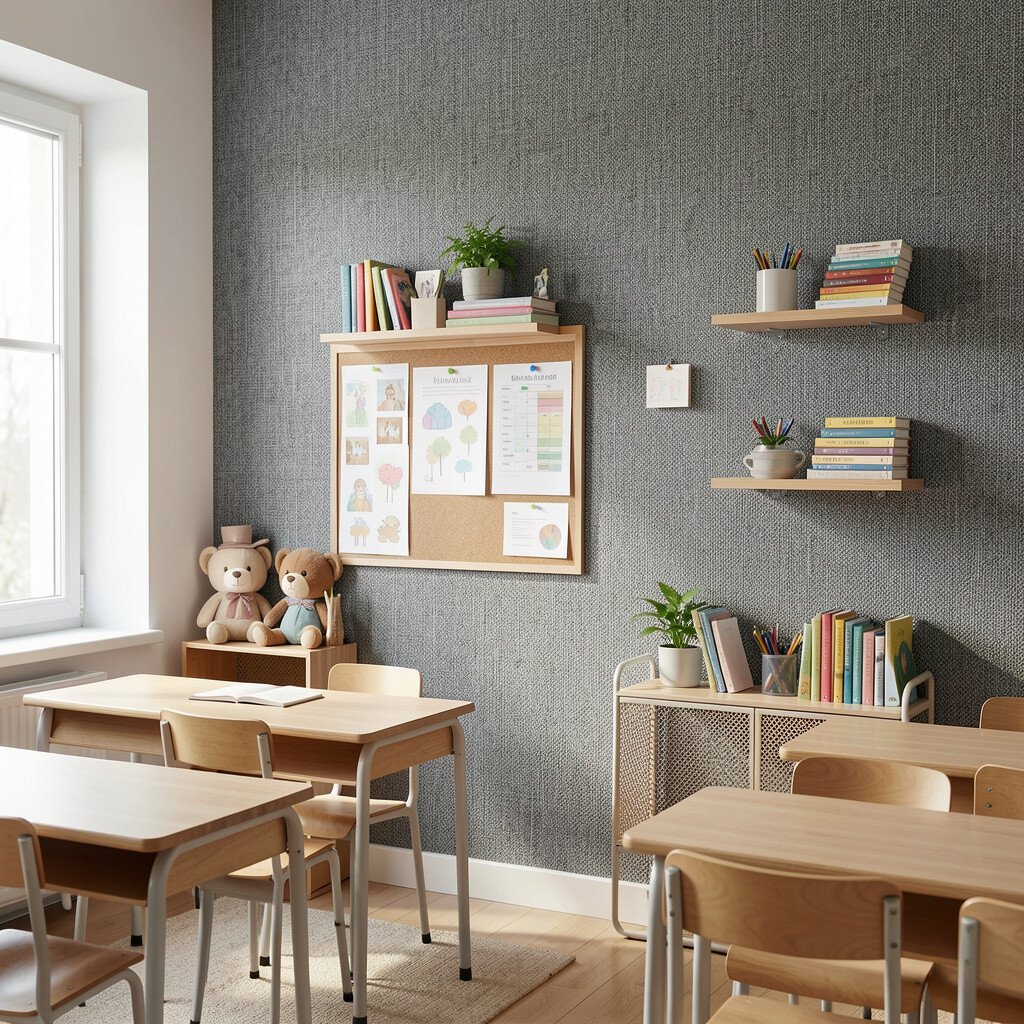
7. Add Texture With Affordable Wall Fabric
Add Texture With Affordable Wall Fabric
Texture changes how a room feels instantly, even when nothing else changes. Consider attaching fabric swatches, felt panels, or lightweight curtains to soften plain walls.
Choose materials in your color palette so the room still looks unified. Students often calm down when visuals feel less sharp and more comfortable.
Pin removable fabric pieces instead of permanent nails to keep setup easy and flexible. When you can swap textures by season, your classroom keeps its cozy vibe all year.
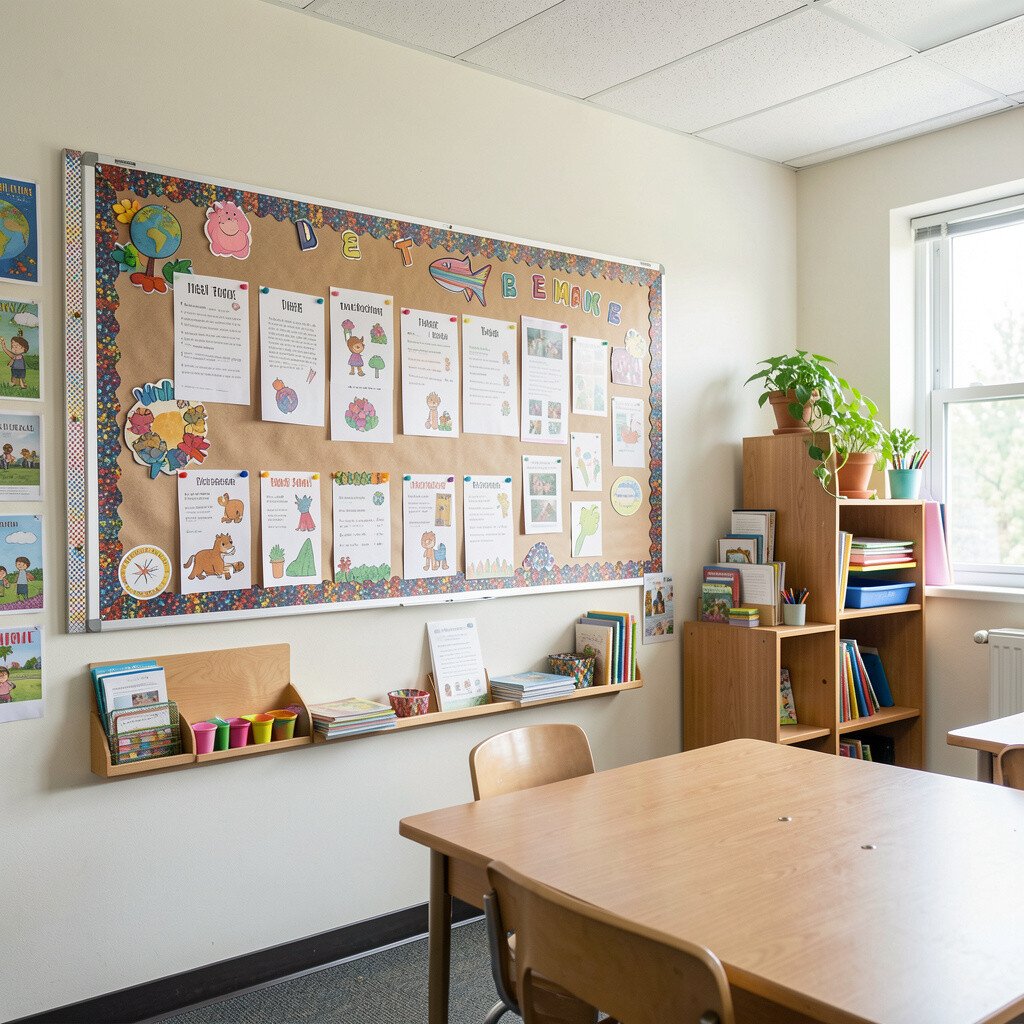
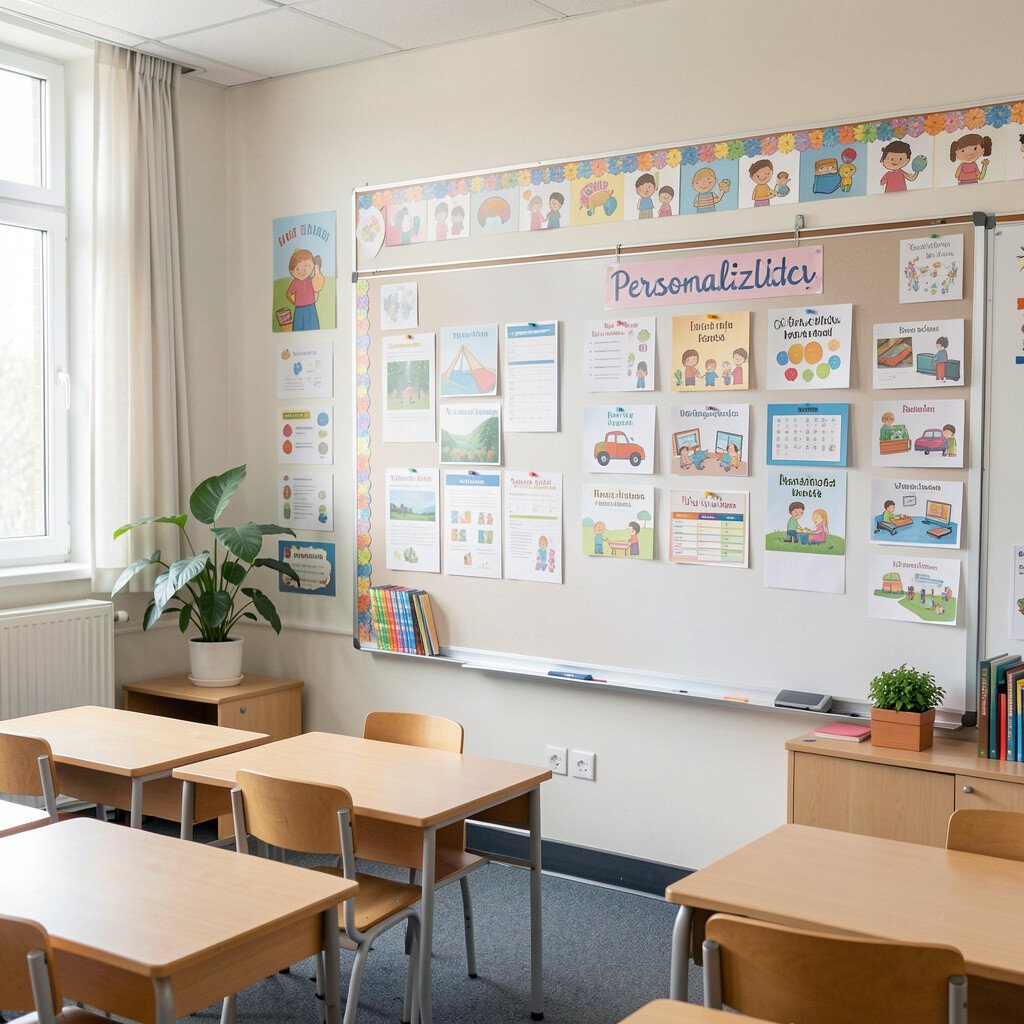
8. Personalize Your Bulletin Boards With a Theme Twist
Personalize Your Bulletin Boards With a Theme Twist
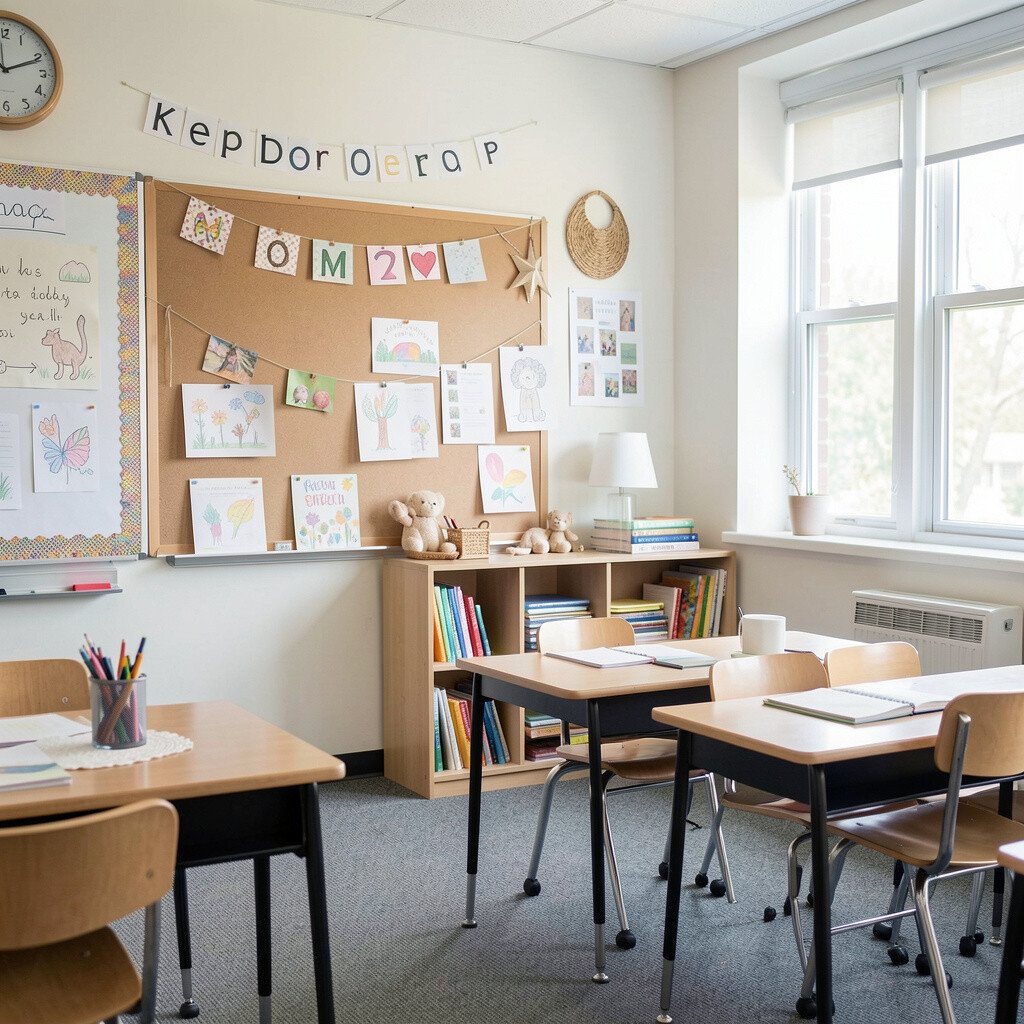
Bulletin boards are the easiest place to bring personality, so use them like a rotating story. Select a theme that fits the season, like warm autumn leaves or gentle ocean colors.
Then personalize it with small student contributions, such as “I can” goals, class class rules, or mini artwork. When learners see their creations on display, they treat the room with care.
Keep the layout consistent by using the same border style and similar spacing for every section. A neat board still feels cozy because it’s easy to read and not overwhelming.
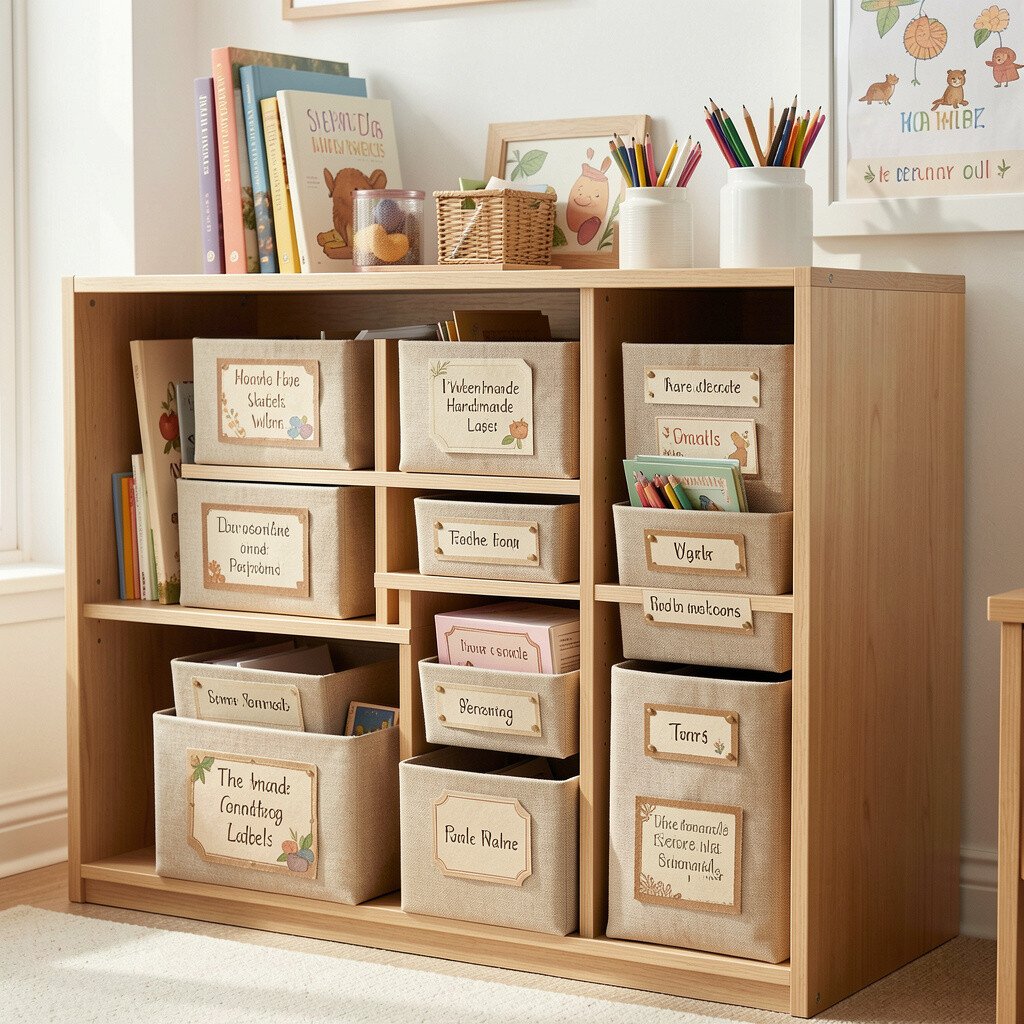
9. Use Warm, Handmade Labels for Storage
Use Warm, Handmade Labels for Storage
Labeling bins helps students find supplies fast, and speed feels comforting. Make labels with thick paper, handwritten fonts, or cut-out icons instead of plain typed strips.
Group items by learning centers and add small pictures that match what’s inside. Kids enjoy matching images, and it lowers the number of questions you hear during busy transitions.
Use adhesive vinyl or laminated cardstock so labels stay neat after spills and frequent handling. This kind of personalization is low cost and high impact.
10. Add a Seasonal Scent Strategy Without Overdoing It
Add a Seasonal Scent Strategy Without Overdoing It
Cozy often includes sensory comfort, but keep it gentle and safe. Choose light, classroom-friendly options like subtle essential oil diffusers only if your school allows them.
Alternatively, use simmering pot recipes at home for inspiration, then bring the cozy feeling through decor. A scented candle in a sealed container can work for staff areas if permitted, but avoid anything that bothers allergies.
Use visual scent cues instead, like cinnamon-colored paper garlands or cozy fall-themed signs. Students still get the mood without the strong smell that might cause trouble.
11. Set Up a “Calm Corner” With Soft Visuals
Set Up a “Calm Corner” With Soft Visuals
Design a small space where students can reset when emotions run high. Add a comfortable cushion, stress balls, and calming cards with gentle words.
Use soothing colors such as muted blues, soft greens, or warm neutrals to reduce visual intensity. When students have a safe place, you’ll see fewer outbursts and more recovery time.
Include a simple seating plan so students know where to sit and how long to use the corner. This personalization builds routine and helps the space feel like it belongs to everyone.
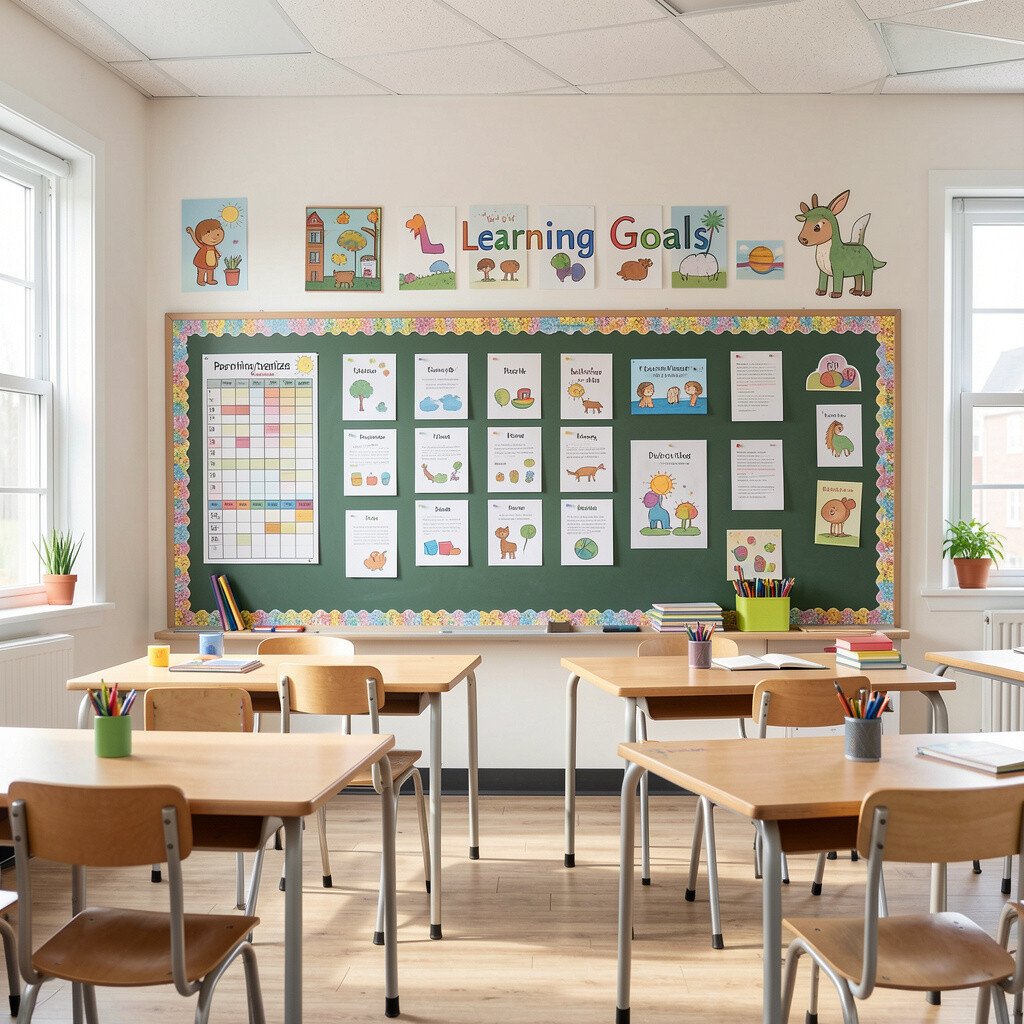
12. Display Learning Goals in a Clear, Friendly Way
Display Learning Goals in a Clear, Friendly Way
Show weekly or unit goals where students can see them without searching. Use short phrases and bright icons that connect to the lesson.
Keeping goals visible supports focus because students know what success looks like. When kids feel progress, the classroom mood stays positive and cozy rather than tense.
Update the display with new student work or “check-in” circles to show growth. It’s unique because it records your class journey, not just teacher instructions.
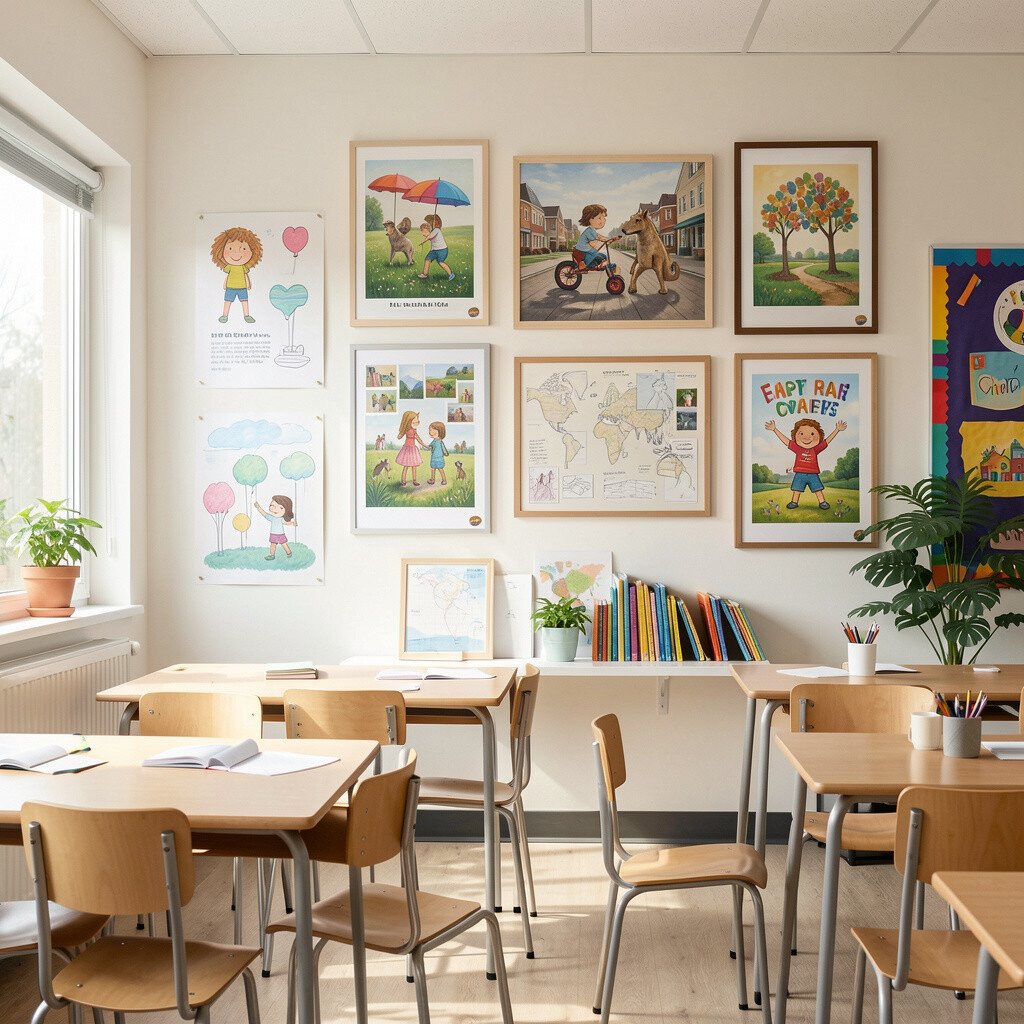
13. Curate Wall Art That Matches Your Teaching Style
Curate Wall Art That Matches Your Teaching Style
Choose a few pieces of art that reflect how you teach, not just what looks cute. For example, if you love storytelling, use framed quotes, illustrated posters, or student book character drawings.
Keep art grouped so the wall feels intentional and balanced. When spaces look planned, they feel calmer and more inviting.
Use thrifted frames or printables, then swap the art as seasons change. Current trends favor simple gallery walls and mix-and-match frames, and you can copy that style using school-safe materials.
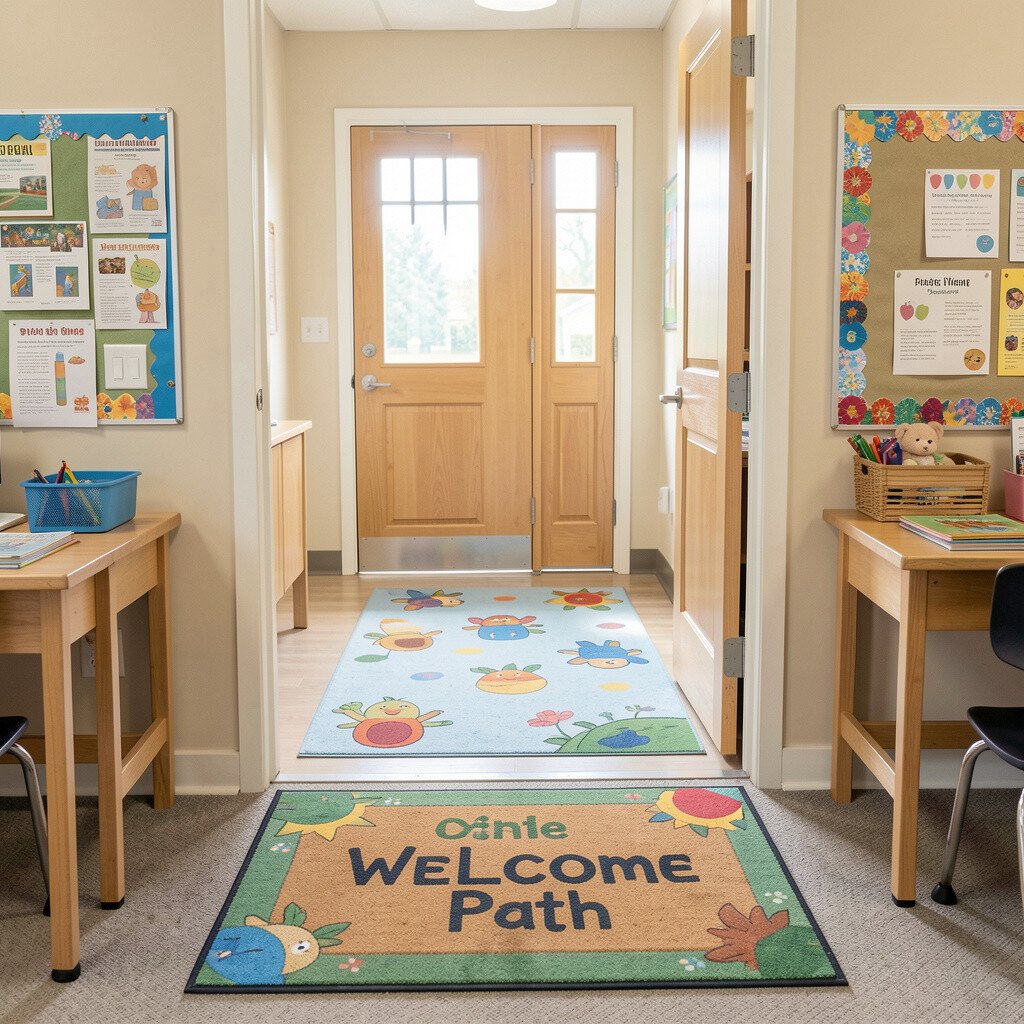
14. Create a Custom “Welcome Path” at the Door
Create a Custom “Welcome Path” at the Door
A welcome path helps students feel oriented the moment they enter. Add a small rug, gentle floor decals, or a lined hallway sign that points toward learning areas.
Use student-made accents like a class banner or a rotating “today’s mood” display. The room feels like it’s ready for them, which supports better transitions.
Keep the message upbeat and short so it’s easy to read at a glance. This is personalization with real routine benefits, and it doesn’t require a major budget.
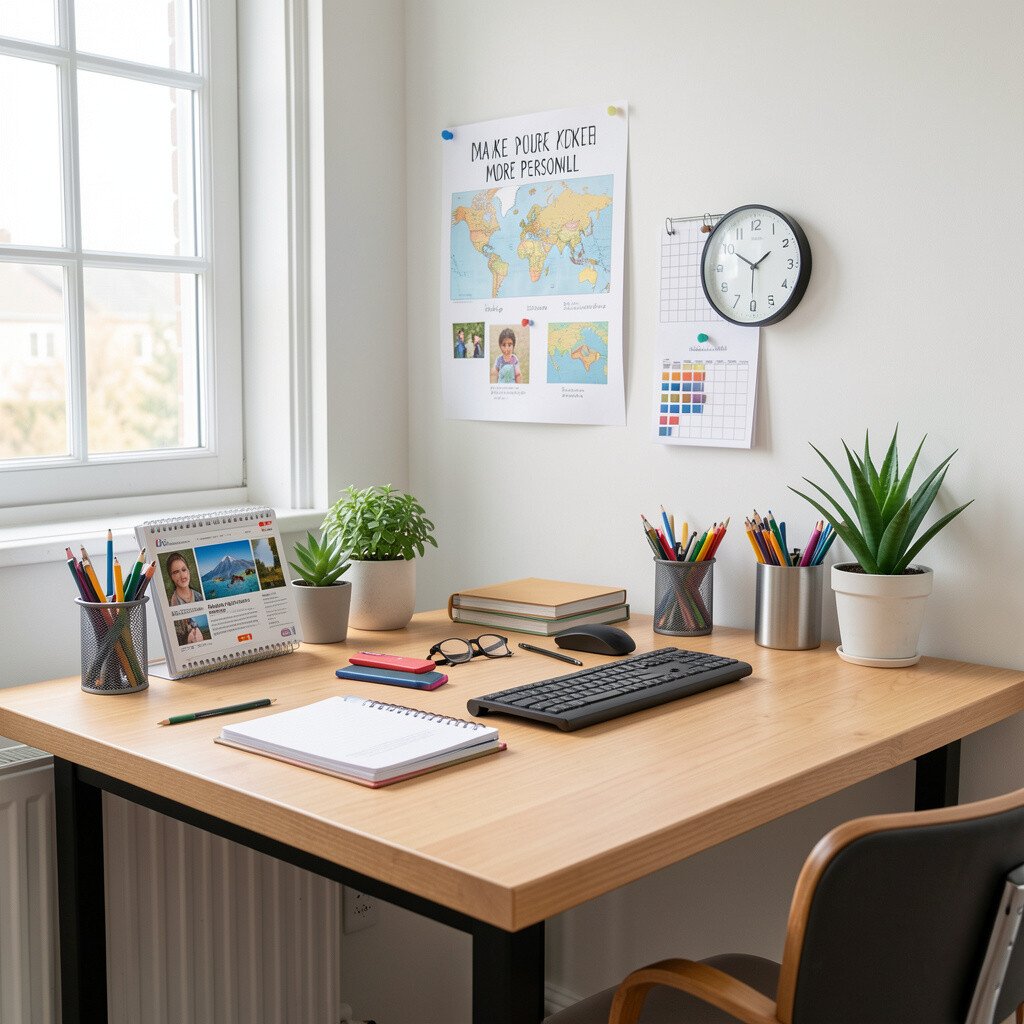
15. Make Your Desk Area More Personal and Organized
Make Your Desk Area More Personal and Organized
Your desk area affects how the whole room feels, even if students rarely notice. Choose a tidy organizer setup that matches your palette and add a small personal item that feels comforting.
Consider a photo, a calming sign, or a small plant that can handle classroom conditions. A neat desk helps you move faster, and that speed keeps the day smoother.
Label your personal drawers or storage shelves so supplies stay ready. When everything has a place, your classroom becomes more functional and cozy at the same time.
16. Upgrade Student Seating With Cozy Touches
Upgrade Student Seating With Cozy Touches
Seat comfort matters, and small changes can make learning feel better. Use chair cushions, seat toppers, or soft covers that are easy to wipe clean.
Add desk-sized lap trays or folder bins so supplies stay neat. Students feel more secure when their things don’t spill or roll away.
If you can, match the cushion colors to your palette for a unified look. This personalization costs less than full furniture upgrades and still makes a big visual difference.
17. Use Interactive Display Pieces That Students Help Update
Use Interactive Display Pieces That Students Help Update
Choose display items that students can change, so the decor becomes part of learning. Examples include pocket charts, clip-up timelines, or rotating achievement boards.
When students handle the pieces, the room feels more alive and less like a static backdrop. This also supports responsibility because kids know what to update and where.
Keep the system simple so it’s easy to maintain, even during a busy week. Current trends lean toward flexible, student-updated visuals, and you can make that trend work for any age group.
18. Style Your Classroom With a Cozy Floor Plan
Style Your Classroom With a Cozy Floor Plan
Layout shapes the mood more than most people expect. Place learning centers so students can see directions and move without bumping into each other.
Use rugs to define zones for reading, group work, or quiet activities. When the room has clear areas, students know what to do and settle faster.
Leave breathing space around high-traffic spots, especially near the door and whiteboard. A cozy floor plan reduces chaos, and fewer stressful moments help the room feel welcoming.
19. Keep Decor Manageable With a Simple Rotation System
Keep Decor Manageable With a Simple Rotation System
Cozy doesn’t mean covering every surface, and it doesn’t mean buying everything at once. Use a rotation plan where only a few decor pieces are “featured” at any time.
Switch out seasonal accents, student work highlights, and goal displays while keeping the core routines and labels stable. This keeps the room feeling fresh without constant rebuilding.
Store extra materials in labeled bins so changes happen quickly when the calendar shifts. When your decor stays manageable, you save money and reduce stress, which makes the classroom atmosphere feel cozy all year long.