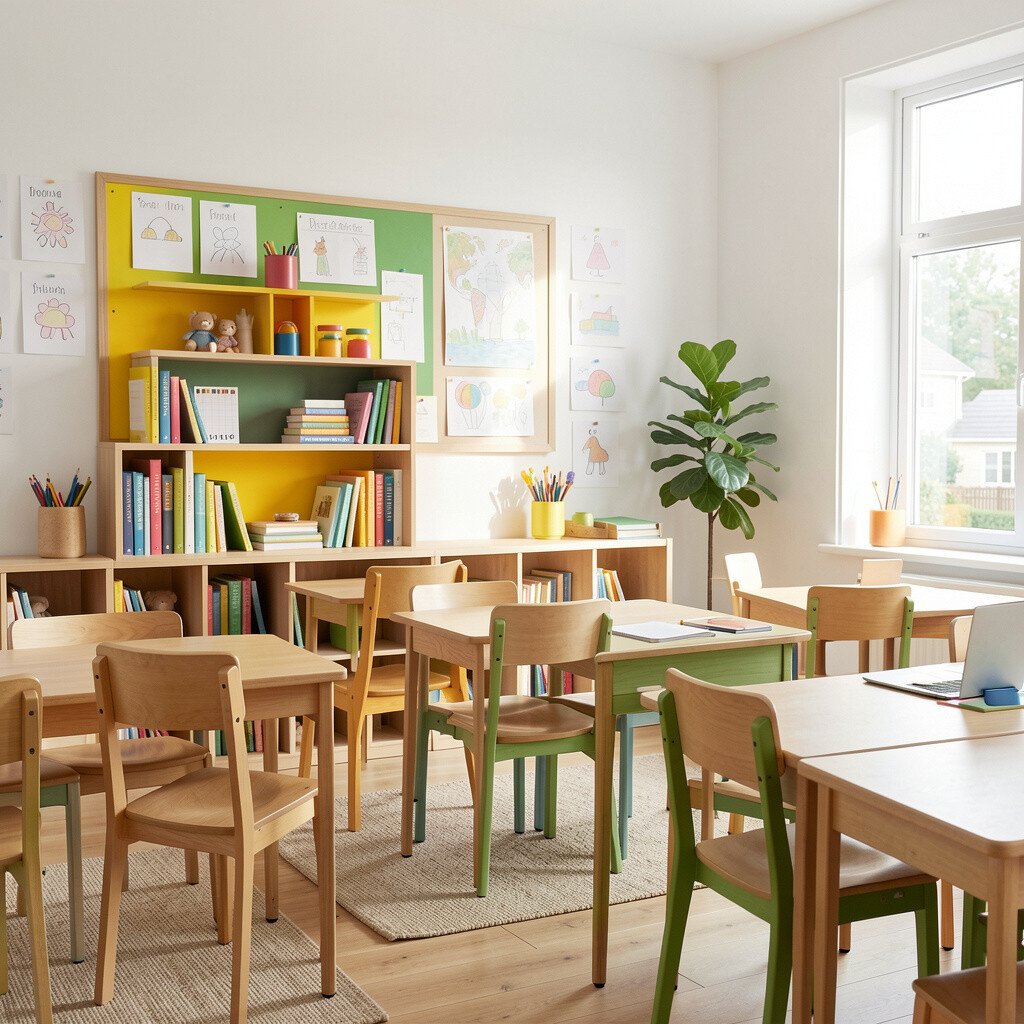
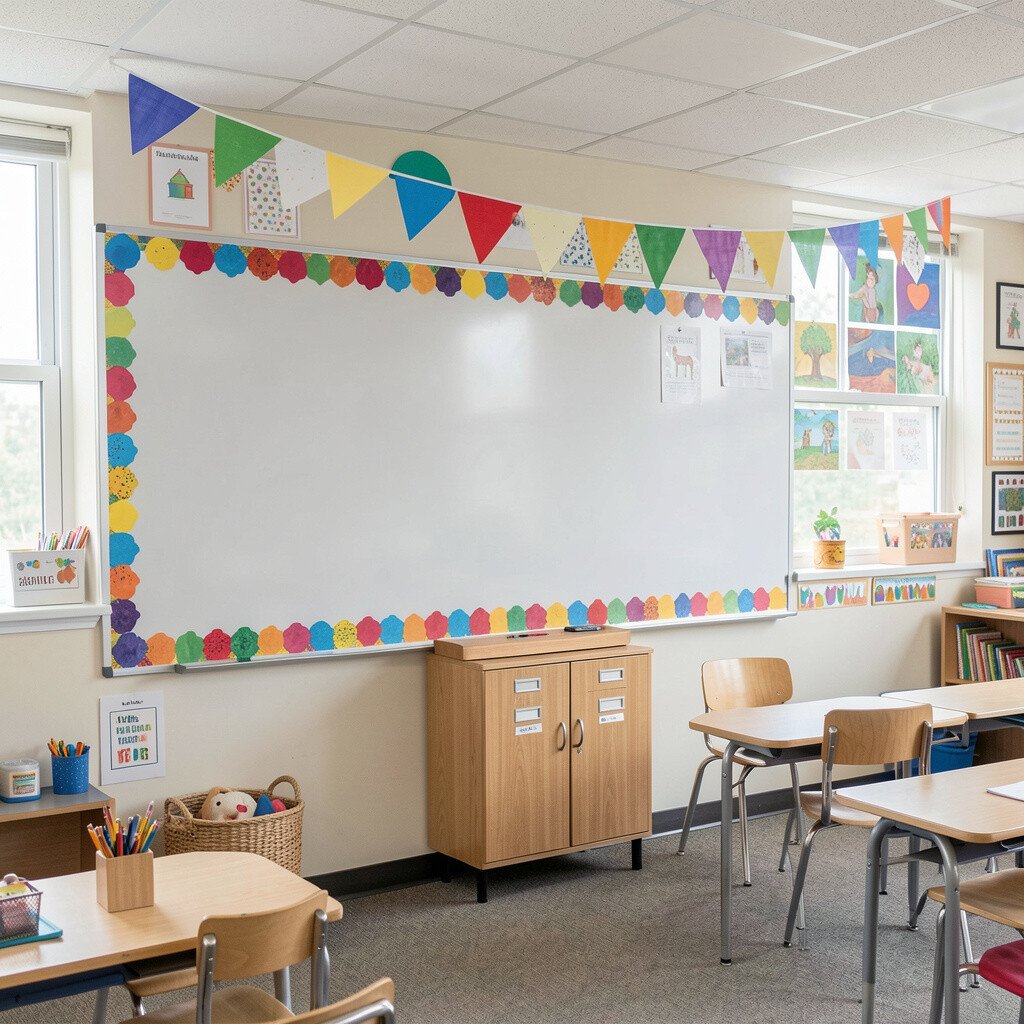
Pick one cheerful color to use around the room, like sunny yellow or sky blue. When students see the same shade in posters, bins, or trim, the whole space feels more connected.
Choose a spot where the color will be easy to spot, such as the front board border or the edge of a bulletin display. A bright accent can also help directions look clearer, because eyes know where to land first. If you want it to feel fresh, swap seasonal shades by changing only a few printables.
2. Use Natural Light Like a Design Partner
Use Natural Light Like a Design Partner
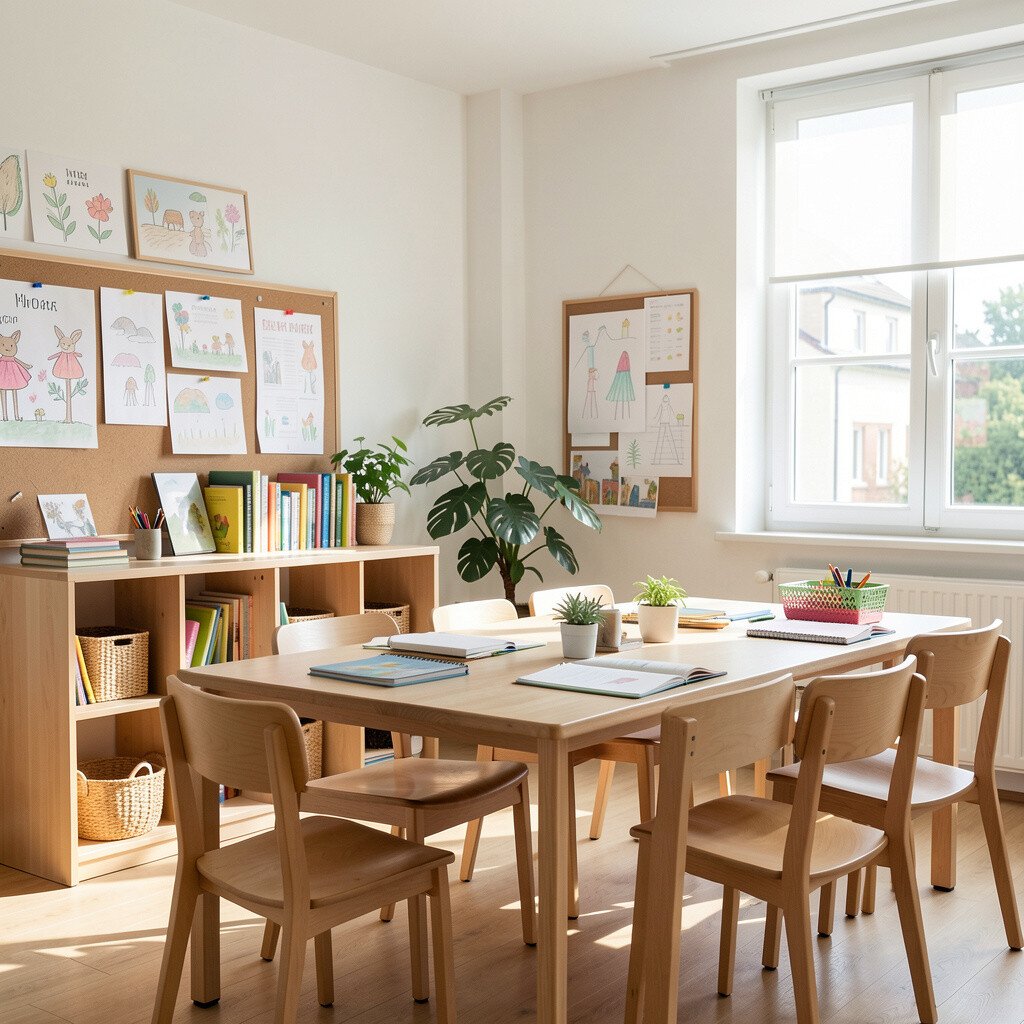
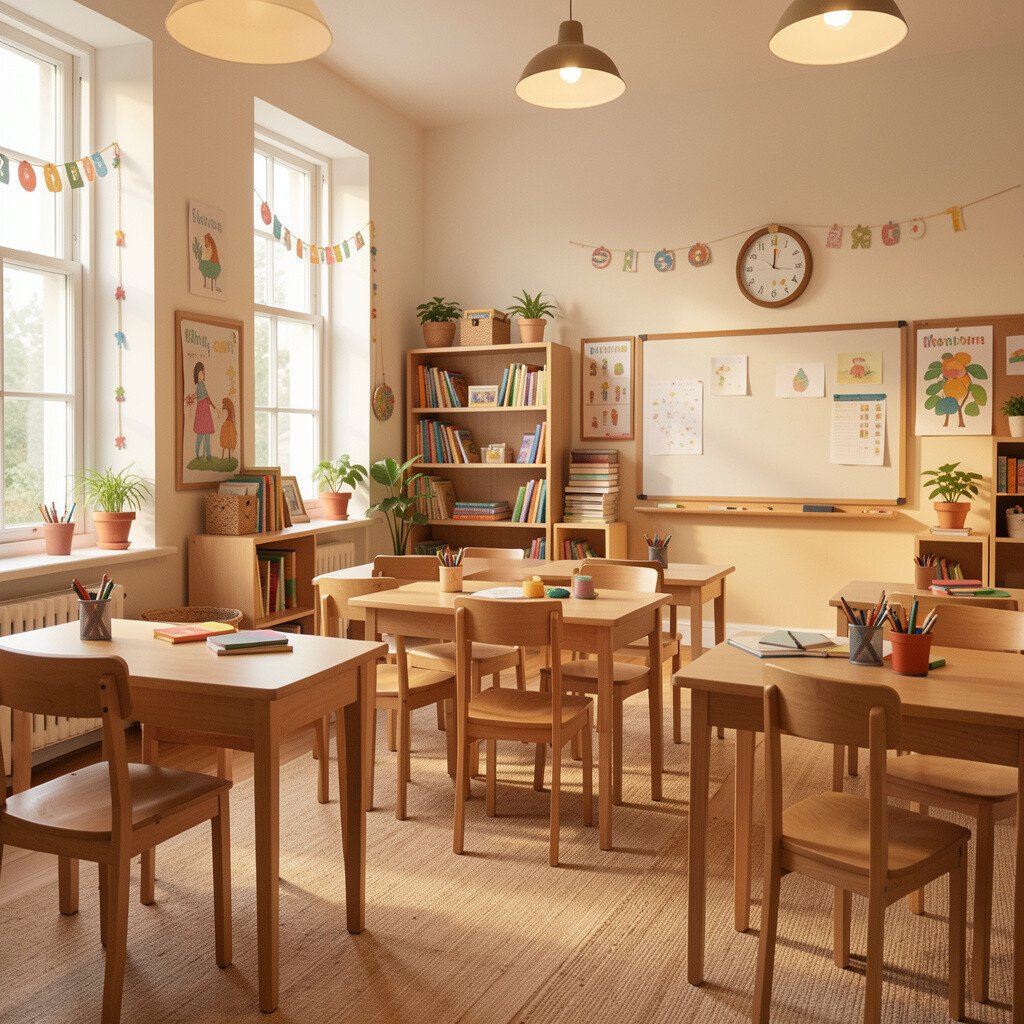
Position desks so students can benefit from daylight without glare. Even simple changes, like turning a table slightly, can make reading and writing feel more comfortable.
Open curtains partway during the day and keep window corners uncluttered. Soft natural light helps colors look truer, so your displays seem brighter and cleaner. If the room is often dim, choose lighter curtains or add a sheer layer for a gentle glow.
When you can’t control the sun, place a white or light-colored board where it can reflect light. Students often focus better when their environment feels airy, not heavy.
3. Add a Welcoming Doorway Display
Add a Welcoming Doorway Display
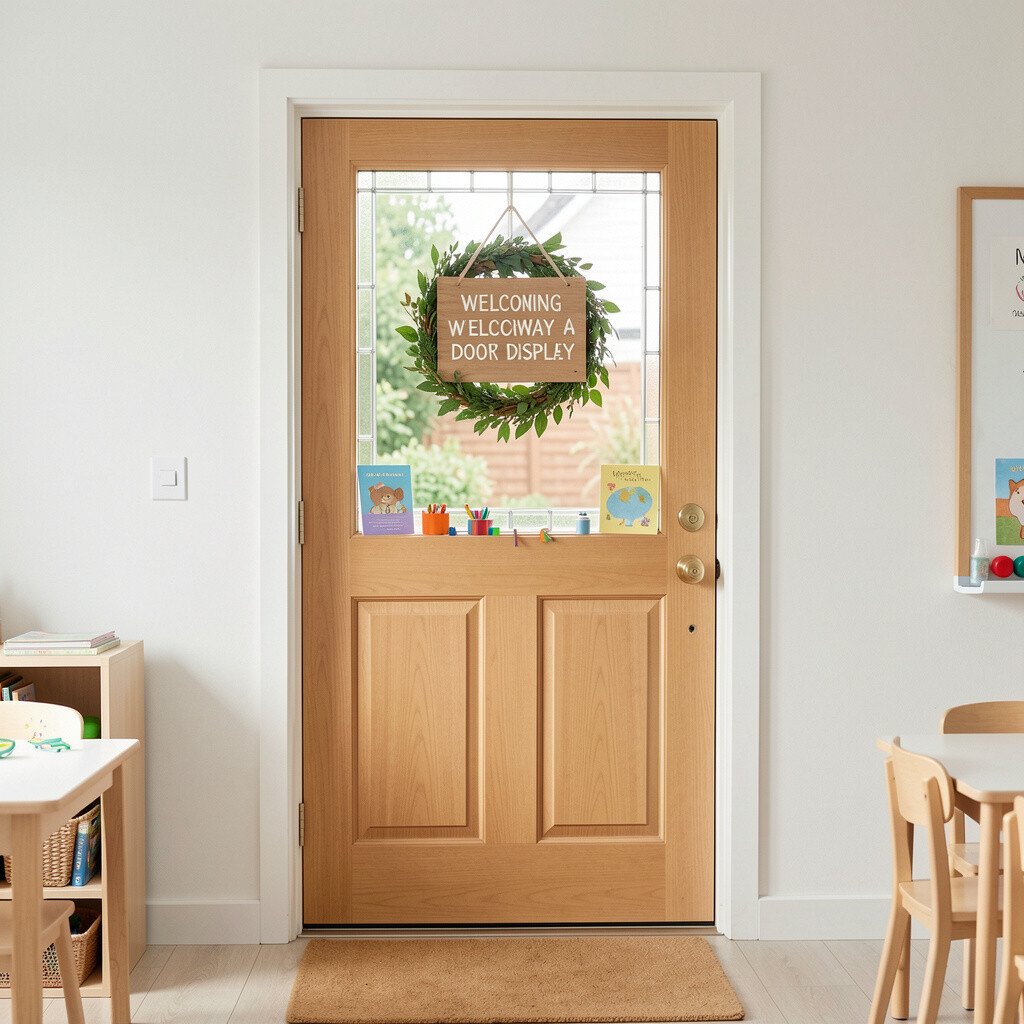
Create a small “welcome” area near the door with your class name, a banner, or a simple photo strip. Seeing a friendly display right away helps students feel like they belong.
Use a mix of student-friendly images and calm background colors so it looks inviting, not crowded. You can rotate what’s on the doorway monthly, like a “what we learned” board or a kindness mural.
For cost control, print one good banner or use a single poster template you can reuse. Laminate a few simple cards and replace only the text to keep updates quick.
Consider adding a light garland or paper pennants in your accent color for extra warmth. When the entry looks cheerful, the whole day starts on a brighter note.
4. Create Labeled Learning Zones
Create Labeled Learning Zones
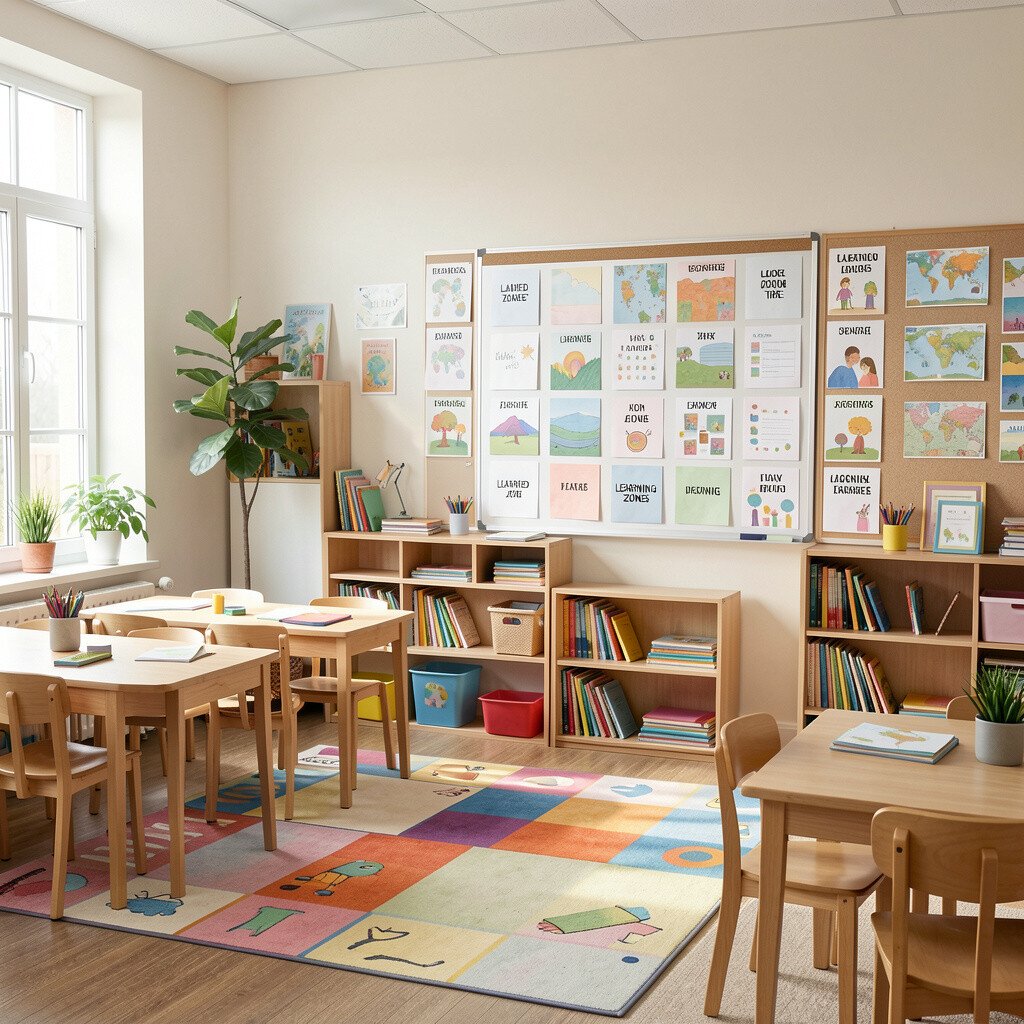
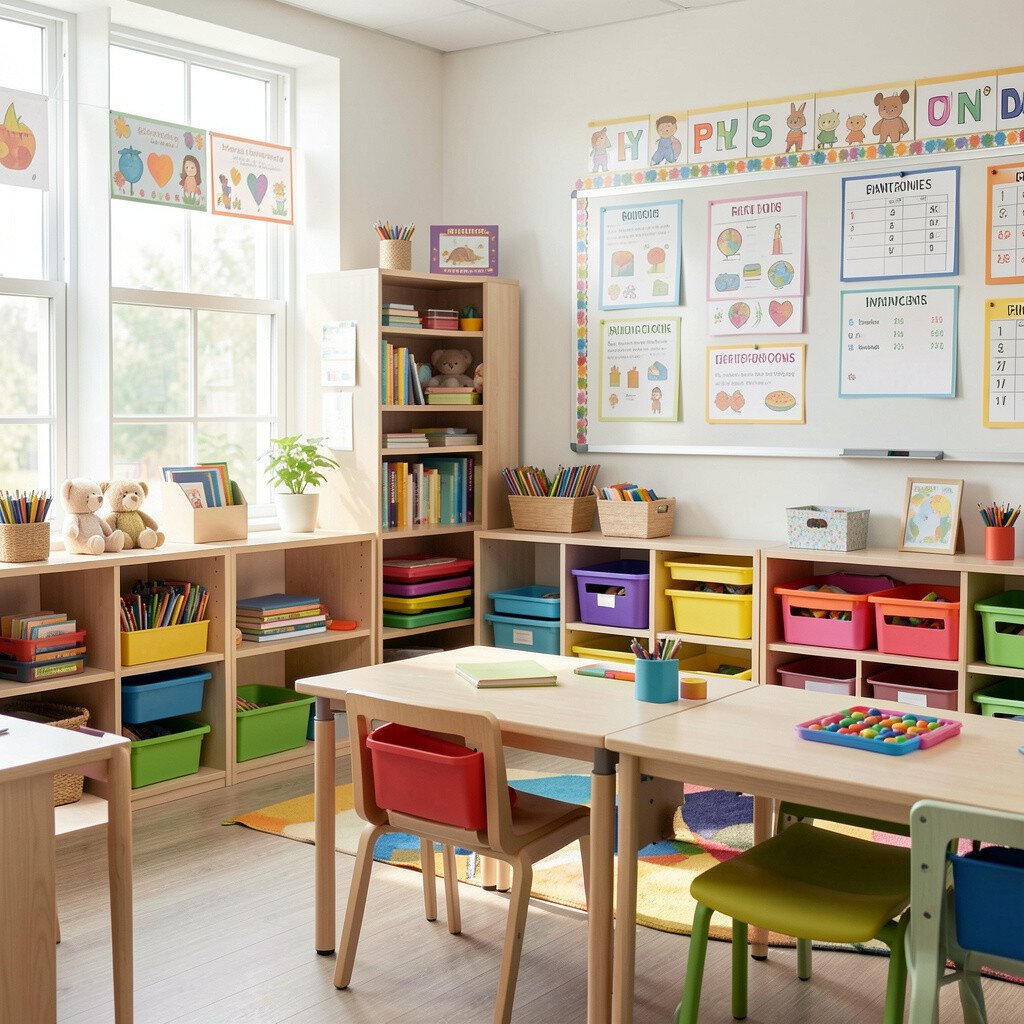
Set up clear zones for different activities and label them in big, readable letters. Students do better when they know where materials belong without asking every time.
For example, you can have one area for books, one for group work, and one for independent practice. Use colorful signs that match your accent color, so the room feels organized and cohesive.
5. Turn Supplies Into Visible, Easy Choices
Turn Supplies Into Visible, Easy Choices
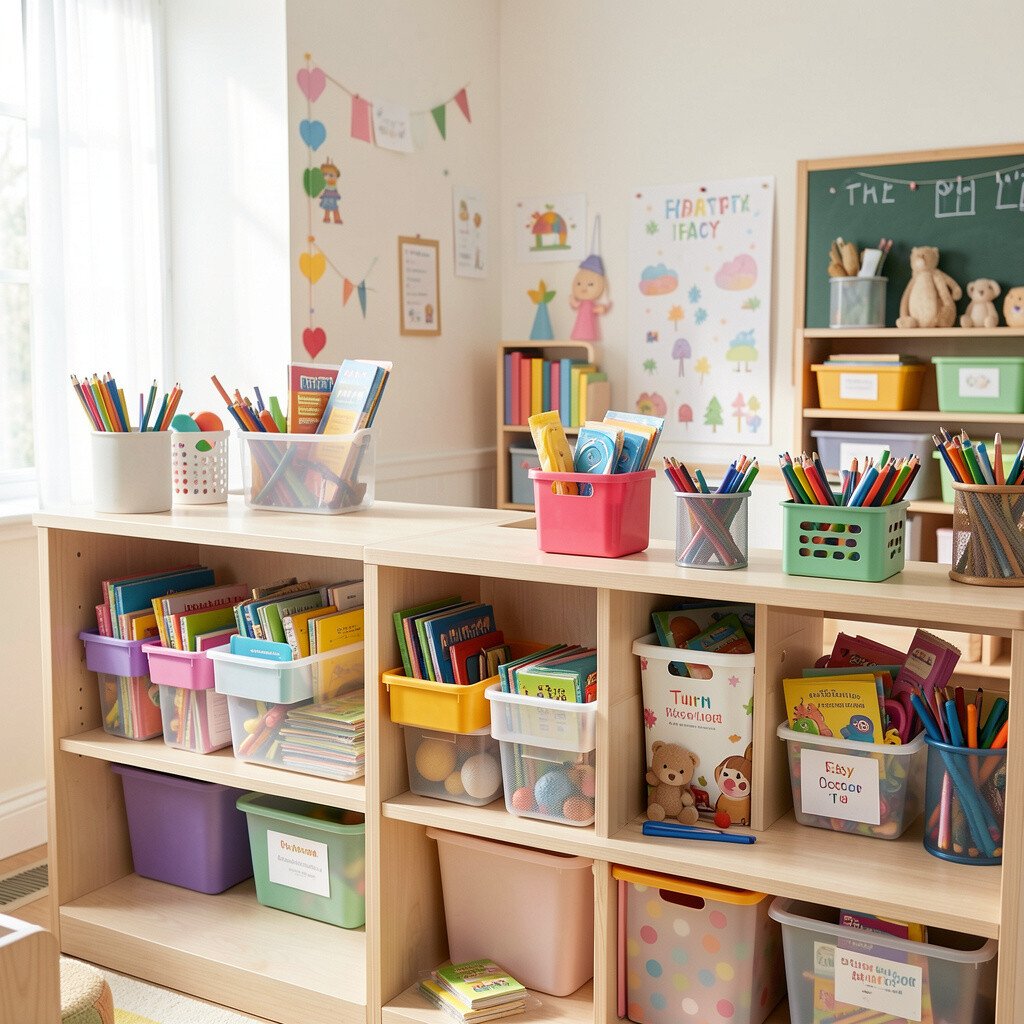
Use transparent bins or open baskets so students can see what’s available. When items are visible, students waste less time searching and more time creating.
Arrange bins by use, like “reading,” “writing tools,” or “turn-in.” Add a photo label for younger learners because pictures reduce confusion and make independence easier.
To personalize, let students help choose which labels they like best. You can also adjust bin colors each quarter so the classroom feels like it’s growing with the class.
6. Make a Cozy Reading Nook
Make a Cozy Reading Nook
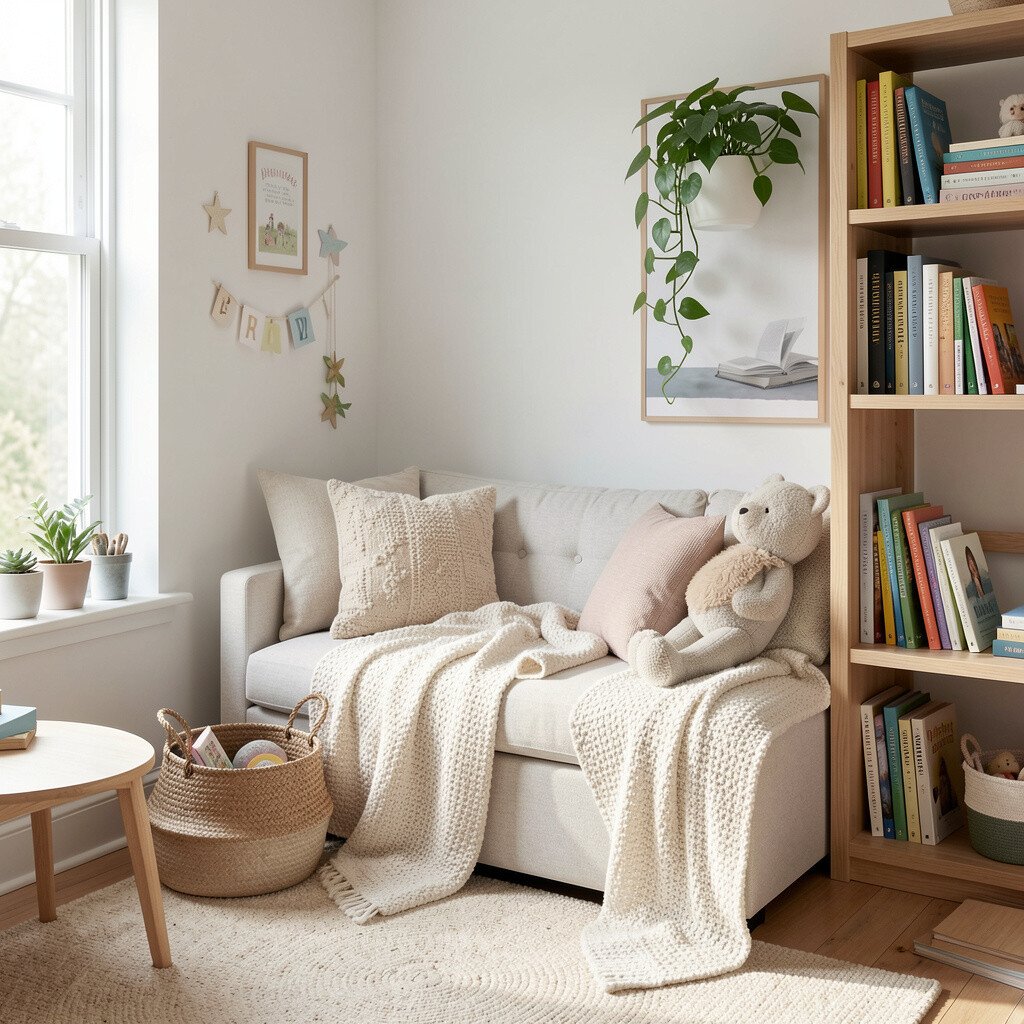
Choose a corner and add a soft rug, a couple of comfy chairs, or even floor cushions. A reading nook makes quiet time feel special and encourages students to settle in sooner.
Hang a simple curtain backdrop or a string of small lights to add a warm glow. Keep the area uncluttered, with only a few book options so students feel calm when they enter.
7. Hang Student Work in Thoughtful Layers
Hang Student Work in Thoughtful Layers
Display student work at eye level and change it often so the room stays alive. When kids see their efforts on the walls, they feel proud and want to keep trying.
Use binder clips or corner hooks so you can swap pages quickly. Rotating work also helps you keep papers from piling up in drawers, which saves time during grading days.
Try a variety of formats, like drawings, writing samples, and class posters, so the display looks dynamic. For uniqueness, include a few “process” pieces, not just final work.
8. Use Color-Coded Routines and Materials
Use Color-Coded Routines and Materials
Assign colors to routines so students can follow steps without long reminders. A small color system can reduce stress and make transitions smoother.
For instance, use one color for morning tasks, another for group work, and another for cleanup. You can match these colors on desk strips, pocket charts, or folder labels.
9. Add a Simple Growth Mindset Wall
Add a Simple Growth Mindset Wall
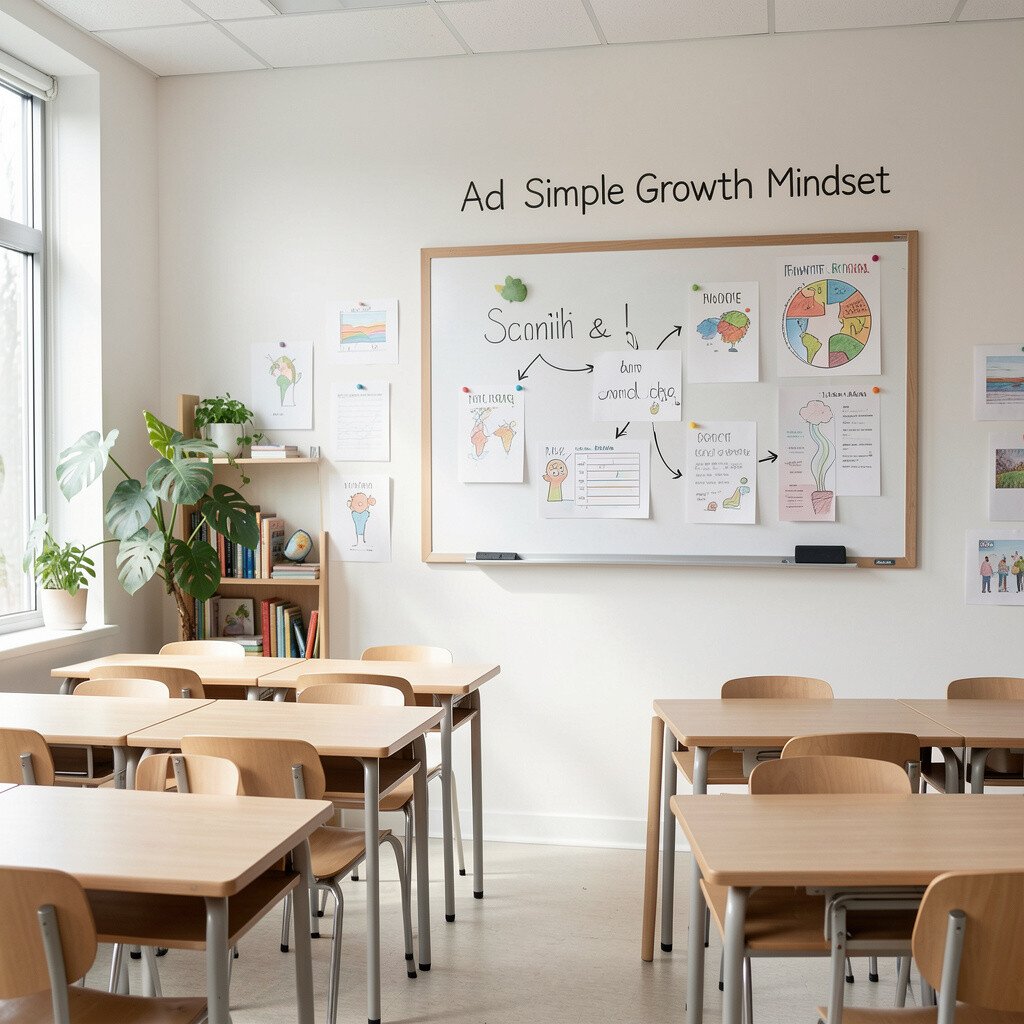
Place positive messages around the room, but keep them short and student-friendly. Words like “try again,” “ask for help,” and “keep going” can set a supportive tone.
Use visuals next to the phrases, such as small icons or drawings that match the theme. Students remember ideas better when the message looks inviting, not like a strict rule.
To personalize, add a student-created quote board where kids finish the same sentence each month. That way the wall becomes a living part of your classroom community.
10. Use Posters That Match Your Teaching Style
Use Posters That Match Your Teaching Style
Choose classroom posters that support what you actually teach, not just what looks trendy. When posters fit your lessons, students will use them more, which makes the wall space worth it.
Pick a consistent font style and keep the number of posters reasonable so your room stays easy to scan. If you use math anchors, make sure they match your methods so students don’t get mixed signals.
For current trends, teachers often prefer clean designs with icons and minimal text. That look helps kids focus and reduces visual overload.
11. Create a Calendar With Movement-Friendly Space
Create a Calendar With Movement-Friendly Space
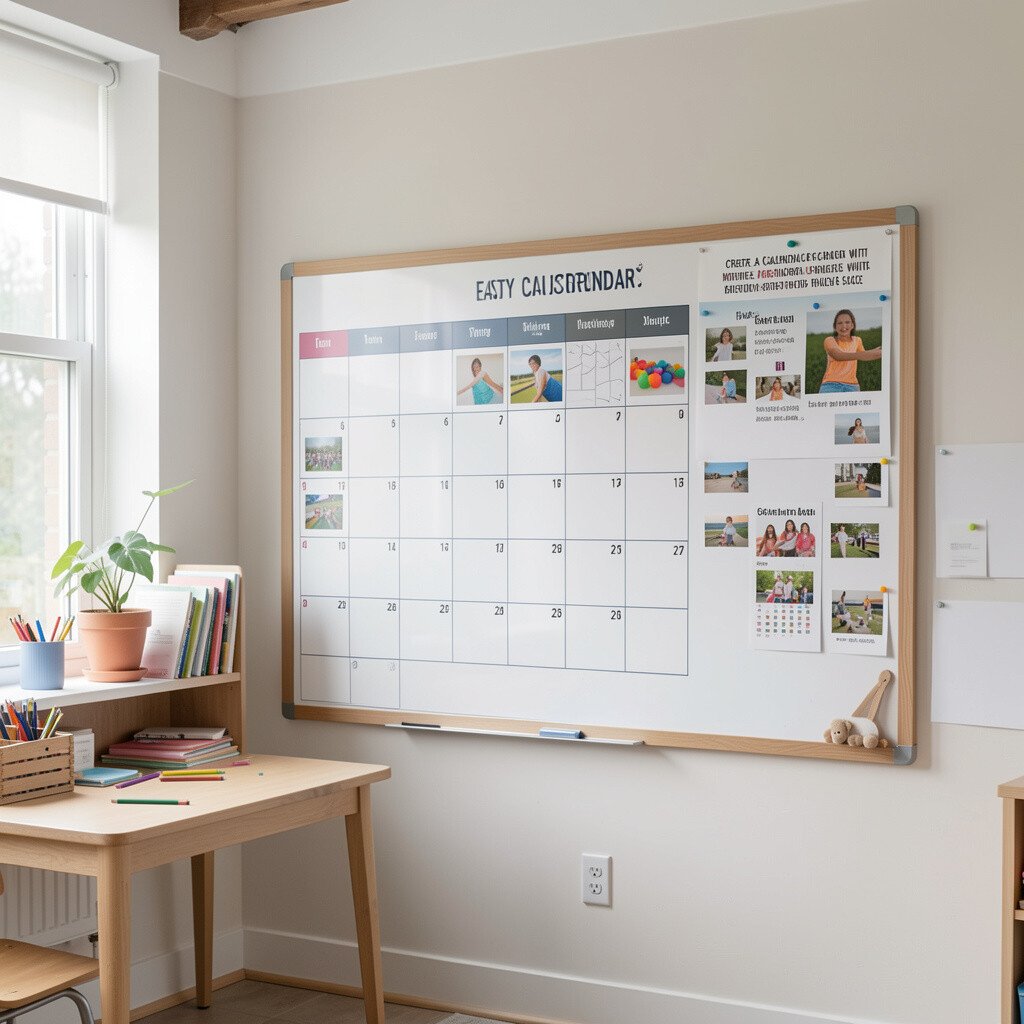
Make your calendar area interactive, using spaces for daily updates and quick visuals. A well-set calendar makes the start of the day feel structured and bright.
Use dry-erase pieces or movable cards so you can change it quickly without taping new things every time. Students can also take turns moving the date pieces, which adds ownership.
Personalize by adding small student photos tied to the month theme, like “our learning,” “our projects,” or “our kindness.” Keep it simple so updates stay easy during busy weeks.
12. Build a Gallery for Class Projects
Build a Gallery for Class Projects
Set up a long horizontal display on a bulletin board or along a wall ledge. A gallery lets you show projects in a way that feels like a real exhibit.
Use removable frames or string with clips so new pieces can go in without messy tape. When the gallery is tidy, students see that the room is cared for, and they mirror that mindset.
Try adding a mix of sizes, like one large centerpiece and several smaller works around it. That layout creates balance and helps students notice details without getting overwhelmed.
13. Add Seasonal Touches Without Starting Over
Add Seasonal Touches Without Starting Over
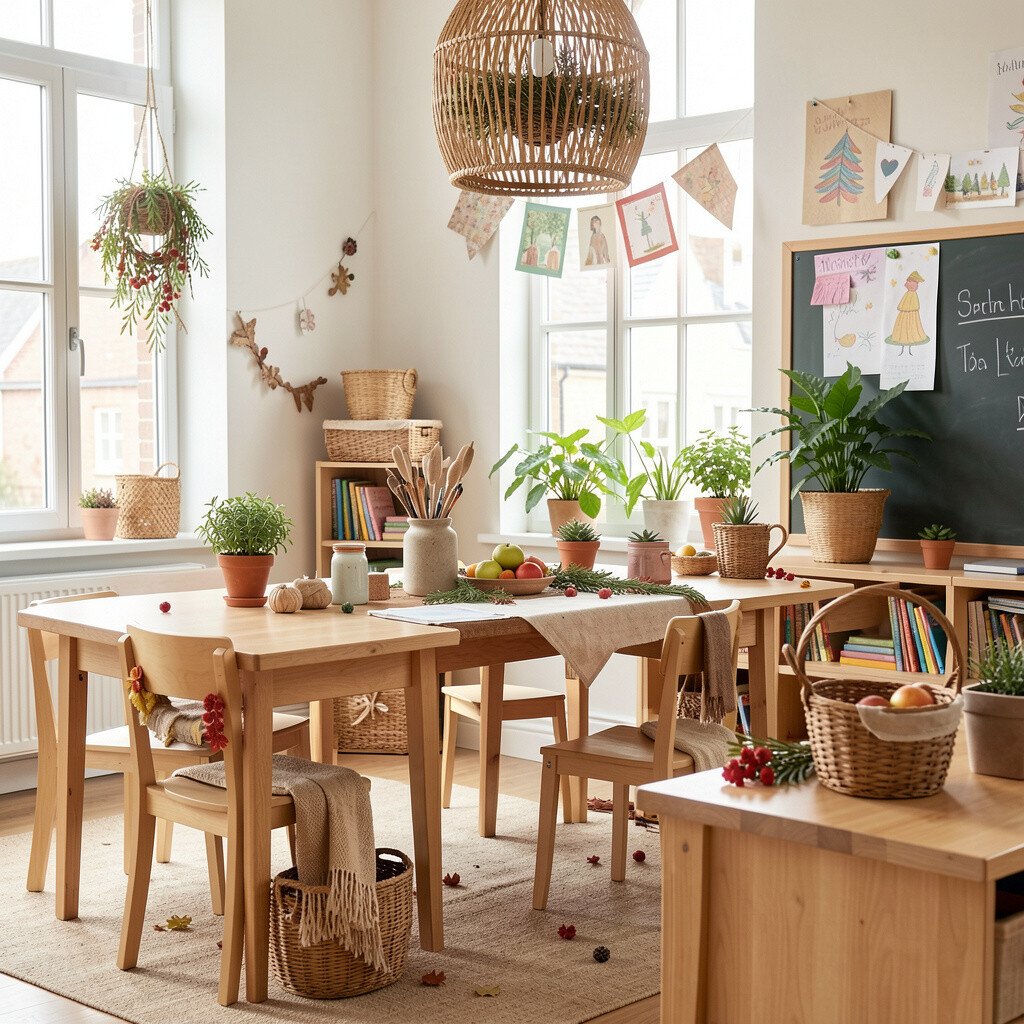
Use a few seasonal decorations that you can swap quickly, like themed borders or a hanging banner. Keeping the core of your room the same helps students feel stable while still enjoying novelty.
Choose items that store flat, like cardstock garlands or reusable printed pieces. This also helps with cost, because you’re buying fewer supplies over time.
If your school allows it, ask students to help assemble seasonal displays. When they make the change together, the decorations feel personal rather than imposed.
14. Use Warm, Friendly Lighting Options
Use Warm, Friendly Lighting Options
Lighting can make a room feel bright even when overhead lights are harsh. Small lighting tweaks can soften corners and help the space feel more welcoming.
Try battery-operated string lights along the top edge of a bulletin board or around a reading corner. Keep cords tucked away for safety, and choose warm tones so the room feels cozy.
For an easy upgrade, use a lamp on a shelf or cabinet with a soft shade. Students often react positively to calmer lighting because it feels less stressful.
15. Make Seating Labels for Independence
Make Seating Labels for Independence
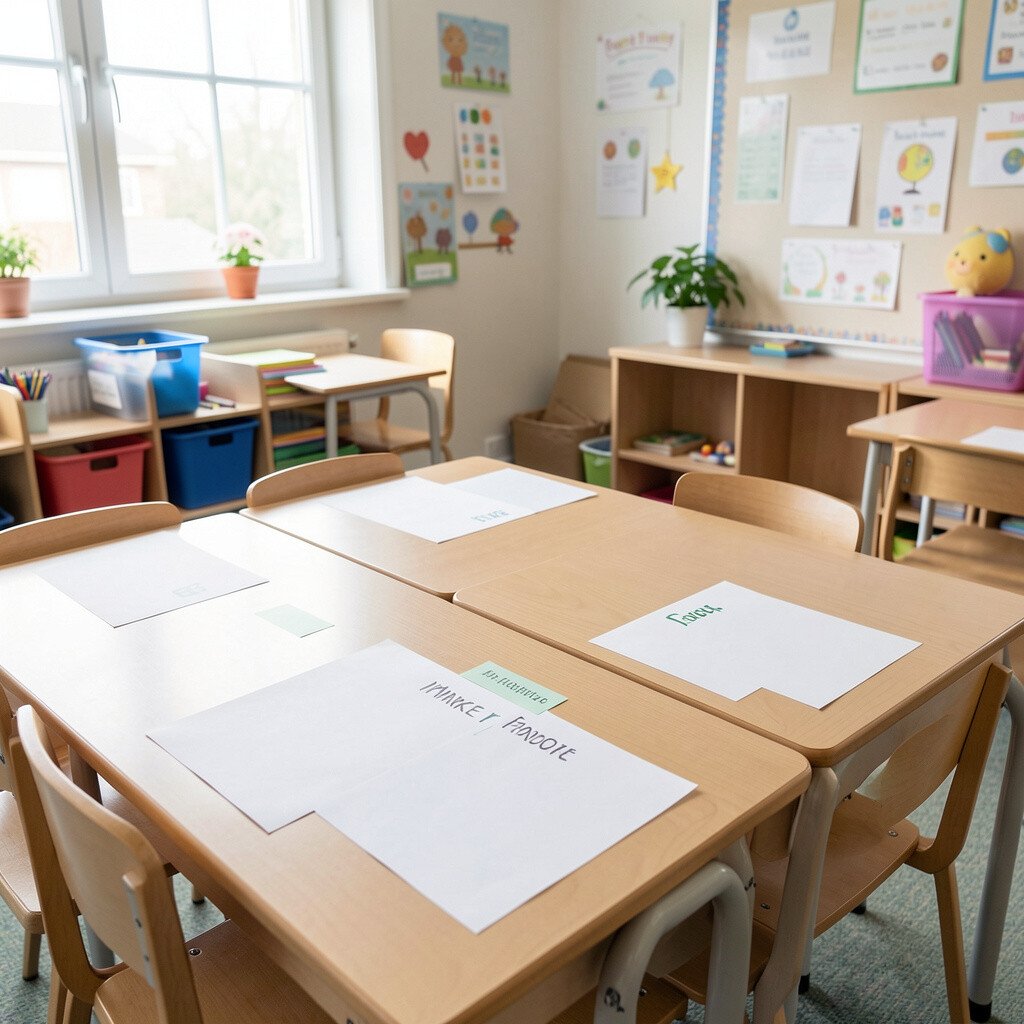
Add desk name tags or seat labels so students know where to go quickly. This is especially helpful during group changes or new seating rotations.
Use simple, colorful labels that match your accent color theme. Add a small picture icon beside each name so kids who are still building reading skills can find their spot.
To personalize, let students choose the style of their label, like a favorite color or simple doodle. It can be a fun first week activity that also reduces confusion all year.
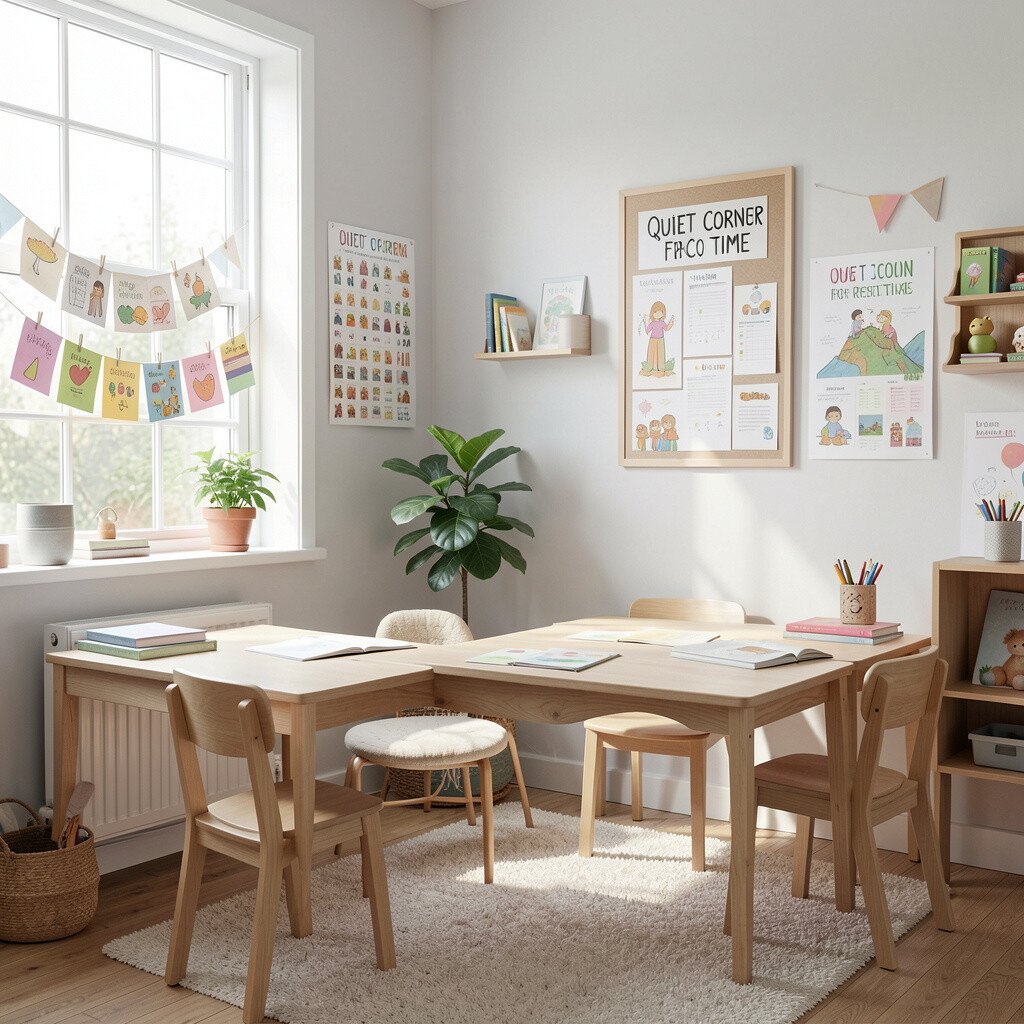
16. Provide a “Quiet Corner” for Reset Time
Provide a “Quiet Corner” for Reset Time
Give students a place to calm down and reset when they need a break. A quiet corner helps behavior and attention because kids have a safe option instead of getting stuck in conflict.
Add a small basket with tools like stress balls, guided breathing cards, or picture choice boards. Use calming colors such as light green or soft blue, and keep the area comfortable and uncluttered.
For cost, print a few calm-down cards and store them in a folder. You can also use student-made posters with breathing steps or kindness reminders.
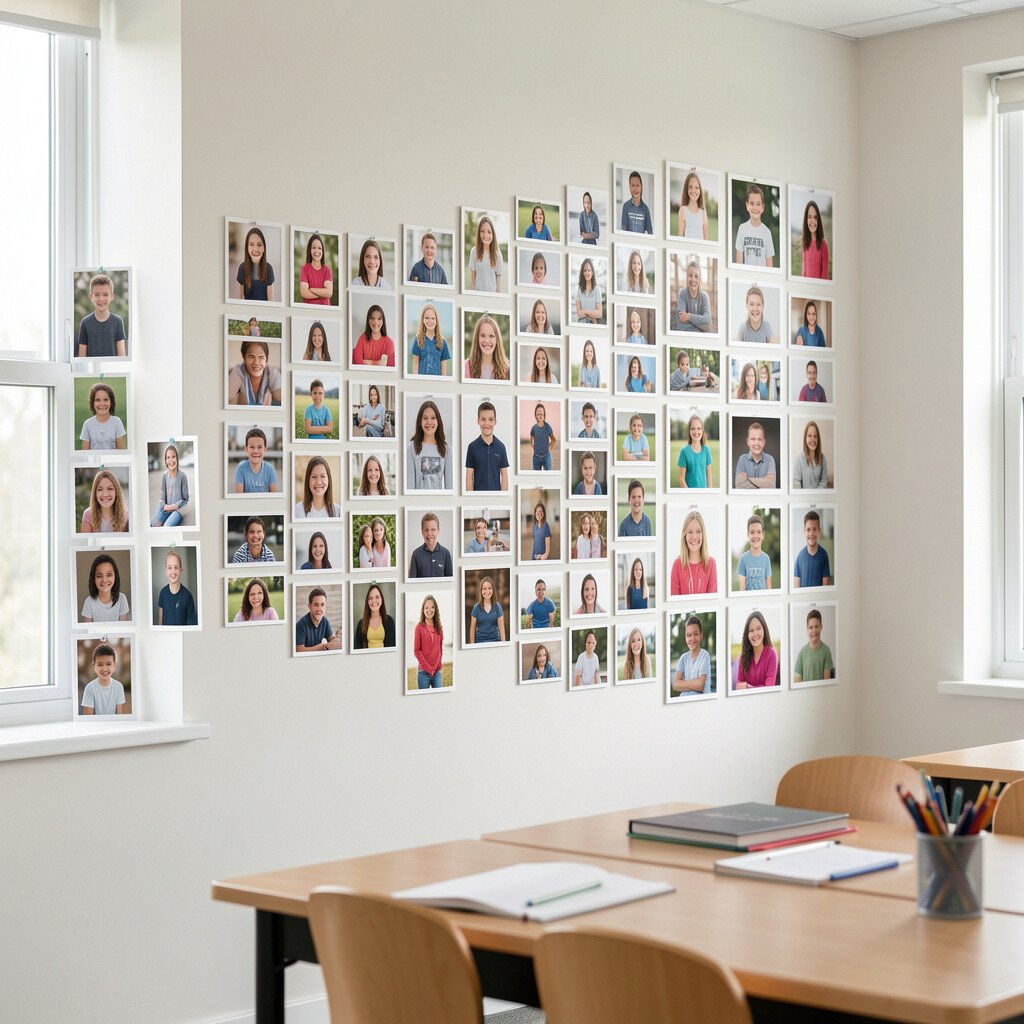
17. Feature a Wall of Student Photos
Feature a Wall of Student Photos
Create a photo display that includes student pictures with positive captions. When students recognize themselves and classmates, the room feels more human and connected.
Try using a simple grid style, with one consistent border color so it looks clean. You can use photos for “class jobs,” “group teams,” or “our community.”
To personalize, include student names written in fun but easy fonts. If you need privacy controls, use first names only and double-check school guidelines.
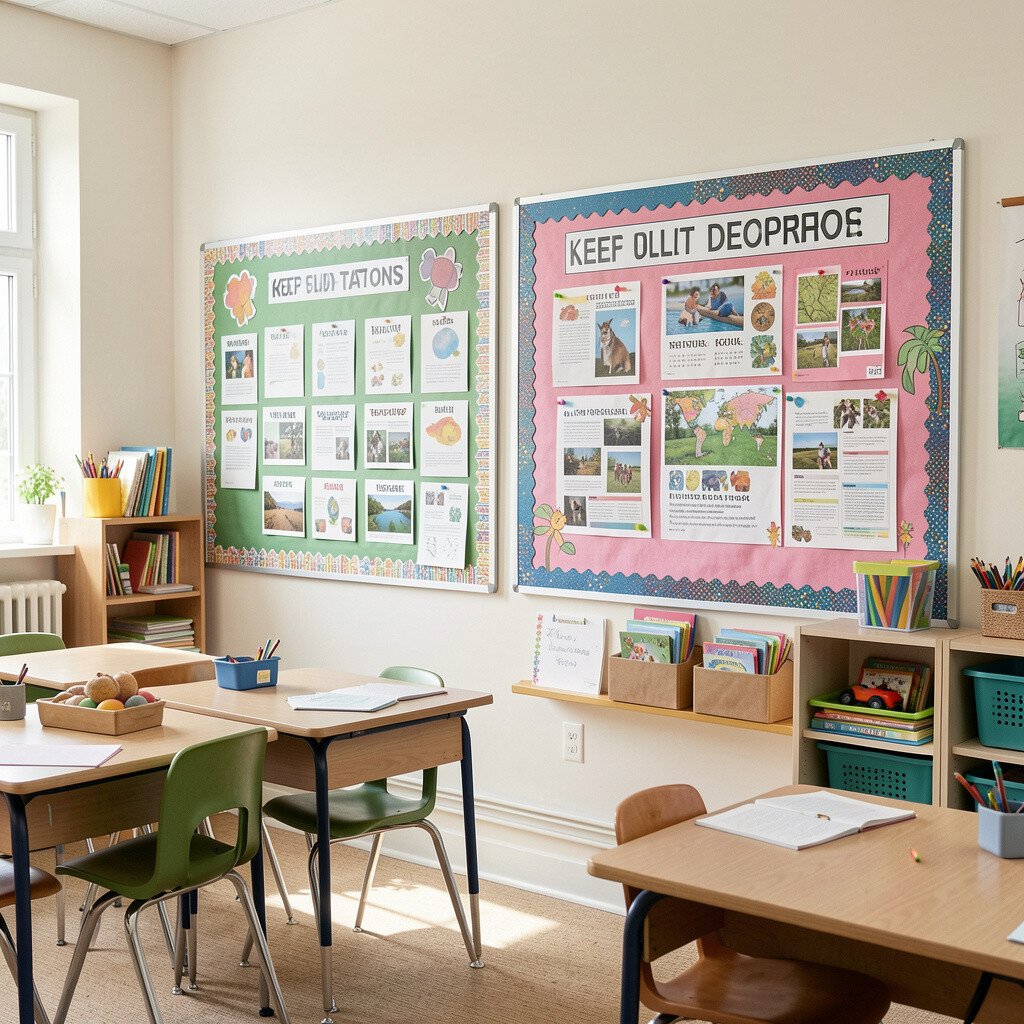
18. Keep Bulletin Boards Fresh With Rotations
Keep Bulletin Boards Fresh With Rotations
Rotate what you place on bulletin boards so students stay curious. When displays change regularly, it signals that learning is ongoing and the classroom is active.
Use reusable templates and swap only the content cards. This saves money and time because you avoid redoing everything each month.
Plan rotations around your unit calendar so the boards feel tied to what students are doing. Fresh boards also reduce clutter because old items can be stored or recycled.
19. Add a Realistic Classroom “Time Travel” Timeline
Add a Realistic Classroom “Time Travel” Timeline
Set up a timeline for the day or week that students can understand at a glance. Visual schedules make transitions smoother and reduce repeated verbal reminders.
Use color-coded blocks that show different parts of the day, like reading, math, and science. Keep the layout consistent so students trust the system and learn how to anticipate what comes next.
For uniqueness, add a small “today’s highlight” card that you update with class work photos. Students often love seeing their day summarized in pictures.
20. Personalize With Student-Created Shapes and Borders
Personalize With Student-Created Shapes and Borders
Invite students to create simple shapes, cutouts, or paper patterns for borders and frames. Student-made décor adds heart and makes the room feel like it belongs to them.
Choose one theme per month, like stars for a science unit or leaves for reading. Then use the cutouts to frame boards, label areas, or decorate the edge of a display.
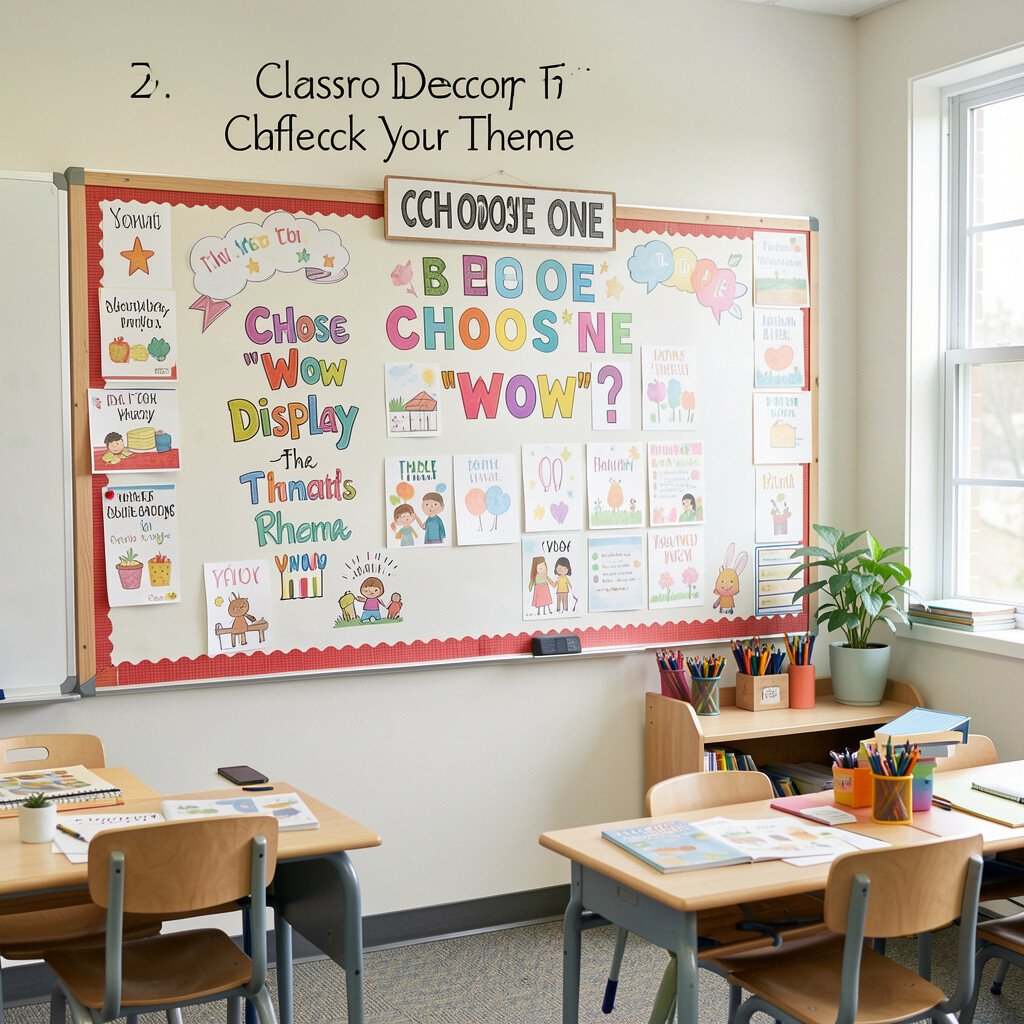
21. Choose One “Wow” Display That Reflects Your Theme
Choose One “Wow” Display That Reflects Your Theme
Create one standout centerpiece display that matches your classroom theme and learning goals. A strong focal point makes the whole room feel designed, even when you keep other areas simple.
Use a large poster, a student project, or a creative mural made from cut paper and student writing. Make it interactive by adding a “today we learned” card that students can swap each week.
To balance cost, use one reusable base and update the top layers with printed cards. This keeps the look current and reduces spending while still giving students something exciting to look at every day.
When the wow display is bright and meaningful, students feel proud to walk into your classroom. They also get a daily reminder that learning can be creative and inviting.