Before, the space might look like rows of desks and plain worksheets. After, imagine a warm “market” vibe with poster menus, label tags on bins, and science stations that look like stalls.
Students can sort items into categories like vendors do, then match the categories to real science concepts. You can add a simple “price board” for vocabulary words, turning every lesson into a friendly shopping challenge.
2. Ocean Window Reading and Writing
Ocean Window Reading and Writing
Before, reading time may happen with the same seating and the same wall displays. After, the classroom feels like you can hear waves by adding layered blue paper, paper shells, and a giant “ocean window” wall scene.
Students can write using wave-shaped sentence starters and decorate their notebooks with sea-life icons. Try a wave timer for independent reading so pacing feels natural instead of stressful.
This theme is unique because it blends literacy with calm visuals that support focus. Keep costs low by using recycled cardboard, craft paper, and student-made cutouts from old magazines.
3. Space Mission Engineering Lab
Space Mission Engineering Lab
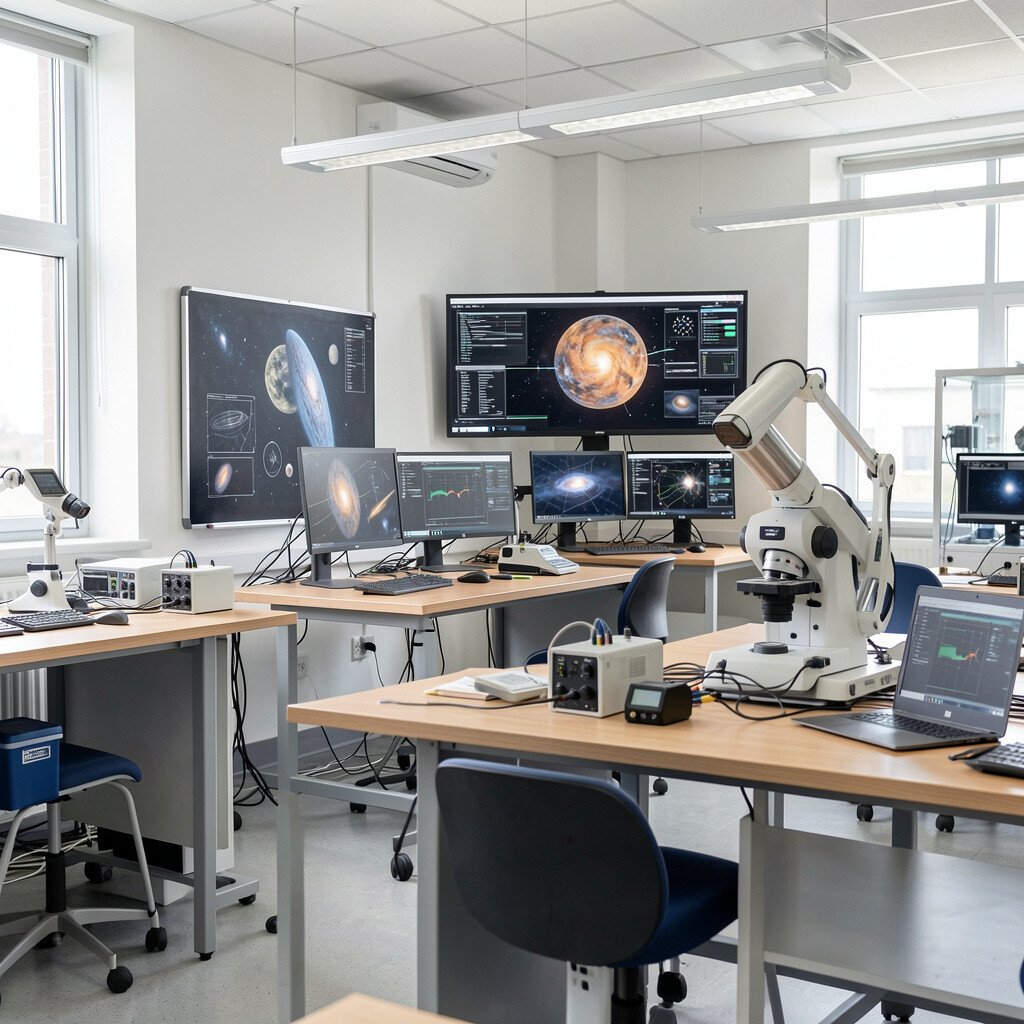
Before, students might see posters that sit quietly in the background. After, the room feels like a mission control area with star border trim, taped “launch pads,” and tool bins labeled like spacecraft parts.
During projects, students work in teams using task cards designed like mission briefs and checklists. When you display models, add short captions written by students so the lab feels alive.
You get practical benefits because clear zones reduce movement chaos during building days. For personalization, let each team choose a planet name and color code their supplies.
To keep it affordable, print simple mission icons and use shoeboxes for compartments. Current trends favor maker-style classrooms, and this theme fits perfectly with hands-on problem solving.
Before, the classroom library may be neat but predictable. After, build a “castle” reading nook using two shelves like towers, a banner with a crest, and character cutouts posted where students can “meet” them.
When kids borrow books, they can match the title to a character card and place it on a quest path. This helps with engagement because students feel like they are stepping into a story, not just grabbing a book.
Try adding a “draw the next chapter” corner where students sketch quick scenes after reading. Personalization is easy since students can design small shields for their favorite books.
The visual payoff is strong, but you do not need expensive decor. Use bulletin board paper, thrifted picture frames, and student handwriting to make the castle feel real.
5. Healthy Habits Garden Classroom
Healthy Habits Garden Classroom
Before, health lessons might rely on a few posters and a short discussion. After, you can create a garden wall with paper plants, a “growing tracker,” and daily habit cards that move like seedlings.
Students benefit because routines become visible, so tasks feel consistent and calmer. You can use color-coded watering cans to represent sleep, movement, water, and food choices.
The theme’s uniqueness shows up in the “harvest” moments when students showcase their week’s habits through class mini-presentations. For practical tips, keep cards reusable by laminating them or storing them in a binder pocket system.
6. Around-the-World Passport Learning
Around-the-World Passport Learning
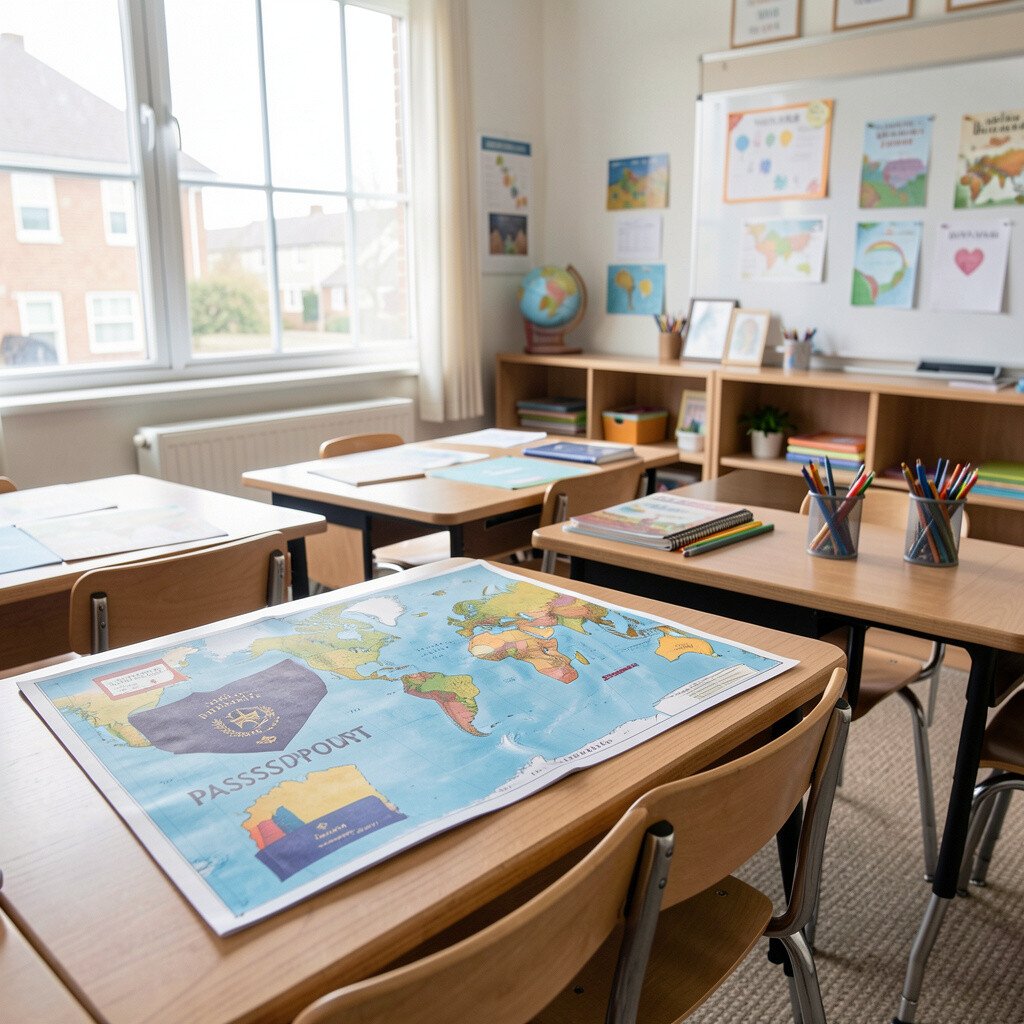
Before, maps may hang on the wall but never connect to daily work. After, the room becomes a passport stop with a large world map, sticky “travel” markers, and station labels like destinations.
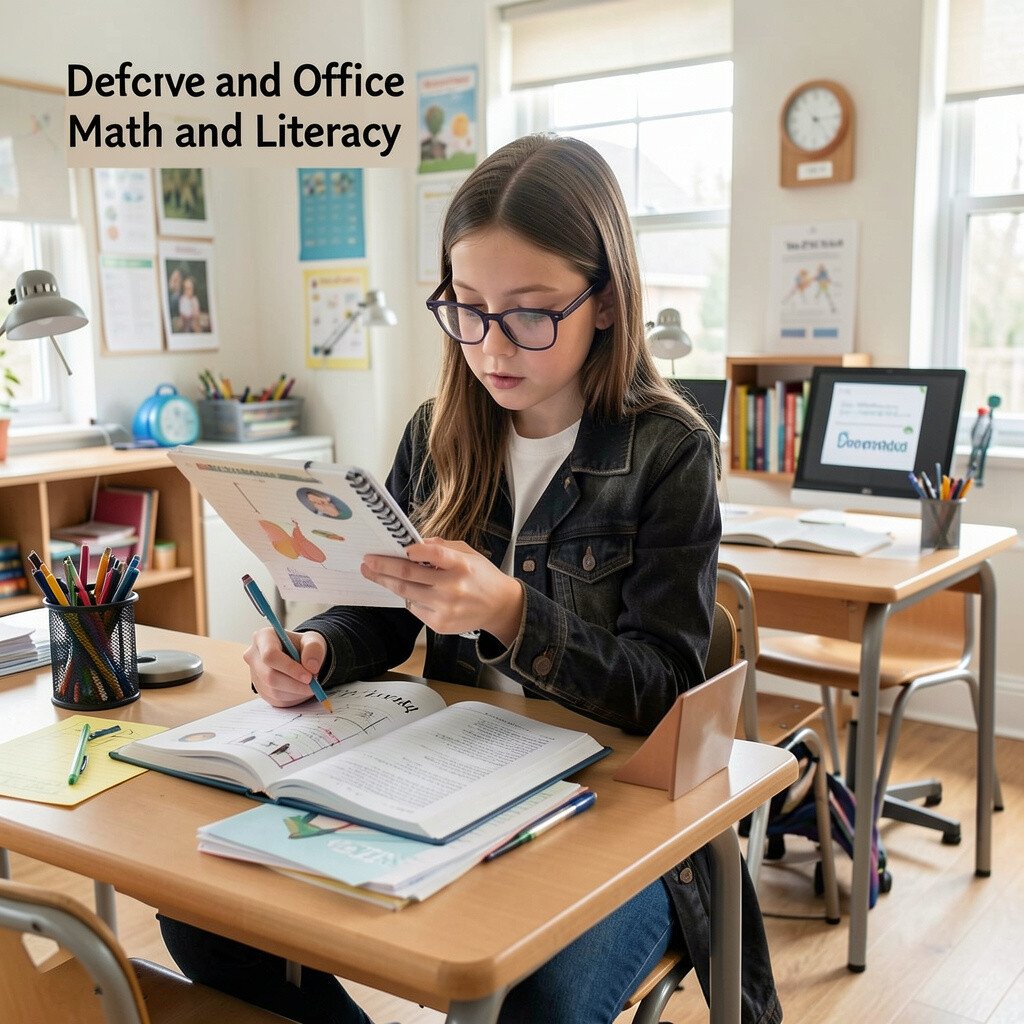
Students can complete reading, math, and culture activities that earn them stamps, then display their growing passport pages on a bulletin board rail. This supports motivation because each task feels like progress toward a goal.
To keep it affordable, print destination stamps, use washable markers, and create passport pages from cardstock. A current trend in classrooms is cultural relevance, and this theme helps you connect learning to real places without needing costly props.
Personalization comes naturally when students choose a destination that matches their interests for special project time. You can also let families contribute by sharing a favorite hometown photo or food story for a class collage.
Before, worksheets might feel like evidence collected in silence. After, the classroom looks like a detective office with file folders, clue cards, and a “case board” where class findings are posted.
Students gain benefits because steps in problem solving become visible like a trail of clues. Use magnifying glass icons on practice sheets so students see that each question is a small mystery.
The uniqueness comes from turning answers into reasoning displays. Try a “case notes” page in student notebooks where they explain how they solved a problem in simple steps.
8. Broadway Stage Performing Arts Space
Broadway Stage Performing Arts Space
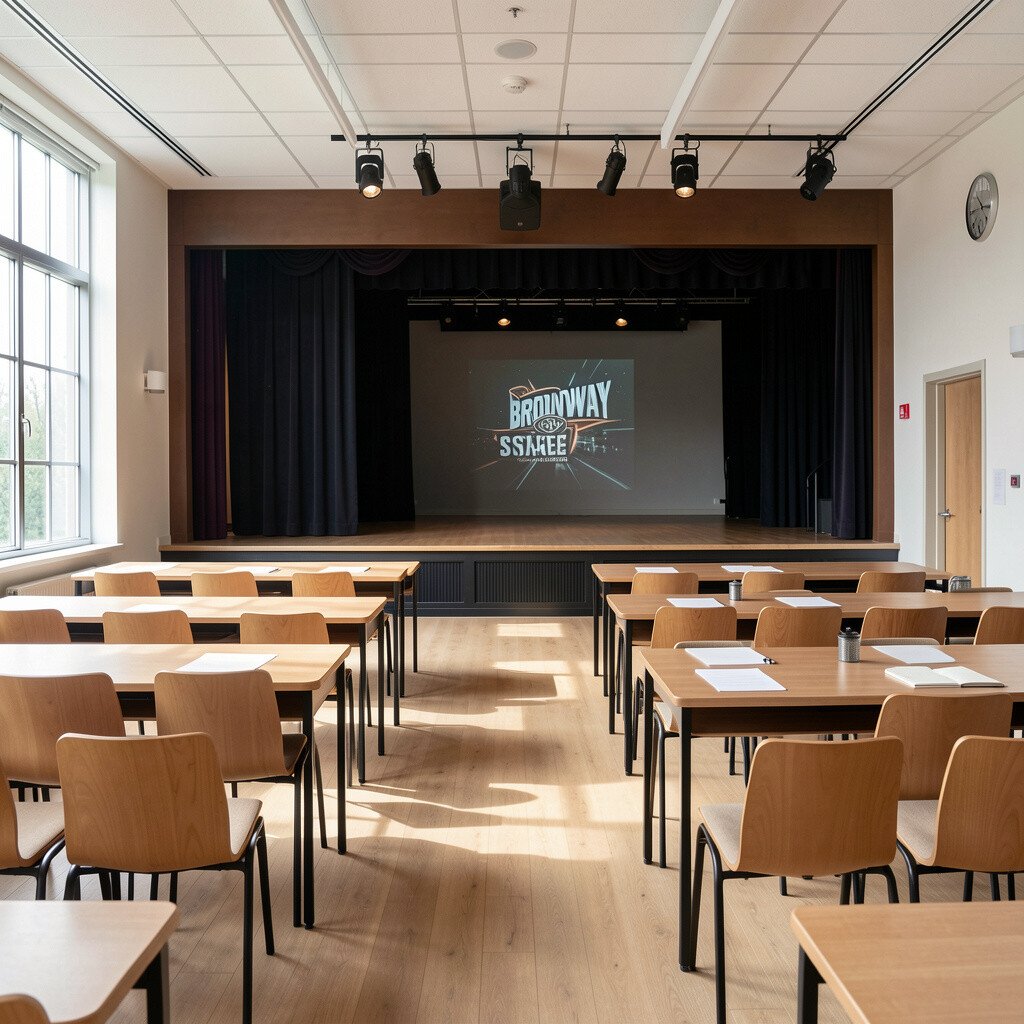
Before, group work may happen without a strong sense of purpose. After, the room feels like a stage with a colorful curtain backdrop, performance spot markers on the floor, and a “spotlight” lamp effect made with craft paper.
Students benefit because speaking and listening skills get practiced in a fun setting. Use quick role cards so everyone participates, even shy students, with parts like narrator, prop manager, or stage directions reader.
For personalization, let students design their own play posters and include one line from their writing. Keeping costs in check is easy since you can build props from paper bags, recycled fabric scraps, and printed costume silhouettes.
9. Recycled Robot Coding Crew
Recycled Robot Coding Crew
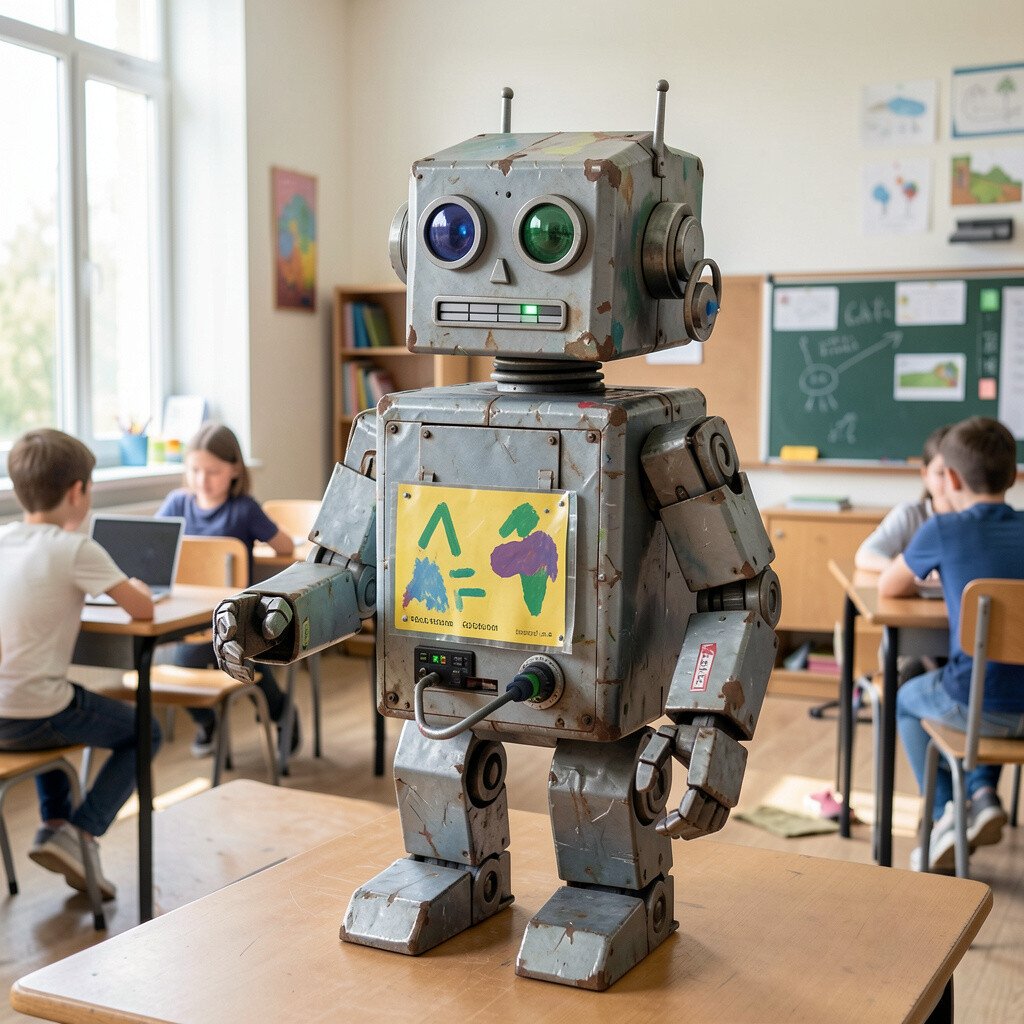
Before, technology time might feel separate from everyday learning. After, you create a robot crew area with “circuit” tape paths, recycling bins labeled for parts, and mini challenge cards clipped to a board.
This theme is especially useful because it connects coding basics to real-world sorting and building. Students benefit from clear routines and visible progress charts that show them how far they have come.
Use practical tips like color-coding buttons on printable control sheets so kids can work without confusion. Personalization is great here because each group can name its robot and choose a crew color for its workspace.
Cost considerations are friendly since many tools can be made from cardboard, bottle caps, and free printable mazes. A current trend in classrooms is project-based learning, and this theme naturally supports that style.
10. Art Market Gallery of Ideas
Art Market Gallery of Ideas
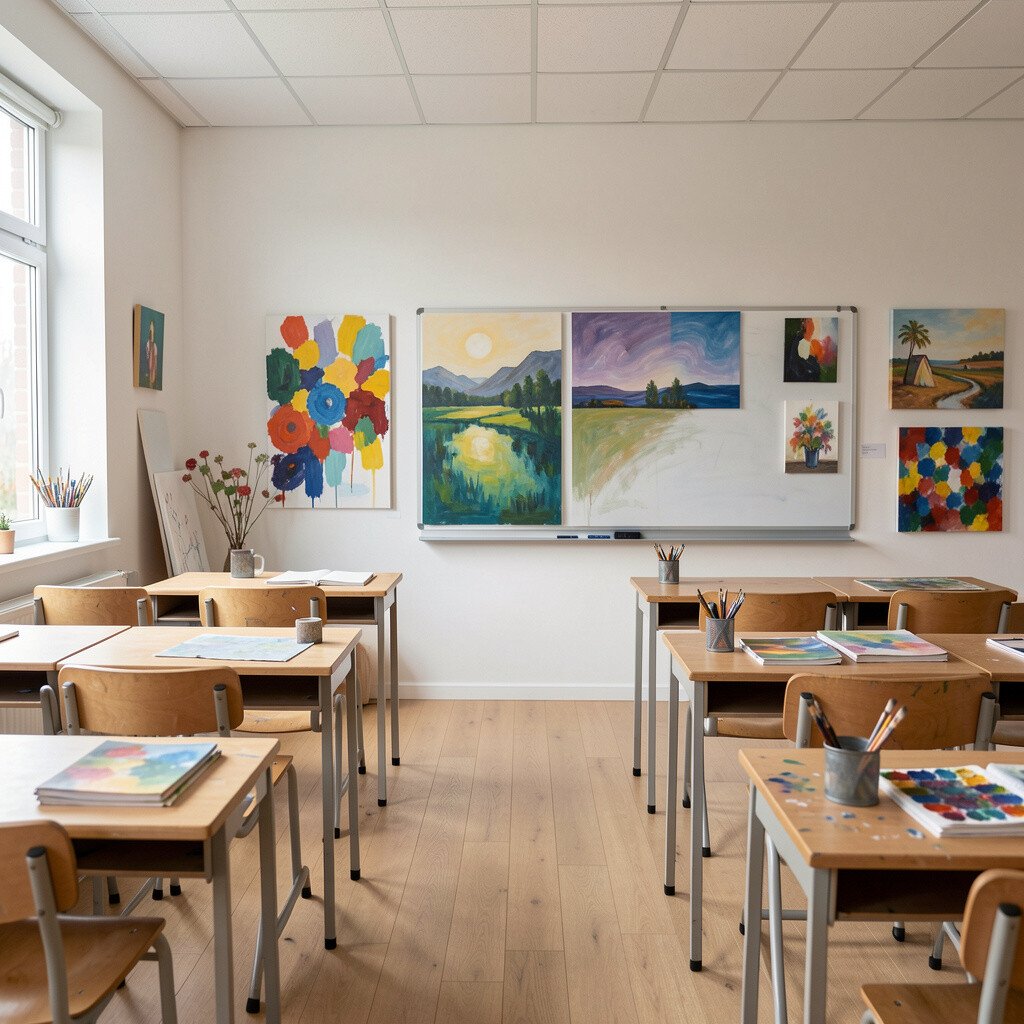
Before, student art may be stored in a drawer after projects end. After, the classroom becomes a gallery with framed student work, an “artist wall” for sketches, and a rotating display system that makes creativity feel honored.
Students gain benefits because they see their work valued, which boosts confidence and willingness to try again. Add a simple feedback system using sentence stems so students practice kind, specific comments.
The uniqueness lies in making art part of everyday learning, not a one-time activity. For practical tips, hang lightweight frames or use clips, so swapping displays takes only a few minutes.
Personalization is easy when students choose their “caption style” and write a short explanation about materials they used. Keep costs low by using cardboard frames, paper mats, and thrift-store frames cleaned and repainted.
11. Snowy Mountains Calm Mindfulness
Snowy Mountains Calm Mindfulness
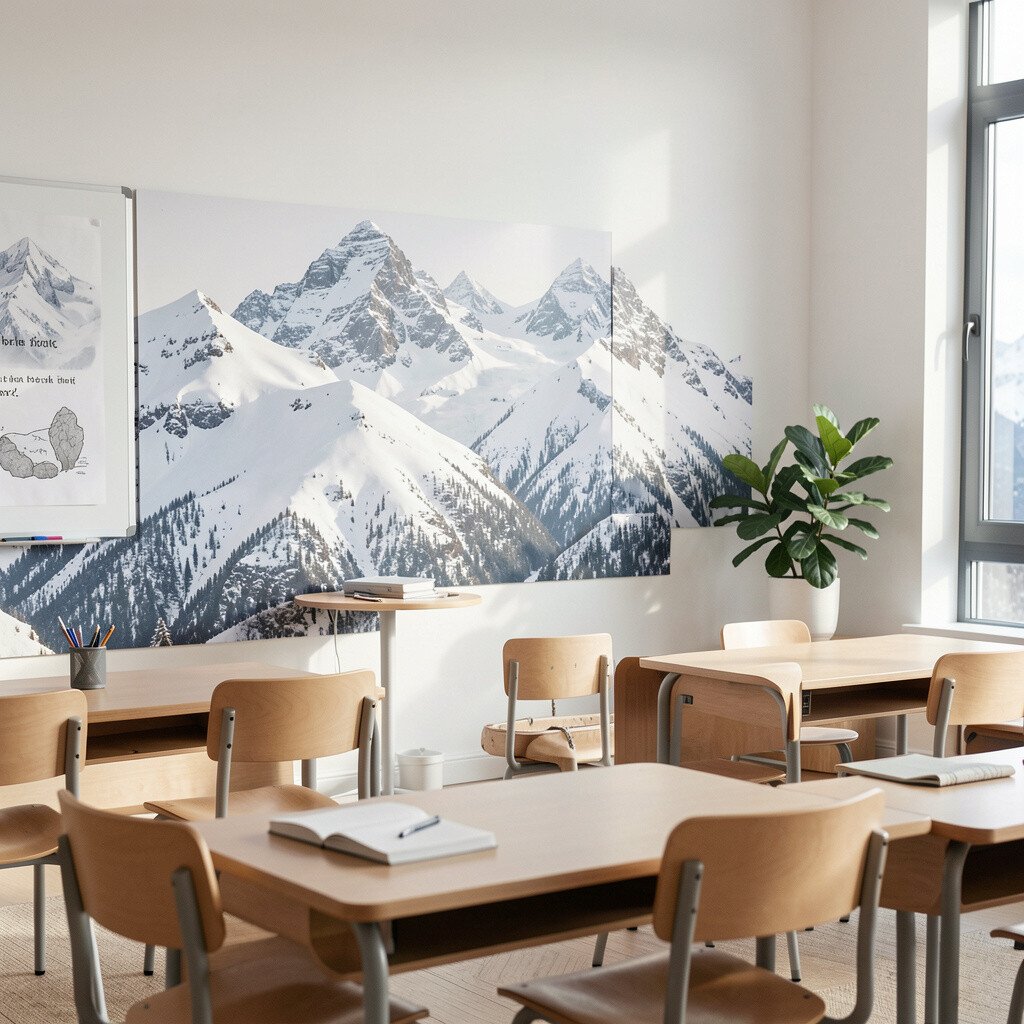
Before, students may rush between activities with little help to settle. After, create a mountain calm corner with soft gray and white shades, paper snow drifts, and a breathing trail students can follow with their eyes.
This theme supports benefits like smoother transitions, better focus, and less frustration during busy days. Use a small “summit schedule” card system so students know what comes next and feel more secure.
Try adding a reflection card that asks students to choose a “weather mood” using simple words and images. Personalization becomes meaningful when students create a tiny mountain silhouette that matches how they felt that day.
12. Sports Team Challenge and Teamwork League
Sports Team Challenge and Teamwork League
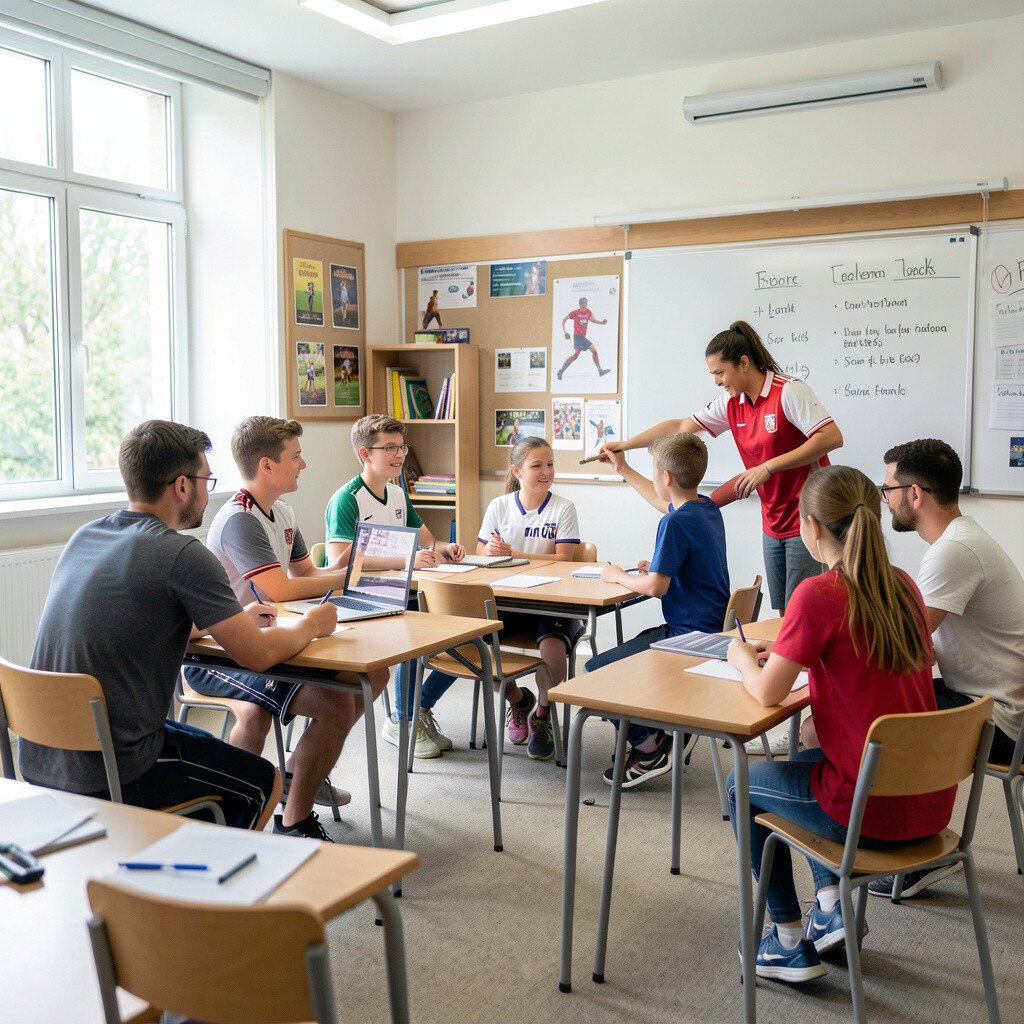
Before, motivation may depend on rewards that only happen at certain times. After, you build a teamwork league vibe with scoreboard posters, role badges, and stations that feel like practices for different skills.
Students benefit because collaboration gets structured, so group work becomes more fair and more fun. Assign rotating jobs like coach, timekeeper, and materials manager so everyone practices leadership in a friendly way.
The uniqueness of this theme comes from turning learning steps into league progress. Use practical tips like short practice sprints for stations, so students stay energized without long downtime.
Cost considerations are simple since you can make badges from paper scraps, reuse old clipboards, and print league icons. Current trends show more focus on social skills and belonging, and this theme makes teamwork feel visible every day.
For personalization, let students pick their team name and choose a teamwork pledge that matches your class values.