21+ Before And After Creating A Home Sanctuary Ideas
Your home can feel like a quiet exhale. With the right changes, the room you live in can start working like a sanctuary.
Even small upgrades can make your days calmer and your nights softer. The trick is to shape spaces around your body, your moods, and the way you actually move through the house.
Before, your “quiet spot” might have been crowded with bags, mail, and random items. After, it becomes a small area that feels instantly breathable and calm.
Start by picking one corner of a room where you already slow down, even for a minute. Remove what doesn’t belong, then add a soft chair, a small rug, and a warm light so your eyes know to relax. Keep a simple tray nearby for a book and a cup, so the spot stays tidy without effort.
2. Switch to Warm, Layered Lighting
Switch to Warm, Layered Lighting
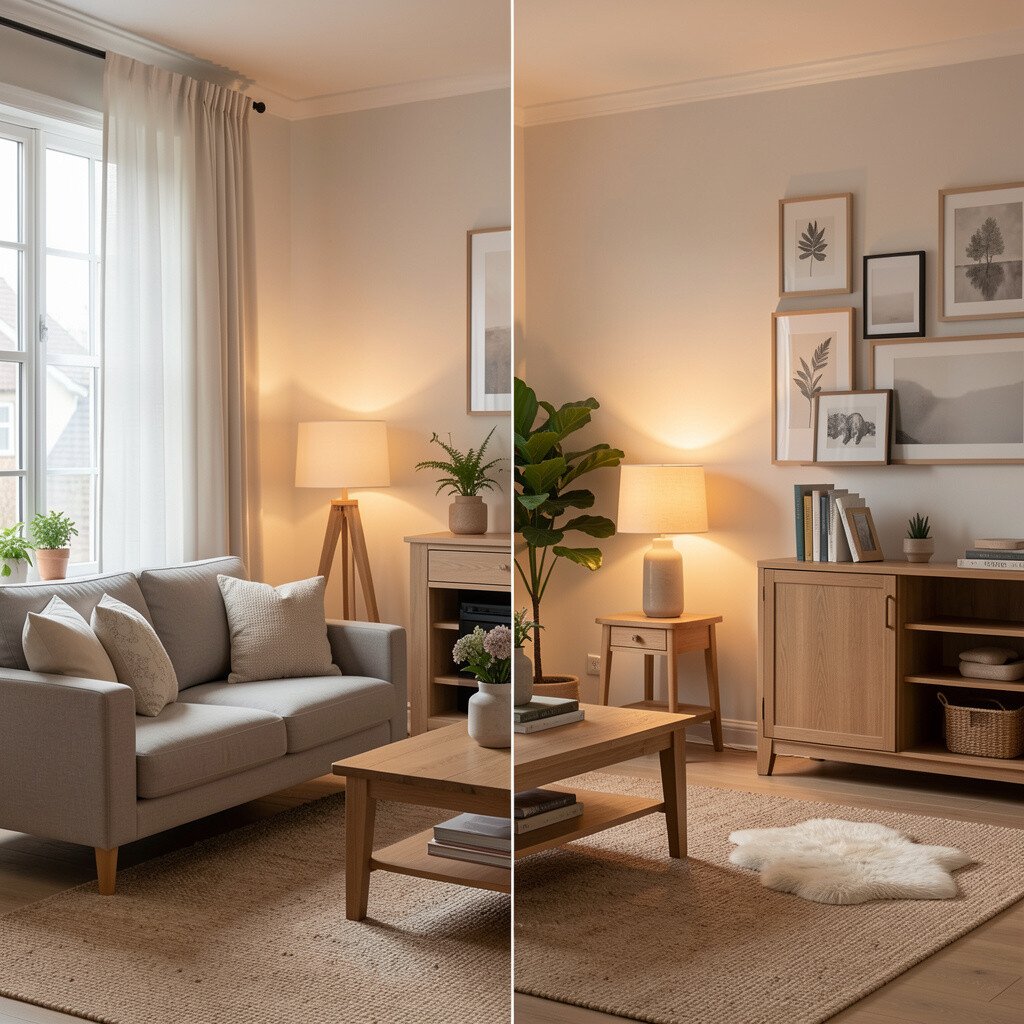
Before, harsh overhead bulbs might make everything look flat and a little stressful. After, layered lighting creates gentle shadows that feel cozy and safe.
Use a mix of table lamps, floor lamps, and even candles on a timer if that matches your style. Choose bulbs with a warm color and dimmable options so mornings and evenings feel different. You’ll notice your sanctuary looking better in seconds, and you’ll spend less time trying to “fix” the mood with frantic cleaning.
For a budget approach, swap only the bulbs and add one lamp at first. This matches the current trend toward mood lighting and “soft glow” rooms. Personalize the look with shades that match your decor, like linen for a calm feel or darker tones for a dramatic, quiet vibe.
3. Add a Textural Reading Nook
Add a Textural Reading Nook
Before, there may have been a chair that looked nice but didn’t invite you to stay. After, the same chair can become a reading nook that feels like it hugs you.
Pick fabrics that look warm even when you aren’t using them, like chunky throws, plush cushions, and a blanket with a pattern you love. Place a small shelf or basket within reach so you don’t stand up mid-chapter. The benefit is simple: when your space feels welcoming, you naturally slow down and read more.
Keep one “favorite” book face out and store everything else out of sight to reduce visual noise. For cost considerations, hunt for one quality throw and build around it. This idea feels unique because the nook becomes personal, changing with your favorite authors, hobbies, and seasons.
4. Create a Scent Routine for Calm
Create a Scent Routine for Calm
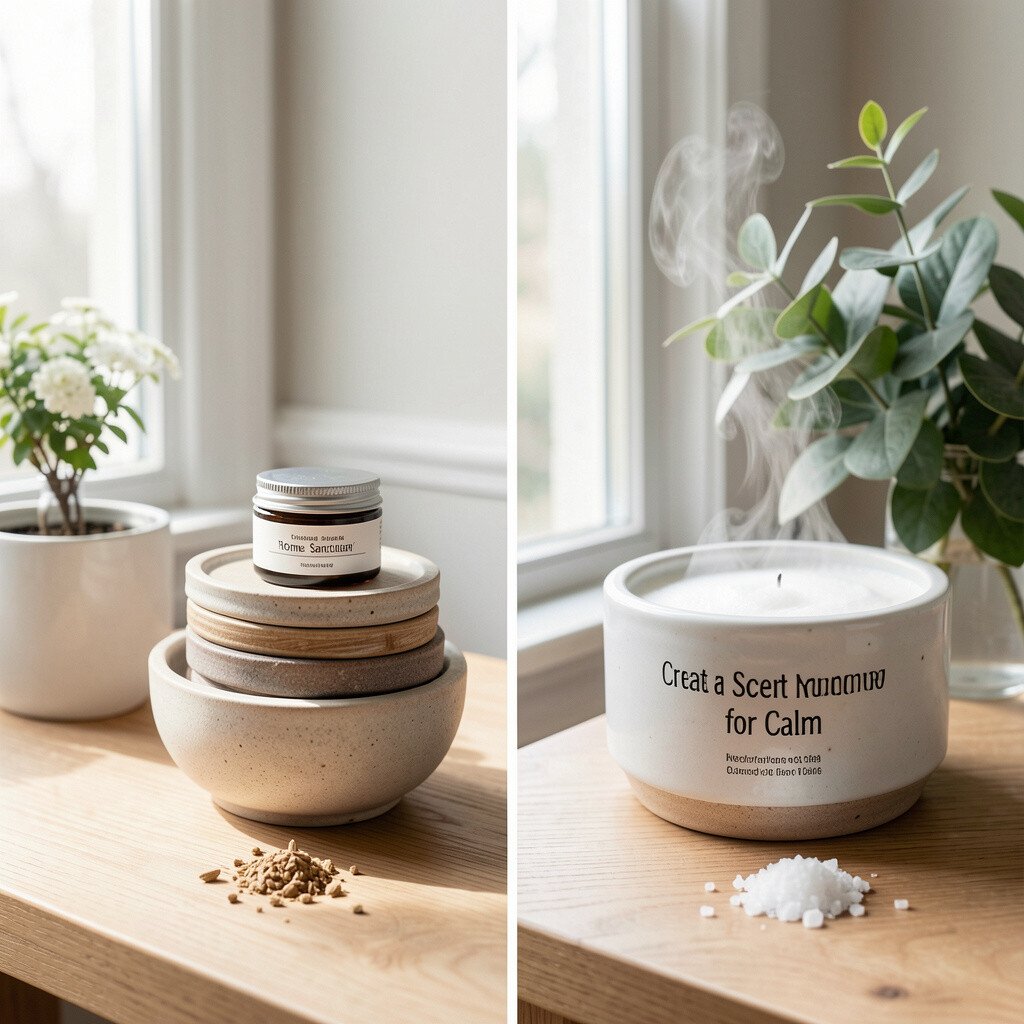
Before, your home might smell like everyday clutter, laundry, or leftover cooking. After, a gentle scent routine signals calm and comfort every time you walk in.
Choose one signature scent, like lavender, cedar, or vanilla, and use it consistently with candles, diffusers, or linen sprays. Start small so it’s not overpowering, and place it where you actually feel it, like near your reading chair or entryway. The benefit is that scent can shift your mood quickly, helping you feel grounded without thinking too hard.
5. Use a “Reset Tray” at Entry
Use a “Reset Tray” at Entry
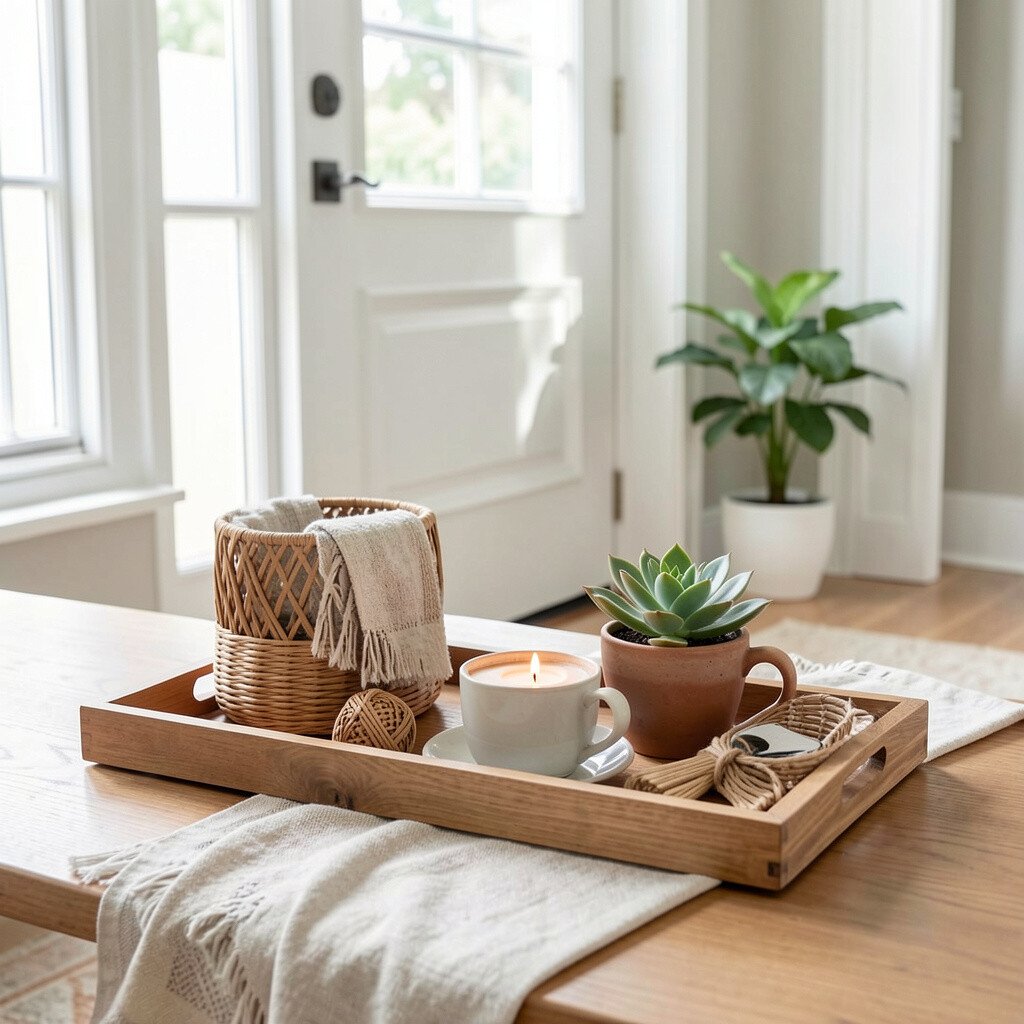
Before, keys, sunglasses, and random receipts might land wherever they can. After, a reset tray gives everything a home and keeps the space calm.
Use a small tray on a console table or shelf near the door, then place a hook for bags and a dish for keys. Add a tiny bin for loose items so they don’t spread across counters. You’ll feel the benefit instantly because you’re less likely to lose things and more likely to notice how tidy your home looks.
For uniqueness, choose a tray with a finish you love, like wood with warm grain or a ceramic piece with a handmade look. Keep cost in mind by repurposing what you already have, like an old serving tray painted to match. Personalize it with seasonal items, such as a small evergreen sprig in winter or fresh citrus in spring.
6. Turn Laundry Into a Cozy Ritual
Turn Laundry Into a Cozy Ritual
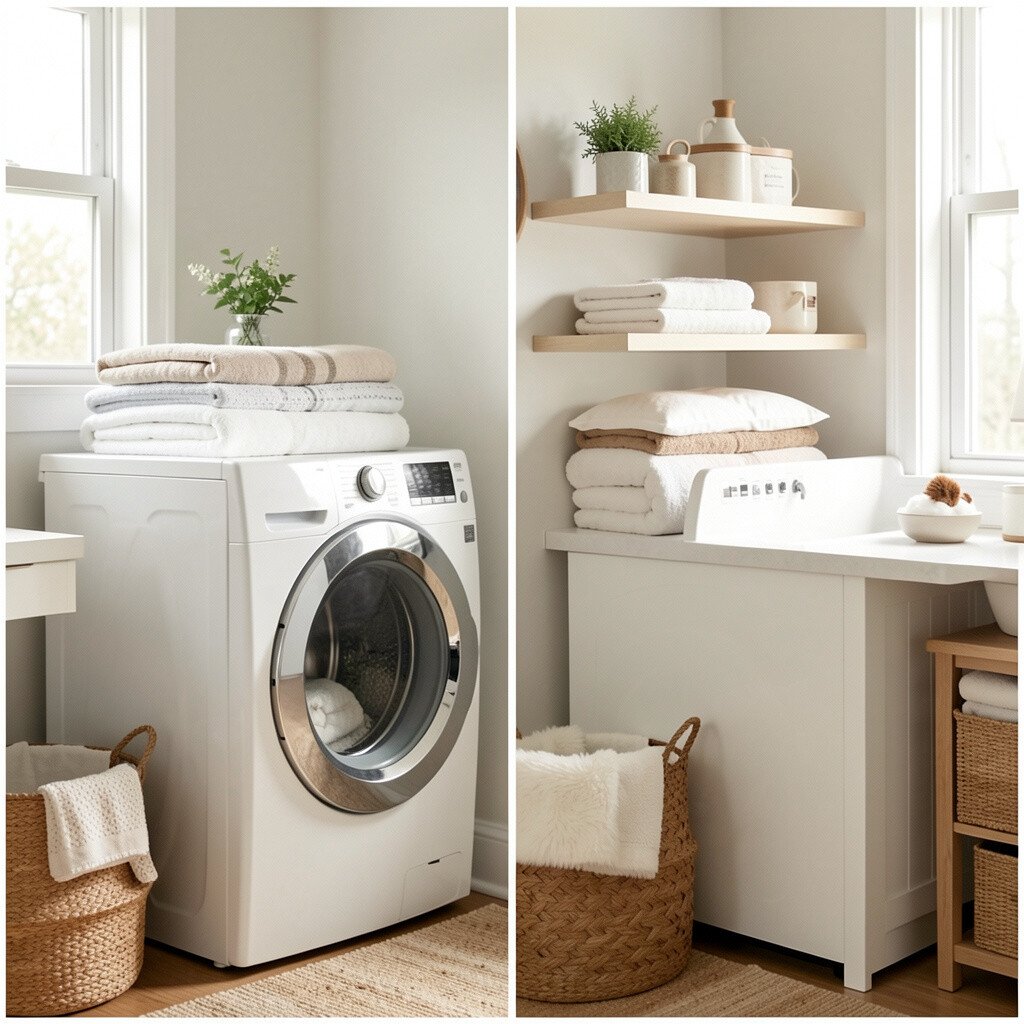
Before, laundry might pile up and steal your peace because it looks unfinished. After, you can make the process feel calmer with a setup that looks and feels organized.
Choose a hamper that fits your space, then add a small cart or basket for fresh items that need folding. Put a simple scent booster or dryer sheets where you’ll notice them, not buried in drawers. The benefit is that your brain reads the system as “handled,” so you don’t feel behind all day.
Try current trends like matching storage bins and using a simple label style with quiet colors. For personalization, add a dedicated basket for special items like scarves, workout wear, or cozy socks. Cost considerations can be managed by starting with only one upgraded bin or hamper and expanding later.
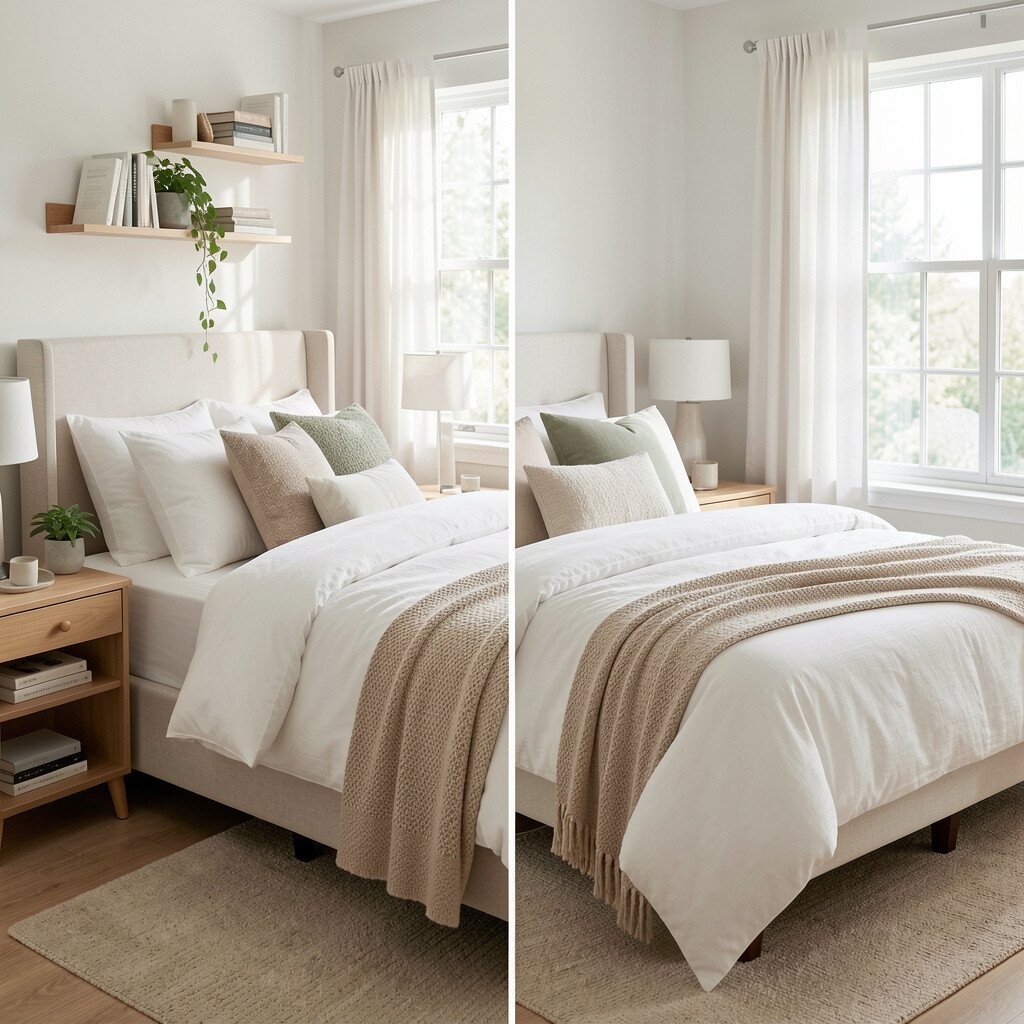
7. Style Your Bed Like a Soft Landing
Style Your Bed Like a Soft Landing
Before, the bed may have looked okay but still felt a little rushed. After, it becomes a soft landing that makes you want to rest sooner.
Upgrade with crisp bedding, a comfortable duvet cover, and one accent pillow that matches your mood. Tuck edges neatly so it looks “finished,” and use a throw at the end of the bed for visual warmth. You’ll benefit from a space that supports better sleep, because your room visually signals winding down.
For cost considerations, buy one good set rather than replacing everything at once. Look for sales on duvet covers and pillowcases, then keep the rest simple. This idea is unique when you pick bedding colors that match how you want to feel, like soft blues for calm or warm neutrals for comfort.
8. Make a Minimal Shelf With Maximum Meaning
Make a Minimal Shelf With Maximum Meaning
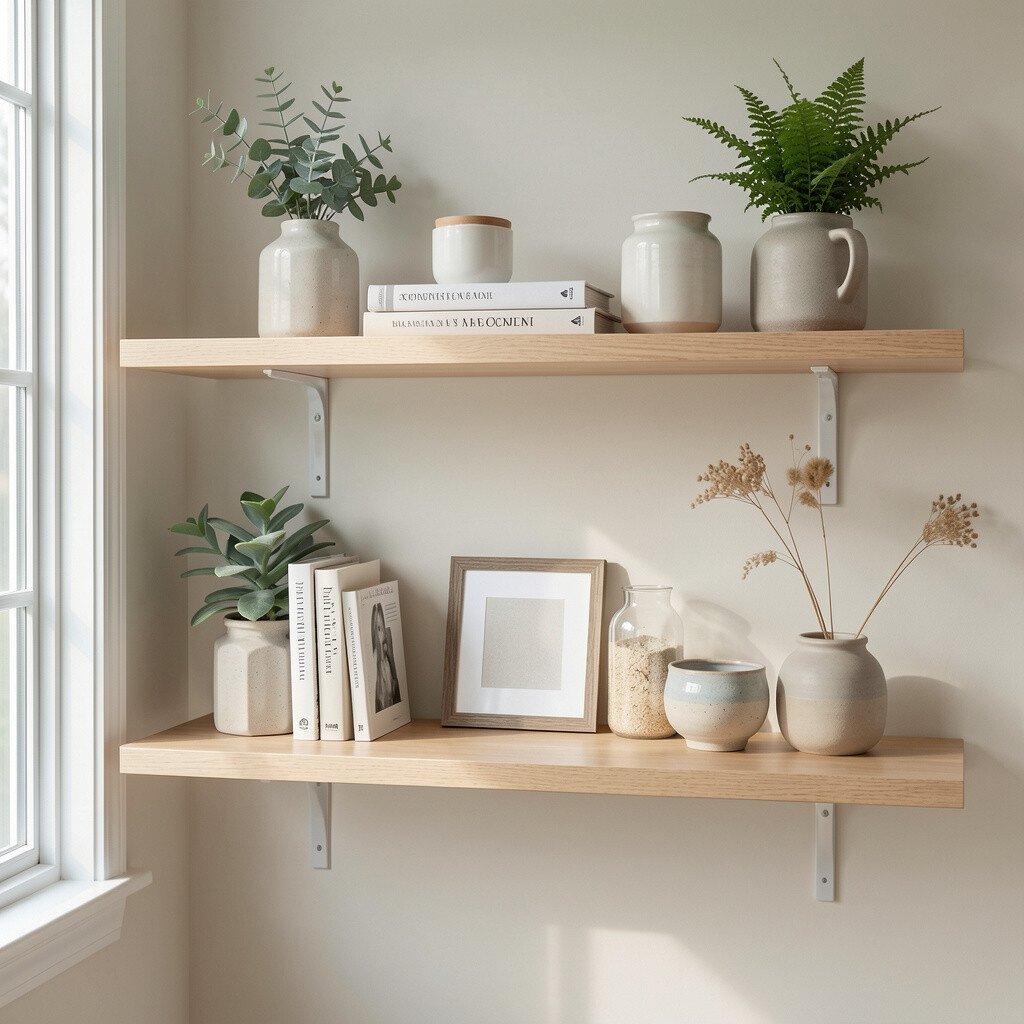
Before, shelves may have felt cluttered with too many items competing for attention. After, a smaller display of meaningful things looks intentional and peaceful.
Choose a few pieces that bring a smile, like a framed photo, a small art print, a souvenir, or a book with a beautiful spine. Keep the rest stored away so your eyes rest instead of scanning constantly. The benefit is mental calm, because your space feels clear and organized even when life is busy.
9. Add a Soft Seating Corner for Daily Breaks
Add a Soft Seating Corner for Daily Breaks
Before, you might not have had a comfortable place to sit unless company arrived. After, a dedicated seating corner turns waiting time into restful time.
Arrange a chair with good back support, add a side table, and include a blanket you actually enjoy touching. If you can, position it near a window or a light source for a naturally calming feel. The benefit is that you gain a “pause button” for your day, whether you drink tea or simply breathe for a minute.
Personalize with a tiny wall hook for your favorite cardigan or a small plant that matches your light. For cost considerations, start with secondhand furniture or reuse a spare chair with a new cushion cover. This sanctuary idea feels unique because it’s not just for special evenings, it’s built for everyday moments.
10. Choose Calm Colors With Your Eyes in Mind
Choose Calm Colors With Your Eyes in Mind
Before, your rooms might have had colors that felt too loud or too cold. After, softer shades help your body relax without you thinking about it.
Pick a color direction like warm whites, gentle beige, or muted greens, then add deeper tones through pillows and art. If you’re not painting, try color through curtains, bedding, and rugs, since those changes are easier. The benefit is that your room feels more comfortable, and you’ll likely enjoy spending time there.
Keep an eye on current trends toward nature-inspired palettes and earthy textures. Personalize by using colors you feel good in, even if they’re not the trend, and build around them slowly. Cost considerations are easier when you focus on textiles first and save paint for later.
11. Create a “Morning Flow” Bathroom Setup
Create a “Morning Flow” Bathroom Setup
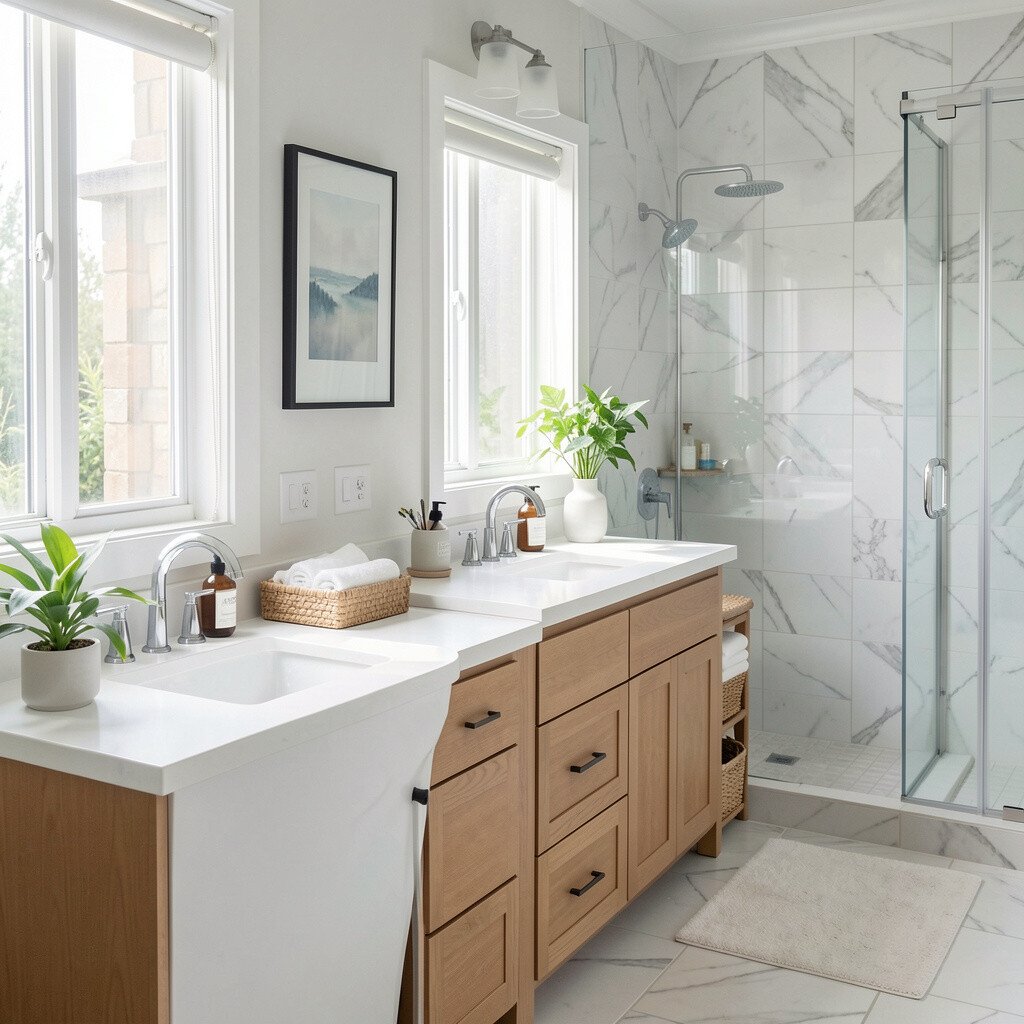
Before, the bathroom counter may have looked messy right when you needed calm. After, it becomes a clean station that supports your routine.
Choose a small organizer for daily items and keep extra products in cabinets or drawers. Add a simple tray for skincare so it stays neat even with quick use. The benefit is fewer morning decisions, which helps your day start smoother.
12. Make Your Kitchen Feel Like Care, Not Chaos
Make Your Kitchen Feel Like Care, Not Chaos
Before, the kitchen might have been busy with too many gadgets sitting out. After, it feels welcoming, with a clear setup for cooking and cleanup.
Store what you don’t use often and keep only daily essentials visible, like a favorite mug stack, a cutting board, and one container for oils or spices. Add a small cloth and a pretty canister so the counters look lived-in but still calm. You’ll benefit from a kitchen that supports you, not a kitchen that adds stress every time you walk in.
For personalization, display one piece of art or a bowl that matches your style, such as handmade ceramics. Cost considerations can be handled by using what you already own, then upgrading only one or two containers. This idea connects with current trends toward warm, lived-in kitchens rather than overly sterile counters.
13. Hang Art That Makes You Feel Steady
Hang Art That Makes You Feel Steady
Before, wall space might have been bare or filled with things you didn’t love. After, art becomes a steady anchor that sets the tone of the room.
Choose pieces that match your calm, like landscapes, abstract shapes with soft colors, or simple line drawings. Group frames with a consistent style and leave breathing space around them so the wall doesn’t feel crowded. The benefit is emotional comfort, because your eyes land on something meaningful instead of searching for distractions.
14. Build a Plant Plan That Fits Your Life
Build a Plant Plan That Fits Your Life
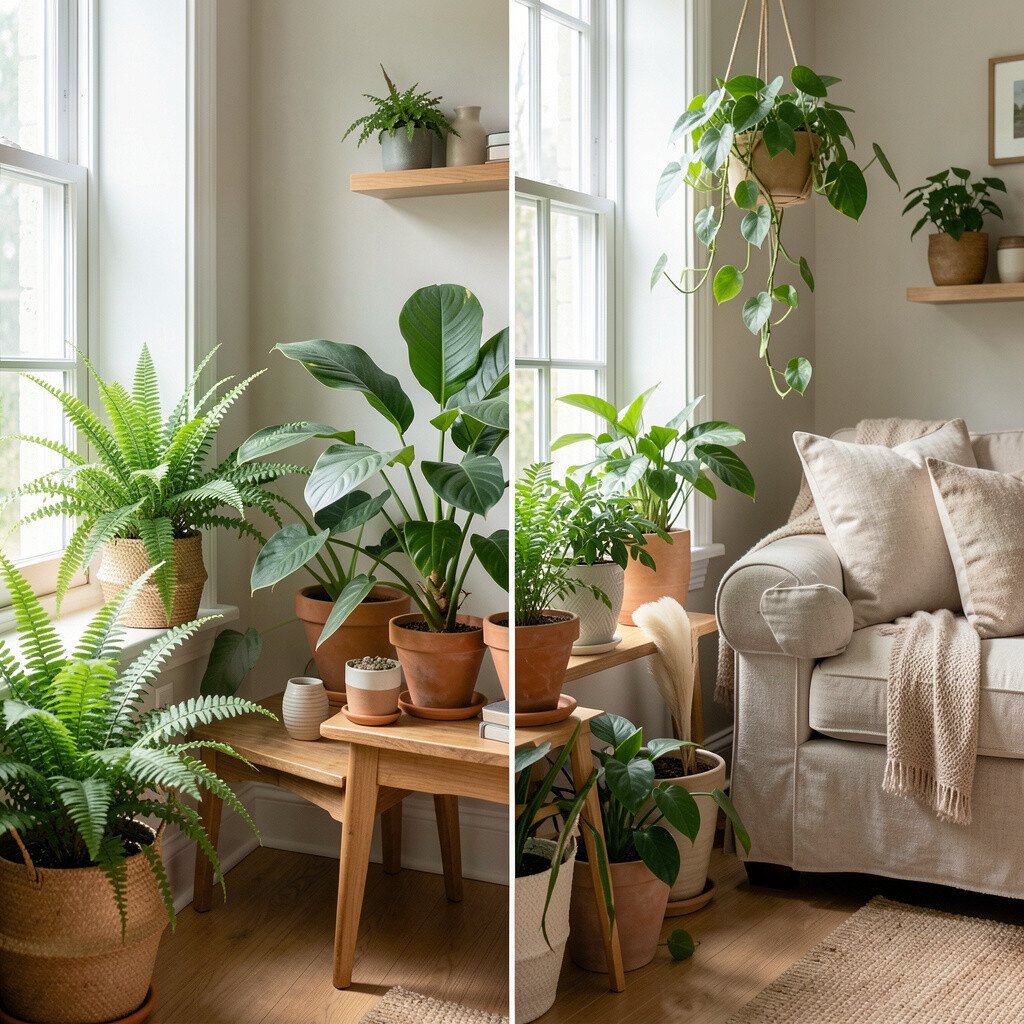
Before, you may have wanted plants but didn’t know where they would work. After, your home has living touches that feel alive without adding stress.
Start with plants that match your light, like low-light options for darker rooms or herbs for sunny areas. Use small stands or baskets to keep pots tidy and to control visual clutter. The benefit is that greenery can make your home feel fresher and calmer, and it gives you a small daily routine.
Personalize with planters that match your palette, like terracotta for warmth or modern matte ceramic for a clean look. For cost considerations, grab one beginner-friendly plant and grow from there using cuttings if your plant allows. This sanctuary idea feels unique because you can make it fit your schedule, not the other way around.
15. Add Sound Softening With Rugs and Curtains
Add Sound Softening With Rugs and Curtains
Before, echo and loud sounds might make the home feel sharp. After, soft materials help your space feel quieter and more comforting.
Use area rugs, curtains, or even padded runners to absorb sound and reduce that “empty room” feeling. Choose textiles that look warm and feel pleasant, not just functional. The benefit is real comfort, because a quieter home often feels more peaceful to your whole body.
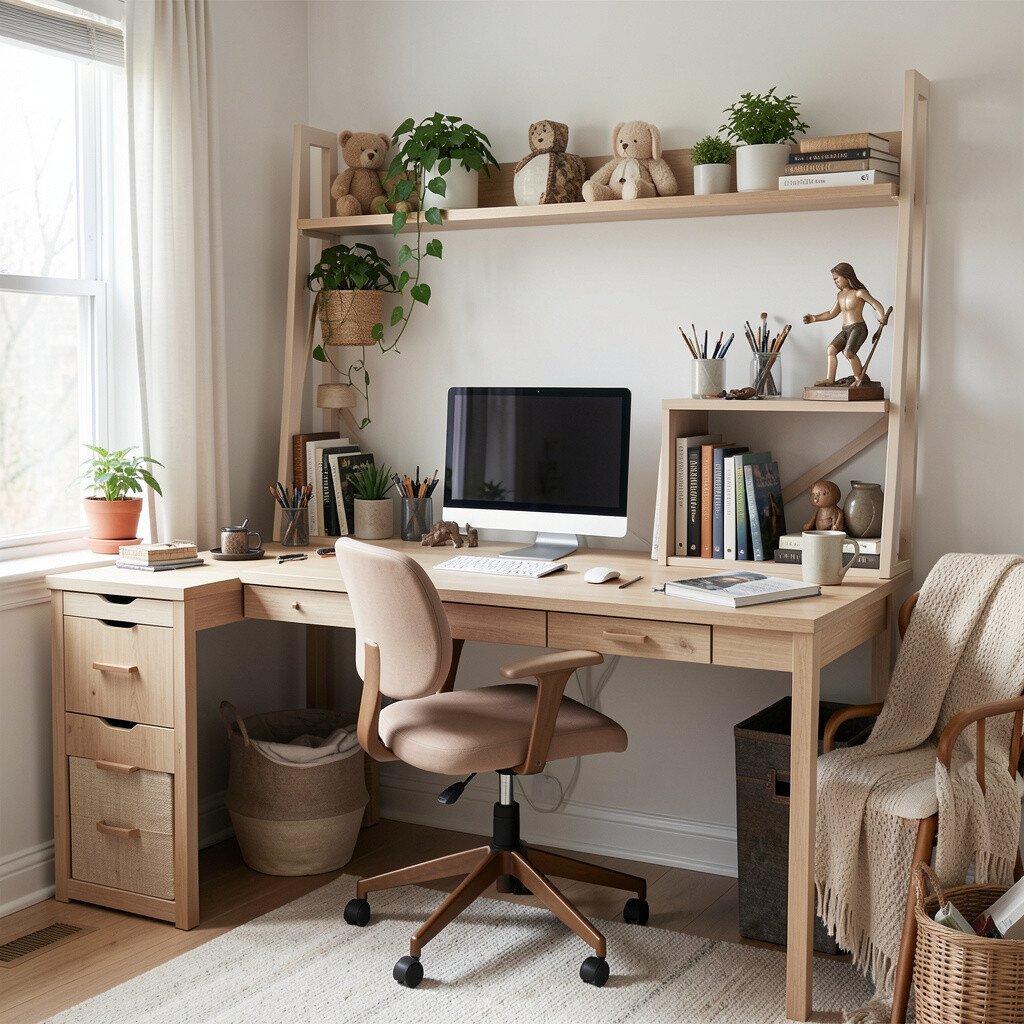
16. Set Up a Hobby Station for Comfort
Set Up a Hobby Station for Comfort
Before, your hobby supplies may have been scattered in drawers or boxes. After, a dedicated station makes it easy to begin, even when you’re tired.
Choose a small workspace with storage, like a desk, a folding table, or a corner shelf with bins. Keep your main tools visible and put the rest in organized containers so you don’t hunt. You’ll benefit from more time doing what you love, which supports mental health and daily joy.
For personalization, design the station around your rhythm, like a music speaker, a lamp with warm light, or a spot for a sketchbook. Cost considerations can be managed by using a small existing table and upgrading storage first. Current trends also show more “creative corners,” so your sanctuary will feel modern while still being genuinely yours.
17. Upgrade Sleep With Bedding and Decluttered Surfaces
Upgrade Sleep With Bedding and Decluttered Surfaces
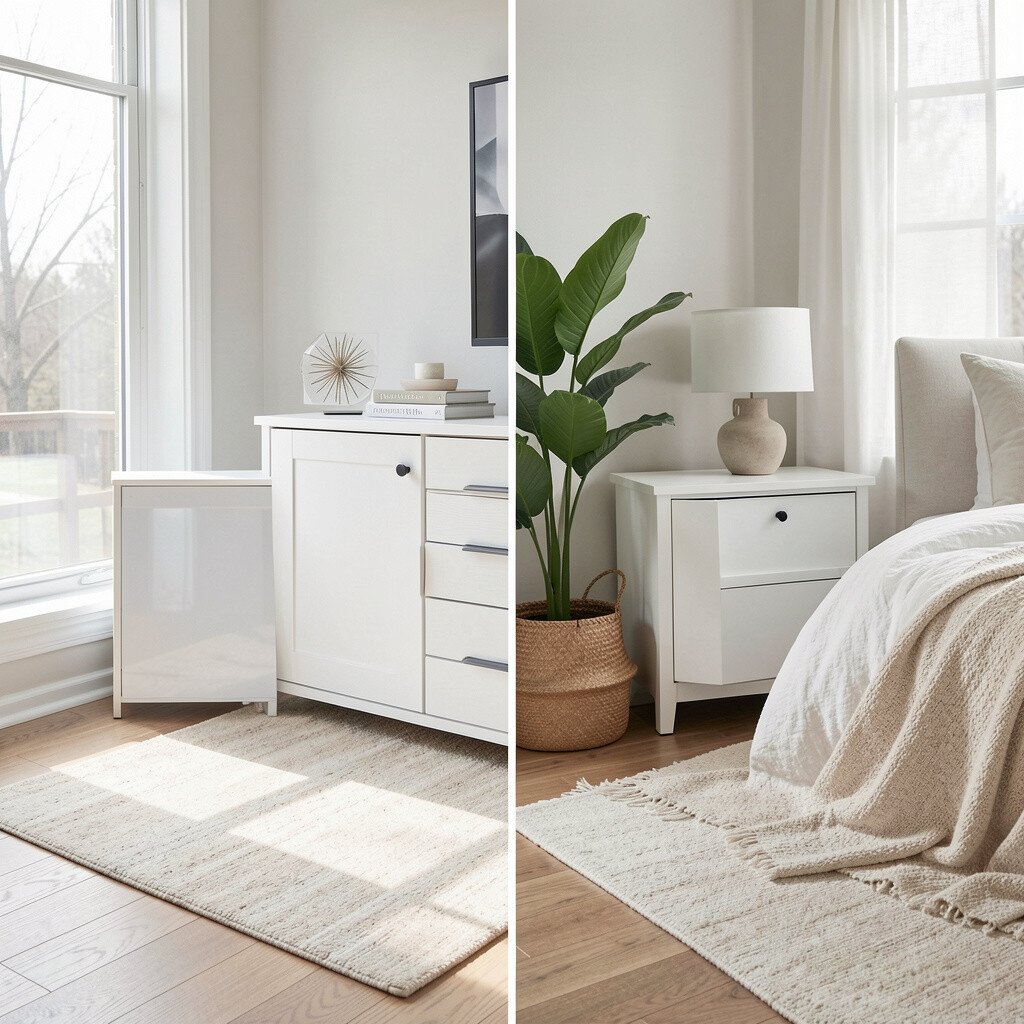
Before, the room might have had clutter on dressers or extra items on nightstands. After, clear surfaces make bedtime feel easier and more peaceful.
Keep the nightstand simple, like a lamp, water, and one book, then store everything else away. Choose bedding that feels good right away, like breathable cotton or cozy flannel depending on your climate. The benefit is that your brain gets fewer visual signals that life is still happening, so it settles faster.
18. Add a Cozy Throw System for Every Room
Add a Cozy Throw System for Every Room
Before, you might grab whatever blanket is nearby and end up with a mismatched, cluttered look. After, a planned throw system makes warmth feel intentional.
Create a simple rotation by keeping throws in each main room on a chair, ottoman, or dedicated basket. Match textures more than colors, so the look stays cohesive without being boring. The benefit is comfort at the right time, and your home always looks styled even on regular days.
For cost considerations, look for affordable knits during seasonal sales, then mix them with one nicer texture for contrast. Personalize by choosing throws that match your hobbies, like thicker blankets for movie nights or lightweight ones for reading. This sanctuary idea feels unique because it’s practical and aesthetic at the same time.
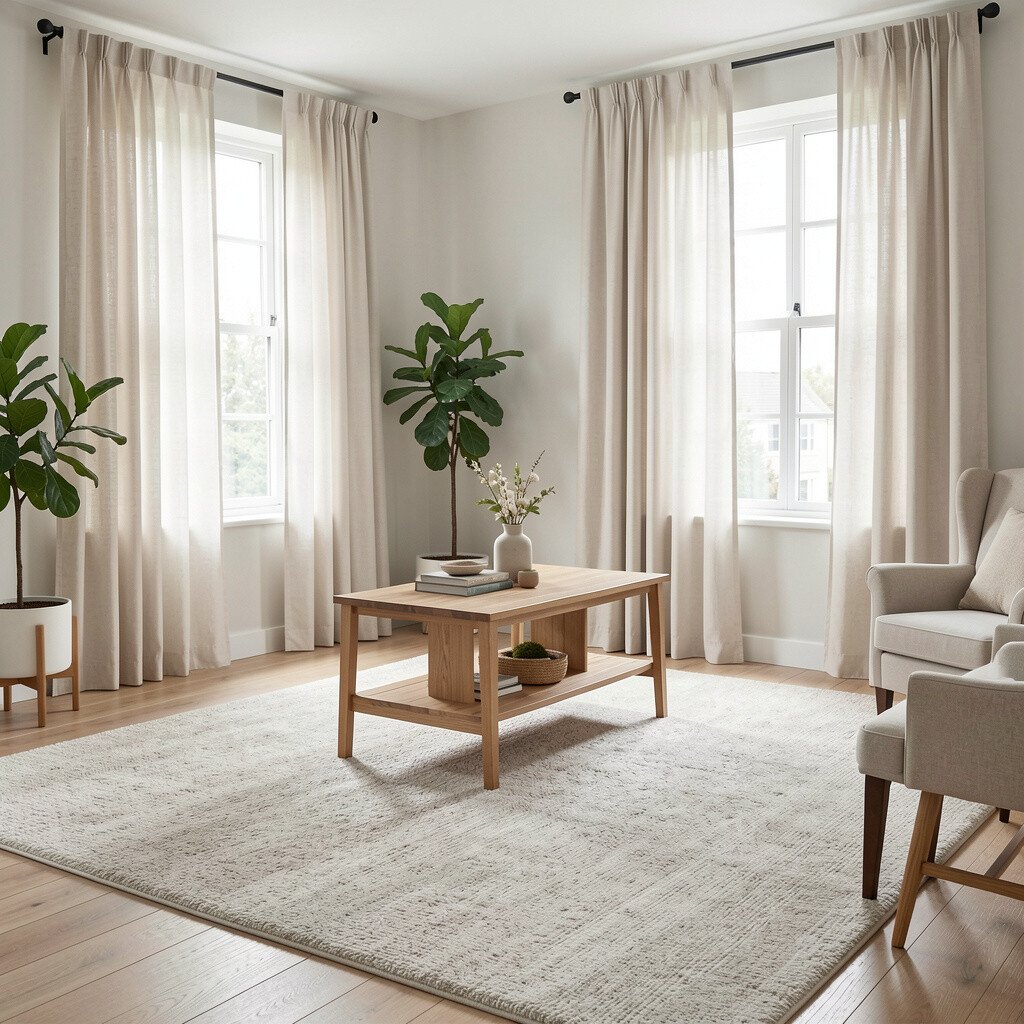
19. Make the Living Room a “Conversation-Friendly” Layout
Make the Living Room a “Conversation-Friendly” Layout
Before, furniture might have been arranged without a clear pathway or focus. After, your living room invites connection with comfortable flow and clear seating areas.
Place seating so people can face each other, then create an easy path through the room. Add a coffee table or ottoman that feels convenient, and include a couple of cozy accents like cushions and a soft rug. The benefit is that gatherings feel relaxed, and quiet moments feel safe and grounded.
Personalize by adding a small board game basket or a display shelf for favorite books. Cost considerations can be managed by moving furniture first, then adding only a rug or cushions if needed. Current trends lean toward flexible layouts, and your sanctuary can stay adaptable for every season.
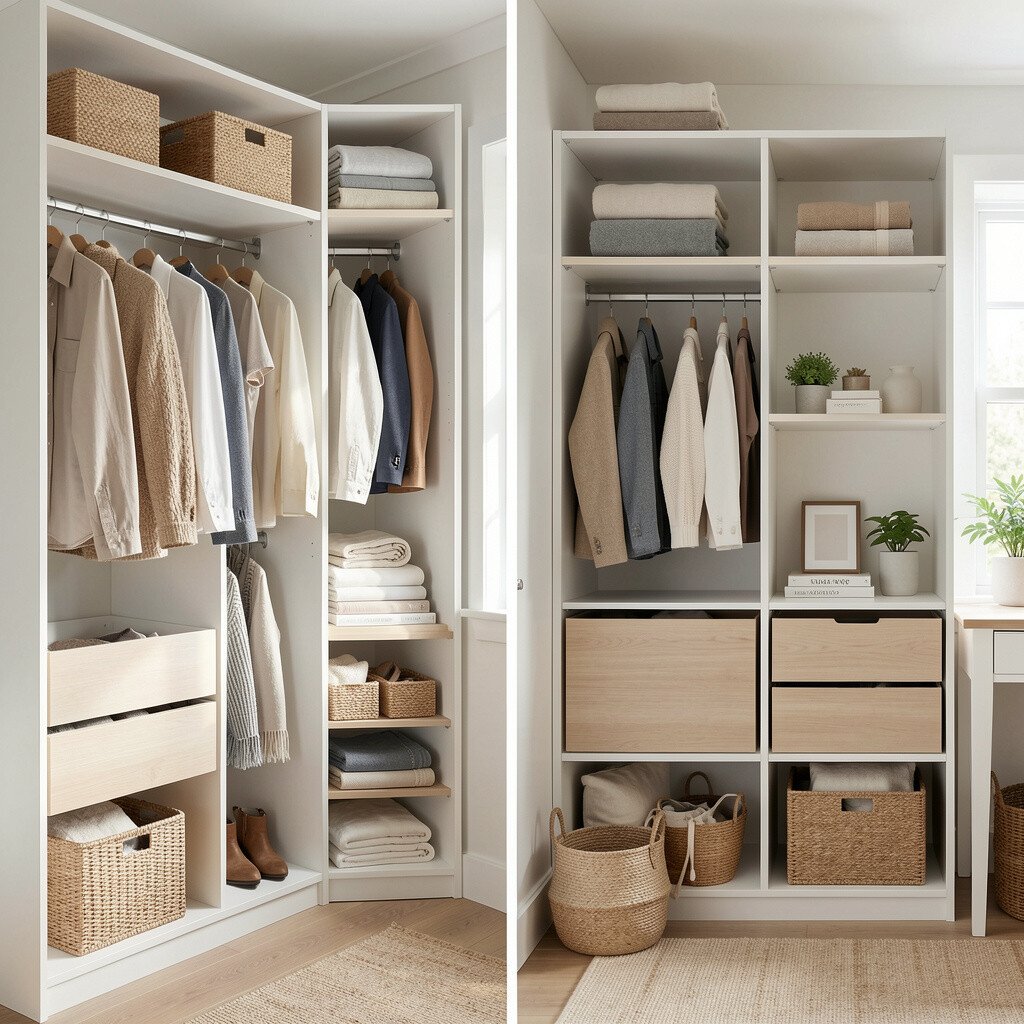
20. Turn Closets Into Calm Storage
Turn Closets Into Calm Storage
Before, closets might have been hard to open, with items falling out when you search for something. After, your closet becomes a system that makes daily life easier.
Use simple organizers like bins, dividers, or hanging shelves so items stay visible and in the right place. Group similar items together, like everyday wear, special outfits, and seasonal clothes. The benefit is less stress, because you spend less time looking and more time getting on with your day.
21. Create a Nighttime Light Path
Create a Nighttime Light Path
Before, it may have been hard to move safely at night, with bright switches or sudden glare. After, a gentle light path helps your home feel calm and secure even in the dark.
Use small nightlights or dim plug-in lights along hallways, and keep one softer lamp in your bedroom. Choose warm tones so the light feels comforting instead of clinical. The benefit is easier nighttime movement, plus your home feels like it’s caring for you.
For uniqueness, place one vintage-style lamp or a small lantern look light near a cozy chair. Cost considerations are manageable because nightlights are often inexpensive, and you can start with only one hallway. This matches current trends toward “night mode” comfort and home safety without harsh lighting.
22. Personalize With One Ritual Object
Personalize With One Ritual Object
Before, your sanctuary might have been about furniture only, with no emotional cue to slow down. After, you add one special object that tells your mind it’s time to rest.
Pick something you love, like a journal in a beautiful cover, a small bowl for grounding stones, or a framed quote you actually connect with. Place it where you’ll see it daily, and use it during a routine like tea time or a quick stretch. The benefit is that your space becomes meaningful, not just pretty.
For personalization, choose an object that reflects your identity, like a travel piece, a handmade craft, or a family item. Cost considerations can be friendly since many ritual objects are low-cost, but choose quality where it matters. This idea feels unique because the sanctuary becomes yours in a way that lasts, even as decor trends change.