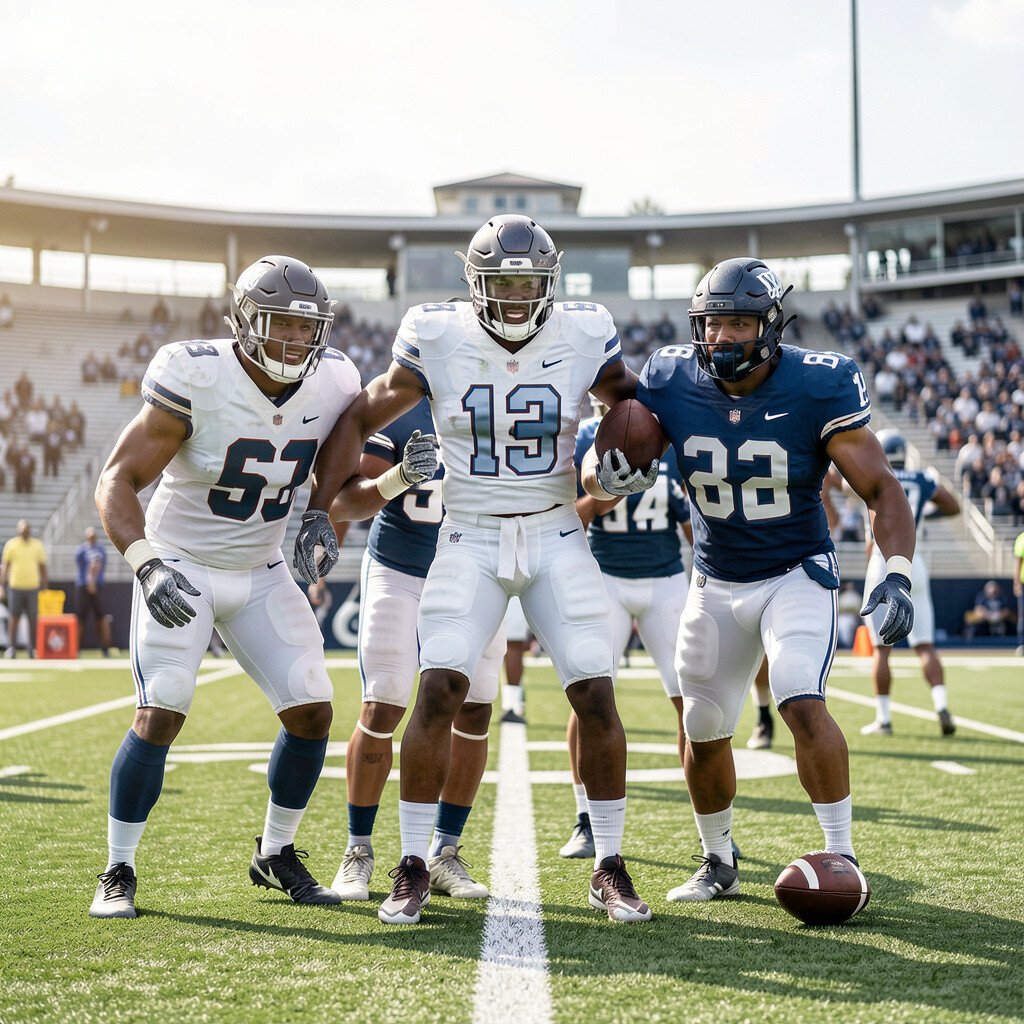
Choose a short chant you can say without thinking, then practice it at home like a warm-up. You will notice how quickly your voice locks in once the first word feels automatic.
Use a simple rhythm, clap along, and keep the chant easy to match to the game tempo. When you sing the same line again and again, other fans start to join because it feels familiar and safe. For a personal touch, swap in a team nickname or a player name you love, but keep the sound steady so you don’t scramble mid-play.
2. Build a Call-and-Response Crew
Build a Call-and-Response Crew
Stand near friends or your section’s most talkative fans and take turns leading. When someone shouts the first phrase, everyone answers together, and the stadium suddenly sounds bigger.
Try a quick pattern like “Defense now” and a matching reply, then adjust it based on what’s happening on the field. You can also use hand signals for the start of the response so people can stay loud even when the play is intense.
To keep it smooth, agree on one leader who starts the call and one group that always responds. This helps prevent chaos and makes your noise travel farther, especially in windy stands or covered arenas.
3. Make Your Noise Layered With Claps, Stomps, and Motion
Make Your Noise Layered With Claps, Stomps, and Motion
Cheering gets louder when it’s not only voices, but also synchronized movement. Watch how your section reacts when multiple people clap at the same time and stomp on cue.
Use three layers you can maintain: a chant, a clap pattern, and a simple stomp for big moments. The visual effect matters too, because people are more likely to copy what they can see clearly.
If you worry about getting tired, rotate who stomps during longer stretches while the clapping stays constant. For personalization, choose a clap rhythm that fits your favorite song beat, then keep the words consistent so it still feels like team spirit.
Cost stays low since you only need comfortable shoes and a steady beat in your hands. This approach matches current trends where fans create “sound waves” using coordinated actions rather than random yelling.
4. Wear a Loud Color Combo and Match the Theme of the Week
Wear a Loud Color Combo and Match the Theme of the Week
Your outfit can make your cheering stand out before you even open your mouth. Bright colors, team logos, and matching accessories help your section spot you quickly.
Try a theme based on what the team is promoting, like a classic jersey day or a special uniform moment. When fans notice a consistent style, they tend to feel like part of the same group, which boosts energy.
5. Bring a Simple Visual Prop Fans Can Copy
Bring a Simple Visual Prop Fans Can Copy
A lightweight prop gives people something to watch and follow, like a small banner or a foam finger you can wave safely. When your movement is clear from a distance, it becomes a signal that others join in.
Look for items that are easy to hold overhead without blocking anyone, and check stadium rules before you pack. The best props aren’t the biggest; they’re the most readable, like bold letters or a recognizable team symbol.
Personalize the design with a short message that fits your crew, such as a family slogan or a home-town shout. This is a great low-cost move because simple items often come in a pack, and you can use them for many games.
6. Use Short “Momentum Sounds” for Big Plays
Use Short “Momentum Sounds” for Big Plays
When a kickoff happens or the team makes a stop, you want noise that starts fast and ends fast. Short momentum sounds work because they fit the instant moment without burning out your voice.
Create a few go-to phrases that you can shout for different events, like quick cheering for a tackle and a louder call for a score. Keep each one under a few words so you can repeat it cleanly and still sound confident.
7. Turn Your Pre-Game Routine Into a Voice Warm-Up
Turn Your Pre-Game Routine Into a Voice Warm-Up
Your volume often depends on how ready your throat feels, not just how excited you are. Before the gates open, sip water and do gentle breathing so you don’t start the game tense.
Hum a chant quietly while you walk, then practice a couple of lines using a comfortable pitch. This helps you avoid the scratchy sound that can happen when you jump straight into shouting.
Try clapping in a steady rhythm while you wait, because it also warms up your timing. If you bring a friend, do a quick call-and-response rehearsal so you both know what to do when the action ramps up.
8. Add Team-Specific Details to Your Chants
Add Team-Specific Details to Your Chants
Make your cheering feel unique by weaving in team traditions and current storylines. Mention a hometown connection, a mascot feature, or a chant phrase the team already uses in the arena.
Right now, many fan groups coordinate around social media highlights, so matching what’s trending helps the crowd feel in sync. When you reference something the players did in the last game, it creates a shared memory that makes people react faster.
You can personalize without making it complicated by keeping the structure the same and swapping one key word. That way you stay consistent, but your chant still feels like it belongs to your section.
9. Make a “Quiet-to-Loud” Switch for Close Games
Make a “Quiet-to-Loud” Switch for Close Games
In tight games, the stadium often surges after a moment of silence or a pause. Use a calm phase, then hit a planned wave of noise when the next play begins.
When the ball is set or a player steps into position, take a breath together with your group. As soon as the action starts, go loud with a chant and claps so your sound lands at exactly the right time.
This technique can feel surprisingly powerful because it contrasts the loud with the quiet. It also helps you conserve energy across long stretches while still making sure your noise matters when it counts.
10. Personalize With Props That Fit Your Budget
Personalize With Props That Fit Your Budget
Not everyone wants to spend on big gear, and you don’t have to. A few budget-friendly choices like face paint, team socks, or a scarf can still make you visible and expressive.
If you do want something that adds volume, consider a small noisemaker that the venue allows and that won’t irritate nearby fans. For cost planning, compare one reusable item you’ll use all season versus multiple one-time purchases.
To personalize, write a short message on a scarf or wear a badge from a past game so your story shows through. This kind of emotional connection often makes your cheering feel more real, and other fans pick up that vibe.
11. Coordinate With Social Media, Then Bring It Live
Coordinate With Social Media, Then Bring It Live
Fans are sharing chant clips, game-day outfits, and friendly challenges more than ever. When you see a trending chant from your team’s accounts or fan pages, learn the words and bring the sound to the stands.
It’s smart to practice it once at home and again while you head to the stadium so you don’t hesitate when the moment arrives. If you can, post a quick friendly question to your group chat so you know what others are planning.
Visuals matter too, so match your chant with a simple action like a synchronized wave or repeated clap. That way your online inspiration turns into a real-time crowd effect, and your section feels part of something bigger.
Budget-wise, this can be nearly free, because the main investment is your time and a little preparation. Keep your chant safe for your voice by choosing words you can repeat without rushing.
12. Celebrate the Crowd, Not Only the Team
Celebrate the Crowd, Not Only the Team
Louder cheering grows when you feel connected to the people beside you. Compliment a chant leader, react when others join in, and keep your energy welcoming so shy fans feel invited.
Try making eye contact during key moments and nod along with the rhythm, because people often copy what feels friendly. A supportive crowd tone also reduces the chance that your group’s volume drops when mistakes happen.
For personalization, cheer for small wins like a smart pass, a hustle play, or even a good effort on defense, and point those out with your chant. When you celebrate the work, not just the scoreboard, your enthusiasm stays steady and your voice lasts longer.
This trend of community-first cheering is growing in many venues, and it makes the whole stand feel louder. Practical tip for the game night is to pick one person to hype consistently so you create a mini momentum chain.