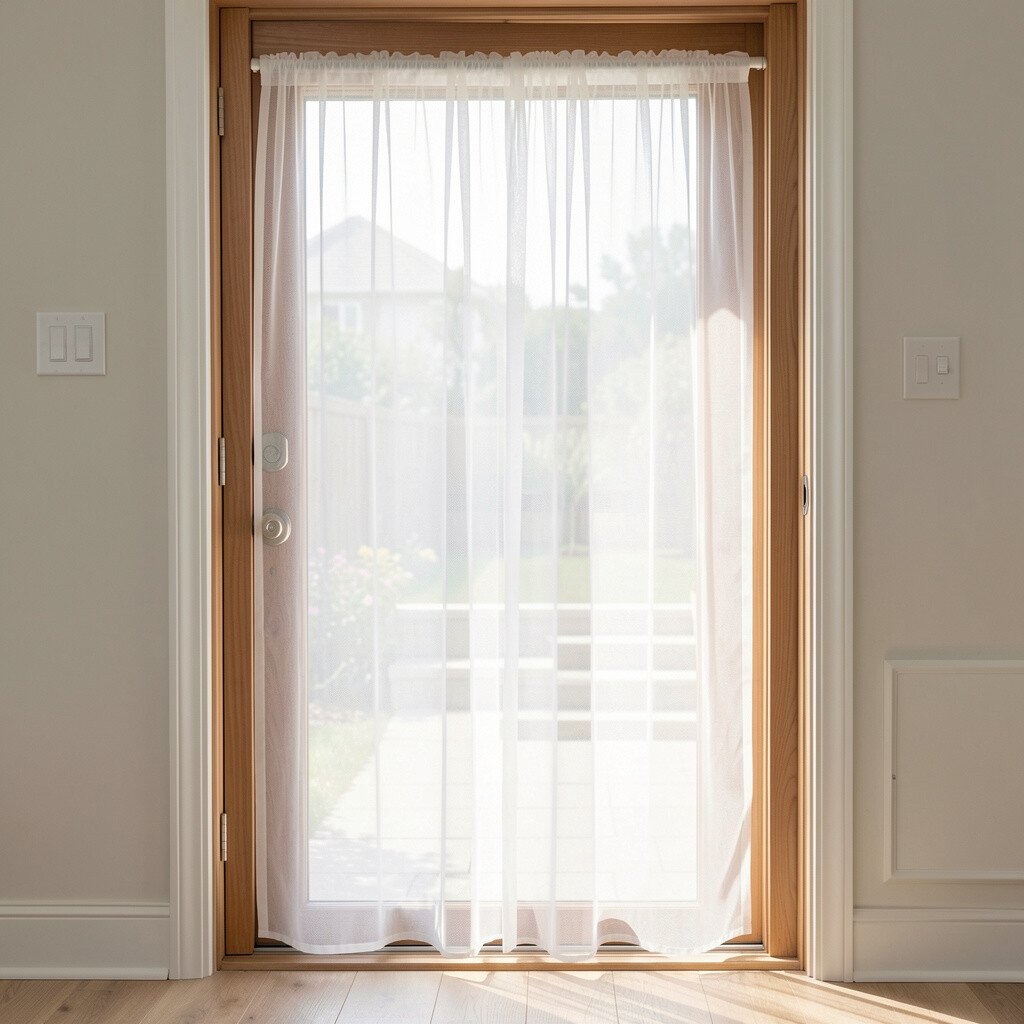
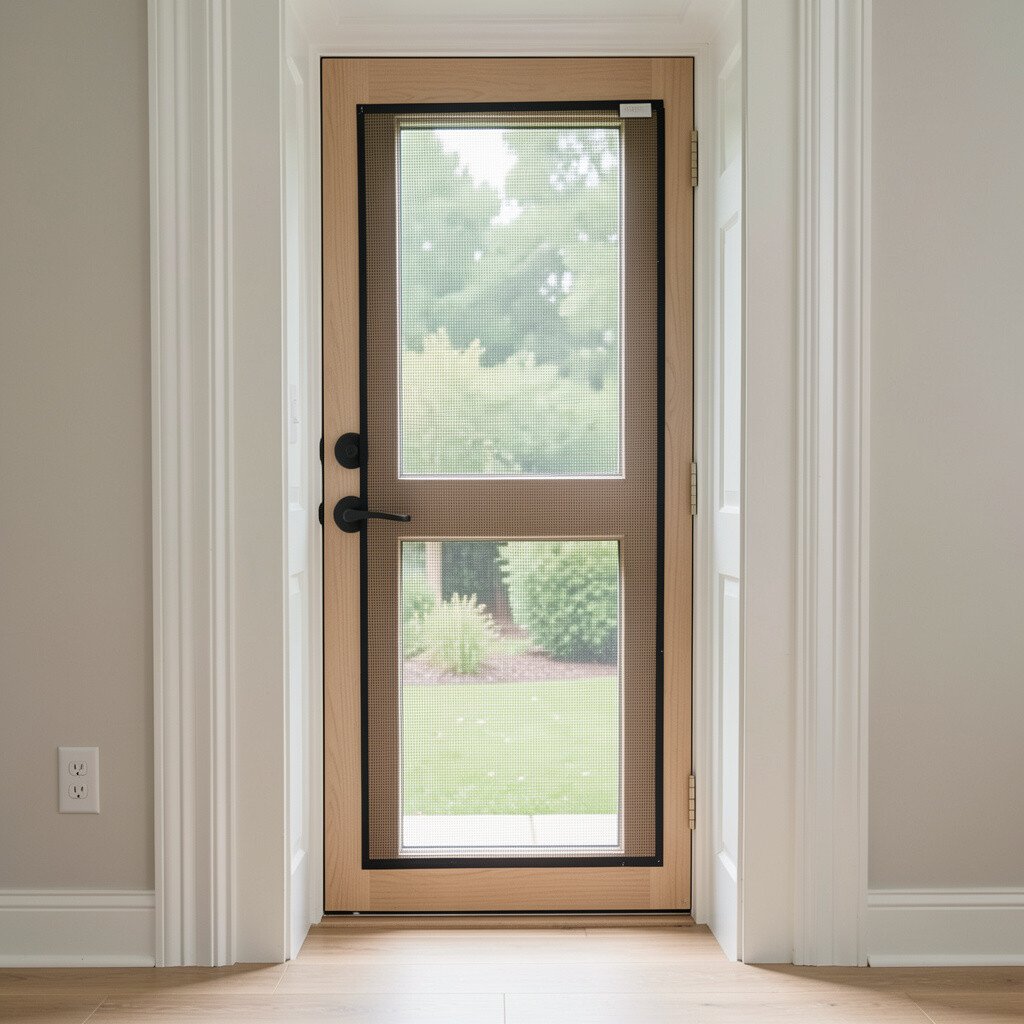
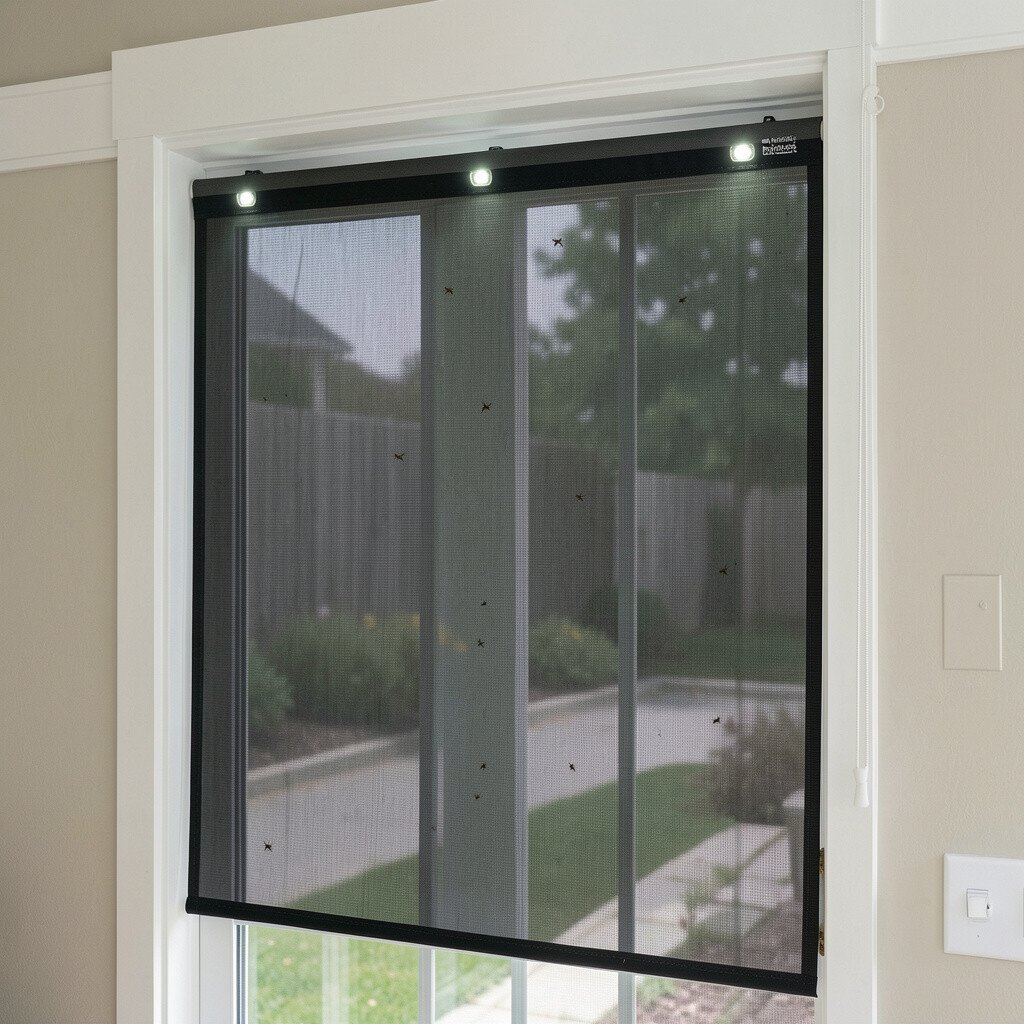
You can make a quick bug barrier with tulle and magnets that barely show when the door is open. Picture a soft, airy mesh that sways slightly in the breeze while still blocking tiny pests.
Choose tulle that is thick enough to resist rips, then attach strong magnets along the edges using simple ties or fabric clips. This method is gentle on renters and helpful when you want fast results. To personalize it, match the tulle color to your curtains or go with a subtle neutral that blends with your hallway.
2. Faux-Woven Magnetic Screen With Rolled Edges
Faux-Woven Magnetic Screen With Rolled Edges
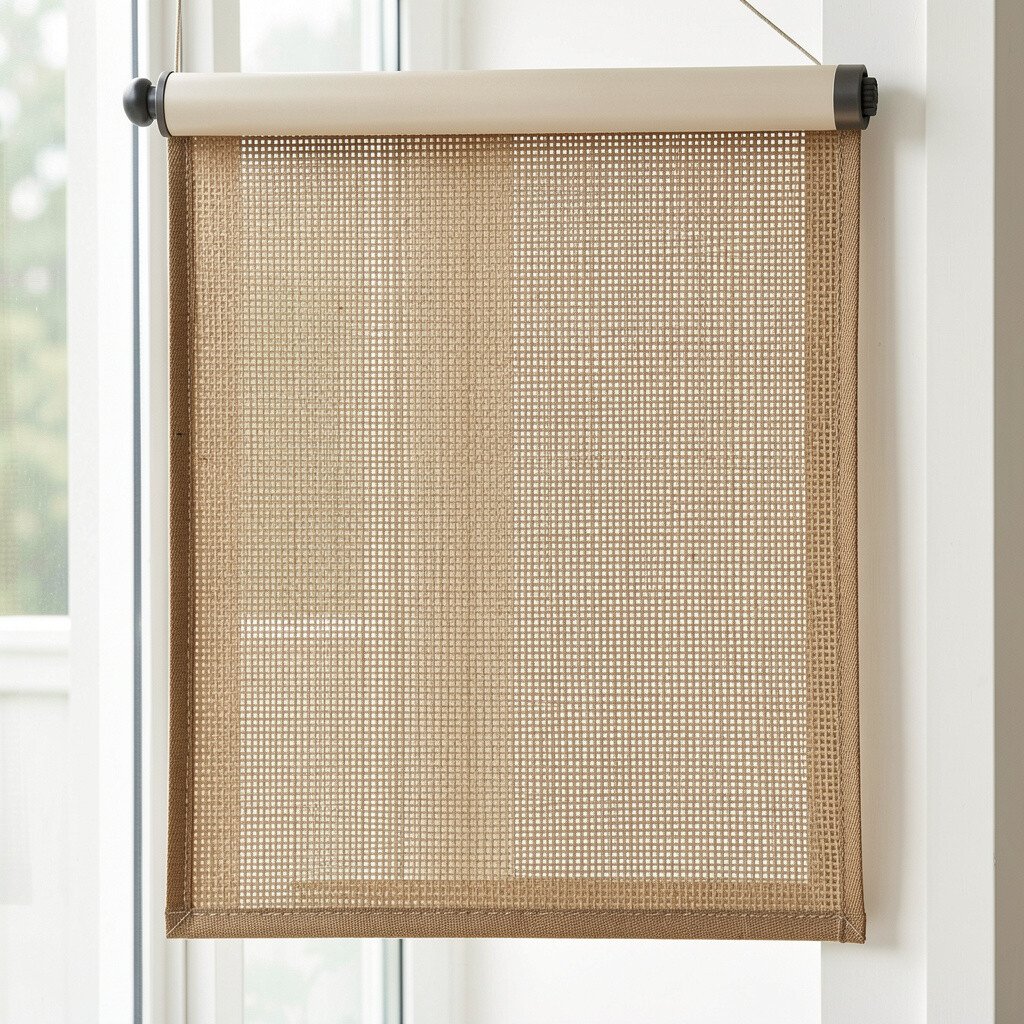
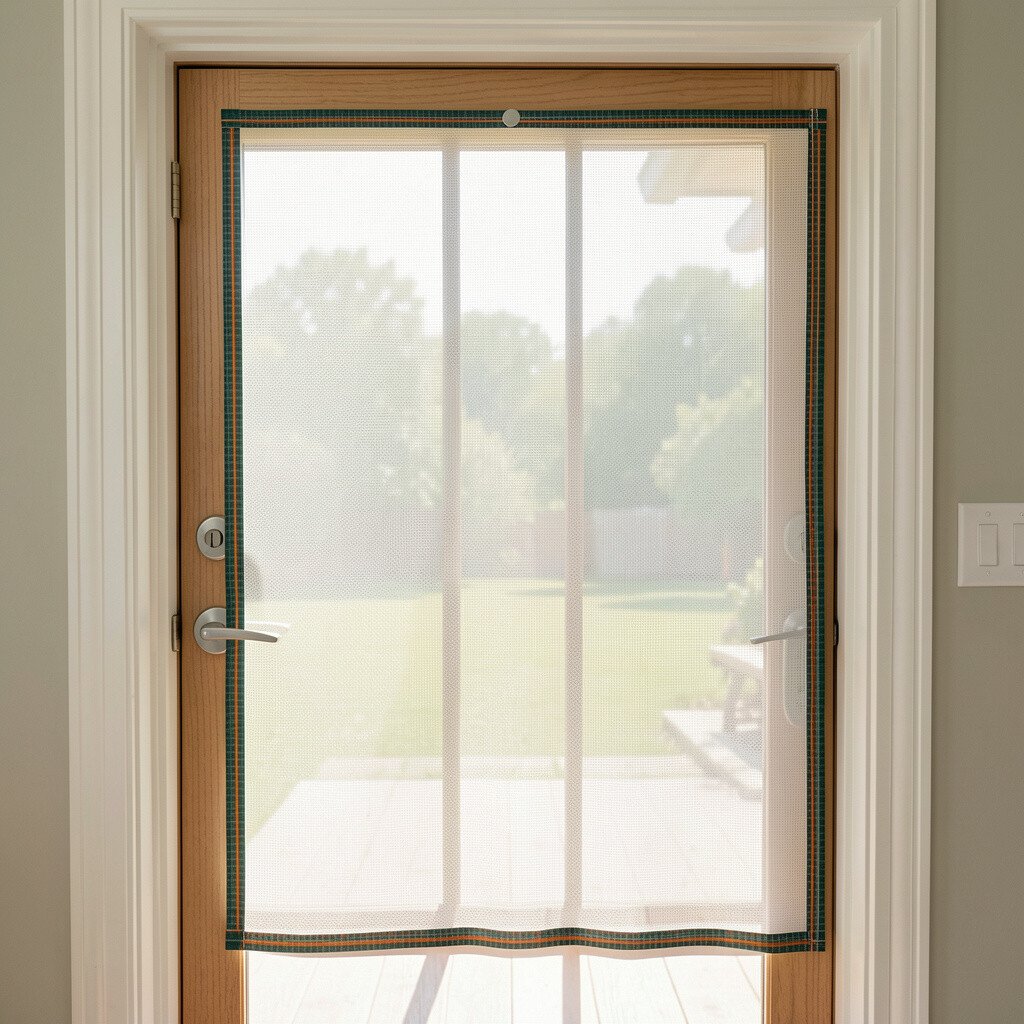
Your doorway can look tidy when the screen has rolled, clean edges that feel built-in. Imagine a mesh panel framed with a fabric-look trim that gives it a cozy, homey look.
Use a magnetic strip system with a border wrap so the edges hold their shape when you open and close the door. This improves durability and reduces snagging, which is a common problem with flimsy DIY screens. For practical sizing, measure your door width in two spots since some frames are slightly uneven.
If you like current trends, lean into warm farmhouse textures by using burlap-inspired trim or a woven-pattern binding. It can also be a budget-friendly choice because the decorative frame uses less mesh and makes the whole project look more expensive.
3. Magnetic Curtain Panel Screen for Sliding-Style Doors
Magnetic Curtain Panel Screen for Sliding-Style Doors
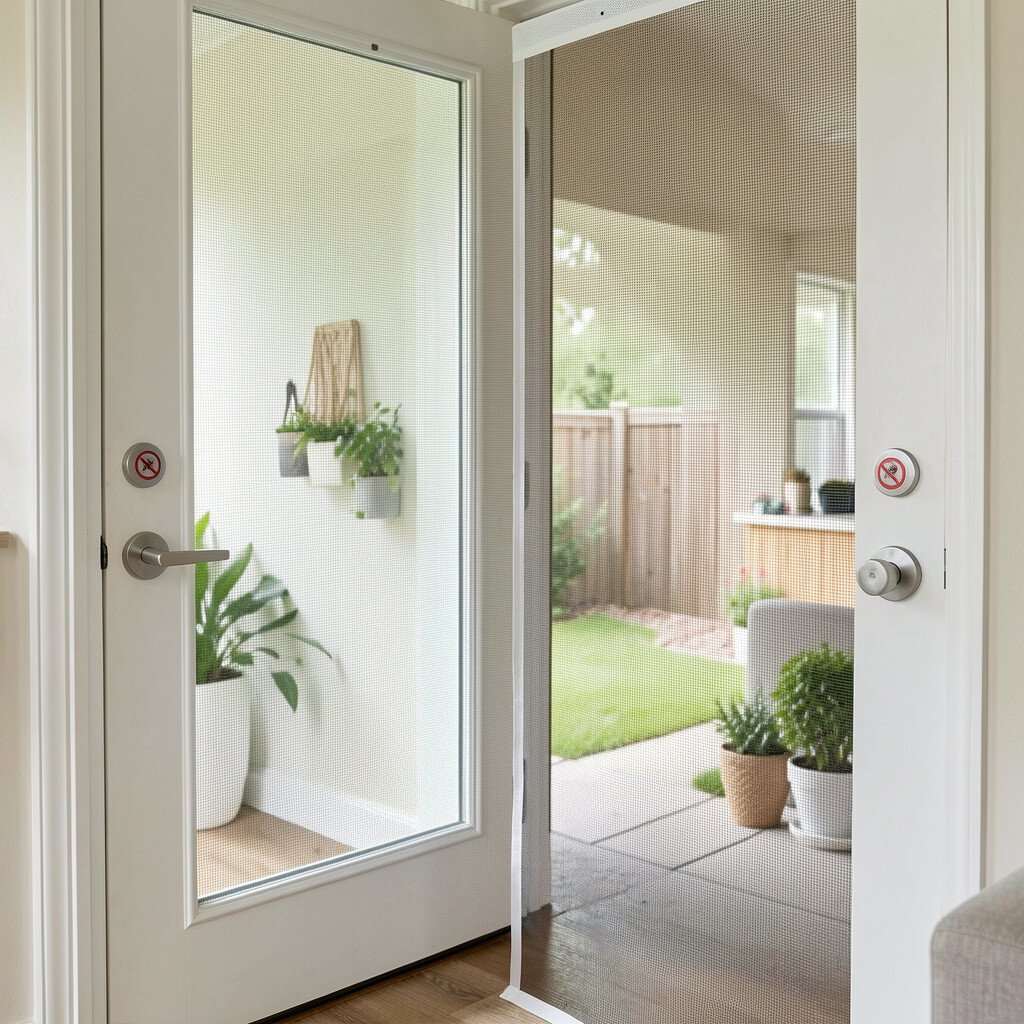
A curtain-style approach works beautifully when your doorway has a glide feel or wider openings. Visualize two overlapping mesh panels that close neatly, held by magnets that meet in the middle.
This project shines when you want easy access for people carrying groceries or pets passing through. Add magnets at consistent intervals so the seam seals quickly without you tugging it closed. For personalization, try a double-layer look with a sheer inner mesh and a slightly darker outer layer for added privacy.
To keep it practical, hang the top track securely and test the overlap before you finalize the magnets. Current trends favor light, flowing textures, and this option gives that look while still focusing on bug-free living.
4. Closet-Quality Magnetic Screen Using Lightweight Netting
Closet-Quality Magnetic Screen Using Lightweight Netting
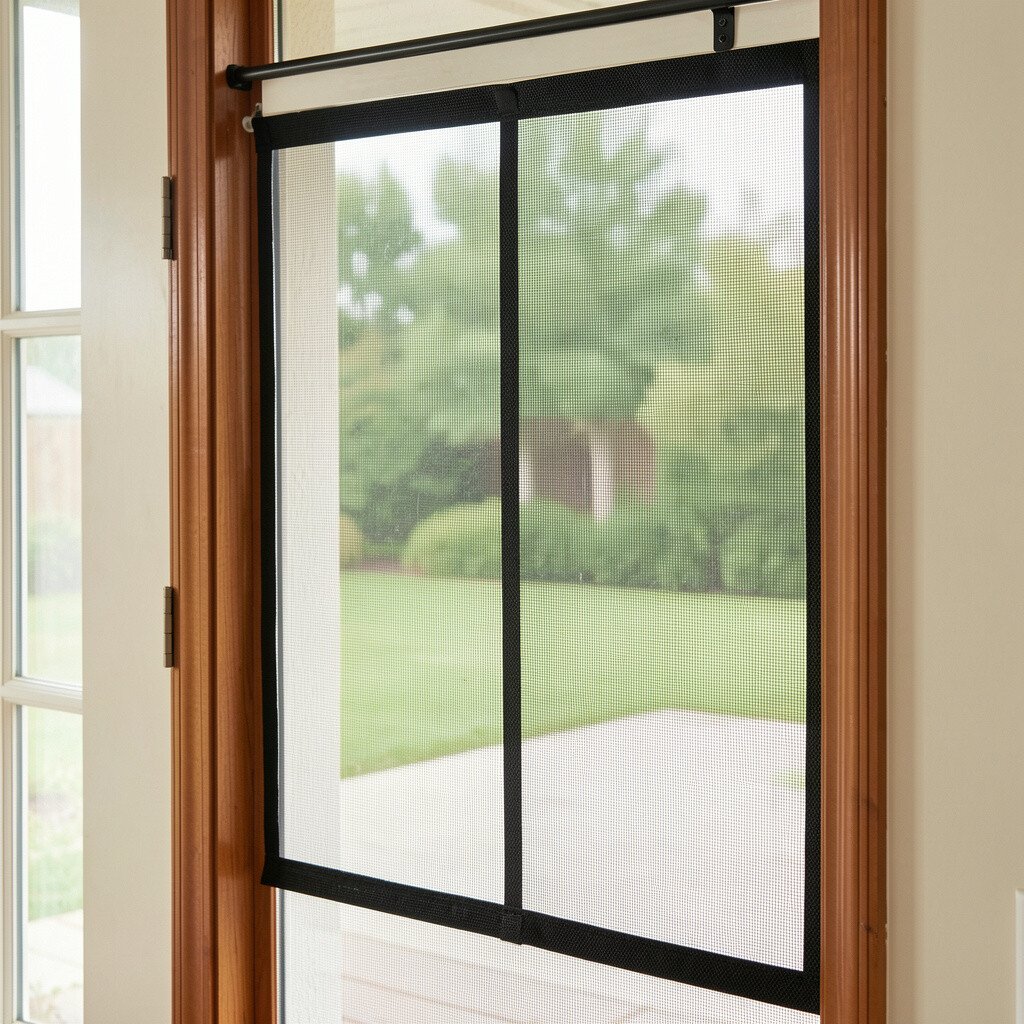
Think of a screen that looks neat enough to live at eye level, not hidden in storage. You’ll get that clean appearance by using lightweight netting paired with sturdy magnetic attachment points.
When you open the door, the magnets should guide the screen back into place without extra effort. Cut your netting slightly larger than the door opening, then trim after testing so the seal is snug. This is a great budget idea because netting can be inexpensive, and you can upgrade the magnets later if needed.
Personalize the feel by choosing a fine mesh that matches your room lighting and hides movement behind the screen. If you notice drafts, check alignment by placing painter’s tape along the frame while you test the closure line.
5. Renter-Friendly Magnetic Screen With Velcro Backup
Renter-Friendly Magnetic Screen With Velcro Backup
Sometimes magnets alone feel great, and other times you need a little extra hold. Visualize a thin mesh curtain with magnets on the edges and a soft Velcro strip that catches it in windy spots.
Velcro backup helps prevent gaps when a door doesn’t sit perfectly flat, which can happen with older hardware. It’s a smart practical touch that keeps insects out without creating permanent damage to your frame. For cost control, use only small sections of Velcro where you most need extra grip.
To personalize, add a decorative border ribbon at the bottom edge, or choose a mesh color that matches your seasonal decor. This style also fits current habits of mixing easy-to-remove components for quick seasonal swaps.
6. DIY Magnetic Mesh Screen With Removable Frame Inserts
DIY Magnetic Mesh Screen With Removable Frame Inserts
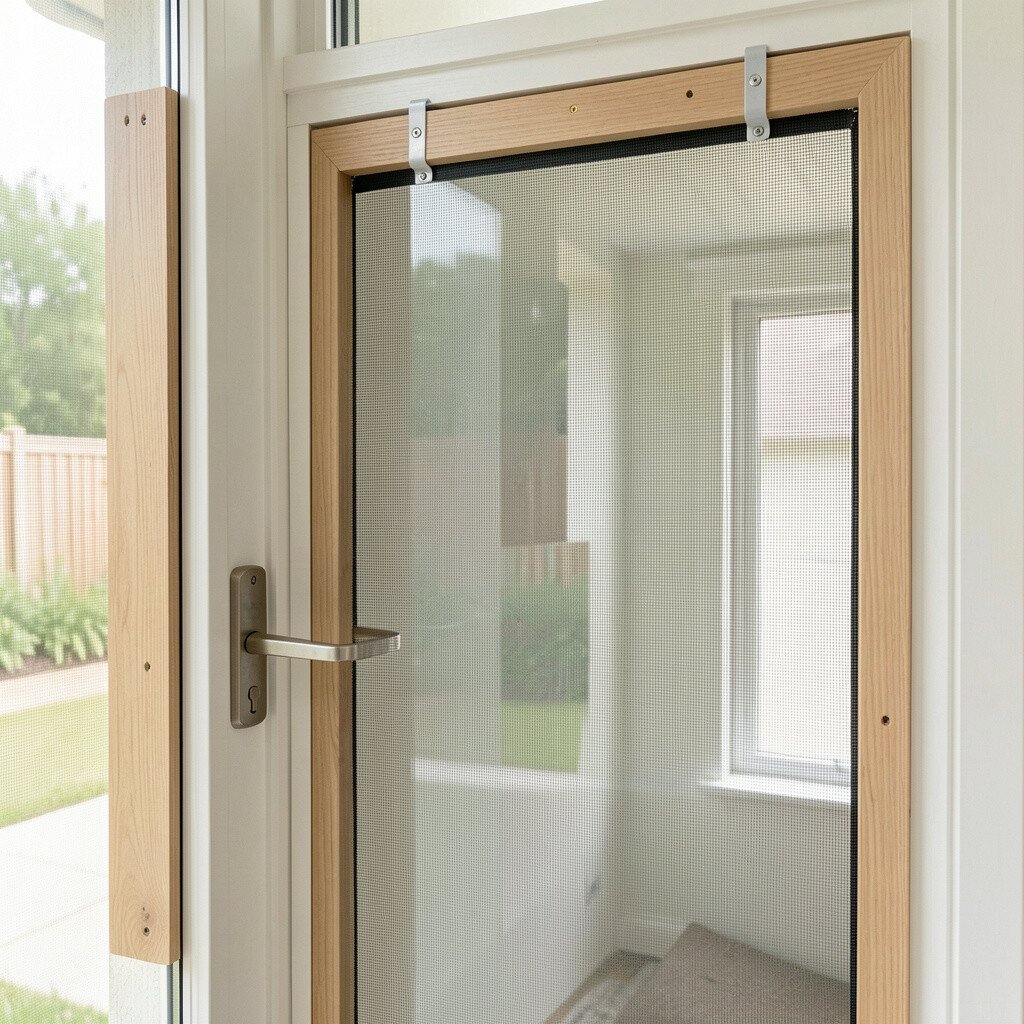
Want a screen that looks like it belongs, not like an add-on? Picture a neat, shallow frame inside the door area with mesh stretched tight and sealed by magnetic edges.
Build the frame using inexpensive strips of lightweight plastic or thin wood, then insert mesh panels that can be removed for washing. The visual appeal comes from clean straight lines, and the benefit is simple upkeep when pollen or dust collects. Measure twice and dry-fit the inserts so the magnets line up exactly with your door’s closing path.
You can personalize the look by painting the frame in a matching trim color or using a stain for a warm natural vibe. Cost considerations stay manageable because the frame uses simple materials while the mesh can be replaced later. For trend alignment, choose minimal colors and clean geometry for that modern, tidy feel.
7. Scrap-Fabric Border Magnetic Door Screen for Instant Style
Scrap-Fabric Border Magnetic Door Screen for Instant Style
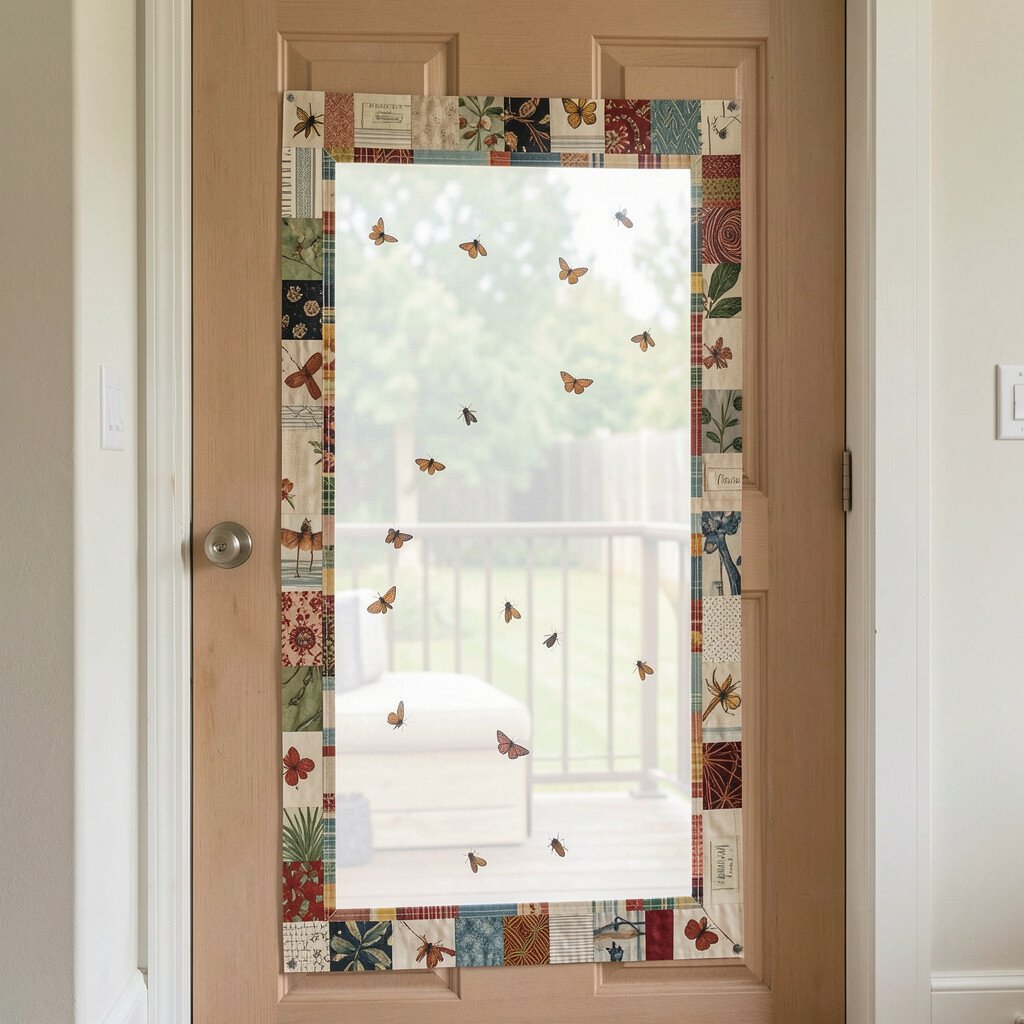
Even if your mesh is plain, a creative border can make it feel special. Imagine a magnetic mesh screen with a patchwork fabric edge that looks like a handmade quilt panel.
This approach is unique because you turn leftover fabric into a functional door accessory that still blocks bugs. Use magnets along the top and side edges, then stitch or tie the fabric border onto the mesh for a finished look. Practical tips matter here, so keep the fabric light and flat to avoid bubbles that can create small gaps.
Personalize with fabric prints that match your seasons, like spring florals or cozy autumn patterns. You can also save money by using scraps you already own, which makes the project feel both budget-smart and satisfying.
8. Heavy-Duty Magnetic Screen for High-Traffic Doors
Heavy-Duty Magnetic Screen for High-Traffic Doors
If your door gets bumped by kids, pets, or constant comings and goings, choose sturdier materials. Picture a thicker mesh with magnets embedded into reinforced edge tape so it withstands daily use.
This design is best for households that open and close doors all day because the magnets guide the seal while the mesh resists stretching. Add extra anchoring along corners since that’s where stress usually builds. A practical tip is to test the door swing at different angles so the screen doesn’t twist into a loose position.
For personalization, use a darker mesh tone that hides wear and makes the screen less noticeable. Cost considerations are higher than lightweight options, but the benefit is fewer replacements and better long-term bug protection. Current trends lean toward practical durability, especially for family homes.
9. Magnetic Screen With Bottom Weighted Hem to Seal Better
Magnetic Screen With Bottom Weighted Hem to Seal Better
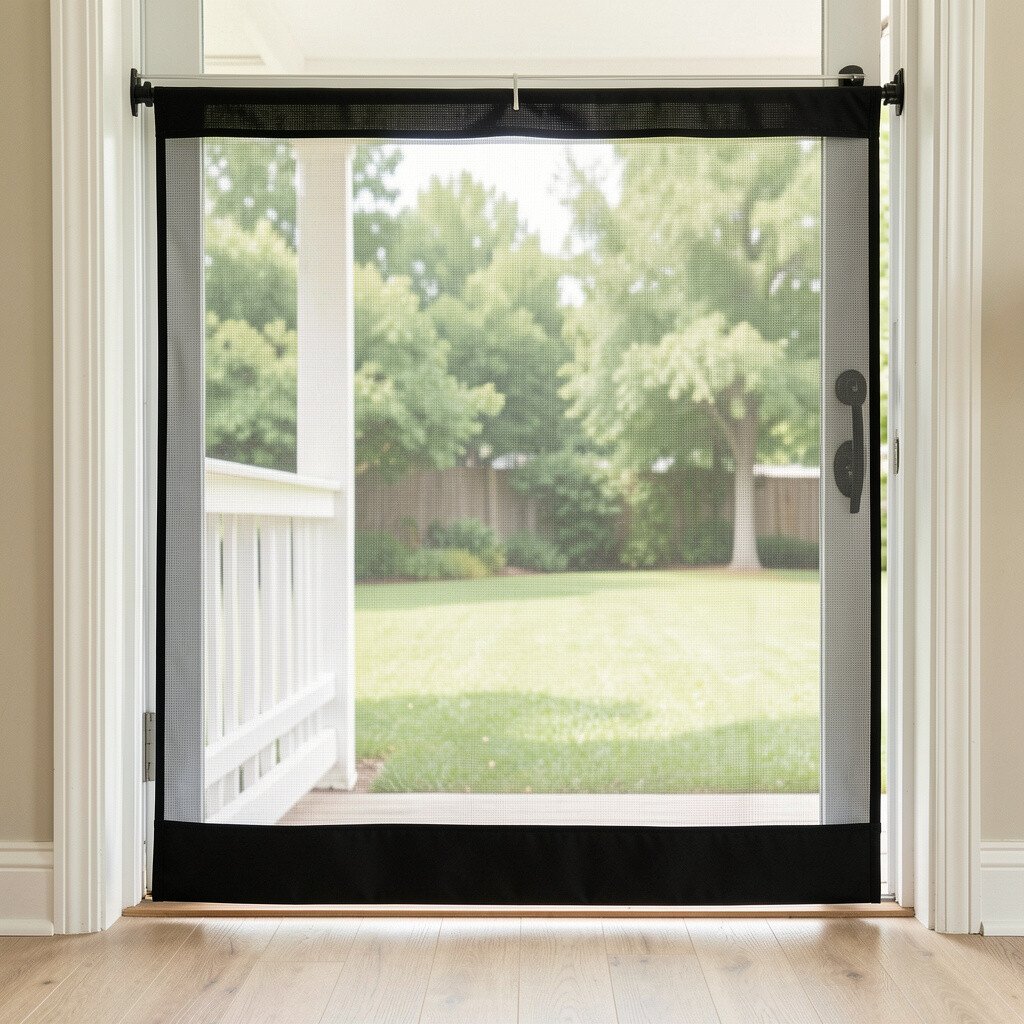
Sometimes the top magnets work, but the bottom edge lifts when air moves. Imagine a sleek mesh curtain with a subtle weighted hem that hangs straight and seals tightly along the floor.
This idea boosts real-world performance because a weighted bottom reduces the gap where crawling insects might sneak in. Use a thin rod weight or sewn-in strip weights, then place magnets along the sides for quick closure. If your floor has bumps or thresholds, measure the gap height and adjust the hem weight so it sits naturally.
Personalize the look by adding a matching fabric trim around the hem, which makes it feel intentional. While it can cost a little more due to the weight materials, it may save money by reducing the chance of gaps and repeat adjustments.
10. Window-Screen Style Magnetic Panels for a Narrow Door
Window-Screen Style Magnetic Panels for a Narrow Door
A narrow doorway can still get full coverage with modular panels. Picture two slim mesh sections that meet at the center, sealed by magnets that snap shut when the door closes.
This is unique because it avoids one wide panel that can sag and loosen over time. Cut the sections carefully, then place magnets so the overlap is consistent across the full height. For practical tips, use a ruler and check squareness on the frame so each panel fits without wrinkling.
Personalize by choosing a mesh tone that matches your interior, like soft gray for modern spaces. Cost considerations are usually friendly since narrow panels use less mesh, and the modular layout can be repaired one section at a time.
11. Magnetic Door Screen With Color-Matched Edge Tape
Magnetic Door Screen With Color-Matched Edge Tape
You can make your screen look store-bought with edge tape that blends into your door frame. Imagine a clean mesh sheet outlined in the same color as your trim, so it almost disappears.
Edge tape is a simple way to add structure and prevent fraying, which supports longer use. Attach magnets along the tape-lined edges so the seal stays strong as the door moves. A practical tip is to choose flexible edge tape so it conforms well around corners and doesn’t peel.
This option is easy to personalize, because you can swap tape colors seasonally or match the exact paint shade in your home. It’s also budget-friendly, as tape and magnets typically cost far less than custom screens. For a current look, keep the color minimal and the design straight and crisp.
12. DIY Magnetic Screen Using Clear Vinyl and Mesh Mix
DIY Magnetic Screen Using Clear Vinyl and Mesh Mix
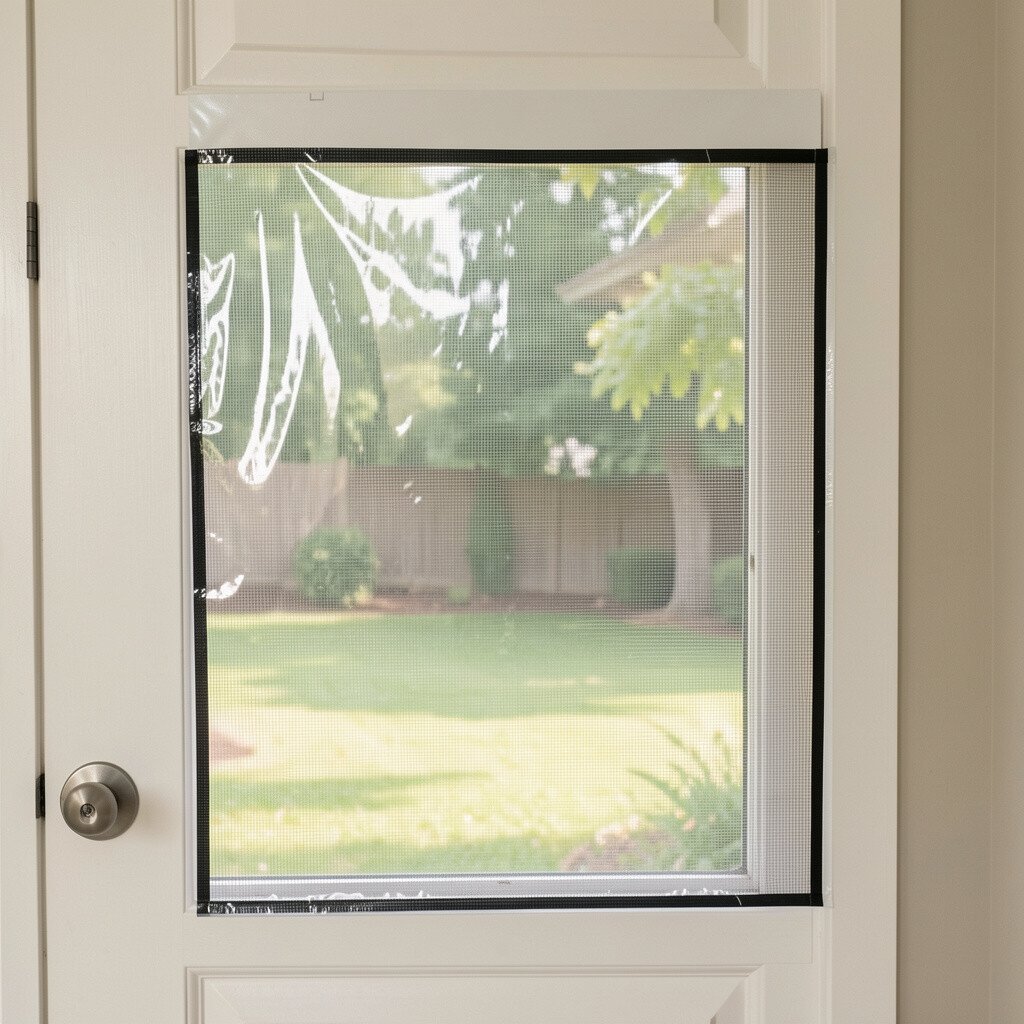
Some homes need bug blocking with a bit more visibility than standard mesh. Picture a clear vinyl top section that lets light through, paired with mesh sides that stop insects.
This mix is beneficial when you want daytime brightness, especially in entryways that feel dark. Use magnets to connect the mesh portions, and attach vinyl carefully so it doesn’t crinkle. Practical tips include testing how vinyl bends around the door curve and ensuring the magnets hold even when the screen flutters slightly.
Personalize by tinting the vinyl with a subtle frosted film for privacy while keeping the view of movement outside. Cost considerations can be moderate since vinyl costs more than pure mesh, but it can reduce the need for additional privacy items. It also matches current trends toward brighter, more open entry spaces.
13. Magnetic Screen With Removable Corner Patches
Magnetic Screen With Removable Corner Patches
Corners take the most stress and often start to peel first. Imagine a mostly simple mesh screen, but with extra corner patches that reinforce the spots magnets pull against.
This is a practical and unique improvement that makes your DIY screen last longer. Add corner patches using strong fabric or reinforced tape, then place magnets so they land on the reinforced areas. A practical tip is to check corner alignment frequently during the first few days of use because settling can cause slight shifts.
Personalize by choosing patch colors that pop, turning wear-protection into a design feature. If you want budget control, use small patches rather than reinforcing the entire screen. This design fits the trend of DIY upgrades that focus on durability without complicated tools.
14. Magnetic Screen for Pet Doors With Secure Edge Closure
Magnetic Screen for Pet Doors With Secure Edge Closure
Pets add extra movement, so your screen needs a calm, reliable seal. Picture a magnetic door screen with snug edge closure that still opens smoothly when a pet passes near the threshold.
This idea benefits busy homes because it reduces gaps caused by quick swings and energetic door bumps. Place magnets closer together at the height pets usually touch the screen, then reinforce those sections. Practical tips include testing with your pet’s typical path so the magnets don’t pull in the wrong direction.
Personalize by selecting a mesh that holds shape even after repeated contact, and consider a lower-profile design that doesn’t snag paws. Cost considerations vary based on magnet strength, but the payoff is fewer repairs and better insect blocking. Current trends also favor pet-friendly materials that are easy to clean and maintain.
15. No-Mess Magnetic Screen With Appliance-Tape Mounting
No-Mess Magnetic Screen With Appliance-Tape Mounting
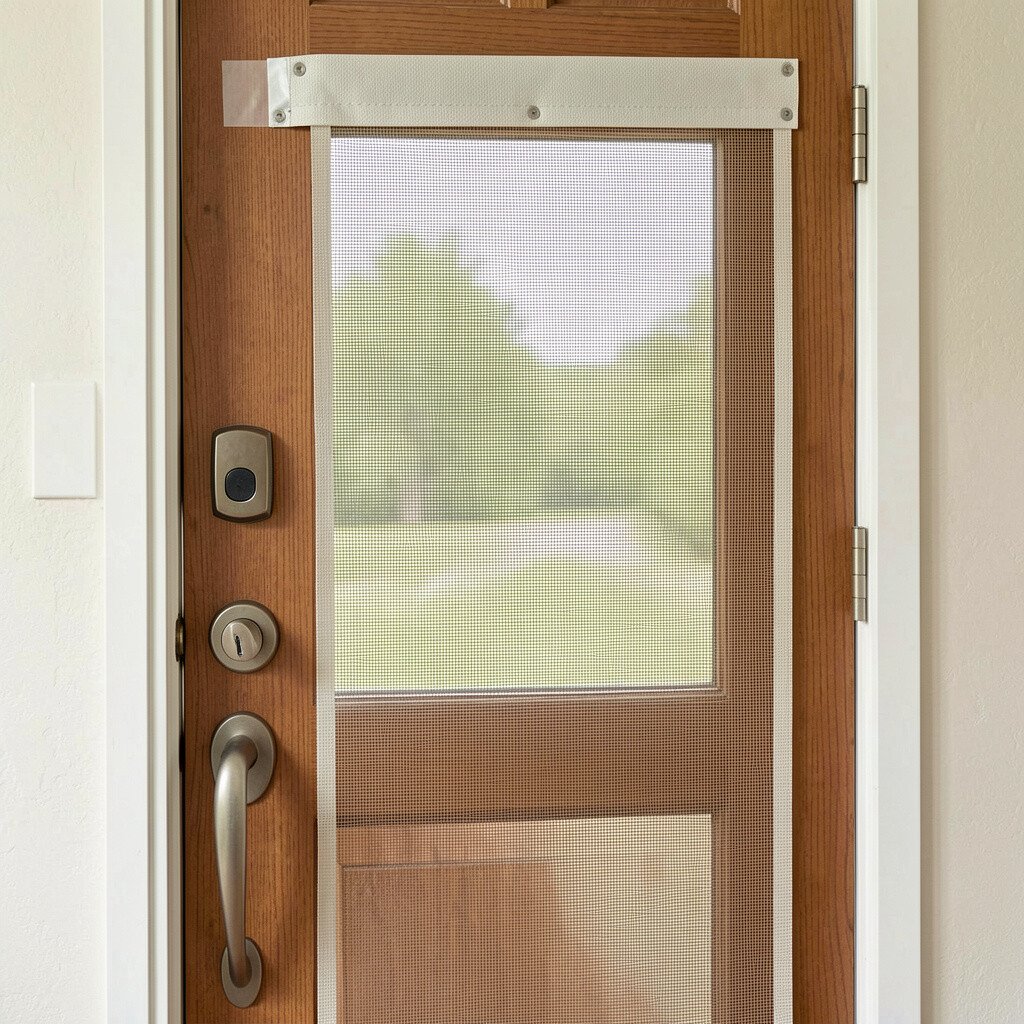
Not every DIYer wants to drill or permanently attach anything. Imagine a clean mesh screen mounted using strong, removable tape that grips firmly and peels off clean later.
This method is renter-friendly and practical for short-term seasons, like summer bug surges. Use high-quality removable tape, then attach magnetic strips to it so the seal stays aligned during daily use. A practical tip is to apply tape on a dry, dust-free surface, and press firmly along the full length.
Personalize the look by adding a simple top border that matches your entry decor. Cost is usually reasonable because tape and mesh are inexpensive, and you can reuse the magnet system across projects. It aligns with a current trend toward minimal commitment home upgrades.
16. DIY Magnetic Screen Using a Breathable Outdoor Curtain Mesh
DIY Magnetic Screen Using a Breathable Outdoor Curtain Mesh
Outdoor curtain mesh brings a sturdy feel compared to delicate craft fabrics. Picture a breathable, weather-ready screen that looks stylish and holds up near direct sunlight.
This idea is unique because the material is designed for outdoor use, which often means it resists fading and fraying better. Cut the mesh panel to size, then add magnetic strips along edges that line up with the door frame. Practical tips include allowing a small margin for shrinkage if the fabric is new and slightly stiff.
For personalization, choose a curtain style pattern like subtle texture or a gentle color wash that matches your patio vibe. Cost considerations can be a bit higher than basic mesh, but the longevity can be worth it in high-sun areas. Current trends favor outdoor-inspired interiors, and this fits right in.
17. Foldable Magnetic Screen With Built-In Storage Strips
Foldable Magnetic Screen With Built-In Storage Strips
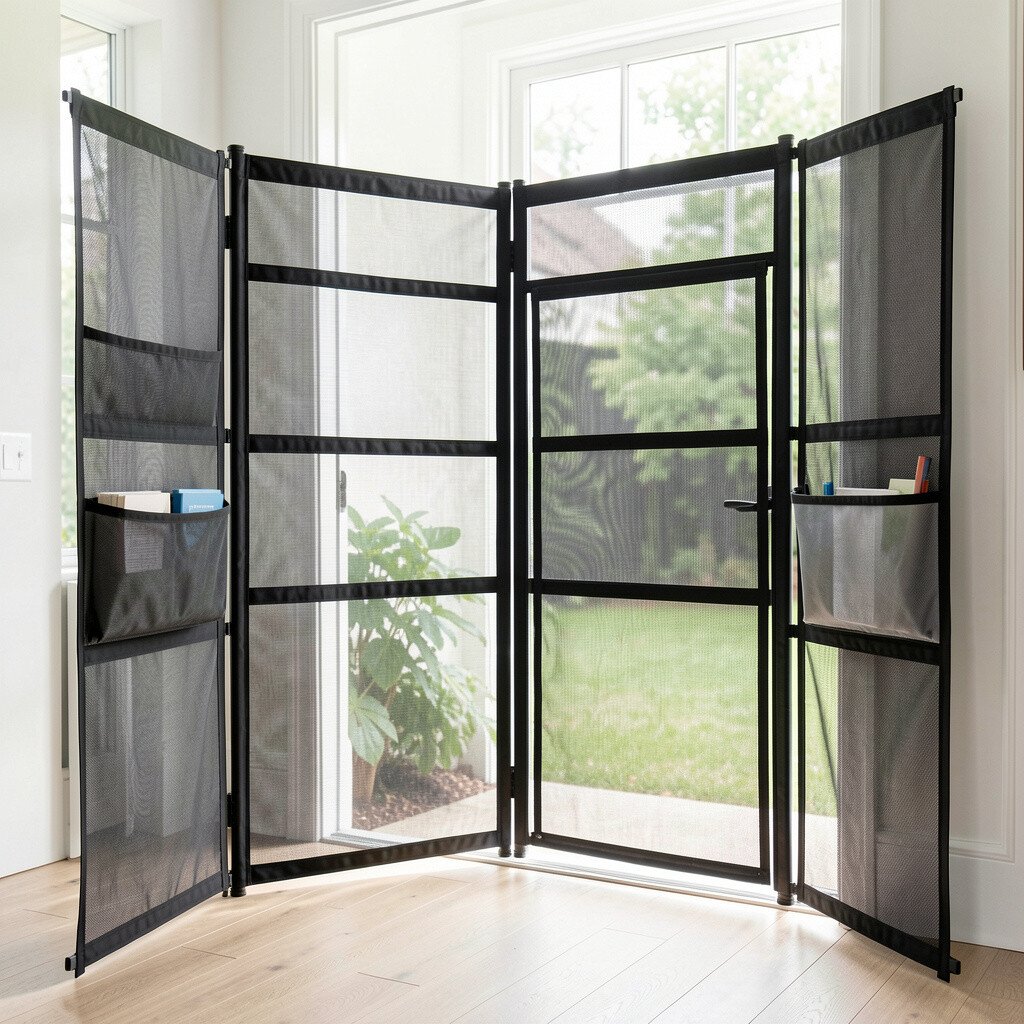
A screen that stores neatly is a joy when seasons change. Imagine a magnetic mesh panel that folds into a compact size, with storage strips that keep it from tangling.
This design benefits people who only need bug protection part of the year or want a quick swap between screen and plain door use. Attach magnetic strips along edges, then add storage ties or Velcro loops so the folded screen stays organized. Practical tips include keeping folds consistent so the panel doesn’t develop stubborn creases that interfere with sealing.
Personalize by choosing a mesh color that matches your seasonal decor, like a light tone for spring and a deeper one for autumn. Cost considerations stay manageable because the storage add-ons are small and reuse-ready. It also matches the trend toward tidy, multi-use home solutions.
18. Magnetic Screen With LED-Friendly Top Strip for Night Visibility
Magnetic Screen With LED-Friendly Top Strip for Night Visibility
Safety matters, and entryways look nicer when lighting is easy. Picture a magnetic screen with a top strip that can hold a thin LED strip, creating a soft glow without blocking airflow.
This is a practical upgrade because it helps you see while entering, especially when insects are most active at dusk. Build the magnet layout so the LEDs sit on a stable edge that doesn’t interfere with the seam closure. A practical tip is to keep wiring neatly routed and use clips that won’t lift the mesh.
Personalize the mood by picking warm or cool light tones and aligning them with your hallway style. Cost can rise slightly due to lighting parts, but it may replace the need for extra doorway illumination. Current trends favor functional lighting in everyday spaces, and this combines that with bug control.
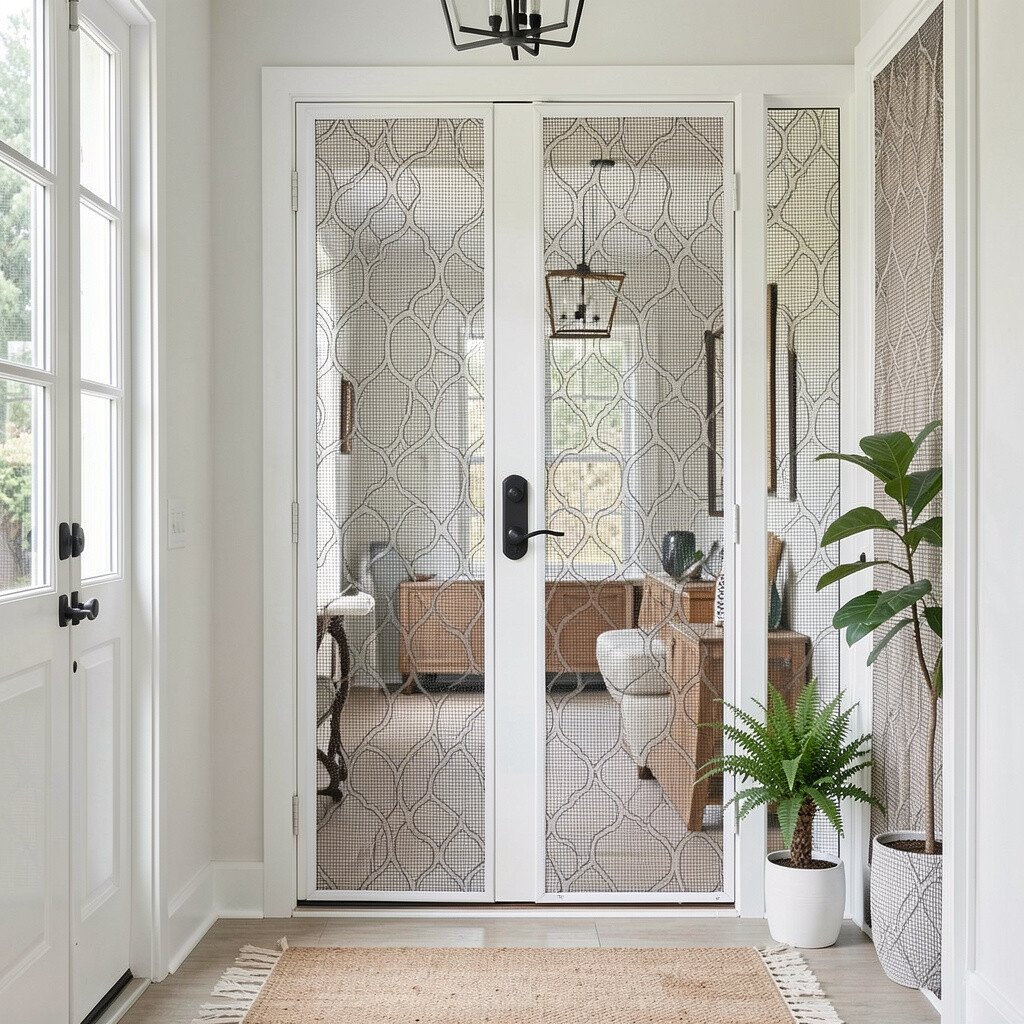
19. Patterned Magnetic Mesh Screen for a Statement Entryway
Patterned Magnetic Mesh Screen for a Statement Entryway
Who says a bug screen has to look boring? Imagine a magnetic mesh door cover with a subtle pattern that adds personality while still letting air move through.
This idea is unique because it turns a functional barrier into a design feature, especially when your entry is visible from inside. Use printed mesh or fabric-backed mesh, then attach magnets along the edges for reliable closure. Practical tips include testing how the pattern aligns when the door swings, so it doesn’t look crooked after a few uses.
Personalize with seasonal graphics like gentle florals or simple geometric shapes that match your home style. Cost considerations depend on the mesh type, but you can balance it by using a smaller panel width and focusing on high-traffic sections. It also fits current trends toward bold, playful home touches that still solve real everyday problems.