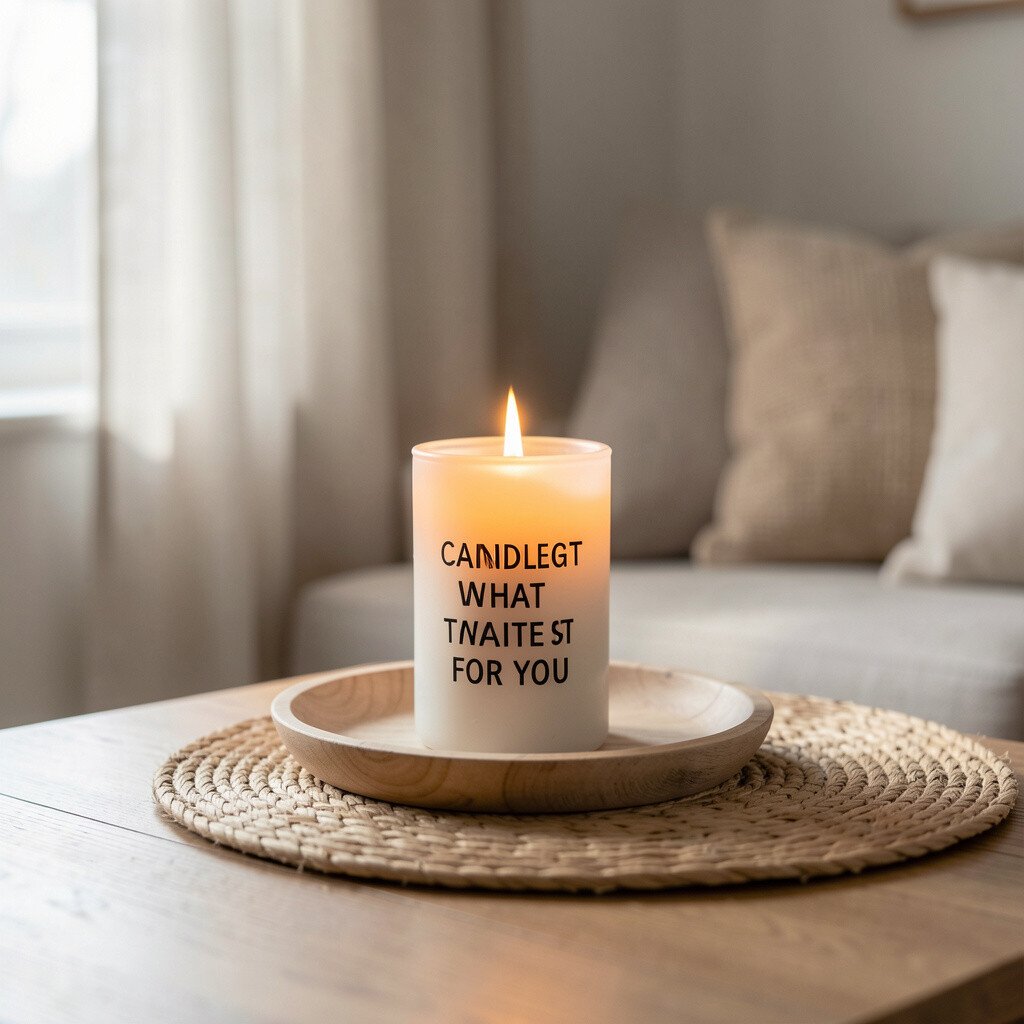
Choose a warm candle or a flameless tea light and place it where you naturally slow down. Before you light it, take one quiet breath and notice the room waking up.
Let the glow reflect on nearby glass, mirrors, or a favorite mug so you get a gentle visual anchor. As you sit for a few minutes, your thoughts often settle because the light gives your eyes something calm to hold.
Try personalizing the scent to match your mood, like vanilla for comfort or lavender for quiet. If you want the trend of safer glow, use LED candles with a timer and a soft flicker setting. A small candle set is usually affordable, and you can reuse holders you already own.
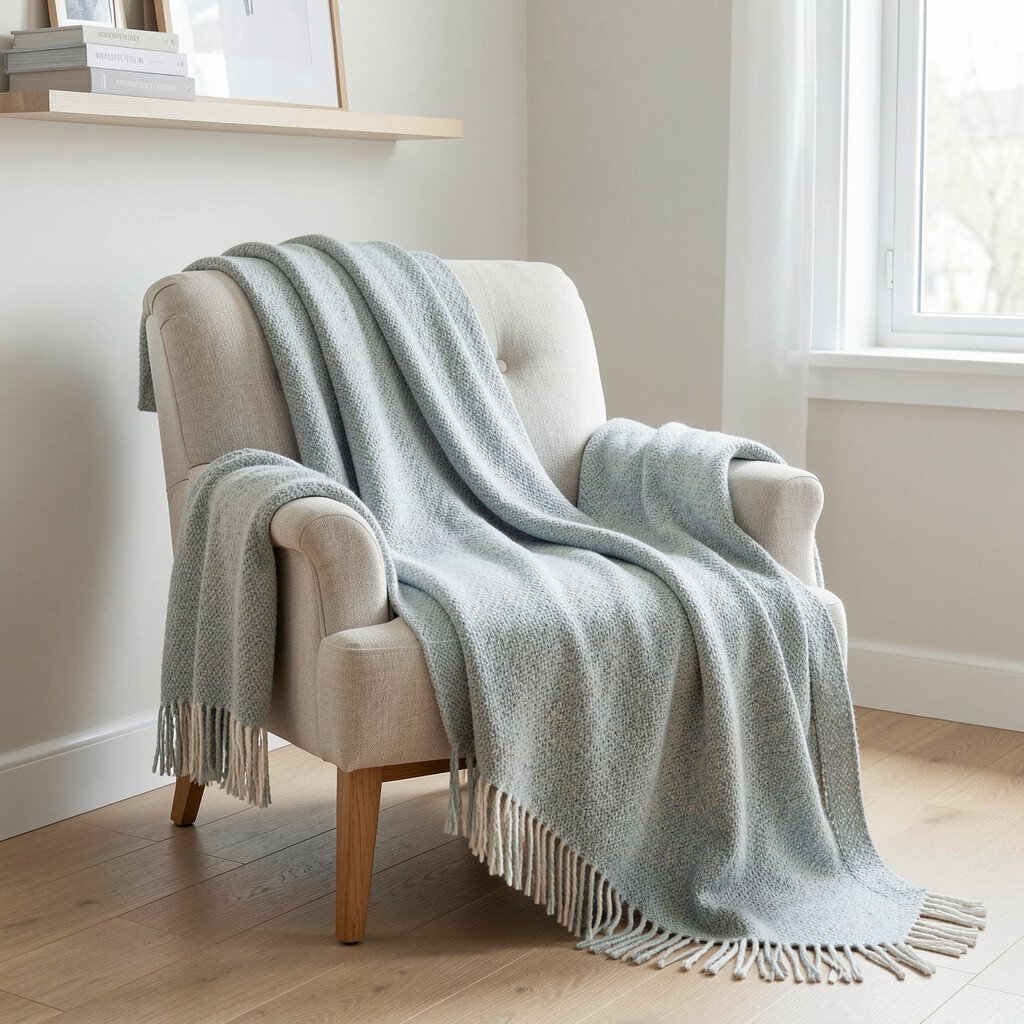
2. A “Soft Landing” Chair With One Calm Blanket
A “Soft Landing” Chair With One Calm Blanket
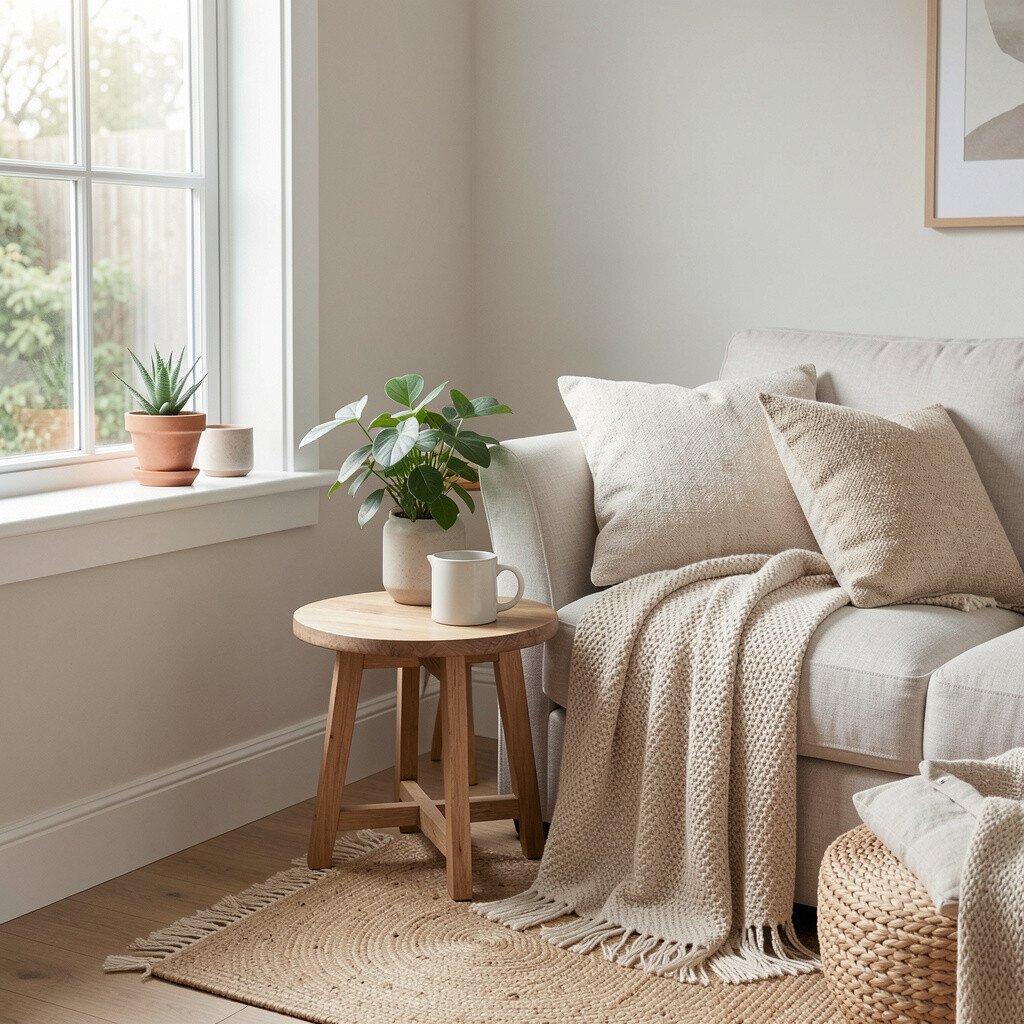
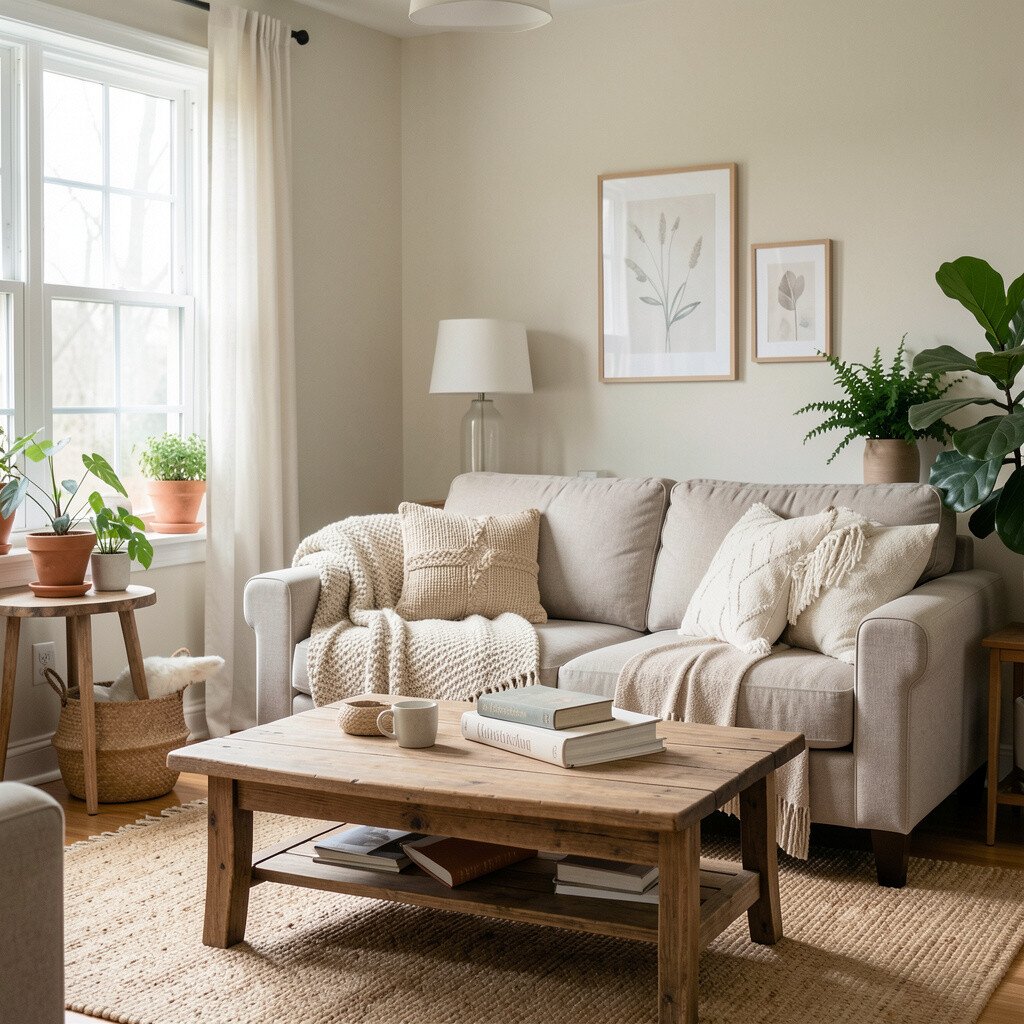
Pick one chair and make it feel like a pause button. Add a single cozy blanket in a color you find soothing and keep it folded neatly within reach.
When you sit down, your body reads the cue right away, and that helps stress drop faster. Try placing a small side light, like a warm lamp, so the space feels welcoming at dusk.
Make it unique by adding a textured throw that you love to touch, such as chunky knit or smooth fleece. You can keep costs low by buying one quality blanket on sale and skipping extra decor.
To fit current home trends, aim for “less but better” styling with natural tones and simple shapes. Even if your home is small, one soft landing chair can become your private retreat.
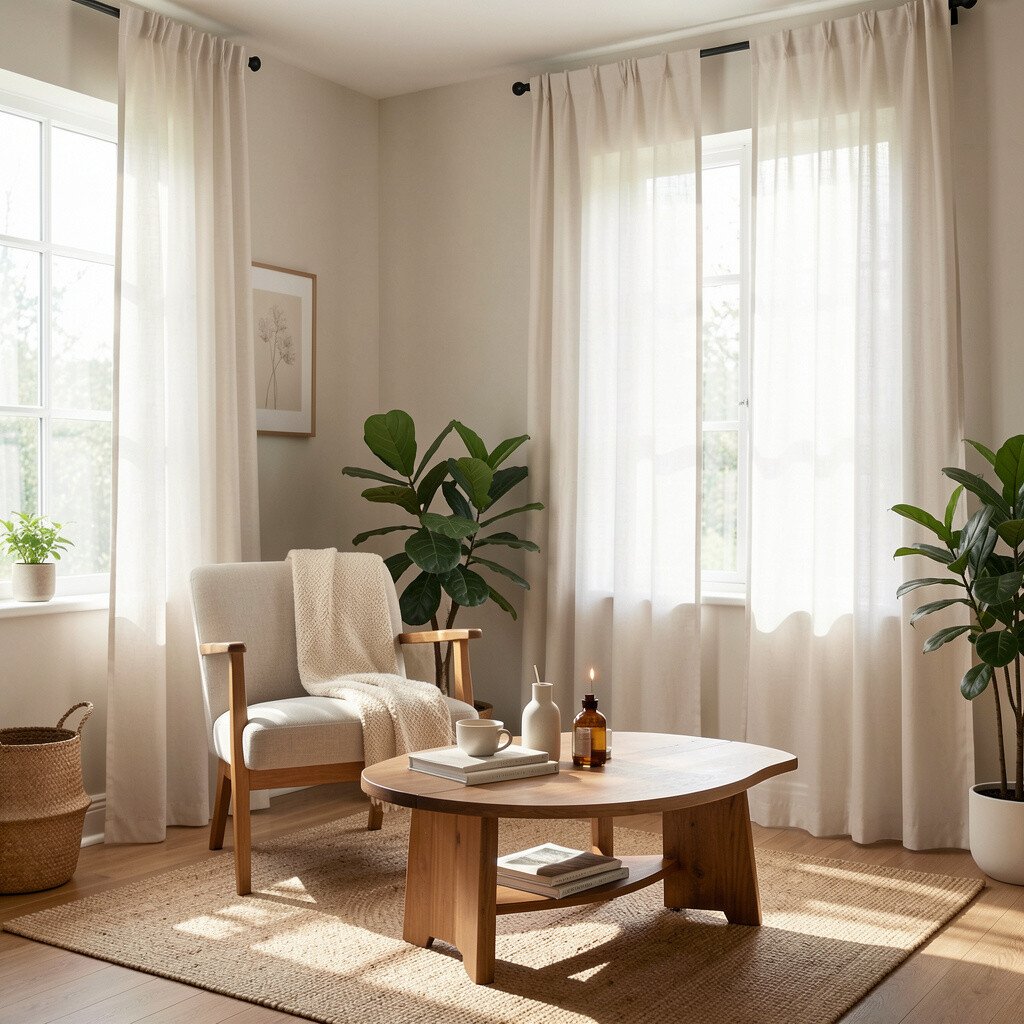
3. Morning Light Ritual With Curtains That Do the Work
Morning Light Ritual With Curtains That Do the Work
In the morning, open your curtains slowly and watch the daylight move across the floor. Stand for a moment where you can see the light change, even if it is just a small patch by the window.
Give your eyes time to adjust and let your mind follow the shift instead of racing ahead. This simple visual rhythm can make you feel grounded before the day gets loud.
If privacy is a concern, use sheer panels or a frosted film so you still get gentle brightness. Personalize with a window covering that matches your style, like linen for a relaxed look.
To keep it budget-friendly, you can use what you already have and just adjust the timing. A current trend is using softer window textures rather than heavy curtains, which can also make rooms feel lighter.
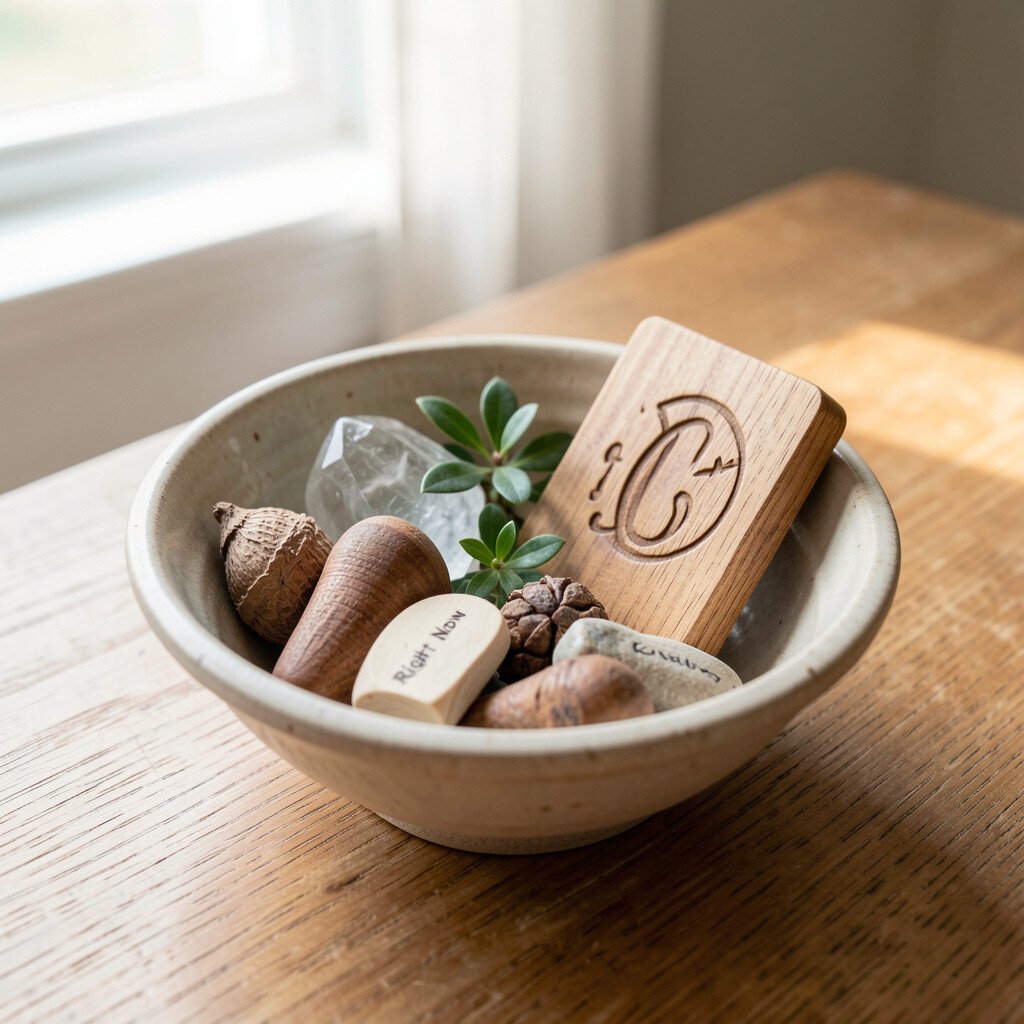
4. Create a Tiny Bowl of “Right Now” Objects
Create a Tiny Bowl of “Right Now” Objects
Place a small bowl on a table and keep it for items that feel calming to touch. Think smooth stones, a worry bead, or a small piece of wood with a pleasant grain.
When your mind spins, pick one object and gently feel its shape for a minute. This brings you back to the present because your hands and eyes focus on a real, simple sensation.
Make it personal by choosing objects that match your favorite memories, like a beach stone from a trip or a charm you wore often. It costs very little, and it can even replace clutter by giving small items one home.
If you like modern styling trends, choose a ceramic bowl in matte white or warm terracotta so it looks neat. You can swap the objects seasonally to keep the ritual fresh without buying new things often.
5. Sound Bath at Home With One Gentle Playlist
Sound Bath at Home With One Gentle Playlist
Pick one calming playlist and keep it consistent, so your brain learns the pattern. Press play when you begin a task that usually feels stressful, like cooking or cleaning.
Choose sounds that feel friendly, such as soft rain, ocean waves, or mellow instrumentals. The steady background sound can cover sharp noises and make your breathing feel easier.
Personalize by adding a familiar track you love, so it feels like your space, not a generic mood. This can be done at almost no cost since many services offer free tiers or low-price plans.
6. Bathroom Steam Break With a Simple Timer
Bathroom Steam Break With a Simple Timer
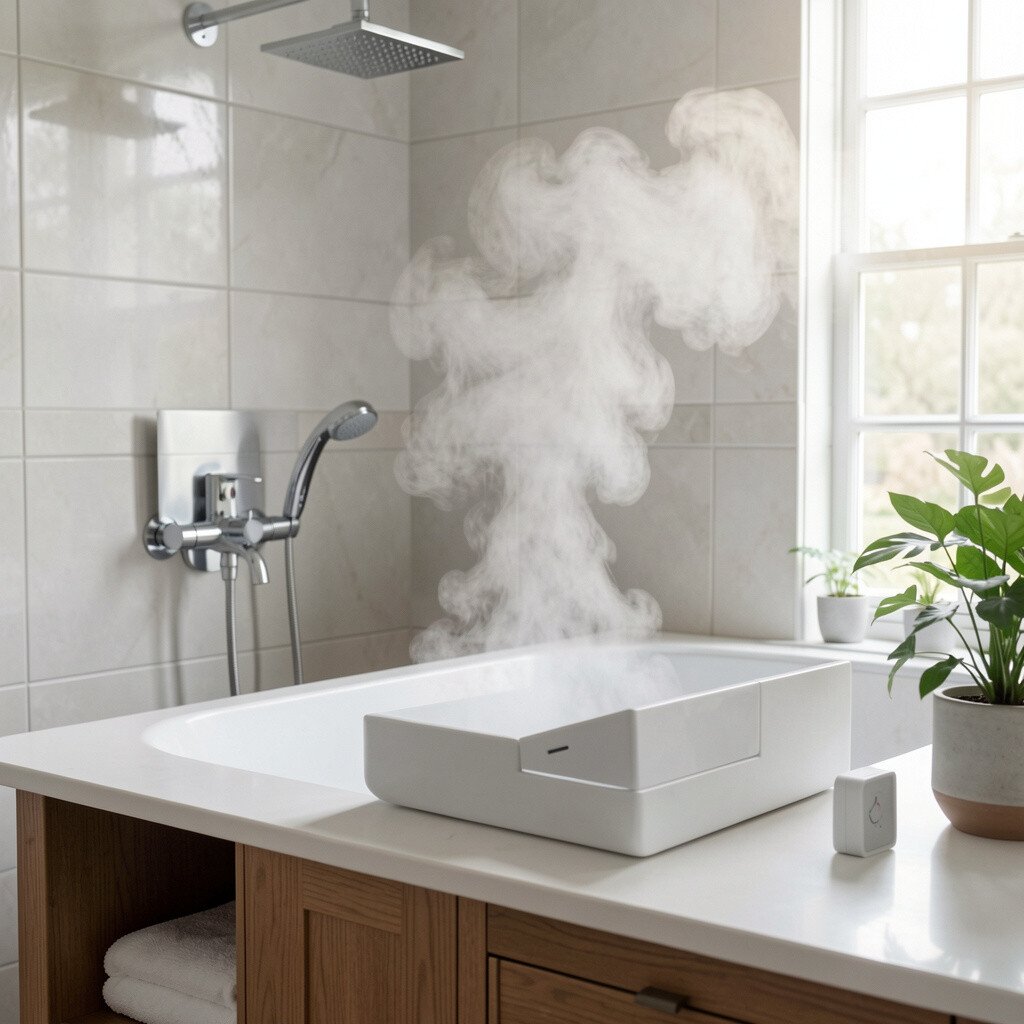
When you take a shower, use a short timer so you stay present instead of rushing. Focus on the steam, the warmth on your skin, and the moment-by-moment feel of water.
That sensory attention can soften tension in your shoulders and help your thoughts slow down. If you want variety, dim the lights for the last few minutes so your eyes get a calmer cue.
Personalize with a favorite soap scent or a bath oil you only use during this break. Keeping costs low is easy because you can use what you already have and just reserve it for calm time.
A current trend is “self-care that fits reality,” meaning small practices you can repeat. A quick steam break is realistic for busy mornings and busy evenings.
7. The Calm Corner With No More Than Two Things
The Calm Corner With No More Than Two Things
Choose one small spot in your home and limit it to two calming items. A plant and a simple framed photo can be enough, as long as they feel comforting to you.
Limiting the visual load reduces mental noise and helps your eyes rest. When the space stays uncluttered, you are more likely to sit there and take a breath.
Make it unique by picking items that represent your life, like a sketch you love or a tiny sculpture. Cost is usually low if you shop your own shelves first and only add one missing piece.
8. Plant Care as a Mindful “Now” Practice
Plant Care as a Mindful “Now” Practice
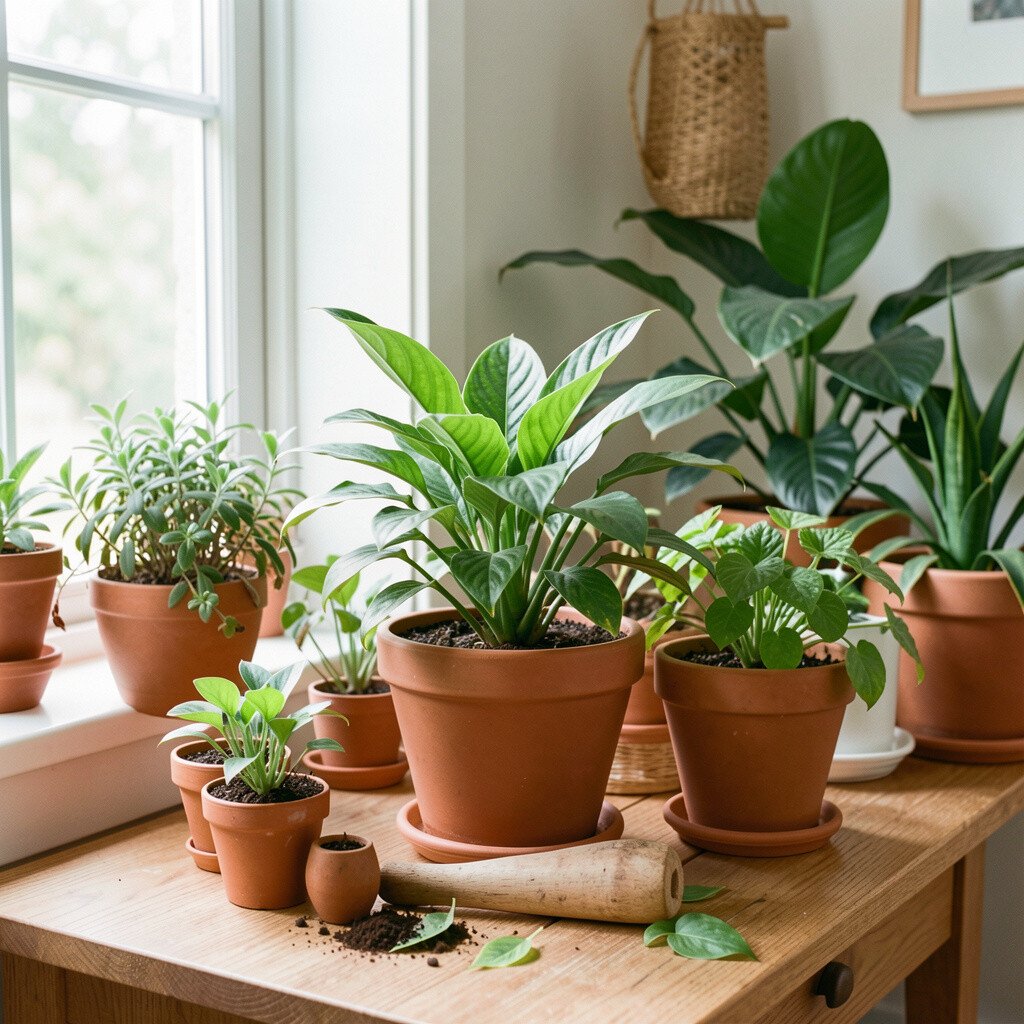
Water a plant slowly and pay attention to the sound of droplets and the soil’s feel. Notice how the leaves look when they stand upright, and how the room changes when the plant is healthy.
Plant care offers steady, gentle responsibility, which can ease the pressure you feel inside. Even a small plant in a mug can make a difference in how your home feels.
Personalize your plant choices by matching them to your light, like a low-light pothos or a sun-loving herb. Many modern homes use houseplants as part of decor, so it fits current style without needing big purchases.
Keep costs in mind by propagating cuttings from a friend or reusing pots you already own. The best part is that growth over time makes the space feel alive and calm.
9. A Bedside Setup That Says “Rest Is Here”
A Bedside Setup That Says “Rest Is Here”
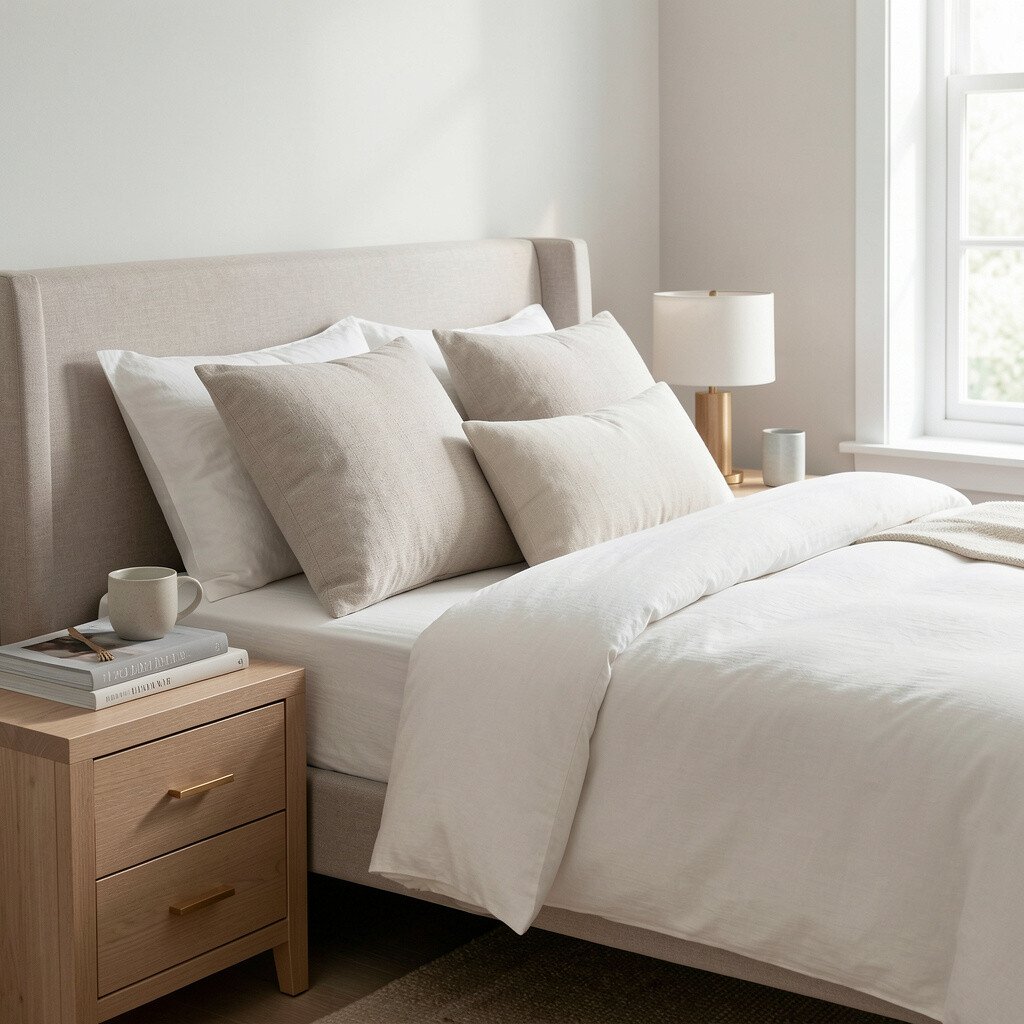
Make your bedside feel ready for sleep before you lie down. Put a glass of water, a book, and one soft light within easy reach.
When you do not have to search for things, your mind stays calmer and your body relaxes faster. Choose a warm lamp or a dimmer bulb so the light feels gentle rather than harsh.
Personalize with an object that comforts you, like a small photograph or a smooth worry stone. You can keep it budget-friendly by using items you already own and skipping expensive upgrades.
Today’s trend is turning bedrooms into restful sanctuaries with fewer distractions. Even small changes, like storing your phone out of sight, support that calm rhythm.
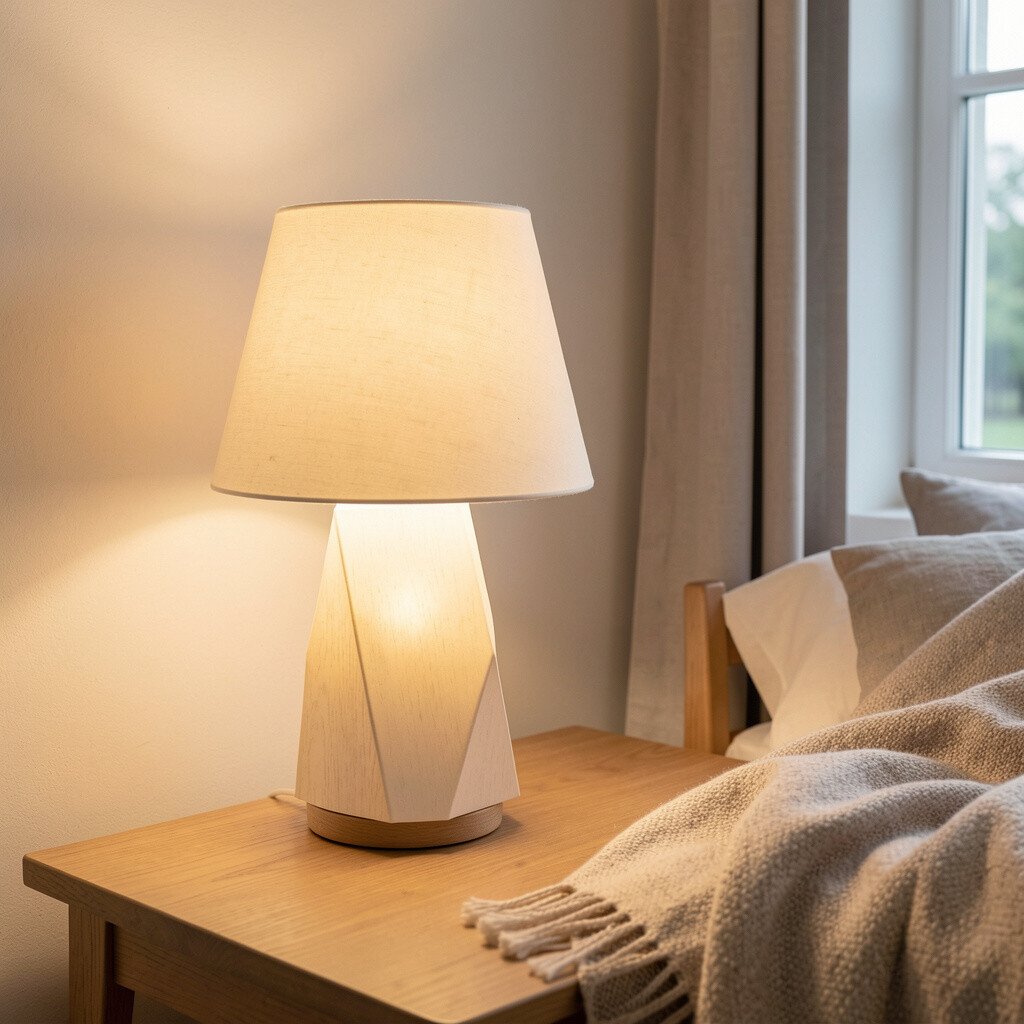
10. Folded Light: The Glow From a Table Lamp
Folded Light: The Glow From a Table Lamp
Swap harsh overhead light for a table lamp with a warm shade. Place it so the light falls softly on walls and surfaces, not straight into your eyes.
Warm lighting can make spaces feel safer and slower, which helps your mind feel less “on.” If you notice headaches or restlessness with bright lights, this can feel like an instant relief.
Personalize by choosing a shade color you love, like cream, sand, or soft green. Costs vary, but you can often find a good lamp secondhand or use a bulb upgrade instead.
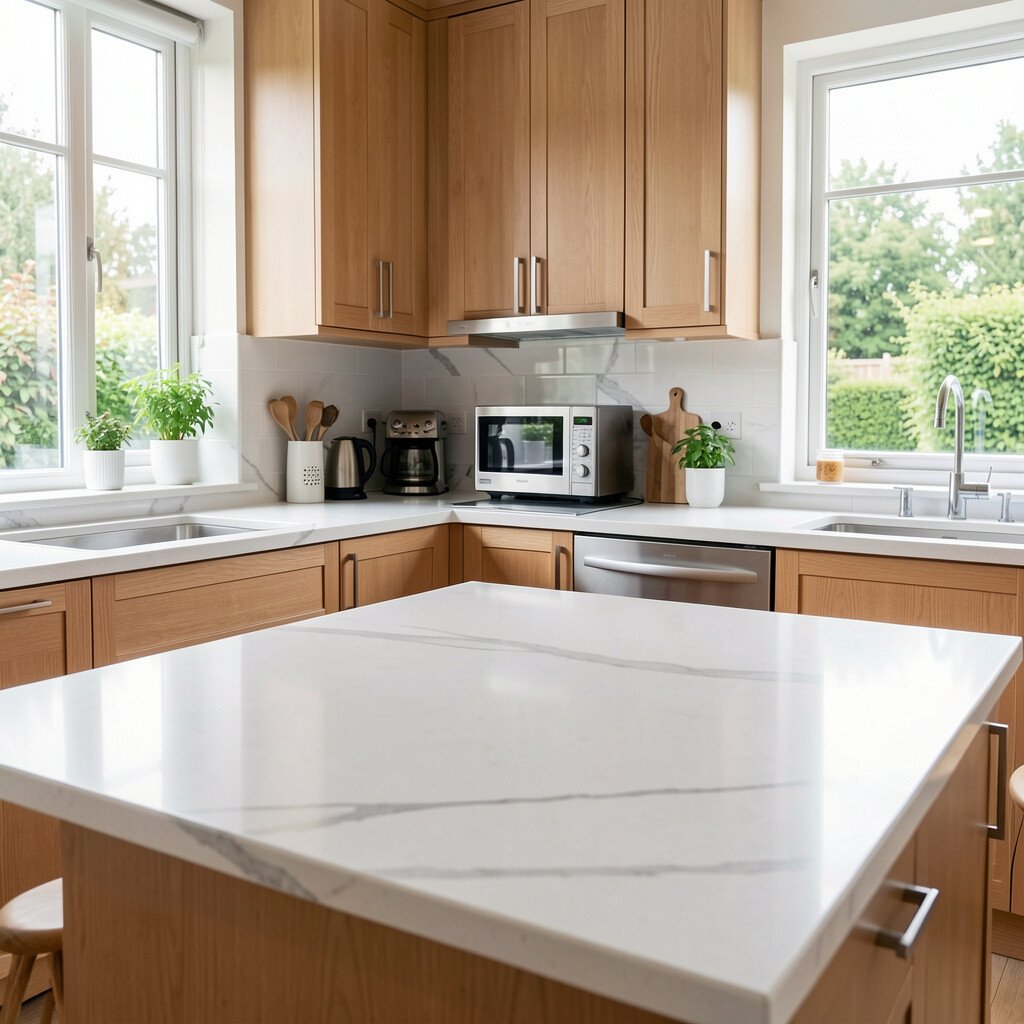
11. Kitchen Reset With One Clear Surface
Kitchen Reset With One Clear Surface
Before you cook, clear one surface in your kitchen and keep it empty. A clean counter gives your brain a visual signal that you are in control.
As you chop and stir, keep your “calm zone” free so you have a place to put things down gently. This reduces the frantic feeling that can sneak in during meal prep.
Make it unique by choosing a tray or small mat for your prep items, so everything feels intentional. If you want to follow home trends, lean into neat, minimal organization with natural materials like wood or linen.
Cost considerations are easy because you may only need a tray and a cloth. You can also repurpose a cutting board as a dedicated prep area to keep spending low.
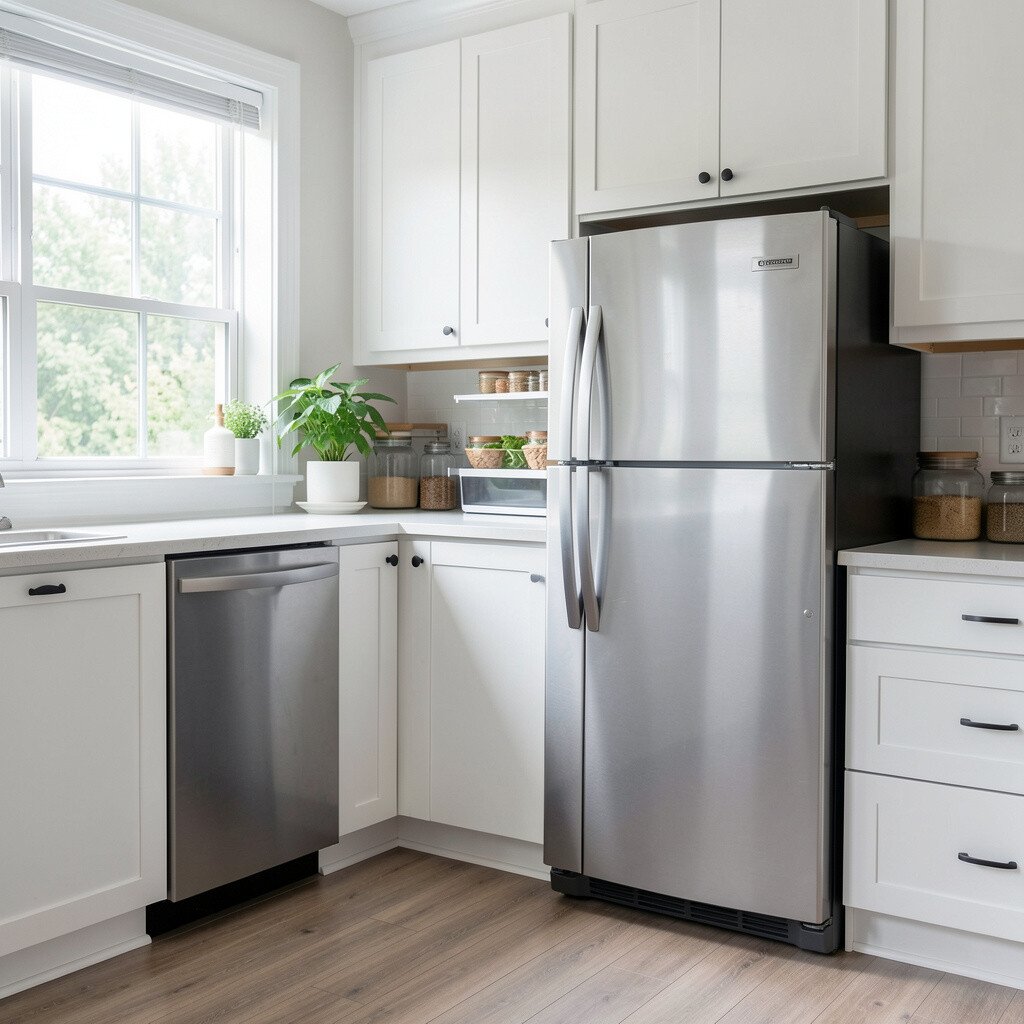
12. A Fridge Photo That Brings You Back
A Fridge Photo That Brings You Back
Pick one photo that makes you feel steady and place it somewhere you see often. It could be a picture of a place you loved, a pet, or a simple scene from your own memory.
Every time you reach for food, your eyes catch that image and your breath may slow. This small cue helps your mind come back to the present, even in busy moments.
Personalize it by printing in colors that feel calming, like soft blues or warm neutrals. It can be very low cost, especially if you print at a local shop or use an existing print you already have.
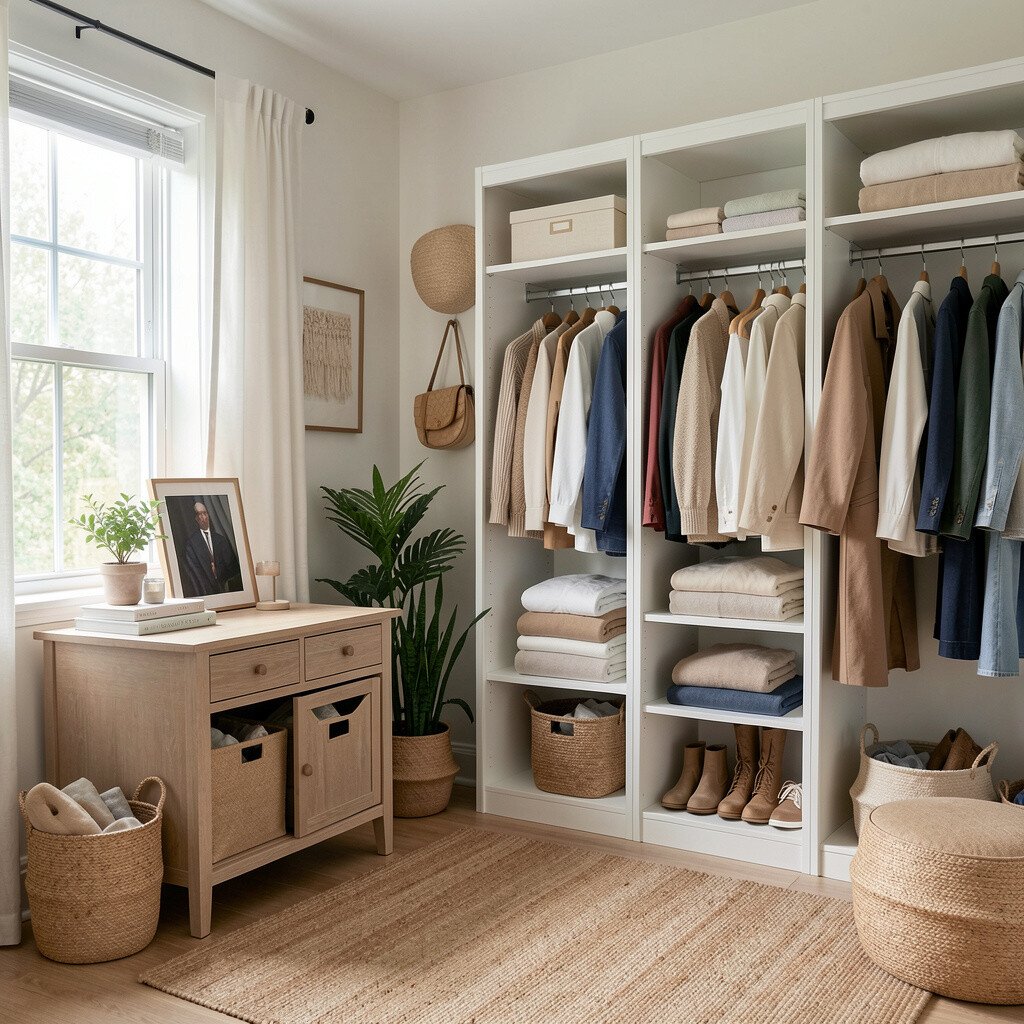
13. The “One In, One Out” Calm Closet Rule
The “One In, One Out” Calm Closet Rule
Pick one closet or drawer and commit to removing one item whenever you add one. This turns tidying into a gentle rhythm instead of a stressful project.
When the space stays manageable, you feel less overwhelmed when you get dressed or prepare for the day. A clear closet also makes it easier to choose what feels good in the moment.
Make it unique by donating things that hold memories, but keep only what truly fits your current life. Costs can even feel like a benefit, because you may spend less over time on unnecessary replacements.
Current home trends value mindful minimalism, and this rule supports that without extreme changes. It is practical for apartments, shared spaces, and busy schedules.
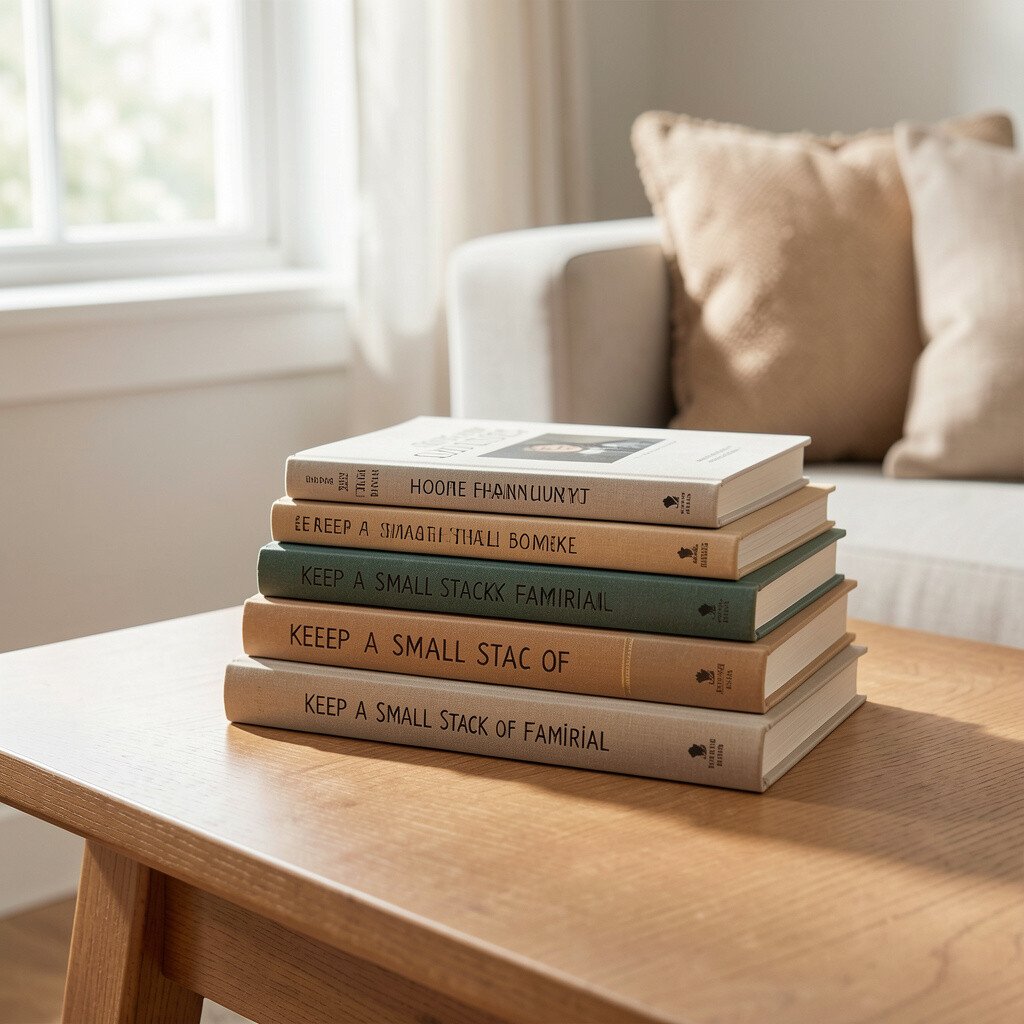
14. Keep a Small Stack of Familiar Books
Keep a Small Stack of Familiar Books
Place a few books where you can grab them without searching. Choose titles that feel familiar or comforting, so reading becomes a reliable calm habit.
When you have options ready, you are more likely to choose a gentle activity when stress rises. Even ten minutes of reading can help your mind soften.
Personalize by mixing genres, like a comfort novel and a simple journaling guide you enjoy. It can fit different budgets because used books often cost far less than new ones.
If you like modern trends, consider a clean book display or a simple basket that looks tidy. The point is not decoration, but a clear path from anxious to calm.
15. Journal Prompts Written in Your Own Voice
Journal Prompts Written in Your Own Voice
Keep a small notebook and write a few sentences that match how you really speak. Start with what you notice, such as how the room feels or what your body is doing.
Journaling helps you move thoughts from your head into a calmer space. When you write in your own voice, the process feels kinder and more natural.
Personalize by adding a simple rating like “easy” or “heavy” to track how your mood changes. Costs are low because a basic notebook works, and you can use scrap paper if needed.
A current trend is expressive journaling that focuses on feelings, not perfection. You can keep it simple and repeat the same kind of prompt each day.
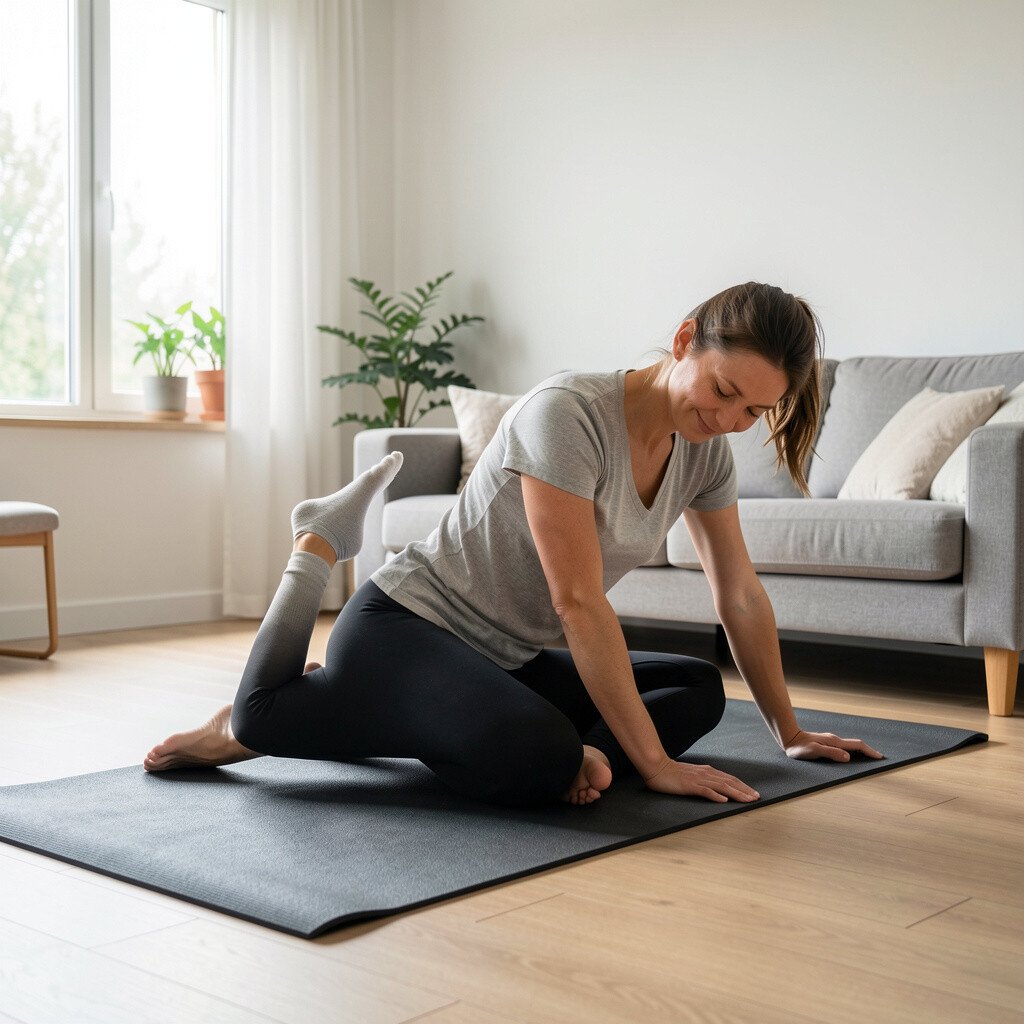
16. Morning Stretch on a Mat With One Focus
Morning Stretch on a Mat With One Focus
Lay a yoga mat or a soft rug and do a short stretch routine you enjoy. Pick one focus, like reaching your arms wide or lengthening your spine.
Stretching signals to your body that it is safe to loosen up. When you pay attention to the stretch sensations, your mind often follows and quiets.
Make it unique by choosing a style that fits you, such as gentle movement, chair stretches, or slow breathing with light motion. If you want to keep costs down, use an existing towel or rug and skip extra gear.
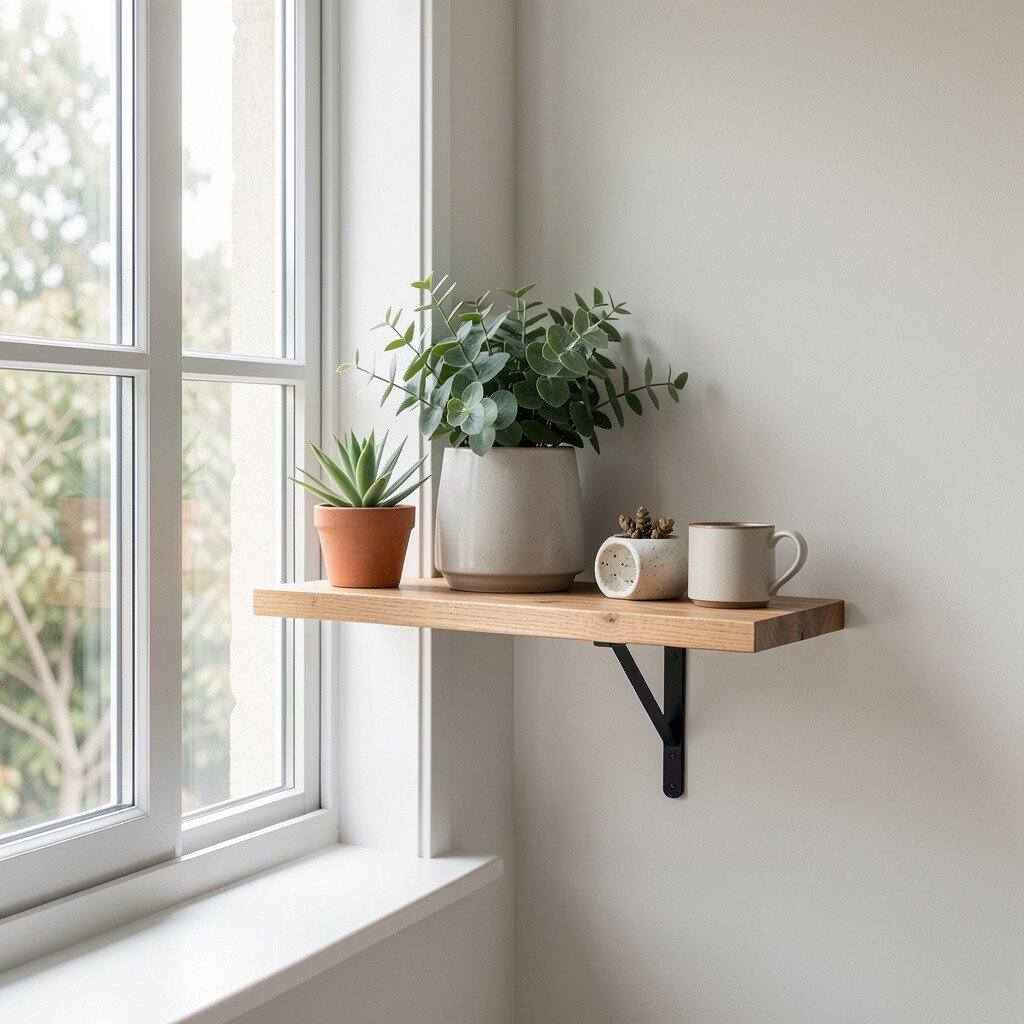
17. A Window Shelf That Looks Like a Pause
A Window Shelf That Looks Like a Pause
Arrange a small shelf or ledge with items that feel calm when viewed at a glance. A single vase, a plant, and one simple piece of art can be enough.
When your eyes meet a curated scene, it can pull you out of rumination and into the present. This kind of visual calm is especially helpful during morning or evening routines.
Personalize the shelf using colors you love, like creamy whites, muted greens, or earthy browns. Cost considerations are simple because you can reuse glass jars, thrift frames, and existing decor.
Current home trends favor “intentional vignettes,” meaning small arranged moments that feel effortless. A shelf that looks like a pause can become your daily mental breath.
18. Floor Focus: A Routine for Shoes Off and Breath On
Floor Focus: A Routine for Shoes Off and Breath On
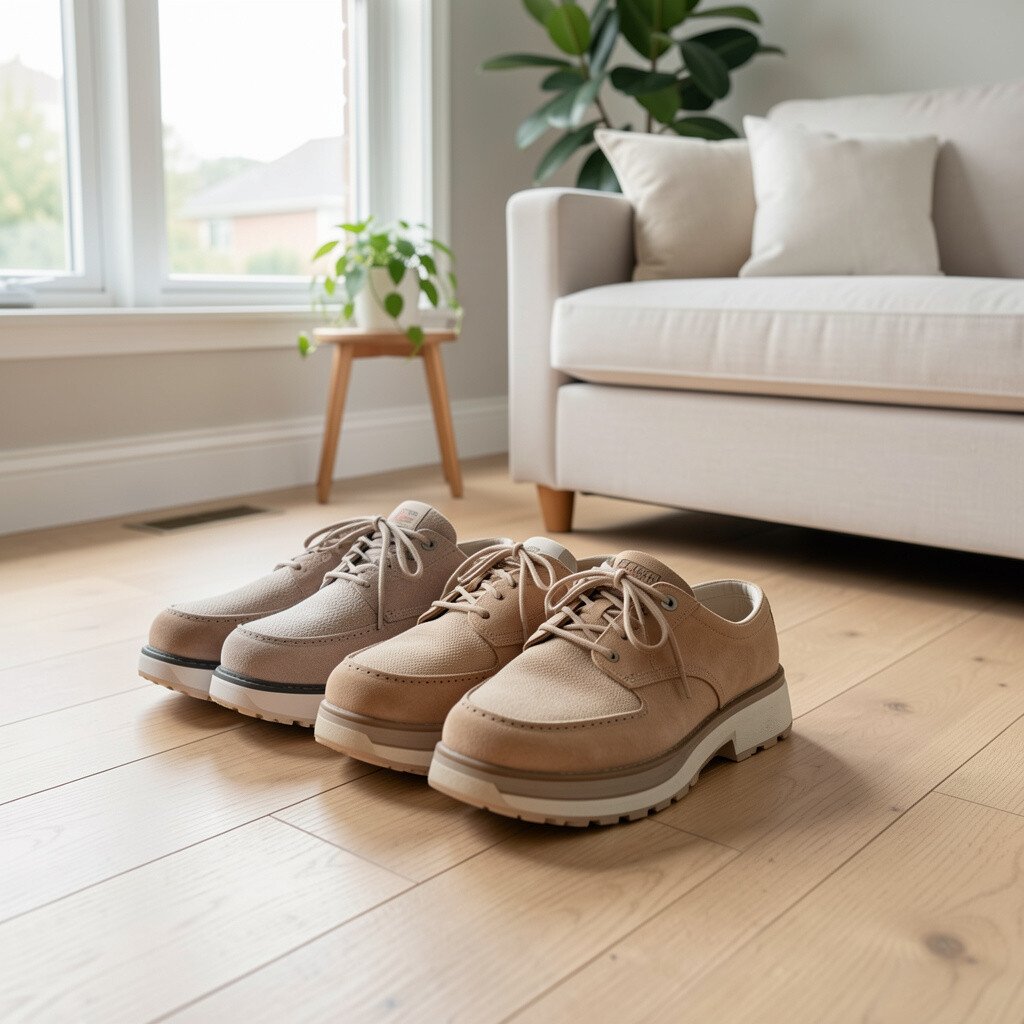
Create a clear moment at the door when you arrive home. Take off your shoes, breathe once, and notice the feeling of your feet on the floor.
This routine can shift your nervous system from outside-world mode to home mode. Small actions like this often bring calm because they give your body a predictable signal.
Make it unique by adding a small tray for keys and a hook for a favorite cardigan or scarf. You can keep it affordable with simple hooks, a used tray, and a mat you already own.
If you enjoy current trends, think about “home reset rituals” that reduce sensory overload. A tidy entry area supports calm before you even step deeper into your rooms.
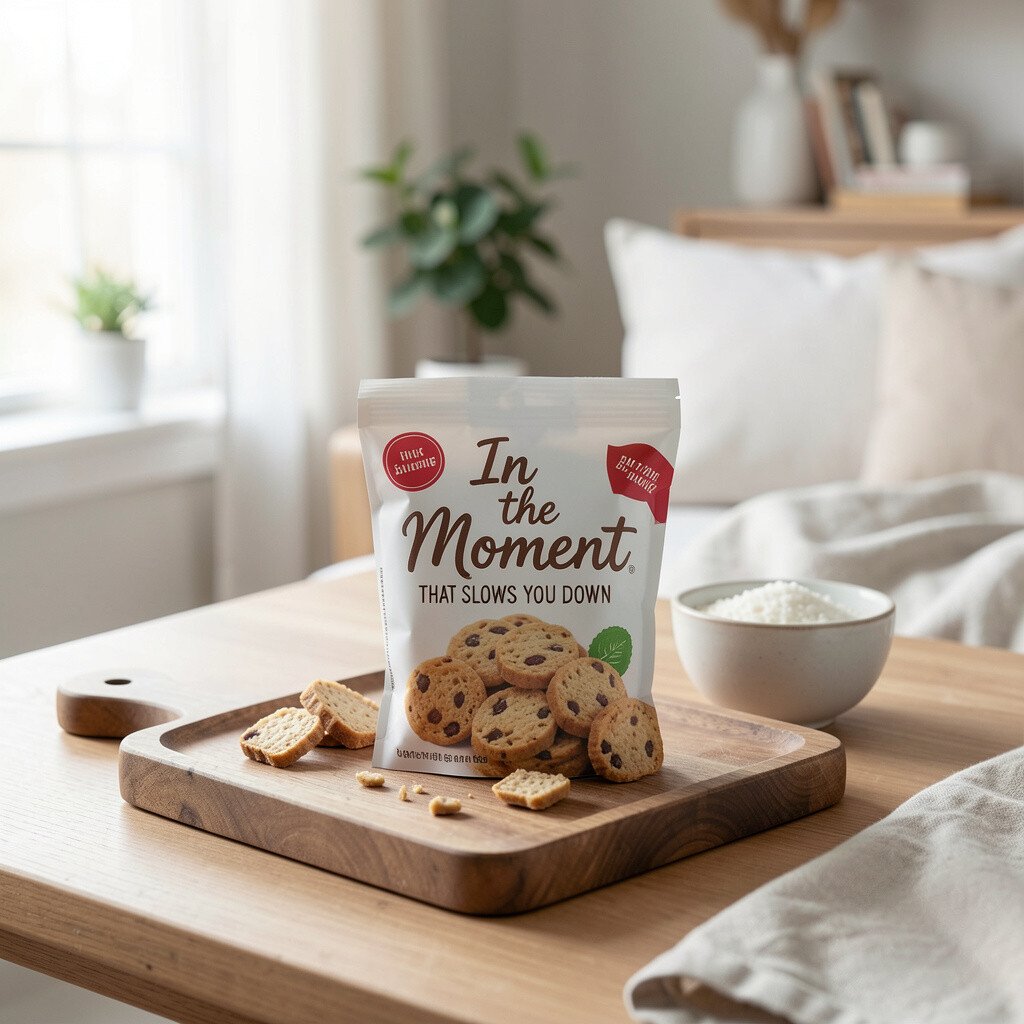
19. The “In the Moment” Snack That Slows You Down
The “In the Moment” Snack That Slows You Down
Choose one calming snack you can eat slowly, like fruit, yogurt, or a small handful of nuts. Sit down, take one bite, and notice the flavor changing as you chew.
Eating with attention helps your body feel satisfied without rushing. When you practice this, you often break the habit of eating while distracted, which can lead to more peace.
Personalize by choosing flavors that soothe you, such as cinnamon, berries, or warm tea alongside the snack. Cost considerations are friendly because you can use what is already in your kitchen and plan simple options.
Current trends in mindful living highlight small daily pauses, and this one fits right into normal life. You get comfort, calm, and a tiny moment of quiet control.